Last reviewed 24 October 2026
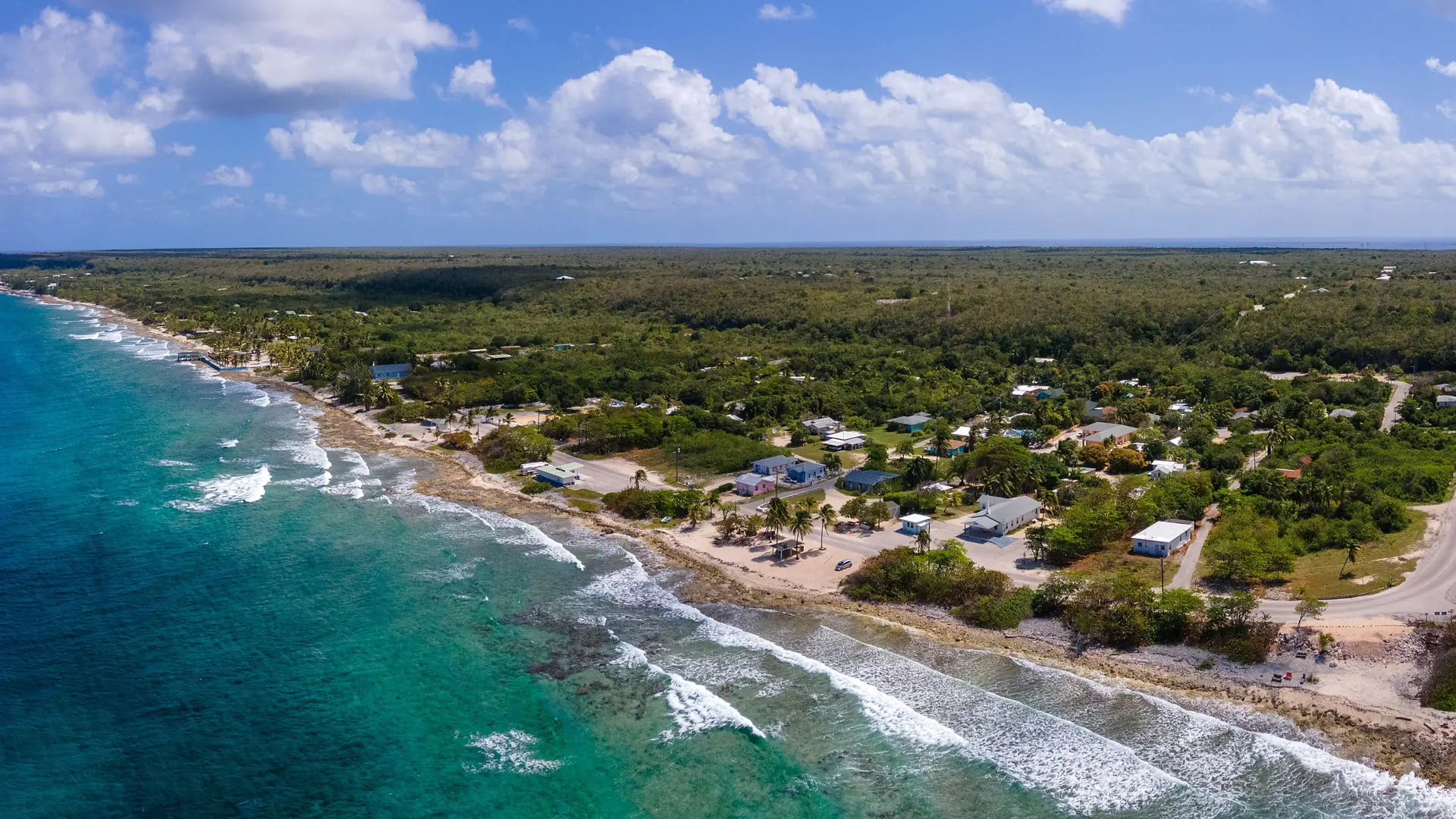
The Cayman Islands’ history is closely tied to the sea, but it deserves more than a pirate anecdote. Caymanian livelihoods included turtle fishing, boatbuilding and merchant seafaring; at home, women maintained households, farming and the making of silver thatch rope. These connections help explain why a boat, a coastal settlement or a traditional garden can tell as much about the islands as a grand historic building.
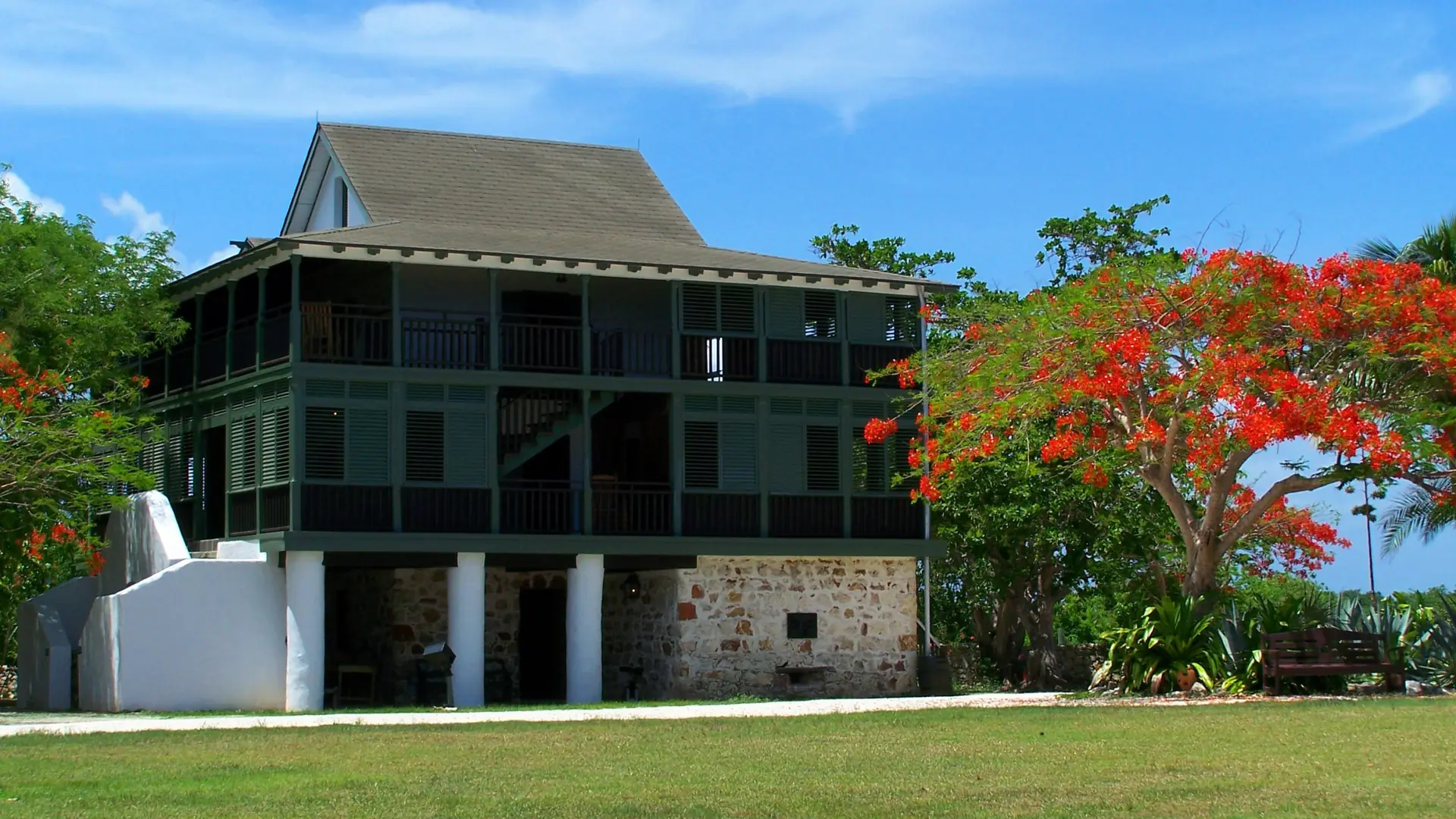
Colonial settlement also involved enslavement. The government’s history records that enslaved people made up more than half of Grand Cayman’s population in the 1802 census. In 1831, a meeting at Pedro Castle led to the decision to establish an elected legislature, while the declaration of emancipation in Cayman followed in 1835. Reading those histories together gives the island’s heritage a fuller meaning than a simple story of early settlers and democratic progress.
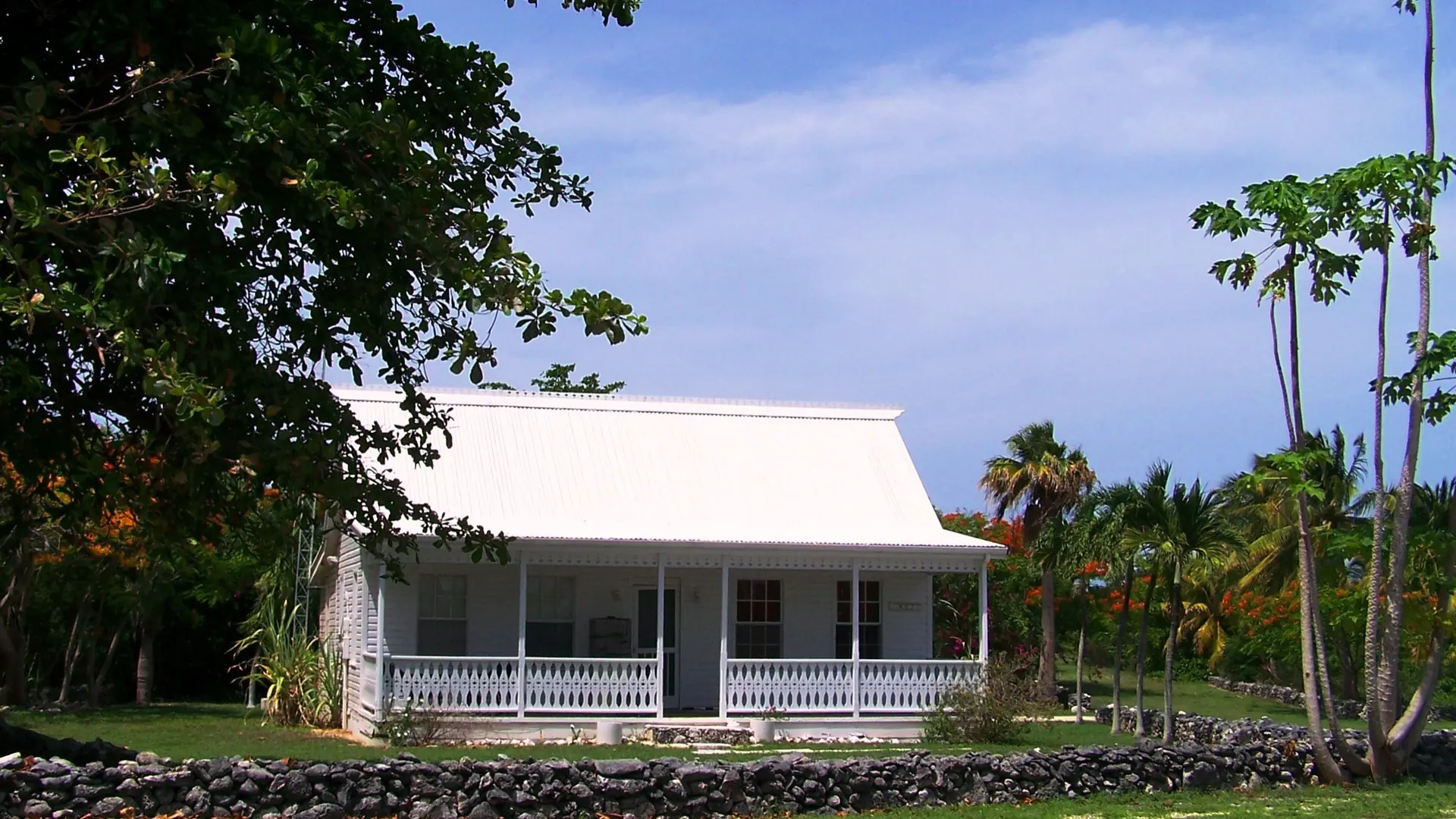
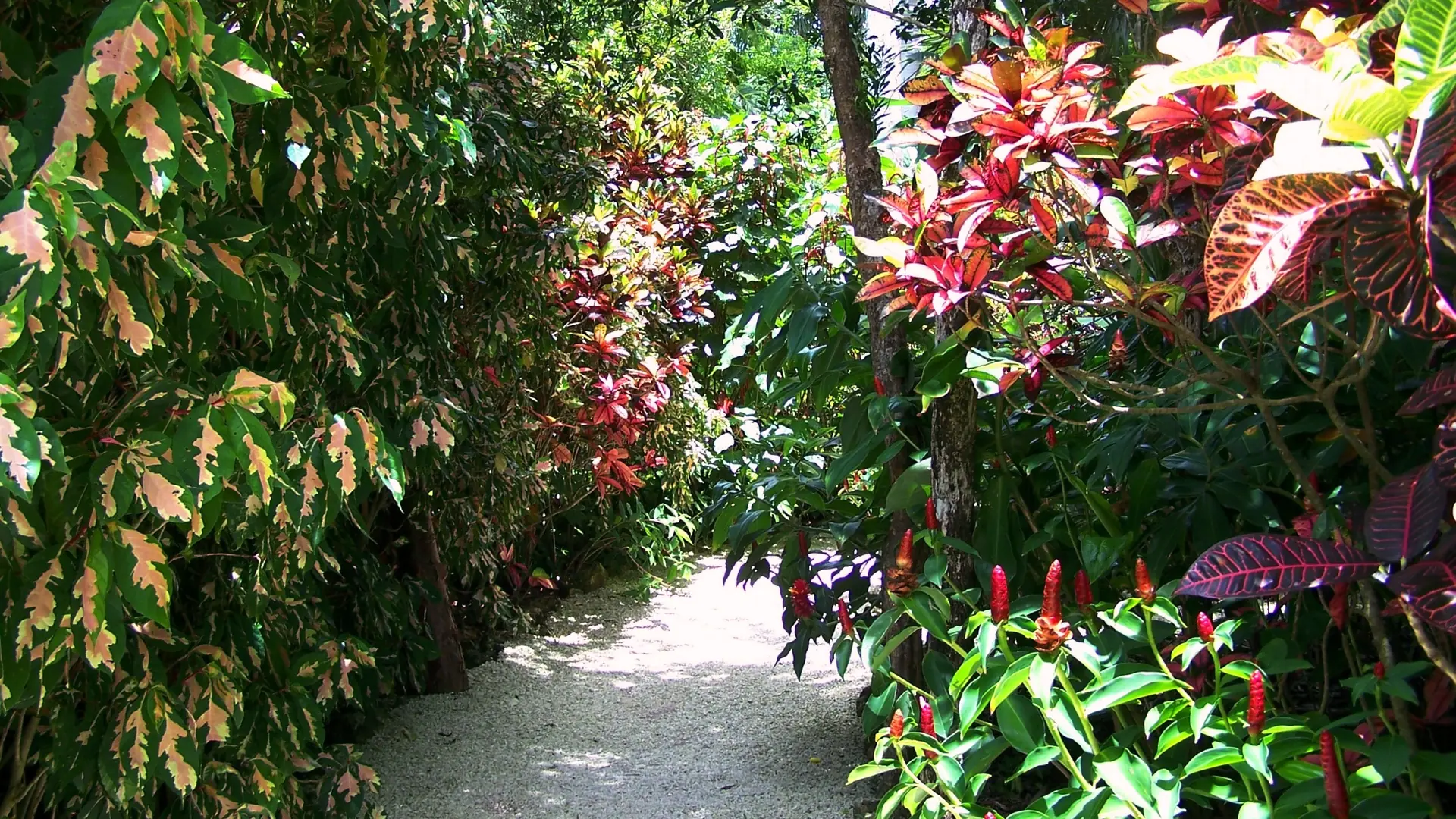
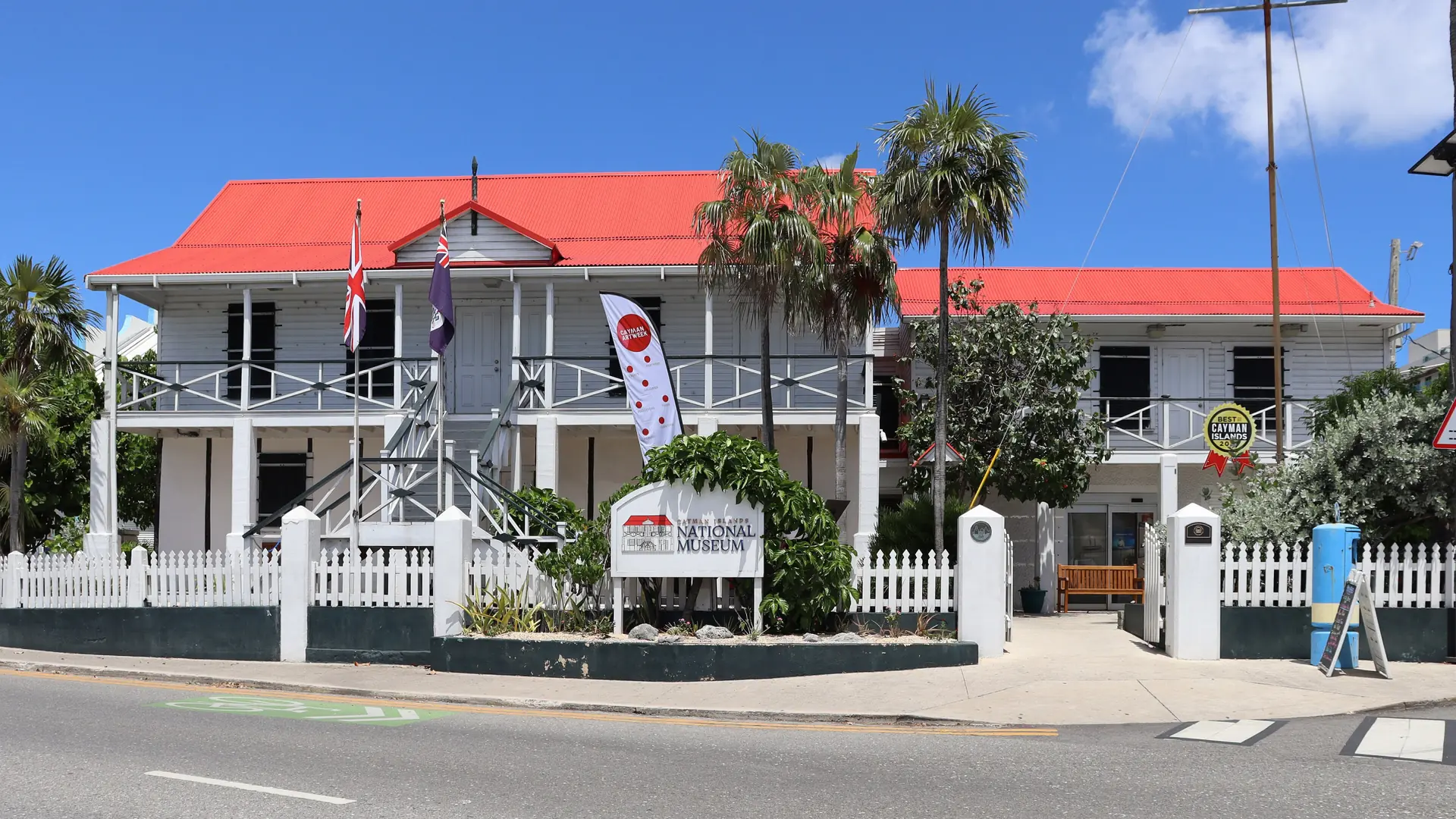
Grand Cayman makes this history accessible through places as well as dates. The capital’s National Museum is one introduction; the Heritage Garden at Queen Elizabeth II Botanic Park offers another. There, a restored Caymanian house from East End and a traditional sand yard connect plants with domestic life. The silver thatch palm belongs in that story as a useful material, not simply a picturesque tree. Pair a heritage visit with time to look closely at the landscape around it.
For a Caymanian meal, look for fish prepared with local seasoning, conch in different forms and the coconut-rich stew often called rundown or fish dinner. Breadfruit, cassava or yam can give that stew its substance, alongside fish and dumplings. Conch fritters and marinated conch provide a different introduction to the same ingredient. Try separate dishes over several meals rather than looking for one plate that is meant to represent every island.
Cassava heavy cake makes a particularly distinctive finish. Dense and sweet, it connects grated cassava with coconut milk and spices, rather than the light texture the word cake might suggest. The National Trust’s Heritage Bakehouse programme at Mission House in Bodden Town brings that tradition into a hands-on cultural visit. Its classes and heritage tour are an organised experience, so use the programme’s current arrangements when adding it to a trip; an ordinary restaurant dessert and a baking class serve different purposes.
Nature gives the three islands different identities too. On Grand Cayman, the Mastic Trail passes through old-growth dry forest, palms and wetland habitats. The Botanic Park introduces cultivated landscapes and blue iguana conservation. Cayman Brac’s reserve belongs to the Bluff’s forest, while Little Cayman’s Booby Pond protects wetland birds. Choosing a walk, garden or birdwatching visit alongside the beach lets the island’s ecology become part of the holiday rather than a backdrop.

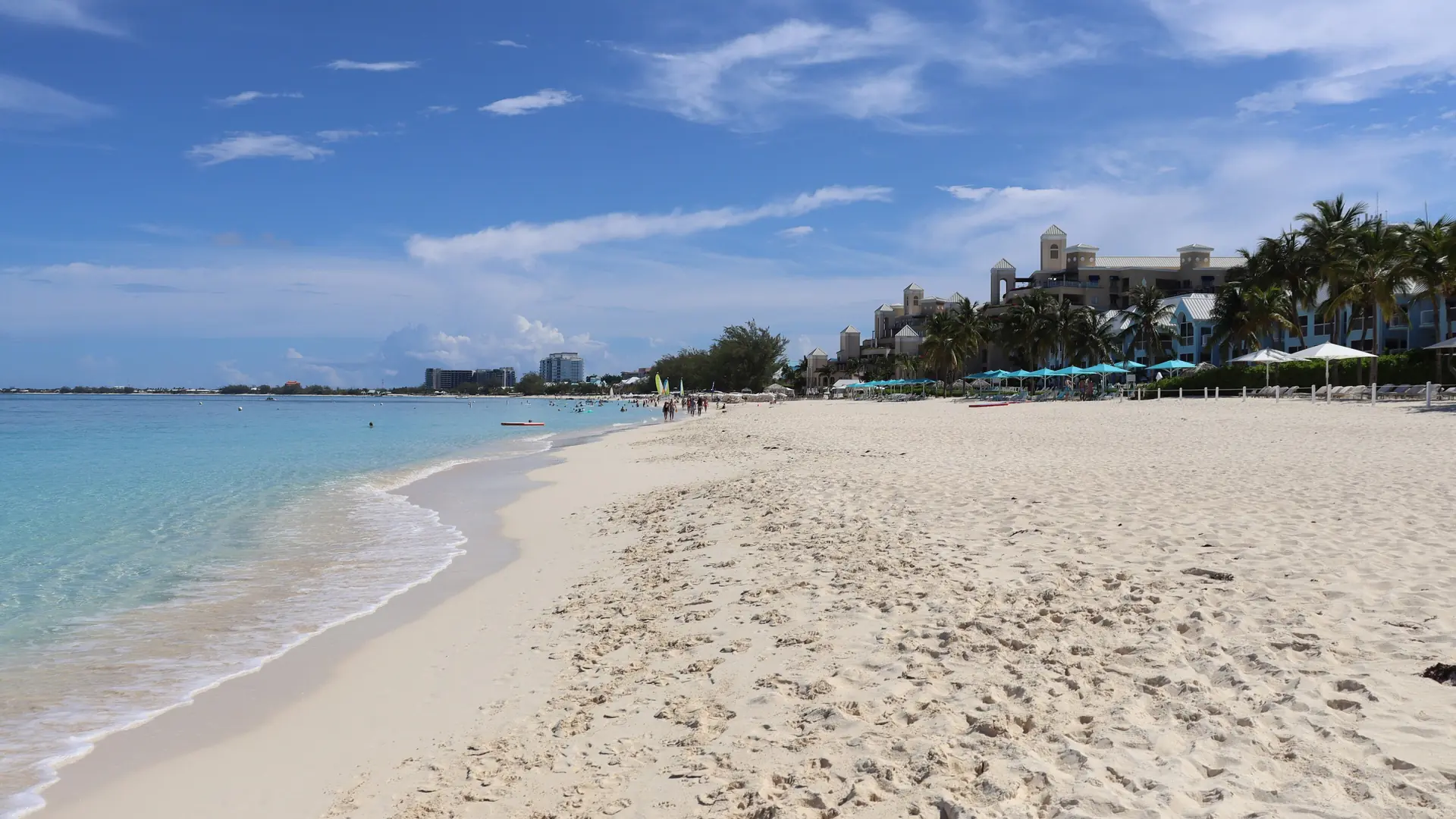
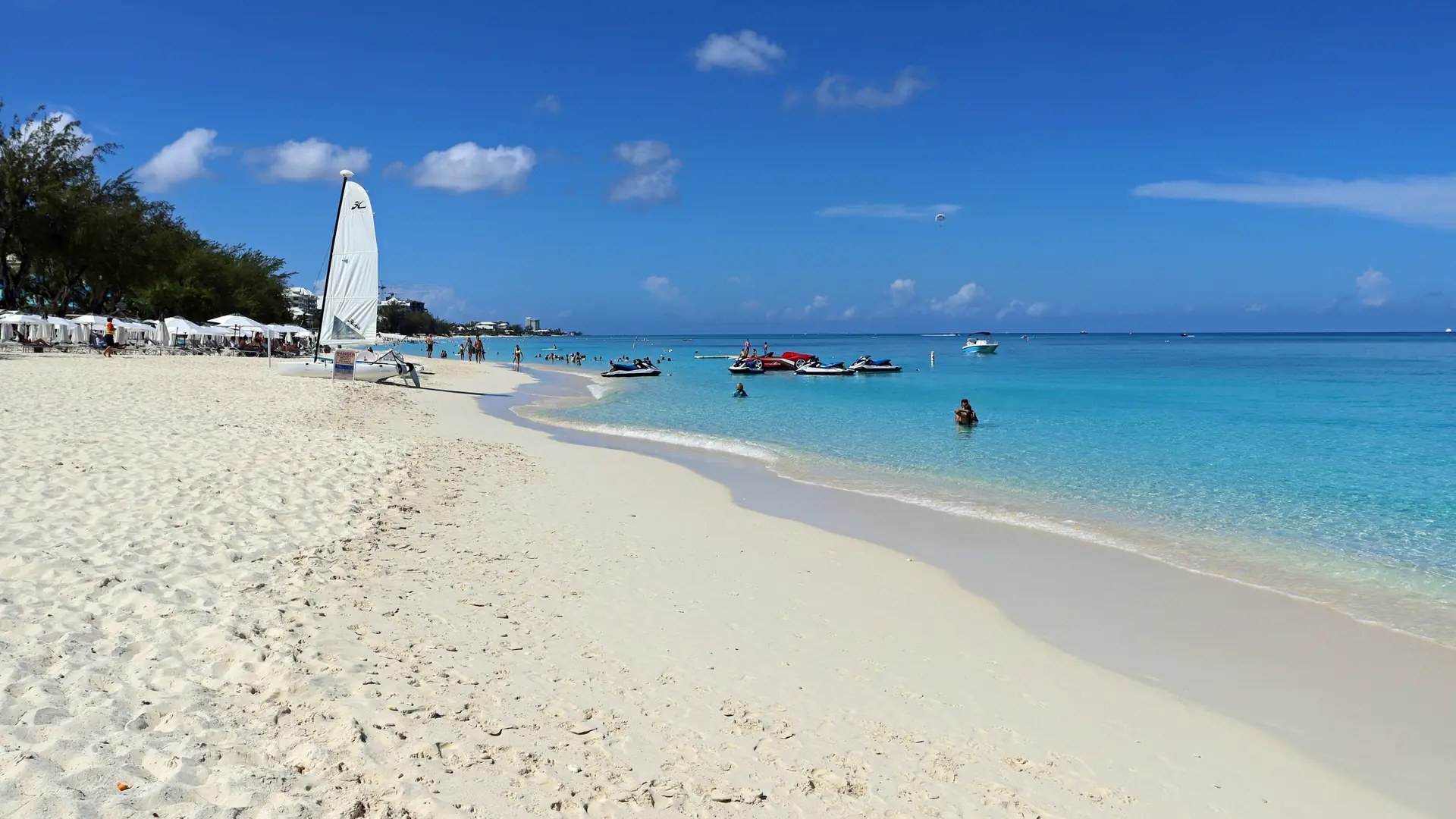
 Grand Cayman and Seven Mile Beach