Last reviewed 23 October 2026
The Blue and John Crow Mountains preserve tropical mountain forest and places associated with Maroon resistance to enslavement. Maroons developed settlements and routes in this difficult terrain, and their cultural relationship with the mountains survives today. That history gives the hills a significance beyond a scenic backdrop. UNESCO recognises the area for both its natural importance and the cultural heritage of communities who made the forest a place of refuge and freedom.
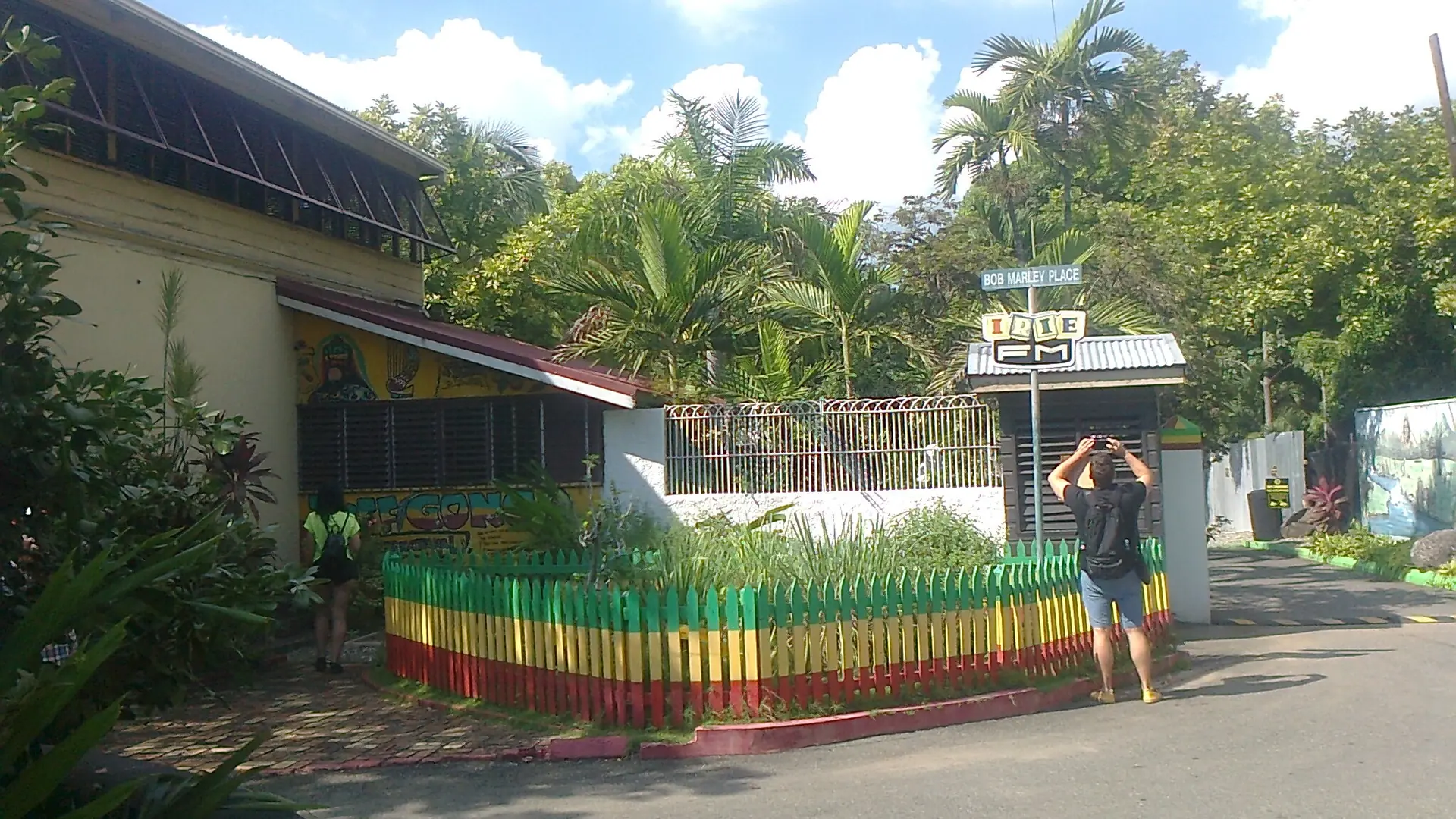
At the Bob Marley Museum, a former home becomes a way into Jamaican music history. The displays include Marley’s recording studio, bedroom, clothing and international gold and platinum records, alongside the costumes of his backing singers, the I-Threes. A guided visit moves through the house and exhibition spaces. Seeing personal surroundings and the material record of a career gives Kingston a cultural experience that a beach performance alone cannot provide.
Jamaican history also explains what you see in the coastal towns. Spanish colonisation was followed by British conquest, an economy based on plantations and the enslavement of Africans, and long struggles for freedom. Full emancipation came in 1838; independence followed in 1962. These are useful threads when you visit a historic district or great house. Look beyond architectural beauty to the labour, commerce and resistance that shaped the place.
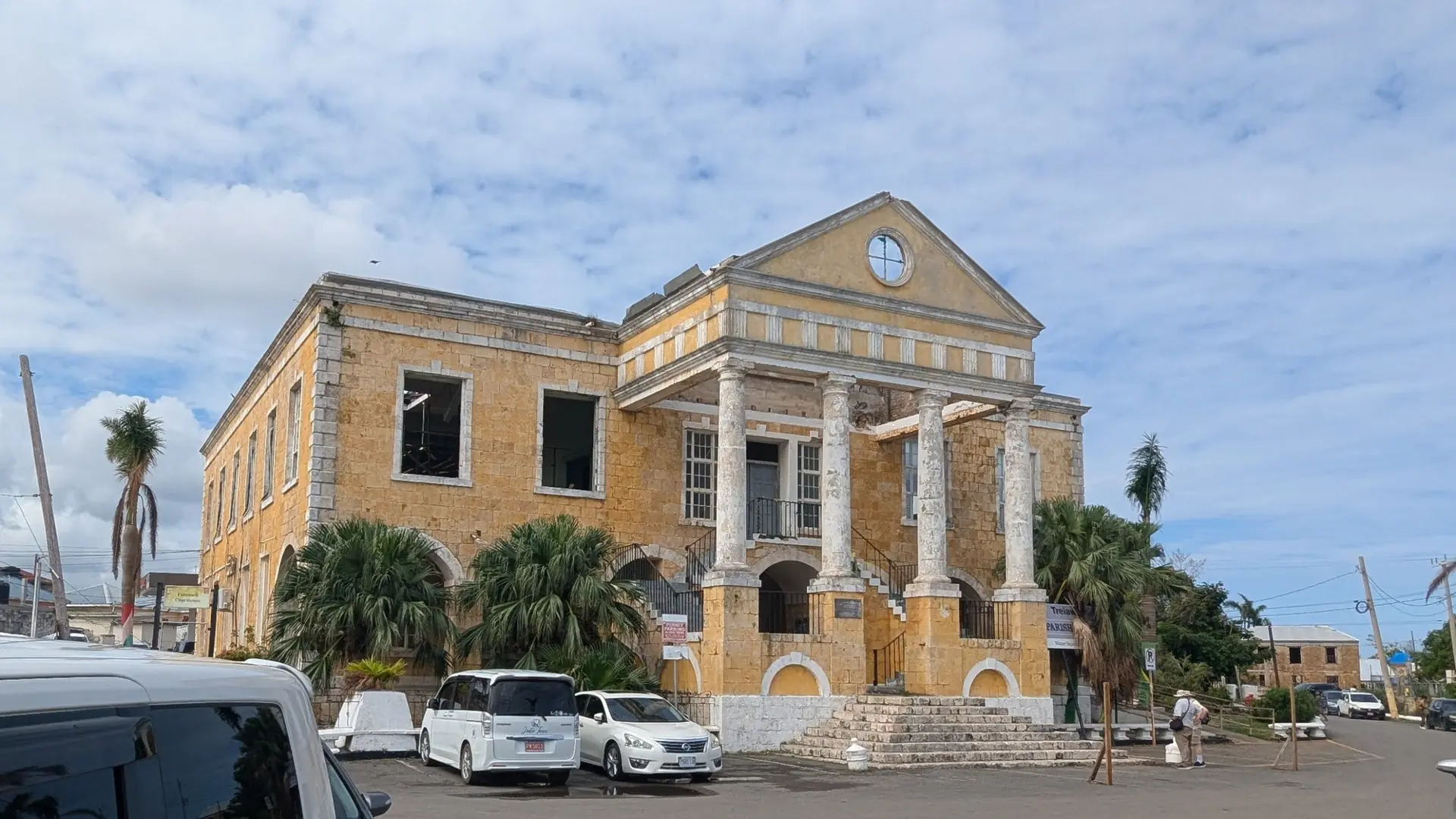
Falmouth is particularly rewarding for reading history in the streets. Its planned blocks and surviving Georgian buildings reflect the prosperity of a sugar-exporting port. Verandas, overhanging eaves and louvres adapted imported forms to heat and ventilation. The courthouse and Water Square provide useful reference points for an introductory walk with a local guide. The historic district became a protected national monument in 1996, preserving a group of streets and buildings rather than a single grand house.
Jerk brings together a spice mixture and the heat of Scotch bonnet peppers; chicken and pork are familiar starting points. Ackee and saltfish combines the ackee fruit with salted cod, vegetables and seasoning, usually as a substantial breakfast. Look for both on Jamaican restaurant and hotel breakfast menus to experience different parts of the island’s cooking. Breakfast gives the fruit a savoury role, while a jerk meal introduces a very different preparation of meat.
A patty makes a handy lighter lunch, especially when you want to leave time for the beach. For a different evening meal, look for escovitch fish, served with a vinegar-based preparation of pickled vegetables. Rice and peas brings together rice, red kidney beans, coconut milk and seasonings. These dishes offer distinct tastes and textures; trying more than one style gives a clearer picture of Jamaican cooking than ordering jerk chicken throughout the trip.

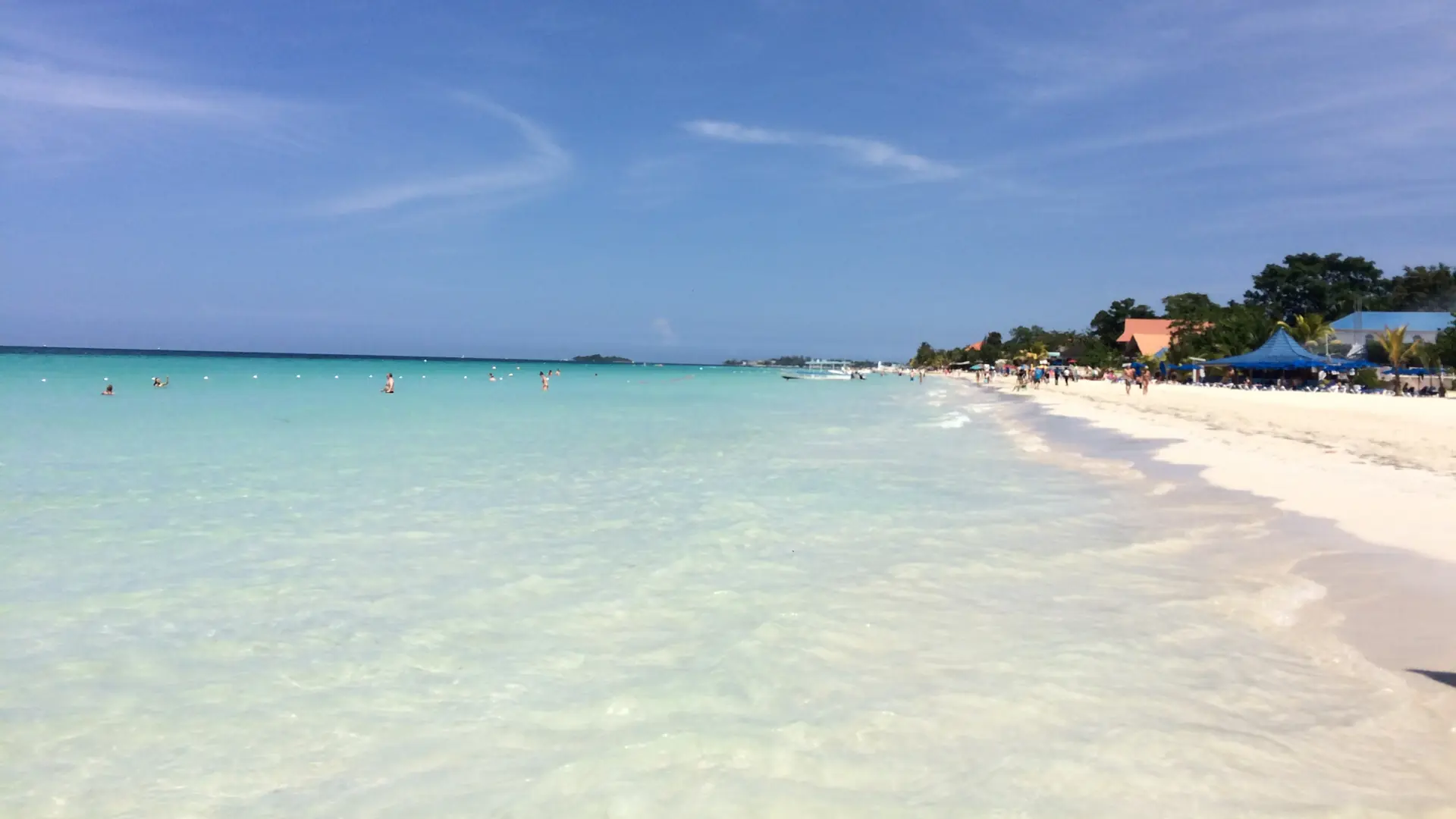
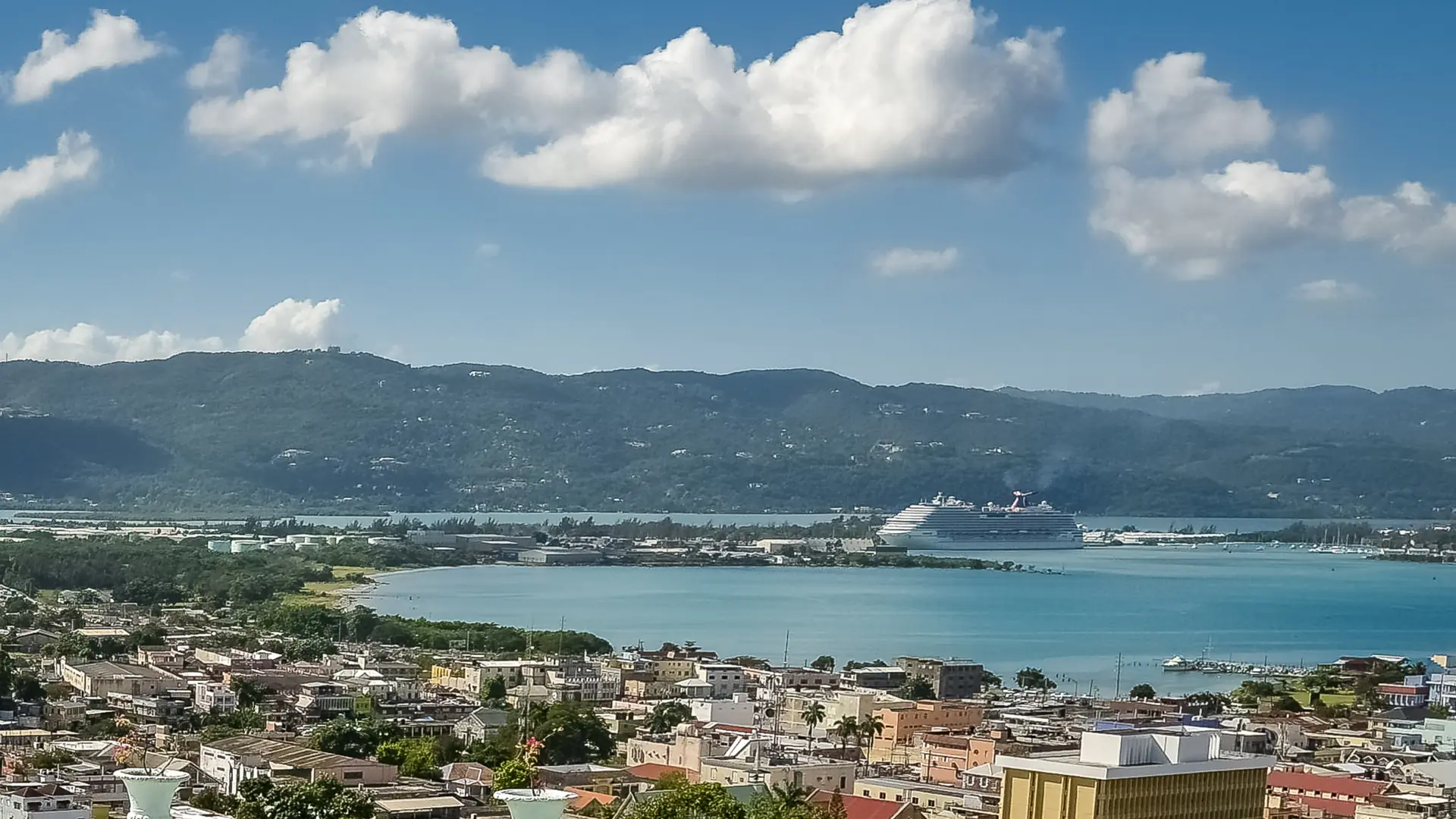
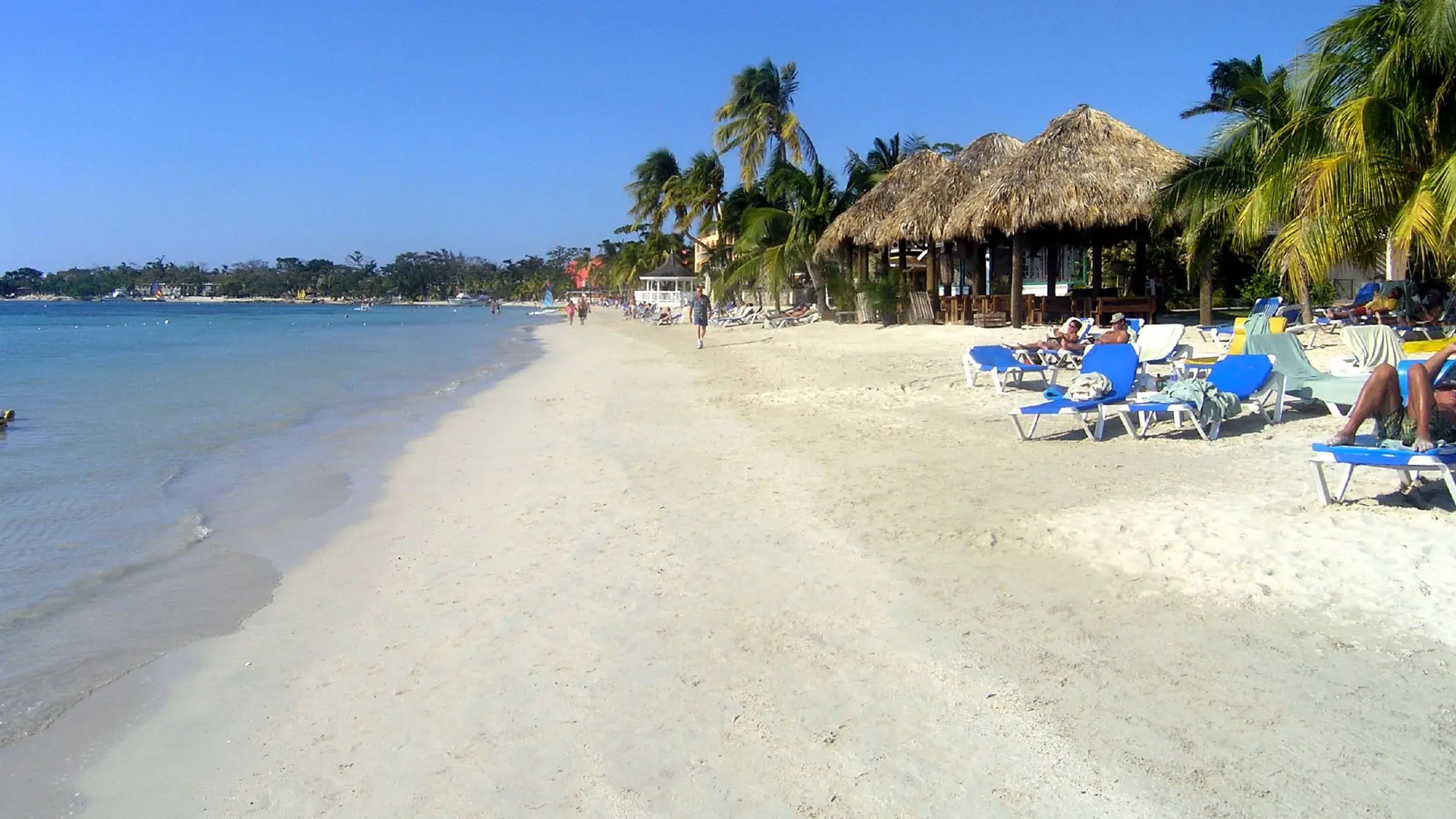
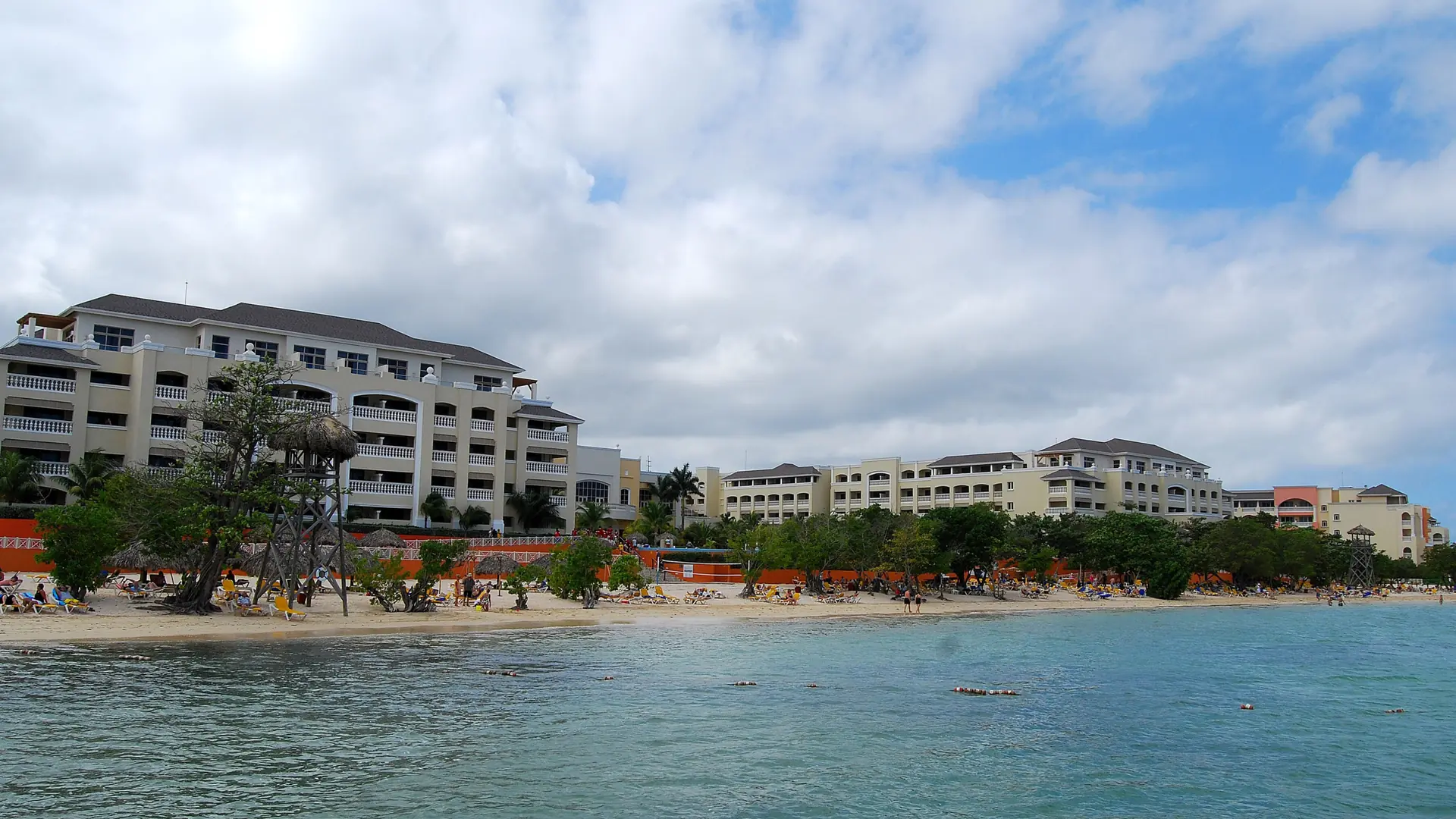 Montego Bay