Last reviewed 24 October 2026
The Bahamas has a history that reaches far beyond its modern resorts. Lucayan communities lived here before European colonisation; the islands’ official history places Columbus’s 1492 landfall at San Salvador. Later migration helped shape the towns visitors see today. Loyalists arriving after the American Revolution brought enslaved people with them, linking settlement, farming and maritime trades to the wider Atlantic history of enslavement. The Bahamas became independent on 10 July 1973.
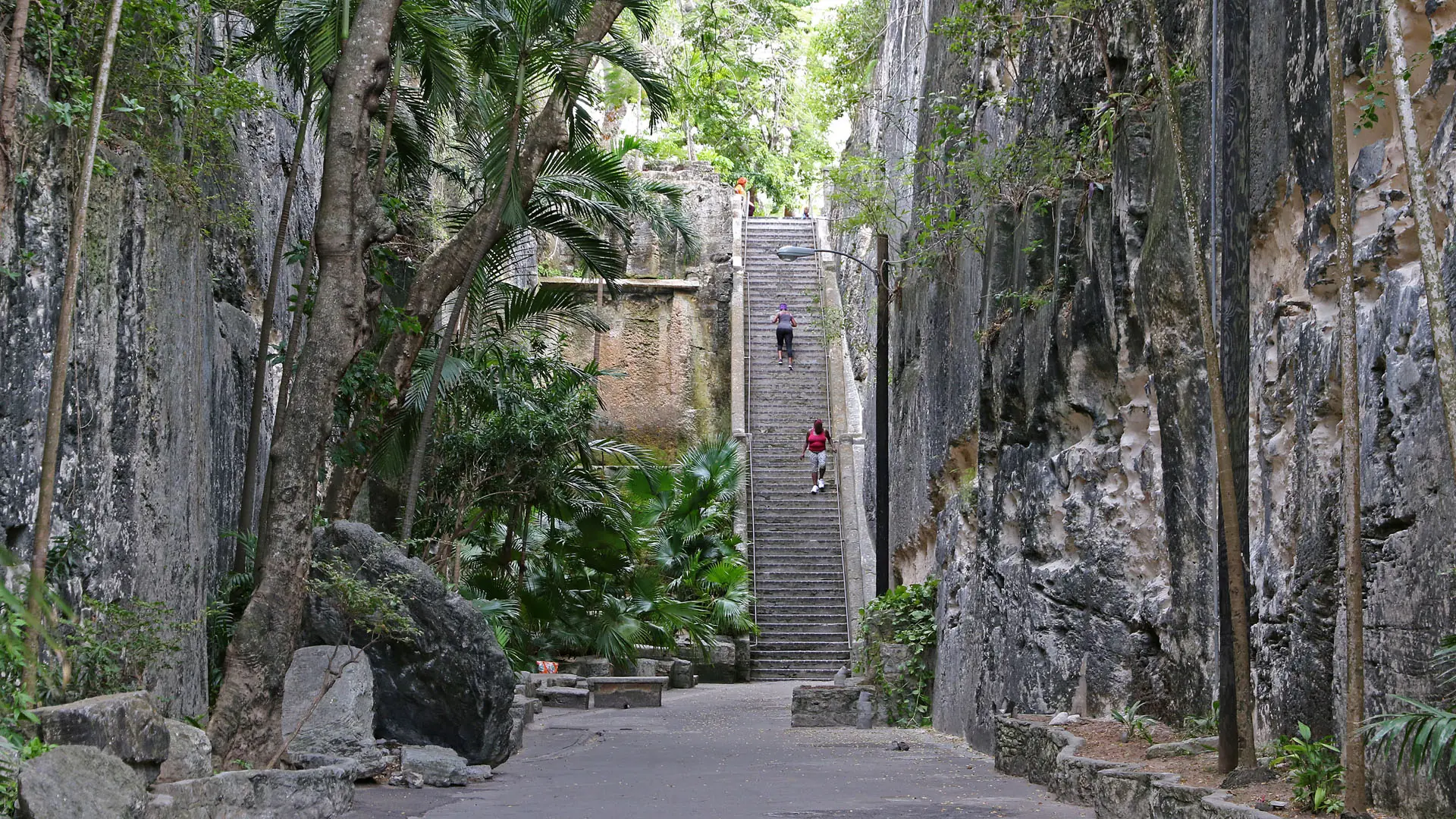
Nassau offers an accessible introduction to parts of that story. The Pompey Museum occupies the former Vendue House and presents the African experience in the Bahamas. The Queen’s Staircase, carved through limestone in 1794, connects the town with the Fort Fincastle area. Give a museum and a walk around the historic streets their own morning; the capital becomes much more interesting when buildings are read as places of work, power and daily life.
Junkanoo is a living community tradition, with months of work behind the costumes seen in a parade. Groups prepare in their shacks, making elaborate pieces before the rushing, dancing and competition bring them into the streets. Cowbells, goatskin drums and brass instruments create its distinctive sound. Learning about that preparation gives the celebration a context beyond a colourful photograph. Its history carries the experiences and creativity of enslaved and free Africans into present-day Bahamian cultural life.
Food is another way to give the islands their own identity. Conch salad brings together chopped conch, peppers, onion and tomato, often with goat pepper for heat. Cracked conch offers a different texture, while fish can anchor a more substantial meal. In Nassau, Arawak Cay’s Fish Fry restaurants and the conch-salad stalls around Potter’s Cay give food a social setting. Choose one of these meals as an outing in its own right rather than eating every evening inside the resort.
Bahamian peas and rice uses pigeon peas, giving a familiar-looking side dish a particular character. Macaroni and cheese, guava duff and coconut tart appear in local menus alongside seafood. Guava duff is a useful dessert to look for when you want to try something distinct from an international hotel buffet. Sampling different preparations across several meals makes a better introduction than searching for a single dish that is supposed to represent the entire country.
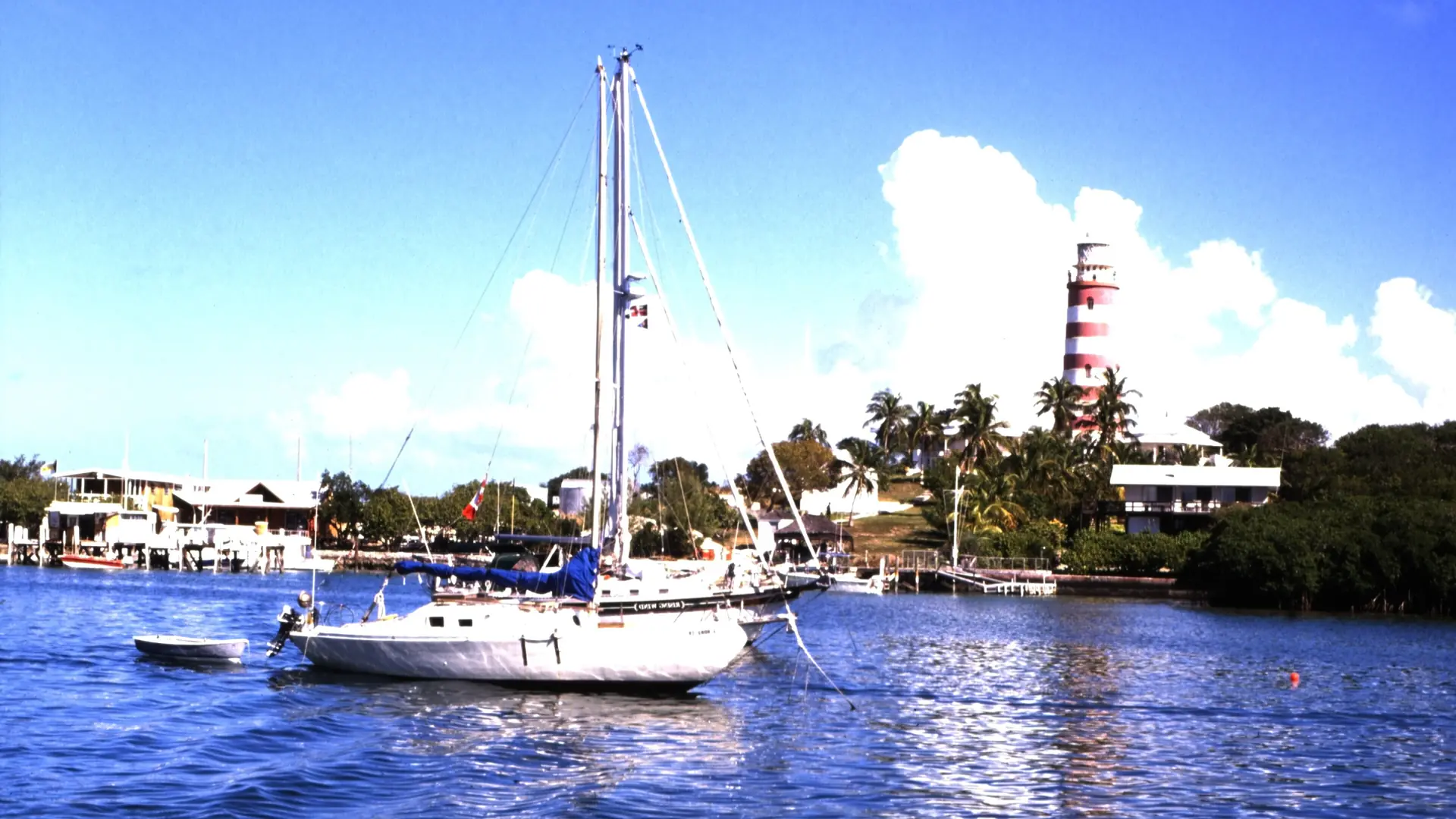
The Out Islands add traditions and landscapes of their own. Around the Abacos, boatbuilding and settlements such as Hope Town connect a holiday to the sea as a livelihood. On Eleuthera, clapboard houses and the pineapple harvest give different clues to local history. Grand Bahama’s mangroves, pine woodland and tidal beach make nature part of the visit. These differences are good reasons to choose one island carefully and explore it, rather than treating every island as an interchangeable beach stop.

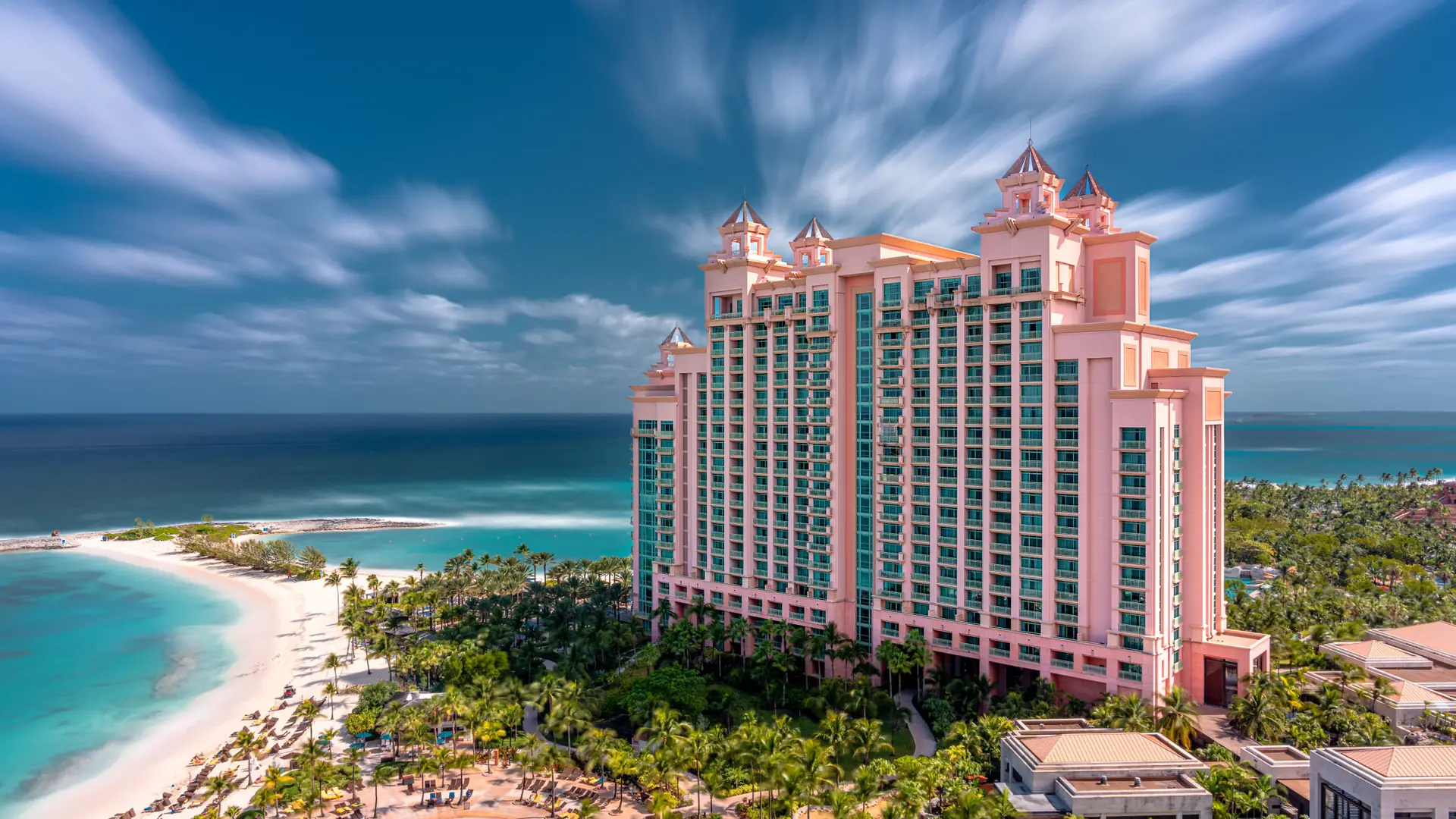
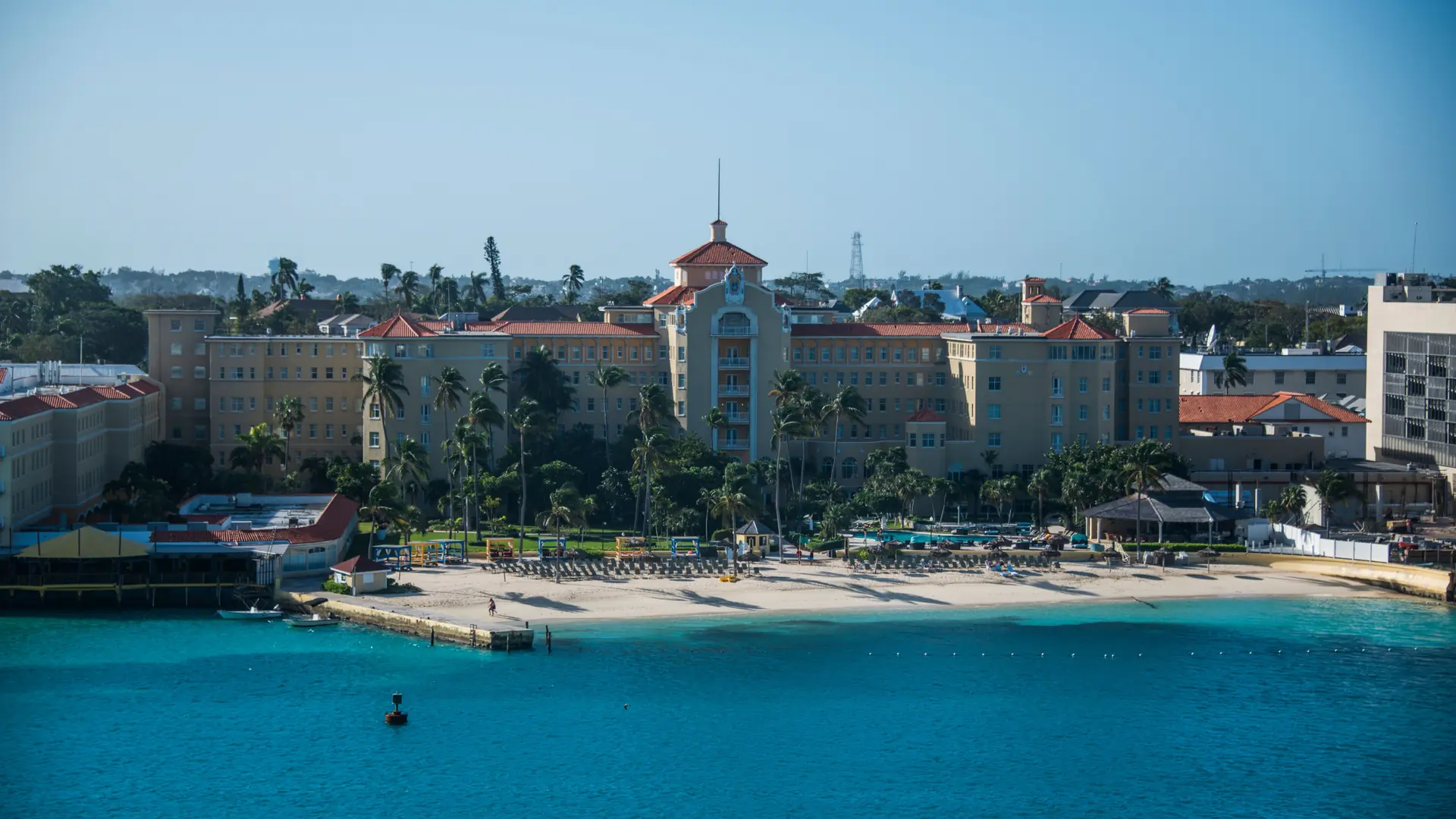 Nassau and Paradise Island