Last reviewed 17 October 2026
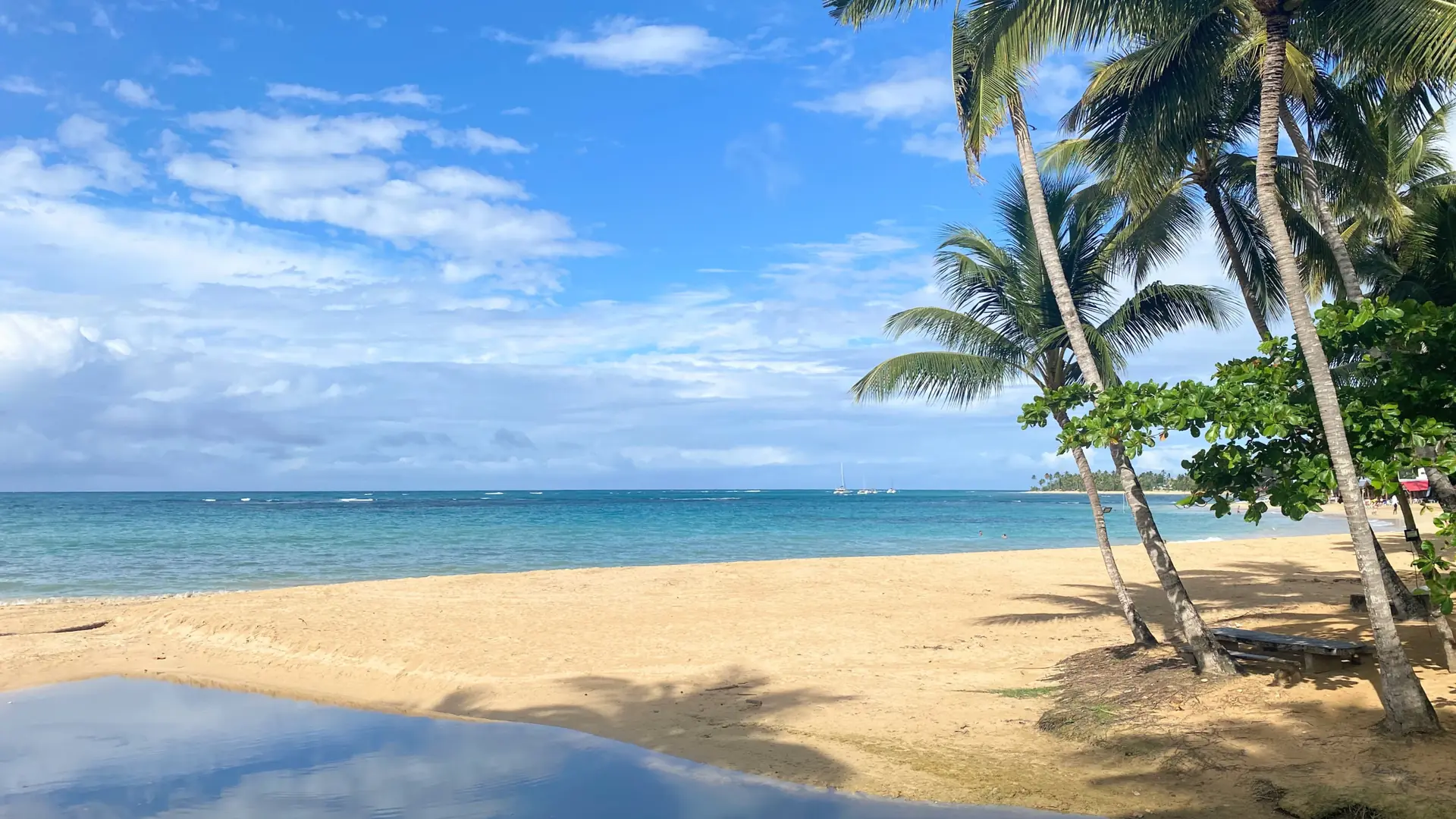
For a week with some variety, the eastern route keeps the journey in one part of the country: Punta Cana for resort time, Bayahíbe for a village waterfront and an island day, then Santo Domingo for the final city stop. A longer northern trip has a different appeal, pairing Puerto Plata’s streets and coast with the Samaná Peninsula. Choose the route for the experiences you want, rather than adding a new hotel for every beach name on the map.
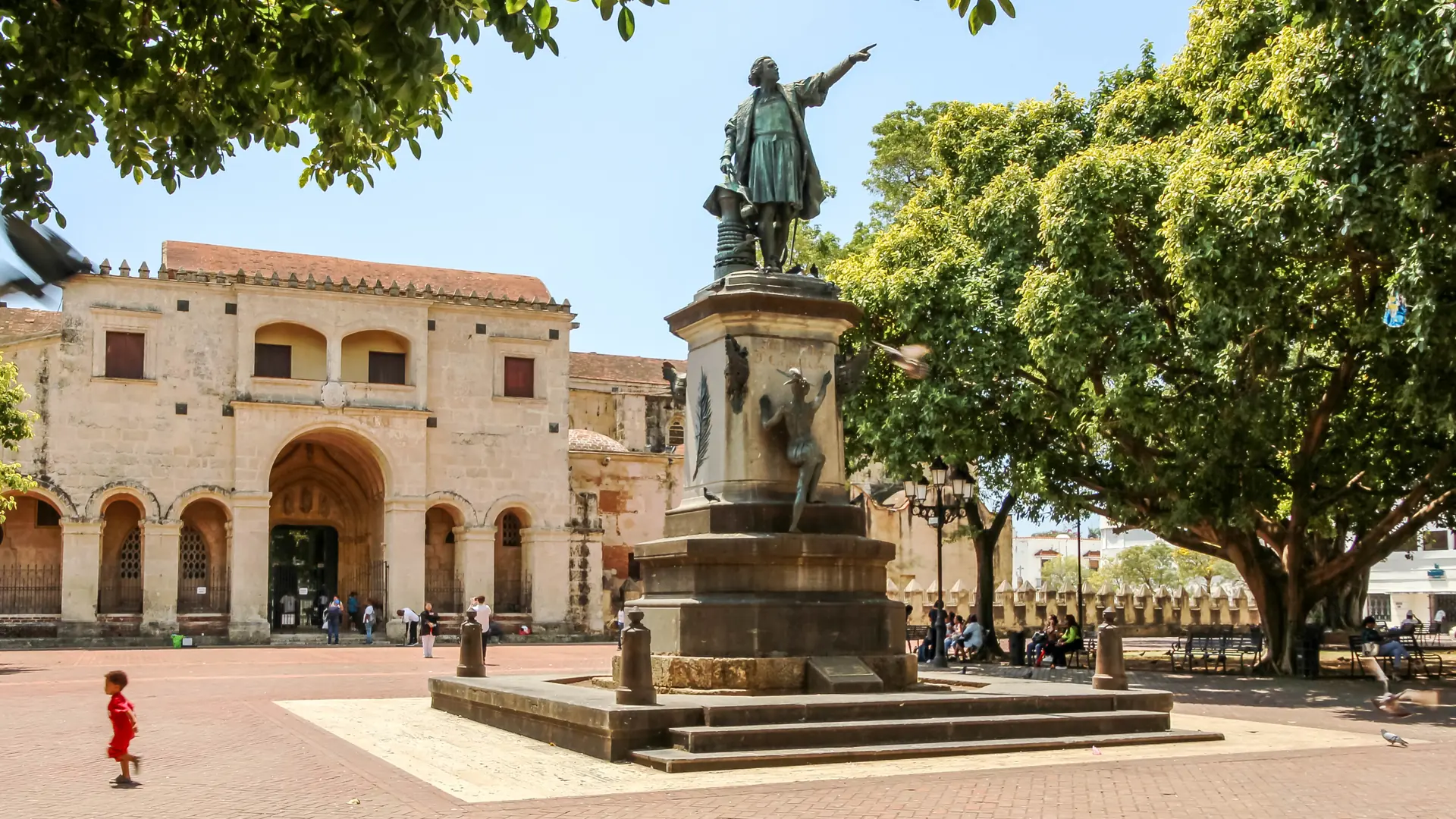
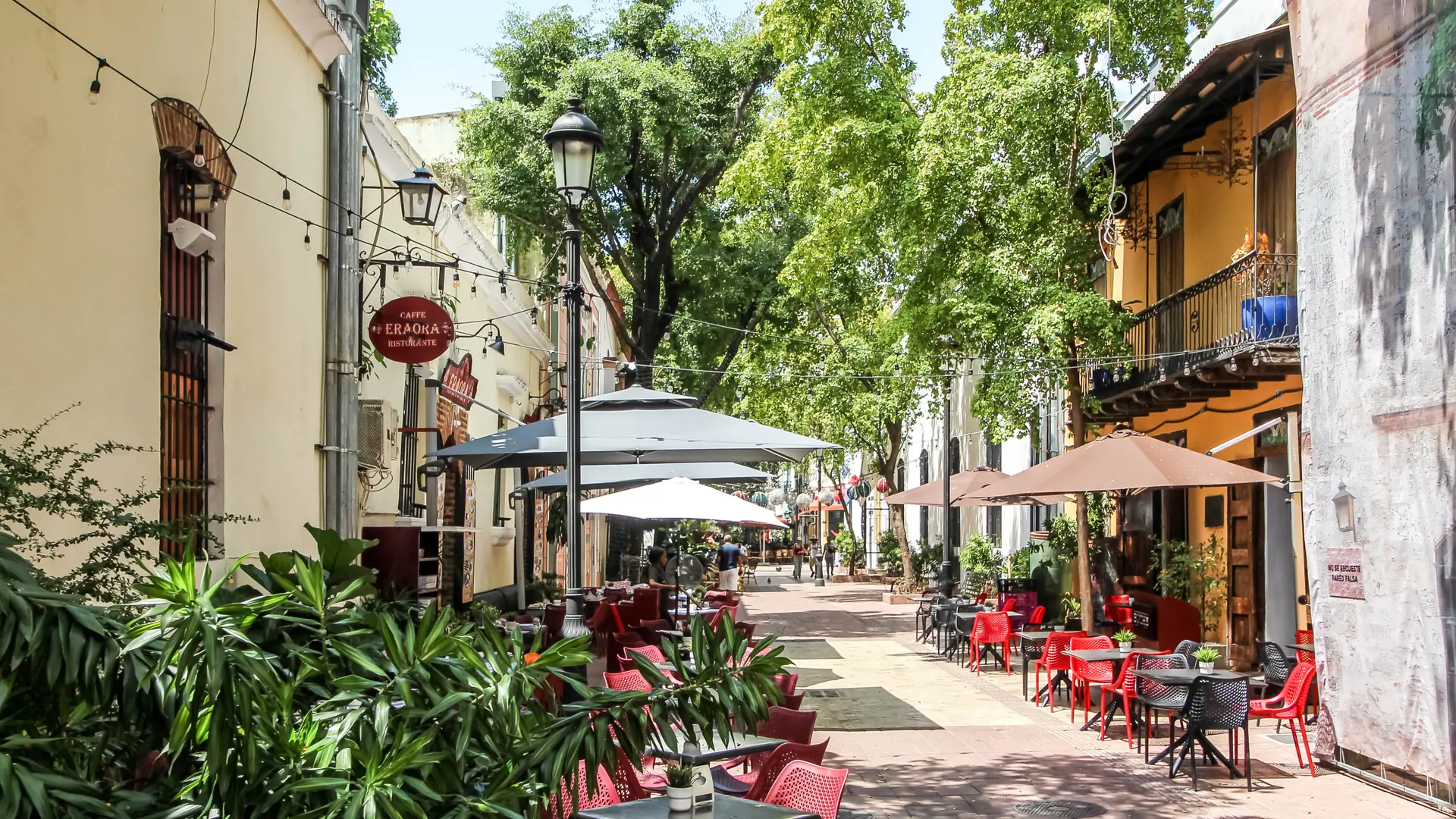
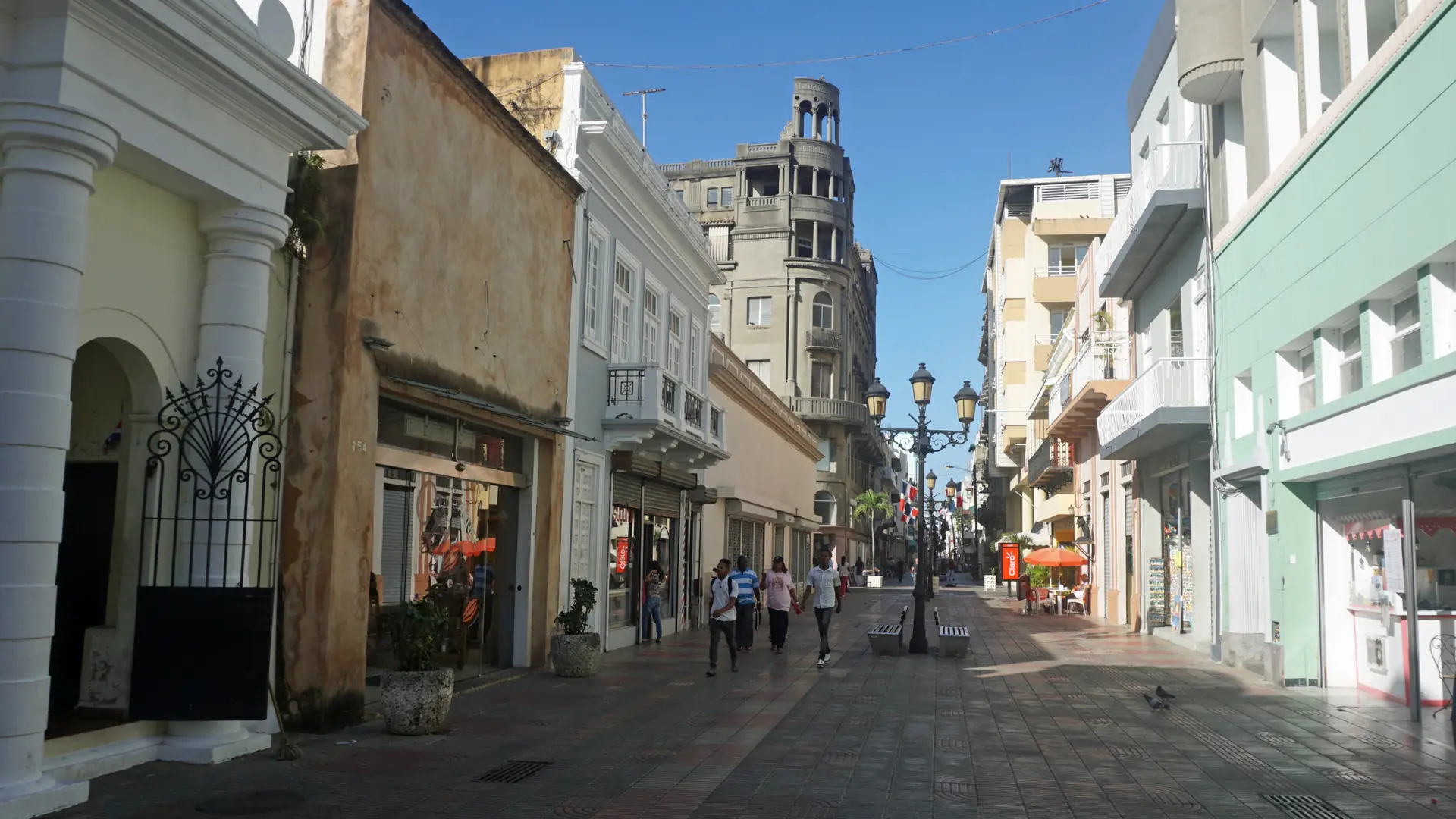
Santo Domingo’s Colonial City rewards a slow walk. Its grid of streets grew around the early Spanish settlement beside the Ozama River, and its cathedral and civic buildings influenced later colonial cities across the Americas. Around Parque Colón, the interest is as much in the streets and squares as in individual museum visits. Walk along Calle Las Damas, choose a historic site to explore, then stop for lunch before continuing. This is a living neighbourhood as well as a UNESCO site.
Breakfast offers an easy introduction to Dominican food. Mangú is boiled green plantain mashed until soft, often served with eggs, fried cheese and salami. At lunch, look for la bandera dominicana: rice, beans and stewed meat, whose name means the Dominican flag. These are filling everyday dishes, useful to know when you leave the resort buffet for a town restaurant. An apartment near places to eat gives you the choice of a local breakfast one morning and cooking for yourself the next.
Fish in coconut sauce, stewed crab and sancocho offer another side of the menu. Sancocho is a substantial meat stew, while tostones are green plantains flattened and fried twice. Fresh juices and batidas, fruit blended with milk, are common choices alongside a meal. Food can be part of the reason to stay in town: Las Terrenas has an international dining scene, while Santo Domingo lets you combine restaurant evenings with the historic quarter. Check ingredients with the kitchen if you have dietary needs.
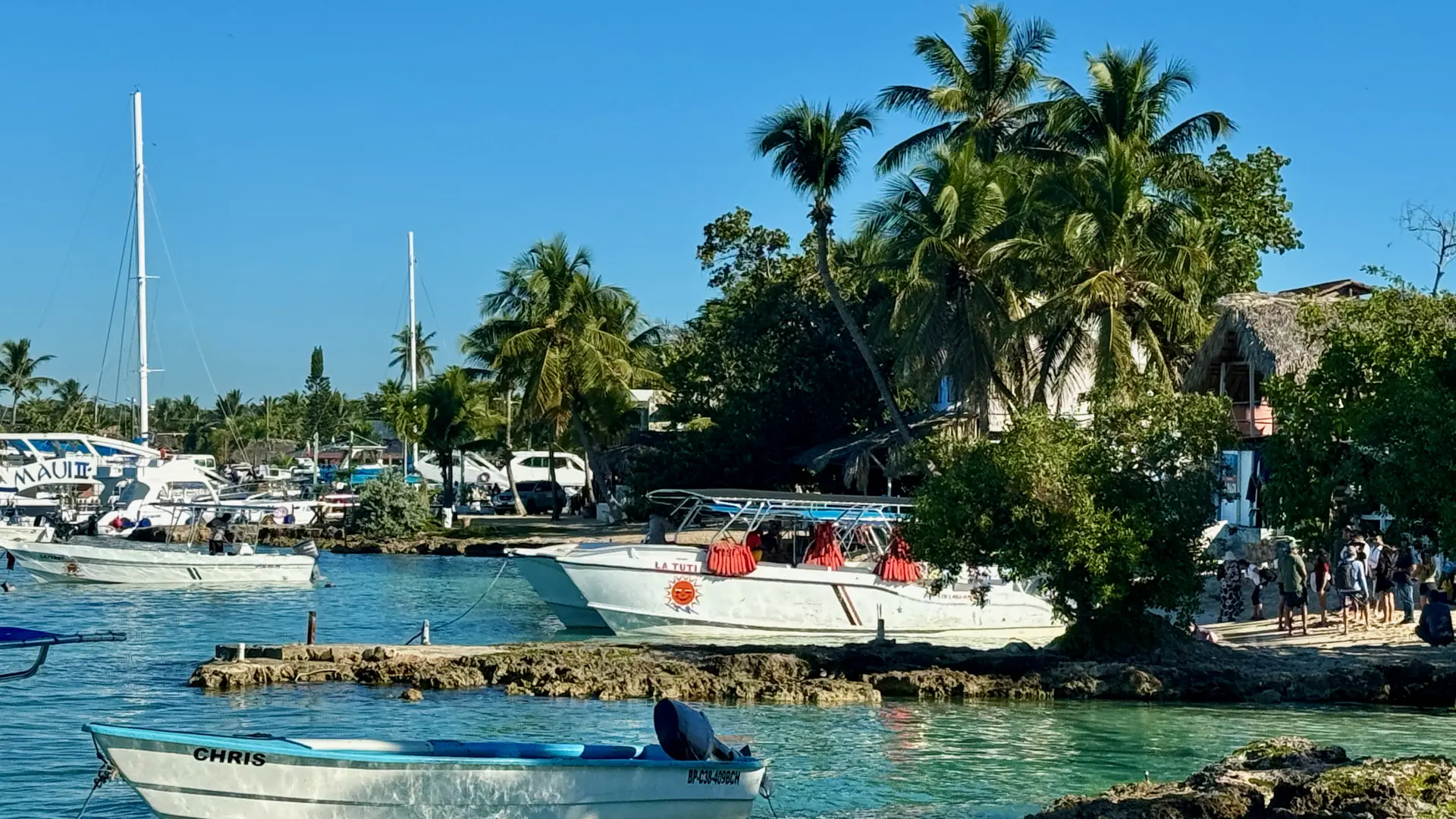
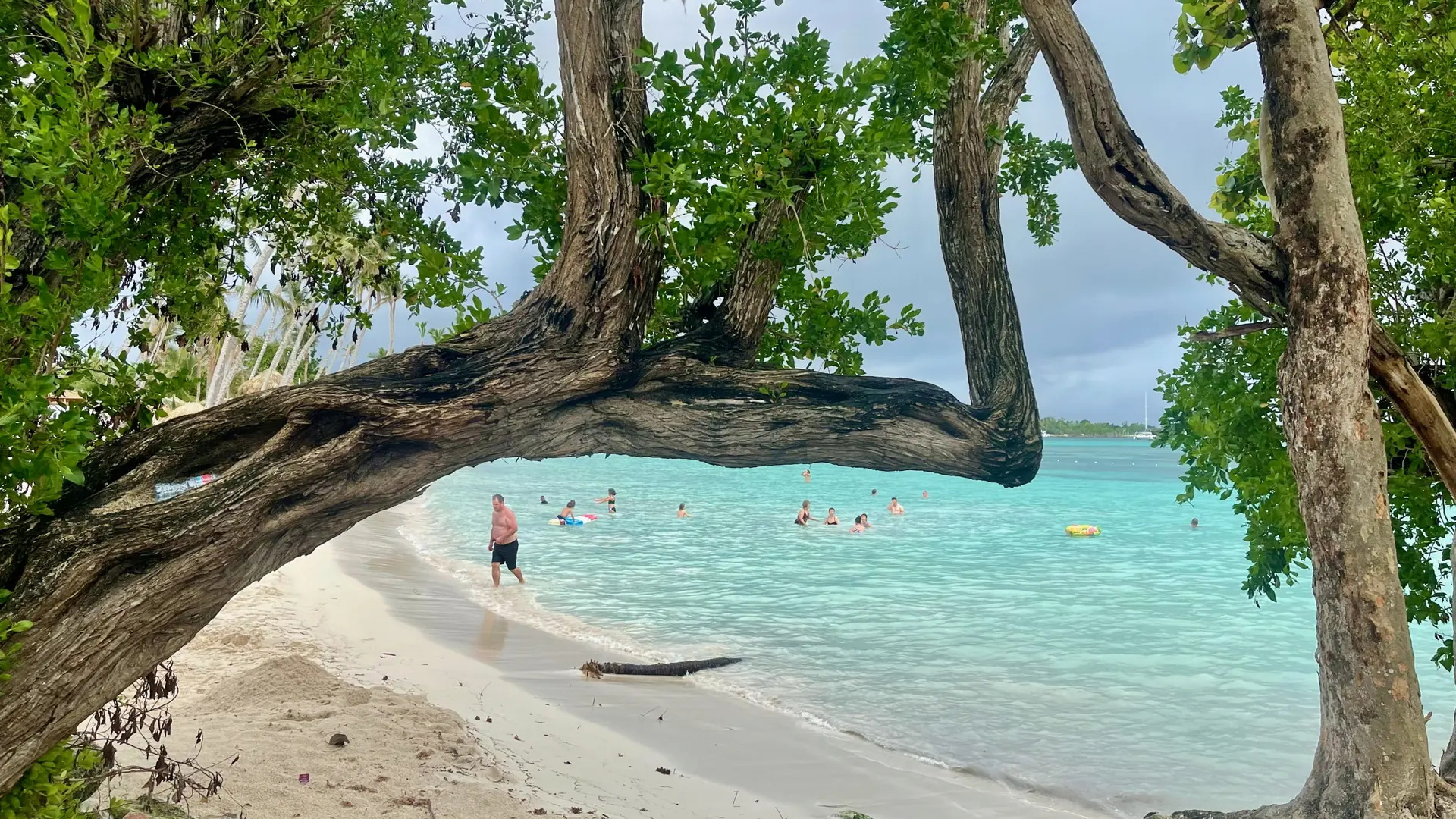
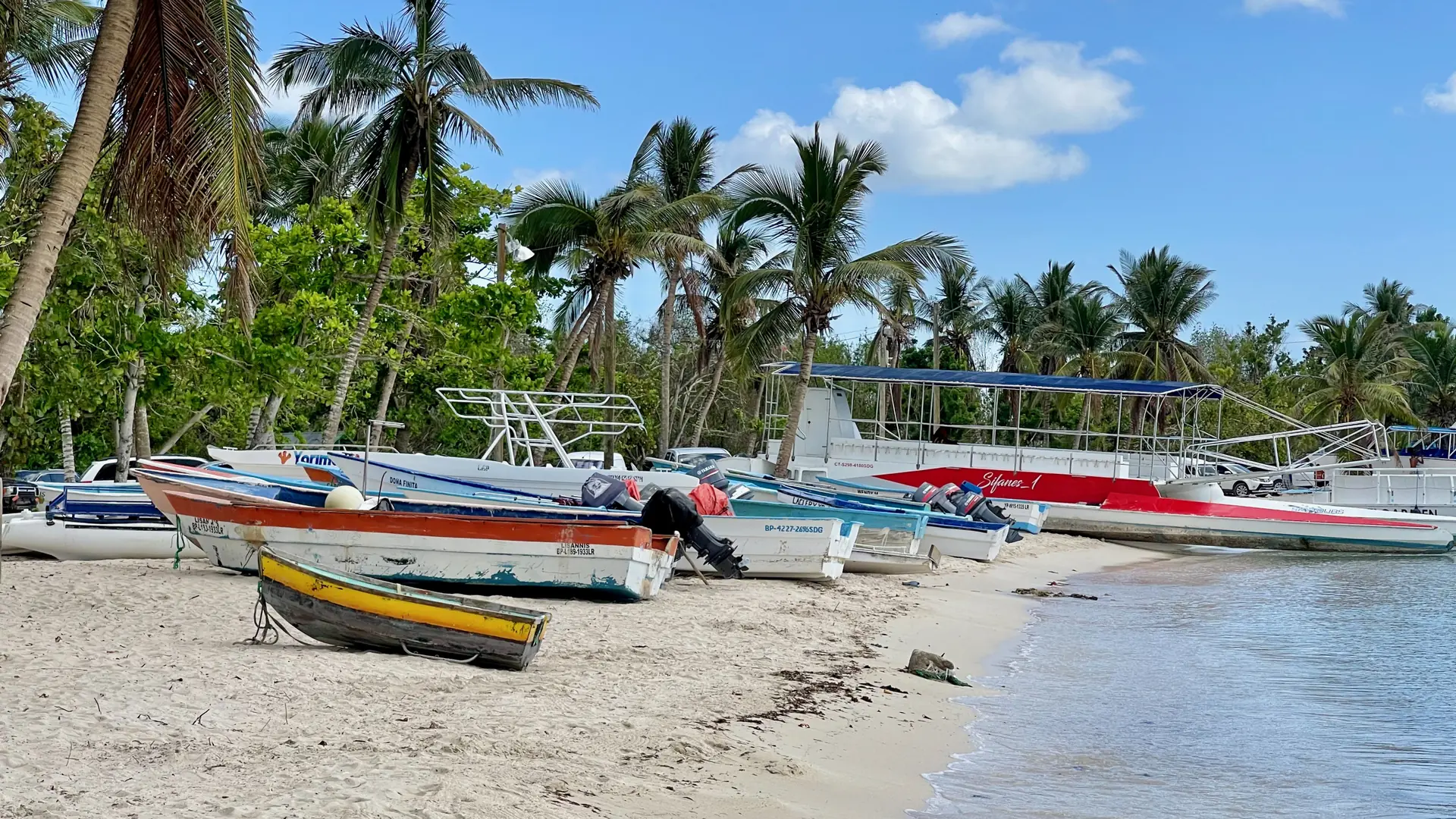
An island day can include more than a long stretch of sand. Saona trips may stop at Palmilla’s shallow natural pool or Mano Juan, the island’s inhabited village. Routes differ between speedboats and catamarans, so choose the outing by its stops and time ashore. A smaller itinerary with a village visit feels different from a larger boat with music and a beach lunch. Saona is part of Cotubanamá National Park; the mainland village of Bayahíbe is where most boats begin.
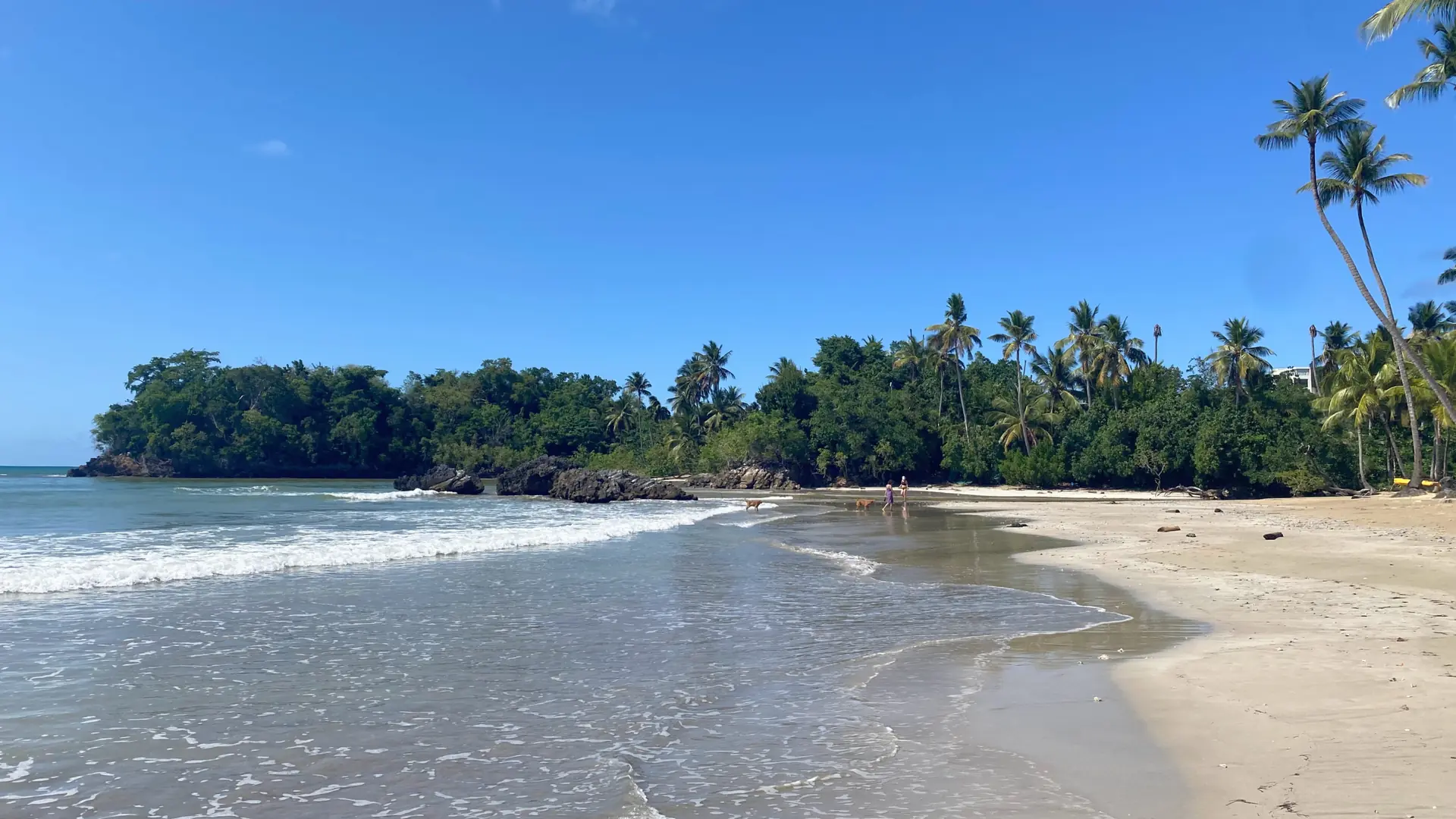
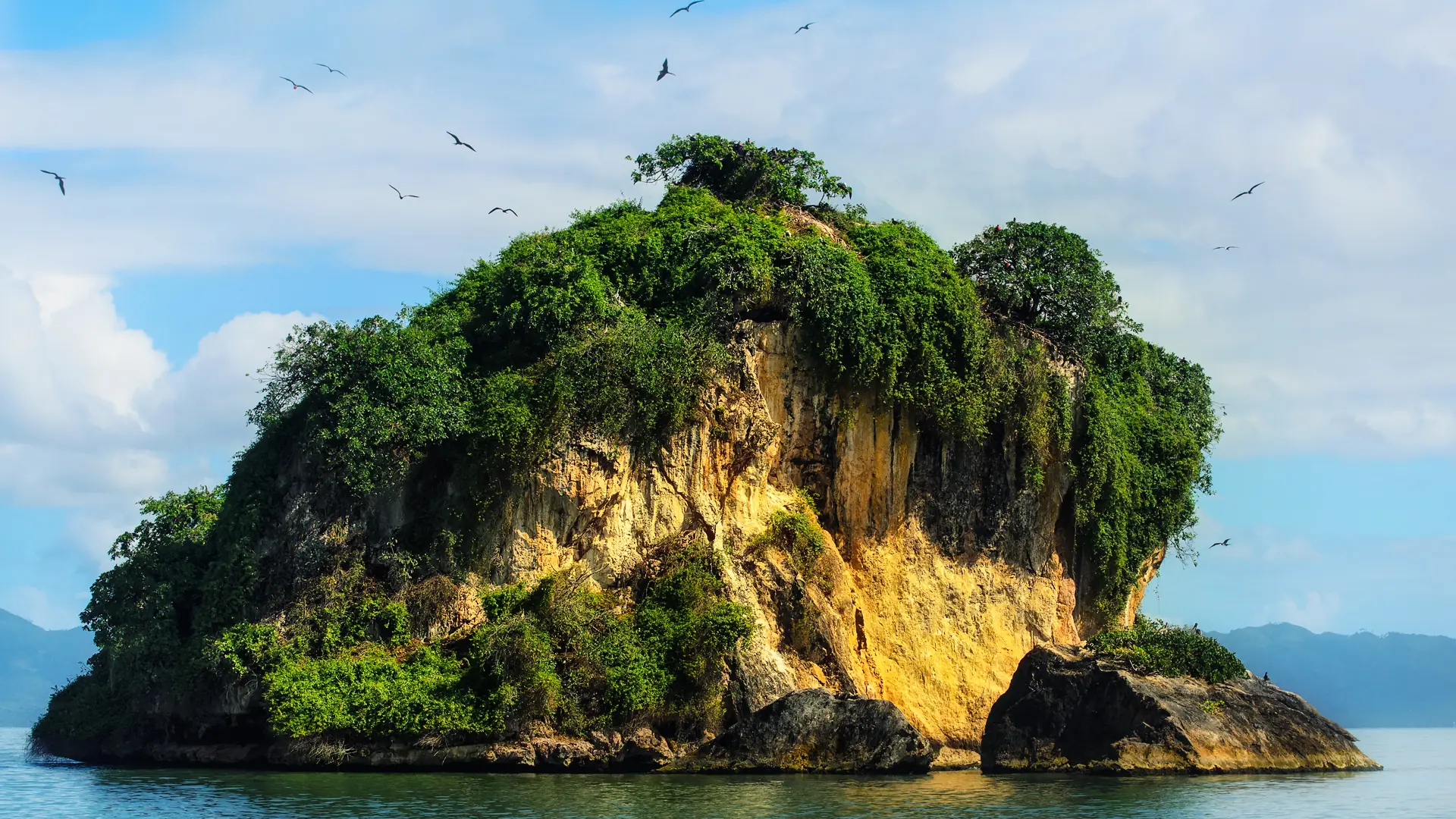
The Samaná Peninsula brings forest and waterfalls into a beach trip. El Limón is reached on a trail, with walking and horse-riding excursions available; the final approach includes a descent to the waterfall. Wear shoes with grip, particularly after rain. Los Haitises offers a different landscape of limestone islets, mangroves and caves explored by boat. Choose one as the main outing for the day, leaving the rest for the journey back and a relaxed meal rather than trying to combine both.
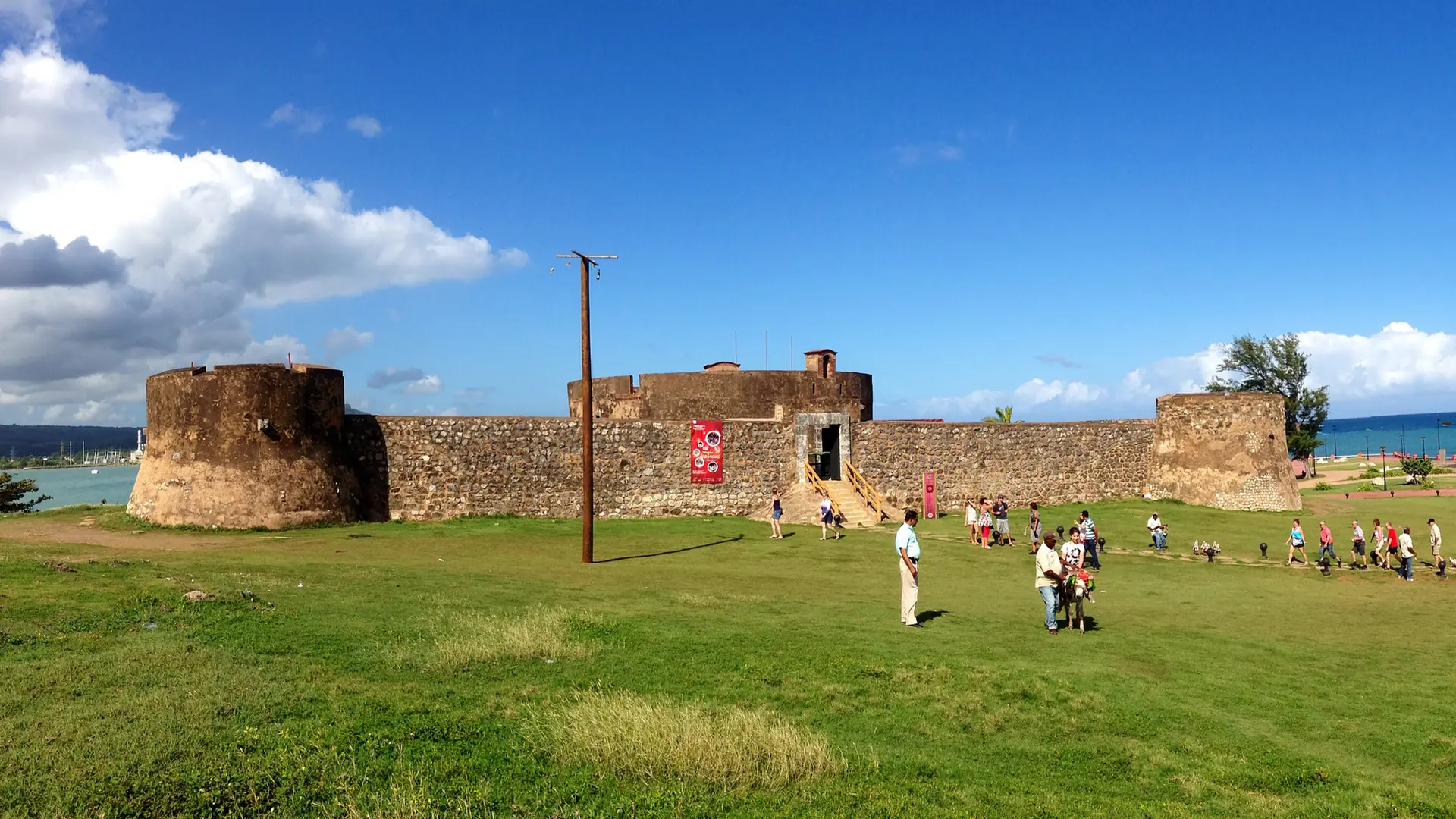
Puerto Plata gives you a city walk with the sea close by. The streets around Independence Square lead to the cathedral and Amber Museum, while Fortaleza San Felipe stands above the Atlantic. You can spend a morning among the historic buildings and continue along the Malecón, the seaside promenade. Playa Dorada serves a different purpose: a place to spend time at a beach hotel. Staying for several nights lets you enjoy both without treating the city as a brief excursion stop.
An independent stay and an all-inclusive resort can suit very different holidays. A resort gathers meals, pools and activities in one place, which works well when everyone wants an easy beach week. In Las Terrenas or Bayahíbe village, a smaller hotel or apartment gives you more choice about where to eat and how to spend the day. Compare the full stay on the same dates: a room-only price leaves meals and local journeys to pay for, while a package may include things you would otherwise arrange separately.

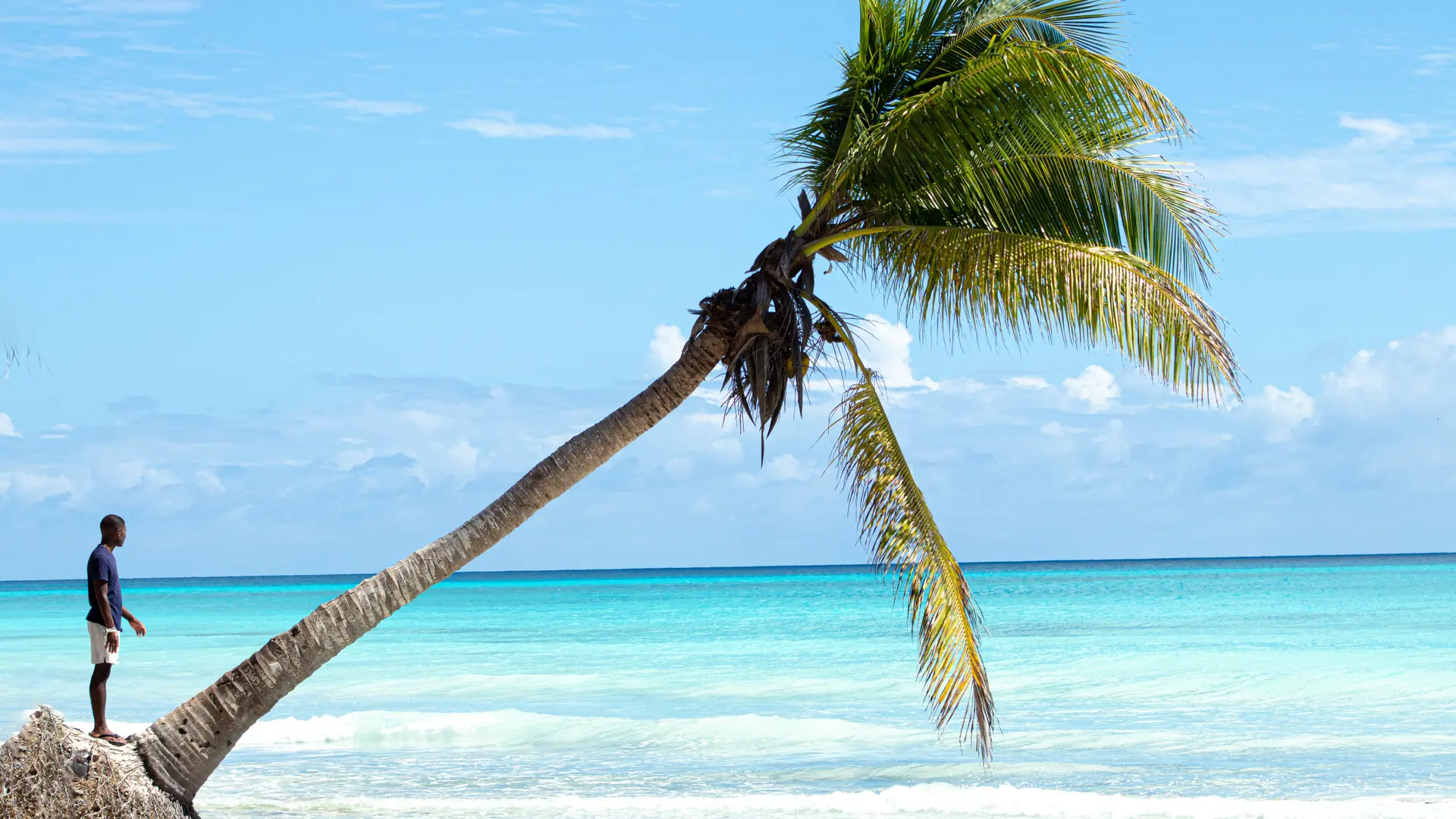
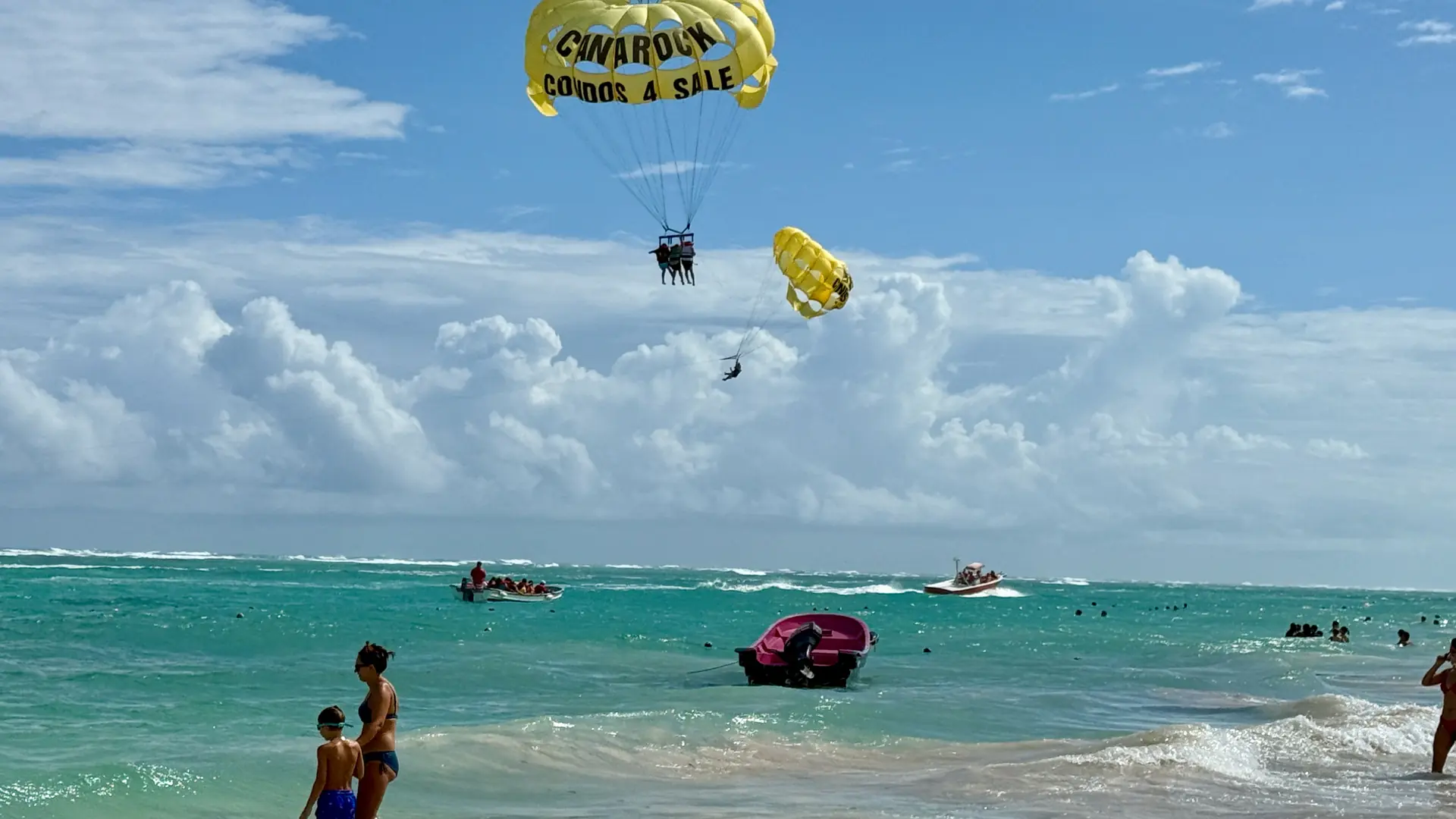
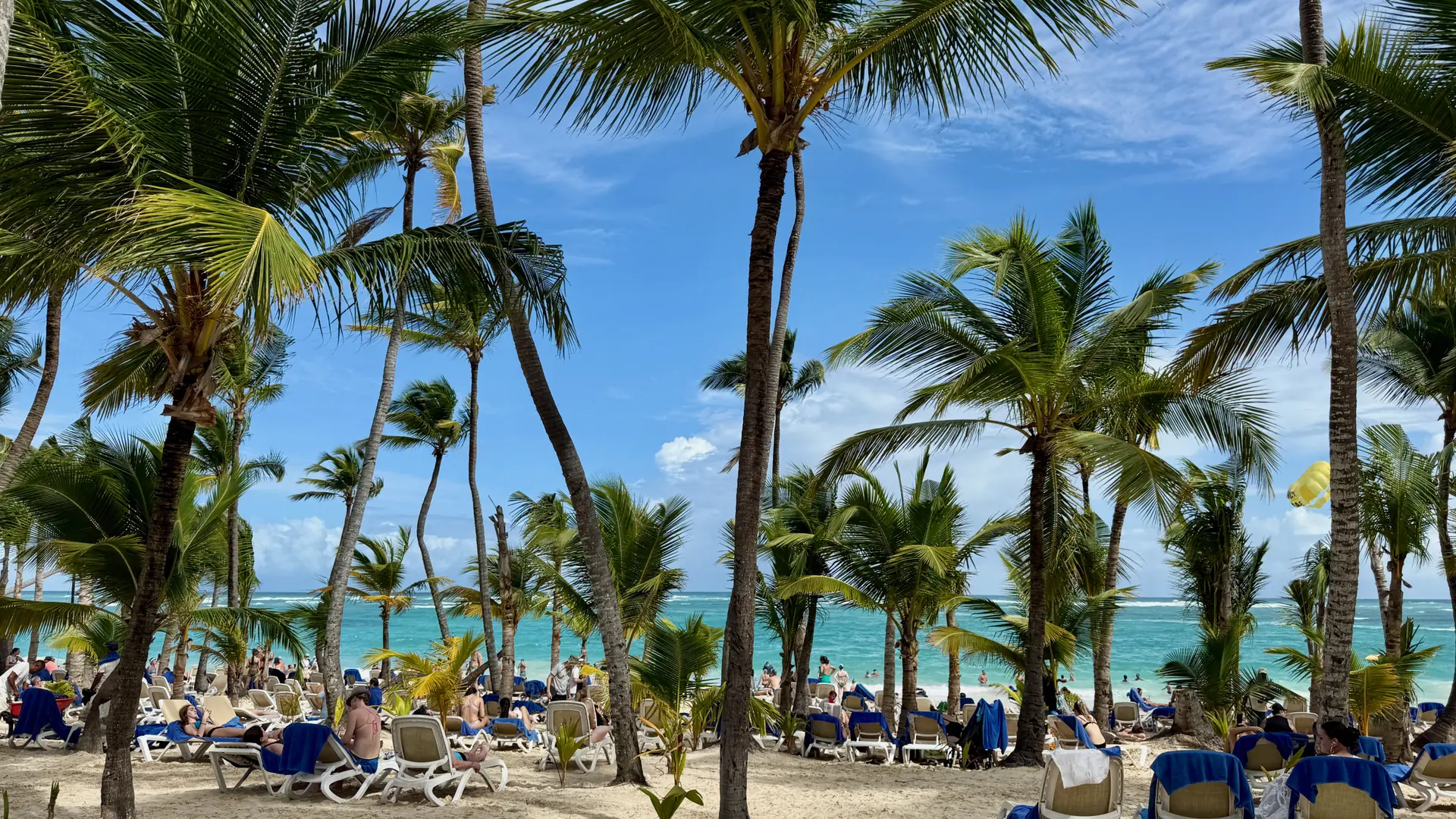
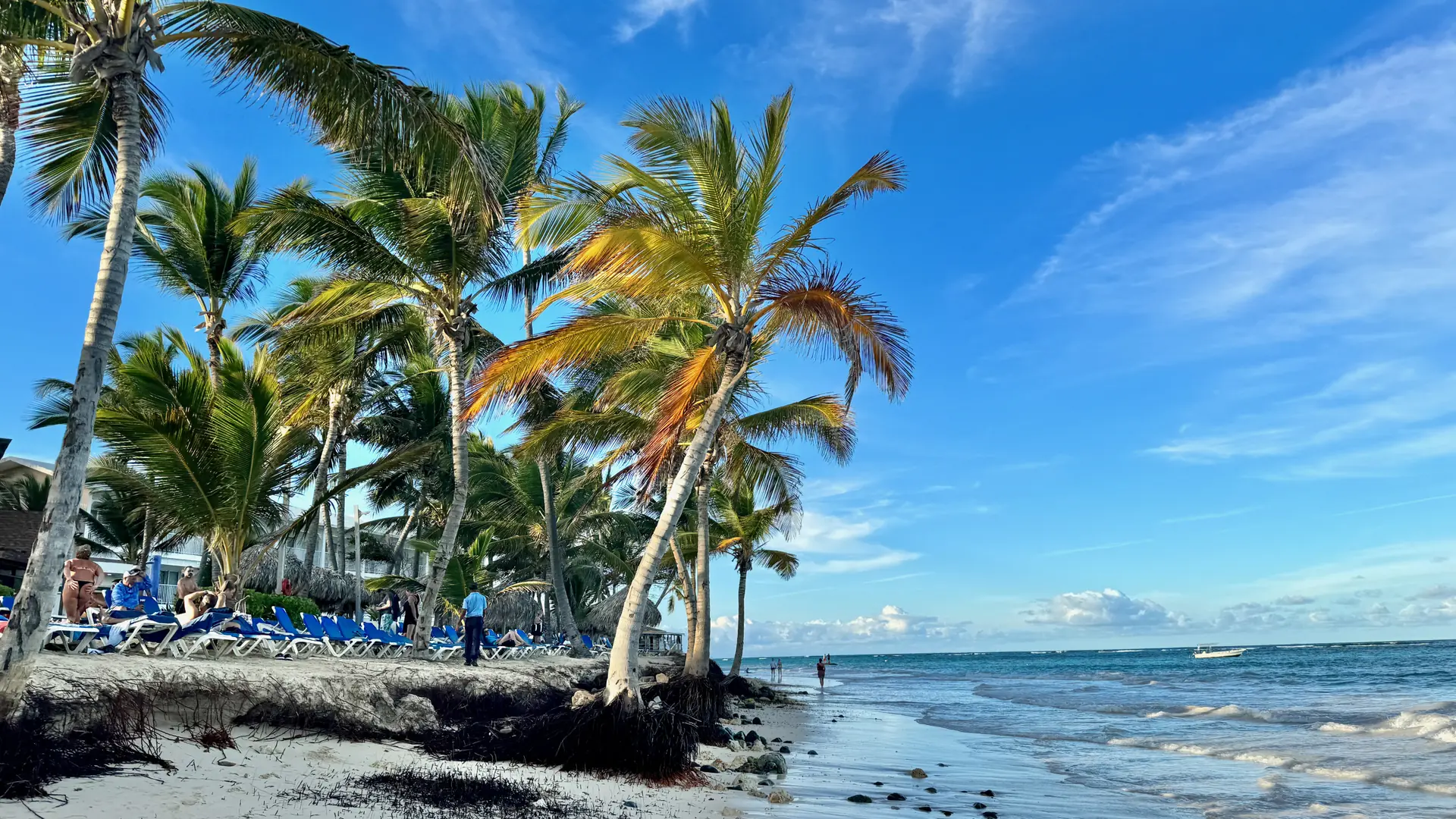 Punta Cana