La Passe centre
Ferry and village meals
Stay here for the harbour, small shops and a compact village routine. Central La Passe is the starting point for a first visit without a bicycle, with outings branching north and south from the jetty.
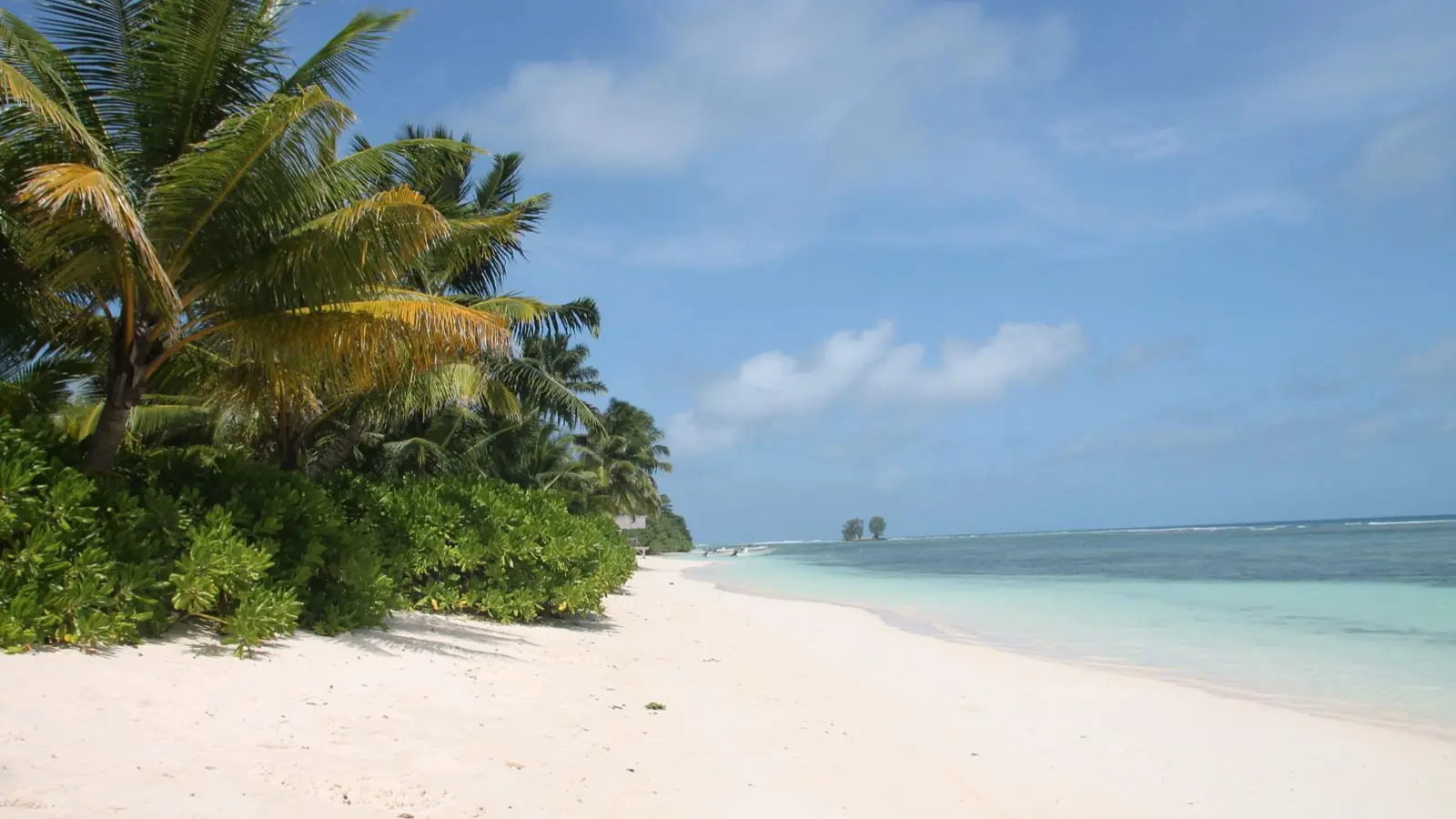
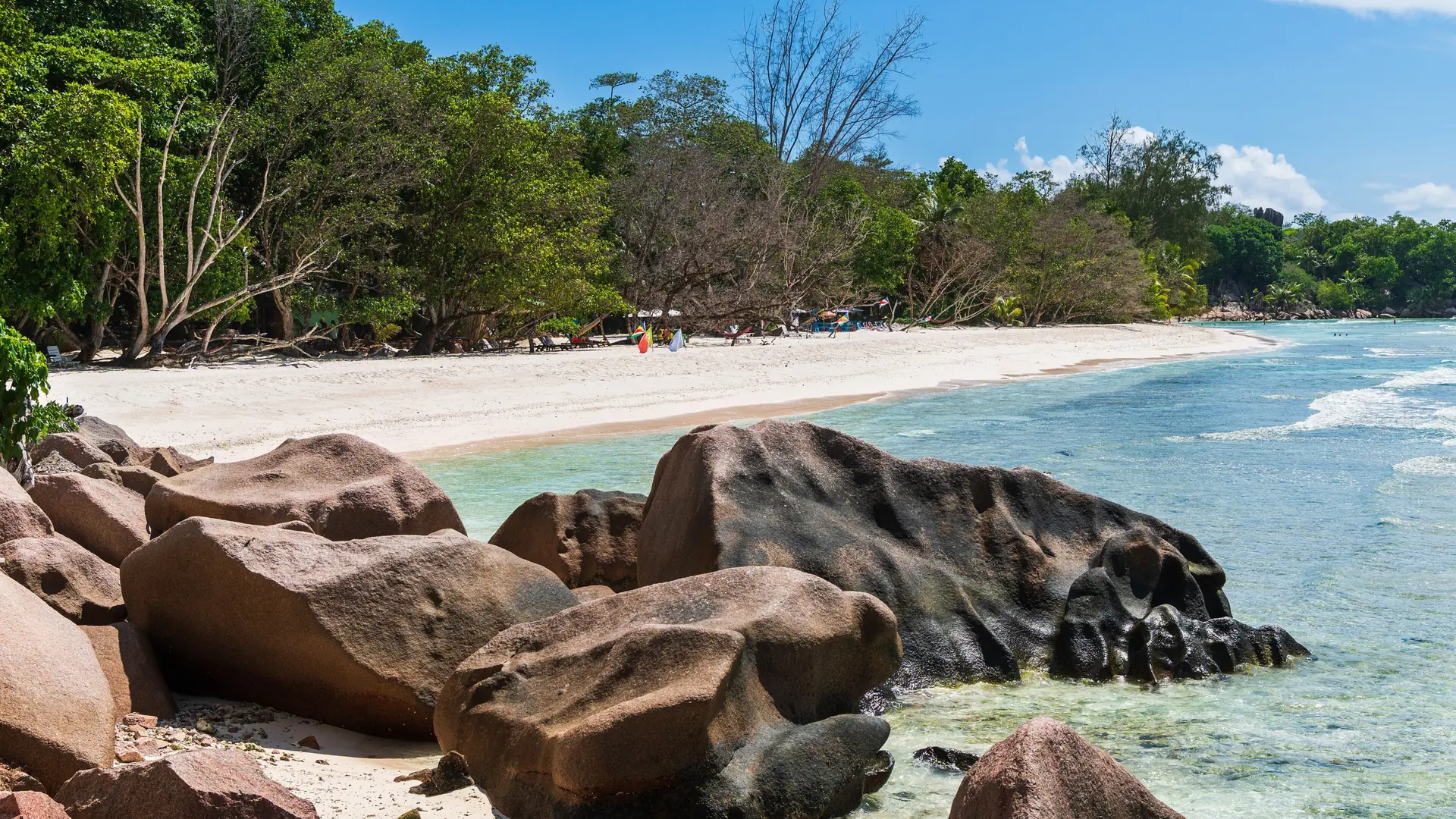
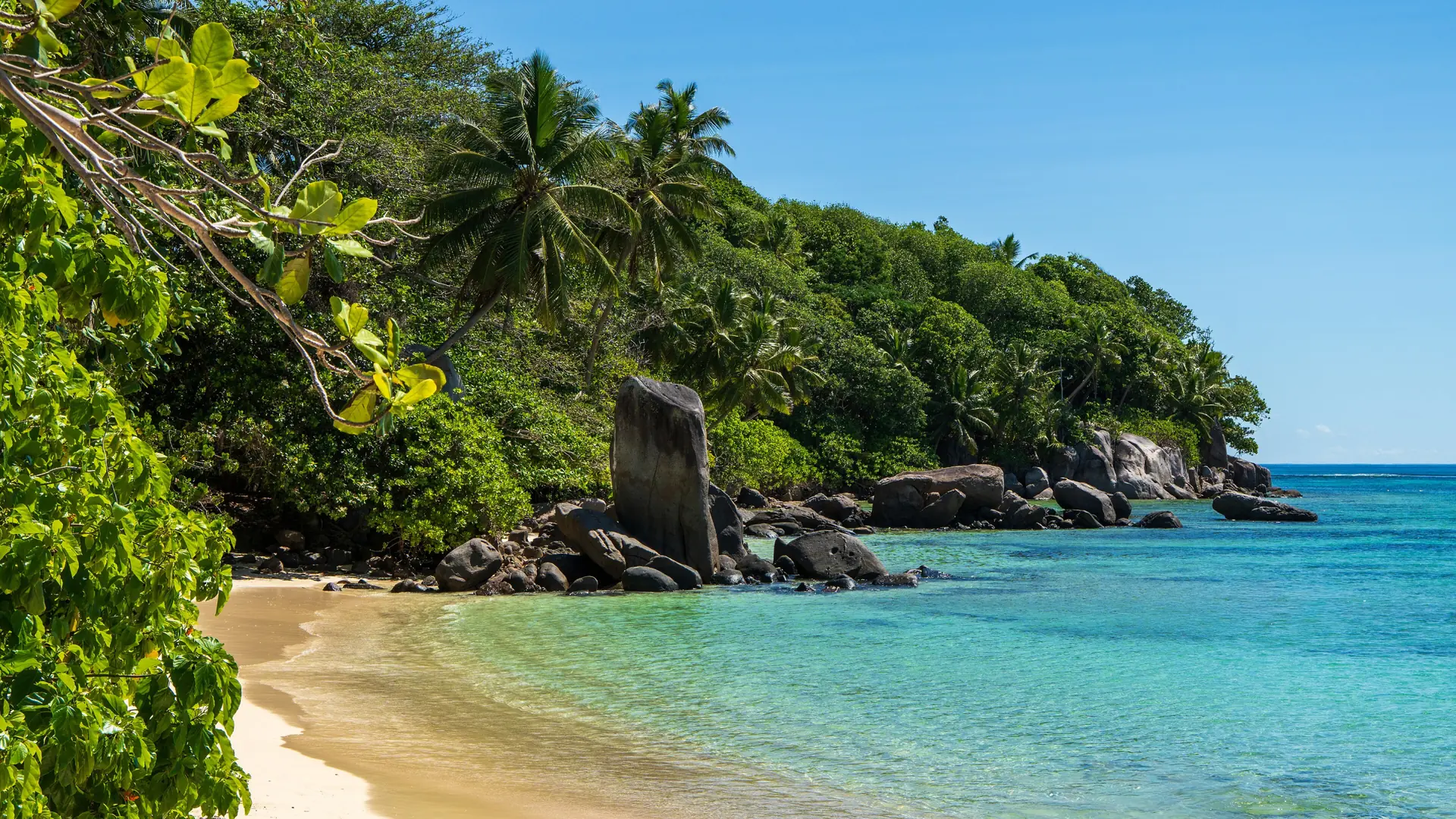
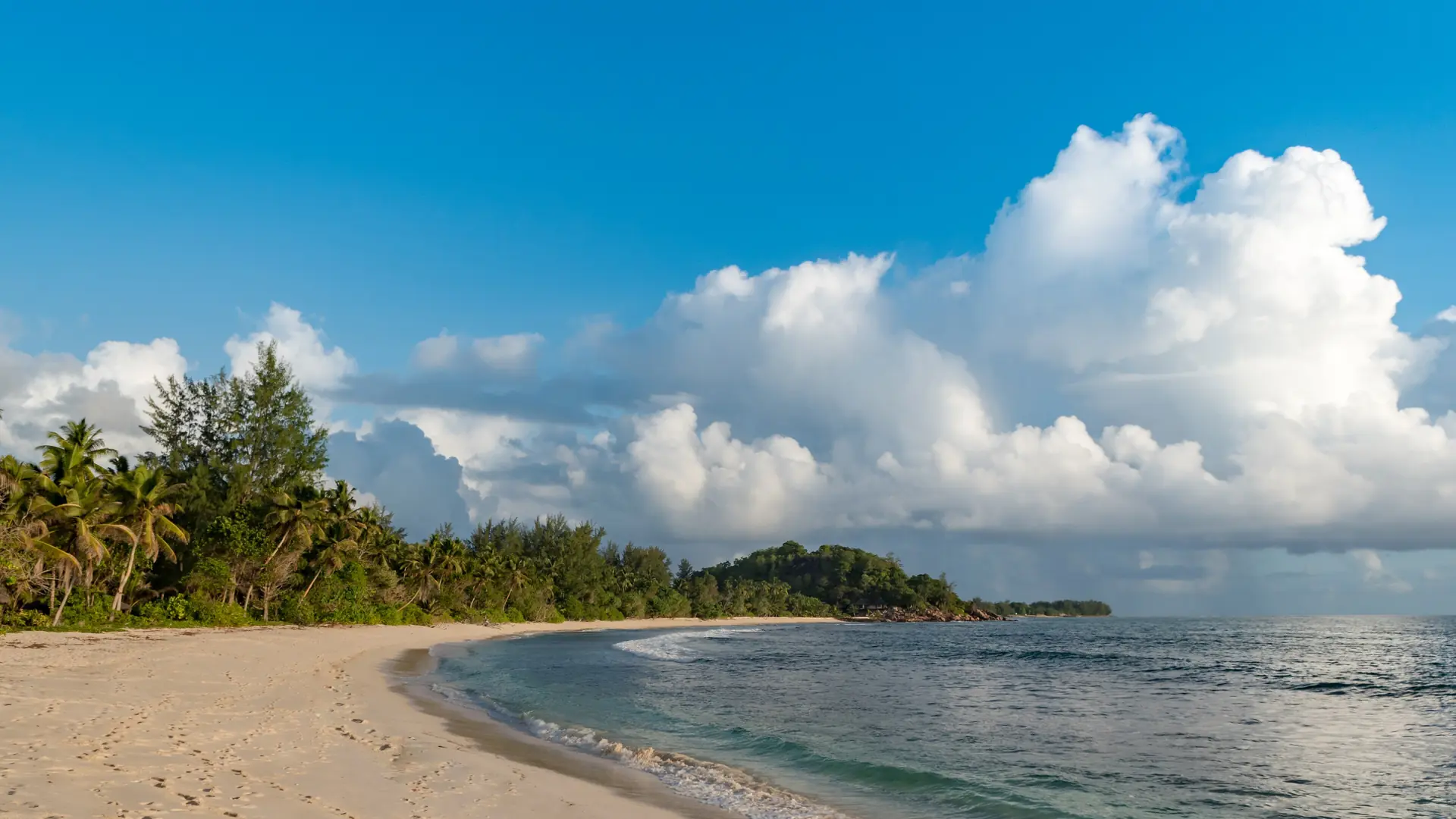
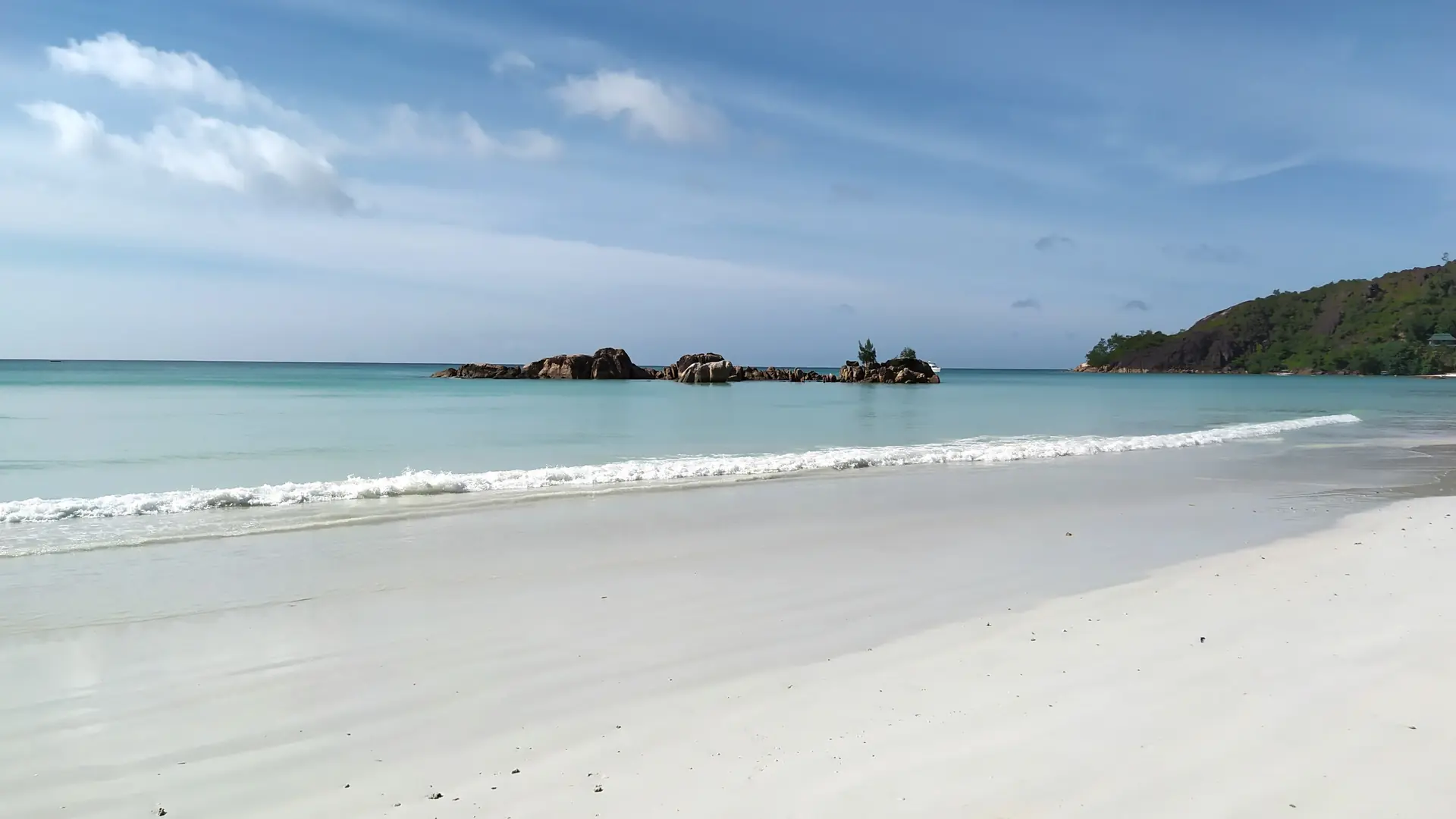
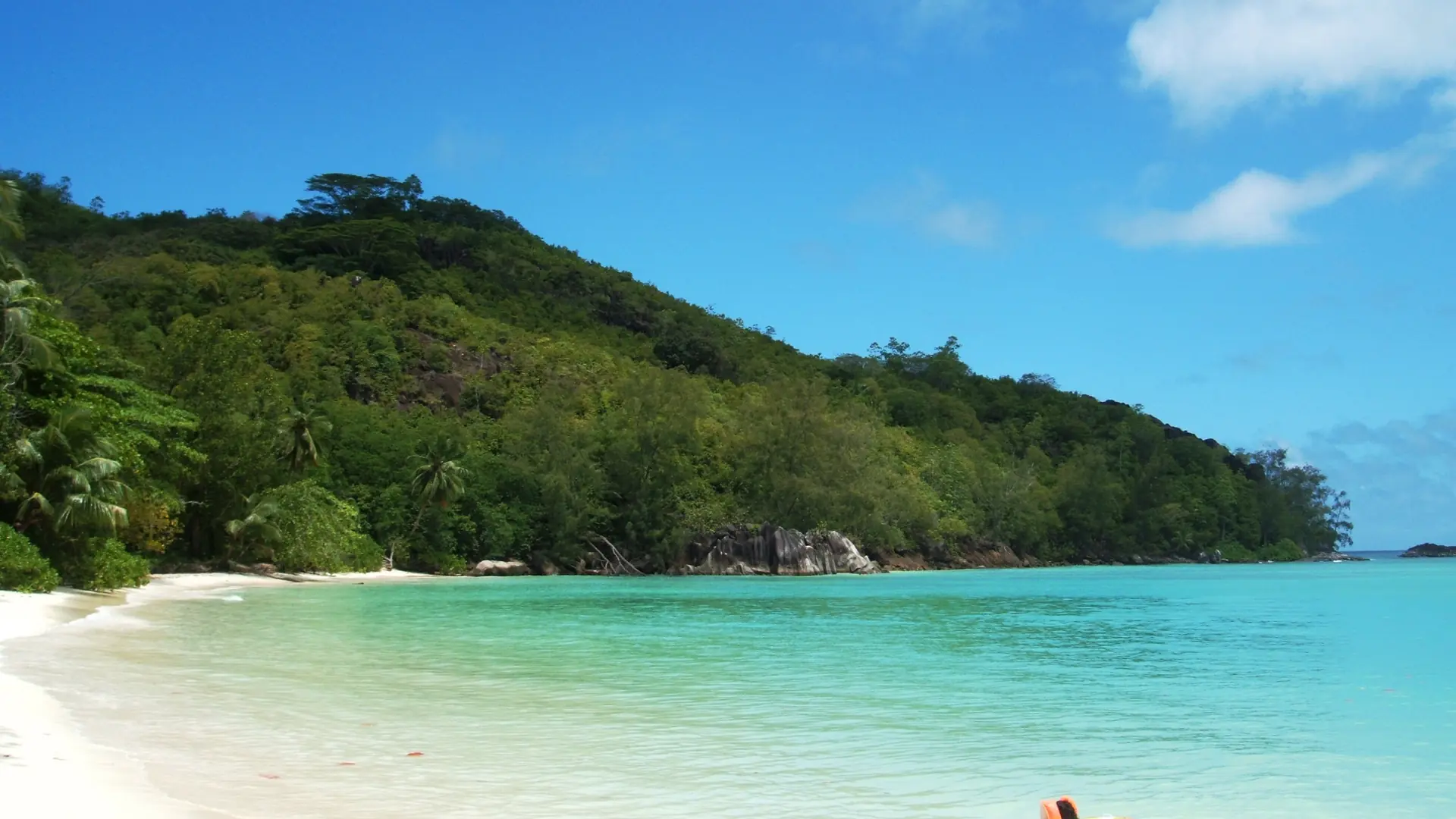
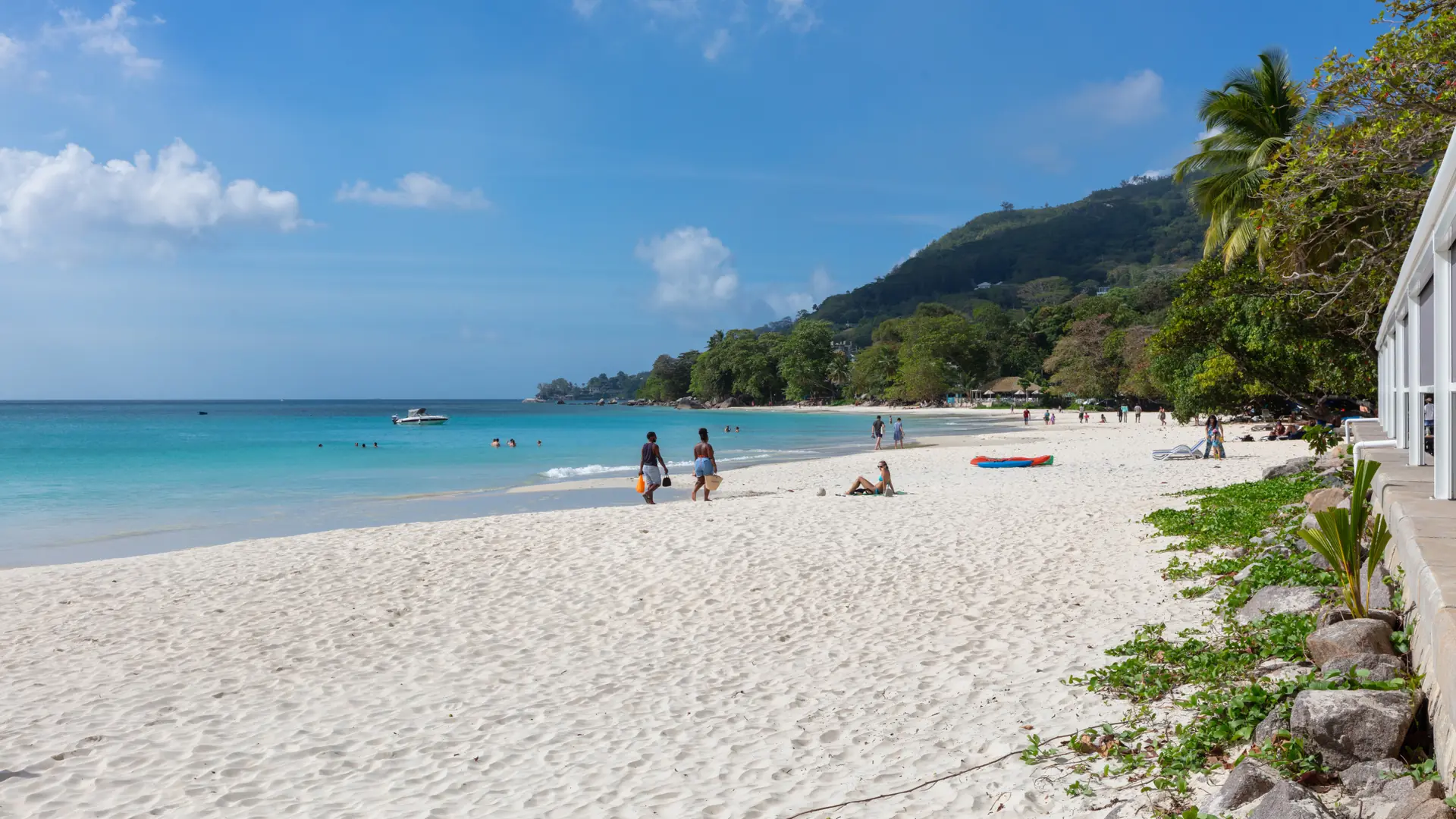
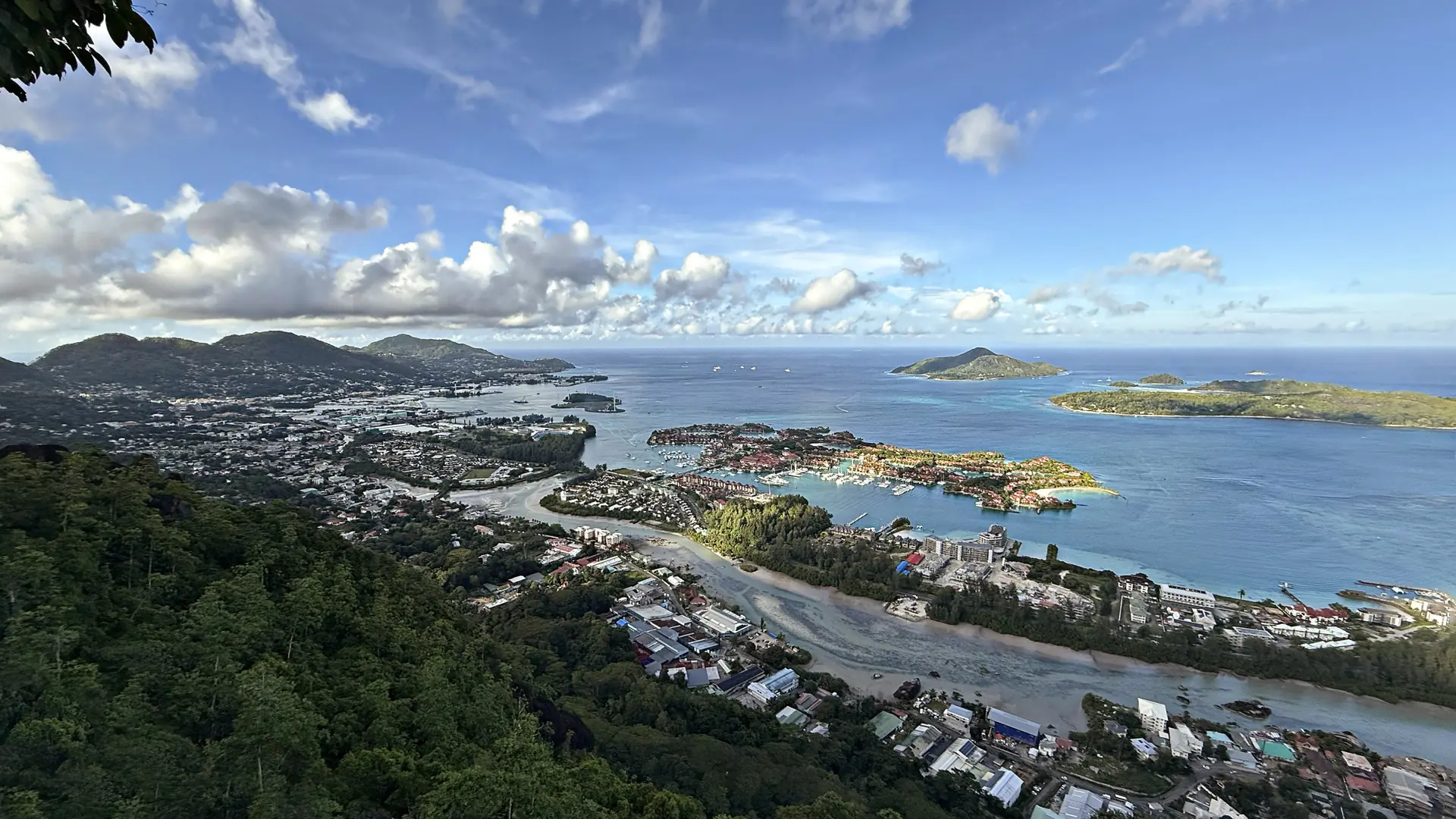
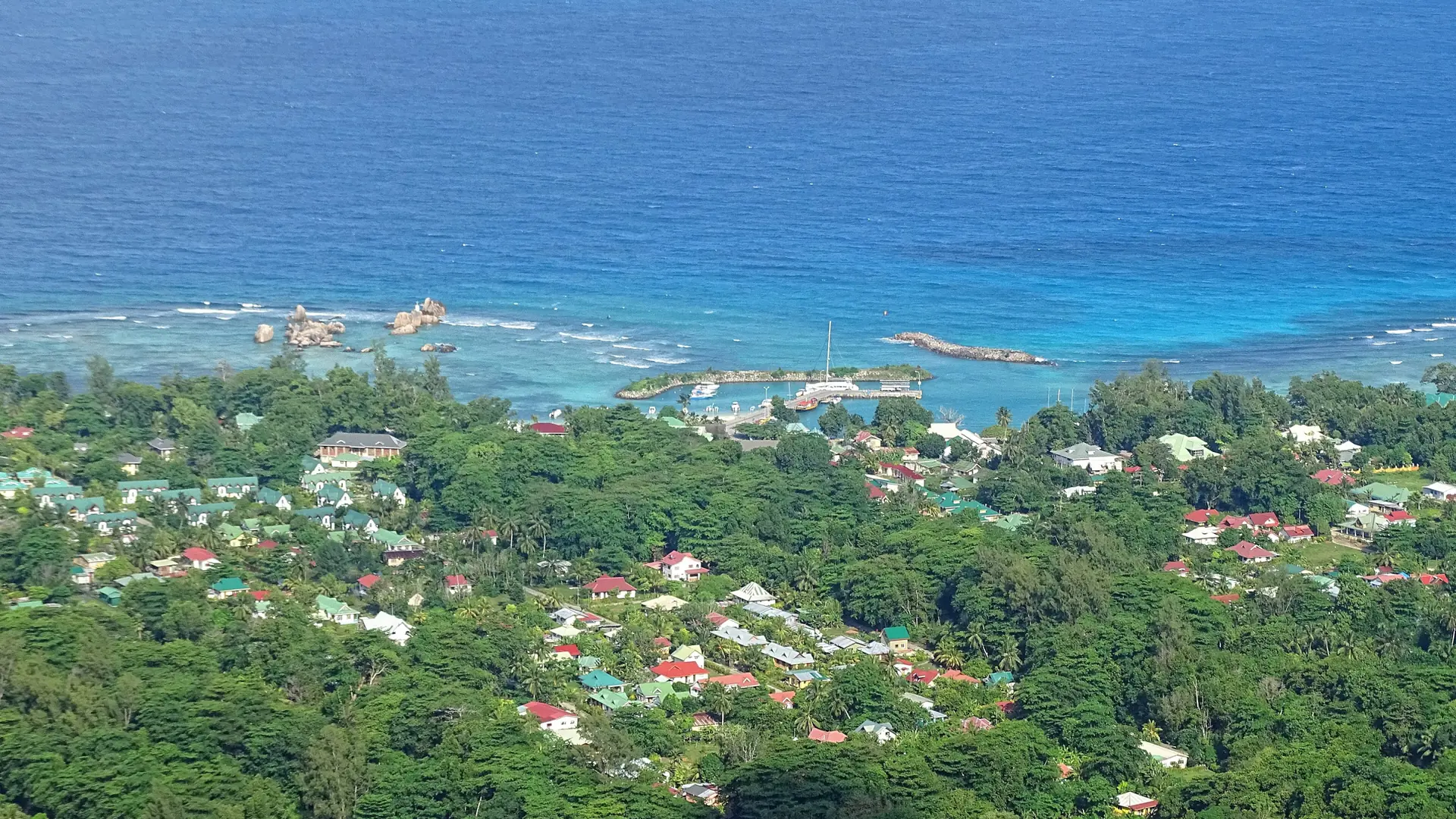
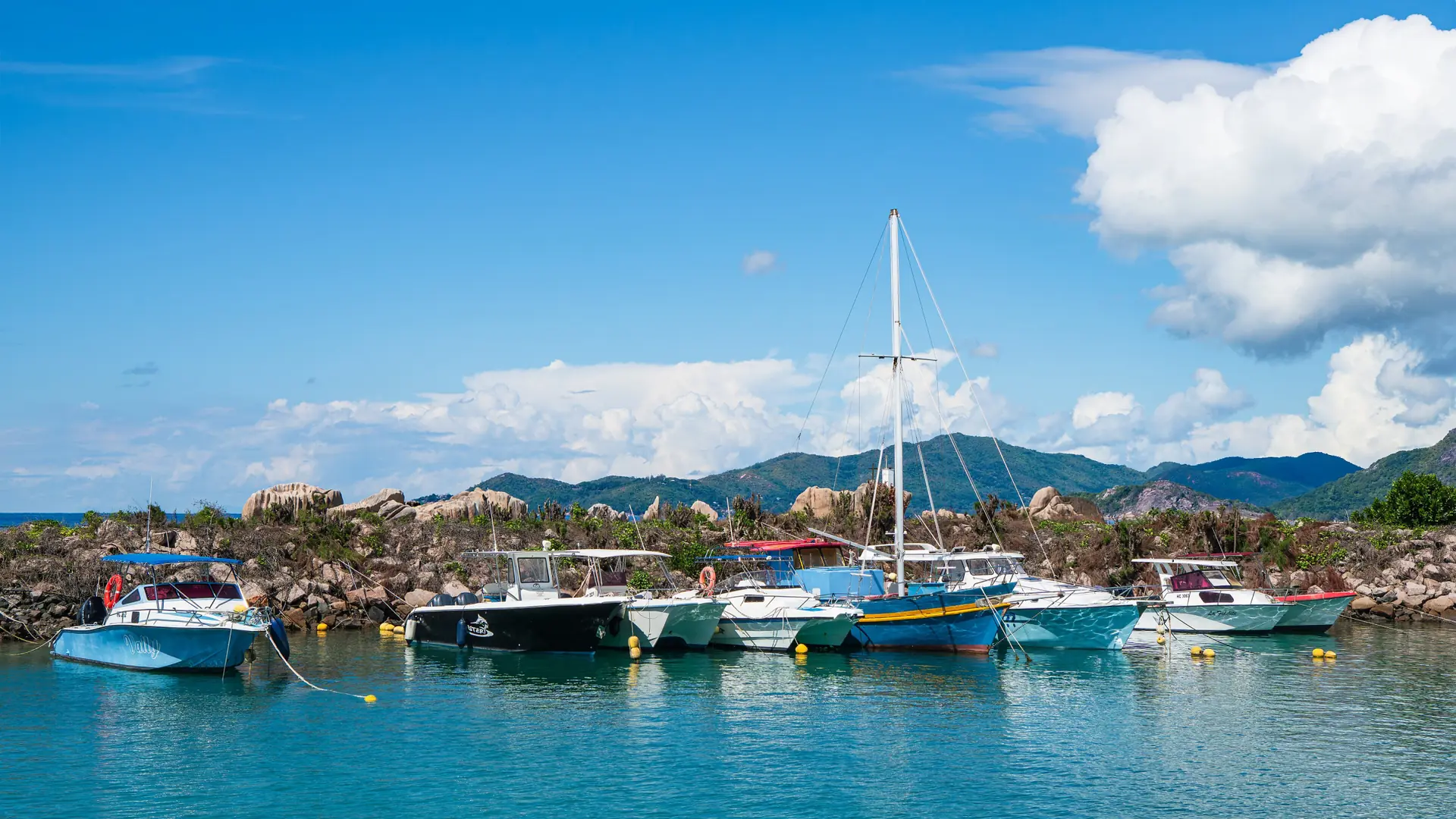
La Passe opens onto La Digue’s working harbour, with fishing boats, a passenger jetty and village streets where bicycles pass small shops and guesthouses. Stay centrally if you want meals and ferry arrivals within an easy walk; choose Anse Réunion farther south when the forest reserve and estate side will shape most days. You can enjoy this part of La Digue without riding a bicycle. Spend one day following the west-coast road towards L’Union Estate and Anse Source d’Argent, then another exploring the northern shore or watching birds in the lowland forest. Three nights leave two full days for that rhythm. The island’s character comes from more than its beaches: boatbuilding and plantation work helped shape its settlements, and the protected woodland shelters the endemic black paradise flycatcher. A Creole takeaway lunch and an unhurried evening back in the village fit a stay built around these nearby places.
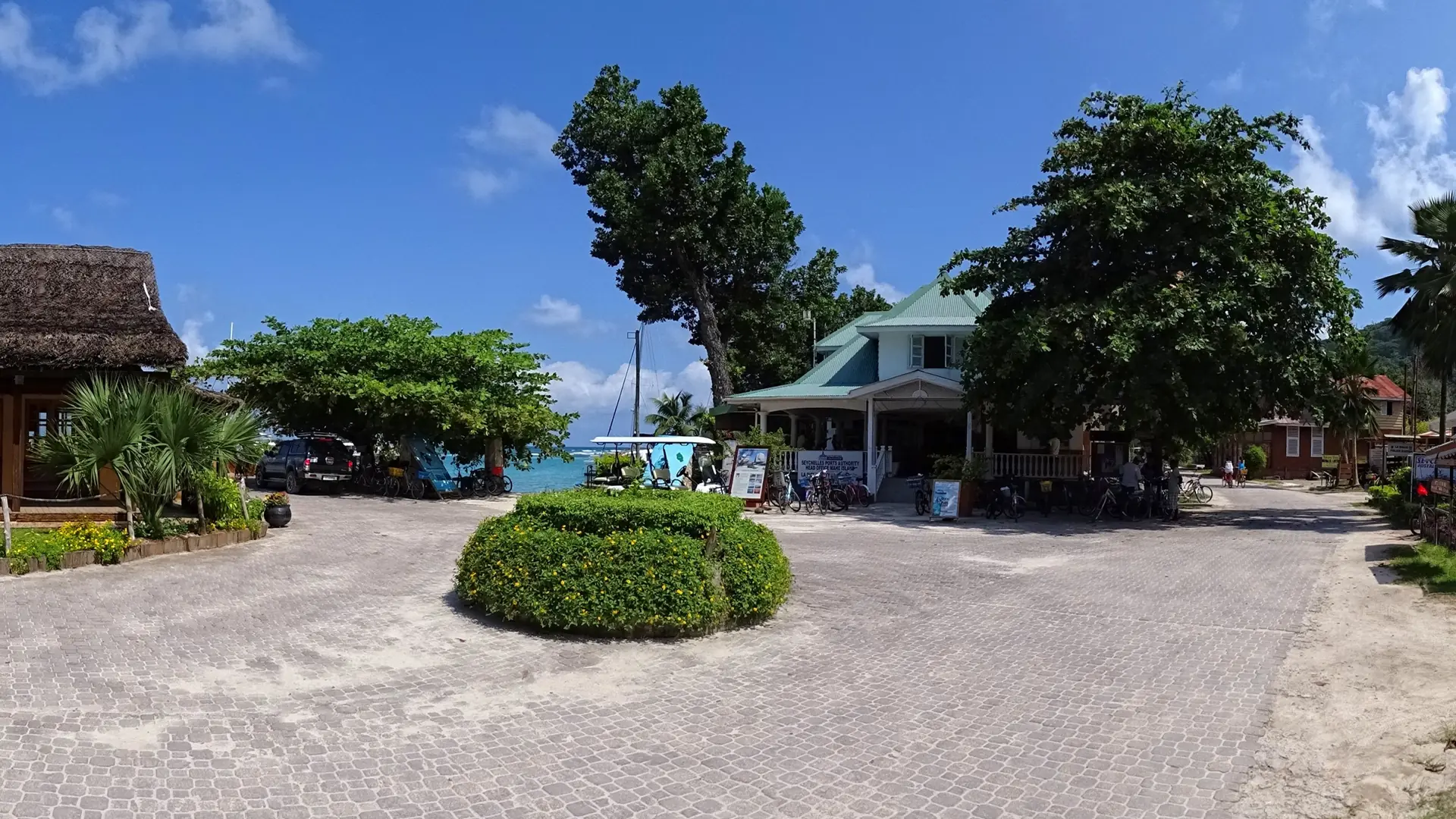
The passenger jetty, bicycle hire and village services cluster here. A central guesthouse keeps arrival and meal trips compact when you plan to explore mainly on foot.
This separate subdistrict puts Veuve Reserve and the L’Union approach closer to your room. It suits travellers whose days revolve around the forest and estate rather than the harbour.
Kari zourit is octopus curry with coconut milk; pwason griye is grilled fish, often paired with rice and chutney. For something sweet, look for ladob bannann, a banana daube.
Use one full day for the estate and Anse Source d’Argent, then another for the reserve and a northern shore outing. This is a suggested pace, with arrival and departure kept separate.
StartBooker answer
Choose central La Passe for the shortest everyday walks to the ferry, shops and meals. Anse Réunion suits a stay centred farther south, near Veuve Reserve and the approach to L’Union Estate. Both work for a visit on foot: give the estate and the northern shore separate days, with an arranged vehicle for longer journeys if needed. Three nights allow two full island days without a ferry deadline. La Passe is the harbour village, not a name for every La Digue hotel.
Explore tours, attractions and local experiences in La Passe, Seychelles.
Loading activities…
Activities provided by GetYourGuide. We may earn a commission on bookings.
Tell the planner your accommodation street, walking range and whether you want a vehicle for longer outings. Ask for two full days combining the estate, forest and a northern beach.
Use your email security code to continue planning.
Walkable village base
La Passe centre
For a first stay without a bicycle, choose central La Passe within walking reach of the jetty and village meals. Settle in after the ferry, then use full days for outings south to the estate and north towards Anse Sévère. The harbour gives this part of the island a lively everyday setting, with boats, shops and services close together.
The district recognises La Passe, Anse Réunion, Anse Sévère and L’Union as separate areas. Match the room to the places you will visit most often; the village and the estate form different ends of a day on foot.
Ferry and village meals
Stay here for the harbour, small shops and a compact village routine. Central La Passe is the starting point for a first visit without a bicycle, with outings branching north and south from the jetty.
Forest reserve and southern outings
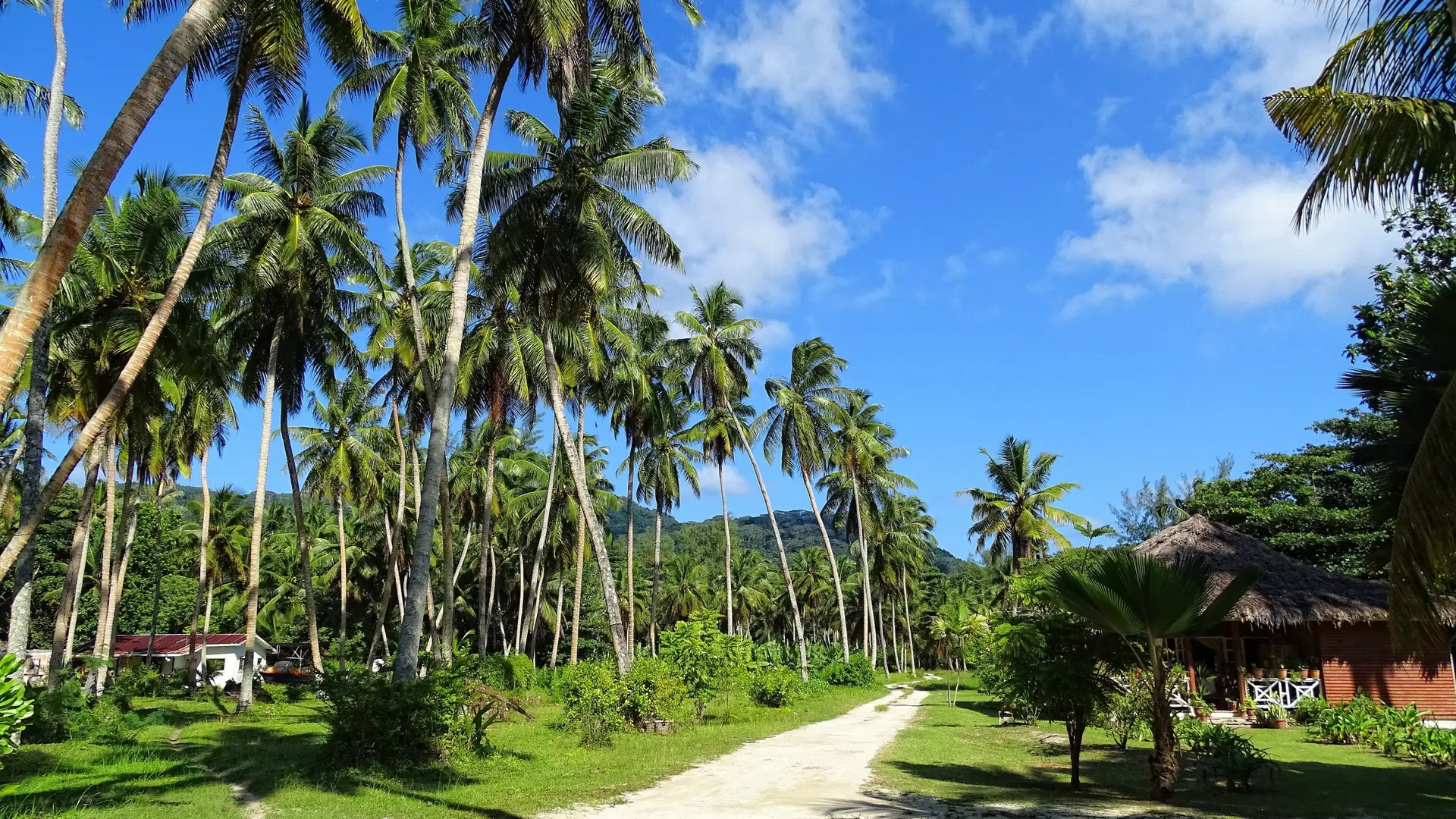
A room in Anse Réunion makes the lowland forest and the approach to the estate part of your daily surroundings. Choose it when you would rather spend time south of the harbour than return to the jetty between outings.
Northern shore afternoons
Anse Sévère gives a beach-led stay north of La Passe. Its granite-framed shore is a distinct outing from the village, and a nearby room suits travellers who want to spend several afternoons in this part of the island.
Plantation heritage and beach access
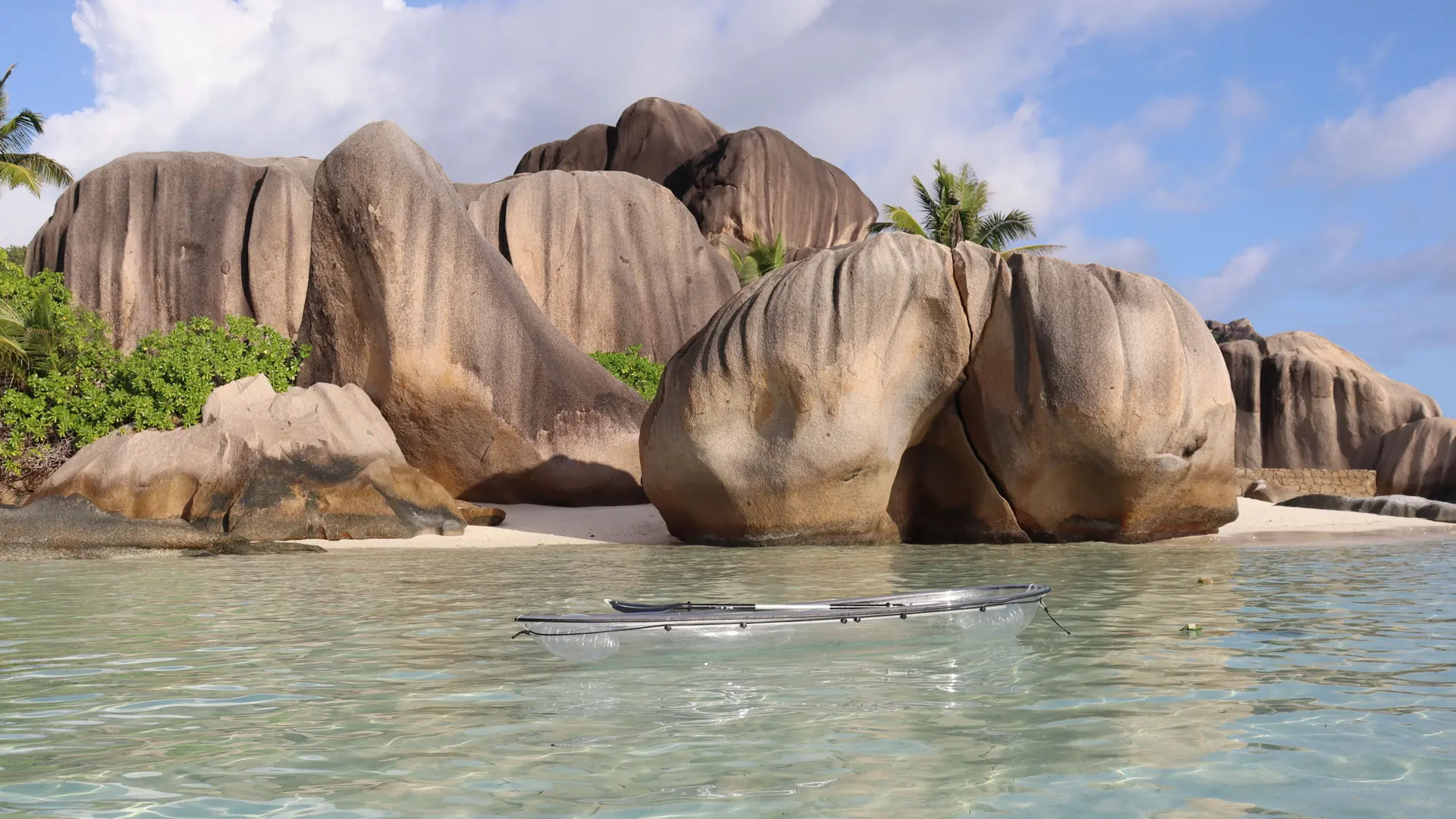
The L’Union side suits repeated visits to the estate and Anse Source d’Argent. Palms, former plantation buildings and the coastal setting give the area a different rhythm from the working harbour.
| Area | Best for | Features | Mobility |
|---|---|---|---|
| La Passe centre |
Ferry and village meals |
Harbour, shops and guesthouses |
Village walks; departures at the jetty |
| Anse Réunion |
Forest reserve and southern outings |
Lowland forest and west-coast lodging |
Walk south from La Passe along the west-coast road |
| Anse Sévère |
Northern shore afternoons |
Granite beach north of the village |
Follow the coastal road north from La Passe |
| L’Union |
Plantation heritage and beach access |
Plantation landscape and coastal paths |
Walk or arrange a drop-off at the estate entrance |
A central room can support several kinds of stay. Choose the area that keeps your favourite outing close, then give the other side of the island its own day.
Start in central La Passe, settle into the village on arrival and leave two full days for the estate, reserve and northern coast.
Choose Anse Réunion or the L’Union side for a day moving from plantation history to the granite coves of Anse Source d’Argent.
Stay in Anse Réunion and make Veuve’s forest trail the main morning outing, with a ranger-led visit if birds are your priority.
Choose Anse Sévère when time beside the northern beach matters more than frequent returns to the village. Walk the coast back to La Passe for a change of scene.
Use a central La Passe room as your everyday base and an arranged vehicle for longer journeys. The estate accepts vehicle drop-offs at its entrance.
Spend the last La Digue morning near the jetty, then move to Mahé for an overnight before an international departure. This keeps the sea crossing on the previous day.
Compare stays in La Passe village for your island dates and preferred room type.
Passenger ferries arrive at La Passe. From the village, the west-coast road leads south through Anse Réunion towards L’Union, while the coastal road north leads towards Anse Sévère.
Cat Cocos serves the Mahé, Praslin and La Digue island network. Choose the sailing for your arrival date and allow the island move its own travel time. La Digue has no airport; a Mahé–Praslin flight still needs a road transfer and onward ferry.
Central La Passe is the practical choice for walking after arrival. For a room farther along the coast, arrange luggage collection with the accommodation before travelling; local vehicle transfers can handle the first journey while you explore on foot later.
Follow the west-coast road south through Anse Réunion to L’Union Estate, about 2 km from the jetty. Budget 40–50 minutes each way on foot as a planning estimate, plus stops and the estate visit. The operator quotes 15 minutes by bicycle. Give the grounds and beach a half-day or longer.
Follow the coastal road north from the village for an Anse Sévère outing, returning the same way. Keep this as a separate relaxed afternoon rather than adding it to the estate day. The coast road gives orientation; the room’s exact street determines your starting distance.
Arrange a vehicle through the accommodation for luggage or longer distances. If hiring a bicycle, choose working brakes and suitable child equipment before leaving the village. Routes towards the island’s interior climb; a short island distance does not mean a flat ride.
At L’Union, visit the plantation house, copra kiln and mill before heading to the beach. Coconut processing and vanilla cultivation explain the estate’s agricultural past; the old pier and cemetery add the settlement story. Leave time to see these places rather than using the grounds only as a beach corridor.
Open daily 06:00–18:00. Foreign visitors pay SCR150 (about US$10) for a day pass; the estate says passes bought after 16:30 also cover the next day. Walk through the heritage grounds to reach Anse Source d’Argent. This admission is separate from accommodation.
SPGA lists Monday–Friday 08:00–16:00 and Saturday 09:00–15:00. Non-citizen entry is SCR150 (about US$10), or SCR200 (about US$14) for a guided visit. Start at the information display, then follow the woodland trail; allow about an hour as a suggested visit.
For limited walking range, choose a room near village services and arrange a vehicle with suitable boarding access. Confirm steps from the road to the room and bathroom layout with the host; a central location alone does not establish step-free access.
L’Union Estate permits vehicle drop-off at the entrance. Its grounds can be explored on foot, but beach sand and granite paths differ from a paved road. Plan the accessible part of the visit around the group’s range rather than assuming every cove has the same approach.
Let the estate and forest provide different experiences, then choose the travel month and room budget around the kind of island days you want.
April often brings lighter, variable winds; the southeast trades ease during October. These transitions can suit a stay combining coastal outings and ferry travel. Keep a forest visit available alongside beach plans.
Stronger southeast winds can make open-water crossings rougher. Western shores may be more sheltered than exposed coasts, but the day’s swell and tide still determine a suitable beach activity. Swimming is not guaranteed by the season.
Expect warmer, wetter weather, with January usually the wettest month. Use breaks in showers for village and estate walks, and keep time flexible for the reserve. Heavy rain can change the appeal of a long outing on foot.
SeyVillas gives a Seychelles-wide guesthouse benchmark of €70–150 (about US$80–170) per room per night. Treat it as an indicative range for two adults sharing, rather than a live La Passe quote; dates, room type, meals and transfer inclusions affect the final price.
A takeaway benchmark is €5–8 (about US$6–9) per person per meal; restaurant meals are around €20–40 (about US$22–45). A self-catering room lets you combine these with groceries. Ferry fares, vehicle transfers and site admission are additional.
US-dollar equivalents are rounded planning figures, using the ECB euro rate checked 22 October 2026 and the Central Bank of Seychelles bank-draft midpoint dated 21 October for rupee fees. Card conversion and cash exchange rates can differ.
Yes. Use La Passe or Anse Réunion as a base for west-coast walks, with the estate and northern shore on separate days. Arrange a vehicle for longer journeys if needed. The central village is the easiest starting point when short walks to meals and the ferry matter.
Three nights give two full days between arrival and departure: one for L’Union Estate and Anse Source d’Argent, another for Veuve Reserve and a northern shore outing. This is a suggested pace; a shorter visit works if you choose fewer places.
They are separate subdistricts on La Digue. La Passe is the harbour village; Anse Réunion lies south along the west coast and contains Veuve Reserve. Choose the address that puts your main outings nearer the room.
The reserve protects lowland woodland for the endemic Seychelles black paradise flycatcher. It opened in 1982 and now covers 21 hectares. Rangers can help locate birds, while the information display explains their habitat; sightings remain a possibility rather than a promise.
Plan the visit for its granite coves and coastal scenery, then decide about swimming using the tide, swell and local advice that day. Shallow water can limit swimming at low tide, and a photograph does not establish safe conditions.
An overnight on Mahé before the flight keeps the ferry crossing separate from airline check-in. A same-day connection must include the actual sailing, baggage collection, road transfer and airline deadline; use the published operator schedule rather than a generic island-transfer estimate.
Reviewed by StartBooker
Last reviewed 2026-10-22
Updated
Method: Main-agent self-review of the district geography, estate and reserve operator information, walking-based visit plan, climate, Creole food and scoped room/meal costs. Retained licensed photographs and credits were checked; live integrations receive separate desktop and mobile review.
14 sources reviewed