Last reviewed 22 October 2026
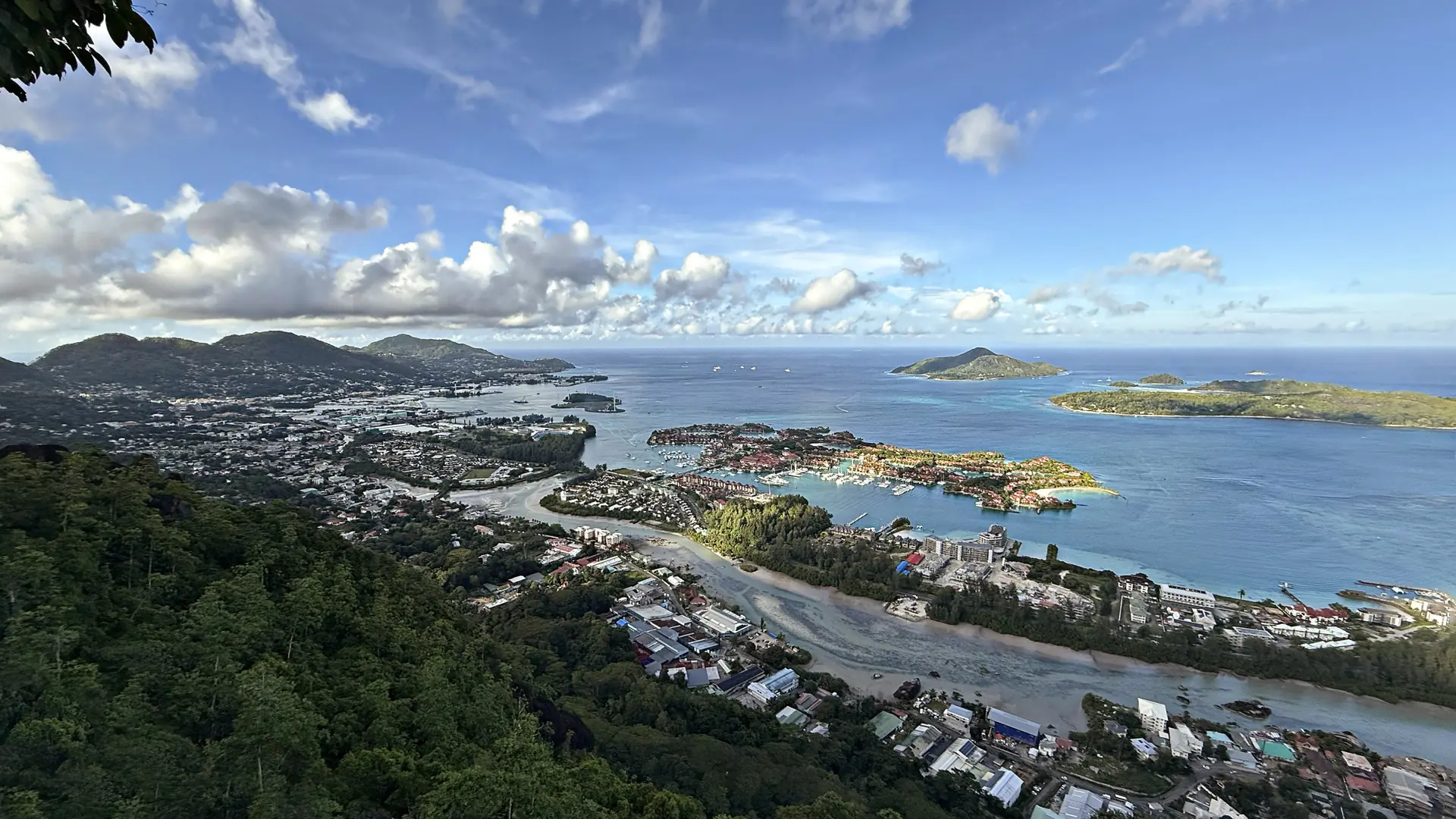
Seychelles becomes more interesting when you look beyond its beach photographs. The granite islands have forested interiors, inhabited villages and a culture shaped by African, French, Indian, Malagasy and Chinese influences. That mix is visible in food and in the places you can visit: a spice garden on Mahé, the capital’s history museum, or a village kitchen serving a Creole meal. Give those experiences their own place in the holiday rather than saving them only for a rainy afternoon.
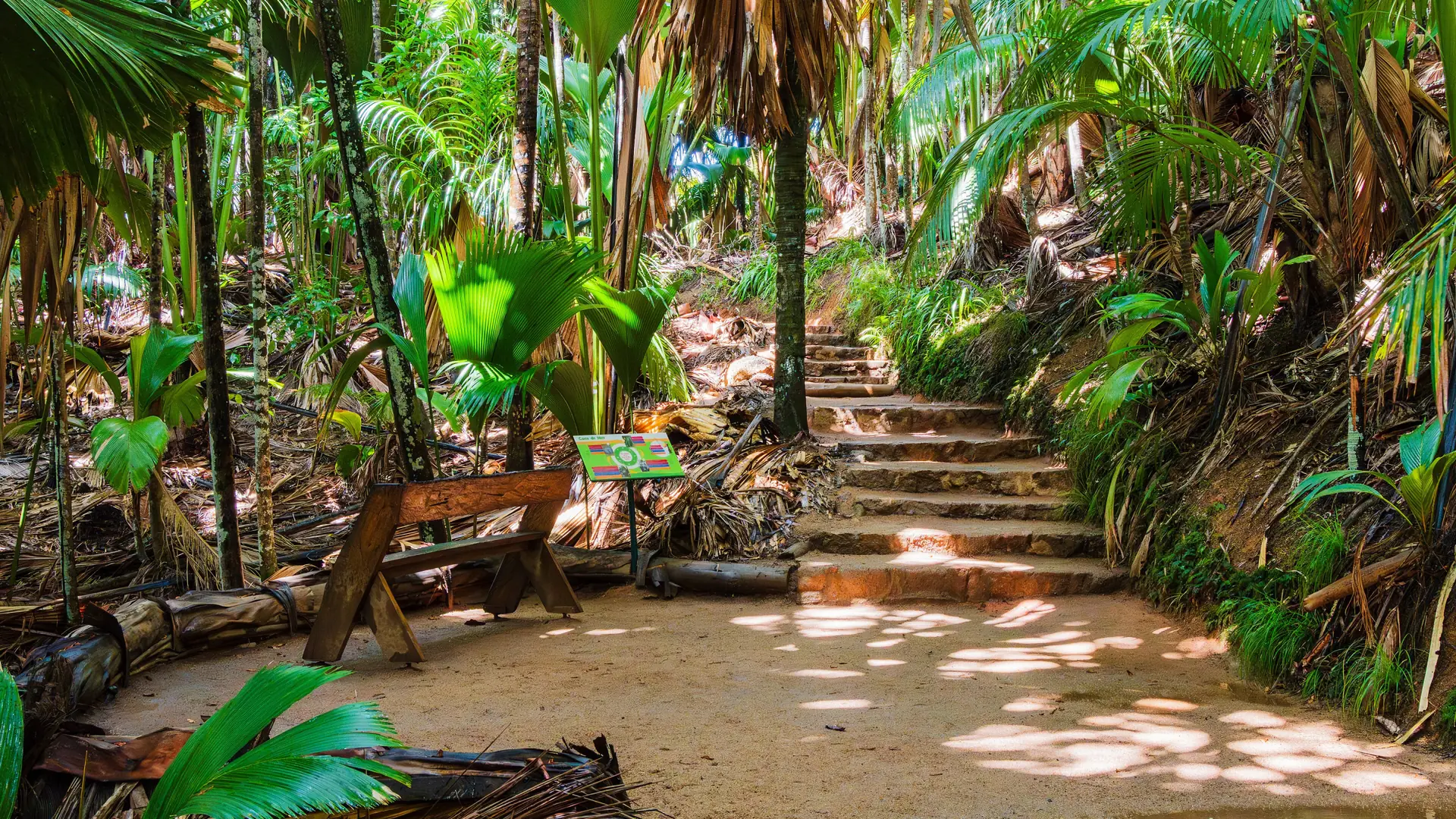
At Vallée de Mai, the attraction is the forest itself. The coco de mer’s enormous double nut is only one part of an ecosystem containing all six endemic Seychelles palm species. The reserve became a UNESCO World Heritage Site in 1983. A guided visit helps you recognise palms and understand the conservation work; bird sightings, including the Seychelles black parrot, remain a possibility rather than a promise. Allow time to look up at the canopy instead of treating the entrance as a quick photograph stop.
Praslin also makes a natural starting point for Curieuse, where Aldabra giant tortoises live alongside coastal and mangrove habitats. There is human history here too: remains of a former leprosy settlement stand at Anse José. The 1873 Doctor’s House has served as a museum, but the parks authority currently lists it as closed for renovation. Choose an organised day visit from Praslin for the island and its conservation story; do not build the day around entering that building.
A Creole meal is a good introduction to the islands’ cultural connections. Look for pwason griye, whole grilled fish, or kari zourit, octopus cooked in a coconut curry. Rice and freshly prepared accompaniments often form the rest of the plate. Tourism Seychelles lists Marie Antoinette on Mahé and Coco Rouge on Praslin among local dining choices; village takeaways offer a simpler setting for discovering the same Creole cooking traditions.
For something sweet, look for ladob bannann, a banana-based daube, or banana fritters called gato bannann. Creole cooking uses both savoury and sweet daubes, alongside chutneys made from ingredients such as green papaya, coconut or aubergine. The French name of a dish does not tell its whole history: the cuisine developed through the work and traditions of several communities, including enslaved Africans and Malagasy people. Trying more than one kind of meal reveals that variety better than one resort buffet.
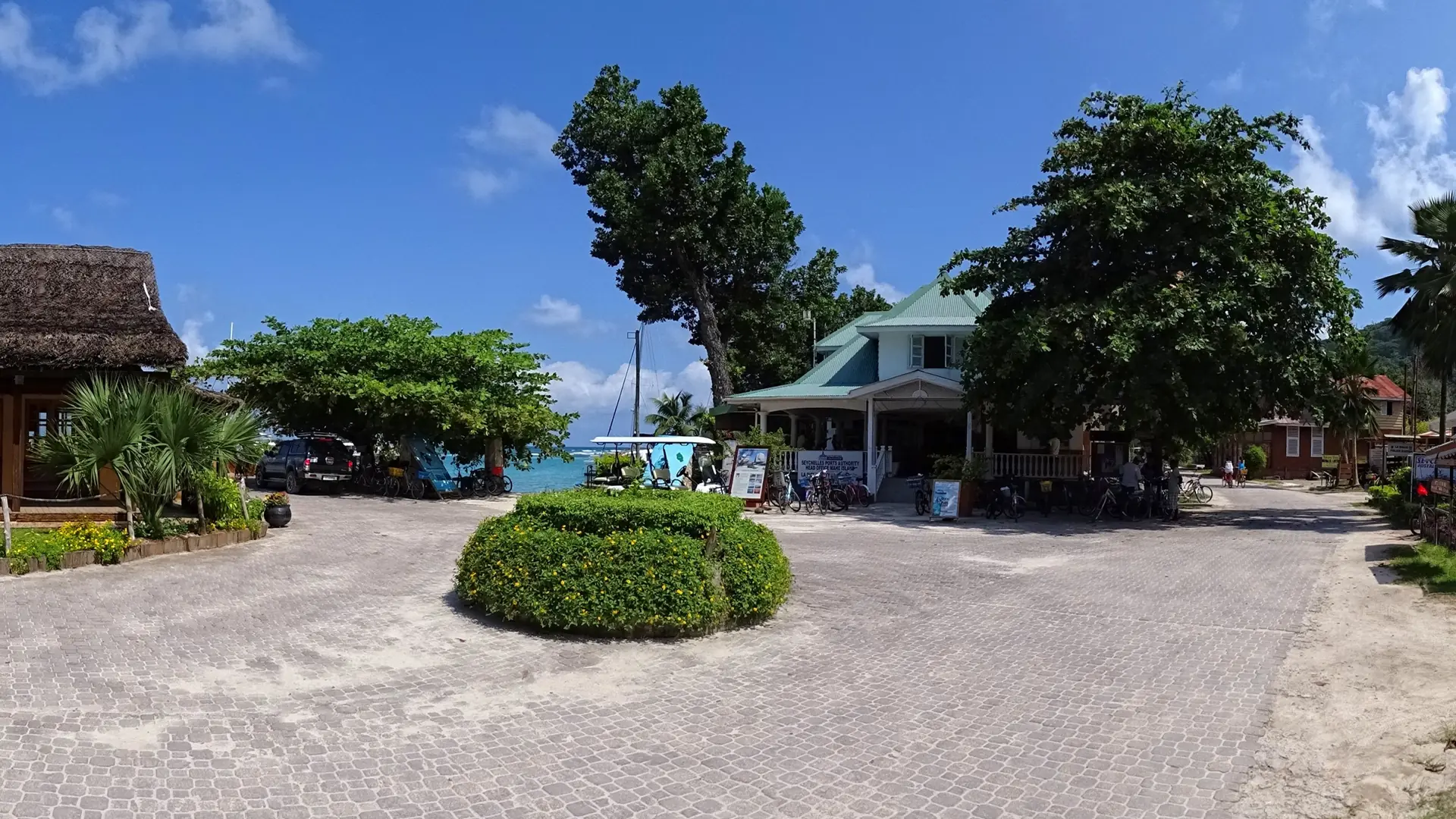
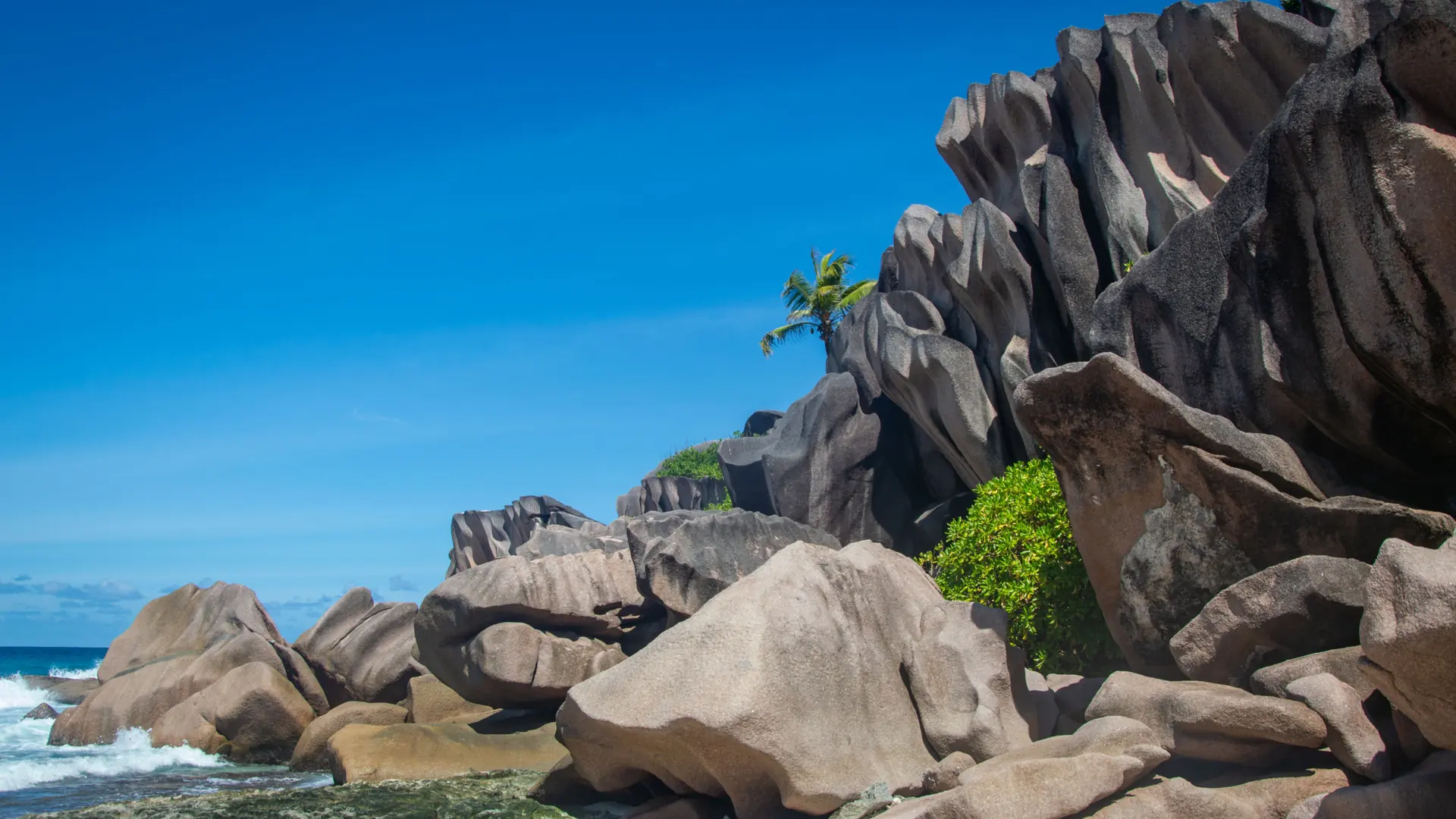
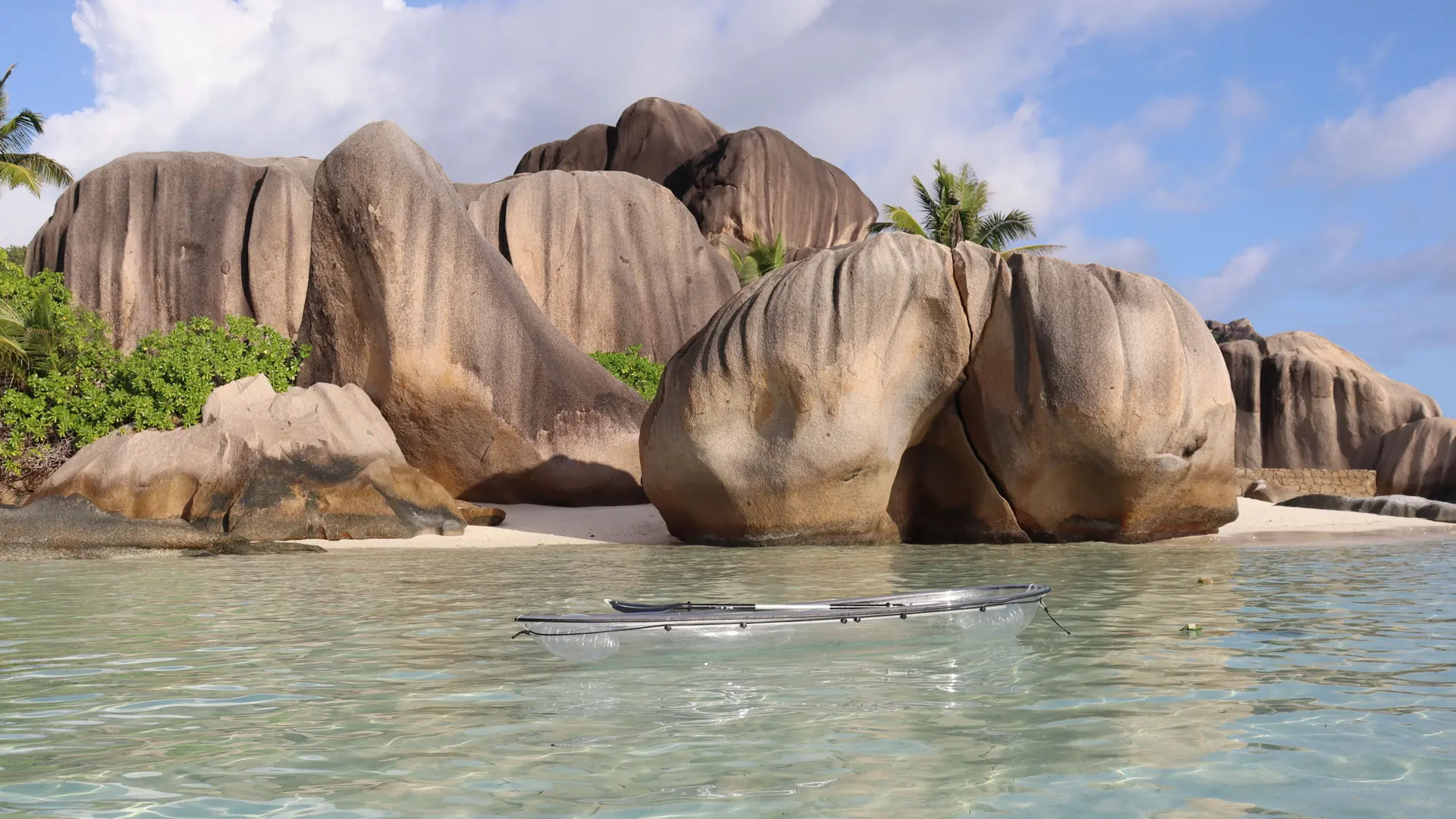
La Digue’s village lanes and bicycles give the third island a different rhythm. L’Union Estate and the granite shore at Anse Source d’Argent make a coherent southern outing from La Passe. Keep another part of the stay for the northern coast, rather than trying to cover every beach between two ferries. The appeal of an overnight is having choices: you can spend longer in one place, return to the village for a meal, and see the island beyond its best-known photograph.
Your accommodation choice shapes how much of that local life fits easily into a day. A guesthouse near a village offers access to small restaurants and shops; an apartment makes breakfast or a simple supper at home possible. A secluded resort can suit a holiday built around its own beach and facilities. Neither style automatically gives better value. Compare what is within a realistic walk of the address, particularly on Mahé’s hills, and decide whether you want to leave the property most evenings.
For a manageable first visit, think in full days ashore. Mahé and Praslin give a week two contrasting settings without requiring a third island. Ten days can add a separate La Digue stay and still leave a final Mahé night. More nights also make space for an excursion that depends on sea conditions, such as Curieuse, without turning a cancellation into the loss of the whole Praslin visit. Keep the forest and village days as worthwhile experiences in their own right, not merely replacements for the beach.

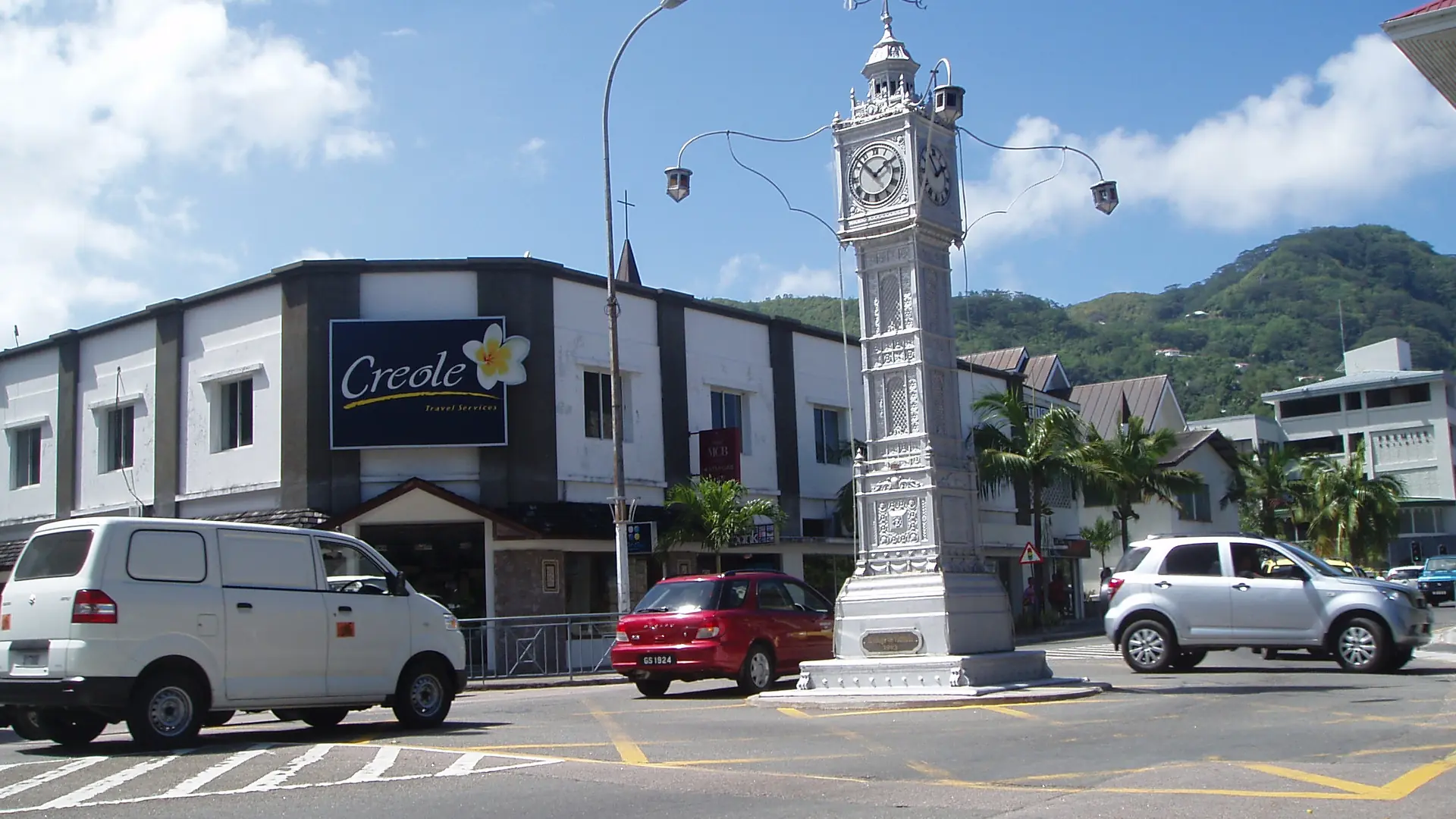 Victoria