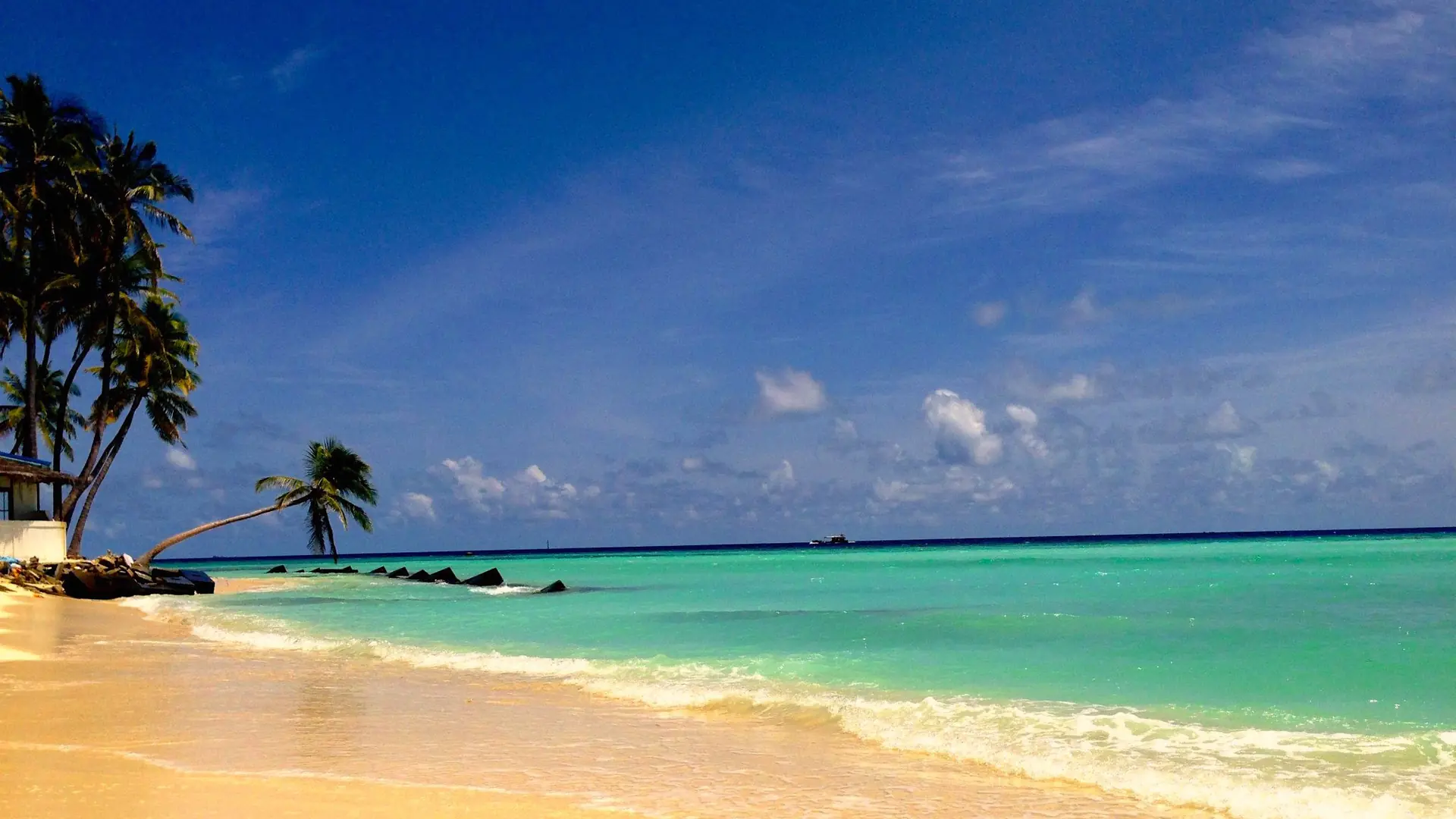
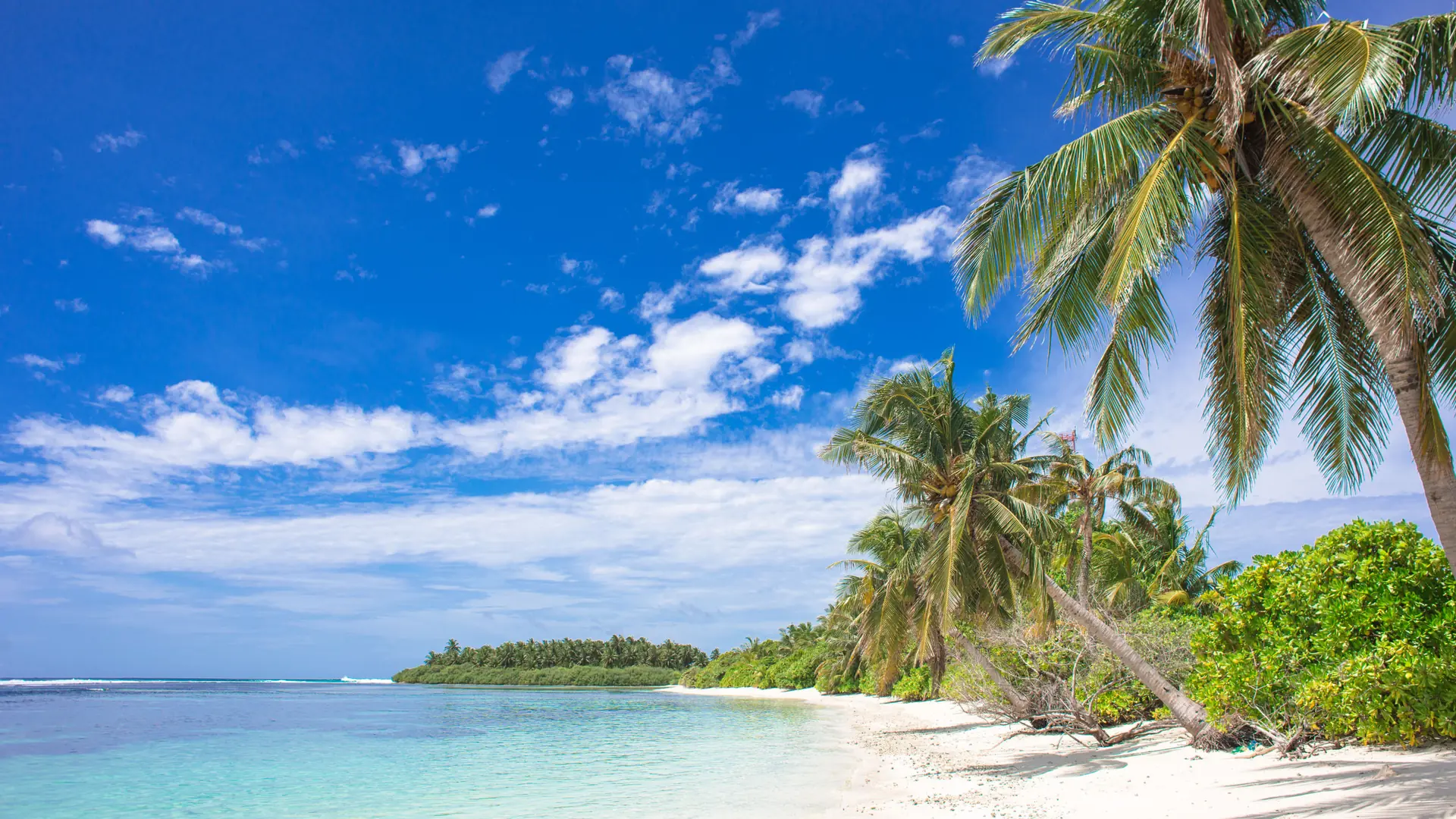
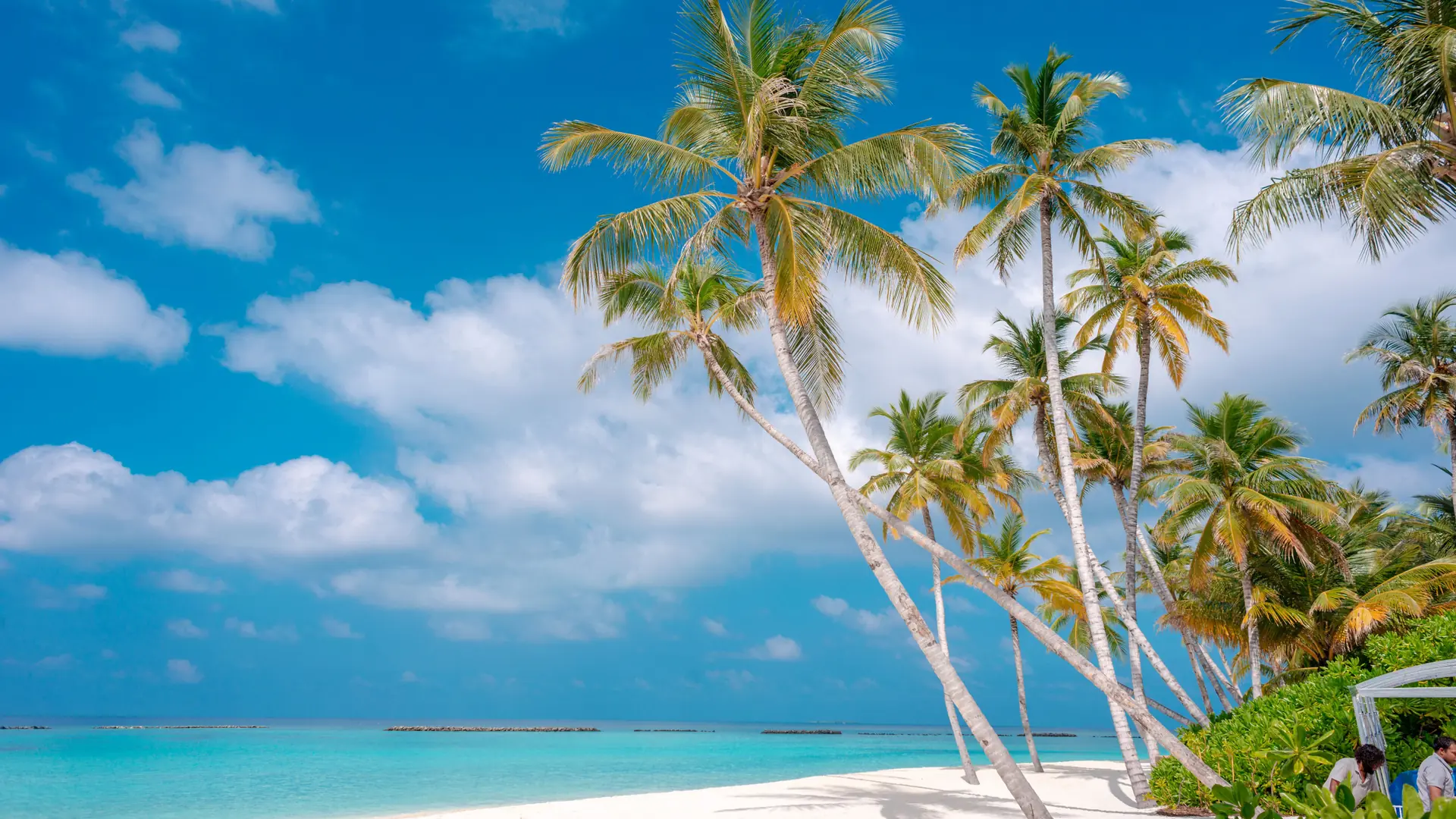
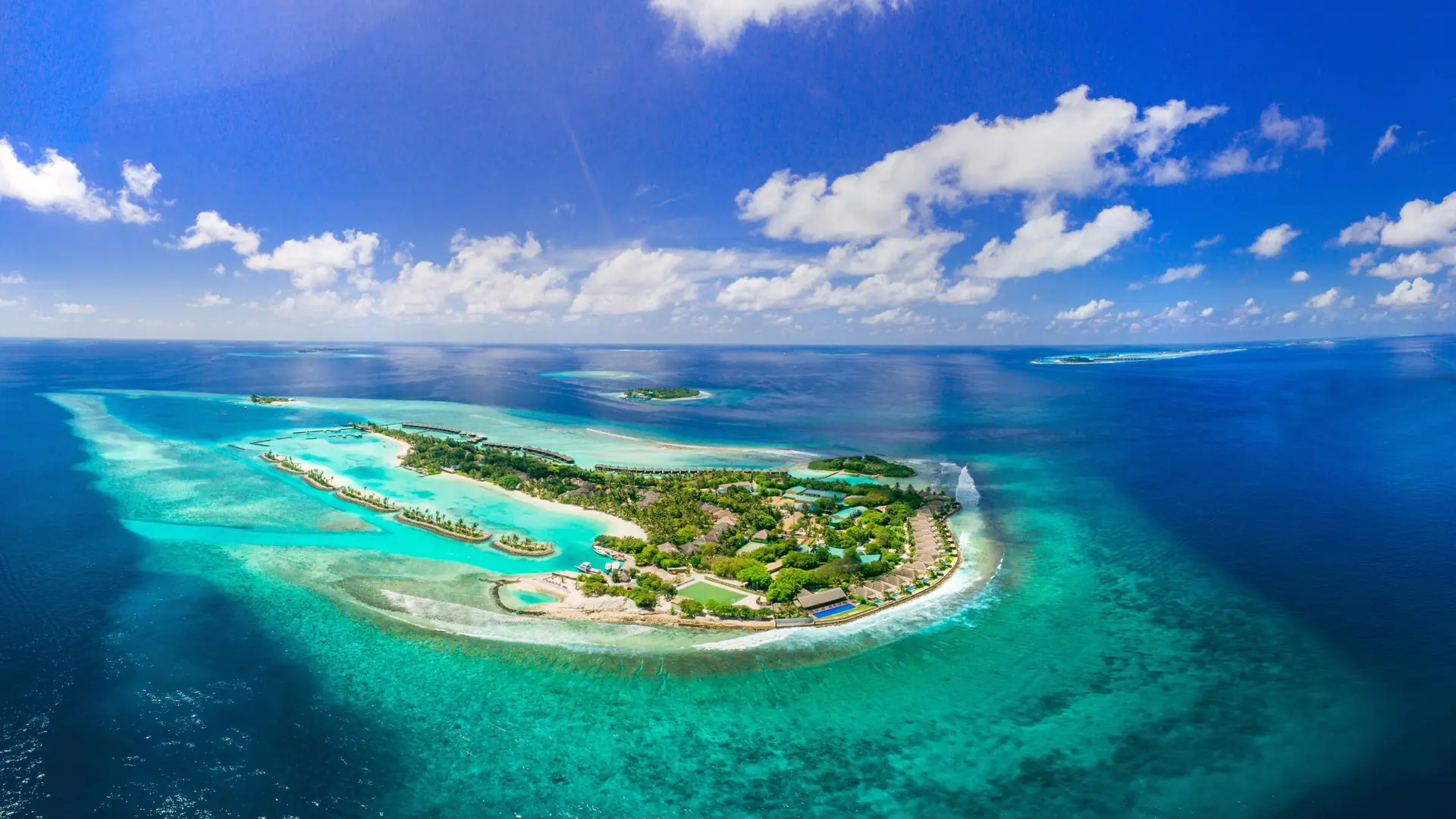
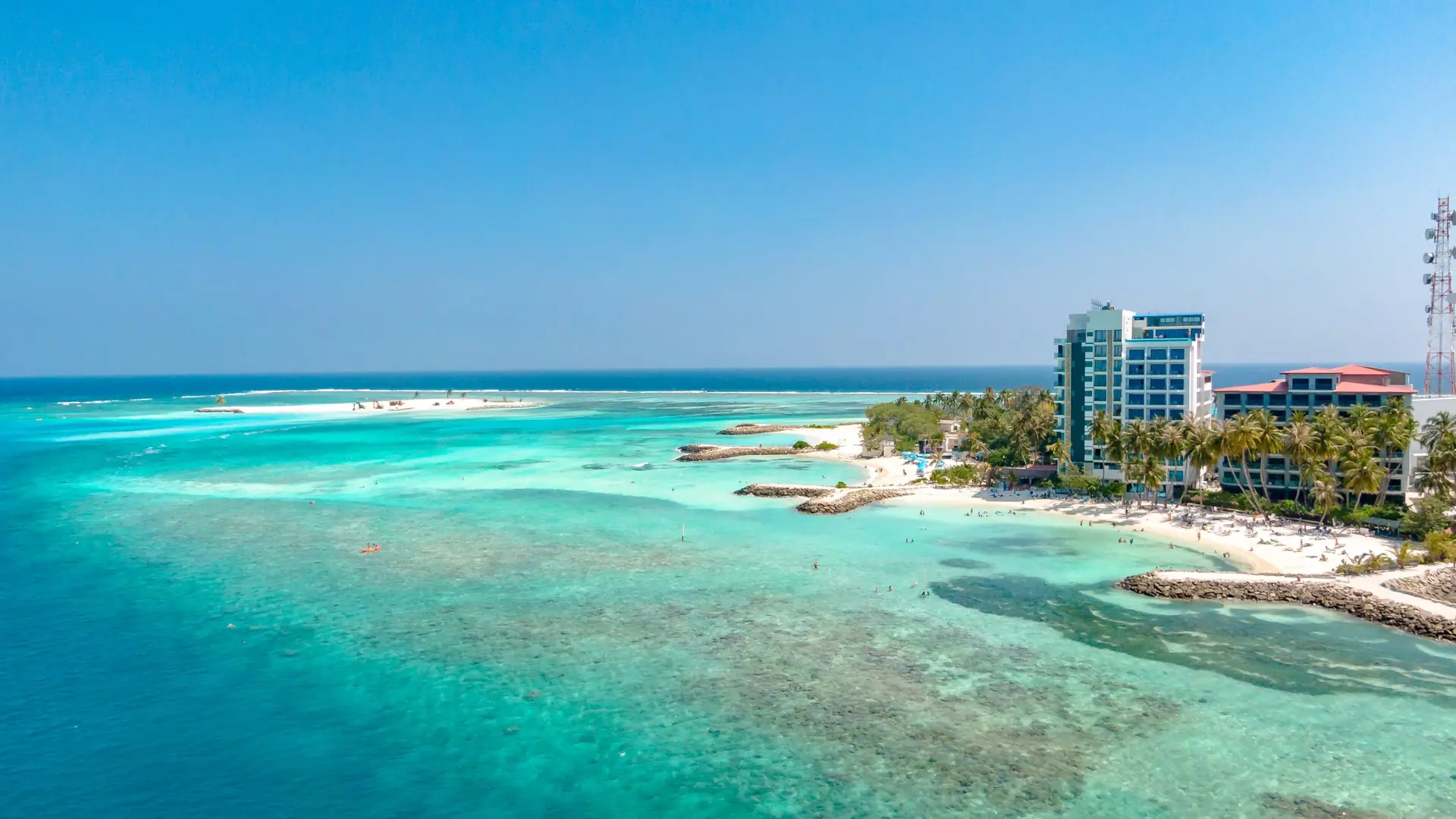
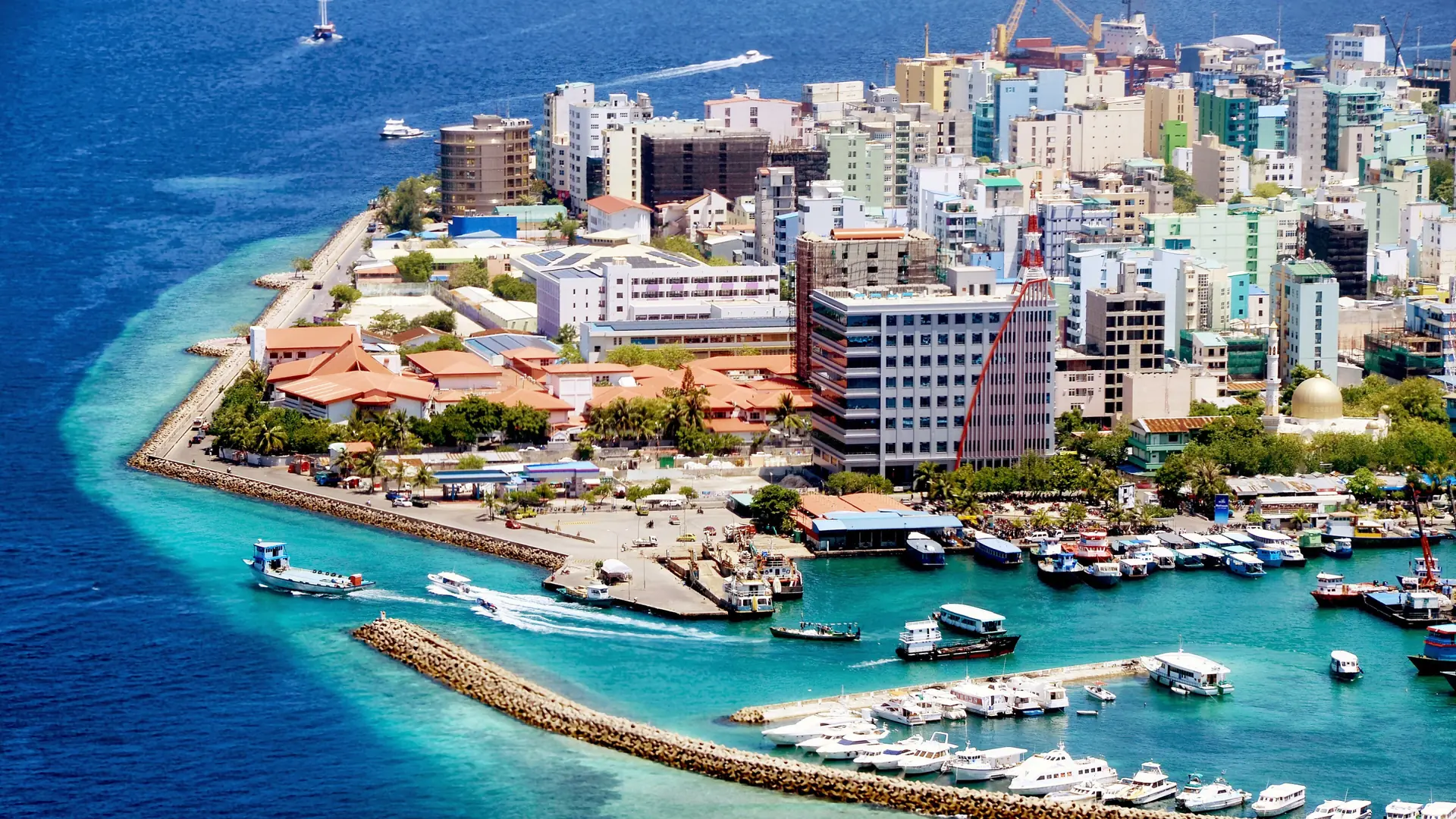
Sunlit white sand and turquoise water at Maafushi Beach in South Malé Atoll

Maafushi stays for beach days, village life and boats

Loading Maafushi hotel search

Pick the shore, street or pier you will actually use

Maafushi works best when its reliable boat access and broad guesthouse choice fit your trip. Make a specific room and pier decision, then treat excursions as optional rather than guaranteed wildlife.

First beach trip North near Bikini Beach

The official tourism office places named guesthouses directly beside Maafushi’s designated Bikini Beach. Check the exact room entrance and beach access point; “sea view” may face a different stretch, and visitor swimwear rules apply only where allowed.

Everyday island Inner village streets

The Council map separates existing guesthouse plots from homes, shops and services. An inland room can be a useful base for meals and an ordinary island walk, but it is not automatically quiet or beach-adjacent. Ask for a street pin and walking route.

Boat day Harbour approach

The island has a mapped ferry terminal and commercial boat operators. The useful question is the current boarding pier for your named service, not whether the listing uses the word “harbour.” Ask how you will move bags and when to check in.

South end Residential, with limits

The Council’s future land-use plan places planned tourism plots near southern residential and service land. That map is not evidence that a resort has opened there. Book the south only against a real operating property, honest photographs and a known beach route.

Sea trips Boat operator matters

Local dive and excursion businesses advertise reefs and sandbanks reached by boat. Sightings, calm water and an accessible landing depend on conditions; obtain a current operator briefing, equipment and cancellation terms.

Entry Use Immigration

The Maldives currently grants tourist visas on arrival subject to conditions and requires a free individual Traveller Declaration within the stated pre-arrival window. Check the official page again for your passport and trip date.

StartBooker answer

Where should you stay on Maafushi for a first Maldives local-island trip?

Choose Maafushi’s northern Bikini Beach frontage if easy designated-swimwear beach access matters most. An inner guesthouse street can suit a more local, often practical base; the harbour approach is useful when an early boat and luggage handoff shape the stay. The residential south deserves a very precise property check because its planned tourism areas are not proof of current hotels. Maafushi offers multiple boat operators and excursions, but it remains an inhabited island with local clothing rules. Confirm the date-specific boat, pier, room location and total cost before paying.

Beach
Bikini Beach is the designated visitor swimwear area near the northern guesthouses.
Transport
Date-specific speedboats and a separate public-ferry option require different boarding checks.
Land use
The Council map shows existing guesthouses and a distinct proposed tourism zone; proposed does not mean open.
Season
January to March is normally drier, while mid-May to November is the wetter monsoon.
AI-powered

Plan a Maafushi stay around the boat

Tell the planner your landing flight, actual speedboat operator, desired beach access, swim confidence and any mobility needs. Ask it to leave a realistic connection margin and to distinguish public-island rules from resort facilities.

Four honest ways to use one inhabited island

These are descriptive booking contexts, not official neighbourhood names. Existing lodging lies among island homes and businesses; the Council separately maps the harbour and future tourism parcels. Check a current property pin before using any area label.

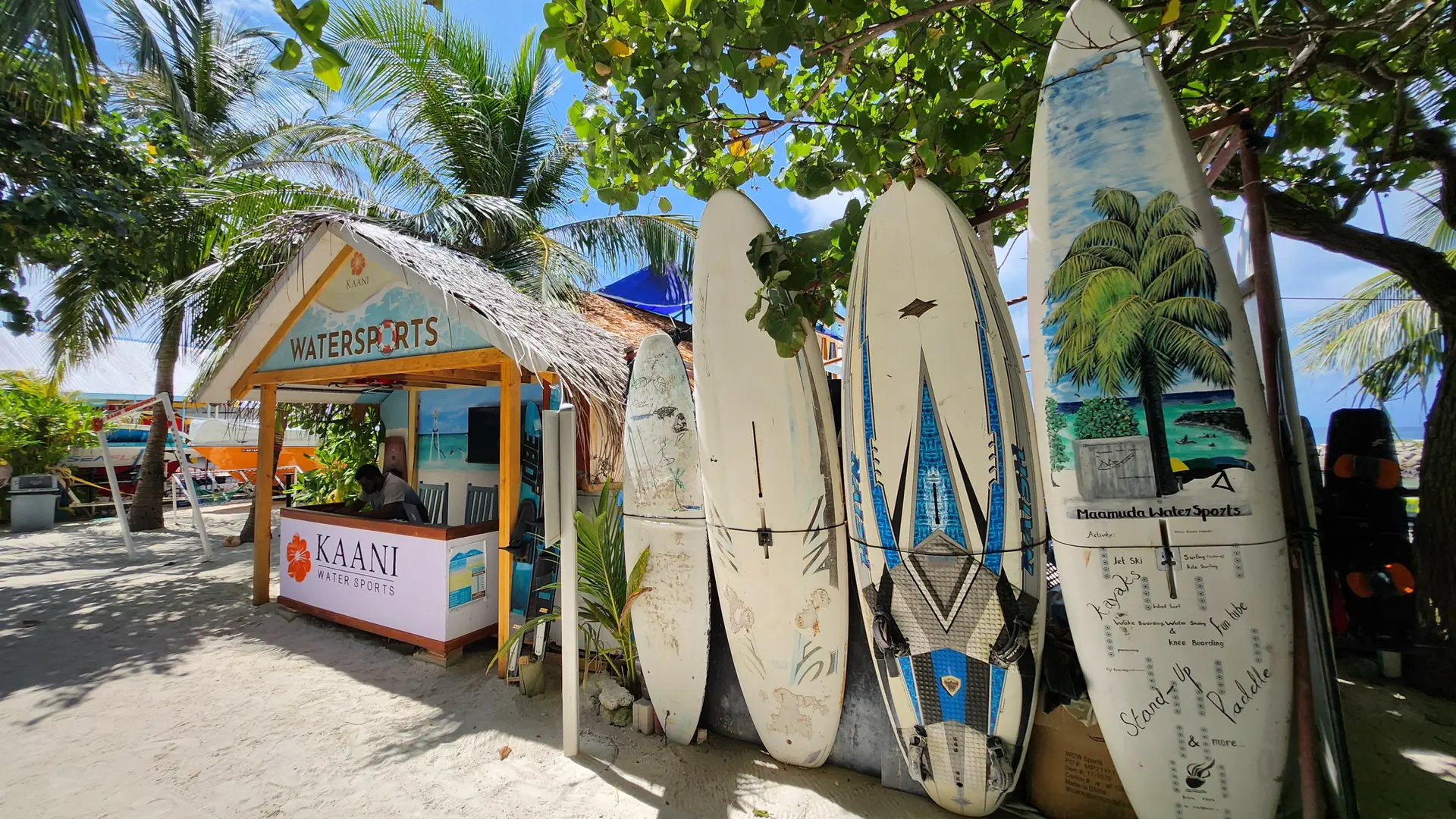
Kaani Watersports boards beside the visitor beach on Maafushi

Northern Bikini Beach

First-time beach days

Choose the established northern visitor frontage when you want to walk from a verified room to the designated swimwear area. Official tourism material identifies a named hotel directly here, and the island plan marks the existing guesthouse district. Compare the room’s actual entrance and whether the advertised view is over the beach or another side. This strip serves an easy morning swim and an unhurried last afternoon. It is also where visitor movement and excursion sales can be more noticeable, so request a room away from a busy entrance if sleep matters.

You want the simplest beach access on your first inhabited-island stay.

Visitor and boat activity can rise near the north shore.

Beach First trip Guesthouses

An attractive beachfront photo does not promise a quiet room or reef quality.

Confirm the designated swim area and exact room orientation.

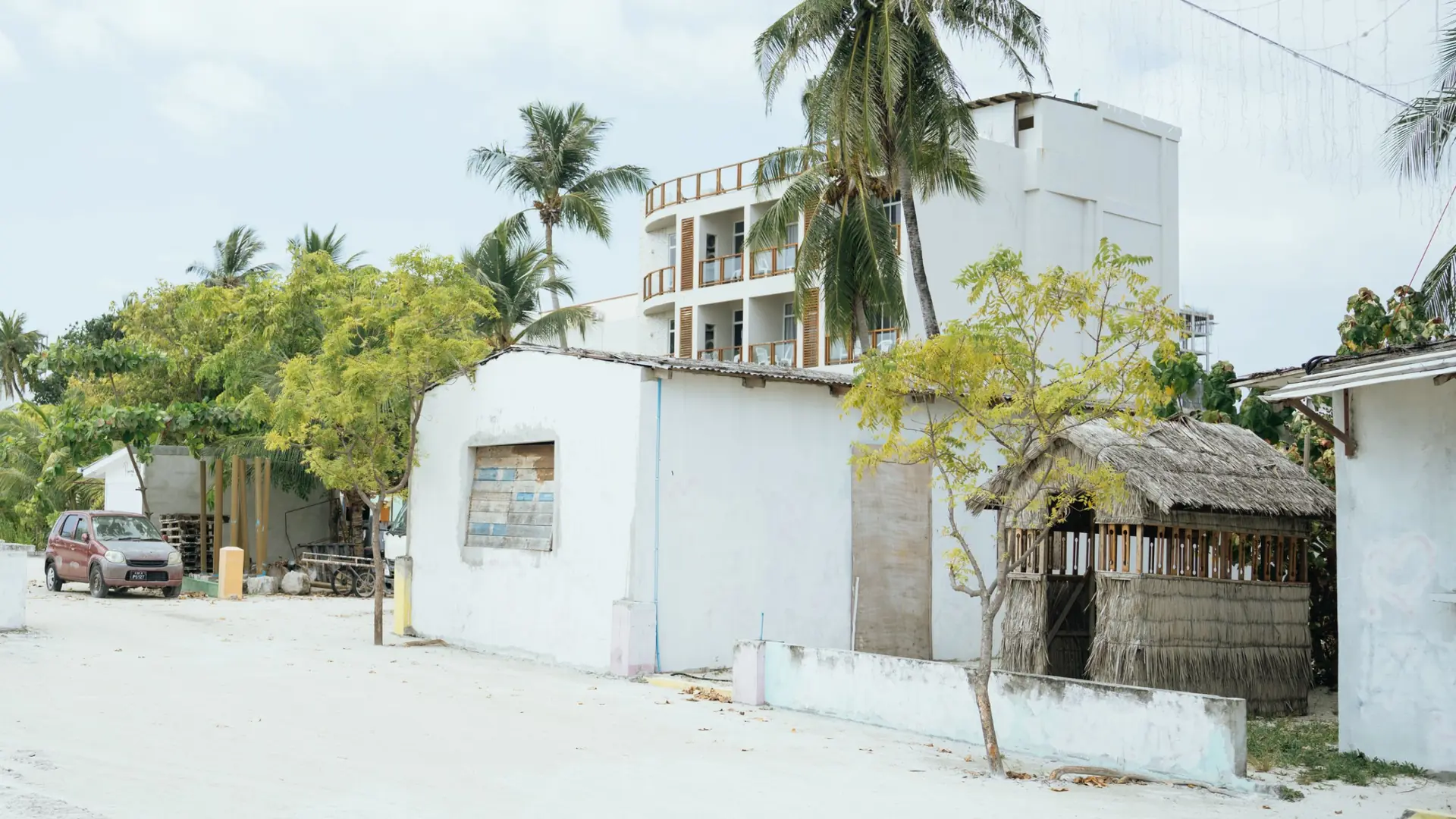
Sunlit sandy lane and guesthouse buildings on Maafushi

Inner village guesthouse streets

Local meals and flexible budgets

The central streets put island shops, cafés and guesthouses in the same everyday setting rather than packaging the whole stay as a beach scene. The Council plan maps a residential grid and existing guesthouse land, while the local dive operator describes cafés and accommodation across the island. A named inland property can be a sensible value choice if its walking route to the north beach and boat pier works for your party. Ask whether its windows face a road, another building or a courtyard. Be considerate around homes, mosques and schools, and change out of beach clothing before the walk back. A village-street pin says more than a broad “Maafushi centre” label.

You value local meals and a precise room over a seafront address.

Mixed island sounds differ by street and time.

Local life Meals Guesthouses

Beach and pier are separate walks, especially with children or bags.

Ask for a map pin and the actual path to the designated beach.

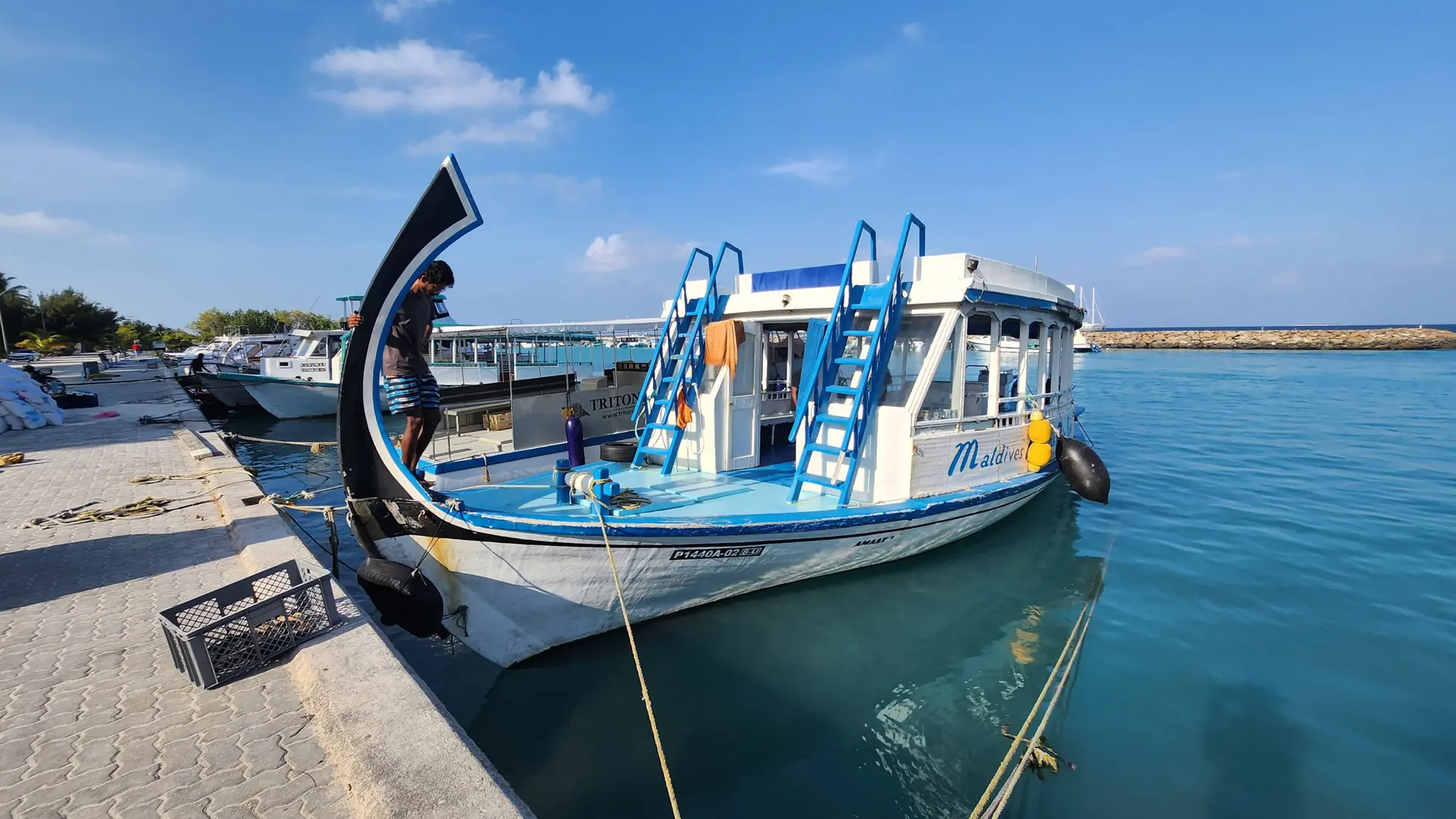
Blue dive boat moored beside a Maafushi quay

Harbour and ferry approach

An early confirmed departure

A harbour-side room can reduce the practical load of an early departure if your actual operator uses the mapped ferry terminal or a nearby jetty. The Council plan shows a ferry terminal, while iCom and hotel transfer pages make clear that services are booked by route and date. Give the property your ticket and ask which pier its staff will walk you to; the word “harbour” can conceal multiple check-in points. This is a transport decision first. Watch for boat noise, loading activity and a waterfront that may be functional rather than sandy. Keep the beach as an outing, not an assumption about the view from every pier-side room.

Your verified pier and departure hour make luggage movement the priority.

Departures and unloading shape some mornings.

Harbour Early boat Luggage

Boat operations and working-waterfront noise may outweigh the scenery.

Match the exact ticket to the exact jetty and hotel door.

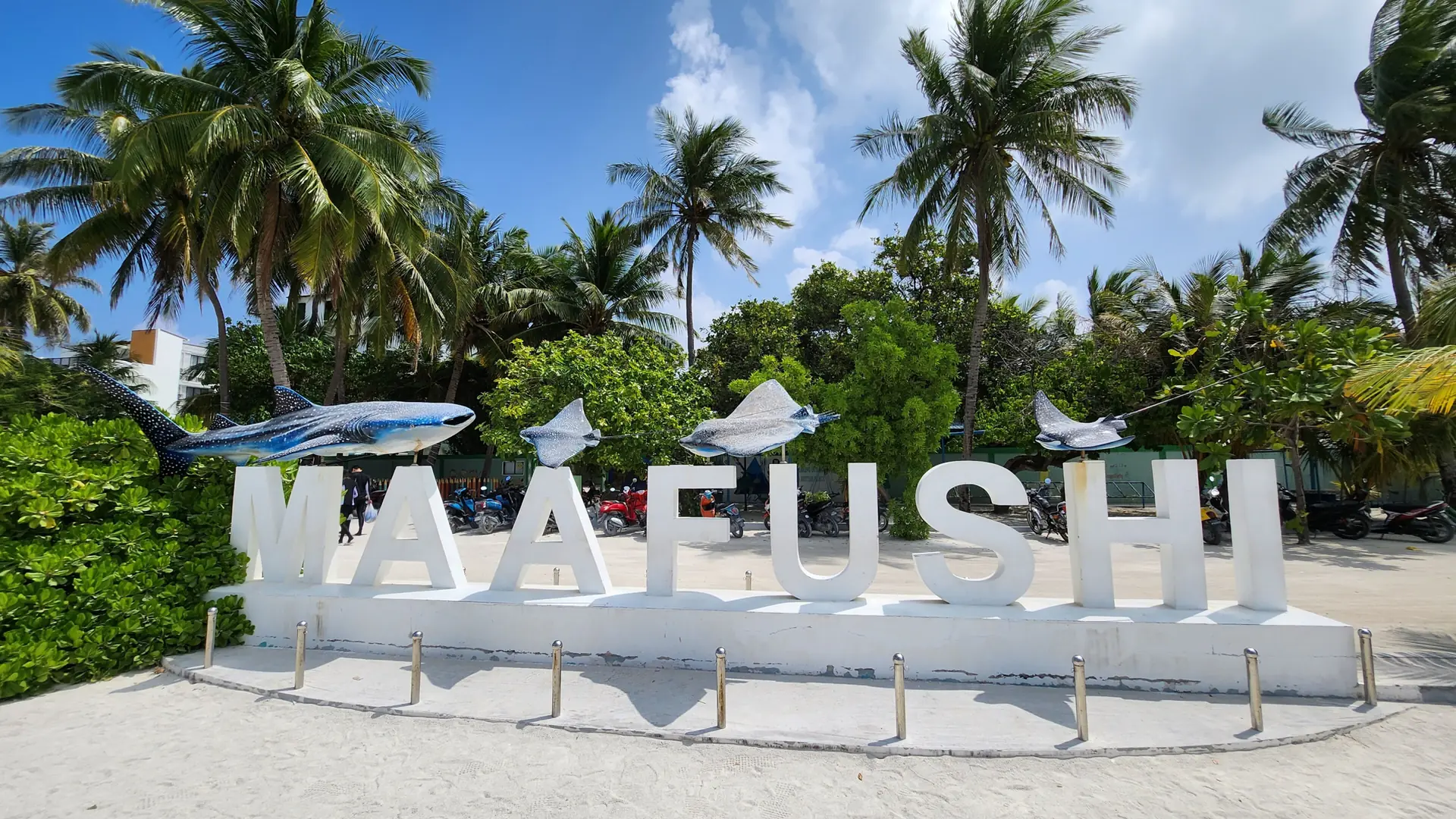
Palm-lined Maafushi island sign in bright daylight

Southern shore and residential edge

A specifically verified quiet stay

The south is not a second established Bikini Beach hotel quarter. The Council’s land-use drawing places housing, municipal functions and future tourism parcels around this end, and distinguishes a water-sports beach use. That makes a precise operating property essential: look for a current address, room photos, recent access details and a confirmed path to the northern visitor beach. A quieter room may be possible on a particular street, but the map alone proves neither accommodation nor swimmable shoreline. Some land is in service or restricted use, so stay on public routes and follow signs. This area makes sense only if the actual room and daily walking pattern are stronger than the convenient north.

A real property has confirmed its access, services and daily walking routes.

Residential quiet varies near service and water-sports activity.

Residential Precise address Local shore

Few assumptions about tourist facilities can safely be made from a proposed plan.

Do not treat the planned tourism zone as a completed resort.

Match your room to the main daily movement
Area Best for Trade-off Mobility check
Northern Bikini Beach

Designated beach at your door

An attractive beachfront photo does not promise a quiet room or reef quality.

Room side and legal swimwear area
Inner village guesthouse streets

Meals and local routine

Beach and pier are separate walks, especially with children or bags.

Walking route and room noise
Harbour and ferry approach

Verified boat departure

Boat operations and working-waterfront noise may outweigh the scenery.

Exact pier and bag handling
Southern shore and residential edge

Specific quiet property

Few assumptions about tourist facilities can safely be made from a proposed plan.

Real facilities, public access and beach walk

Choose by the day you actually want

Beach access, a dive boat and an early departure are different priorities on a small island. Select the main one first, then check whether the room still works for the other days.

A first beach week

Make a northern property your base only after viewing its exact doorway and the designated Bikini Beach access. Split each day between beach time and one chosen activity, leaving room for weather and a slow meal.

Choose this ifConfirm room orientation and the actual beach entrance.

Trade-offThe most convenient strip is also a social visitor area.

Avoid this ifDo not assume all Maafushi shorelines allow visitor swimwear.

AlternativeA quieter local island can suit uninterrupted shore time.

Diving or snorkel trips

Book the dive centre and its qualification or introductory process separately from the hotel. The local operator lists boat-access dive sites; ask about equipment, current, group size, weather call and return time. A pretty beach photograph cannot assess an underwater site.

Choose this ifChoose a stay convenient to the named operator meeting point.

Trade-offBoat trips add cost and can be cancelled by conditions.

Avoid this ifDo not promise manta sightings or calm water on a fixed day.

AlternativeA resort or different island may suit a strong shore-reef priority.

A family with younger swimmers

Start with room layout, shade, breakfast and a safe transfer handoff. A northern beach hotel simplifies the daily route, but check the exact signed swimming area and ask a competent local operator about sea conditions. Leave ambitious multi-stop excursions for a day when everyone is rested.

Choose this ifBook the real beds and a clear pier-to-hotel meeting point.

Trade-offA convenient family room may cost more than an inland guesthouse.

Avoid this ifDo not infer child-safe depth from turquoise colour.

AlternativeAn inland room can work for families who prefer quieter evenings.

A controlled total budget

Compare a room quote with taxes, meals, boat tickets and the excursions you will actually take. Kaani explicitly sells transfers separately; another property may bundle them, but obtain the written terms. An inland guesthouse can help if the daily beach walk is comfortable.

Choose this ifRequest a total payable quote and cancellation terms.

Trade-offThe cheapest room can cost more after transfer and activity add-ons.

Avoid this ifDo not reuse a travelogue’s old ferry fare as today’s price.

AlternativeSkip an extra tour day if beach and village time are the point.

A tight return flight

Put a margin between the confirmed Maafushi-to-airport boat and international check-in. Ask the operator which pier, when bags must be at the boat and what happens in bad weather. A harbour-side stay may reduce a morning bag walk, but it cannot make a delayed sea crossing reliable.

Choose this ifChoose a named property after buying the actual dated boat.

Trade-offA working waterfront can be noisier than an inland street.

Avoid this ifAvoid a same-day connection with no realistic disruption margin.

AlternativeAn airport-side final night may be safer for a very early flight.

A quiet room and local setting

Treat noise as a room-level question. Ask for recent guest feedback on that precise wing, the window aspect and activity nearby. A central or southern property could offer a calmer evening, but the south’s mapped future tourism land does not prove amenities today. Respect homes and public-island dress expectations.

Choose this ifVerify a real operating room and walk the map before paying.

Trade-offA quieter address may be farther from the legal swimwear beach.

Avoid this ifAvoid interpreting a proposed parcel as a present-day hotel.

AlternativeAnother smaller local island may fit a retreat better.

Compare real Maafushi rooms

Search live stays, then verify the exact beach or pier walking route and whether boat transfer is included.

Search Maafushi hotels →
Loading Maafushi hotels

Arrive with a named boat and pier

Maafushi is reached by sea from the airport or Malé area. Several operators advertise transfers, and a public ferry is a distinct option. Buy against your actual arrival date and flight, ask exactly where to meet, and preserve the return booking. A hotel’s transfer assistance is useful only when you know whether it is included and who operates the boat.

From Velana Airport

Match flight and boat

Match flight and boat

The hotel operator’s current booking page offers Maafushi speedboat transfers and asks for date and pickup location. Send your flight number and arrival terminal, then confirm the boat after allowing for immigration and baggage. A map’s short water distance is not a guaranteed connection.

Find the correct meeting point

Do not walk to the first jetty that says “Maldives”. The current boat company or guesthouse should specify airport counter, pier or Malé-side check-in, along with a contact number. Save those instructions offline in case mobile data is slow on arrival.

After a late landing

A late international arrival may miss practical same-day transfers. Ask the operator before booking the island room, and consider an airport-area overnight if the answer is uncertain. Keep a separate plan for a weather-disrupted journey.

On Maafushi

Walk with the true pin

Walk with the true pin

The Council plan shows a compact but differentiated island: north tourist beach, inner street grid, ferry harbour and southern residential/service edge. Ask the property for a map pin and actual entrance; a broad island name is too little for luggage or hot midday walks.

Choose boat outings deliberately

The island dive operator describes boat-access dive and snorkel areas. Ask about certification, flotation equipment, group supervision, sea state and the return time before paying. Respect wildlife and reef rules; a sighting is never part of a guaranteed room benefit.

Use public streets respectfully

The island includes homes, religious facilities and schools on the Council map. Wear suitable clothes when walking beyond the designated tourist swimwear beach. Treat a beach day and a village walk as different settings even if they are close.

Tickets, documents and costs

Speedboat ticket

Speedboat ticket

Search the operator for your exact date, direction and passenger count. Confirm the fare, check-in point, baggage and weather or missed-flight terms before you pay. Old fixed schedules from blogs can mislead.

Public-ferry alternative

A local dive operator also mentions a slower public ferry from Malé. Confirm its current service with the actual operator and fit it to your international arrival; do not assume it runs on a particular weekday or departs from the airport itself.

Immigration and declaration

Maldives Immigration lists a tourist visa on arrival subject to entry checks and a free individual online Traveller Declaration within its current pre-arrival period. Children need individual declarations. Use the official site, not a paid copycat form.

Verify the full physical route

Jetty to room to sand

Jetty to room to sand

Ask the boat company about boarding steps, vessel stability, luggage assistance and landing. Ask the hotel for entry steps, lift, bathroom and the surface of the route to the beach. The Council map shows roads and pedestrian access, but it cannot certify step-free travel or sand access.

Make the island fit the season and budget

The national weather service describes a drier northeast-monsoon period from January to March and a wetter southwest period from mid-May to November, with transition months between. That is a planning pattern, not a promise about a particular boat day. Maafushi’s active guesthouse and excursion market makes comparing total cost worthwhile. Keep a flexible beach day, and make your return connection stronger than the minimum shown by one timetable.

When you travel

January to March
  • January to March

    These are normally drier months, with more average sunshine in the meteorological record. Popular beach times can put more visitors around the northern frontage; book the real room and transfer rather than relying on a season label for availability.

  • April and December

    The weather service calls these transition periods. Ask the boat operator about live sea conditions and keep a flexible plan for a beach day or sheltered meal if showers interrupt a booked outing.

  • Mid-May to November

    The southwest monsoon is wetter overall. A lower quote might be attractive, but an excursion or boat connection may change with conditions. Check cancellation terms, arrange a generous outbound flight margin and carry a realistic indoor alternative.

Compare the payable trip, not a room headline

Separate transfer
  • Separate transfer

    Kaani’s booking page says its transfer is not automatically in the room rate. Ask any property for the same distinction and write down each paid leg, including the return boat.

  • Activity spending

    A cheap guesthouse can become a costly holiday if every sea day is a boat excursion. Decide which guided reef or sandbank trip adds genuine value, then leave some days for the designated beach and local meals.

  • Room value

    A beachfront premium is useful only if the actual room, beach route and noise fit your plan. For a dive-focused visit, a tidy inland room close to your operator can be better value than a partial sea view you rarely use.

Avoid four common planning mistakes

Treating every shore as Bikini Beach
  • Treating every shore as Bikini Beach

    The tourism office identifies a specific designated beach. Local residential shorelines follow local clothing norms; check posted signs and hotel advice before swimming.

  • Booking from a proposed map

    A future tourism parcel on the Council plan is land-use intent, not evidence of a currently open hotel, restaurant or beach facility. Verify any south-end listing with a real operator address and current guest evidence.

  • Using an old ferry timetable

    Hotel and boat operators sell date-specific services and can change meeting points. Confirm the actual ticket in both directions and leave a flight buffer.

  • Expecting resort privileges

    Maafushi is an inhabited island with local norms and shared facilities. A boat excursion, private resort atmosphere or wildlife sighting must be judged on its own terms rather than inferred from a turquoise listing photo.

Where is the best part of Maafushi for a first stay?

The established northern Bikini Beach frontage is simplest if you want lawful visitor swimwear beach access without an excursion. Compare actual room entrance, noise and beach access. An inland guesthouse can suit local meals and a lower total cost.

Does every Maafushi beach allow bikinis?

No. Use the designated tourist swimwear area identified by current local signs and your host. Maafushi is an inhabited island; dress respectfully around homes, streets, schools and religious places.

Can I take a direct boat from the airport to Maafushi?

Commercial operators and hotels advertise airport-to-Maafushi speedboat arrangements, but the route, departure and meeting point are date-specific. Confirm your flight, the named operator, return trip and luggage terms before choosing the room.

Is the public ferry the same as a speedboat?

No. A local dive operator distinguishes a slower public ferry from commercial speedboats. They may use different starting points and timetables. Check the current official/operator service for your particular travel day.

Is the southern tourism zone already developed?

The Maafushi Council land-use map labels a proposed southern tourism zone. A proposal does not establish that accommodation or beach facilities are open. Verify a named current property, address and public access before booking there.

When is Maafushi driest?

The Maldives Meteorological Service identifies January through March as the normally drier northeast-monsoon period; mid-May to November is generally wetter. Check the immediate forecast and boat operator guidance, because a seasonal average cannot guarantee calm seas.

How we researched this Maafushi guide

Reviewed by StartBooker editorial team Travel research and editing

Last reviewed 2026-09-29

Updated

Method: Checked island planning, official visitor-beach context and operator-dependent boat information against independent guesthouse guidance.

13 sources reviewed

Key sources
  • Maafushi Council
  • Visit Maldives
  • Maafushi Dive and Water Sports
  • Maldives Bureau of Statistics
  • Maldives Immigration
  • Maldives Meteorological Service
References
Photo credits

Some photos provided by Pexels.

Share a useful Maafushi detail