Use the first night to absorb arrival uncertainty
Hulhumalé is an inhabited city near the airport, suitable for a real meal and sleep if the right Maafushi boat has already gone. Confirm the hotel pickup and next morning’s pier separately.
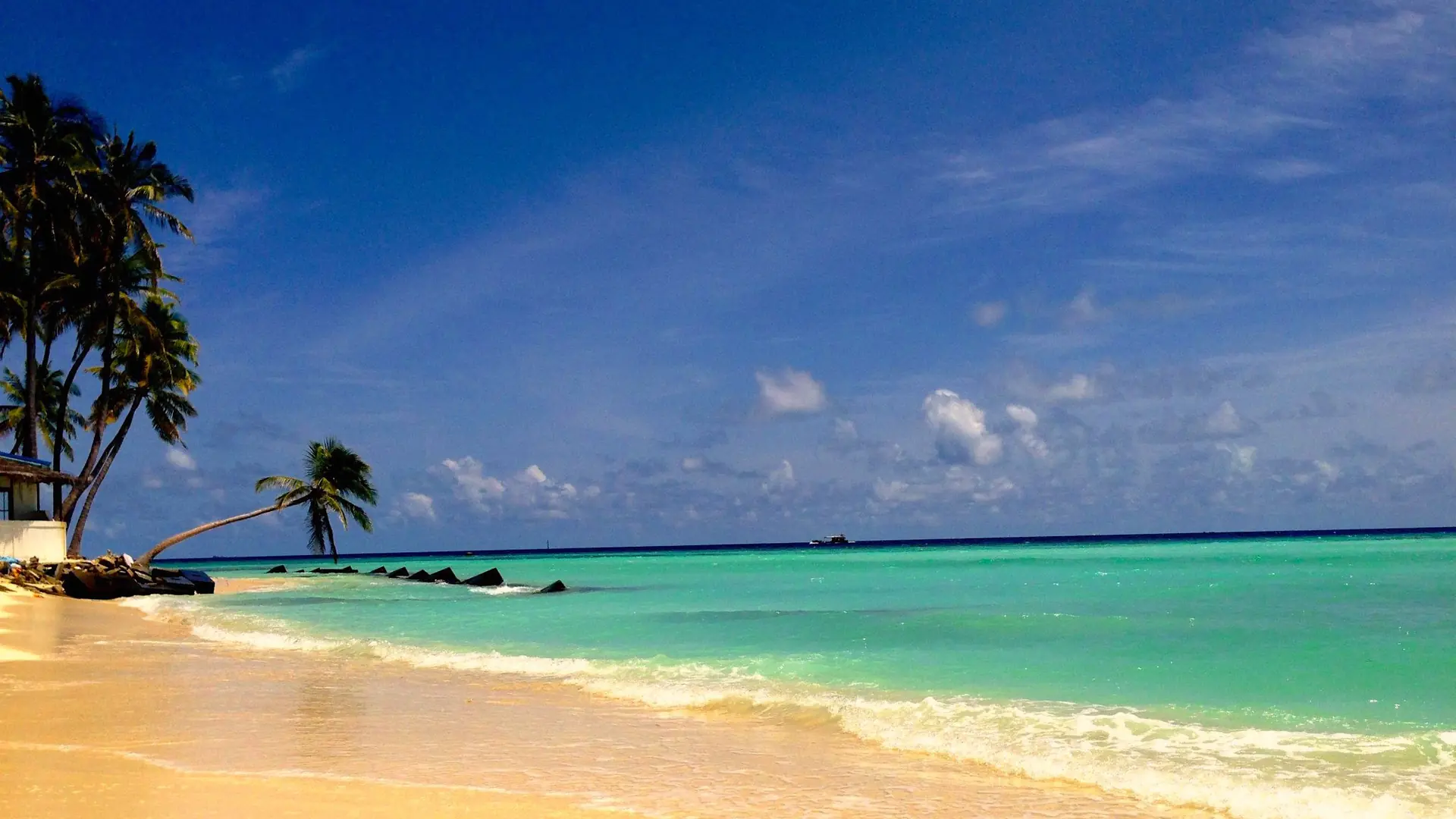
One night on Hulhumalé, three on Maafushi and two on Thulusdhoo: beach days, village meals and a confirmed boat change through Malé.
Spend a week on inhabited islands with three different roles. Hulhumalé gives a late arrival an easy first night beside the airport city’s beach and park. Maafushi supplies three nights for Bikini Beach, guesthouse cafés and an optional guided reef or sandbank trip. Thulusdhoo adds two nights for a village shaped by boatbuilding, its Coca-Cola factory and reef surfing. The factory gave the Cokes break its name; a beginner lesson needs a suitable location chosen by an instructor.
The split is one, three and two nights. Day five connects Maafushi to Thulusdhoo through the Malé area, using two independently booked boats. January–March usually suits a beach-led week; the surf season has a different rhythm, broadly March–October. Protect the day-seven flight with a confirmed return sailing, or move the final night to the airport area. This plan leaves time to enjoy each shore and a local meal, with the detailed transfer arrangements kept in the boat-leg section.
Hulhumalé is an inhabited city near the airport, suitable for a real meal and sleep if the right Maafushi boat has already gone. Confirm the hotel pickup and next morning’s pier separately.
Three nights make room for the designated visitor beach, village streets and a guided sea activity without forcing a wildlife promise. Choose the room position with the actual shore and quay in mind.
Maafushi is south of Malé; Thulusdhoo is north. Their operator pages advertise hub-facing routes, so budget for a Malé-area change and do not advertise a reliable direct service.
Thulusdhoo’s Cokes break takes its name from the island’s Coca-Cola factory. Watch the surf from shore or book an instructor-led lesson at a suitable spot; experienced reef surfers and beginners need different plans.
January–March is normally drier for this beach-led week. Thulusdhoo’s surf season is generally March–October, with swell and wind deciding each session. A village meal or shore walk gives the day another focus when water plans change.
The last Thulusdhoo sailing is part of the international itinerary. If its confirmed arrival leaves too little check-in time, move the final night to the Malé area instead of hoping for an exception.
Best for
StartBooker answer
Yes, if you treat the move between islands as a connection through the Malé area and verify both scheduled boats for your date. Spend the first night on Hulhumalé if your arrival makes a same-day Maafushi transfer uncertain, then give Maafushi three nights for its visitor beach and one optional excursion. Use two nights on Thulusdhoo for a different village and beach rhythm; surfing is optional and condition dependent. Reserve the return boat from Thulusdhoo with enough margin for your international flight, or add another airport-side night if the flight is early.
Explore tours, attractions and local experiences in Hulhumalé, Maafushi, Thulusdhoo along this route through Maldives.
Loading activities…
Activities provided by GetYourGuide. We may earn a commission on bookings.
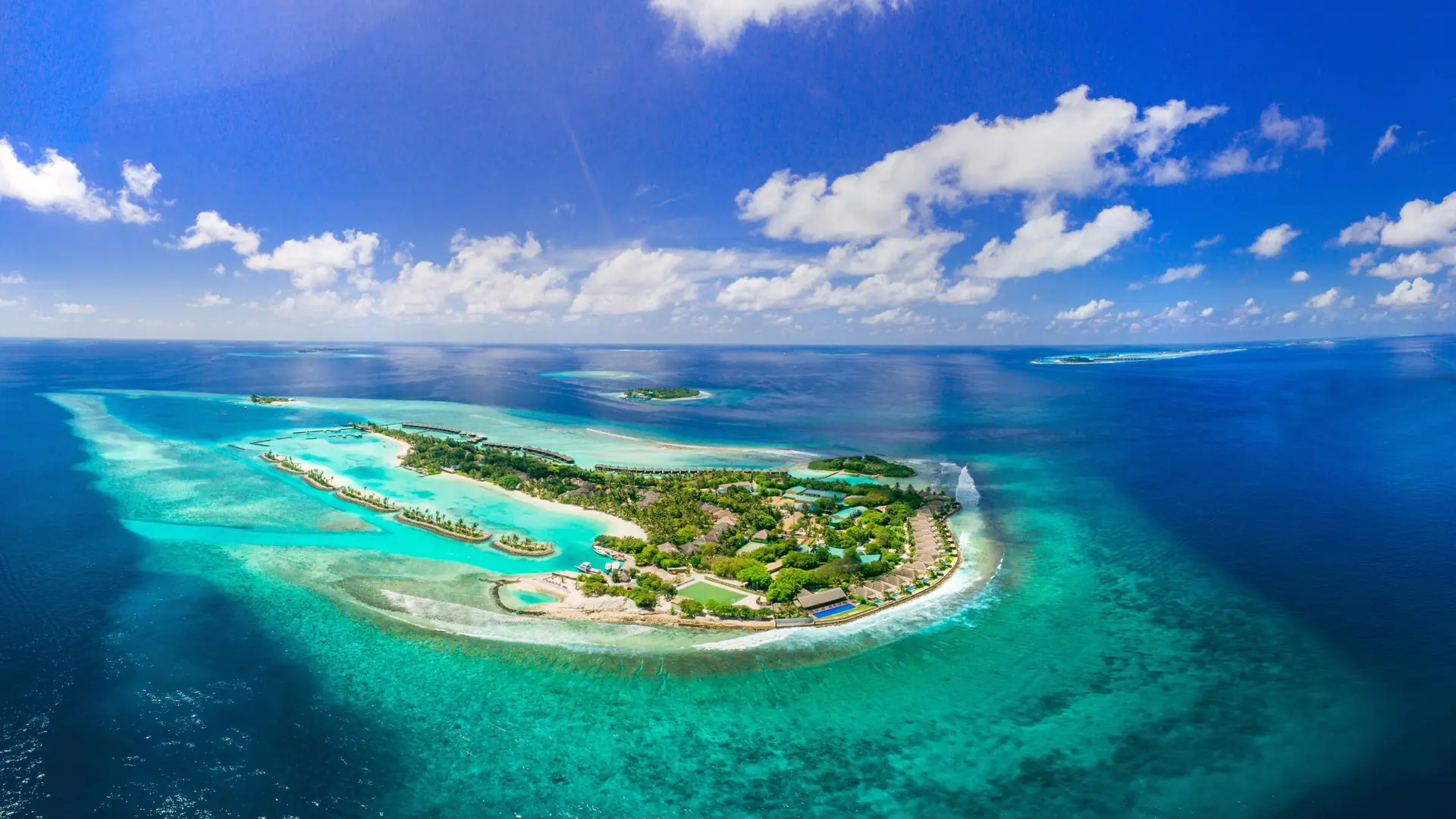
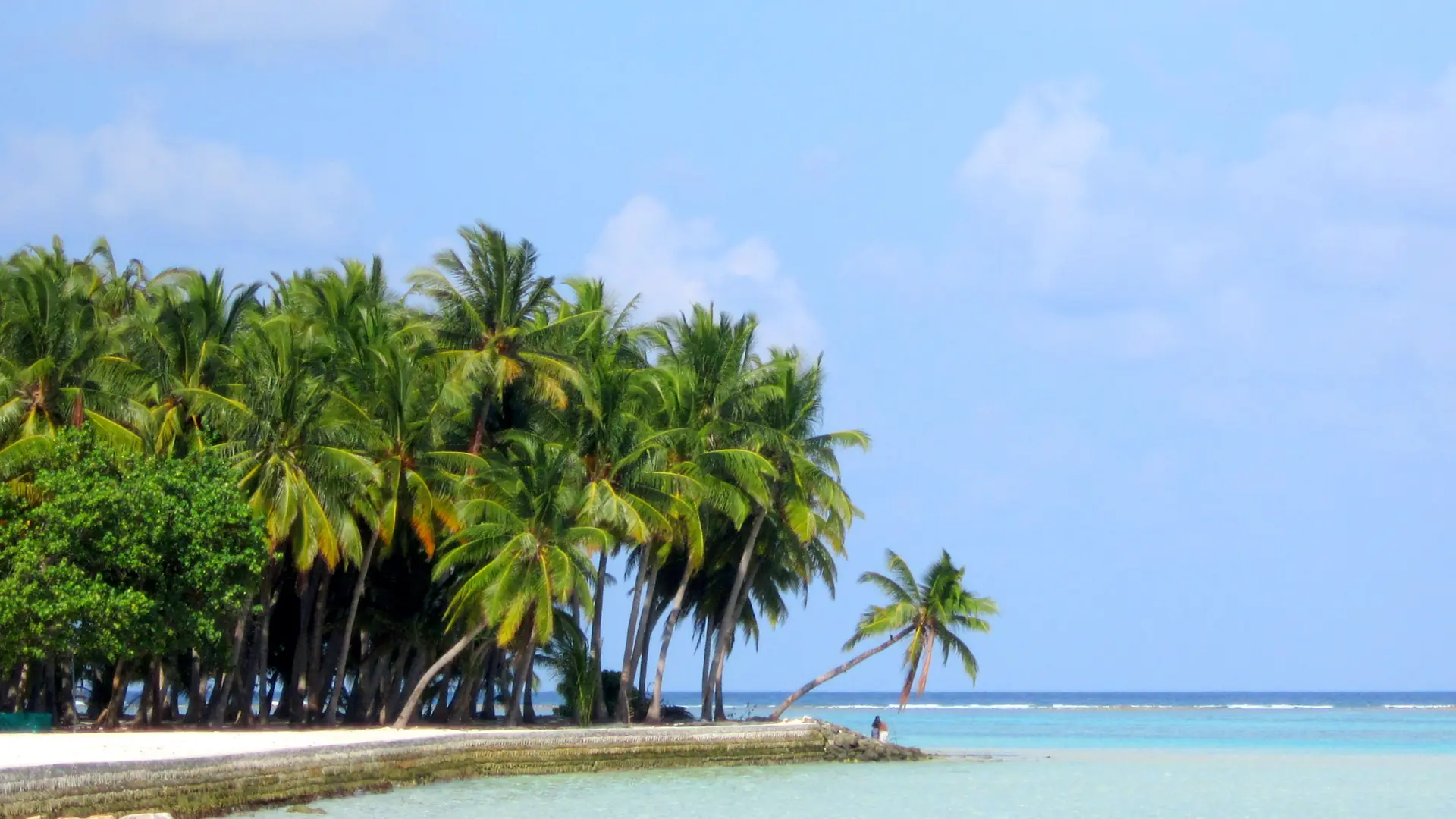
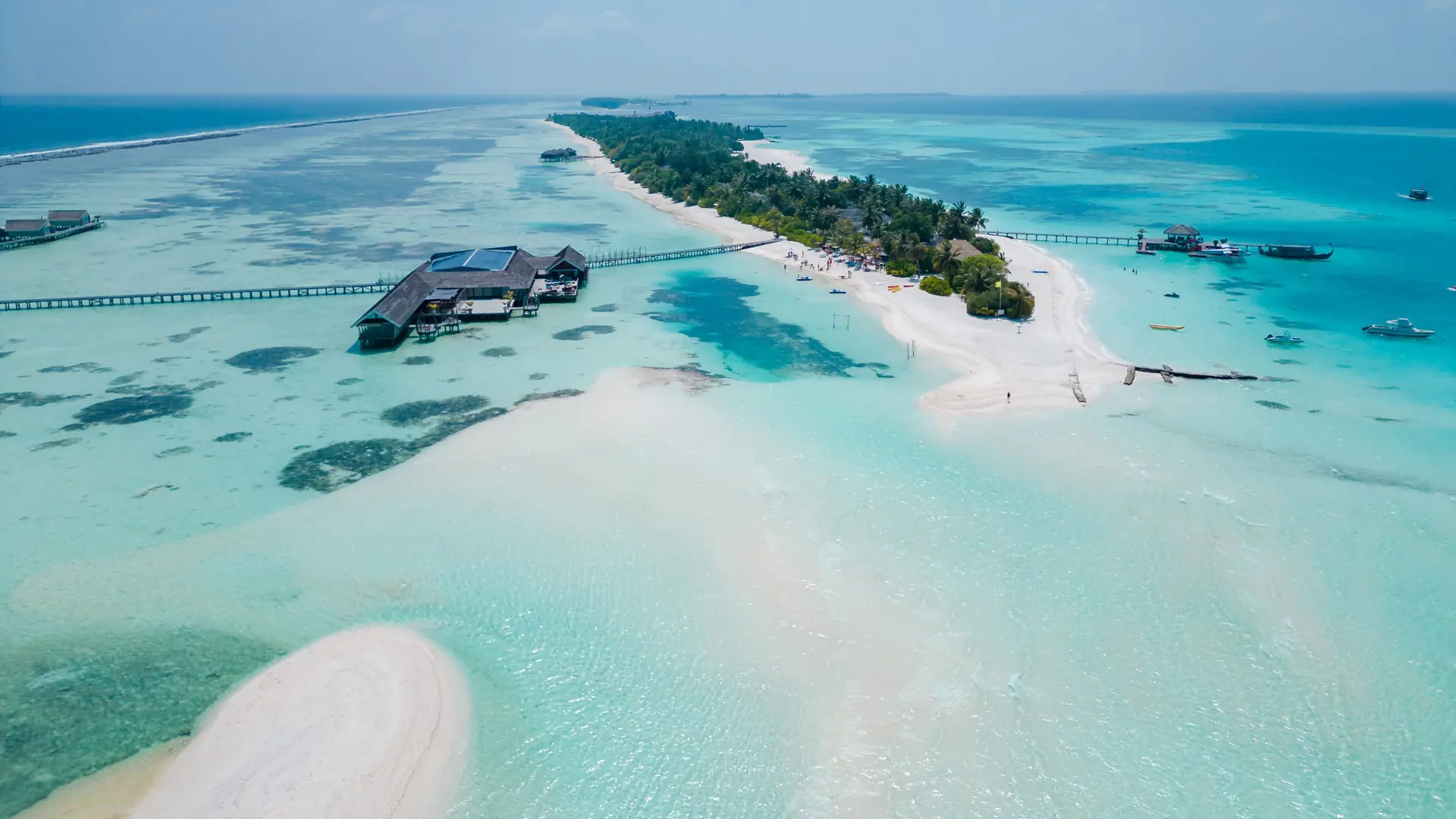
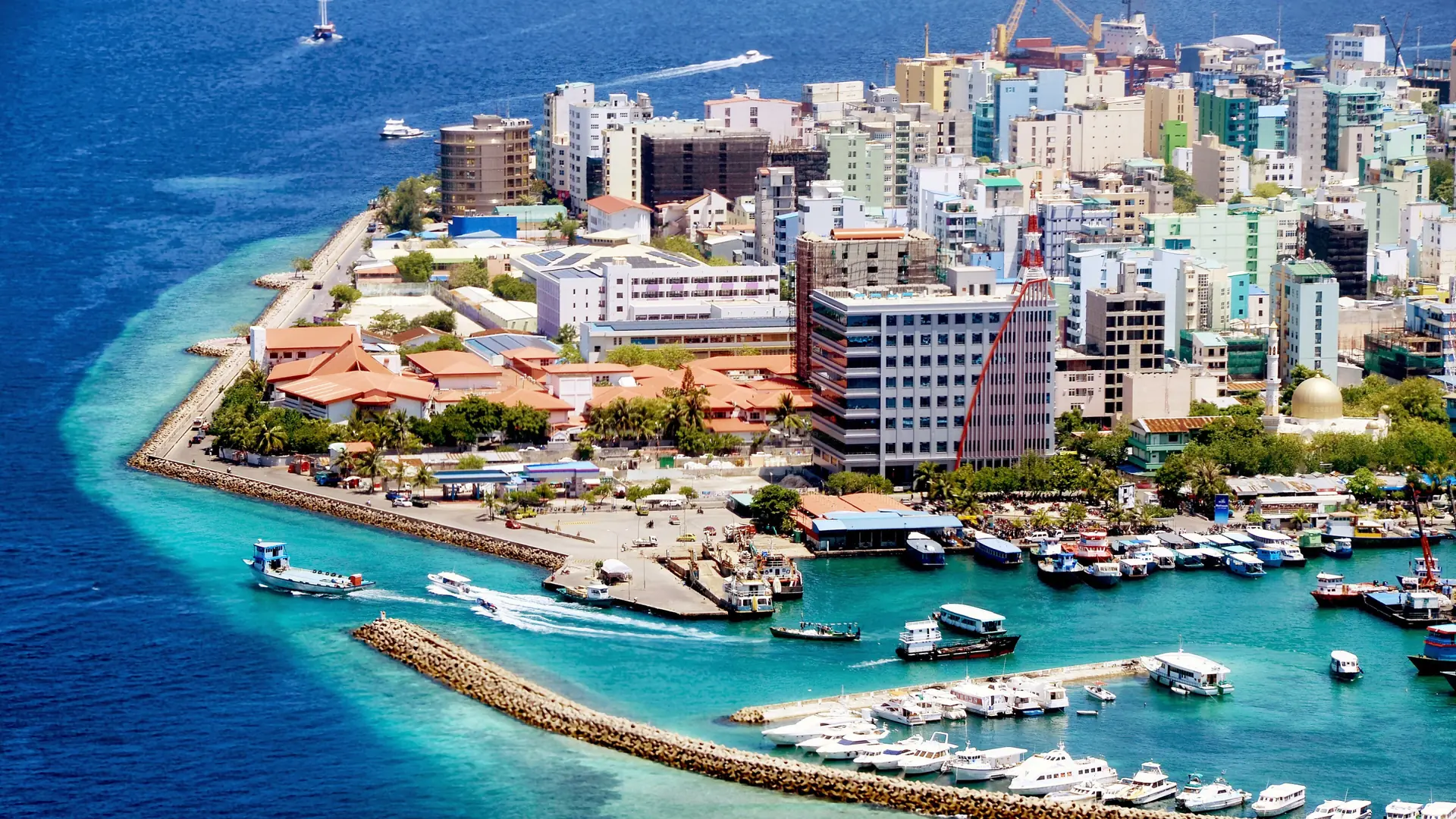
The sleeping bases are Hulhumalé, Maafushi and Thulusdhoo. Day five changes boats through the Malé area. The Thulusdhoo card uses an illustrative beach photograph from neighbouring Himmafushi; the actual place is named in its description.
3 stops · swipe
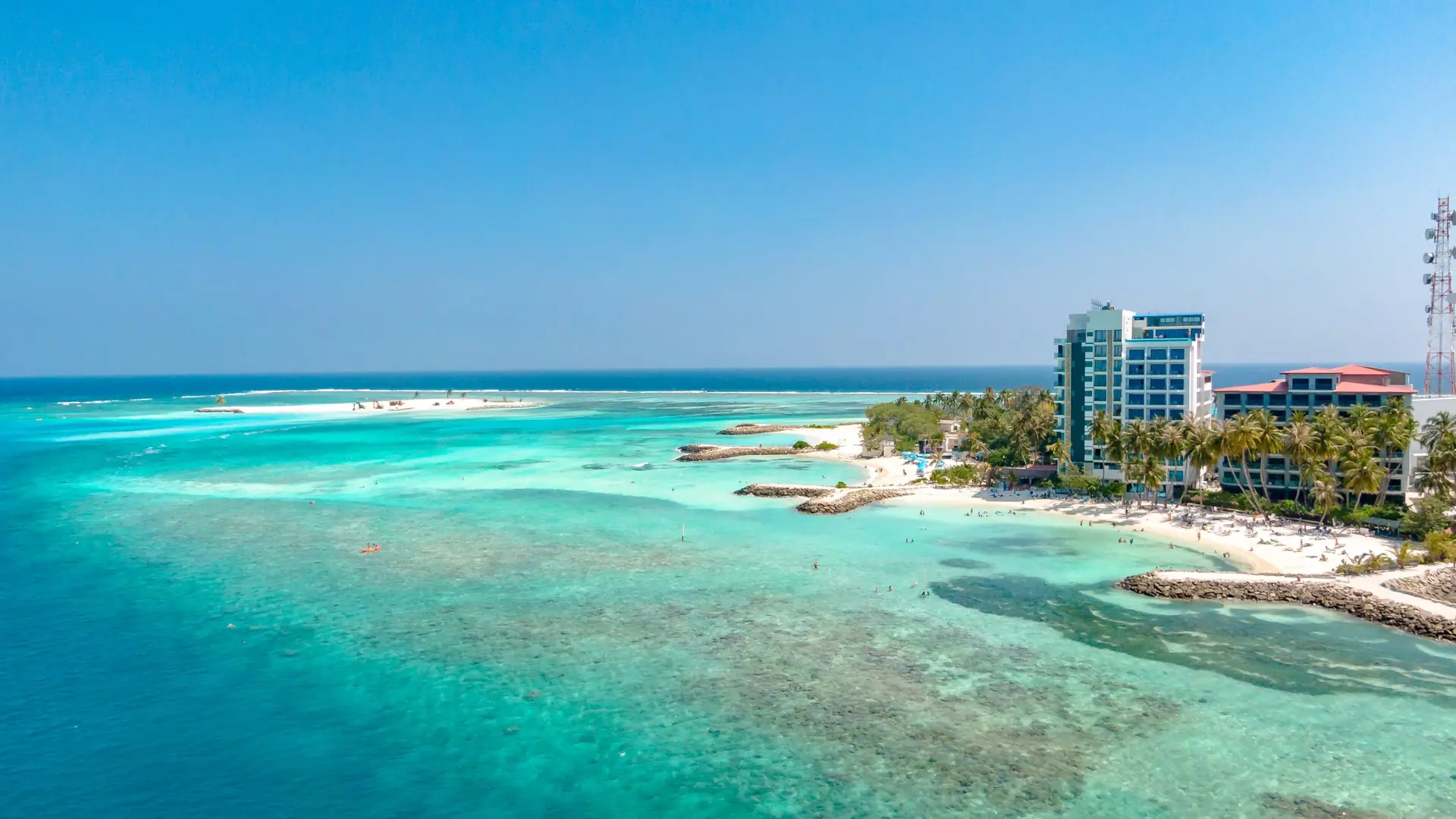 1
Arrival-side city with a real beach and road access
Use Phase I for a short beach walk or Central Park before the next morning’s Maafushi crossing. Compare the hotel’s airport pickup, breakfast and ride to the actual departure pier. One arrival night is enough for this gentle introduction to a planned inhabited city.
Read the Hulhumalé guide →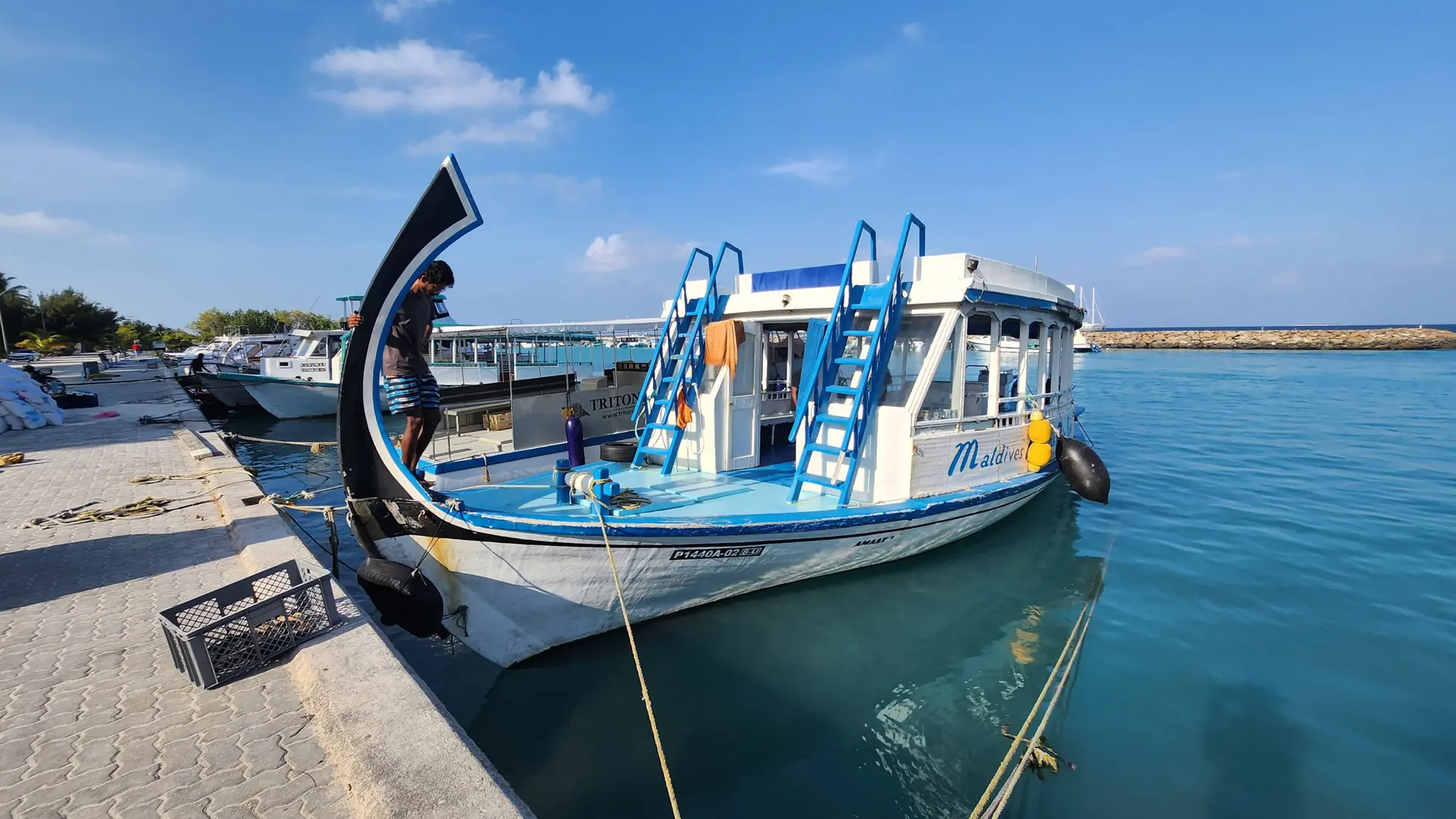 2
Designated visitor beach, guesthouse choice and supervised outings
Choose the northern visitor-beach area for repeated sand visits and a village tea stop. Three nights give you a full beach day and a separate optional sea outing. A harbour-side room suits an early pickup; compare its noise and actual walk to Bikini Beach.
Read the Maafushi guide →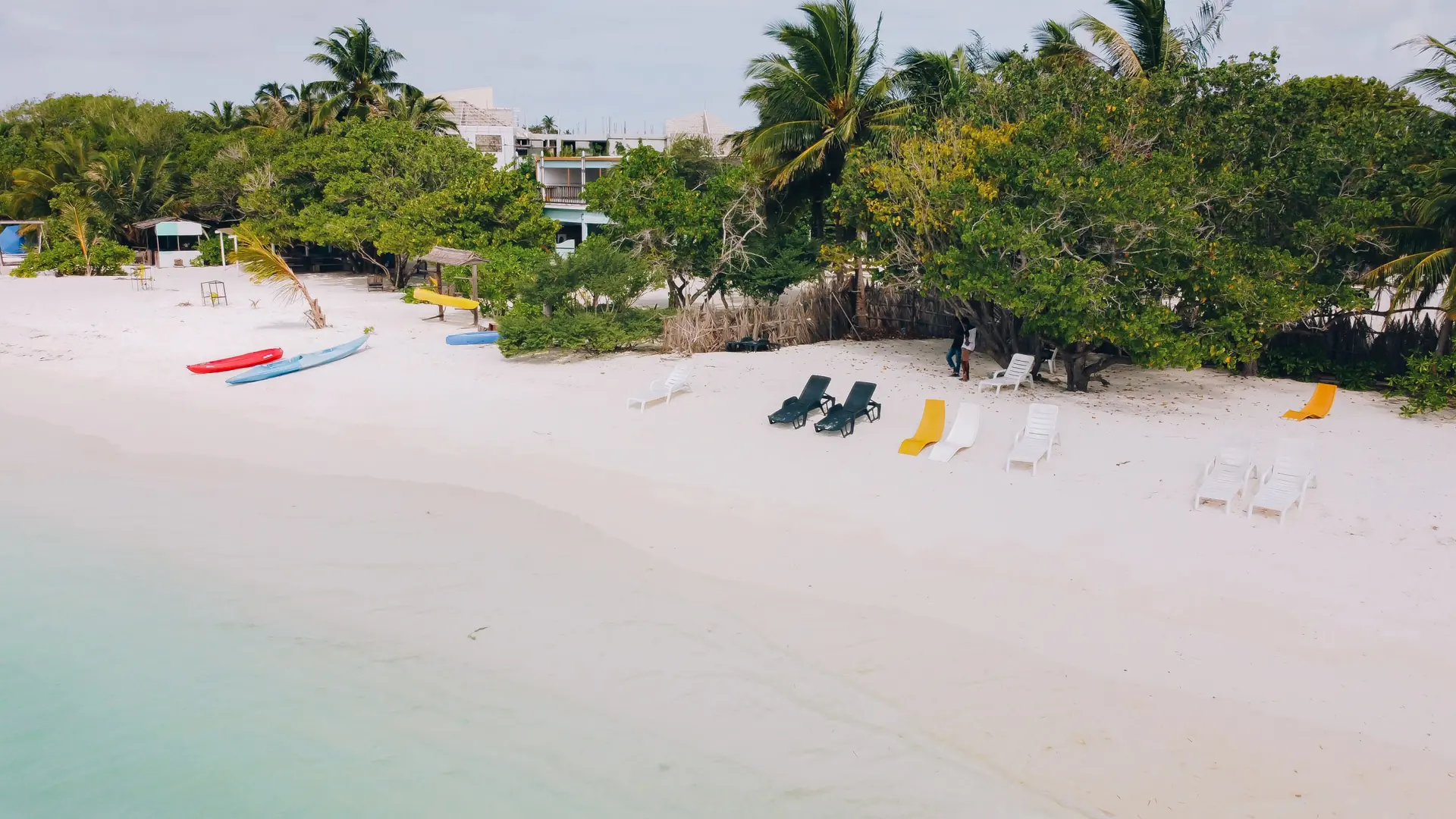 3
North Malé village and condition-dependent surf
Choose a village guesthouse for Bikini Beach, cafés and time watching the Cokes surf. Two nights leave one full island day. An instructor can arrange a suitable lesson; non-surfers can use the beach and village without buying a surf-focused stay.
Read the Thulusdhoo guide →The plan keeps beach and surf conditional on safe local weather, while its boat days have clear responsibilities. Each day is tied to the stop where it ends, including departure from Thulusdhoo on day seven.
Meet your hotel’s airport pickup and use the first evening for Hulhumalé’s Phase I beachfront. If daylight and energy allow, Central Park offers an inland alternative to the shore. The city was built on reclaimed land to ease pressure on crowded Malé; its planned blocks and public spaces make that modern history visible. Keep the outing close to your room so a late flight does not turn into a rushed city tour. A guesthouse or neighbourhood café is a practical first place to ask for Maldivian food. Before bed, save the confirmed Maafushi meeting point and arrange the hotel-to-pier ride. The airport pickup and tomorrow’s boat departure may use different places.
Overnight: Hulhumalé
Take the reserved crossing to Maafushi, where Kaani describes its Malé/airport speedboat journey as around 35 minutes, depending on conditions. After leaving luggage at your booked guesthouse, walk to Bikini Beach in the northern visitor area. The beach and guesthouse cluster show how local-island tourism grew here during the 2010s, alongside an inhabited village and working harbour. Spend the afternoon on the designated sand, with a shade break and lunch nearby. A quay-side room can be useful for excursions, while a beach-side room makes several short swims easier. Walk the route between your room, beach entrance and meal options once; that orientation will be useful throughout the three-night stay.
Overnight: Maafushi
Give Maafushi’s visitor beach an unhurried morning, leaving the middle of the day for shade and village food. For breakfast, ask a guesthouse or local café for mas huni: tuna mixed with coconut, onion, chilli and lime, served with roshi flatbread. At afternoon tea, hedhikaa are small snacks; bajiyaa are filled pastries, while kulhi boakibaa is a savoury fish cake. Trying a few gives the day a local focus beyond the view from a sunbed. Follow the current designated swimwear boundary and cover up for village streets. Later, compare one guided reef or sandbank outing for tomorrow, including its meeting point and weather policy. Keep this beach-and-food day free of another transfer.
Overnight: Maafushi
A guided snorkel or sandbank outing adds the view from the water to Maafushi’s village stay. Choose a trip that explains the reef stops, equipment, group size and swimming support before taking payment. A sandbank is an exposed patch of sand rather than an all-day shaded beach, so understand how long the boat stays and what shelter is available. Marine sightings remain possibilities, never an appointment. If conditions are poor or you prefer land, return to Bikini Beach and try garudhiya, a fish soup commonly served with rice, at a guesthouse or local café. End the day by checking both reservations for the Malé-hub change; keep food and water handy for the gap between boats.
Overnight: Maafushi
Return from Maafushi on the booked service and use the planned gap to move to your Thulusdhoo departure point. This is a transfer day with luggage, so leave sightseeing for the islands where you are staying. Kaani lists around 35 minutes for its Maafushi leg; Bibee Surf describes around 30 minutes between the airport area and Thulusdhoo. These are individual operator journey estimates, excluding the connection and pier transfer. Your actual tickets determine the usable gap. On arrival, meet your guesthouse pickup and take a short village walk for an early meal. You have changed from the southern guesthouse beach to a North Malé Atoll community with its own working life and surf culture.
Overnight: Thulusdhoo
Start with Thulusdhoo’s designated Bikini Beach, then explore the village lanes and cafés. Kudhi Boli Beach House describes both Bikini Beach and Dream Beach as visitor shores; ask your host for the current access and the better choice for today’s wind. The island has a working history of boatbuilding and fish processing as well as its Coca-Cola factory, which explains the name of the Cokes surf break. Watch waves from a suitable shore position, or arrange an instructor-led lesson at a location matched to your ability. Cokes is a reef break, so its fame does not make it a beginner lesson site. Pause for a Maldivian meal rather than filling the whole day with bookings. Confirm the return before dinner; an early flight requires moving the final night to the airport area.
Overnight: Thulusdhoo
Board the confirmed Thulusdhoo return with enough time to reach the international terminal, check bags and absorb a weather or pier delay. Ask the host for the exact meeting place and whether the vessel calls at the airport or a Malé city pier; a city-pier landing creates another move. An early flight makes this version unsafe unless you shifted night six to the gateway. With a later flight, keep any spare hours simple: breakfast, a small purchase or a short walk, not another boat excursion. The final day succeeds when you reach the terminal calmly.
Overnight: Departure
Boat schedules and rates are date-specific. The route works only if both Maafushi-to-hub and hub-to-Thulusdhoo services fit on day five.
2 transfers
Hulhumalé Maafushi
Arrange the ride from your Hulhumalé hotel to the ticketed departure point. Kaani asks passengers to meet 30 minutes before its boat; confirm the current counter or jetty and baggage terms directly.
Maafushi Thulusdhoo
Book Maafushi-to-hub and hub-to-Thulusdhoo separately. Confirm both piers and the time needed to move between them with luggage. Leave a substantial connection gap and an airport-area hotel option if the first service is delayed.
The six-night plan needs four sea tickets plus airport and pier transfers. The operator examples below were checked in October 2026; confirm your own dates and inclusions. Rooms, meals and activities remain separate.
Booking tips
Search live rooms by the real visitor-beach entrance or chosen boat pickup. Verify the street, transfer and final tax-inclusive rate before reserving.
Follow the labelled overnight bases. The Maafushi–Thulusdhoo transfer uses separate services through Malé; pins locate the islands and do not describe a direct boat service.
Maafushi
Do not build the week around one. Maafushi operators and Thulusdhoo accommodation describe hub-facing services, and independent travellers report changing through the Malé area. Obtain both actual tickets for your date, including the pier transfer and a missed-connection plan.
It is a practical arrival-side night when your flight, entry formalities or boat timetable make an immediate Maafushi crossing uncertain. It is a developed inhabited city and gives the trip a gentle start. If a confirmed same-day Maafushi boat fits comfortably, you can adapt the split.
No. It is an inhabited local island with a village and visitor accommodation. Surf is a strong reason to go, but the named breaks differ and depend on ability and conditions. Non-surfers should inspect the suitable beach and choose a room for the island rhythm.
They can if the boat connections, sun exposure, beach access and room facilities suit them. The day-five transfer with bags is the hardest piece. For young children or travellers who need assistance boarding, a single island with an airport-side buffer may offer more usable holiday time.
For a beach-led week, January–March is generally drier. Thulusdhoo’s surfing season is broadly March–October, which overlaps wetter months; experienced surfers may choose dates for swell instead. Current wind, tide and sea conditions still decide a swim, lesson or boat crossing.
Use the current designated tourist beach on an inhabited island and a cover-up in village streets. Ask each guesthouse for the present boundary and any local rules. A beachfront listing does not mean every shore segment has the same permissions or sea conditions.
Do not rely on an unconfirmed Thulusdhoo-to-airport crossing with little check-in margin. Move night six to Hulhumalé or Malé, or choose a later flight. Rebook the hotel split before paying if the live return operator cannot make the plan safe.
Entry requirements apply when you arrive in the Maldives. Each arriving traveller, including children, must submit a separate free IMUGA Traveller Declaration within 96 hours before arrival. Check Immigration’s current tourist-visa conditions, accommodation and onward-travel requirements for your passport.
Reviewed by StartBooker
Last reviewed 2026-10-22
Updated
How this route was checked: Reviewed the published desktop/mobile route, all stop and transfer cards, actual integrations and photo credits. Reused the checked destination guides and researched stop coordinates; checked current Kaani and Bibee boat arrangements, local cuisine, visitor beaches and the Cokes factory story. Operator fares and journey times are examples, with date-specific sailings to be confirmed.
19 references reviewed
Some photos provided by Pexels.
Find another destination and compare its areas and accommodation.
Compare routes by length, stops and transport.