Old Town
Short stays, no car, first visits
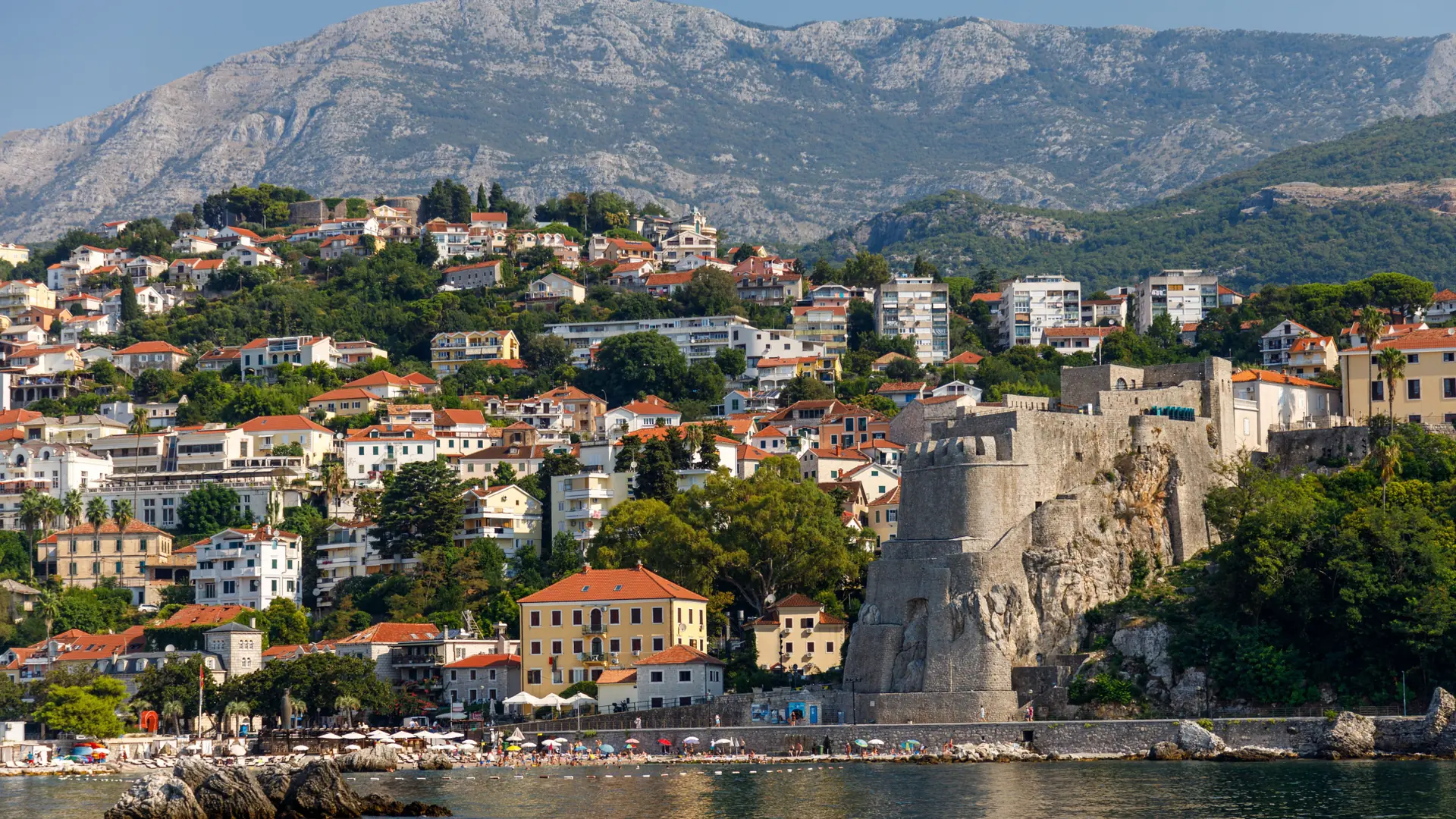
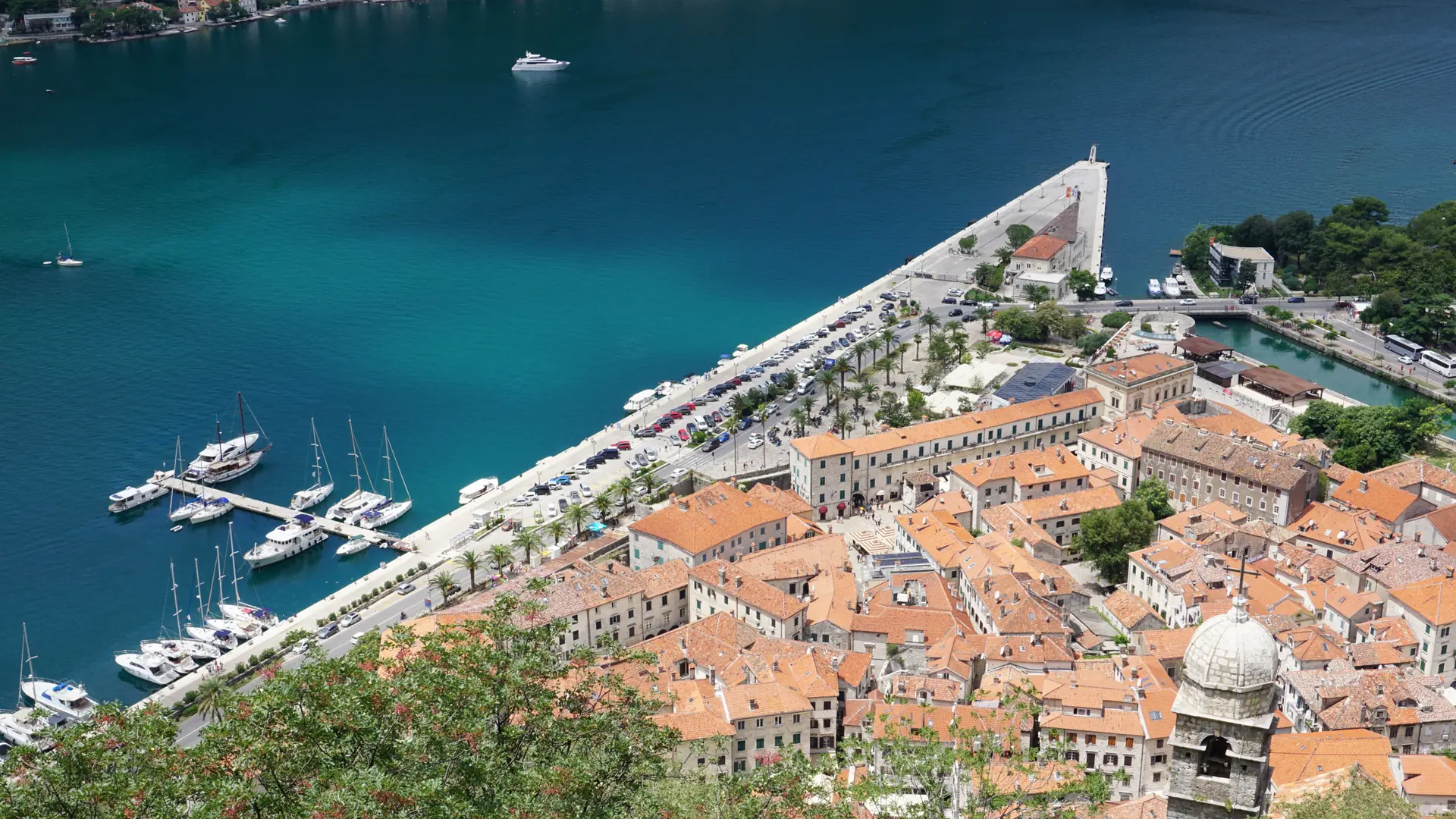
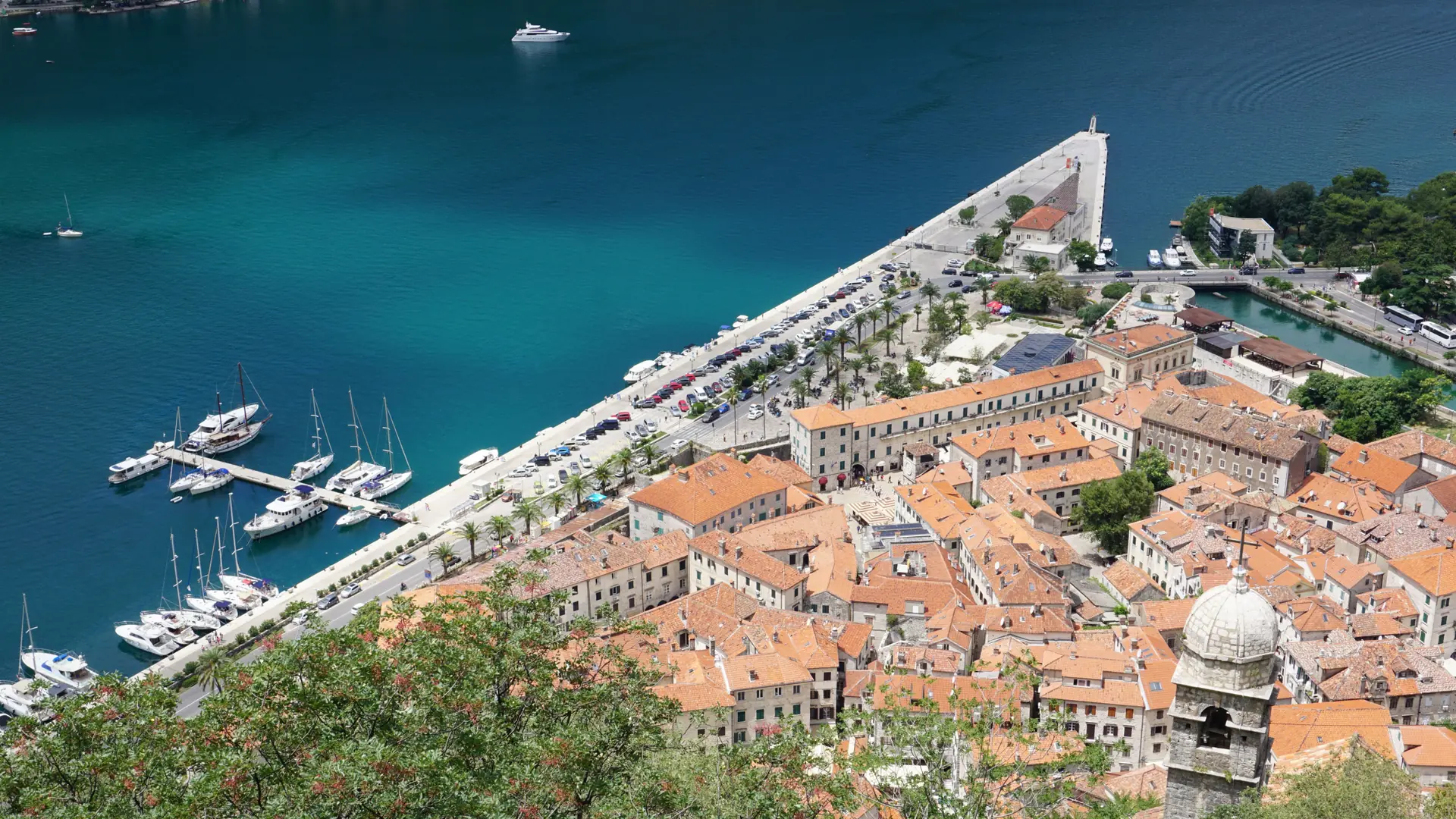
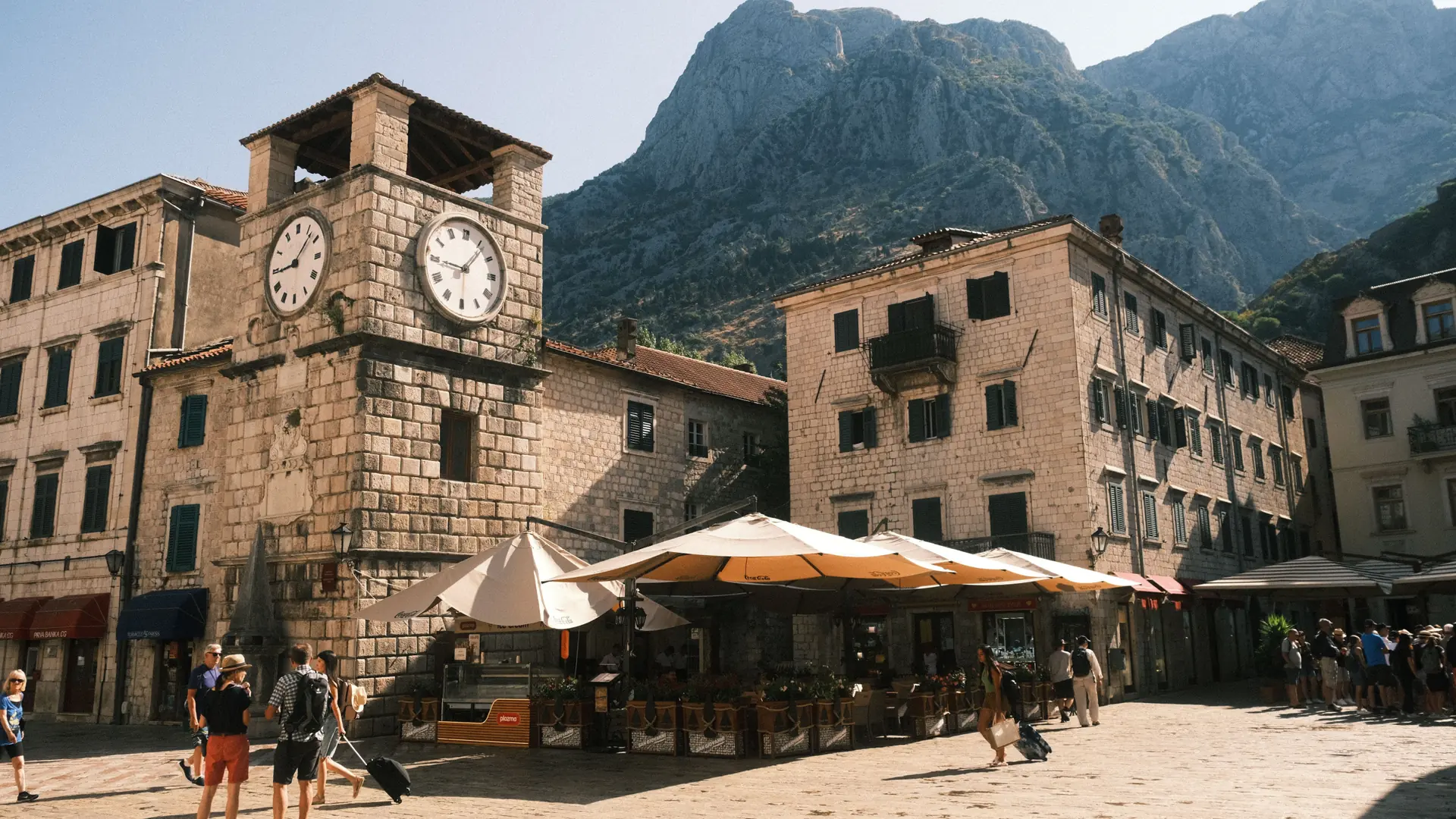
Stone lanes, squares and historic buildings put the cathedral and museum near your door. This is the most direct base for a short visit focused on the walled town.
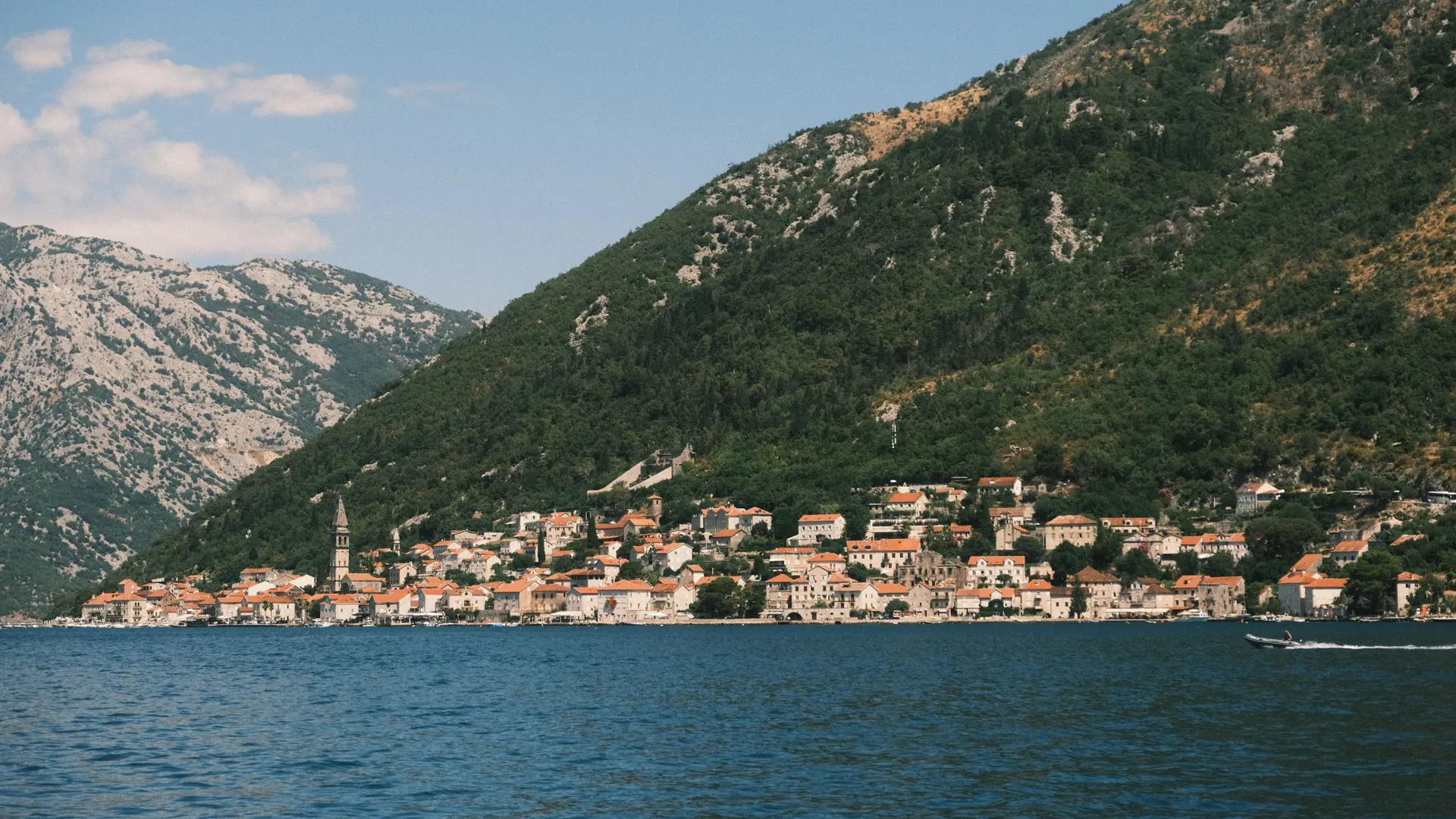
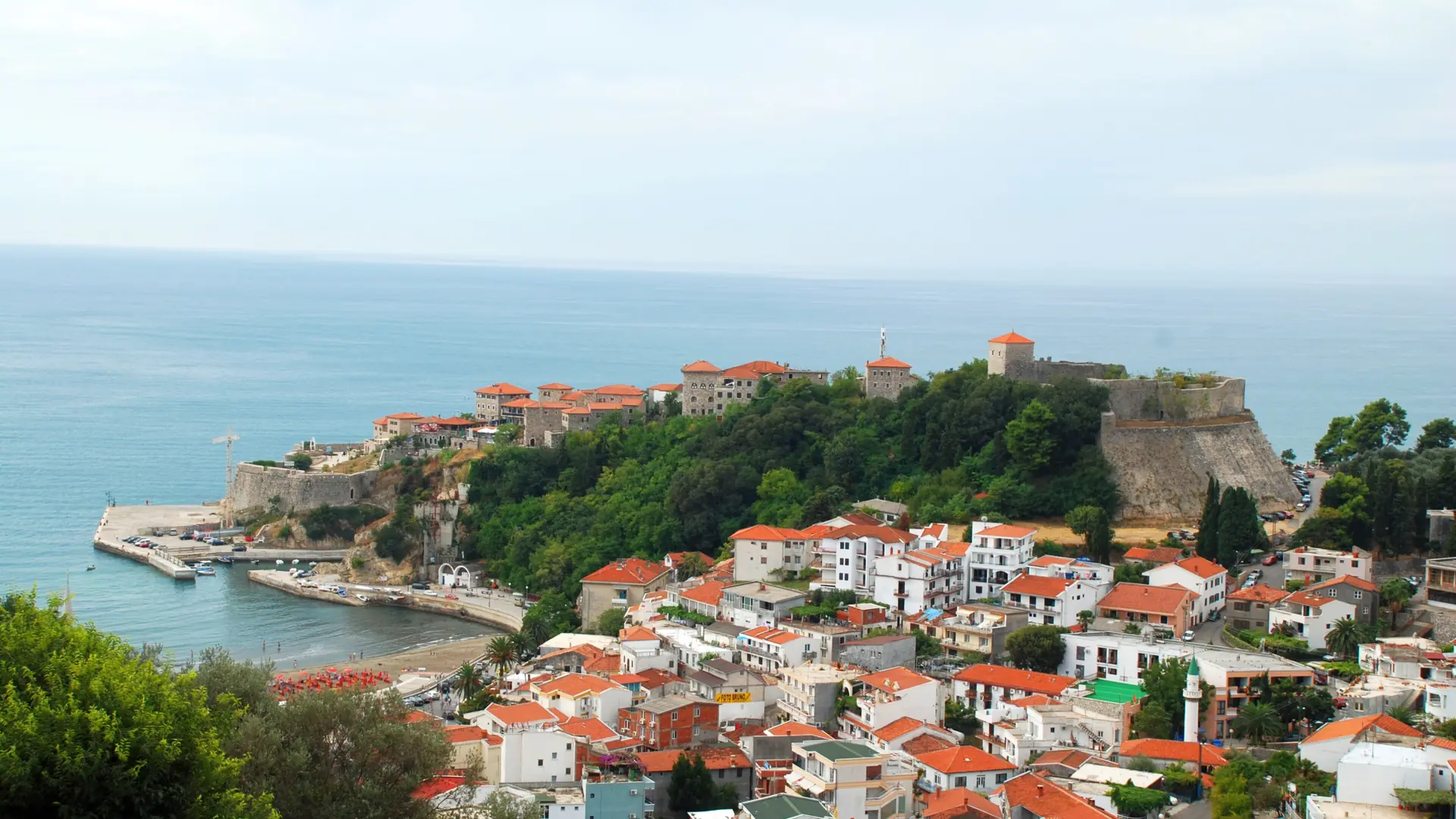
Kotor sits where a narrow waterfront meets a steep mountain, with a small walled centre opening onto a much longer bay. Its squares and palaces recall a trading and artistic town: UNESCO highlights its medieval masonry and icon painting, and the careful restoration after the 1979 earthquake. St Tryphon’s Cathedral was completed in 1166; the Maritime Museum in Grgurina Palace offers another way into the bay’s seafaring history. Give the town time beyond the fortress photograph, with a slow circuit of the lanes, a museum visit and an evening meal. Then change the setting along the shore: Dobrota has old waterfront houses and swimming points, Muo looks back towards the walls, and Perast makes a separate outing towards the islands. A two- or three-night stay can combine these experiences without treating every day as a transfer. Choose your room by the part of the bay you want to use, the actual walking route and the transport you will need after dinner.
The Old Town rewards a walk between its squares and a visit inside a historic building. The cathedral and Maritime Museum give different perspectives on a town shaped by art, trade and seafaring.
Compare the exact property with the Old Town gates and your preferred swimming point. A southern address can suit walking visits; a room farther north changes the daily journey substantially.
Take time in Perast before a separate boat to Our Lady of the Rocks. Confirm the return arrangement and what the boat fare includes; the waterfront and the island visit are distinct experiences.
The steep walls climb begins in the Old Town. The cable car instead starts at Dub outside town and reaches Kuk on Lovćen; allow for the transfer as well as the ride.
StartBooker answer
For a first two- or three-night stay, choose the Old Town for historic lanes at your door, accepting possible evening noise and carrying bags from outside the walls. Southern Dobrota offers a waterfront approach to town; check the exact walk because the settlement stretches far north. Muo and Prčanj suit a slower bay stay with transport arranged, while Perast is a separate small town for island views and unhurried evenings.
Explore tours, attractions and local experiences in Kotor, Montenegro.
Loading activities…
Activities provided by GetYourGuide. We may earn a commission on bookings.
Build a stay around the historic town, a bay outing and time on the shore. Tell the planner your dates, preferred base, transport and appetite for the fortress climb.
Use your email security code to continue planning.
A waterfront base with a walking route into the historic town
Dobrota
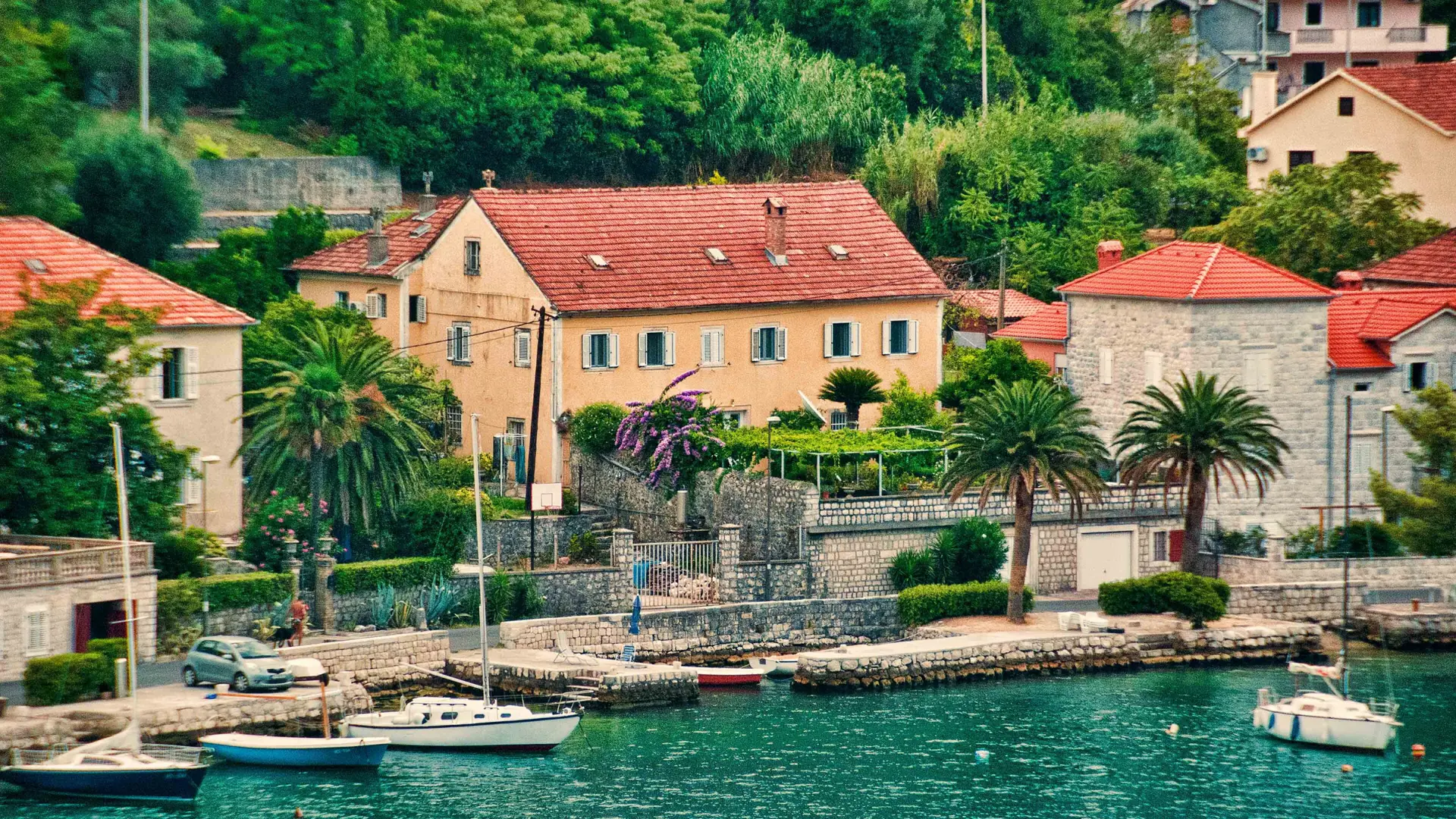
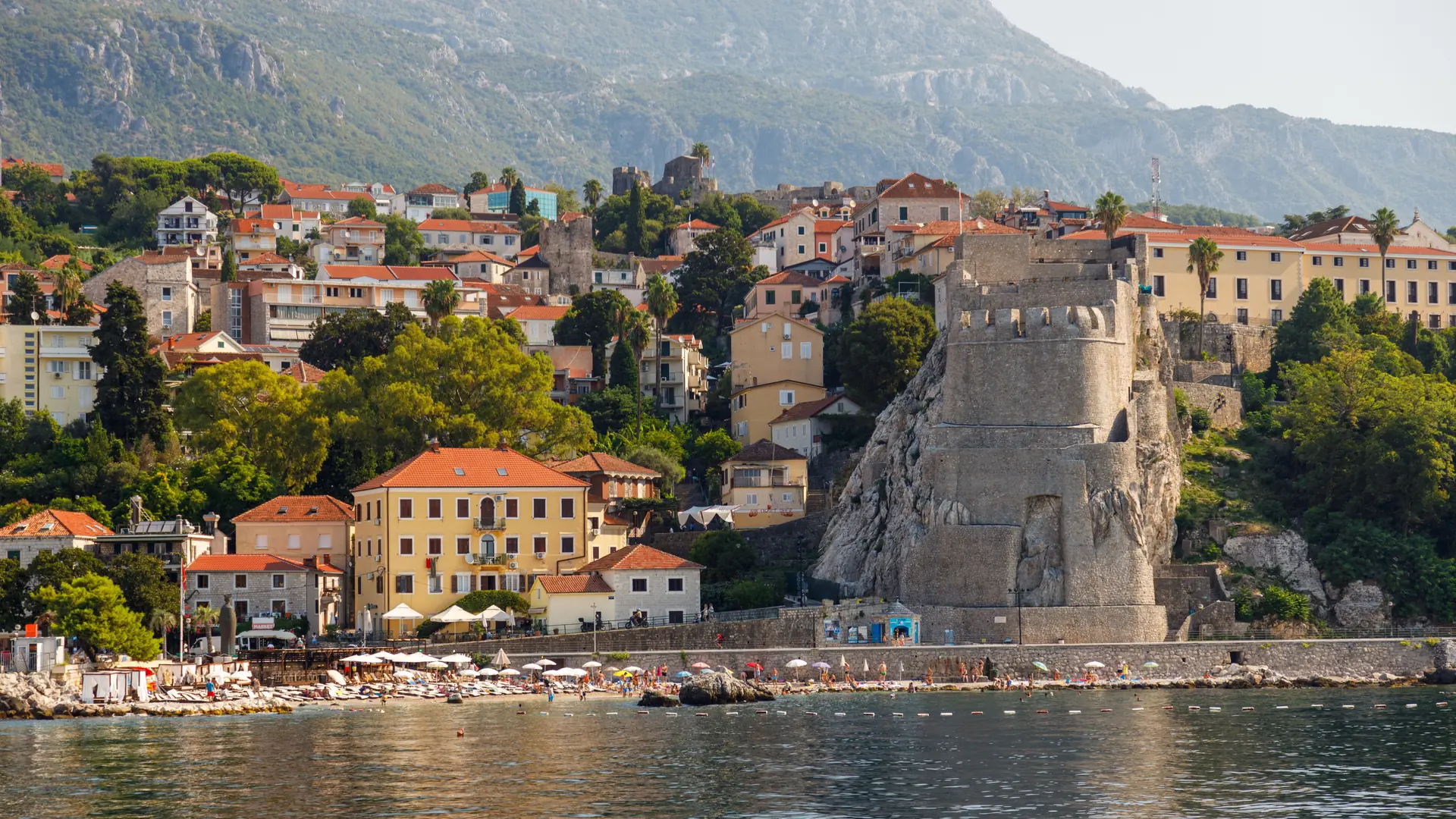
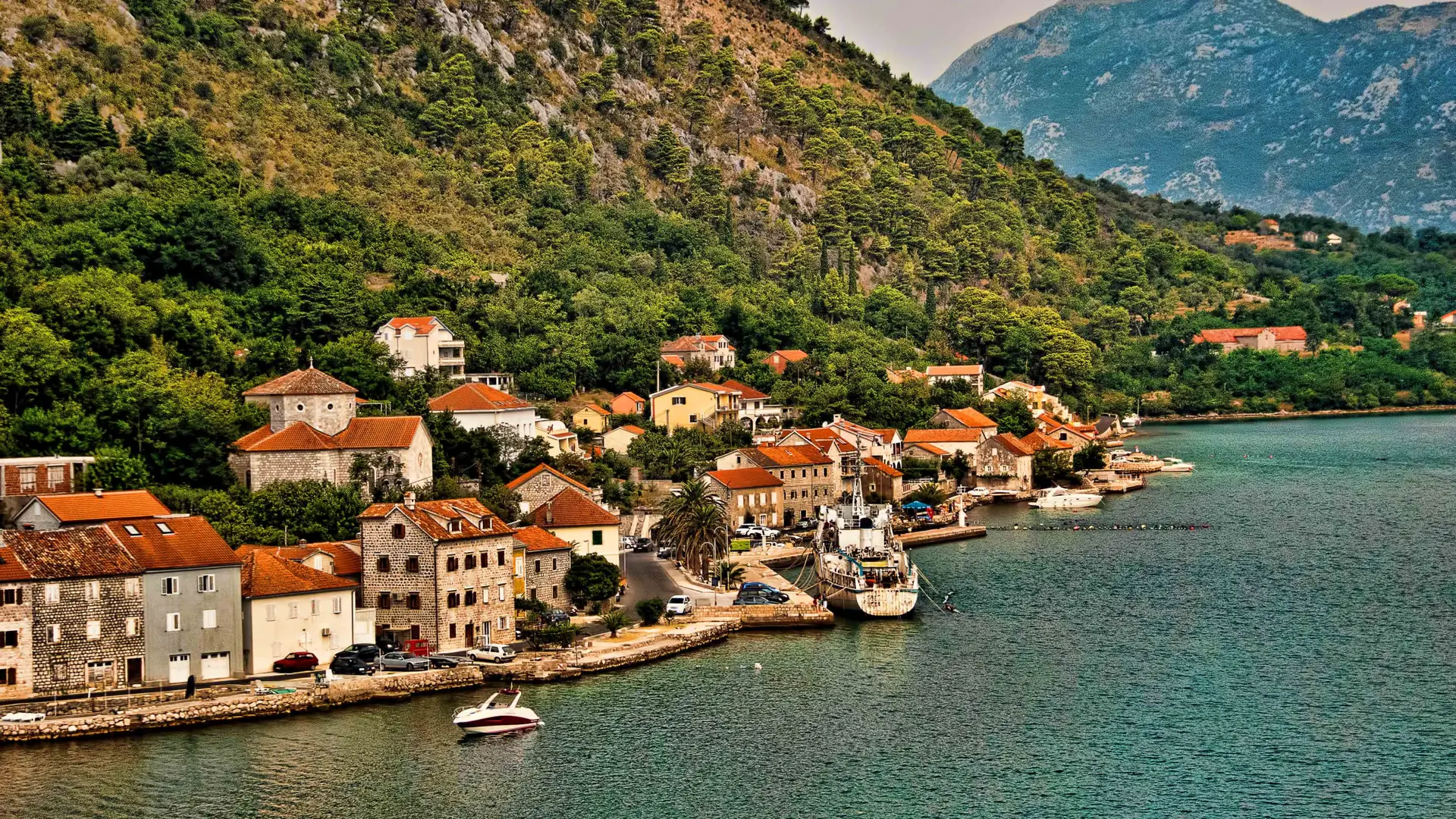
Southern Dobrota is a useful first comparison if you want time beside the bay and visits to the Old Town on foot. Waterfront houses, small jetties and cafés give the stay a different rhythm from a room inside the walls. Choose the actual address carefully: Dobrota continues well beyond the short central walk, and a sea-view room may sit uphill from the shore. Compare the route to the gates and the nearest suitable swimming entry before booking.
Four choices give different relationships with the town and bay. Compare the route home, the nearest swimming entry and parking arrangements. Perast is a separate town; Muo and Prčanj occupy the opposite Vrmac shore.
Short stays, no car, first visits
Stone lanes, squares and historic buildings put the cathedral and museum near your door. This is the most direct base for a short visit focused on the walled town.
Waterfront stays with a choice of walking distance
Old waterfront houses, small jetties and cafés line a settlement extending north along the bay. Its maritime past gives this shore an identity beyond accommodation.
Calm, local life, views of the walls
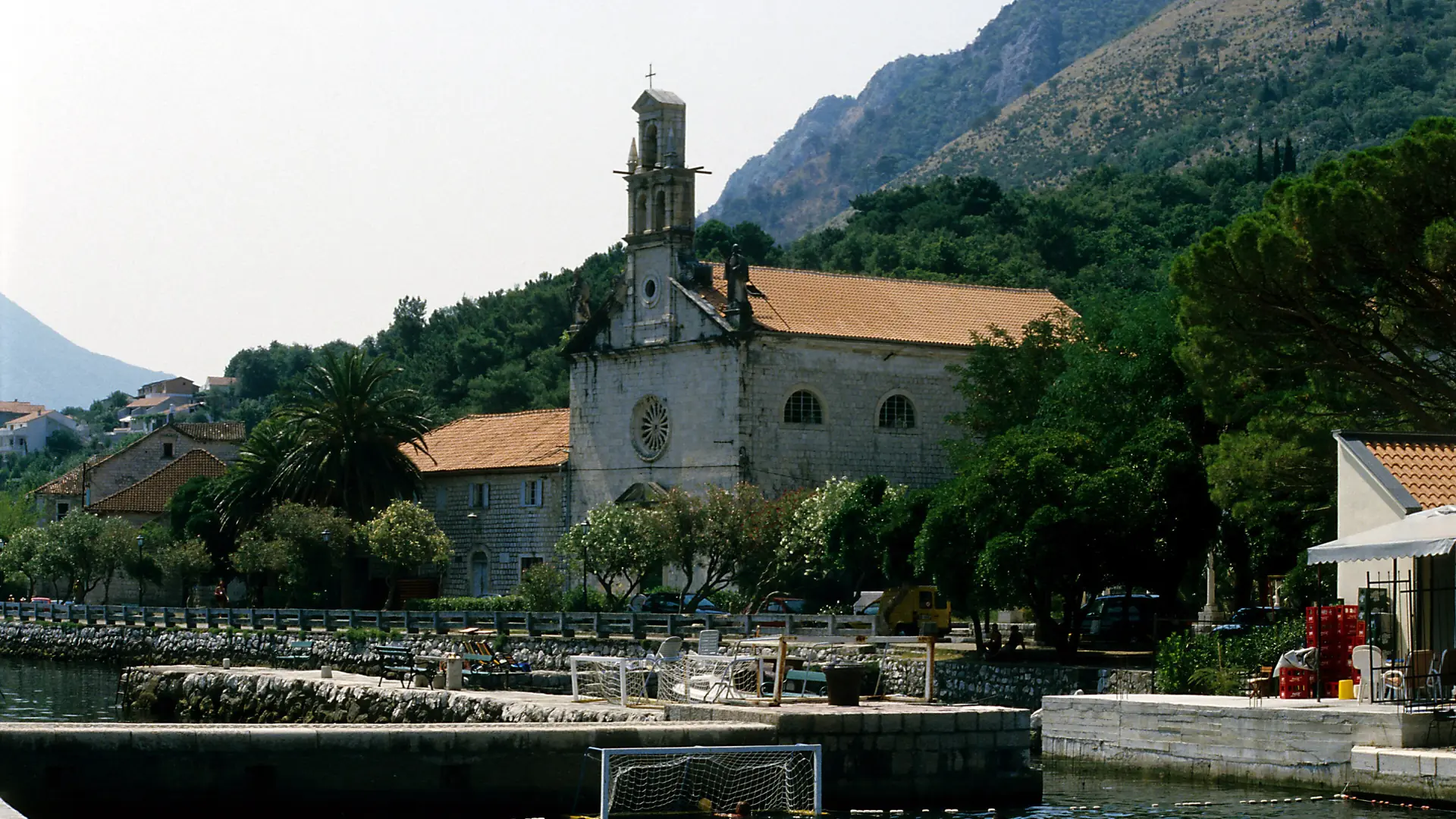
Muo’s former fishing settlement faces Kotor across the water; Prčanj has a maritime-town setting with captains’ houses and a prominent waterfront church.
Couples, slow scenic nights
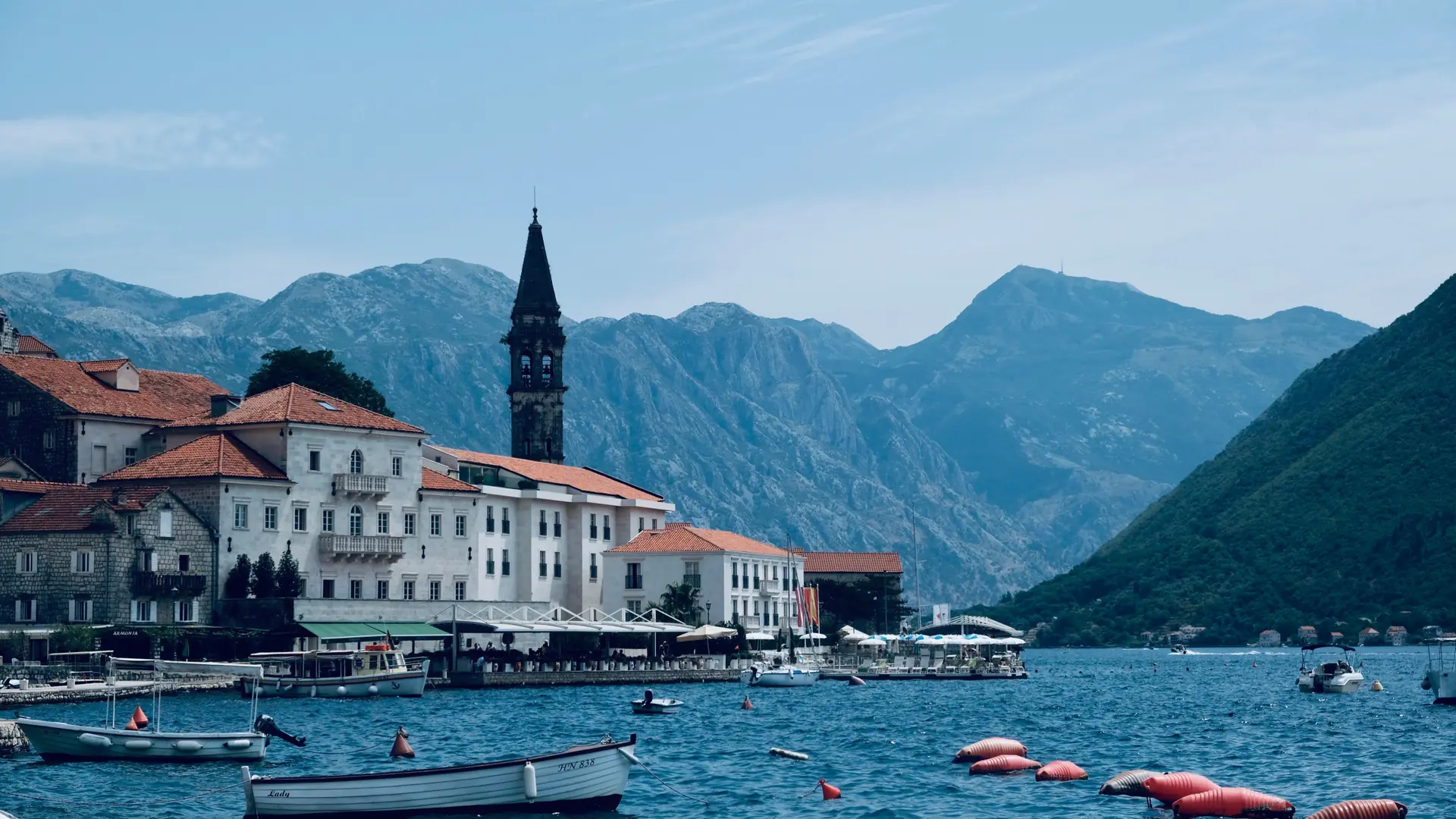
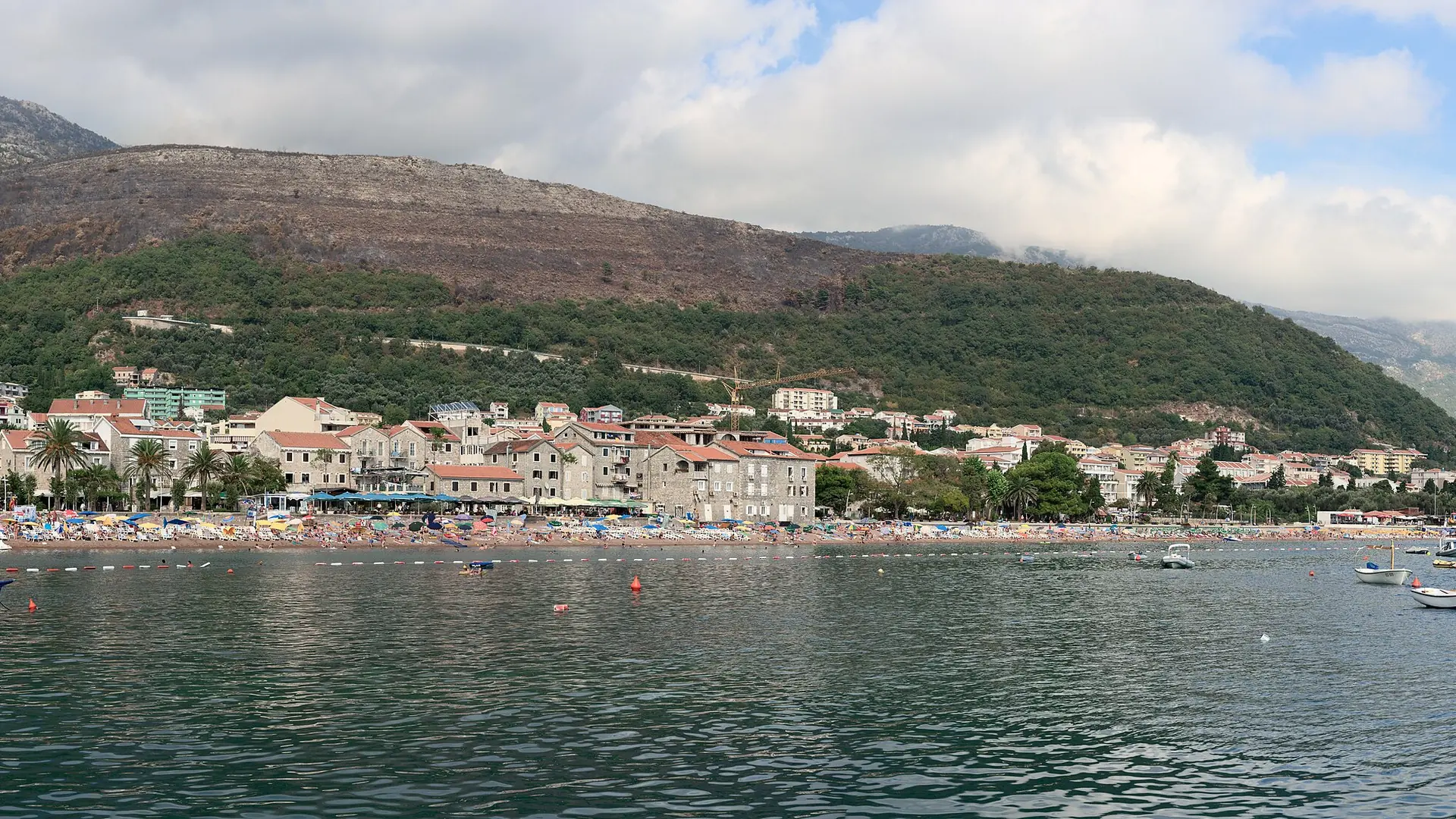
A separate small town of stone waterfront buildings and churches facing the two islands. Stay for an unhurried evening as well as the familiar daytime boat outing.
| Area | Best for | Features | To the Old Town |
|---|---|---|---|
| Old Town |
Atmosphere Lanes early and late |
Noise, no cars |
You are in it |
| Dobrota |
Waterfront time Shore time and town visits |
Long strip |
Walk from the southern end; check the address |
| Muo and Prčanj |
A slower bay stay View of the walls |
Few places to eat |
Longer journeys from Prčanj |
| Perast |
Island views and evenings Island views |
Tiny, busy midday |
Separate bay trip; traffic affects timing |
A short cultural visit, a week beside the water and a driving itinerary need different addresses. Choose the activities you want nearby, then compare the return journey and the property’s actual entrance, rather than relying on a bay-view photograph.
The Old Town or southern Dobrota.
AlternativeAsk for a room away from the main squares.
The Old Town or Dobrota.
AlternativeOnly use licensed taxis with a roof sign, or book one through an app or your host.
Perast or Muo and Prčanj.
AlternativeBook a waterfront room; the view is the reason to be there.
Dobrota, Muo or Prčanj.
AlternativeThe Kamenari–Lepetane ferry can shorten a drive toward Herceg Novi; check the operator's current car fare and timetable before choosing that route.
Dobrota’s waterfront addresses.
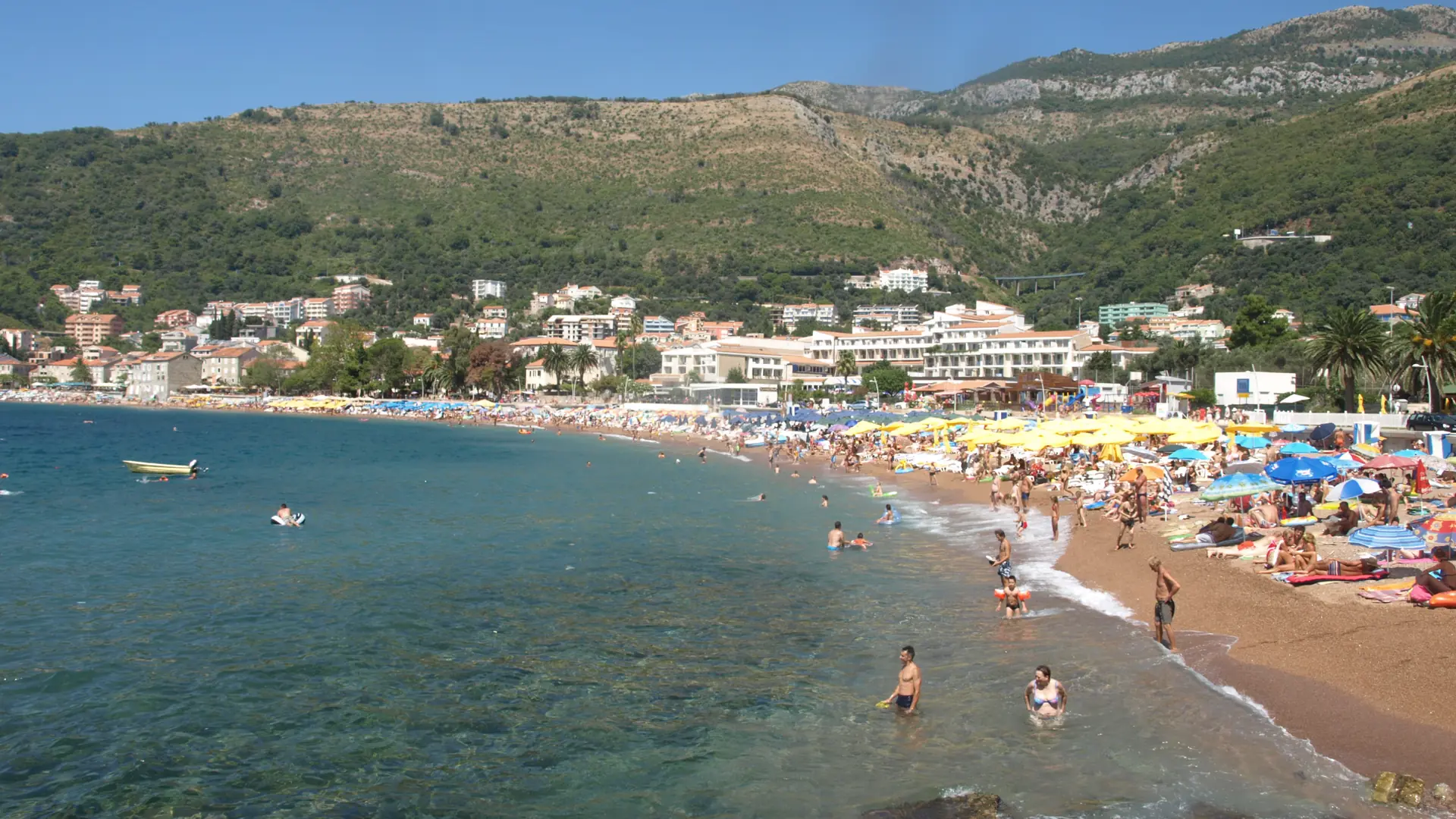
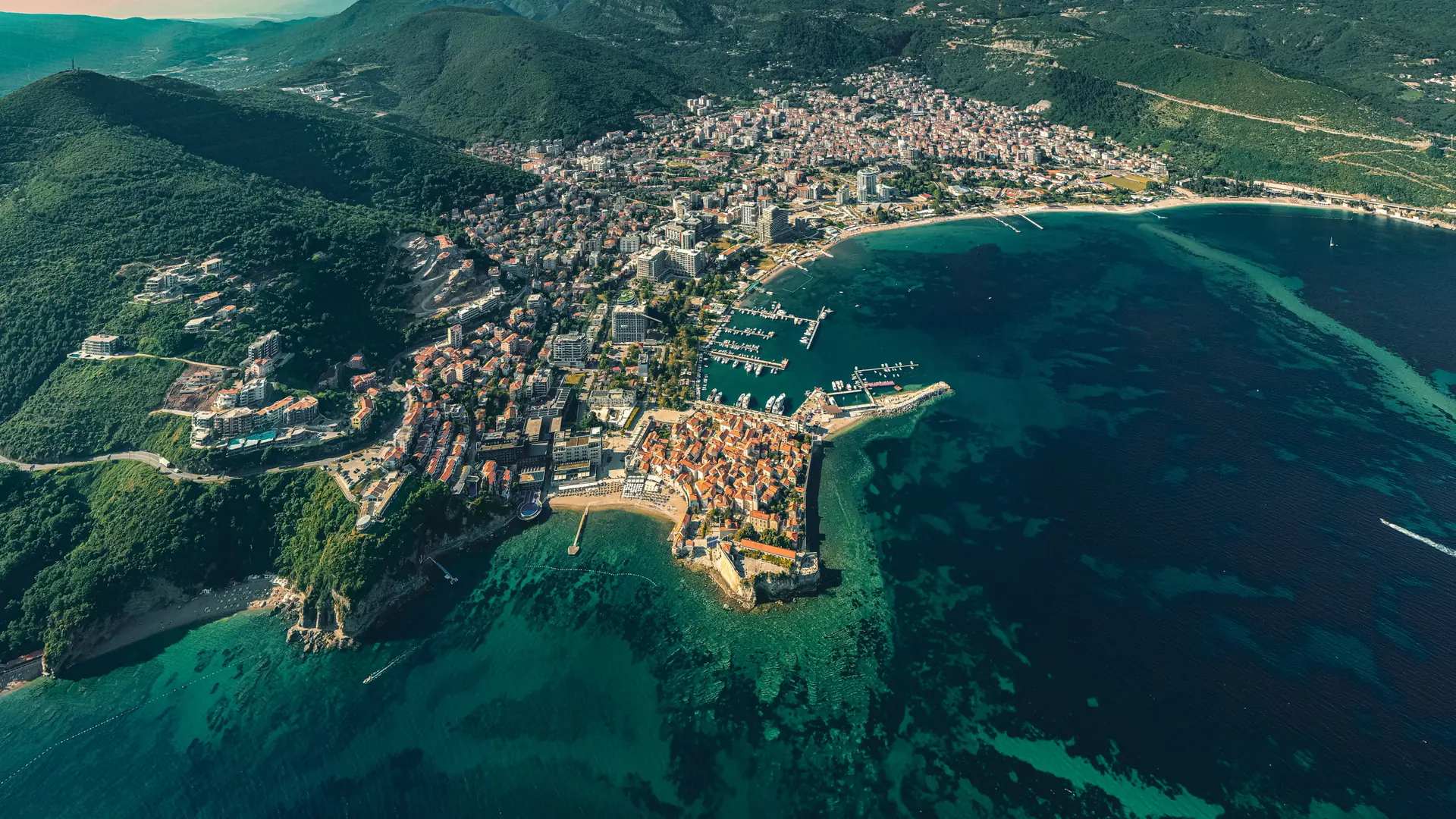
AlternativeFor a different beach setting, make a separate Budva outing; allow for the bus journey and the final walk to the shore.
Stay near the Old Town approach.
AlternativeUse the official entrance and current gate hours. The municipal online ticket’s QR code is single-use, so do not plan a second climb on the same ticket.
Check parking and exactly where the property is on the bay; in Kotor the address decides your noise level and whether you can walk back at night.
Tivat is the nearest airport, while the bus station sits outside the pedestrian Old Town. Plan the journey through to your actual door: a short road transfer can still end with a walk over stone lanes or up steps. For a boat departure or flight, leave room for traffic rather than relying on a map’s shortest estimate.
The airport operator lists Kotor at 8 km and 12 minutes by road in ordinary conditions; summer congestion can add time. A taxi is the straightforward option with luggage. No scheduled bus leaves from the terminal door; confirm any roadside coastal-bus stop, walking route and departure before relying on it.
Compare actual flights and ground transfers from Podgorica or Dubrovnik as well as Tivat. A Dubrovnik arrival adds an international border crossing, so allow flexible time and check entry requirements for your passport.
Kotor bus station is in Škaljari south of the Sea Gate. Check the exact carrier departure, luggage charge and any station fee at booking; the route page is a planning aid, not a guarantee of your day’s fare.
The Old Town is pedestrian. The waterfront towards Dobrota and around the bay towards Muo offers longer outings, but pavement width, steps and the return distance vary along the route.
Use the carrier’s timetable for the date and direction you need. The Kotor–Budva portal gives 27 km and a 44-minute timetable average; luggage charges depend on the carrier. Arrange a licensed taxi for a journey the timetable does not cover.
Group boats link Kotor and Dobrota with different parts of the bay, while Perast has separate island crossings. Compare departure piers, trip duration and the included stops before choosing; a departure labelled Kotor may still require a walk or transfer from your room.
The municipal individual ticket is €15 (≈ US$17), checked 21 October 2026. Its terms list child exemptions and require a valid ticket even for exempt visitors; check the exact age category when booking. The QR code is single-use. October–November gate hours are 08:00–17:00.
The Dub–Kuk ride takes about 11 minutes, with a separate transfer to Dub. The operator’s post-season prices valid from 21 October 2026 are €20 (≈ US$22) adult return or €12 (≈ US$13) one way; ages 2–12 return €5 (≈ US$6). Check the operating schedule and age category for your date.
Confirm who registers your stay and whether residence tax is included in the accommodation quote. Visitors must be registered within 24 hours; hotels and some holiday-let hosts handle this, while private-stay guests should check the arrangement with the local tourism office.
The central lanes, historic buildings and the mountain path present different access conditions. Ask the host for entrance steps, lift dimensions and the exact route from the nearest vehicle drop-off. Waterfront accommodation may still sit above the road; do not infer step-free access from a sea view.
Match the season to the stay you want: historic-town visits, swimming and mountain outings have different conditions. Reserve time for a meal and the waterfront as well as paid sights; the busiest sightseeing plan is not always the most enjoyable bay holiday.
Late spring brings milder conditions for exposed walks before the coastal July–August peak. Confirm that any particular boat or seasonal venue has opened for your date. A shore walk and a museum can share a day; keep the longer exposed climb for a forecast that suits it.
The national tourism office identifies July and August as the coast’s busiest period. Check the port’s actual arrival list, climb during a cooler opening window and leave stone-lane wandering for later in the day.
Early autumn can make the walls more comfortable than peak summer heat; the national tourism office suggests this shoulder period for the coast. Check actual weather, wall hours and sea conditions before choosing a long climb or swim.
Choose a central base for meals and indoor cultural visits when swimming and seasonal excursions are less certain. The walls publish shorter spring and autumn gate hours and unstaffed winter booths; wet stone and short daylight can change the walking plan. Check each attraction’s current access before setting out.
Compare the final rate for the same dates, room facilities, cancellation terms and transport needs. An outlying apartment can lose its apparent saving if each meal or sightseeing visit needs a taxi. Ask whether parking and residence tax are included.
A walls visit and an adult return cable-car ticket total €35 (≈ US$39) at the rates checked on 21 October 2026. This is a two-ticket example, not a daily budget: the transfer to Dub, museums, boats and meals are separate. Rounded USD comparisons use the ECB reference of 20 October 2026.
Price the actual bus or taxi journey and luggage terms. Ask a boat operator about its route, return arrangements and included admissions before comparing fares; a short island crossing and a long bay tour are different purchases.
Leave room for a bay meal as well as quick snacks. Local cooking includes seafood, pasta and risotto; for a sweet pause look for kotorska krempita, a custard pastry, or Dobrota’s almond cake. Compare current menus and portion units rather than treating a fish price by weight as a complete meal.
Choose Kotor if the walled town, maritime history and outings around the bay are central to your stay. Budva suits a trip centred on the open-coast beaches and evening activity. You can visit one from the other, but allow for the road journey and the walk from the bus station rather than treating them as one base.
Music and voices can carry through the stone lanes, so ask about the room’s position relative to bars and squares. A waterfront address outside the walls may suit a lighter sleeper, but road exposure and the building matter more than a blanket promise of a quiet district.
The individual walls fee checked on 21 October 2026 is €15 (≈ US$17). Confirm current exemptions and gate hours for your visit. Municipal online-ticket terms allow one use of the QR code, so returning for another climb requires a new admission arrangement.
Swimming is possible from small pebble shores and platforms around the bay, especially along Dobrota. Check the actual entry, ladder or steps and the conditions that day; the Old Town is not a sandy-beach base.
Allow two or three nights for a first stay: time in the Old Town, a bay outing towards Perast and an extra day for the shore or a separate excursion. A mountain trip or a full beach day needs its own journey and should not be squeezed into the arrival afternoon.
A taxi is the simplest short transfer. A Kotor-bound coastal bus may be possible from the main road outside the terminal, but check the exact stop, walking route and current departure before setting out. Tivat bus station is a fallback if you cannot confirm a roadside pickup.
Reviewed by StartBooker AI-assisted self-review Travel research and content self-review
Last reviewed 2026-10-21
Updated
Method: Revised after a full production desktop/mobile baseline and a separate helper baseline review. Preserved credited real media and useful base comparisons. Checked municipal walls ticket terms, current cable-car rates, airport estimates and bus conditions with their operators; added UNESCO and local official historical and food context. USD comparisons are rounded from the ECB reference of 20 October 2026. Unchanged retained sources keep their earlier check dates. This is AI-assisted review, not an on-site visit or independent final approval.
27 sources reviewed
Some photos provided by Pexels.