Last reviewed 20 October 2026
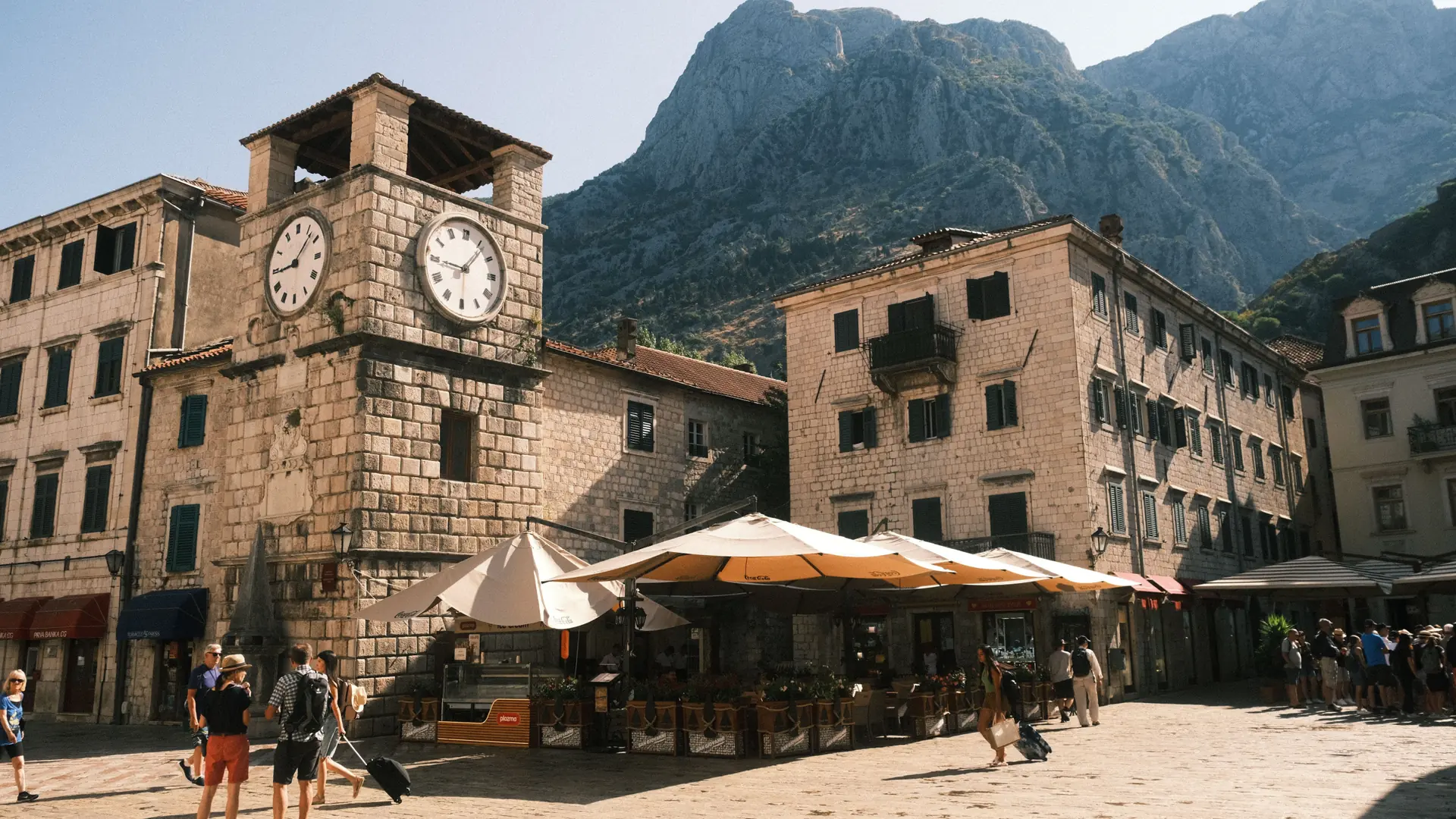
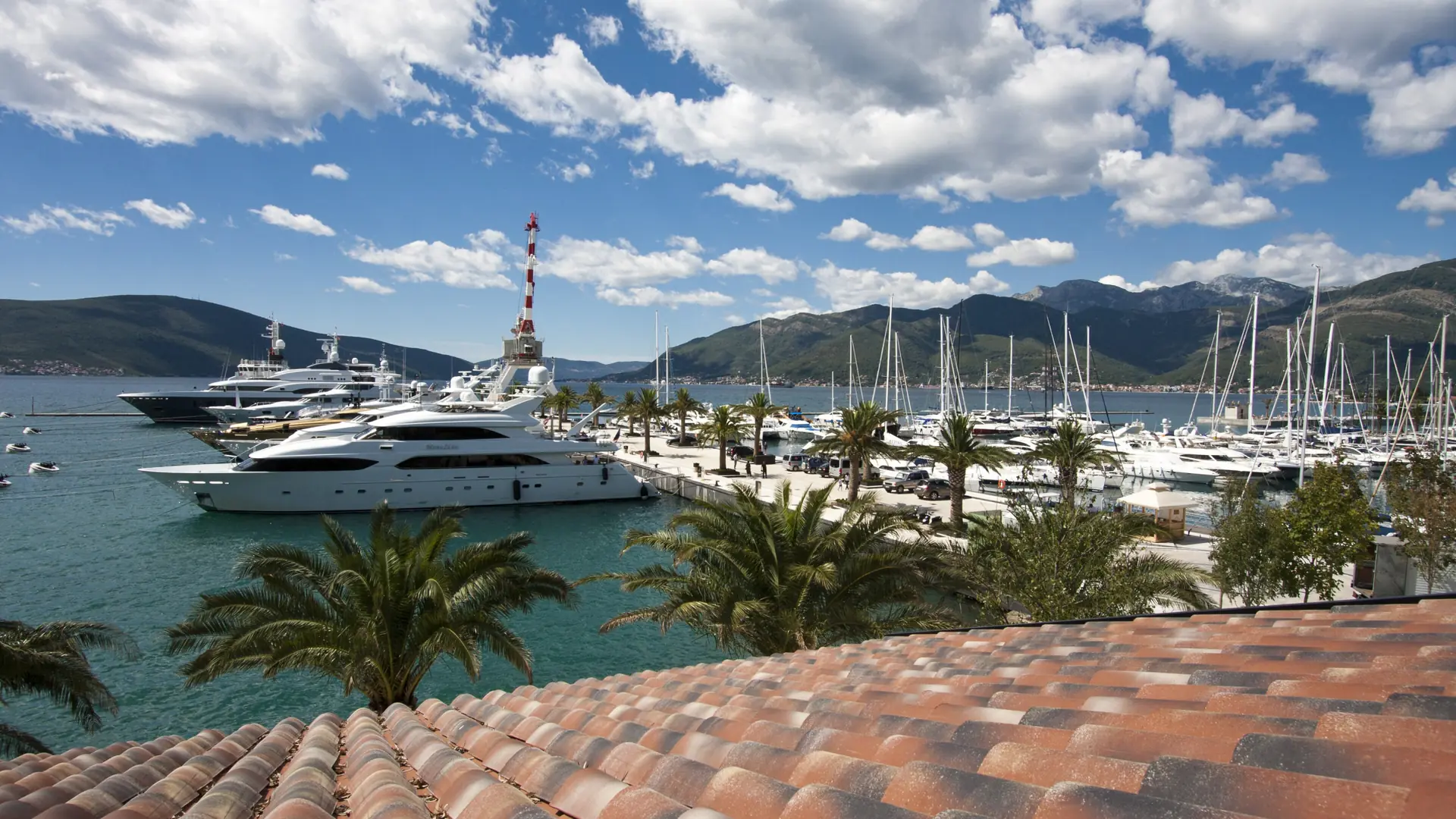
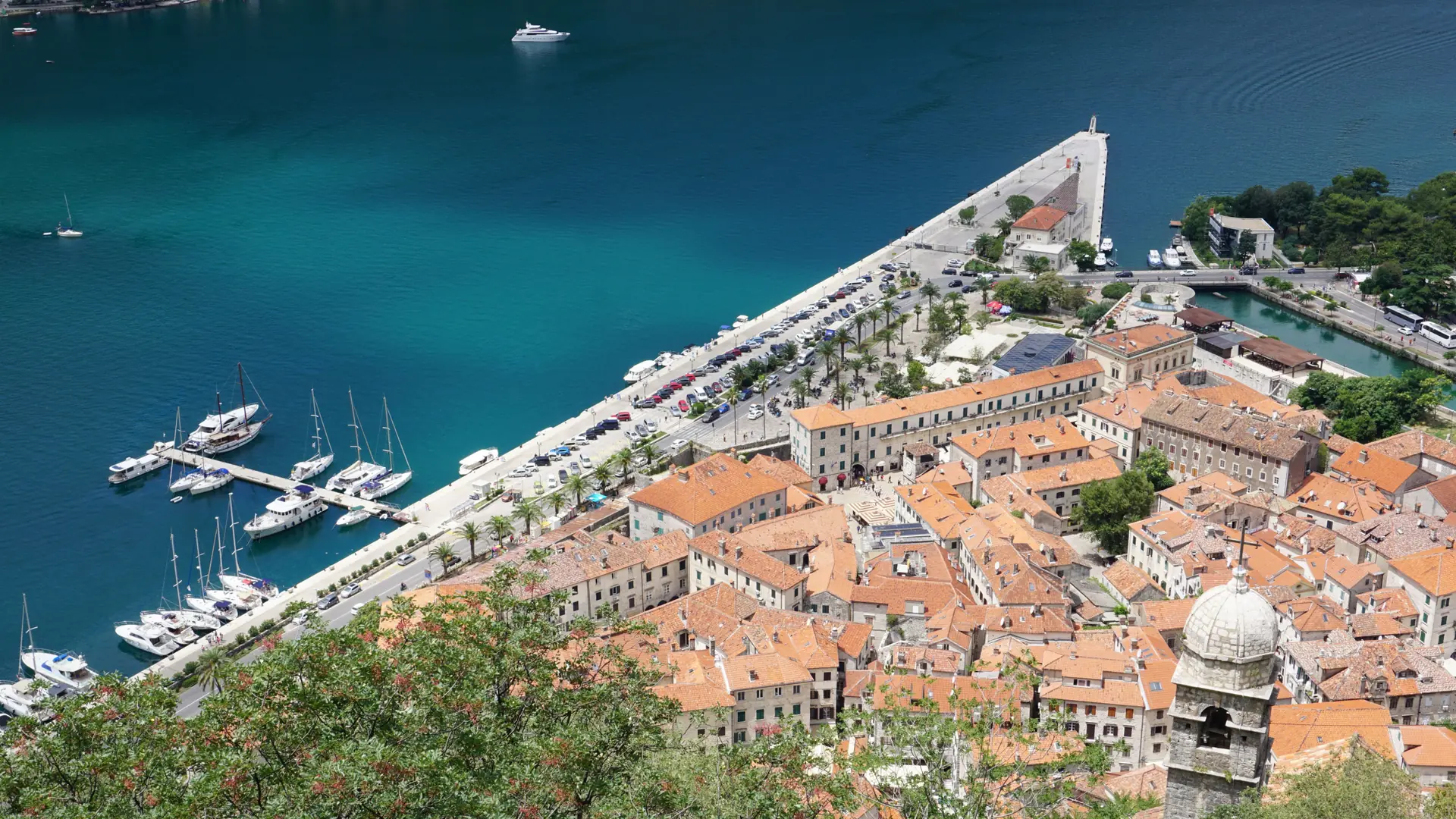
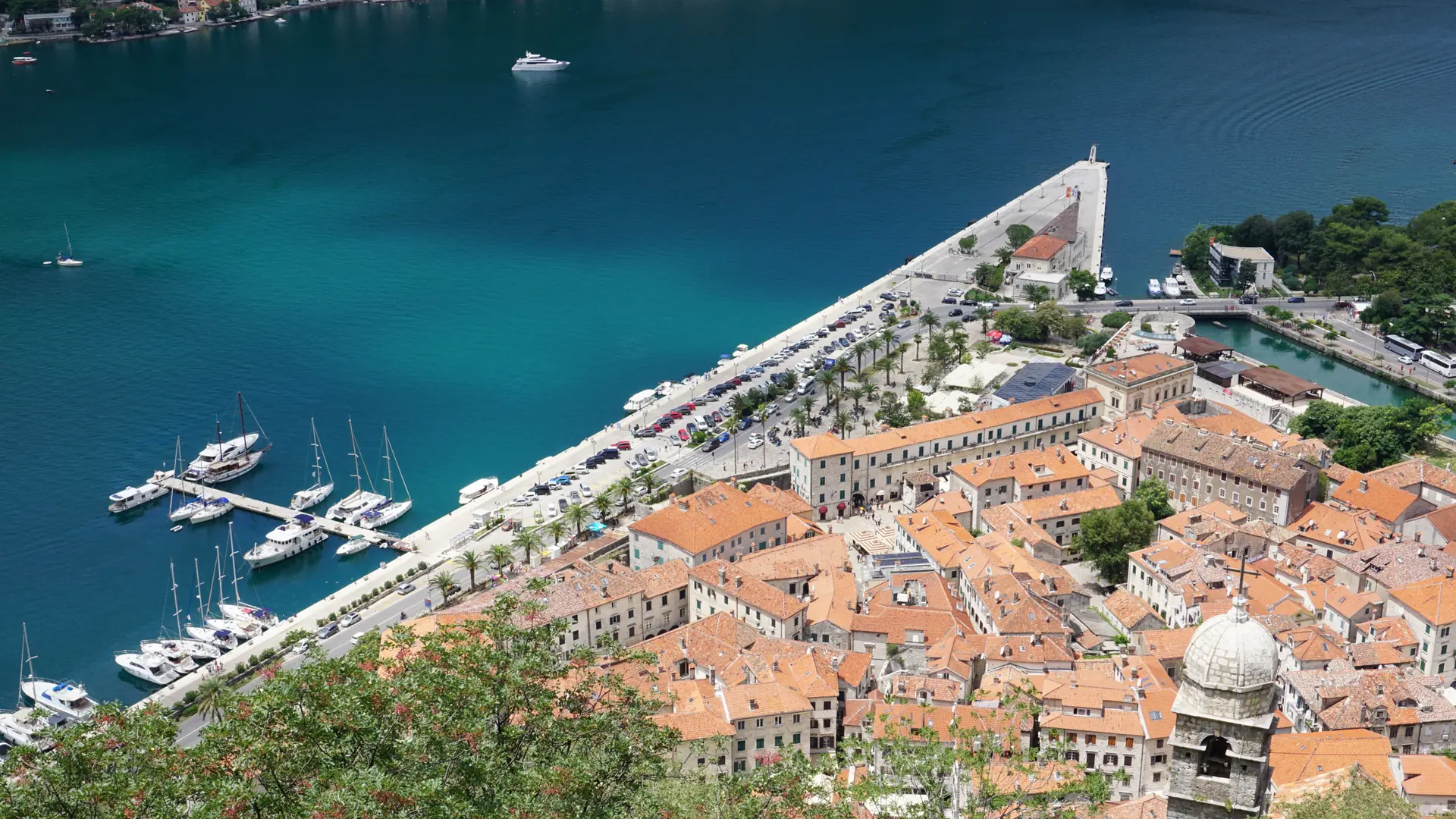
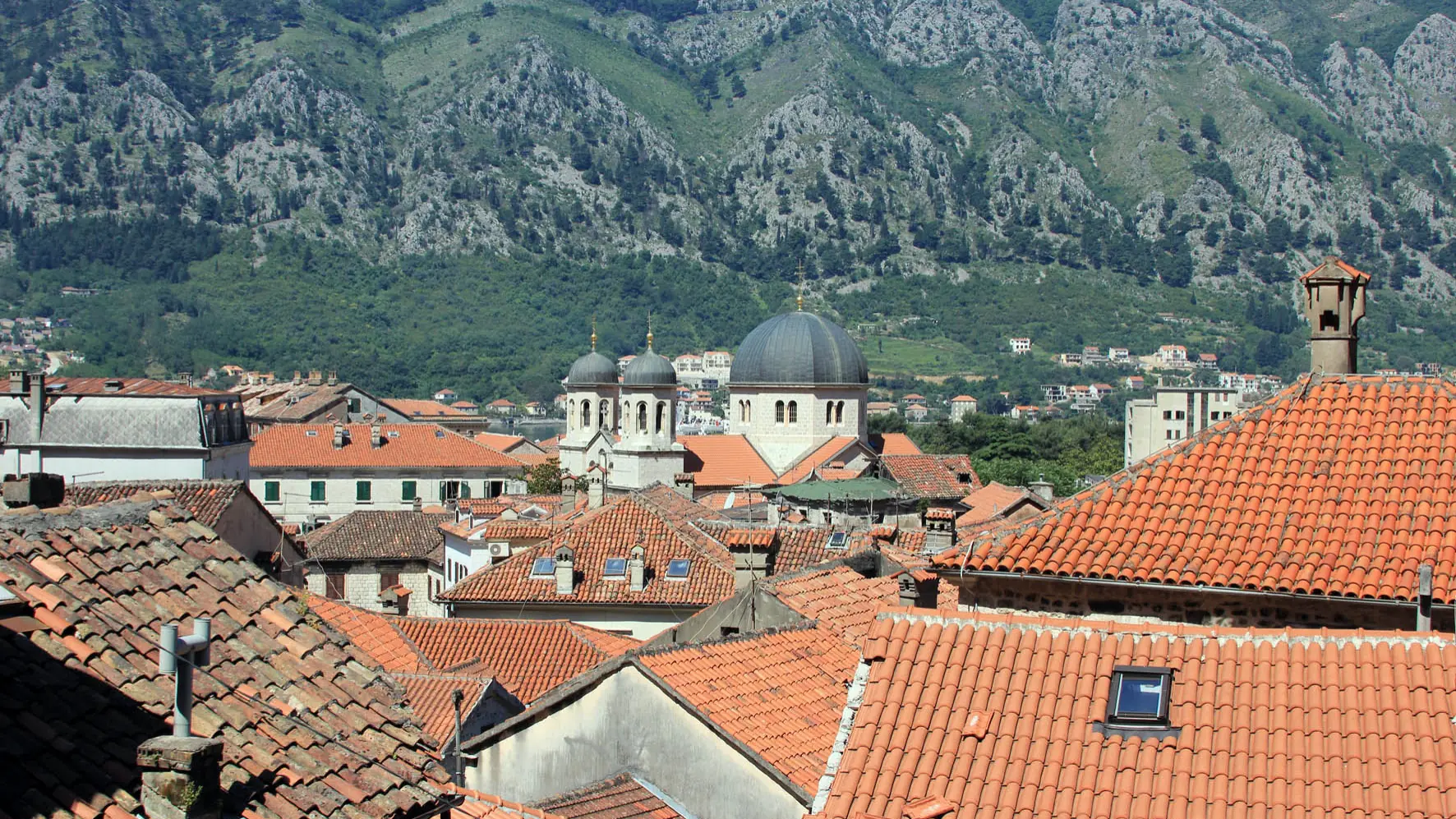
Kotor’s bay settlements grew around the sea. In the Middle Ages this natural harbour supported trade, masonry and religious art; later, captains and shipowners helped shape the palaces along the shore. The World Heritage designation protects that relationship between stone towns, cultivated slopes and steep mountains. Walk the Old Town slowly enough to notice its churches and small squares, then look back from the waterfront: the mountain setting explains why the compact fortified town feels so different from a beach resort.
The Maritime Museum of Montenegro, in Kotor’s Baroque Grgurina Palace, turns that history into a worthwhile indoor visit. Old maps, city plans and exhibits on maritime trade show how this small port connected with a much larger world. Pair the museum with the Cathedral of St Tryphon, consecrated in 1166, rather than treating every church and palace as an interchangeable photo stop. This is a good choice when you want to understand the town without taking on the exposed climb above it.
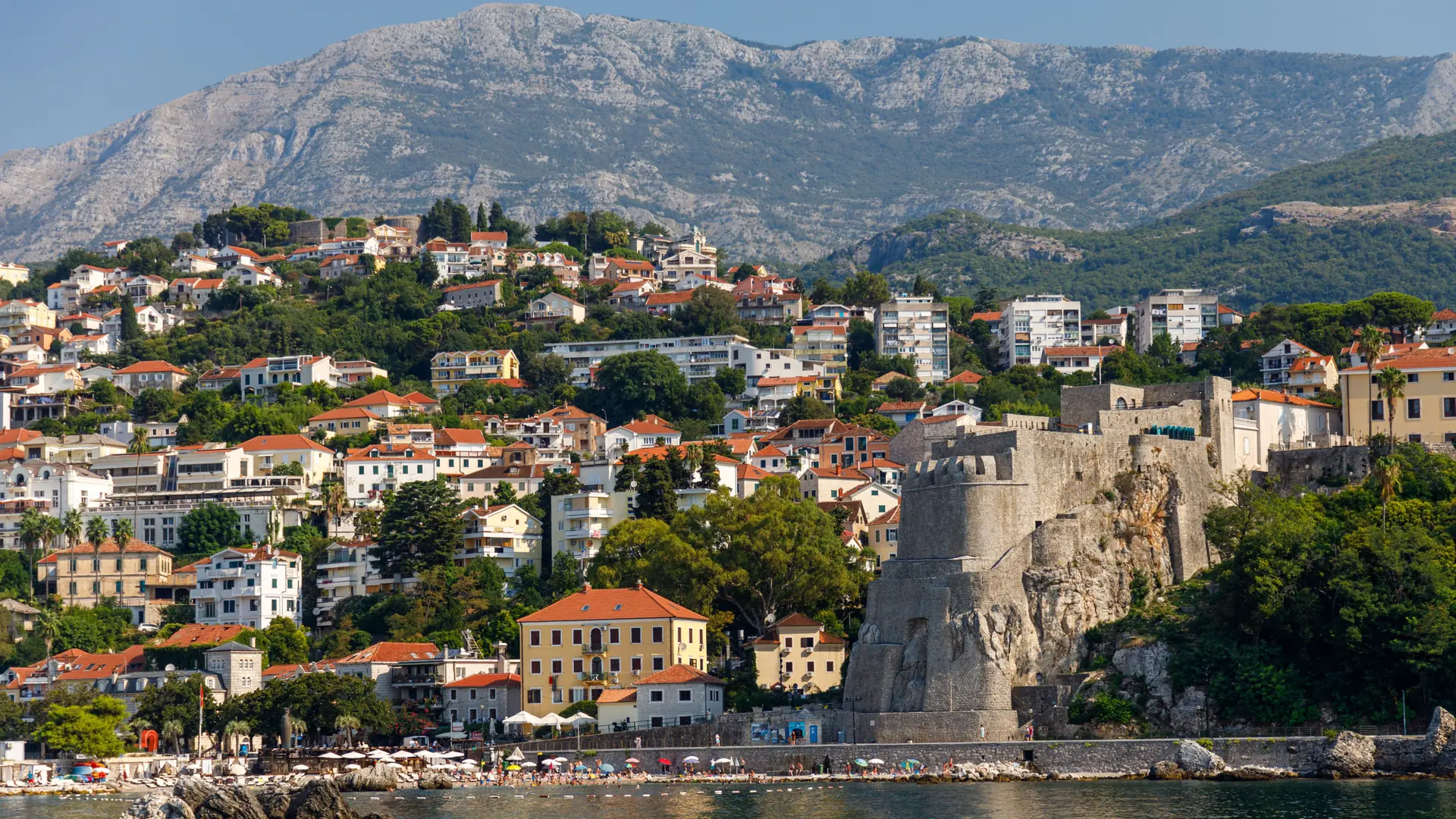
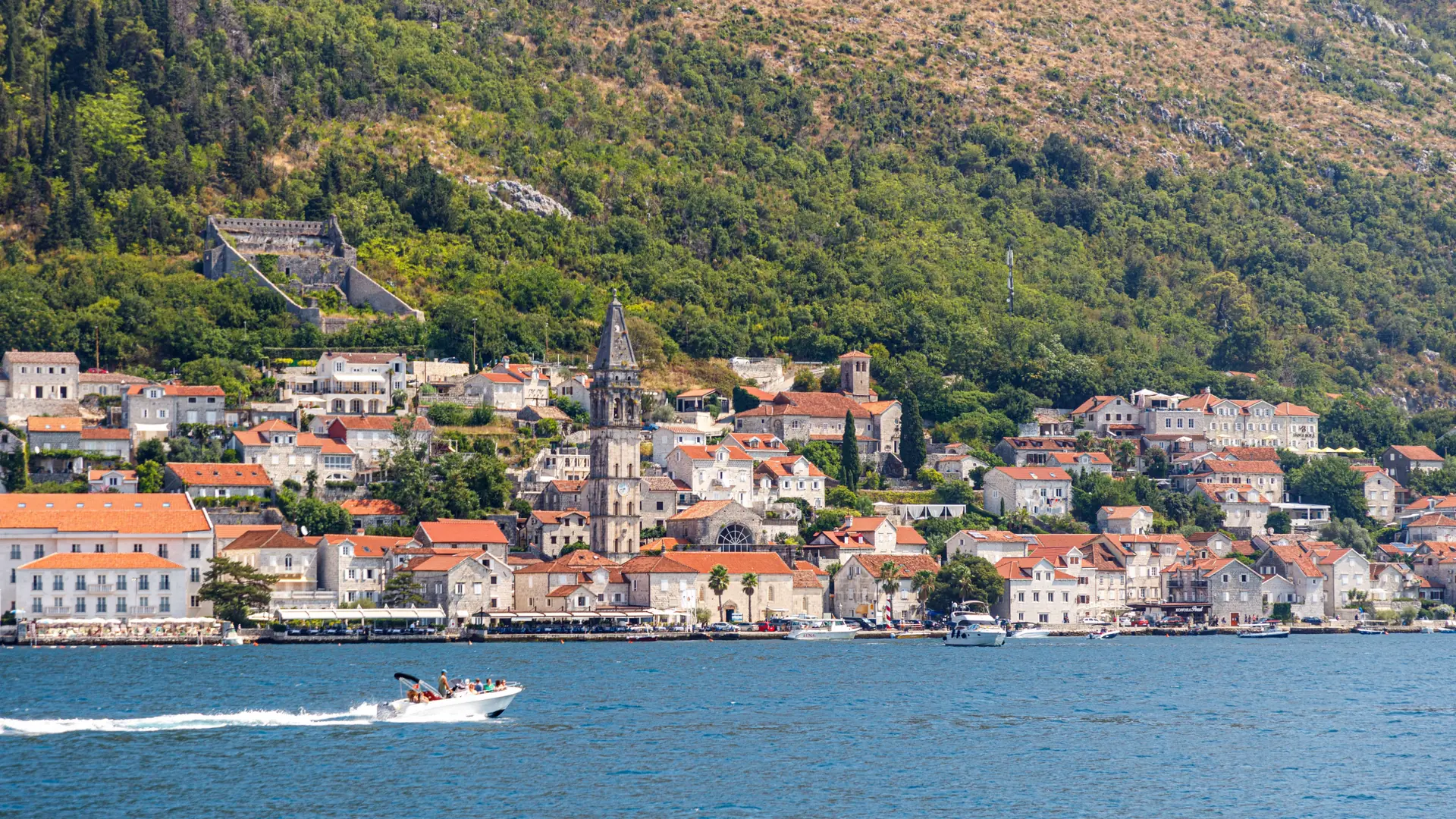
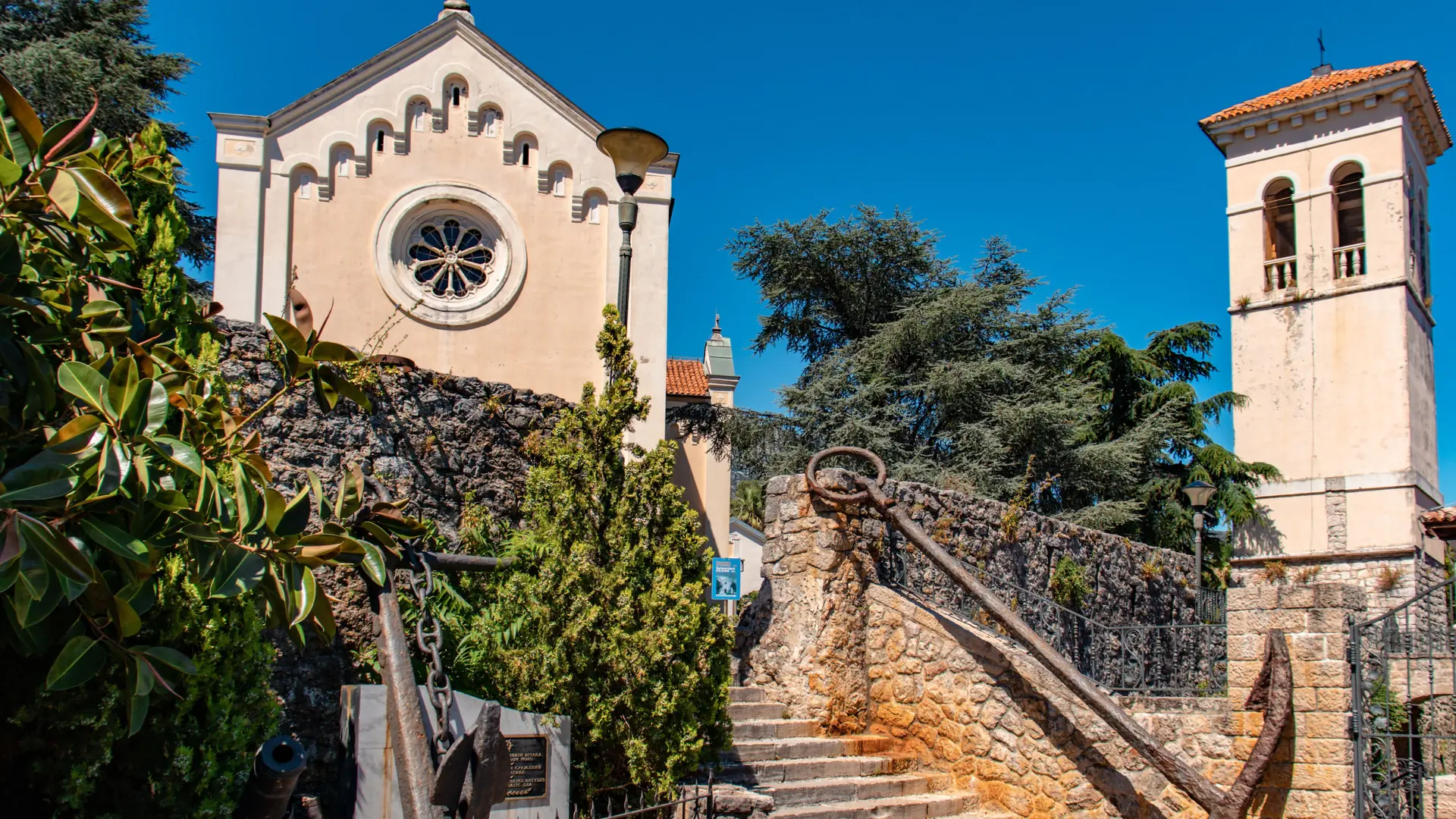
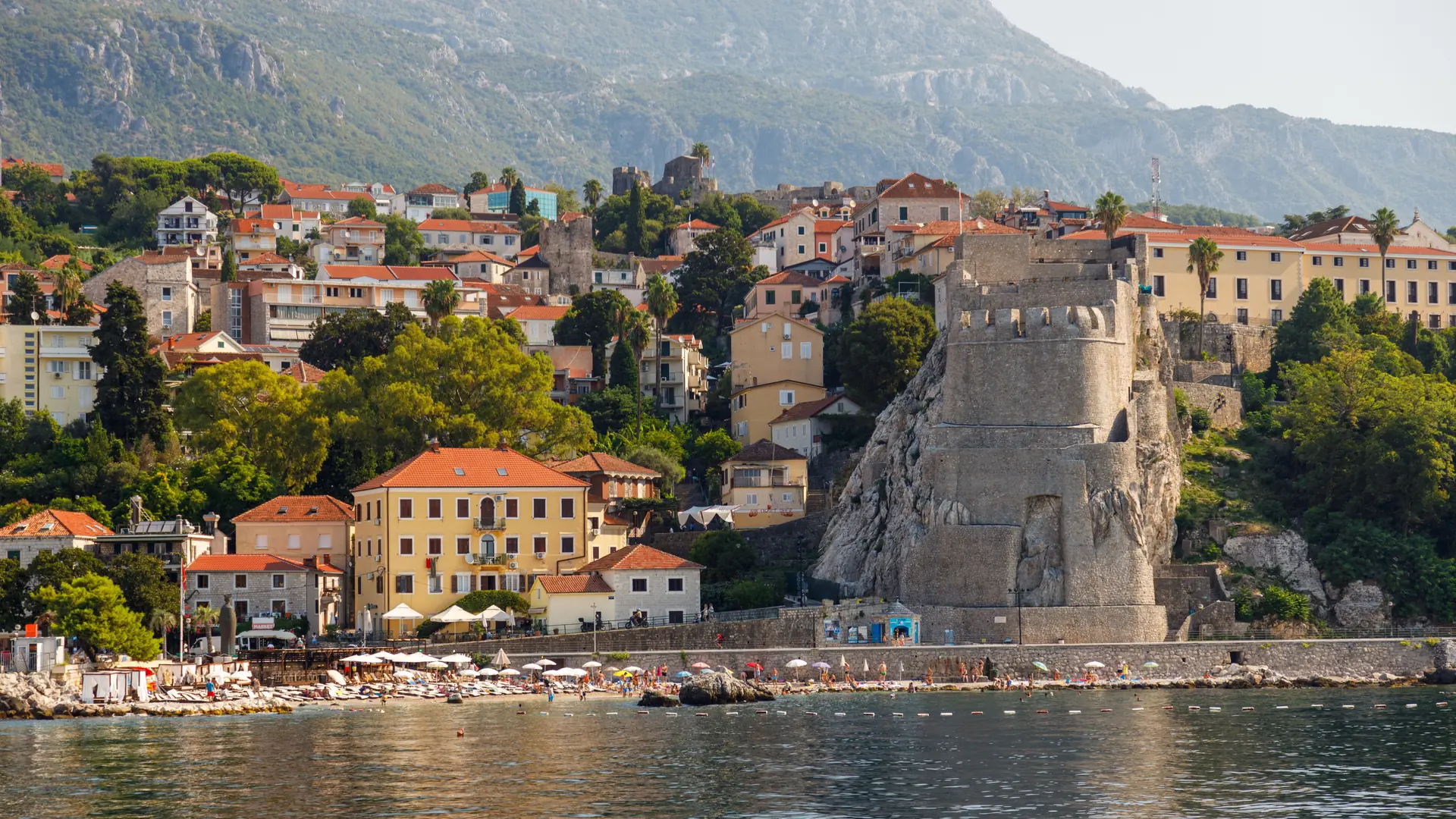
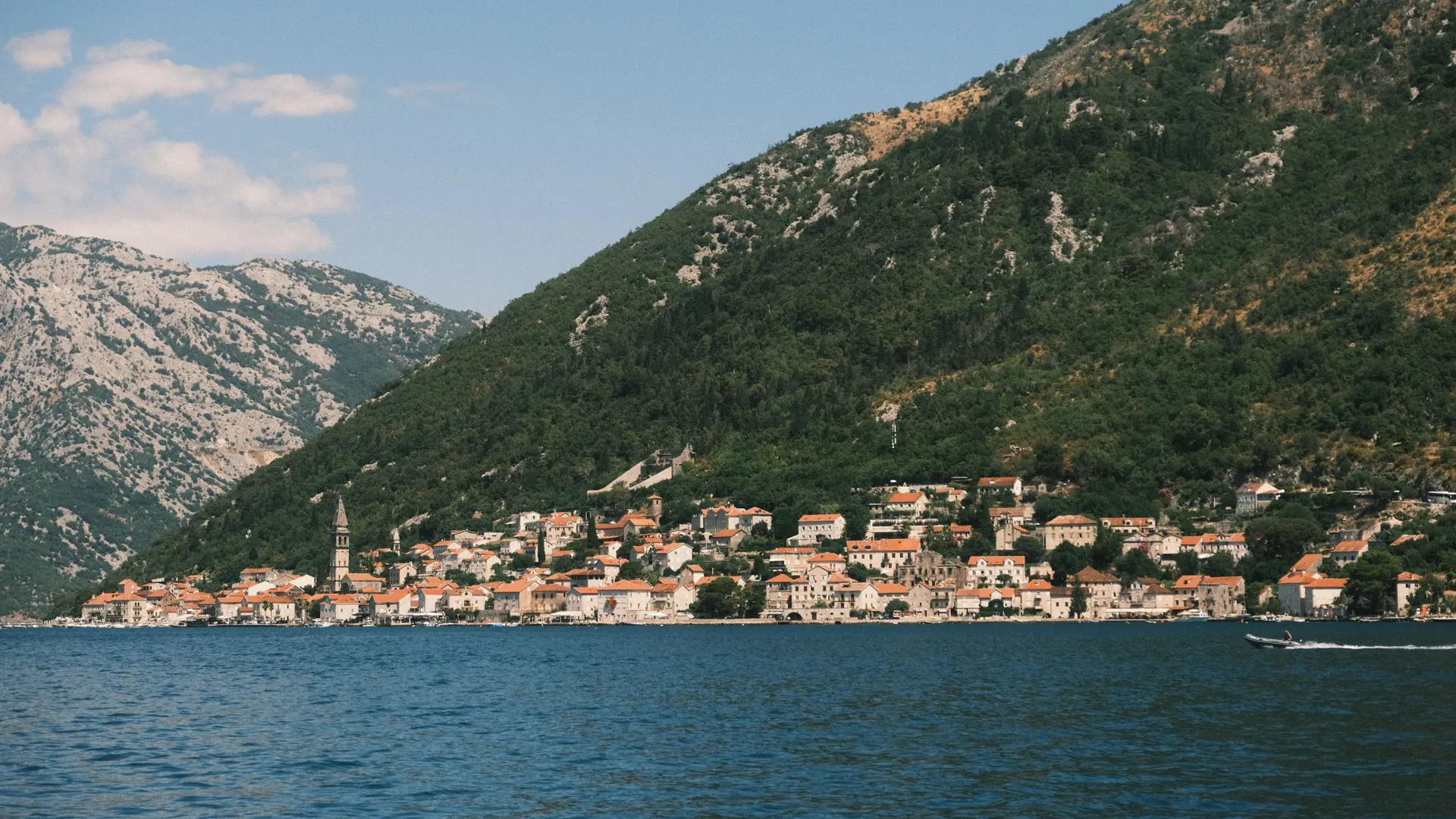
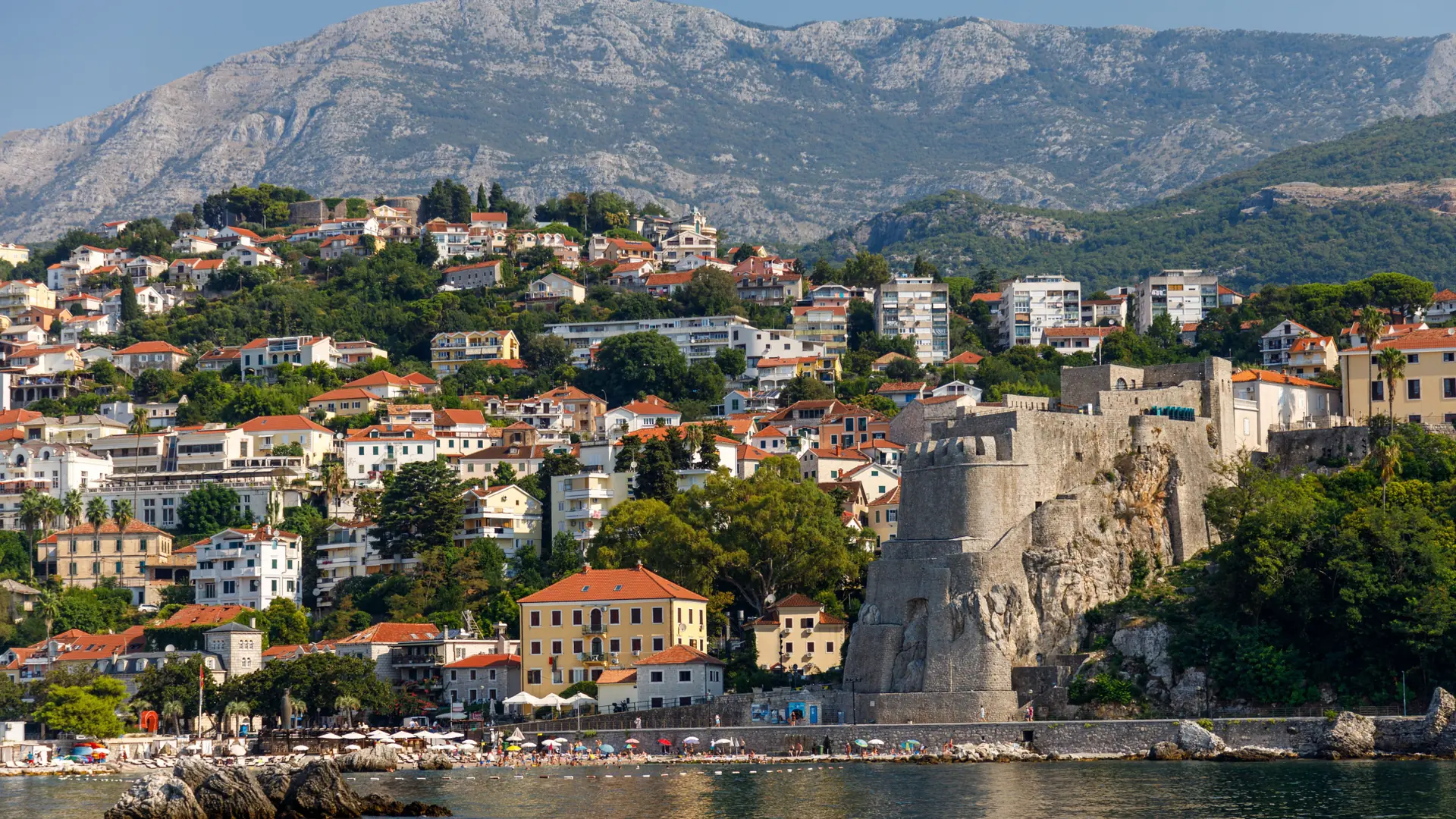
Perast offers another view of the bay’s maritime wealth. Its waterside buildings and palaces face the same enclosing mountain landscape as Kotor, but the settlement is smaller and more linear. Choose it as an outing for architecture and shore views, with time to sit by the water; a boat crossing and an inland drive are different experiences, not interchangeable shortcuts. Herceg Novi, farther west, brings a more terraced old town. Its steps are part of the visit, so the lower waterfront and upper streets should be planned together.
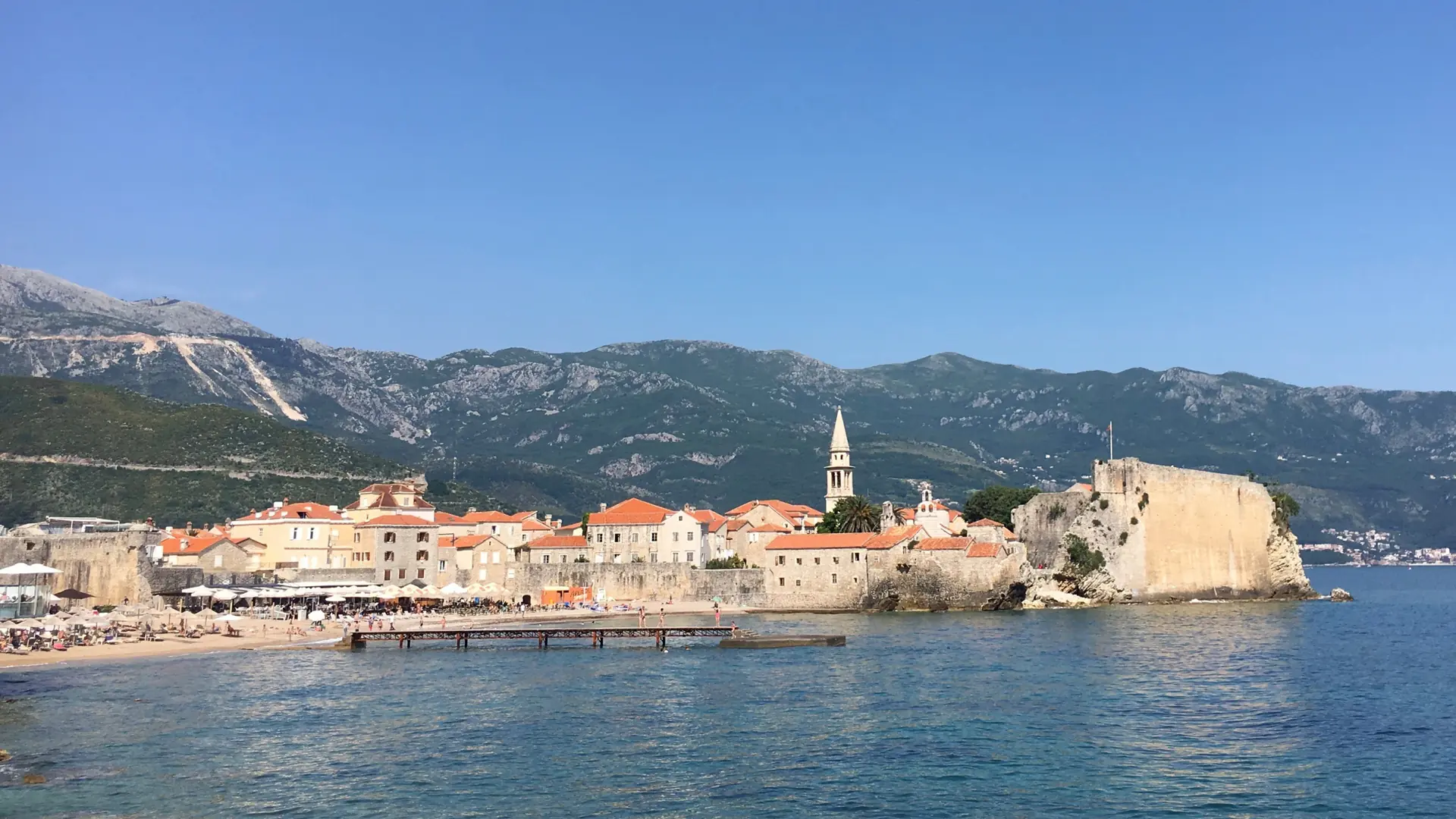
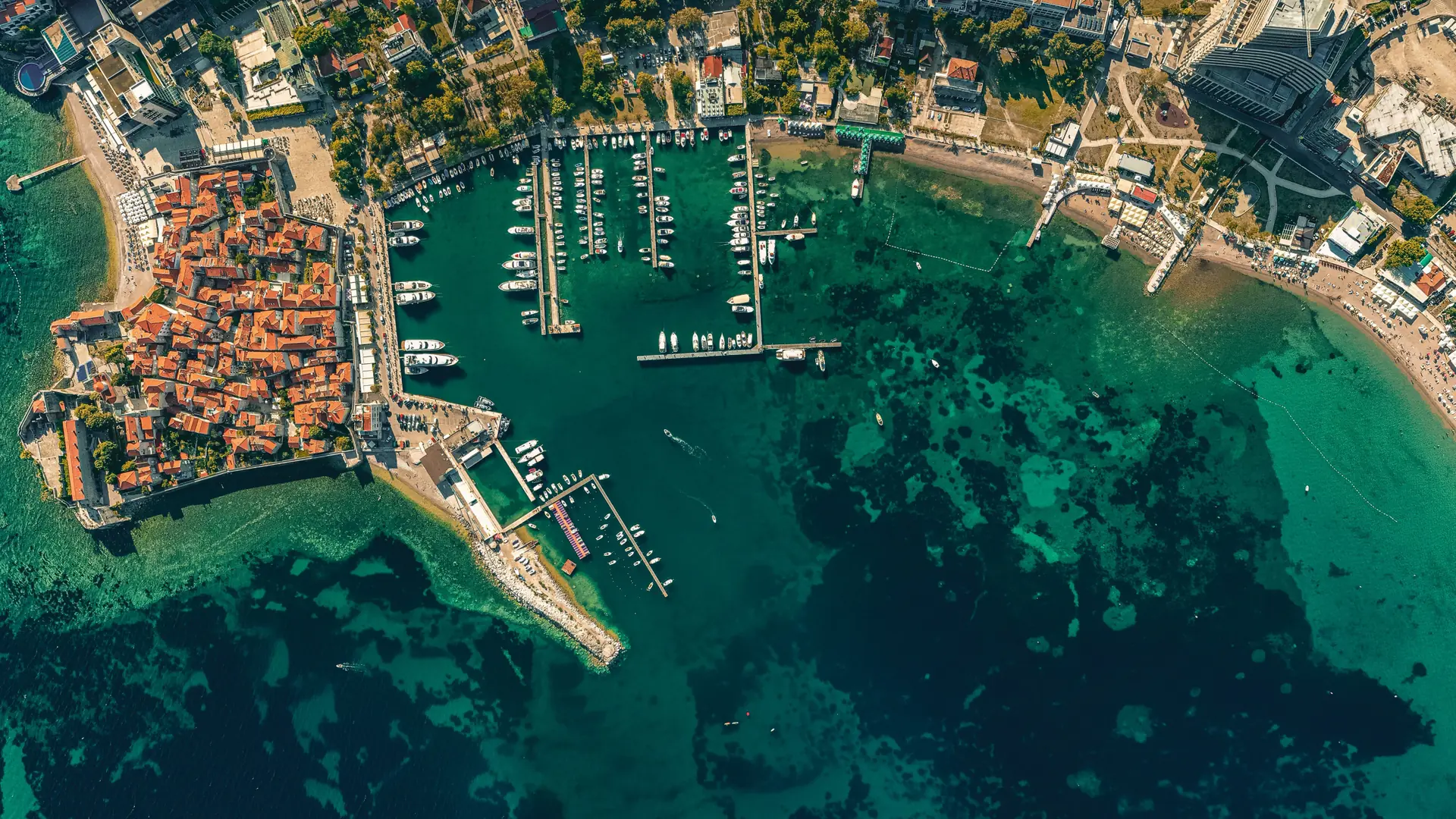
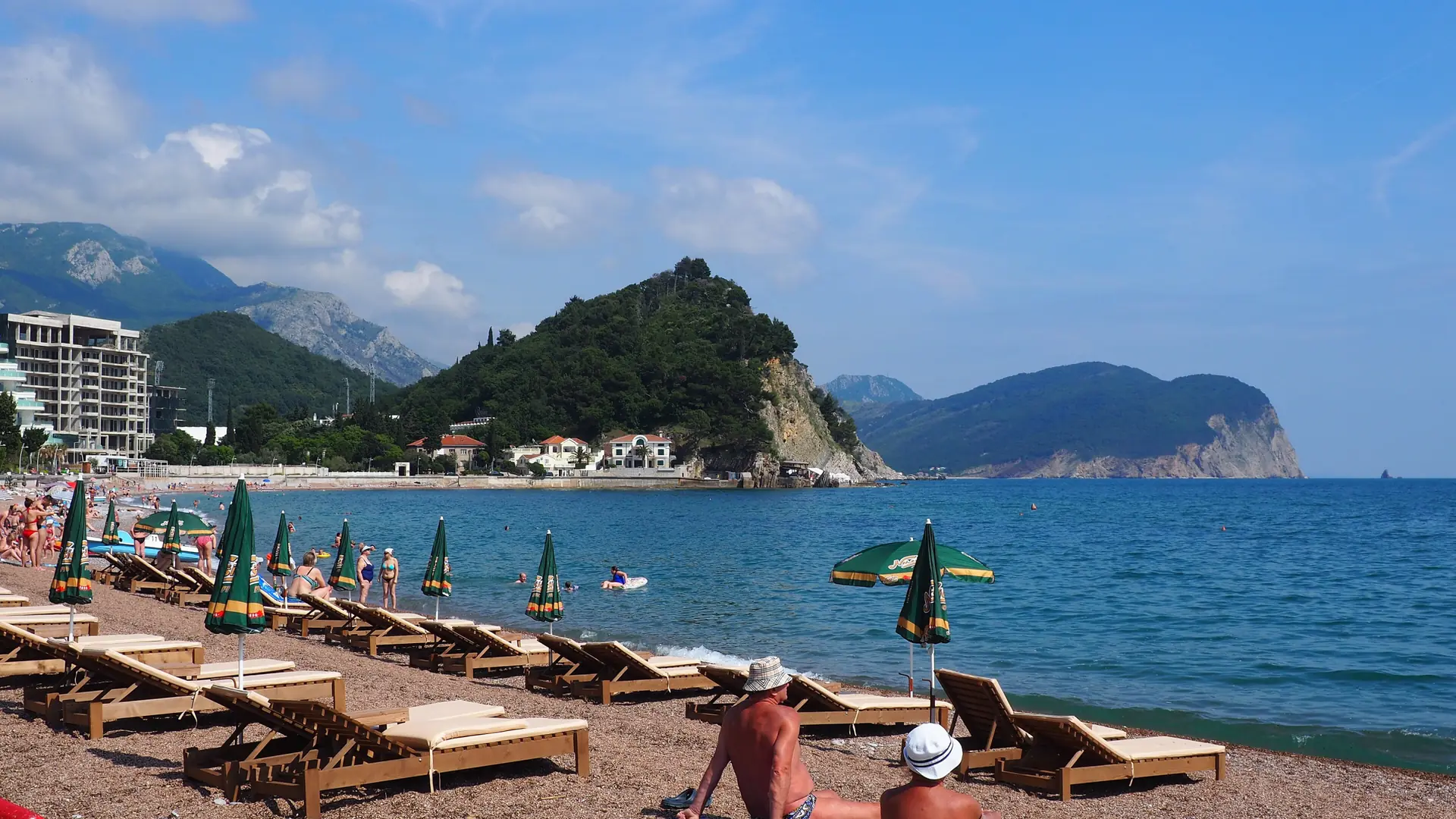
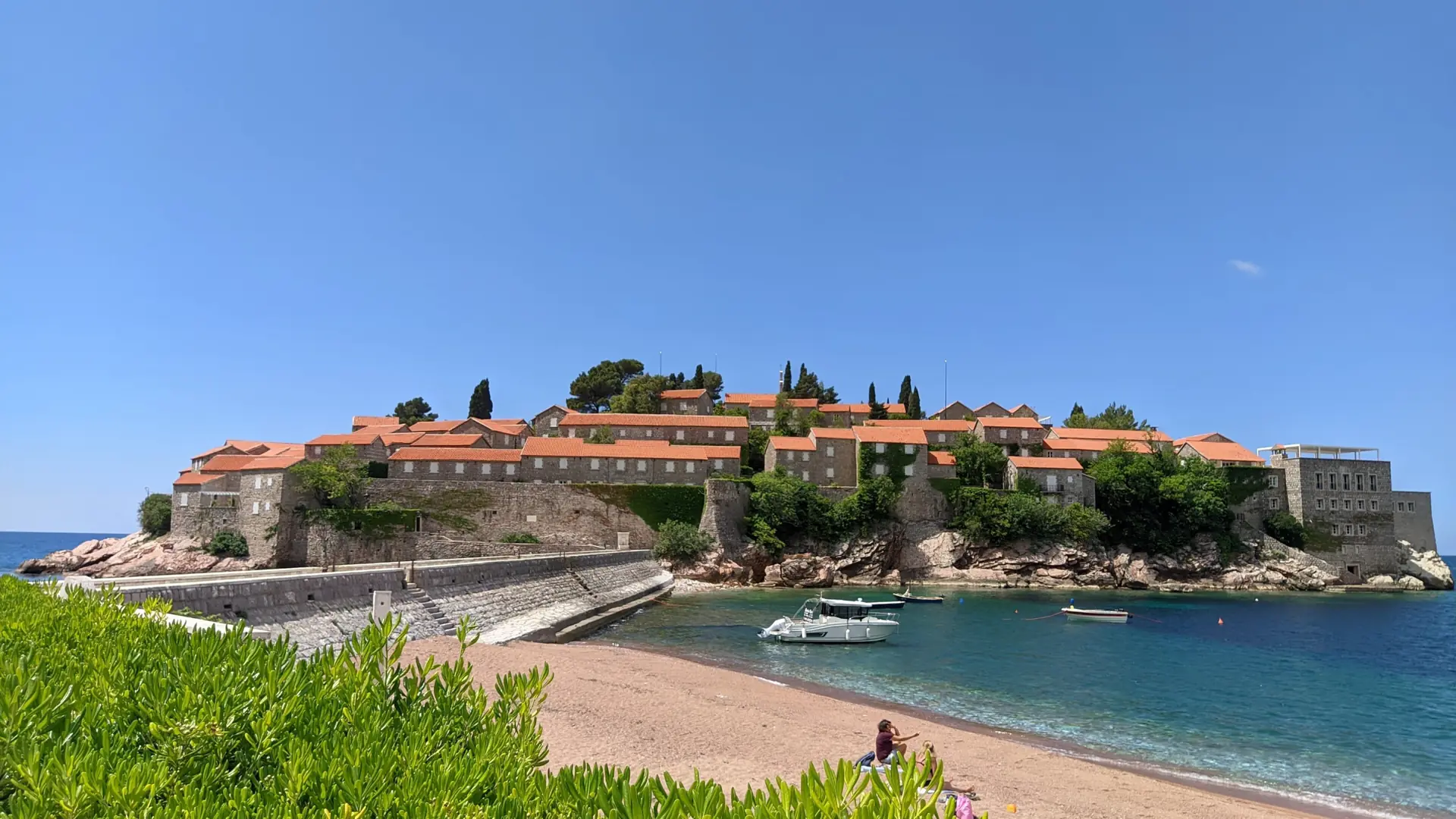
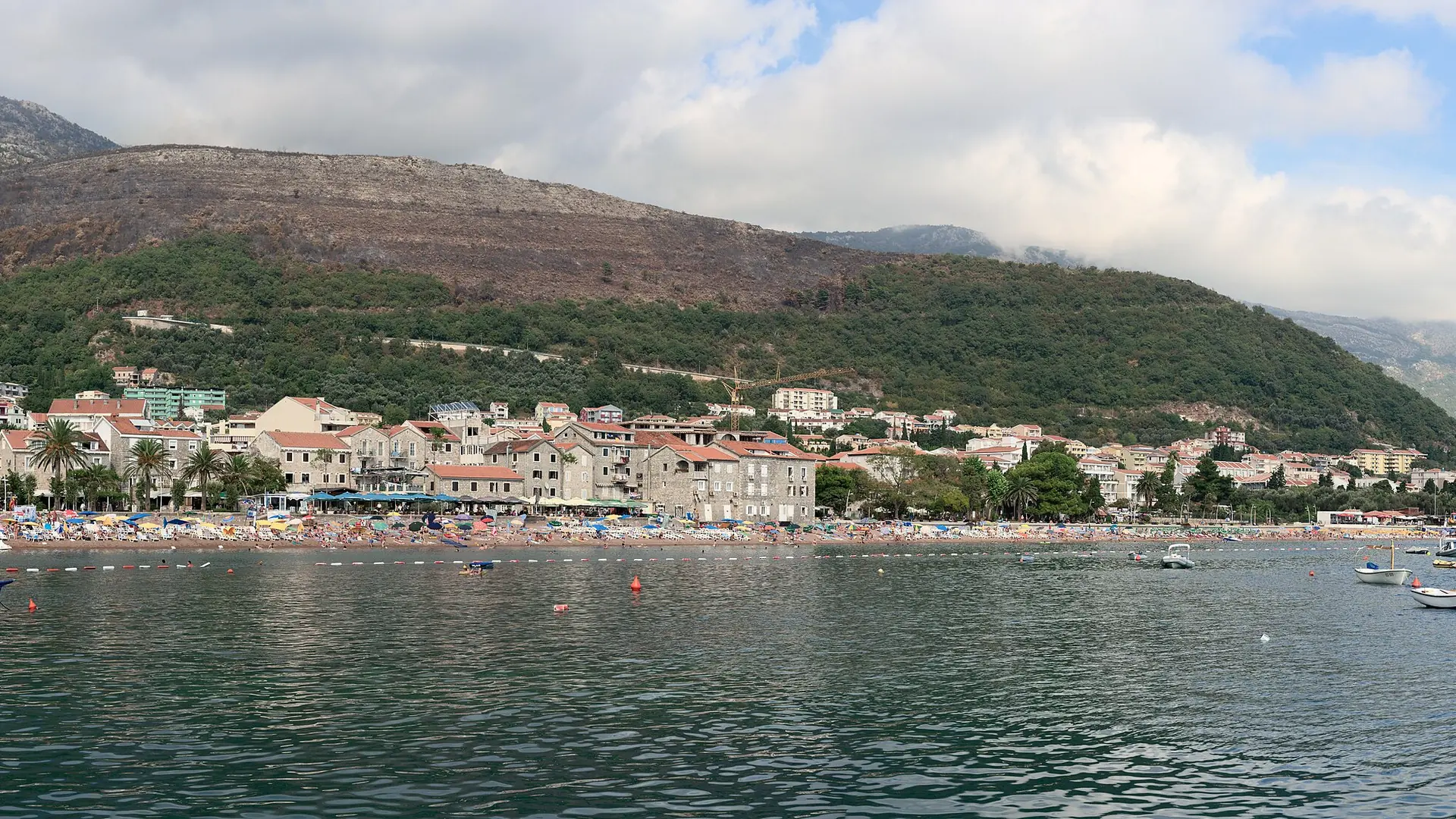
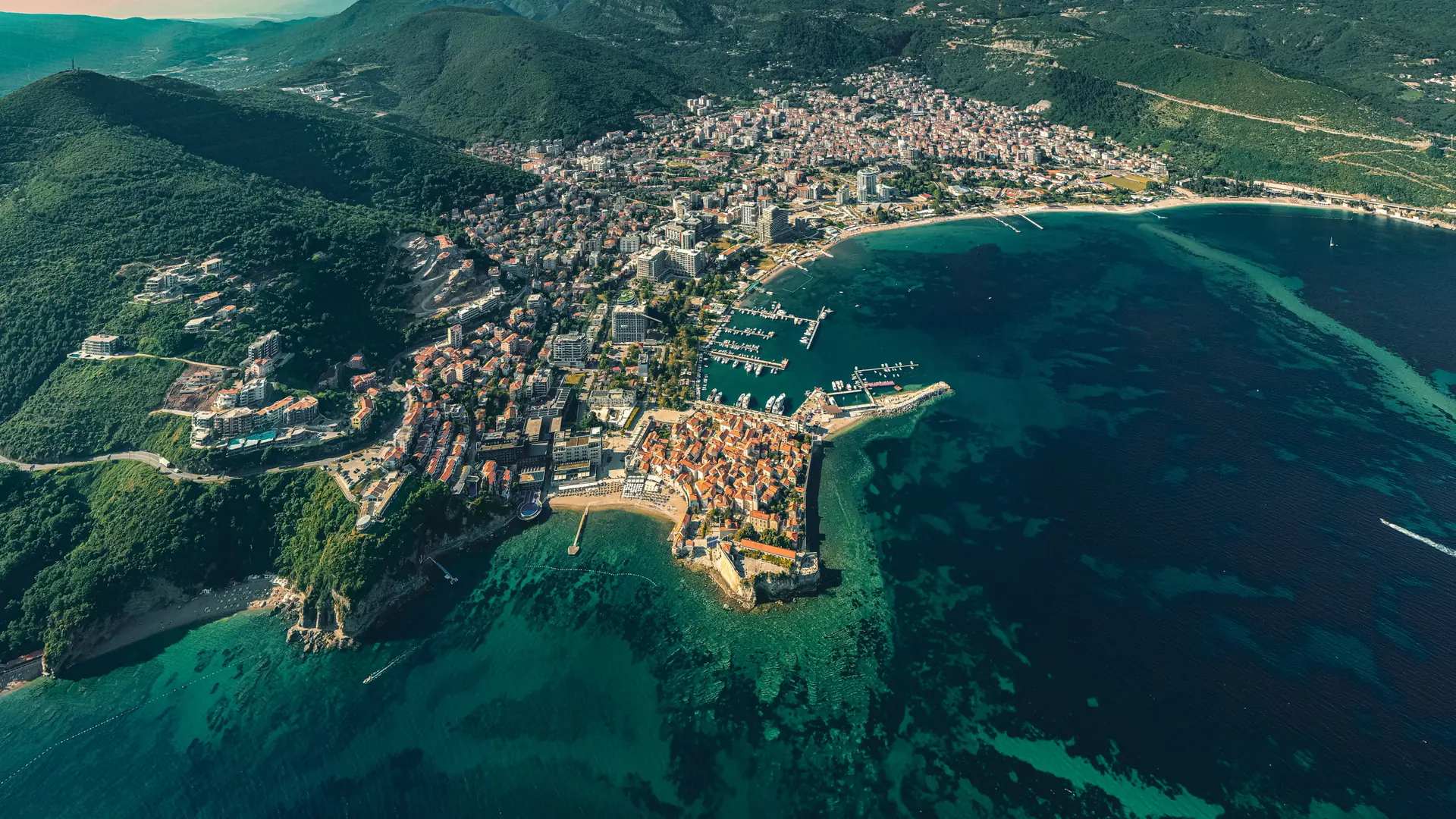
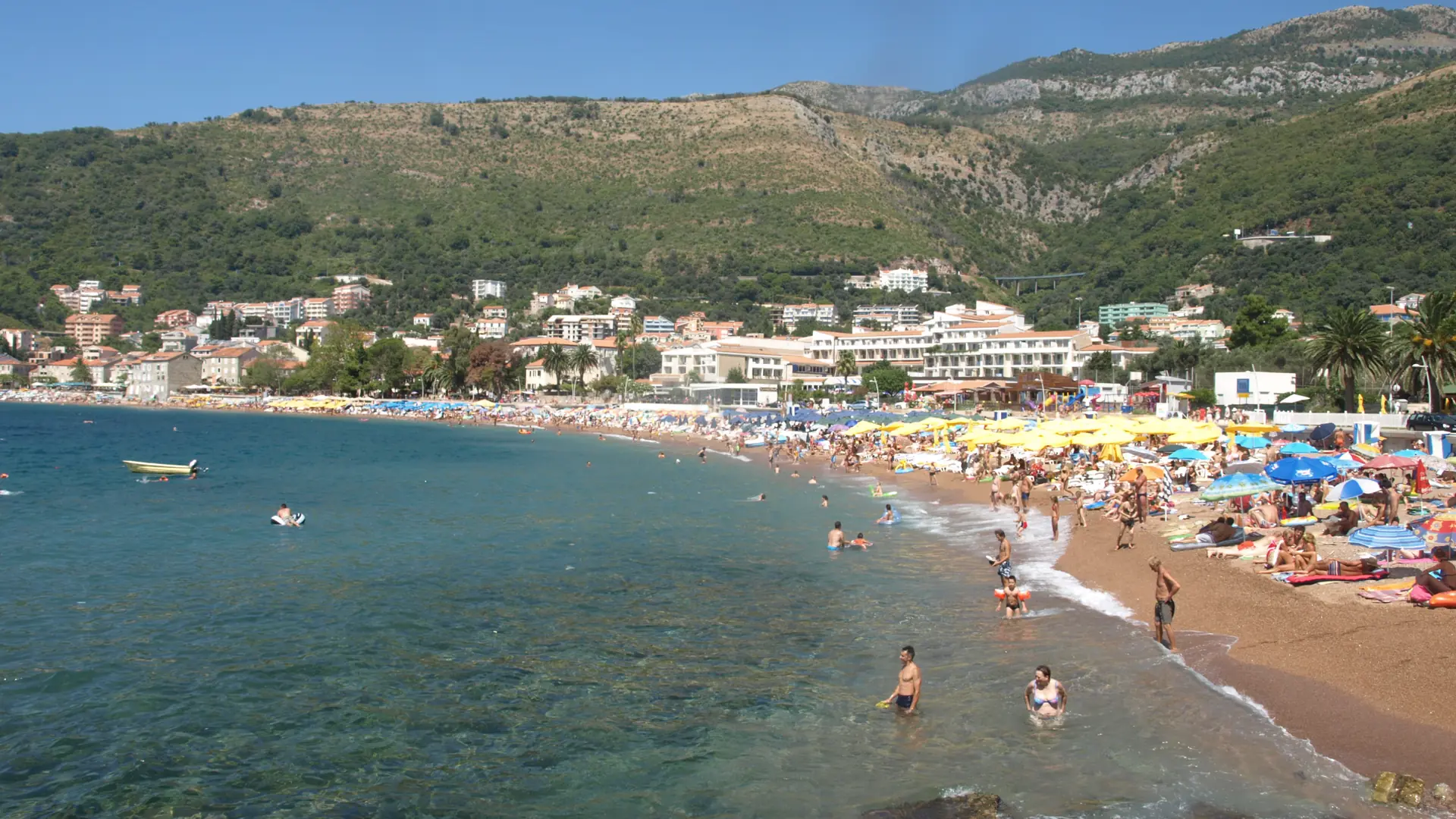
Budva’s appeal is the combination of a walled town and an open Adriatic holiday. The Old Town’s archaeological museum places its successive cultures in context, while the lanes and squares make a compact visit before the beach. Its evening restaurants and entertainment are a reason to choose a central stay, though the liveliest frontage can be a poor match for light sleepers. Decide whether you want to walk into that activity or return to a quieter address after it.
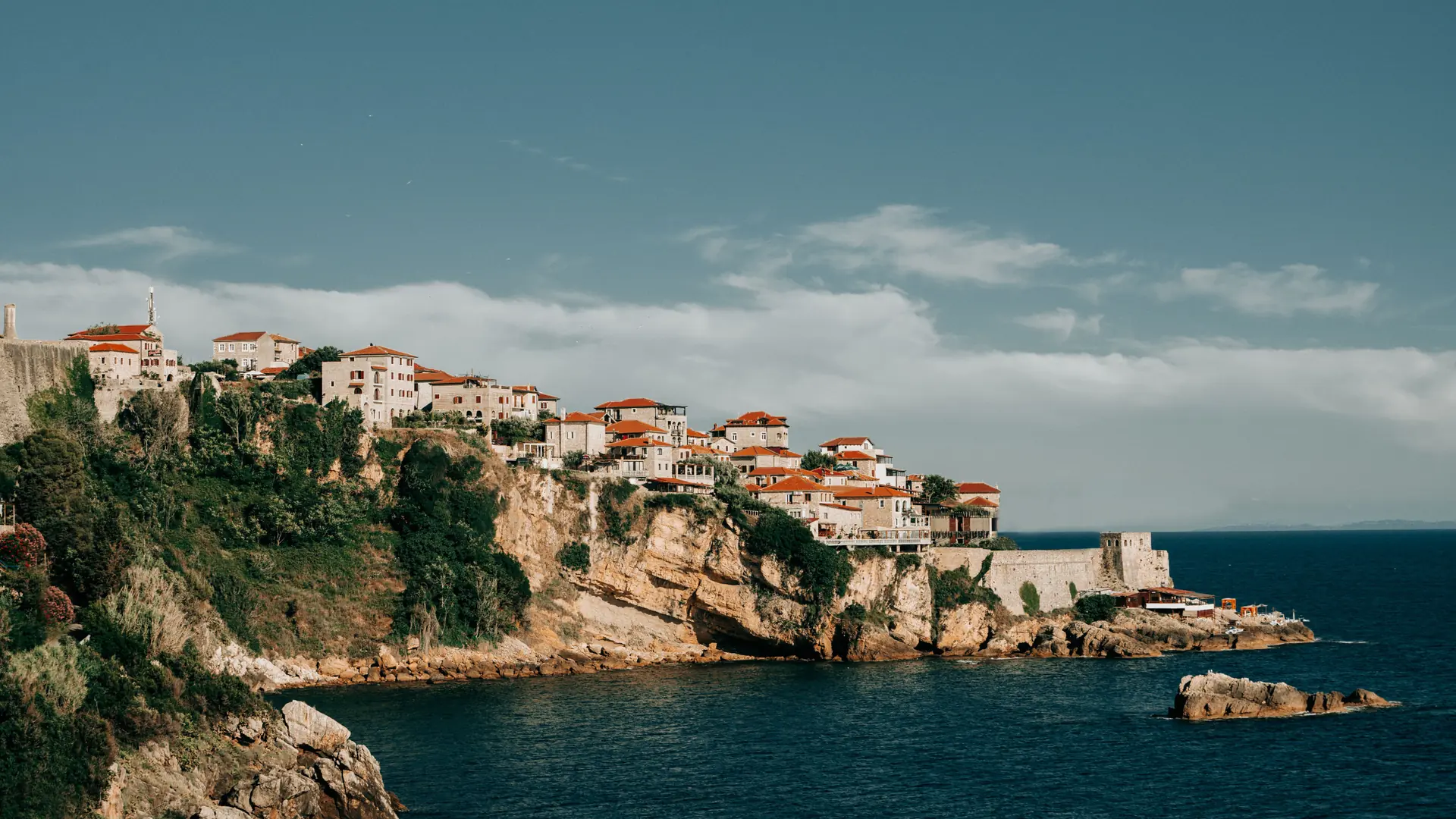
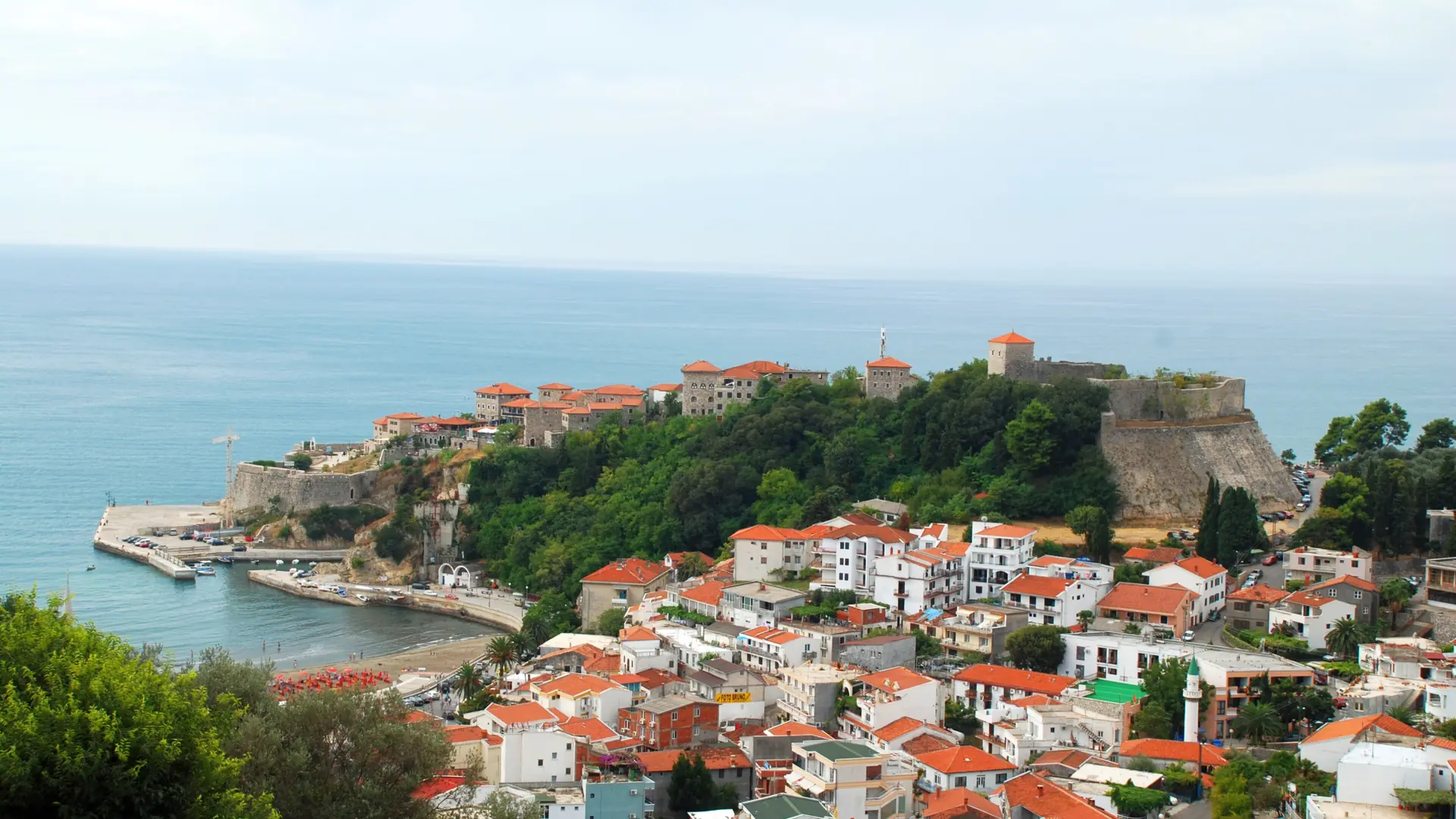
The southern coast opens out around Ulcinj. Velika Plaža is a long sandy shoreline, with enough wind exposure to support kitesurfing and a much wider setting than the coves farther north. Ulcinj’s elevated Old Town offers a separate evening experience, overlooking the coast. A town room and a room near a particular stretch of Long Beach solve different problems: choose the beach section first if swimming is the main purpose, then judge how you will reach it.
Ada Bojana is a triangular island bordered by the Bojana River and the Adriatic. Its established FKK accommodation is a naturist resort, which matters when deciding whether it suits your group. The estuary and nearby fish restaurants offer a different coastal outing from another afternoon on a resort promenade. Keep the island, mainland riverbank accommodation and Ulcinj town distinct when reading an address; they should not be booked as though they were the same walkable neighbourhood.
Cetinje makes the country’s royal history tangible. King Nikola’s Museum occupies the former residence of Montenegro’s last ruler, with preserved material from the dynastic residences and collections on political, military and cultural history. It offers a different kind of visit from Kotor’s maritime heritage: an inland account of Montenegro’s monarchy and statehood. Choose it for a museum-focused excursion, leaving time to read the exhibits rather than adding it as a hurried stop between several major sights.
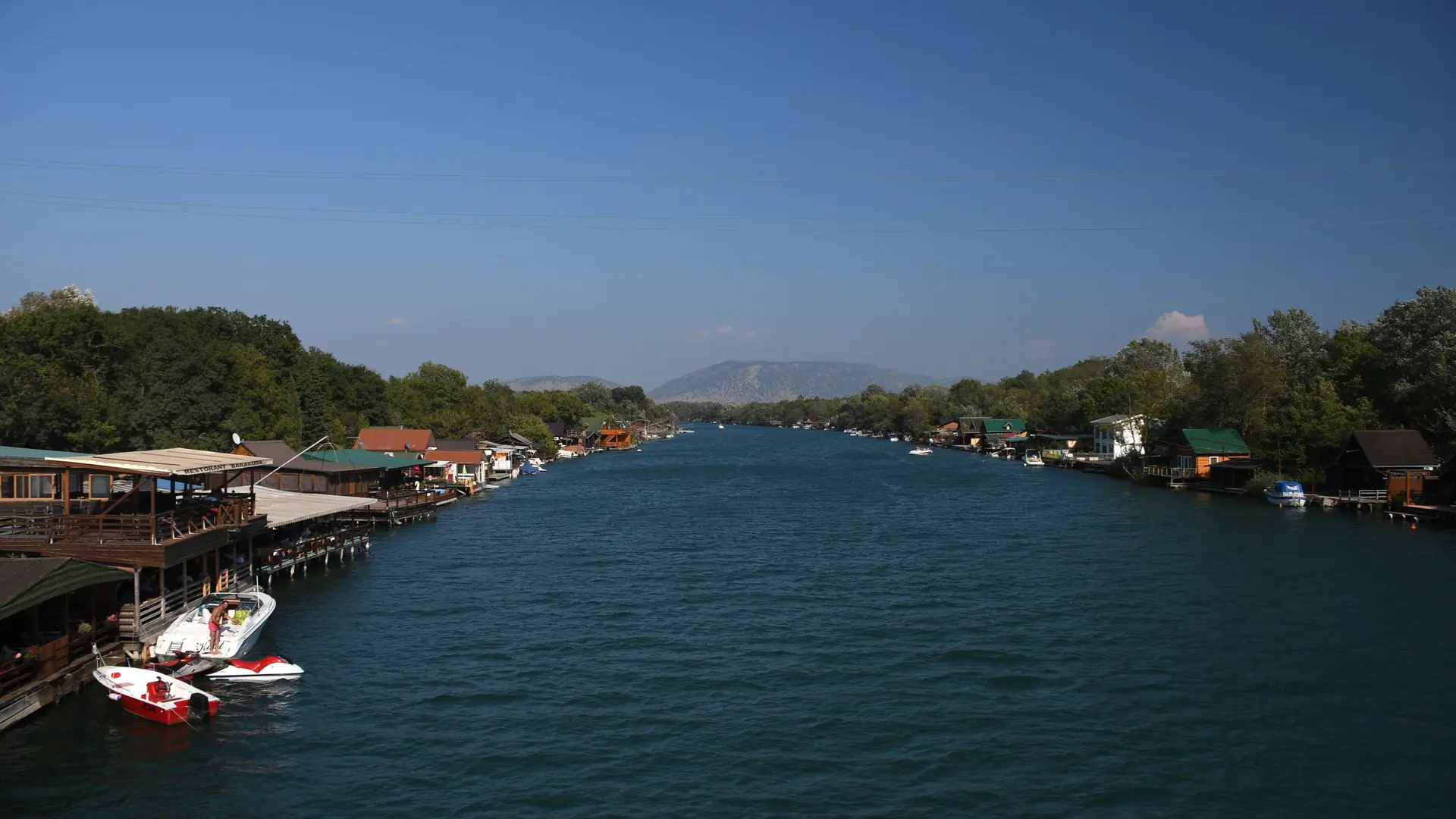
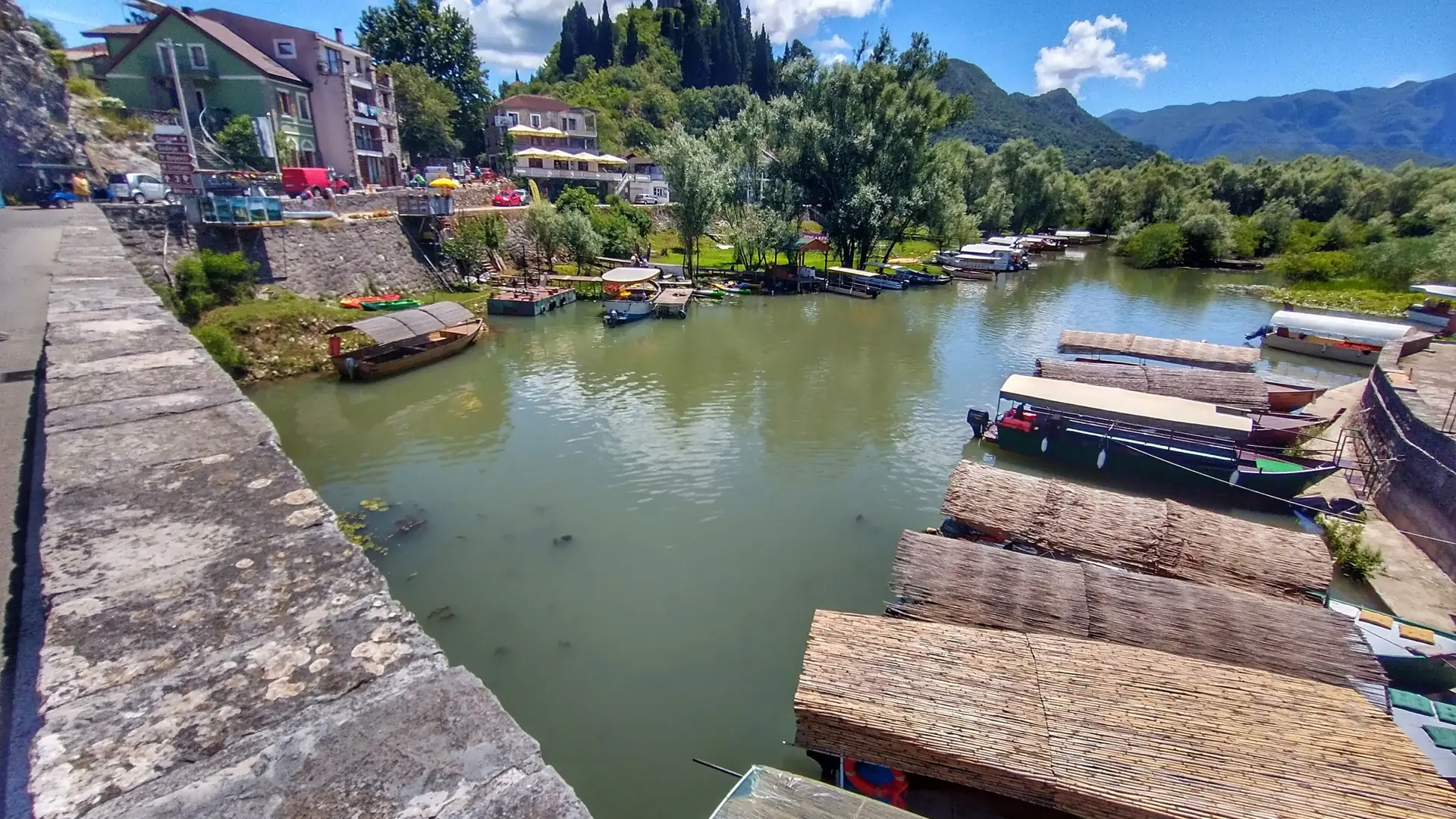
Lake Skadar changes the pace again, from stone towns to reed beds, islands and fishing settlements. Virpazar is a practical departure point for an organised boat outing; choose one whose route and time on the water match your available day. The lake is also a food destination. Local taverns serve dried carp and smoked bleak, a small freshwater fish, alongside regional wine. This gives a lake visit its own character even if bird sightings or weather do not match a photograph.
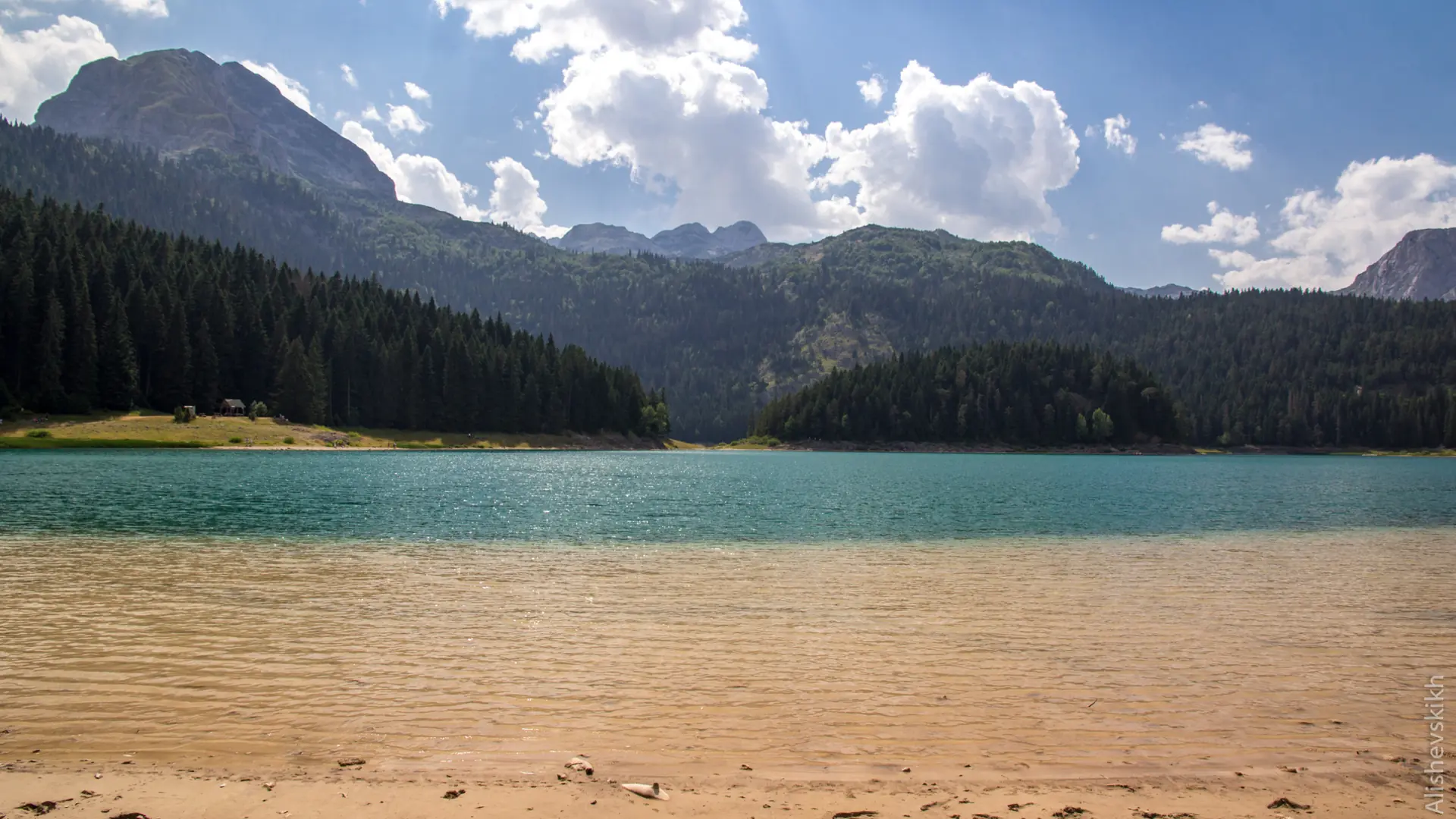
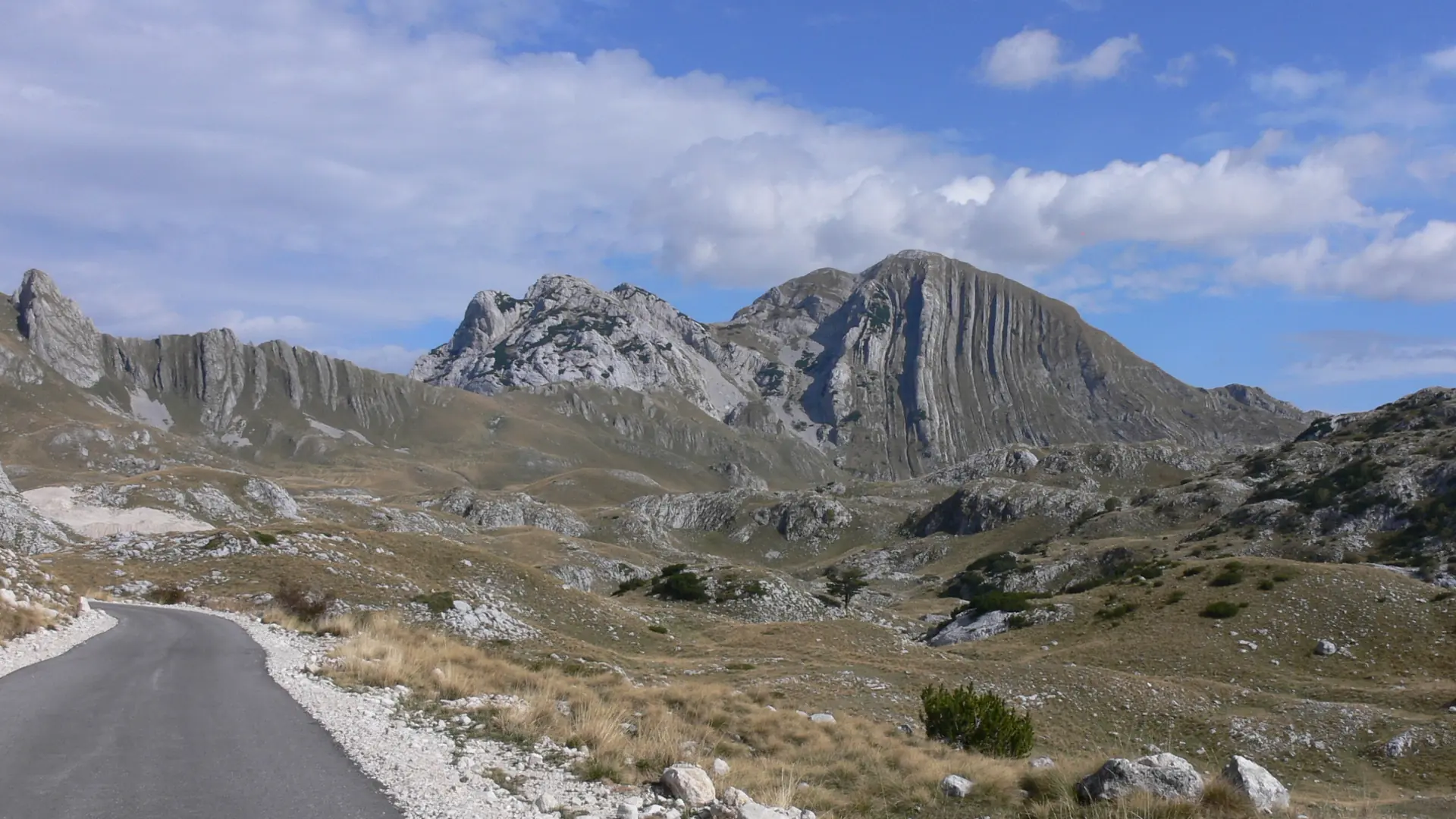
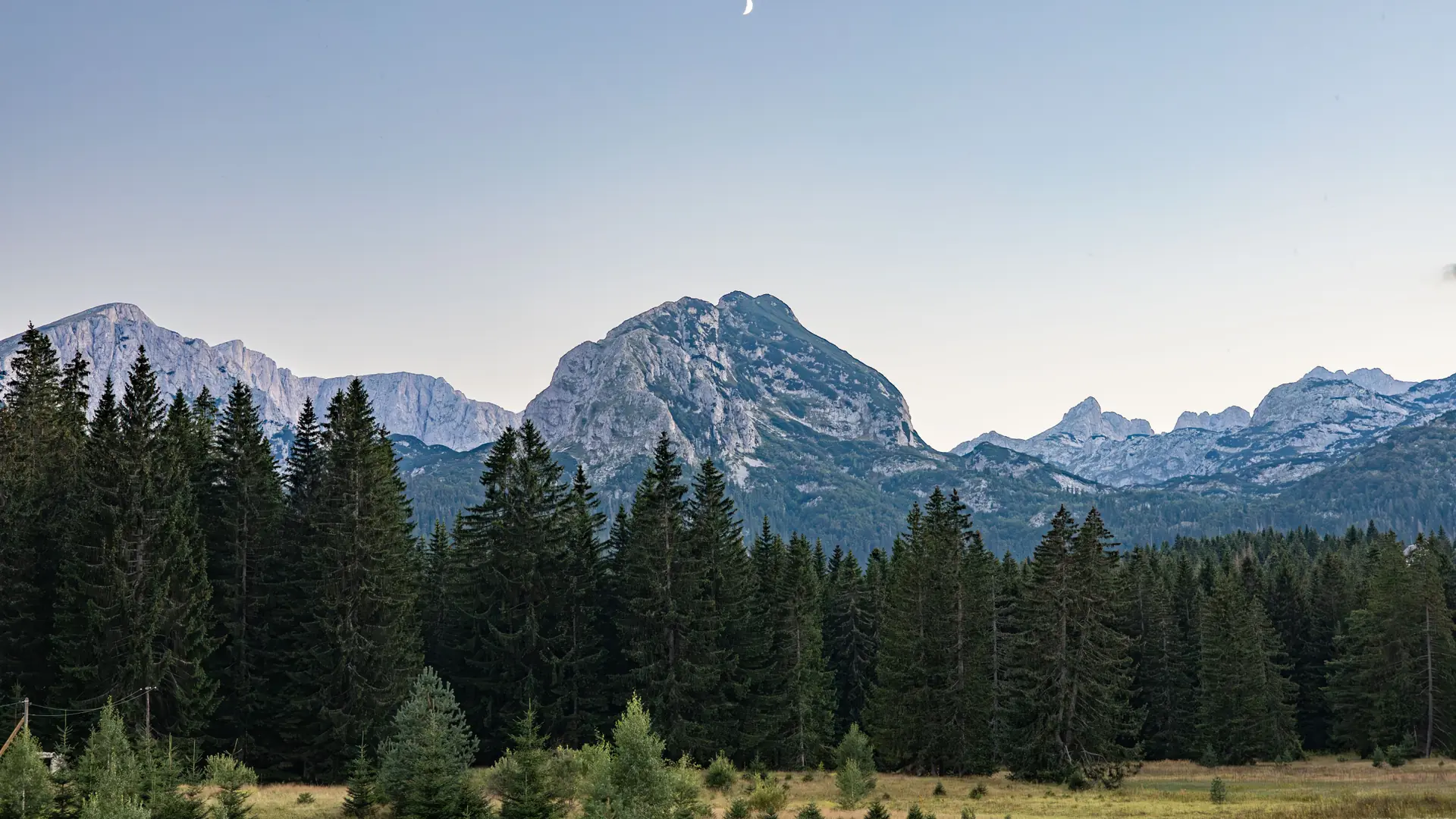
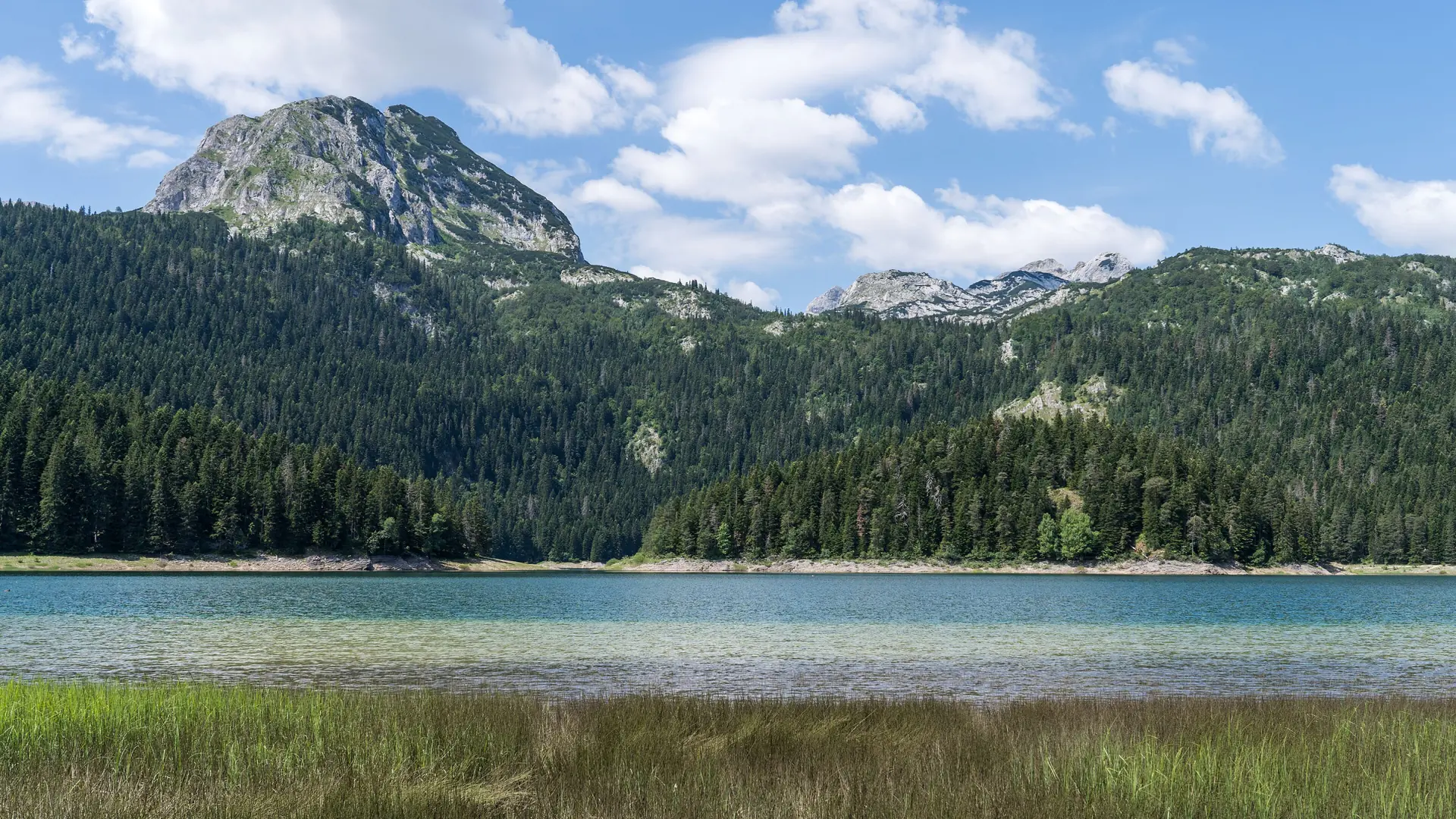
Durmitor is a limestone massif shaped by glaciers, with forests, mountain meadows and lakes below rugged summits. Žabljak is the practical base for a visit that includes more than a roadside view. For an introductory walk, start and finish at Black Lake’s main shore and follow the maintained circuit, about 3.6 km. Allow roughly 1–1.5 hours of walking, plus the approach and stops. It is a low-level forest-and-lakeshore outing, not a summit hike; wet roots, snow or ice can change the footing.
The northern mountains also support a living pastoral culture. Katuns are seasonal settlements associated with livestock and summer grazing, and rural households offer a way to experience that landscape through food as well as walking. In a mountain tavern or a household offering meals, try kačamak, a filling potato- or corn-based dish enriched with cheese and kajmak, a thick dairy cream. Lamb cooked in milk is another regional speciality. Ask what is being prepared that day rather than expecting every rural stop to operate as a restaurant.
Food can also shape a day closer to the coast. Njeguši is associated with pršut, cured ham, and its local cheese; the national tourist board includes both in its food routes. A tasting in a village household or tavern connects a familiar restaurant starter with the place that produces it. Around Kolašin, farther inland, lisnati sir is a layered cheese with a different tradition. These are distinct regional choices, so there is no need to drive across the country just to tick off a menu.
For a first week, make the main choice between more sea time and a separate mountain stay. A coastal pair gives you time for Kotor’s heritage and Budva’s beaches; drivers who value Durmitor more can use two nights in each of Kotor, Žabljak and Budva within a seven-day trip. Arrival and transfer days still count as travel days, rather than three extra full days of sightseeing. Lake Skadar and Ulcinj fit more comfortably into a longer route. Use the linked itineraries for the actual sequence and overnight totals.

 Kotor