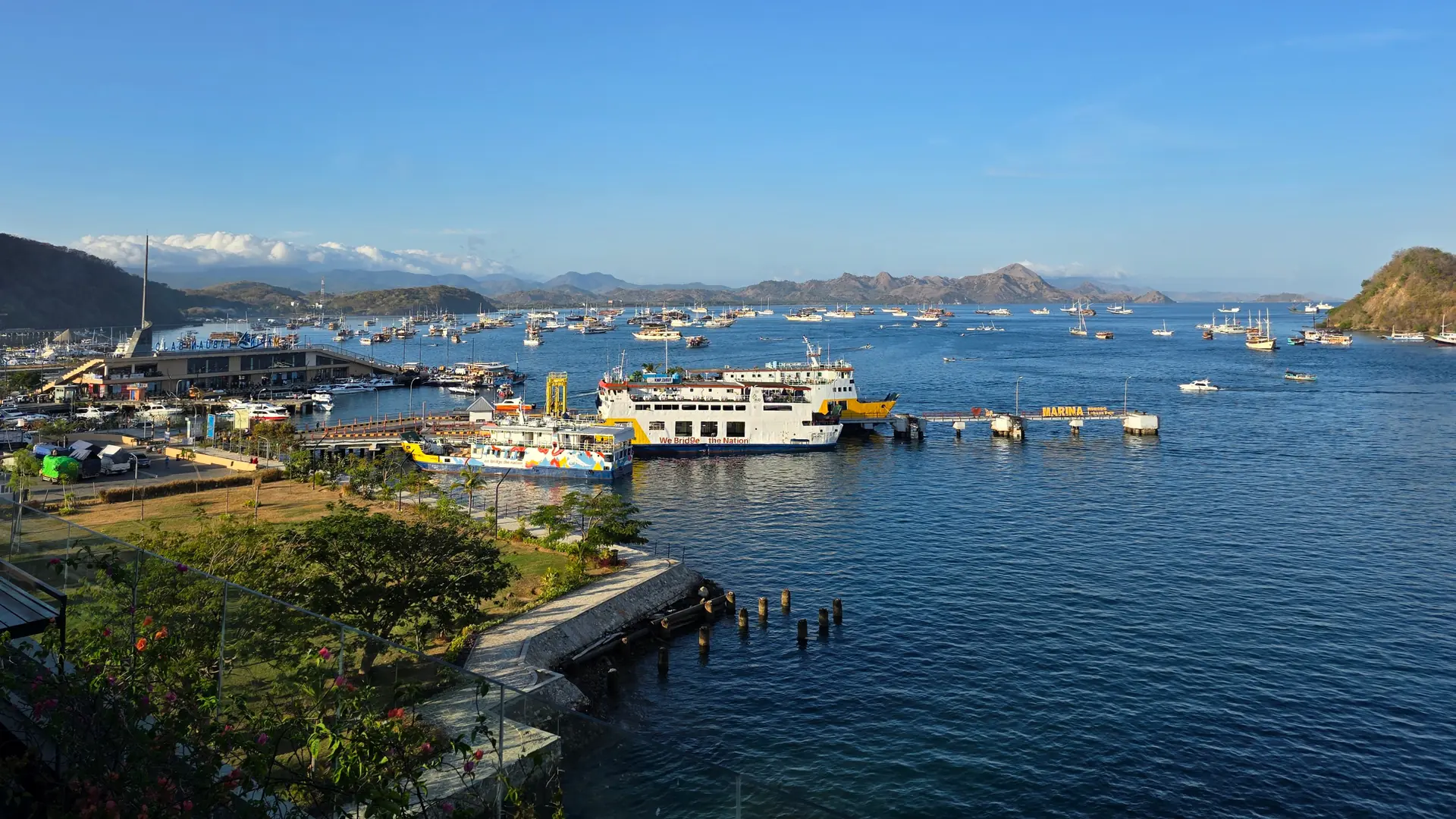
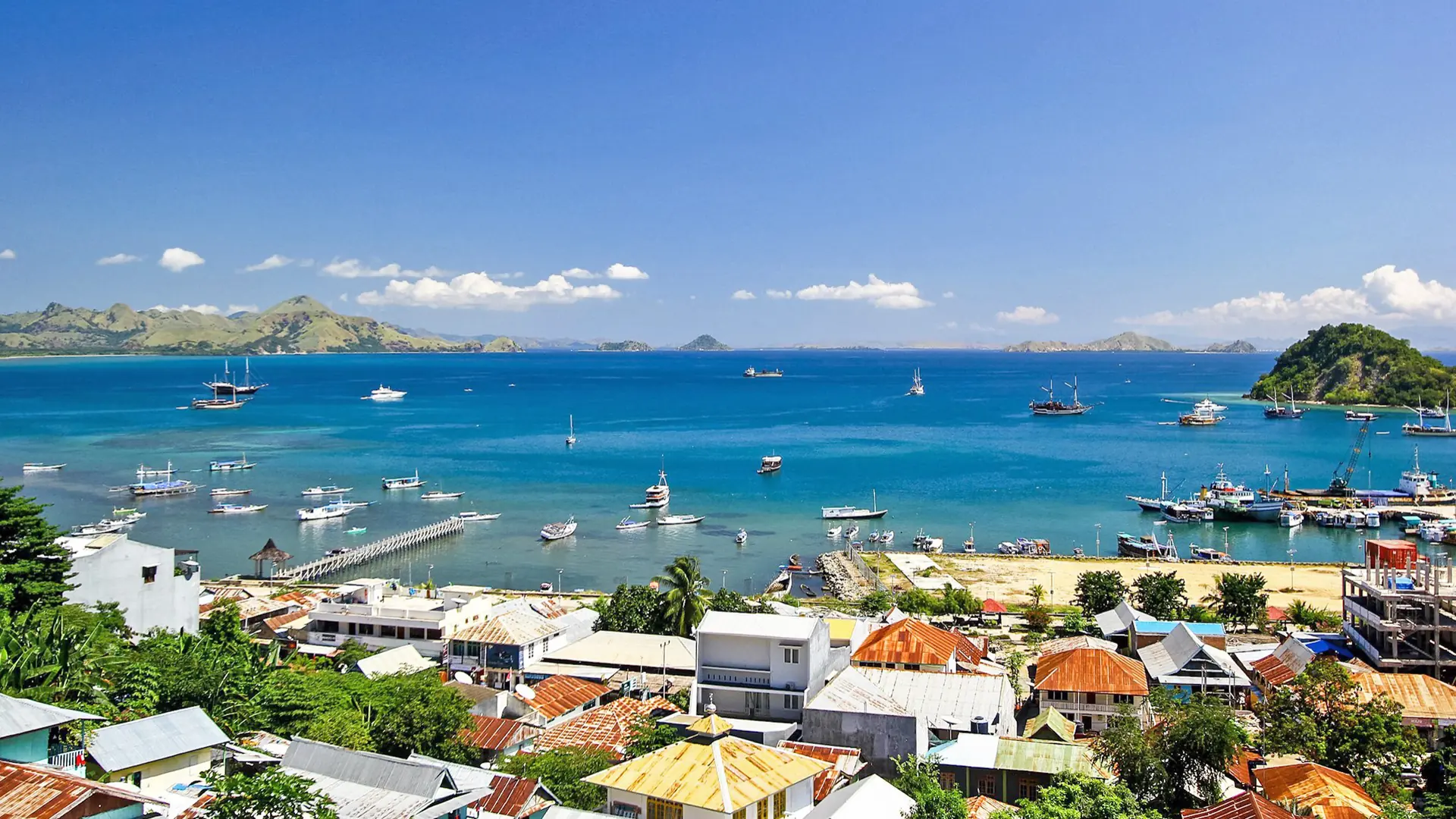
Start with the international gateway you can actually reach. Bali and Yogyakarta create different openings, while Scoot’s current Singapore–Labuan Bajo route gives western Flores its own international option. Check the airline’s dated journey before assuming a connection through Bali is necessary. Then look at the first accommodation address and arrange the arrival appropriate to it. For a flight landing late in the day, a straightforward first stay is useful even if a remote property will be the eventual highlight. The international arrival belongs on the route plan as a real day, with time for the room and a meal.
Separate the entry paperwork into its two purposes. The immigration service determines the visitor category applicable to the passport and intended stay; All Indonesia collects the arrival declarations. Keep the accommodation address and flight details ready for the official process, then save the resulting QR. If you intend to remain long enough to need an extension, check that category’s current procedure before filling the trip with distant stops. Ngurah Rai Immigration’s extension instructions include a photo and interview visit, so a claim that every step can be completed remotely would be misleading. Plan from the responsible service’s requirements.
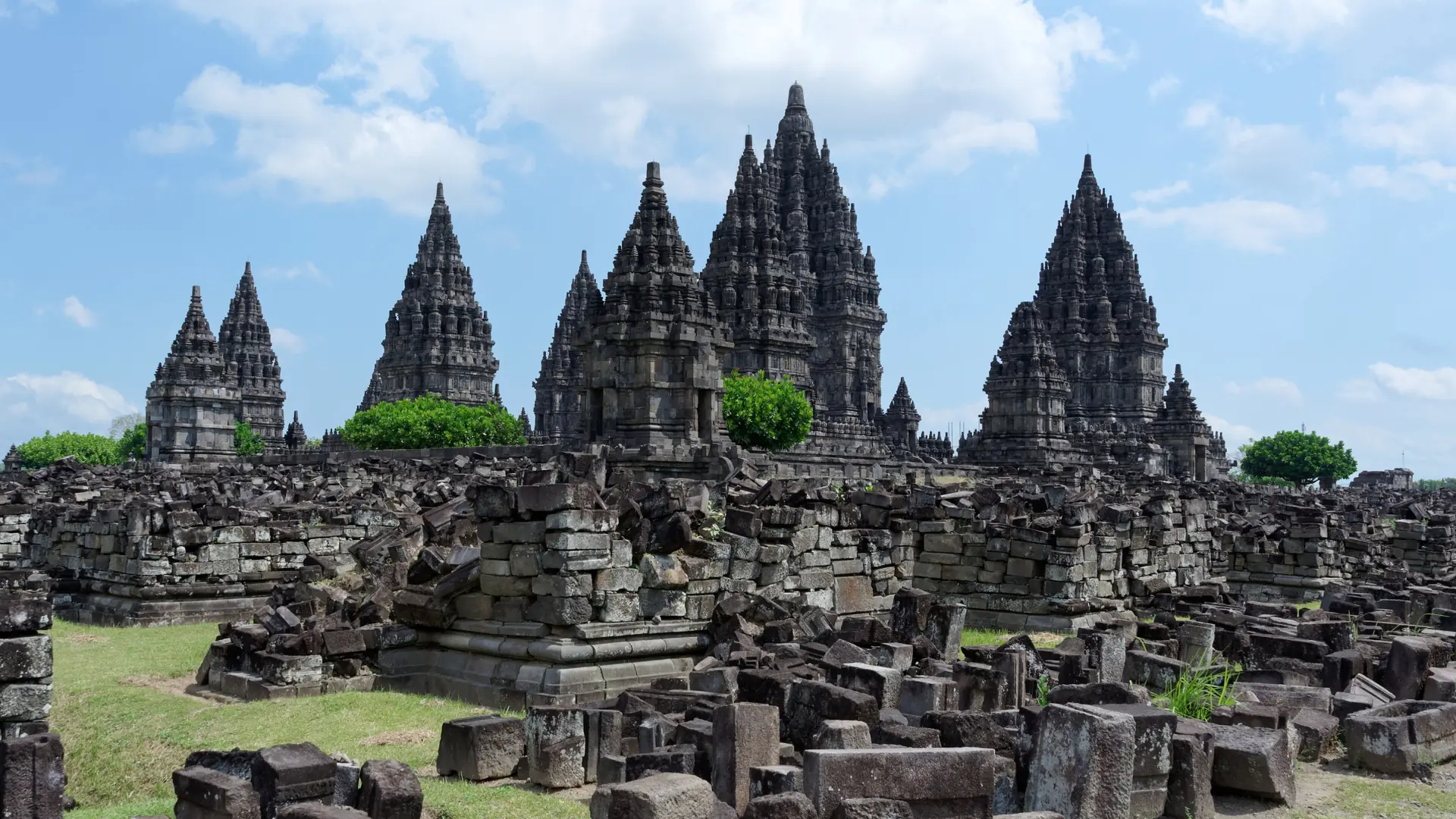
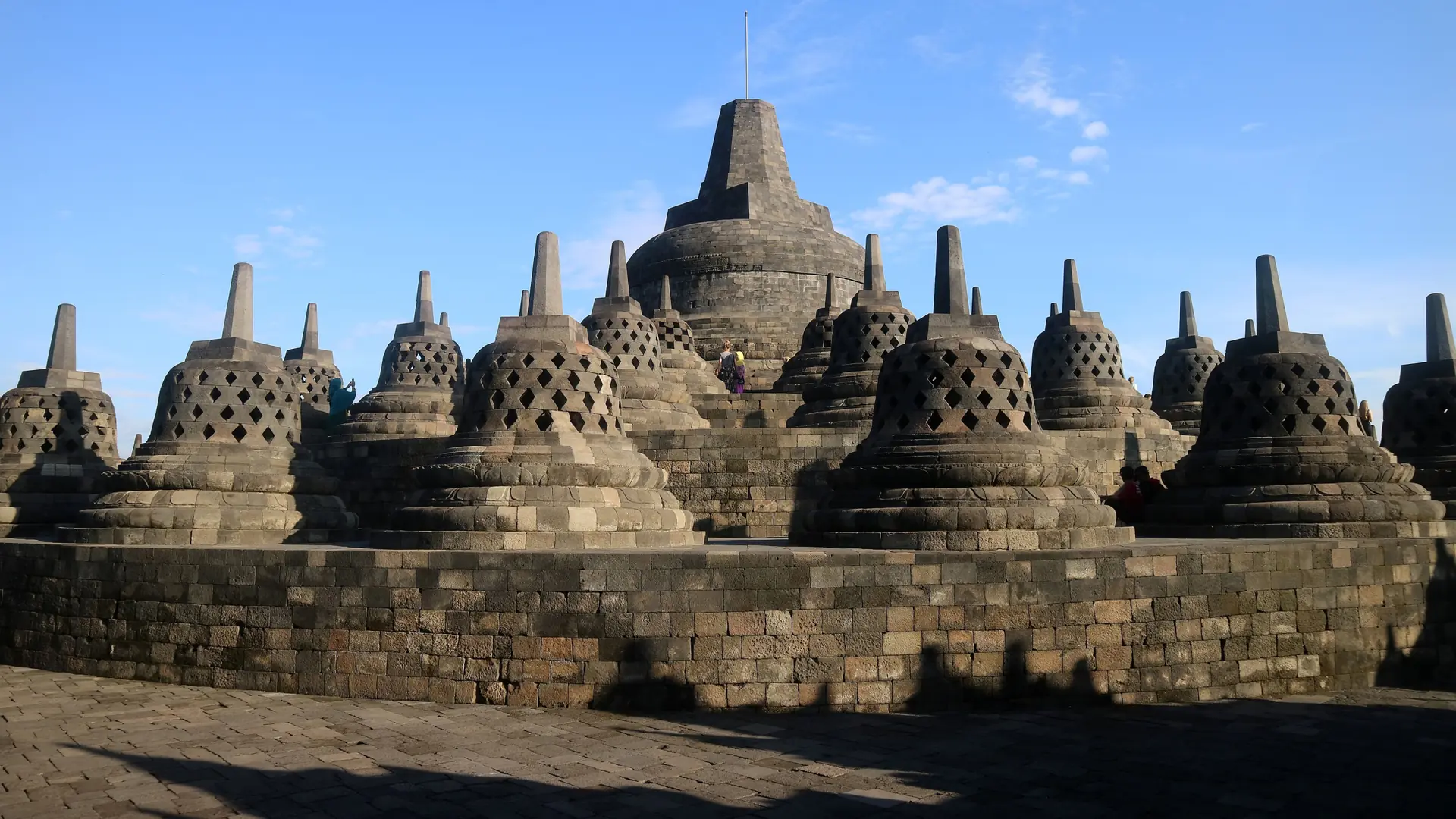
Reserve the experience with a specific capacity or time first. Borobudur distinguishes a grounds visit from a structure-climbing product; the official sunrise experience is another reservation. Prambanan’s Ramayana performance has a dated venue and programme, which matters if seeing the dance outdoors is the purpose of the evening. Write down the chosen product and meeting arrangement before buying another tour with a similar name. This is where a few minutes of precise planning improves the actual day: you arrive for the experience you wanted rather than a different ticket whose title looked close enough.
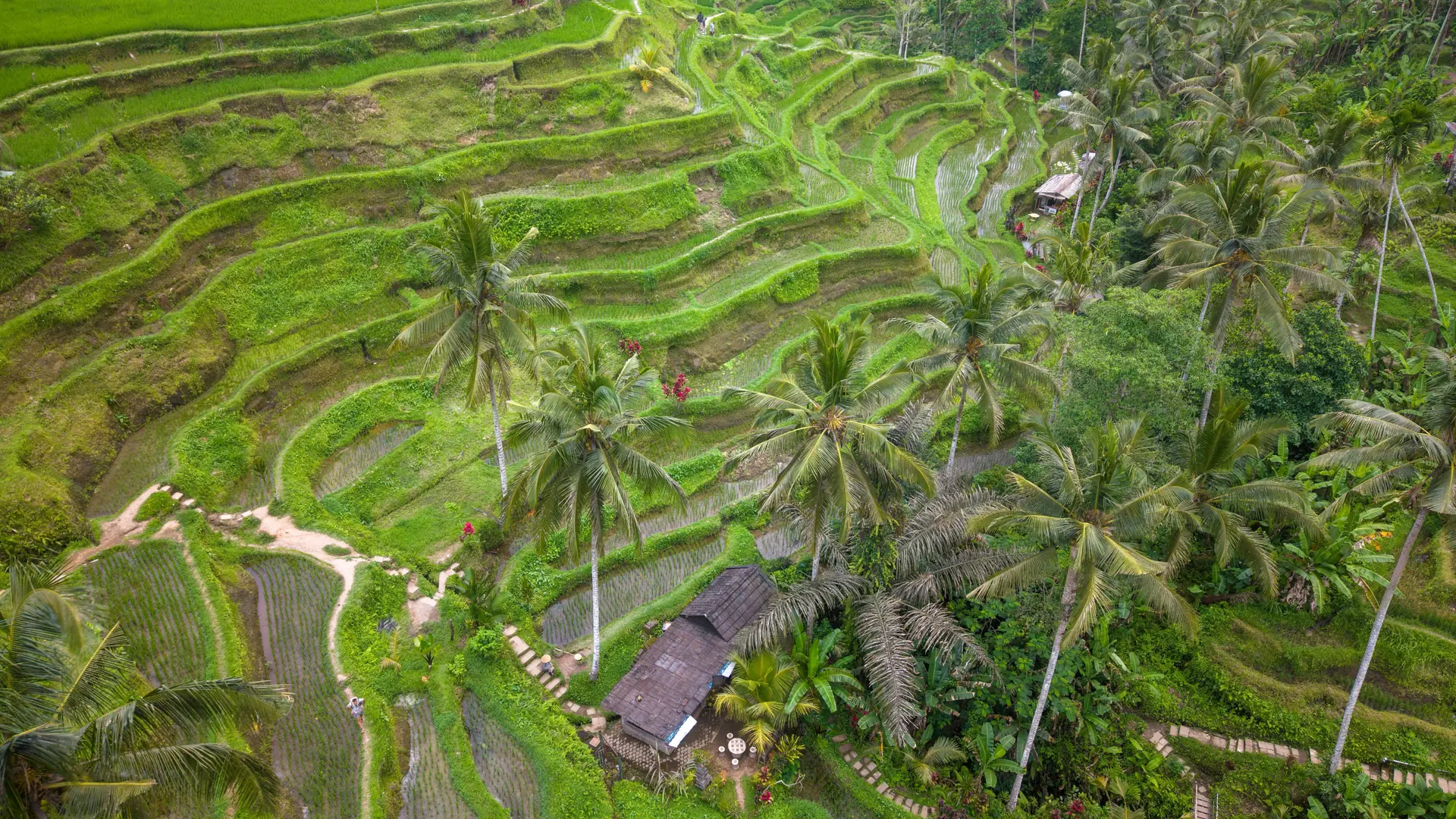
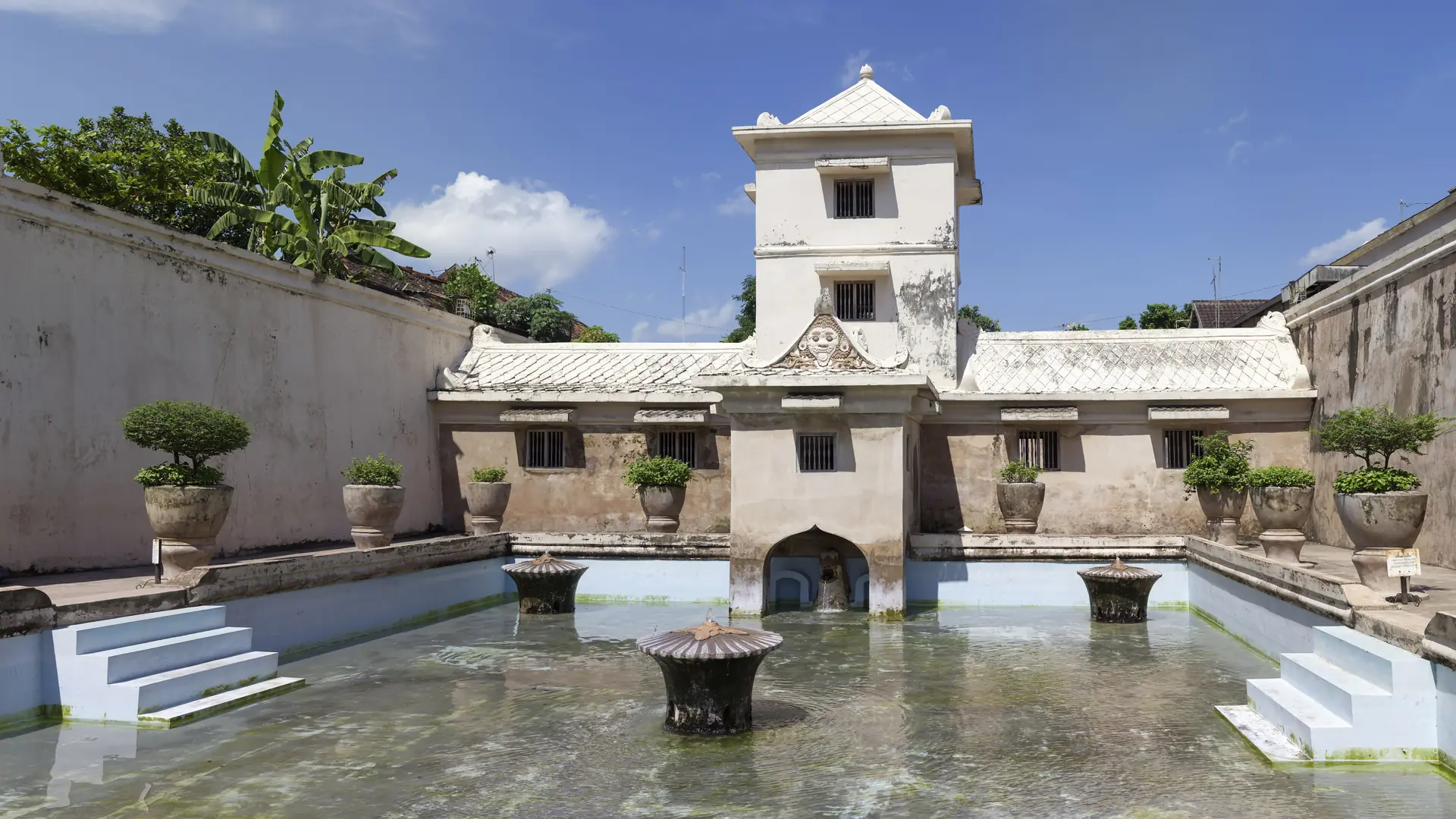
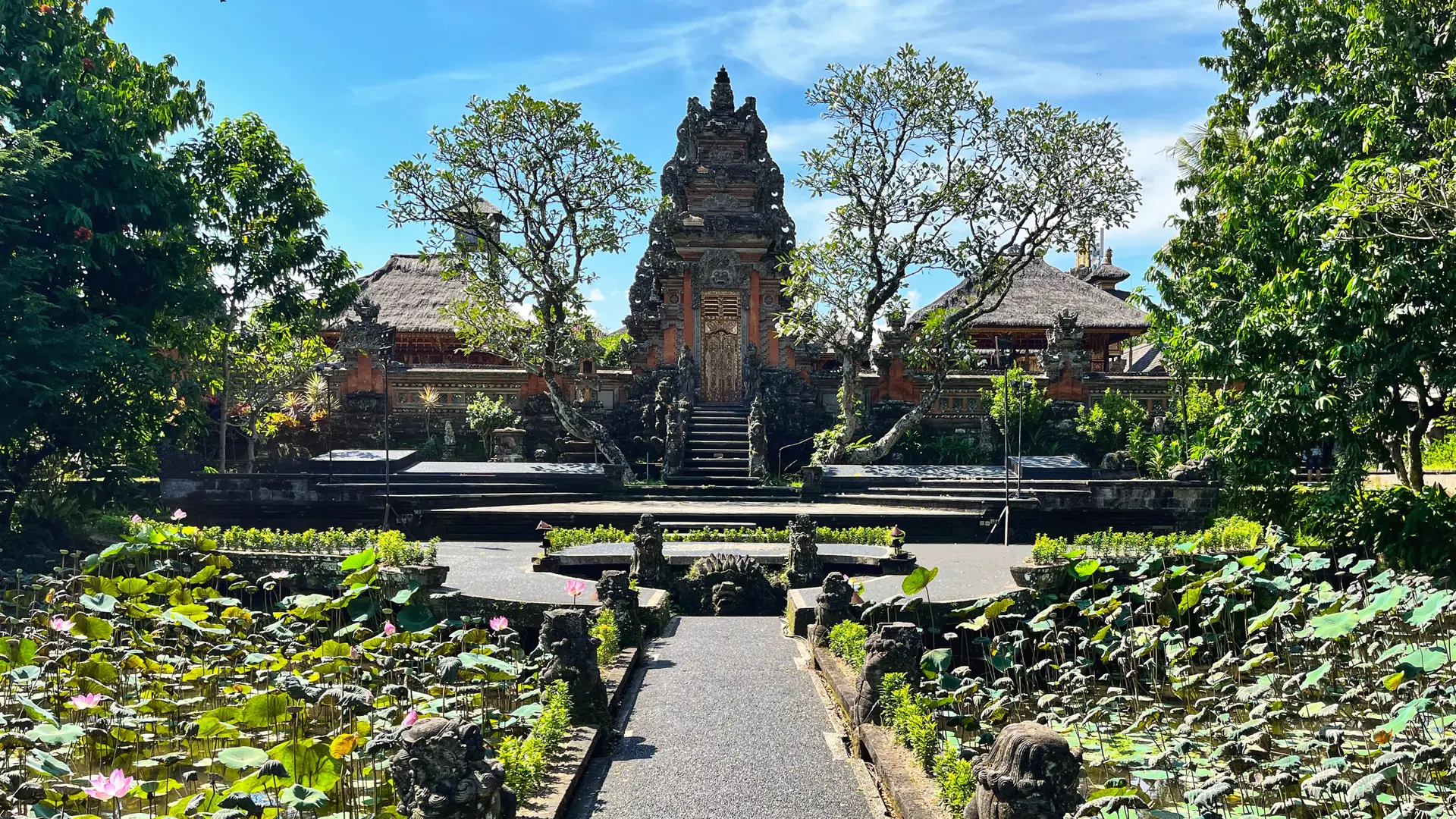
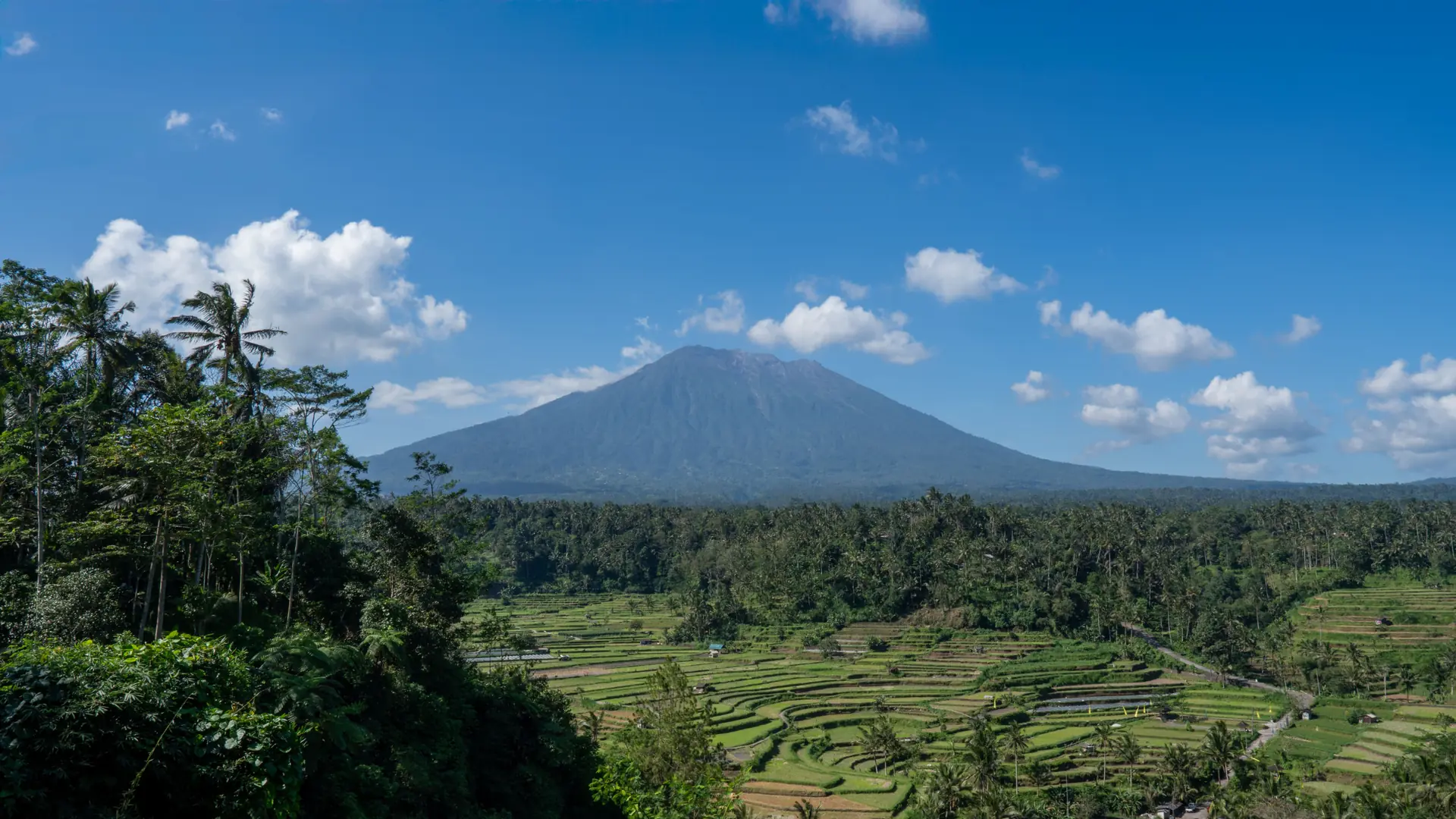
Give cultural sites their own visitor conditions. The Kraton is a living institution, with restricted areas and individual public units; its access guidance acknowledges that some historic paths are difficult for wheelchair users. Ask about the exact unit and route if mobility shapes the visit. In Bali, a rice-terrace excursion should explain the farming and irrigation context as well as the view. A guide or venue that can discuss the landscape often makes the visit more worthwhile. The setting is richer when you understand what continues to happen there, instead of treating it as an empty backdrop.
Check a mountain programme independently of the coastal stay. Rinjani’s September 2026 operating notice paused new online climbing bookings during fire-related restrictions, while subsequent fire-mitigation information did not itself announce that new reservations had resumed. That distinction matters for an active holiday: a room in Senaru can still be a village accommodation choice, but it cannot supply an unconfirmed trek. Ask the park and the responsible organiser about your date, and keep the mainland programme worthwhile on its own. The same principle applies whenever a particular landscape activity is the reason for extending the trip.
Price the experience in rupiah before converting the holiday total. Bank Indonesia’s published currency benchmarks help explain the exchange context, but they are not a promise of the rate a card or cash counter will give you. Separate the hotel, transport and booked activity amounts, noting what each includes. Bali’s tourist levy and the Klungkung regional or attraction charges have their own responsible authorities; a hotel rate is not evidence that those payments are covered. Ask for the receipt or confirmation appropriate to the actual purchase and compare complete offers in the same currency.


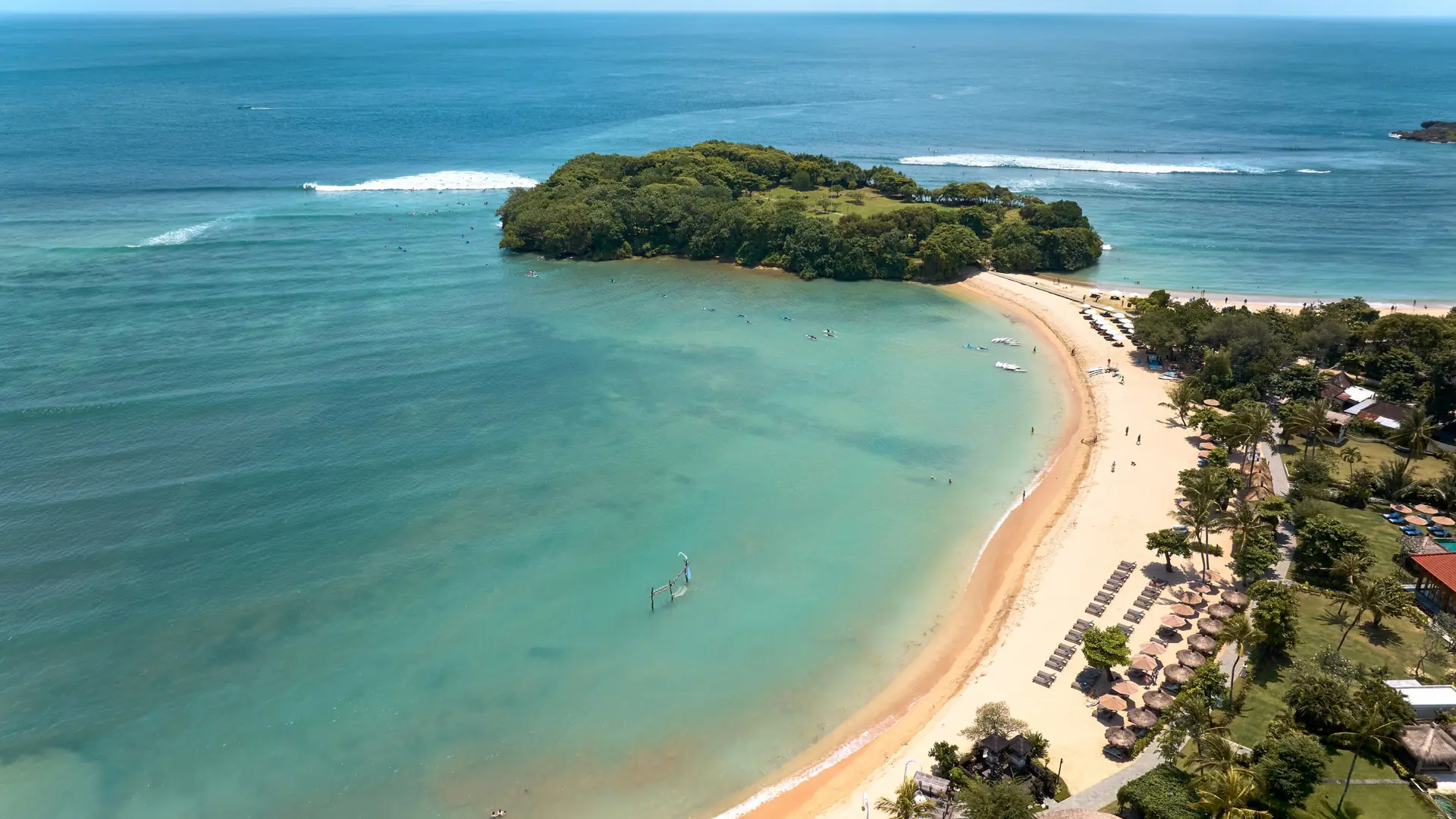
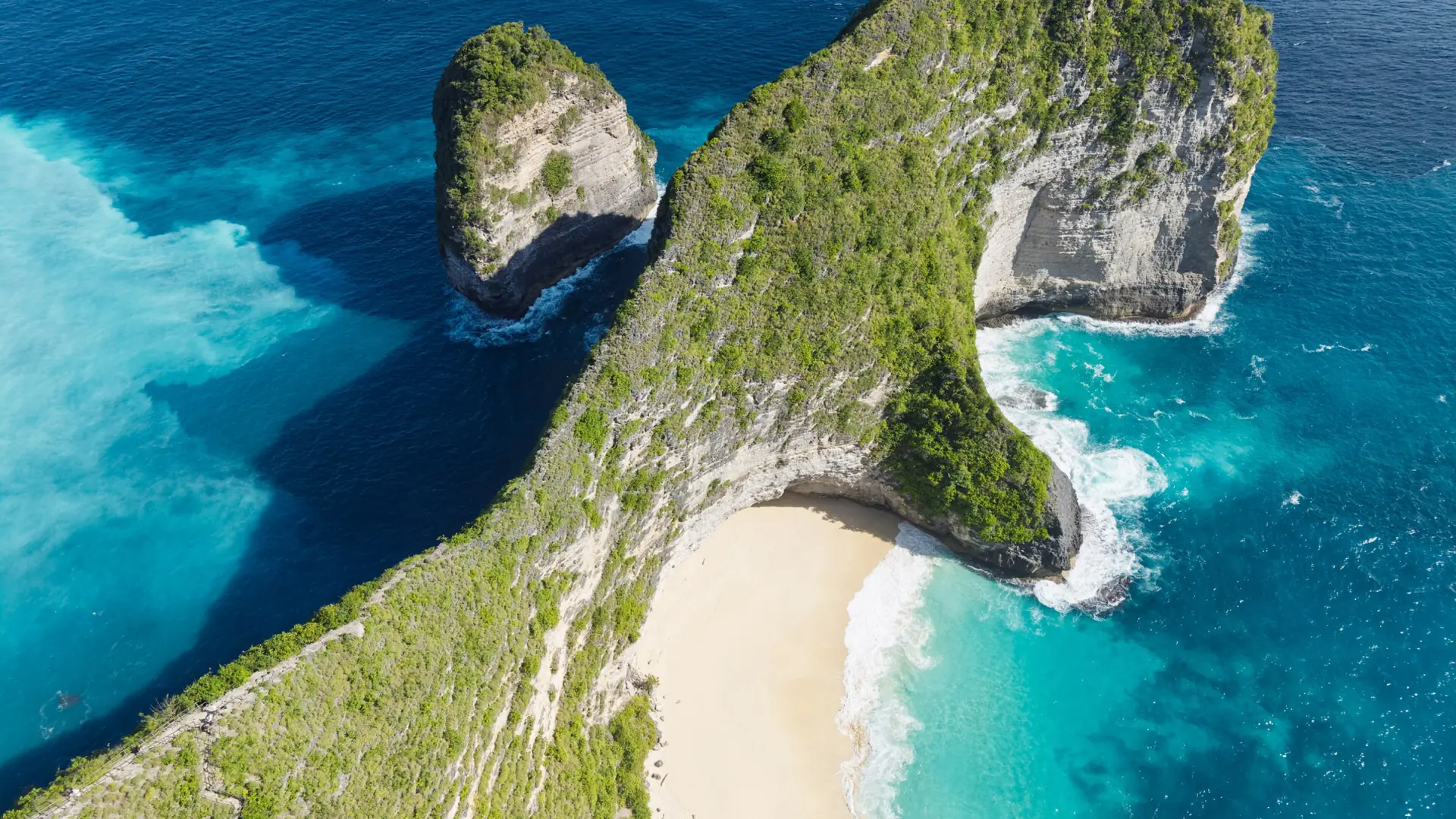
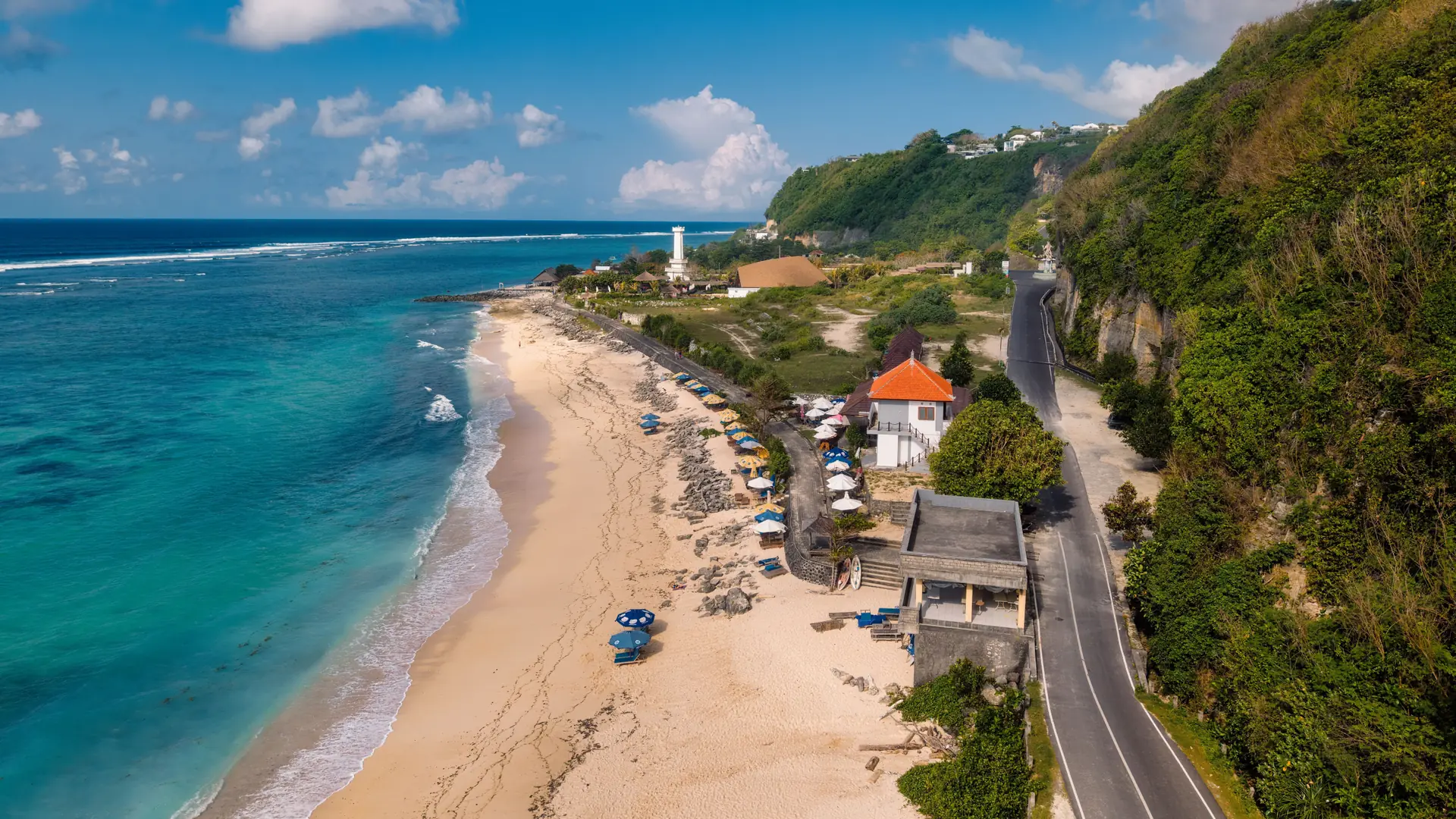 Bali
Bali
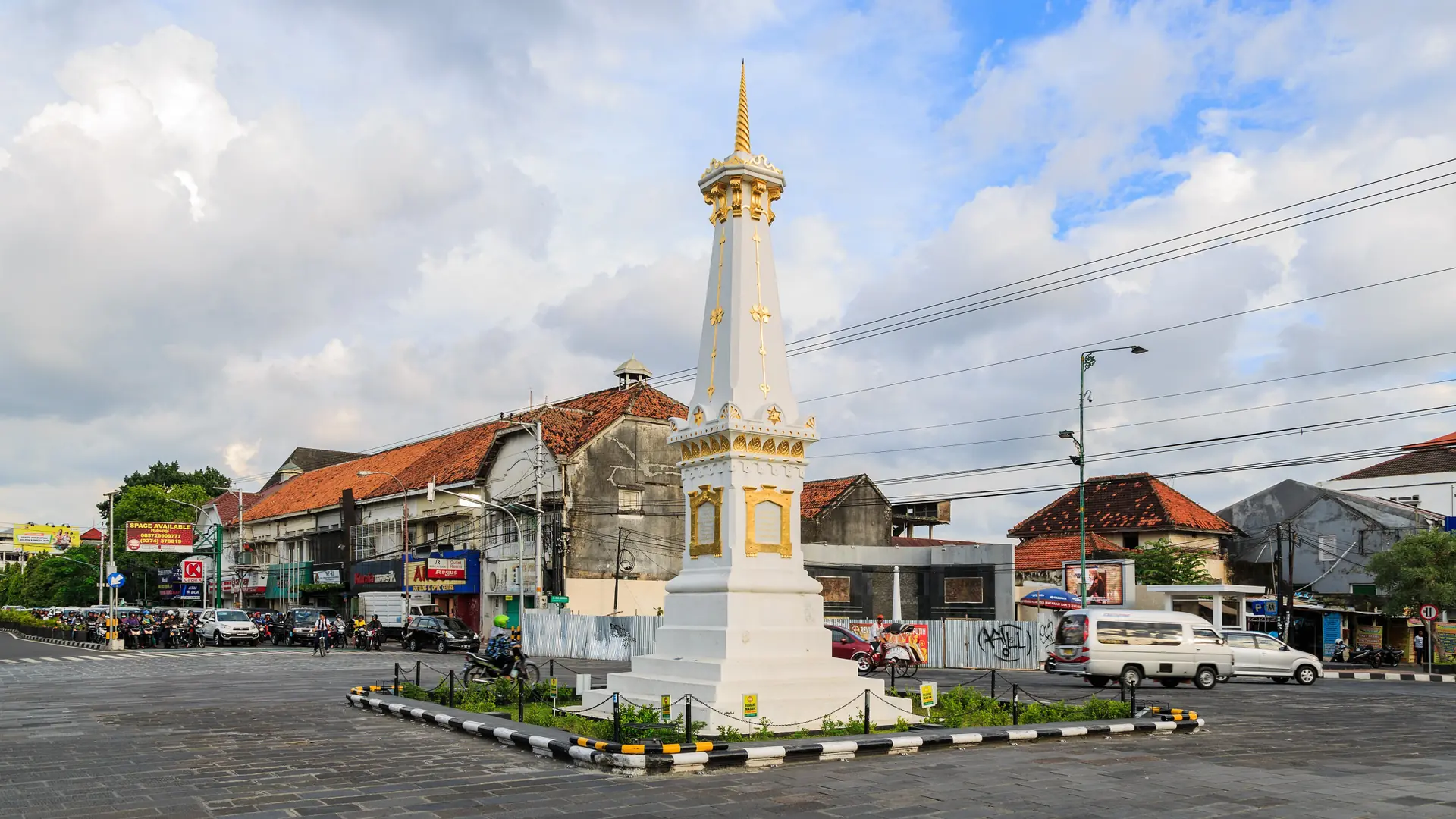
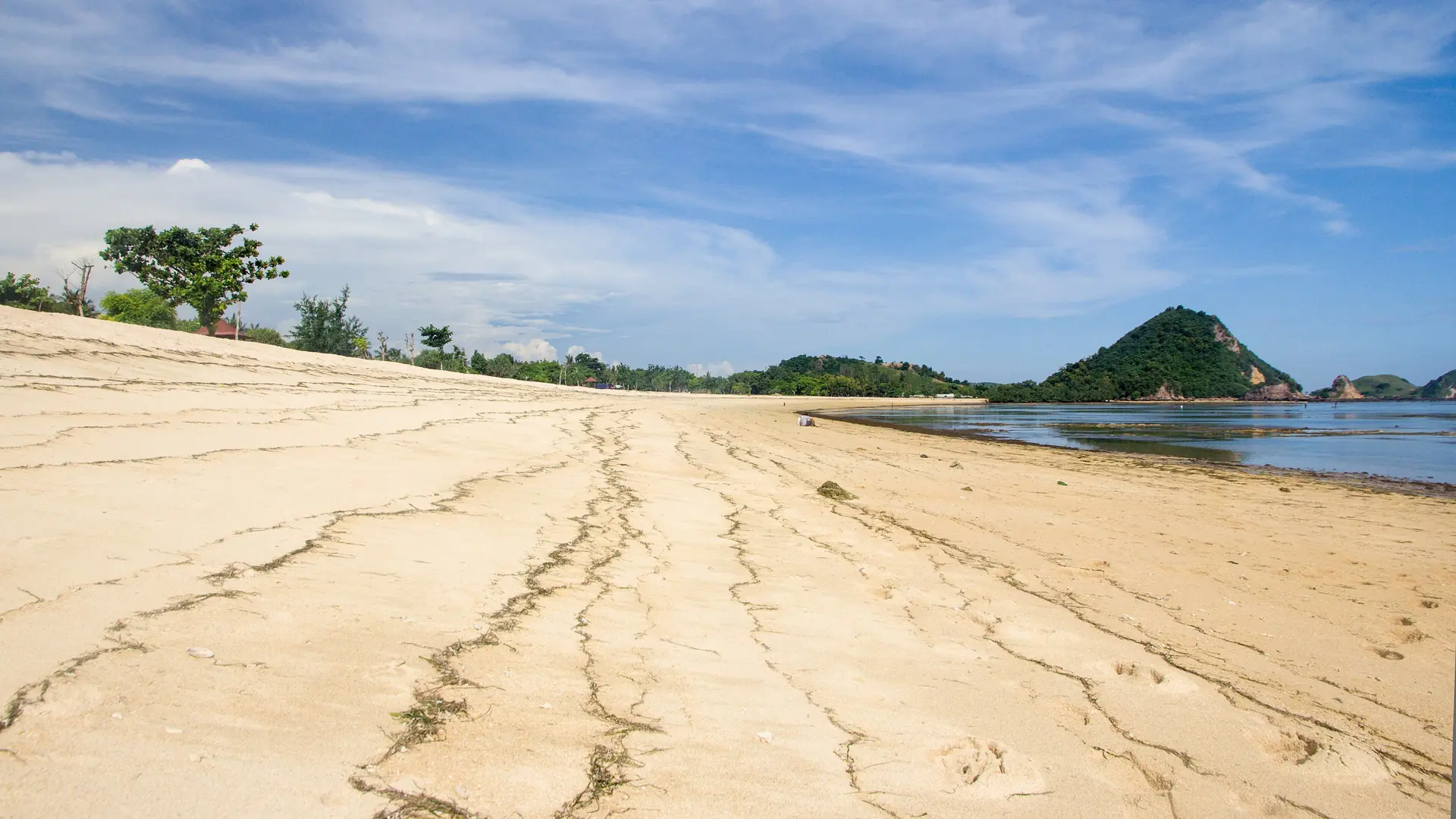

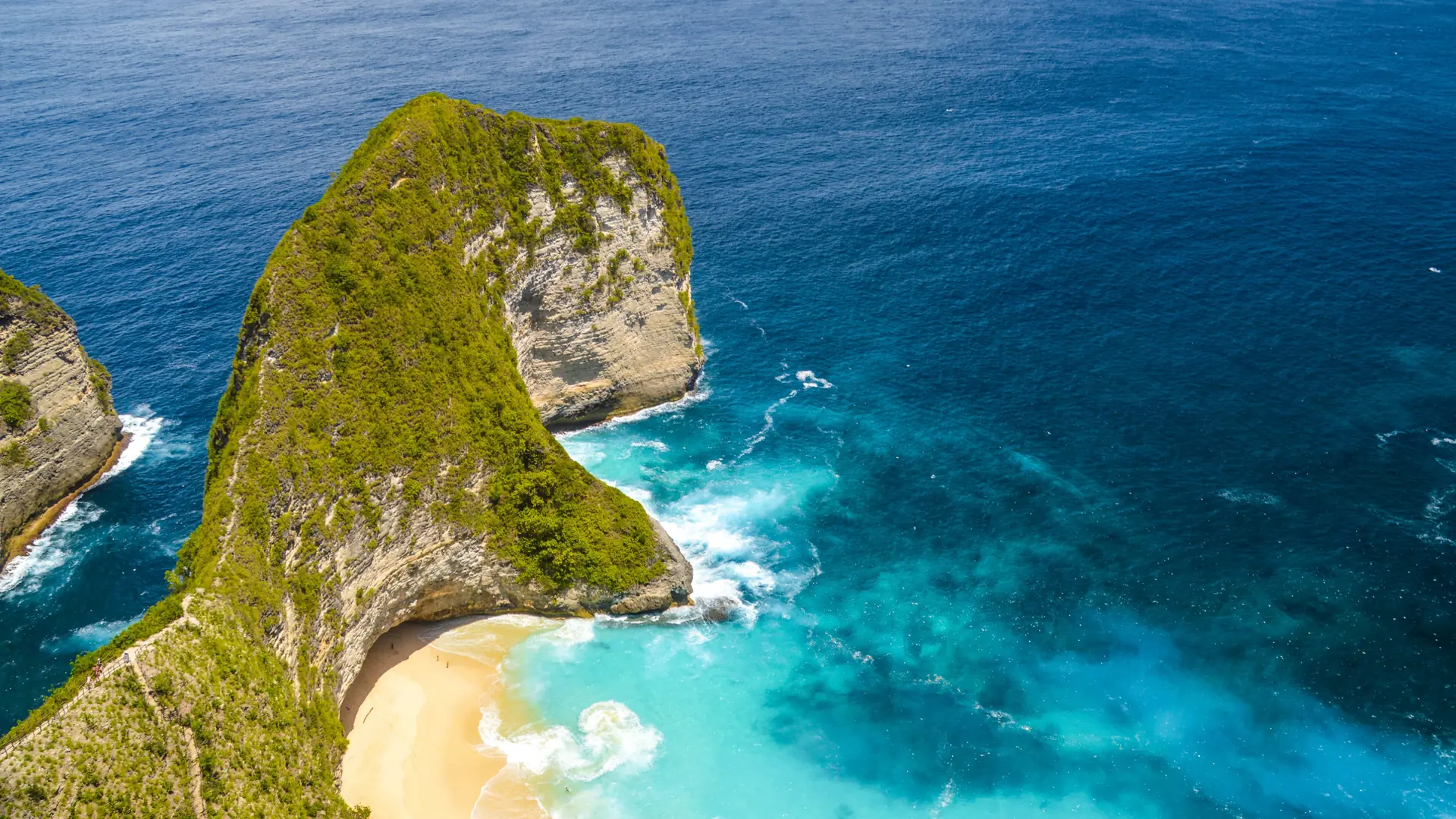







,_Indonesia.jpg)

.jpg)


