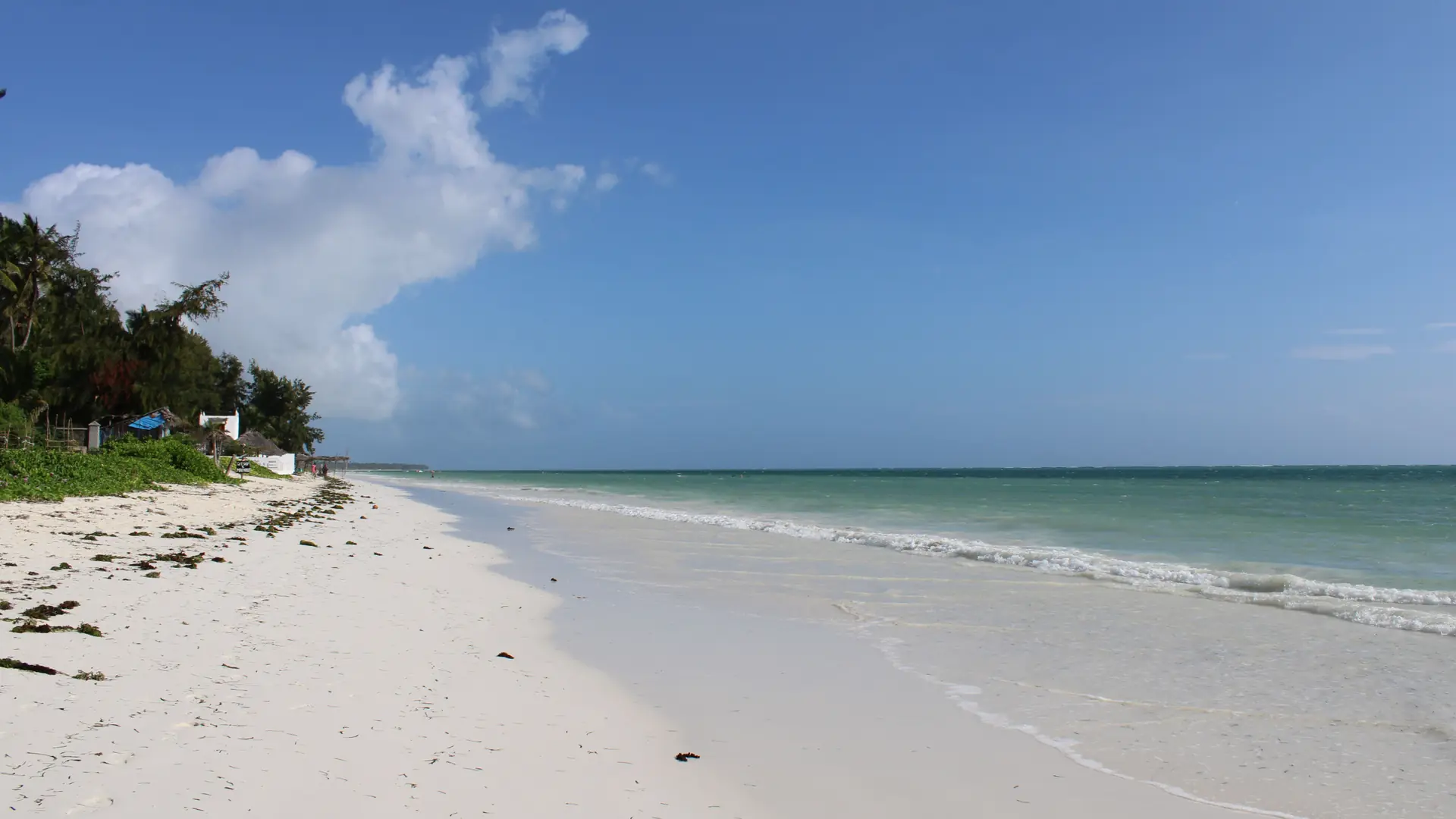
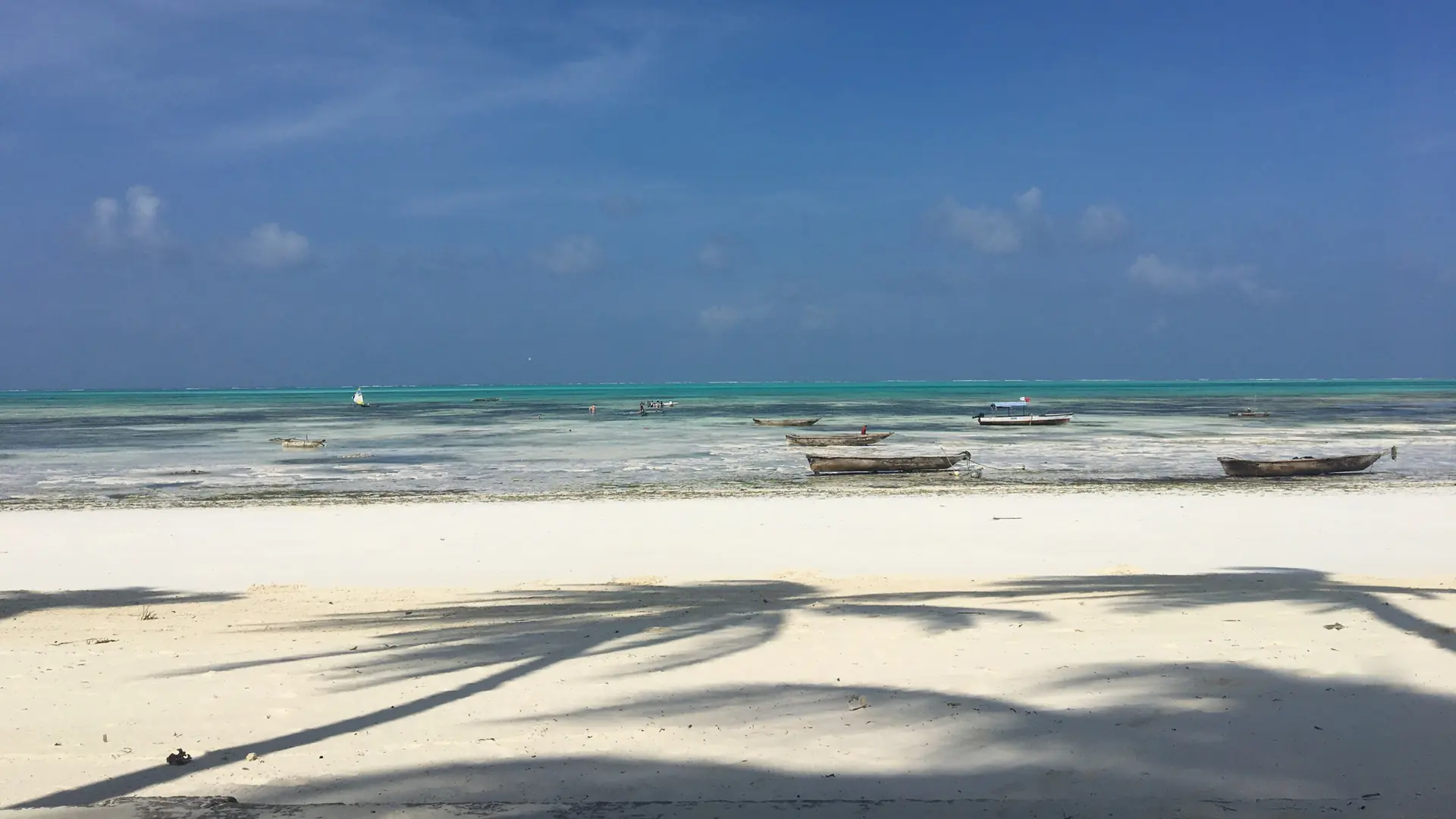
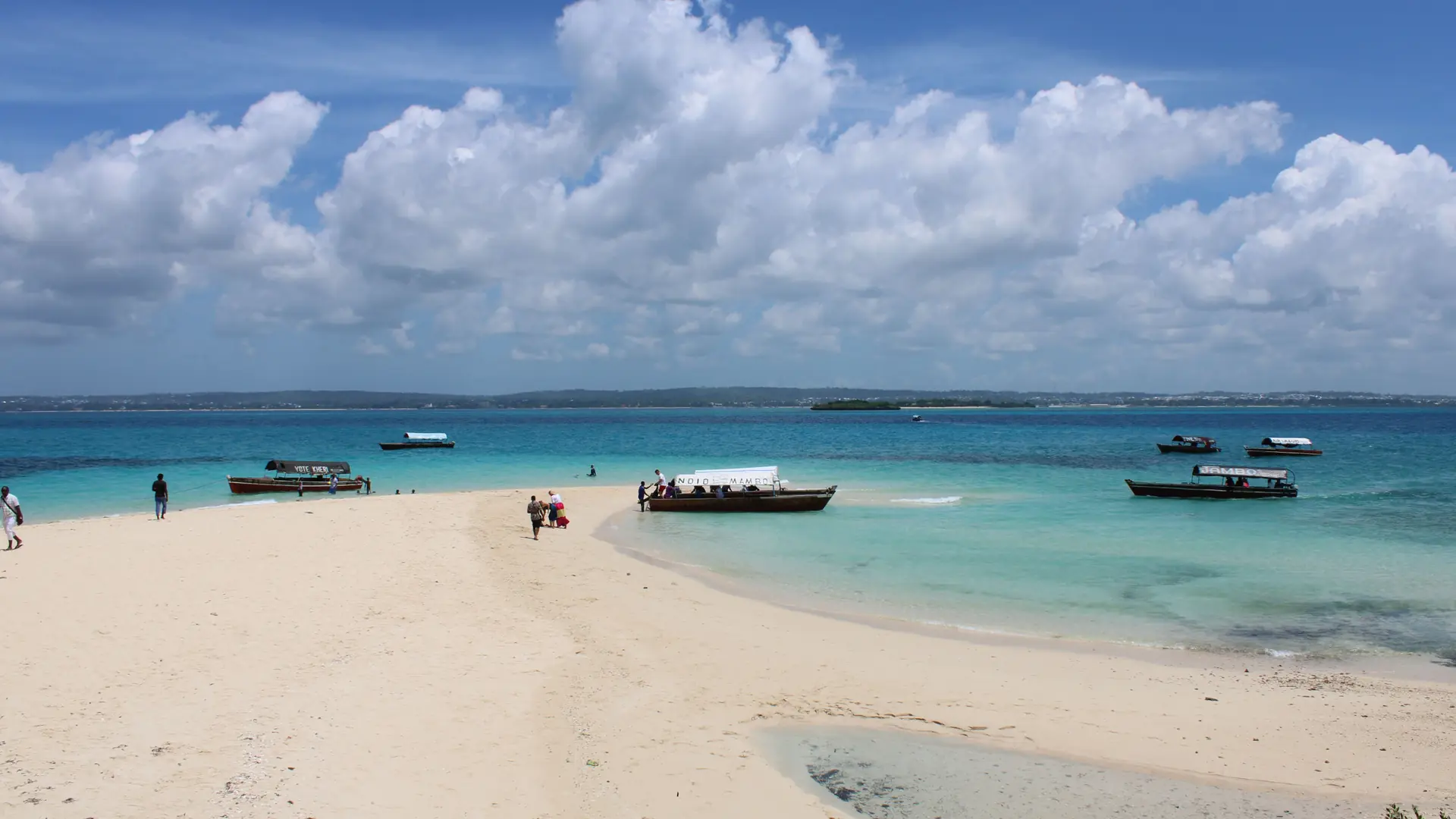
Aerial view of a sunny Zanzibar Island beach with white sand, palm trees, turquoise sea and boats offshore

Tanzania Travel Guide: Choose the Safari, Island and Season That Fit

Search stays
Quick answer

Choose a northern safari or Zanzibar as the anchor; add the second only when flights and real transit days fit.

First safari base
Arrive via JRO for Arusha, then decide whether Tarangire, Ngorongoro and Serengeti justify the number of road days.
First island base
Use Stone Town for history and arrival, Nungwi for a north-coast beach routine, or Paje for an east-coast, tide-aware stay.
Winter
January and February are often relatively dry in the north and on Zanzibar; a southern Serengeti focus needs exact camp geography.
Spring
March to May brings long rains to the northern circuit and Zanzibar; build flexible days and check lodge operations.
Summer
June to September is broadly dry, favourable for safari drives and island days; book popular camps and flights early.
Check before paying
Confirm visa eligibility, Zanzibar insurance, park fees, vehicle inclusions and the domestic flight on your travel dates.

StartBooker answer

When should I visit Tanzania for a safari and Zanzibar beach holiday?

For a first safari-and-beach trip, June to September offers generally drier conditions across northern Tanzania and Zanzibar; book the safari vehicle, camp location and island flight before the beach hotel. January and February can also work, especially for travellers targeting the southern Serengeti ecosystem, but wildlife movement is not a fixed calendar event. March to May brings the long rains in the northern and coastal regions: some lodges and roads become less convenient, while a flexible island stay may still have sunny intervals. Check the exact park area, beach tide and current operator schedules before paying.

Dry-season route
June to September is the clearest general window for combining the northern circuit with a Zanzibar beach stay.
Long rains
March to May is the main long-rain period in Arusha, Kilimanjaro and Zanzibar; conditions vary by week.
Northern gateway
Kilimanjaro International Airport lies between Arusha and Moshi; it is not at a Serengeti lodge.
Island entry
The national eVisa covers mainland Tanzania and Zanzibar, while Zanzibar has a separate mandatory inbound-insurance process.
Kilimanjaro climb
A summit route takes several days, so a Moshi day trip cannot be sold as a mountain ascent.
Beach choice
Stone Town, north-coast Nungwi and east-coast Paje suit different routines; identify the shoreline and tide before choosing a room.

Things to do in Tanzania

Explore tours, attractions and local experiences in Tanzania.

Loading activities…

Activities provided by GetYourGuide. We may earn a commission on bookings.

AI-powered

Ask StartBooker AI

Ask about routes, city bases, seasons, budgets, and practical trip questions for Tanzania. StartBooker AI does not make bookings.

Quick quiz

Which Tanzania trip is worth your time?

Best places to stay in Tanzania

Bright turquoise water and white sand on Zanzibar Island in daylight Zanzibar Island
beach

Unguja is the island choice when you want a mix of Swahili history, north or east coast sand and a few non-beach days. An island-wide hotel search hides big differences in tides and road time. Fix your preferred shoreline first, then decide whether to split the stay between Stone Town and one beach.

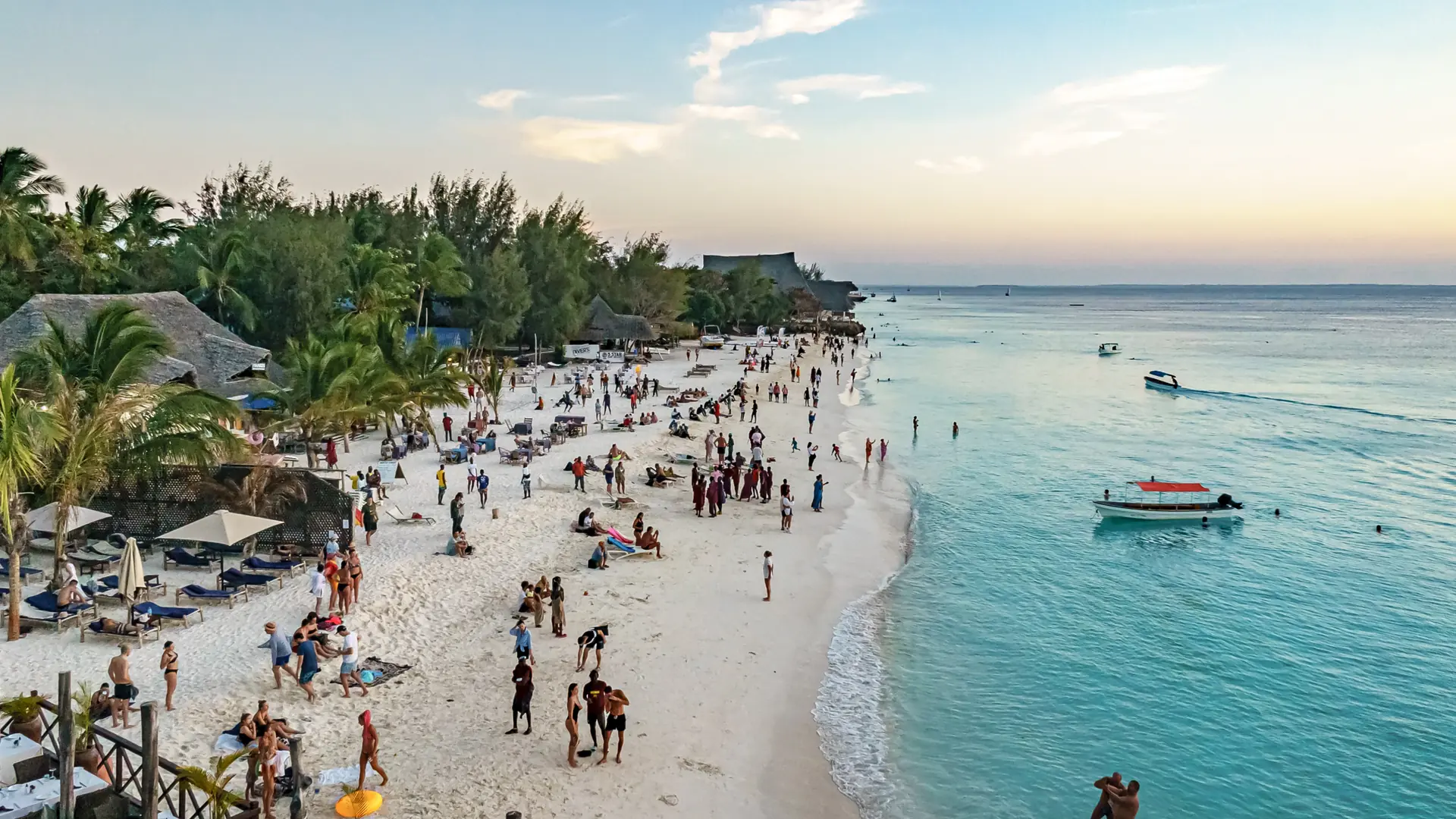
Sunny Nungwi shoreline with pale sand, turquoise sea and boats Nungwi
beach

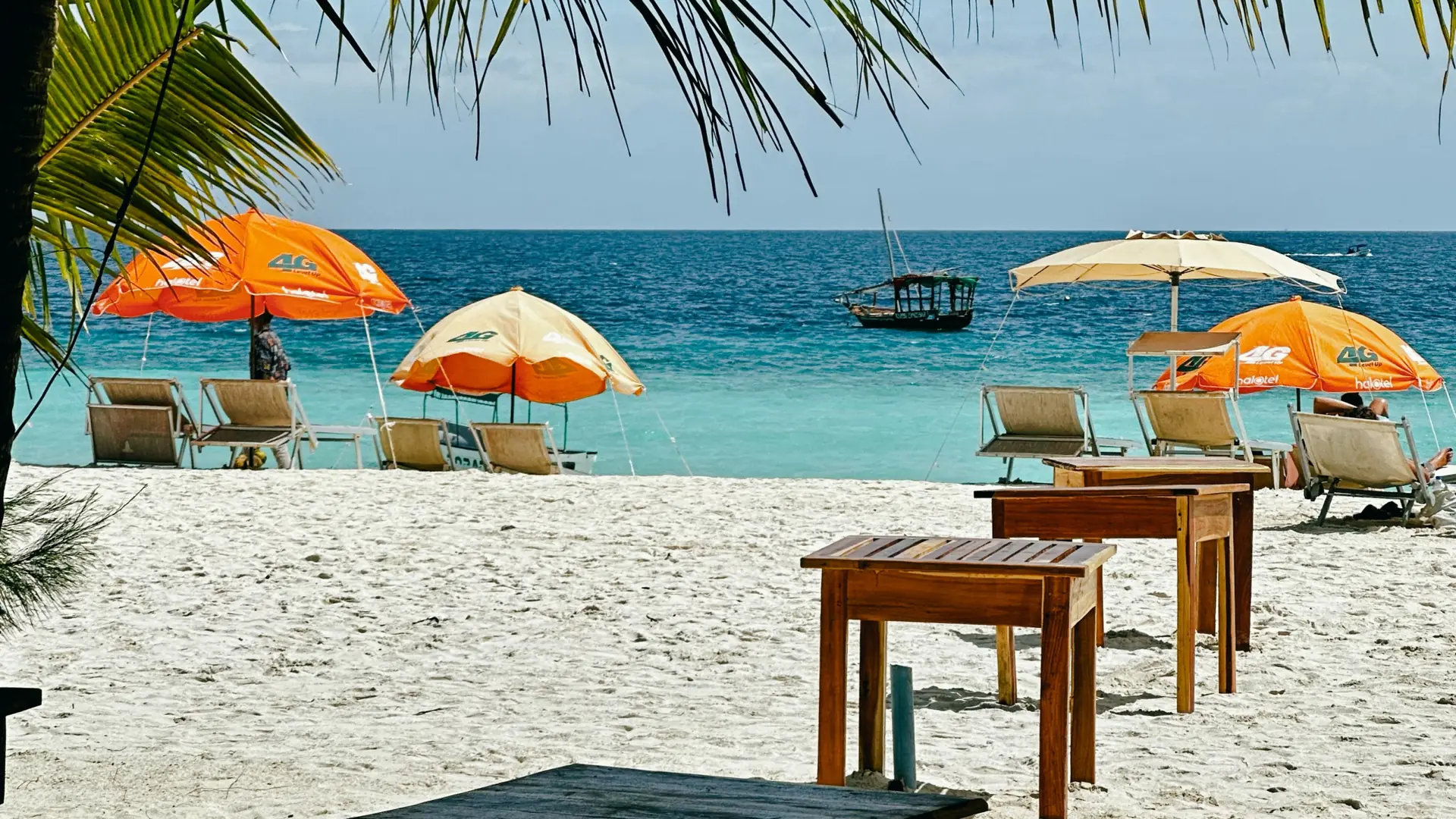
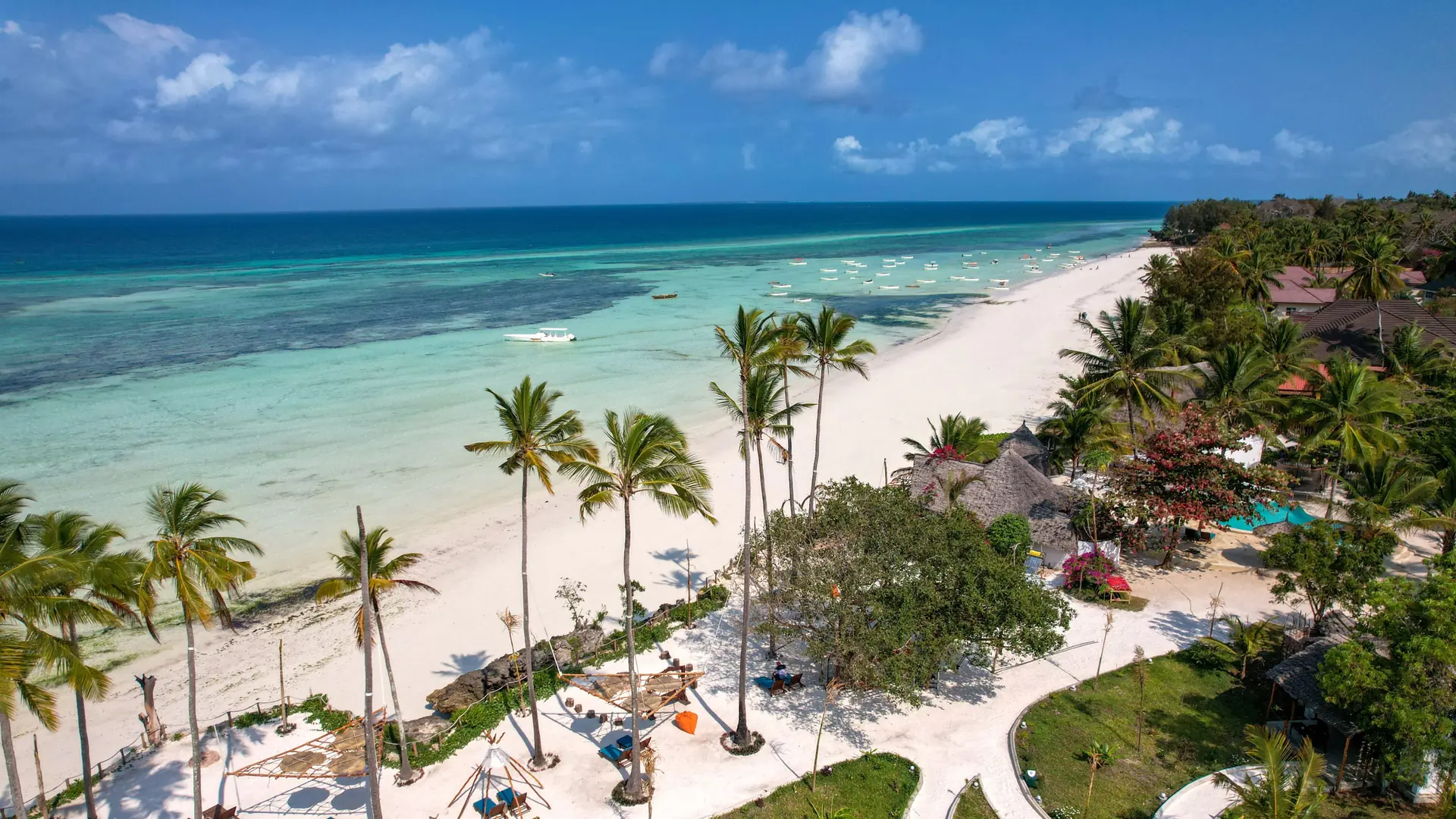
Nungwi suits travellers who want the northern tip’s busy beach scene and a wider choice of places to eat outside the hotel. Its coastline differs from the long, very shallow east-coast flats, but conditions still change along the shore. Inspect the exact stretch and swimming access rather than assuming every listing is the same.

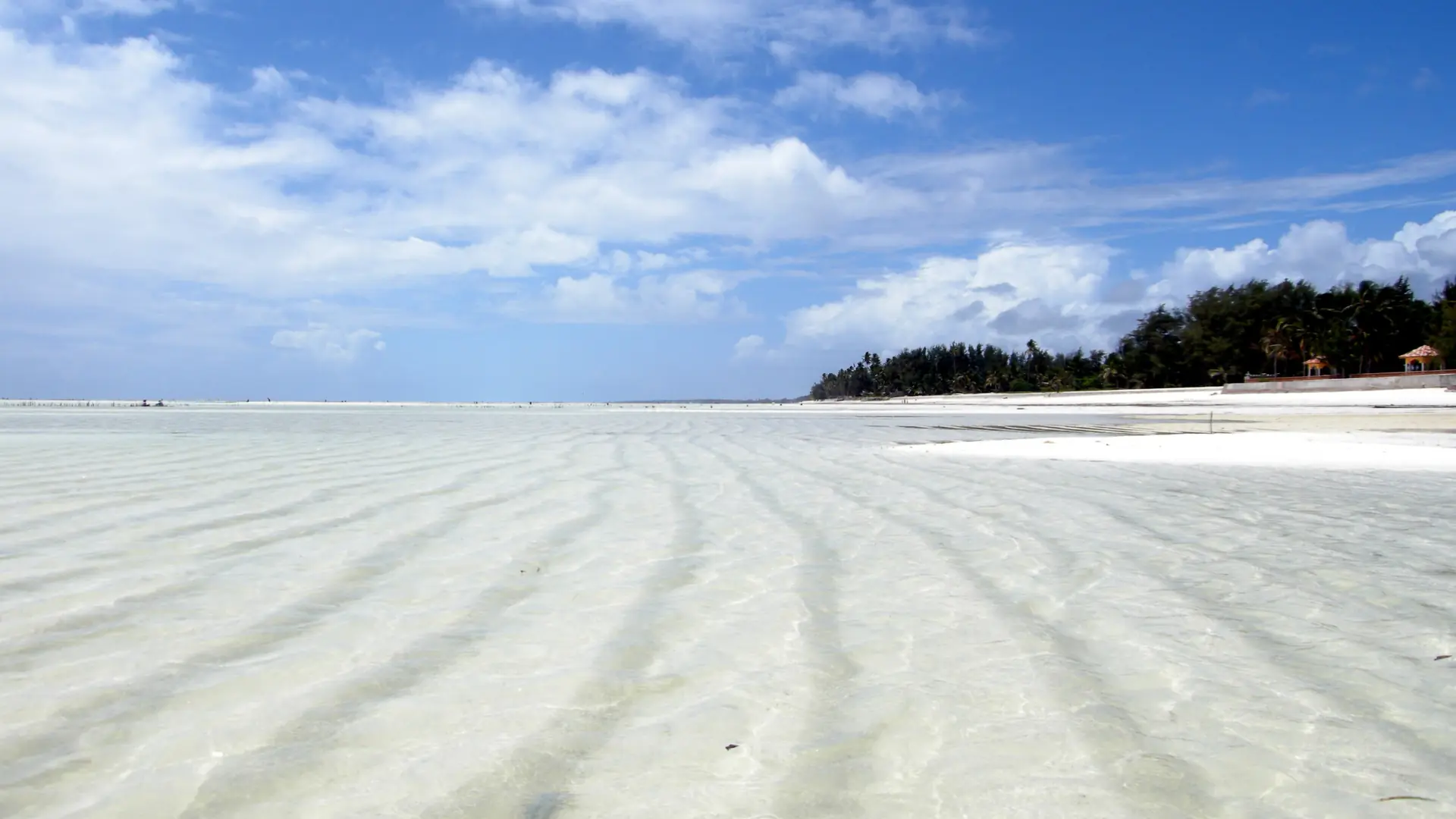
Paje east-coast beach in strong daylight with sand and blue water Paje
beach

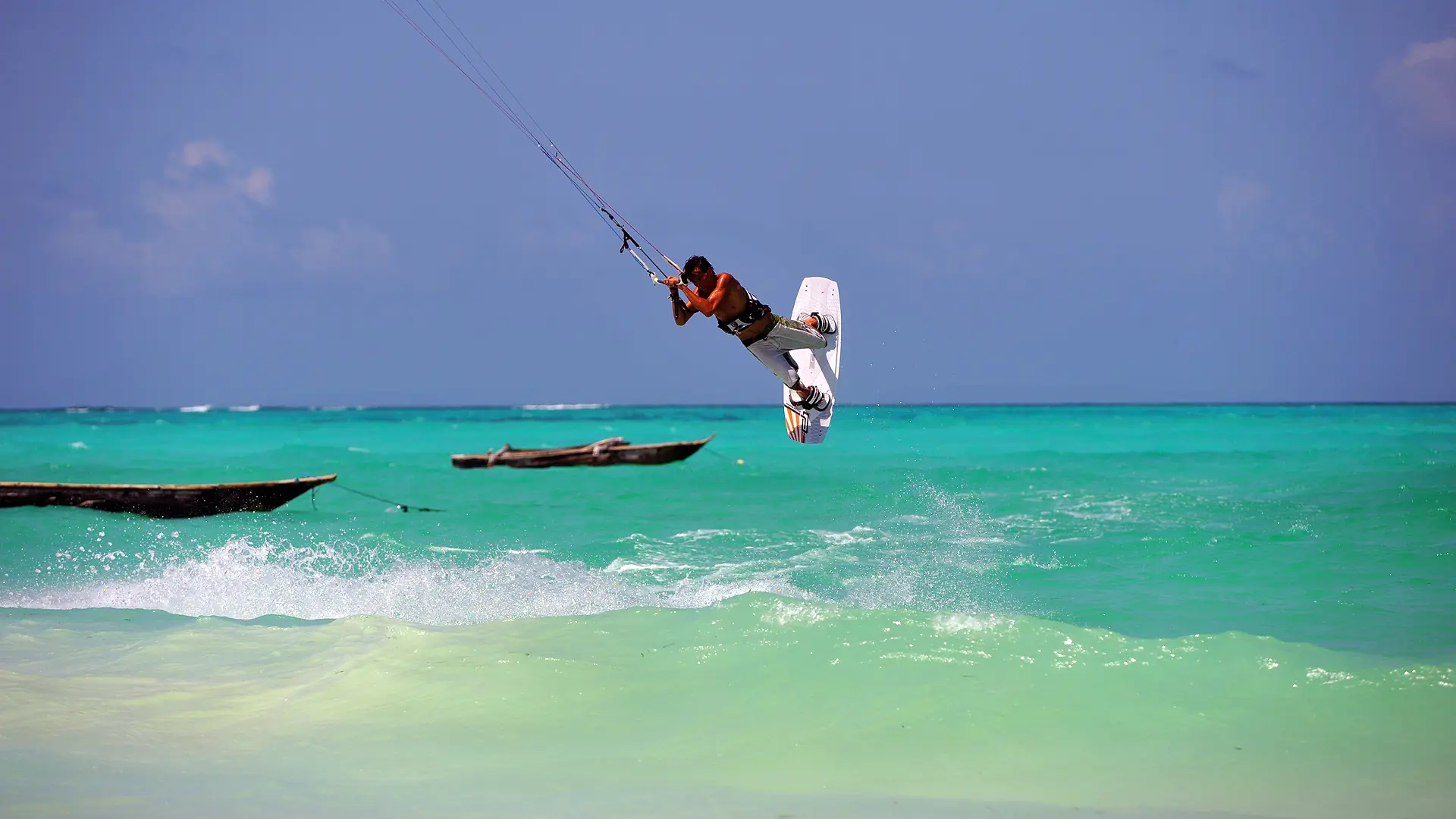
Paje works for travellers who like an open east-coast beach, kite activity and a village-scale stay. The tidal range becomes part of the day: at low water, a hotel can face a broad exposed flat rather than a swim-at-the-door sea. Ask about the nearest practical swim point and the wind season if water sports matter.

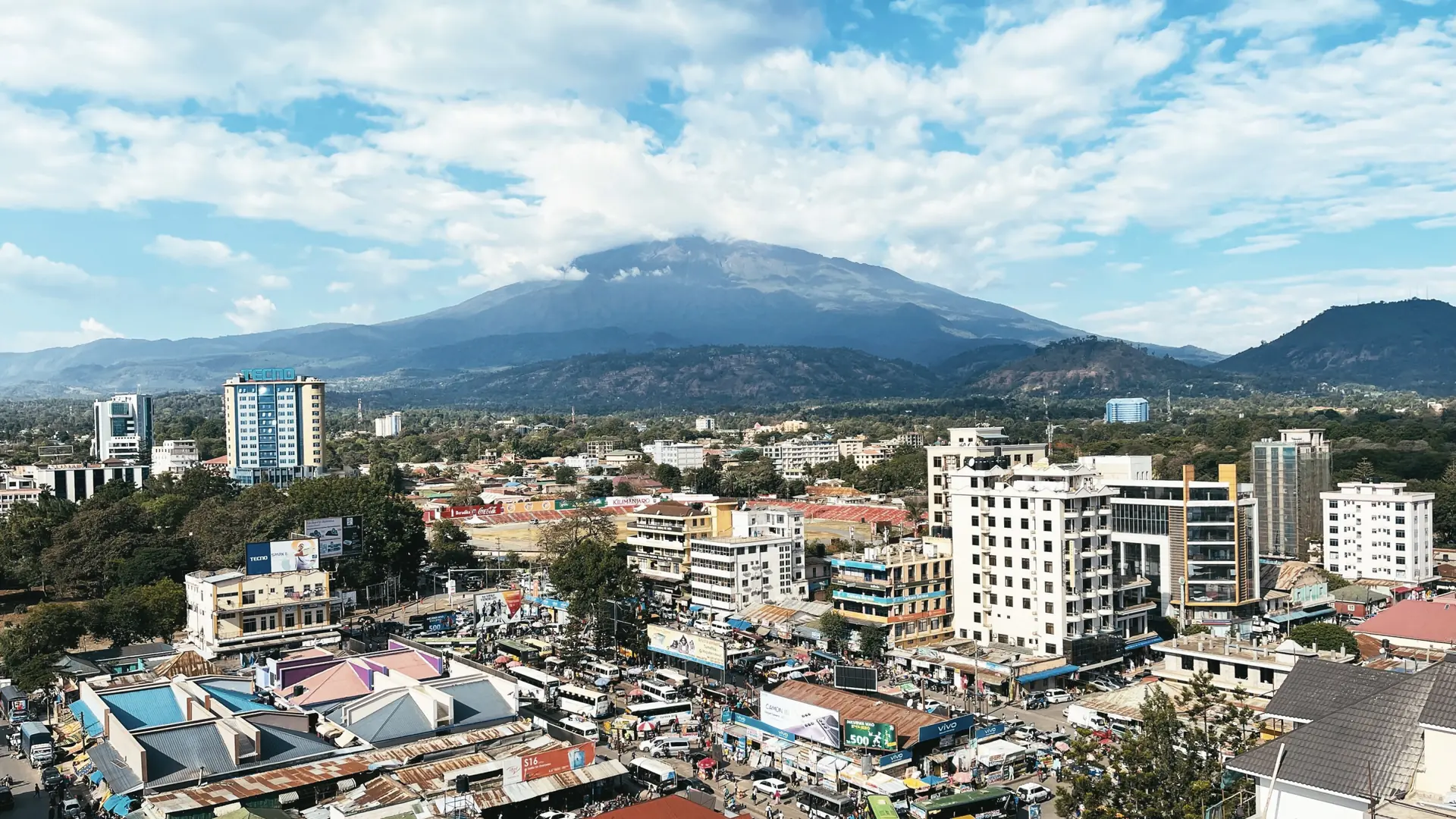
Sunny Arusha cityscape with Mount Meru or an identifiable town scene Arusha
first-trip

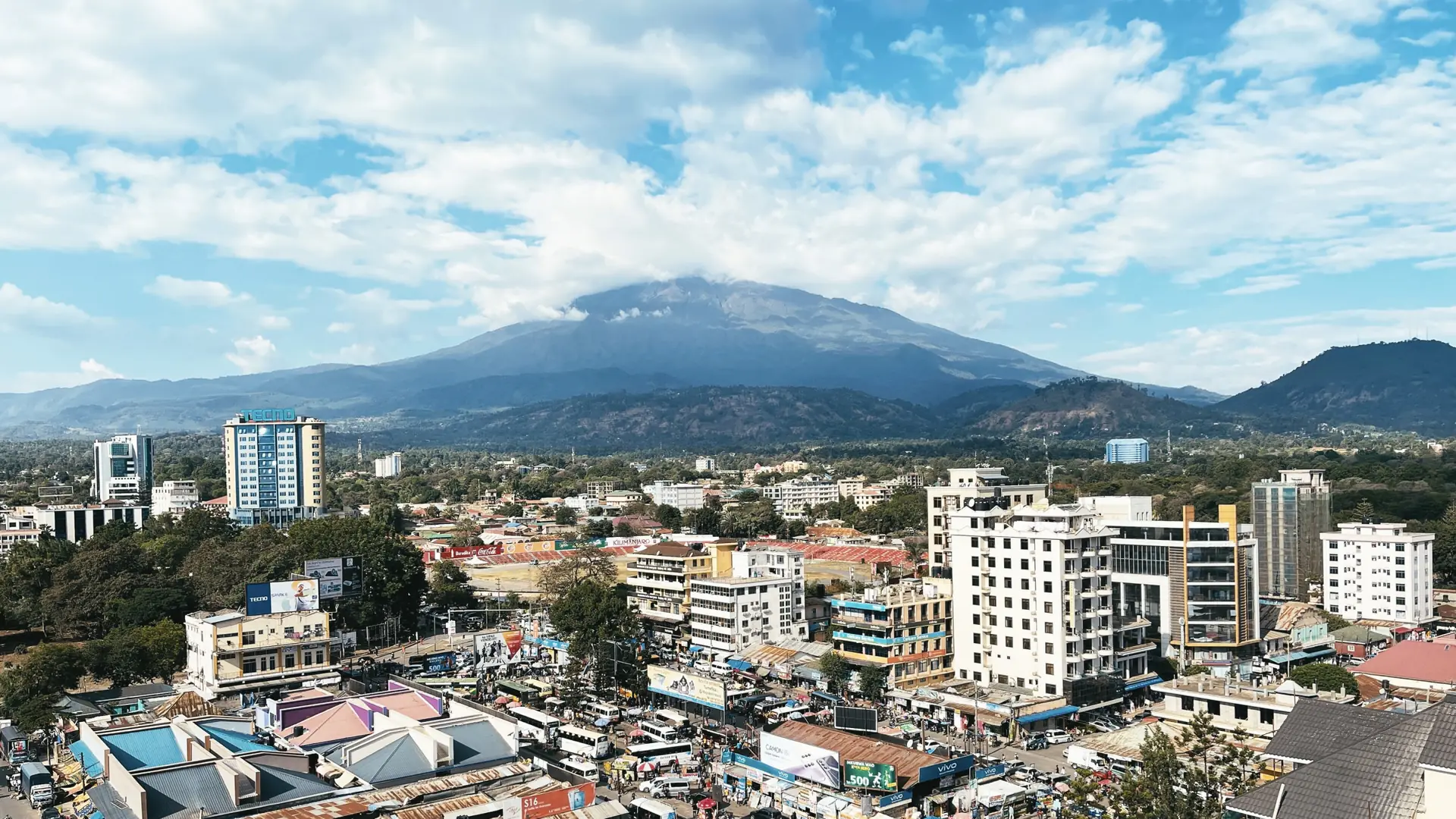
Arusha is the organising base for the northern circuit, with operator meetings, vehicle pickup and a practical night after JRO. It lets a short trip reach Tarangire or begin the Ngorongoro and Serengeti road sequence without inventing an instant transfer from the airport to wildlife. Choose a hotel by your guide’s pickup point and departure hour.

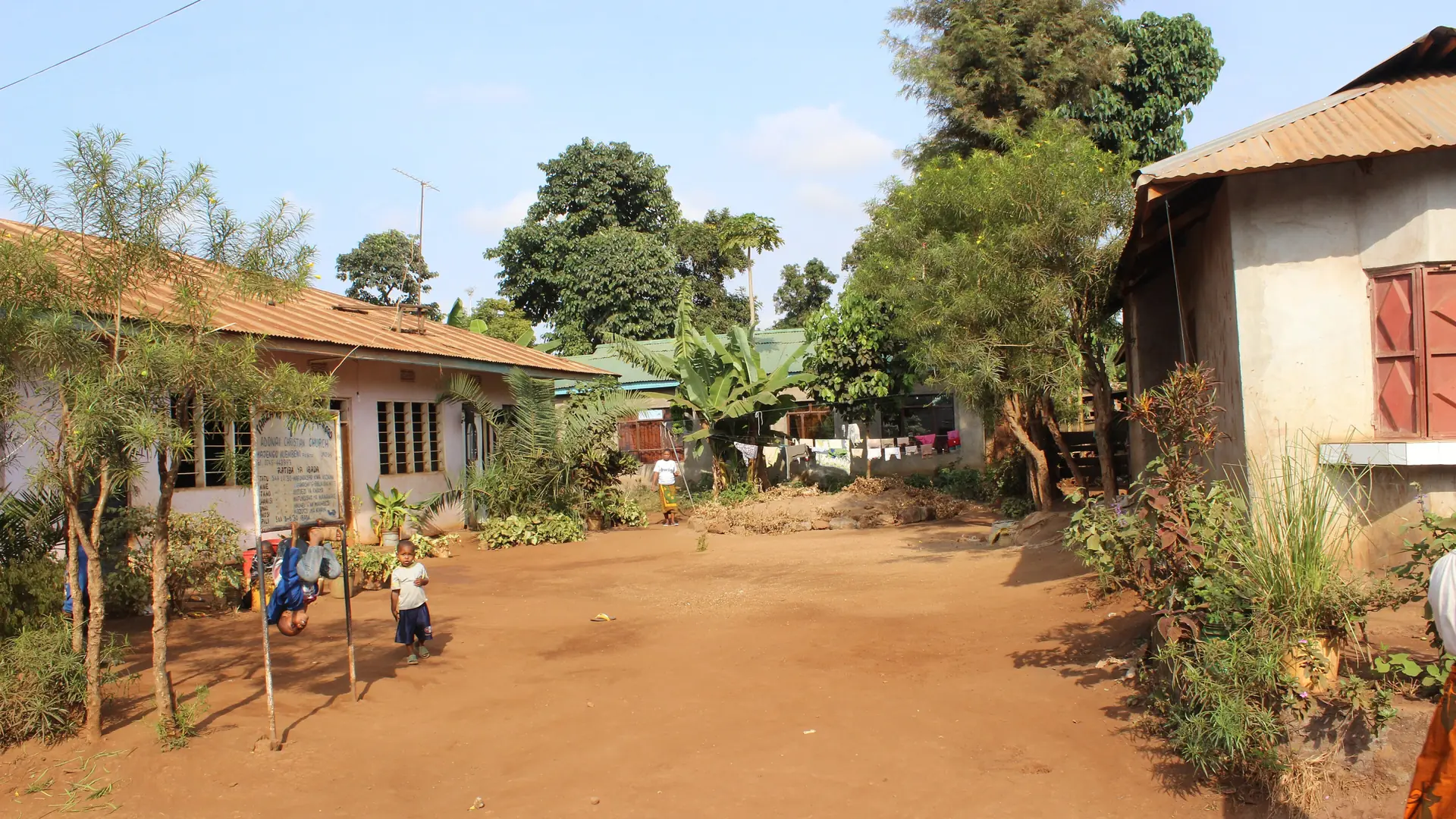
Sunlit residential street in Moshi with small houses and shade trees Moshi
nature

Moshi is a better base for Kilimanjaro orientation than a rushed Arusha day trip. Use a spare day for equipment checks, an operator briefing or a lower-altitude outing. A summit attempt needs a separate multi-day route, permits, acclimatisation time and an honest health plan; town lodging does not include a climb.

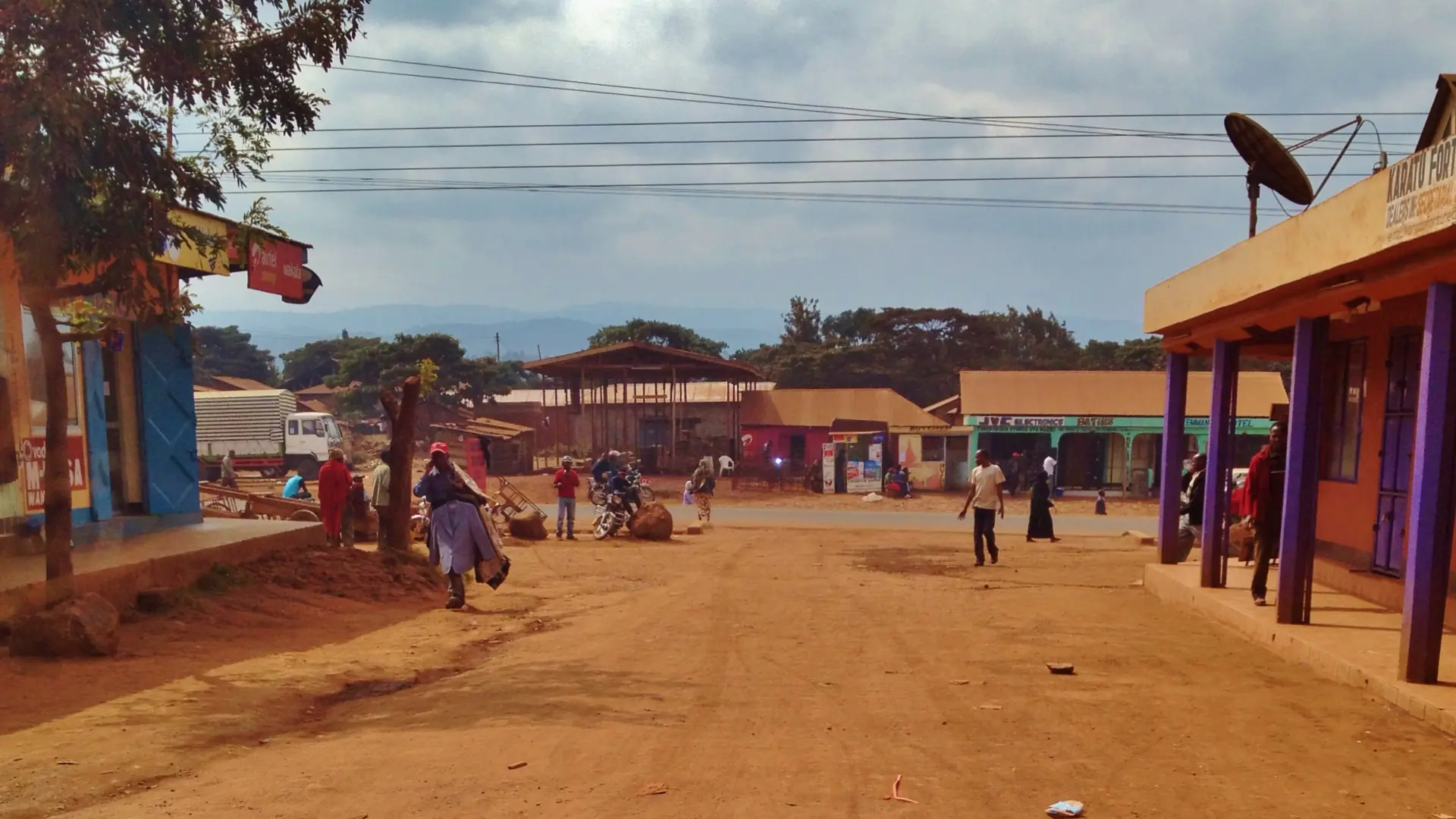
Sunlit roadside shops and red-earth street in Karatu, Tanzania Karatu
nature

Karatu is a useful overnight when the Ngorongoro crater and the onward Serengeti road are the point of the route. Sleeping here can position a group for an early, properly booked crater visit without paying for a rim lodge. Ask the operator which gate, permit and vehicle arrangements the price actually covers.

Compare Tanzania destinations

Zanzibar Island

01
Best for

One island with history and beach choices

Vibe
Varied coast and towns
Stay
5–8 nights
Transport
No car needed
Also fits
Beach Culture

Nungwi

02
Best for

North-coast beach and eating out

Vibe
Social beach base
Stay
4–6 nights
Transport
No car needed
Also fits
Beach Family

Paje

03
Best for

Tidal east coast and kite scene

Vibe
Active and village-scale
Stay
4–6 nights
Transport
No car needed
Also fits
Beach Water Sports

Arusha

04
Best for

Northern safari logistics

Vibe
Operator and airport hub
Stay
1–2 nights before safari
Transport
No car needed
Also fits
Safari First trip

Moshi

05
Best for

Kilimanjaro briefing and foothills

Vibe
Mountain town
Stay
1–3 nights outside trek
Transport
No car needed
Also fits
Mountain Walking

Karatu

06
Best for

Crater and Serengeti staging

Vibe
Highland safari base
Stay
1–2 nights
Transport
Car useful
Also fits
Safari Nature

Compare practical Arusha arrival bases

These hotel cards link to partner-supplied accommodation options. Prices, availability and ratings can change, so confirm details in the booking window before paying.

Search more hotels in Arusha →
Search stays
Trip styles

Six ways to build a Tanzania trip without wasting days

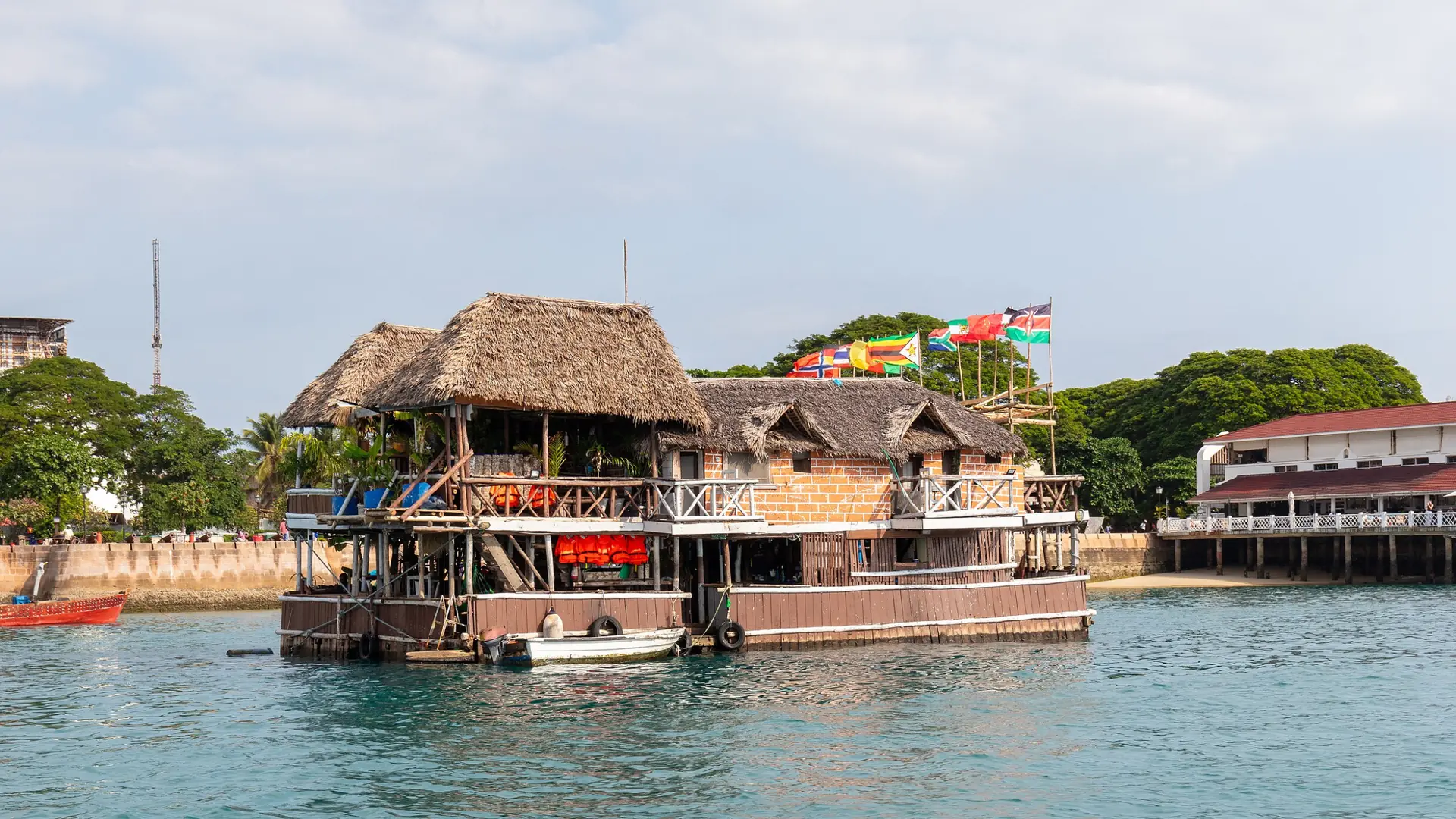
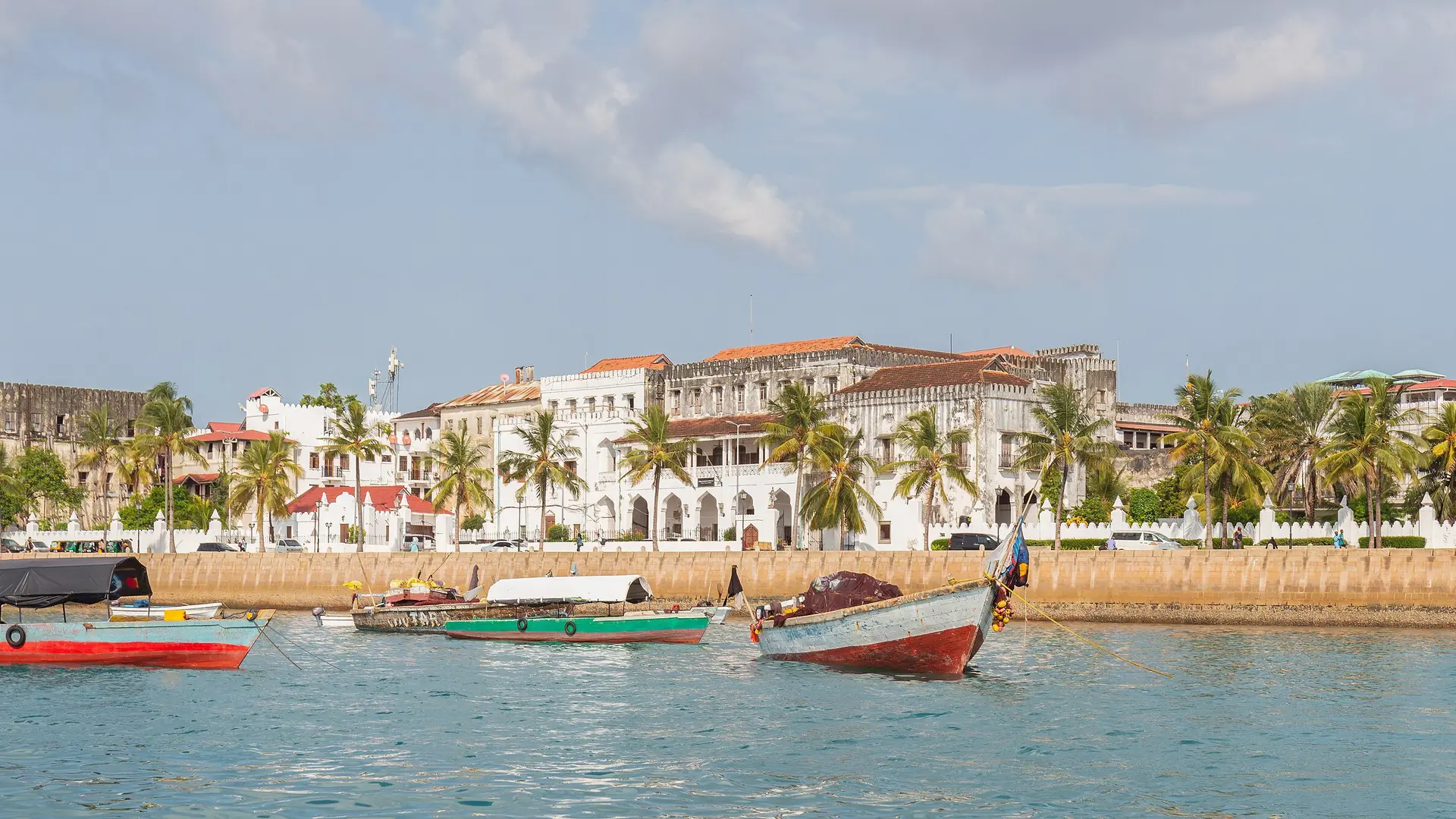
Harbour boats and waterfront buildings in Stone Town, Zanzibar, in daylight

Culture

Give Stone Town a proper walking day for its lanes and waterfront, then choose one beach. Its historic core is not a substitute for a resort shore.

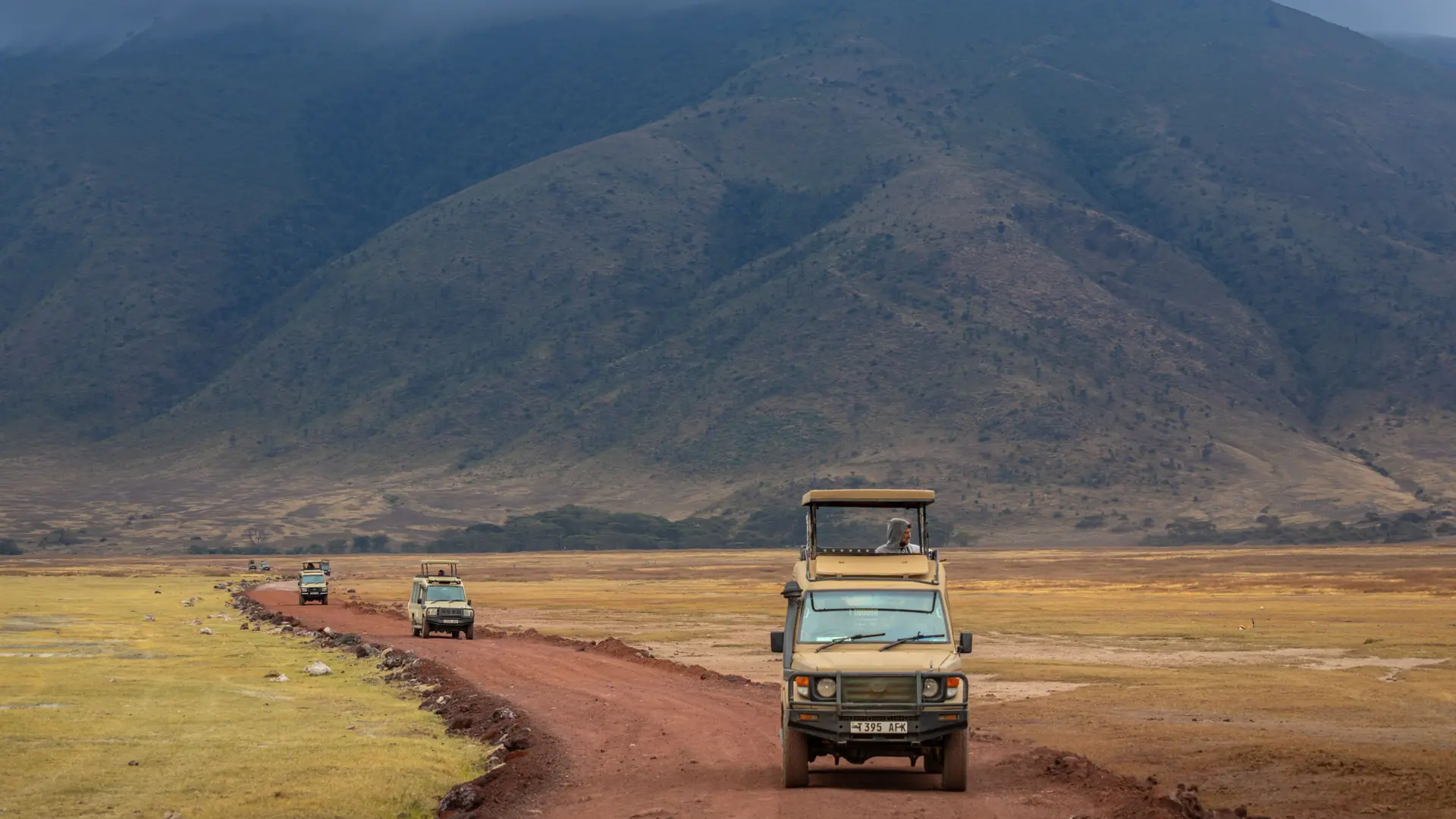
Safari vehicles driving a dirt track through Ngorongoro Crater in daylight

Car-free

Zanzibar can work with transfers and local drivers; a northern park circuit needs a guide and safari vehicle. Confirm where every pickup starts.

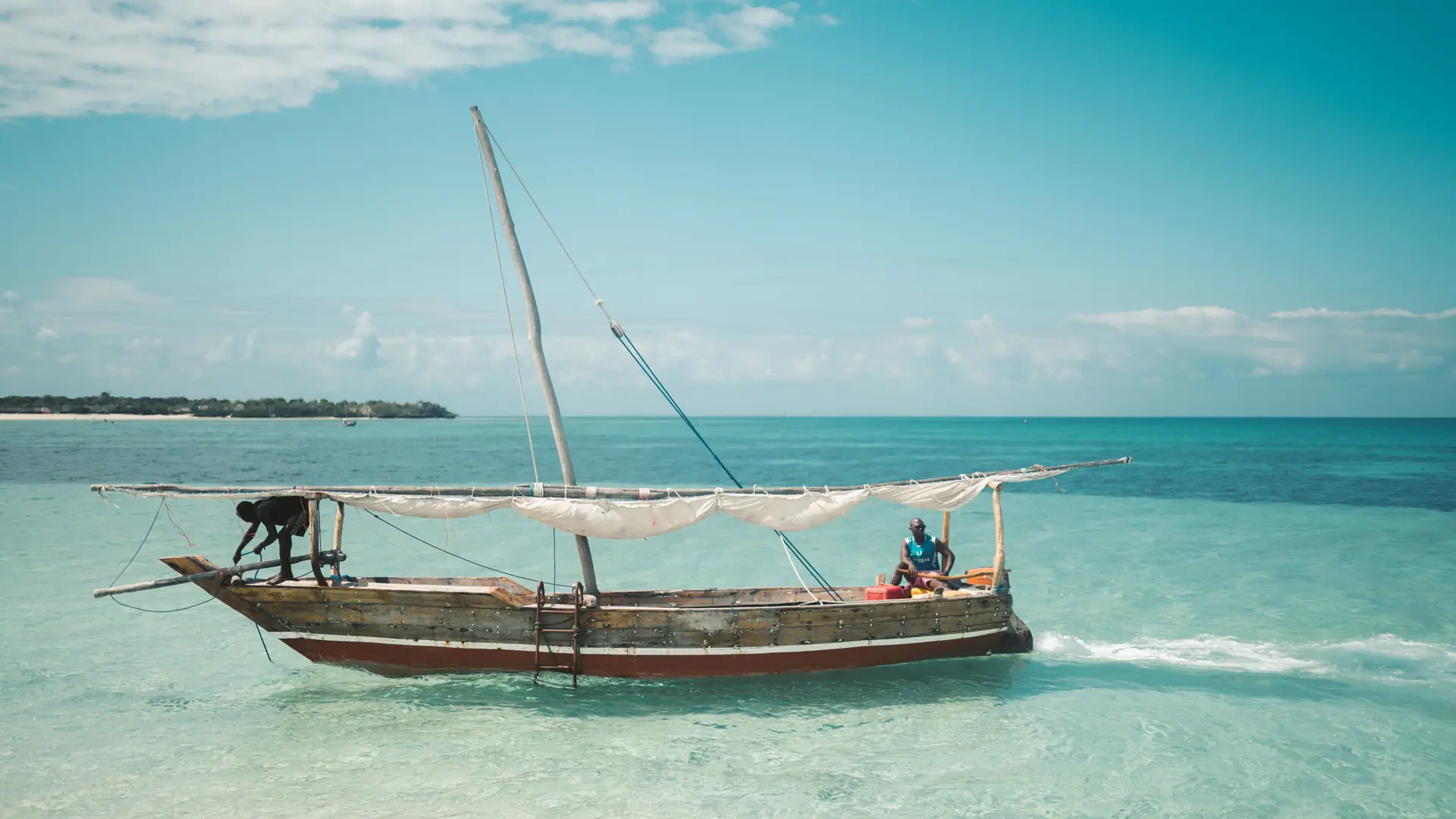
Traditional dhow crossing clear Zanzibar water beneath a bright blue sky

Beach

Choose a shoreline before a room: Nungwi for a north-coast routine, Paje for kite and tide patterns, Jambiani for a quieter village stretch.

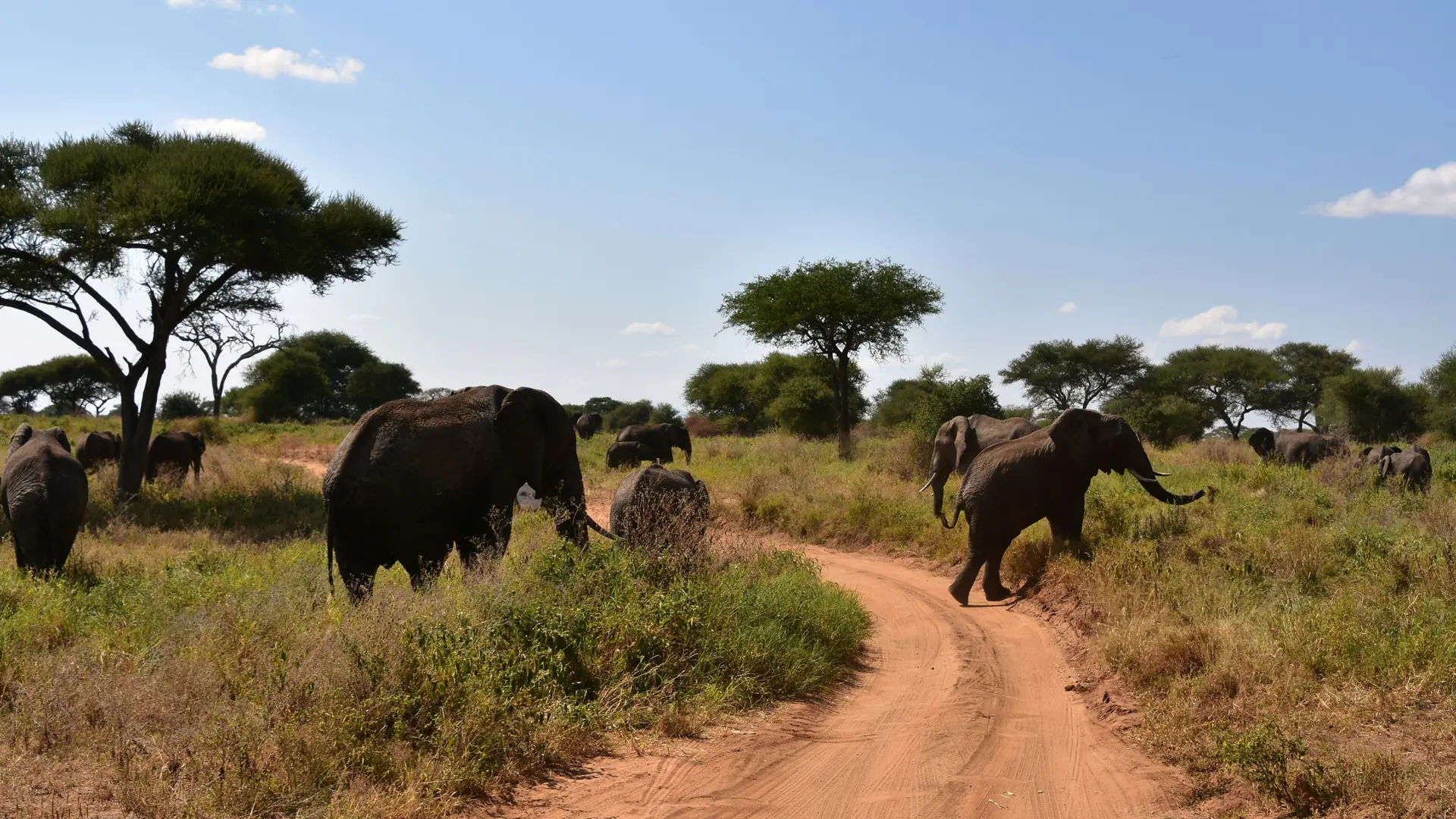
Elephants crossing a sunlit track in Tarangire National Park

First trip

Use Arusha, Tarangire and Ngorongoro as a shorter northern introduction; add Serengeti only when two meaningful park days and transfers fit.

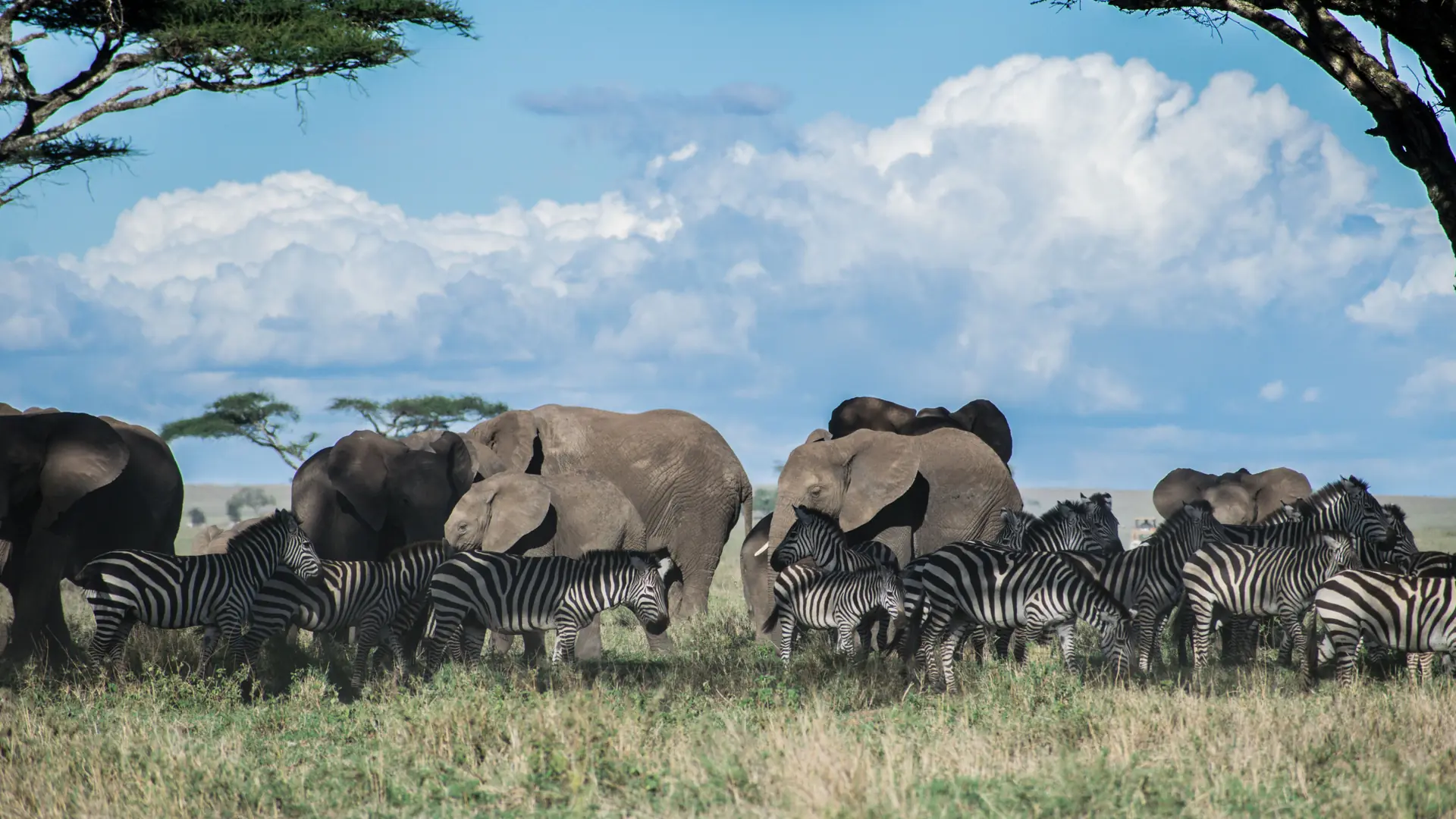
Elephants and zebras gathered under acacia trees on a Tanzania savanna

Family

Keep wildlife drives age-appropriate and ask about vehicle breaks, shade and room configuration. A calm island finish can offset early safari starts.

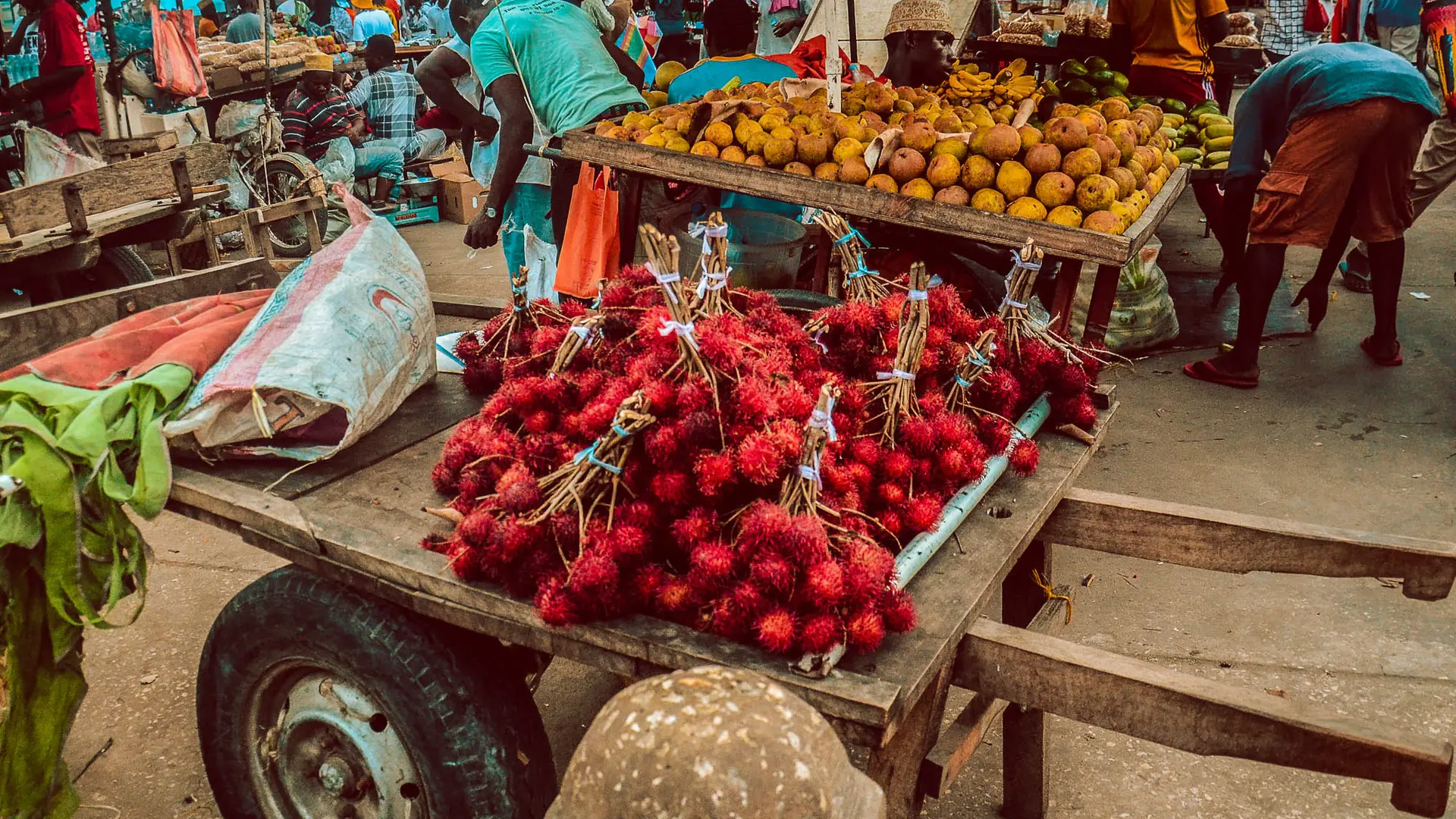
Colourful fruit carts at Zanzibar’s Darajani market in daylight

Budget

Stay longer in one island base or choose a shorter park circuit; park fees and private-vehicle days can outweigh hotel savings.

Season guide

Winter, spring and summer have different strengths

December–February

Weather
Northern and coastal regions often have a relatively drier spell after the short rains, though weather varies by district and week.
Crowds
Festive and winter-sun demand can concentrate on well-known camps and island resorts.
Prices
Compare whole-trip costs, especially safari vehicles and island flights, not one hotel quote.
Best For
A winter safari with a carefully located camp, or Zanzibar sunshine with room for rain interruptions.

March

Weather
The long-rain transition begins in the north and on Zanzibar; onset and intensity do not follow a single date.
Crowds
Some travellers welcome fewer vehicles, while others prefer predictable dry tracks.
Prices
Ask each lodge about access and cancellation before treating shoulder-season rates as a bargain.
Best For
Flexible travellers who accept changeable conditions and keep park drives adjustable.

April–May

Weather
The long rains are most material for northern roads, wildlife visibility and east-coast beach plans.
Crowds
Some operators reduce schedules or close accommodation for part of this period.
Prices
A low room rate may be offset by limited transport or fewer usable outdoor hours.
Best For
Specialist repeat visitors with a flexible itinerary; a first combined safari and beach trip needs caution.

June–September

Weather
The TMA describes these as dry months across the country; Zanzibar also promotes the dry season for outdoor activities.
Crowds
Popular northern camps and island beach rooms can tighten, especially around school holidays.
Prices
Secure the scarce park camp, guide and domestic flight before shopping for a generic beach room.
Best For
A first northern safari plus Zanzibar stay, or a Kilimanjaro trek with weather-specific preparation.

October–November

Weather
The short-rain pattern develops in northern and coastal regions, but an individual forecast matters more than the calendar.
Crowds
Availability can vary sharply between early October and late-year holidays.
Prices
Compare flexible bookings and operator terms rather than relying on a national low-season label.
Best For
A selective safari or island trip with rain buffers and a willingness to change day plans.

Let the journey between parks and beaches decide the itinerary

Last reviewed 27 September 2026

Northern Tanzania is a sequence of ecosystems, not a row of interchangeable safari stops. Tarangire is known for elephants, baobabs and the river that matters especially as surrounding country dries. Ngorongoro adds a crater drive and a separate conservation-area permit; Serengeti rewards time inside or near the park because the plains are too far from Arusha for a casual out-and-back. A week devoted only to the northern circuit can feel fuller than a twelve-day plan that spends half its mornings reaching the next hotel. Ask a safari operator to show each day’s driving, park time, gate point, accommodation and whether the final day is a game drive or a transfer.

The Great Migration is a moving ecological pattern, not a ticketed performance. TANAPA’s Serengeti material maps a broad annual route, and the animals respond to rain and grazing rather than a brochure date. In January or February, a southern Serengeti or Ndutu-area focus is a different booking from a central Serengeti camp; mid-year travellers may look north, but a Mara River crossing cannot be guaranteed. Pay for a location and enough days to enjoy wildlife even if the hoped-for scene happens elsewhere. Demand a clear camp name and map point before paying a premium for “migration season.”

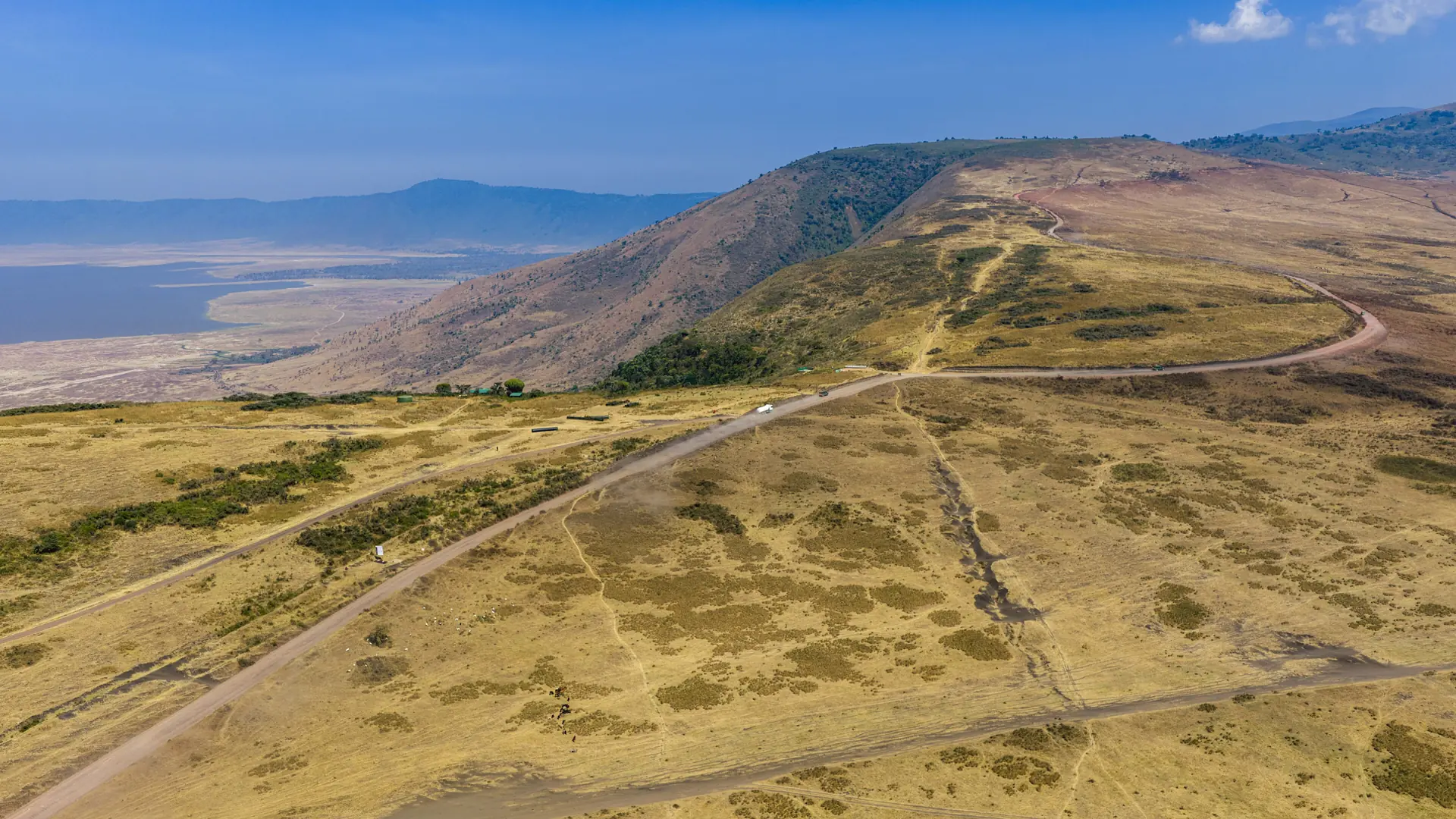
Ngorongoro is also a planning decision about where to sleep. A rim lodge can put you closer to an early descent, while Karatu usually gives more room choice and may lower the room bill. Neither address turns crater access into a free or spontaneous outing. The conservation authority controls entry, vehicle and guide procedures, so ask which of those charges are in the quote. If your next stop is Serengeti, a Karatu night can break the road journey; if your schedule has one only wildlife day, spending it in a vehicle between distant parks is poor value.

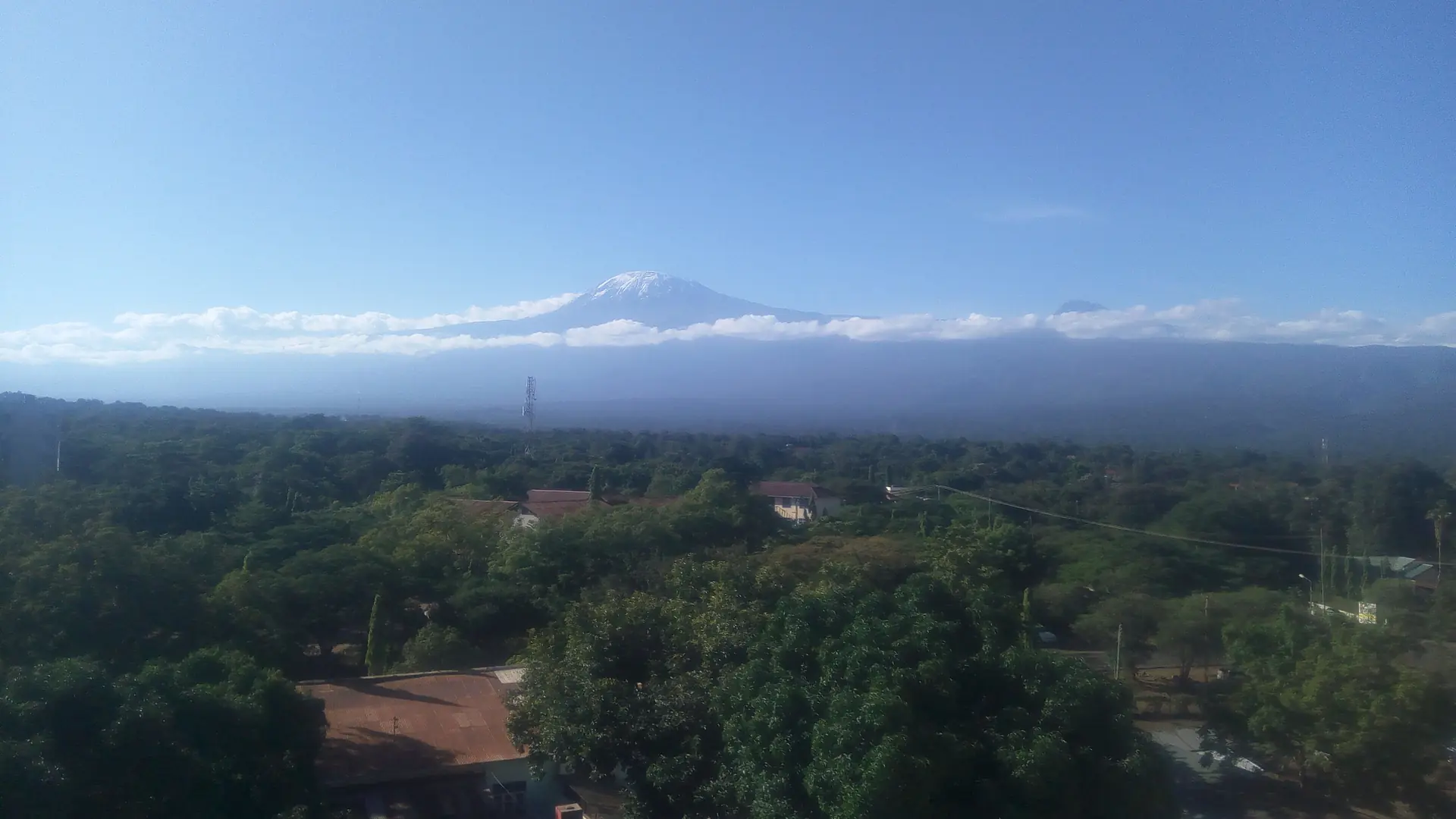
Kilimanjaro deserves its own timetable. TANAPA describes summit routes taking five to eight days; the difference is material because acclimatisation and descent cannot be compressed into a town excursion. Moshi is useful for a gear check and briefing, and a traveller who does not want a high-altitude expedition can still enjoy the foothills. Choose a licensed operator for the actual route and ask about guide and porter arrangements, emergency planning and what park fees are included. A photograph of the mountain over town does not establish that the climb suits your fitness or your available days.

Zanzibar is a holiday within the holiday, with a split personality that rewards a deliberate hotel choice. UNESCO’s Stone Town is a historic Swahili trading city of tight lanes and layered architecture; it is worth a walking day, but it is not the white-sand resort shown in island ads. Nungwi at the northern tip has a busier beach rhythm. Paje and Jambiani on the east coast have broad tidal flats, local village life and, in places, kite activity. At low tide, sea access can look completely unlike the hotel’s high-tide photograph. Ask what swimming is possible from the exact beach at the hours your family will use it.

For a mainland-plus-island trip, the flight is a decisive leg. JRO serves the Arusha–Moshi region, while ZNZ serves the island; Dar es Salaam can be a flight or ferry gateway, but the city airport, ferry terminal and onward lodging are not one interchange. Azam Marine operates mainland-to-Zanzibar ferries, yet the actual departure and sea conditions need checking for your day. Leave a genuine buffer between a safari road arrival and a nonrefundable island flight. A separate domestic ticket may give little protection if the first transfer runs late.

The best-value quote is the one that states what the price buys. A safari invoice should itemise park and conservation fees, vehicle exclusivity, guide, fuel, meals, water, camp category and any optional activity. A low headline price can move costly admissions or a long airport transfer outside the package. For Zanzibar, add the island’s required inbound insurance, beach transfer and any ferry or domestic flight. Official tariffs and insurance terms can change: treat a guide’s number as a prompt to verify, not a price guarantee.

Season is a route choice, not a yes-or-no verdict on Tanzania. The meteorological authority describes long rains in March–May for the northern and coastal regions and short rains around October–December; June–September is broadly dry. January and February can be useful for a southern migration focus and island warmth, with local variability. In April or May, a flexible visitor may enjoy quiet and green landscapes but should confirm which lodges and tracks operate. First-timers who need predictable safari drives and effortless beach days are usually better served by the dry season. Even then, a tide table and daily forecast matter at the shore.

Compare north-coast Zanzibar stays

These hotel cards link to partner-supplied accommodation options. Prices, availability and ratings can change, so confirm details in the booking window before paying.

Search more hotels in Nungwi →
Search stays

Getting around

Land at the airport for the trip you bought

JRO is the practical air gateway for Arusha and Moshi, not a shorthand for Serengeti. ZNZ serves Unguja, and DAR can connect through Dar es Salaam. Check the airport code on every ticket, then ask your first hotel for the exact pickup address and travel time. A cheaper flight that arrives at the wrong gateway can consume a full paid safari day.

Choose a safari vehicle by the route and group

Northern park travel commonly depends on a guided vehicle. Ask how many people share each row, whether the roof opens, who pays the park and conservation charges, and whether the guide stays with you on transfer days. A “four-day safari” that includes arrival and departure may contain only two genuine drives. Read the day-by-day quote before comparing lodge stars.

Use Karatu as an overnight, not a crater shortcut

Karatu can make a northern circuit more manageable between Arusha, Ngorongoro and Serengeti. The crater still requires a gate process, a vehicle and a guide, so leave morning room for them. If the next destination is deep inside Serengeti, ask the operator to separate road hours from game-viewing hours rather than promising both in one brief day.

Treat Zanzibar roads and tides as trip constraints

A ZNZ arrival, a Stone Town hotel, Nungwi and Paje are separate locations. Arrange an island transfer to the exact property, especially after dark, and allow for luggage through narrow Stone Town approaches. On the east coast, ask the hotel about its tide-facing beach, bathing area and safe route back from an evening meal; the island label alone is too broad.

Check ferry and flight operators on the actual date

Azam Marine operates Dar–Zanzibar ferries, but book the sailing, terminal and check-in through the operator’s current channel. For a domestic flight, confirm baggage allowance and whether a park airstrip or public airport is involved. A connection between a safari car and an island flight needs margin; do not rely on a generic “one hour” transfer copied from a brochure.

Keep mountain travel separate from safari day trips

Moshi is a preparation base for Kilimanjaro, while the summit is a multi-day national-park expedition. A lower-slope walk has different permits, exertion and equipment from a summit itinerary. Ask your operator where the route starts, how many nights are on the mountain, which staff accompany you and how a weather or health interruption is handled.

Budget Snapshot

Safari costs need line-item comparison; Zanzibar costs depend on coast and transfers
Long-rain periods can bring lower room quotes, but verify lodge openings, road access and flight frequency before assuming savings.
A longer stay in one island base or an Arusha–Tarangire–Ngorongoro circuit can cost less than repeated long Serengeti transfers.
Dry-season park camps, festive island weeks and small aircraft seats can tighten before ordinary city hotels.
Compare the full price of guide, vehicle, park and crater charges, island insurance, domestic flights and hotel transfers; do not use one room rate as the trip budget.

Explore destination guides: Tanzania

Find another destination and compare its areas and accommodation.

Explore itineraries: Tanzania

Compare routes by length, stops and transport.

Sources

Reviewed by StartBooker editorial team

Updated

15 references reviewed

Key sources
  • National Bureau of Statistics
  • Tanzania National Parks
  • Ngorongoro Conservation Area Authority
  • Zanzibar Commission for Tourism
  • Tanzania Immigration Services
  • Zanzibar Insurance Corporation
References
Photo credits

Some photos provided by Pexels.

Is Tanzania good for a winter holiday?

Yes, January and February can suit a northern safari and Zanzibar break. They are often relatively dry in the northern and coastal regions after the short rains, but rain and wildlife movement vary locally. If a southern Serengeti scene is your priority, pay attention to the camp’s exact area rather than a blanket “migration” label.

What happens on a Tanzania trip in spring?

March begins the transition into the long rains, and April–May are the riskier months for a first combined safari and beach trip. Some lodges or tracks may be less convenient, though flexible visitors can still find rewarding days. Check the individual park, operator and island forecast rather than assuming either constant rain or guaranteed sunshine.

Can I visit Tanzania and Zanzibar in summer?

June to September is the broadly dry season in the meteorological record, so it is a strong window for a northern safari followed by island time. Popular camps, guides and domestic seats deserve early booking. On Zanzibar, a dry season does not remove tides or the need to choose a beach that matches your swimming routine.

How long do I need for safari and Zanzibar?

A selective northern safari plus island break works more honestly with around ten to fourteen days than with a rushed week. Count arrival, park-to-park drives and the island flight as real days. With seven days, choose either a shorter Arusha-area wildlife circuit or Zanzibar with Stone Town and one beach, then enjoy it properly.

Which Zanzibar beach should I choose?

Nungwi fits a lively north-coast beach stay; Paje suits an open, tide-aware east-coast routine with kite activity; Jambiani can feel quieter along the same broad coast. Stone Town is a cultural overnight rather than a resort beach. Ask the hotel about its exact swim entry and transport from ZNZ before paying.

Do I need both a visa and Zanzibar insurance?

The Tanzanian immigration portal says its eVisa is for the mainland and Zanzibar, subject to nationality and visa type. Zanzibar Insurance Corporation separately states that eligible foreign visitors need its inbound cover even if they already have another policy. Check the current official rules and fees for every traveller before departure.

Can I climb Kilimanjaro from Arusha in a day?

No summit route is a day excursion. TANAPA describes climbs to Kibo taking five to eight days according to route. A Moshi or Arusha day trip can explore lower slopes, but it is a different product. Budget for the full route, guide, porters, park terms and weather or health contingency.

Is Dar es Salaam or JRO the better gateway?

Choose JRO for an Arusha–Moshi northern circuit; choose DAR if Dar itself or the mainland–Zanzibar ferry is in your plan. A flight that looks cheaper on paper may add an extra domestic sector or long ground transfer. Verify the exact arrival terminal and the next operator before buying separate tickets.

Been here? Share your experience