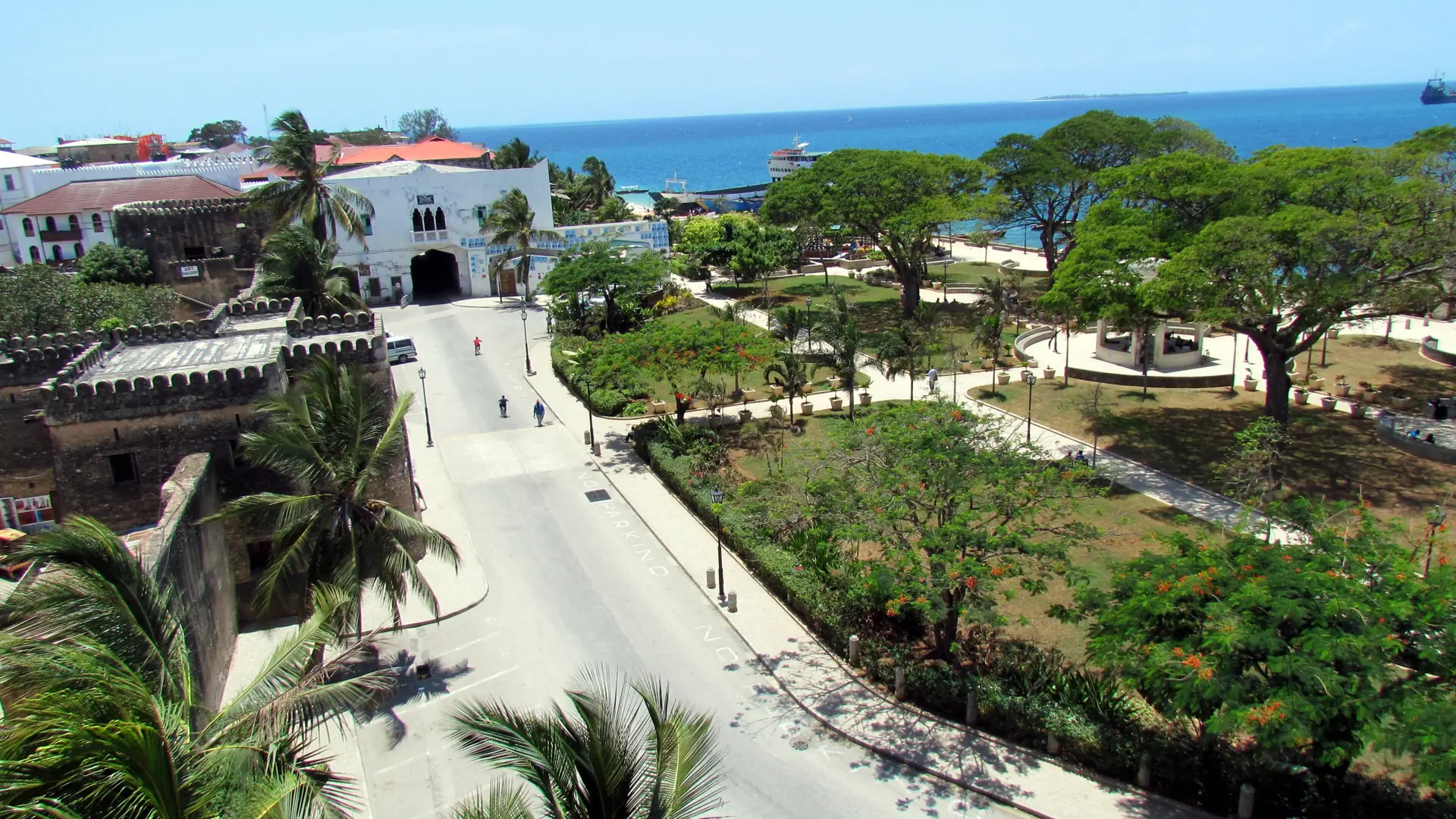
A first visit to Zanzibar works best when you stop treating every beach as interchangeable. Stone Town is a working historic centre on Unguja’s west side, not a resort annex. Its narrow streets, carved doors, trading history and seafront deserve more than a hurried airport stop. Two nights allow a guided heritage walk and time to choose a second cultural visit without packing again the next morning. Book within the old town only if stairs, lane access and possible evening noise suit you; confirm the vehicle meeting point because cars cannot reach every door.
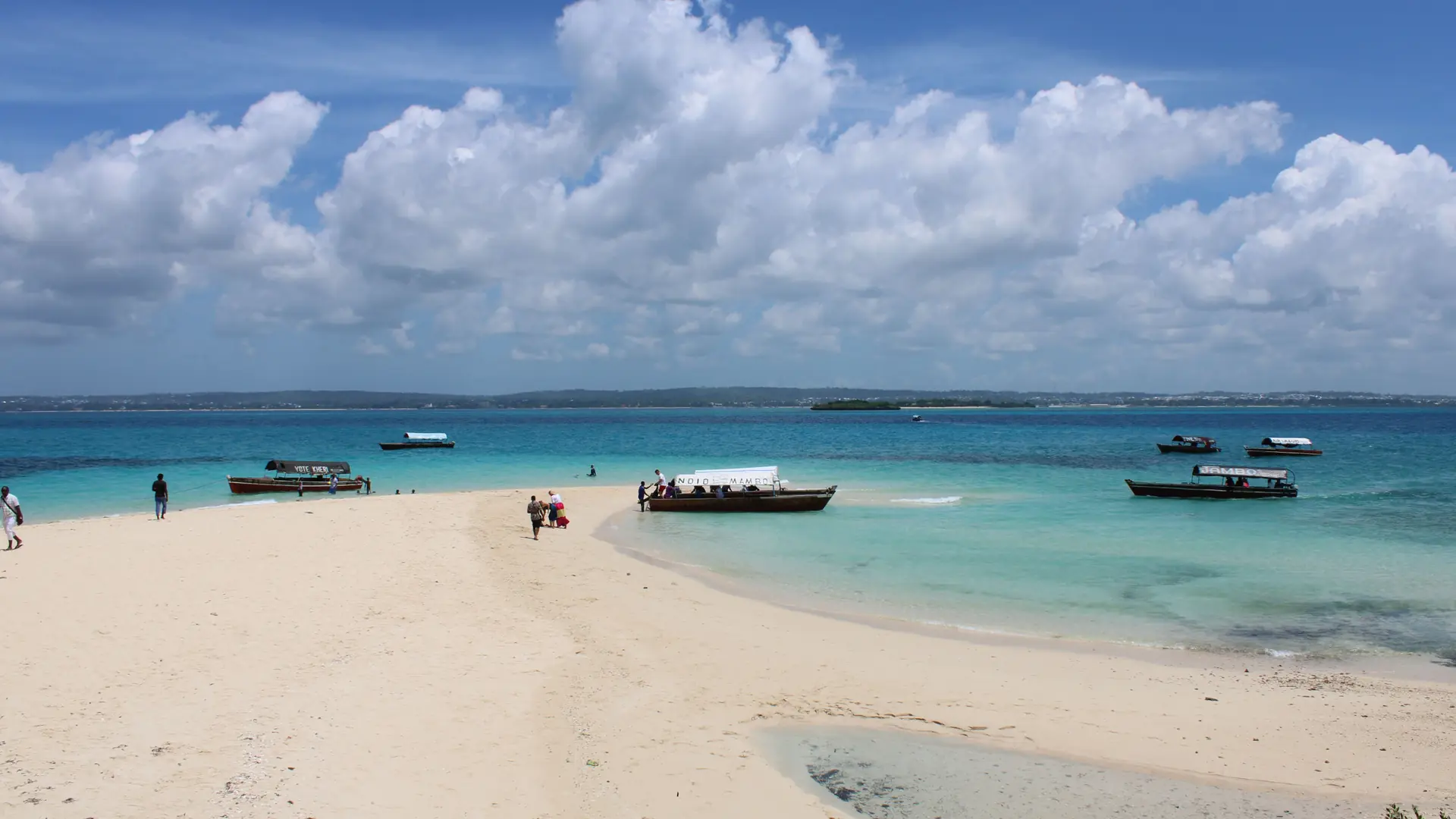
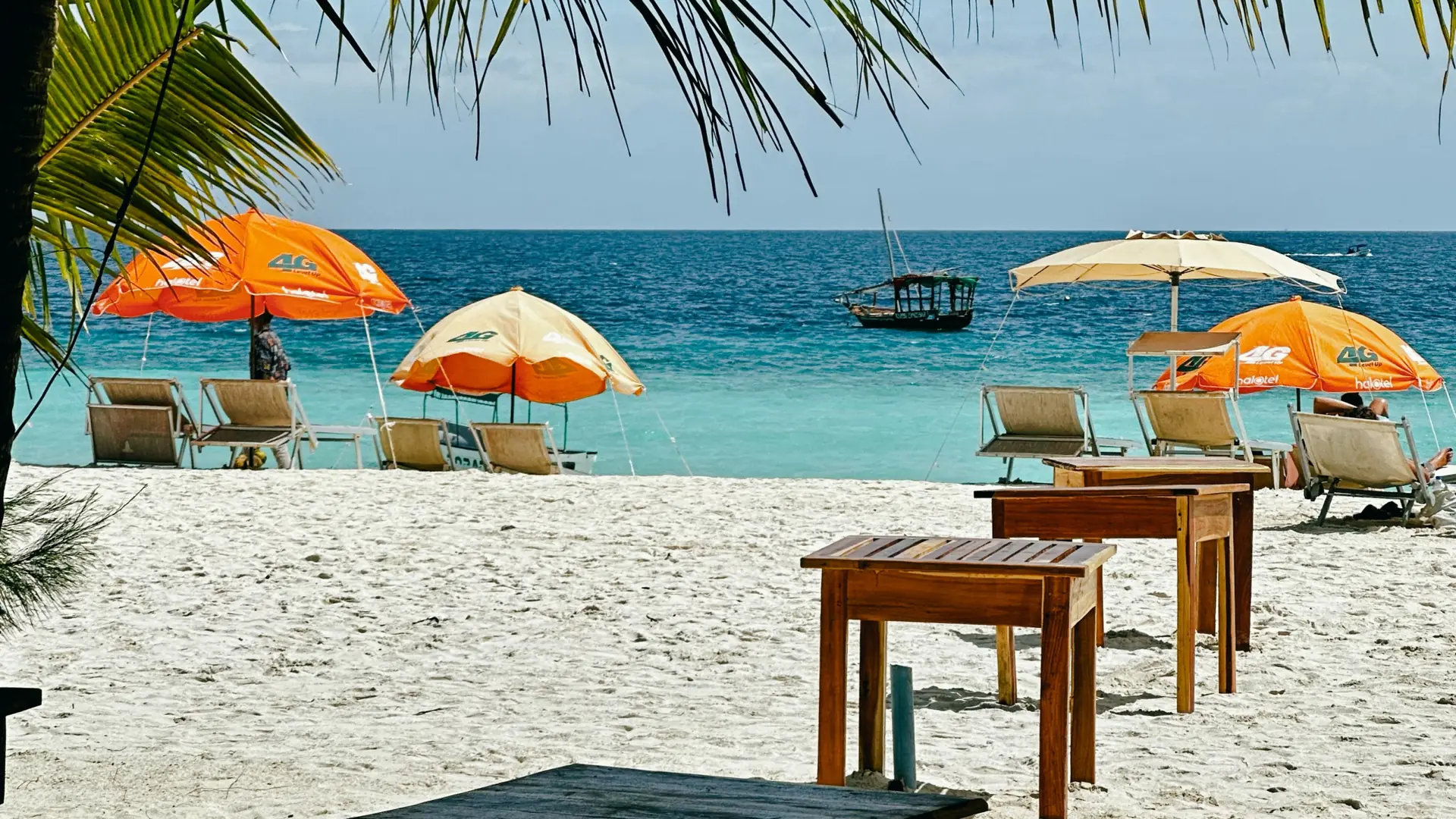
Nungwi earns the next two nights for travellers who want an easier northern beach routine. The sea still changes with wind and tide, but the north usually offers more practical swimming choices than the broad, shallow flats of Paje. Ask your hotel for the actual stretch of sand and water entrance; a listing tagged Nungwi may be an awkward walk from the beach you imagined. A marine outing towards the Mnemba area is optional and should be sold with a clear operator, weather plan and wildlife-respectful practices. The reef is a protected living habitat, not an aquarium with promised sightings.
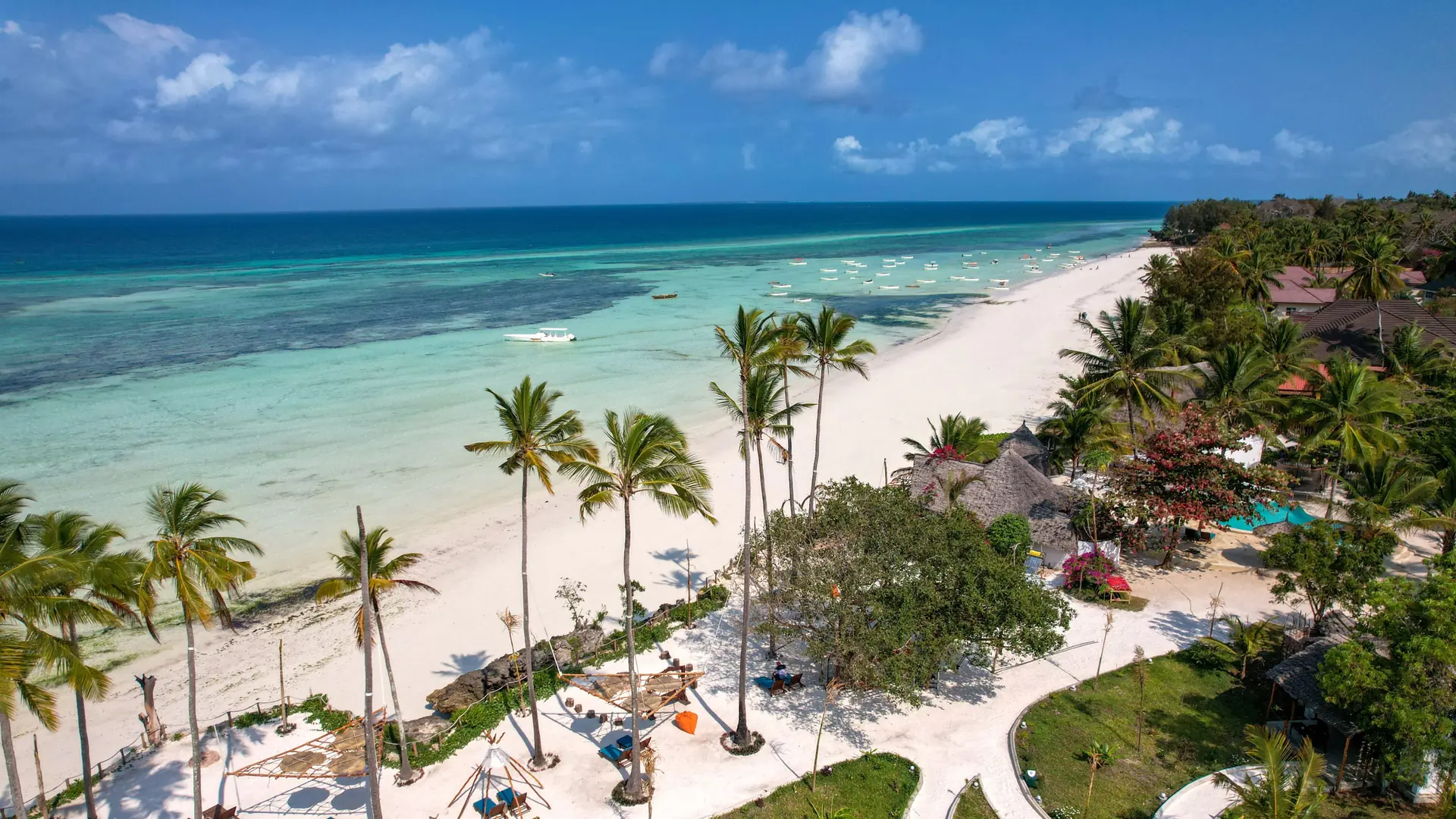
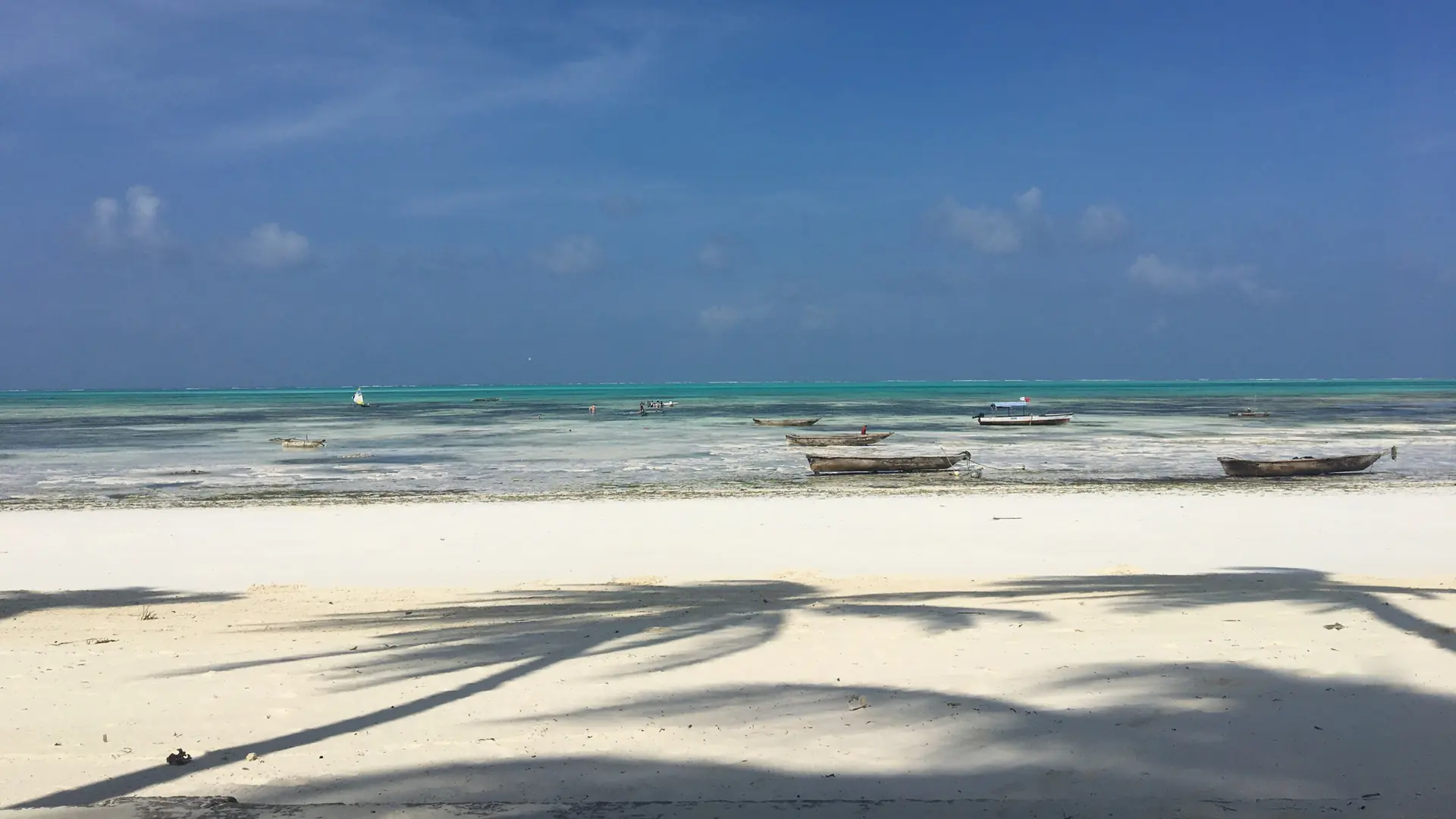
Paje is deliberately last. The east coast reveals a different island: long pale sand, kite activity in suitable wind, exposed reef flats at low tide and a village behind the beach. That can be excellent for walking and learning a sport, but disappointing to someone expecting deep water at every hour. Read a tide table for your exact dates before selecting a seafront room. A short visit to Jozani on the transfer or a Jambiani half-day can add context; neither requires another hotel change. If swimming at any time matters more than east-coast character, keep the final two nights on the north coast instead of forcing Paje into the itinerary.
This is seven days on Unguja and six hotel nights. It does not include a long-haul flight or an extra night at a mainland airport. The only required movements between bases are two road journeys. A late arrival or an early departing flight can make the first or final day mostly transport; match the route to your ticket before locking hotels. June to October is generally the easier drier period, though wind can alter boat or kite plans. Around December to February heat and shorter rains vary by day. March to May calls for more rain flexibility and a hotel you would still enjoy indoors. No season guarantees a calm sea.