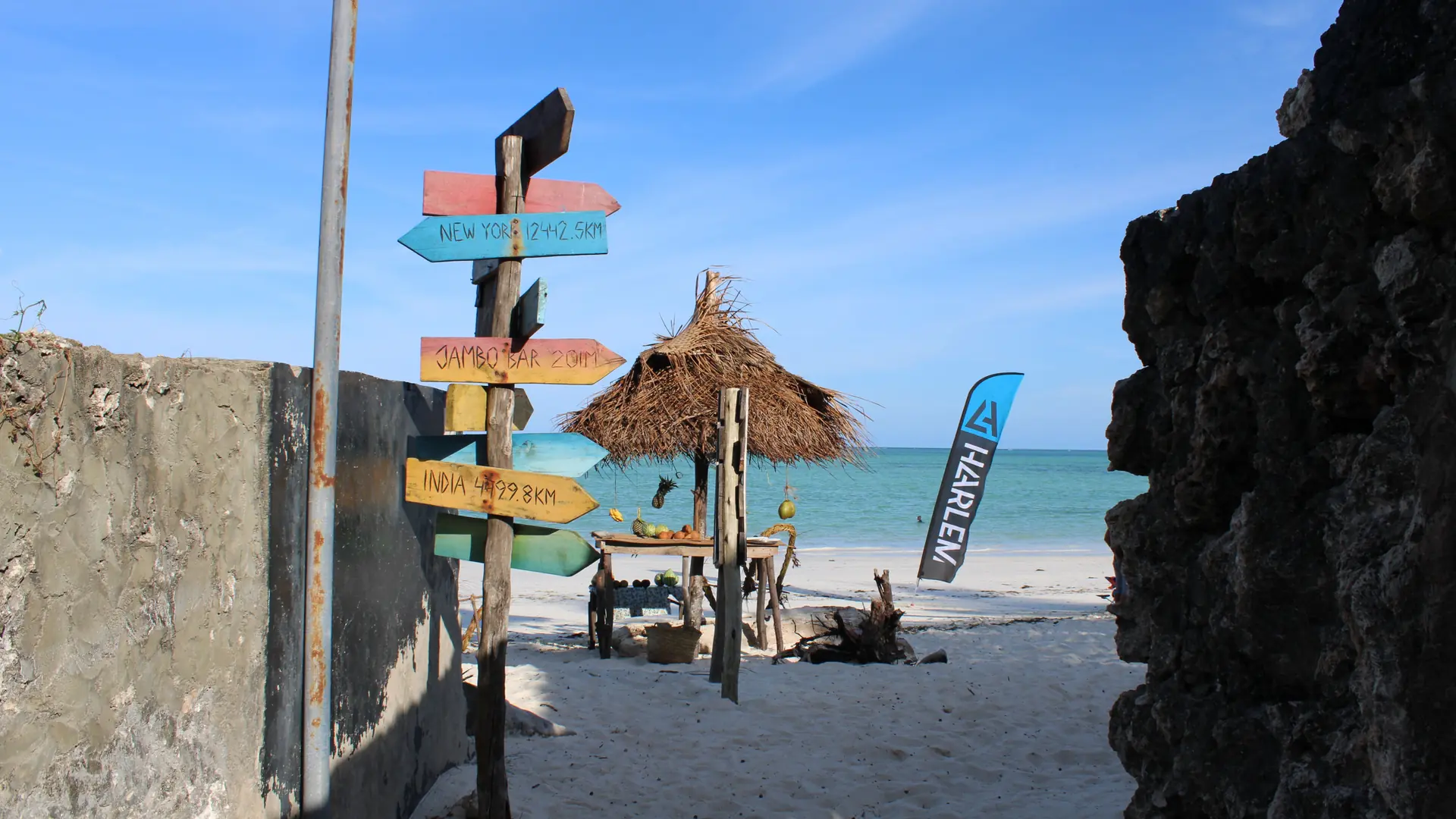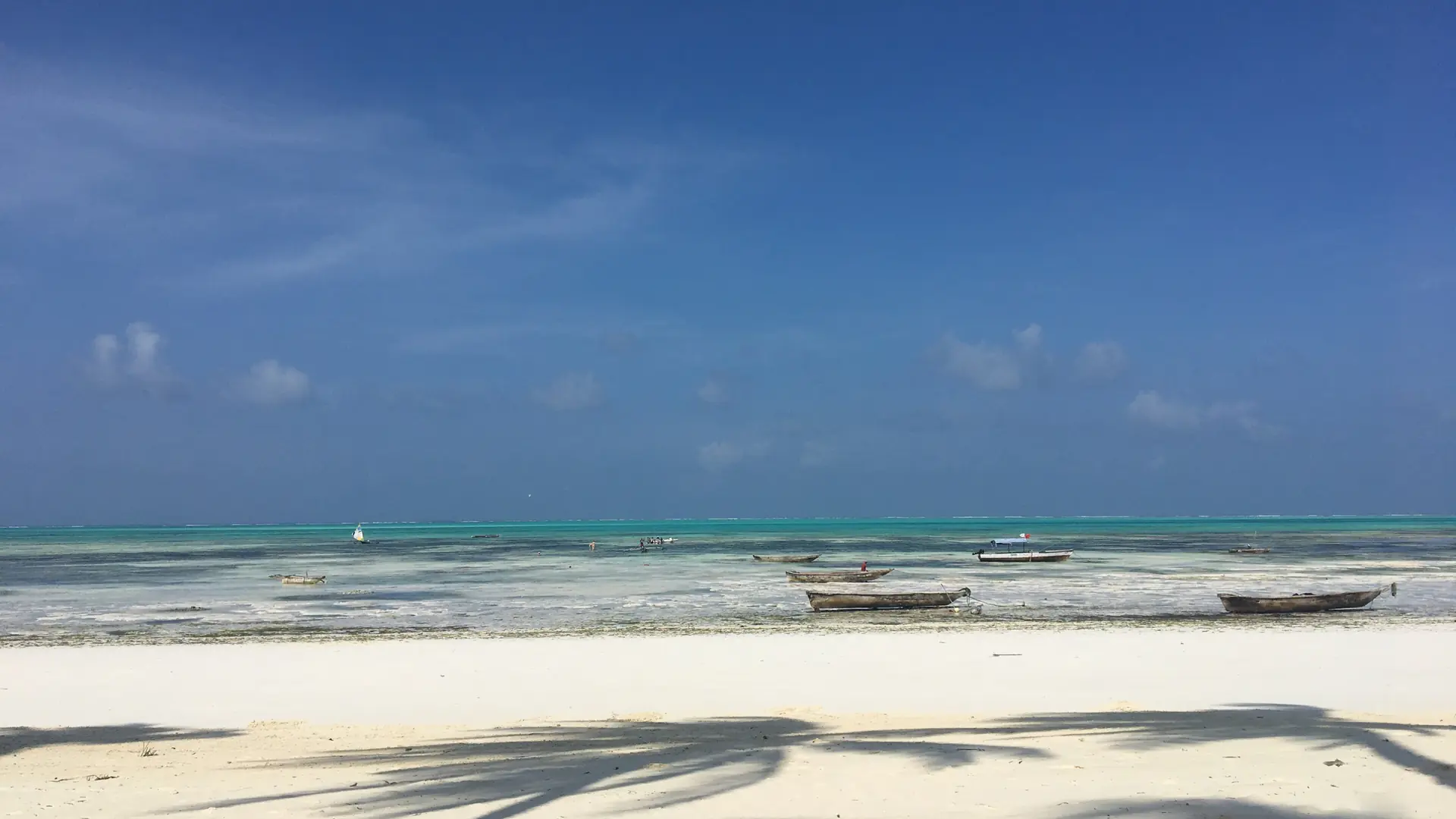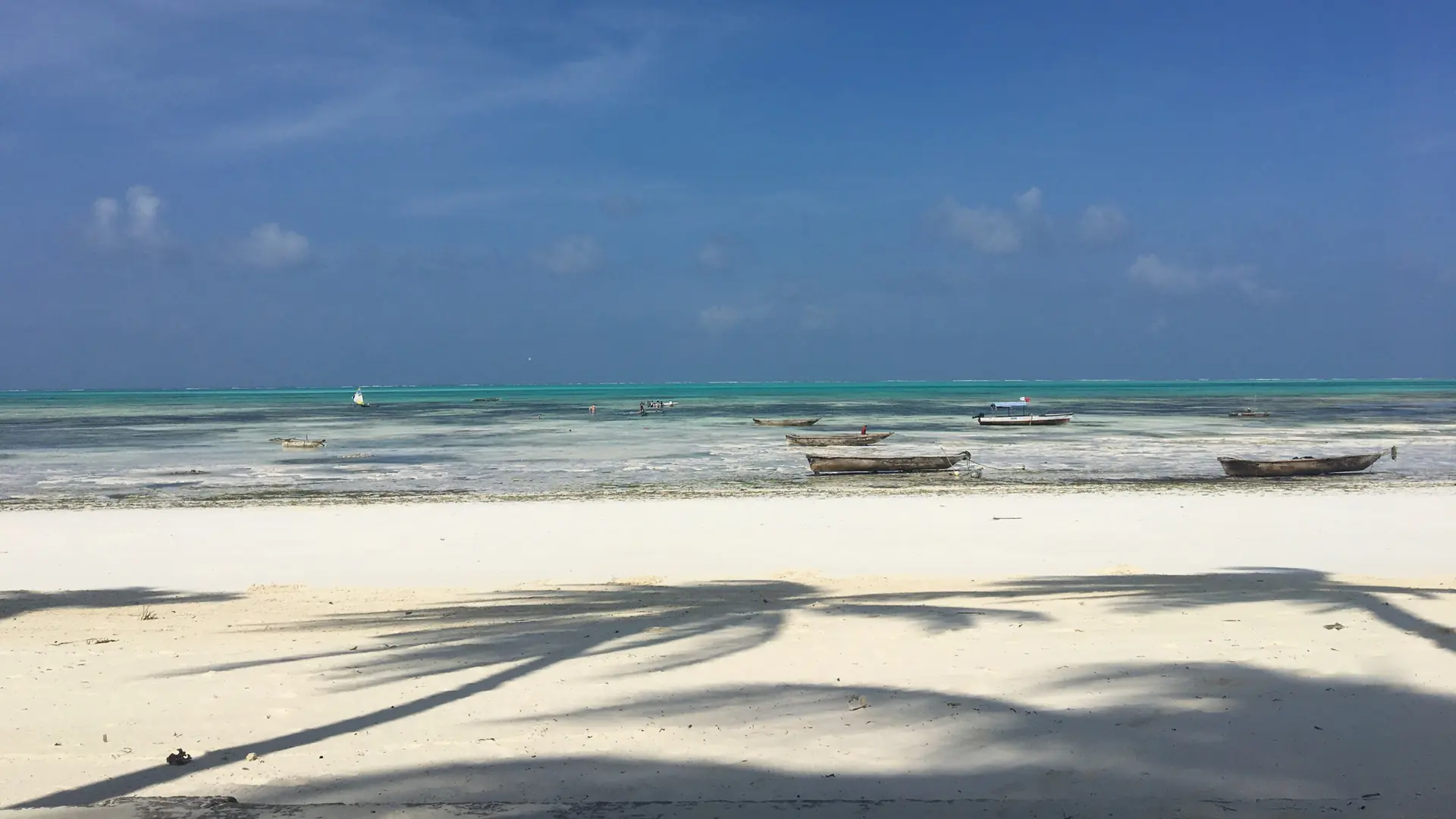
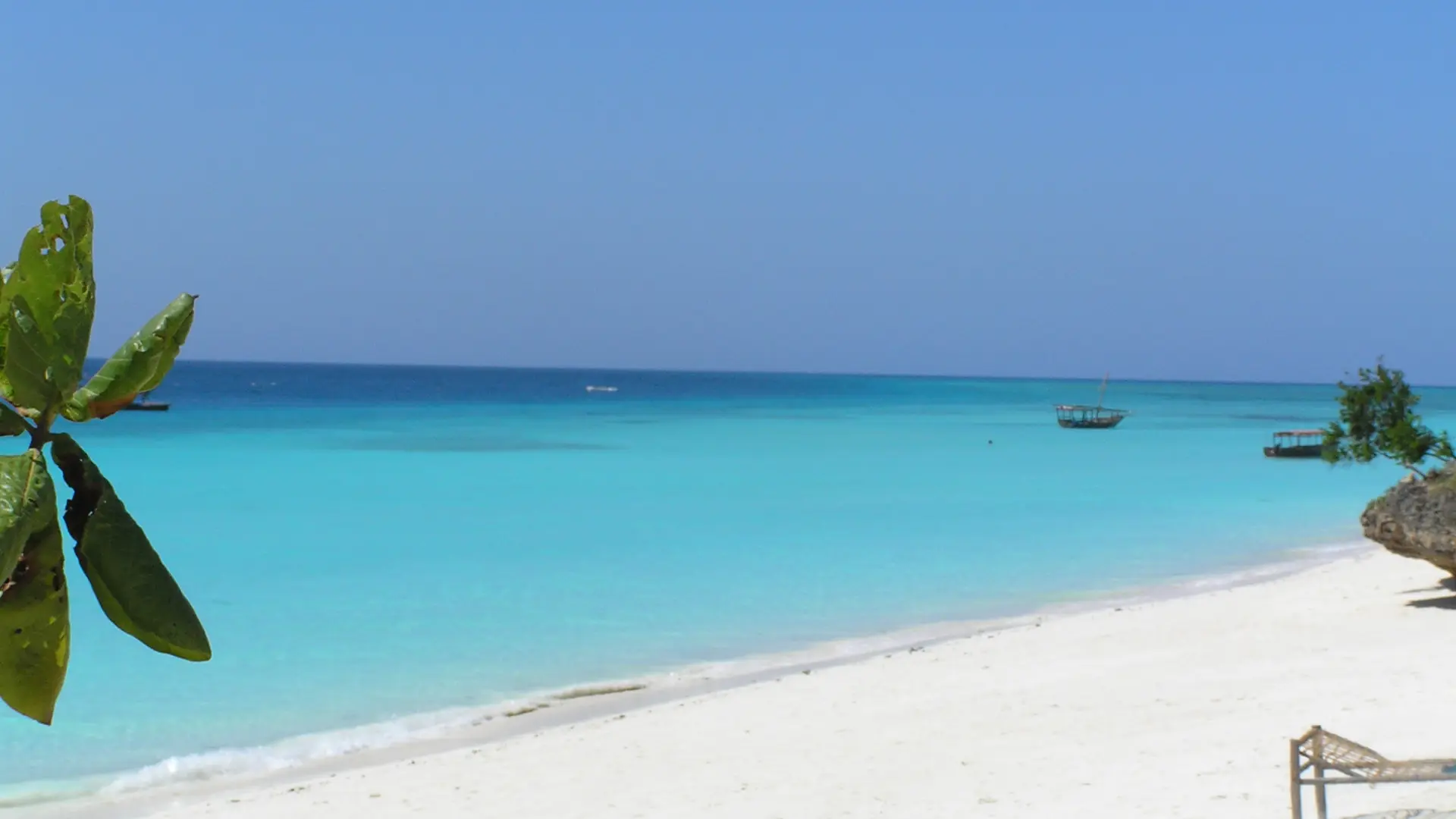
White Zanzibar Island beach beside clear turquoise water in bright daylight

Zanzibar Island: Which shore actually fits your holiday?

Loading Zanzibar Island hotel search

Pick a coast, then choose the hotel

A Zanzibar Island map can make Nungwi, Paje and Stone Town look like a neat triangle. In practice, each move uses a road day and changes what you can do after dinner or at low tide. A one-base beach week works when the sea routine is clear; add Stone Town if you want its markets and history, not merely because your flight lands nearby. The most useful booking screenshot is the hotel’s exact beach access at the tide and season you will travel. Check whether the room is on sand, behind a road or on a stretch that becomes an exposed flat for much of the day.

First beach base Nungwi

Choose the north if you expect spontaneous dips, boat options and several independent dining choices. Look at the precise cove and room frontage because “Nungwi” covers lively and quieter stretches.

Kite and lagoon Paje

The southeast shore offers a wide lagoon and kite schools. Ask a school about wind season, beginner zones and rescue arrangements; the same open beach can be an awkward swim at low water.

Village pace Jambiani

Stay here for a calmer southeast-coast rhythm and space to walk. Check the hotel’s location within the long settlement so a restaurant or dive pickup is not farther than expected.

Heritage night Stone Town

The compact historic core rewards walking and a guided explanation of its trading and slavery history. A room on a narrow lane may have stairs, limited car access or evening noise.

Winter and spring Useful, with different rain risks

January and February can support warm island days; March to May is the long-rain period. Keep boat plans flexible and check forecasts close to departure instead of buying a season label.

Summer Drier beach weather

June to September is a common first-trip window, with wind helping some water sports and affecting some boat comfort. The tide remains relevant in any month.

StartBooker answer

Where should I stay on Zanzibar Island for a first beach holiday?

Choose the coast before the hotel. Nungwi is the easier north-coast base if you want more flexibility around swimming and independent dinners; Paje suits kitesurfing and a tidal beach routine; quieter Jambiani asks you to plan around the water level. Stone Town is the useful first or final night for heritage streets, ferry arrivals and early flights, but it is not a substitute for an east-coast beach. If you have a week, one beach base plus a deliberate Stone Town night usually wastes less time in cars than changing shore every two days. Verify the exact beachfront access and current tides before paying.

North coast
Nungwi offers a more flexible beach-and-dinner routine than the strongly tidal southeast shore.
East coast
Paje and Jambiani face broad low-tide flats; choose them for the setting and plan swimming by the day’s tide.
Historic stop
Stone Town is a UNESCO-listed living town on Unguja’s west side, not the island’s main resort beach.
Arrival
Abeid Amani Karume International Airport serves Unguja; the beach hotel may still be across the island.
Island entry
Zanzibar’s mandatory inbound insurance is separate from the national visa process.
Rain planning
The long-rain period falls mainly March–May; weather varies and June–September is generally drier.

Things to do in Zanzibar Island, Tanzania

Explore tours, attractions and local experiences in Zanzibar Island, Tanzania.

Loading activities…

Activities provided by GetYourGuide. We may earn a commission on bookings.

AI-powered

Build a Zanzibar stay from its coast and tides

Start with your daily sea routine: easy swimming, kite lessons, quiet village time or Stone Town history. Add flight or ferry arrival and the exact beach hotel before choosing transfers.

Four island bases, four different kinds of water day

Stone Town solves a heritage and arrival question; Nungwi solves an easier swim-and-dinner question; Paje offers a kite and tidal-lagoon week; Jambiani buys quiet at the price of more tide planning. These are genuinely separate bases, not four interchangeable hotel filters. Even a short island map can hide a long road transfer, so changing coasts repeatedly should earn its place in the trip.

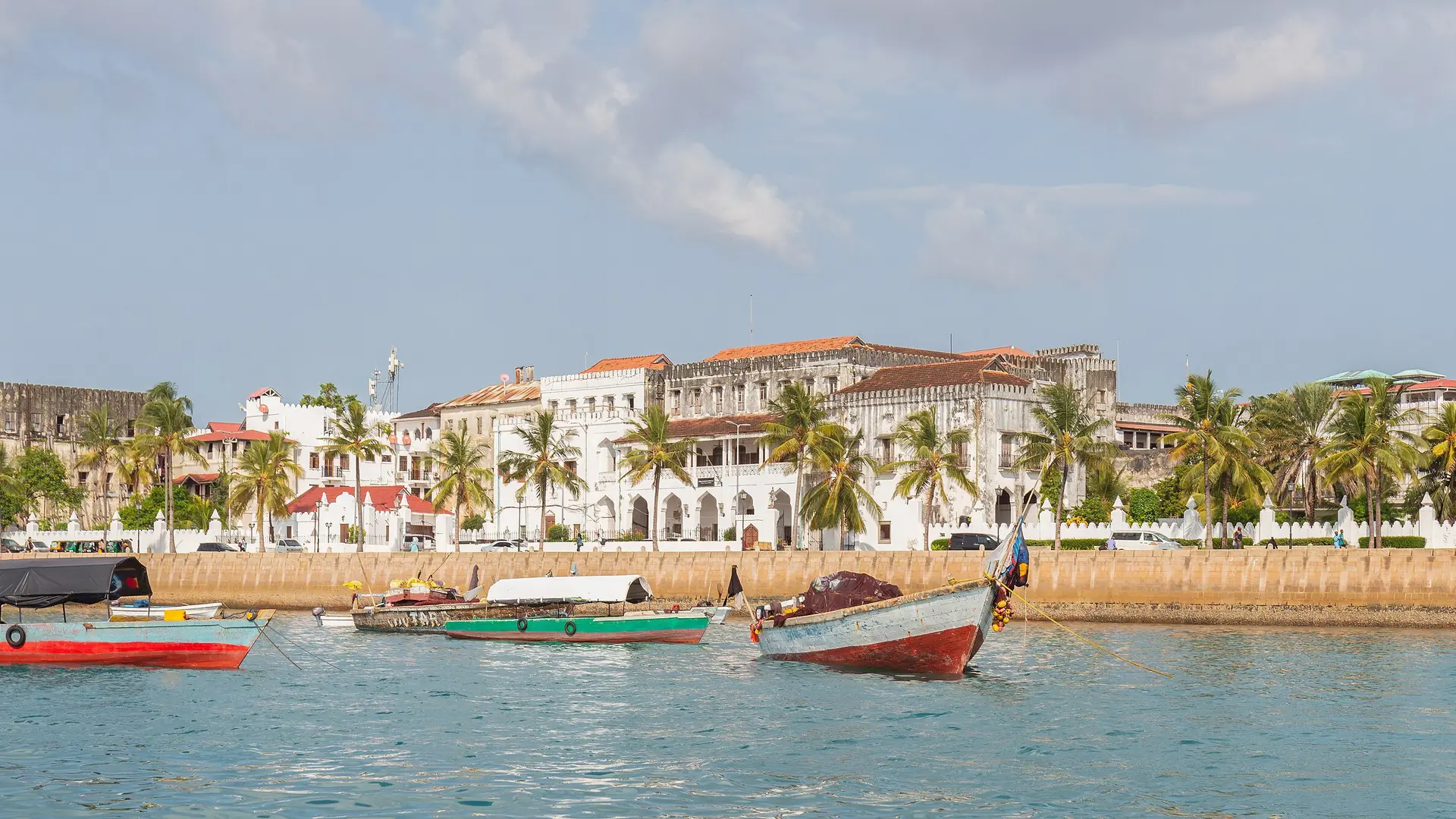
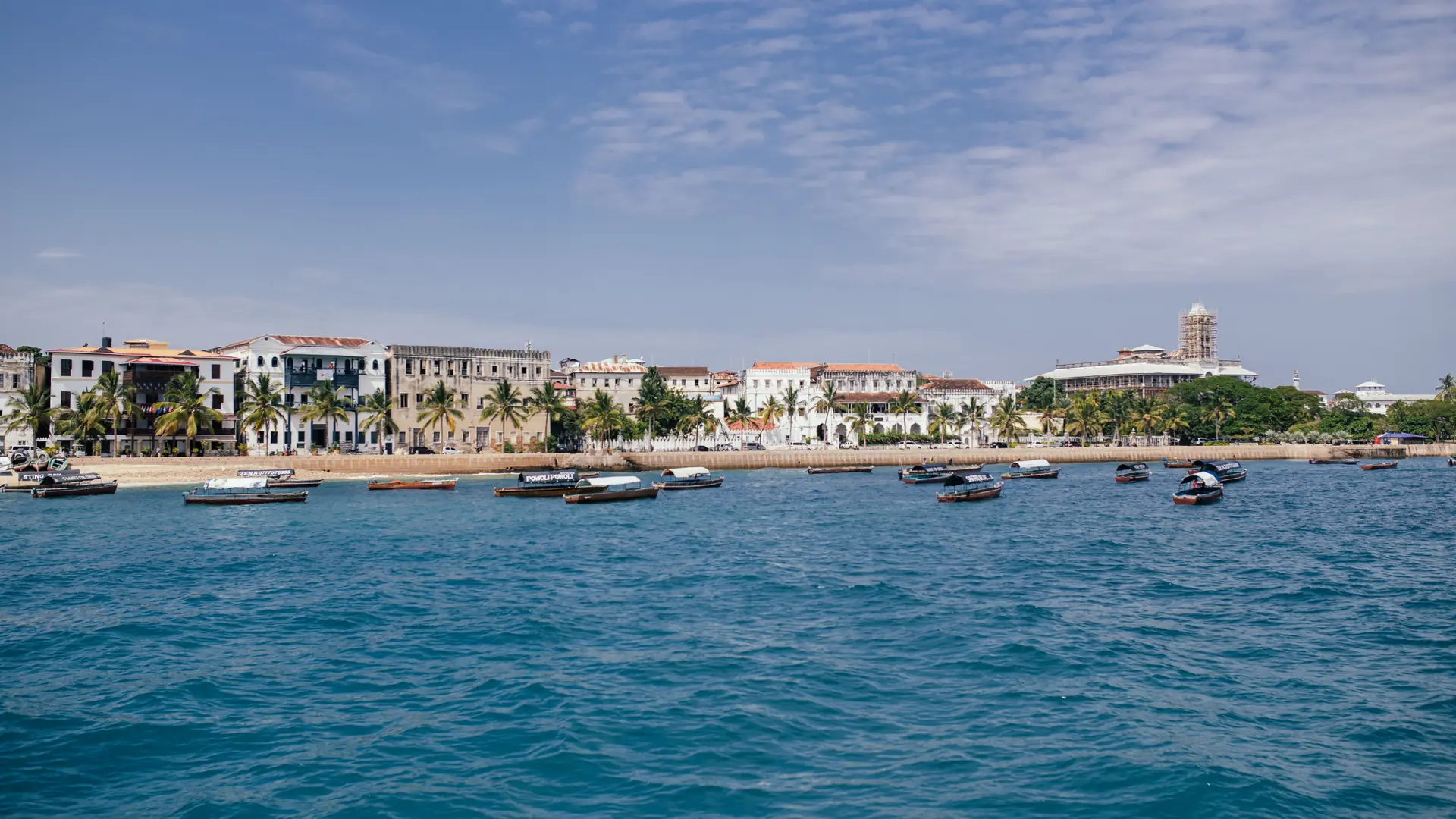
Stone Town waterfront and historic buildings under a bright sky

Stone Town

heritage walks, ferry arrivals and one-night orientation

The UNESCO-listed core is a working town, not an open-air resort. Stay here if you want to walk among carved doors, waterfront buildings, markets and the sites that explain the island’s trading and slavery history. A first-night room can simplify a late ferry or a city morning before the beach transfer. Look at the arrival gate: cars do not reach every lane, stairs are common in older houses and a sea-view rooftop can come with steps and evening activity. Do not book Stone Town as a “beach base” if your family expects daily sand and swimming.

culture historic
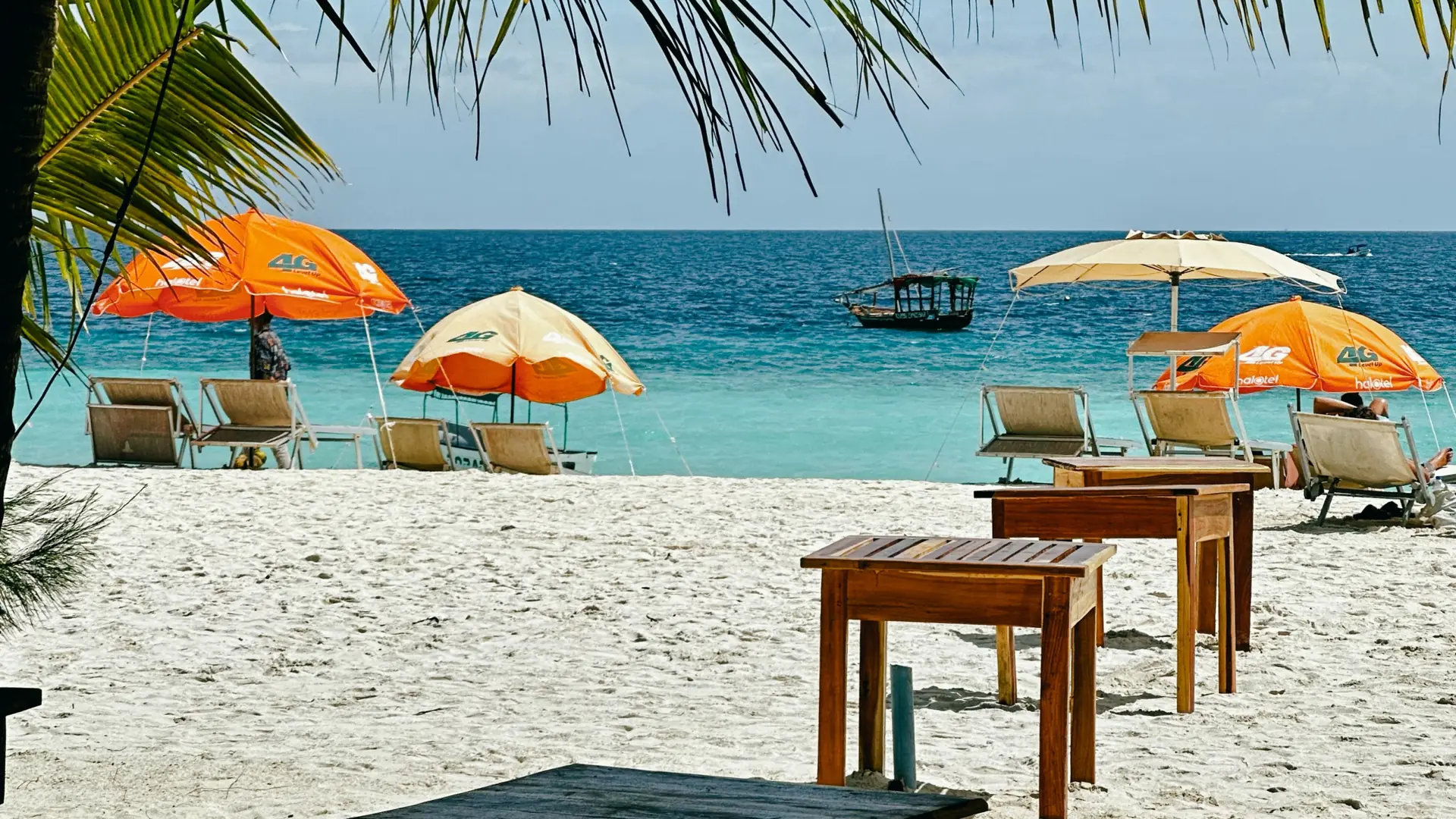
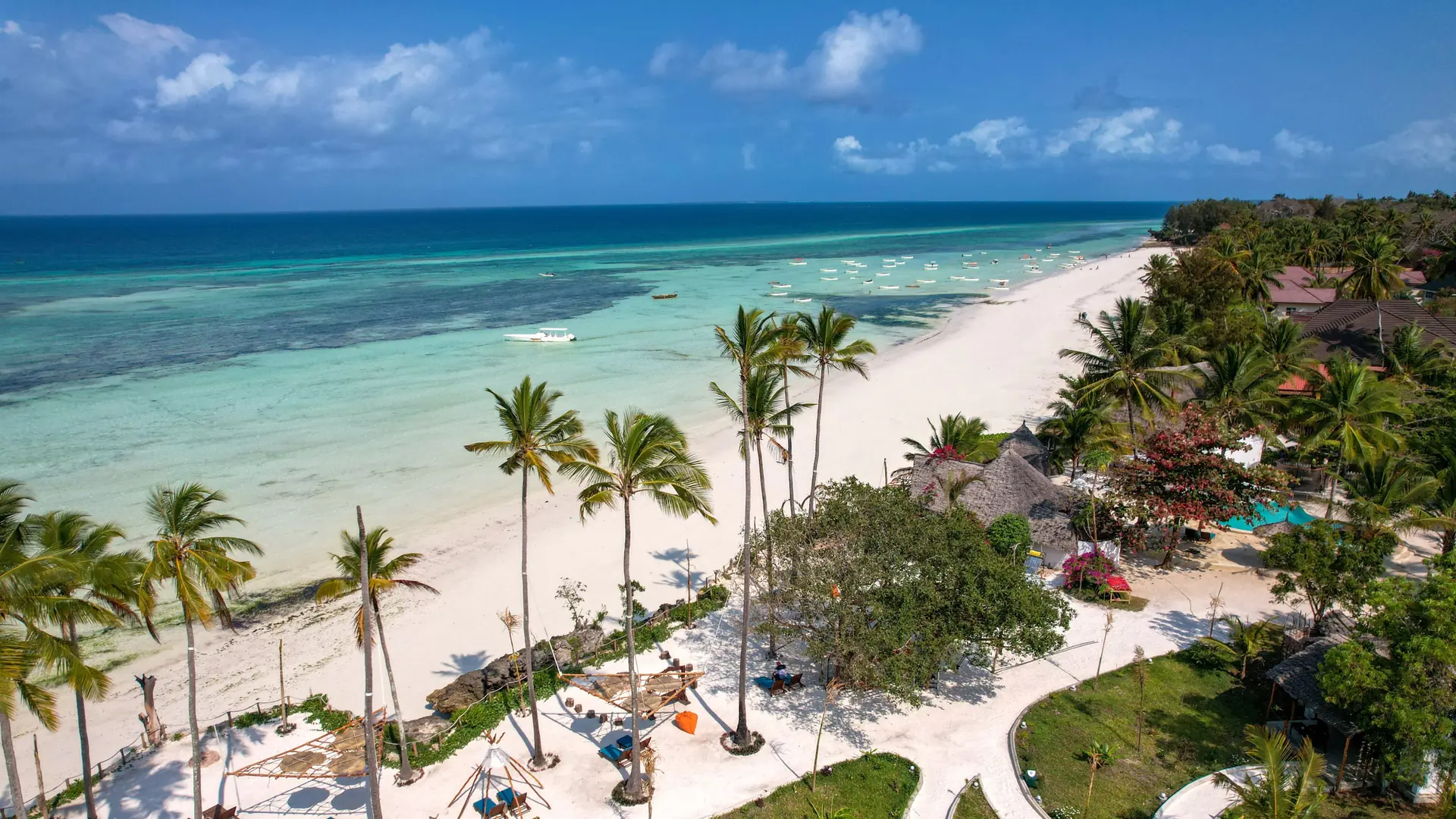
Sunny Nungwi shoreline with pale sand, turquoise sea and boats

Nungwi

flexible swimming, boat choices and independent dinners

The northern tip is often the simplest answer to the first Zanzibar beach booking. You can divide a day between water, a boat, a long beach walk and an evening meal without organising a cross-island driver. The popularity has a cost: busy stretches, sellers and music near some hotels. Inspect the exact cove, beach width and night noise. A north-coast label alone does not tell you whether the room has direct sand access or overlooks working boats. If you want sleep more than nightlife, choose the room position as carefully as the beach.

beach nungwi
Colourful Paje Beach sign beside the sea beneath a blue sky

Paje

kite lessons, broad white sand and a social east coast

Paje’s appeal is the open lagoon, long pale beach and water-sports community. It makes sense if you intend to learn or practise kitesurfing, or if you enjoy watching the shore change with the tide. At low water, a hotel that looks beachfront in a photograph can face a broad exposed flat. Wind that helps a kite lesson may also make a lazy swim less inviting. Compare school safety and rescue rules, walkability to restaurants and where lessons launch; do not assume a room named “beachfront” has all-day deep-water swimming.

beach paje
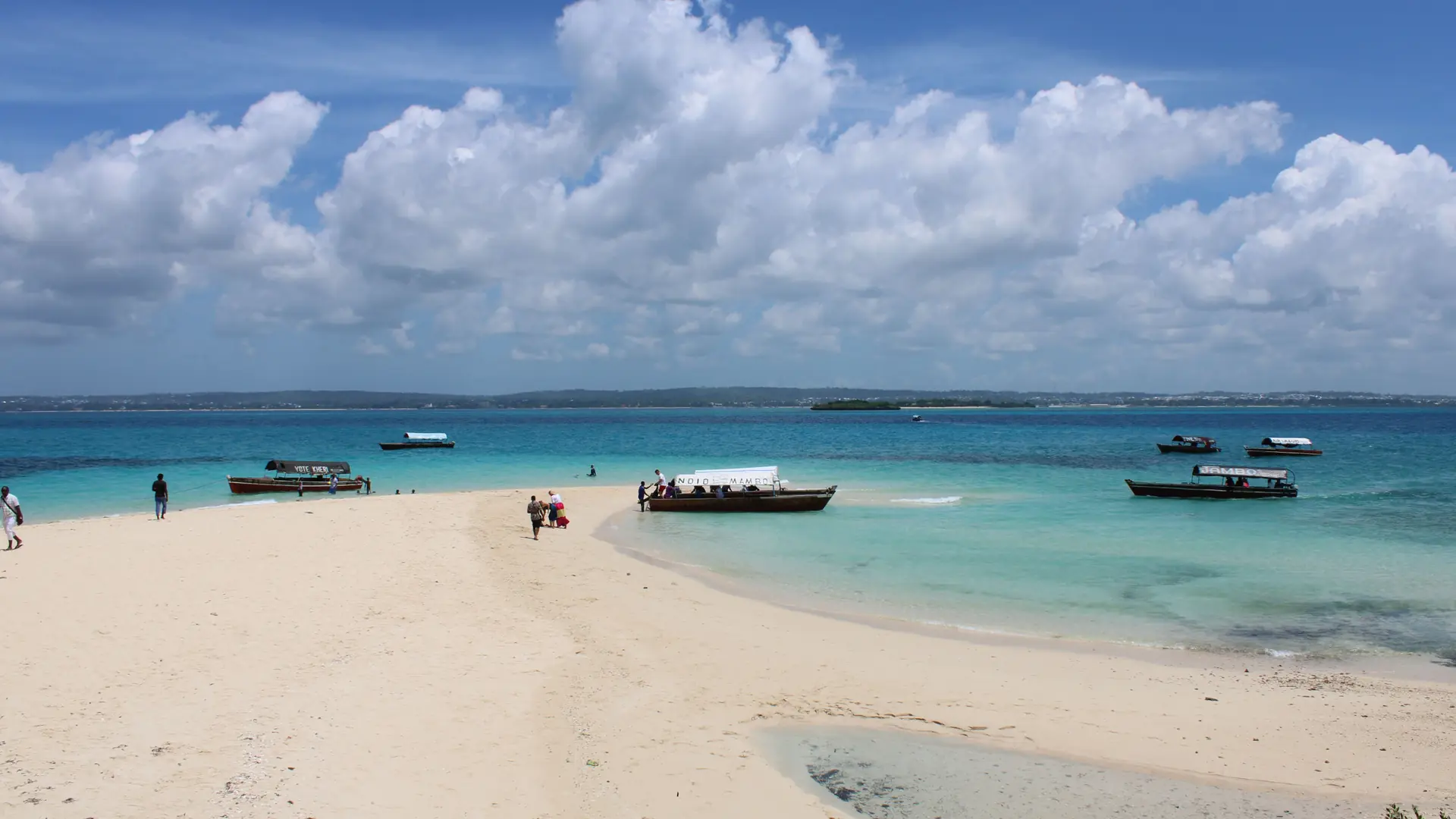
Jambiani beach at low tide, with pale sand and shallow sea

Jambiani

a quieter long beach and village-scale days

Jambiani lies along a long southeast-coast shoreline rather than around one compact square. Its appeal is a slower village setting, seaweed farms and room to walk. The same tide that gives the coast its striking colours also means you should plan swimming around water level, not room price. Decide which part of the settlement suits your restaurant, dive or taxi plans; a bargain at the wrong end can require repeated rides. Respect working shoreline spaces and ask before photographing residents or seaweed harvesters.

beach jambiani
Choose by the day you want to repeat
Traveller Recommended area Features Watch out
Stone Town

heritage walks, ferry arrivals and one-night orientation

Choose Stone Town when history or ferry logistics deserves an unhurried half-day or more.

Historic streets mean limited car access, occasional noise and less practical swimming than a dedicated coast base.

Historic core on foot; a road transfer is needed for beaches.
Nungwi

flexible swimming, boat choices and independent dinners

Choose Nungwi if easy beach use and dining choice matter more than village quiet.

This popular base can feel busy, and a “Nungwi” address may place you away from the shore you pictured.

Walk to nearby restaurants; book a car for the city or eastern coast.
Paje

kite lessons, broad white sand and a social east coast

Choose Paje if your week includes kite time or you like an active tidal shoreline.

The sea can retreat far and wind can change the feel of a beach day.

Beach and kite schools on foot; airport and northern coast need planned rides.
Jambiani

a quieter long beach and village-scale days

Choose Jambiani if a quieter village stay matters more than nightlife or spontaneous boat choice.

Restaurant choice is more spread out and swimming windows change with the tide.

Long village shore; check exact hotel position before relying on walking.

Build the stay around your actual purpose

A traveller who wants three kite lessons and a traveller who wants easy family swims should not book from the same “best Zanzibar hotels” list. These six scenarios show where to start, which condition to verify and when to choose another coast.

A first beach week without daily transfers

Use Nungwi as one north-coast base, then decide whether a Stone Town night adds enough history to justify moving luggage. For most first trips, a full beach stay plus one city day is calmer than a hotel change every two nights.

AlternativeA Jambiani base suits travellers who prefer village evenings to central Nungwi.

A kitesurfing week with room for no-wind days

Choose Paje for a specialist school and an open launch area, then verify the school’s beginner zone, equipment, rescue and wind policy. Hold one flexible day for Stone Town or a forest visit when lessons do not run.

AlternativeNungwi is a better shared base if swimming matters more than kite access.

Stone Town history and market food before the beach

Give the UNESCO core its own walking time rather than treating it as an airport photograph. Build a route through the waterfront, Old Fort, market area and a responsibly interpreted slavery-history site, then transfer to the coast.

AlternativeA coast base with an early guided city day can avoid an extra check-in.

A slower east-coast village stay

Jambiani suits travellers who are content to walk a long shoreline, adapt swims to high water and make dinner plans near their specific hotel. Ask how the property handles taxi pickups after dark.

AlternativePaje gives a more social east-coast base while keeping the tidal landscape.

A family beach stay with realistic water access

Ask whether children will swim from sand, steps, a pool or a boat, and at what tide. A north-coast property may be simpler for repeated water sessions, but the actual shoreline and shade matter more than the district name.

AlternativeKeep a Stone Town visit short and child-paced rather than combining it with an airport transfer.

A short island stop after a safari

For two or three nights, select one coast and protect the first afternoon from a complex transfer. Nungwi works for a straightforward beach finish; Stone Town works if the next flight or ferry and city walking are the priority.

AlternativeStay near the transport hub if an early departure dominates the final morning.

Compare Zanzibar Island hotels by the exact shore

Open the property map and current facilities, then match the hotel beach to your preferred tide, evening routine and airport ride.

Compare Zanzibar Island hotels →
Loading Zanzibar Island hotels

Arrive on Unguja, then finish the last journey deliberately

Abeid Amani Karume International Airport serves Unguja, while Dar es Salaam ferries reach the western city waterfront. Neither arrival point is a promise that a north or east-coast hotel is nearby. Book the transfer to the exact property, not just “Zanzibar”; check luggage, pickup sign and the final road or foot approach. A ferry timetable or flight connection can change, so use the operating company for the current departure.

Airport arrivals need the hotel’s real coast and entrance

Separate flight arrival from the beach transfer

Zanzibar airport lies on the island, but Nungwi, Paje and Jambiani sit on different coasts. Ask the hotel for its current road time range and a named meeting point; build a buffer for immigration, bags and traffic.

Confirm the insurance before travel

The Zanzibar Insurance Corporation operates a mandatory inbound cover process separate from a national eVisa. Apply through its linked official portal and check eligibility, fee and document instructions close to departure.

Keep the first night simple after a late landing

A late flight can make an unfamiliar coast road feel longer. If your priority is Stone Town, use a city night; if it is beach recovery, arrange a direct hotel pickup instead of an unplanned taxi negotiation.

One coast is walkable; the whole island is not

Treat coast changes as excursions

A Nungwi room does not put Paje’s kite beach around the corner. Reserve a driver for a deliberate cross-island outing and agree on the return, stops and total fare before leaving.

Use local transport with the right luggage expectation

Dala-dalas are part of ordinary island travel, but a crowded shared vehicle is not the easiest first transfer with bags, children or an evening arrival. Ask your host which route and stop actually serves the property.

Walk Stone Town from a known drop point

The historic core is built for foot exploration, and many narrow lanes do not permit a car to stop at a guesthouse door. Save the property’s entrance directions and carry only what you can manage over uneven paving.

Check operators for boats, parks and ferries

Use Azam Marine for the current ferry product

Choose the exact Dar es Salaam–Zanzibar sailing, baggage rules and check-in cutoff on the operator’s current site. Build a weather margin into a same-day flight connection instead of assuming a ferry is an airport shuttle.

Check a Jozani visit with the responsible park channel

Red colobus habitat is a conservation setting, not a guaranteed close encounter. Confirm the current entrance, guide and opening information before making it the centre of a cross-island transfer day.

Ask a Mnemba boat seller which water area is included

Atoll trips differ in launch beach, marine rules, safety equipment and the part of the reef visited. The private island itself is not the same product as a snorkelling trip around the atoll.

Check the continuous route, not just the hotel room

Verify access from vehicle to Stone Town lodging

Coral-stone historic houses and narrow lanes can combine stairs, uneven thresholds and distant vehicle drop points. Ask for photos of every step from car to bed and a luggage-assistance plan.

Inspect the beach approach at the right tide

A level room can lead to soft sand, a step at the sea wall or an exposed tidal flat. Request a current path and bathing-point video, plus a clear answer about accessible toilets and pool alternatives.

Winter, spring and summer change the beach decision

Zanzibar is warm enough for travel across the year, but “summer island” photographs hide two practical variables: rainfall and the daily tide. Official climate material shows a long-rain period mainly in March–May and generally drier conditions from June into September. The east coast still empties at low water in any season; wind can make a boat or kite day better for one traveller and less comfortable for another. Build weather flexibility into activities rather than promising identical beach days every month.

Choose dates by rain risk and the activity you value

Winter: warm days with room for change
  • January and February can make an appealing island break. Keep a light rain plan and compare the exact coast’s wind and tide; do not treat a sunny annual average as a guarantee for a particular boat morning.

  • Spring: distinguish early March from the long rains

    March to May is the main long-rain period in official climate summaries. Some travellers still find pleasant gaps, but a short non-refundable trip built around several sea excursions has less resilience. Ask each operator about cancellation and keep culture or cooking days available.

  • Summer: plan for generally drier weather and wind

    June to September is a practical first-trip window for many beach and city plans. Trade winds may support kite activity but also influence sea state; check local conditions before committing to a small-boat itinerary.

Compare the full island day, not a nightly room rate

Add the arrival and coast transfers
  • A cheap beach room can lose its advantage through repeated drives to Stone Town, the airport or a second coast. Price the exact route for your group and luggage before taking a remote bargain.

  • Count what the beach hotel actually provides

    Ask whether breakfast, drinking water, shade, pool use and the named beach access are part of the room. A property beside a public path may still require paid excursions for the water day you pictured.

  • Treat the insurance fee as a separate entry line

    The island’s mandatory inbound insurance is independent of your ordinary travel cover and national visa position. Use the current official amount and conditions at payment time; do not rely on a copied quote in a hotel listing.

Is Nungwi or Paje better for a first Zanzibar Island trip?

Choose Nungwi if easier swimming flexibility and independent dinners are your main tests. Choose Paje if kite lessons and a wide tidal lagoon are the purpose of the trip. In either place, the exact hotel frontage matters more than the district label; request a recent low-tide view.

Can I enjoy Zanzibar Island in January or February?

Yes, many travellers can plan a warm island stay then, but winter is not a guaranteed rain-free or wind-free promise. Check the current forecast, sea conditions and your beach’s tide before fixing boat days.

What about March, April and May?

These months include the main long-rain period. A flexible, longer stay can still find useful beach time; a short trip with fixed boat excursions carries greater weather risk. Confirm the hotel’s operating status and each operator’s change policy.

Do I need both a Tanzania visa and Zanzibar insurance?

Visa rules depend on nationality and are handled through Tanzania’s immigration system. Zanzibar’s mandatory inbound insurance is a separate island requirement. Check both official channels before travel and keep the issued documents accessible.

Should I sleep in Stone Town or visit from the beach?

Sleep in Stone Town when you want an unhurried evening and heritage morning, or when ferry or flight logistics make that sensible. A day visit from one beach base may be enough if moving hotels would consume your short holiday.

Can I visit Nungwi, Paje and Jambiani from one hotel?

Yes by arranged road transport, but repeated cross-island outings eat into beach time. Treat the other coast as one planned excursion, not a daily commute; choose your main base by the day you want to repeat.

Zanzibar Island sources and editorial method

Reviewed by StartBooker editorial team Travel editorial research and rewrite

Last reviewed 2026-09-27

Updated

Editorial method: Ten source records from ten publishers were reviewed, including eight first-party heritage, airport, ferry, immigration, insurance, climate, conservation and statistics records plus Lonely Planet and Rough Guides for traveller-question discovery. 2025–26 demand signals include current independent coverage and the 2025 national arrivals survey; no Zanzibar keyword volume is claimed. Variable fees, departure times, wind and tide are deferred to the responsible operator. This original island-level comparison was checked against the separate destination guides to avoid repeating their street-level detail.

10 sources reviewed

Primary sources
  • Revolutionary Government of Zanzibar
  • Zanzibar Airports Authority
  • Zanzibar Insurance Corporation
  • Tanzania Immigration Services Department
  • UNESCO World Heritage Centre
  • Tanzania Meteorological Authority
References
Photo credits

Some photos provided by Pexels.

Which Zanzibar beach matched its booking photos at low tide?