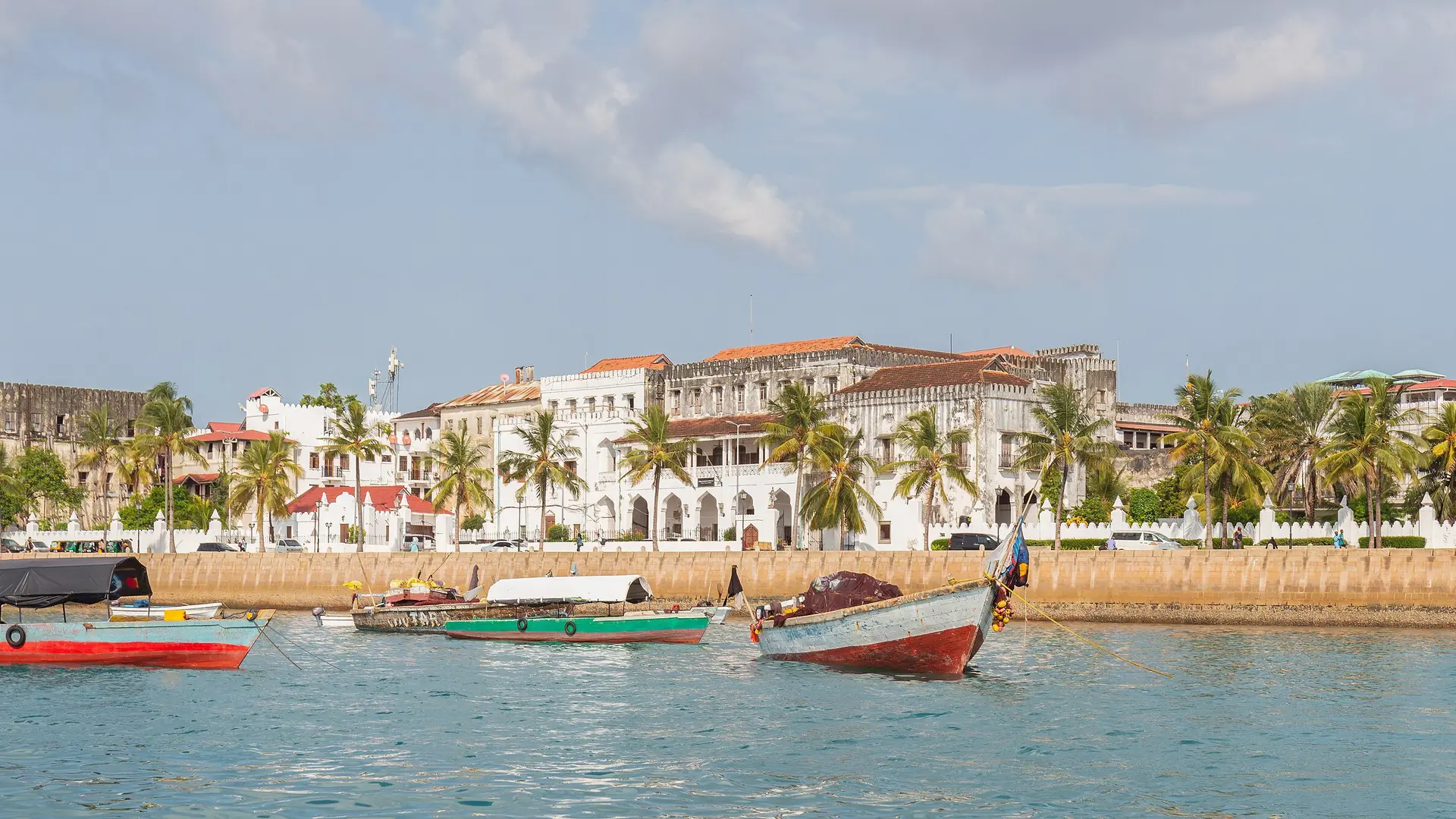
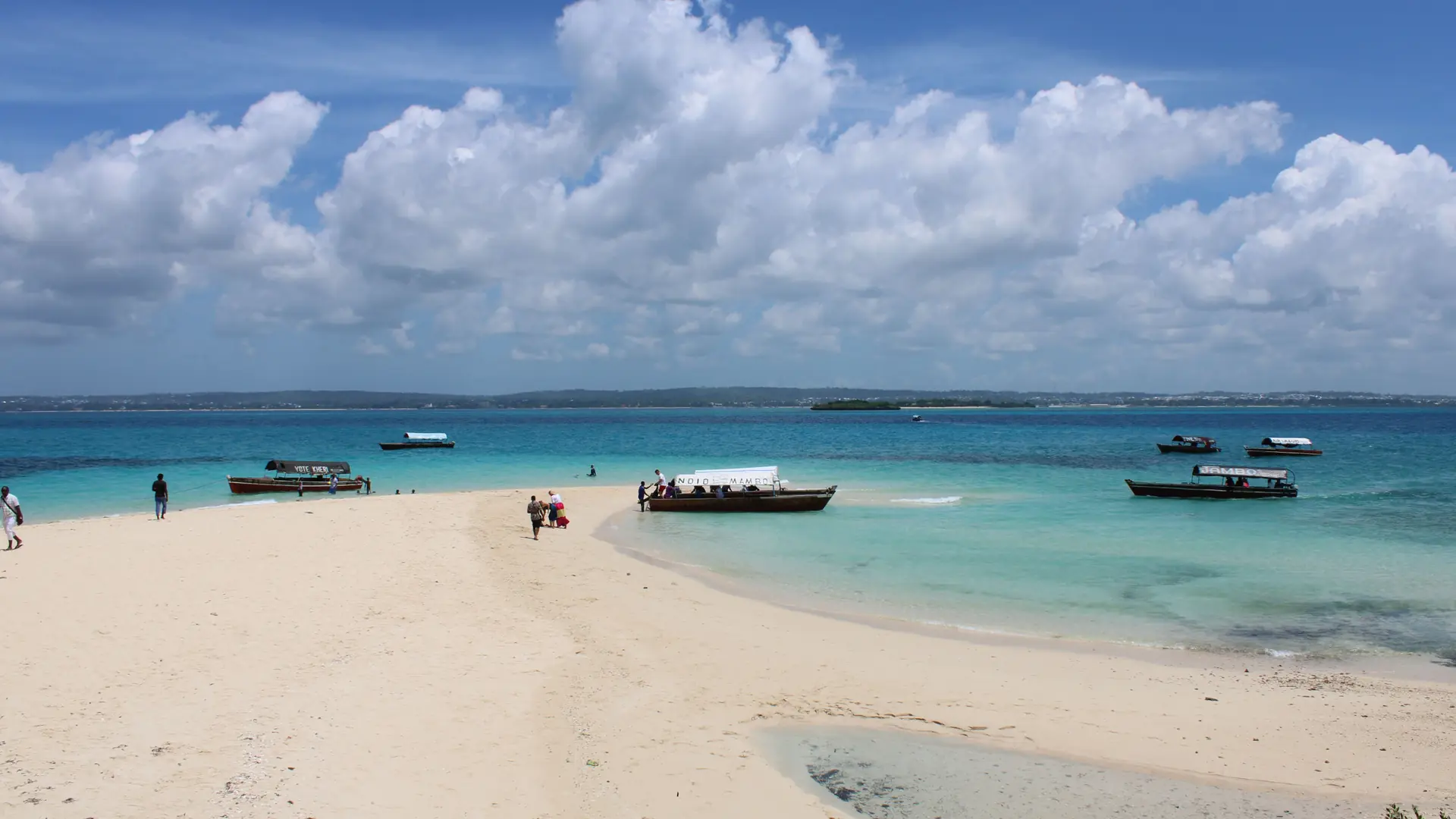
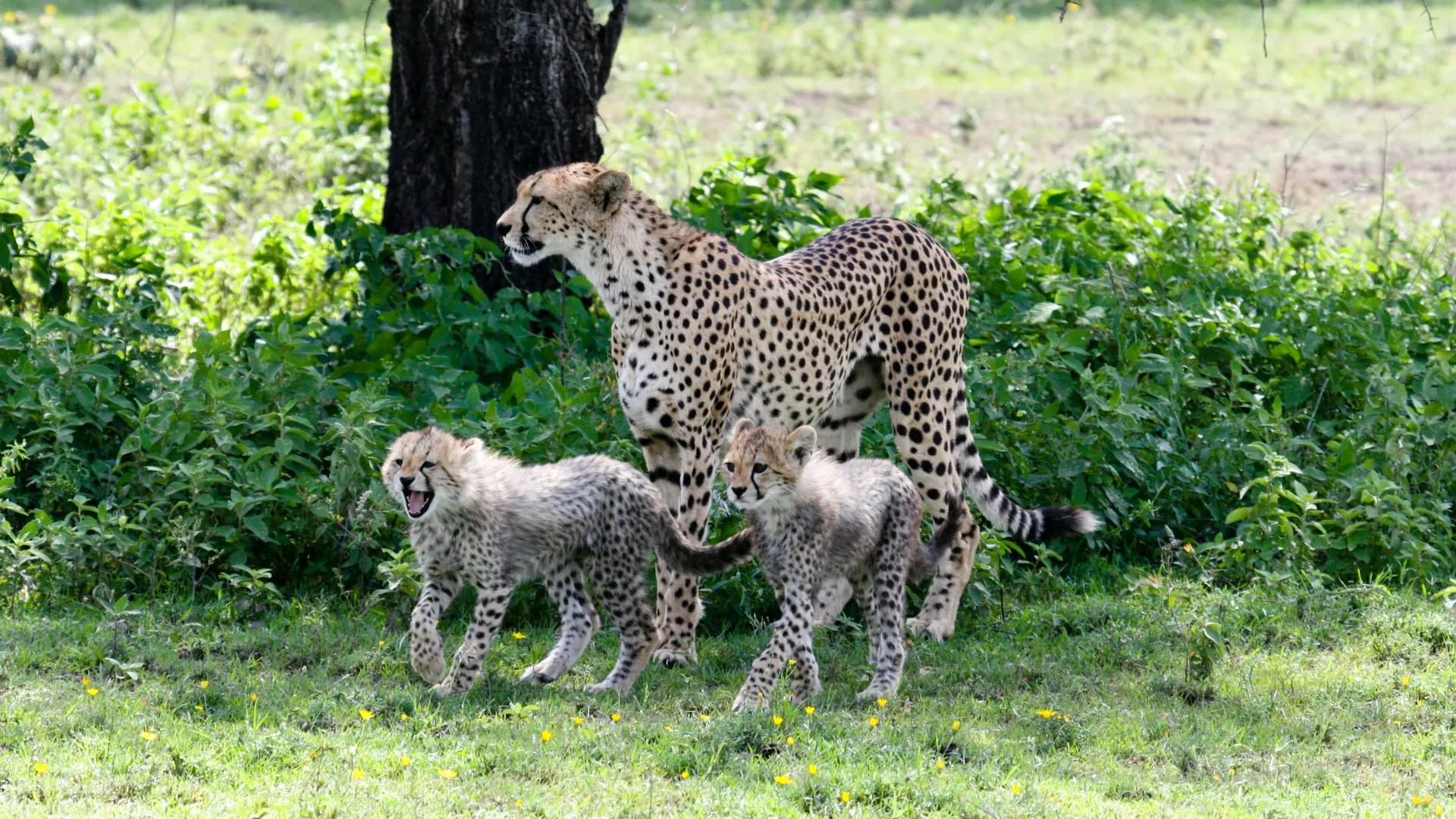
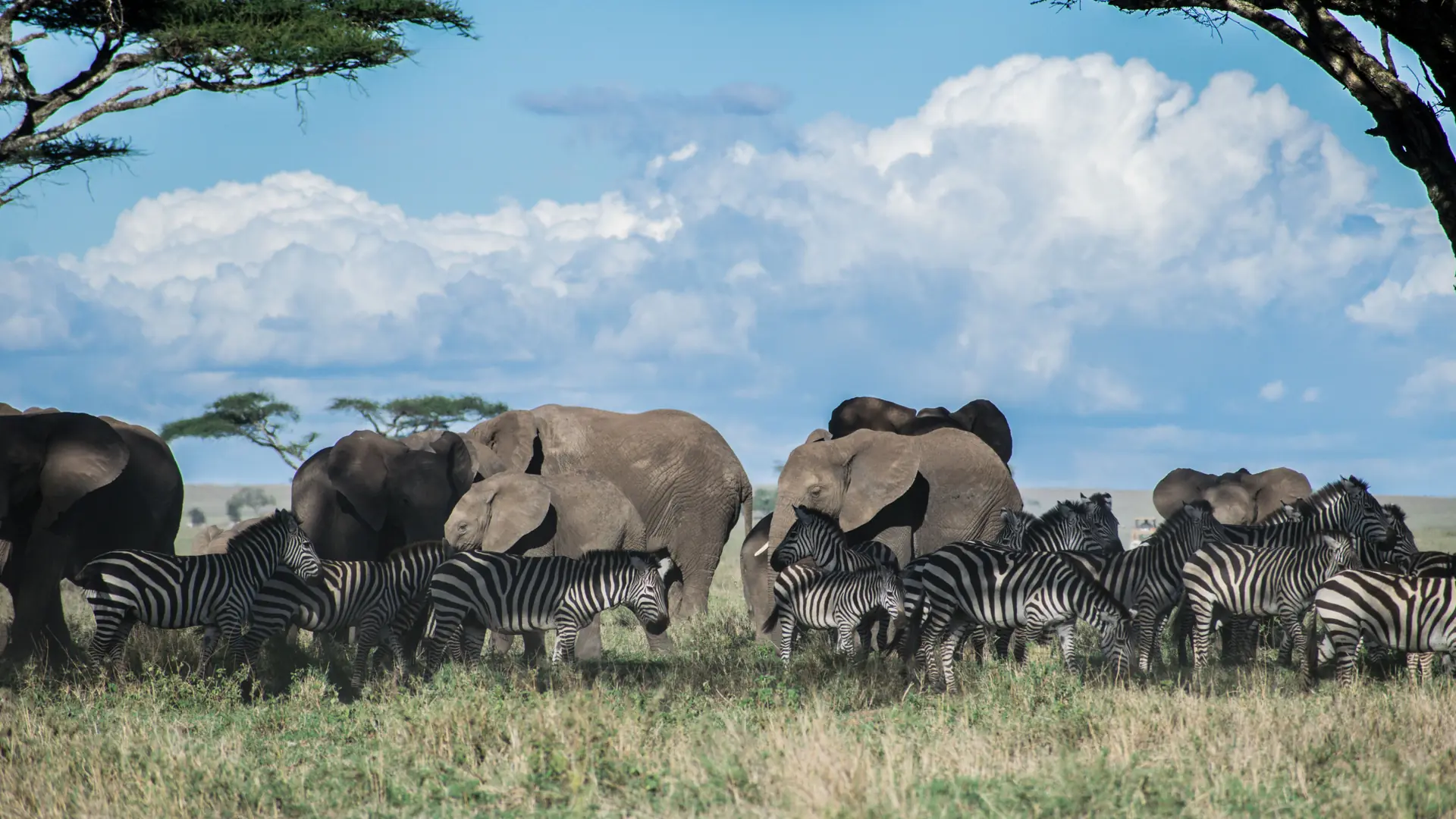
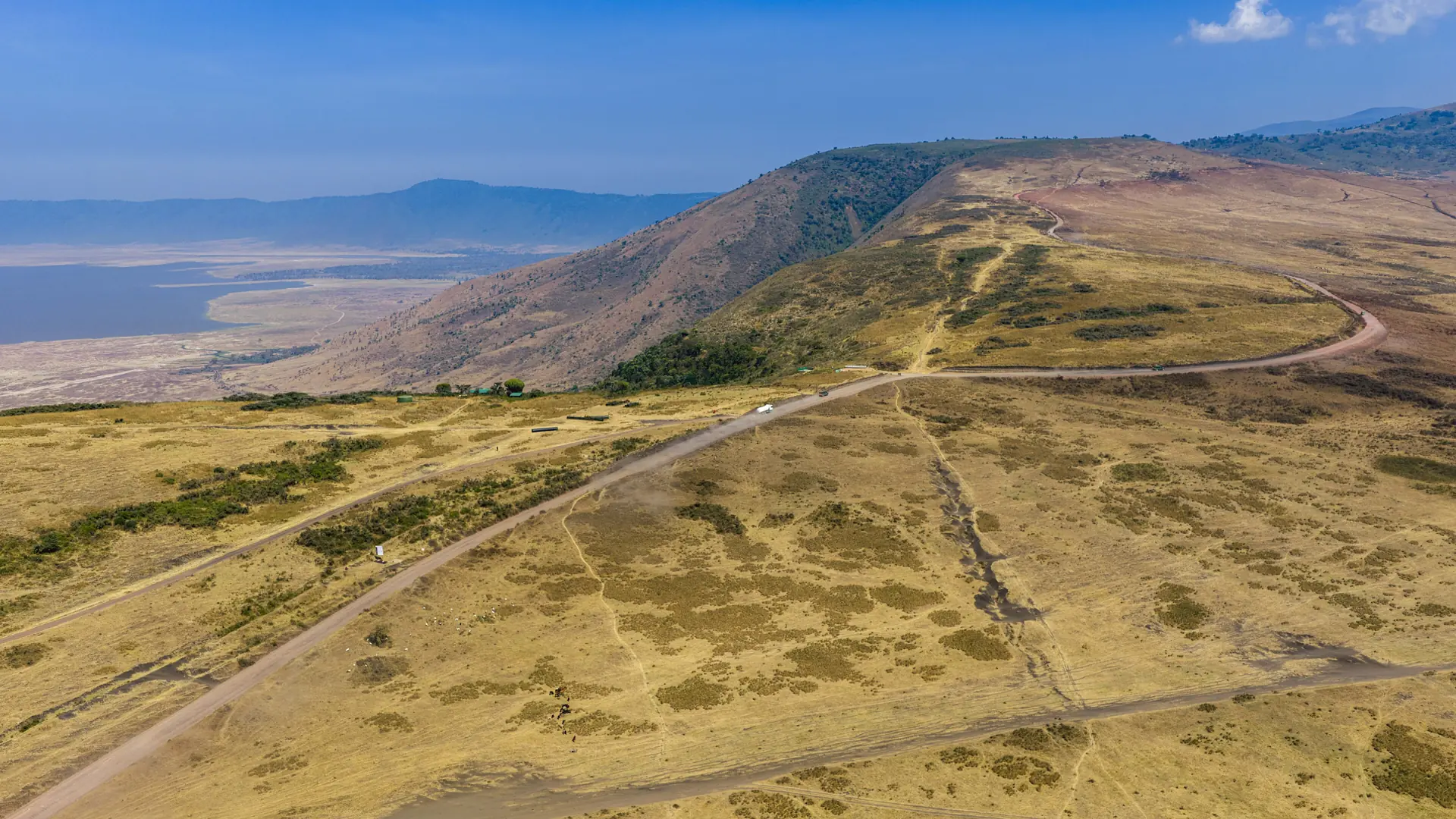
Arrival is not a safari day
JRO transfers, immigration and luggage use the first day. Sleep in Arusha and meet the actual driver before asking the vehicle to cover a park and another hotel.
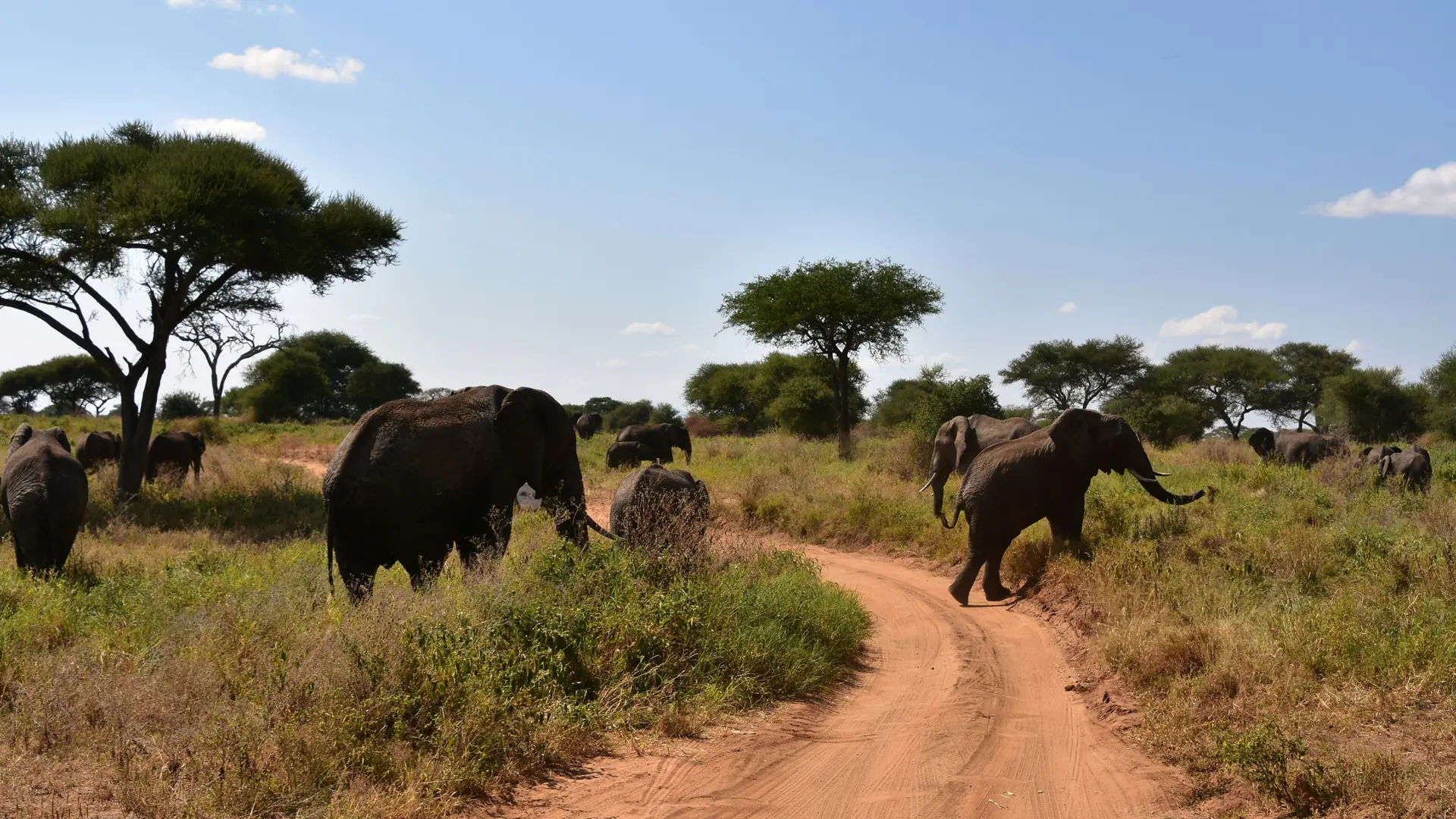
Sleep once in Arusha, twice in Karatu and three times near Seronera. Tarangire, Ngorongoro and central Serengeti get separate jobs; the final airstrip flight is a travel day.
A northern safari can absorb money and daylight faster than a glossy route diagram suggests. This week gives the three major landscapes distinct roles. Tarangire can introduce baobabs and elephant habitat during the westbound move from Arusha, Ngorongoro gets a dedicated day from Karatu, and central Serengeti receives two unhurried full days after the long drive. There is one Arusha arrival night, two Karatu nights and three Seronera-area nights. The seventh day is a flight out from the Serengeti airstrip. A reader planning to return by road to Arusha should add another day or cut a park; the arithmetic does not stretch.
The route is feasible only when the operator prices it as a real vehicle itinerary. Ask where the first safari vehicle collects you, who drives on each leg, whether the same guide stays with you, and what happens to luggage on the airstrip day. TANAPA runs Tarangire and Serengeti; the Ngorongoro Conservation Area Authority handles its own permits and crater arrangements. A package that says “park fees included” should still name the specific conservation entries, crater vehicle or descent charges, accommodation, meals, airstrip transfer and domestic flight. TANAPA's public tariff page was displaying a 2023/24 validity label when checked in September 2026; old numbers should not be promoted as current prices.
Tarangire on day two is a substantial drive, not a quick photo pause. TANAPA estimates about two and a half to three hours from Arusha to the park, and the day still needs game-drive time and a journey onward to Karatu. If an arrival delay or the group’s stamina makes that too heavy, move directly to Karatu and use the daylight for a calmer start. The Ngorongoro day then merits its own early departure and return to the same bed. UNESCO recognises the site for both ecological and cultural value. A guide should explain the caldera and conservation landscape without promising the “Big Five” or photographing residents as attractions.
Day four's Karatu-to-Seronera journey passes through the conservation-area corridor before the Serengeti. It is a long transfer with possible wildlife en route, not a full Serengeti game day. Three nights near central Seronera pay for themselves by leaving days five and six for drives that can respond to conditions. The annual migration covers a huge ecosystem and shifts with rain and grazing. Central Serengeti offers resident wildlife, but a booking cannot guarantee the giant herds on any precise date. If a specific calving focus is your reason for travel, use the separate Ndutu-season itinerary rather than shifting this camp by guesswork.
Northern-hemisphere winter often coincides with the short-grass calving season farther south, but the exact herd distribution varies. March to May can bring heavier rain and difficult sections; a safari is still possible with the right vehicle and flexible guide, not with a promise of blue skies. June to October generally gives drier roads and can be busy, especially around well-known migration areas. Ask the operator about camp placement for your month and recent access, then keep binoculars and patience ahead of a ticking species list. A light aircraft departure is convenient only if its real schedule and luggage rule fit your international connection.
JRO transfers, immigration and luggage use the first day. Sleep in Arusha and meet the actual driver before asking the vehicle to cover a park and another hotel.
TANAPA puts the park a substantial drive from Arusha. With Karatu as the same-night bed, ask how many hours remain inside after gate formalities; omit it if the answer is token.
Conservation entry, vehicle and crater descent at Ngorongoro need current NCAA arrangements. A Karatu night on each side lets the day stand alone rather than racing onward to Seronera.
“Serengeti” covers a vast park. This plan uses the central Seronera area for a short visit and an airstrip departure; verify camp-to-airstrip time and wildlife focus for your month.
TANAPA asks visitors to keep to permitted tracks, avoid harassment and leave wildlife untouched. A good guide may spend longer with one scene rather than breaking rules for a closer photograph.
The park airstrip connection must be booked and reconfirmed with baggage limits. Keep the day-seven flight separate from an international departure unless ticketing and delay margin are genuinely secure.
Best for
StartBooker answer
Use one night in Arusha to arrive, two in Karatu for Tarangire on the way and a Ngorongoro crater day, then three near Seronera for a real central Serengeti stay. Fly out from Seronera on day seven instead of claiming the long road return is another game-drive day. Six nights and two hotel changes keep the route coherent. Price TANAPA and Ngorongoro fees separately, request the exact vehicle and guide plan, and choose the Serengeti camp by the season and departure airstrip. Wildlife movements and a clear crater view are never guaranteed.
Explore tours, attractions and local experiences in Arusha, Karatu, Central Serengeti / Seronera along this route through Tanzania.
Loading activities…
Activities provided by GetYourGuide. We may earn a commission on bookings.
Tarangire and the crater are visits; Seronera is the final hotel base and departure airstrip.
3 stops · swipe
 1
JRO arrival and safari handoff
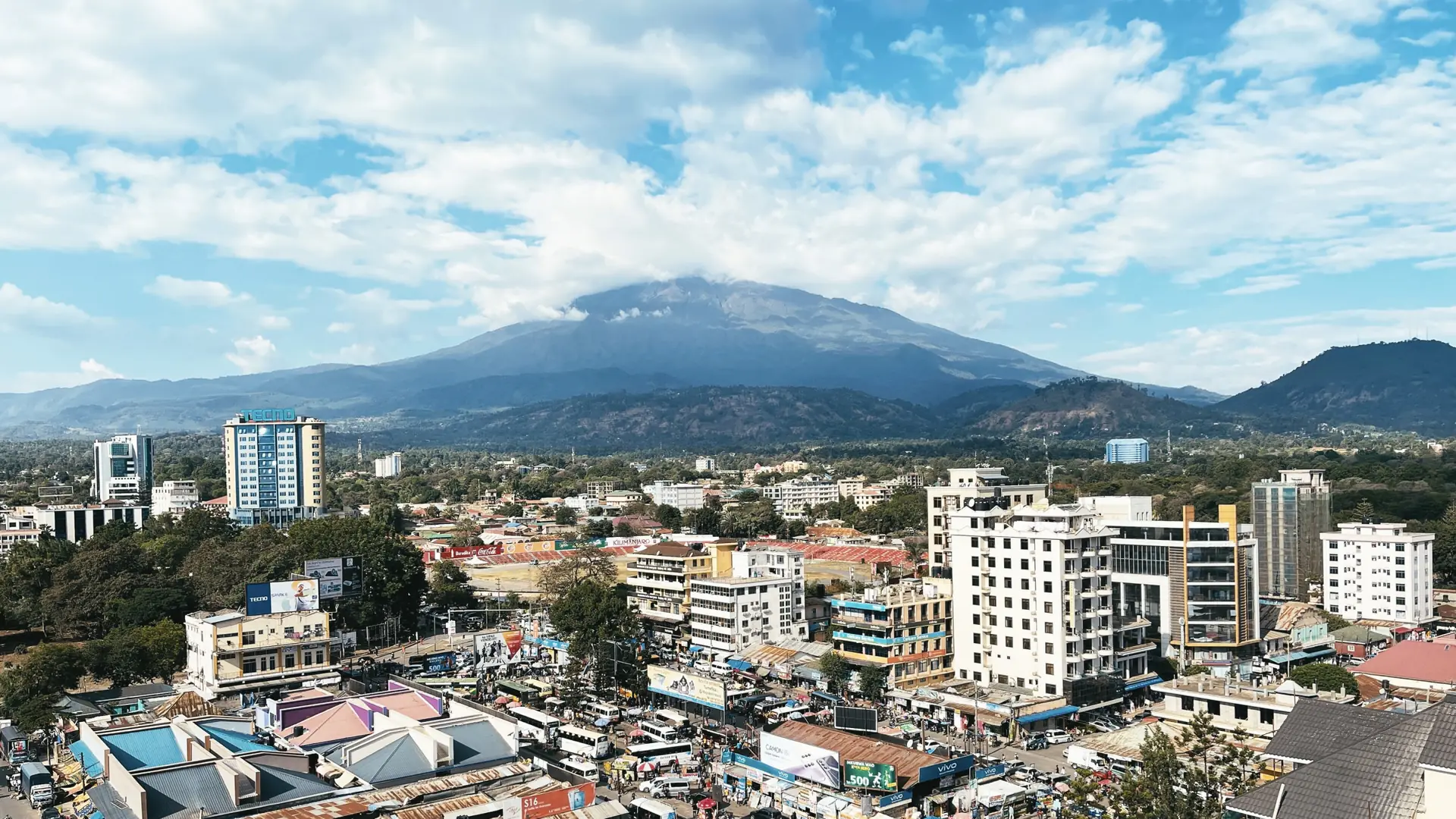
Arusha is an arrival buffer and a place to settle your safari arrangement, not a disposable code on an invoice. Check whether your flight actually arrives at Kilimanjaro International Airport or Arusha Airport; they are different facilities and a provider must know which one. Choose a room with a predictable pickup and food option if landing late. Confirm the guide’s name, vehicle, expected luggage setup, water supply and timing for tomorrow before you sleep. One night is enough here only because this itinerary gives the next day to the westbound drive. If you land after a long-haul journey and need recovery, add an Arusha night rather than forcing Tarangire into the morning after a midnight arrival. The JRO airport operator lists transport towards Arusha and Moshi, but a shared shuttle is not the same as a door-to-door safari vehicle. Choose the actual service you need.
Read the Arusha guide →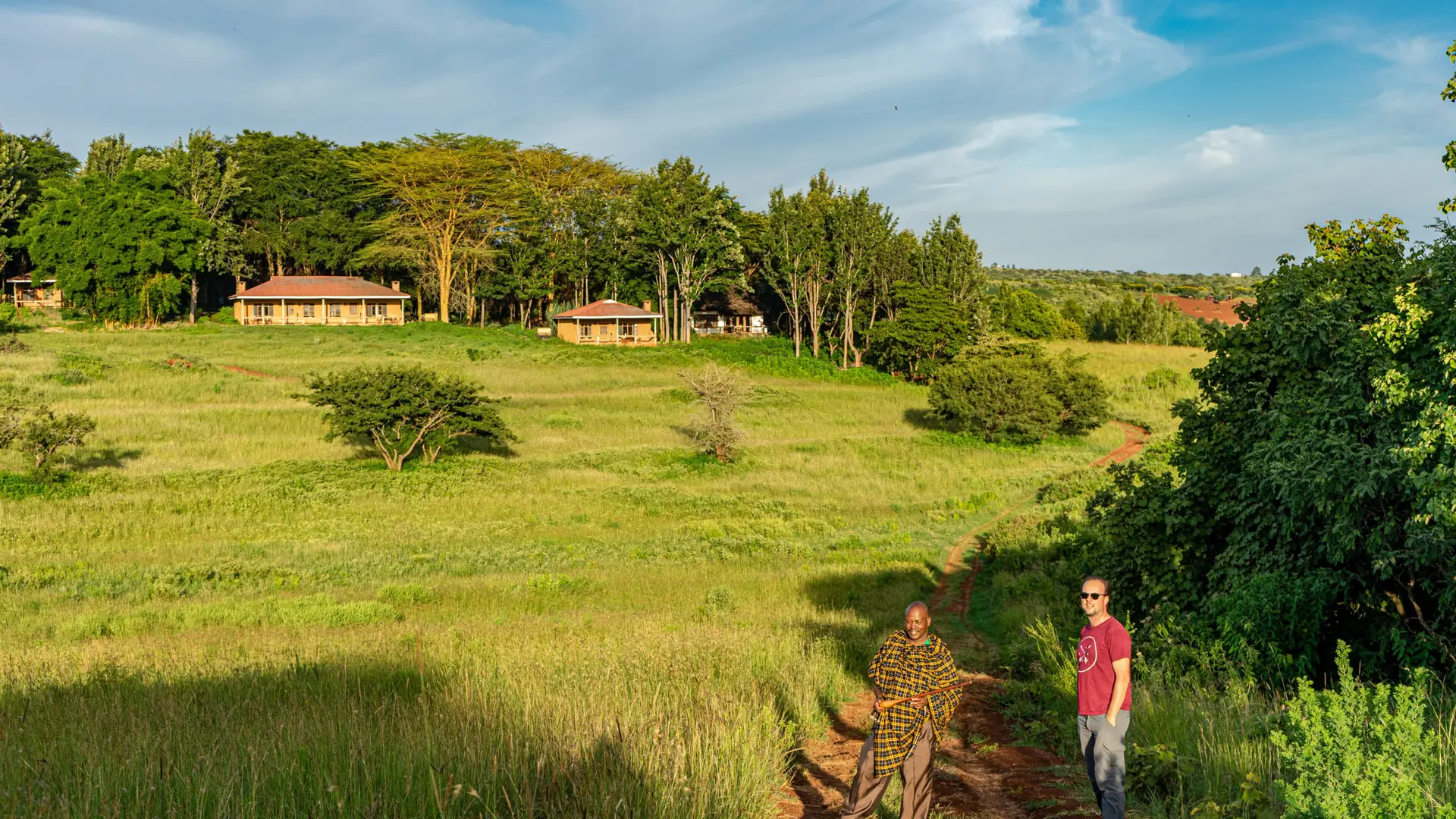 2
Road base for a dedicated Ngorongoro day
Karatu gets two nights because the crater should not be a roadside afterthought. If you enter Tarangire en route, the first Karatu evening is for dinner, weather review and a clear departure plan. Karatu is outside the Ngorongoro Conservation Area; the hotel name may imply a crater address without being on the rim. Ask for the exact gate and road timing, especially for an early descent. The full intervening day belongs to Ngorongoro. The caldera is a distinctive enclosed landscape, but animal sightings vary; do not budget around a guaranteed rhino or leopard. Request the current NCAA permit, descent and vehicle charges, guide, meals and return in one itemised quote. The surrounding highlands include human communities; travel with respect and do not solicit intrusive “village visits” without local consent. A second Karatu night means nobody must drive onward to Seronera exhausted after the crater.
Read the Karatu guide →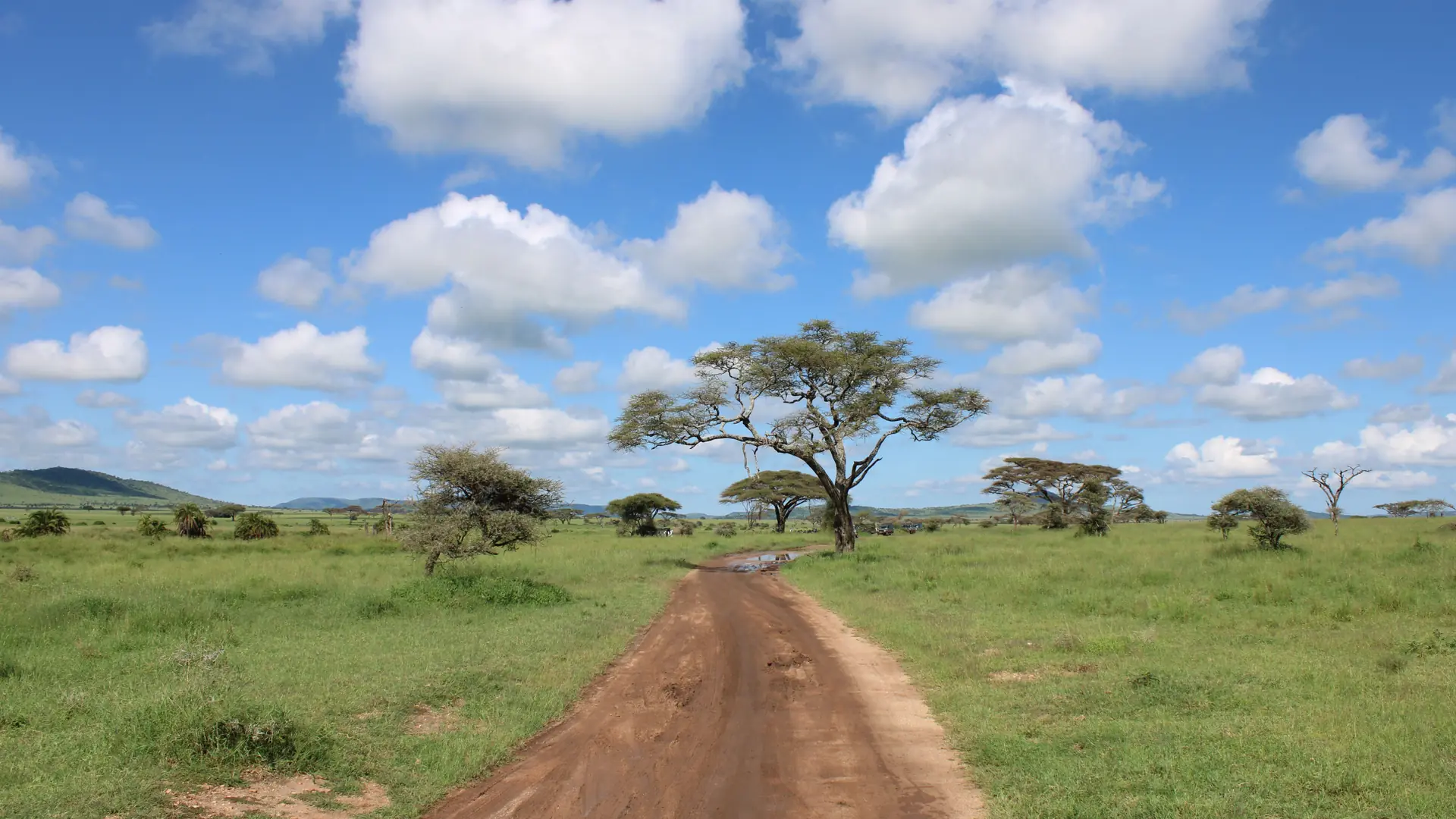 3
Two real game-drive days and an airstrip exit
Three nights near Seronera give the central Serengeti two full days after arrival. Day four is the long approach from Karatu through the conservation corridor; its wildlife moments are a bonus, but it should not be sold as a full central-park drive. Ask for the actual camp coordinates because a marketing page may use “Serengeti” for a property far from Seronera or even beyond the park boundary. That changes permit and airstrip logistics. Use one full day for a patient drive in the central mosaic of riverine habitat and open country and another for a different direction chosen with the guide. The famous migration is mobile; camp placement cannot manufacture an encounter. TANAPA rules protect roads, animals and visitors; do not press a driver to go off-track. On the last night, verify the Seronera airstrip transfer, baggage allowance, flight time and onward connection. A light aircraft is a transport leg, not a substitute for a road return already included in the room price.
Days two and four change hotels; day seven is departure from the airstrip. Two complete Serengeti days remain.
Arrive through Kilimanjaro International Airport if that matches your ticket. Its operator lists onward transport to Arusha, but a shared shuttle and private hotel transfer have different drop-offs; settle the exact address before arrival. Check in, eat and make the evening about recovery. No honest seven-day safari can also promise a full wildlife drive on an unpredictable international arrival day. Ask the safari organiser for the driver’s name, vehicle plate or company contact, luggage allowance, tomorrow’s pickup and the first park permit. Keep a copy of the complete quote. If the flight lands very late, discuss dropping Tarangire on day two or adding a night: tired visitors and a long wildlife day are a bad pairing. The one Arusha night is a buffer, not a guarantee that every possible attraction near town fits.
Base: Arusha
Leave Arusha early enough for the drive to Tarangire, park entry and real time with the guide. TANAPA describes baobab country and elephant habitat, but wildlife decides its own position. Stay on permitted tracks and give animals space. A patient stop at a water source may tell you more than racing from sighting to sighting. Ask the operator how much of the day is in the park versus reaching it, and where lunch and toilets fit. Later, continue towards Karatu for the first of two nights. If arrival and road conditions would make Tarangire too compressed, omit that paid entry and drive straight to the highland base. Confirm tomorrow’s crater gate, authorised vehicle and any descent fee with the guide while everyone is still awake. The full-day label on a safari invoice should mean what it says: time on wildlife, not only time strapped into the car.
Base: Karatu
Depart from Karatu at the time your licensed operator recommends for current NCAA gate and descent rules. The crater floor combines grassland, wetland and woodland in a remarkable volcanic setting, while the wider conservation area includes human history and lived-in highlands. A guide can help distinguish what you see without turning the day into a race for the “Big Five.” Expect neither a specific predator nor a crystal-clear panorama on demand. Carry layers for the rim, water for the vehicle and a practical lunch plan. Remain in the authorised vehicle except where staff permit stopping; do not feed wildlife or pressure a guide to approach too closely. Ask the operator to show how conservation entry, crater descent and vehicle charges appear in the quote. Return to your same Karatu room after the drive. The rest is valuable before tomorrow’s long road to Seronera.
Base: Karatu
This is the long transfer from Karatu through the conservation corridor into Serengeti. A good guide may pause at an authorised viewpoint or for an animal encounter, but permit controls, road surfaces and distance make the day primarily a move. Confirm where each fee boundary falls and whether an optional Oldupai visit adds guide and ticket costs. Lunch, drinking water and a restroom stop matter more than an optimistic arrival time copied from an online map. Check your camp coordinates before departure; “central Serengeti” should actually be practical for two following game-drive days and the final Seronera flight. On arrival, follow camp staff instructions about moving around after dark and verify the next morning’s meeting point. If rain slows the road, do not push the driver to recover time after permitted hours. The trip has two real park days still to come.
Base: Central Serengeti / Seronera
Begin with the guide’s current knowledge of habitat and road condition. Central Serengeti is more than a migration poster: rivers, woodland patches and open savanna can support different sightings within a day. Ask how long a chosen loop will take and where permitted breaks lie. Binoculars improve smaller or distant encounters and help the group avoid pushing a vehicle into wildlife space for a close photograph. The UNESCO account of the annual migration describes a large ecosystem and moving grazers, not a fixed show at Seronera every month. Let the guide choose a route for what is actually present rather than chase a famous river crossing on a map far away. Pause in shade during hotter hours if the group needs it. Keep batteries, water and sun protection ready for tomorrow, but leave the afternoon plan adjustable; a storm or a compelling sighting may change the sensible order.
Base: Central Serengeti / Seronera
A second full day gives freedom to follow a different direction from yesterday or to spend longer with behaviour you noticed only briefly. Ask the guide about recent sightings, possible road closures and whether the best decision is a shorter morning with a slower afternoon. A hard species checklist often produces more driving than observation. If children are travelling, plan toilet and rest stops with the guide rather than assuming they can leave the vehicle anywhere. Before returning to camp, confirm the airstrip pickup, baggage limits and flight check-in instructions directly with the booked operator. Seronera is a small airstrip environment; a transfer from a distant camp can be longer than the ticket seems to imply. Pack in the required soft or weight-compliant luggage if your carrier demands it. Avoid adding a night drive or unpermitted off-road “special sighting” as a farewell flourish. TANAPA’s rules still apply on the last park day.
Base: Central Serengeti / Seronera
The seventh day is for your booked light-aircraft departure from the Seronera area. Eat and leave camp in time for its actual ground journey and check-in; the provider must confirm baggage allowance, routing and any aircraft changes. Auric Air advertises connections to Zanzibar from the mainland safari circuit, but that does not guarantee the flight pattern or fare on your date. Keep a sensible margin before any separately ticketed international departure, or sleep once more near the next gateway. If you prefer to drive back to Arusha, this seven-day version no longer works as written. A long road return would consume the last day and may demand an additional night, so obtain a revised quote and schedule. Do not count that change as a minor transfer option. The route ends after three Seronera-area nights, and its value is that days five and six were genuine wildlife time, not hidden transit.
Base: Central Serengeti / Seronera
The western road is safari time only when a permit and daylight allow it. A day-seven flight is a separate booked leg.
2 transfers
Arusha Karatu
From Arusha, Tarangire lies roughly two and a half to three road hours away according to TANAPA. Entry, a wildlife drive, lunch and continuation to Karatu make this a demanding day. The operator should set a realistic departure and an arrival before dark, with water and a comfortable vehicle. If your flight arrived late yesterday, travel directly to Karatu and save the fee rather than buying a token park visit. Ask whether the park day is included in the same vehicle contract as the following Ngorongoro and Serengeti legs. A driver who only transfers you is a different product from a licensed safari guide with current park payments. Confirm who holds the permits, whether meals and water are in the car, and where you will stay in Karatu. The westbound road should end at a named bed, not “crater area” on a brochure.
Karatu Central Serengeti / Seronera
Leaving Karatu for the central Serengeti means moving through the Ngorongoro corridor and park entry systems, with changing road conditions and possible gate waits. This is not a two-hour hop. Make breakfast, lunch, water, permits and the camp’s real coordinates explicit. A stop at Oldupai Gorge or a viewpoint can add context, but only if current access, guide and timing make sense; it cannot be both a full museum visit and a full Seronera drive without trade-offs. Wildlife may appear on the approach, yet calling it the first complete Serengeti day would mislead. Arrive at the chosen camp in daylight, understand its evening safety rules, and let the guide propose tomorrow’s route based on current conditions. If rain lengthens travel, the itinerary still retains two nights after this first Serengeti sleep. That buffer is precisely why the route uses three nights at the final stop.
Checked 28 September 2026. The official TANAPA tariff landing page still labels itself 2023/24, so no park fee from it is presented as a current 2026 fare. Ask the operator to name the current authority schedule used.
Booking tips
Search live Arusha rooms by JRO transfer and next-day guide pickup; the first night should make the early departure workable.
Three markers show hotel bases. Tarangire and the crater are visits; Seronera is the final airstrip area.
Arusha, Karatu and Seronera
They can be if the journey uses one Arusha arrival night, two Karatu nights and three near Seronera, and you fly out rather than drive all the way back on day seven. Tarangire on the Karatu transfer remains an early-start option. Days five and six are the true full Serengeti days. If your operator proposes fewer park nights, compare the actual wildlife hours rather than the number of named parks.
Three Serengeti nights support two full game-drive days after a long approach from Karatu. Seronera also has an airstrip for onward travel, though schedules and baggage terms must be checked with the carrier. A road return to Arusha is possible as a different, longer itinerary; it should not be squeezed into the same seven-day promise.
No operator can guarantee the giant herds on a chosen date. The migration moves across the wider ecosystem with rain and pasture. Central Seronera can be worthwhile for resident wildlife, but seasonal herd concentrations may be elsewhere. If calving is the main purpose, compare an Ndutu-focused season and camp instead of relying on this general northern route.
Yes, but plan for short-rain variability and check where the wildlife focus lies. The southern short-grass plains may draw calving animals in parts of the season while this route stays in central Serengeti. Roads and skies can change after rain. Ask the operator why its actual camp location matches your month rather than accepting a generic “migration safari” label.
March to May can bring heavier rain and muddy sections, so ask about vehicle capability and flexible road choices. June to October is generally drier but popular dates and camp space may tighten. No dry-season description certifies your exact road or animal position. Keep the park nights stable and let a qualified guide adapt the daily loop.
Only if the written quote says so. TANAPA controls Tarangire and Serengeti, while NCAA controls Ngorongoro permits and crater arrangements. Ask for visitor category, vehicle, guide, possible camping or concession charges and any crater descent fee by name. The TANAPA web tariff page showed an old validity label at the September 2026 check, so confirm the current applicable schedule directly.
It is a long transfer through a conservation corridor and into the park, with wildlife possible along the way. Calling it a full central Serengeti day obscures road, gate and lunch time. The route deliberately keeps two following full days near Seronera so a slower arrival does not erase its main purpose.
Only when the booked light-aircraft schedule, baggage rule and connection margin support it. Domestic routes may involve stops or weather delay, and separately ticketed international flights can be unforgiving. Ask the actual carrier and your airline for the itinerary in writing; a gateway overnight is often the safer choice when tickets are independent.
Reviewed by StartBooker
Last reviewed 2026-09-28
Updated
How this route was checked: Reconciled six hotel nights, road/air legs, protected-area authorities, seasons and media using official and independent sources; current fees deferred to operators.
13 references reviewed
Some photos provided by Pexels.
Find another destination and compare its areas and accommodation.
Compare routes by length, stops and transport.