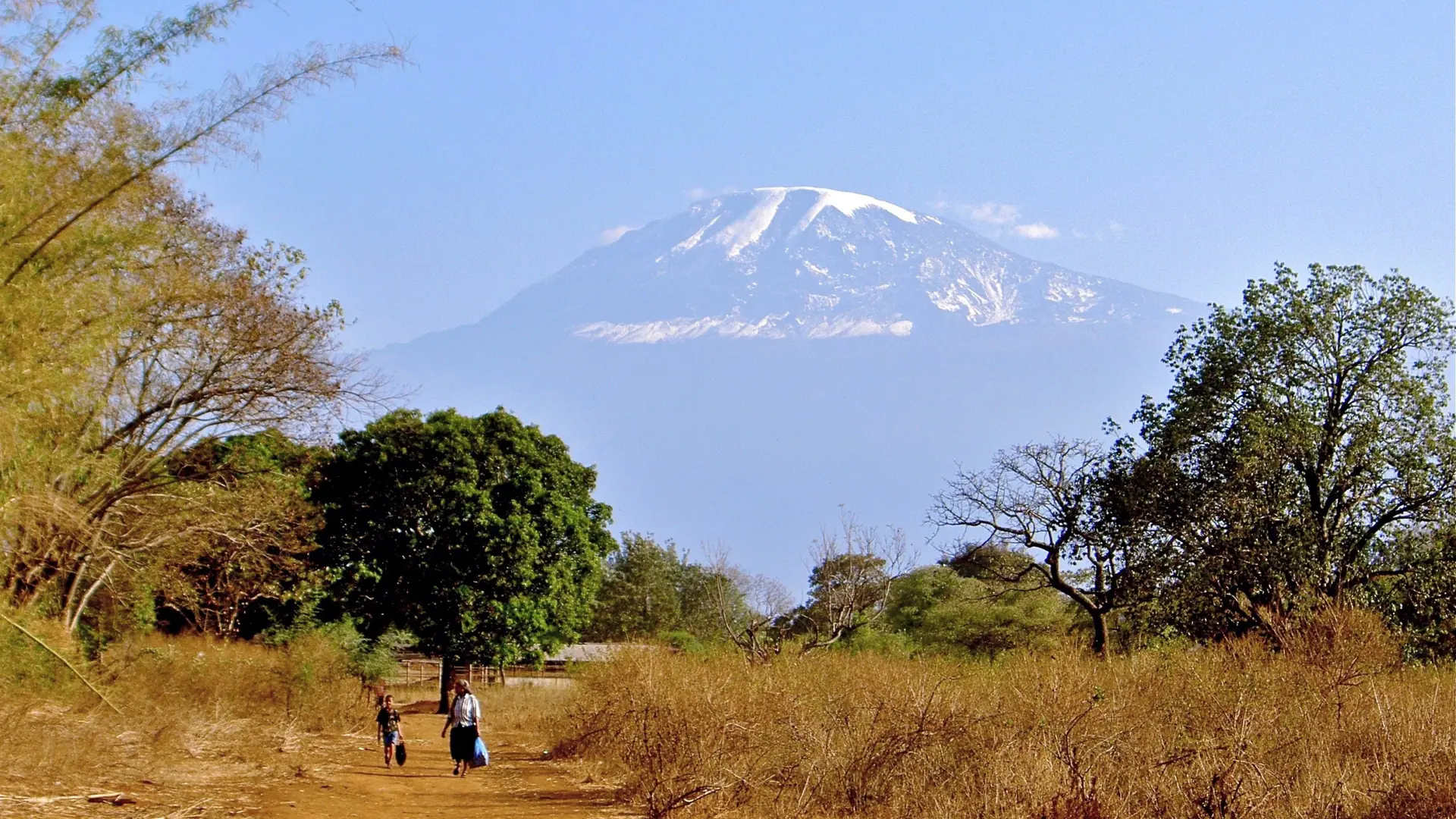
Separate mountain view from mountain climb
Moshi gives foothill access and a mountain setting; a Kilimanjaro summit requires a licensed operator and several days. Choose a local walk whose path and weather policy are clear.
Seven nights in three towns, two hotel changes and a northern Tanzania trip that does not pretend to summit Kilimanjaro or see every park from one car window.
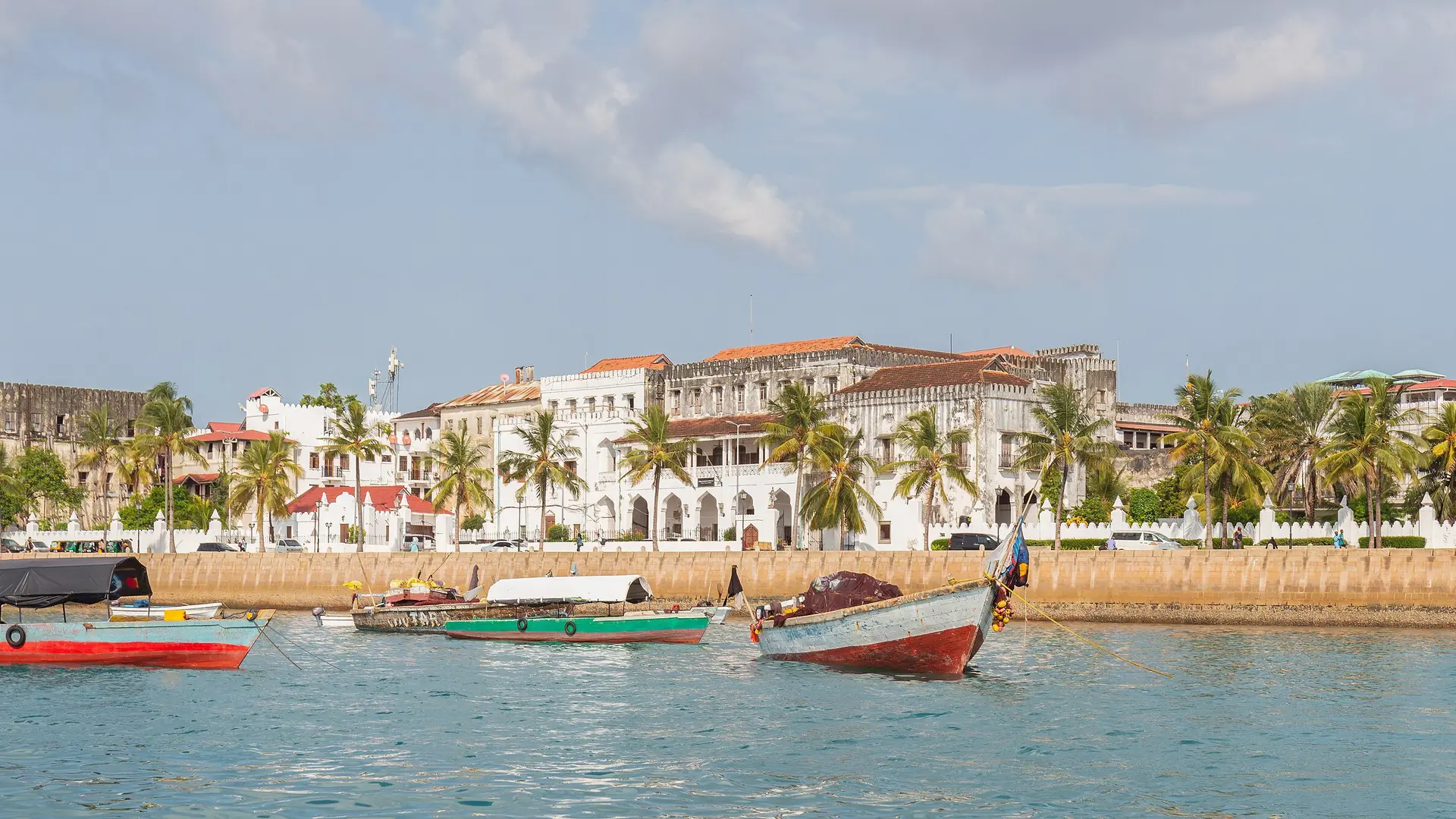
Moshi, Arusha and Karatu are often treated as waiting rooms for a summit, safari truck or crater gate. Give each town a real role instead. Moshi places Mount Kilimanjaro in daily view when cloud allows, and it is a good base for a guided foothill or coffee visit. Arusha has museums, art and practical safari departures, while Karatu sits near the road to the Ngorongoro Conservation Area and a different highland farming landscape. Seven nights divided two, two and three produce two actual town-to-town moves, not a nightly suitcase relay.
There is no attempt to climb Kilimanjaro in eight days. TANAPA requires a licensed guide and a multi-day itinerary for a summit attempt; adding the word “Kilimanjaro” to an advert is not a safe substitute. From Moshi, choose a village experience such as Materuni if the operator explains the path, local guide and weather policy, or keep a gentle town morning if rain makes a waterfall path slippery. For anyone considering a later climb, the responsible porter programme is a useful way to inspect operator labour practices before booking a different trip.
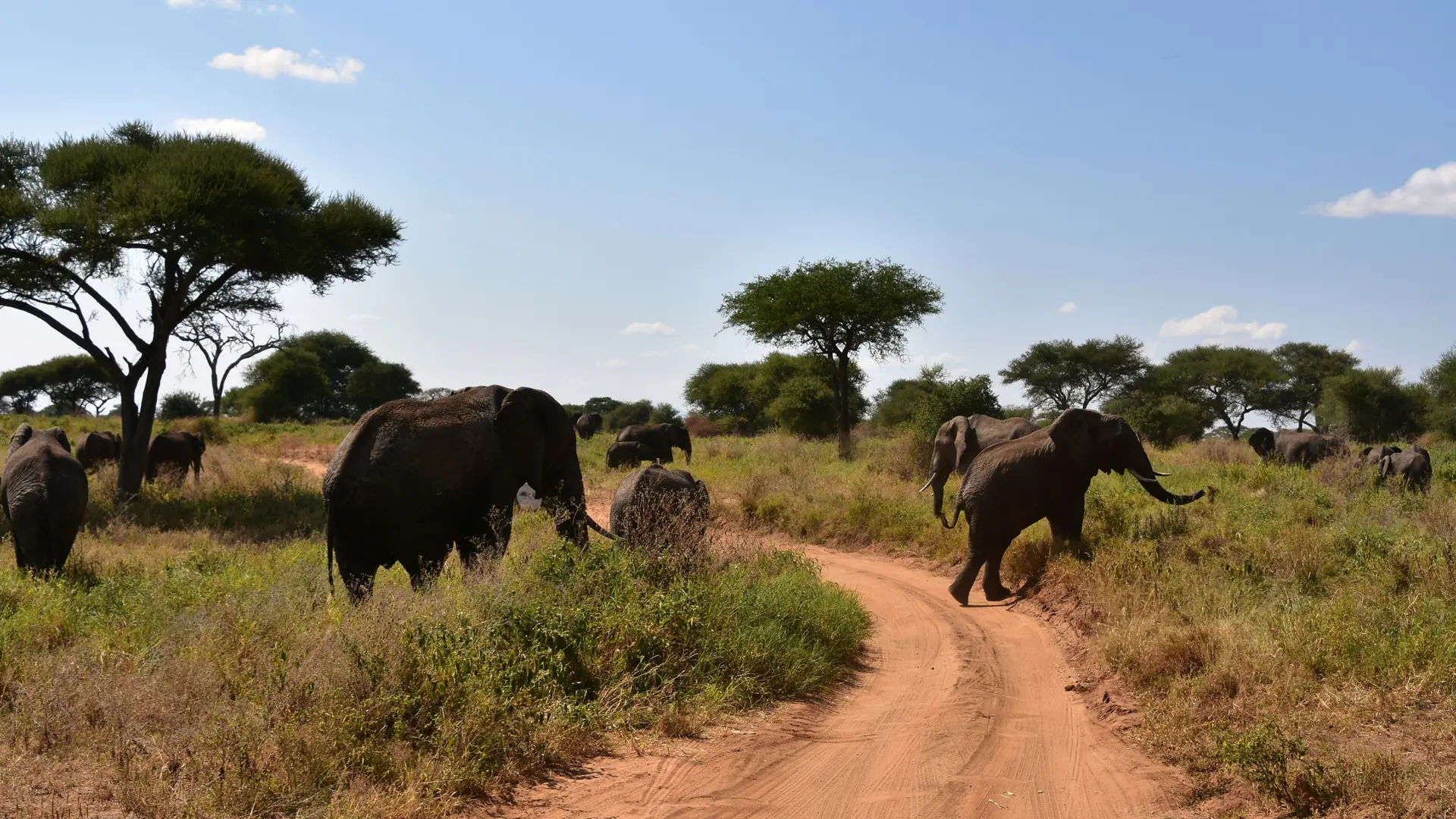
Arusha gives you a cultural day rather than only a lodge check-in. The Natural History Museum and Cultural Heritage Centre have different focuses and opening patterns, so choose by actual interest. A Tarangire day is a possible second use of the Arusha base: TANAPA places the park roughly two and a half to three hours by road from Arusha, making it a long but coherent excursion with an early departure and a full written quote. It is not an extra stop you can casually add after lunch. If a game-drive day feels too long, stay in Arusha and spend the money on a better-paced Karatu excursion.
Karatu needs three nights because the crater day has its own gate, descent and return logistics, and the town also merits a separate highland or Lake Manyara choice. The Ngorongoro Conservation Area Authority and TANAPA charge for different protected areas; a combined safari quote must itemise them rather than hide the boundary. Ask where the vehicle starts, whether a crater descent fee and guide are included, how many hours are allocated and whether the hotel is actually in Karatu or nearer the rim. UNESCO describes Ngorongoro as a mixed natural-cultural landscape: wildlife exists alongside people and conservation disputes. A thoughtful visit should respect current local rules and avoid presenting living communities as a photo exhibit.
Winter in the northern hemisphere often brings a warm Tanzanian summer with the short-rain pattern around some weeks, so it can be an enjoyable visit but requires forecast checks. March to May brings heavier rain risk and possible muddy road sections. June to October is generally drier, often easier for a first safari, and can book up early. Whatever the season, highland mornings can be cooler than Moshi afternoons; pack layers rather than choosing clothes by the equatorial latitude alone. This route ends in Karatu: allow a separate road journey to Kilimanjaro airport or add an onward stay. Do not sell the final day as both a full crater drive and an international flight.
Moshi gives foothill access and a mountain setting; a Kilimanjaro summit requires a licensed operator and several days. Choose a local walk whose path and weather policy are clear.
Kilimanjaro International Airport serves both Moshi and Arusha. Ask for a fare to the first hotel in Moshi, not a generic “Kilimanjaro transfer” that might end in the wrong town.
Pair one museum or art visit with time to settle safari arrangements. The Natural History Museum and Cultural Heritage Centre are separate sites; check current hours and avoid trying to see them only between road transfers.
TANAPA estimates roughly 2.5–3 hours from Arusha to Tarangire by road before any game drive. Buy it as an early-start full day and verify vehicle, guide, park fees and return.
Lake Manyara and Tarangire are TANAPA parks, while Ngorongoro is run by a separate authority. Request a line-by-line safari quote and current official tariff checks for each entry.
Karatu is a useful road base, but “Ngorongoro area” hotels can sit in different positions. Compare the exact address and realistic gate time with your operator before choosing the cheapest room.
Best for
StartBooker answer
Sleep two nights in Moshi for the Kilimanjaro foothills, two in Arusha for a city day and a Tarangire option, then three in Karatu for the Ngorongoro highlands and a carefully priced crater day. The seven nights add up, with road moves on days three and five. This is a northern Tanzania route for travellers who want mountain context and wildlife without buying a summit trek. Fly into Kilimanjaro International Airport if practical and price the return from Karatu separately; a crater descent requires the correct permits, vehicle and guide.
Explore tours, attractions and local experiences in Moshi, Arusha, Karatu along this route through Tanzania.
Loading activities…
Activities provided by GetYourGuide. We may earn a commission on bookings.
The mountain, Tarangire, Lake Manyara and the crater are optional visits from these bases, not unmentioned overnights.
3 stops · swipe
 1
Kilimanjaro foothills and town-based days
Two Moshi nights allow an arrival without a forced trek and one full day for a local choice. The mountain may be clouded; do not pay for a hotel solely on a guaranteed peak view. Ask about the exact room outlook, transfer from JRO and whether your chosen Materuni or village visit includes a local guide, transport and a wet-weather alternative. Materuni advertises waterfall and coffee experiences, but the path can be uneven; travellers with limited mobility should ask for its real walking demands before reserving. A non-summit day can be more rewarding when you give the people and landscape time. Learn how coffee is grown or prepared from a locally accountable host rather than stacking every named cascade around Moshi into one vehicle day. Back in town, confirm tomorrow’s Arusha pickup and dry any walking shoes. If you are considering a later mountain climb, the independent porter programme helps evaluate company treatment; it does not turn this eight-day route into a summit plan.
Read the Moshi guide →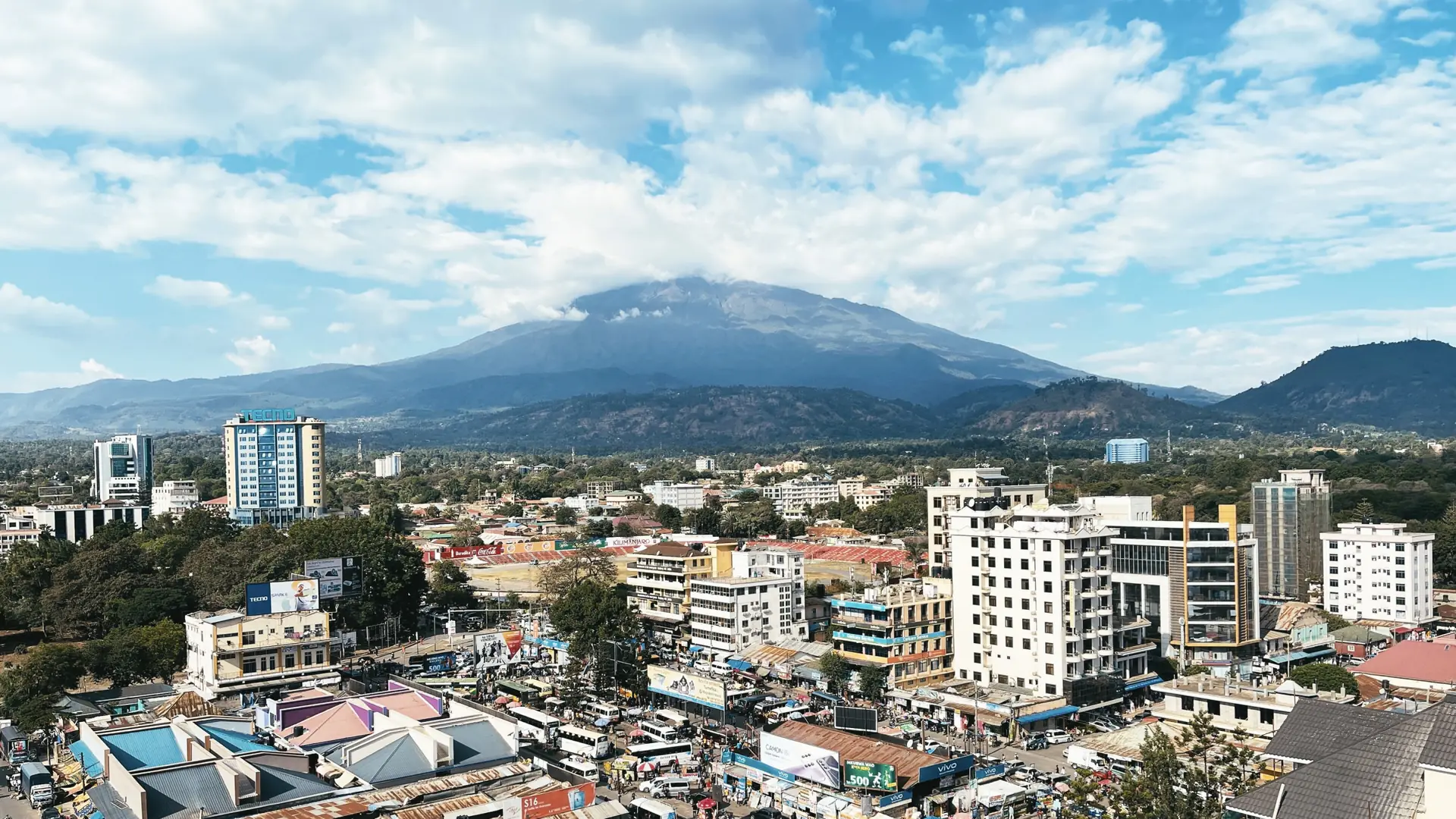 2
Museum, art and a possible Tarangire day
Arusha’s first night follows a short road move from Moshi, leaving time for a genuine city afternoon. The Natural History Museum occupies the former German boma site, while the Cultural Heritage Centre offers a different arts and shopping experience. Check hours and choose one to suit your interest; neither needs to be squeezed in as an airport layover. Ask your accommodation whether it is near the centre or in a quieter outer district, because a cheap room can add taxi time to every dinner and safari pickup. The second day can become a properly priced Tarangire outing. TANAPA’s published road guidance makes clear that driving to the park is a substantial part of the day. Ask the provider how much time remains for wildlife after entrance and return, and whether lunch, gate fees, guide and any vehicle charges are included. A group that dislikes long car days should use Arusha for local exploration instead and retain the crater decision from Karatu. There is no editorial prize for collecting park stamps.
Read the Arusha guide →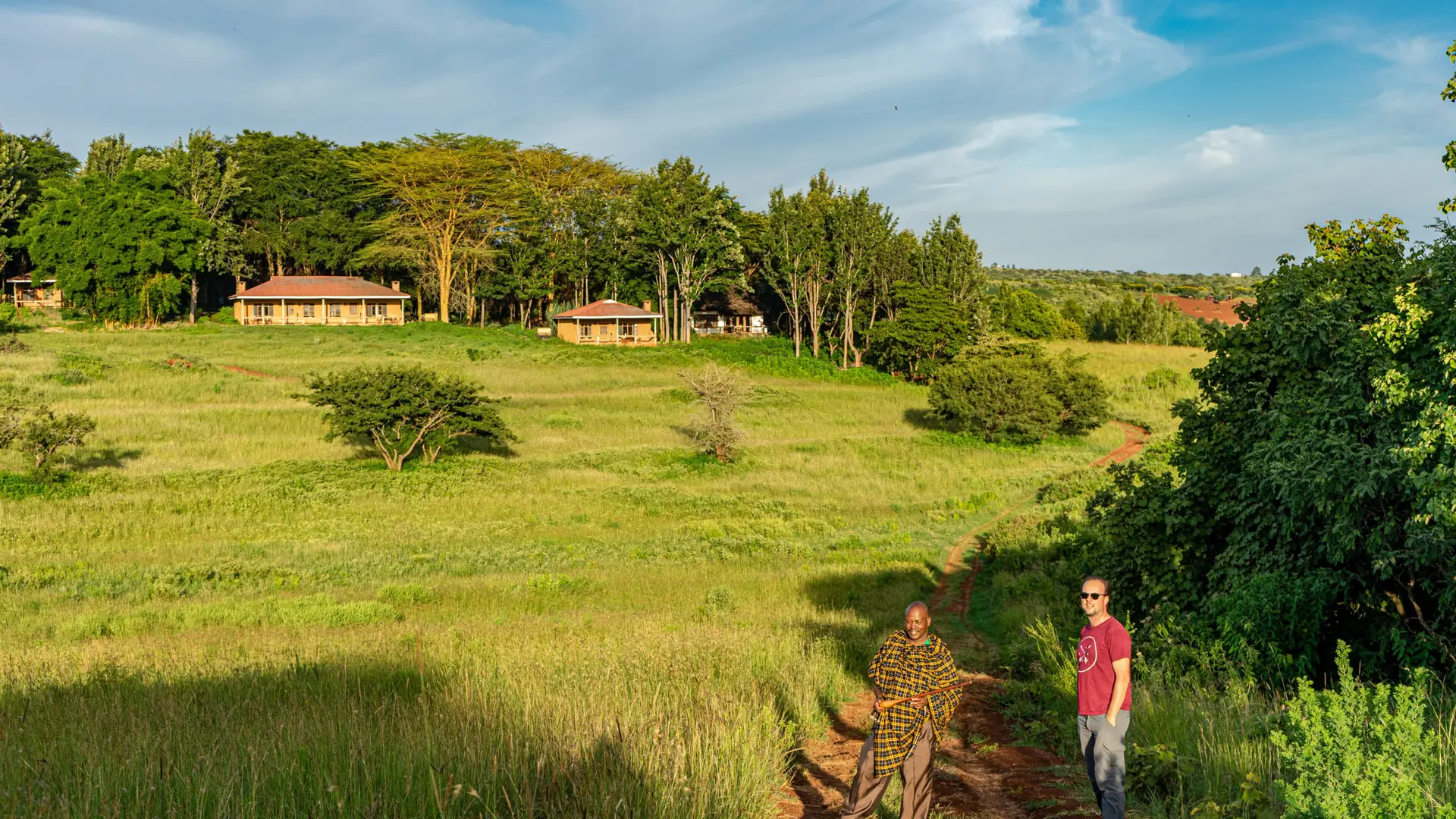 3
Crater access and highland choices
Karatu’s three nights create a practical base for a Ngorongoro day and one second decision. It is a town on the road towards the conservation area, not a lodge on the crater floor. Ask your operator for the actual hotel pickup, gate, descent and return plan; a lower room rate far off the route can cost valuable morning time. The UNESCO site combines exceptional wildlife habitat with a long human history, so a guided conversation is more useful than treating the crater as a checklist of animal species. Use the spare day by preference and weather. TANAPA describes Lake Manyara’s groundwater forest and lakeshore, while Karatu farms and the highland landscape offer a different, less vehicle-bound day. Do not book both a lake park and a crater descent on one full-day ticket as if they were adjacent viewing platforms. Confirm any walk with its actual host and guide, including the trail surface. The final night is in Karatu; departure to JRO takes a separate road journey that must fit your flight, or you should add another night elsewhere.
Read the Karatu guide →The two hotel changes fall on days three and five. Protected-area days are chosen and priced separately.
Arrive at Kilimanjaro International Airport or by your wider route and transfer to the actual Moshi address. KADCO lists both Moshi and Arusha as destinations, so tell a driver the town and hotel rather than only the mountain name. If your flight is late, ask the property about food and reception hours. Keep the first evening easy; an advertised waterfall walk is not a sensible add-on after immigration and the airport road. When light and cloud permit, enjoy the Kilimanjaro setting from a suitable viewpoint, but accept that the peak may be invisible. Confirm the next morning’s meeting point, path condition, local guide and price of a foothill activity. Pack a layer and footwear for changing weather. This is the first of two Moshi nights, not the start of a compressed summit attempt.
Base: Moshi
A locally guided Materuni waterfall and coffee experience can show the mountain’s lower slopes without entering a high-altitude climb. Check whether the path is muddy, how much descent and ascent it involves, and whether the village host rather than an intermediary receives the booked visit. If the forecast is poor or someone has a knee problem, favour a shorter cultural visit or town day. TANAPA requires licensed guidance for a true Kilimanjaro climb; this day does not prepare a casual shortcut to the summit. Keep the afternoon uncommitted enough for rain or a slow lunch. Ask the guide before photographing farms or residents and bring back everything you carried onto the trail. If a later trekking trip appeals, compare companies against the KRTO/KPAP responsible porter programme and take time to understand its monitoring. End by arranging your Arusha hotel transfer; you have another Moshi night before moving.
Base: Moshi
After breakfast, travel to your Arusha hotel and leave luggage before sightseeing. JRO is not the meeting point for this transfer unless you deliberately booked it that way. In town, the Natural History Museum offers a different kind of introduction from the Cultural Heritage Centre’s art and crafts; verify current opening before choosing. The better afternoon is one place visited with attention, not a frantic town-wide circuit between a road journey and dinner. If you have a Tarangire day booked, spend a few minutes checking its pickup, park entry category, lunch, water, vehicle seating and return hour. Ask which charges the operator will pay and which are expected at the gate. A quote that says only “full safari day” leaves too many expensive questions unanswered. If tomorrow will stay local, use this evening to explore a safe walk or short taxi radius around your hotel.
Base: Arusha
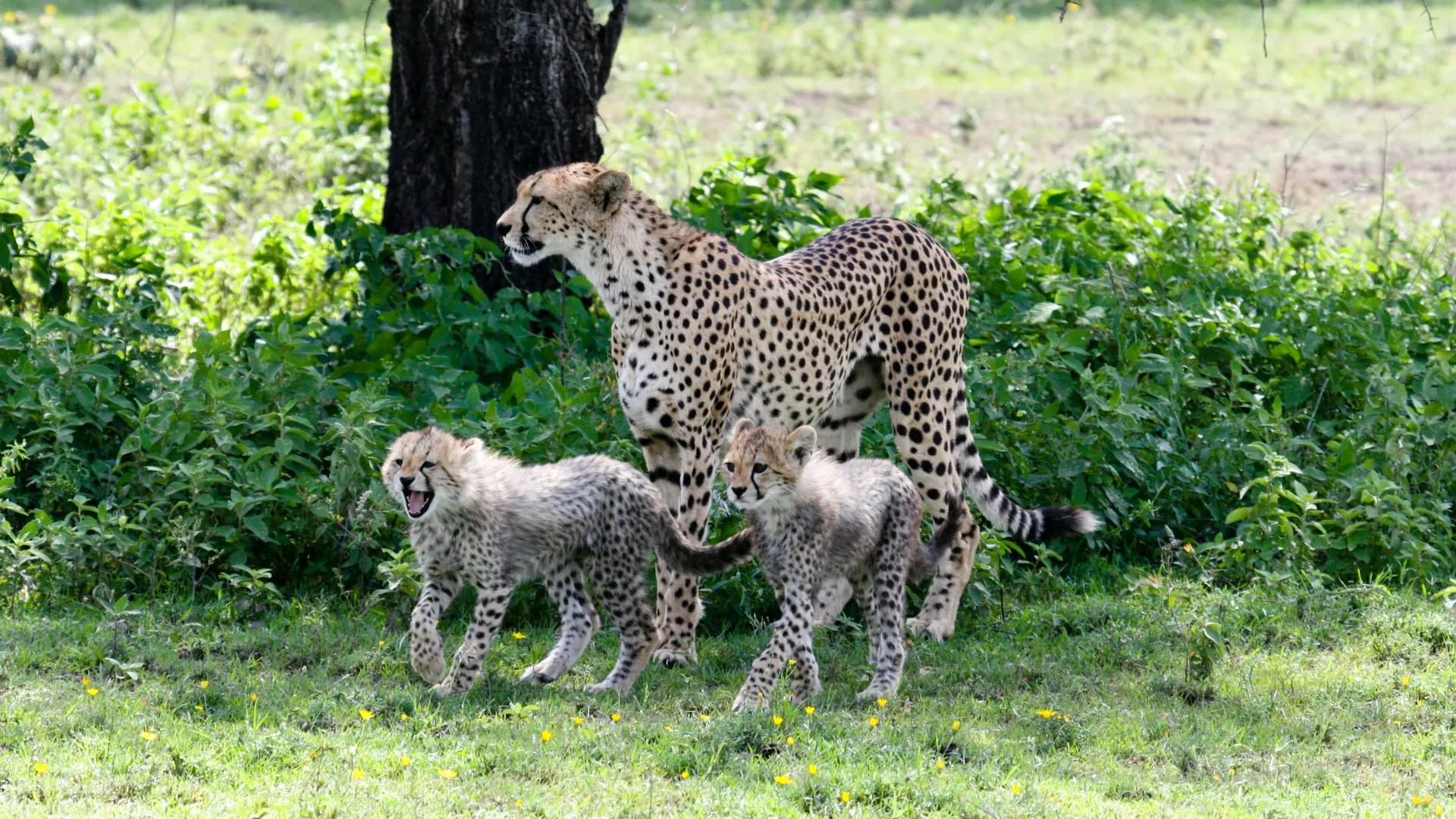
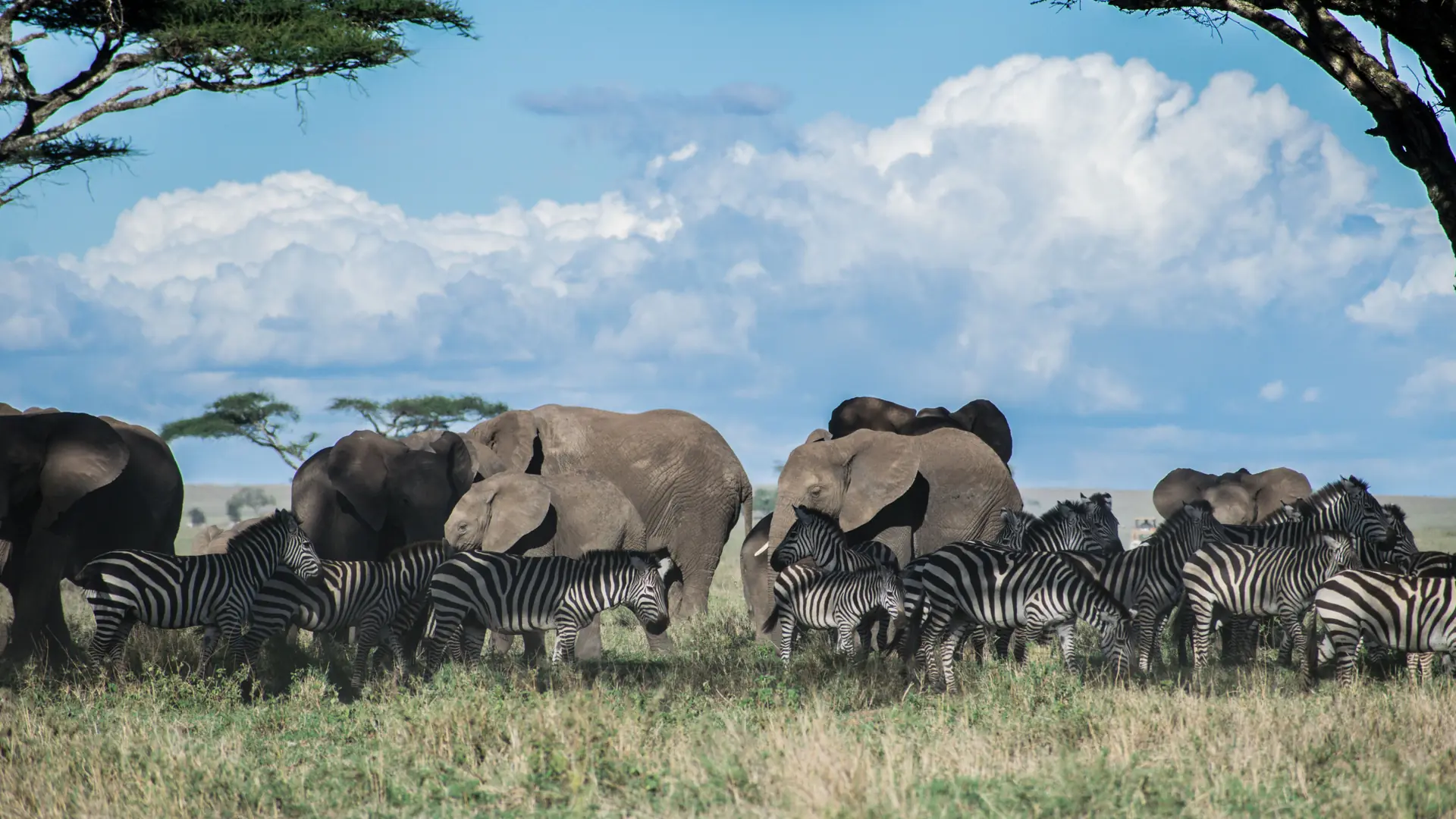
Tarangire is an appealing park for baobab scenery and elephant habitat, but a day from Arusha is built around a substantial drive. TANAPA estimates roughly two and a half to three hours by road to the park before any gate or game-drive time. Leave early with a qualified operator, confirm the current permit and stay within designated tracks. A wildlife sighting is never guaranteed; the best value often comes from watching behaviour rather than racing to a list of species. If your group would rather avoid six or more hours of road time, keep this day in Arusha. The museum, markets or a planned local activity can reveal more than a tired, abbreviated drive. Use a park budget only when you know the full car, guide, fee, lunch and return terms. Either choice leaves the next day available for the genuine move to Karatu. Do not combine Tarangire and Ngorongoro simply because both appear on a northern-circuit map.
Base: Arusha
Travel west to Karatu. A Lake Manyara drive may fit if the operator sells it as a separate, correctly permitted experience and you have a reasonable departure time; otherwise use the road day to arrive without rushing. TANAPA describes Manyara’s groundwater forest and Rift Valley edge, a different habitat from the crater. Seeing it well takes hours inside the park, not a quick pause at the entrance. At your Karatu hotel, request tomorrow's complete Ngorongoro schedule. Which gate, which descent and ascent route, what guide, how many hours in the crater, and who pays the relevant conservation and vehicle fees? Ask whether the vehicle seats and roof opening suit all passengers. If the operator's answer keeps changing, resolve it before morning. The highland evening may be cooler than Moshi; unpack a layer and make the first Karatu night a quiet one.
Base: Karatu
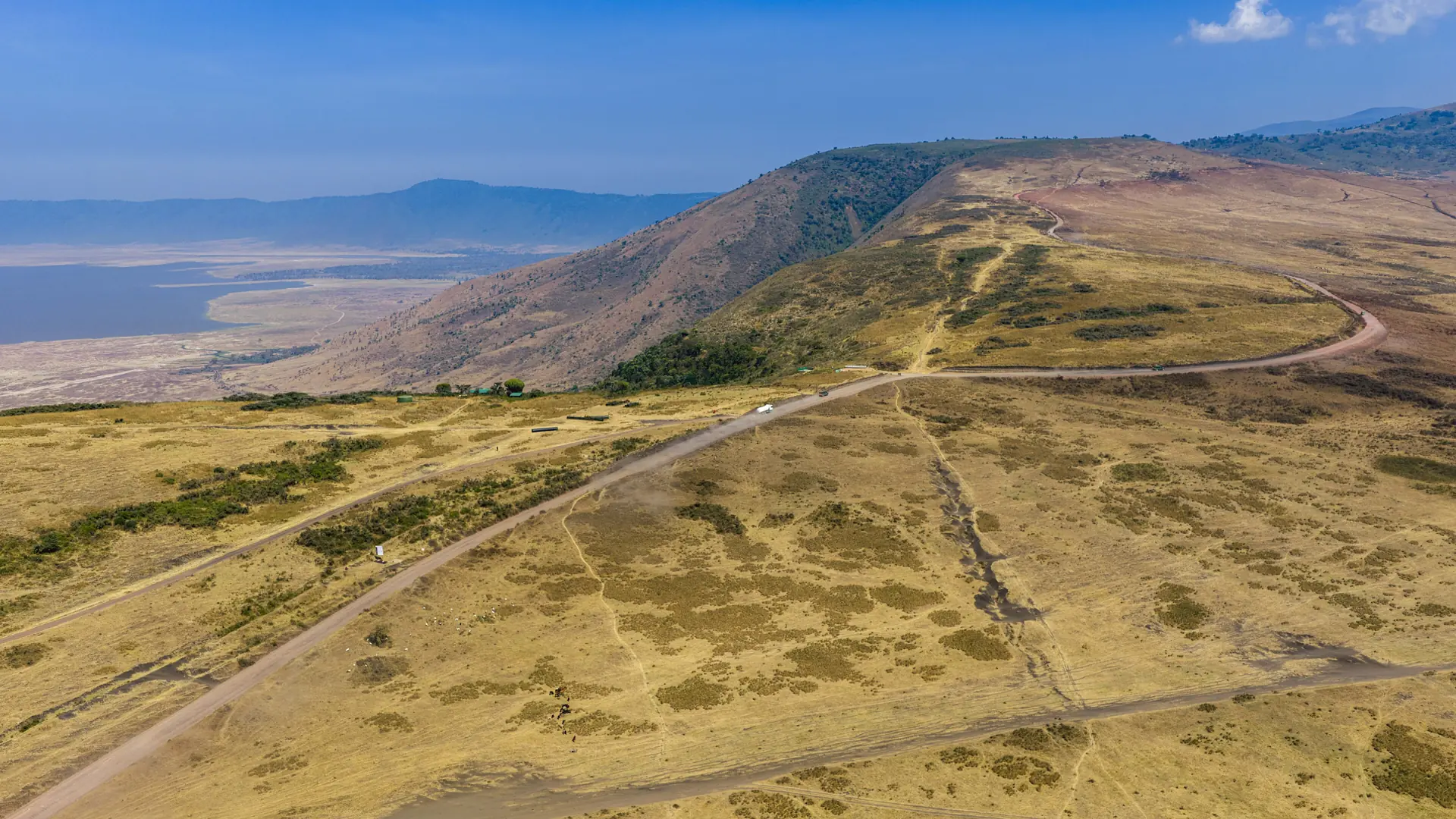
An early departure from Karatu makes a crater day more useful, but the exact start must follow the authority’s current gate and permit rules. The Ngorongoro landscape is a conservation area as well as a World Heritage property. Ask your guide to explain the difference between the volcanic caldera, its wildlife habitats and the surrounding lived-in highlands; do not treat a sighting list as the only measure of the day. Remain in the vehicle except where your guide and authority permit stopping, and do not feed or crowd animals. The drive involves both the road from Karatu and the internal descent and ascent. Carry water, a layer and a realistic lunch plan, then return to the same hotel rather than moving again after a long vehicle day. If rain changes visibility or access, let the authorized local operator advise on a safe adjustment. A crater fee, conservation entry and vehicle cost may appear as separate quote lines; check the current official authority rather than repeating an old online price.
Base: Karatu
The seventh day need not repeat yesterday’s game-drive posture. If you did not visit Lake Manyara on the road move, a dedicated park trip offers forest and lakeshore habitat under TANAPA’s own entry system. Ask your guide about current road sections and realistic viewing expectations; a listed species is a possibility, not a ticketed event. If you would rather get out of the vehicle, choose a locally guided farm or highland visit with clear permission and trail difficulty. Karatu is also the moment to discuss how tourism and farming share the region. Use named operators and do not turn people’s homes or fields into an unannounced photo stop. Before the final night, arrange the return drive to JRO or your onward Tanzanian stop. Ask for a conservative flight-check-in margin and whether the fare covers all luggage. A noon international flight may demand a very early departure; moving closer to the airport the night before is an honest alternative.
Base: Karatu
This eight-day itinerary ends at checkout from Karatu and the journey to the next airport or destination. It does not include an international flight day in the eight counted days. Agree the car, pickup point and payment in advance; a route from Karatu to JRO crosses far more country than the Arusha-to-Karatu hotel change. If your flight is early, consider an extra night near the airport instead of gambling on a pre-dawn long transfer. With a later onward journey, enjoy a short Karatu morning or a gentle breakfast, then leave with a generous buffer. Do not sell a second crater descent and a same-day long-haul departure as if both were full experiences. Check your operator’s final invoice against park, vehicle and accommodation inclusions before parting ways. The result should be seven real nights and a route you could actually travel, not a collection of park names.
Base: Karatu
A park vehicle may make both hotel changes, but the pickup and overnight addresses still need naming in the quote.
2 transfers
Moshi Arusha
Moshi to Arusha is a straightforward inter-town road journey compared with a park crossing, but the exact hotel positions can change its cost and timing. A shared road service may be cheaper for a light traveller who accepts station transfers; an arranged car solves luggage and address-to-address delivery. Clarify which option you are paying for. The airport sits outside both towns, so do not treat an airport shuttle as the same ticket as this hotel move. On arrival, keep the afternoon for one city visit and a proper safari briefing. Ask where the vehicle will collect you for Tarangire, what time you will return and whether the company will handle park payment. A rushed stop at every Arusha attraction adds little; one thoughtful museum or craft visit and a meal in a location you can reach safely make the road day useful.
Arusha Karatu
The road towards Karatu takes you beyond the Arusha urban area and towards the Rift Valley escarpment. A stop at Lake Manyara or Mto wa Mbu can be planned, but a genuine park drive needs its own permit, guide time and daylight. Ask whether your vehicle is only transferring you or also carrying a legally arranged safari entry. A passing view of a park sign is not a game drive. Reach Karatu early enough to find your hotel and hear the next day's crater plan. Ask which conservation-area gate will be used, whether a crater descent permit is included and how the operator handles the return. The extra clarity is worth more than booking a hotel on a vague promise of “near Ngorongoro”. In the long rains, allow road flexibility rather than promising a fixed sequence of wildlife sightings.
Checked 28 September 2026. Park tariffs vary by nationality, age, season and activity; the TANAPA page still displays an old 2023/24 validity label, so do not budget from those stale figures. Obtain a current written operator quote.
Booking tips
Search live Moshi rooms by exact airport transfer and foothill activity pickup, then ask the property about a real mountain view.
Markers show Moshi, Arusha and Karatu. Kilimanjaro, Tarangire and Ngorongoro are visits rather than additional hotel bases.
Moshi, Arusha and Karatu
No. This route includes two Moshi nights for a foothill visit, not a licensed multi-day summit trek. TANAPA requires guided mountain travel and enough days for the chosen route and acclimatisation. Add a separate climb with a qualified operator and responsible porter practice if reaching the summit is your purpose.
Yes, if you accept an early start and a long road day. TANAPA estimates roughly 2.5–3 hours by road from Arusha to the park before game-drive time. Ask how much time you will actually spend inside, plus current fees, vehicle, guide, meals and return. If the group dislikes long drives, an Arusha day is the better use of that night.
One night precedes an unhurried Ngorongoro day, a second follows it, and a third supports a separate highland or Lake Manyara choice before departure. Karatu is outside the crater: hotel location and gate road matter. Two nights can work if you cut the second activity and accept less recovery time.
Northern-hemisphere winter is Tanzanian summer. Some weeks are warm and workable, with short-rain variability; cloud can hide Kilimanjaro and muddy sections can alter safari roads. Check the current TMA forecast and ask operators how they manage rain. No season guarantees a crater view or a wildlife sighting.
March to May generally needs more rain flexibility and extra care with highland roads and trails. June to October is often drier and comfortable for park travel, but popular dates need earlier booking. The crater rim can feel cooler than lower Moshi, so pack layers in both periods. Let forecast and road conditions guide the precise park day.
No. Tarangire and Lake Manyara are TANAPA parks, while Ngorongoro is a separate conservation area with its own permit process. Ask the operator for each protected-area entry, vehicle and any crater descent charge as separate lines, plus the current authority source used for pricing. A vague “all parks included” promise is hard to check later.
You can compare available rim accommodation, but that changes cost, permits and the hotel sequence. This published plan assigns three nights to Karatu and uses a road departure for the crater. If a rim room fits your budget, obtain the complete entry and lodge quote and revise the route before paying; do not assume the two bases are interchangeable.
The seventh hotel night is in Karatu, with checkout and onward travel on day eight. The return to JRO or another airport is a separate road journey and must fit check-in. An early international flight may justify a further overnight nearer the airport; do not count that extra night inside the advertised eight days.
Reviewed by StartBooker
Last reviewed 2026-09-28
Updated
How this route was checked: Checked JRO, TANAPA, Ngorongoro, climate, local operators, museum and independent travel coverage; seven nights and two road legs reconciled.
15 references reviewed
Find another destination and compare its areas and accommodation.
Compare routes by length, stops and transport.