Use Arusha as an arrival buffer
JRO is outside the city, and an international arrival can slip. A named first hotel and next-day guide handoff are more valuable than forcing an evening wildlife promise.

Five bases and eleven nights: Arusha 1, Karatu 2, central Serengeti 2, Stone Town 2 and Nungwi 4. The light-aircraft crossing is a travel day, not a secret extra beach day.
This twelve-day route has eleven nights in five bases: Arusha 1, Karatu 2, Seronera 2, Stone Town 2 and Nungwi 4. Day six belongs to the Serengeti-to-Zanzibar flight. Count international flights separately. Five hotels are a lot of handoffs; if that pace sounds tiring, add days or drop a stop rather than treating road transfers as free sightseeing time.
The mainland half gives Ngorongoro its own day and central Serengeti one full day between the drive in and the flight out. Tarangire is an optional stop on the Arusha-to-Karatu road, conditional on daylight, permits and actual time inside the park. This is a sampler of different landscapes, not a week of uninterrupted game drives. Wildlife-focused travellers should add a Serengeti night; migrating herds are not guaranteed near a fixed central camp.
Book the air connection before committing to island hotels. The carrier's ticket must show the departure airstrip, any intermediate stops, baggage limit and Zanzibar arrival time. A Stone Town hotel makes sense after that uncertain handoff and leaves the next day free for the UNESCO-listed old town. Confirm the separate Zanzibar inbound-insurance requirement with its official provider. If your onward long-haul flight is on a separate ticket, consider an extra gateway night rather than relying on a tight same-day link.
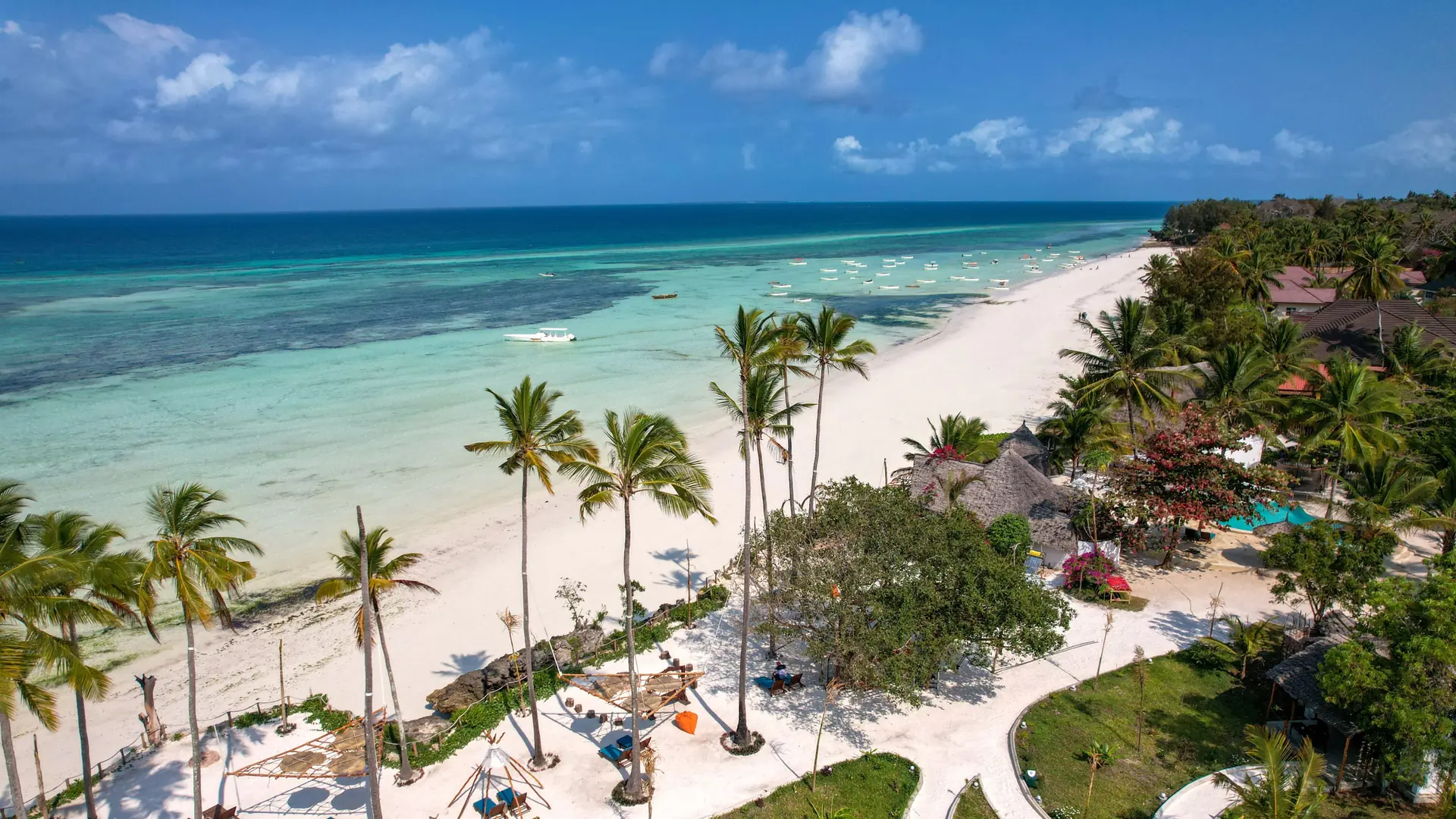
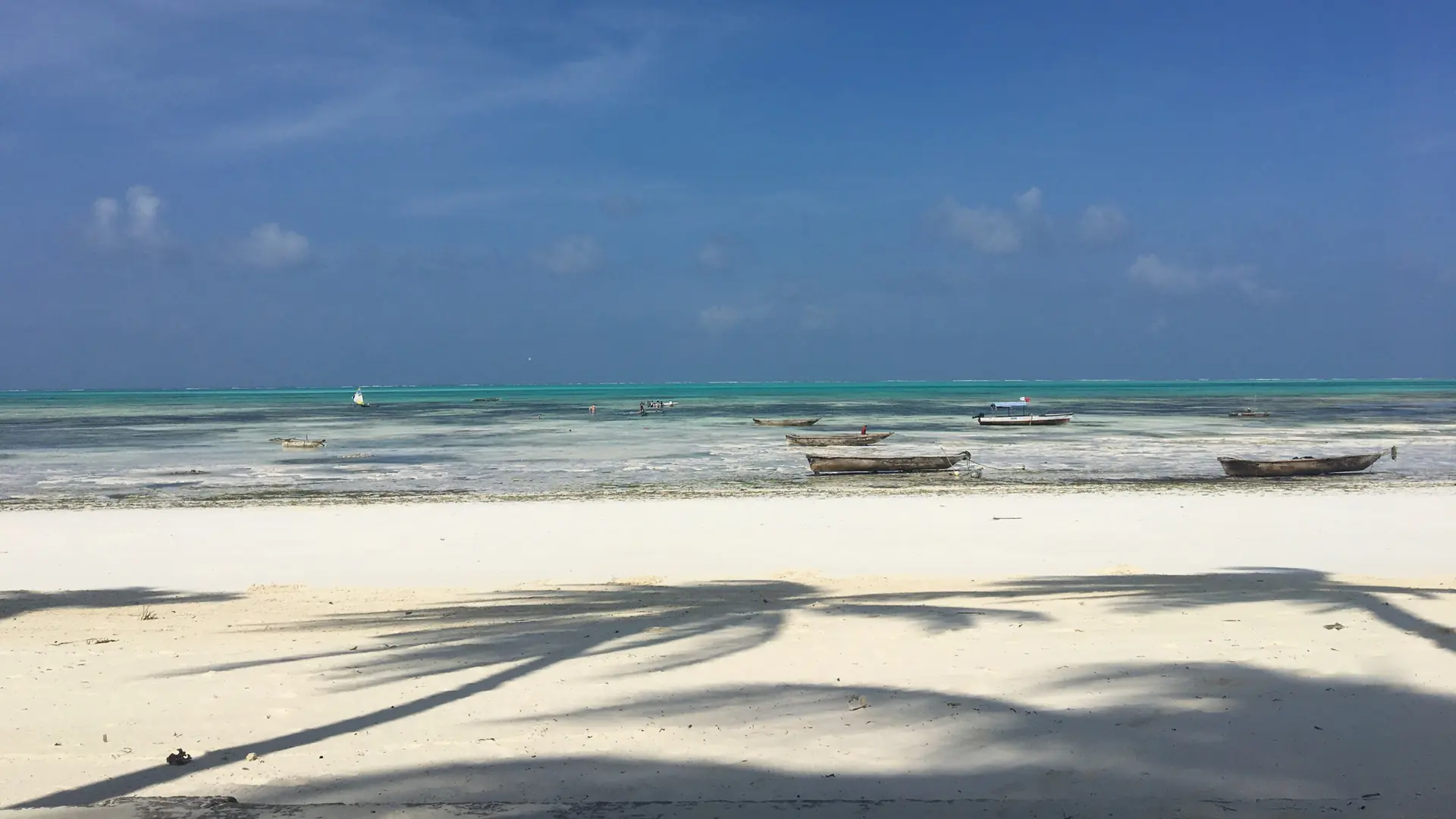
Nungwi gets four nights for rest after the early safari starts. It can be easier to arrange a north-coast swim than on Paje's more tidal east coast, but check the exact hotel's sand access, rocks and boat traffic. Keep a marine outing movable. June to October is usually drier for both safari roads and island days, with higher booking pressure; December to February brings warm island weather and a different wildlife pattern; March to May needs more rain flexibility. Ask the guide why its camp location fits your month instead of buying a migration promise.
JRO is outside the city, and an international arrival can slip. A named first hotel and next-day guide handoff are more valuable than forcing an evening wildlife promise.
Stay in Karatu on both sides of the crater visit. The authority’s entry, vehicle and descent arrangements need current confirmation; do not let a westbound transfer consume the drive.
The long approach to Seronera is transit with possible wildlife, not a substitute for a complete park day. Confirm the camp’s coordinates and daylight arrival.
Check Seronera pickup, all stops, baggage and Zanzibar arrival against the actual carrier’s schedule. A route advertised to the island is not proof of a direct flight on your date.
A town-side arrival protects you from adding a second long transfer after the aircraft. The following full day can explore the UNESCO heritage streets with context.
A north-coast hotel can be a better swimming fit than a strongly tidal east-coast stay, yet rock, boats and beach access vary by address. Request a current view of the actual entrance.
Best for
StartBooker answer
Use one Arusha arrival night, two Karatu nights for a Ngorongoro day, two near central Serengeti for a real park day, two in Stone Town after a booked light-aircraft connection, and four on the north coast at Nungwi. That is eleven hotel nights in twelve days. Treat the Serengeti-to-Zanzibar flight as day six, with its actual routing and baggage rule confirmed before paying for hotels. The safari is compact, so omit extra park detours that would erase wildlife time. Zanzibar then provides history and an unhurried beach stay rather than a single rushed photo stop.
Explore tours, attractions and local experiences in Arusha, Karatu, Central Serengeti / Seronera, Stone Town / Zanzibar City, Nungwi along this route through Tanzania.
Loading activities…
Activities provided by GetYourGuide. We may earn a commission on bookings.
The crater is a day visit; the Seronera-to-Zanzibar aircraft is a day-six transfer.
5 stops · swipe
 1
International arrival and named safari pickup
The first Arusha night is insurance against turning an uncertain arrival into a ruined park booking. Kilimanjaro International Airport and Arusha Airport are different places; tell the provider which one is on your ticket. Ask how luggage reaches the hotel, whether late food is available and where your guide will collect you. A hotel with a clear vehicle entrance can save time the next morning. The town has its own museums and arts, but this compact route cannot promise an Arusha cultural day without taking time from safari or island. If arrival is early, choose a manageable local visit; if it is late, eat and sleep. Confirm all four mainland hotel nights, road legs, park permits and the booked airstrip flight before setting out. A guide who can show the plan in writing is a better asset than one more brochure activity.
Read the Arusha guide →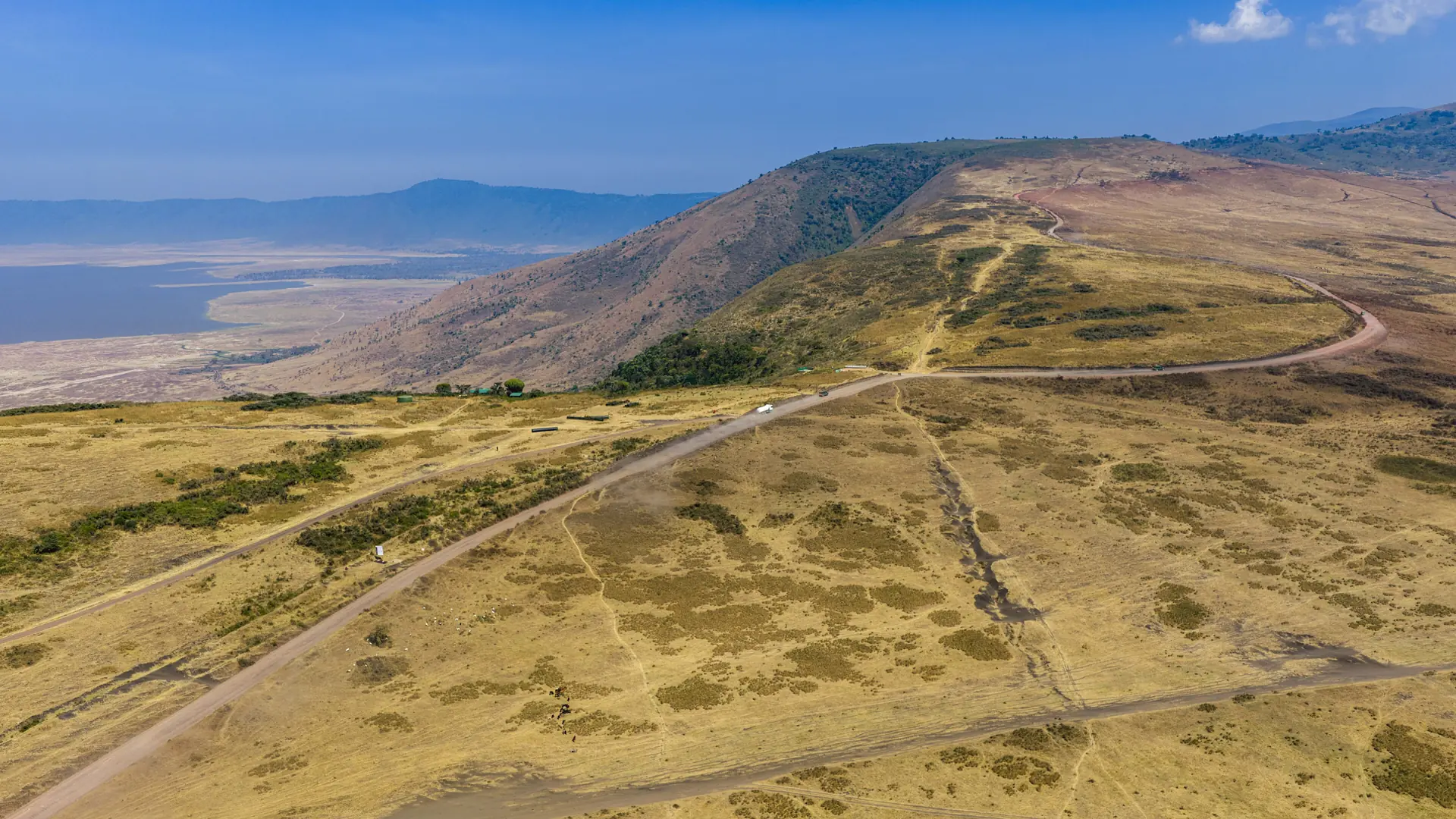 2
Two sleeps around the crater day
Karatu is the highland base outside the Ngorongoro Conservation Area. The first sleep follows the westbound drive; the second follows a dedicated crater visit. Ask where the hotel lies relative to the gate and whether an advertised “crater” room is really near the rim or back in town. The difference affects the early departure, but not the quality of a well-planned day. The Ngorongoro landscape carries natural and cultural significance. Remain with the authorised guide and vehicle, respect local people and avoid treating a sighting list as a guarantee. The crater entry and vehicle charges are a separate authority question from TANAPA national-park fees. A package needs to show those lines plainly. Day four then moves towards central Serengeti; do not add a second full Karatu activity to that road day.
Read the Karatu guide → 3
One full park day before flying to the island
Two nights near Seronera make one complete park day possible between the long arrival road and the Zanzibar flight. This is a compressed Serengeti visit; readers who primarily want wildlife should add at least another night. Request the actual camp coordinates and airstrip travel time before booking. A lodge outside the area or far from the aircraft can change both wildlife hours and connection risk. Use day five for an unhurried drive chosen by current conditions. UNESCO describes an immense migratory ecosystem, while a central camp gives access to resident habitats even when the large herds concentrate elsewhere. Do not pressure a driver off permitted tracks for a picture. On the second evening, reconfirm the carrier, baggage and camp-to-airstrip pickup. The following day is an aircraft journey, not another full safari or beach day.
 4
Heritage walk and a soft landing after the flight
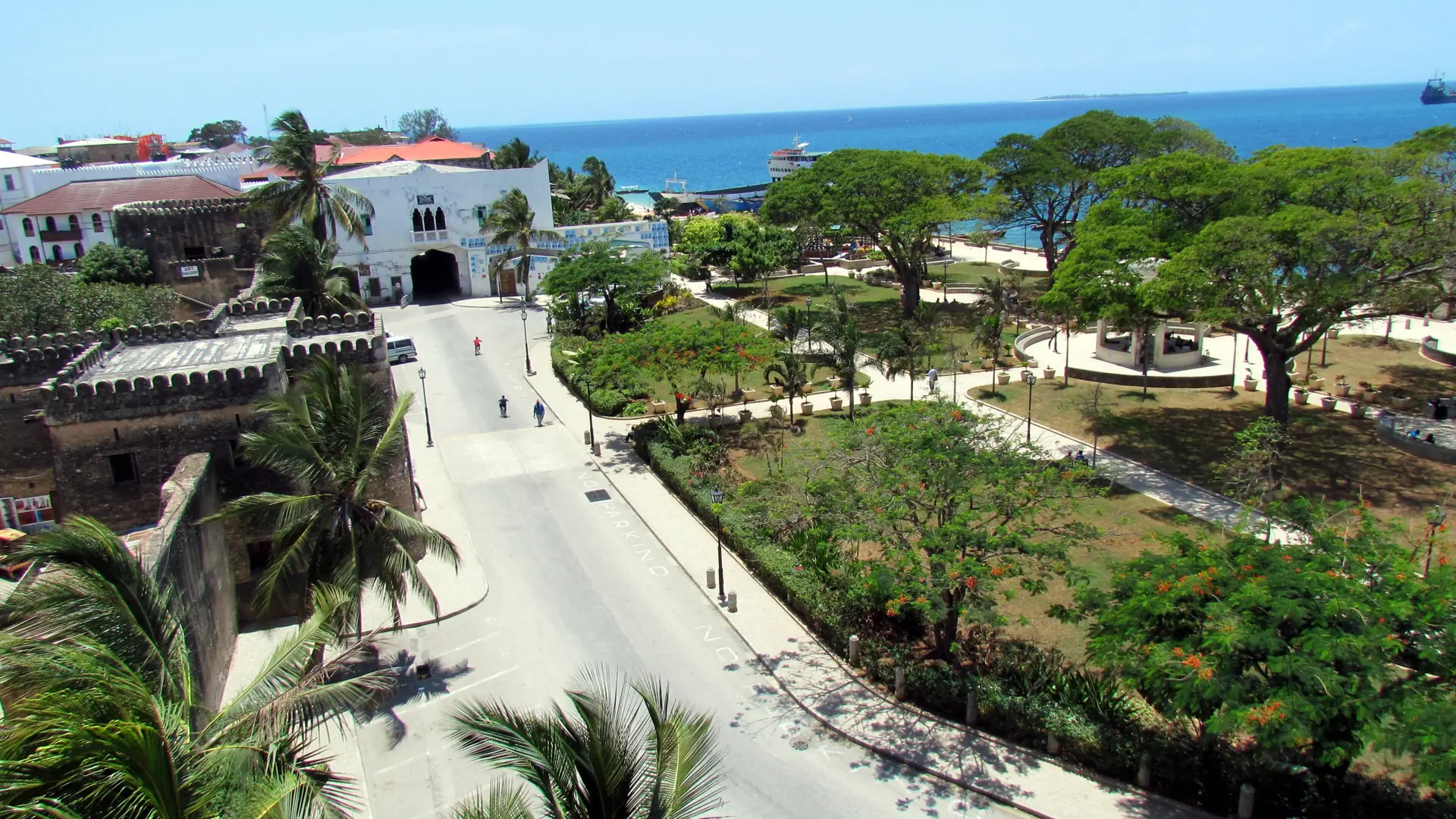
Arriving in Zanzibar City after a light-aircraft journey leaves you closer to a Stone Town room than a north-coast resort. Confirm the airport pickup and the old-town lane where a vehicle can stop. Historic lodging may have steep stairs and variable noise; ask about both before paying. A delayed or multi-stop flight should not erase your whole island programme when the first hotel sits near the gateway. The full following day belongs to Stone Town’s living heritage. A guide can explain Swahili trade, architecture and the history of enslavement without reducing the area to decorative doors. UNESCO identifies a layered town shaped by Indian Ocean links; choose one deeper museum or community-led visit instead of racing through every site. A seafront boat is optional and subject to conditions. The two nights separate air travel from the later beach transfer.
Read the Stone Town / Zanzibar City guide → 5
Four nights of north-coast rest and optional water time
Four nights on the north coast are the reward for the safari’s early starts and the aircraft move. Nungwi has several beach characters rather than one uniform strip. Ask for the exact sand access and whether your room is beside a suitable swim area, rocks, boats or a busy path. Compare Kendwa-side addresses if a quieter stretch matters more than Nungwi village life. Do not fill every island day with another paid tour. One marine outing may be worthwhile with responsible reef practice, suitable sea and an honest cancellation rule; wildlife is not promised. Another day can simply be a long breakfast, a tide-aware swim and a sunset. Keep the last day free enough to pack and check the final airport road. Zanzibar inbound insurance, visa position and beach safety deserve the same attention as the safari invoice.
Read the Nungwi guide →The safari has one full crater and one full Serengeti day. The island then has one full heritage and several true beach days.
After landing, travel to the actual Arusha hotel and accept that flight formalities can take time. JRO and Arusha Airport are different, so give the transfer company the airport code. Check your first safari pickup, guide contact and vehicle arrangements before paying a balance. An airport shuttle might be cheaper, but it is not necessarily a private hotel drop-off. The eleven nights begin here. If arrival is late, eat and sleep instead of buying an evening “safari experience”. Confirm the booked protected-area entries and the date of the Serengeti-to-Zanzibar flight. A missed first hotel night can cascade into park permits, so an independent traveller may prefer a flexible cancellation option. Pack light enough for the later small aircraft, whose allowance may be stricter than your international airline’s.
Base: Arusha
An early westbound departure can include Tarangire when your operator explains how much time remains after the drive and gate. TANAPA’s road guidance gives roughly two and a half to three hours from Arusha to Tarangire. Wildlife viewing, lunch and the onward journey to Karatu make this a full day, not an afterthought. If the group is tired or the road slips, go straight to Karatu. The crater day tomorrow is worth protecting. Ask the guide how park fees, vehicle, water and meals appear in the invoice. Tarangire is under TANAPA; the next day’s Ngorongoro permits come from another authority. Reach the Karatu hotel in daylight, learn its distance to the gate and check the early pickup. This is the first of two Karatu nights, so no one needs to change rooms after the crater.
Base: Karatu
The crater is the main protected-area day from Karatu. Leave at the time a current NCAA permit and local road condition require. The caldera’s habitats can hold many species, but a rhino or predator is never owed to a ticket holder. Ask the guide to explain the volcanic and lived-in conservation landscape as well as the wildlife. Keep to approved roads and stops; avoid photographing residents without consent. Clarify conservation entry, vehicle or descent charges and lunch before the car leaves. Layers help on the rim even when the afternoon in Karatu is warm. Return to the same hotel, take a proper break and prepare for tomorrow’s long road. Packing for the park-to-island flight can wait another evening; today should not be compressed to make room for a redundant transfer.
Base: Karatu
The road towards Seronera passes through the conservation corridor and the Serengeti entry. Ask your guide about gate sequence, permits, water and a realistic meal stop. A scenic pause or wildlife sighting can happen, yet calling this a complete Serengeti day would take credit for time spent driving. An optional Oldupai interpretation stop is worthwhile only if current access and daylight allow it. Reach the actual camp while staff can orient you to paths and safety rules. Confirm that its coordinates are sensible for a central game drive and the Seronera airstrip departure. If a brochure’s “Serengeti” lodging is outside the park or far away, the next day and flight have different economics. Sleep after the road; your only full Serengeti day comes tomorrow.
Base: Central Serengeti / Seronera
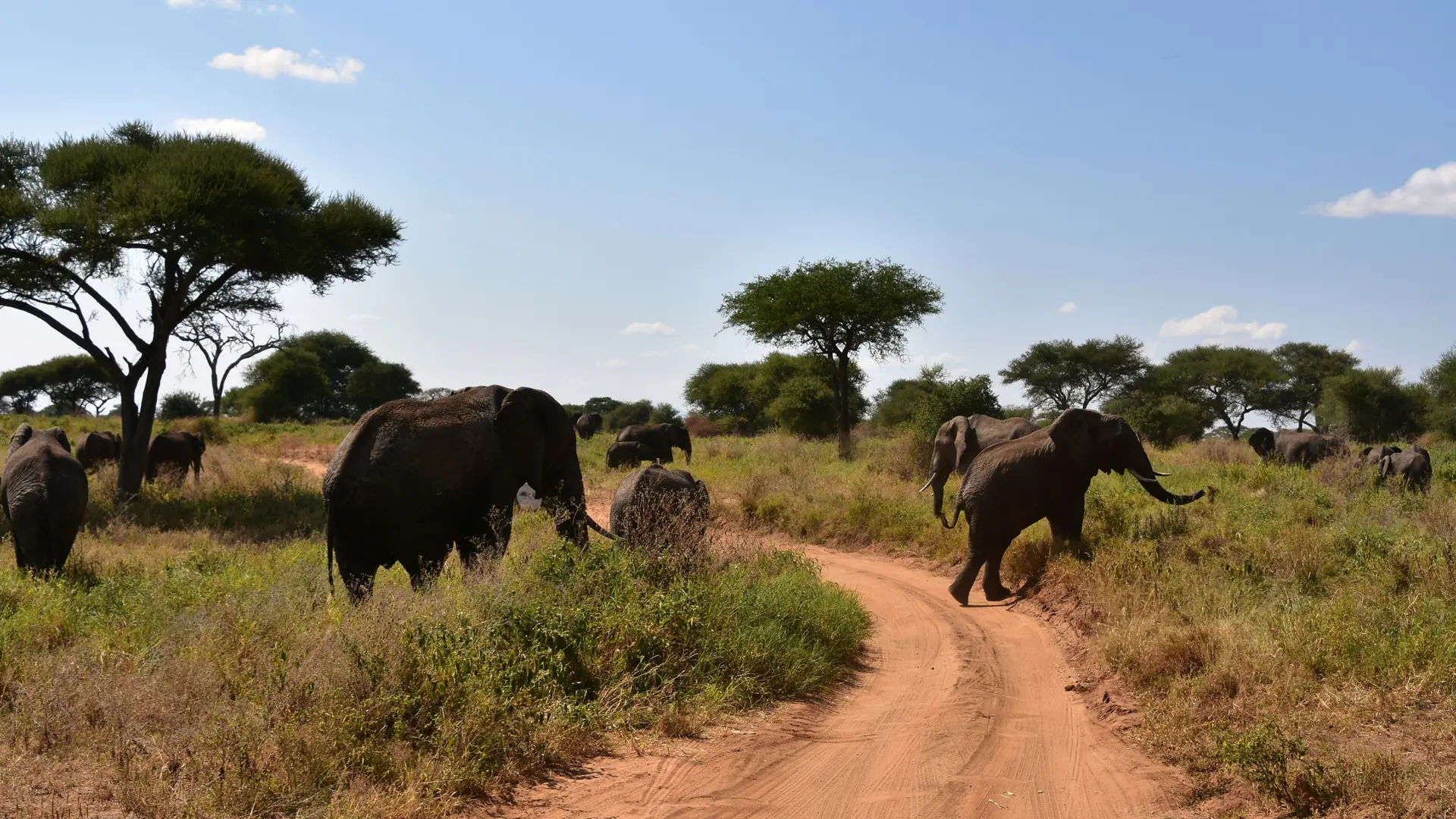
Spend a full day with a licensed guide who understands current road and wildlife conditions. The central riverine and open habitats invite a slower rhythm than racing between sightings. Binoculars and patience make distant animals easier to appreciate without crowding them. TANAPA rules keep vehicles on permitted tracks and prohibit harassing wildlife. Ask where breaks are allowed before setting off with children or anyone who needs regular stops. This is one full Serengeti day, which is the route’s main safari compromise. The migration shifts with rain and grass across a vast ecosystem; a central location can still be rewarding for resident wildlife when giant herds are elsewhere. If you want two or three full days, change the night split before booking. Reconfirm tomorrow’s flight time, routing, luggage weight and camp pickup in the evening rather than assuming an online search result is your ticket.
Base: Central Serengeti / Seronera
Take the booked camp-to-airstrip transfer and allow the carrier’s actual check-in time. Auric Air markets Zanzibar access from the safari circuit, but the service on your date may involve stops; read the ticket. A small aircraft can impose a luggage rule unlike your long-haul airline’s. Keep essential medication and documents accessible and ask what happens if weather delays the departure. After landing on Unguja, drive to a Stone Town hotel with a known drop-off point. Historic lanes may prevent a vehicle from reaching the door, so arrange luggage help in advance. Check Zanzibar’s official inbound insurance requirement even if you already hold ordinary travel cover. Day six is the flight handoff plus a gentle town evening. Do not market it as another full Serengeti game drive or the first complete beach day.
Base: Stone Town / Zanzibar City
Use the full day in Stone Town for a guided account of its Swahili trading past, architecture and difficult slave-trade history. UNESCO describes the historic urban fabric and the varied Indian Ocean influences that shaped it. A local guide can make those connections while you retain time to revisit a street or museum independently. Ask permission before photographing residents or entering active religious spaces. Keep one afternoon visit rather than a long list of monuments whose current opening hours you have not checked. A boat trip can be postponed if the sea is poor; the town itself justifies the day. Arrange the Nungwi road transfer and your exact beach hotel pin before dinner. Two Stone Town nights protect this cultural day from the uncertainties of yesterday’s aircraft arrival.
Base: Stone Town / Zanzibar City
Leave Stone Town for Nungwi after breakfast at a time agreed with a driver. Ask whether the fare is from the old-town meeting point to the actual hotel, how luggage is handled and whether a stop adds cost. Shared transport may be cheaper for light travellers, but account for terminal-to-door taxis. On arrival, inspect the sand, rock and boat pattern at your property before reserving a snorkel outing. Four nights now remain in one place. Let the first afternoon be a swim only if conditions and the marked entry suit you, followed by a free evening. North-coast water is generally a more practical reason to choose Nungwi than the strongly tidal east coast, but it is still a specific shoreline, not a blanket safety claim. Ask about lifeguards and a quiet room if the village’s active beach scene might affect sleep.
Base: Nungwi
After several safari dawns and the air handoff, a morning without a driver is valuable. Swim from a suitable entry at a comfortable tide, walk to a different part of the coast if access allows, and use shade through the stronger sun. Compare the actual atmosphere of Nungwi and a Kendwa-side stretch before deciding whether you need a day trip elsewhere. A marketed “paradise” photo may omit rock, boat traffic or a crowded lunch hour. If marine wildlife interests you, spend this day researching a responsible operator for tomorrow rather than paying the first seller on the sand. Ask which reef area it visits, what conservation rules apply and how the plan changes in wind. Do not buy a turtle or dolphin guarantee. A full beach day remains a complete day even if no boat leaves.
Base: Nungwi
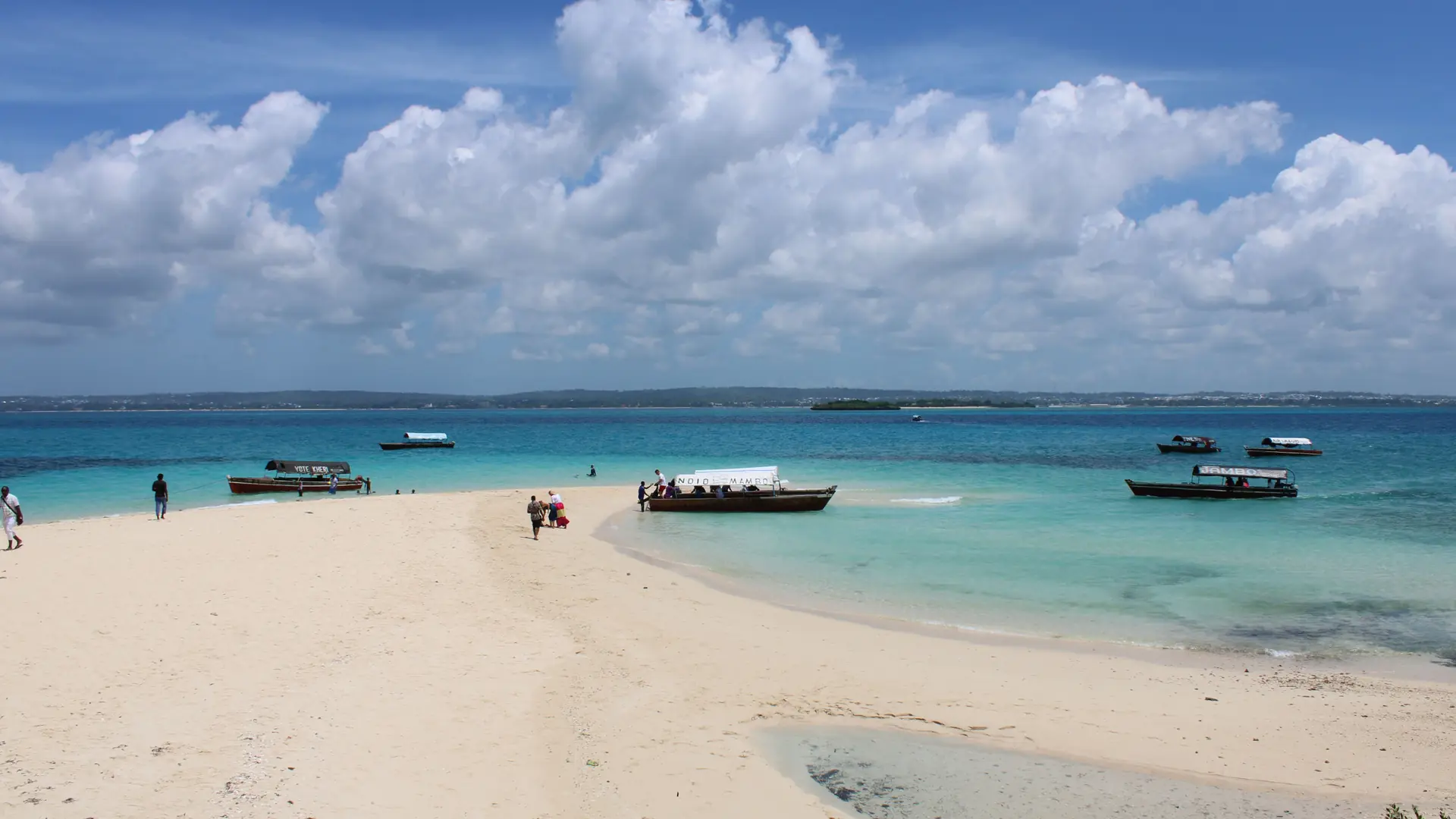
A snorkel trip can be worthwhile when the sea is suitable and the operator explains departure, equipment, flotation, supervision and cancellation. Tanzania Marine Parks and Reserves reports coral-restoration work around Mnemba, a reminder to keep fins off the reef and avoid pressure for close wildlife contact. The named area is not a promise that boats land on the island or that every visitor sees the same animals. If wind or visibility is poor, keep the day on the north coast. A shore swim, café and sunset can be safer and more pleasant than a rough boat taken only to protect a paid schedule. Ask your accommodation which water entrance is best for the actual tide. In the evening, compare the next day’s forecast and your remaining time before departure; one Nungwi day should stay free of a fragile booking.
Base: Nungwi
The eleventh day gives the beach stay breathing room. You could revisit the best stretch, take a guided local visit that is genuinely wanted, or simply rest. If an earlier marine trip was cancelled and conditions improve, this is the moveable slot; do not reserve both days in advance without a cancellation policy. Read the tide and ask about safe water entry, particularly with children or hesitant swimmers. Before dinner, confirm the final ride to Zanzibar airport by actual flight time and hotel entrance. A north-coast address is not adjacent to the terminal. Check the driver’s total fare, luggage and pickup contact; also verify any onward entry documents. If your international departure is at dawn, the final night might be better near Stone Town. That would change this published four-night Nungwi split, so make the decision before booking nonrefundable rooms.
Base: Nungwi
Day twelve is checkout and the road to your onward flight. Build the pickup time from airport check-in, road variability and your hotel’s exact location, not from the distance on a map alone. An early flight may leave no beach time at all. If departure is later, use a short safe swim or breakfast, then leave enough time to shower, pack and meet the driver. Do not book a nonrefundable boat that must end at the airport gate. The advertised twelve days are spent in Tanzania and Zanzibar; flying from the UK, Europe or elsewhere adds calendar time. The route has eleven hotel nights, one park-to-island flight and a north-coast departure. Check the final invoice and baggage allowances across every carrier, especially if your domestic and international tickets are separate. The last day should feel controlled, not like a race from reef to runway.
Base: Nungwi
Two mainland road changes, one air connection and one island road move link the five beds. Airport arrival and final departure are additional transfers.
4 transfers
Arusha Karatu
TANAPA estimates roughly two and a half to three road hours from Arusha to Tarangire before wildlife viewing. If you add the park on the way to Karatu, get the planned in-park hours, current entry fees and onward arrival time in writing. A late start makes a direct drive wiser. Confirm the safari vehicle, water and lunch cover the whole leg to your actual Karatu hotel, not just the park gate.
Karatu Central Serengeti / Seronera
Allow a full travel day from Karatu through the conservation corridor to the Seronera camp. NCAA transit and Serengeti entry, road conditions and an optional Oldupai stop can change the clock. Ask the guide for the permit categories, safe meal stop and camp coordinates; avoid a fixed sunset booking on arrival. The second night protects the following full wildlife day.
Central Serengeti / Seronera Stone Town / Zanzibar City
The booked aircraft ticket, rather than a destination list, must establish your Seronera departure, any stops, Zanzibar arrival and luggage allowance. Arrange the camp-to-airstrip vehicle and leave weather margin. At Zanzibar airport, meet the driver for the precise Stone Town vehicle-access point. Keep the inbound-insurance document available and do not schedule another island crossing that evening.
Stone Town / Zanzibar City Nungwi
Agree a door-to-door fare from the Stone Town pickup point to the exact Nungwi hotel. A cheaper shared ride may still need taxis at both ends. Ask where the property meets the sand and whether rock or boats limit the preferred swim entrance; a village label alone does not answer that. Leave the first beach evening free to settle in.
Checked 28 September 2026. Amounts for this mixed trip are date- and category-sensitive; the TANAPA page still displays a 2023/24 validity label, so use current written quotes instead of a false 2026 total.
Booking tips
Search live Arusha rooms by airport transfer and the guide’s next-day pickup; the first bed is part of the route logistics.
The markers show Arusha, Karatu, Seronera, Zanzibar City and Nungwi. The island flight is the central cross-country leg.
Tanzania safari and Zanzibar
No. It counts twelve days on the ground in Tanzania, including the day-six safari-to-Zanzibar aircraft, and eleven hotel nights. International flying and any extra connection hotel add calendar time. Make that clear before booking leave or an advertisement that says “12 days”.
One full Ngorongoro crater day and one full central Serengeti day. The Karatu-to-Seronera approach can include wildlife but is mainly a long road move. A Tarangire stop is optional only if its actual in-park hours work. Add Serengeti nights if wildlife is the main purpose; do not count every road transfer as a full game drive.
An operator such as Auric Air advertises Zanzibar from the safari circuit, but a direct flight cannot be promised for every date. Confirm the booked departure airstrip, intermediate stops, arrival time, baggage limit and weather policy with the actual carrier. The itinerary works with a scheduled connection if the day is treated as travel.
The first night absorbs the aircraft arrival and avoids another long northbound transfer. The second protects a full day for UNESCO-listed streets and a guided account of their trade and slavery history. One night would turn the town into a hurried transit stop and make any flight delay especially costly.
This route favours north-coast swimming access after several travel days. Paje’s east-coast tide can leave extensive shallow flats at low water, which is excellent for some visitors and awkward for people expecting a dip at any hour. Nungwi still varies by exact beach; ask the hotel about rock, boats, current and a safe entrance.
It can be, with heat and short-rain variability on Zanzibar and seasonal wildlife shifts on the mainland. This route uses central Seronera, not a promised southern calving camp. Ask a safari operator why the chosen camp fits your dates and keep a marine outing flexible around actual wind.
March to May generally carries greater rain risk for both safari roads and Zanzibar beach plans, so ask about vehicle, aircraft and cancellation flexibility. June to October is usually drier for both sections but can attract more bookings. Local weather on your exact date still matters more than seasonal averages.
Ask for NCAA and TANAPA permits by name, crater vehicle/descent charges, airstrip transfer, light-aircraft baggage or routing, Zanzibar inbound insurance, three island road transfers and the board basis at all five hotels. The public TANAPA tariff landing page showed an old validity label at the September 2026 review, so current fees need an authority-backed quote.
Reviewed by StartBooker
Last reviewed 2026-09-28
Updated
How this route was checked: Checked official park, airport, aircraft, heritage, climate and island sources; verified all eleven hotel nights and distinct road/air movements.
19 references reviewed
Some photos provided by Pexels.
Find another destination and compare its areas and accommodation.
Compare routes by length, stops and transport.