Use the correct calendar window
Ndutu Lodge links the short-grass calving period to the rains, with a traditional February peak. Keep the exact date flexible enough to follow current herd reports.
Two nights in Karatu, three near Ndutu. Travel when calving is most likely, but verify the herd position and your airstrip exit before paying.
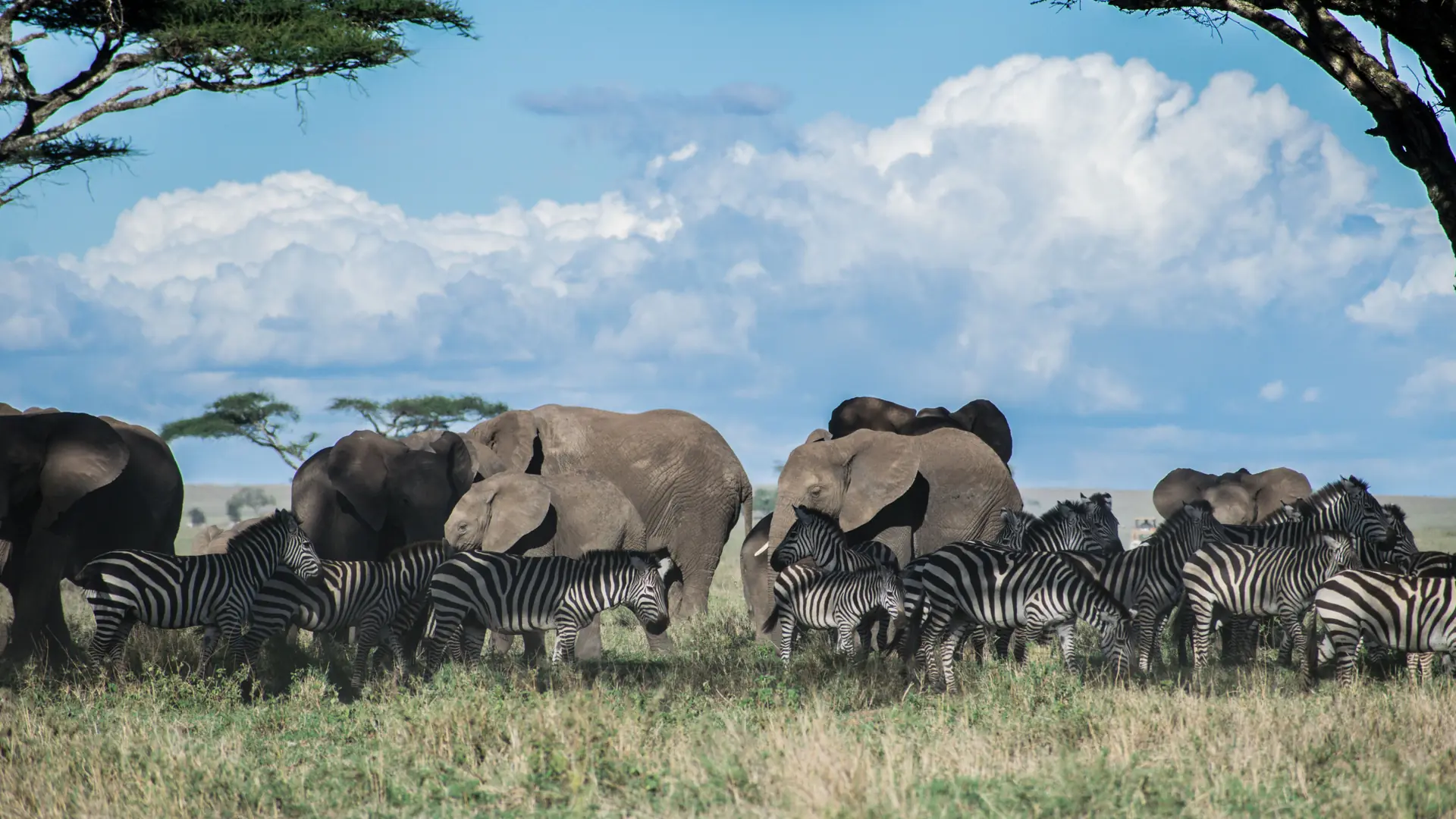
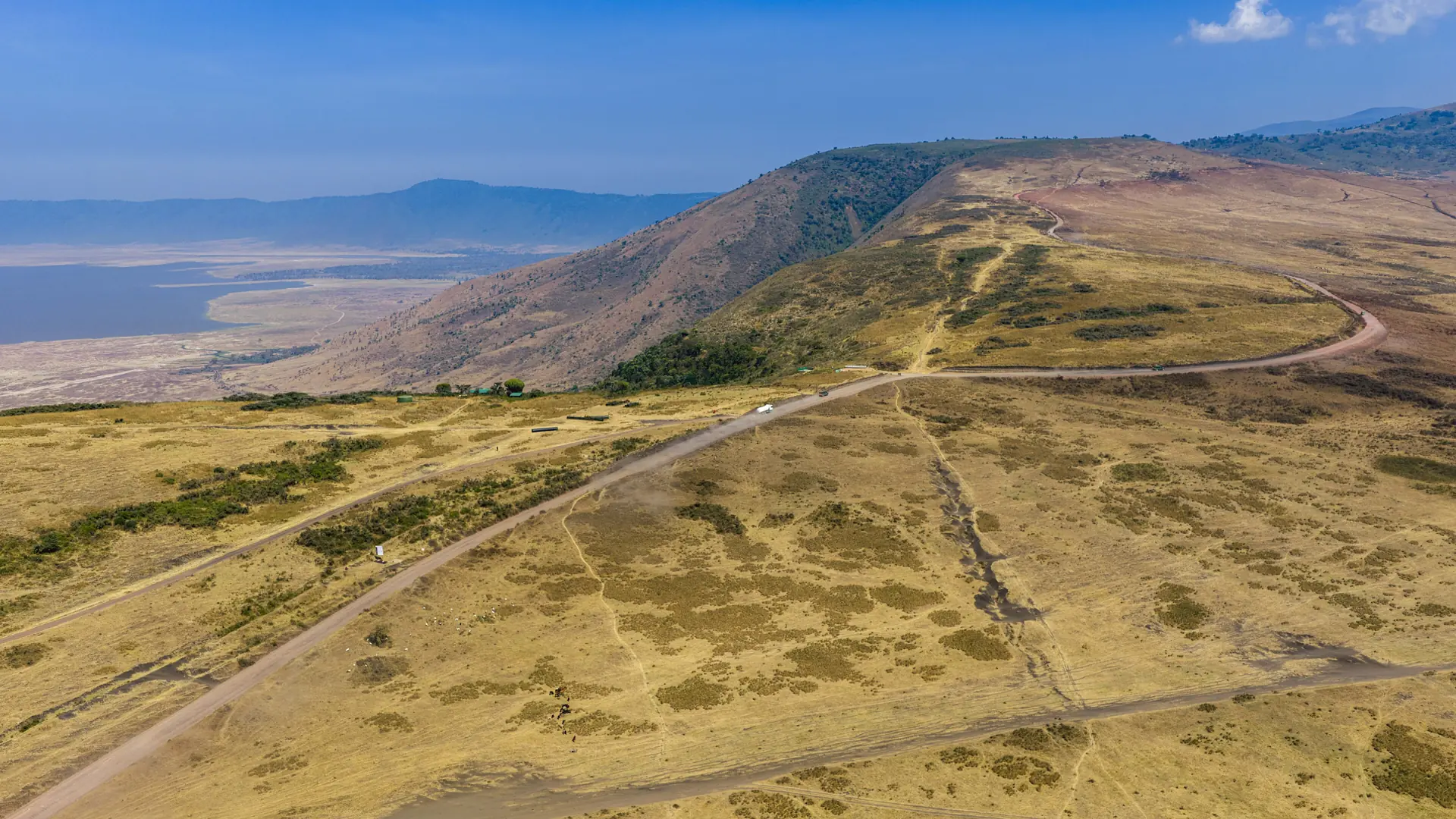
The southern Serengeti ecosystem and Ndutu area can be extraordinary in the wet-season calving months, but the herds do not read a booking calendar. Ndutu Safari Lodge, which operates in the area, describes nutrient-rich short-grass plains and a traditional calving peak around February. The Ngorongoro authority’s older seasonal guidance also links the southern plains to young animals after rain. Those are seasonal patterns, not a promise of births outside your vehicle on a specific morning. The exact camp, recent rainfall and road access matter more than a headline that says “Serengeti” somewhere in the property description.
This six-day itinerary uses two Karatu nights and three in the Ndutu area. Karatu absorbs the arrival road and gives Ngorongoro’s crater a separate day. The move to Ndutu on day three is substantial: an operator lodge factsheet lists roughly three to five hours from Karatu in its historic guide, before your particular stop, permit and road conditions are known. Treat that as a planning warning, not a guaranteed current drive time. Days four and five are then full wildlife days from a camp actually near the southern plains. Day six is a booked airstrip departure or a separately planned road return, never both a full calving drive and an effortless flight connection.
Ndutu sits in the Ngorongoro Conservation Area near the Serengeti boundary. Some camps use broad “southern Serengeti” marketing even when their gate, permit category and camp footprint differ. Obtain exact coordinates and ask the operator which authority handles each night, vehicle day and route segment. TANAPA’s public tariff landing page showed a 2023/24 validity label at our September 2026 check, so a current fee quote needs confirmation from the park and conservation authorities. Verify the camp’s own terms as well: older published Ndutu Lodge rates are explicitly expired and cannot be copied into a 2026 budget.
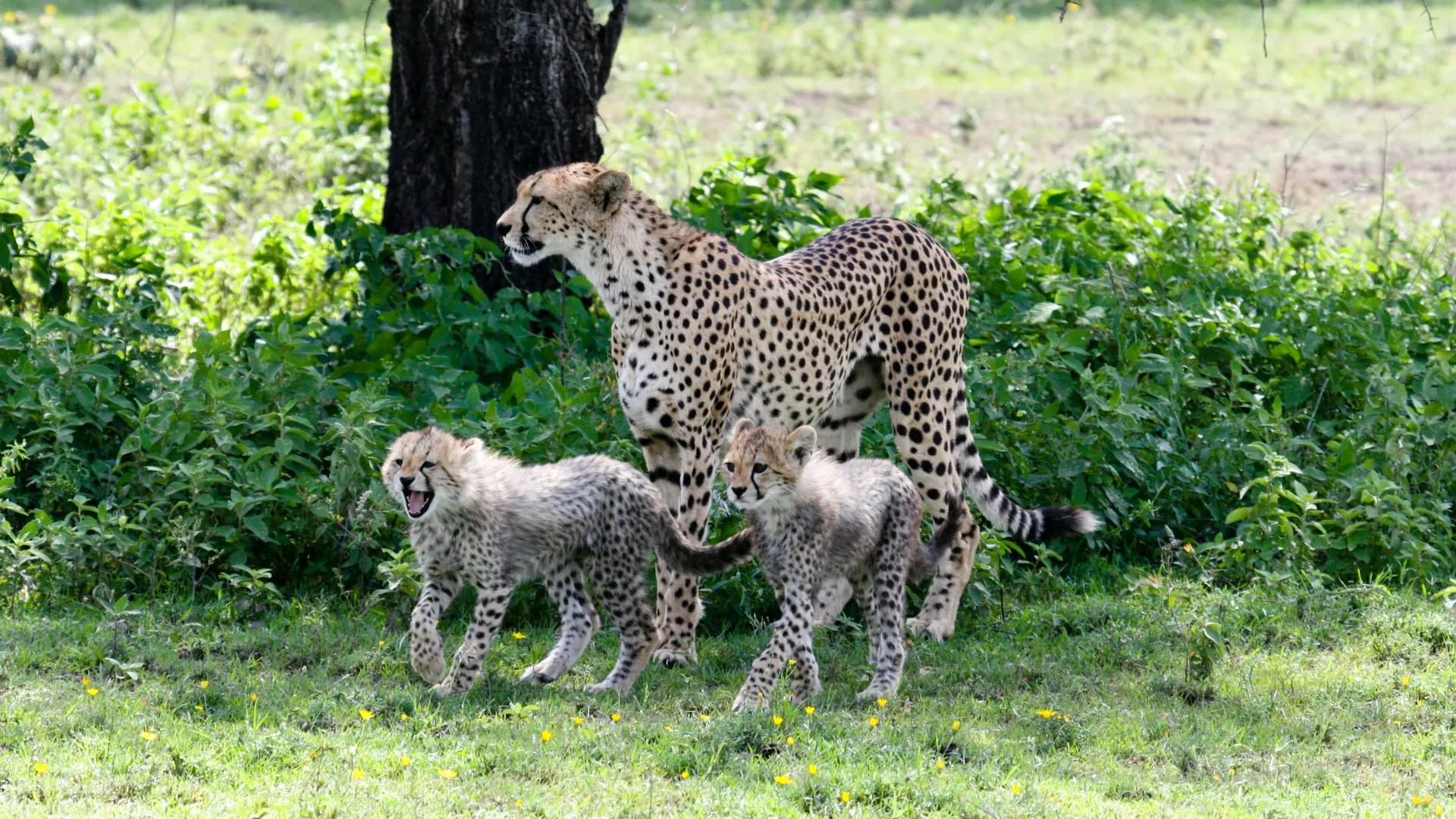
Wildlife photography here calls for patience and distance. Newborn calves and predators are a natural drama, not a license to surround an animal with vehicles. Agree with a guide that animal welfare and park rules win over a close frame. A long lens and binoculars let you watch behaviour without pressuring the driver. On quieter days, look for birds, resident cats or the contrast between woodland, saline lakes and grass. A migration-only expectation can obscure much of what makes Ndutu interesting. The authority’s conservation landscape also includes local communities; any cultural stop must be properly arranged and consent-based rather than a surprise visit to a home.
For travellers from the UK or northern Europe, this is largely a winter or early-spring idea. December can be early, February is often the strongest planning target, and March may still work but rain and herd movement vary. The long-rain period can make roads more difficult; summer on the northern calendar is generally the wrong time to promise calving at Ndutu. The lodge’s own seasonal descriptions say resident wildlife remains after migrating herds move away, but that is a different product. If you travel June to October, choose a general Serengeti or northern safari page rather than paying a premium for an absent calving claim. Six days here excludes international flights and any gateway night required by your actual arrival or onward ticket.
Ndutu Lodge links the short-grass calving period to the rains, with a traditional February peak. Keep the exact date flexible enough to follow current herd reports.
“Ndutu” is a broad area label. Ask whether the property is truly near the Lake Ndutu and Lake Masek plains and which authority charges for its access.
A full crater day from Karatu can add a different habitat before the calving focus. Its entry, vehicle and descent arrangements belong to NCAA, not an assumed TANAPA park ticket.
The Karatu-to-Ndutu move consumes day three. Three Ndutu nights leave days four and five for patient drives without changing camps after a single sighting.
Calves and predators are vulnerable to vehicle pressure. Ask your guide to follow current track, distance and stopping rules even when another car is closer.
The Ndutu airstrip and seasonal services need confirmation for your actual date. If there is no suitable flight, the road back to Arusha is long enough to change the trip arithmetic.
Best for
StartBooker answer
Stay two nights in Karatu and three near Ndutu, with a dedicated Ngorongoro crater day before the move to the short-grass plains. Plan the wildlife focus for roughly mid-December to March, with February often associated with calving, but ask a current local guide where herds actually are; rain shifts them. Use days four and five as full Ndutu game-drive days, then book a real airstrip departure or add time for the long road return. The Ndutu area is in the Ngorongoro Conservation Area, so check its current permits and your camp’s exact location before paying.
Explore tours, attractions and local experiences in Karatu, Ndutu plains area along this route through Tanzania.
Loading activities…
Activities provided by GetYourGuide. We may earn a commission on bookings.
Karatu is a town; the second base is a wildlife camp in the Ndutu area, administratively near Enduleni, not a city resort.
2 stops · swipe
 1
Crater day and northern gateway
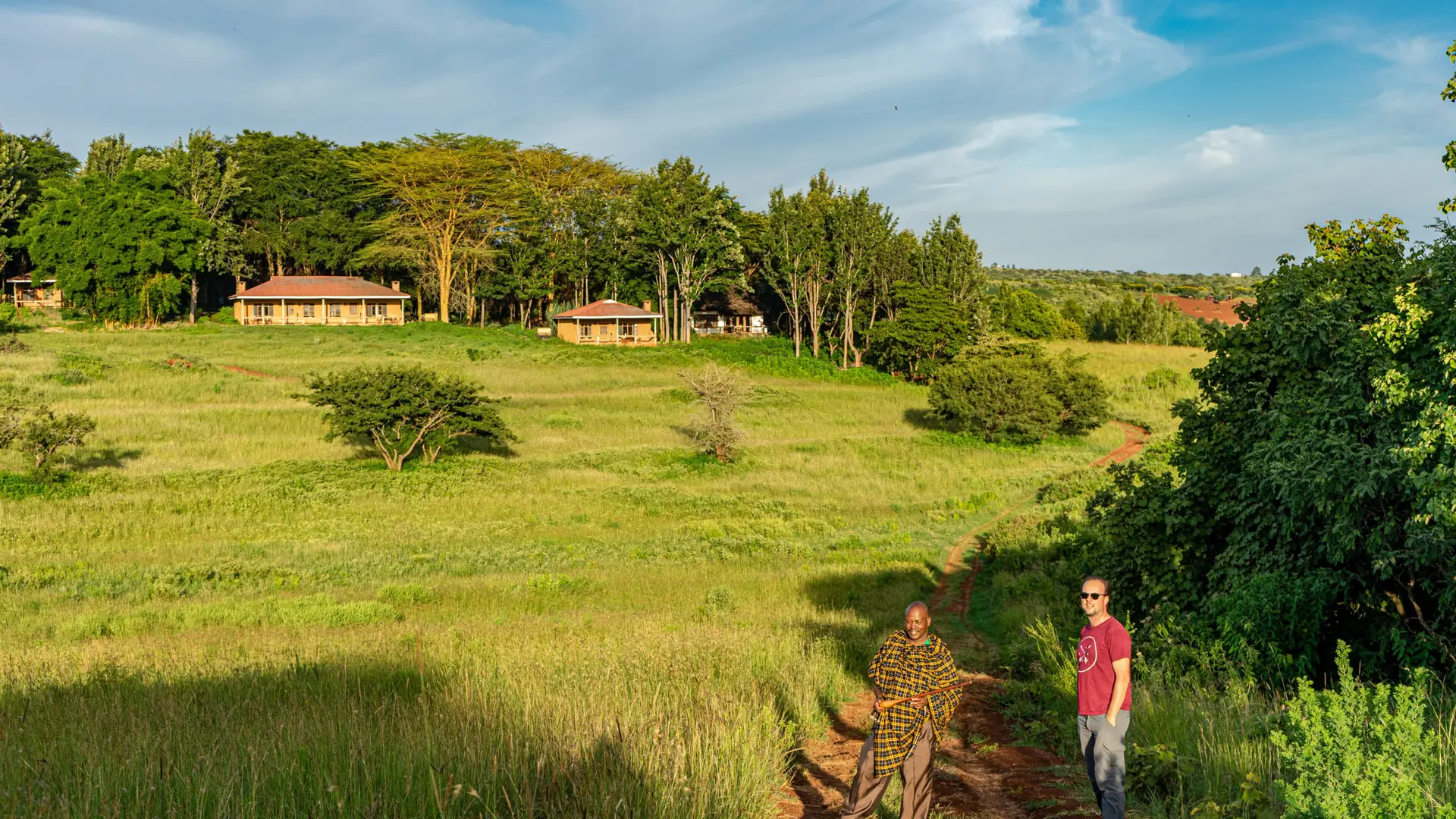
Karatu is the first base only when your inbound flight and road timing permit a comfortable arrival. A late flight at JRO makes a same-day drive to Karatu a poor decision; add an Arusha gateway night outside this six-day count or revise the flights. Ask for the exact Karatu hotel position and tomorrow’s crater pickup. Its highland setting can be cooler than the plains, so a light layer is useful even when the forecast for lower Tanzania looks warm. The full following day gives the Ngorongoro crater its own permit and guide plan. It is a distinct volcanic and ecological landscape, not a warm-up lap that must be finished quickly to reach Ndutu. Request current NCAA conservation, vehicle and descent details in writing. Return to the same Karatu bed after the drive, then leave for Ndutu with a rested group. This two-night allocation prevents a demanding crater day from flowing straight into a second long road leg.
Read the Karatu guide →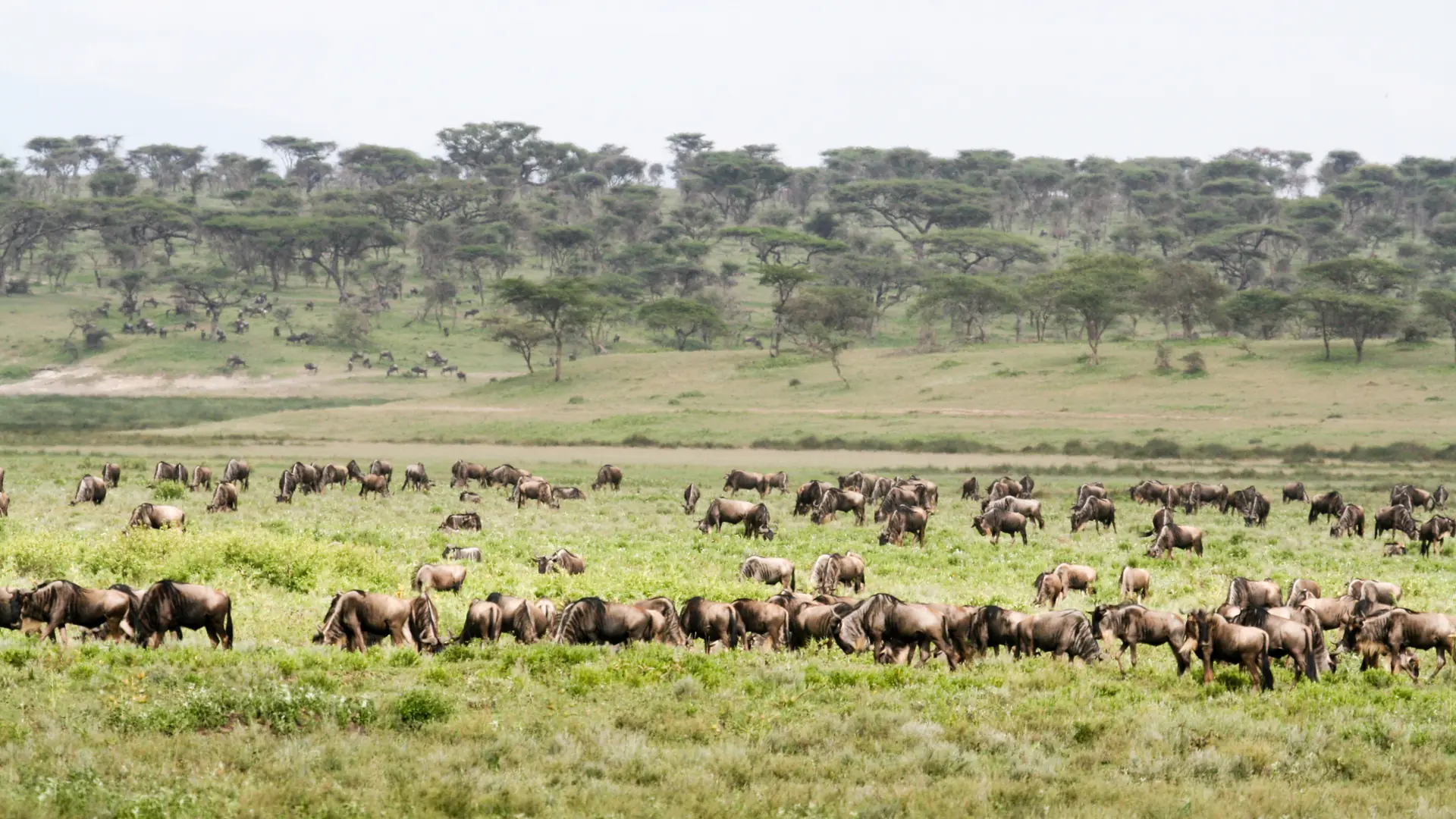 2
Southern short-grass calving focus
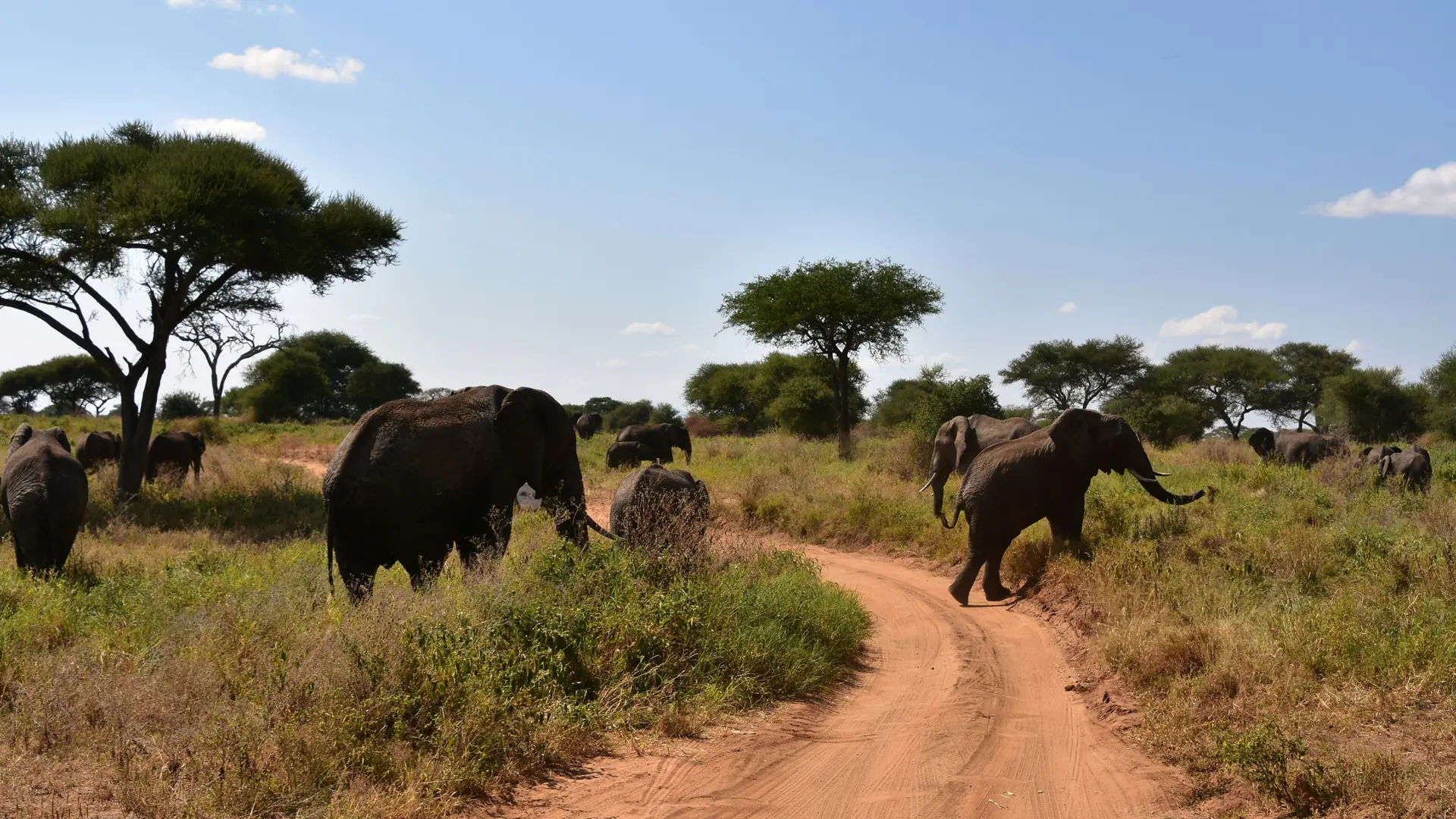
Three nights in the Ndutu area buy two whole wildlife days after the transfer. Ask the camp for exact coordinates, road directions and which permit authority applies to its land. Ndutu Lodge places itself between the crater and Serengeti National Park within the conservation area; other seasonal camps may have different positions. A room label alone cannot tell you whether the day’s best short-grass route starts nearby or after another long drive. Watch for herd movement and nursery groups with a guide who respects animal distance. Some days favour open plains; others may reward a woodland edge, lakeshore birds or resident predators. The saline lakes are not swimming stops. In a rainy spell, avoid insisting on a fixed loop through muddy ground. An early departure can use comfortable light and animal activity without making the entire stay a dawn-to-dusk endurance test. Confirm the airstrip plan and baggage rule on the last evening. The final flight or long road exit still consumes day six.
The wildlife focus sits on days four and five; arrival, the Karatu-to-Ndutu road and departure are shown for what they are.
Arrive through Kilimanjaro International Airport or another gateway and continue to Karatu only if your landing time leaves a sensible road margin. KADCO serves both Arusha and Moshi from JRO, but a Karatu journey needs its own written arrangement. If you land late, sleep nearer the airport and shift this six-day plan rather than attempting a hurried night drive. The itinerary counts its first night in Karatu, not in an unmentioned gateway hotel. At the property, check the exact crater vehicle, permit and next-day pickup with your operator. Ask whether the quoted price includes conservation entry, any crater descent or vehicle charge, guide, meals and return to this hotel. A Karatu room is not on the crater floor; allow the actual gate road in tomorrow’s schedule. Pack a layer for the highland morning and leave the first evening for rest.
Base: Karatu
Start at the time your licensed guide and current authority arrangements allow. Ngorongoro’s caldera is a distinct landscape from the open Ndutu plains you will see later. Watch grassland, wetland and wooded sections with the guide’s explanation rather than turning a sighting list into a guarantee. UNESCO recognises the conservation area’s natural and cultural significance; visitors should respect both wildlife rules and people who live in the wider landscape. Take water, food and a layer, then remain in the authorised vehicle except where permitted. Ask before photographing local residents. A weather or visibility change can alter the route, so let the guide adapt inside current rules. Return to Karatu for the second night. Avoid attaching the Ndutu transfer to this evening merely because the two sites look close on a small map; tomorrow’s road is substantial and benefits from daylight.
Base: Karatu
Leave Karatu with an agreed route and enough time for the road. The lodge’s older factsheet puts its own drive in the range of three to five hours; other camps and rainy conditions can differ. Confirm where each permit boundary lies and how long the guide expects to be on the road. A planned Oldupai stop needs its own access and guide timing, not a vague assurance that everything is “on the way”. Arrive at the exact camp before dark if possible. Ask where vehicles may drive, what wildlife is present near camp and how staff handle movement after sunset. The Ndutu label is regional, so a camp’s coordinates are more useful than its marketing name. Review recent herd information with the guide without demanding a guarantee. Two full game-drive days remain, giving weather and wildlife room to change the sequence.
Base: Ndutu plains area
Go out with a guide who knows recent rain and grazing patterns. The southern short grass can concentrate wildebeest and zebra during calving months, but even a good February booking can meet herds spread across a wider area. Look for nursery groups, predators and the behaviour of animals before asking the driver to move. A long lens helps more than surrounding a calf with vehicles. Keep to current track and distance rules, and let other cars leave space. The area also has woodlands and saline lakes. If a particular plain is quiet, shifting to another habitat can make the day worthwhile without manufacturing a “failed migration”. Take lunch and water appropriate to the distance from camp. Check the road after rain; a safe loop may be different from a brochure map. Return to the same bed and discuss tomorrow’s route with the guide over actual observations.
Base: Ndutu plains area
A second full plains day is the reason this is a three-night wildlife base. Yesterday’s drive may reveal where grass is green, which tracks are rough and what time the light suits the observation you want. Revisit a promising area slowly or choose a different edge with the guide. A close predator sighting is possible but never owed; request respectful vehicle positioning even when other groups cluster. If a storm arrives, retreat to safe ground and let the experience include rain and birds rather than forcing a fixed loop. Before evening, confirm the next day’s airstrip pickup or the exact road-return plan. The old Ndutu Lodge factsheet describes its nearby airstrip but cannot certify a 2026 airline schedule. Ask your actual carrier for route, baggage weight and connection terms. Pack so early checkout does not disturb the final morning. Five hotel nights have now been accounted for; the sixth calendar day is onward travel.
Base: Ndutu plains area
Travel to the Ndutu airstrip only when a current carrier confirms a service for your date, luggage and onward route. A historic lodge factsheet mentions seasonal flights, but its old timetable is not a live ticket. Give the camp your flight details and ask for the true vehicle meeting point and check-in time. If weather affects the airstrip, follow the operator’s advice and use a buffer before an international connection. A road return to Arusha is possible as a separate, longer version: the same lodge factsheet historically estimated six to seven hours from Ndutu to Arusha, before today’s road conditions. It is not a quick alternative that preserves another full calving day. Add a night near the gateway if the revised journey demands it. This six-day route ends after three Ndutu-area nights and a real departure day; it does not contain your international flying time.
Base: Ndutu plains area
The crater is a day trip from Karatu, while Karatu → Ndutu is the only hotel change.
1 transfer
Karatu Ndutu plains area
A Ndutu Lodge factsheet has historically estimated three to five hours between Karatu and its property. That span is not a current promise for every camp or road condition, but it is enough to show why day three cannot also be a full plains game drive. Ask the driver which gate, authority permits and roads it will use, and where a safe lunch and toilet stop fits. If you want Oldupai interpretation en route, price and time it explicitly. The scenery changes from the Karatu highlands towards the short-grass system. Wildlife may appear before camp, yet the goal is a safe daylight arrival with energy for two full following days. In the wetter season, a 4×4 and a guide who knows current tracks matter. If the vehicle contract ends at camp, check how you will reach the airstrip on day six. A price that covers only this road move may leave the two calving days without a vehicle.
Checked 28 September 2026. Public PDFs for TANAPA and a Ndutu lodge show expired validity periods; current operator-backed quotes are needed for travel in the coming calving season.
Booking tips
Search live Karatu rooms by actual crater pickup and westbound road position, then arrange the separate Ndutu camp directly.
The first marker is Karatu; the second uses the Ndutu-area camp coordinates. The crater is a day visit, not a third hotel base.
Karatu and Ndutu plains
No. Ndutu Lodge describes a traditional February peak, but the exact herd position and birth timing follow rain and grass. Use February as a planning window, then ask a recent local guide what is actually happening. Three Ndutu nights give two full days to adapt; a single fixed game drive cannot promise a natural event.
Not honestly as a calving trip. The seasonal herd concentration usually shifts away from Ndutu after the southern rains. Resident wildlife can remain, but the product is different. For a northern-hemisphere summer safari, use a general Serengeti or northern route and choose camps for that month rather than keeping a winter calving headline.
A Ndutu Lodge factsheet historically estimated three to five hours from Karatu to that specific lodge. Camp position, gate process and rain can alter the actual transfer, so treat day three as a road day and ask your guide for the current estimate. Do not sell it as a full plains game drive as well.
Ndutu Lodge describes its location within the Ngorongoro Conservation Area, near the Serengeti boundary. Other camps may have different exact positions. The tourism label “southern Serengeti” therefore does not establish which authority charges you; request coordinates and the current permit breakdown for the exact camp and drives.
One night absorbs the gateway road and the second follows a separate Ngorongoro crater day. That prevents the crater and long Ndutu transfer from being squeezed into one exhausting day. If your inbound flight is late, even Karatu may be too far for the first night; add a gateway stay and revise the counted duration.
Only if a carrier operates the route for your exact date and you have a confirmed ticket and baggage allowance. A lodge factsheet identifies a nearby airstrip and historic seasonal services, but it is not a live 2026 timetable. Ask the camp and airline for pickup, routing and delay handling before connecting to another flight.
Do not assume so. Request an itemised quote for NCAA conservation entry, any crater vehicle/descent, camp or concession charges, and any TANAPA crossing the driver plans. Old public tariffs may have expired; the TANAPA page checked in September 2026 still displayed a 2023/24 validity label. Use the authority and operator’s current written terms.
Use the guide’s recent knowledge to explore resident predators, woodland, lake birds and any reachable grazing groups without pursuing animals off permitted tracks. The Ndutu operator describes wildlife beyond the calving peak. A rain-driven change is not grounds to crowd a nursery group or make unsafe road choices. If migration itself is the only acceptable outcome, avoid nonrefundable promises.
Reviewed by StartBooker
Last reviewed 2026-09-28
Updated
How this route was checked: Checked lodge geography and dated factsheets against NCAA, UNESCO, climate and independent travel sources; rejected expired rates and fixed herd guarantees.
17 references reviewed
Find another destination and compare its areas and accommodation.
Compare routes by length, stops and transport.