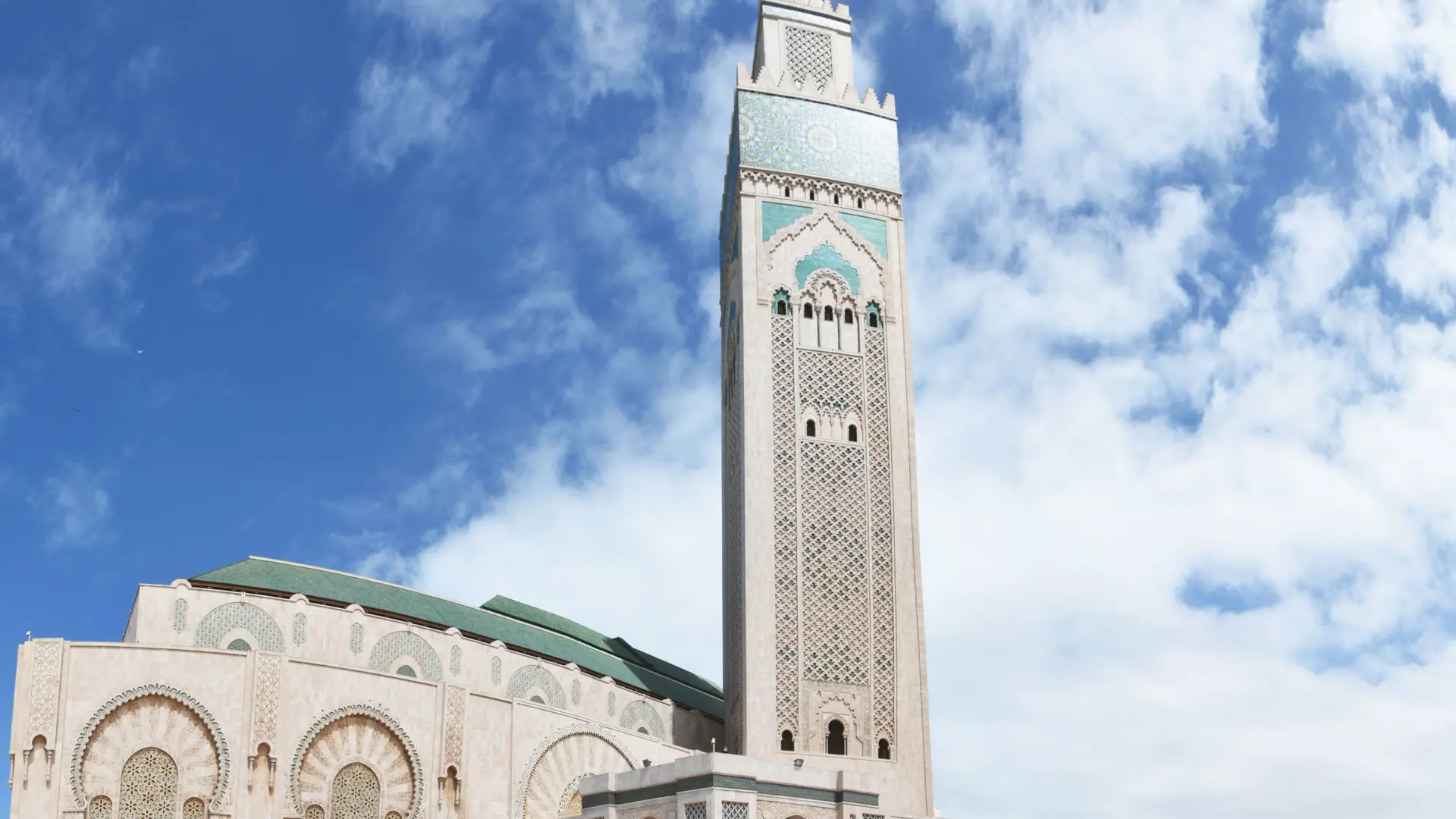
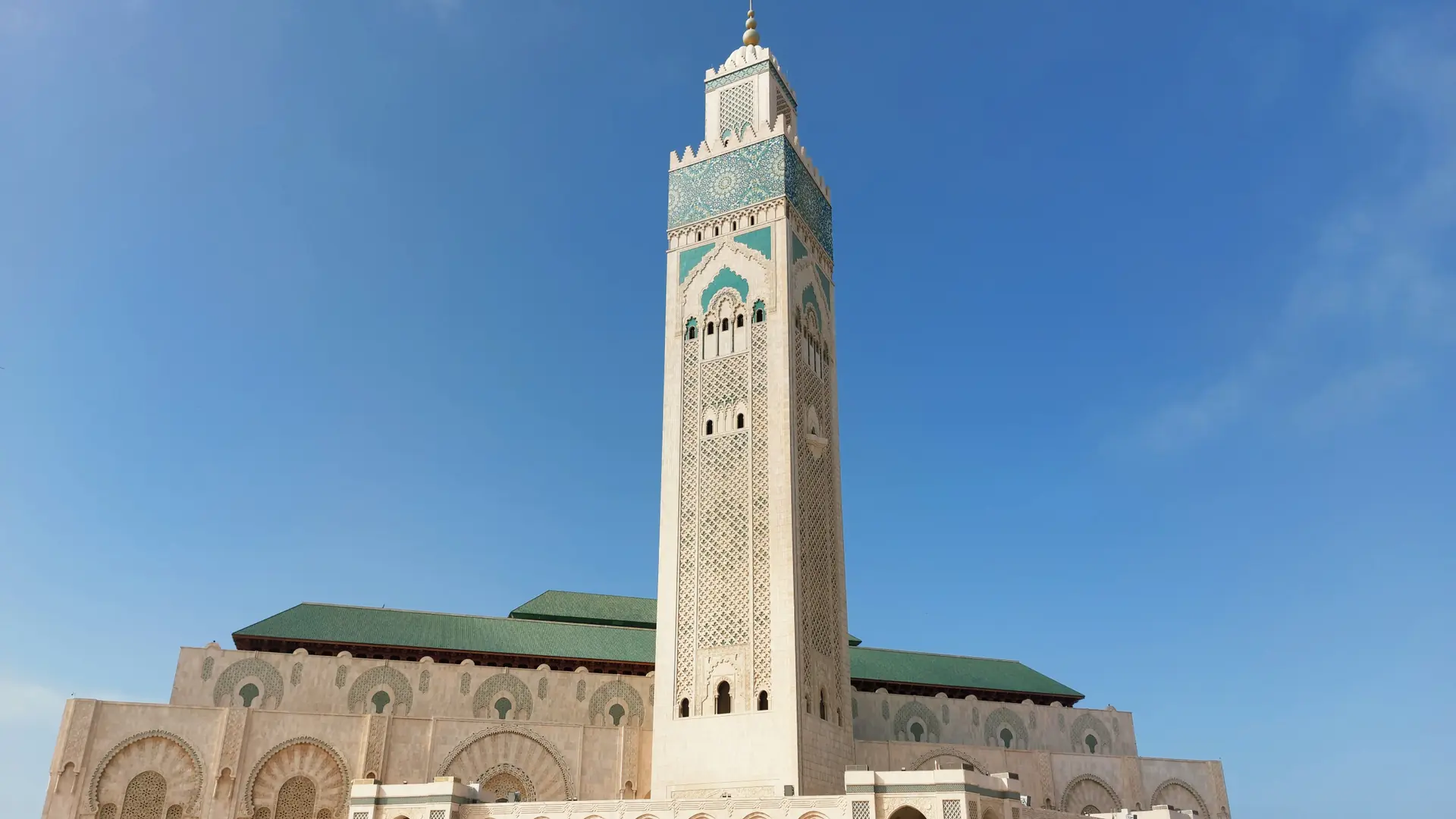
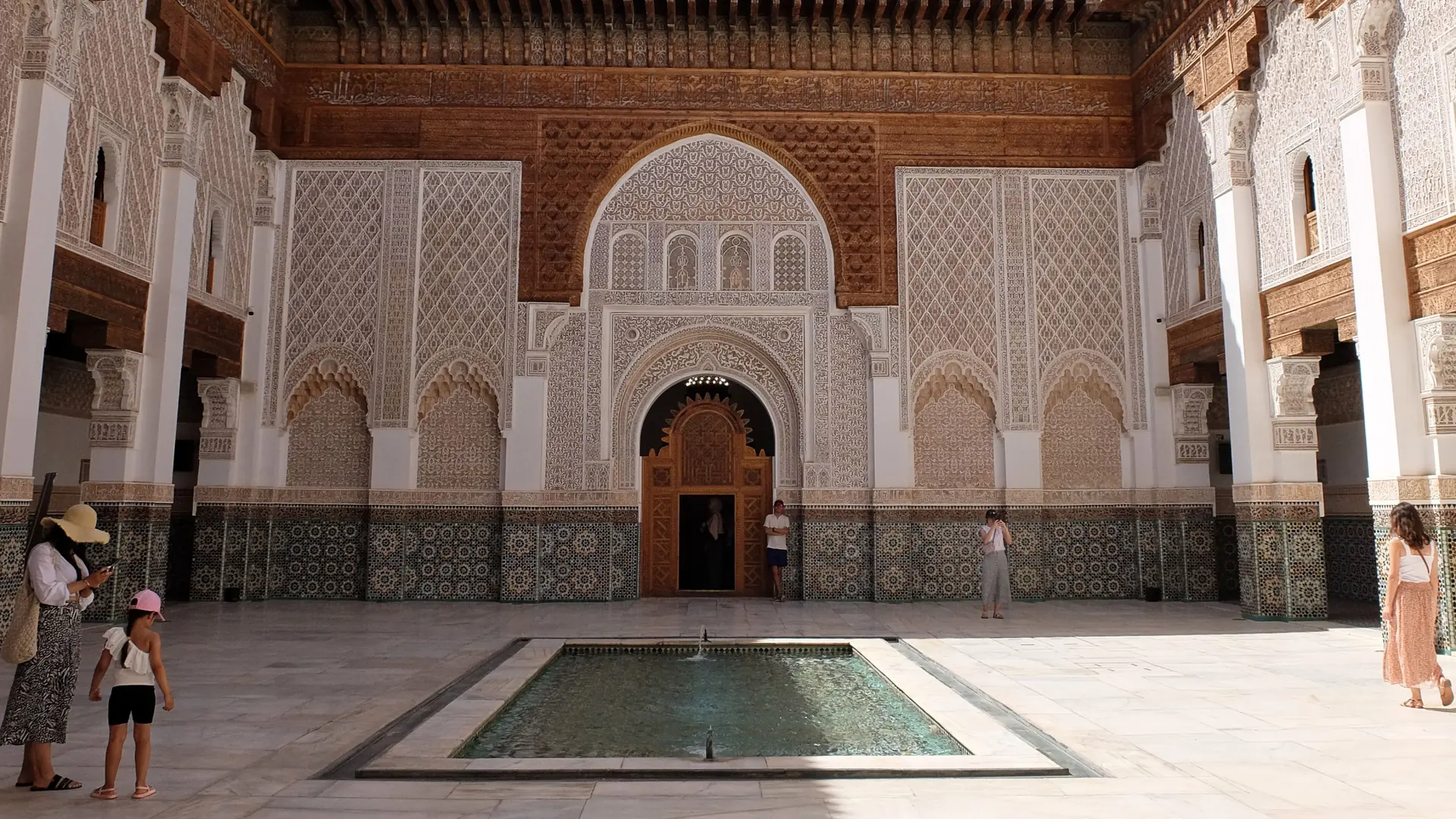
Hassan II Mosque and minaret beneath a blue Casablanca sky

Where to Stay in Casablanca: Choose Rail, Medina or Coast

Loading hotel search…

Choose a Casablanca base for the trip you have planned

Casablanca rewards a stay built around its real character: grand twentieth-century boulevards, the lanes of the Old Medina, the planned craft quarter of Habous and an Atlantic waterfront dominated by the Hassan II Mosque. For a first visit focused on architecture and meals, the central Art Deco streets make a practical base. You can walk between varied facades and cafés, then make the mosque or Habous a deliberate outing. The Old Medina brings you closer to busy market lanes, though its older buildings and irregular streets ask for a more careful hotel choice. Aïn Diab suits a slower coastal stay, but a Corniche address does not put the central sights on your doorstep. If Casablanca is the first or last stop of a longer rail trip, choose your hotel after checking the exact station printed on the ticket; Casa Voyageurs, Casa Port and Casa Oasis solve different journeys. Give the city at least one unhurried day rather than treating it only as an airport transfer. In winter, bring a layer and a plan for rain; in summer, the coast can be pleasant for a walk without promising warm swimming water.

First base Central Art Deco streets for a short urban stay

The central boulevards put architecture, cafés and several onward transport choices into one manageable city visit. Check the actual hotel address and street noise.

Craft quarter Habous for planned arcades and craft shops

This twentieth-century quarter has a different street pattern from the Old Medina. It suits an afternoon of browsing more than a promise of medieval lanes.

Atlantic stay Aïn Diab for a seafront-focused visit

The Corniche is a distinct base from the mosque waterfront. Check the hotel’s actual walk to the shore and allow for longer rides to central sights.

Rail departure Choose by the station on your ticket

Casablanca has several named rail stations. A room by Casa Voyageurs helps only when that is the station you will use for the important leg.

Mosque visit Use the foundation’s current guided-visit information

The Hassan II Mosque has operator-run visits with entry conditions. Build that visit around its current session rather than assuming continuous tourist access.

Season choice Walk the city in any season with weather plans

The Atlantic moderates the climate, but winter showers and coastal wind still matter. A sea view is not a reliable swimming-weather forecast.

StartBooker answer

Where should you stay in Casablanca, and is it worth visiting in winter or summer?

Choose central Casablanca for Art Deco walks and a short first stay; Habous suits craft browsing, while Aïn Diab puts the Atlantic promenade near your room. If your main train ticket names Casa Voyageurs, a hotel near that station can make travel with luggage simpler. The Hassan II Mosque has guided visitor sessions, so confirm the foundation’s current schedule before fixing your day. Casablanca works year-round as an urban break: winter can be breezy and wet, while summer sea air is pleasant for walks but does not guarantee warm ocean swimming.

First base
Central Art Deco streets
Crafts
Habous craft streets
Coast
Aïn Diab Corniche

Things to do in Casablanca, Morocco

Explore tours, attractions and local experiences in Casablanca, Morocco.

Loading activities…

Activities provided by GetYourGuide. We may earn a commission on bookings.

AI-powered

Put the right Casablanca districts together

Share your arrival station, mosque-visit interest and whether a sea view or walkable architecture matters more. Casablanca rewards a route organised by districts.

Eight Casablanca bases with different reasons to stay

Casablanca is a broad working city. A hotel chosen for the mosque, an Art Deco walk or a dawn train solves a different problem; even two waterfront addresses can be far apart. Map the trips you will actually make before paying for a view you will barely use.

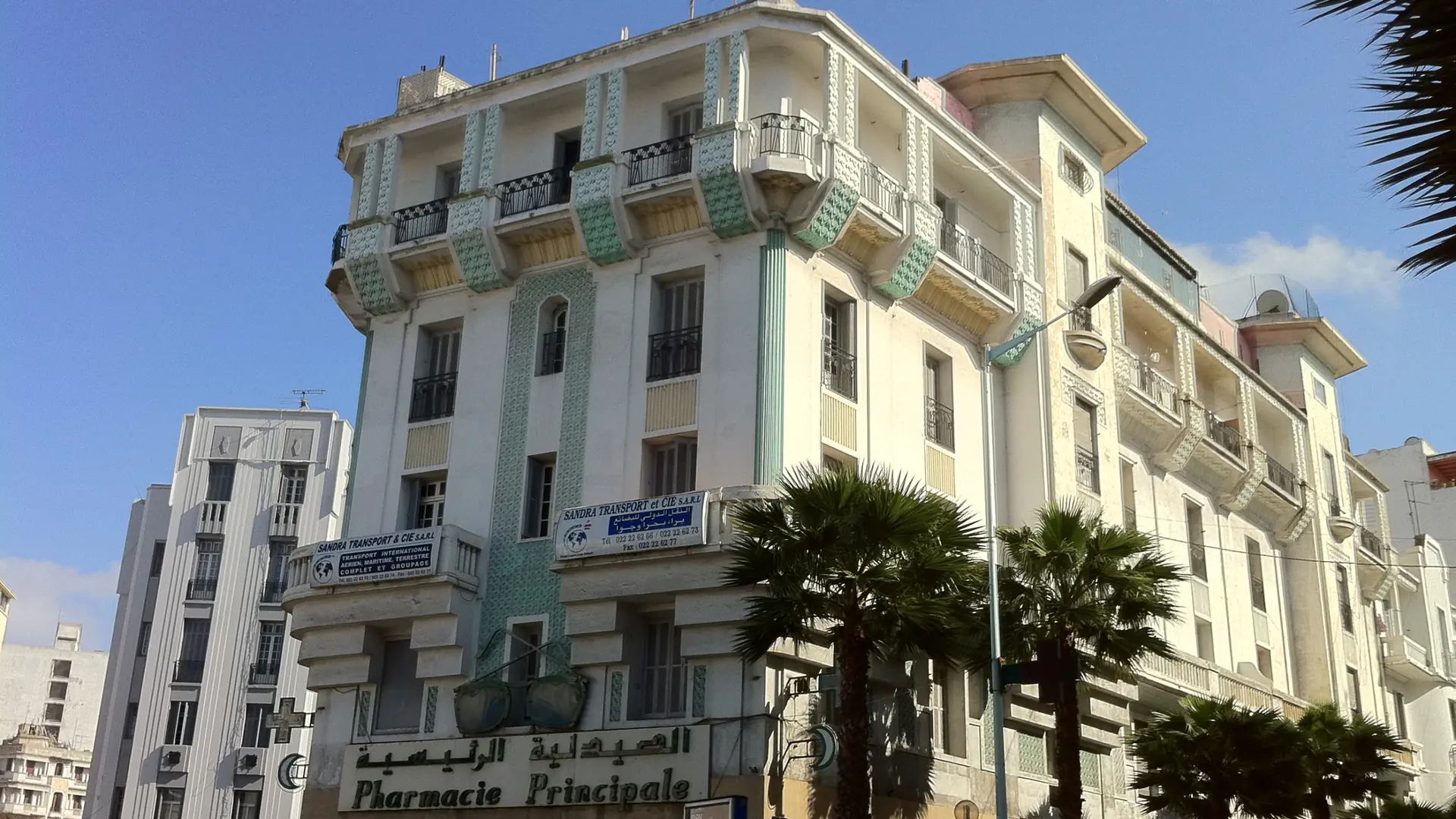
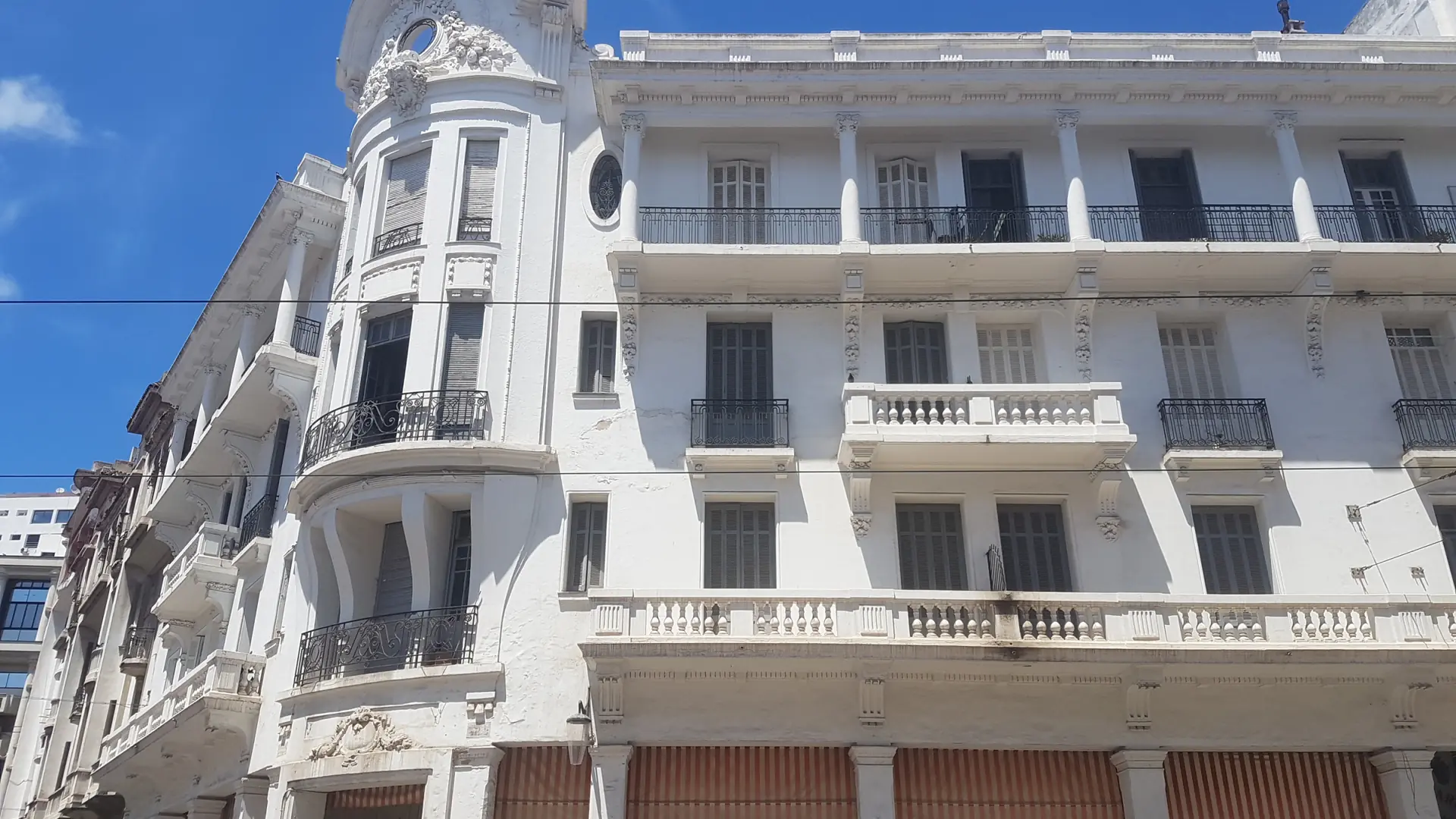
Sunlit Art Deco façades on a central Casablanca boulevard

Central Art Deco streets

Architecture and short first stays

The streets around Place Mohammed V and Boulevard Mohammed V make a strong base for a visitor who wants to understand Casablanca on foot. Look up at façades on a morning walk, pause in Arab League Park, and take transport to the seafront later. Hotels vary from restored older buildings to plain business rooms; inspect current room photos as carefully as the address.

architecture short-stay central

Walk the central streets, then use the mapped tram or a taxi for the mosque and other distant areas.

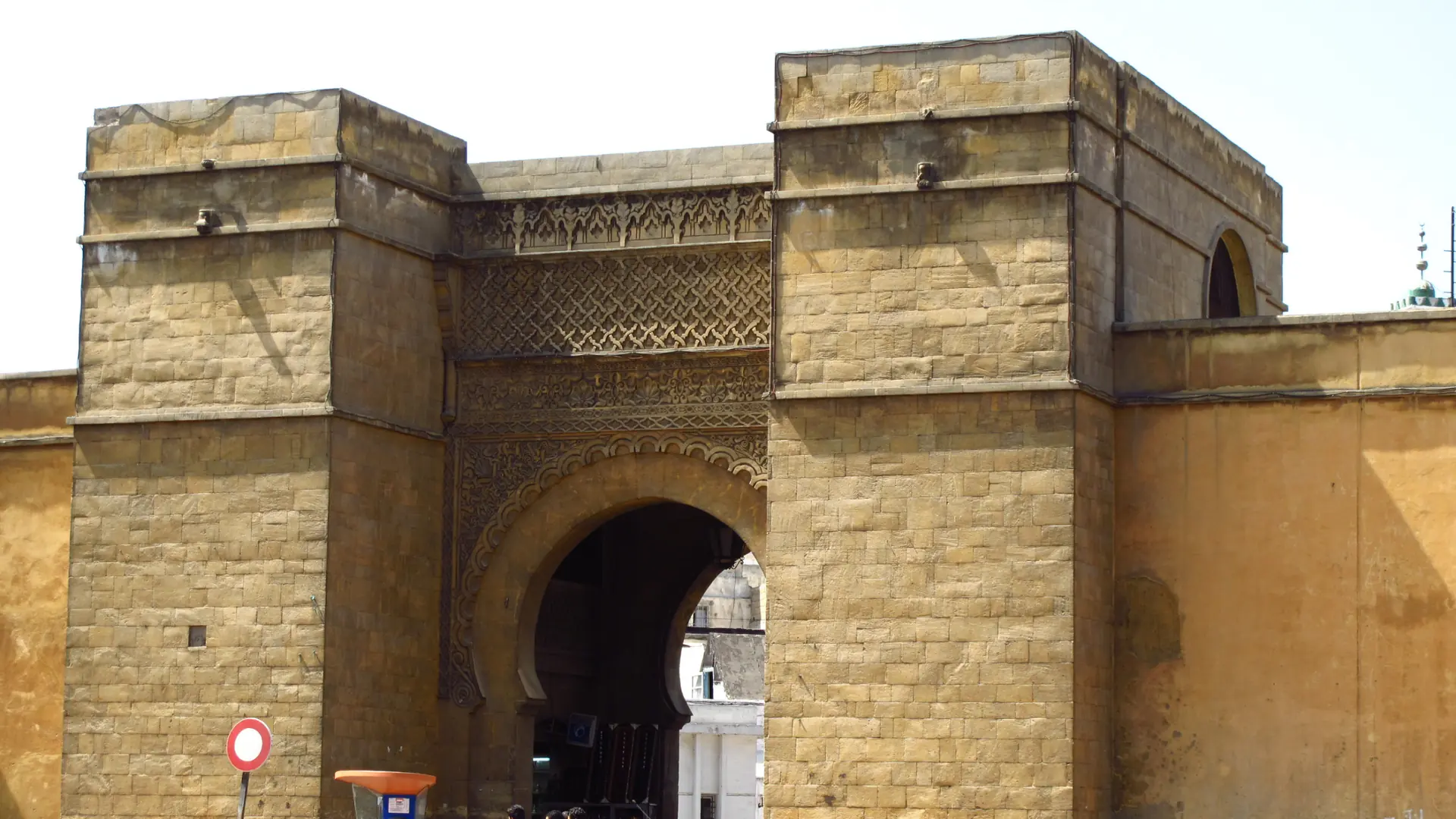
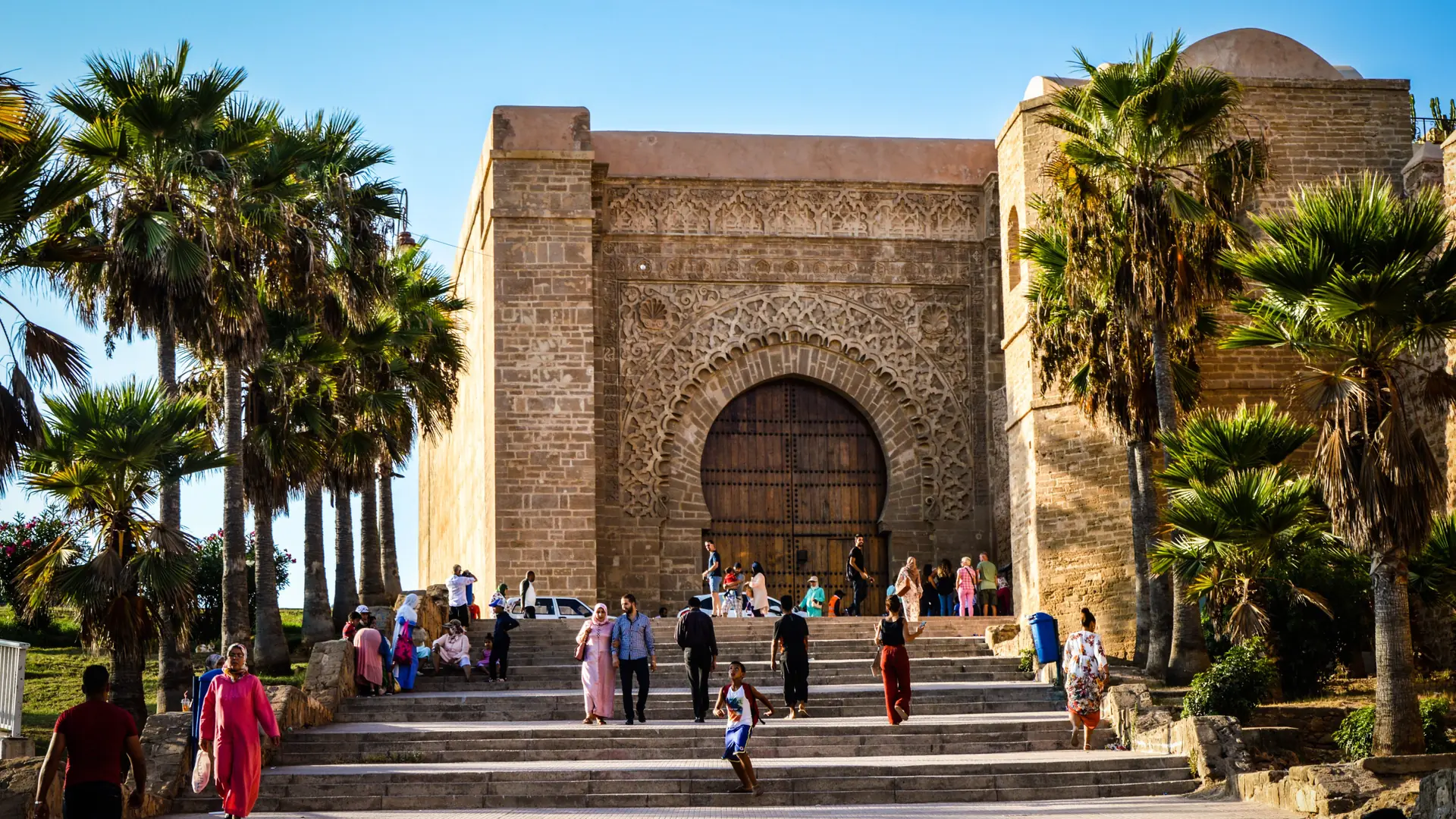
Stone gate at Bab Marrakech, an entrance to Casablanca's Old Medina

Old Medina and port edge

Working markets and waterfront history

Casablanca’s old medina is smaller and different from the imperial-city mazes. From a stay on its edge, you can browse a lived-in market, see the port-side Sqala area and reach the central boulevards without devoting a whole day to cross-city travel. An edge property usually makes more sense for luggage than a room deep down a pedestrian lane.

markets heritage walkable

Walk within the lanes; arrange a road-side pickup point if travelling with heavy bags.

Hassan II Mosque minaret under the clear Casablanca sky

Hassan II Mosque waterfront

Mosque visit and sea views

A hotel near the mosque puts the city’s most recognisable landmark and the Atlantic promenade into the same outing. This is useful when a guided mosque visit anchors a short stop. Check the walking route and the time of your booked visit before choosing a room: a sea-facing map pin does not always mean a pleasant direct pedestrian approach.

mosque waterfront short-stay

Walk the mosque-side shore; use mapped transport for Habous or the distant Corniche.

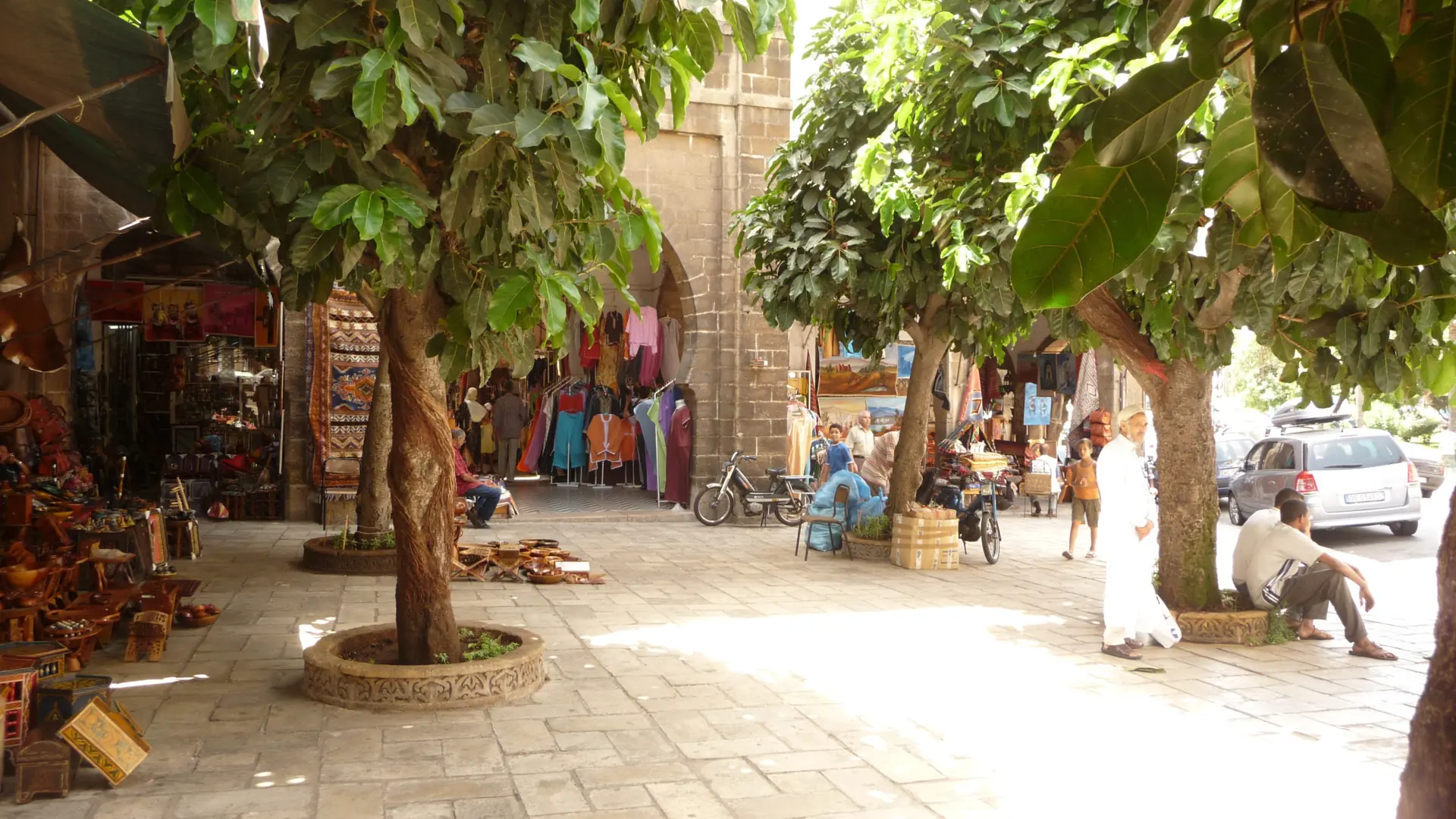
Shaded leafy square in Casablanca Habous in daylight

Quartier Habous

Craft shopping and a calmer pace

Habous was designed in the twentieth century, so its ordered arcades feel unlike the old medina. It is a good base for anyone who wants to revisit craft stalls, bookshops or pastry counters without turning the visit into a single rushed excursion. The neighbourhood is more about daytime browsing than seafront nightlife; plan a separate trip for the mosque or Corniche.

craft food heritage

Browse the arcades on foot and check the current tram map for longer city trips.

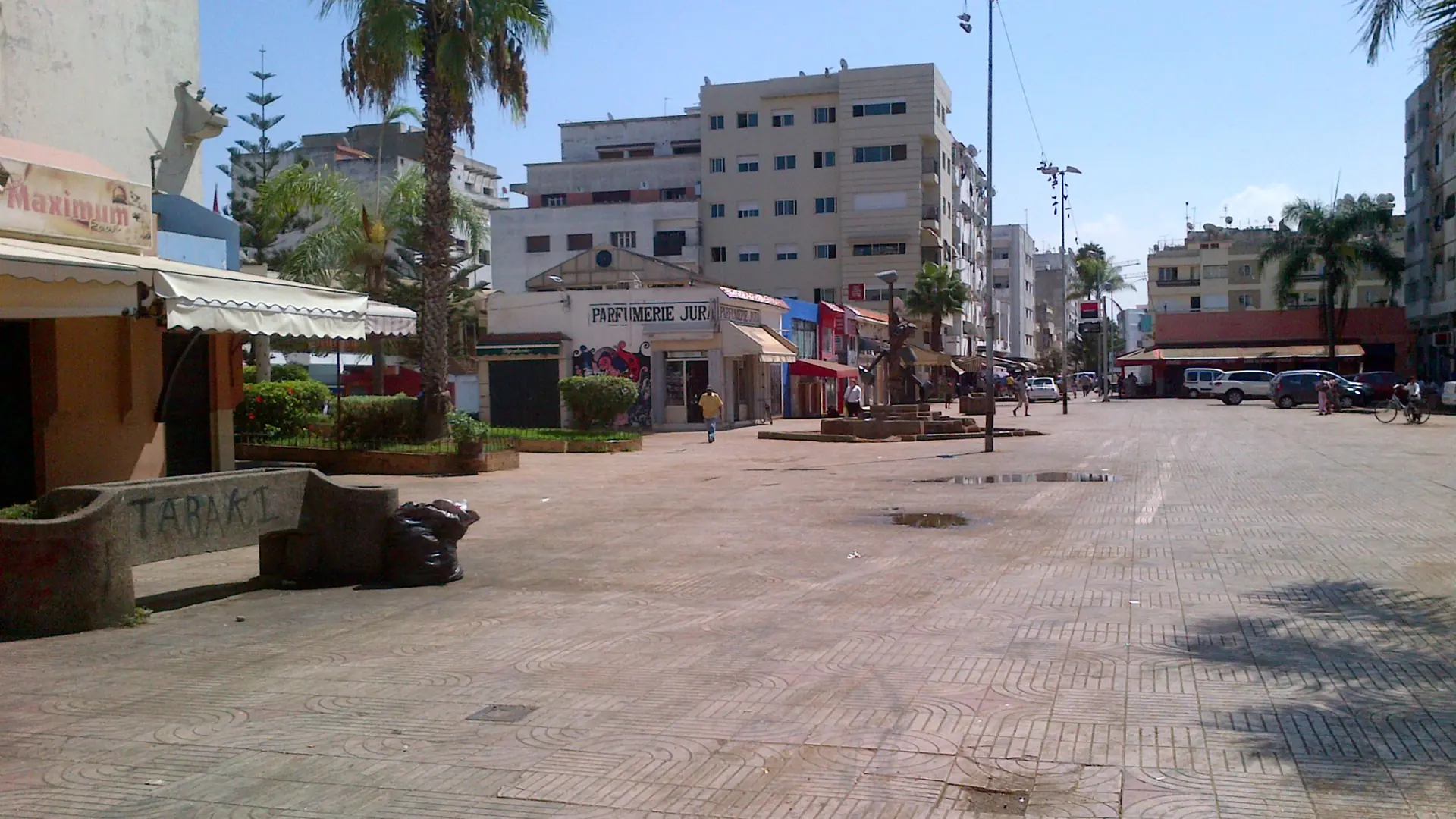
Sunlit public square and palms in Casablanca Maârif

Maârif

Dining, shops and contemporary city life

Maârif suits travellers who want restaurants and a modern urban routine after sightseeing. You can make a focused trip to central architecture or the mosque, then return to cafés and shops close to your room. This is a pragmatic choice for a second Casablanca night, when you have already seen the major landmark and want a less visitor-led evening.

dining shopping urban

Walk between local cafés and shops; use mapped transport for the mosque or coast.

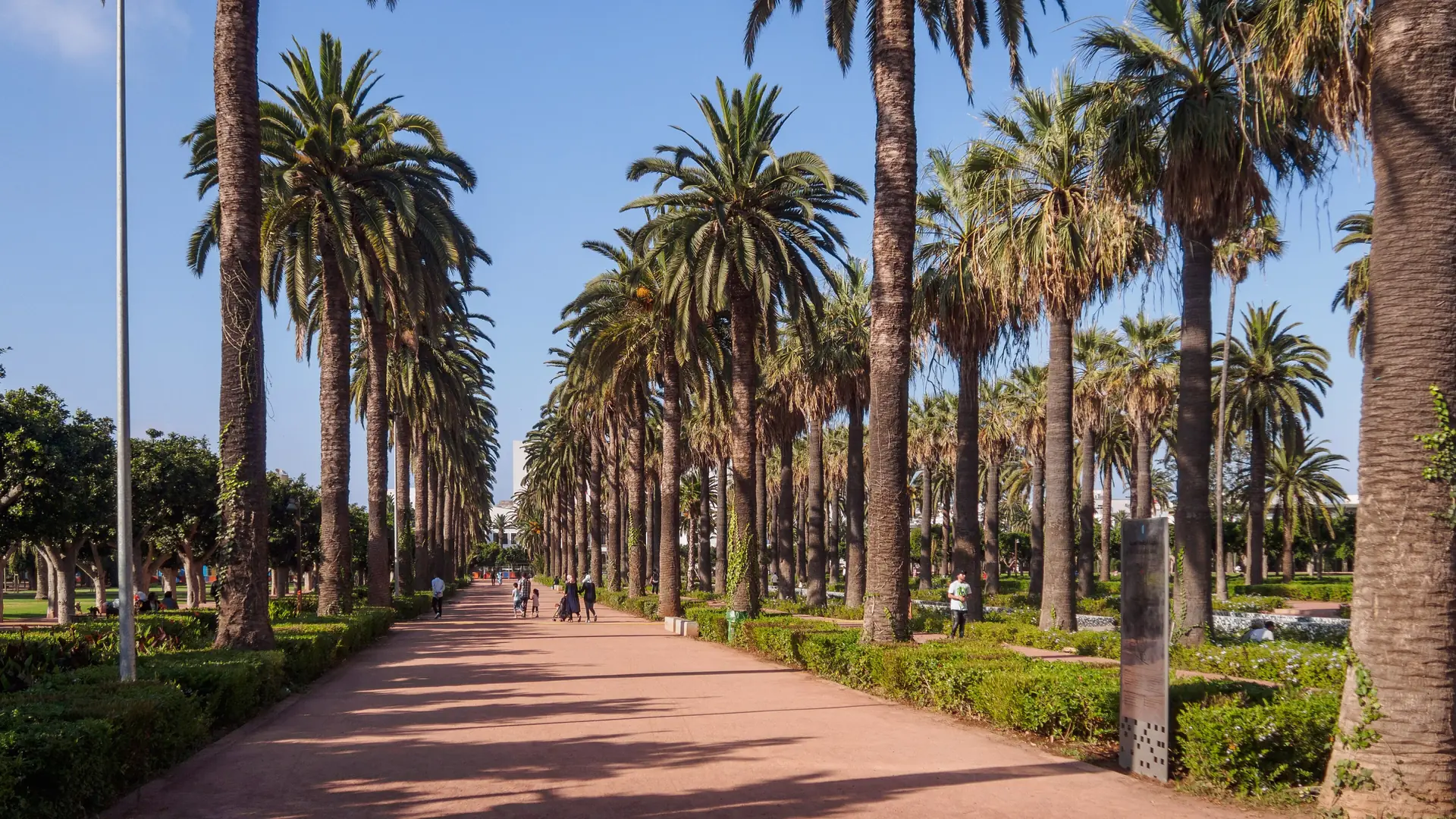
Palm-lined path in Casablanca's Arab League Park on a sunny day

Anfa residential streets

Residential stays with planned transport

Anfa’s residential character can suit a longer visit or a family willing to stay away from the busiest sightseeing streets. Room size and quiet depend on the hotel and its frontage, so check the specific property before booking. Look for facilities you will use, such as parking or a dependable lift, and price the extra journeys to central sights.

families modern

Plan a taxi or car for many cross-city outings; verify the exact hotel location.

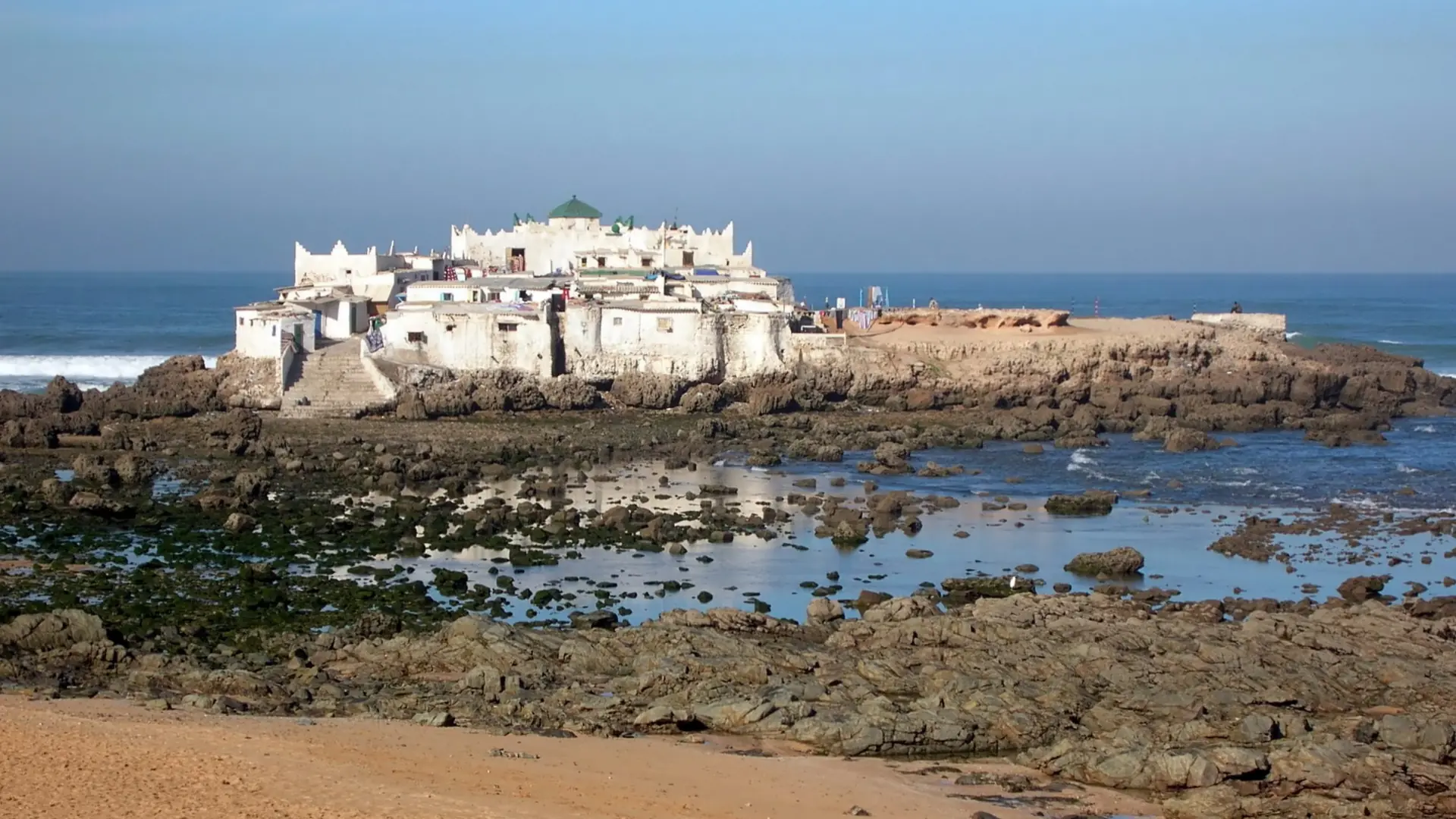
Sidi Abderrahman marabout on a rocky Atlantic islet beside Casablanca's Corniche

Aïn Diab and Corniche

Atlantic promenades and resort-style stays

Aïn Diab puts promenades, cafés and coastal hotels at the centre of the trip. Choose it for sea air, not because the word “beach” guarantees a warm swimming holiday: Atlantic water and surf conditions change, and urban beaches are not the same as a sheltered resort bay. A daytime view from a room can be excellent, while a road-facing one may hear nightlife or traffic.

coast sea-view summer

Choose a walkable stretch of the seafront; allow transport to city-centre sights and railway stations.

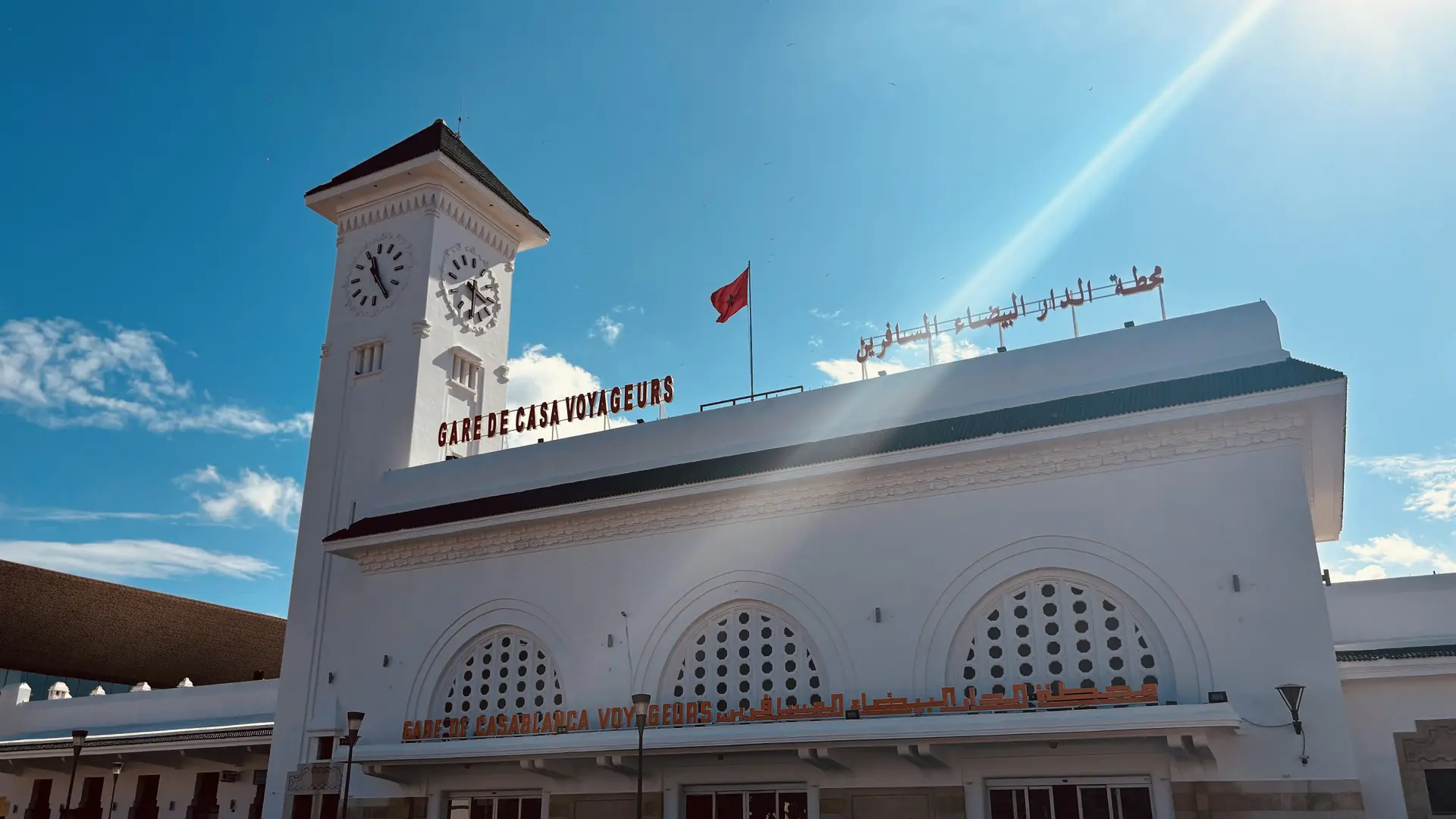
Casa Voyageurs railway station exterior in Casablanca daylight

Casa Voyageurs station area

Rail connections and short layovers

A hotel by Casa Voyageurs helps when Casablanca is the hinge between an international arrival and onward Moroccan cities. The value is logistical: fewer luggage transfers, a straightforward morning departure and a known meeting point. Spend your free sightseeing hours in a chosen district instead of assuming the station area itself is the destination.

rail arrival short-stay

Walk to the station only after checking the correct entrance and luggage route.

Casablanca areas at a glance
Area Best for Features Getting around
Central Art Deco streets

Architecture and short first stays

The compact central grid saves transfers between architecture walks and dinner.

Central traffic and uneven upkeep

Tram stops and taxis are available in the wider centre; check the actual stop nearest your hotel.
Old Medina and port edge

Working markets and waterfront history

The medina market lanes and nearby port-side Sqala put Casablanca’s older quarter close to your hotel.

Commercial rather than romantic lanes

Walk the inner streets; agree a road-side pickup point for station or airport transfers.
Hassan II Mosque waterfront

Mosque visit and sea views

The mosque-side coast works best if the shoreline is part of more than one outing.

Windy waterfront; fewer late meals

Use a taxi or mapped transit for longer journeys; do not assume every coastline segment has a quick tram stop.
Quartier Habous

Craft shopping and a calmer pace

Habous rewards slower craft browsing without paying for a coastal address.

Longer trips to rail and coast

Taxis can bridge to the centre; inspect the current tram map rather than assuming a direct line.
Maârif

Dining, shops and contemporary city life

This commercial district suits travellers who will use modern city services daily.

Contemporary setting, no shore access

Use the current tram network for suitable corridors and a taxi for cross-city journeys.
Anfa residential streets

Residential stays with planned transport

Residential streets suit a slower stay when the exact room and transport work for you.

Spread-out blocks increase taxi use

Expect to plan taxis for many sights; verify parking if driving.
Aïn Diab and Corniche

Atlantic promenades and resort-style stays

A hotel on the Corniche is useful when sea air and amenities structure each day.

Longer rides to rail and centre

Plan taxis for many cross-city trips; the seafront is long enough that hotel location matters.
Casa Voyageurs station area

Rail connections and short layovers

A station-side room protects the connection when an early train is the fixed point.

Convenient trains, plain surroundings

Station access is the advantage; consult the tram map for the next urban leg.

Choose Casablanca by the day you want to have

The most useful hotel is the one that simplifies your actual train, mosque slot or neighbourhood evening.

First Casablanca visit

Begin around the Art Deco centre if you want to see the city’s architecture between meals and short outings. Give the Hassan II Mosque its own guided-visit window, and use another part of the day for the ordered craft arcades of Habous. This makes two different sides of Casablanca visible without pretending they are one compact walking circuit.

AlternativeChoose Aïn Diab when the Atlantic, a long promenade and hotel amenities define the stay.

Architecture-focused trip

Use the central boulevards for a close look at twentieth-century facades, then travel separately to the mosque waterfront for its scale and setting. The central walk works best in daylight, when details above the shopfronts are easy to see. Check the foundation’s current guided-visit session before arranging the second outing.

AlternativeThe mosque-side waterfront suits a visitor whose main interest is the mosque and Atlantic setting.

Craft and pastry browsing

Habous is the natural base for repeated low-pressure visits to arcades, stalls and pastry shops. Compare what is made locally and allow time to ask artisans about materials before buying.

AlternativeChoose Casa Voyageurs when a dawn train makes easy station access more valuable than craft browsing.

Rail-led Morocco route

Sleep near Casa Voyageurs when a timed onward train sets the pace. Staying close to the station leaves more of your available hours for one city outing, such as central architecture or a guided mosque visit. Check the train ticket itself: this base helps only when Casa Voyageurs is your departure station.

AlternativeChoose the central Art Deco streets when you have a full city day and a flexible train time.

Atlantic-facing city break

Choose Aïn Diab if you want coastal restaurants, a seafront stroll and time to use hotel facilities. The Atlantic setting is the main benefit; it does not guarantee calm water or a warm swimming day. If the Hassan II Mosque is your main interest, a room closer to that separate part of the shoreline can save a cross-city ride.

AlternativeChoose the central Art Deco district when architecture and market visits fill most of the schedule.

Longer urban stay

Maârif offers shops, cafés and contemporary city life for a stay with work or repeat dining plans. Anfa can suit someone seeking a more residential setting, provided the exact hotel and transport work for them. Compare the daily route to the places you will use; assess room size and quiet at the specific property rather than assuming either across Anfa.

AlternativeChoose the central Art Deco streets if this is your first and only Casablanca overnight.

Find a Casablanca base that fits your route

Results cover Casablanca, not only the central Art Deco streets. Check each hotel's address against your chosen base, then compare the station journey, room noise and total rate.

See Casablanca stays →
Loading live stays…

Arrival and cross-city transport

Casablanca has several major rail stations and a growing tram and busway network. Match your ticket’s station to your hotel, then check the operator map for each urban leg instead of assuming one direct ride.

From Mohammed V Airport

Match the airport rail stop to your hotel

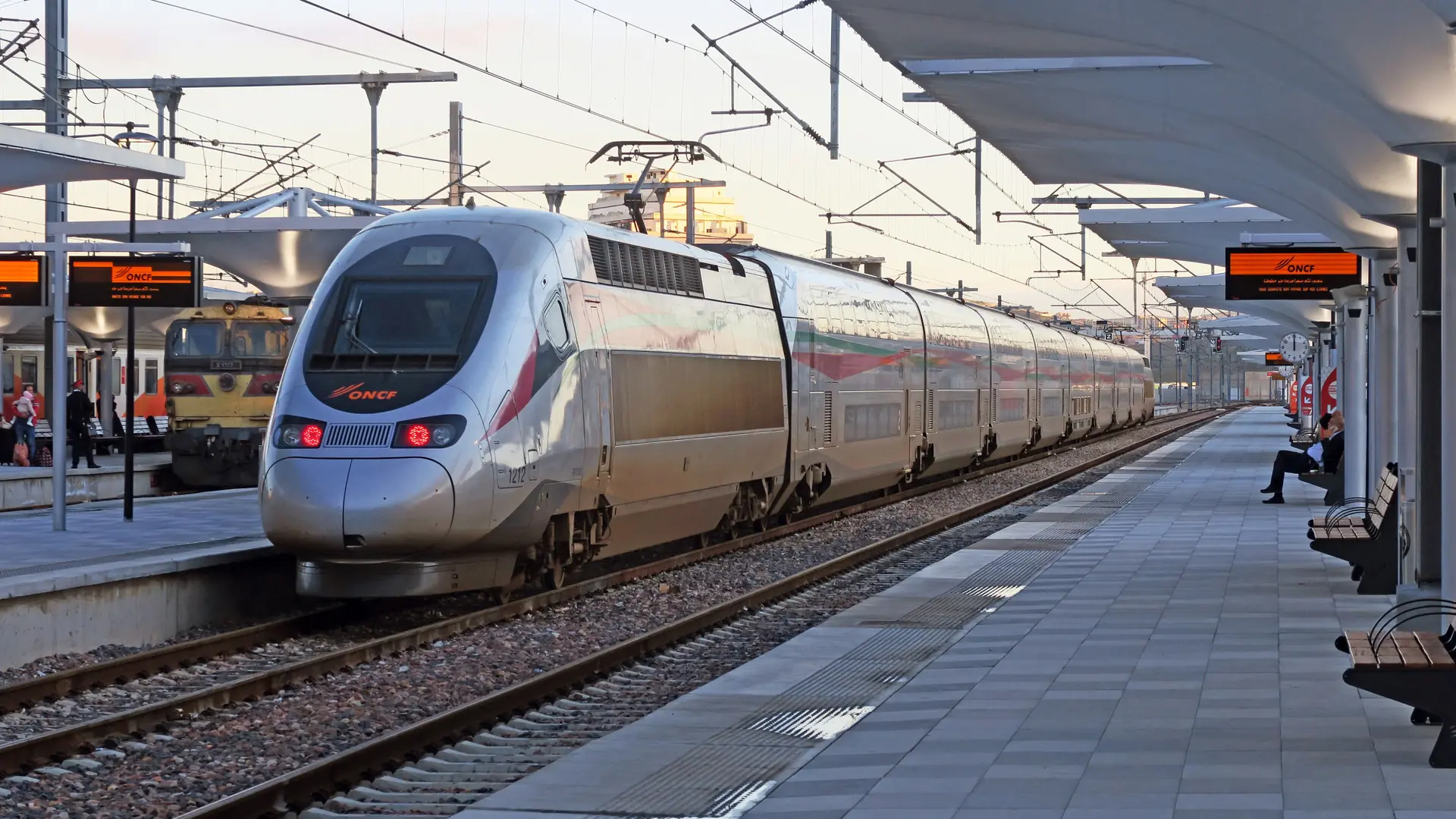
A November 2024 ONCF airport route diagram lists Casa Voyageurs and Casa Port. Check the current stops and last useful departure for your travel day, then match the station to your hotel address before choosing a room for its rail access.

Keep a late-arrival alternative

If your flight lands near the end of the rail service, check the current last departure and allow time for immigration and baggage. A taxi or prearranged hotel transfer may be simpler after a late arrival, particularly when the room is far from a rail stop. Confirm the fare and destination before setting off, and tell your hotel if check-in will be late.

Allow for the final city leg

An airport train ticket gets you to a named station, not to the door of every central hotel. Trace the onward walk, tram or taxi with your luggage before departure; a hotel near Casa Voyageurs may be convenient for a later intercity train yet awkward for an evening in the Old Medina. Keep both the arrival station and the onward departure station in your itinerary.

Across Casablanca

Use the operator network map

Casatramway publishes its tram and busway network map. Find the named stop near the hotel and the one near your destination; a district name alone may hide a long walk.

Leave margin for road journeys

The mosque, Habous and Aïn Diab are distinct outings. Keep them as separate half-day clusters so traffic does not consume the time you meant to spend there.

Change between tram and busway

Casatramway permits a same-ticket change between tram lines or from tram to busway at interchange stops. Its ticket remains valid for two hours after first validation. Check the operator map for the correct transfer point and your final stop; this urban ticket does not cover the airport train.

Transport tickets and mosque visits

Compare single tickets with a rechargeable card

Casatramway lists one tram or busway ride at MAD 8 (≈ US$0.80), two rides at MAD 14 (≈ US$1.40), and a rechargeable card at MAD 15 (≈ US$1.50) with rides at MAD 6 (≈ US$0.60) each. For one or two journeys, a paper ticket may be simpler; for several days, compare the card cost with your expected rides. These network prices exclude the airport train.

Time the mosque separately from transport

The Hassan II Mosque foundation sells guided visits with its own sessions and dress conditions. Check its current times before committing to a nonrefundable transfer; an urban tram or busway ticket does not include mosque entry.

Step-free decisions

Verify individual hotel facilities

A newer hotel may be easier for lifts and luggage, but inspect the entrance, bathroom and lift with the property before booking. Old medina paving and older central buildings require more caution.

Walk the coast selectively

The Corniche is long and exposed. Choose a manageable segment near your hotel rather than treating the entire seafront as a short stroll, and arrange return transport if needed.

Seasons, spending and common errors

Casablanca's Atlantic setting suits city walks in many seasons, with architecture, markets and coastal outings to choose from. The sea does not guarantee warm swimming water.

Casablanca through all four seasons

Winter: a city break still works
  • The mosque, architecture and food streets remain good reasons to visit in winter. Allow for sea wind and showers, bring a layer for the promenade and choose a room with reliable heating. Treat beach time as a walk, not a swimming promise.

  • Spring: pair Casablanca with Rabat

    Spring weather often makes a mixed city itinerary easier. Use Casablanca as an arrival or departure chapter, then check the current rail links for Rabat or other destinations instead of adding another rushed museum on transfer day.

  • Summer: coastal walks and midday breaks

    The Atlantic tempers summer heat compared with inland Morocco, but glare and humidity can still make exposed walks tiring. Visit the waterfront early or later in the day, and use a museum or café break when the sun is strongest. A sea breeze is helpful, not a guarantee of cool weather.

  • Autumn: useful shoulder-season base

    Autumn can suit architecture walks and a longer city-to-city route without building the whole stay around beach time. Choose a central hotel if you expect several daytime outings, and bring a light layer for the Atlantic shore after dark. Compare your exact dates with current weather and the hotel’s indoor comfort rather than assuming the shoulder season will feel the same every week.

Build a Casablanca budget from the main costs

Use a complete two-person day as a starting point
  • A sample day for two adults in one double room totals about MAD 2,000 (≈ US$200): MAD 850 (≈ US$85) for the room, MAD 670 (≈ US$70) for food, MAD 220 (≈ US$20) for local travel and MAD 280 (≈ US$30) for two foreign-adult mosque tickets. Room, food and local travel reflect traveller reports; mosque entry uses the foundation fare. It excludes flights, airport transfers, shopping, other entry fees and hotel taxes. Dollar estimates use Bank Al-Maghrib’s 9 October 2026 rate of 9.8499 dirhams per US$1; actual rates vary.

  • Compare rooms by location and date

    Accommodation is the most variable line. Budget Your Trip reports about MAD 849 (≈ US$85) for a double room, while its partner hotel data show higher peak-season than low-season averages. These are past-spending benchmarks, not prices for your dates. Compare the room total, breakfast, tax and cancellation terms, then check whether the address saves repeated cross-city journeys.

  • Leave room for meals and urban rides

    The same traveller data report about MAD 334 (≈ US$35) per person per day for food and MAD 108 (≈ US$10) for local transport. More restaurants or taxis can raise those costs; a short tram day may cost less. Casatramway lists MAD 8 (≈ US$0.80) for one ride or MAD 14 (≈ US$1.40) for two on its tram and busway network. Budget separately for airport rail or a private transfer.

  • Decide which paid visit matters

    The Hassan II Mosque foundation lists MAD 140 (≈ US$15) per foreign adult for a guided visit, so two tickets add MAD 280 (≈ US$30) to a couple’s day. This is separate from hotel and transport costs. Check your entry category and the available visit session before buying. Other paid tours need their own allowance; central architecture and waterfront walks can fill time without another entry fee.

Is Casablanca worth more than a layover?

Yes if architecture, a guided Hassan II Mosque visit or Habous craft shopping interest you. One focused day is possible; two nights give more room for the separate districts.

Can I visit Casablanca in winter?

Yes. Plan it as a city break with possible wind and rain rather than a guaranteed swimming holiday. A heated room and a flexible indoor stop make the visit more comfortable.

Is summer too hot for Casablanca?

Atlantic influence can make Casablanca more comfortable for summer city walks than inland destinations, but exposed waterfront paths still bring sun and humidity. Start longer walks early or later in the day, carry water and leave the hottest part for an indoor stop.

Where should I stay for the Hassan II Mosque?

A mosque-side waterfront hotel saves local travel for a timed visit; central Casablanca offers a stronger base for architecture and dining. Check the foundation’s current guided-visit schedule before choosing.

Is Habous the old medina?

No. Habous is a planned craft-shopping quarter with orderly arcades; the old medina near the port has a different street pattern and history. Visit both if you have time.

Can I rely on the tram for every attraction?

Use the official map to see which segments it serves, then allow for walking or a taxi where it does not. Confirm operating hours for your particular evening.

Research and source notes

Editor StartBooker editorial team Travel guide editor

Reviewed 2026-10-13

Updated

Method: The guide uses the national tourist office for district roles, the mosque foundation for visiting rules and the tram operator for urban transport. Independent reporting cross-checks architecture and stay trade-offs. Recheck schedules, fares and site access with their operators before travel.

20 References reviewed

Key sources
  • Moroccan National Tourist Office
  • Fondation de la Mosquée Hassan II
  • Casatramway
  • Commune de Casablanca
  • Bank Al-Maghrib
  • Klook
References
Photo credits

Some photos provided by Pexels.

Help another traveller plan Casablanca