| Hassan quarter |
First visit and monument access
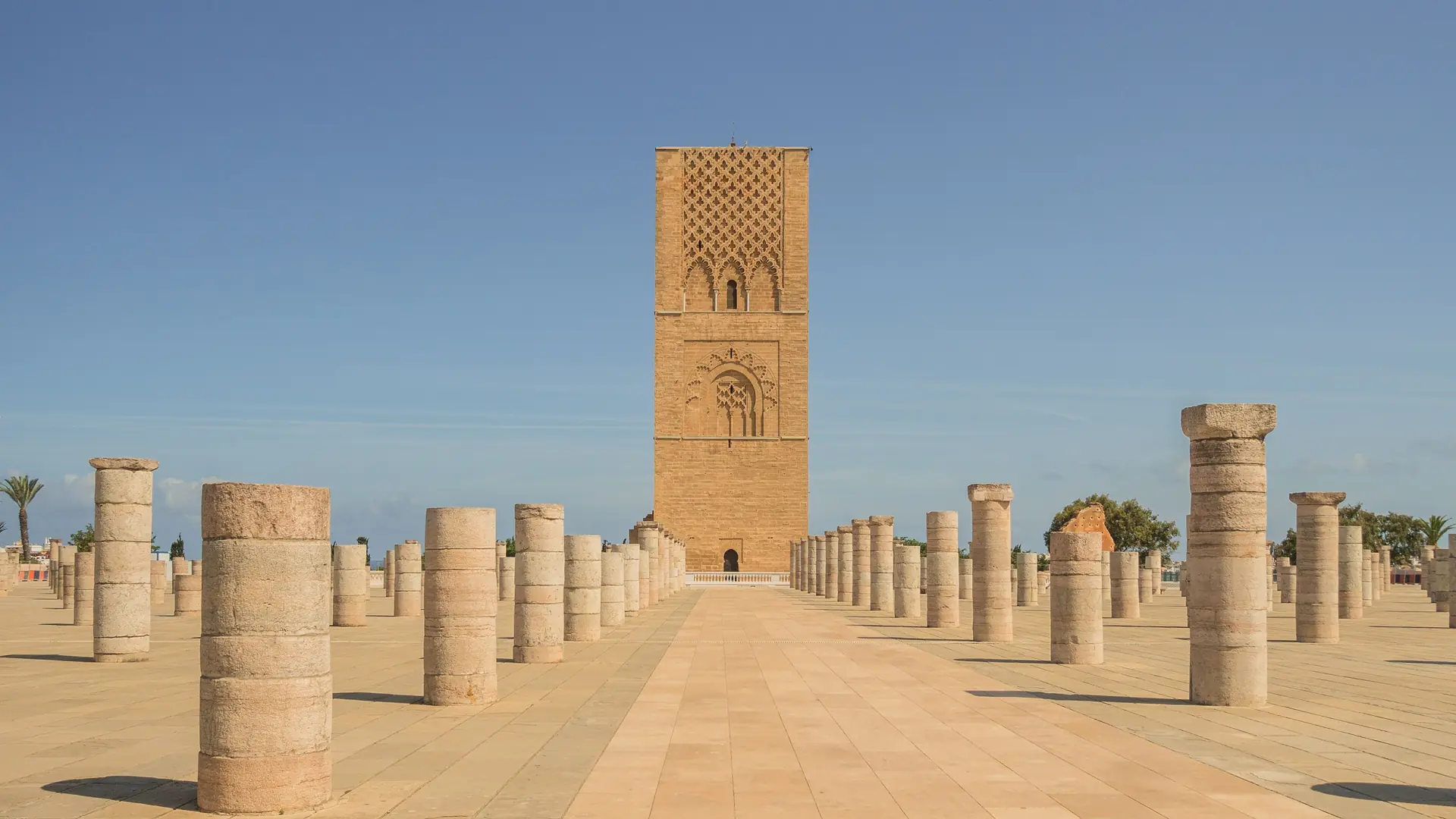
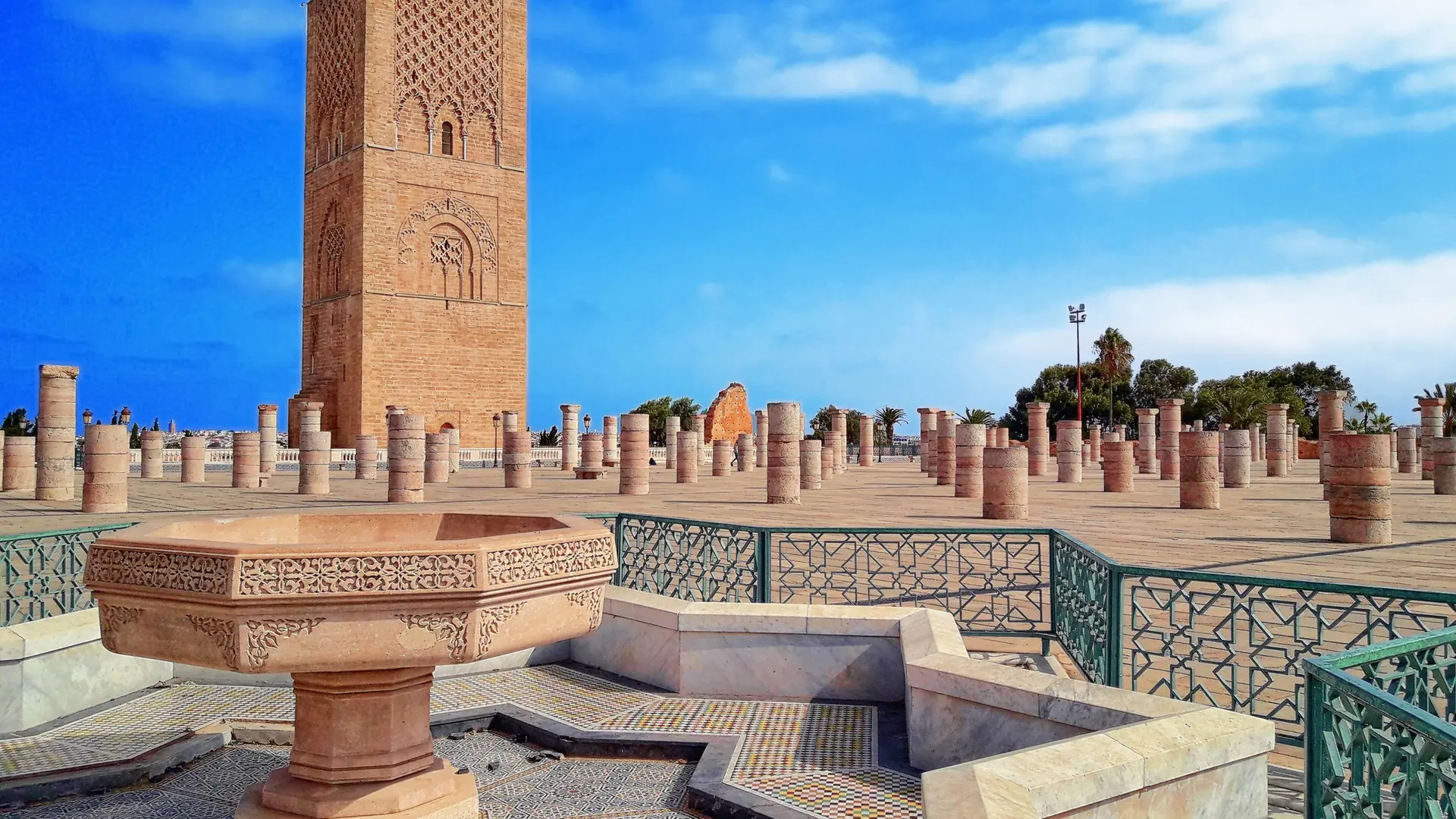
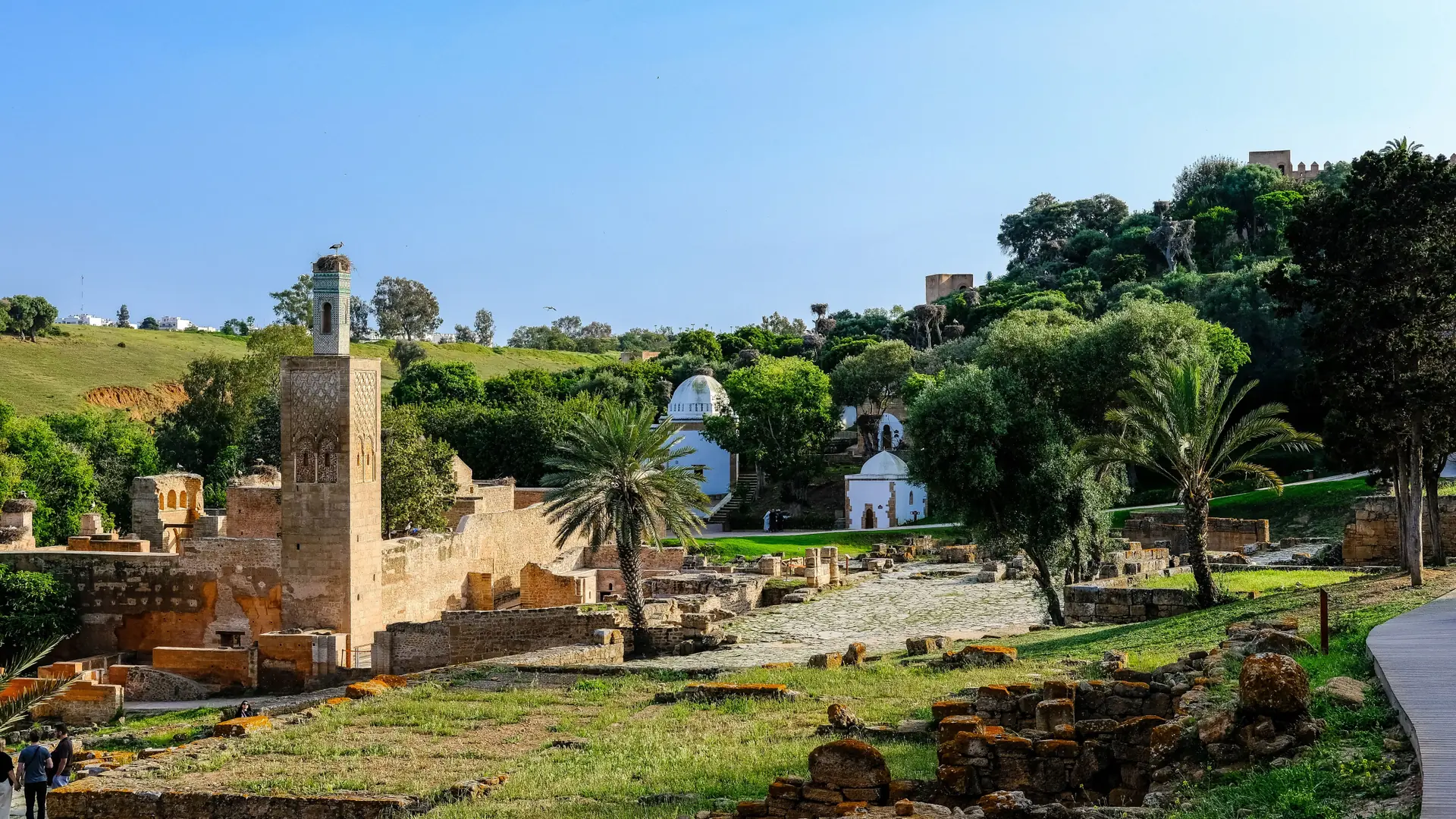
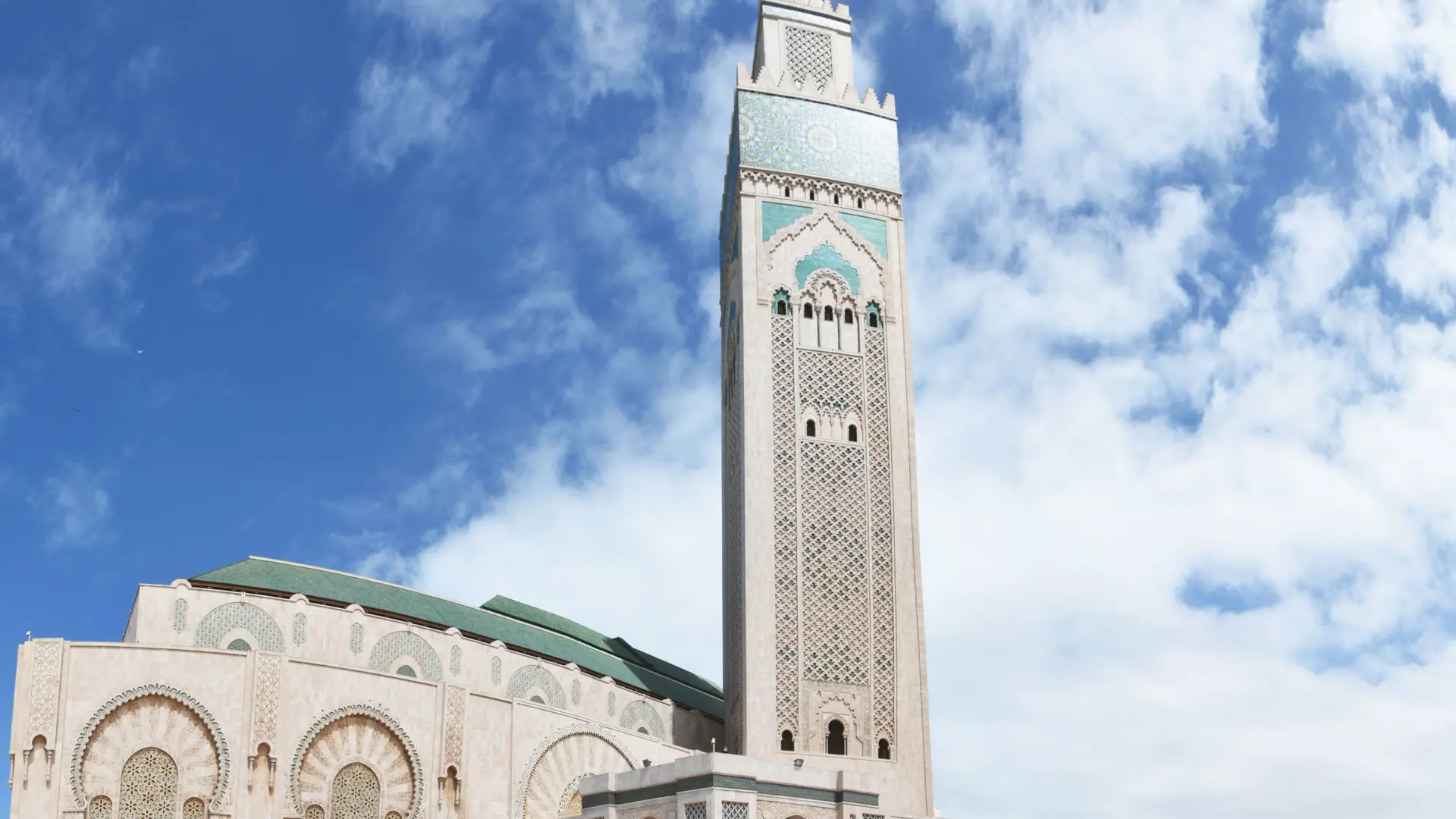
From Hassan, you can start with the tower and mausoleum; a road-accessible hotel can ease arrival with luggage.
|
Central base; road-facing rooms may be noisy
|
Use a mapped tram stop or taxi for Agdal and outer districts. |
| Rabat Medina |
Craft lanes and budget riads
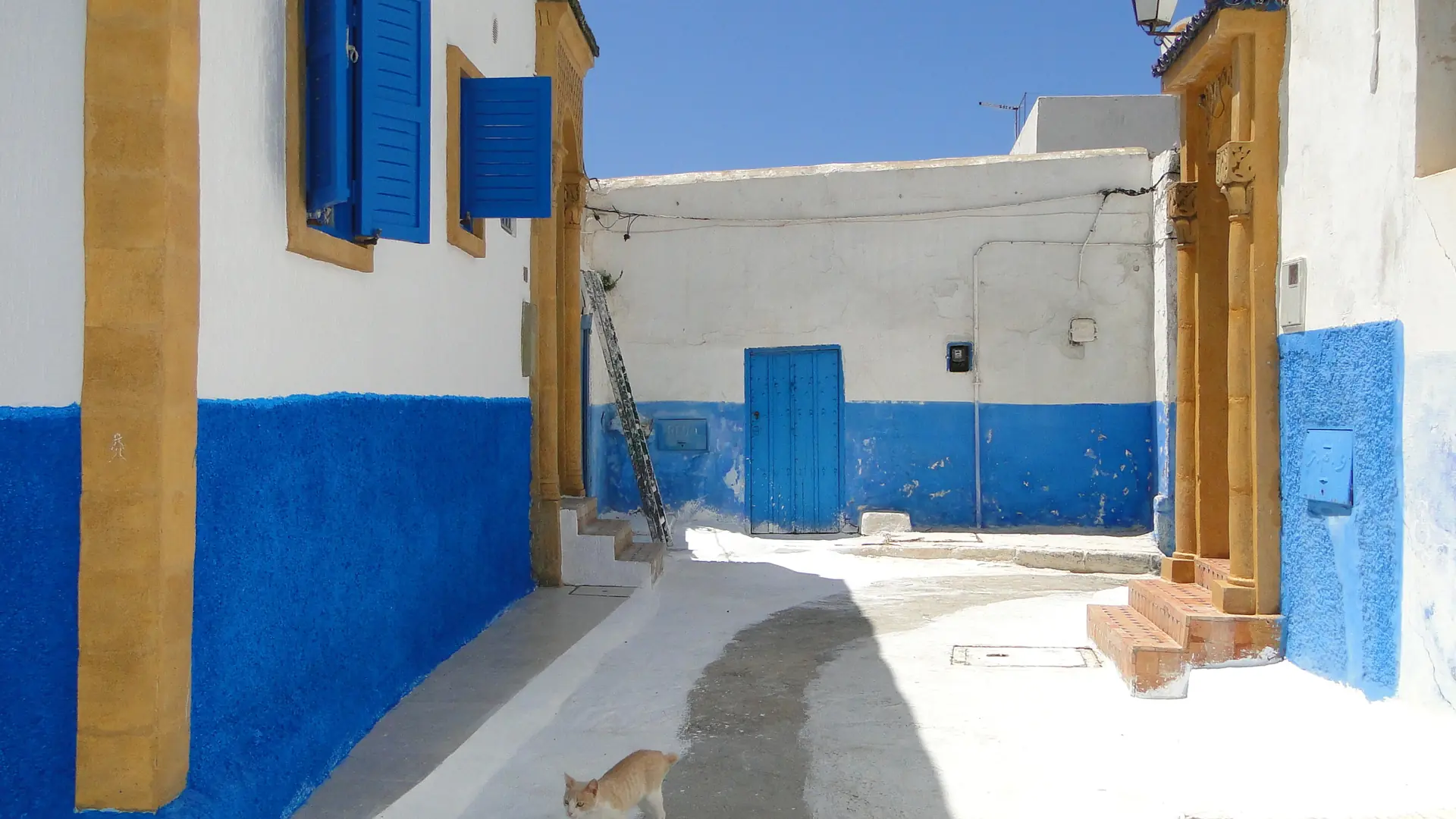
You can browse craft stalls and return to your riad on foot.
|
Historic stairs and luggage walks
|
Walk the core; use a named gate for driver pickup. |
| Kasbah of the Oudayas edge |
River views and slow heritage walks
The kasbah edge makes a river outlook possible on repeated short walks.
|
View comes with an uphill approach
|
Expect walking on slopes; plan a road-accessible drop-off with the host. |
| Ville Nouvelle and Rabat Ville |
Rail access, museums and central walks
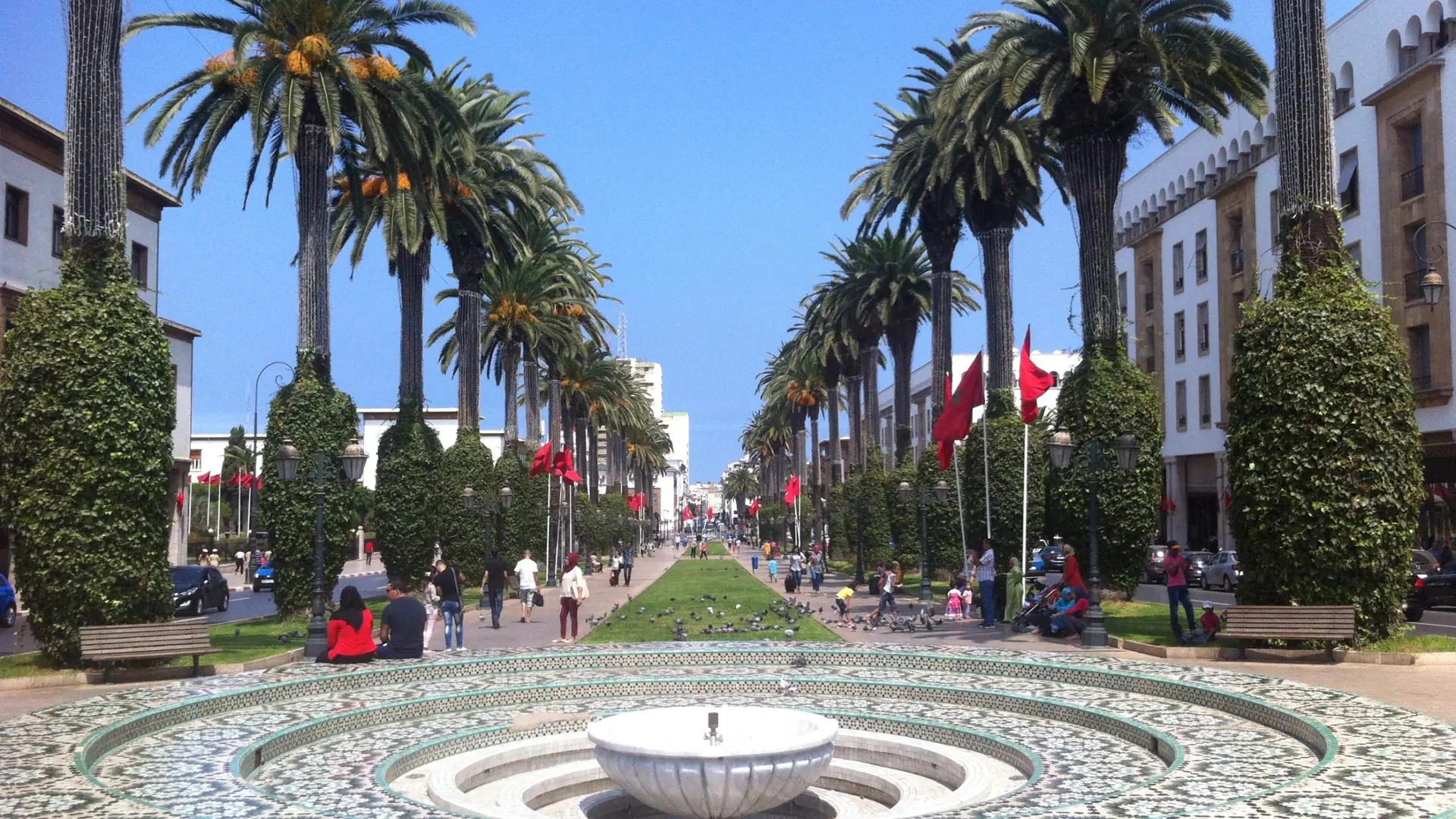
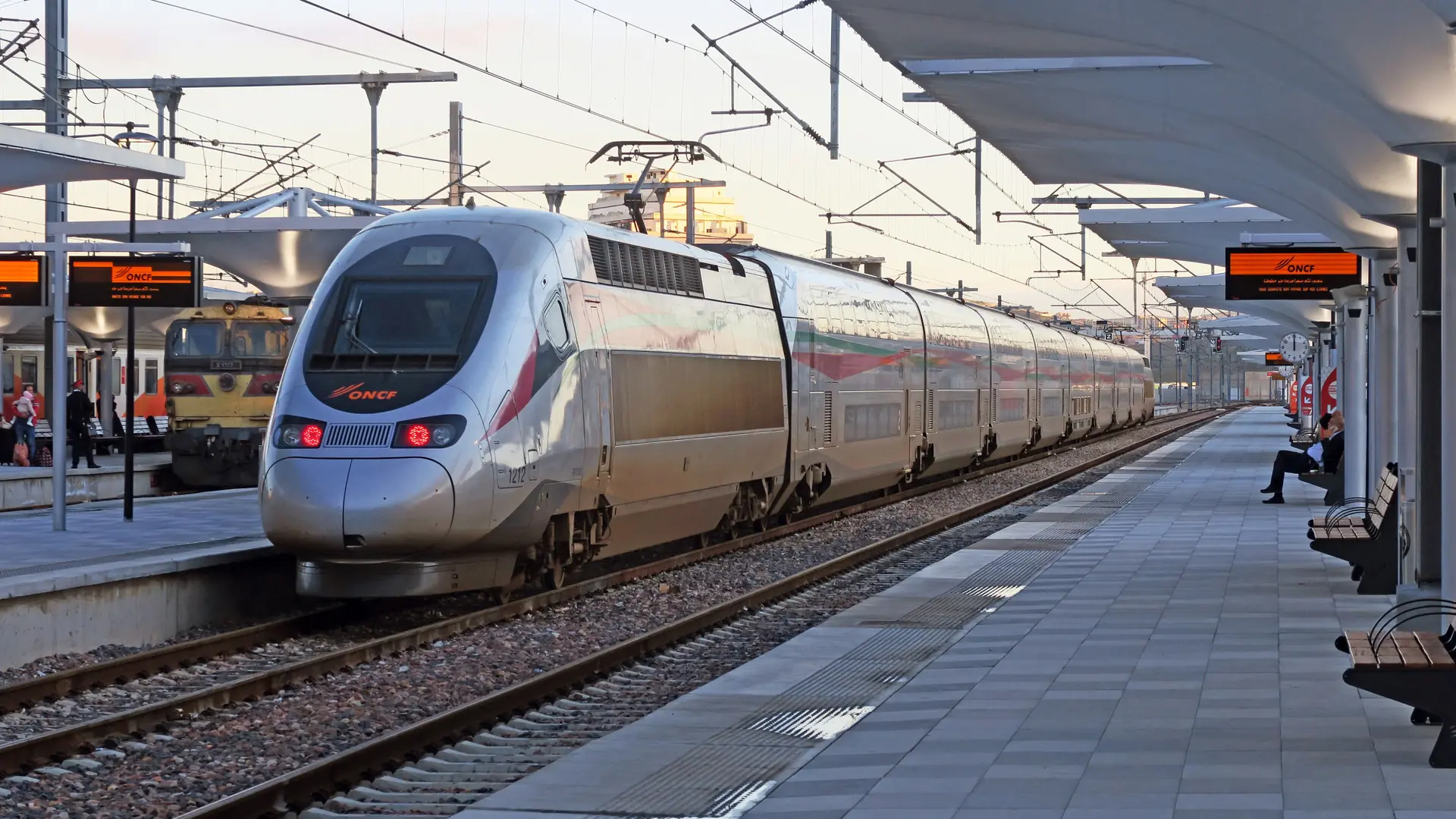
The planned centre pairs rail access with a distinct UNESCO-listed streetscape.
|
Convenient trains; functional streets
|
Rail access is the draw; use the tram map for longer urban hops. |
| Agdal |
Restaurants and Rabat Agdal station
Agdal pays off when its specific station and dining options fit the itinerary.
|
|
Tram and station access vary by address; verify the nearest stop. |
| L’Océan |
Sea air near the old city
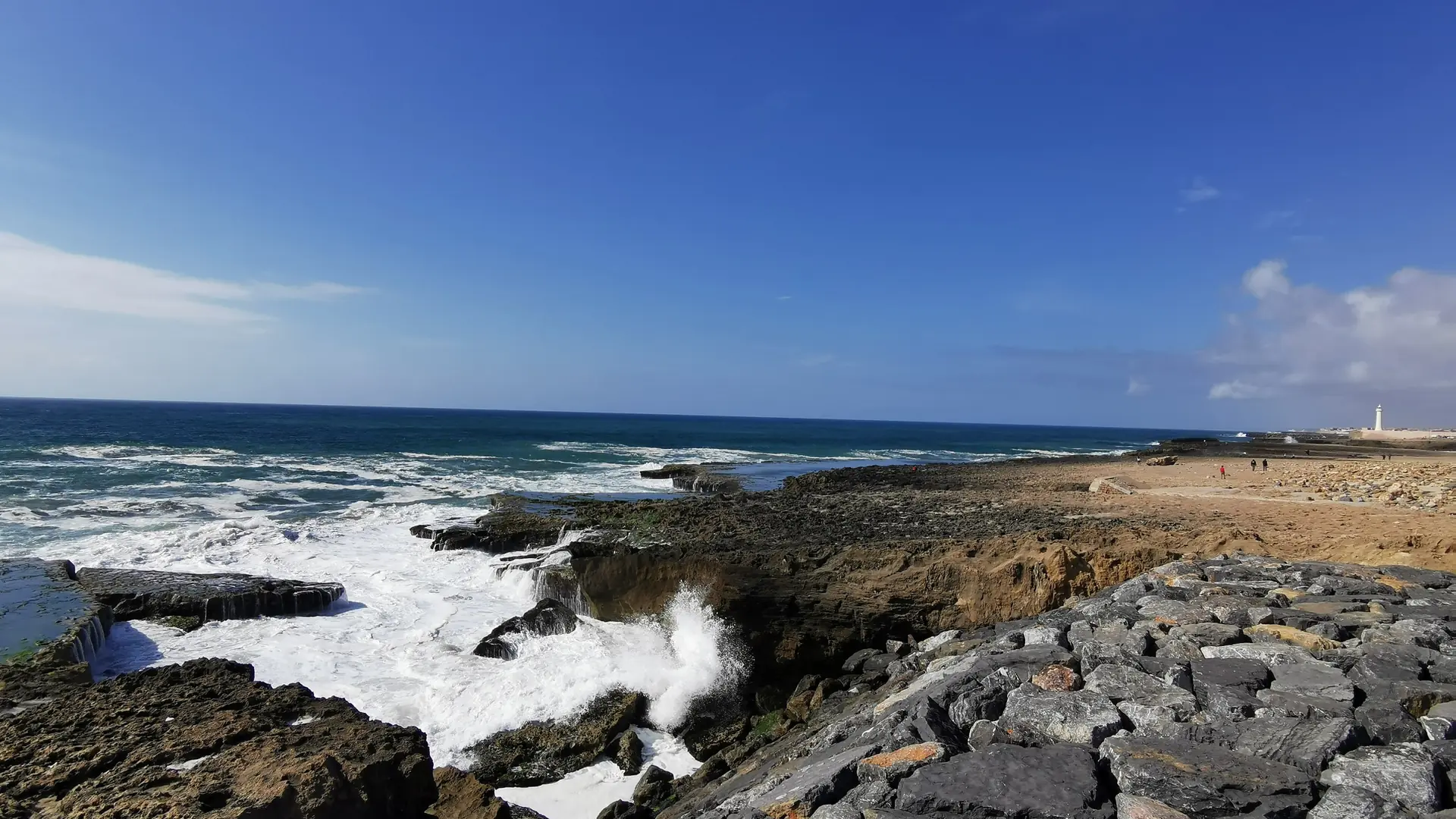
A coastal address is worthwhile when the waterfront is a regular walk.
|
Chilly breeze and variable surf
|
Walk selectively along the seafront and use transit for farther city sights. |
| Hay Riad |
Space on a longer urban stay
A suitable larger room or apartment gives a family space to spread out over several nights.
|
Long trips to historic core
|
Budget for taxis or carefully planned transit to central attractions. |
| Souissi |
Quiet gardens and room comfort
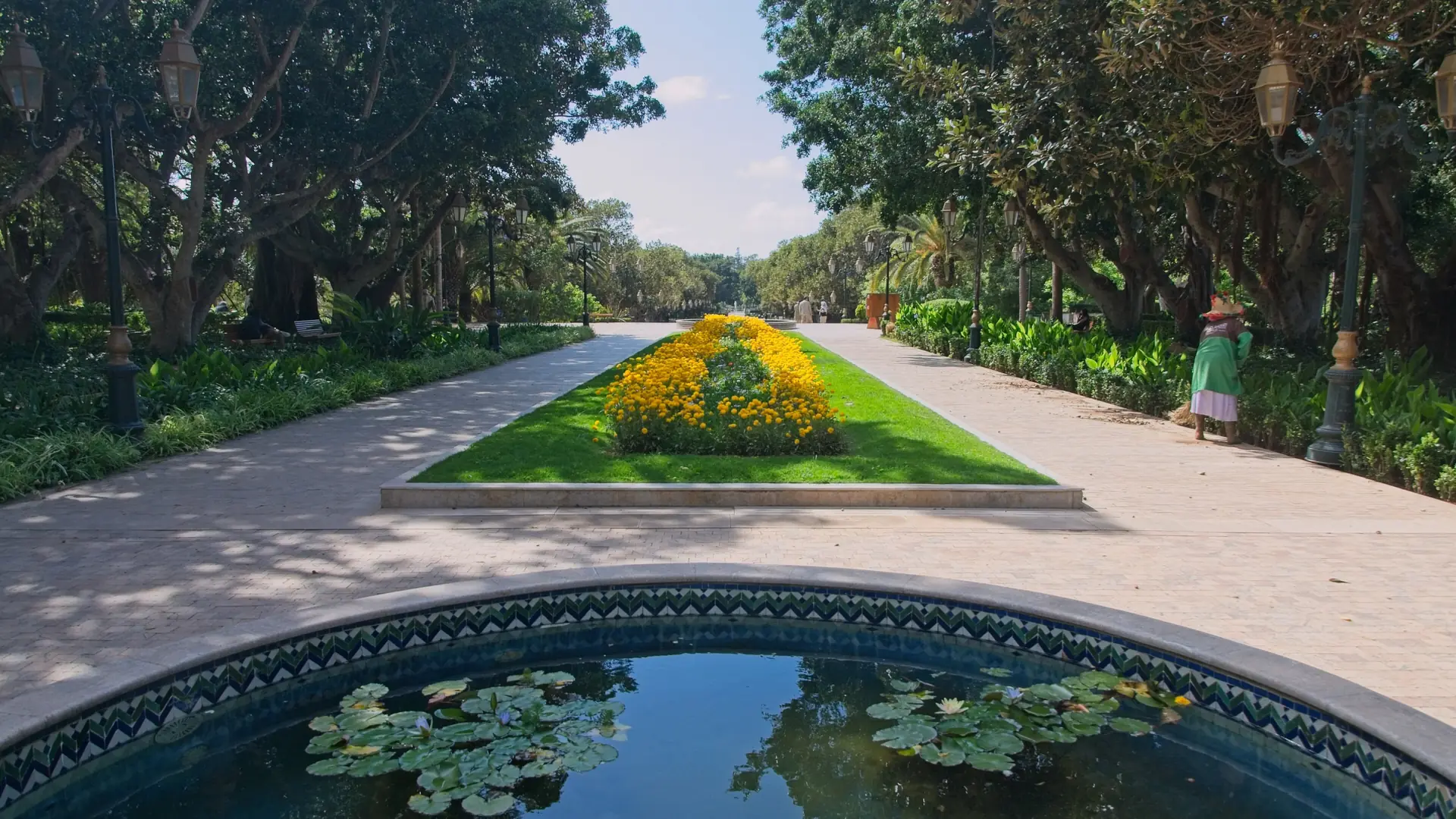
Souissi suits a stay centred on a specific property and its calm grounds.
|
Quiet space with taxi costs
|
Plan a car or taxi strategy; do not presume tram coverage reaches the property. |