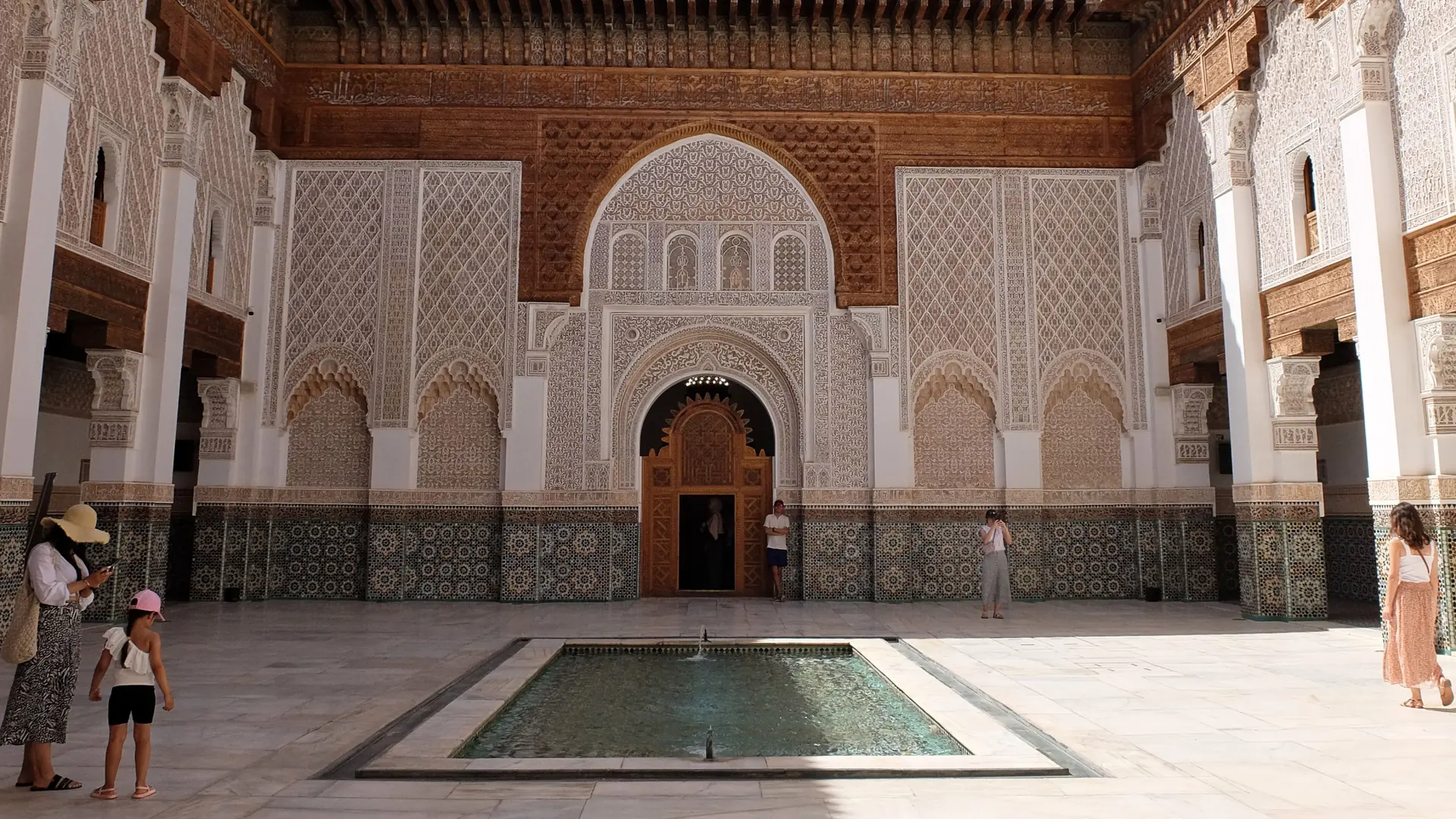
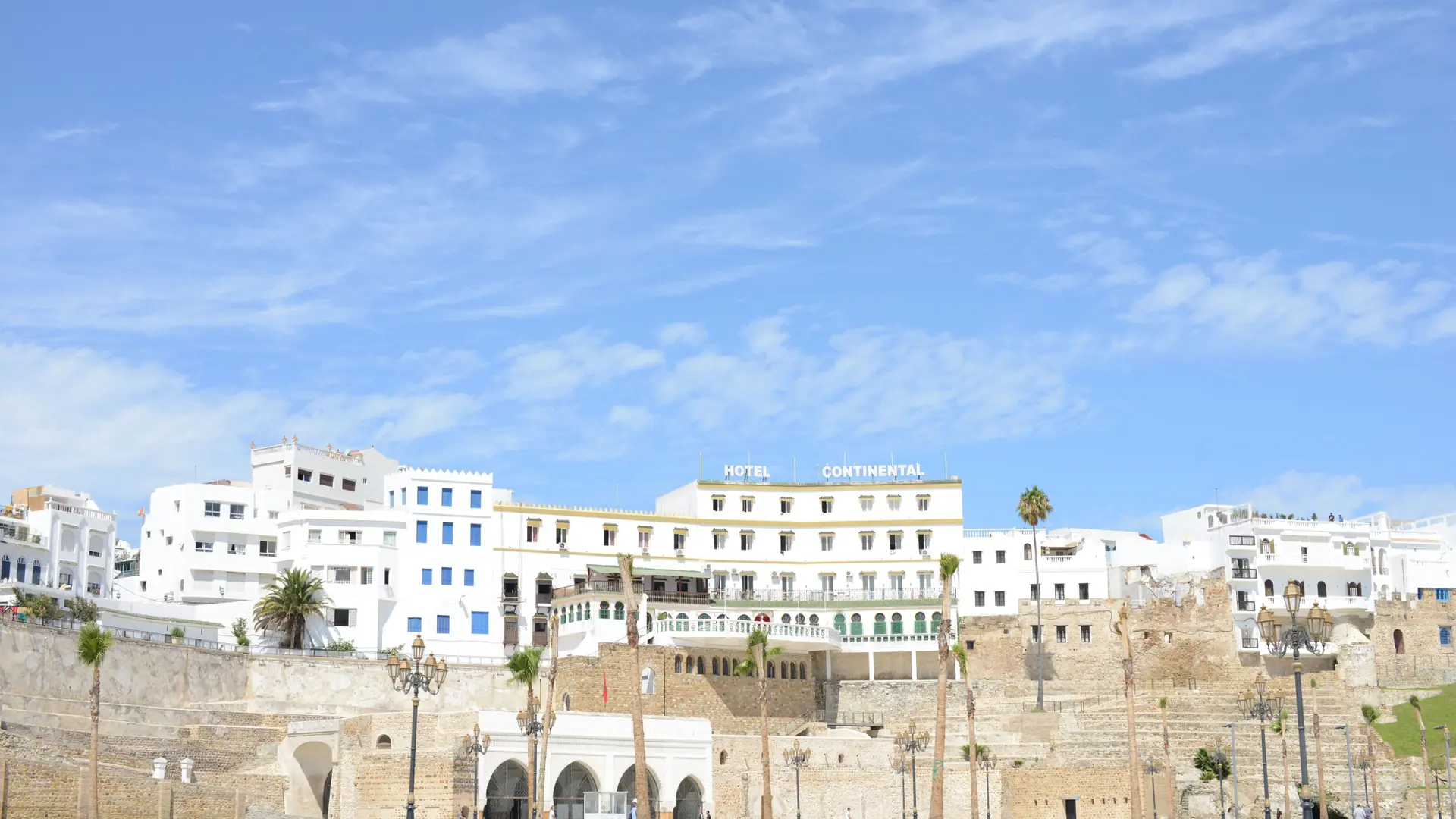
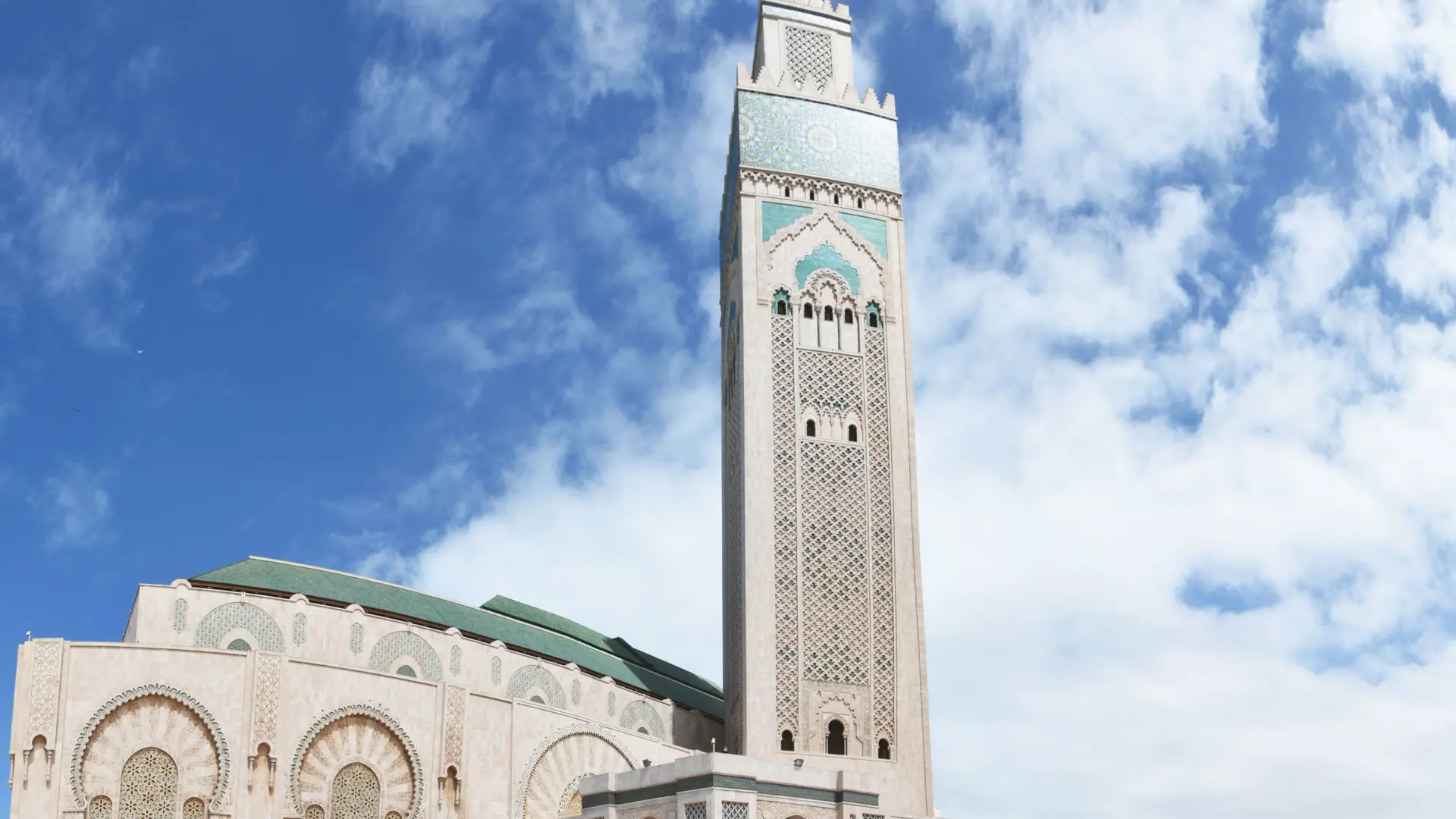
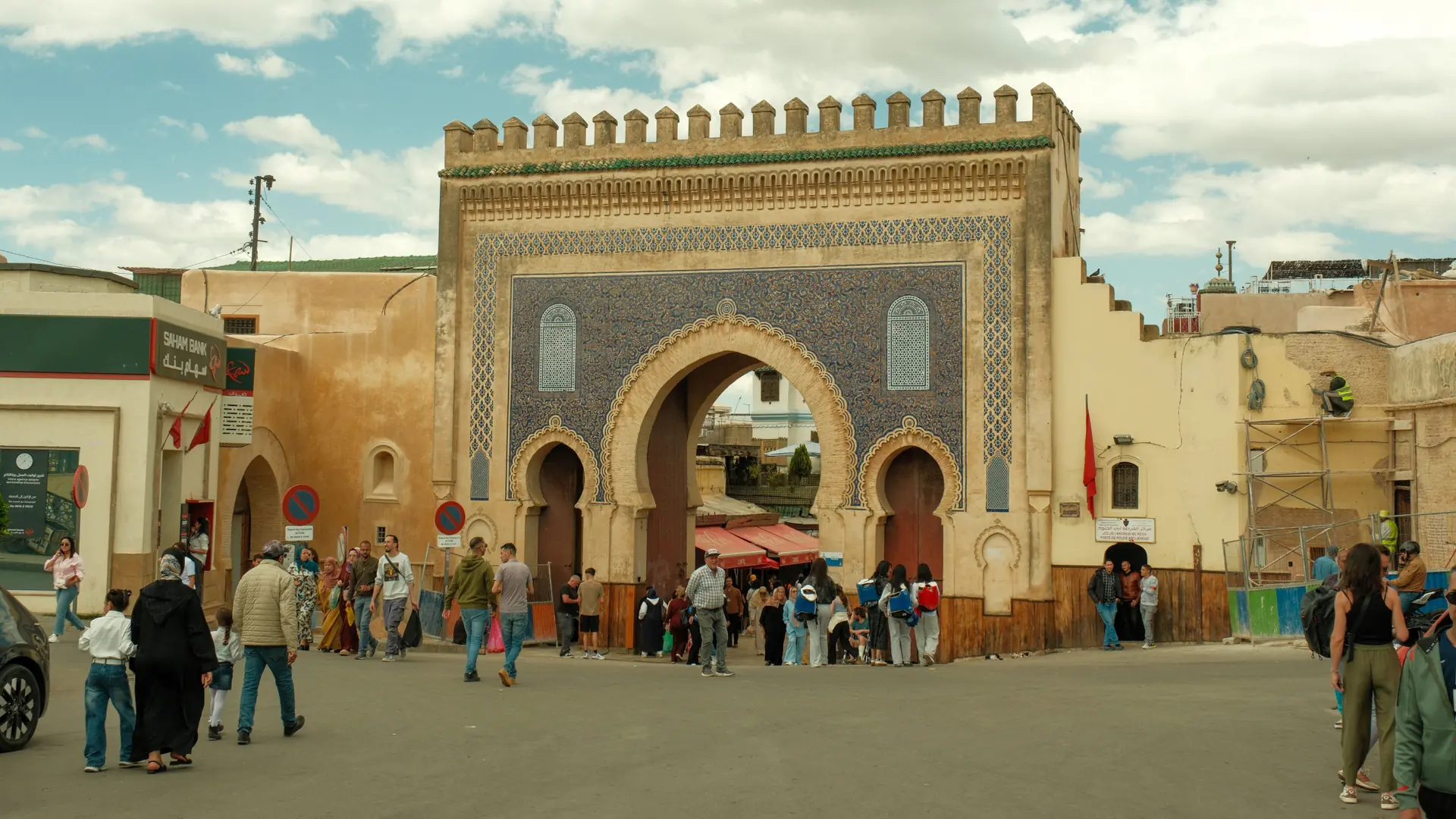
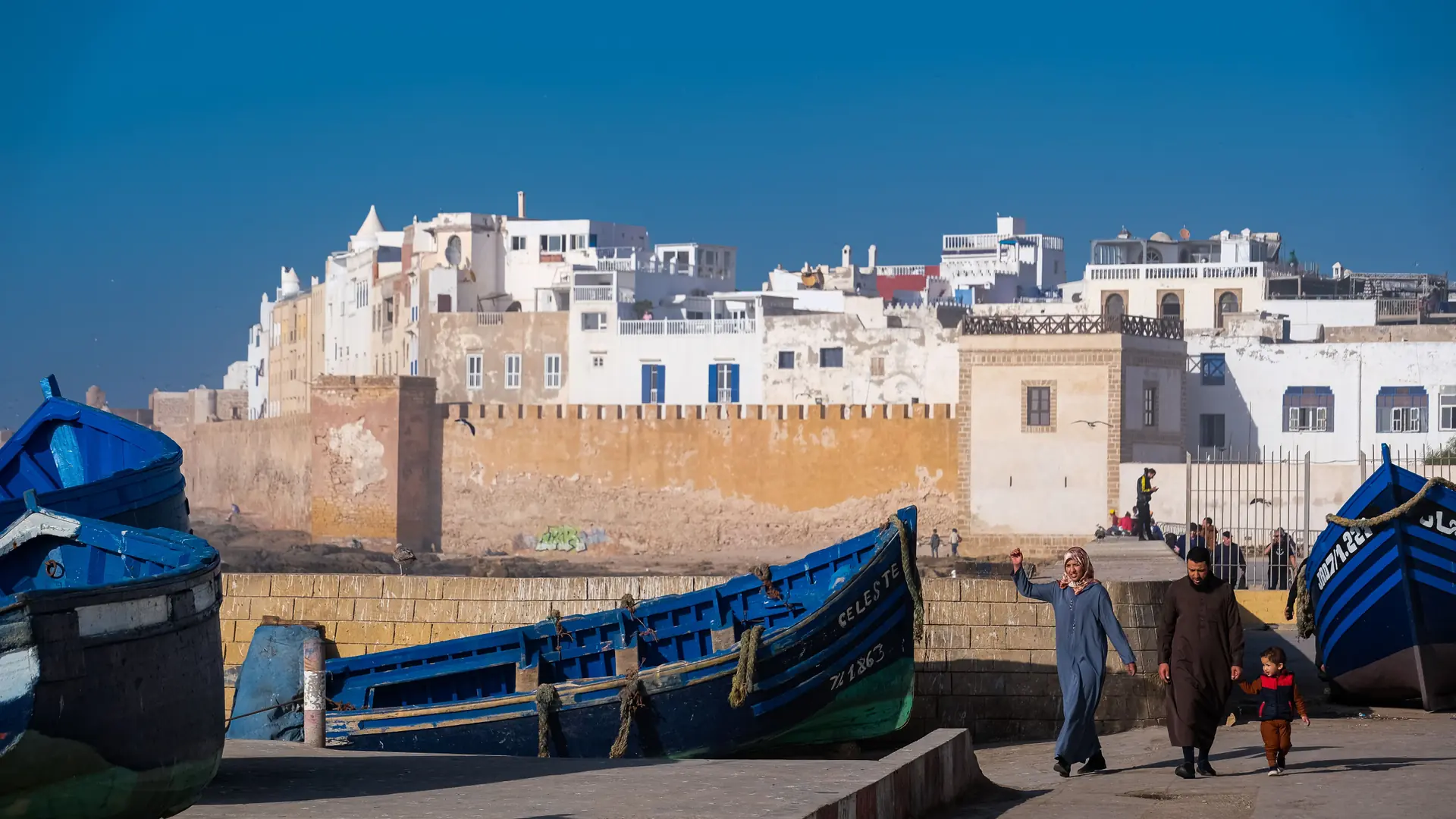
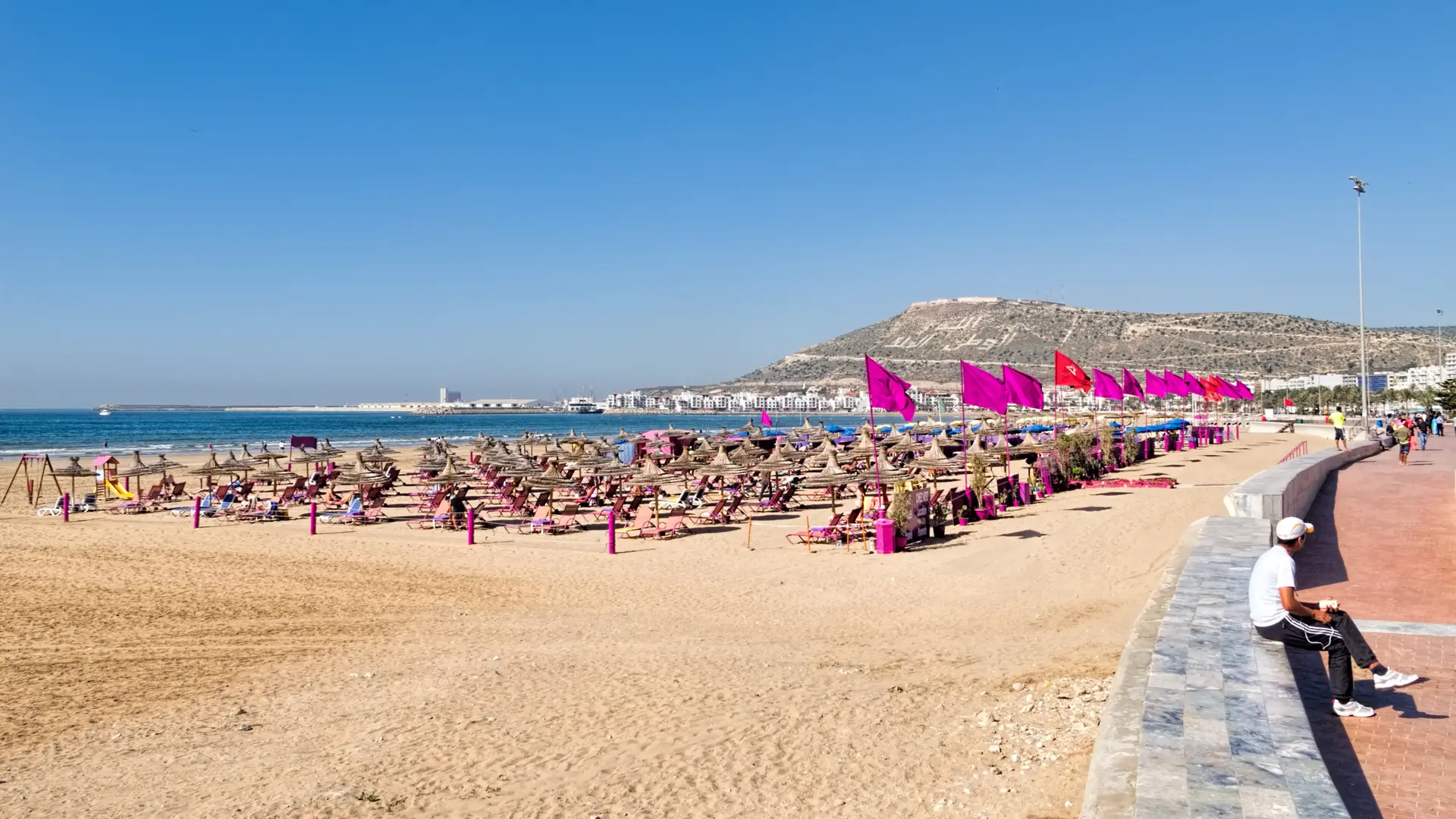
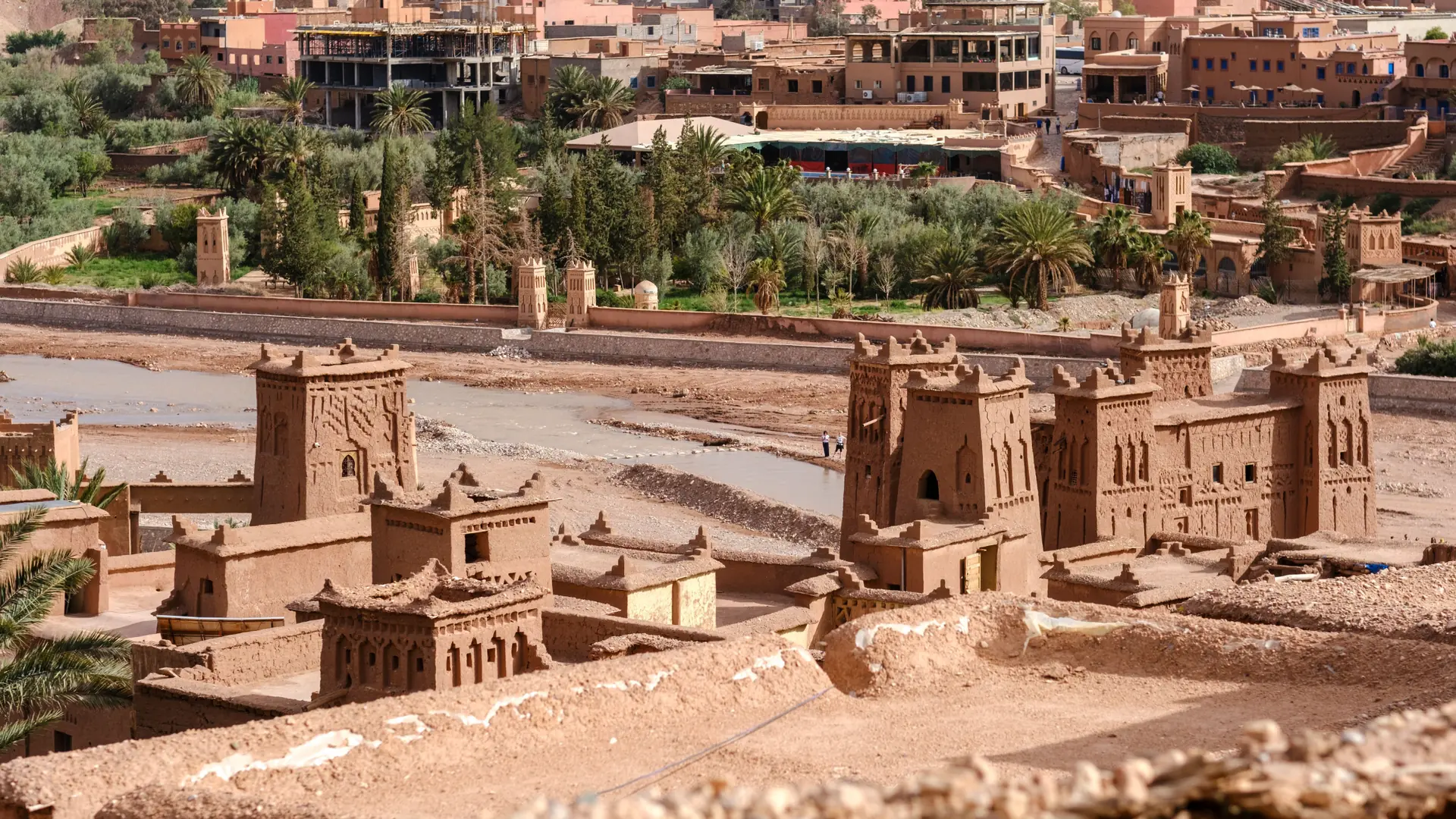
Carved arches, patterned tiles and the courtyard pool at Ben Youssef Madrasa in Marrakech

Where to Stay in Marrakech

Loading hotel search…

Choose a base for sightseeing, food or time by the pool

Marrakech offers more than a quick walk through the souks. The southern medina has palace courtyards and the Saadian Tombs; farther north, Ben Youssef Madrasa rewards a slower look at its carved plaster, cedar wood and tilework. Between them, leave time for small shops and a long lunch rather than trying to see every monument in one day. Jemaa el-Fna changes as food stalls and performers gather in the evening, so a daytime visit gives only part of the picture. Outside the walls, Majorelle offers gardens and a different side of the city, while Guéliz has modern restaurants and shopping streets. Choose accommodation that makes your preferred days easy: a riad for time in the medina, a city hotel for broader exploring, or a resort if the pool is a main reason for the trip. An Atlas outing needs its own day; it should not be squeezed between palace visits.

Useful duration Three nights, often two full sightseeing days

Three nights may mean only two full days once arrival and departure are counted. Give one to the southern monuments and one to the central medina; fit gardens or an excursion only when flight times leave room.

Best first base Kasbah for southern monuments; Mouassine for northern craft streets

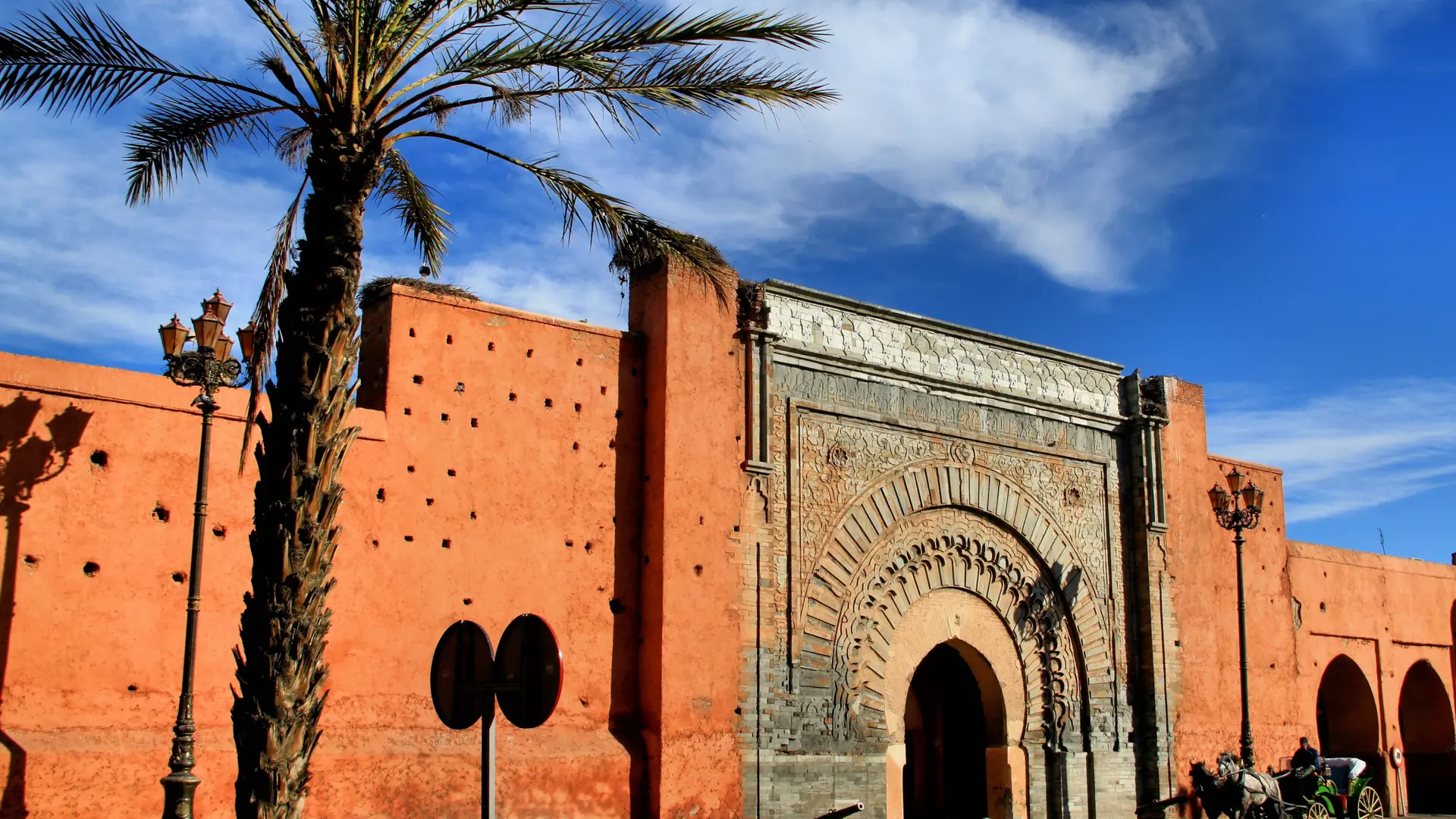
In Kasbah, the Saadian Tombs and El Badi Palace are close together, and Bab Agnaou is a useful pickup landmark. Mouassine puts Ben Youssef and craft streets closer, but its lanes take more planning on arrival.

Airport reality Menara Airport is close; a medina riad may need a final walk

Agree the correct gate and final walking route with the accommodation before landing. A transfer can reach the wall quickly and still lose time finding an inaccessible riad door.

Heat strategy Use exposed monuments early and riad downtime after lunch

Marrakech’s inland heat can make a compact map misleading. Put roofless palaces, garden queues and long souk walks early, then use museums, lunch or the hotel during the hottest hours.

Book ahead Majorelle entry and your exact riad room

Use the official Jardin Majorelle channel for current ticket arrangements. Reserve the exact riad category that solves stairs, light and noise rather than assuming every room in one property is equivalent.

Taxi habit Save the road stop and confirm the taxi fare

Petit taxis cannot drive through pedestrian medina lanes. Show a road-access point, agree how the trip will be charged, and keep the riad phone available for the final handoff.

StartBooker answer

Where should a first-time visitor stay in Marrakech?

For a first visit, Kasbah is a convenient base for the Saadian Tombs and El Badi Palace, while Mouassine puts northern souks and restaurants nearby. Choose Guéliz for modern hotels and easier vehicle access. Stay near Jemaa el-Fna if you want to walk home from the square’s evening food stalls, and check the room’s noise exposure before booking. Palmeraie suits a resort holiday with planned trips into the centre.

Garden tickets
Jardin Majorelle sells tickets online; use its official booking site to choose your visit.
Larger hotels outside the medina
Hivernage offers larger hotels outside the medina, with journeys to the old city’s monuments.
Medina transport
Petit taxis stop at accessible roads and gates; the final approach to some riads is on foot.

Things to do in Marrakech, Morocco

Explore tours, attractions and local experiences in Marrakech, Morocco.

Loading activities…

Activities provided by GetYourGuide. We may earn a commission on bookings.

AI-powered

Build Marrakech around one sensible base

Tell the planner when you arrive, where you are staying and any fixed bookings. Ask for nearby sights together, with time for lunch and a break from the heat.

Compare eight areas for a Marrakech stay

A “medina stay” can mean a noisy square, a residential craft lane or a practical gate. Compare the route repeated each morning and evening, then inspect the exact room rather than choosing from atmosphere alone.

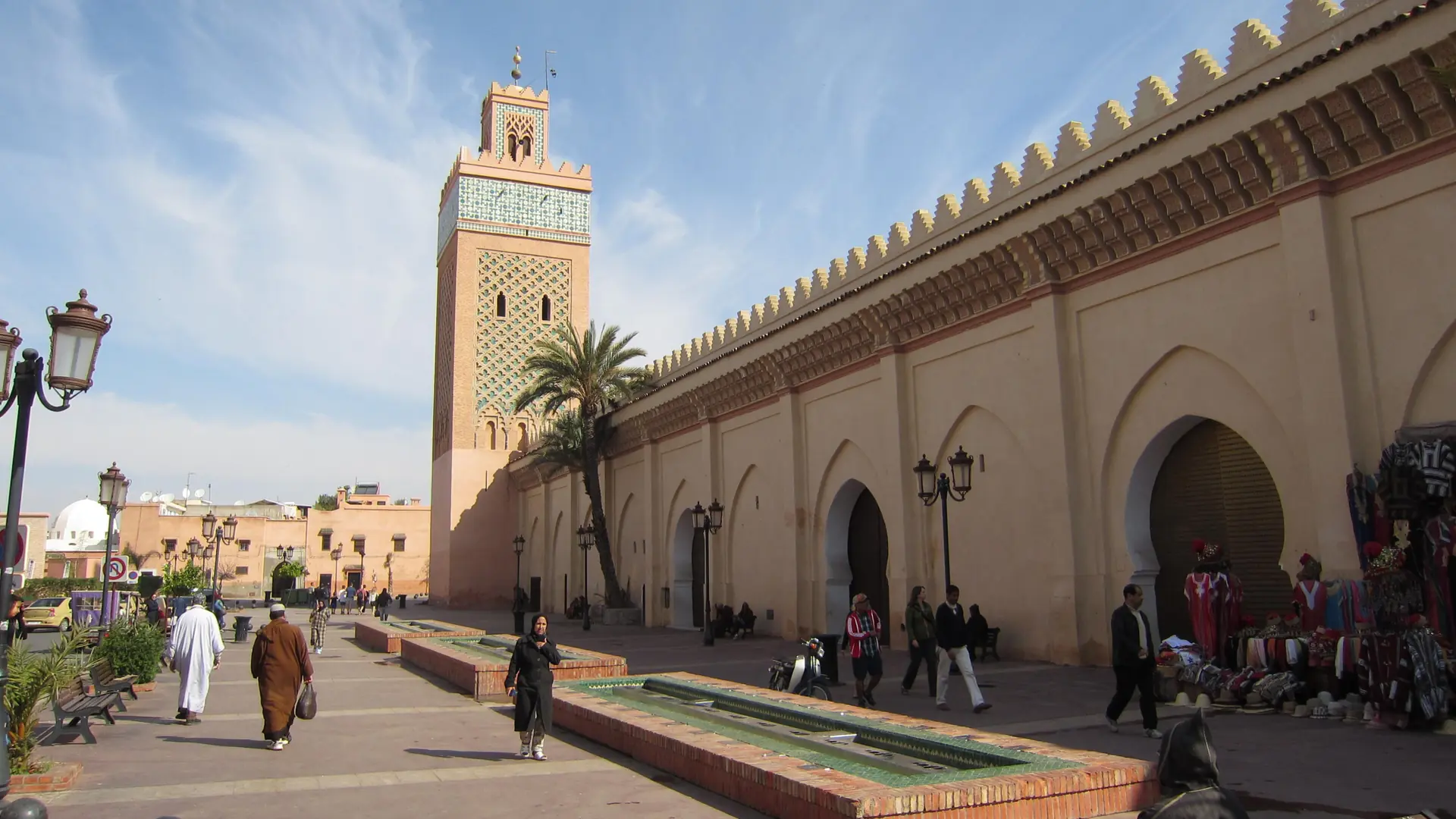
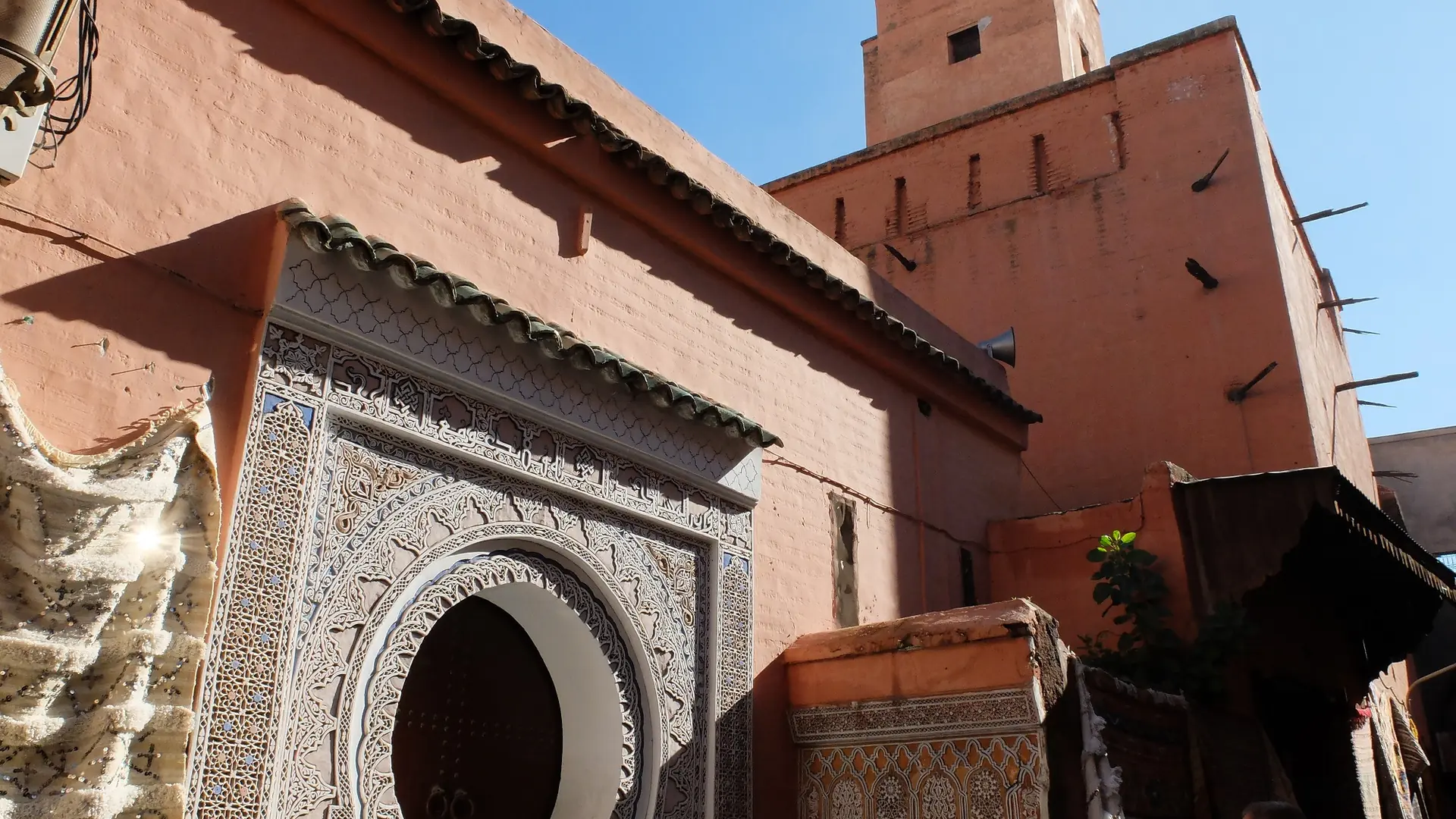
Kasbah Mosque minaret and arched street in Marrakech on a clear day

Kasbah and Moulay El Yazid

first stays with monuments close at hand

The southern medina puts the Saadian Tombs, Kasbah Mosque quarter and El Badi Palace within a compact walking circuit. It feels residential once day visitors thin, and several roads at the walls give taxis a clearer approach than the deepest souks. Choose it when the first morning should start with architecture rather than navigation practice.

First stay Monuments Medina
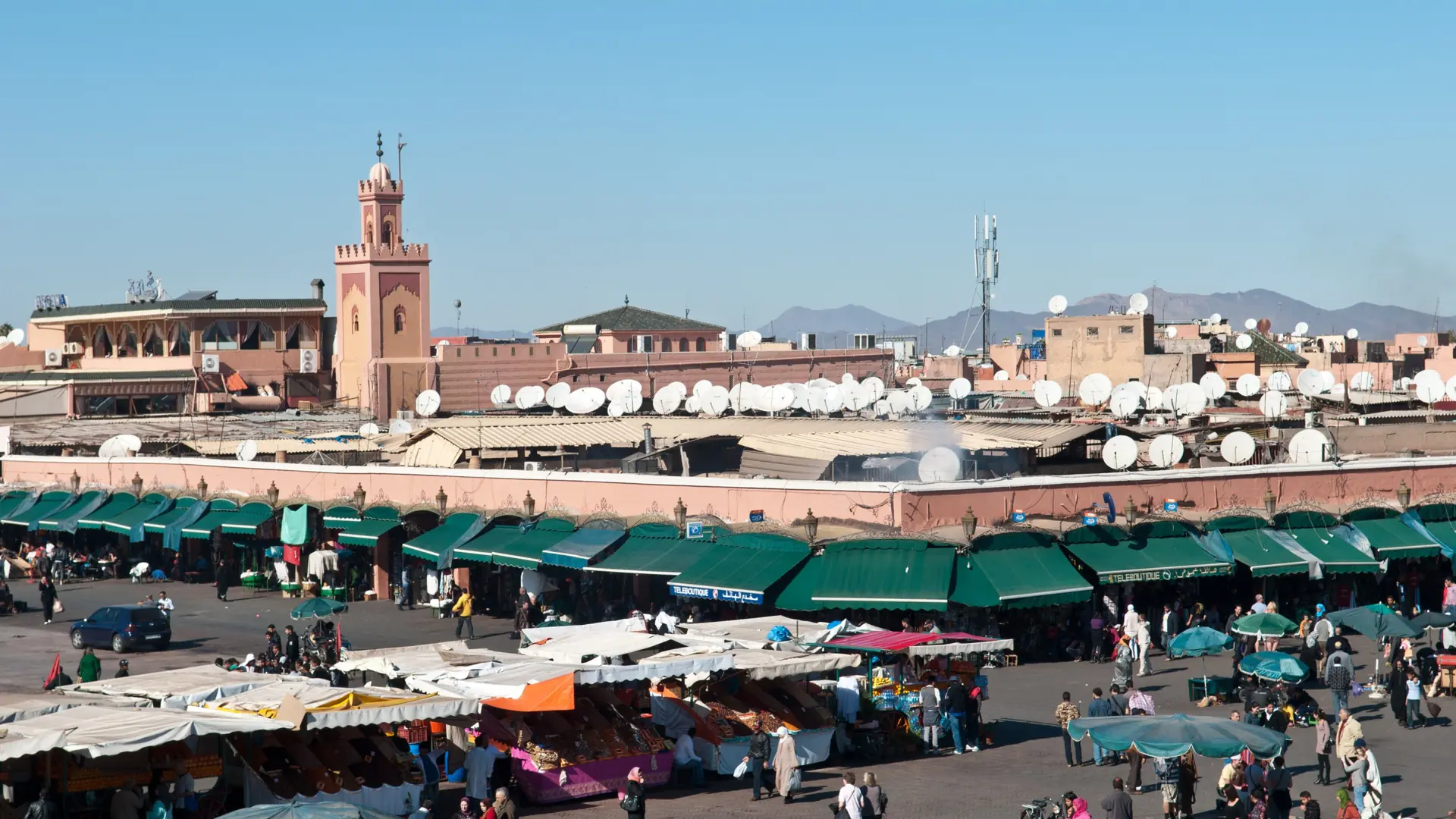
Jemaa el-Fna square filled with daytime market activity beneath a clear sky

Jemaa el-Fna and central souks

travellers who want Marrakech at full volume

Staying near the square keeps food stalls, storytellers and the main souk arteries close from late afternoon into the night. It is the most immediate version of Marrakech and removes the need for a taxi after dinner. The useful question is not distance to the square but whether the room sits on a through lane, a market lane or a protected courtyard.

Nightlife Food Souks
Carved Mouassine Mosque entrance with its short square minaret in Marrakech

Mouassine and the northern central medina

design, food and slower medina mornings

Mouassine sits inside the old city but feels less dependent on Jemaa el-Fna. Courtyard restaurants, craft streets and restored houses make it strong for travellers who want to explore on foot, return for a midday pause and head out again. The position suits Ben Youssef and the northern souks, provided the accommodation sends a precise arrival route.

Design Food Walkable
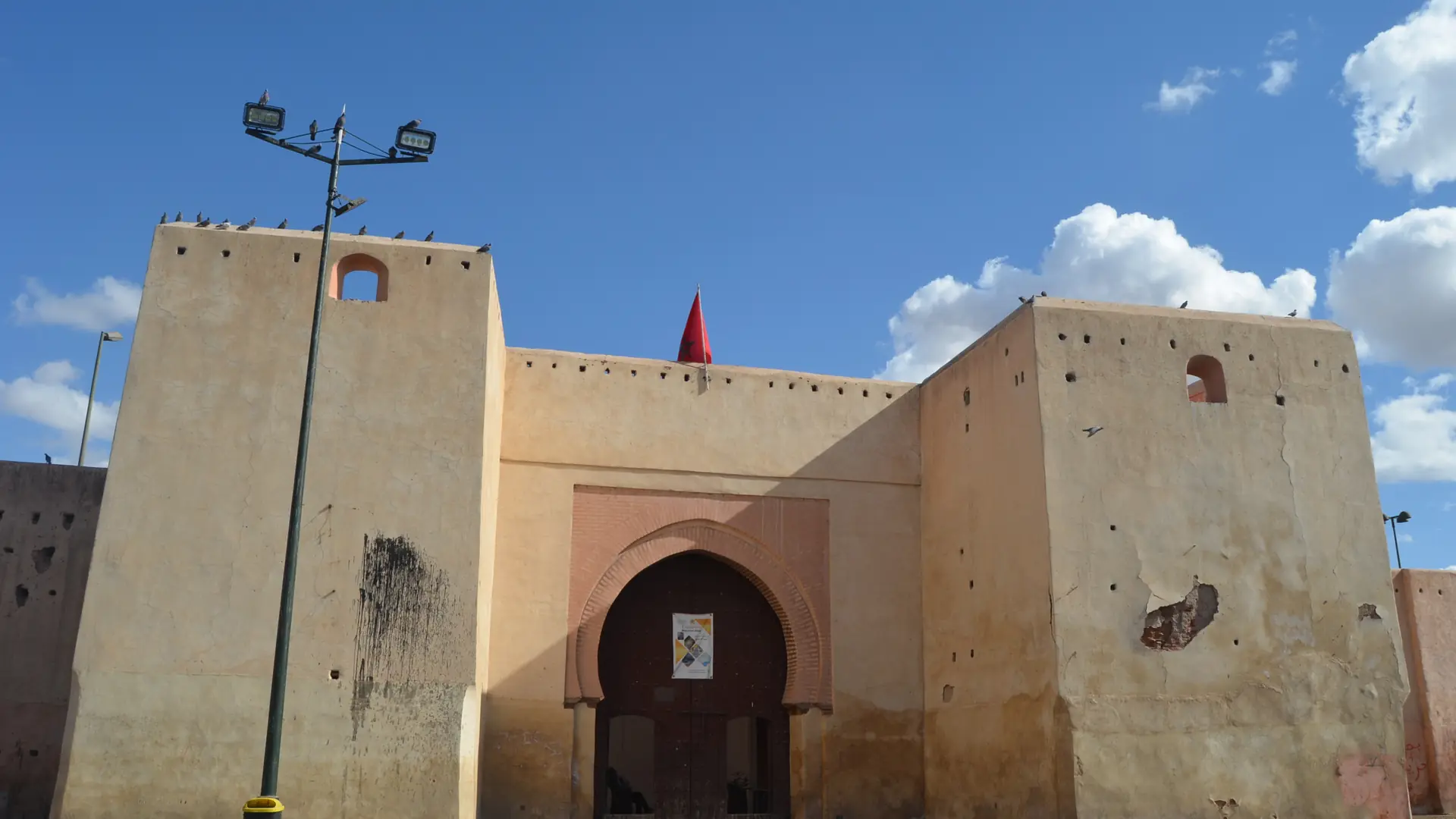
Bab Doukkala gate and its ochre exterior walls under a bright Marrakech sky

Bab Doukkala

medina character with practical road access

Bab Doukkala is a working edge district where the old city meets useful roads, local food shops and transport toward Guéliz. It can solve the arrival problem without abandoning the medina. Travellers who enjoy everyday street life often prefer it to a polished lane near the square, especially when day trips or an early departure appear in the plan.

Transport Local life Value
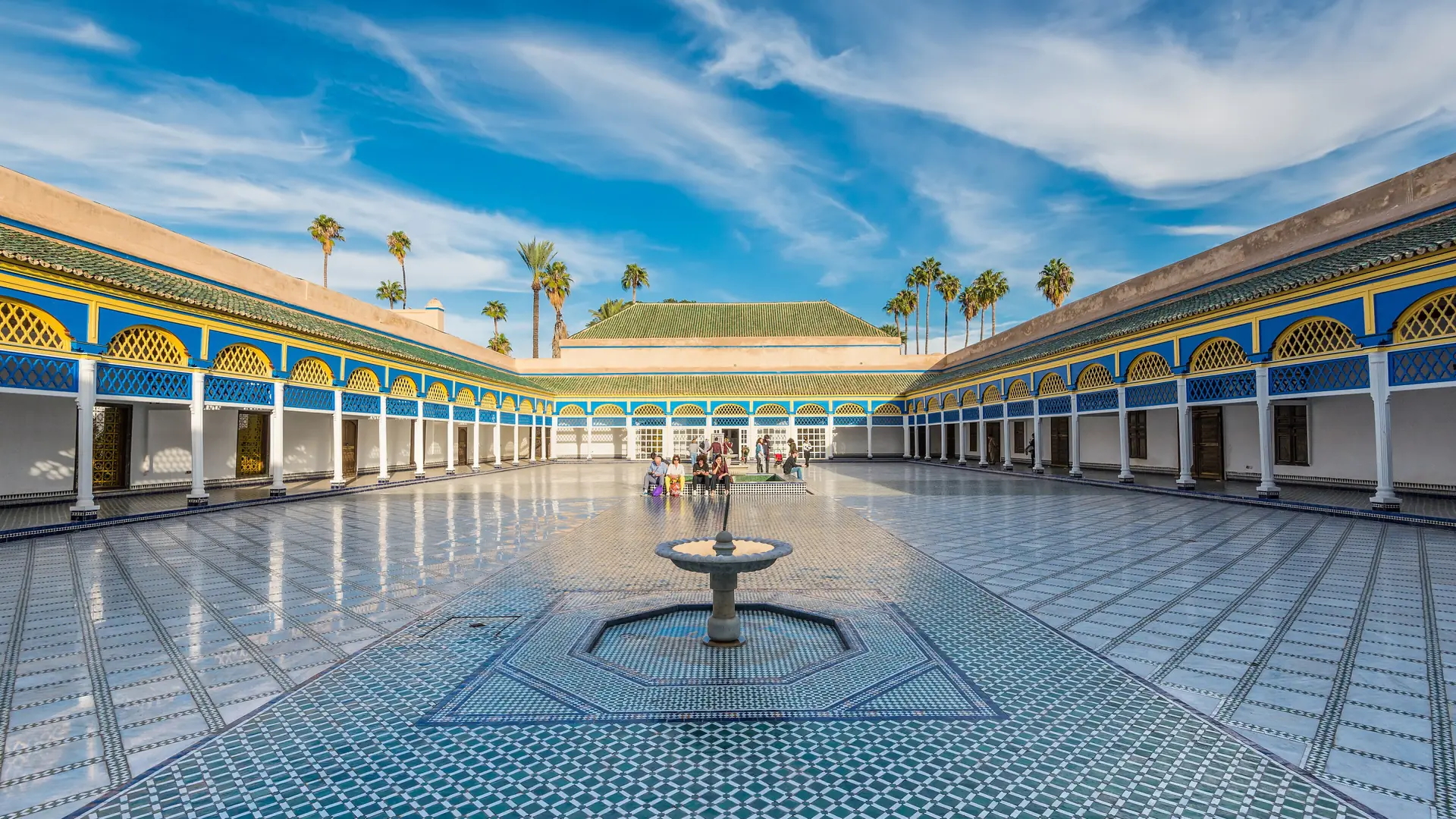
Sunlit tiled courtyard and fountain at Bahia Palace beside Marrakech’s Mellah

Mellah and Bahia Palace

heritage stays with a less tangled approach

The Mellah places Bahia Palace, the spice market and the southern medina near broad Place des Ferblantiers. The street pattern is easier to read than the northern souks, and a first afternoon can be productive without crossing the whole old city. It also suits travellers pairing the Kasbah monuments with an early palace visit.

Heritage Markets First stay
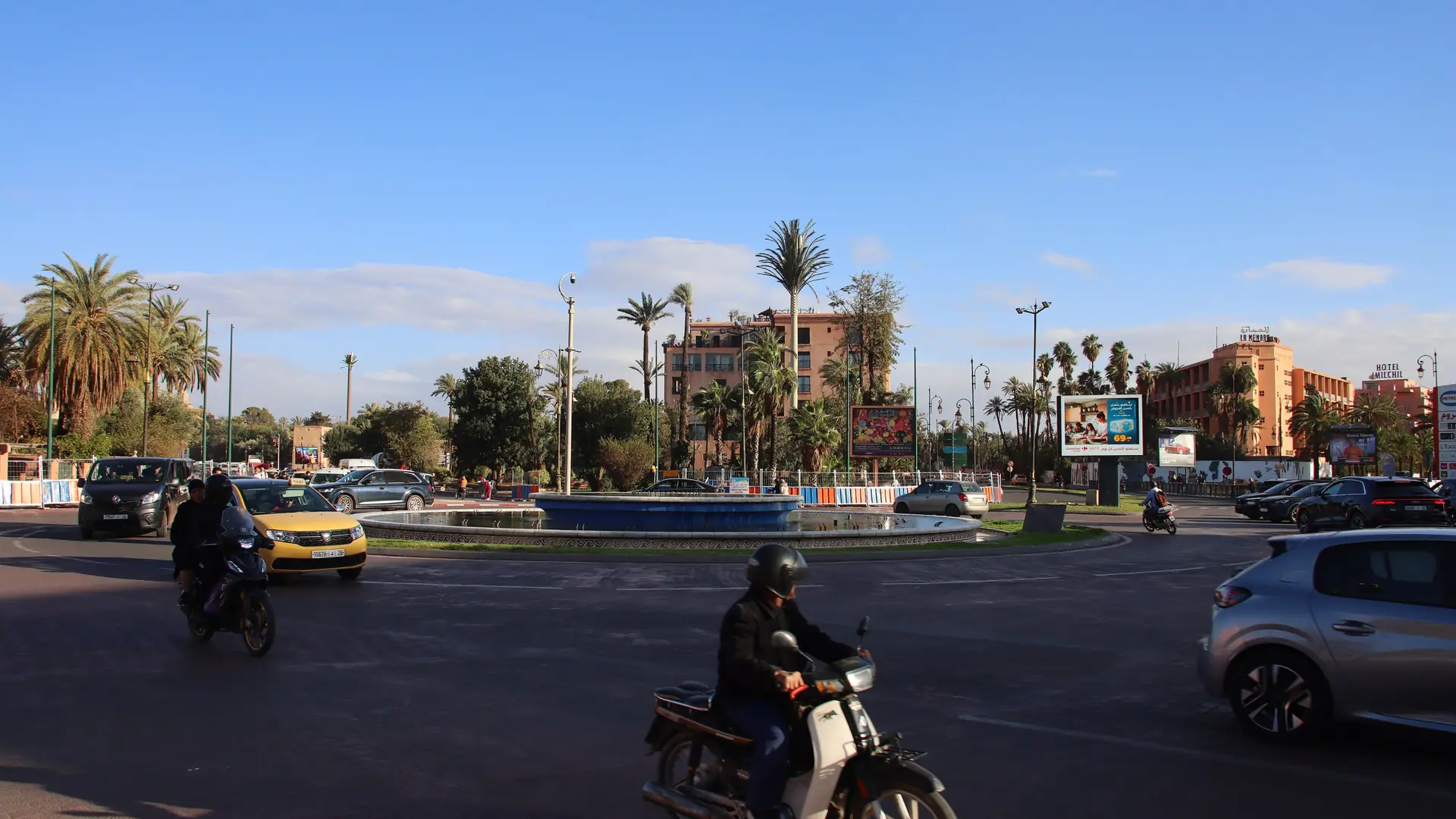
Palm-lined Guéliz roundabout and modern Marrakech buildings under clear sky

Guéliz

easy arrivals, modern dining and reliable street access

Guéliz has broad streets, cafés, galleries and a straightforward taxi approach. A hotel here may offer a lift or a room with fewer stairs, but check the specific building, entrance and bathroom before relying on accessible facilities. Majorelle is on this side of the city; the medina needs a separate walk or ride.

Modern Road access Dining
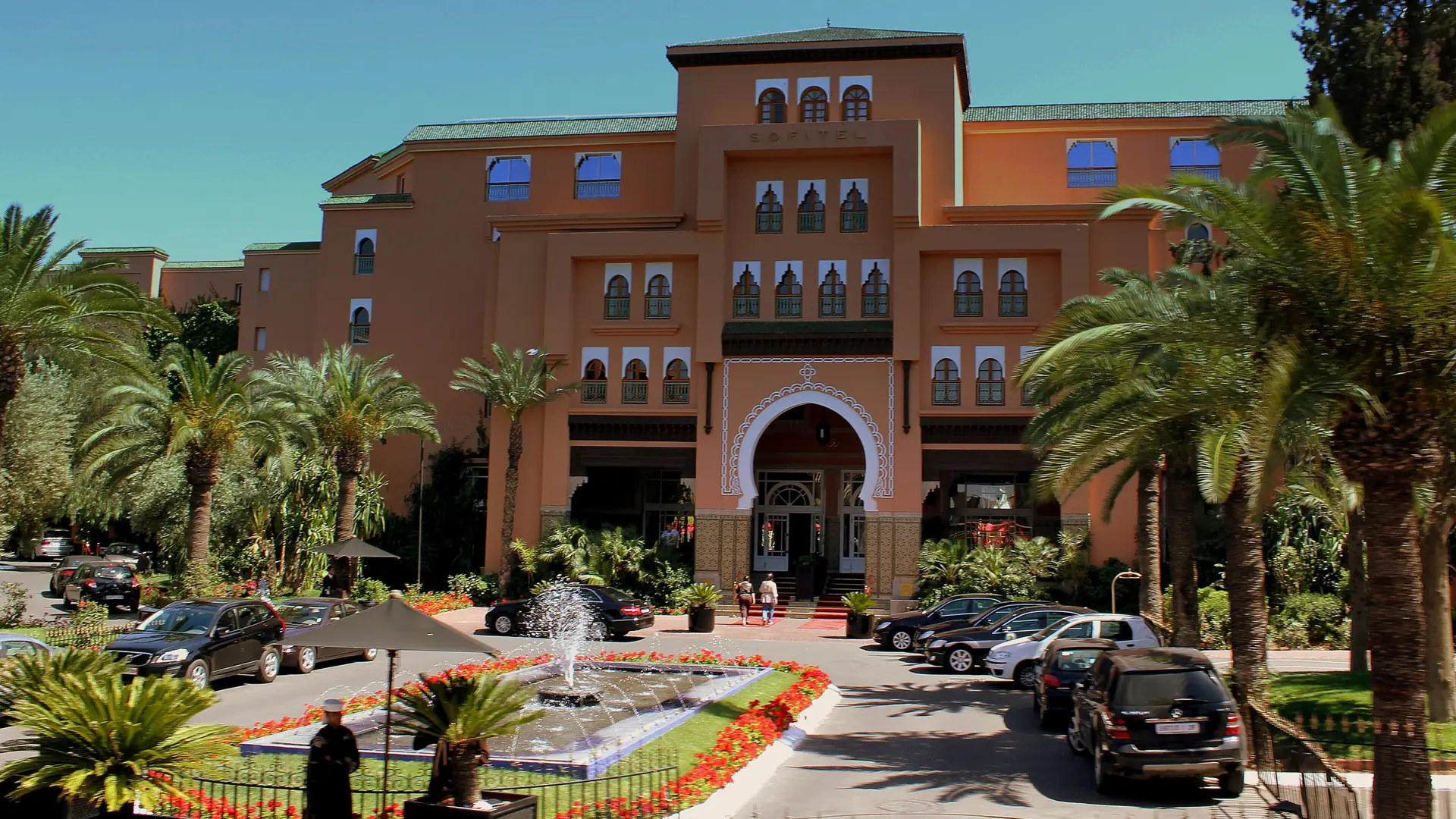
Flowered hotel approach and palms in Marrakech’s Hivernage district

Hivernage

resort comfort, pools and polished evenings

Hivernage spreads hotels, gardens, restaurants and event venues along broad roads between the medina and Menara side of the city. It suits a restorative stay where a pool and full-service property are part of the daily plan. Distances look short on a map but summer heat and road crossings make taxis useful even for modest journeys.

Resort Pool Comfort
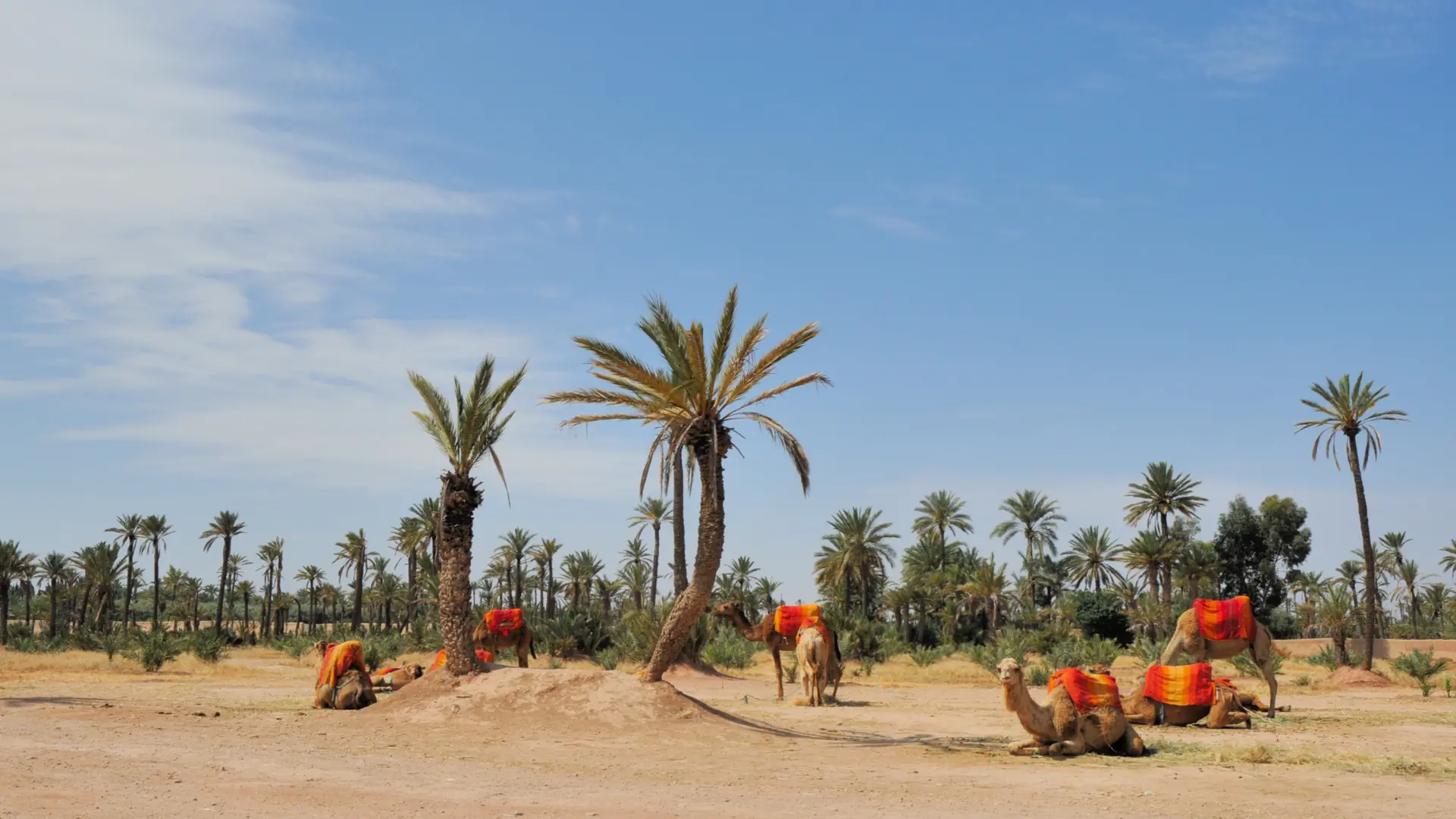
Camels resting beneath date palms in the sunlit Marrakech Palmeraie

Palmeraie

secluded resorts and planned downtime

The palm-grove zone north of central Marrakech offers space, pools and self-contained resorts rather than spontaneous city walking. It can be the right final two nights after a busy circuit, or a base for travellers who intend to spend most hours on the property. The value disappears when every meal and sight requires an unplanned private ride.

Resort Pool Families
Marrakech areas at a glance
Area Best for Features Getting around
Kasbah and Moulay El Yazid

first stays with monuments close at hand

Monuments cluster nearby and vehicle access can be explained clearly.

Longer walks to northern souks and restaurants

Walk to southern monuments; use Bab Agnaou or another named gate for vehicles.
Jemaa el-Fna and central souks

travellers who want Marrakech at full volume

The square and main souks remain usable without a late transfer.

Noise around the square can continue late

Walk locally; meet taxis near Koutoubia, Bab Mellah or another agreed road edge.
Mouassine and the northern central medina

design, food and slower medina mornings

Northern sights, restaurants and craft streets form a compact daily circuit.

Longer walks to southern palaces

Walk to nearby sights; meet transfers at an agreed road outside the medina.
Bab Doukkala

medina character with practical road access

It connects old-city walking with easier vehicle pickups.

Traffic at the gate and fewer postcard views

Use the gate for taxis and walk southeast through the medina or west toward Guéliz.
Mellah and Bahia Palace

heritage stays with a less tangled approach

Bahia Palace and El Badi are nearby, with Place des Ferblantiers as a clear meeting point.

Busy market edges; quieter lanes after trading

Walk to Bahia and El Badi; use Place des Ferblantiers as a clear vehicle reference.
Guéliz

easy arrivals, modern dining and reliable street access

Hotel entrances accessible by car can make arrivals easier; check the lift and room access.

More taxi rides to the old-city sights

Walk within the new town; use taxis for the medina and station when the heat is strong.
Hivernage

resort comfort, pools and polished evenings

Pool hotels allow a midday break without leaving the property.

Higher hotel and dining costs

Taxis are useful for medina visits, especially in summer; allow time for traffic.
Palmeraie

secluded resorts and planned downtime

Pools, grounds and privacy work when central sightseeing is deliberately limited.

Planned transfers for nearly every city outing

Plan private transfers or confirm a hotel shuttle; nothing central is a casual walk.

Match your Marrakech base to your plans

A short sightseeing break, evenings around the square and a holiday by the pool call for different bases. Choose the option that gives you more time for the part of Marrakech you came to enjoy.

First visit with early sightseeing

Kasbah and Mellah keep palaces, tombs and clear meeting points in the same southern-medina plan.

Maximum atmosphere after dark

Stay near Jemaa el-Fna to walk back after an evening among the food stalls and performers.

AlternativeA quieter Guéliz hotel may suit an early sleeper; check the specific room and glazing.

A design and food weekend

Mouassine gives restored houses, craft lanes and dining without tying each outing to the square.

Late flight or heavy luggage

Guéliz provides ordinary road addresses and easier reception access, while Bab Doukkala preserves a medina edge.

Pool time between city days

Hivernage works when a full-service hotel and scheduled downtime justify the room rate.

A quiet resort stay at the end of your trip

Palmeraie makes sense as a self-contained finish after the medina, especially for families or a group.

AlternativeGuéliz is the more flexible modern base.

Search hotels across Marrakech

Live results cover Marrakech as a city, not just Kasbah. Check each hotel address against the district you chose, then confirm the room, arrival point and included facilities.

See Marrakech stays →
Loading live stays…

Arriving and moving around Marrakech

From Menara Airport or the railway station, the last part of a medina arrival depends on where a vehicle can stop. Agree the road-access point and final walk with the property before travel.

From Menara Airport to your riad

Confirm your riad's vehicle drop-off before flying

Ask the property for a named road-access point, a driver contact and the expected final walk. Screenshots help when data is slow, but a staff handoff is better than following a map through delivery lanes with luggage.

Protect late arrivals from avoidable bargaining

Arrange a transfer with its total price and meeting point in writing, or agree the taxi fare before travel begins. Keep the riad phone handy: a driver may know the district without knowing the exact door or the best place to stop.

Move by compact circuits instead of zigzagging

Pair the southern monuments

Visit the Saadian Tombs, Kasbah, El Badi and Bahia/Mellah in one geographic sequence. Crossing to Majorelle halfway through adds heat and traffic without improving the day.

Give the central medina an unhurried morning

Use one landmark and a compass direction, not a minute-by-minute route through the souks. Decline unsolicited guiding firmly and hire a licensed guide when interpretation or confident navigation is worth paying for.

Treat Majorelle and Guéliz as a separate outing

Use the official ticket arrangements, then keep lunch or galleries on the new-town side. Returning to the medina and back again for dinner wastes the easiest part of the day.

Reserve only the bottlenecks

Buy Majorelle tickets through its only official online shop

Jardin Majorelle says tickets are sold only online through tickets.jardinmajorelle.com; other sellers may not provide valid entry. Select the garden or museum combination you want and check its current date and time before paying. Keep other palace visits flexible, but verify their hours with the operator.

Test stairs, lanes and bathroom access as one chain

A ground-floor room does not solve the whole medina route

Ask the hotel about each step from vehicle drop-off to bedroom and bathroom: lane surface, entrance width, lift or stairs and shower access. Guéliz or Hivernage may shorten the street approach, but accessibility depends on the exact property and room, not the district name.

Plan Marrakech around heat, crowds and the exact room

Use the season to decide when to walk, then budget for the nights and outings you want. The notes below cover the main costs and booking choices that affect a short stay.

Use the season to set daily rhythm

Spring: walk the medina and reserve small riads early
  • Milder days make long souk walks and open courtyards appealing. Reserve a well-placed small riad before fixing restaurant plans, then leave space to explore the craft streets. A popular garden visit still needs a valid online ticket from its operator; do not build the whole trip around a time you have not secured.

  • Summer: put exposed monuments first

    Visit roofless palaces and broad squares in the cooler part of the day, then pause for lunch or return to the hotel. If a pool is important, confirm its actual availability, access rules and room package. A longer midday break changes how many paid attractions fit into two full sightseeing days.

  • Autumn: use comfortable days for longer walking circuits

    Autumn can support a full southern-medina circuit without splitting every sight into a taxi ride. Check your dates against school holidays and local events before assuming a quiet room or a low rate. Keep the medina and Majorelle on separate sides of the day so traffic does not consume the mild walking hours.

  • Winter: keep evenings and Atlas plans distinct

    Daylight can be pleasant for gardens and terraces, but rooftop dinners call for a layer after sunset. If you leave Marrakech for the High Atlas, check mountain conditions independently of the city forecast. A city hotel pool may be unheated or seasonal, so confirm the feature before paying extra for it.

What three nights could cost two people

Three nights in a medina riad
  • Dar Attajmil’s 2026 tariff starts at MAD 1,045 (≈ US$108) per double room per night, including breakfast and service. Tax adds MAD 33 (≈ US$3) per person per night. Three nights for two therefore start at MAD 3,333 (≈ US$343), including taxes. This is one medina property’s starting tariff; your dates may cost more.

  • Allow for meals beyond breakfast

    Allow MAD 1,600 (≈ US$165) for two people: arrival dinner, lunch and dinner on two full days, departure lunch and drinks. Breakfast is included in the room example. Café des Épices lists sandwiches at MAD 70–90 (≈ US$7–9) and tagines at MAD 70–130 (≈ US$7–13). The total is a spending allowance; elaborate dinners and hotel meals will cost more.

  • Budget for both airport trips

    Marrakech Riads lists MAD 160 (≈ US$16) each way for airport transfers for one to three people at its properties. Two trips cost MAD 320 (≈ US$33); allow another MAD 200 (≈ US$21) for local taxis. Ask your own riad for its quote. Approximate dollars use the 12 October 2026 Bank Al-Maghrib reference reported by LeBrief: 9.7068 dirhams per dollar. Exchange fees and rates vary.

  • Garden, palace and total allowance

    Allow MAD 400 (≈ US$41) for two Majorelle garden tickets and MAD 600 (≈ US$62) for two adults visiting both Bahia and El Badi palaces. These are reserves, not quoted ticket prices; check the operators before booking. The full example totals MAD 6,453 (≈ US$665), rounded to MAD 6,500 (≈ US$670), for two people over three nights. Flights, shopping, guides, hammams and excursions are extra.

How many nights are enough for Marrakech?

Three nights usually give two full sightseeing days if you arrive in the evening and leave in the morning. Use one for Kasbah, El Badi and Bahia, and the other for the central souks and Jemaa el-Fna; add Majorelle or a slower third circuit when flight times allow. A High Atlas excursion or Erg Chebbi route needs separate time rather than being squeezed into the same two days.

Is it better to stay in the medina or Guéliz?

The medina puts historic sights and evening street life within walking distance. Guéliz offers road access, modern dining and hotels that may have lifts or larger rooms; check the exact building and room. Choose the medina if its final walk, stairs and noise suit you. From Guéliz, allow for taxis on many old-city days.

Is Jemaa el-Fna a good place to stay?

It is excellent for travellers who want the square before breakfast and after dinner, and poor for anyone who needs guaranteed quiet. Ask for the exact bedroom exposure, not a generic promise that the riad is peaceful. Mouassine or Kasbah can preserve medina character with less dependence on the square.

Can Marrakech be explored without a guide?

Yes, if you accept imperfect navigation and plan by districts. A licensed guide adds value for history, craft context and a confident first medina morning. Avoid people posing as official guides; current travel advice specifically warns about bogus guides in historic quarters.

What should I book before arriving?

Book the room category and arrival transfer you need. Jardin Majorelle sells valid tickets only through tickets.jardinmajorelle.com, so choose its current date and entry option there if the garden matters to you. Check monument hours with each site; leave ordinary souk time and meals flexible. A desert route requires a separate multi-day plan.

Can I visit the Sahara as a day trip from Marrakech?

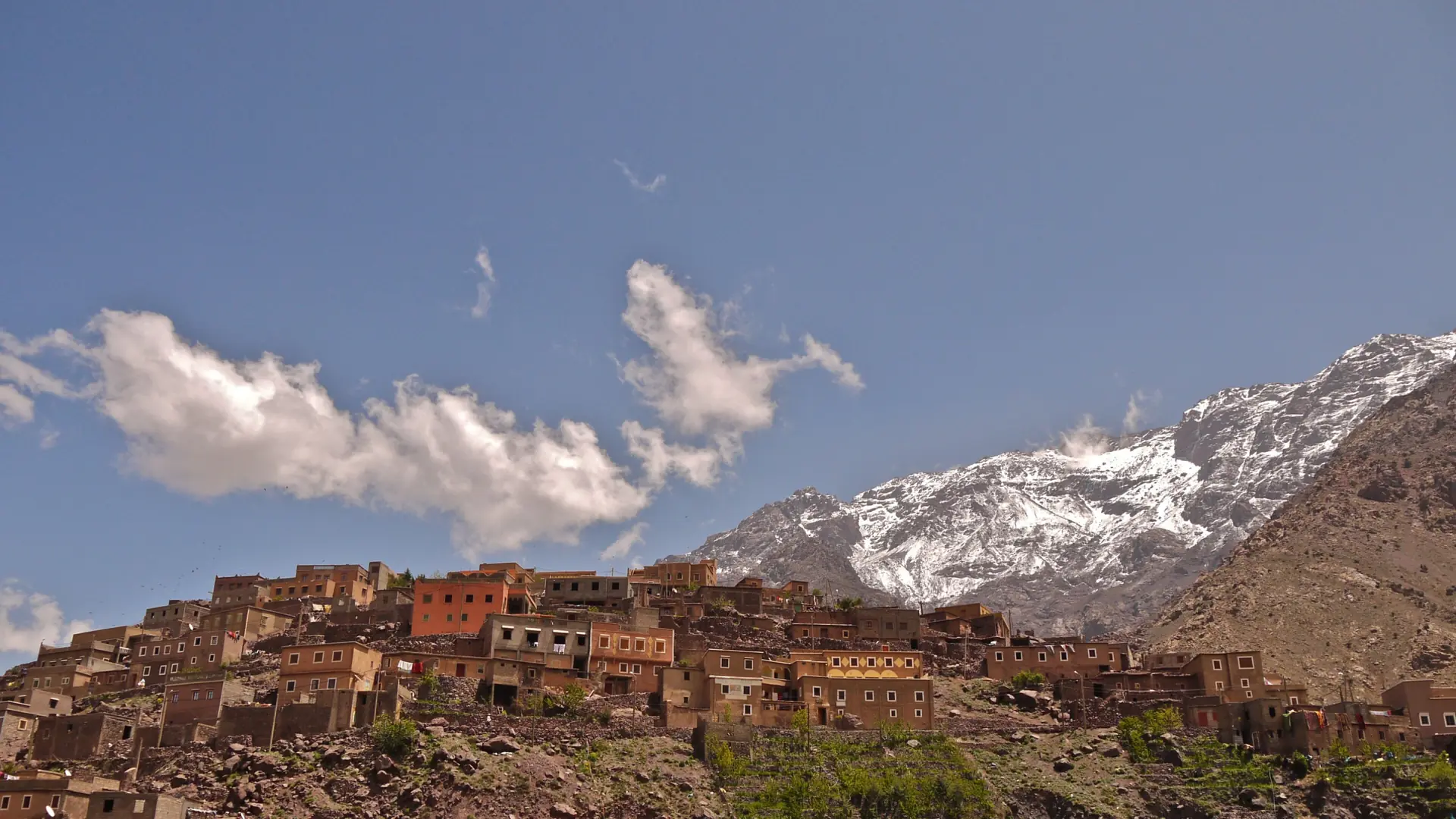
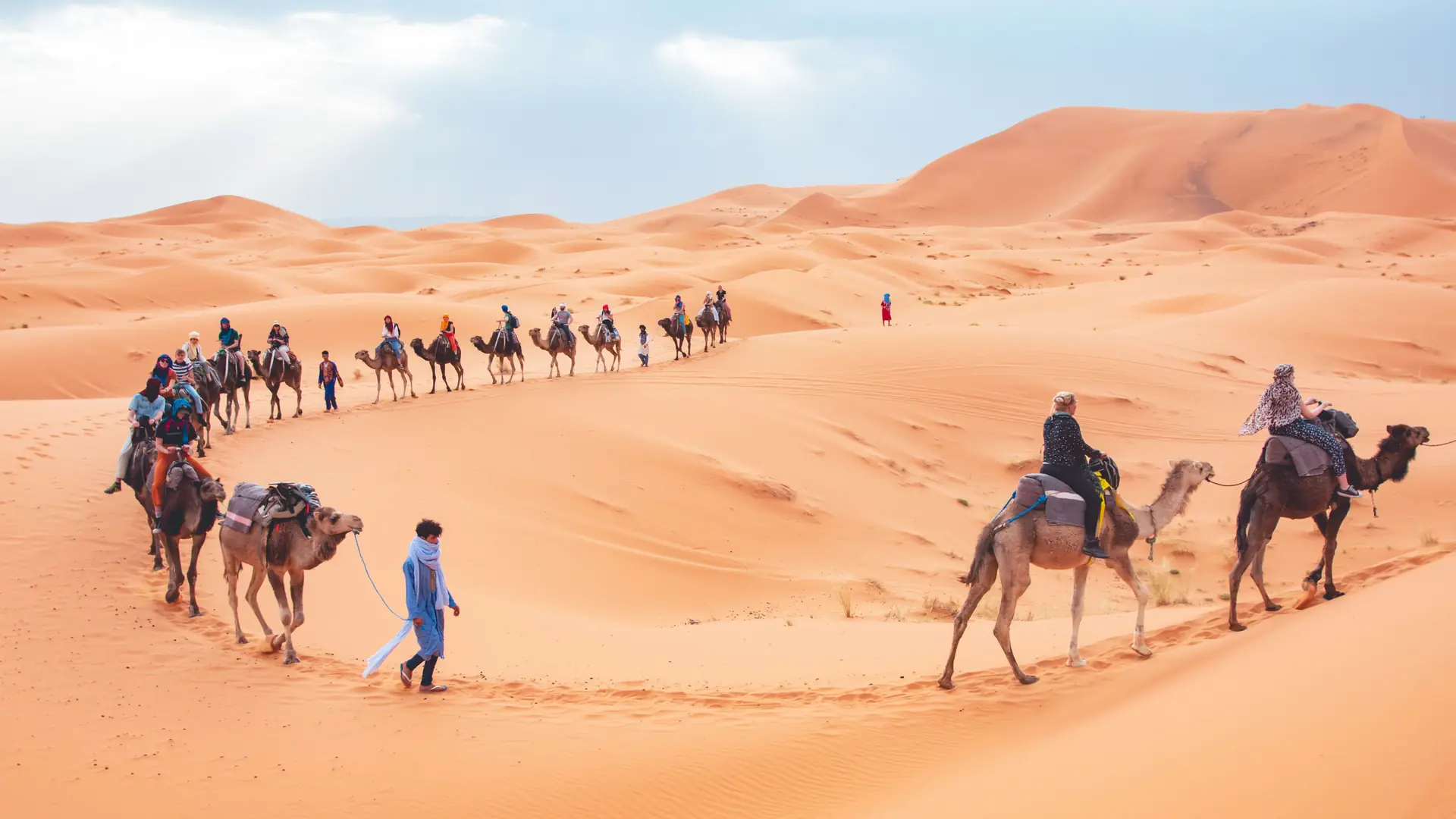
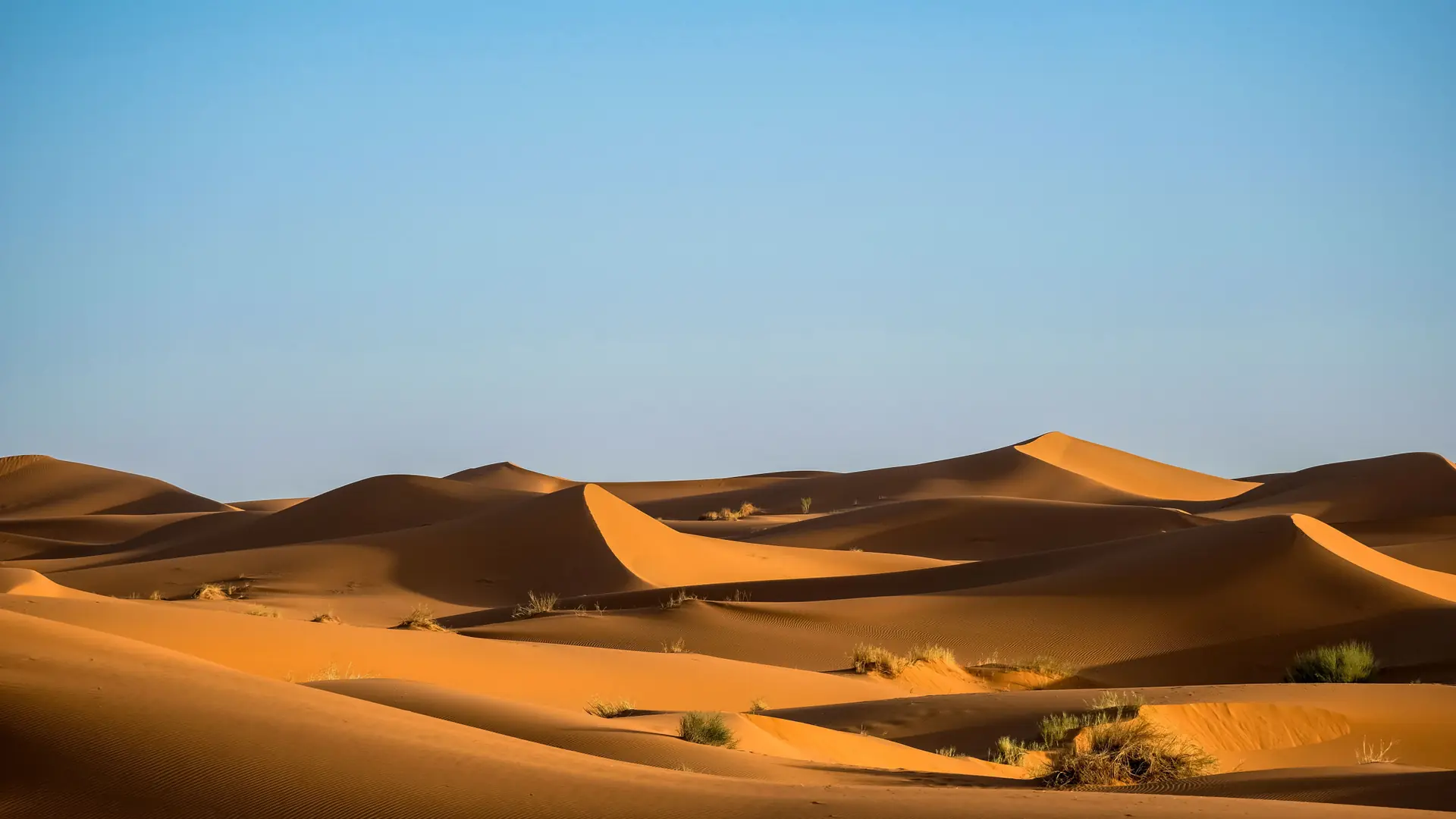
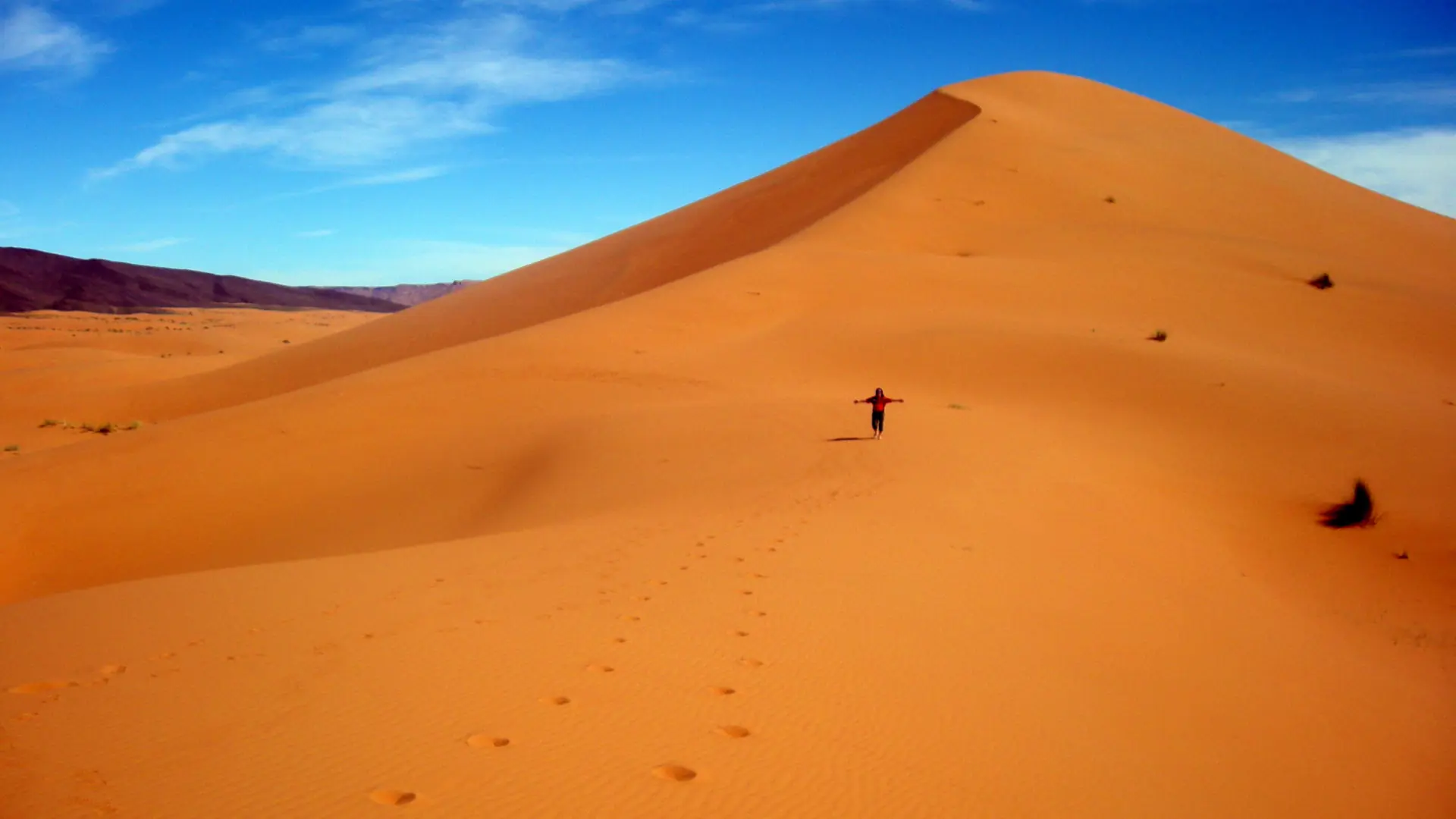
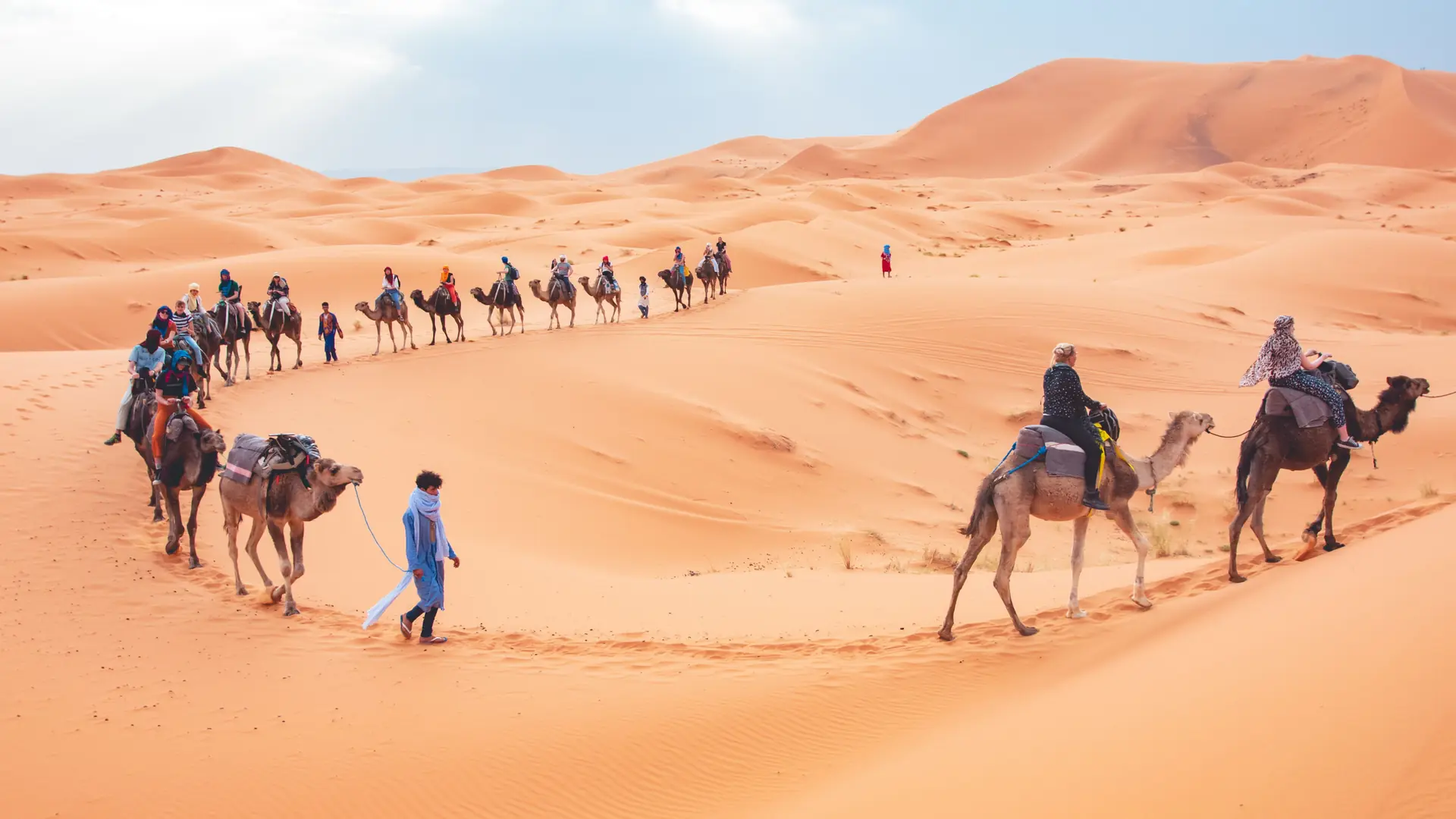
No genuine Erg Chebbi visit is a sensible day trip. The route crosses the High Atlas and southern valleys and should be broken with overnight stops. Agafay is much closer and can fill a half or full day, but it is an arid plateau experience rather than the great Sahara dunes.

Research and source notes

Editor StartBooker editorial team Travel guide editor

Reviewed 2026-10-13

Updated

Method: Built from official tourism, heritage, safety and attraction sources, then cross-checked against independent travel reporting. Area recommendations compare walking routes, vehicle access, noise and seasonal heat; current prices and room features require checks with each provider.

18 References reviewed

Key sources
  • Moroccan National Tourist Office
  • UNESCO World Heritage Centre
  • Fondation Jardin Majorelle
  • UK Foreign, Commonwealth & Development Office
  • Visit Marrakech regional tourism office
  • Dar Attajmil
References
Photo credits

Help another traveller plan Marrakech