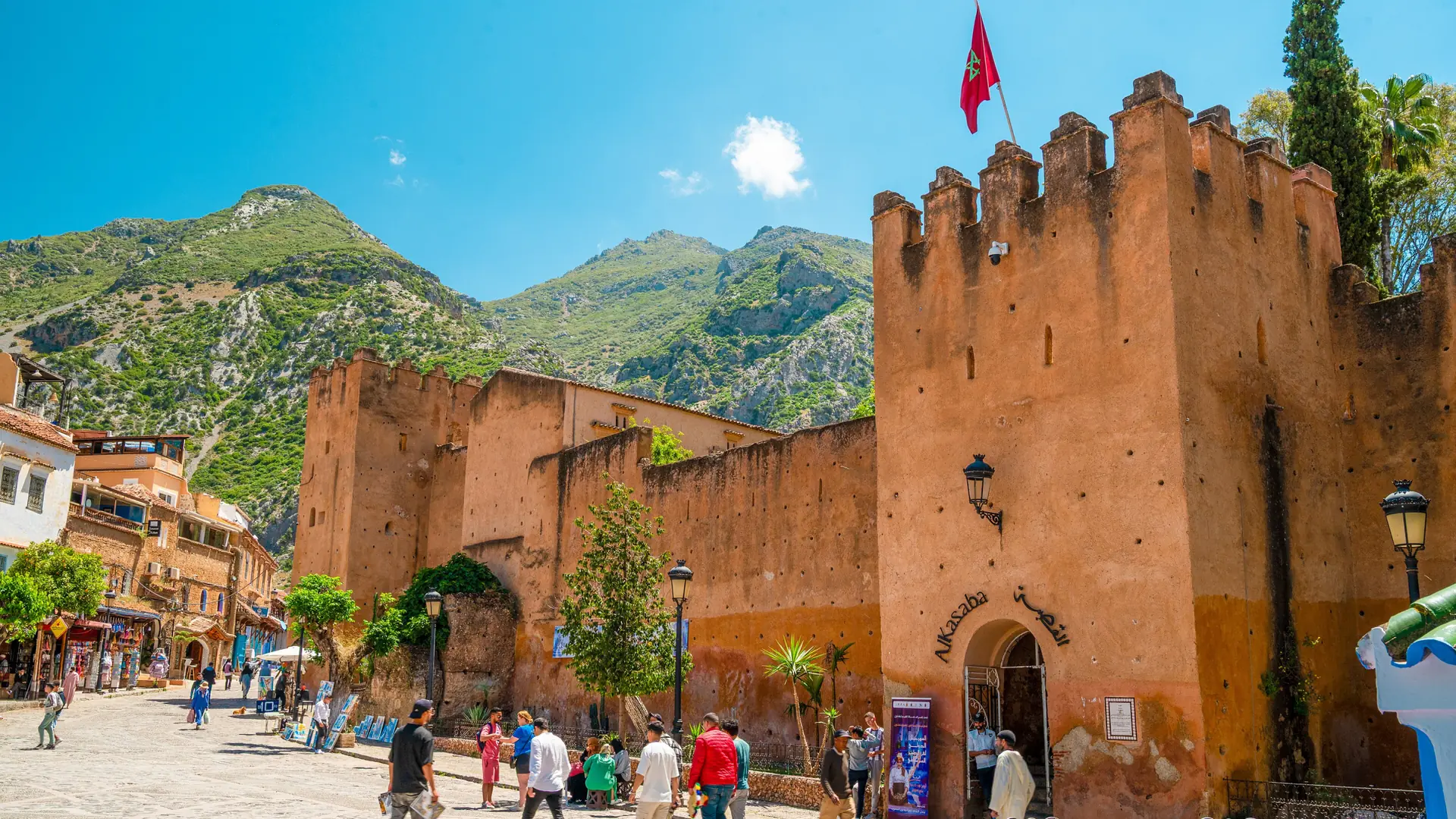
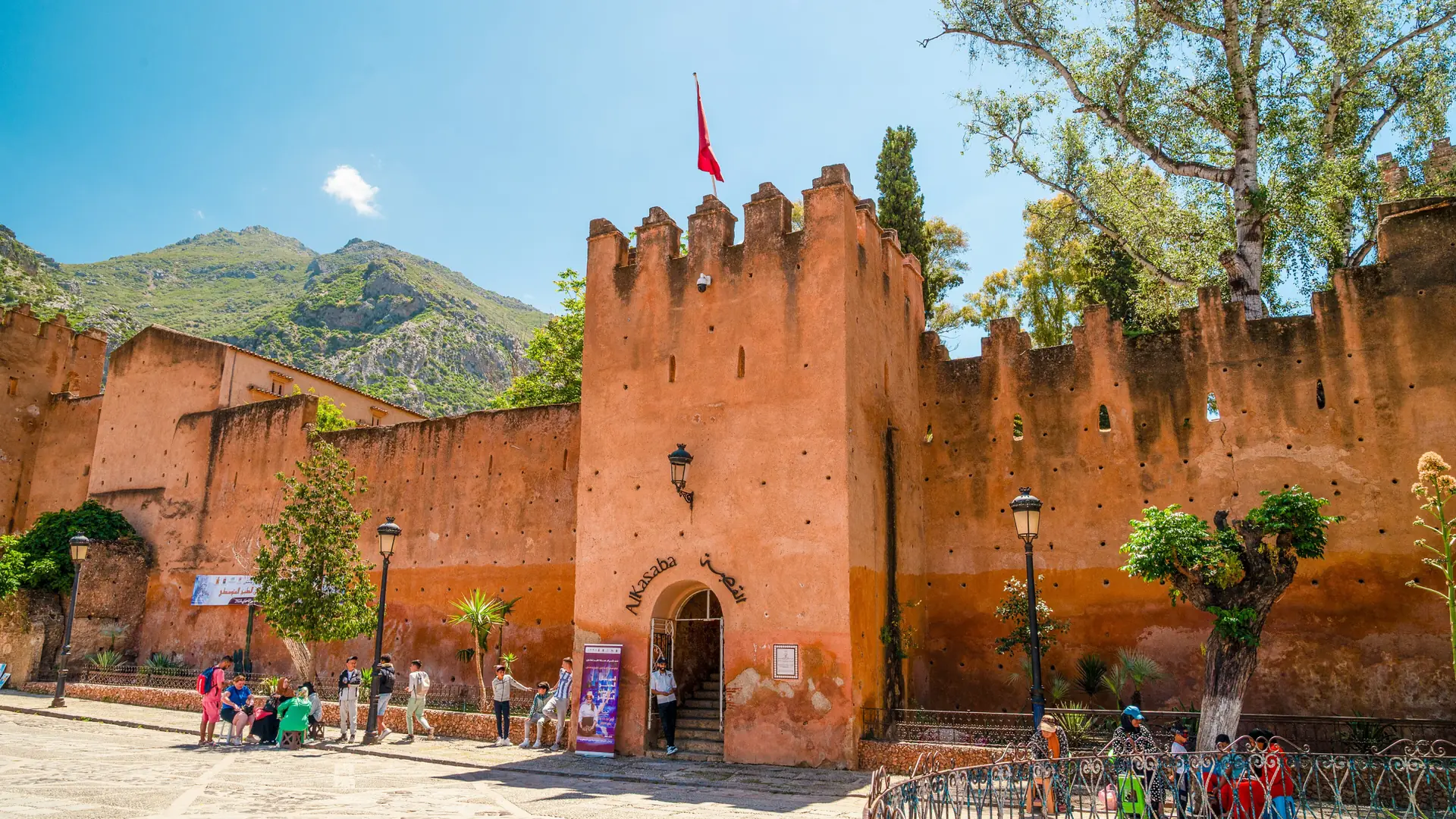
| Place Uta el-Hammam |
First visit and evening cafés
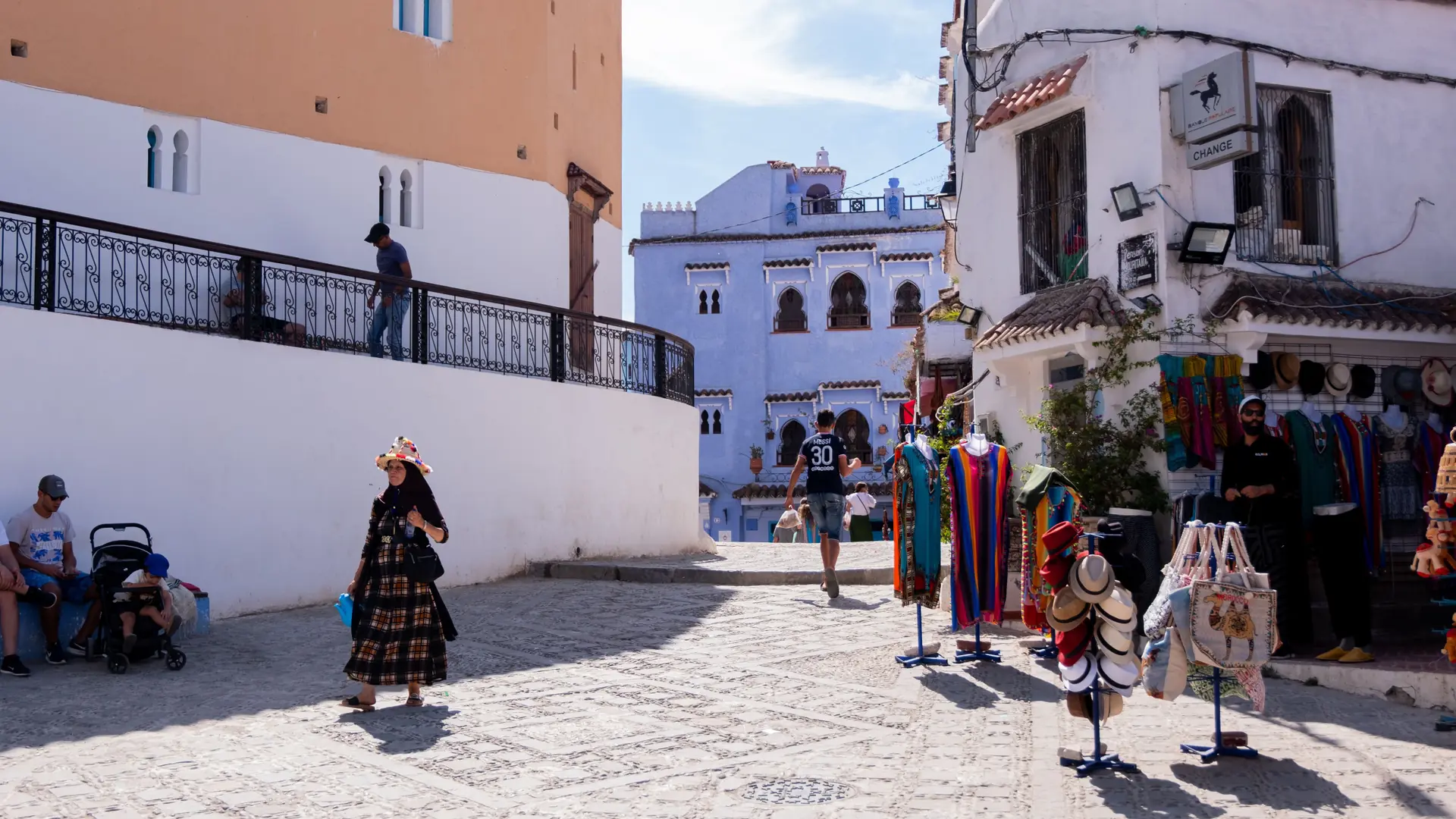
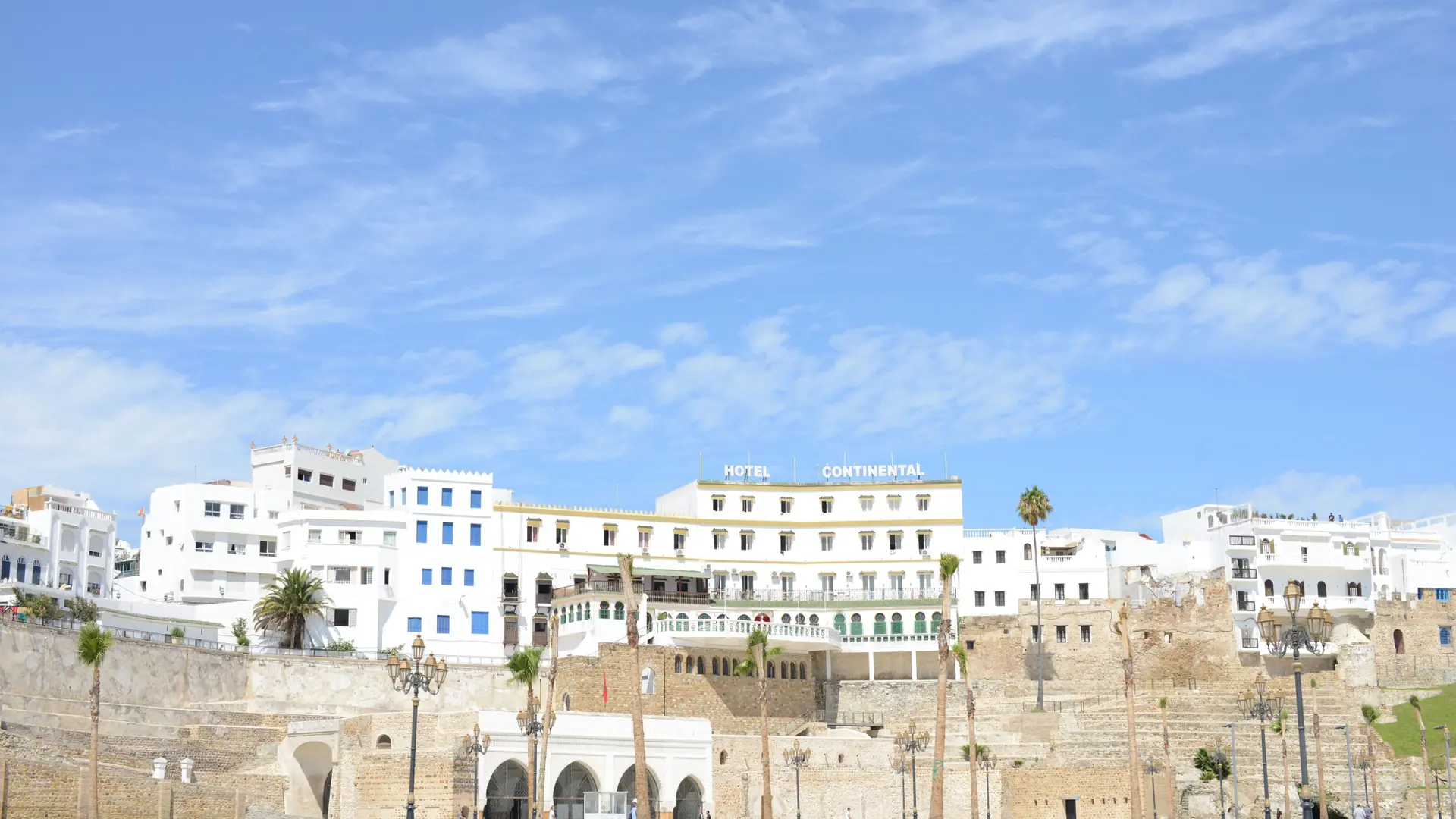
The square offers a central reference point for meals, the museum and the return walk.
|
Café buzz and cobbled approach
|
Walk the medina; arrange taxi pickup outside the pedestrian core. |
| Upper Medina |
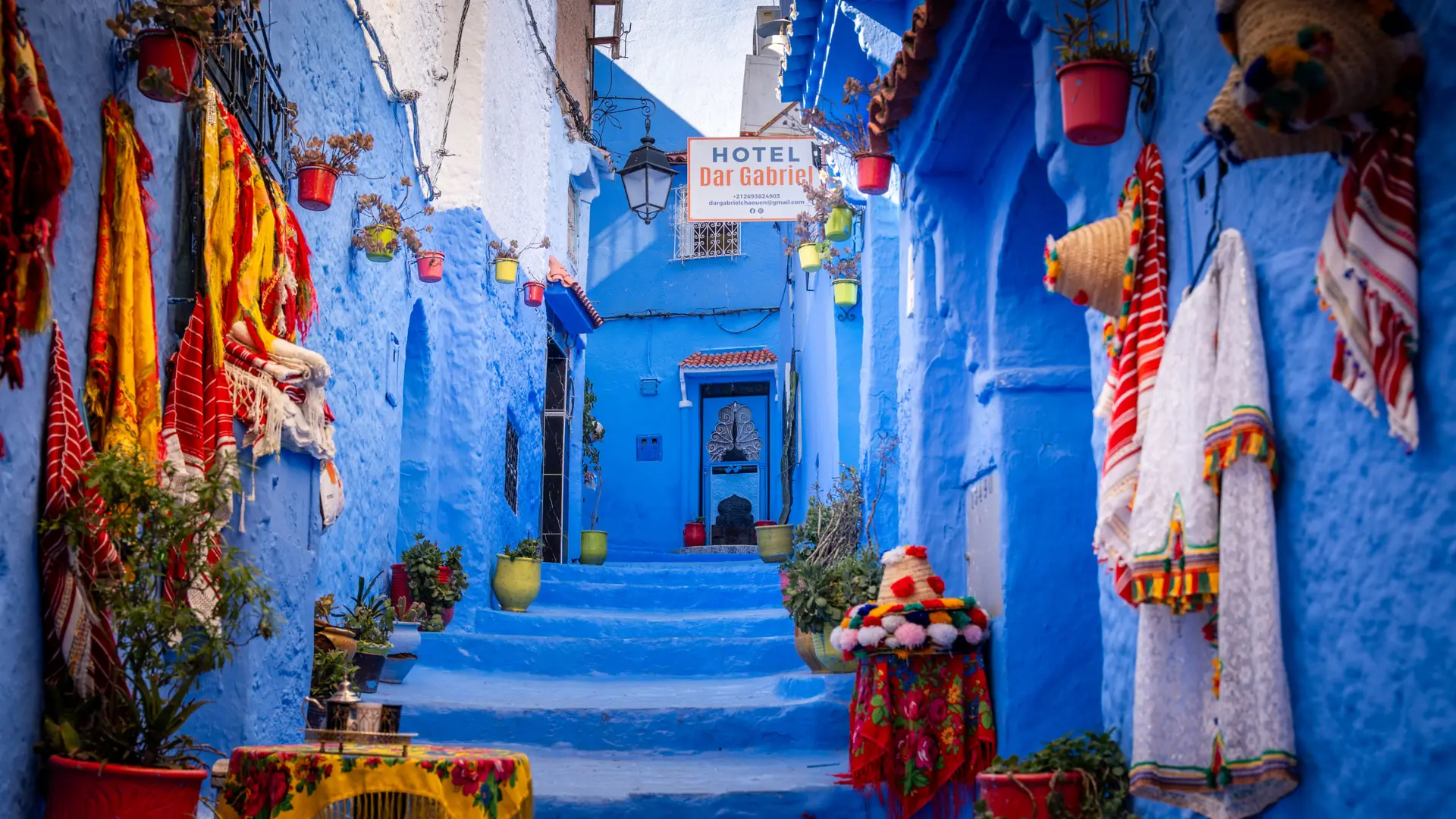
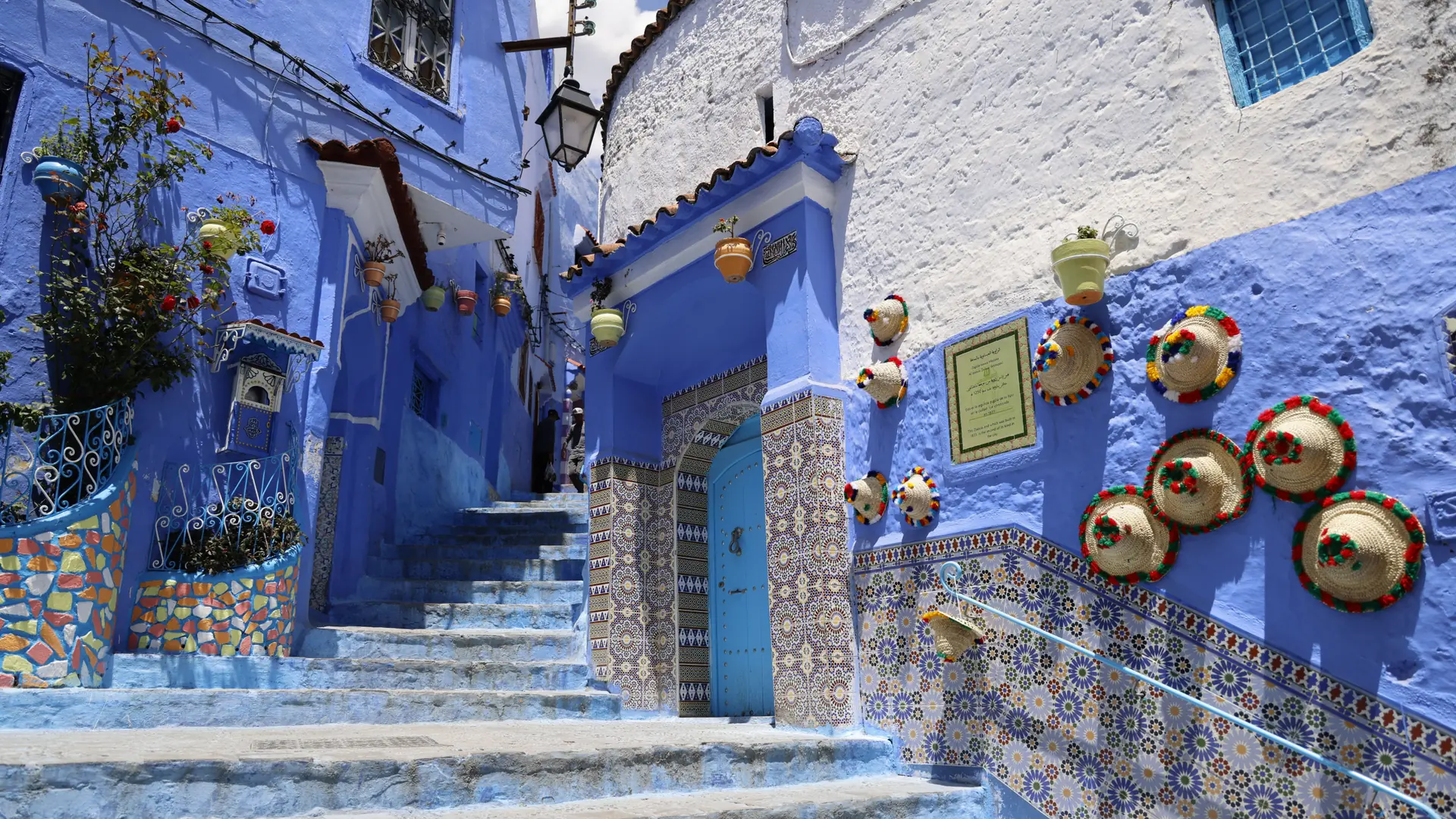
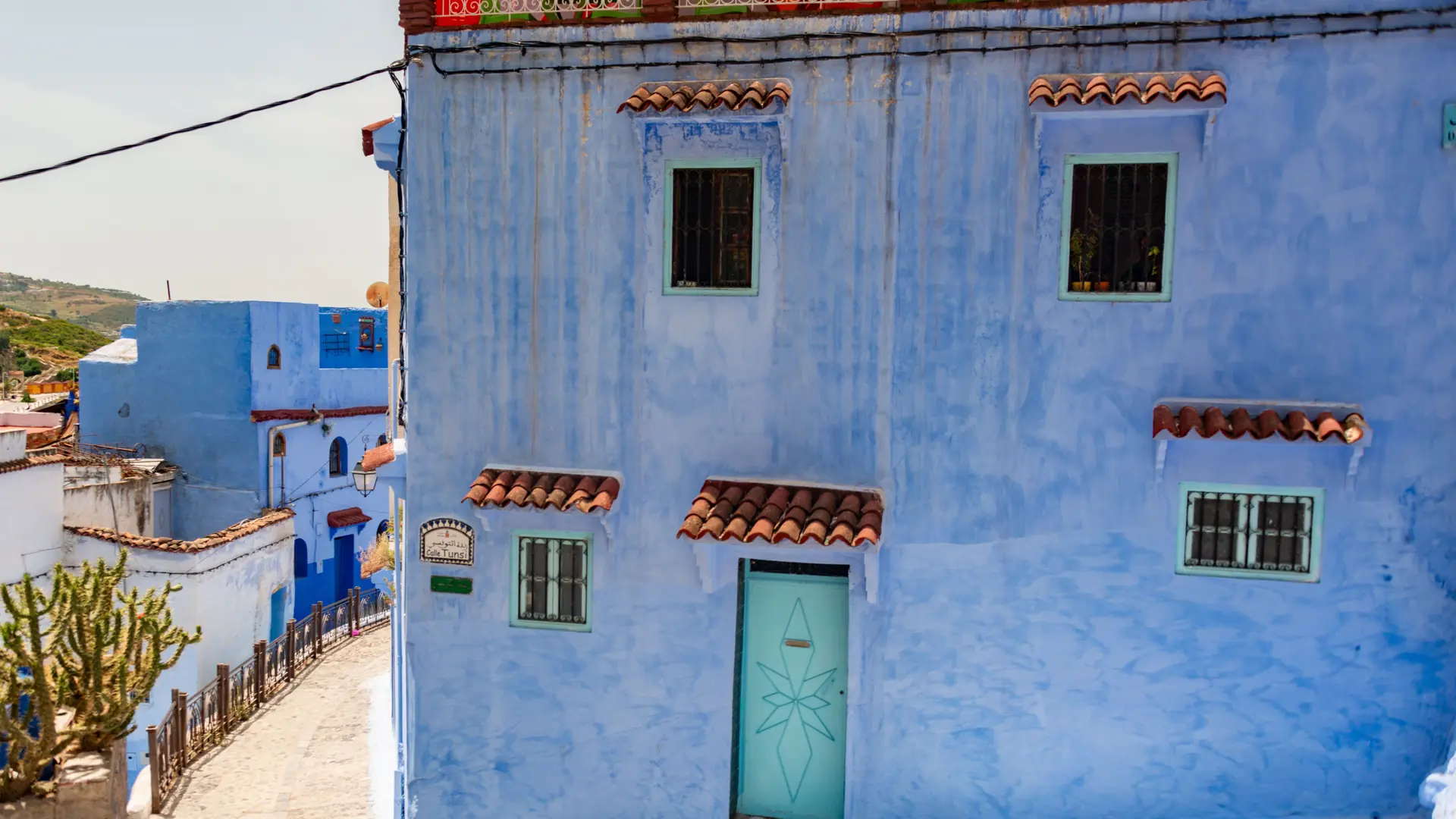
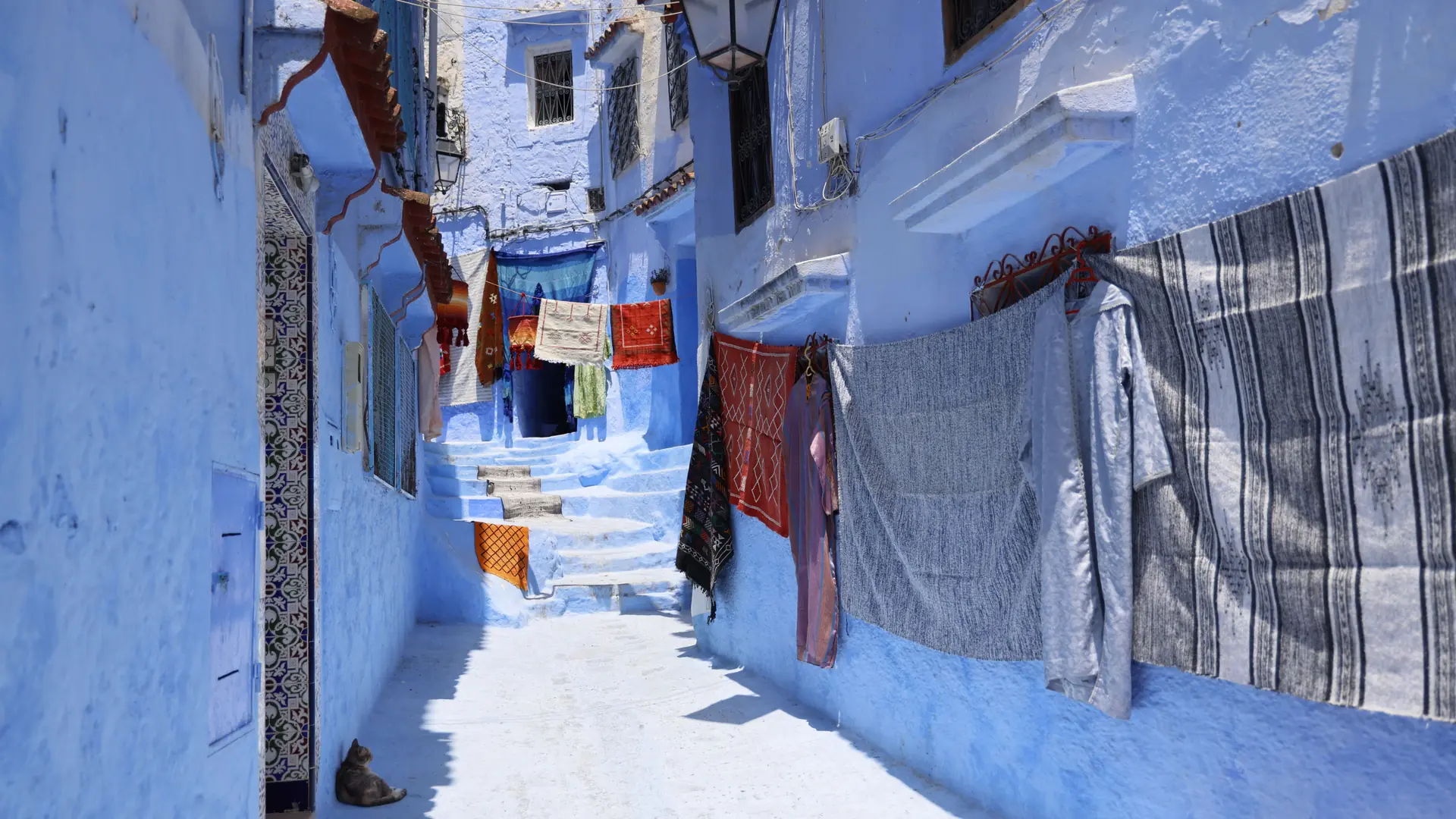
Blue lanes and rooftop views
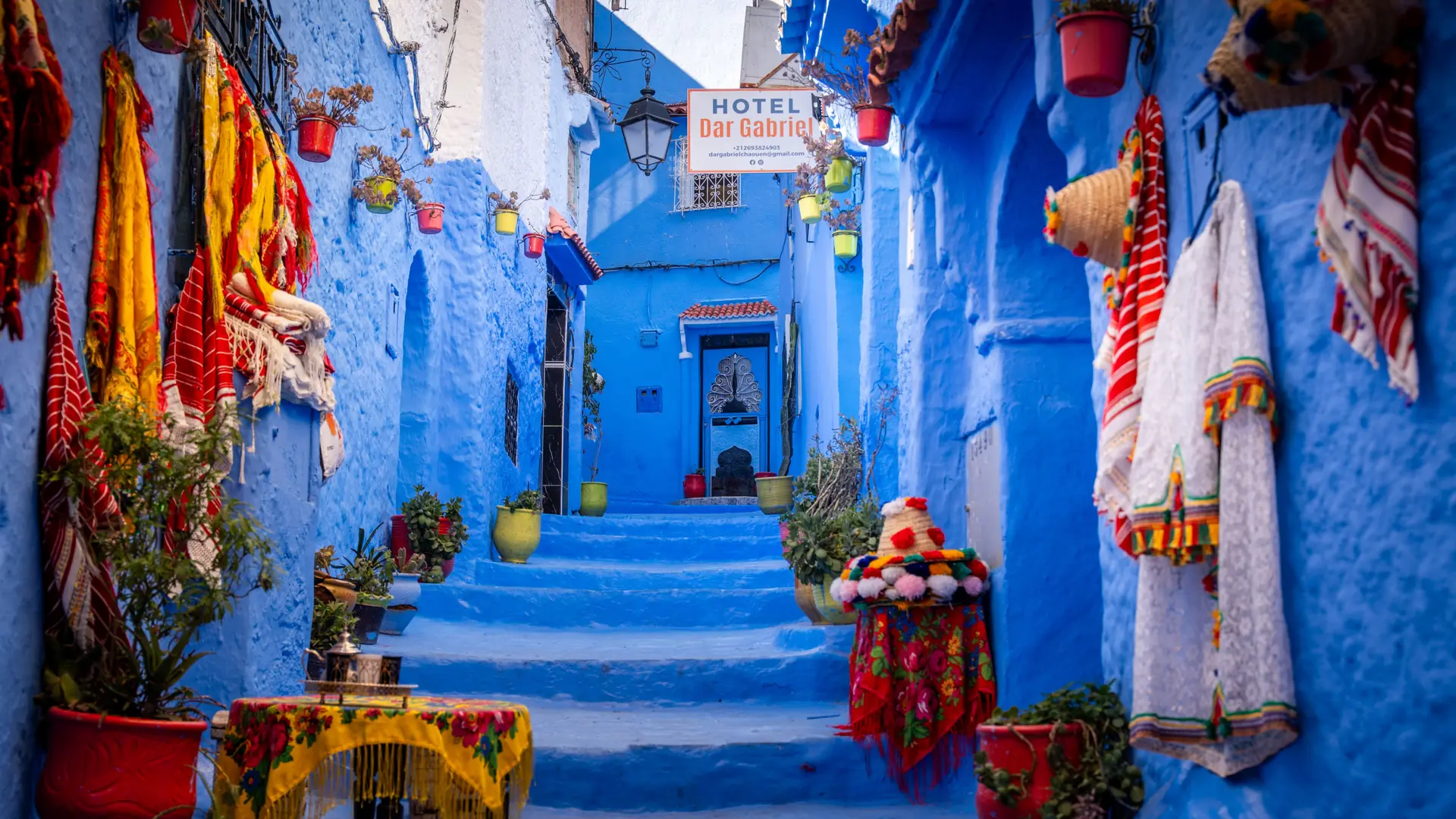
An upper-lane room lets you enjoy the quiet streets early in the morning.
|
Repeated climbs in summer
|
Expect stairs and a pedestrian final approach. |
| Lower Medina and Bab el-Ain |
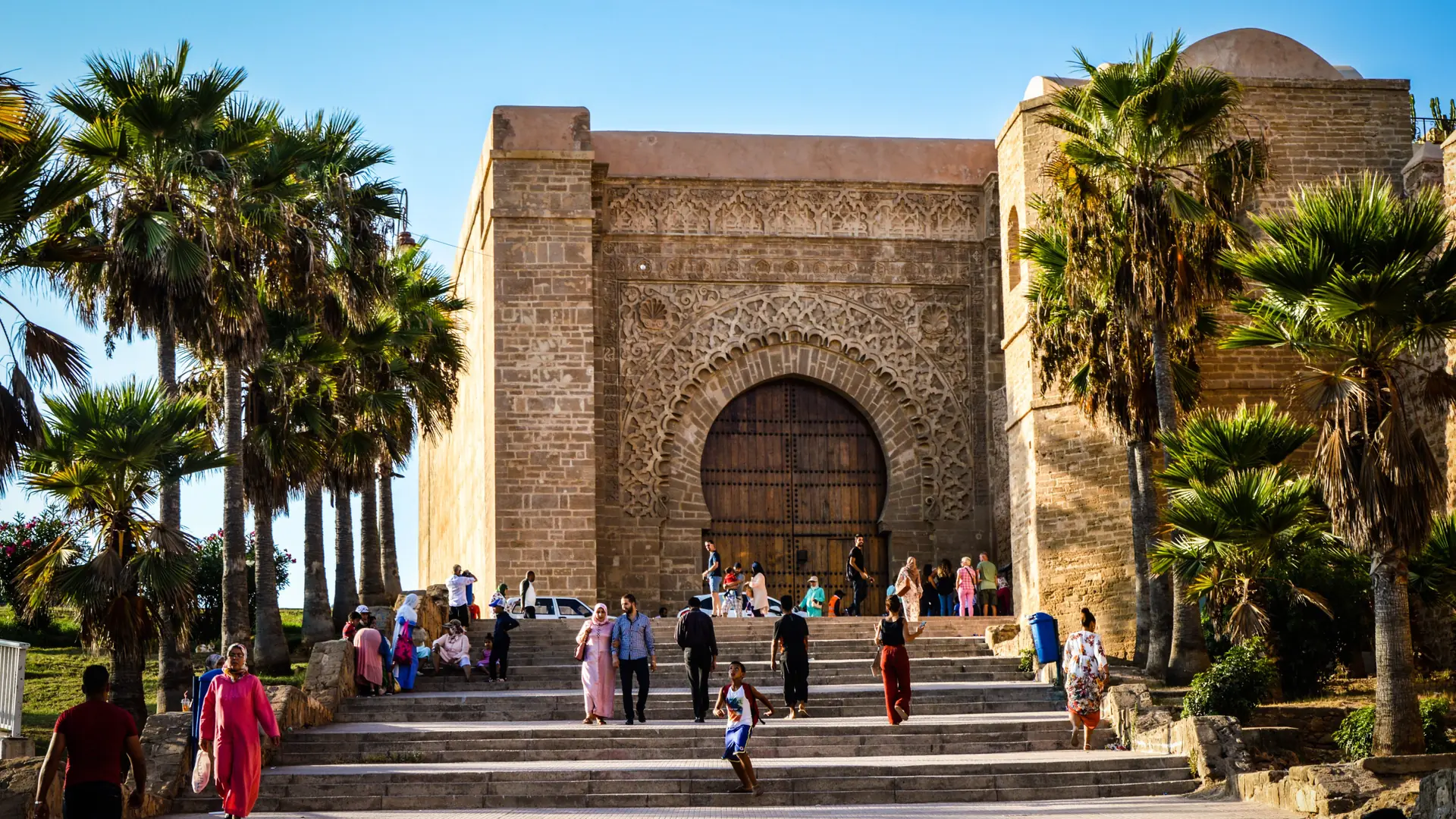
Gentler old-town access
A nearby outer gate reduces the uncertain last stretch with bags.
|
Fewer views over the upper medina
|
Walk central sights; use road-accessible points for transfers. |
| Souika |
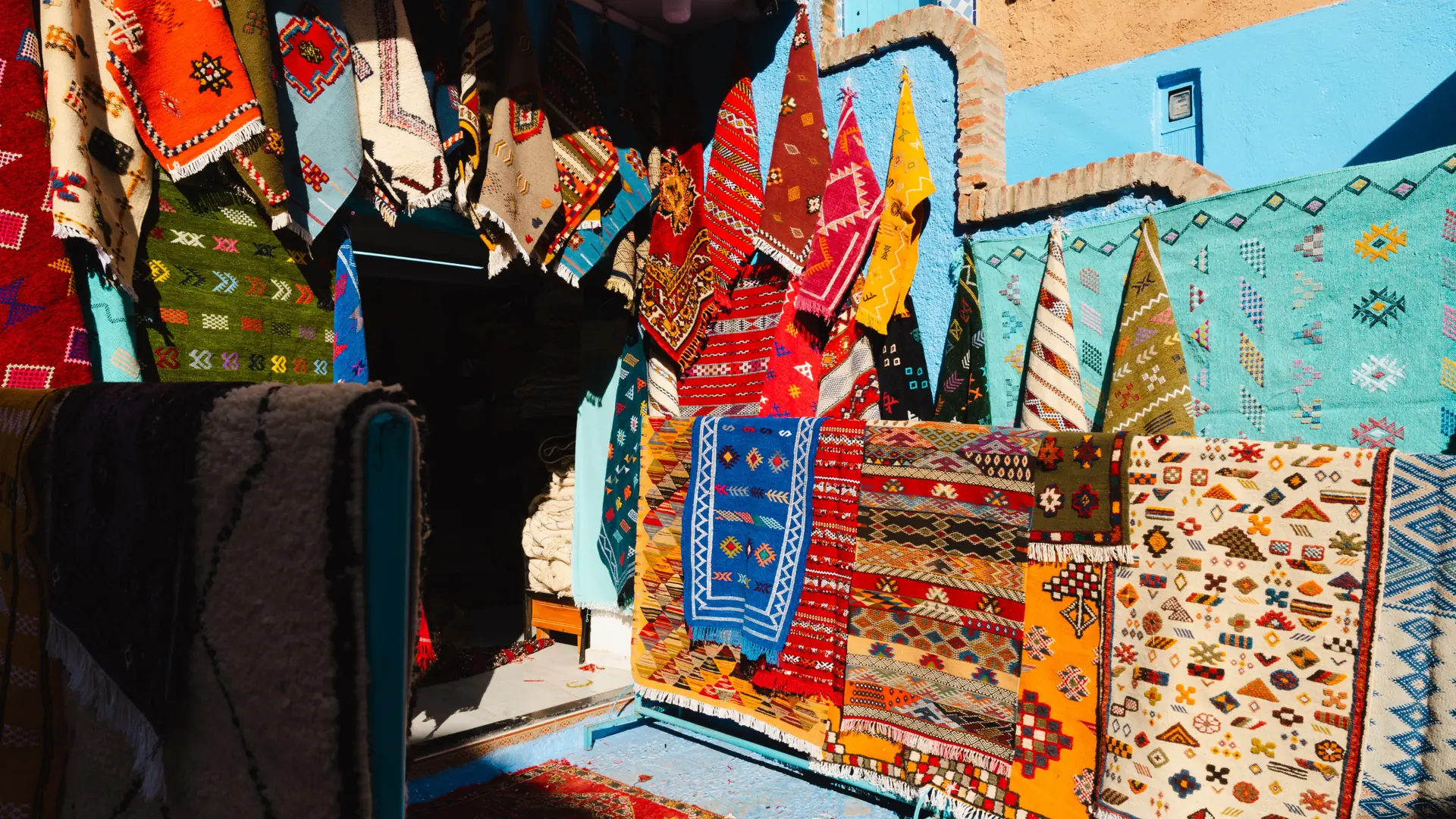
Craft shops and lived-in lanes
The craft corridor is most useful when shopping is woven into ordinary walks.
|
|
Use pedestrian lanes; ask for the nearest vehicle gate. |
| Ras el-Maa edge |
Stream walk and trail starts
This edge makes the stream a natural start to a morning walk.
|
Fewer dinner and pickup options
|
Walk east; plan a separate pickup for onward transport. |
| Bab Souk side |
A calmer medina gate
The side gate may give you a quieter walk back to your room after time in the busy centre.
|
Longer return from central meals
|
Walk the medina, then use the external road for taxis. |
| Ville Nouvelle and bus-station side |
Bus transfers and modern rooms
A simple hotel entrance can save effort on both transport days.
|
Less of the old-town atmosphere
|
Use road transport for bags; walk uphill when travelling light. |
| Outer hillside above town |
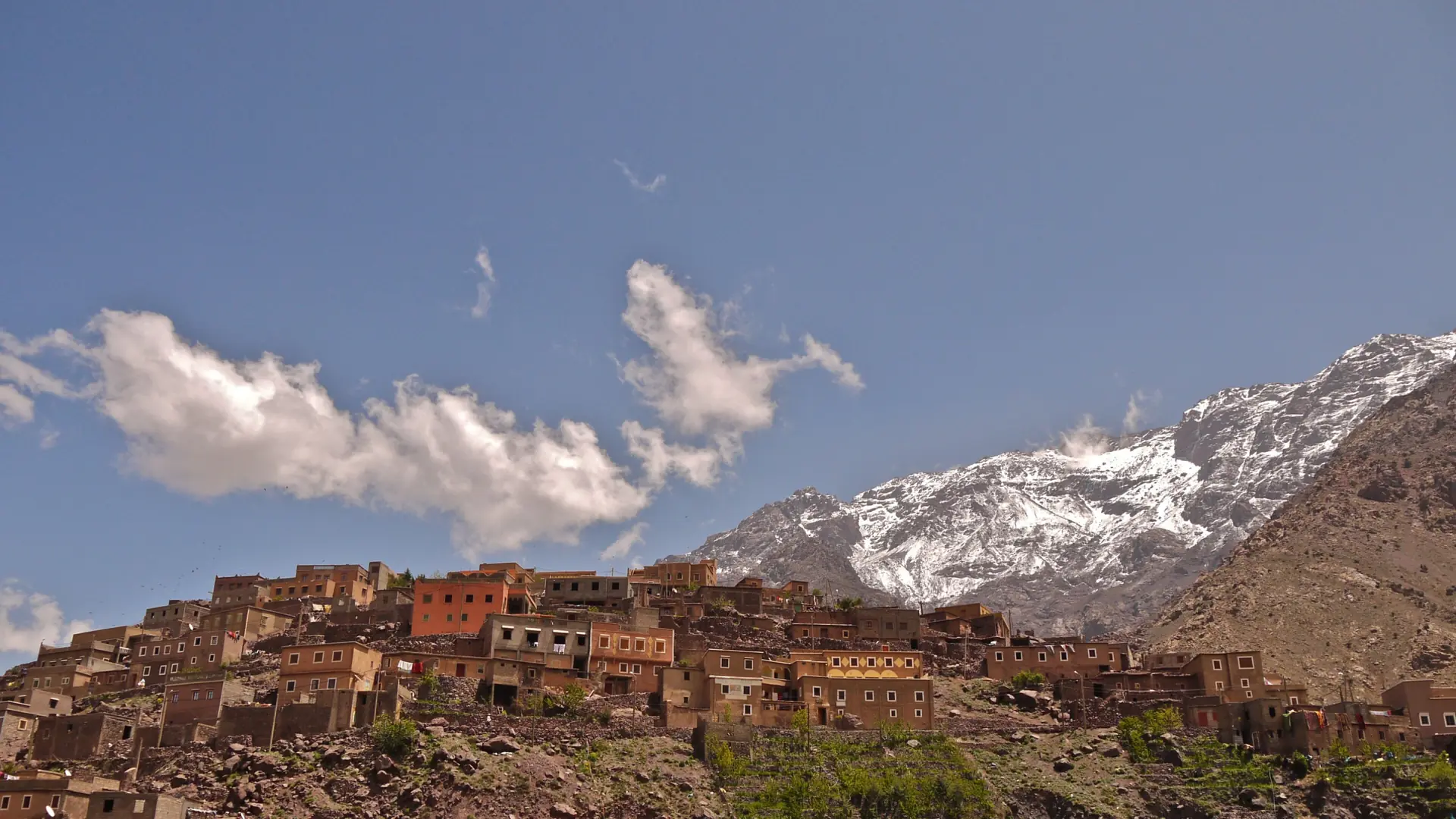
Retreat and mountain outlook
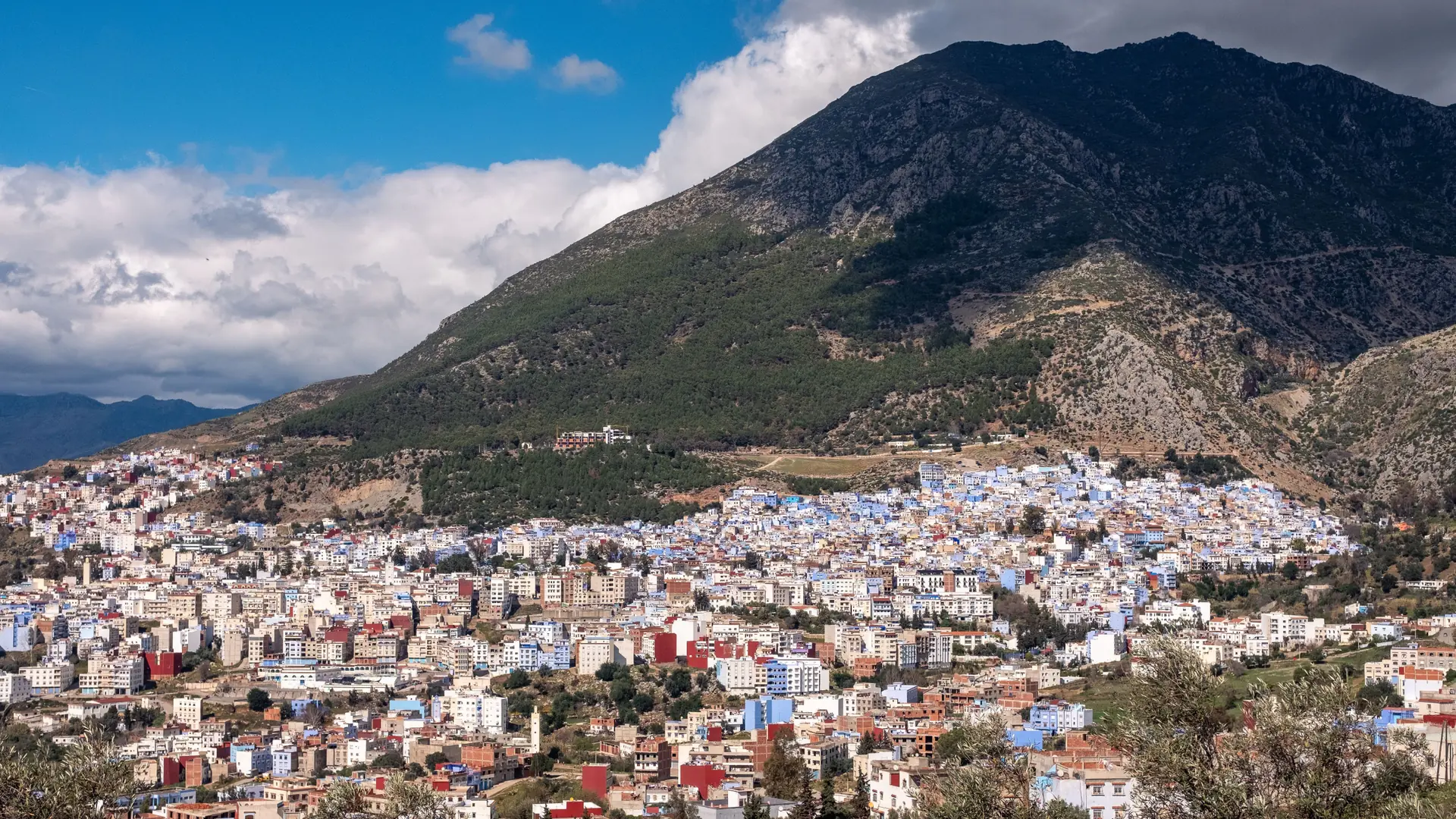
The wider landscape becomes the daily attraction when time in town is deliberately limited.
|
Taxi dependence outside town
|
Plan a car or arranged pickup; do not assume a walkable medina base. |