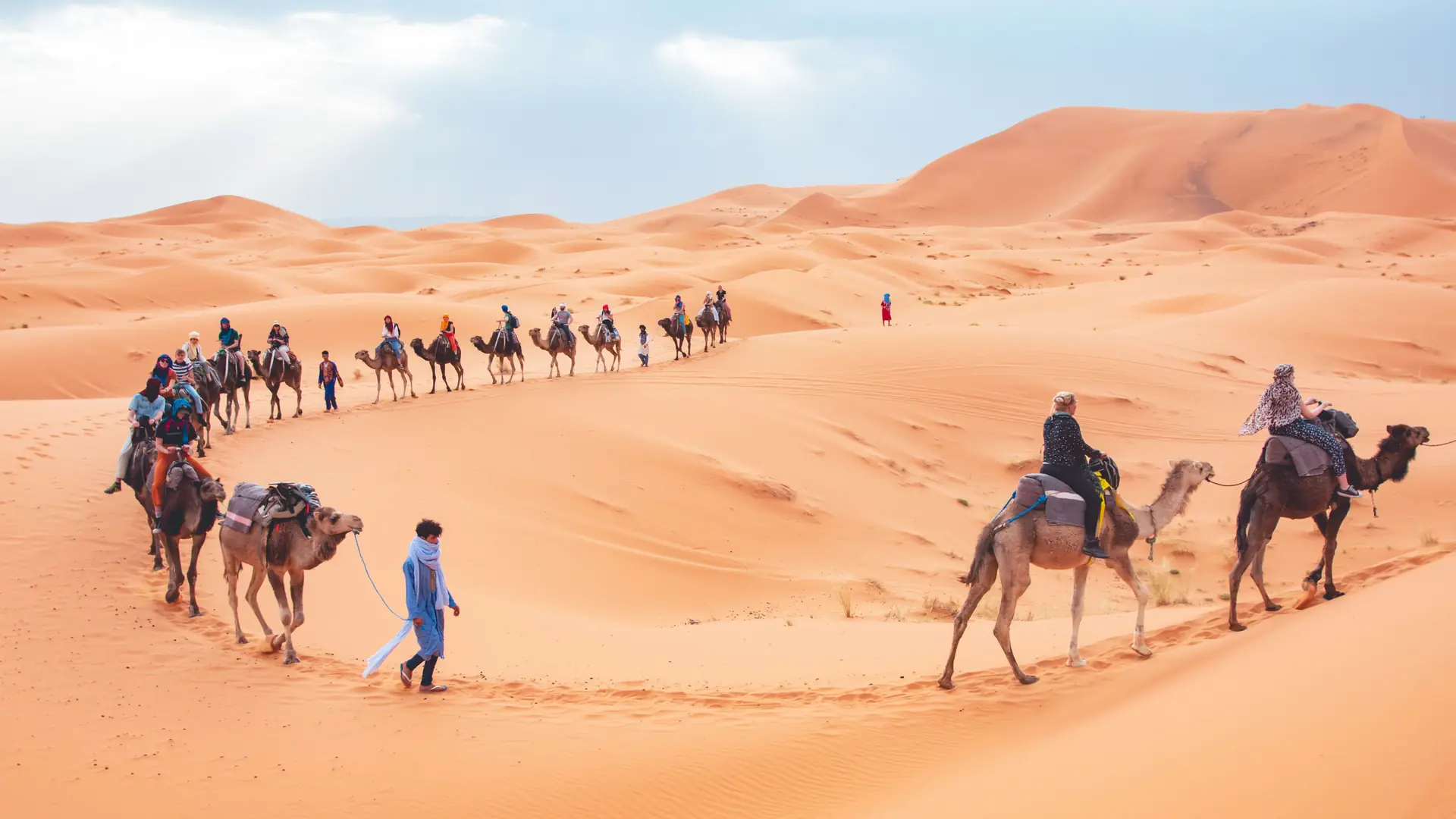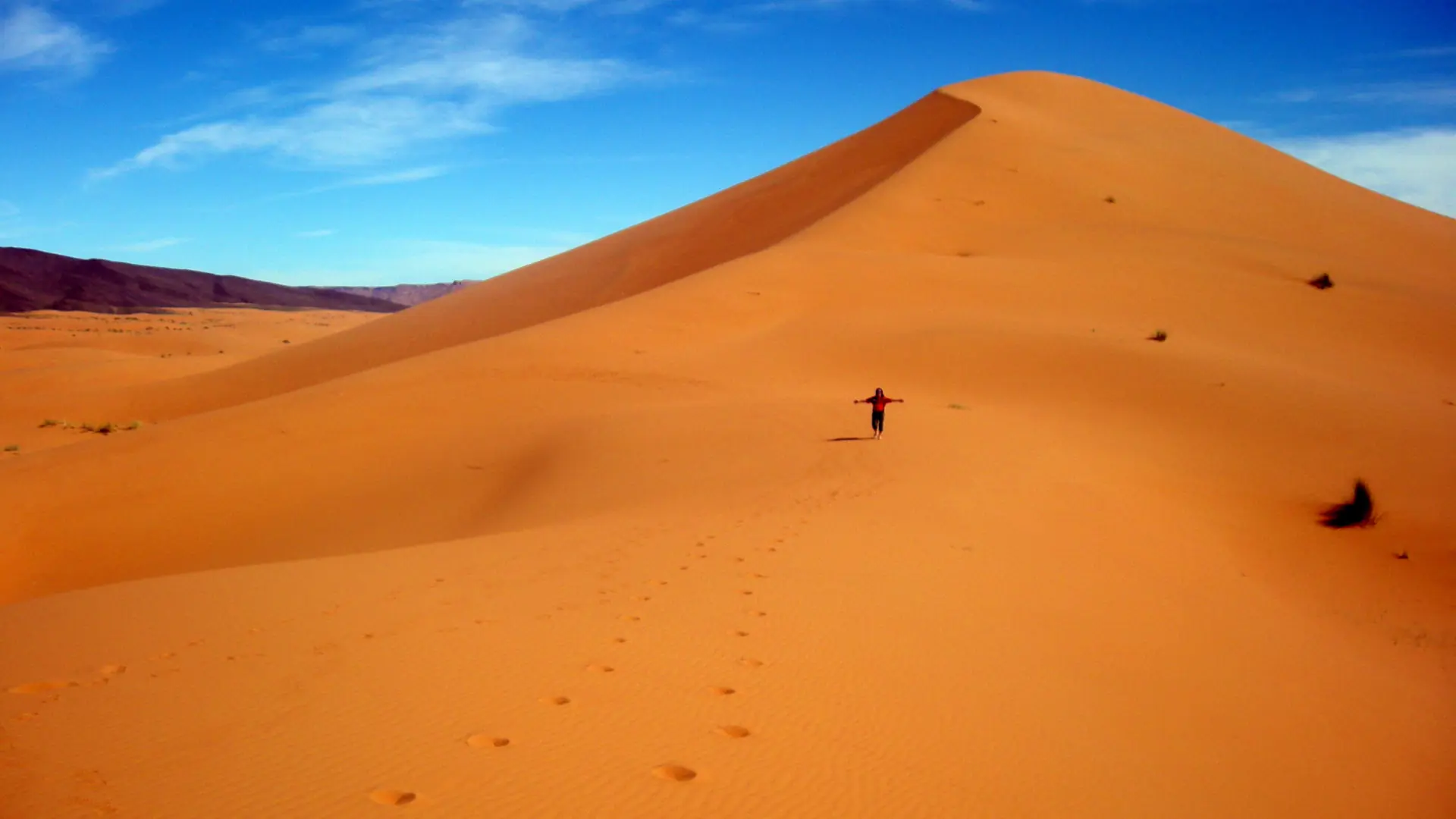
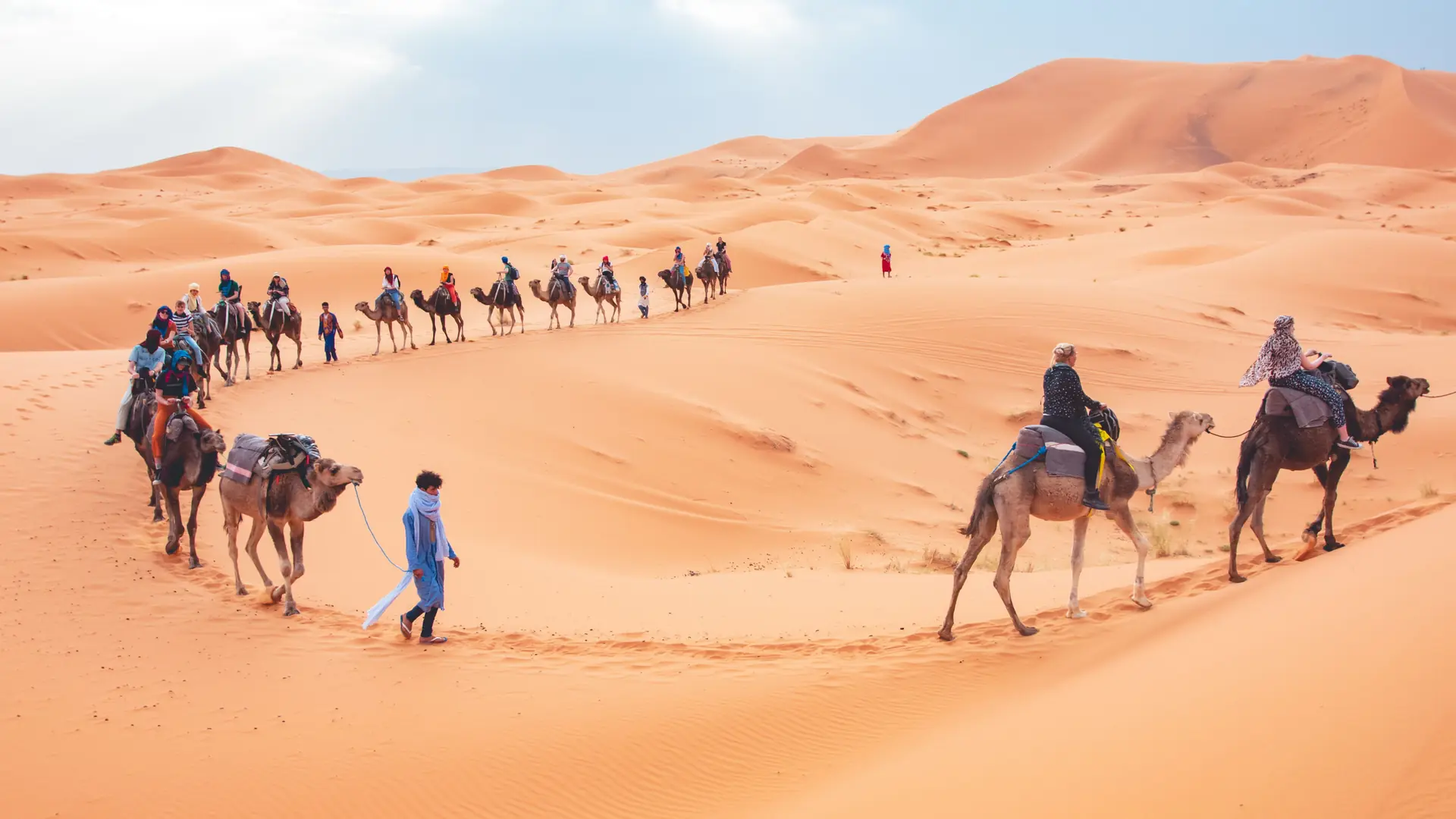
Camel caravan crossing the pale orange dunes near Merzouga

Where to Stay in Merzouga: Dune Edge, Camp or Road-Served Village

Loading hotel search…

Merzouga base at a glance

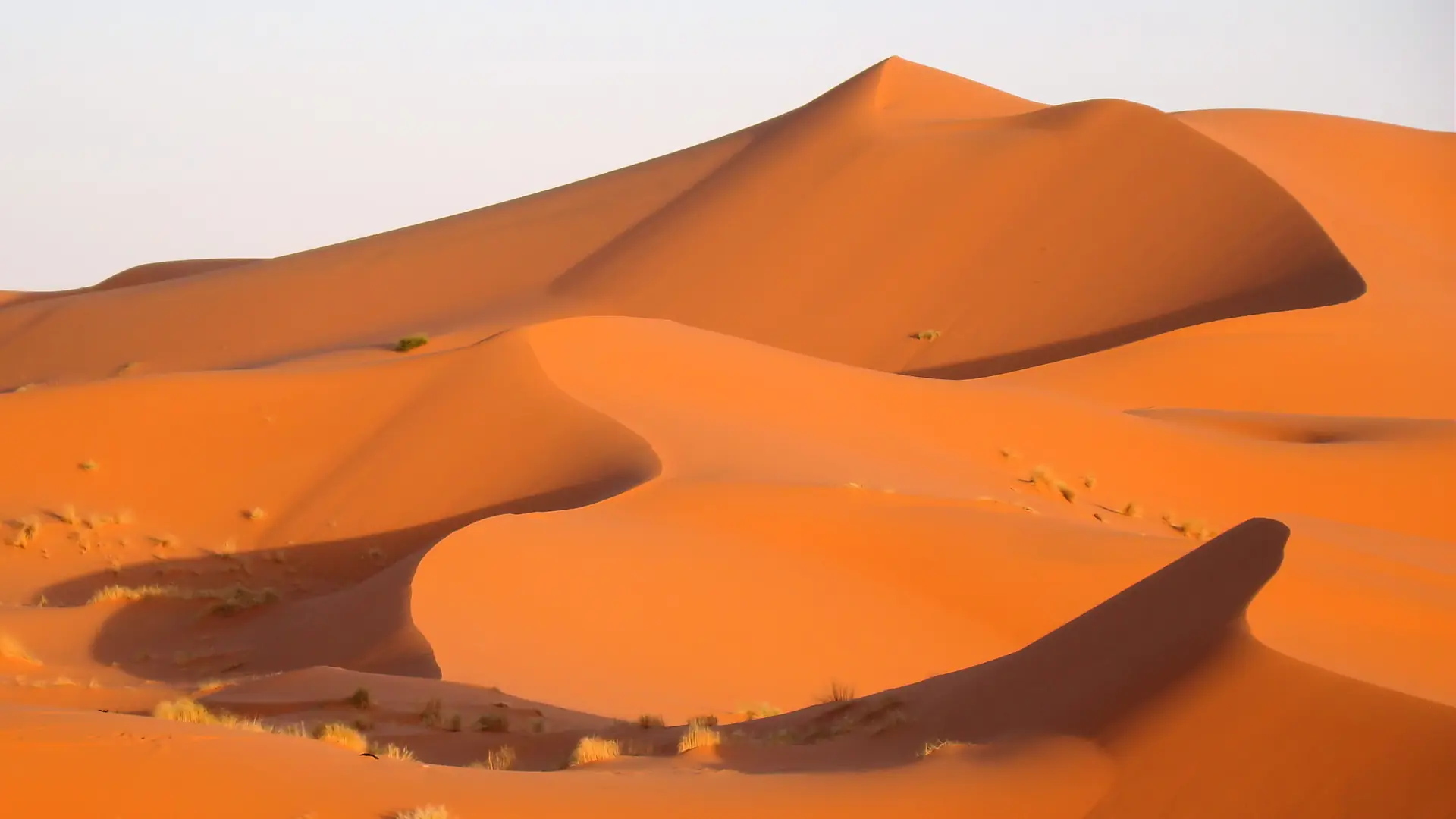
Merzouga sits beside Erg Chebbi, where orange dunes rise from the stony plain. For a first visit, look for a guesthouse you can reach by road, with verified access to the dunes beside the property: you can see the dunes in morning light and return to a fixed room, bathroom and meal. The village is easier if your arrival is uncertain or you want to decide on an excursion after checking the weather. A camp suits travellers who want the overnight journey itself, provided the operator confirms its exact site, transfer, bedding and meals. These are different stays, not three labels for the same address. Hassi Labied offers another dune-edge settlement to the north; Khamlia is a separate village known for music. Rissani and Erfoud are regional towns reached by road, not walkable Merzouga districts. Give yourself two nights if the long approach would otherwise leave only a rushed sunset. Spring and autumn are the simplest seasons for outdoor time; winter nights call for layers, while summer heat makes a cooled room and a modest daytime plan much more important.

First base A verified dune-edge room

A road-served room gives you a fixed bathroom and puts the dunes a short walk away. Check the property’s address and the exact dune entrance before booking.

Camp night Optional, with a confirmed transfer

Ask where the camp is, how you travel there and back, and which meals and facilities the rate includes. A tent is an experience choice, not a requirement for seeing dunes.

Trip length Two nights if arriving by road

The approach from Marrakech is long enough to consume much of a day. An extra night leaves time for the dunes without making the departure morning your only chance.

Nearby towns Rissani and Erfoud need road travel

These are separate regional bases. Choose one for its own market, oasis or onward-route purpose; do not book there expecting a walk to an Erg Chebbi sunrise.

Outdoor season Spring or autumn is the easier choice

The national tourism office favours these seasons for Saharan travel. Wind and daily weather still matter, so keep a dune outing flexible rather than attaching it to a tight arrival.

Hot or cold Plan for summer heat and winter nights

A marketed tent category does not prove useful cooling or warm bedding. Ask about the actual room and adjust walking time to the conditions on your dates.

StartBooker answer

Should I stay in Merzouga village, by the dunes or in an Erg Chebbi camp?

Merzouga village is the simplest road arrival, a verified dune-edge guesthouse gives sunrise access with a conventional room, and an Erg Chebbi camp is worthwhile if you want the sand approach and have confirmed its facilities and return transfer. Hassi Labied, Khamlia, Rissani and Erfoud are separate bases, not Merzouga neighbourhoods. Spring and autumn usually offer the easiest outdoor time; winter days can also suit dune walks, though nights may be cold. Summer can be intensely hot: choose confirmed cooling, limit outdoor plans to suitable hours and reconsider the dates if long daytime sand walks are your goal.

First base
A road-served dune-edge room
Camp night
Confirm the return transfer and meals
Nearby towns
Rissani and Erfoud require a drive
Season
Spring or autumn favours outdoor time
Trip length
Two nights ease a long road arrival

Things to do in Merzouga, Morocco

Explore tours, attractions and local experiences in Merzouga, Morocco.

Loading activities…

Activities provided by GetYourGuide. We may earn a commission on bookings.

AI-powered

Choose the desert night you actually want

Tell the planner your arrival city, whether you want a camp or fixed room, and your tolerance for heat and a long road day. Allow time for the final property or camp transfer after reaching Merzouga.

Eight honest desert bases in and around Merzouga

Merzouga is a small settlement at Erg Chebbi, not a city of eight hotel districts. These cards compare the village, dune-edge options, camp and separate nearby towns so that a “Merzouga area” address is not mistaken for a walkable dune room.

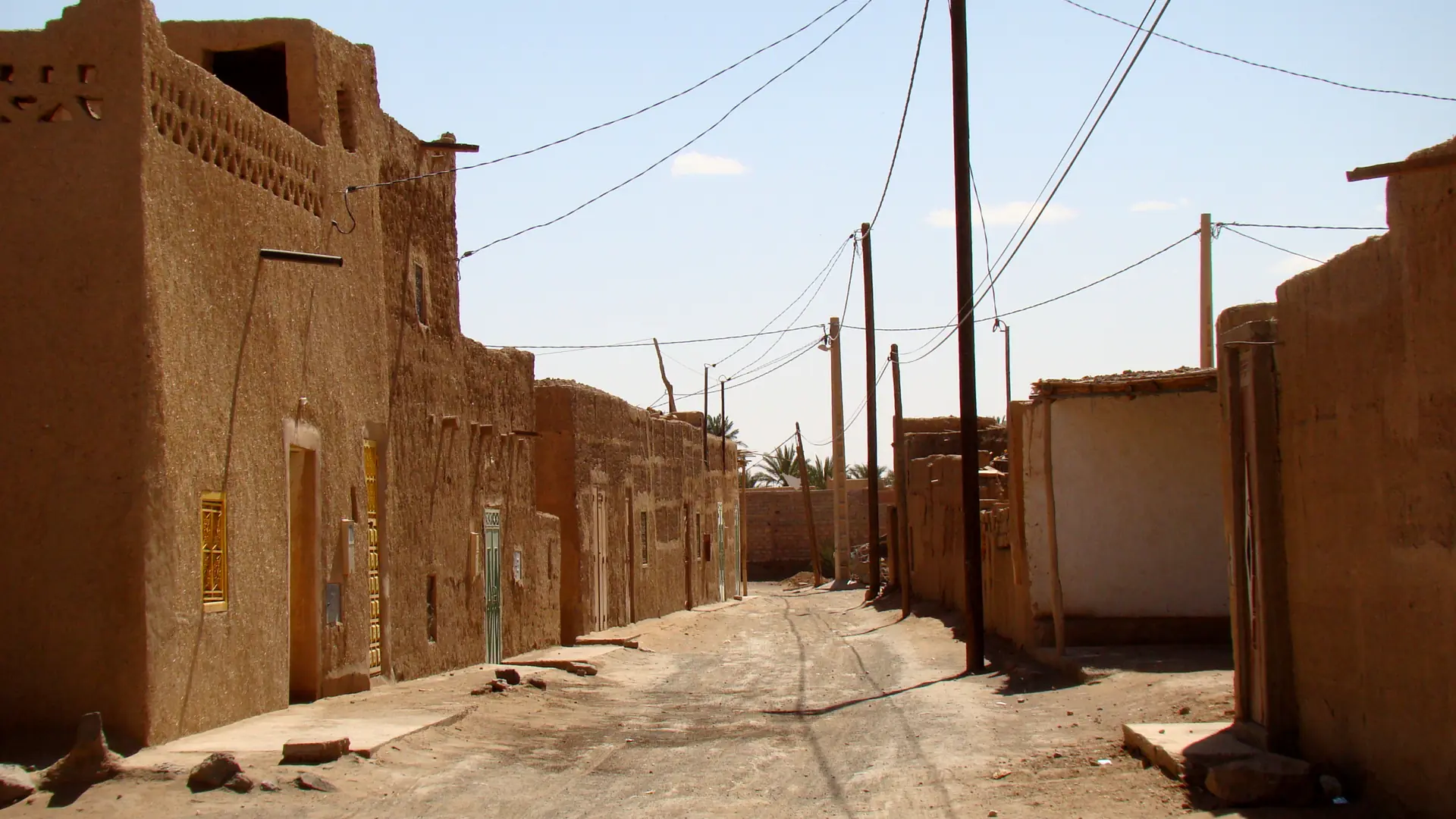
Sunlit mudbrick street in the older part of Merzouga village

Merzouga village

Simple arrival and flexible meals

The village is the easiest base when you want a normal room, road arrival and the option to choose a dune outing after seeing the weather. It is small and functional, not a medina destination. Ask whether the property actually faces Erg Chebbi or looks across another building; a village address alone says nothing about the view. A second night here allows a slower morning than a camp-only dash.

arrival flexible village
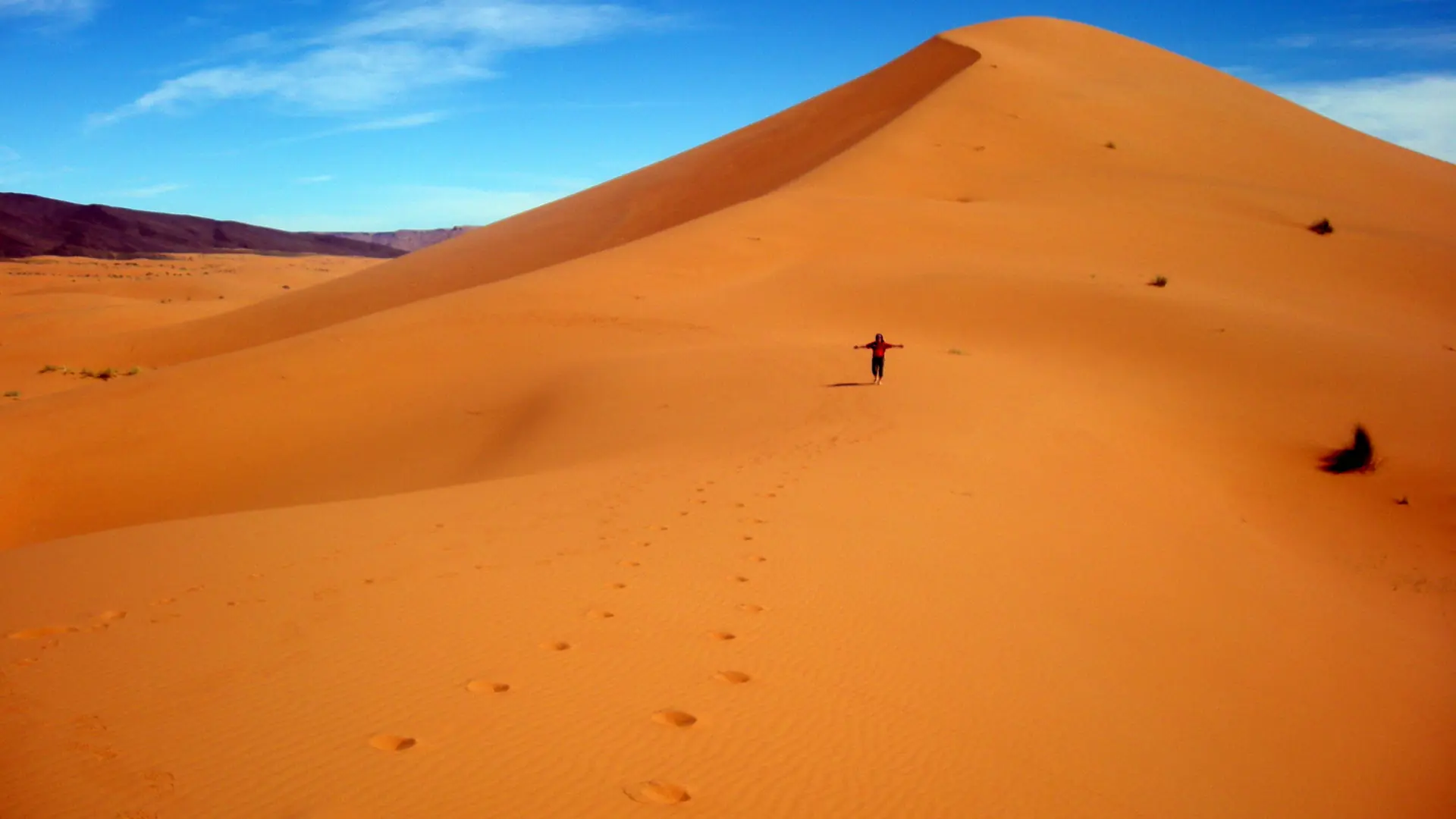
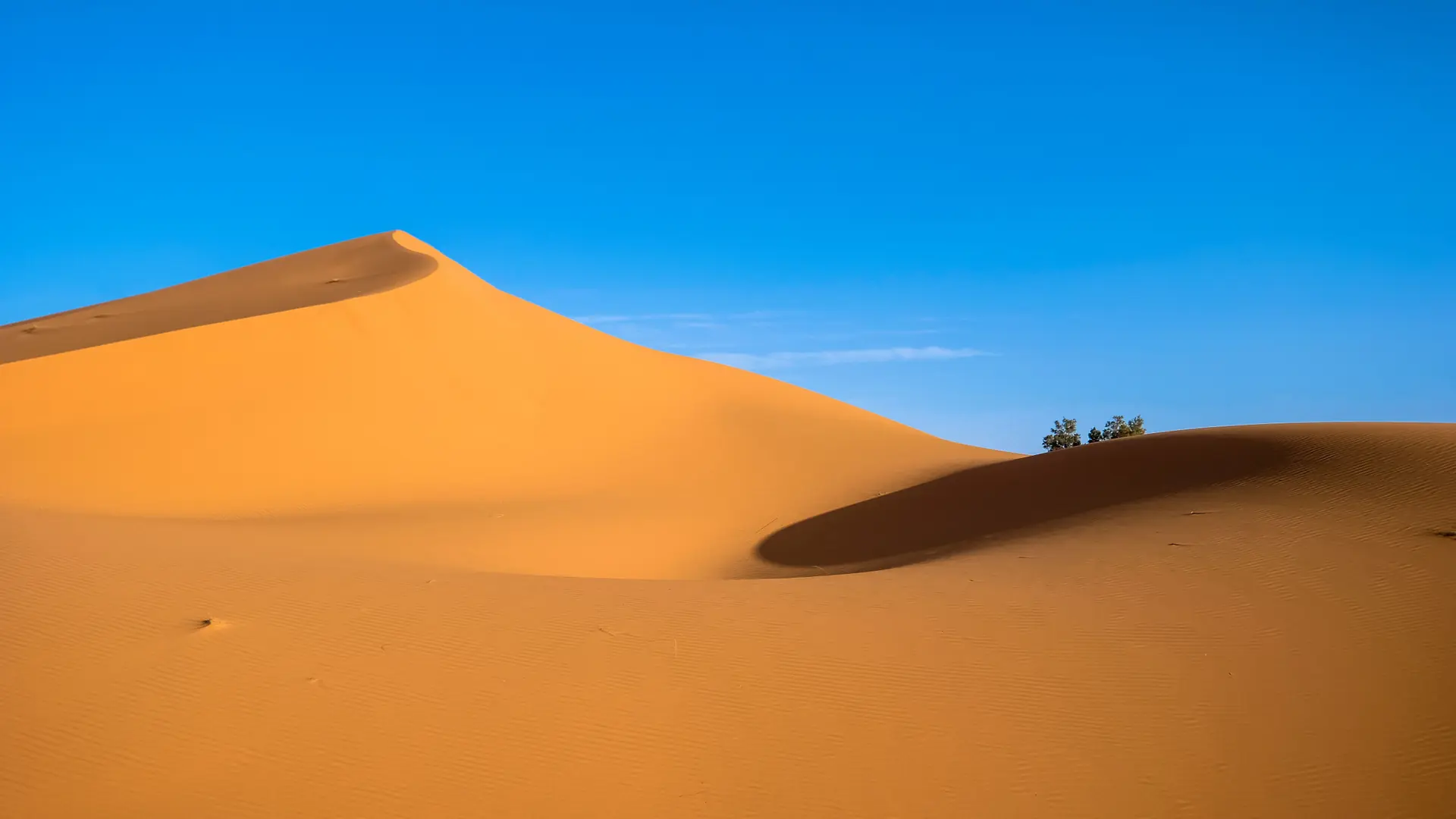
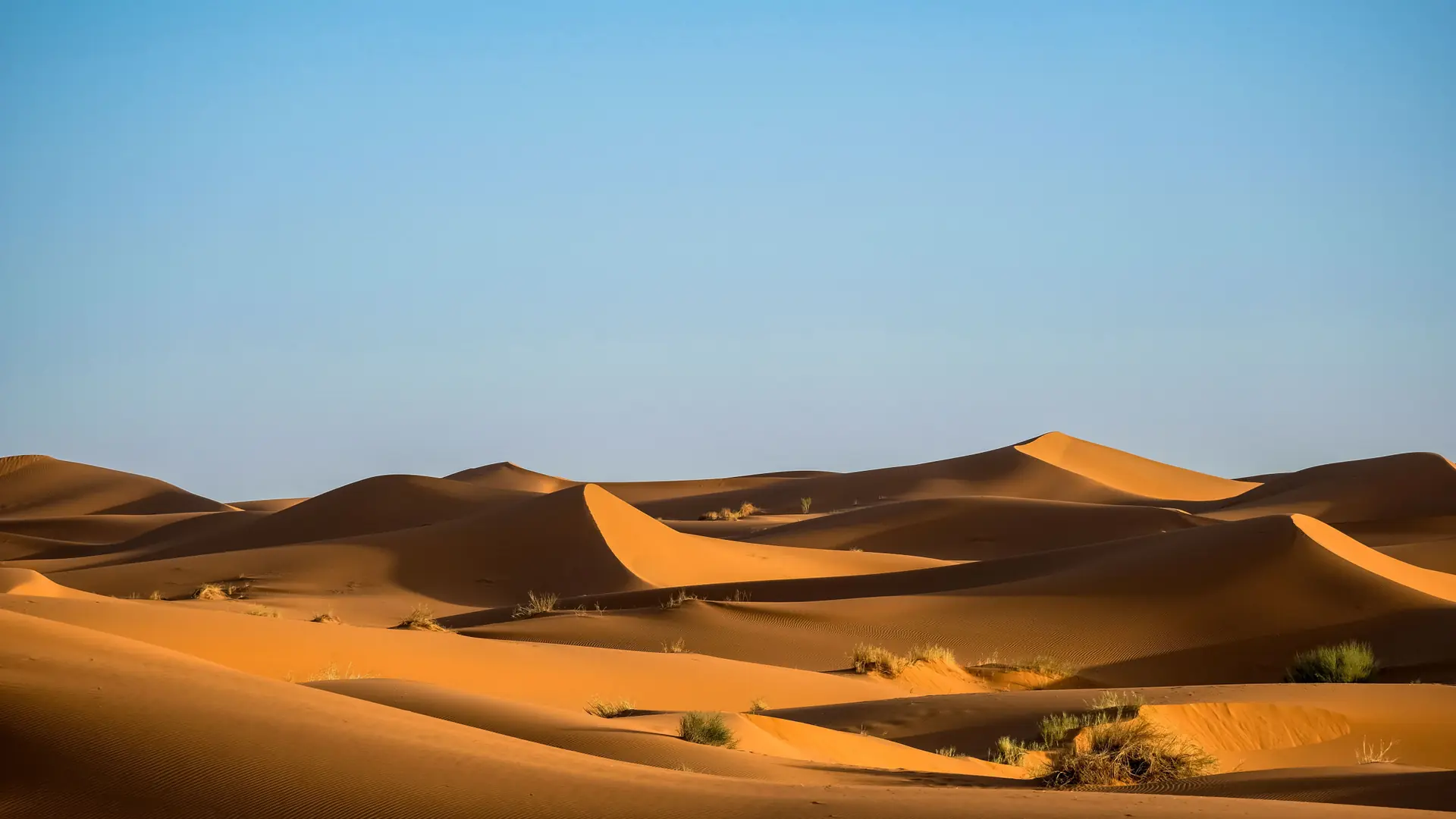
Tall orange Erg Chebbi dune under blue sky near Merzouga

Merzouga dune edge

Sunrise access without camp logistics

A property directly against the sand gives you sunrise and sunset on foot while keeping a conventional bathroom and a vehicle-accessible arrival. This can be the strongest first desert night for a traveller who wants the landscape but not a tent.

dunes sunrise comfort
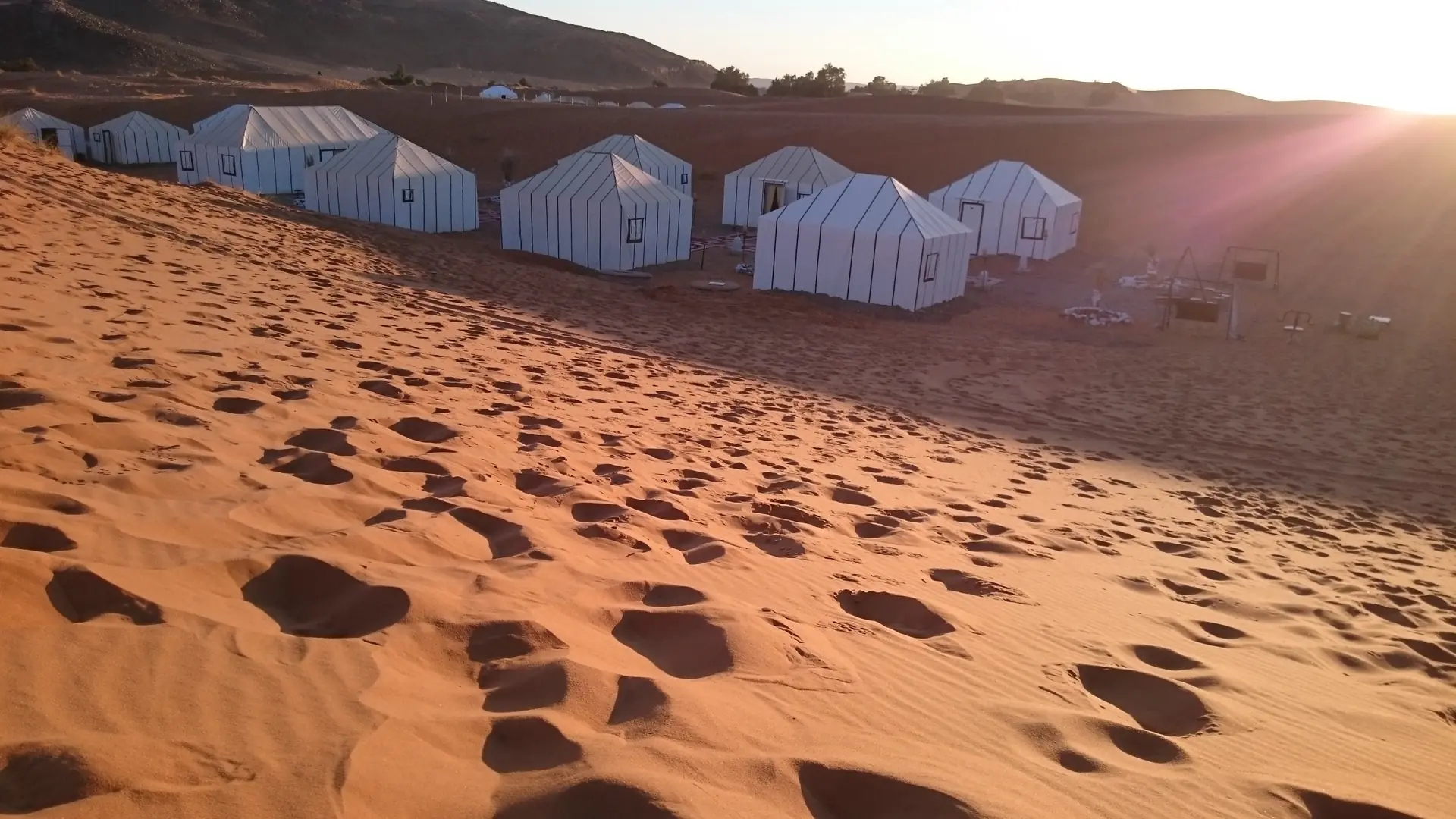
White desert camp tents among the orange dunes near Merzouga in daylight

Erg Chebbi camp

One intentional desert night

A camp makes the journey over sand, the night sky and sunrise part of your stay. You depend on an arranged transfer and the camp’s own facilities, so it is a different kind of base from a village room. Camps vary in comfort and setting; a private tent does not guarantee an empty dune horizon.

camp night-sky dunes
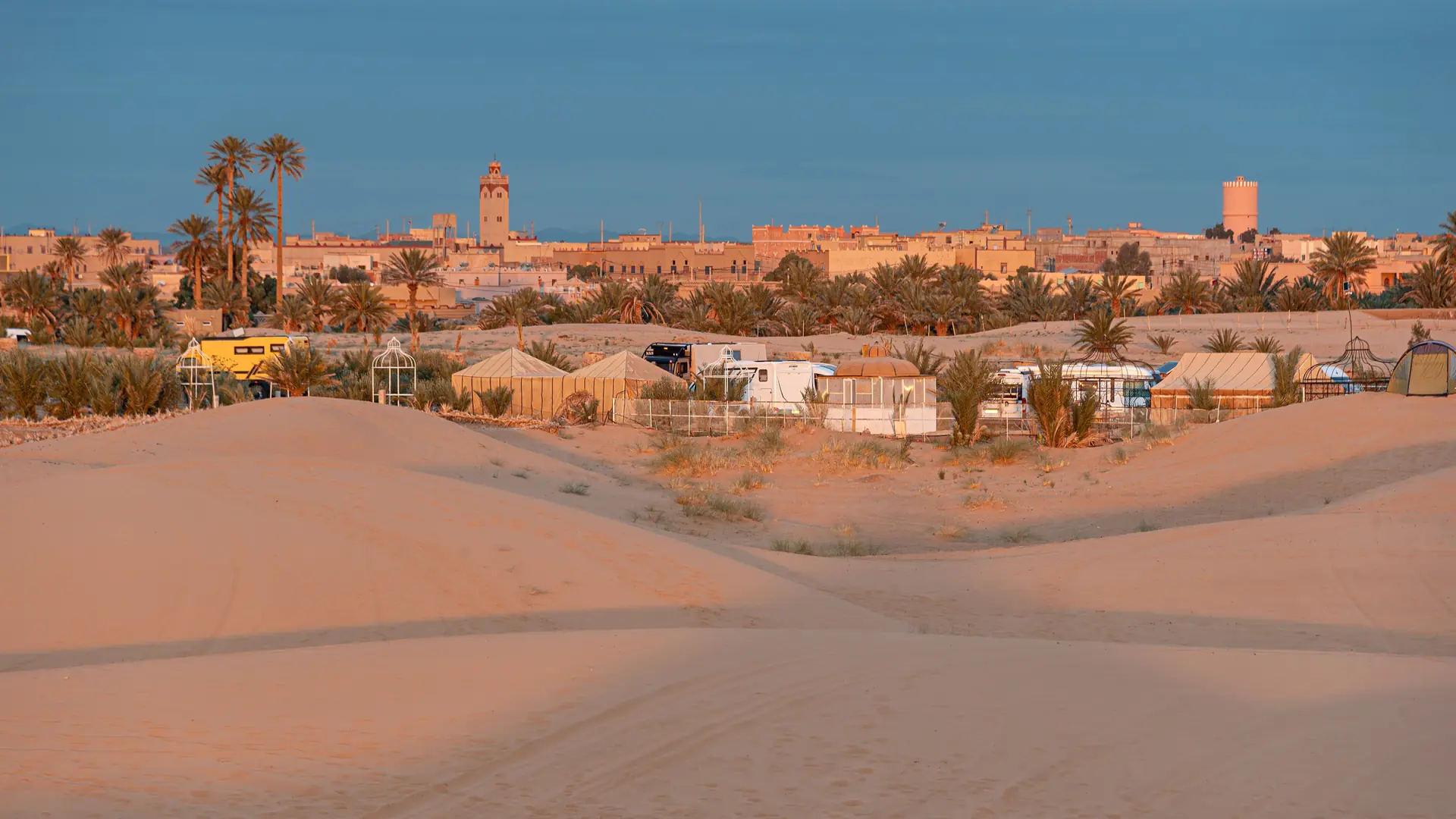
Hassilabied buildings and palms beside dunes in daylight

Hassi Labied

Quieter northern dune approach

Hassi Labied is a separate settlement north of Merzouga on the Erg Chebbi edge, useful for a slower guesthouse stay and a different stretch of sand. It can suit travellers who will spend time at their property rather than needing village restaurants each evening. Compare the property’s actual dune access and meal plan; the settlement name does not tell you whether the dunes are walkable from the room.

northern-edge guesthouse slow-stay
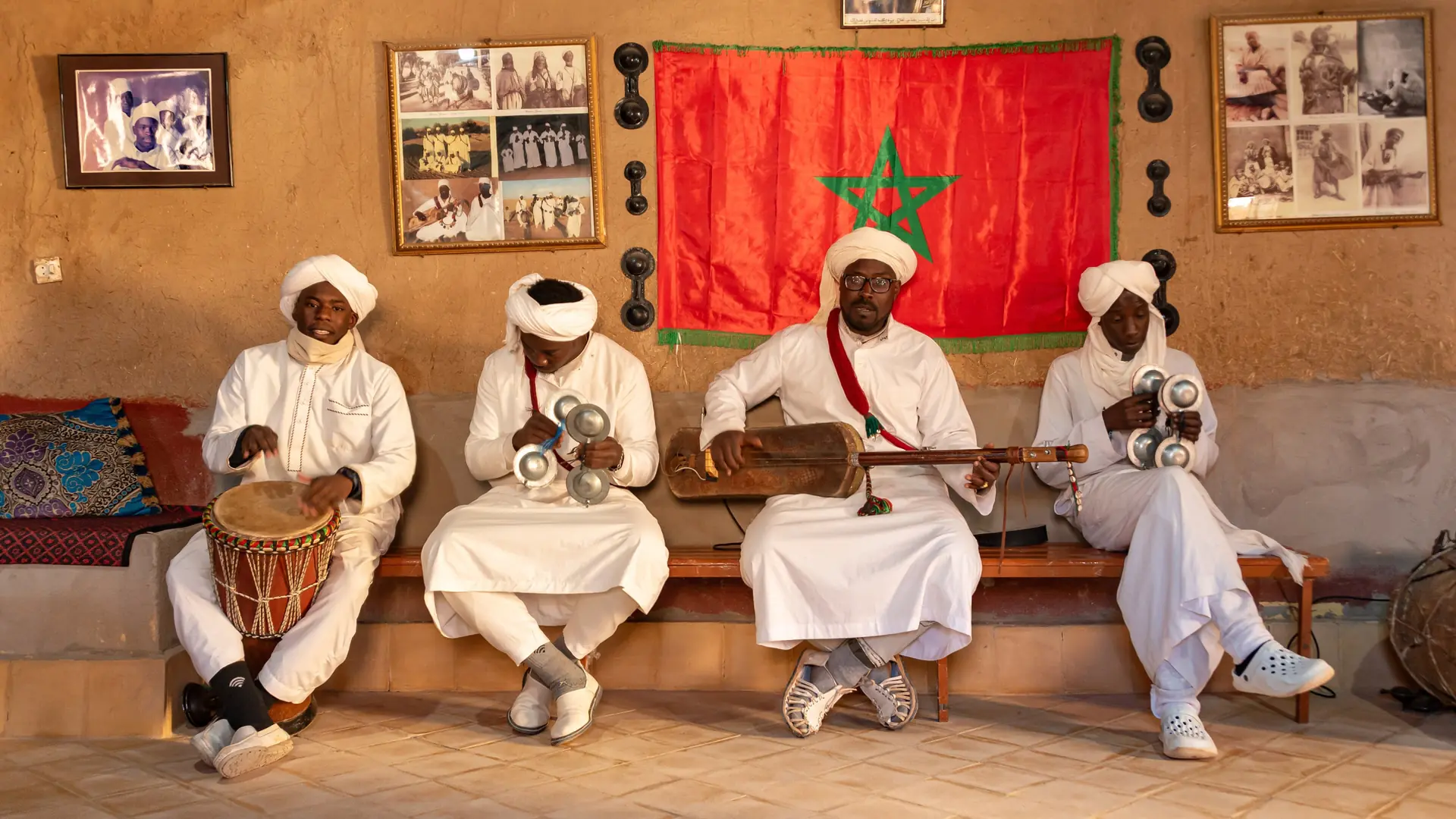
Gnawa musicians performing together in Khamlia village

Khamlia

Music and local culture with context

Khamlia is a distinct nearby village associated with Gnawa music. It makes sense as a base or visit when you want a cultural stop to be more than an add-on to a dune photograph. Ask a host what a visit includes, whether musicians are available and how fees support the performers; do not assume a performance happens on demand. The road and meal arrangements matter if you stay overnight.

music local-culture village
Orange dune near Ksar Tanamouste beneath a bright blue sky

Ksar Tanamouste and southern fringe

Road approach with open desert

South of Merzouga, the fringe around Ksar Tanamouste offers an alternative road-served base near open desert. It is a geographic choice, not a named hotel district: property quality and dune access vary by plot. Ask for the precise map point, road condition and whether the advertised camp is actually at the edge or reached by a further transfer. This base makes sense only if your chosen property itself is compelling.

southern-fringe space road
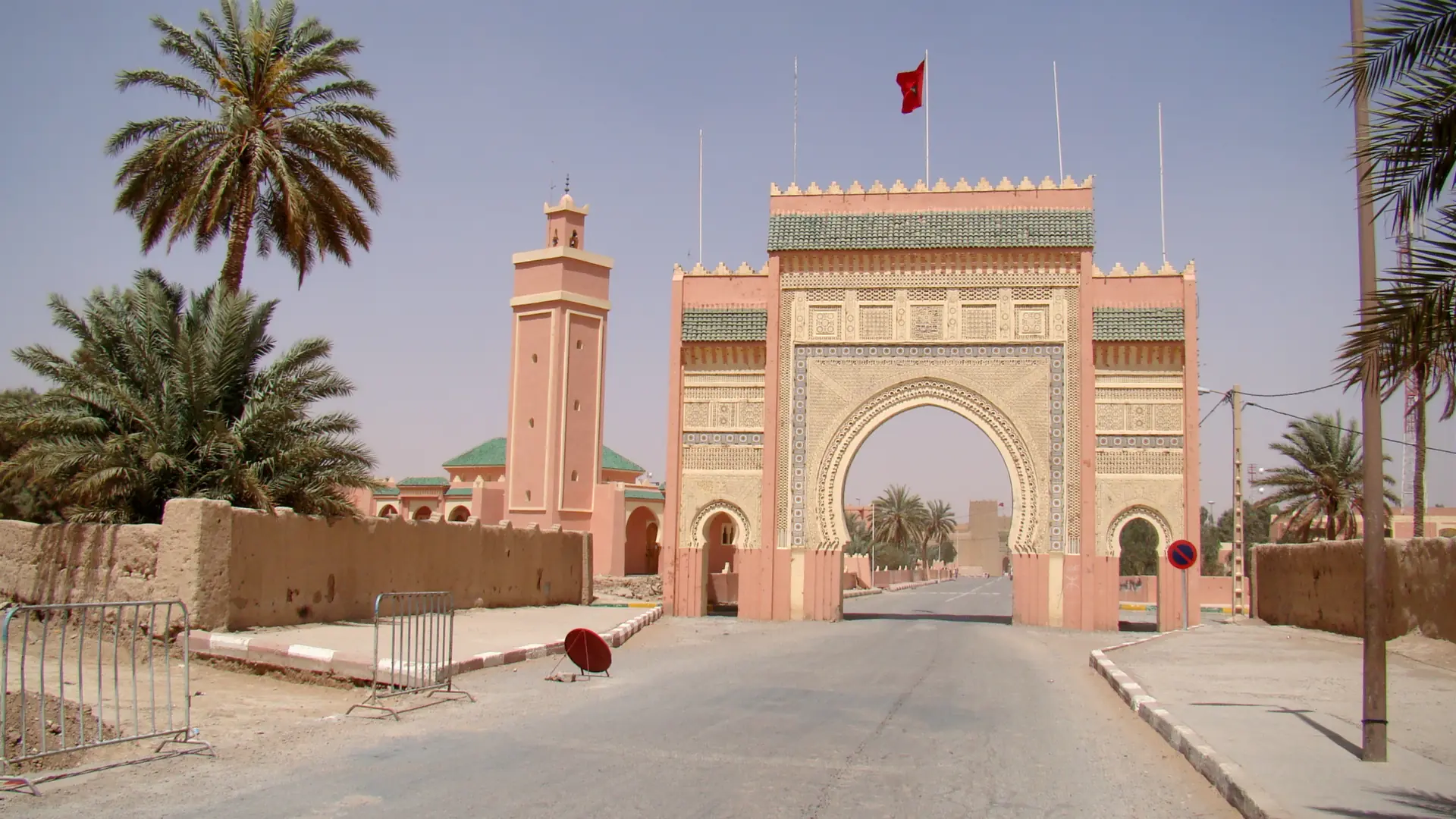
Sunlit gateway into Rissani on the Tafilalet road

Rissani, wider-region base

Market and Tafilalet context

Rissani is a separate town to the west, useful if markets, food and the wider oasis story are as important as the dunes. It should be booked as a different overnight base, not sold as a Merzouga neighbourhood. A day trip lets you compare the market atmosphere with the tourist infrastructure by the sand. If sunrise over Erg Chebbi is essential, allow an early road transfer or stay closer on that night.

market food regional-base
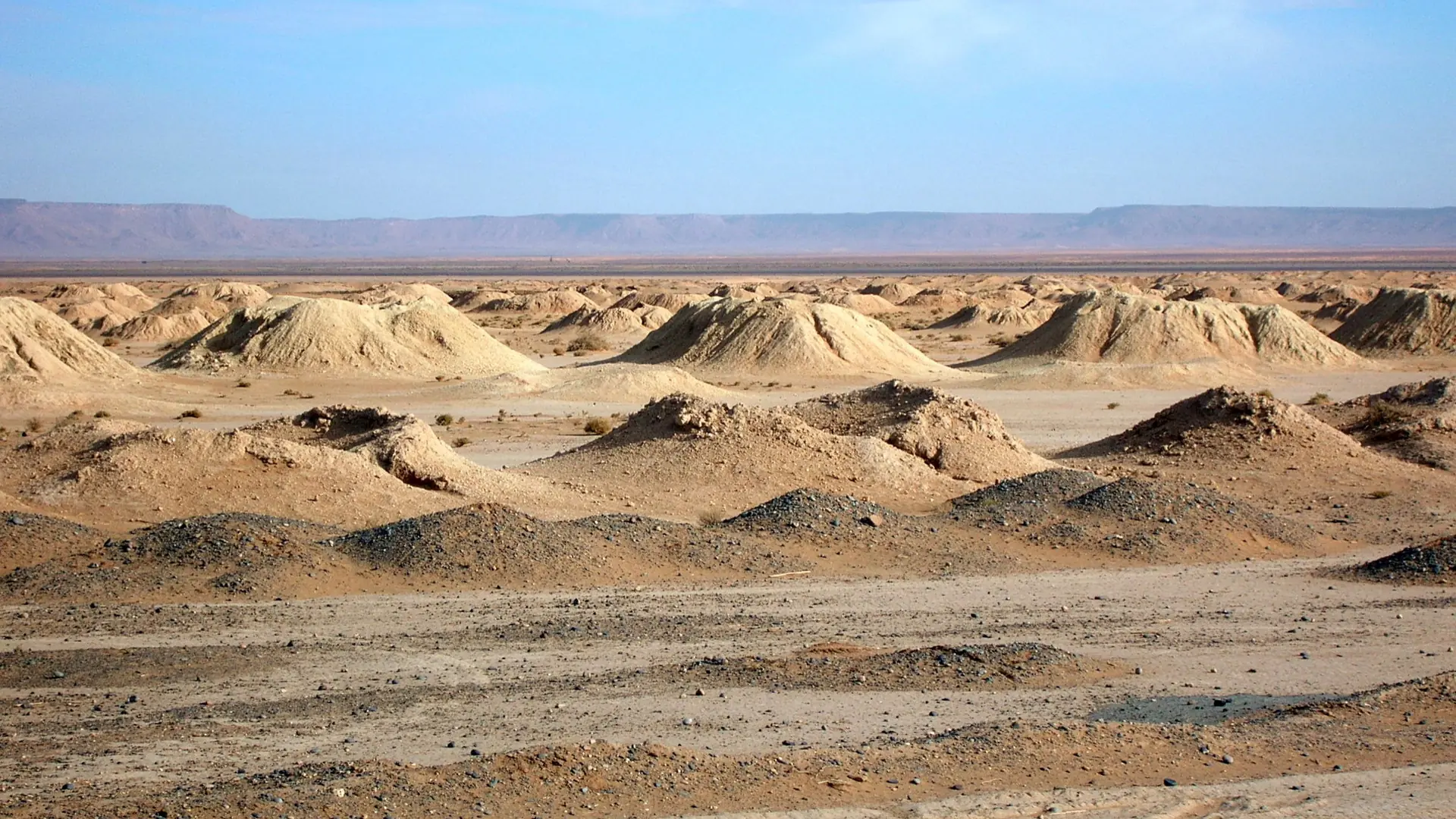
Khettara earth mounds across the bright desert plain near Erfoud

Erfoud, wider-region base

Road transit and oasis services

Erfoud is another separate town, appropriate when a long-distance road plan or hotel facilities matter more than waking beside the sand. It can break a transfer from the north and give time for the Ziz and fossil-workshop landscape described in regional routes. Treat a “Merzouga area” listing here as a drive, not a short stroll. Compare the next morning’s road time against a room closer to Erg Chebbi.

road-trip oasis transit
Merzouga areas at a glance
Area Best for Features Getting around
Merzouga village

Simple arrival and flexible meals

Convenient village, excursion traffic

Road pickup is possible by arrangement; dune travel needs a guide or confirmed transfer.
Merzouga dune edge

Sunrise access without camp logistics

Dune edge can feel busy

Walk nearby sand only within conditions you understand; use guides for longer routes.
Erg Chebbi camp

One intentional desert night

Memorable setting, fewer comforts

Use the operator’s arranged transfer; do not drive onto sand without a guide.
Hassi Labied

Quieter northern dune approach

Quieter base, planned village transfer

Arrange road transport between settlements; do not count on casual walking in heat.
Khamlia

Music and local culture with context

Cultural stop away from dunes

Use an arranged vehicle for the village and the dunes.
Ksar Tanamouste and southern fringe

Road approach with open desert

Limited evening services

Use your arranged driver or property transfer for village services.
Rissani, wider-region base

Market and Tafilalet context

Market base requires dune transfers

Drive or arrange a transfer to Merzouga and the dune edge.
Erfoud, wider-region base

Road transit and oasis services

Longer road to sunrise

Road vehicle required for the dune visit.

Match the desert base to your actual trip

The key choice is how you sleep and reach the dunes, followed by how much wider Tafilalet you want to see.

First dune visit

Stay at a verified Merzouga dune-edge property for a conventional bed and walkable sunrise, then choose a short guided outing if conditions suit. This keeps the desert experience without making a tent mandatory.

Camp overnight

Choose a camp when a night among dunes matters more than coming and going freely. Ask about the bathroom, power and distance from roads or neighbouring tents. Those details affect comfort and quiet more than a promise of complete solitude.

Slow desert and village stay

Use Merzouga or Hassi Labied for two nights, giving a full day to the sand, local food and a weather-dependent side visit. A separate village base is worth it when you will spend time there rather than shuttle repeatedly.

Culture beyond the dunes

Put a Khamlia music visit and a Rissani market day into the route as distinct experiences. Confirm who hosts the visit and when, and pay performers through the agreed local arrangement.

Road-led arrival

An Erfoud or southern-fringe stay can make sense when a specific property, road timing or wider oasis journey drives the decision. Inspect the route for the next morning before assuming “Merzouga area” means close to Erg Chebbi.

Summer heat plan

A desert stay in summer needs honest heat management: a room with confirmed cooling, limited outdoor time and a flexible cancellation or date choice. Do not rely on a tent being comfortable because it is marketed as “luxury”.

Find a Merzouga room or camp with clear logistics

Merzouga results can include properties away from the dunes; compare each address, transfer and room cooling or heating before booking.

See Merzouga stays →
Loading live stays…

Long road arrivals and dune transfers

The approach is part of the trip. Merzouga is a long drive from Marrakech, and a camp may add a final guided leg after the road ends.

Arriving from another region

Do not compress Marrakech into a casual transfer

National Geographic describes Merzouga as a long drive from Marrakech. Divide the journey across sensible stops if you can, and avoid planning the only dune sunset after an optimistic same-day road estimate.

Set the camp meeting point in writing

A camp name does not reveal where a normal vehicle stops. Ask for the exact meeting point, luggage handling, transfer mode, return time and what happens if weather prevents the planned approach.

Village, dunes and wider region

Keep close sand walks modest

The dunes invite wandering, but ridges look similar and daytime heat can build quickly. Set a turnaround point, carry water and leave longer routes to a competent local guide.

Treat Khamlia and Rissani as road outings

These places add music and market context, yet neither is another street of Merzouga. Check the road plan and visit timing rather than putting every stop into a brief sunset circuit.

Link Erfoud to a planned road day

Erfoud is another road stop, not a walk from the dunes. If your transfer passes it, decide in advance whether a fossil-workshop or market visit deserves time; do not spend the short sunset window on an unplanned detour.

Excursion booking

Compare the full camp package

Request a written list of dinner, breakfast, bathrooms, electricity, transfer, luggage storage and cancellation terms. The quoted tent category alone is a poor comparison between operators.

Check high-risk activities and insurance

The UK travel advice notes variable standards in adventure tourism and specific quad-bike risks. Review the operator, helmet and insurance coverage before paying for motorised sand activities.

Mobility and comfort

A camel ride is optional

Ask about a vehicle transfer if riding is uncomfortable or unsuitable. Confirm the camp’s walking distance from its drop-off and whether help is available over soft sand.

Assess the full room setup

Tent labels such as “luxury” do not establish warmth, cooling, accessible toilet access or a quiet location. Ask for current details and choose a road-served room when those needs are central.

Season, comfort and responsible spending

The strongest Merzouga trip leaves room for temperature, wind and the fatigue of getting here. Build the dune time around conditions, not a rigid photo schedule.

Choosing a season for Erg Chebbi

Winter: good light, cold nights
  • Winter can be rewarding for dune walks and quieter stays, but desert nights can feel cold. Check bedding and heating for the actual room or tent, bring layers and be ready to change a windy excursion. Rain elsewhere on the road can affect an overland journey.

  • Spring: plan for wind and blowing sand

    Spring is useful for longer outdoor time, though blowing sand can disrupt a planned sunset. Carry eye protection and a scarf, confirm the day’s forecast and keep the excursion flexible enough to move from a ridge to a sheltered property.

  • Summer: treat heat as the main constraint

    The wider desert region can be extremely hot in summer. Confirm actual cooling, drinking-water access and a sensible daytime retreat before travelling. Avoid exposed midday dunes and think carefully about whether a camp overnight supports good sleep. If you want hours of walking, change the season where possible.

  • Autumn: walks and cooler evenings

    Autumn is one of the easier periods for a village walk followed by a later dune outing. As daylight shortens, check the forecast and the travel time to your starting point before fixing a sunset plan. Nights can cool after a warm afternoon, so pack a layer for an outdoor meal and confirm your camp bedding.

What two desert nights can cost

A priced two-night room example
  • Riad les Jardins de Merzouga publishes €70 (≈ US$78) per night for a double room in Hassi Labied, including breakfast, dinner and tax. Two nights would be €140 (≈ US$157) for two adults if that rate is offered on your dates. This is one property’s published tariff, not a general Merzouga average or a live quote. Lunch, travel to the village and any excursion are separate decisions.

  • A camp night is a different booking

    Dar Tafouyte lists €150 (≈ US$168) per night for a double tent, with dinner, breakfast and an outward and return camel or 4×4 transfer included in its July 2026 tariff. Compare that package with a fixed room, rather than adding a second hotel night by accident. Confirm where the transfer starts, the tent’s facilities and the current total before paying.

  • Meals and outings change the total

    At Dar Tafouyte, lunch is listed at €12 (≈ US$13) per person, and a short camel outing at €20 (≈ US$22) per person. For two adults, one lunch and that outing would add €64 (≈ US$72) at those published rates. Dinner inclusion for a room is unclear: the tariff lists a €12 (≈ US$13) dinner but later says dinner comes with every room, so confirm it directly. Check whether your own booking already includes a meal or ride.

  • Price the road separately

    The room and camp examples exclude travel to Merzouga. Marrakech to Merzouga is a long drive, so price the flight and onward coach, a hire car with fuel, or a private driver. Allow for return travel and any camp pickup before calling a local accommodation and activity subtotal a trip budget. The dollar equivalents use the ECB rate of 9 October 2026, rounded to whole dollars; your card rate may differ.

How many nights should I stay in Merzouga?

Two nights allow a slower dune visit and recovery from the long road, with room for Khamlia or Rissani. One camp night can work when the approach and departure are not both rushed.

Is a desert camp essential?

No. A verified dune-edge hotel can deliver sunrise and sunset with a fixed room. Choose a camp for the overnight experience after checking facilities and transfer details.

Can I visit Merzouga in winter?

Yes, winter can suit daytime dune walks, but nights may be cold. Confirm heating or bedding and pack layers. Check the forecast for the road journey and allow extra time for the long approach.

Is spring a good time for Erg Chebbi?

Spring often supports outdoor time, but wind and blowing sand can alter excursions. Carry eye protection and keep the sunset plan flexible.

Should I go in summer?

Only with a heat-conscious plan and confirmed cooling. Keep exposed activity out of the hottest hours; reschedule if long daytime dune hikes are the reason for the trip.

Are Rissani and Erfoud in Merzouga?

No. They are separate regional towns requiring road transport. They suit market or transit goals, but a room there is not walking distance from Erg Chebbi sunrise.

Research and source notes

Editor StartBooker editorial team Travel guide editor

Reviewed 2026-10-12

Updated

Method: Official tourism and safety records establish geography, seasons and activity cautions; operator pages provide labelled accommodation and meal examples. Independent travel reporting checks road and camp trade-offs. Each rate and transfer must be confirmed for the travel date.

17 References reviewed

Key sources
  • Moroccan National Tourist Office
  • UK Foreign, Commonwealth & Development Office
  • Riad les Jardins de Merzouga
  • Dar Tafouyte
  • European Central Bank
  • UK Met Office
References
Photo credits

Some photos provided by Pexels.

Help another traveller plan Merzouga