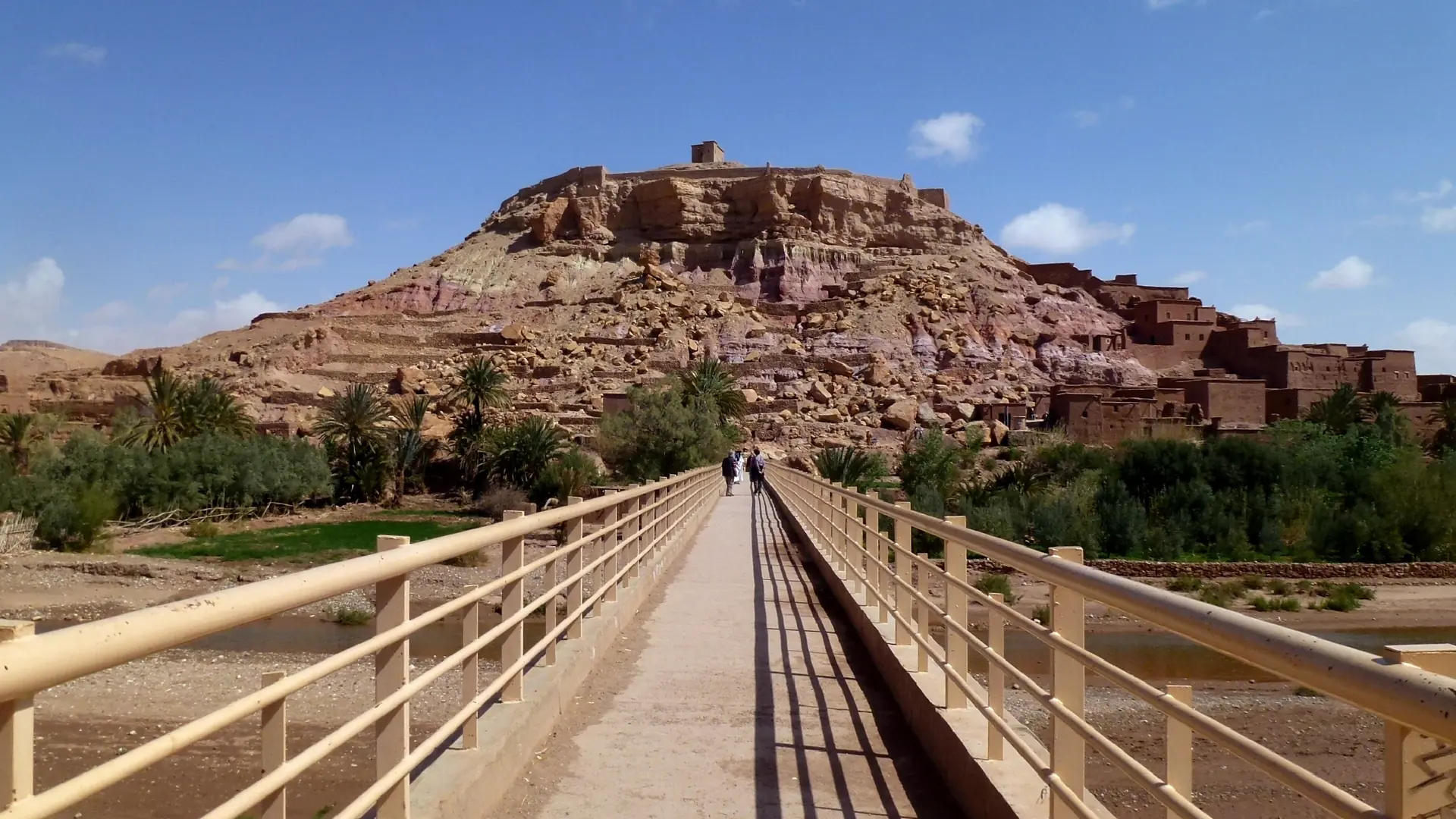
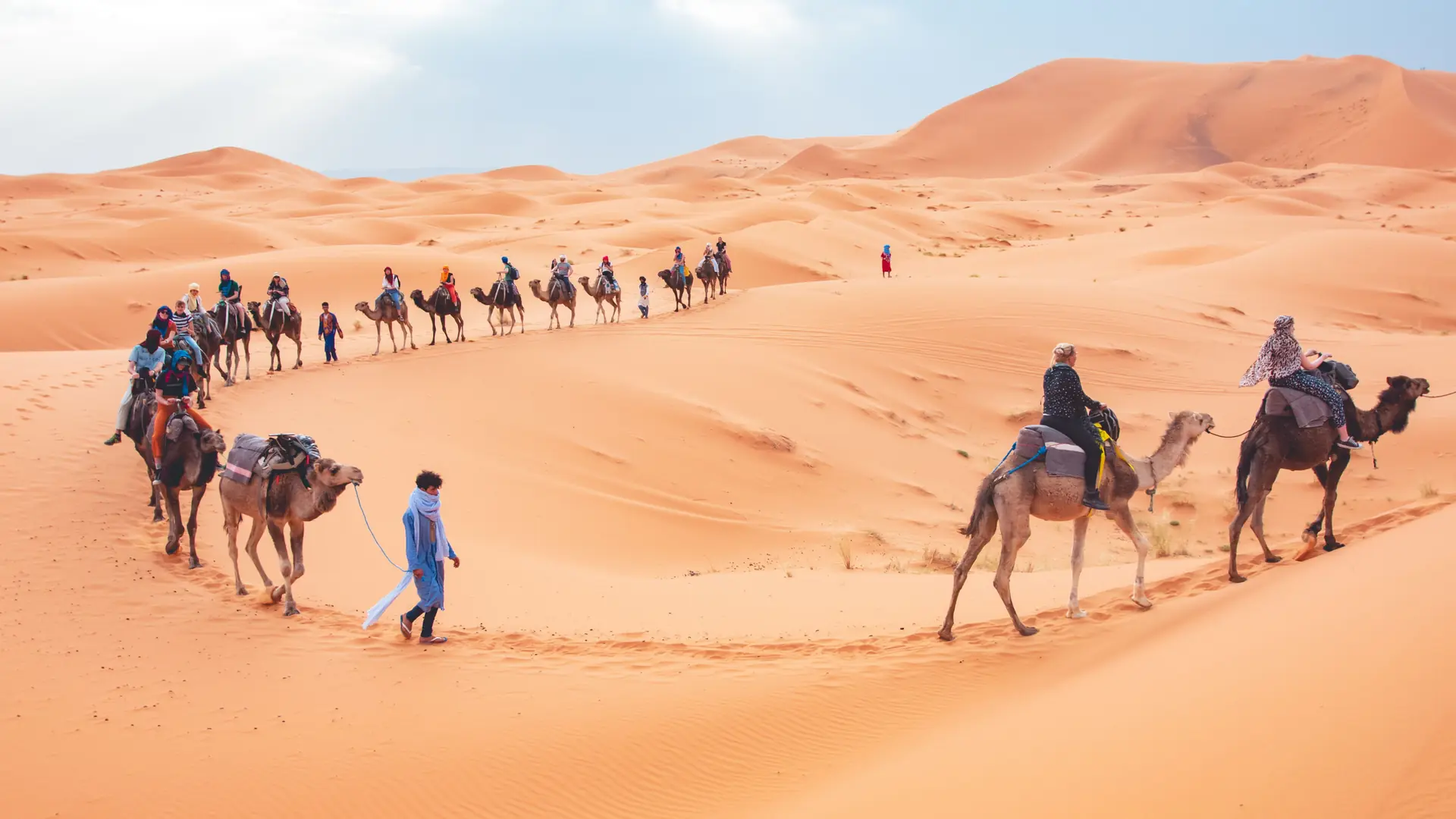
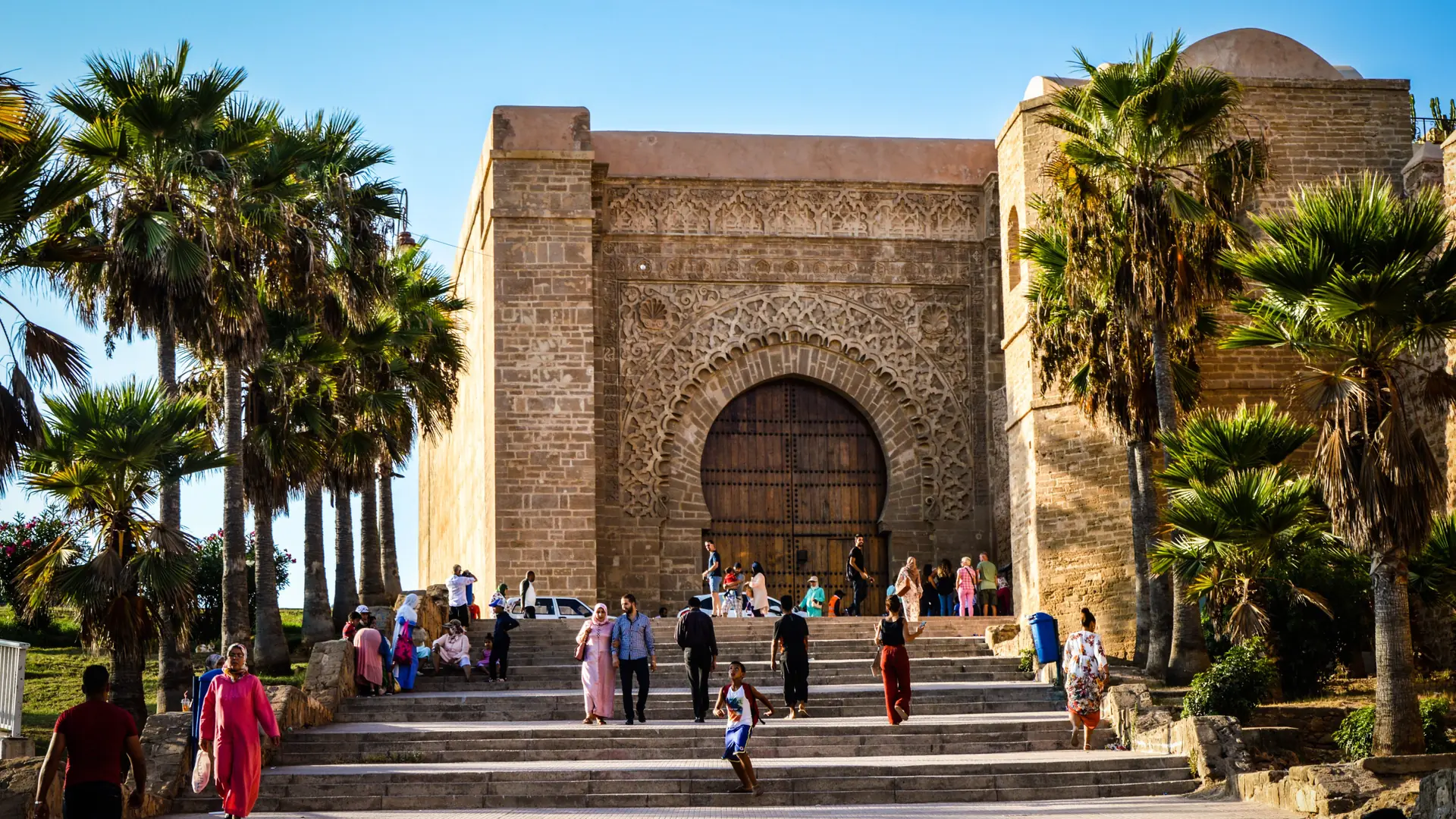
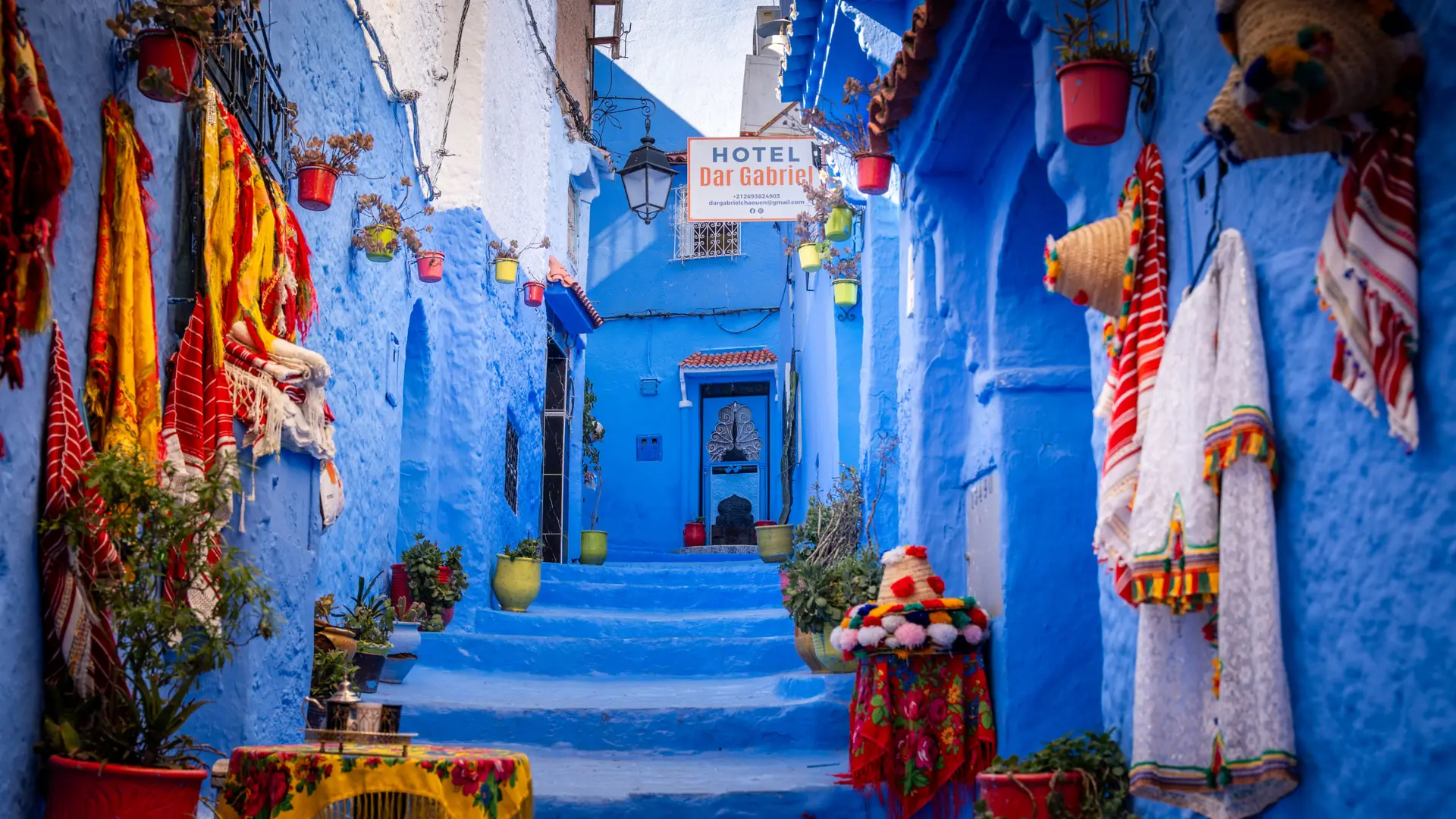
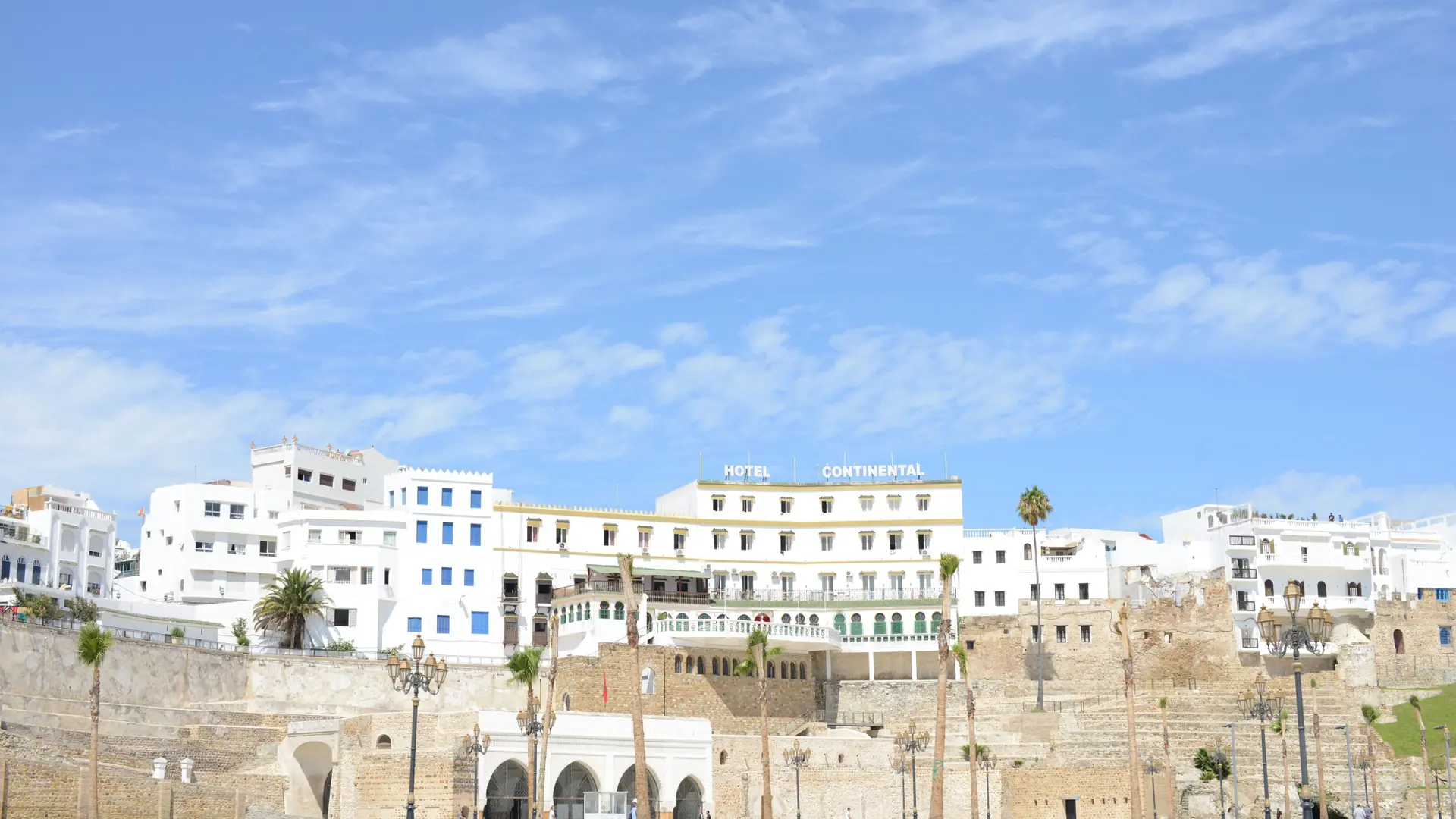
Earthen towers and palm trees beside Aït Benhaddou, Morocco

Morocco Travel Guide: Cities, Coast and Sahara

Search stays
Quick answer

Marrakech, a High Atlas crossing, Erg Chebbi and Fes in around ten days

Best winter-sun base
Agadir for mild Atlantic days; add Essaouira or Marrakech for contrast
Best months for a mixed trip
March–May and September–November, with desert nights and mountain weather checked separately
Where rail is enough
Casablanca–Rabat–Tangier–Fes works by rail; the High Atlas, kasbah valleys and Sahara approaches need road transport
Book first
Your best-located riads, the long desert transfer and any fixed museum or guided monument visit
Cash reality
Carry some dirhams for small purchases; the dirham is difficult to exchange outside Morocco
Practical safety rule
Use licensed guides, agree taxi terms before departure when no meter is used, and avoid isolated beaches or mountain roads after dark

StartBooker answer

What is the smartest way to plan a first trip to Morocco?

Choose the route before booking rooms. A journey from Marrakech across the High Atlas to Erg Chebbi and Fes works best with around ten days because the road legs are long. For seven days without a car, take the train from Casablanca through Rabat and Tangier to Fes; the last leg uses a conventional train. Agadir and Essaouira suit a slower Atlantic trip. Spring and autumn work for the widest mix, while mountain and desert conditions need separate checks.

Best first route
Allow around ten days to combine Marrakech, an overnight south of the Atlas, Erg Chebbi and Fes without rushing the long road legs.
Best winter-sun base
Agadir supplies the easiest mild-weather beach routine; Essaouira adds art, seafood and wind, while Marrakech contributes inland culture.
Best months for a mixed trip
Spring and autumn suit a mixed trip; check desert night temperatures and High Atlas road conditions separately.
Do you need a car?
Casablanca, Rabat, Tangier and Fes work by rail; the kasbah valleys and Erg Chebbi need a coach, driver or car.
Book first
Book a well-located room for your first arrival, then arrange the cross-Atlas or desert transport; meals can stay flexible.
A Marrakech budget example
For a three-night Marrakech break, two adults can plan around MAD 6,500 (≈ US$670), sharing a room. A desert journey costs extra.

Things to do in Morocco

Explore tours, attractions and local experiences in Morocco.

Loading activities…

Activities provided by GetYourGuide. We may earn a commission on bookings.

AI-powered

Ask StartBooker AI

Ask about routes, city bases, seasons, budgets, and practical trip questions for Morocco. StartBooker AI does not make bookings.

Quick quiz

Which Morocco trip fits the way you travel?

Best places to stay in Morocco

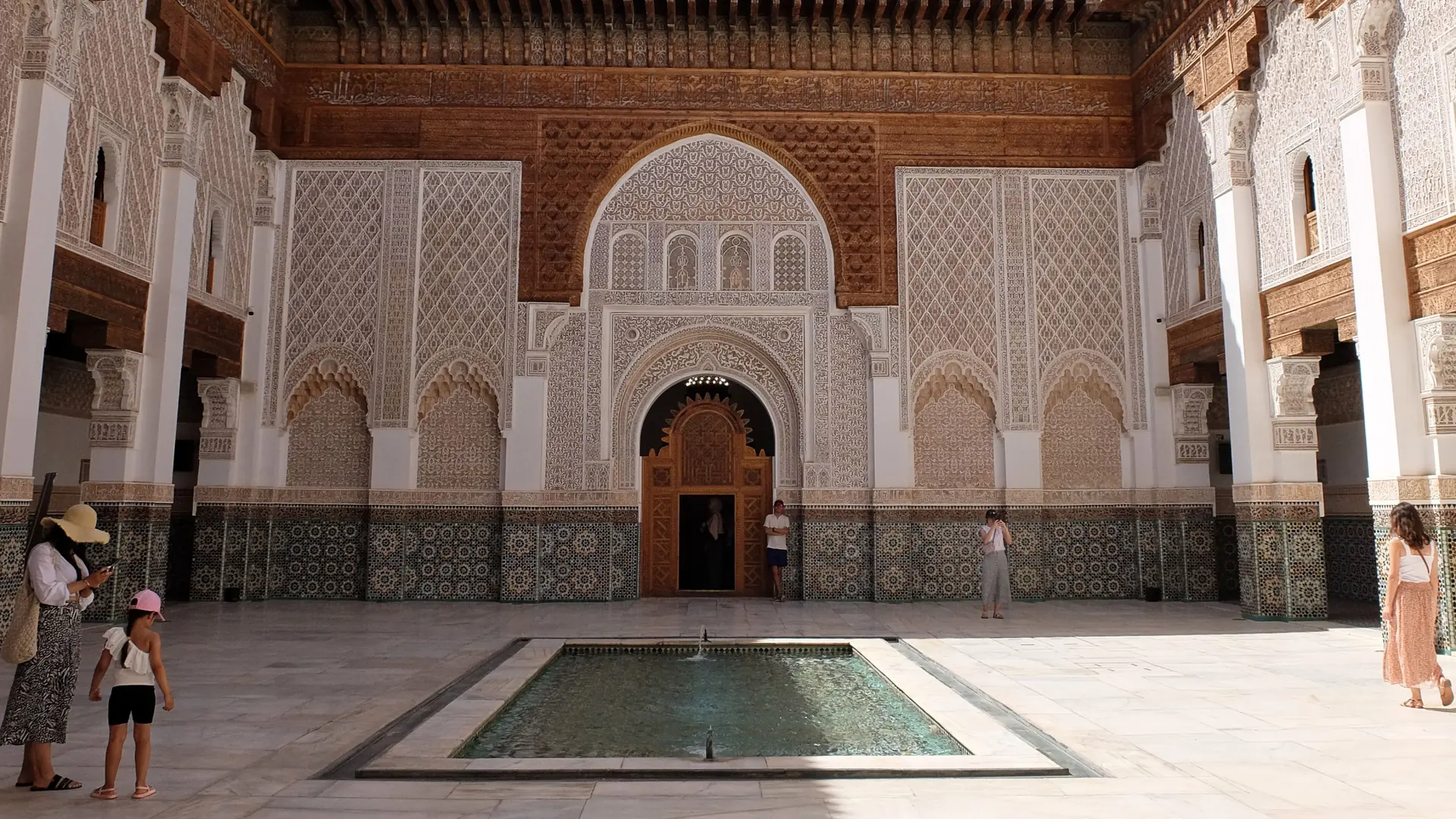
Carved arches, patterned tiles and the courtyard pool at Ben Youssef Madrasa in Marrakech Marrakech
first-trip

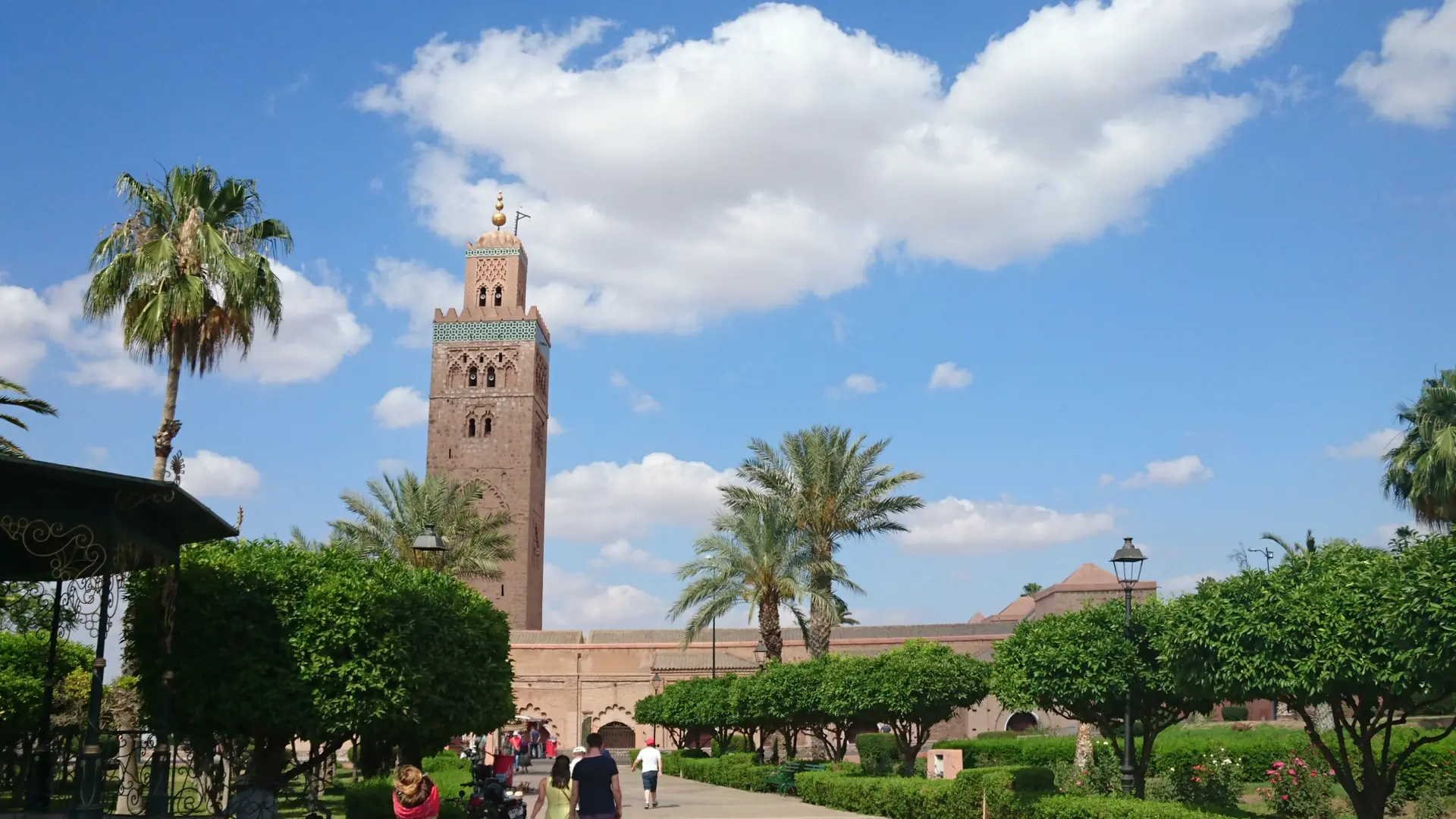
Marrakech suits a first visit built around Bahia Palace, the Koutoubia, garden visits and dinner near Jemaa el-Fna. Give the medina an unhurried morning; an Atlas or Agafay excursion uses a separate day.

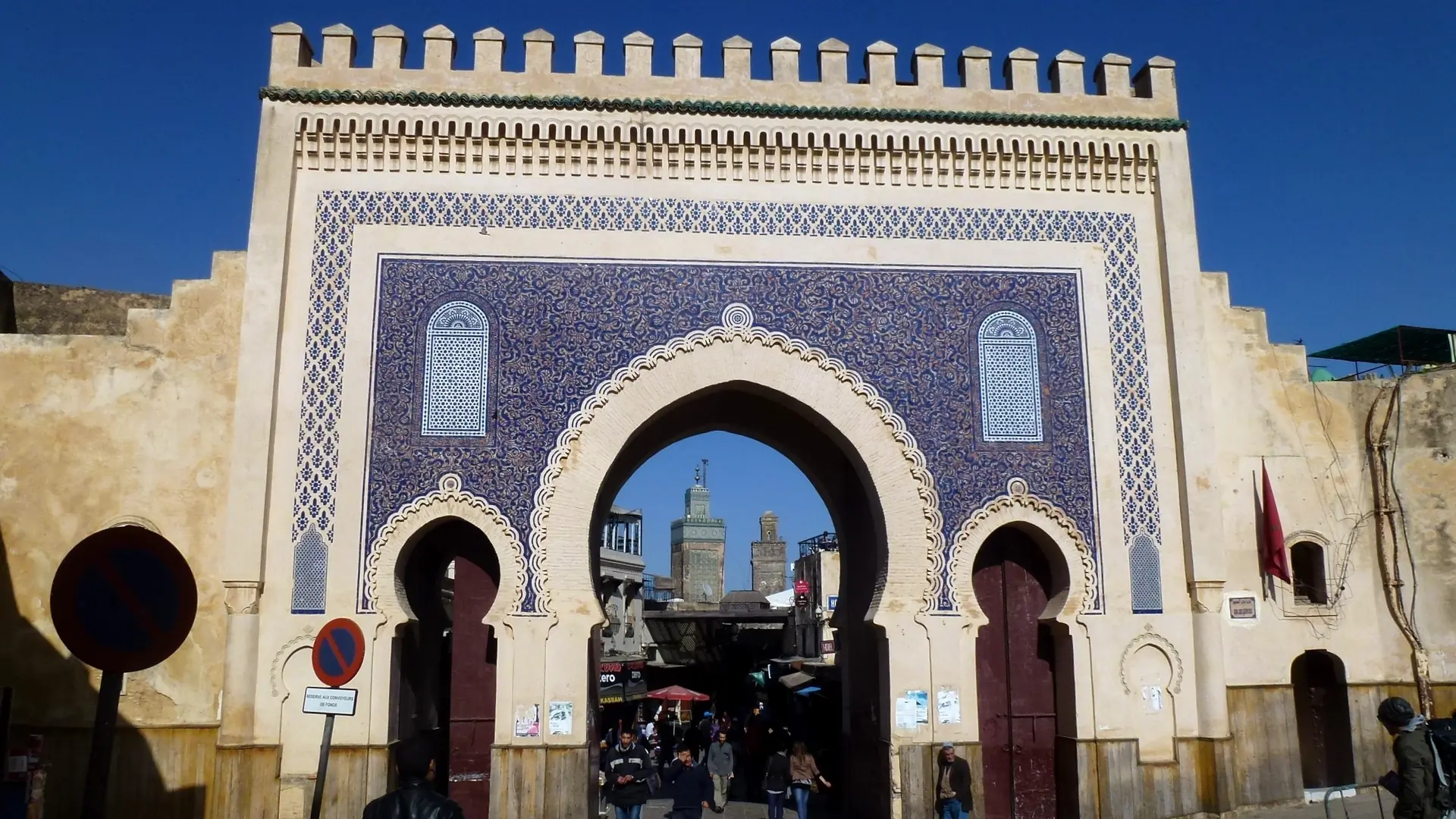
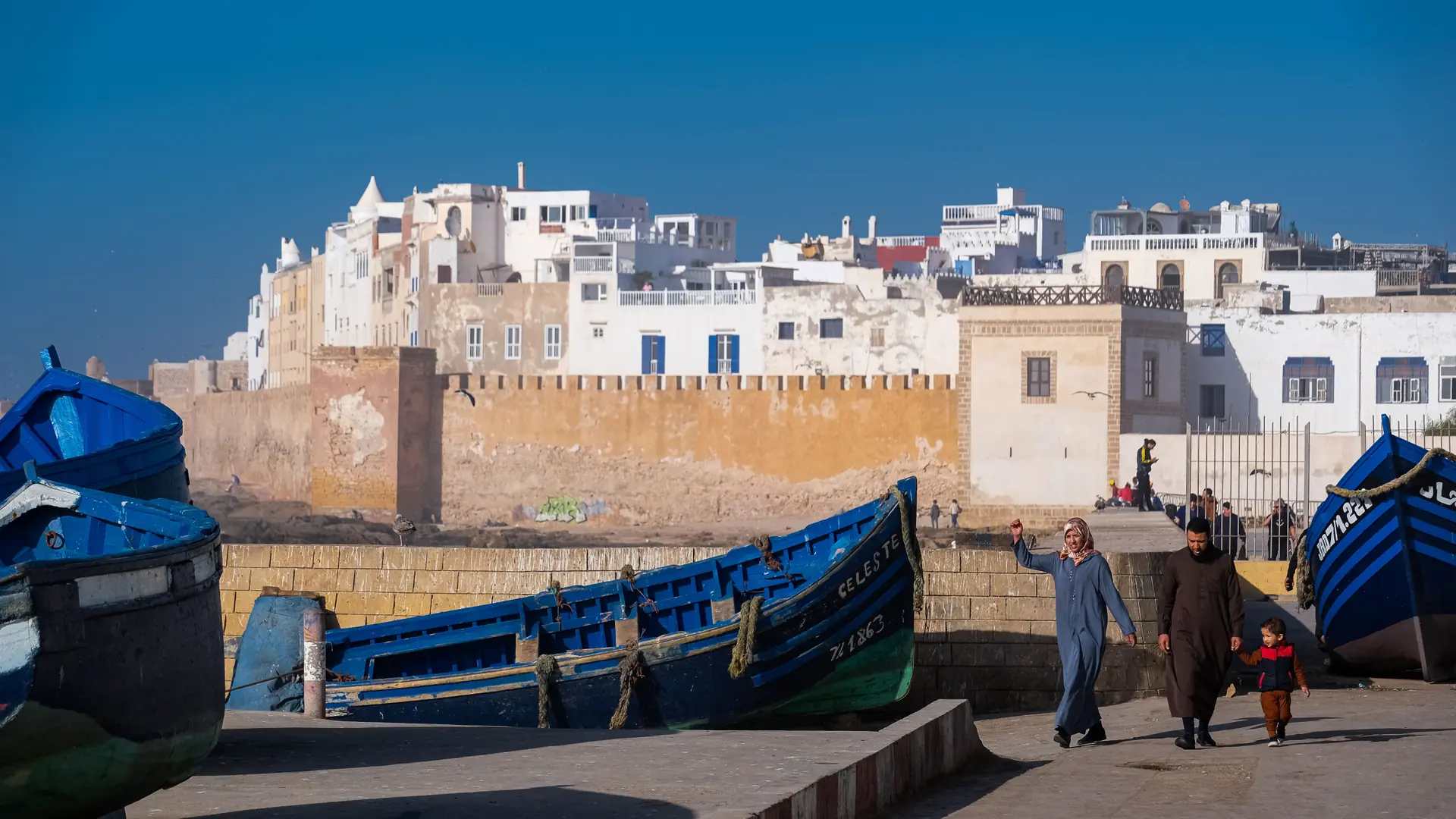
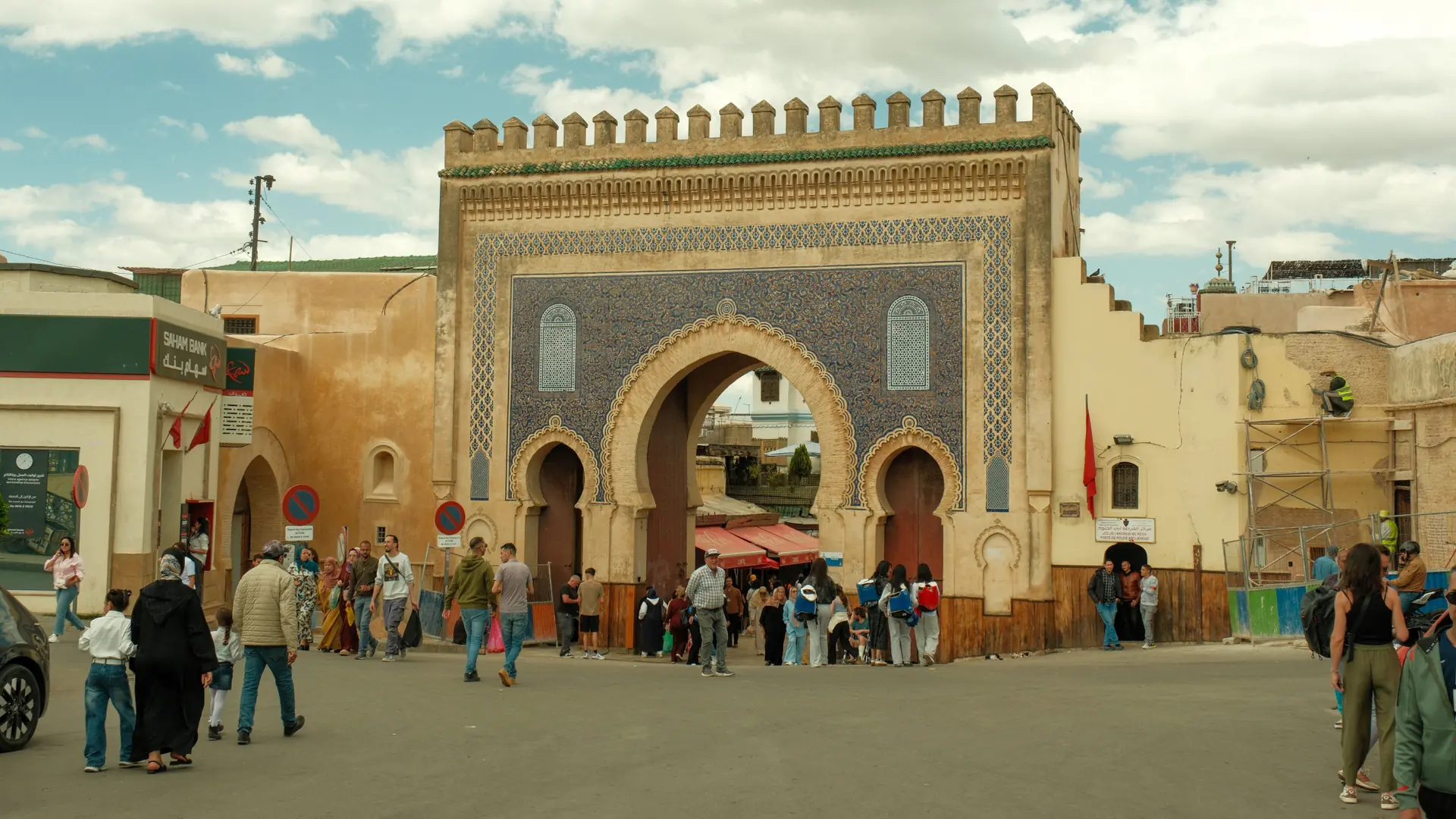
Blue tiled Bab Boujloud gateway opening into the Fez medina in daylight Fes
culture

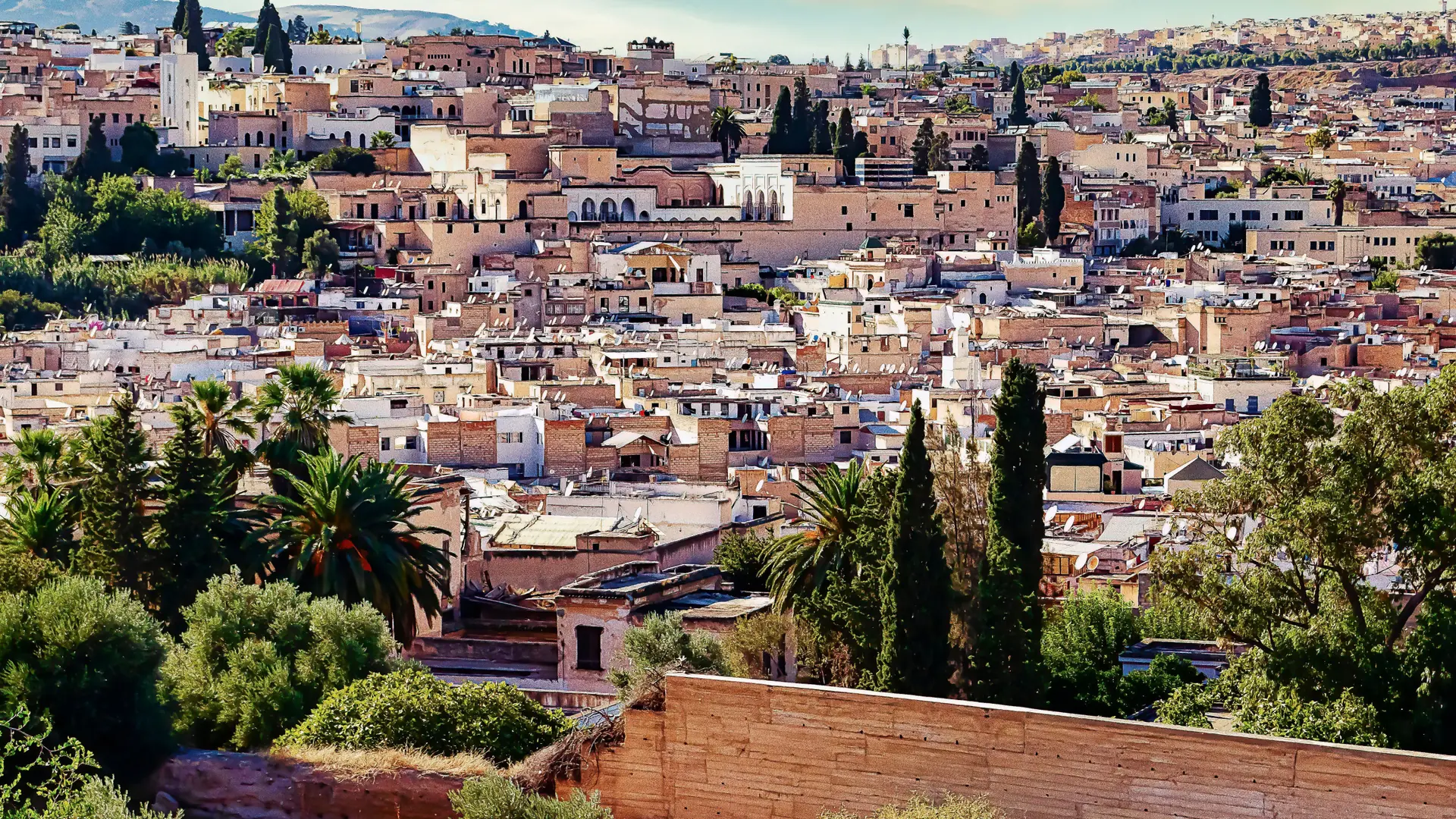
Choose Fes when craft, architecture and urban history matter more than nightlife. A licensed local guide on the first medina morning can explain the tanneries, madrasas and workshops, leaving you free to explore later without being led from shop to shop.

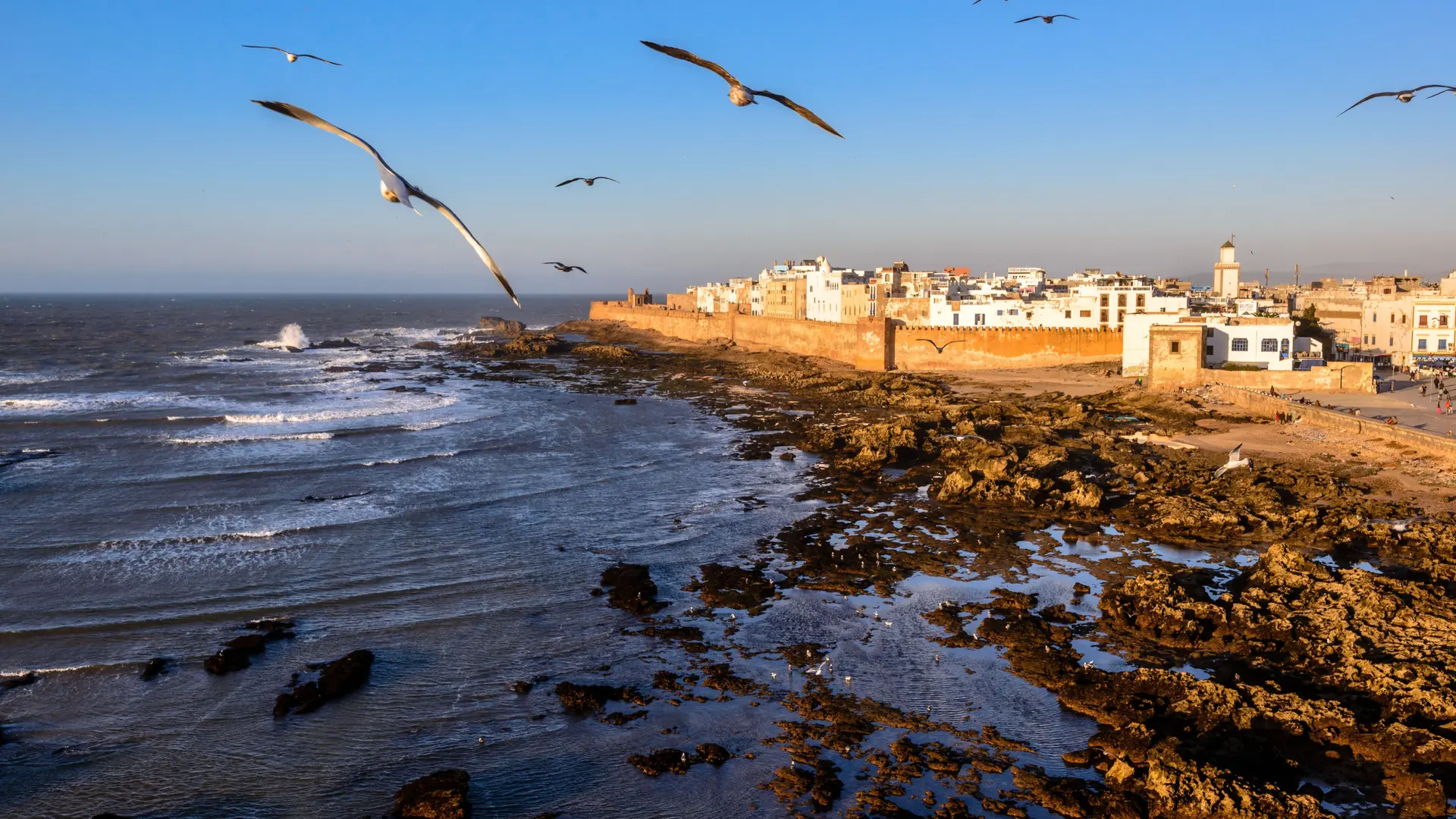
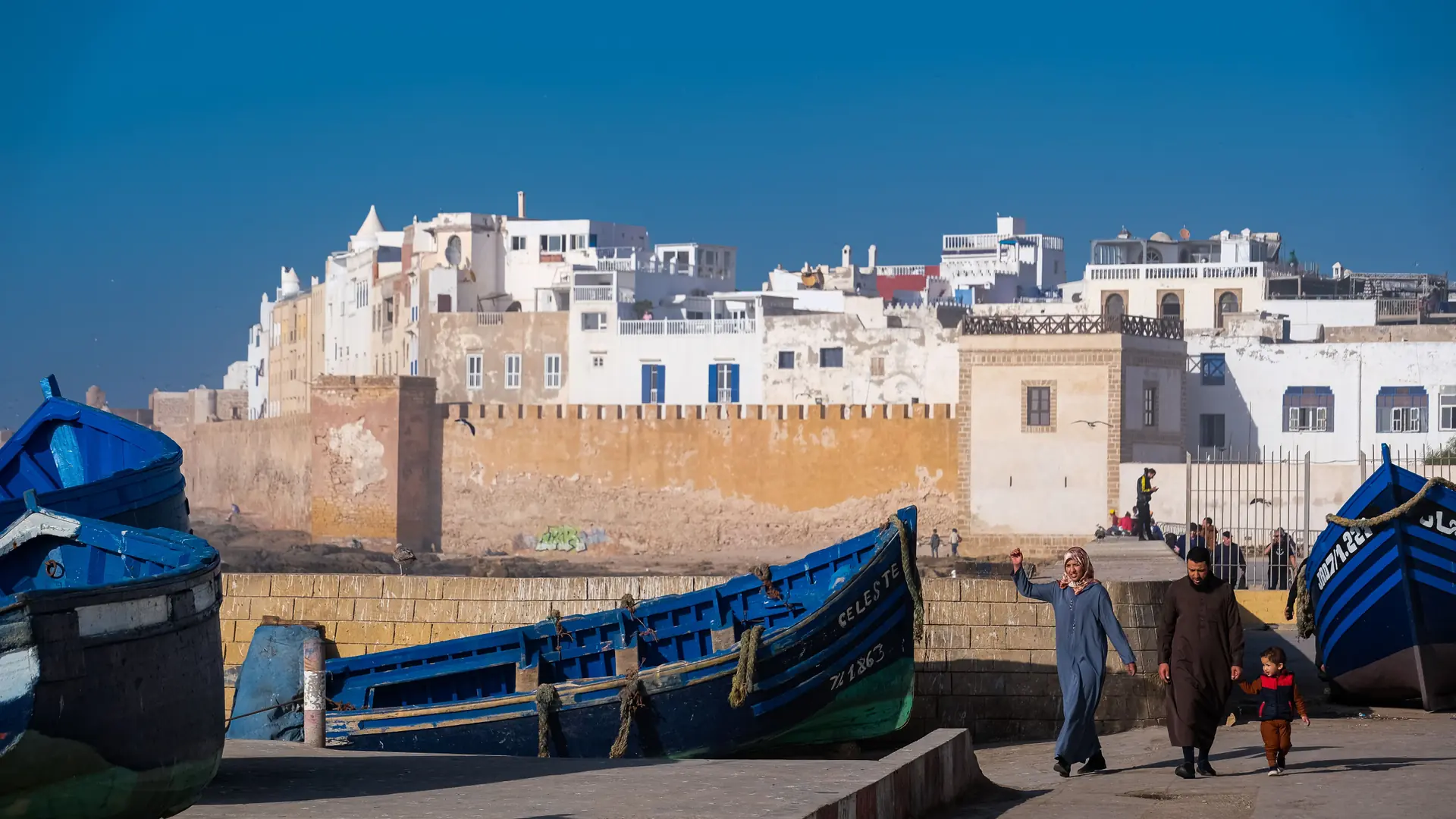
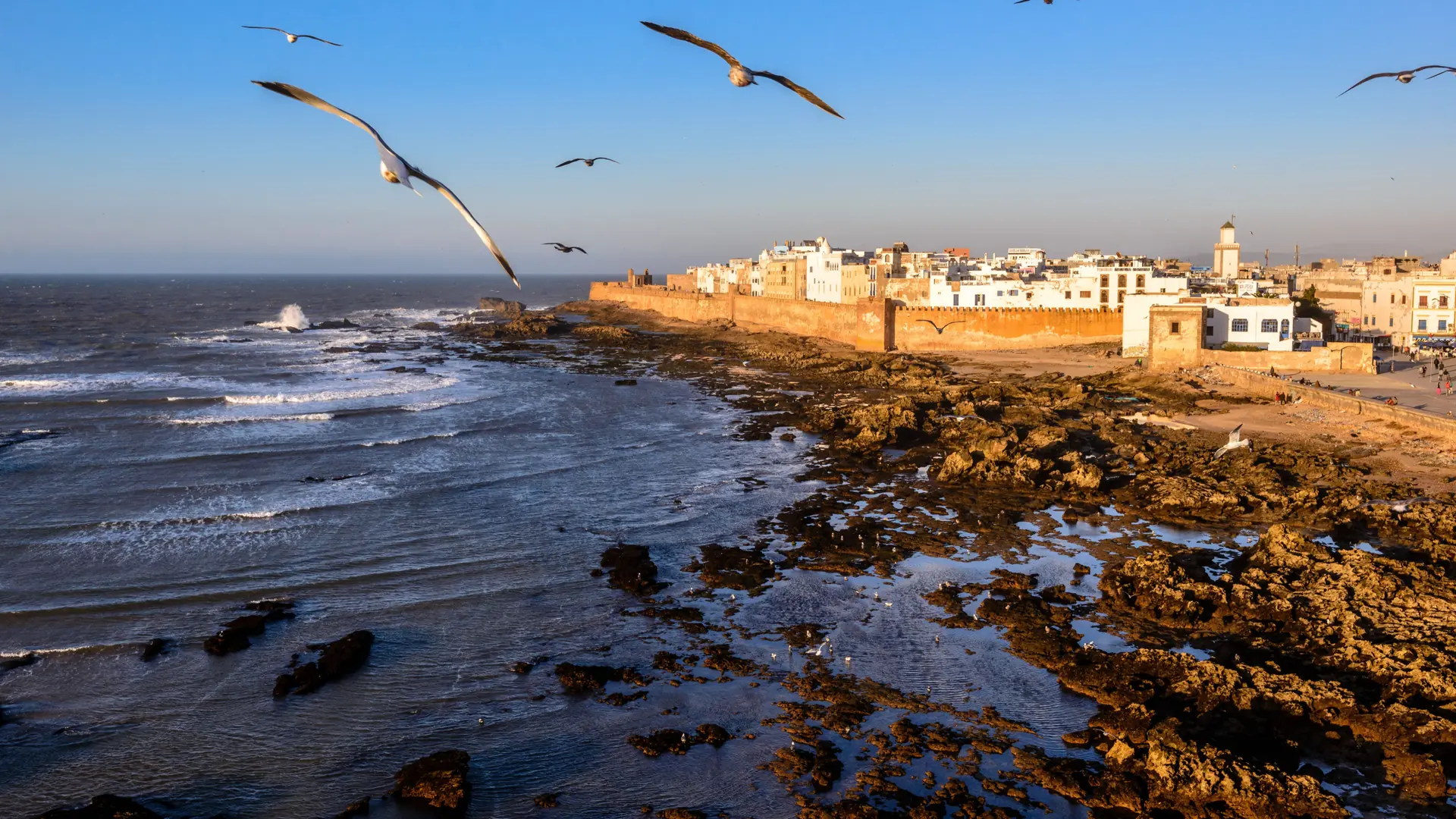
Sunlit Essaouira ramparts above the rocky Atlantic shore with seabirds Essaouira
walkable

A compact Atlantic city for ramparts, galleries, seafood and a medina that is easier to navigate than Marrakech or Fes. Two nights reveal calmer mornings and port life after day visitors leave.

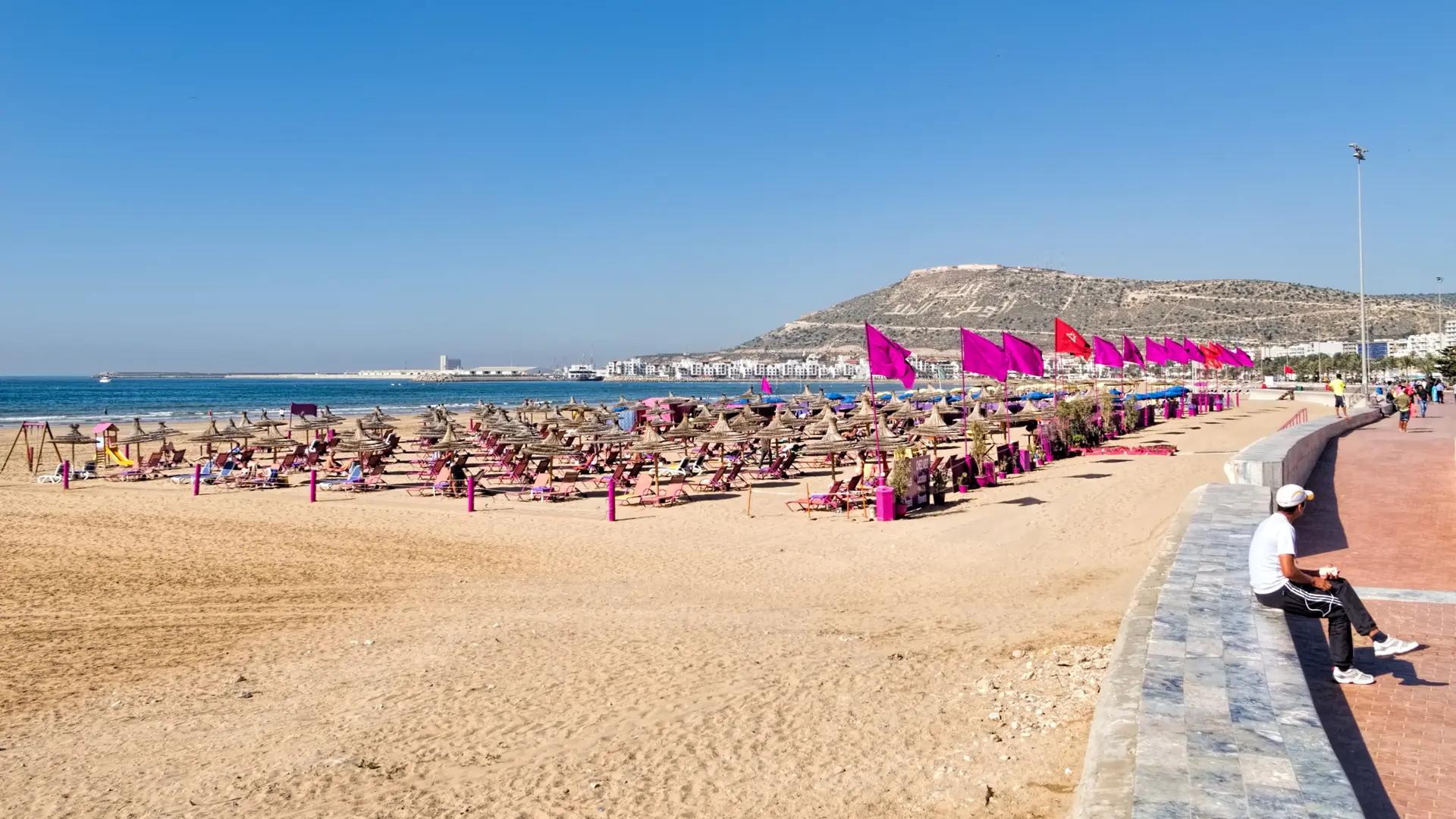
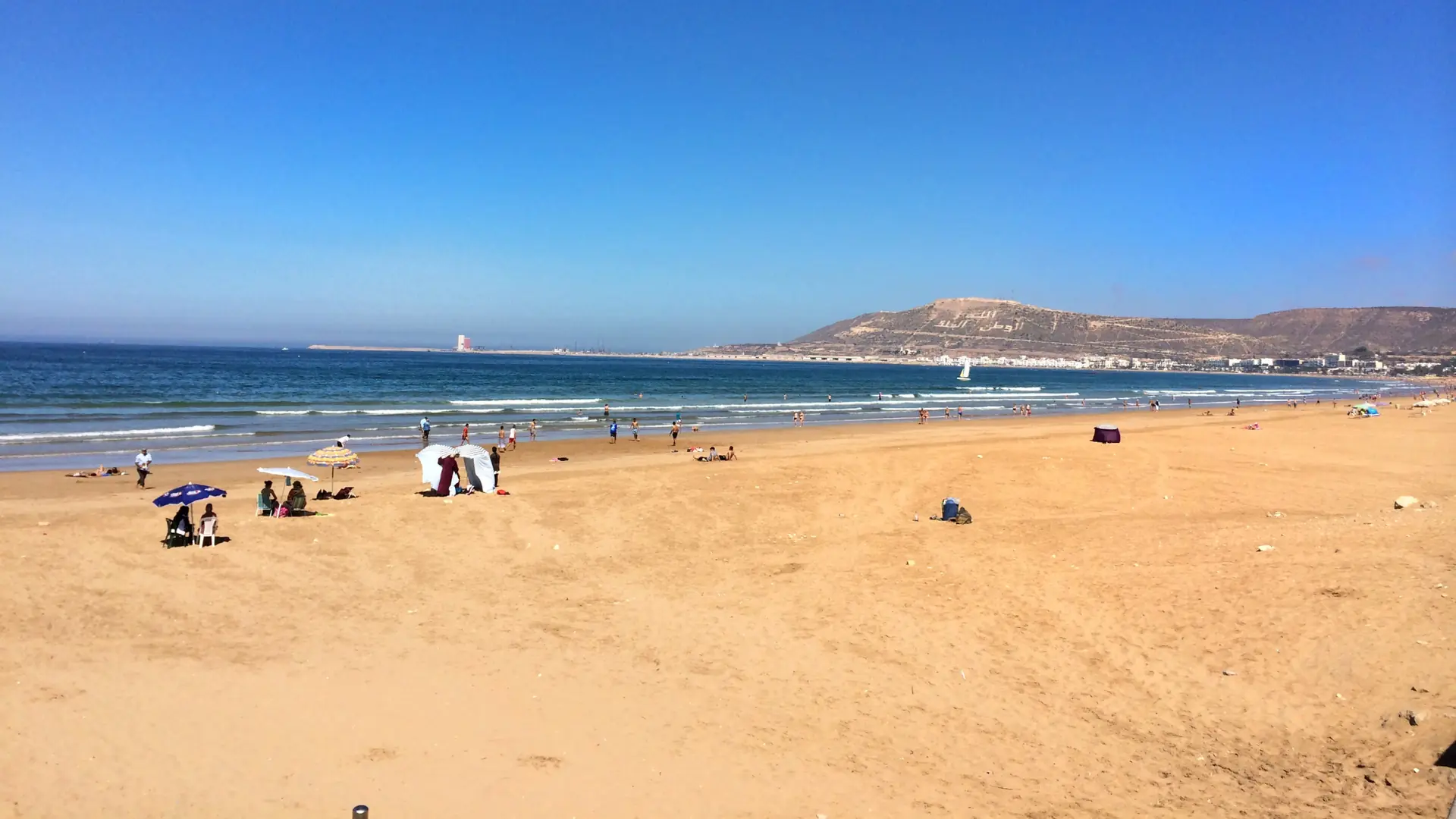
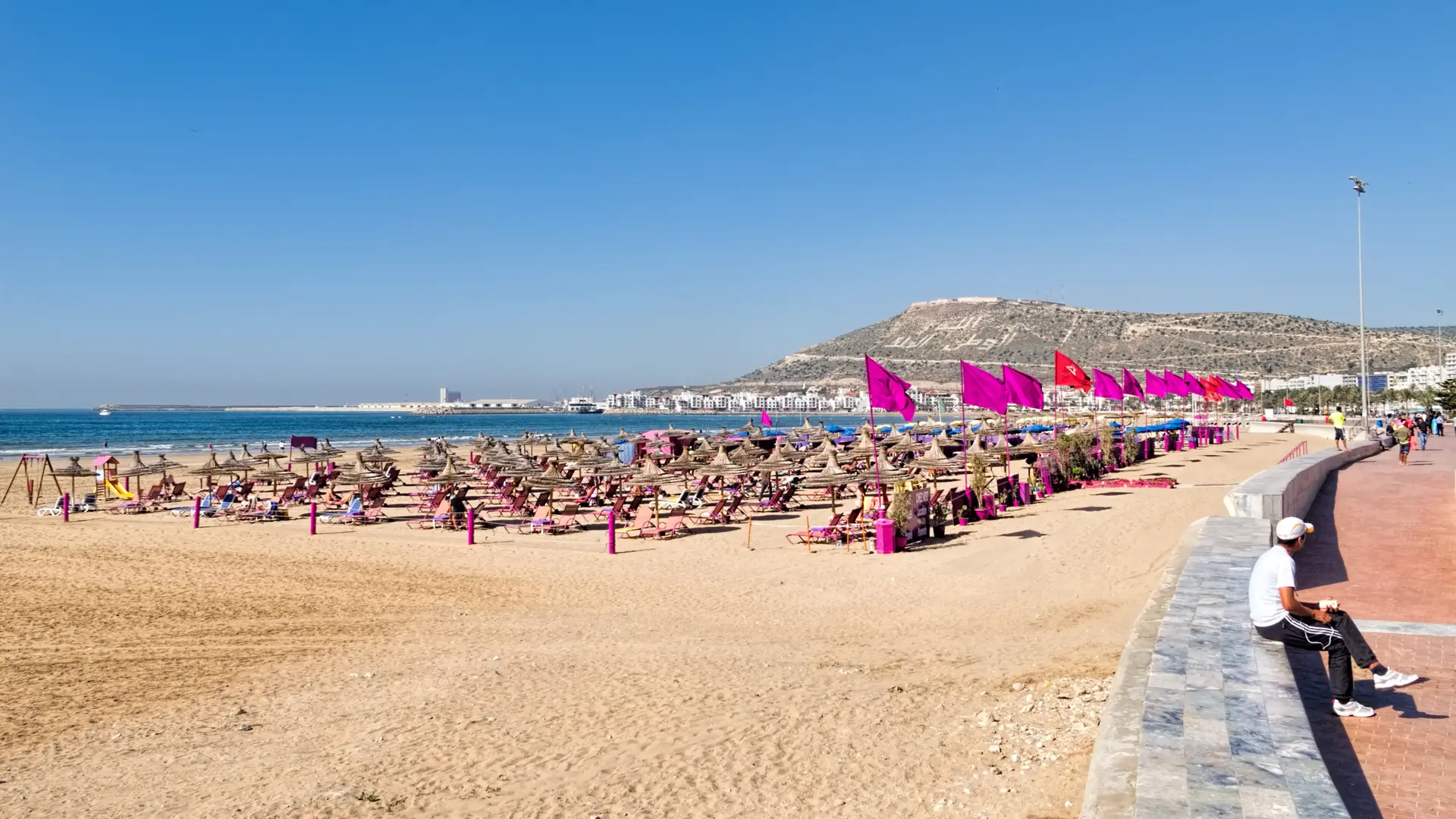
Sunny Agadir beach with bright parasols, blue Atlantic water and Kasbah hill behind Agadir
beach

Morocco’s simplest winter-sun base combines a long promenade, broad hotel choice and access to Taghazout. It works especially well for families who value an easy beach routine over a historic medina.

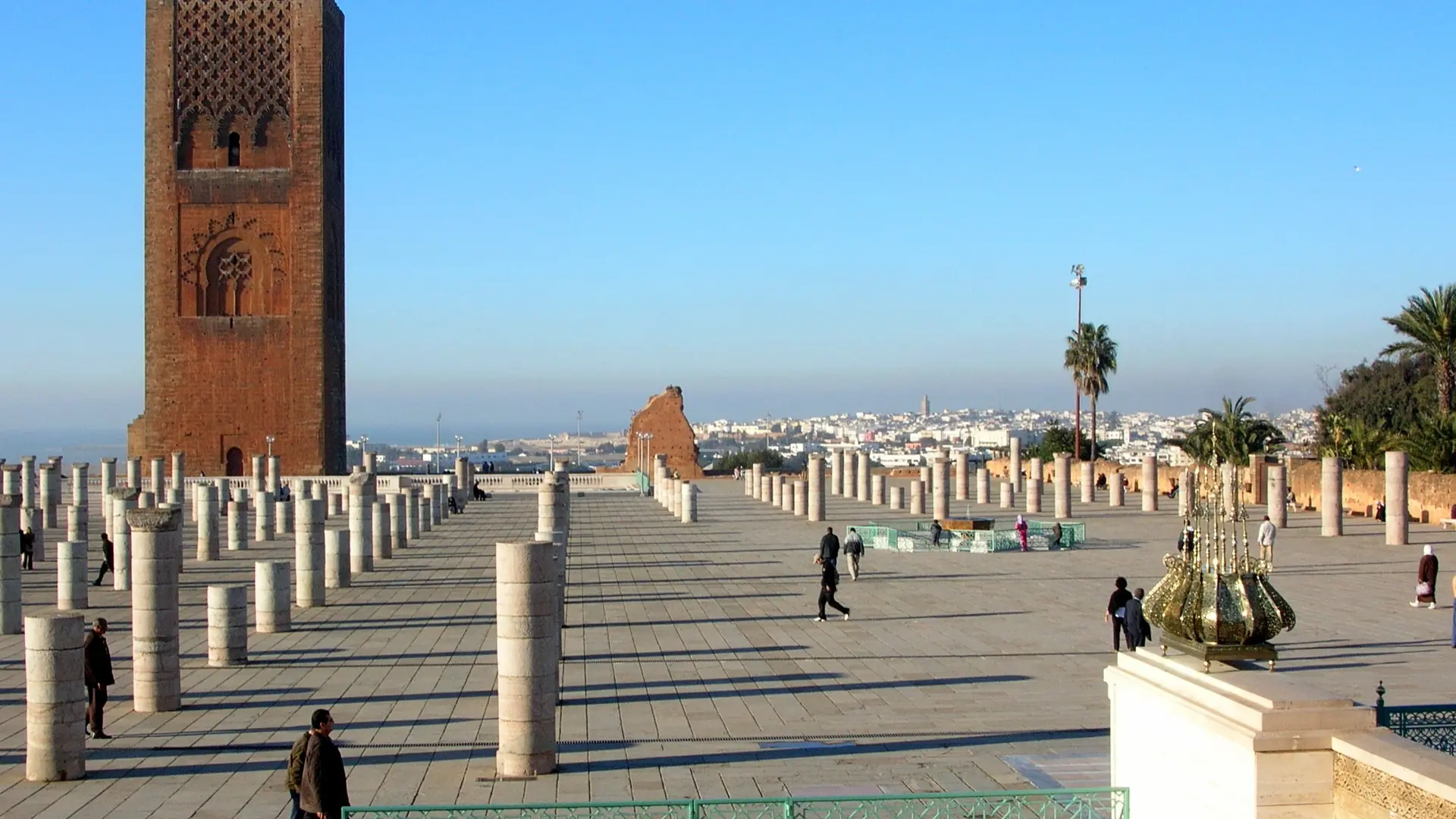
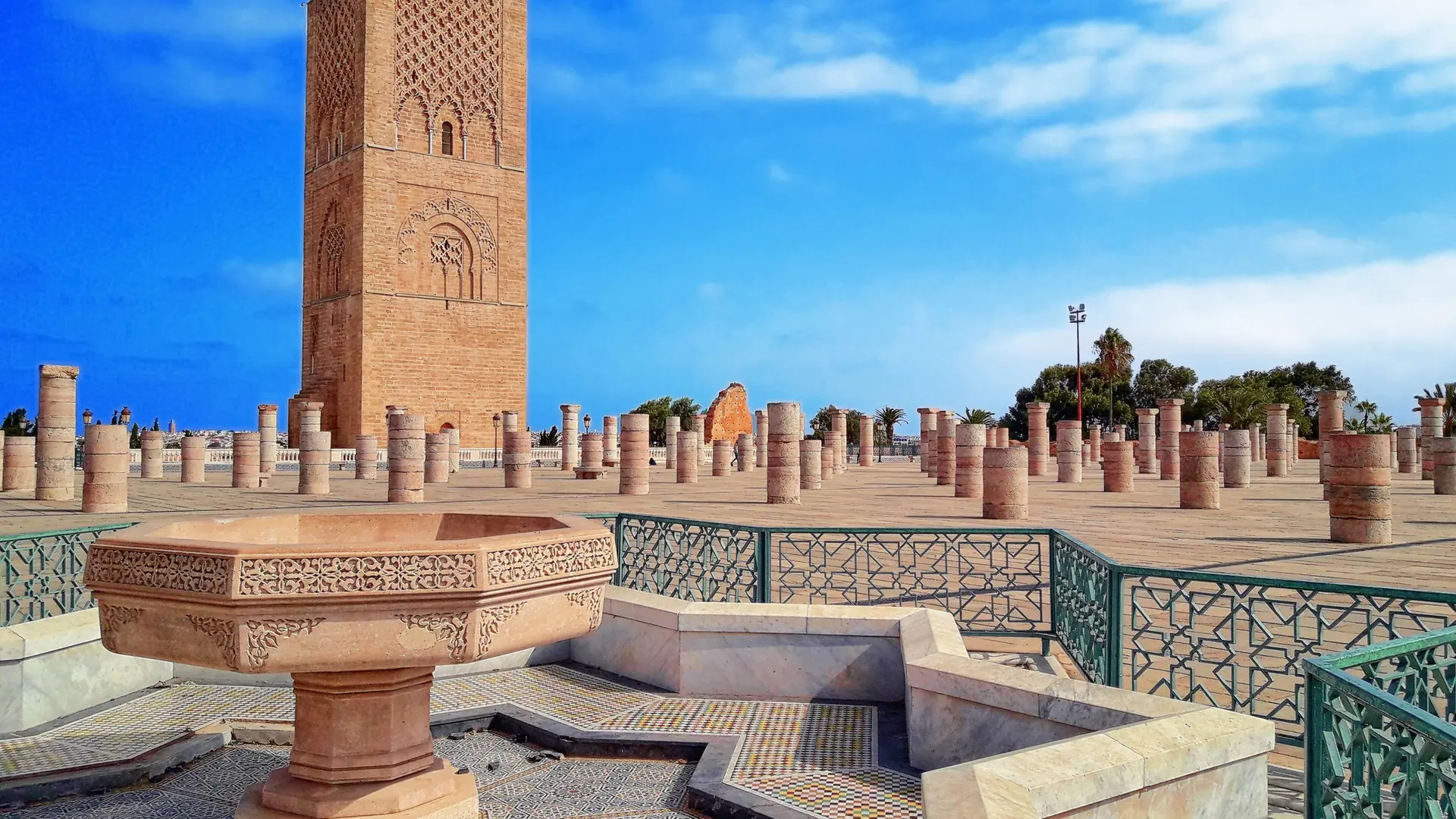
Hassan Tower and its columned esplanade in Rabat under a clear blue sky Rabat
without-car

The capital rewards travellers who want UNESCO heritage, contemporary museums, gardens and a calmer urban rhythm. Rail and tram connections make it an unusually straightforward independent stop.

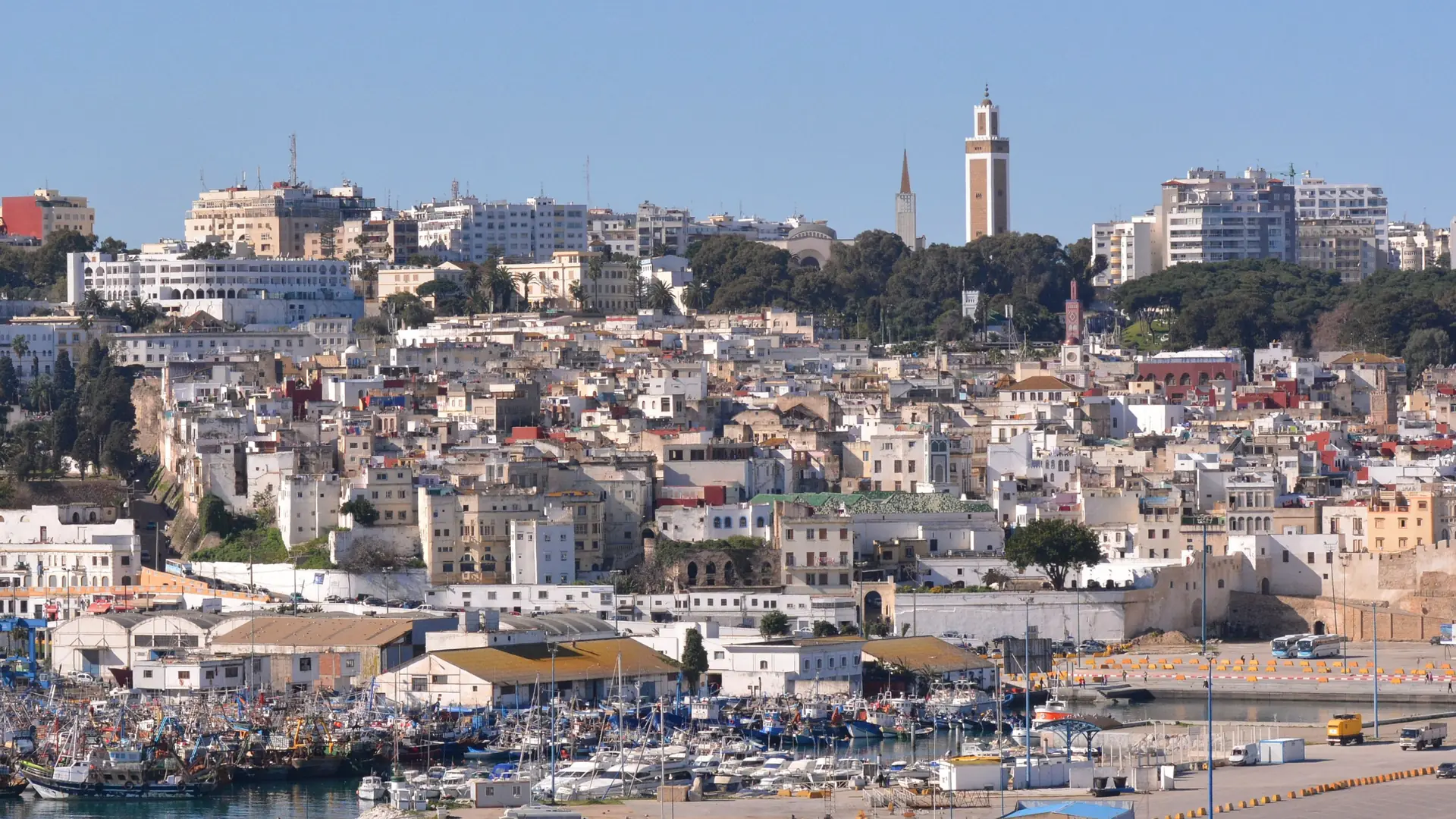
Tangier old town and mosque above the harbour on a clear day Tangier
near-transport

Start in Tangier for the Kasbah, Grand Socco and sea views before travelling on to Chefchaouen. The medina rises above the Strait, with steep lanes leading down towards the harbour. It is a useful northern base if you want city walks without a long first drive south.

Compare Morocco destinations

Marrakech

01
Best for

First visits, food, design, palaces and Atlas day trips

Vibe
Intense, colourful and late-running
Stay
3 nights
Transport
No car needed
Also fits
First trip Food Culture

Fes

02
Best for

Medina history, craft workshops and a deeper cultural stay

Vibe
Layered, traditional and demanding
Stay
2–3 nights
Transport
No car needed
Also fits
Culture Craft Car-free

Essaouira

03
Best for

Walkable coast, seafood, galleries and Atlantic air

Vibe
Relaxed, creative and breezy
Stay
2 nights
Transport
No car needed
Also fits
Coast Food Walkable

Agadir

04
Best for

Winter sun, resort ease, families and surf access

Vibe
Modern, open and holiday-focused
Stay
3–5 nights
Transport
No car needed
Also fits
Beach Family Winter Sun

Rabat

05
Best for

Museums, monuments and a calm rail-based city break

Vibe
Orderly, cultured and understated
Stay
1–2 nights
Transport
No car needed
Also fits
Culture Near Transport Calm

Tangier

06
Best for

Northern arrivals, Kasbah lanes and a Strait-side city break

Vibe
Sea-facing, historic and outward-looking
Stay
2 nights
Transport
No car needed
Also fits
Coast Culture Walkable

Compare stays for a Marrakech start

These Marrakech results include outlying resorts. Check each address against your chosen base: a medina gate for palaces and souks, or Guéliz for easier vehicle access.

Search more hotels in Marrakech →
Search stays
Trip styles

Six useful ways to shape a Morocco trip

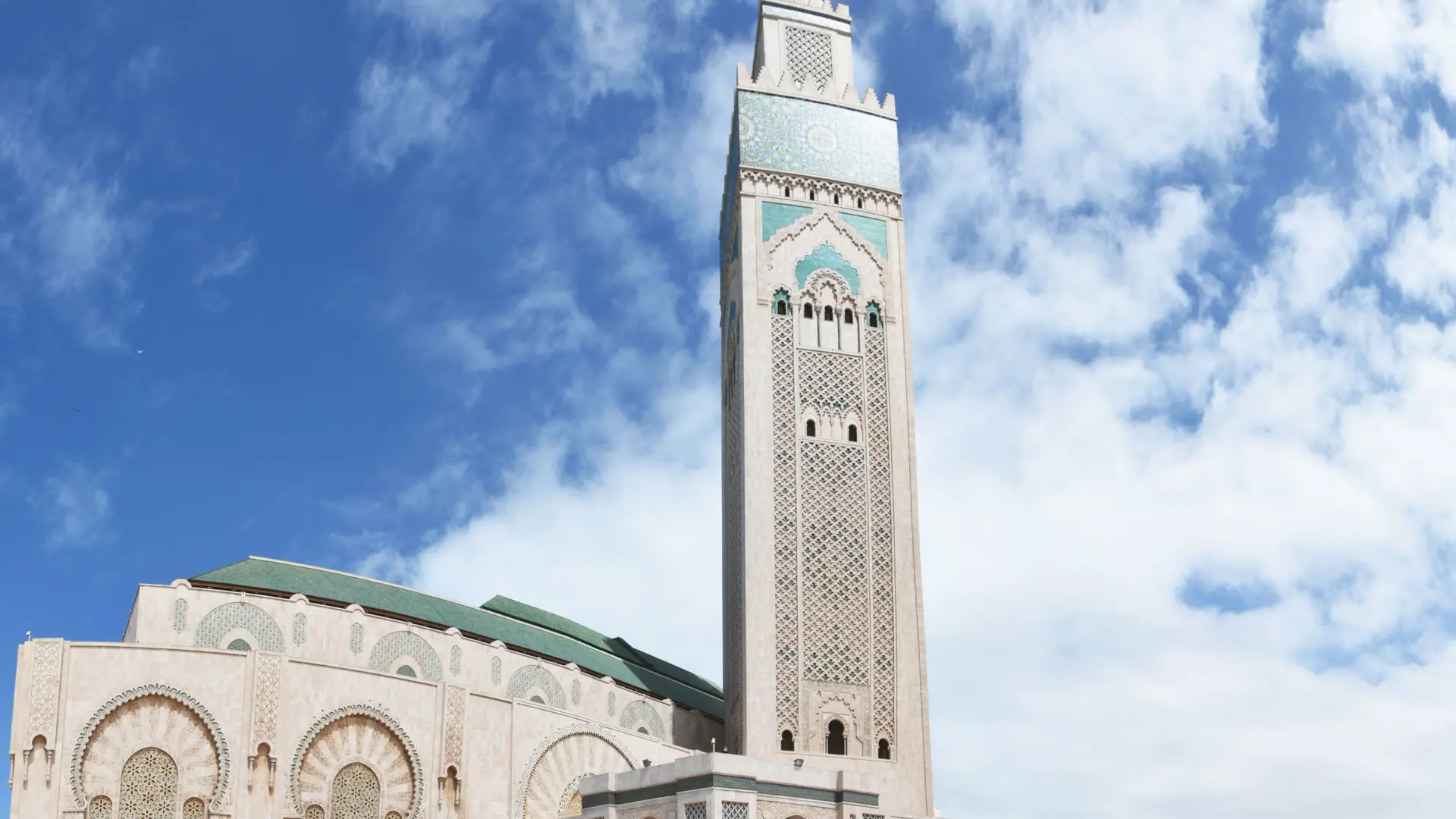
Koutoubia minaret rising above palm gardens in sunlit Marrakech

First trip

Combine Marrakech and Fes with either the Sahara, if you have time for long road journeys, or Essaouira for a shorter trip with a few days by the Atlantic.

Craft roofs and minarets across the historic medina of Fes on a clear day

Culture

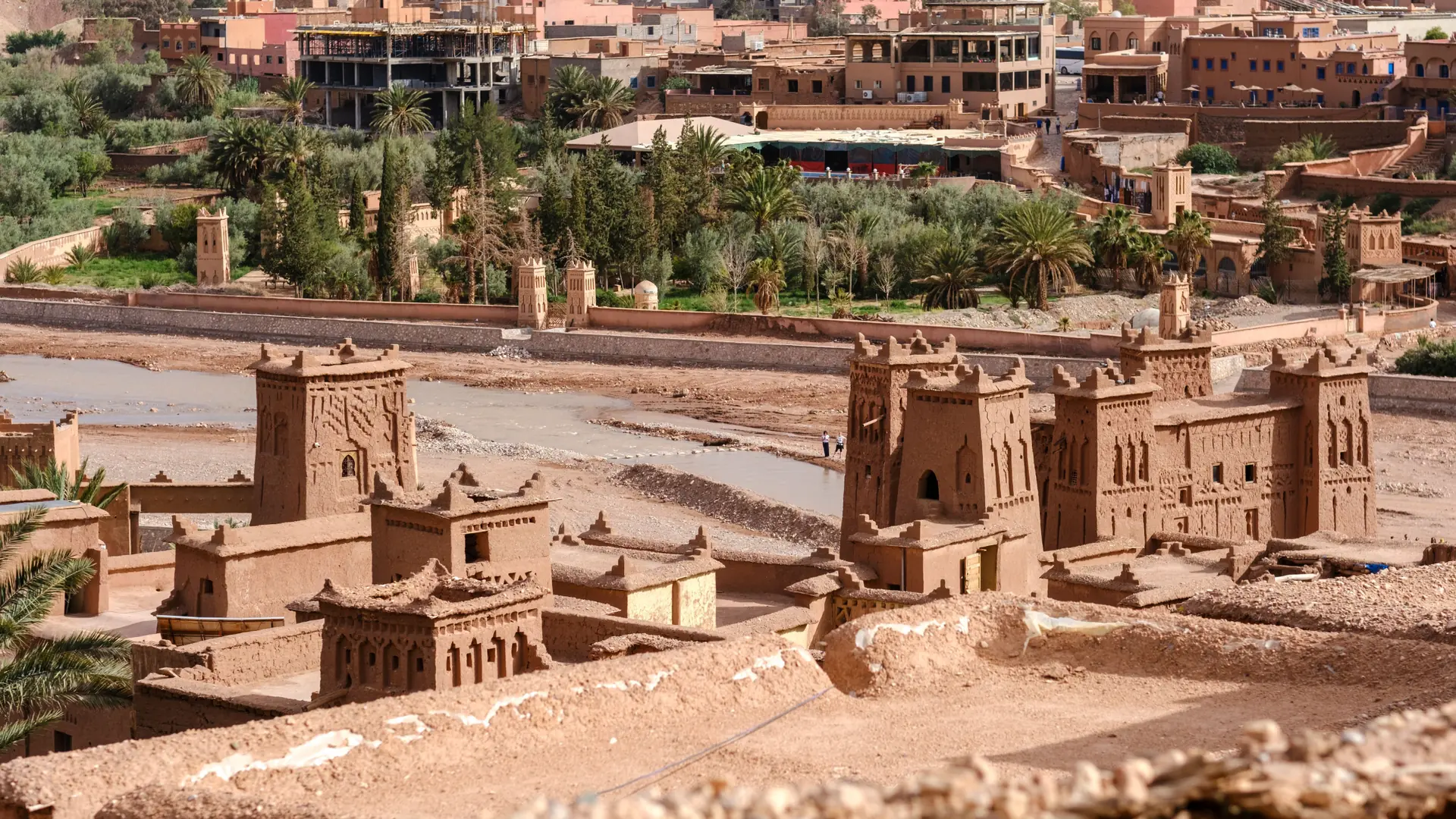
Explore the palaces, medinas and museums of Rabat, Fes and Marrakech. From Ouarzazate, allow time to walk through the fortified village of Aït Ben Haddou.

Fishing boats and stone ramparts on Essaouira’s sunny Atlantic waterfront

Food

Taste Fassi sweet-savoury dishes, Marrakech tanjia and Essaouira fish. Ask the price before choosing seafood from a display; vary meals beyond set menus.

Wide sandy beach at Agadir with blue Atlantic water and the Kasbah hill in the distance

Beach

Choose Agadir for resort ease, Essaouira for a walkable cultural coast or Taghazout for surf. Wind and water change by season; check swimming conditions.

Hassan Tower above Rabat’s columned esplanade and ornate stonework in daylight

Car-free

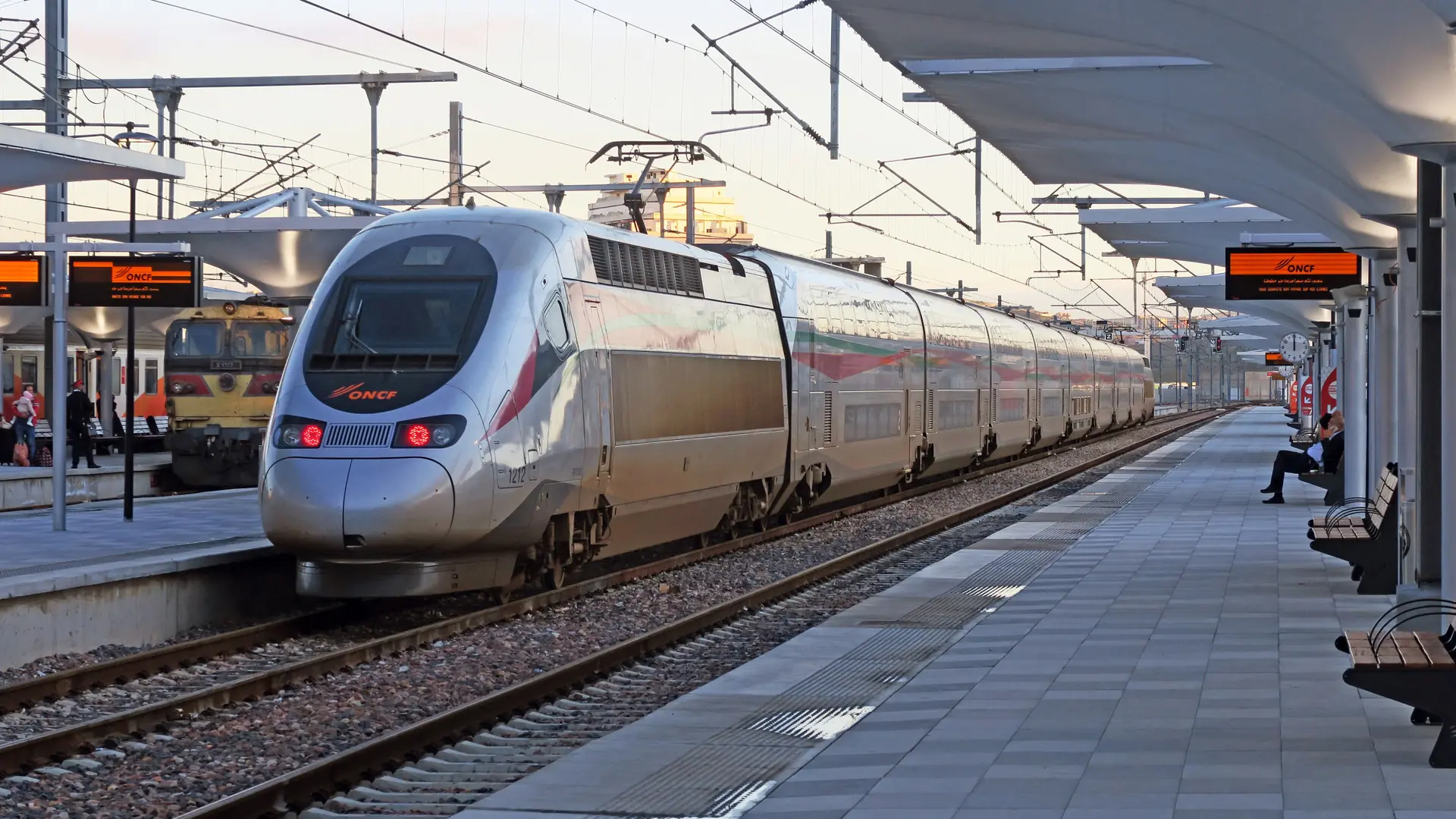
Follow Casablanca, Rabat and Tangier on Al Boraq, then take a conventional train to Fes. Allow two nights each in Tangier and Fes; this route skips desert roads.

Footbridge leading toward the earthen ksar of Ait Ben Haddou beneath a sunny sky

Road trip

Drive Tizi n’Tichka, Aït Ben Haddou, Skoura, Dadès, Todra and Merzouga only when the road is part of the trip. Leave daylight for stops; avoid night driving.

Season guide

Choose the season for the route, not the country name

March–May

Weather
Warm city days, greener valleys and variable High Atlas conditions; Sahara nights can still be cool.
Crowds
Busy around Easter and spring holidays, especially in Marrakech.
Prices
Strong demand for central riads and small desert camps.
Best For
Mixed city, mountain and desert routes with long walking days.

June

Weather
Hot inland before the most intense summer period; Atlantic cities remain moderated by ocean air.
Crowds
Growing domestic and international demand on popular weekends.
Prices
Coastal and resort rates begin their summer rise.
Best For
Coast-led trips with short, early sightseeing blocks inland.

July–August

Weather
Very hot in Marrakech, Fes, Ouarzazate and the desert; Essaouira and Agadir are cooler but can be windy.
Crowds
High domestic demand on Atlantic beaches and busy evenings in Marrakech.
Prices
Popular beach resorts often cost more during school holidays; book family rooms early.
Best For
Atlantic holidays, surf and slow resort days rather than a rushed imperial-city circuit.

September–November

Weather
Heat eases inland while the coast stays mild; early autumn can still be hot around Merzouga.
Crowds
Marrakech and the Sahara corridor remain popular.
Prices
Central riads can remain expensive in autumn, especially during school holidays and major events.
Best For
The broadest mix of cities, Atlas roads, hiking and desert nights.

December–February

Weather
Mild days around Agadir, cooler imperial cities, cold desert nights and possible snow or closures in the High Atlas.
Crowds
Cities and resorts are busiest around Christmas and New Year, then quieter outside school holidays.
Prices
Agadir resorts and Marrakech riads rise for festive weeks.
Best For
Winter sun, city culture and desert travel with warm layers.

Choose between medina cities, the Atlantic coast and the Sahara road

Last reviewed 13 October 2026

Start with the experience you most want from Morocco. For the Sahara, allow at least three days to travel between Marrakech and Fes via the dunes, and longer if you want leisurely stops. For food and architecture, spend that time in the cities instead. For winter days outdoors, consider Agadir, with Essaouira for its medina and seafood. You will see more of the places you choose if you resist adding a distant stop just because it is famous.

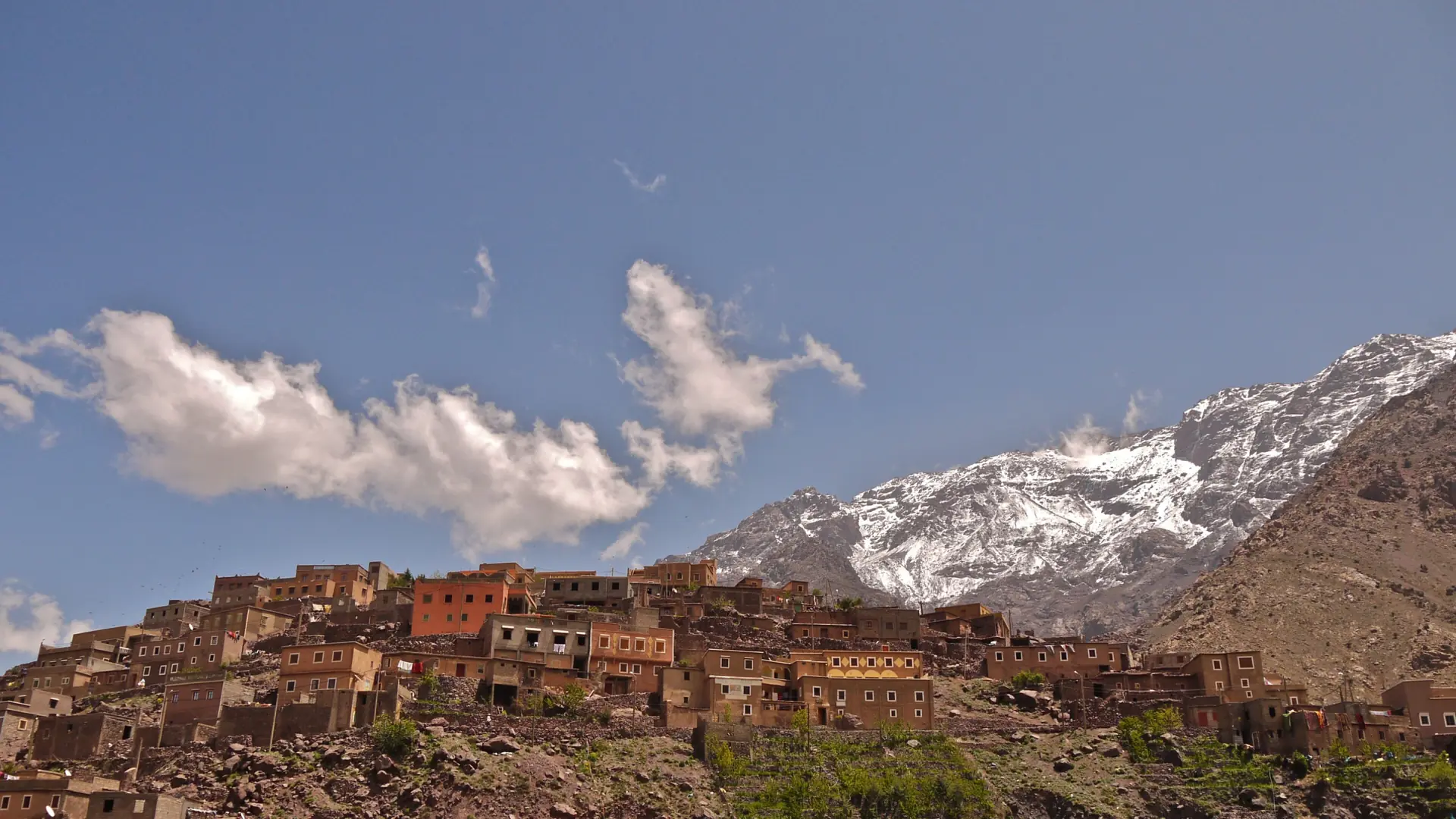
Distances alone do not tell you how long a journey will take. Al Boraq links Casablanca, Rabat and Tangier; conventional trains serve Fes and Marrakech. Trips through the High Atlas and towards the desert rely on slower roads. A short train ride can leave time for a museum, while the road through Ouarzazate towards Merzouga needs daylight and overnight stops. The valleys and fortified earthen villages are reasons to take that route, so leave time to explore them.

Medinas require a different accommodation test from ordinary city centres. Measure the route from the nearest vehicle gate, not the straight-line distance to a square. Ask about stairs, porter charges, late arrival and breakfast time. A beautiful courtyard can be the right choice, yet a traveller with heavy luggage, limited mobility or a 06:00 departure may be happier at an edge-of-medina address with a direct taxi approach.

Use reservations selectively. Secure scarce rooms, the long desert segment and any attraction with a fixed official booking system. Leave ordinary meals, market browsing and weather-sensitive coast days flexible. This protects the parts where failure would break the route without converting the holiday into a chain of prepaid appointments. It also leaves room to slow down when a neighbourhood, café or craft workshop proves more interesting than the next pin.

Food gives the cities another way to differ. In Fes, pastilla brings a sweet and savoury filling inside crisp pastry; ask which version is served, because recipes can contain poultry, fish or almonds. Marrakech has tanjia, meat cooked slowly in an earthen jar, as well as the evening food stalls around Jemaa el-Fna. On the Atlantic coast, choose fish when the daily catch appeals. A menu written only as ‘Moroccan specialities’ tells you less than asking about the dish and its ingredients.

If the party includes children or anyone who needs frequent breaks, choose fewer bases and use the spare hours at the destination. A pool or shaded courtyard is useful in a hot inland summer, while an Atlantic base offers gentler daytime walking but a cooler wind. Ask a transfer provider about a child seat before paying; do not assume one will be fitted. For a desert night, check the exact camp transfer method, toilet arrangement and return time against the youngest traveller’s tolerance before booking the long road approach.

The Marrakech example uses Dar Attajmil’s published 2026 starting rate: MAD 1,045 (≈ US$108) for a double room with breakfast, plus MAD 33 (≈ US$3) tax per adult each night. Rates vary by season. Café des Épices lists sandwiches at MAD 70–90 (≈ US$7–9) and tagines at MAD 70–130 (≈ US$7–13). The meal allowance covers lunch, dinner and drinks for two over three days, with room to eat elsewhere.

Marrakech Riads lists airport transfers for one to three people at MAD 160 (≈ US$16) each way for its properties. This is a comparison price, not a transfer promised by Dar Attajmil; ask your accommodation for its quote. Taxi and sightseeing costs below are allowances. Rounded US-dollar equivalents use the 12 October 2026 reference rate of 9.7068 dirhams per dollar reported by LeBrief; card and cash exchange rates differ.

Compare stays for a Fes finish

These results cover Fes. Bab Boujloud is a useful medina entrance; Ville Nouvelle offers easier vehicle access but adds a journey to the old town.

Search more hotels in Fes →
Search stays

Getting around

Use trains between the main cities

ONCF trains link Marrakech, Casablanca, Rabat and Fes, while Al Boraq runs north to Tangier. Check the station name as well as the city when booking: Casablanca and Rabat each have more than one station. Choose a departure that leaves time to reach your hotel, then compare ticket classes and change conditions. A cheaper late arrival may leave you with an awkward final transfer.

Treat the coast as a separate transport decision

Agadir and Essaouira have no passenger railway station. Reach them by coach or private transfer, allowing time to get from the arrival stop to your hotel. Compare the total journey, including a taxi if needed, before choosing a fare. A daytime arrival is easier when you are unfamiliar with the town or staying inside Essaouira’s pedestrian medina.

Do not compress Marrakech to Merzouga into a casual transfer

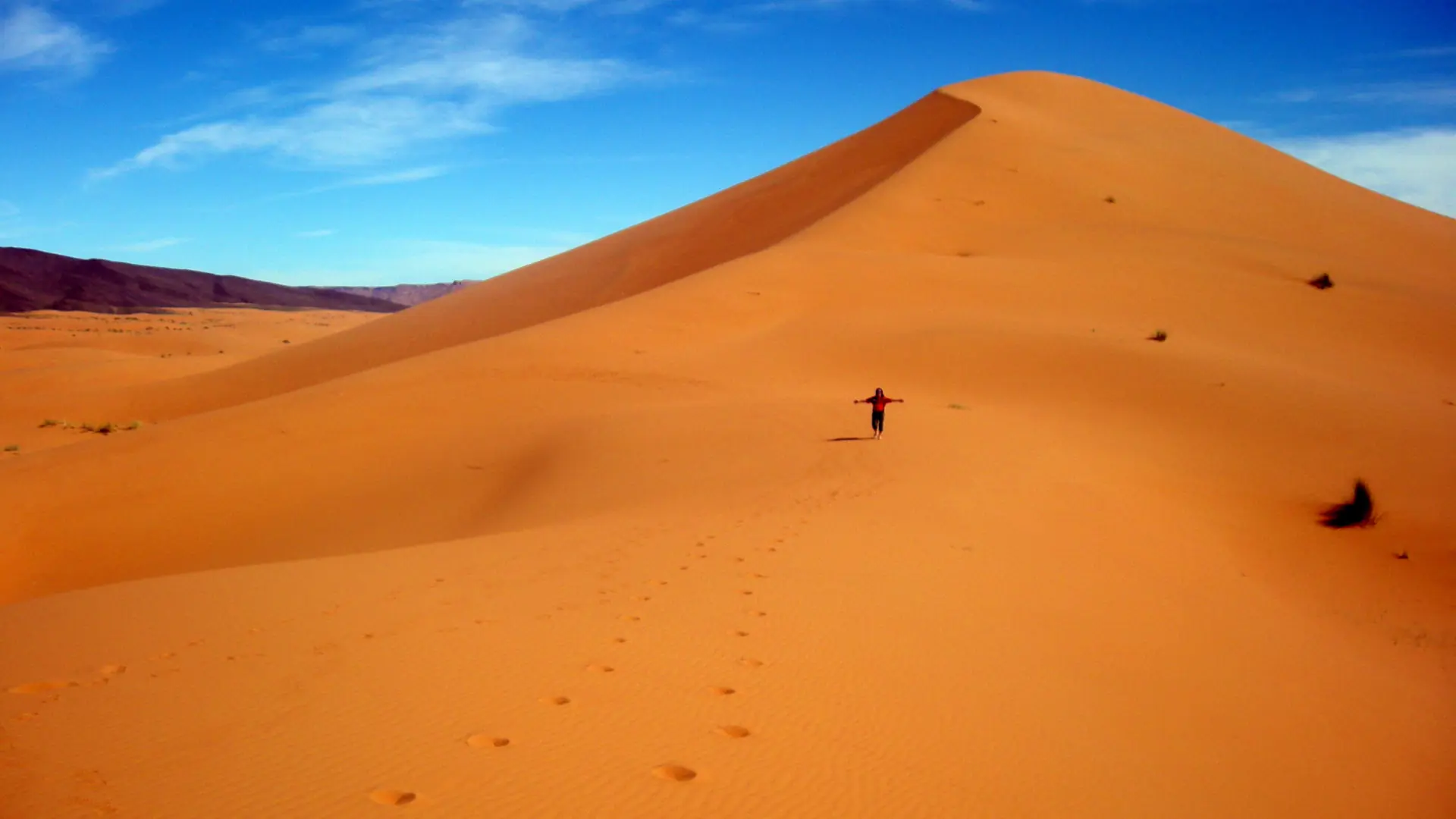
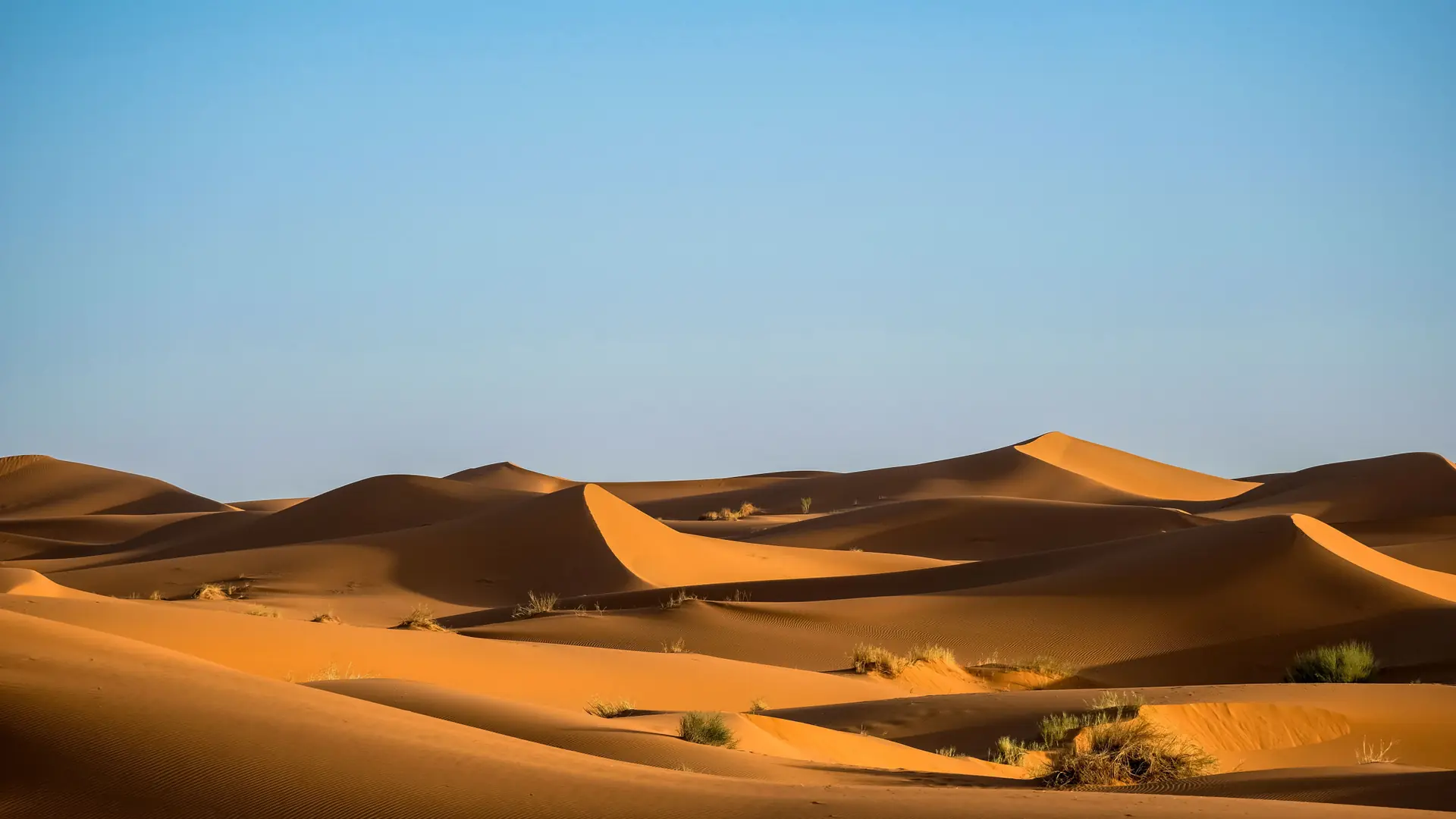
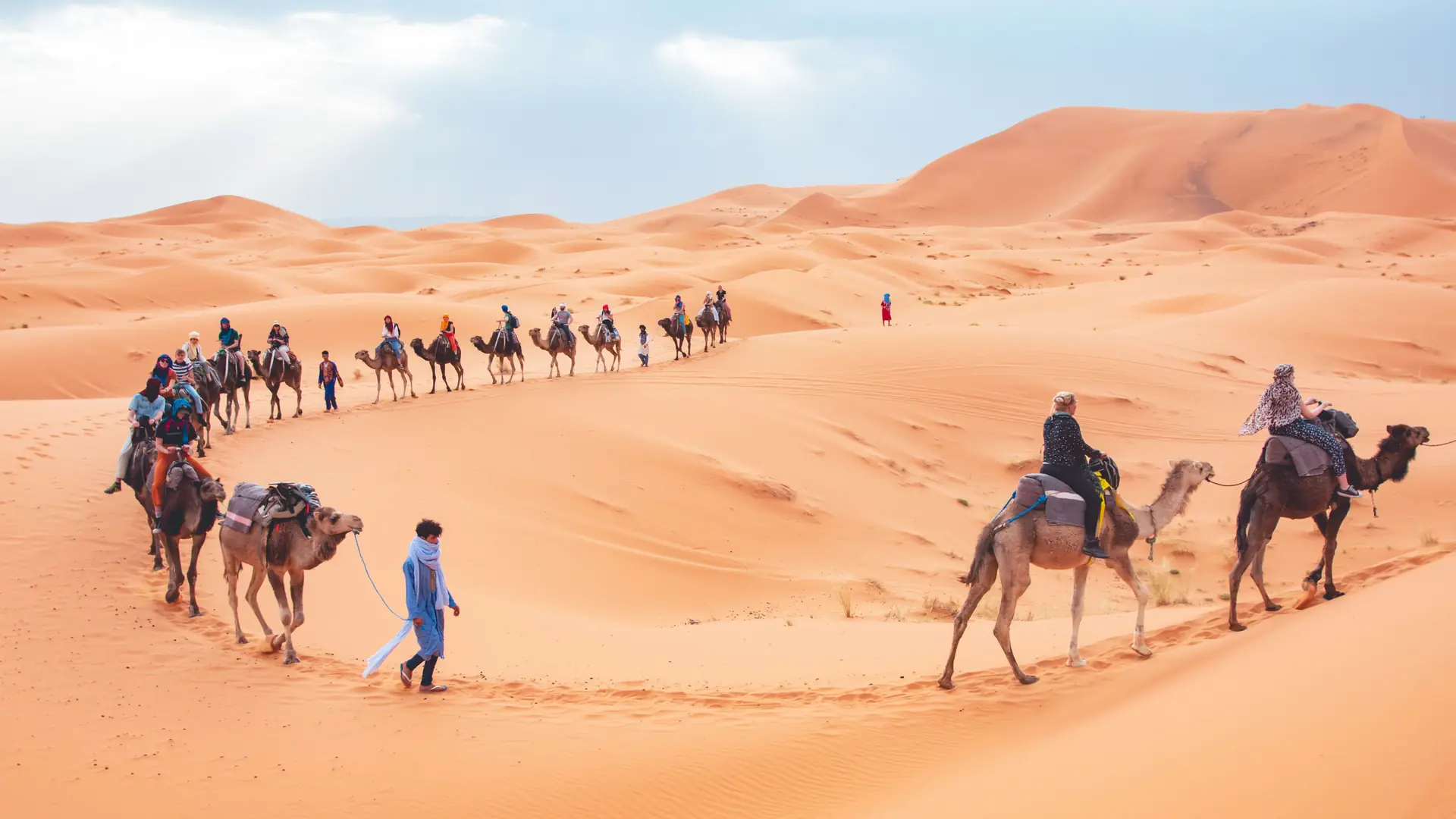
The road to Erg Chebbi is a long cross-country journey with mountain, valley and gorge sections. Break it in Ouarzazate or the Dadès/Todra corridor. With only five days in Morocco, use an Agafay outing from Marrakech for an arid landscape or spend the time in cities; Agafay is not the Sahara dunes at Merzouga.

Choose a car for access, then remove it from medina days

A rental helps with the kasbah valleys and dispersed southern stops, but it is a liability inside the historic cores of Marrakech and Fes. Reserve parking outside the walls, download the approach and ask the accommodation for the correct gate. Avoid night driving where lighting, animals and mountain weather increase risk.

Match the airport to the route, not the cheapest headline fare

Casablanca has the broadest international gateway role, while Marrakech and Agadir can remove an unnecessary first train. Fes, Rabat and Ouarzazate also have airports in the ONDA network. Compare the total trip: arrival hour, ground transfer, first hotel and open reception.

Agree the city taxi fare before setting off

Ask the driver to use the meter where one is available; otherwise agree the fare before setting off. Carry small notes and show the accommodation address in French or Arabic. For journeys between towns, compare a grand taxi or booked transfer with a coach or train. Confirm whether a quoted shared-taxi fare is per seat or for the whole vehicle.

Budget Snapshot

Allow about MAD 6,500 (≈ US$670) for two adults sharing a room on a three-night Marrakech break. This is a worked example; desert trips need a separate budget.
For a Marrakech city break, compare January dates after New Year; some riads publish lower winter rates. Check the property’s seasonal calendar. Summer can be cheaper inland, but the heat limits sightseeing.
Compare Fes hotels in Ville Nouvelle and Agadir stays away from the beachfront with central riads and beach resorts. A lower room rate may mean extra taxi journeys and less time within walking distance of the sights.
Christmas and New Year, Easter and popular spring or autumn weekends put pressure on central Marrakech rooms. A private vehicle and desert camp can cost more than a rail-based city stop.
For two: rooms with breakfast and taxes MAD 3,333 (≈ US$343); meals MAD 1,600 (≈ US$165); airport transfers MAD 320 (≈ US$33); taxis MAD 200 (≈ US$21); sights MAD 1,000 (≈ US$103). Total MAD 6,453 (≈ US$665). Rooms use a published starting rate; other costs are allowances. Flights, shopping, private guides and excursions are extra.

Explore destination guides: Morocco

Find another destination and compare its areas and accommodation.

Explore itineraries: Morocco

Compare routes by length, stops and transport.

Sources

Reviewed by StartBooker editorial team

Updated

30 references reviewed

Key sources
  • Moroccan National Tourist Office
  • Morocco Ministry of Tourism
  • UNESCO World Heritage Centre
  • UK Foreign, Commonwealth & Development Office
  • Dar Attajmil
  • Café des Épices
References
Photo credits

Some photos provided by Pexels.

How many days do I need for Morocco?

Seven days can cover Casablanca, Rabat, Tangier and Fes by train with one night each in the first two cities and two nights in the last two. The road trip from Marrakech through Merzouga to Fes is more comfortable with around ten days. Allow longer if you also want the Atlantic coast rather than making every stop a single night.

What is the best first-time Morocco route?

Use Marrakech for energy, cross the High Atlas in daylight, sleep around Ouarzazate or the kasbah valleys, continue to Merzouga, then finish in Fes. Reverse it if flights or train seats work better. Travellers sensitive to long drives should replace the Sahara with Essaouira and keep the whole trip west of the Atlas.

Can I travel around Morocco without a car?

Yes. A seven-day rail trip can run from Casablanca through Rabat and Tangier to Fes. Coaches also reach Essaouira and Agadir, but add those towns only with more days. Merzouga takes a long road journey by coach or organised transfer. Book the longer sectors first, then check which station or terminal serves each hotel.

When is the best time to visit Morocco?

Spring and autumn are the most flexible seasons for a route mixing cities, mountains and desert. Winter favours Agadir and southern sightseeing but requires warm desert layers and mountain checks. Summer calls for an Atlantic-led plan and early or late inland walks.

Should I carry cash in Morocco?

Carry a working bank card plus enough dirhams for small taxis, market purchases, tips and rural stops. The dirham is not easily exchanged abroad, so avoid accumulating a large balance near departure. Use bank ATMs, shield the keypad and reject unsolicited help at the machine.

Is a Sahara camp worth the long journey?

Yes, if the dunes are a central trip goal and you can give the corridor at least three days from Marrakech to Fes, or vice versa. Much of that time goes into the High Atlas and valley roads, so a camp night leaves less room for palaces, medina walks or the Atlantic coast. If those are your priorities, skip the dunes on this trip.

Been here? Share your experience