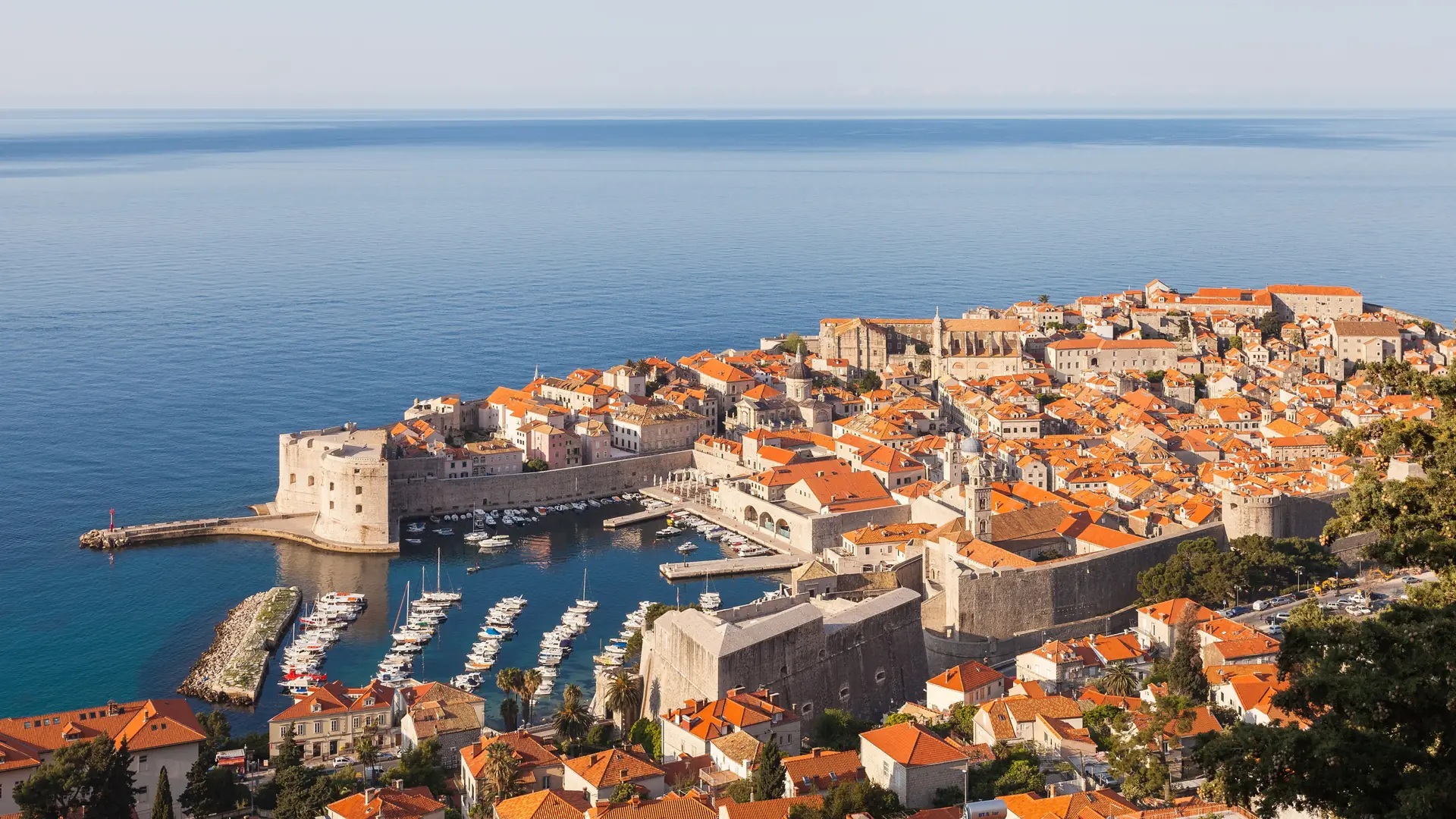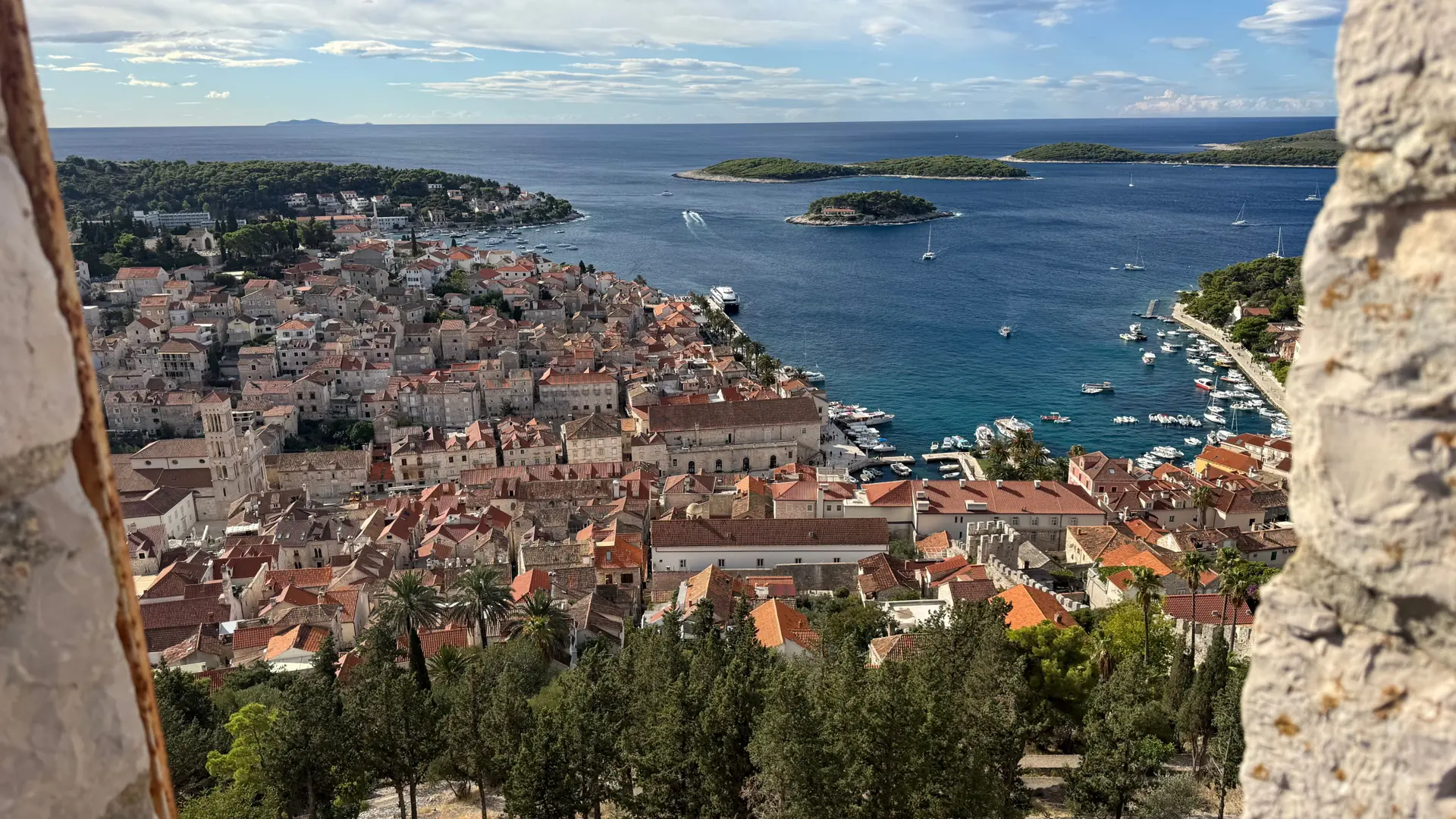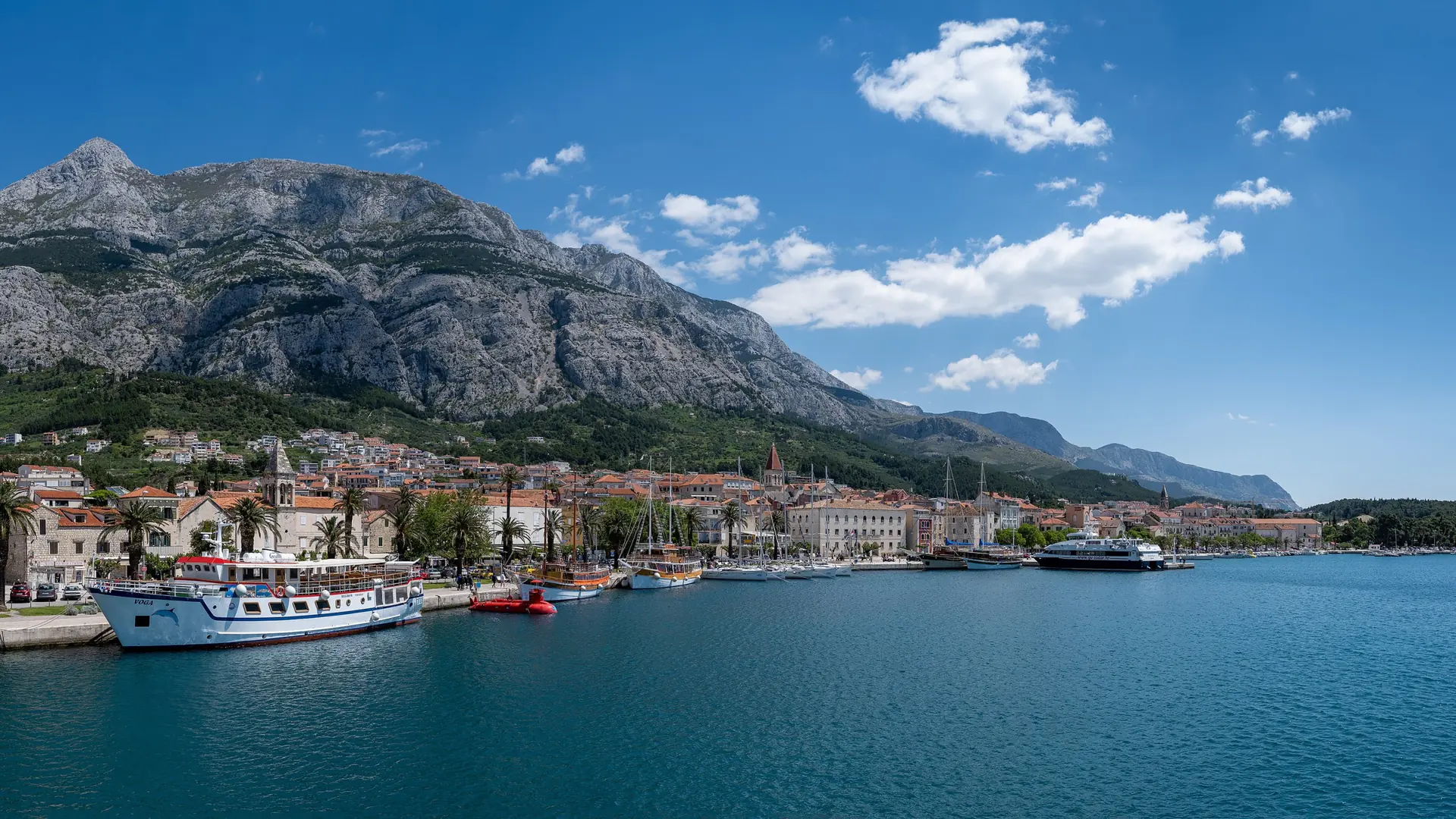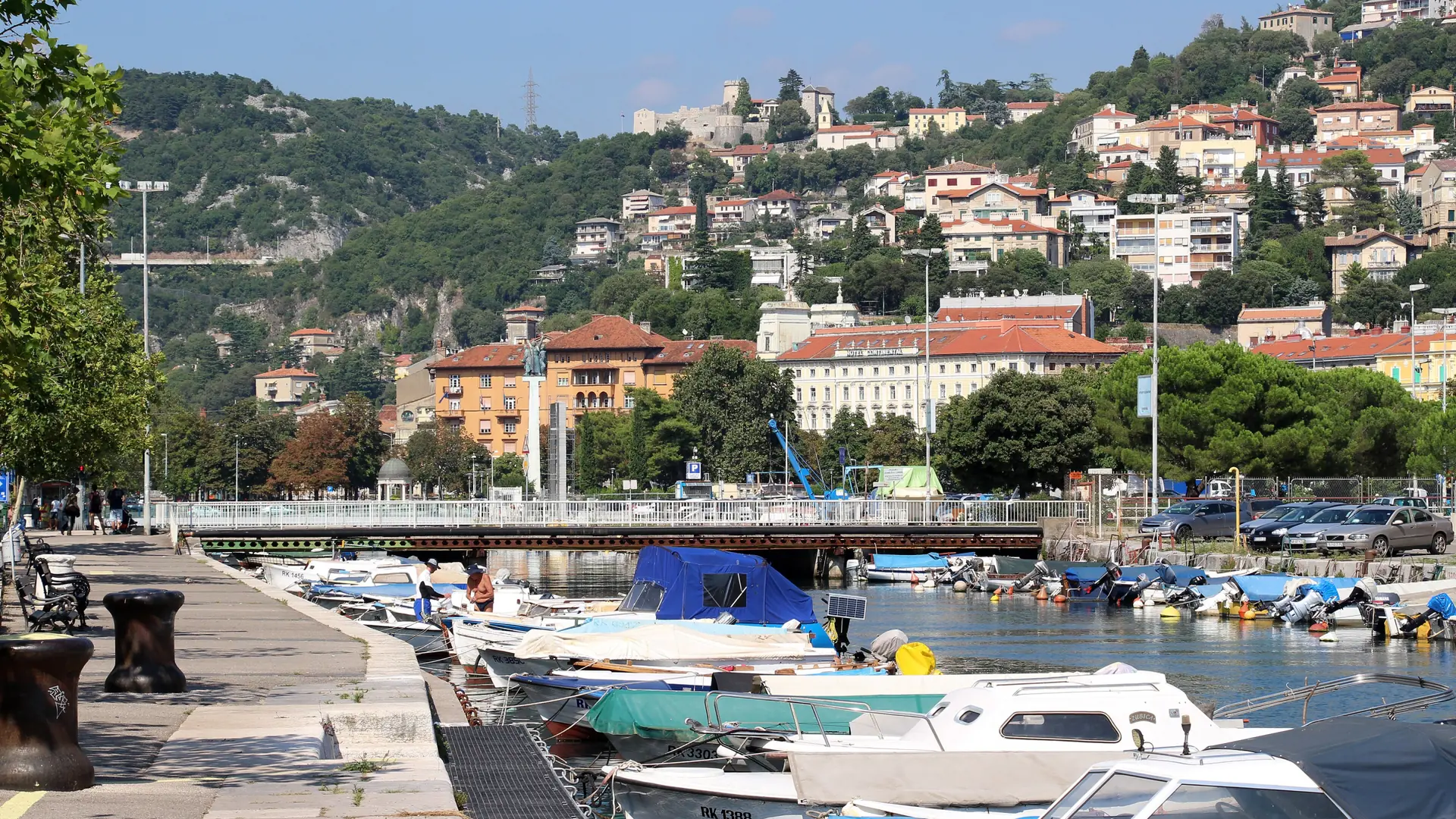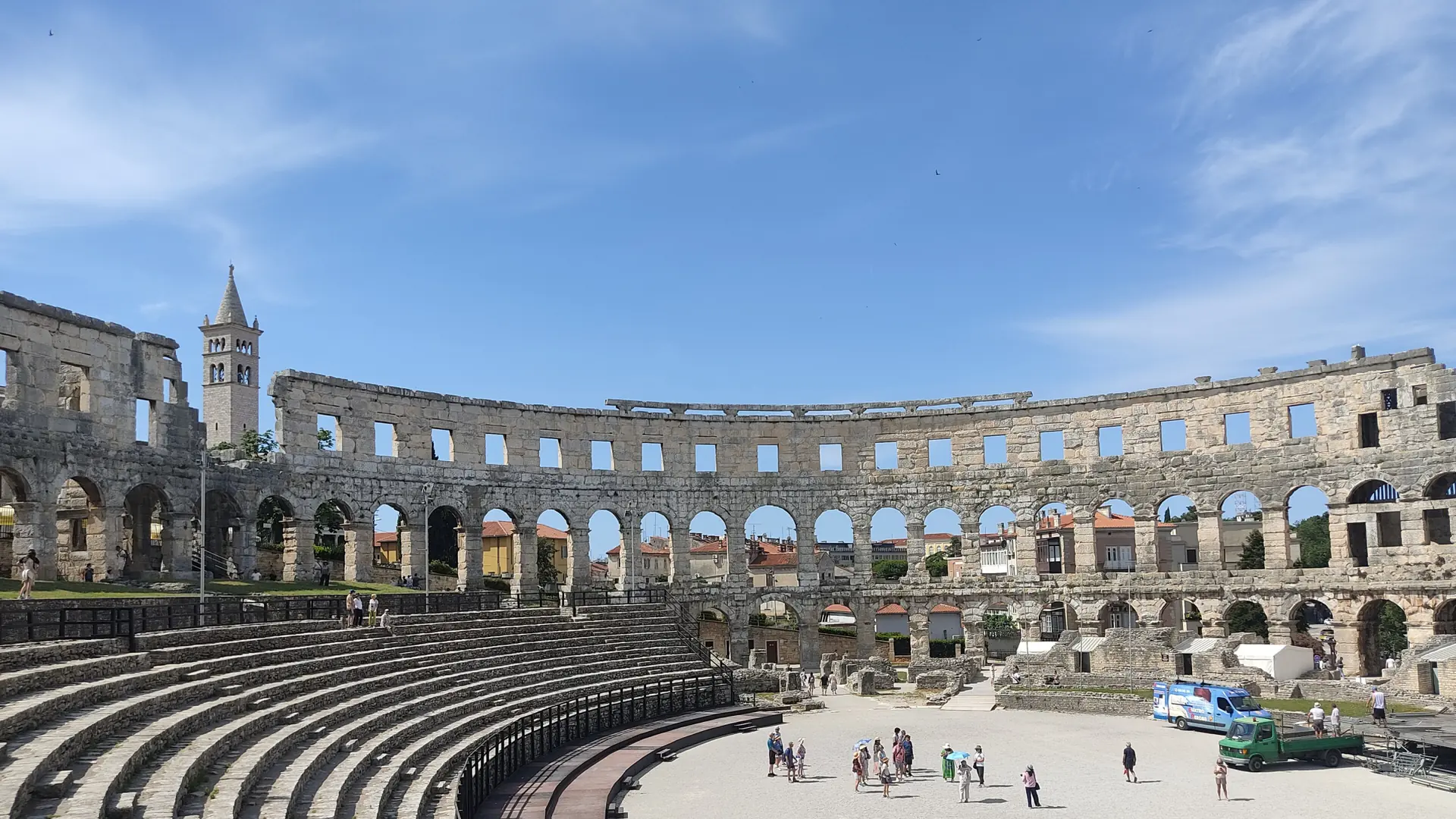
Sea Organ steps following the Zadar waterfront beside the Adriatic

Zadar, Šibenik and Split in 7 Days

A seven-day Dalmatian route with two nights each in Zadar, Šibenik and Split, using direct coastal buses and one optional Krka day.

Length
7 days, 6 nights
Night split
2 Zadar, 2 Šibenik, 2 Split
Between cities
Two direct coastal bus legs
Flight pattern
Into Zadar, home from Split
Search Zadar, Šibenik and Split stays

Give each Dalmatian city a different job

Zadar, Šibenik and Split are often collapsed into a sequence of waterfront photographs. They reward a more deliberate division. Zadar pairs a Roman and medieval peninsula with two contemporary installations at its north-west edge. Šibenik is the smaller stone city, where the Cathedral of St James and hillside fortresses make vertical movement part of the visit. Split is not merely a preserved palace: homes, cafés, worship and daily shortcuts continue inside Diocletian’s walls. Two nights in each place create six useful evenings without requiring a rental car.

The route starts at Zadar Airport because the official public bus currently costs EUR 5 one way, includes baggage and reaches the old town in approximately twenty minutes under normal conditions. Its timetable is published month by month and follows flight activity, so the time displayed today is not a promise for a later season. An arrival after the last bus needs a pre-priced taxi or transfer. Sleeping on the peninsula saves evening transit, while the mainland around the bus station simplifies the next intercity departure.

Zadar’s Sea Organ deserves more than a sunset checklist. The installation runs for roughly seventy metres along the waterfront, with thirty-five pipes transforming wave and tide energy into sound. The result changes with water conditions: a calm sea may be subtle, stronger waves more dramatic, and neither can be scheduled like a performance. Visit once in daylight to understand the stone steps and again around dusk for atmosphere. The neighbouring Greeting to the Sun adds light, but the waterfront can become crowded at the exact moment every visitor expects solitude.

A full Zadar day should connect the Sea Organ to the older peninsula rather than treating modern design as the entire city. Walk the Roman Forum, St Donatus exterior, Kalelarga, People’s Square, the market and Land Gate in a logical loop. The official accessibility guidance is unusually specific: the upper edge of the Sea Organ is reachable on flat ground, while descending to its lower levels may require assistance; the Roman Forum is visible at pavement level although its lower area lacks a ramp. Those details matter more than a generic claim that the old town is accessible.

The Zadar–Šibenik bus is a short coastal transfer, but summer road traffic makes the day unpredictable. Arriva currently lists examples around one hour twenty to one hour twenty-six minutes, with fares varying by departure. Book the exact service and check whether the carrier charges separately for hold luggage. Šibenik bus station is about three hundred metres from the waterfront; the old town then climbs. A room with a panoramic terrace can require steep stairs, so compare the final walking route before choosing it.

Šibenik earns two nights because its cathedral and fortresses are not interchangeable viewpoints. St James’s Cathedral was built entirely in stone and belongs to a living place of worship; published visitor hours can yield to services, weddings or seasonal changes. St Michael’s Fortress currently lists a regular adult ticket at EUR 11.50 and a three-fortress combination at EUR 15. The combined ticket is only a saving when the traveller has the energy and time for all three. In high heat, one well-timed fortress near opening or late afternoon is a better decision than collecting exposed climbs.

Day four offers a controlled choice. Krka National Park is the obvious excursion, and the official 2026 price table should be consulted for the chosen entrance, month and transport inclusion. The park FAQ notes that the single entrance ticket to Skradinski buk includes the Skradin boat on the relevant operating pattern. A waterfall day costs most of the daylight and should replace, not accompany, a second fortress circuit. Travellers more interested in Šibenik can instead walk the St Anthony Channel, visit Civitas Sacra or take a properly scheduled trip to St Nicholas Fortress.

The final move to Split takes about ninety minutes on current Arriva route information, depending on traffic. Both bus stations are close to their waterfronts, which makes the transfer look effortless; boarding queues, luggage loading and coastal congestion remain real. Arrive before late afternoon, leave bags and enter Diocletian’s Palace through a gate that suits the hotel location. The complex measures roughly 215 by 180 metres in the tourism board’s description, yet the historic centre extends beyond its Roman outline.

Split’s two nights should separate the palace from the wider city. The arrival afternoon covers Peristyle, Vestibule, the substructures decision and Riva after the day crowds thin. The full day can begin at the Golden Gate and move through Pazar, Varoš or Marjan’s lower paths. A steep summit is optional in summer heat. The essential trade-off is between a deeper Split day and a rushed island excursion. Since the second page in this batch addresses the Zadar archipelago properly, this city route does not bolt Hvar onto its final morning.

Open-jaw flights reduce backtracking but can cost more. Compare the total journey with a return from Zadar, including the Split–Zadar bus, an extra hotel night if needed and risk around the flight. Split Airport departure needs a separate live transport check; do not rely on a stale blog timetable. For an early flight, a room near the airport or Trogir may be more rational than a final night deep inside the palace lanes.

June and September usually balance warm conditions with more manageable crowd pressure, but ferry, flight and event schedules are still seasonal. July and August demand shade, water, reserved transport and realistic mid-afternoon pauses. Spring and autumn improve walking while reducing the frequency of some tourist services. Winter reveals resident life and can close visitor attractions earlier. The route remains valid year-round only when exact opening days are rebuilt around the travel dates.

This is a car-free itinerary, not a claim that buses are frictionless. Coastal services can sell out, luggage rules differ by operator and traffic delays are common in peak season. A private car would make rural beaches and Krka entrances easier, yet introduces parking stress in three historic centres. The bus version is strongest for travellers who want cities, one optional nature day and hotels within one simple walk of terminals.

Pack for stone steps and two transfers. One moderate case is easier than a large suitcase in Šibenik’s alleys or Split’s polished paving. Shoes need grip, not merely beach styling. Keep water accessible, protect electronics from spray at the Sea Organ and never leave valuables in an unattended beach bag. If mobility is limited, prioritise level waterfront routes, request accessible rooms explicitly and use taxis for the final uphill hotel segment.

Seven days can support three cities because the recommendations stay selective. Adding Plitvice, Dubrovnik, Hvar and Trogir would replace the journey with transport. If another destination is essential, extend the trip. The best shorter alternative removes Split and returns from Zadar; the best longer one gives Split a third night and adds Trogir or a planned island stay.

Give Zadar two different waterfront moments

An arrival-evening Sea Organ visit establishes the city, while a full peninsula day separates Roman remains, indoor shade and a quieter return to the Riva.

Treat Šibenik as a two-night base

The cathedral, lanes and St Michael fortress fill a coherent urban day; Krka is an optional replacement that requires entrance and bus choices in advance.

Finish inside Split rather than commuting past it

Two nights support a logical Palace-to-Marjan sequence and leave the airport transfer on departure day, with Bačvice available only when conditions suit.

Use direct buses but price the useful departure

Both coastal legs are short enough to preserve an afternoon. Timetable, traffic, baggage and the final uphill walk matter more than the lowest displayed fare.

Best for

  • First-time visitors who want three distinct Dalmatian old towns
  • Car-free travellers comfortable with two intercity bus moves
  • Readers who value architecture, waterfront evenings and one optional nature day

Think twice if

Skip this exact pace for a beach holiday, multiple national parks or travellers who need step-free old-town access throughout. Add nights instead of turning each city into a luggage stop.

StartBooker answer

How should you spend seven days in Zadar, Šibenik and Split?

Fly into Zadar and spend two nights beside its peninsula, allowing a full old-town day and two different visits to the Sea Organ. Continue by bus for two nights in Šibenik, using one day for its cathedral and fortresses and the other for Krka only if waterfalls outrank city time. Finish with two nights inside walking distance of Split’s historic core and fly home from Split. This route avoids a rental car but requires pre-booked summer buses and disciplined luggage.

Night split
2 Zadar, 2 Šibenik, 2 Split
Zadar airport bus
EUR 5 including baggage
Zadar–Šibenik bus
About 1 hour 20–26 minutes on listed services
Šibenik fortress ticket
EUR 11.50 for St Michael’s; EUR 15 combined
Šibenik–Split bus
About 1 hour 30 minutes, traffic-dependent

Three bases where the last walk matters

Peninsula rooms maximise atmosphere; station-adjacent rooms simplify transfers. The right answer changes with arrival time, luggage and mobility.

3 stops · swipe

  1. Church of St Donatus and Roman Forum stones in Zadar old town 1

    Zadar

    2 nights

    Sea Organ, Roman Forum and a compact inhabited peninsula

    Stay on the peninsula for dawn lanes and two easy waterfront visits, accepting pedestrian access, bells and summer noise. Near the main bus station, rooms can cost less and simplify the Šibenik departure, but every old-town evening adds a local bus or twenty-minute walk. Brodarica across the harbour feels residential yet depends on the bridge route. With only two nights, the peninsula wins for most first-time visitors unless heavy luggage, parking or step-free access dominates the decision.

    Watch out: A room advertised near the Sea Organ may sit above busy bars or require a vehicle drop outside pedestrian streets. Ask for the exact luggage route and quiet-side room.

    Read the Zadar guide →
  2. Carved stone apses of the Cathedral of St James in Šibenik 2

    Šibenik

    2 nights

    St James’s Cathedral, stone alleys and a tiered fortress skyline

    The waterfront and lower old town keep the bus station, cathedral square and restaurants close, while fortress approaches still climb. Rooms higher in the historic core can provide views but punish large cases and wheelchairs. Around Baldekin, modern buildings and parking are easier, with a walk or local bus to the centre. Choose the old town for atmosphere only after seeing the actual stair count; a host’s phrase ‘few steps’ is not an accessibility measurement.

    Watch out: Fortress events can change access and bring amplified evening sound. Check the programme if the room sits below St Michael’s or beside a performance route.

  3. Visitors crossing the Peristyle courtyard inside Diocletian Palace in Split 3

    Split

    2 nights

    Diocletian’s Palace, Riva and neighbourhood life around an ancient core

    Inside the palace walls, the sights are downstairs and nightlife may be under the window. Varoš places the traveller between the old centre and Marjan, with sloped lanes and fewer straightforward taxi drop-offs. Bačvice works for the beach and remains near the bus terminal, but summer nights can be noisy. For an early airport connection, the station side of the centre reduces luggage friction. Read room access details closely because historic buildings often lack lifts.

    Watch out: The phrase ‘old town’ covers rooms inside and outside the palace. Confirm whether stairs, restaurant terraces or pedestrian-only access affect sleep and baggage.

    Read the Split guide →

Seven days with one headline decision per day

The schedule protects the Sea Organ, one Šibenik choice and a complete Split day instead of pretending every nearby park and island fits.

1 Day 1 Use the airport bus, then hear the Sea Organ without chasing sunset

Check the airport’s live monthly bus table before flying. The current service calls at Gaženica, the main bus station and the old town; the EUR 5 fare includes baggage and a ticket remains valid for onward city transport within the stated window. If the flight arrives after the last departure, use an official taxi rank or pre-arranged transfer with a quoted total. Leave bags before entering the peninsula. Walk the Riva to the Sea Organ and stay long enough to hear how the sound changes with the waves. Sunset is optional, not an appointment worth missing dinner or blocking the steps. Continue to Greeting to the Sun only if energy remains, then eat away from the densest waterfront queue.

  • Live Zadar Airport bus check
  • First Sea Organ listening session
  • Peninsula dinner beyond the sunset crowd

Overnight: Zadar

2 Day 2 Read two thousand years of Zadar before returning to the waterfront

Begin at Land Gate and move through the market and People’s Square before the day heats up. Continue along Kalelarga toward the Roman Forum, St Donatus and the cathedral precinct. Choose one paid interior rather than entering every doorway; church services and local routines take priority over a checklist. The archaeological layers around the Forum are uneven, so use the pavement-level view when steps or heat make the lower area unsuitable. Break indoors during the hottest period, then approach the Sea Organ from the north-west edge in different light. The second visit is justified because its music is generated by water rather than a repeated soundtrack. Finish with a quiet harbour or city-wall walk instead of adding a distant beach transfer.

  • Land Gate to Roman Forum walking line
  • One chosen museum or church interior
  • Sea Organ under different wave conditions

Overnight: Zadar

3 Day 3 Travel to Šibenik and climb only after the afternoon heat eases

Book the Zadar–Šibenik bus for the real date and arrive early enough to identify the correct bay and luggage procedure. Current Arriva examples take around eighty to eighty-six minutes, but coastal traffic can stretch the journey. The Šibenik terminal is close to the waterfront; store bags before tackling the old town. Enter the lanes through the lower city, visit St James’s Cathedral when worship permits and study the carved exterior heads without blocking the square. Save St Michael’s Fortress for late afternoon when light and temperature are kinder. A single adult ticket currently costs EUR 11.50; the EUR 15 combined ticket is poor value if only one fortress fits. Dinner along the lower old town avoids another unnecessary climb.

  • Reserved coastal bus
  • St James’s Cathedral exterior and interior rules
  • One fortress near cooler hours

Overnight: Šibenik

4 Day 4 Choose Krka waterfalls or a deeper Šibenik day, never both at full scale

For Krka, select the entrance and transport pattern before buying anything. Prices change by season, and Skradin boat inclusion applies to the relevant ticket and operating dates. Start early, carry water and follow swimming restrictions rather than old photos or blog advice. Return with enough margin for the last reliable connection. The alternative is a stronger city day: Civitas Sacra for cathedral context, the St Anthony Channel path, or another fortress if the combined ticket and heat make sense. St Nicholas Fortress requires its own access planning and should not be described as a casual walk from the centre. Either choice fills the day. Pairing a full park circuit with multiple fortress climbs creates fatigue rather than value.

  • Exact Krka entrance and season check
  • Skradinski buk or Šibenik heritage alternative
  • Reserved return margin

Overnight: Šibenik

5 Day 5 Reach Split by mid-afternoon and let the palace unfold after check-in

The published Šibenik–Split bus duration is roughly ninety minutes, with traffic as the important qualifier. Buy a departure that reaches Split before the evening rush and keep the baggage receipt. The terminal stands beside the rail station and ferry port, but palace lanes may still require stairs or pedestrian access. Drop bags, enter via the Brass or Silver Gate according to the hotel, and orient around Peristyle, Vestibule and the substructures. Do not treat the whole complex as a museum with one closing time; it is an inhabited urban fabric. Walk the Riva after day visitors disperse, then choose dinner in the core for convenience or Varoš for a different street rhythm.

  • Traffic-aware bus to Split
  • Peristyle and Vestibule orientation
  • Riva after the busiest hour

Overnight: Split

6 Day 6 Connect the palace gates to a neighbourhood and a shaded coastal walk

Start at the Golden Gate, cross the palace on the ancient street line and choose whether the cathedral complex or substructures deserve paid entry. The tourism board describes the palace as a mixture of imperial villa and military camp, but its value now lies partly in later adaptation. Visit Pazar while it functions as a market, not as an empty evening set. After lunch, move into Varoš and the lower Marjan paths if temperature, footing and mobility permit. A viewpoint is not mandatory in extreme heat. Bačvice is the easier beach alternative near the transport terminals, with a busier urban atmosphere. Keep the final evening free of ferry commitments so a wind cancellation cannot threaten tomorrow’s flight.

  • Golden Gate to Peristyle route
  • Pazar in working hours
  • Varoš, lower Marjan or Bačvice choice

Overnight: Split

7 Day 7 Protect the flight instead of squeezing in another coastal city

Confirm the airline terminal, current airport transfer and road conditions the evening before. Work backward from bag drop and security, then add the walk from the hotel, transfer waiting time and a congestion margin. An early departure may justify moving to Trogir or an airport-area hotel on night six; that is a practical trade rather than a failed Split stay. If the flight is late, store luggage and revisit one nearby quarter, but do not attempt Krka, Hvar or a distant beach. Historic-centre paving slows wheeled bags, and taxis cannot reach every door. Leave with water emptied before security and valuables in the day bag, not buried in a hold suitcase.

  • Live Split Airport transfer check
  • Door-to-terminal buffer
  • Short local morning only when flight time allows

Overnight: Departure

Two coastal buses with traffic built into the plan

Schedules and displayed fares are date-specific. Book the actual journey, confirm luggage terms and arrive before boarding begins.

2 transfers

  1. Zadar Šibenik

    Bus Travel time: About 1 hour 20–26 minutes on current listed departures

    Services leave Zadar’s main bus station and reach Šibenik’s terminal near the waterfront. The old-town hotel may still involve an uphill walk after unloading.

    Booking note: Current displayed fares vary by departure. Select the useful time first, then compare price and baggage charges rather than anchoring to the lowest promotional seat.

  2. Šibenik Split

    Bus Travel time: Approximately 1 hour 30 minutes, traffic-dependent

    Both terminals sit close to central waterfronts, making the route convenient for car-free travellers. Peak congestion can erase the apparent simplicity.

    Booking note: Do not place a timed palace ticket immediately after the scheduled arrival. Leave space for luggage unloading and the walk to the room.

Road works, border-free summer traffic and carrier substitutions can change times. Check live operator information on travel day.

Current prices that change the route choice

Figures were checked in September 2026 and remain date-sensitive. Accommodation and transport yield prices can move quickly.

Zadar Airport bus Baggage is included; the published timetable changes monthly and must be rechecked.
EUR 5 one way
Zadar–Šibenik bus The operator displays departure-specific prices and availability; promotional fares may differ.
Examples from EUR 12.90–14.80
Šibenik–Split bus Traffic affects the roughly ninety-minute journey; current availability can sell out.
Examples from EUR 9.90–16.20
St Michael’s Fortress Choose this when only one fortress fits the day.
EUR 11.50 adult
Three Šibenik fortresses The saving matters only if opening hours, heat and mobility allow all three.
EUR 15 adult combined
Šibenik Card Includes listed attractions and city-bus benefits; compare the current inclusion list with your actual day.
From EUR 19
Krka National Park Use the official 2026 table because access, boat inclusion and prices vary materially.
Season and entrance dependent
Sea Organ and Greeting to the Sun There is no performance time; waves and crowd conditions determine the experience.
Free public waterfront

Booking tips

  • Lock the open-jaw flights before buying non-refundable intercity buses.
  • Reserve summer buses but retain enough transfer margin for road delays.
  • Choose one Šibenik fortress ticket only after checking temperature and events.
  • Book peninsula and palace rooms only after reading lift, stair and taxi-access details.
  • Keep the Krka day cancellable until the official entrance and weather plan is clear.

Where to stay for two Zadar waterfront nights

Compare live prices on the peninsula, near the main bus station and across the harbour. Check stairs, late-night noise and the exact luggage route before paying for a Sea Organ address.

Search more stays in Zadar →
Search Zadar stays

Zadar to Split with a two-night Šibenik pause

Follow the central Dalmatian coast south by bus without returning to a previous base.

Zadar

Zadar, Šibenik and Split planning questions

Is two nights enough in Zadar?

Two nights give one arrival evening and one complete peninsula day, including separate Sea Organ visits. Add a third night for Nin, Paklenica, an island or a slower beach day; do not squeeze those into the existing full-day loop.

When should I visit the Sea Organ?

Visit once in daylight to see how the waterfront is built and again when the light or waves change. Sunset is atmospheric but crowded, and the sound depends on the sea rather than a fixed schedule.

Should I sleep in Šibenik or visit as a day trip?

Sleep there when the cathedral, fortress views and evening lanes matter. A day trip can cover the centre, but it often compresses the steep climb into the hottest hours and removes the choice between Krka and a deeper city day.

Can I combine Krka and Šibenik fortresses in one day?

A small fortress visit may fit after a short park excursion, but the route does not recommend a full Skradinski buk circuit plus several climbs. Choose the park or the city as the day’s main subject and preserve the return connection.

Do I need a rental car?

No for these three cities. Buses connect the central terminals, while old-town parking adds cost and access problems. A car becomes useful for rural beaches or flexible park entrances, but then every hotel needs an explicit parking plan.

Are the buses reliable in summer?

They are the practical public link, but road traffic can extend scheduled times and popular departures can sell out. Book the exact date, arrive early, confirm baggage terms and never attach a tight flight or timed attraction to the scheduled arrival.

Where should I stay in Split for an early flight?

Near the bus and rail terminals or on the eastern edge of the historic centre reduces the first luggage movement. For a very early departure, compare an airport-area or Trogir final night with the value of one more palace evening.

Can I add Hvar to this seven-day route?

Not without sacrificing one city or turning the final stay into a ferry connection. Keep Hvar for a longer journey. The separate Zadar-islands itinerary addresses nearby island time without pretending every Adriatic island is interchangeable.

Sources and review

Reviewed by StartBooker editorial team Travel editor

Last reviewed 2026-09-02

How this route was checked: Current fares, access notes and opening rules were checked on airport, carrier, attraction, park and tourism-board pages. Independent editorial guides informed traveller-question coverage and pacing. All volatile transport and attraction details require a final date-specific check.

22 references reviewed

Key sources
  • Zadar Tourist Board
  • Šibenik Tourist Board
  • Fortress of Culture Šibenik
  • Krka National Park
  • Split Tourist Board
  • Zadar Airport
Photo credits

Have you travelled Zadar to Split by bus?

Which Zadar waterfront time produced the best Sea Organ sound?