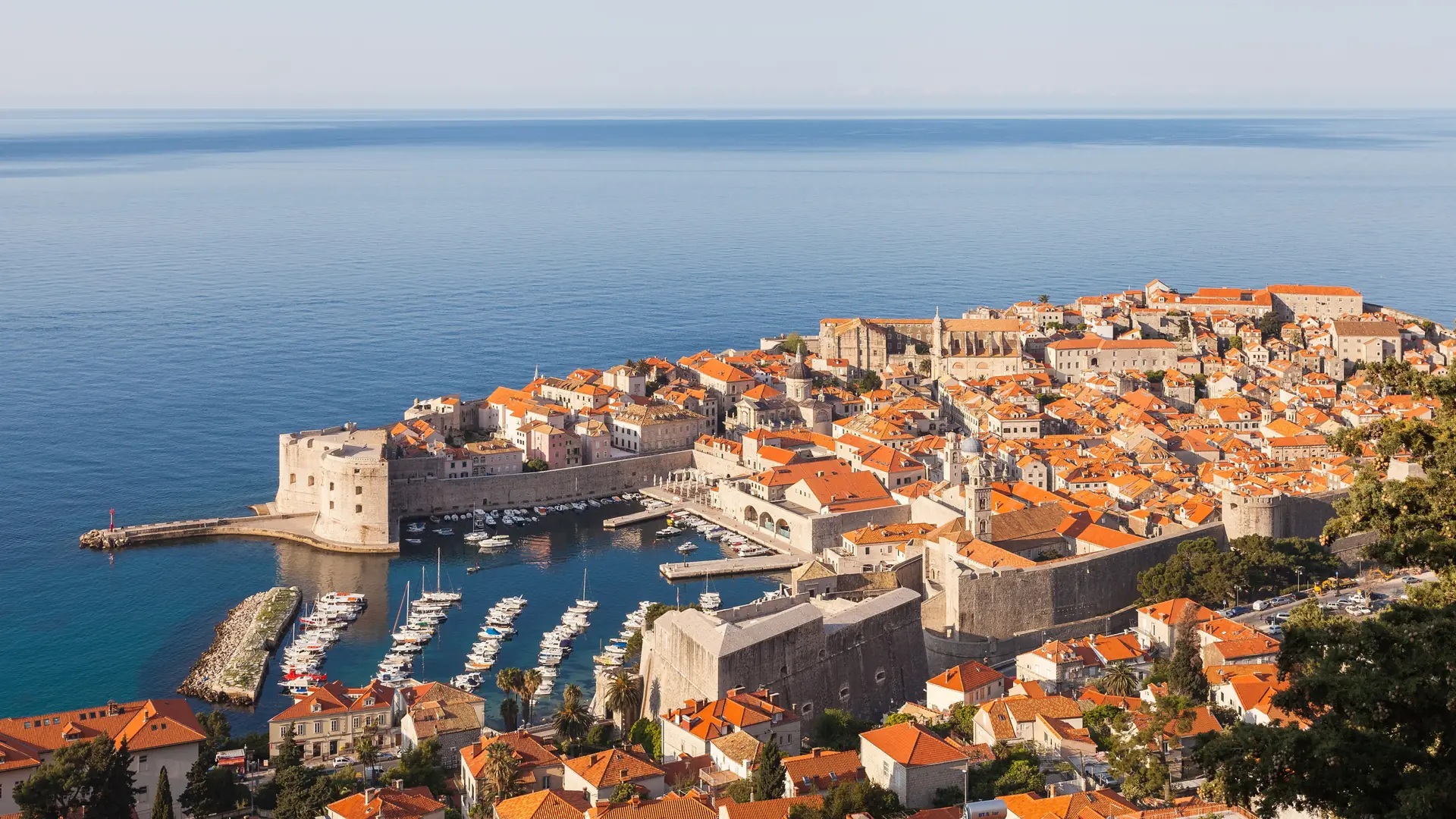
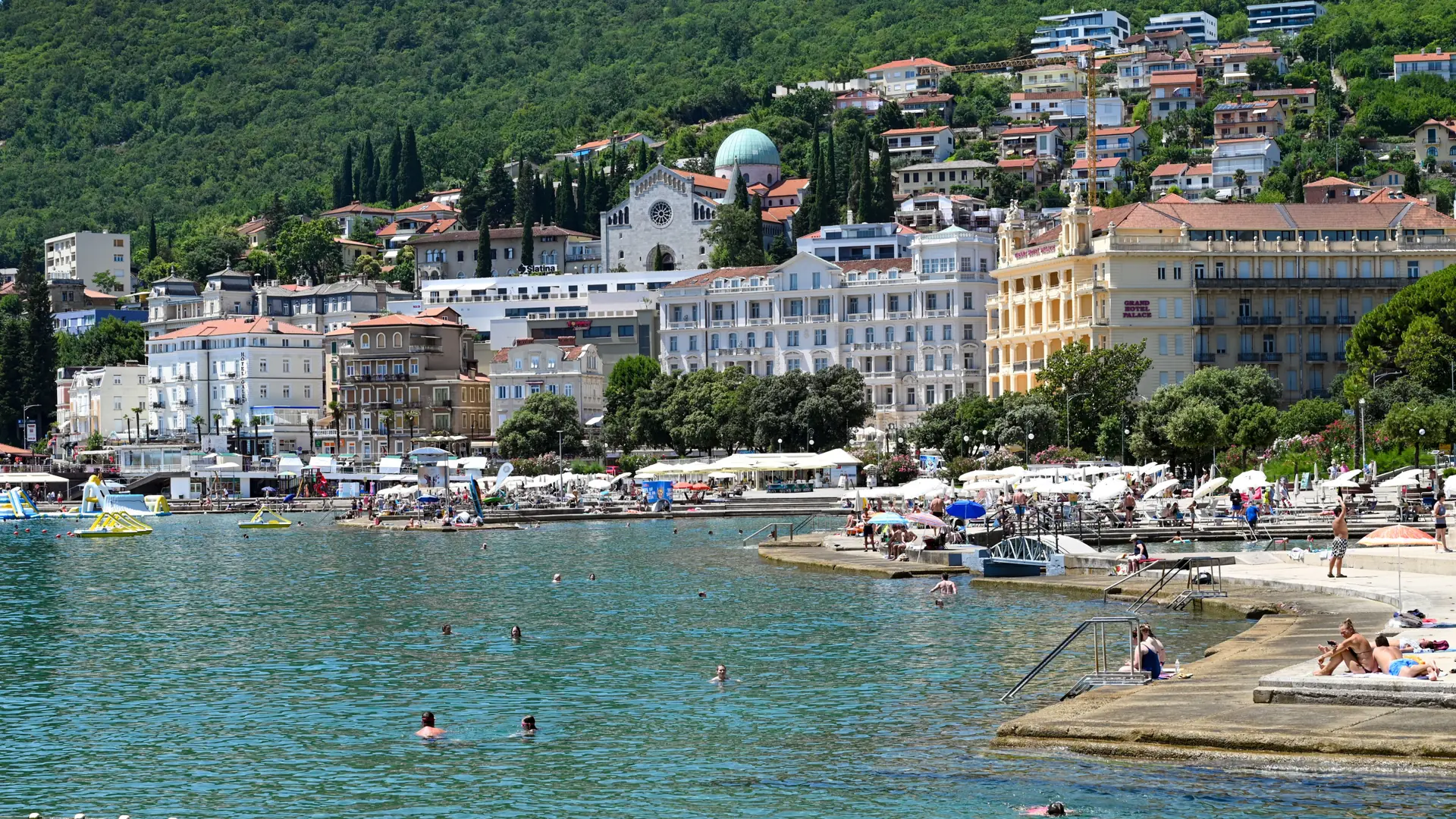
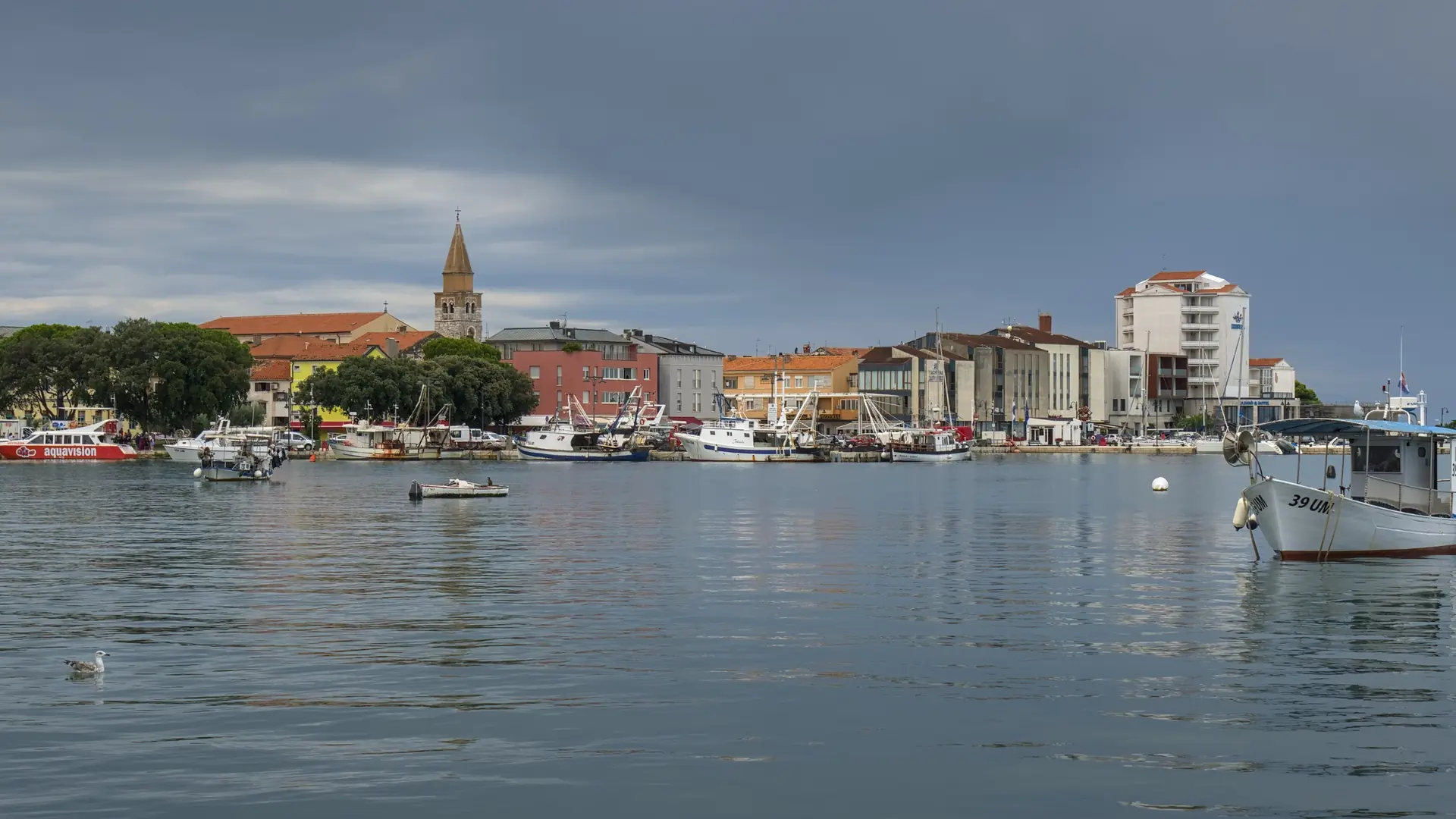
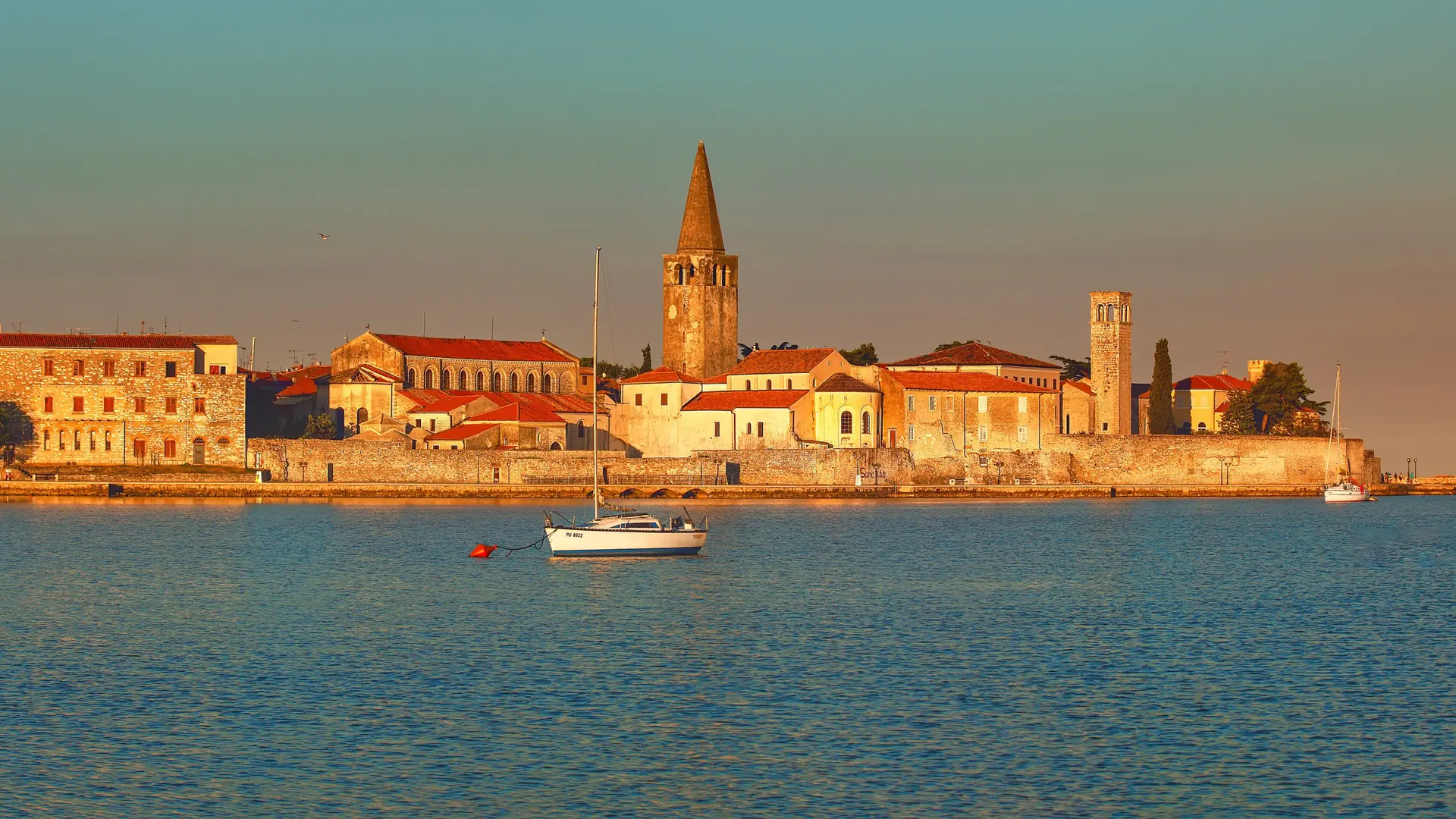
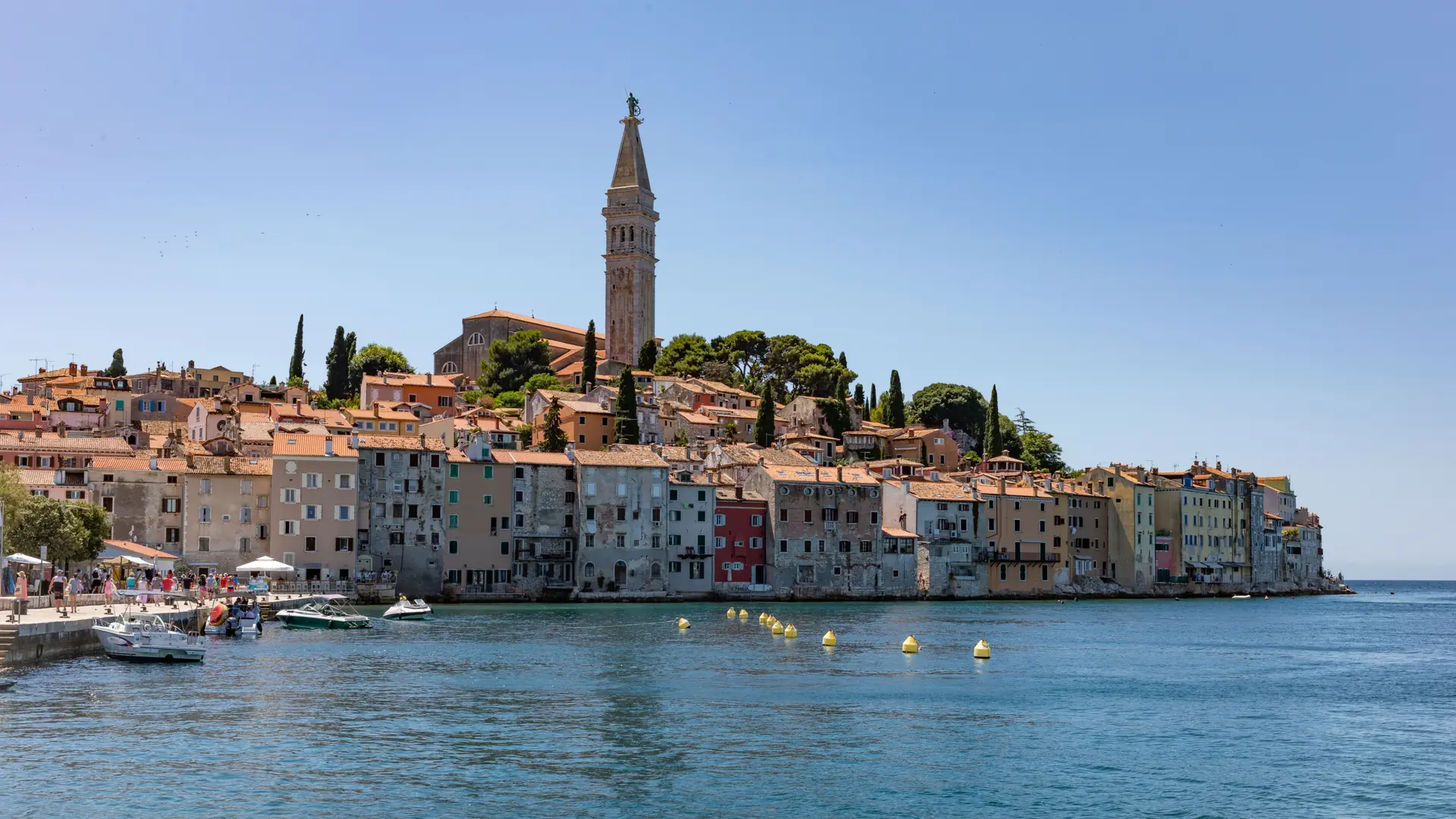
Wide sunny view over Dubrovnik's orange-roofed Old Town, fortified harbour and blue Adriatic coast.

Split, Hvar and Dubrovnik in 5 Days

A fast southbound Croatia route with two ferry moves, four hotel nights and honest alternatives when the seasonal Hvar connection does not run.

Length
5 days, 4 nights
Stops
3 bases
Getting around
Ferry and bus
Best months
May-June, September
Search stays

A short route that follows the coast instead of fighting it

Five days is enough for Split, one Dalmatian island and Dubrovnik only when the route stays linear. Begin beside Split's harbour, cross to Hvar Town, then continue south to Dubrovnik. Each move doubles as a change of scenery: Roman courtyards become an island waterfront, then Dubrovnik's limestone walls close the trip. Flying into Split and home from Dubrovnik protects almost a full day compared with returning to the first airport.

The price of that efficiency is depth. This is not a beach week and it is not a tour of Croatia as a whole. Split earns two nights because arrival delays, summer traffic from the airport and a timed interior can otherwise consume its only useful morning. Hvar receives one night, enough for the fortress, harbour and a swim but not for Stari Grad, vineyards and remote coves together. Dubrovnik also gets one night, so the city walls must sit at the cool edge of the day. Travellers who dislike packing twice in four mornings should choose Split plus Hvar or Split plus Dubrovnik, not force all three names into the calendar.

The first hotel should be walkable from Split harbour

A room between the old town and Bacvice turns the airport arrival, ferry departure and palace visit into short walks. A cheaper hillside room can save money, but hauling luggage down steps for an early boat is the trade-off. Search accommodation only after choosing the sailing you can actually board.

Hvar is an overnight, not a hurried excursion

When day visitors leave, the lanes above St Stephen's Square and the harbour become easier to enjoy. Sleeping in Hvar Town also keeps you beside the passenger-catamaran quay; staying elsewhere on the island buys quiet or beaches but adds a taxi or bus before the southbound connection.

Dubrovnik works only with a protected wall slot

Walk the walls soon after opening or later in the afternoon, then use the opposite part of the day for shaded streets and museums. A midday circuit in summer is exposed, crowded and difficult to combine with a same-day arrival. One hotel night is workable; zero nights reduces the city to a transfer stop.

Best for

  • First-time visitors with an open-jaw flight and a strong preference for coast and old towns
  • Travellers comfortable carrying their own luggage onto passenger ferries
  • Couples or friends who value one island evening more than a long beach stay

Think twice if

Families needing slow beach days, travellers arriving outside the through-ferry season, or anyone who wants Zagreb, Plitvice or Istria in the same five-day trip.

StartBooker answer

What is the best five-day Croatia itinerary for Split, Hvar and Dubrovnik?

Use two nights in Split, one in Hvar Town and one in Dubrovnik, flying into Split and out of Dubrovnik. That gives Diocletian's Palace a proper morning, keeps the island transfer direct, and leaves a dawn or late-afternoon window for Dubrovnik's walls. The compromise is clear: Hvar gets only one night and this version depends on a suitable seasonal Hvar-Dubrovnik sailing. If that ferry is not running, return to Split and continue south by bus.

Route
Split to Hvar Town to Dubrovnik
Night split
2 Split, 1 Hvar Town, 1 Dubrovnik
Best transport
Passenger catamaran between coastal stops
Critical check
Confirm Hvar-Dubrovnik before booking non-refundable rooms

Three bases, with no backtracking

The order is the strategy: each overnight moves south, and every hotel choice is judged by the next morning's departure as well as tonight's atmosphere.

3 stops · swipe

  1. Visitors beneath the pale stone columns and arches of Split's Peristyle inside Diocletian's Palace. 1

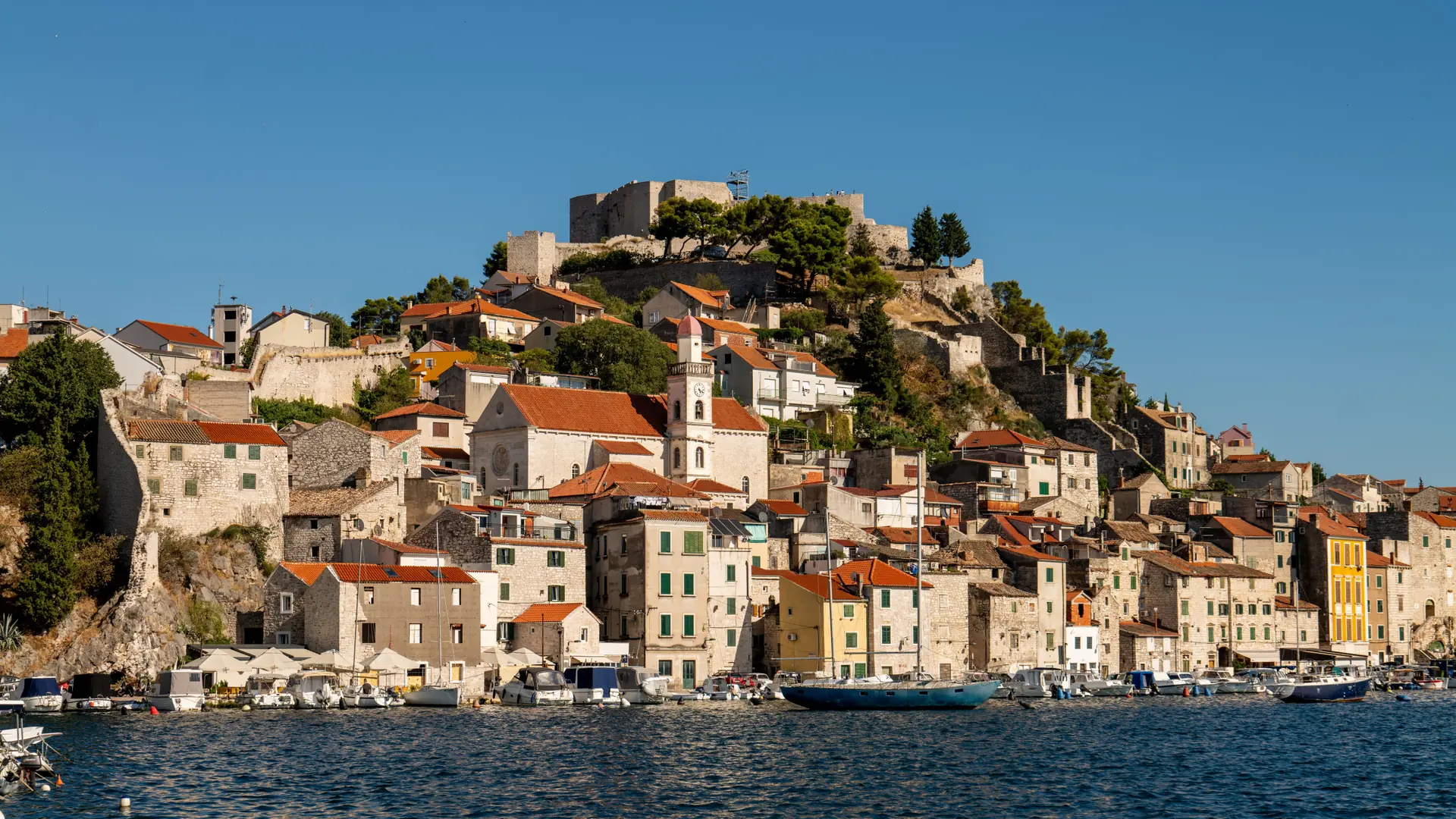
    Split

    2 nights

    Diocletian's Palace and the working Riva waterfront

    Use Split as the soft landing. On arrival day, walk the palace substructures, Peristyle and Riva without committing to a long museum visit. The second morning can then carry the Cathedral of Saint Domnius or a focused palace tour before the heat builds. For accommodation, the blocks east of the palace and around Bacvice are practical for both the airport shuttle terminus and passenger port. Varos is more atmospheric and suits travellers who want Marjan at the door, but stone steps and a longer luggage walk matter when the ferry leaves early.

    Watch out: Split Airport warns that summer road traffic can be heavy; do not schedule a tight palace ticket or island departure immediately after landing.

    Read the Split guide →
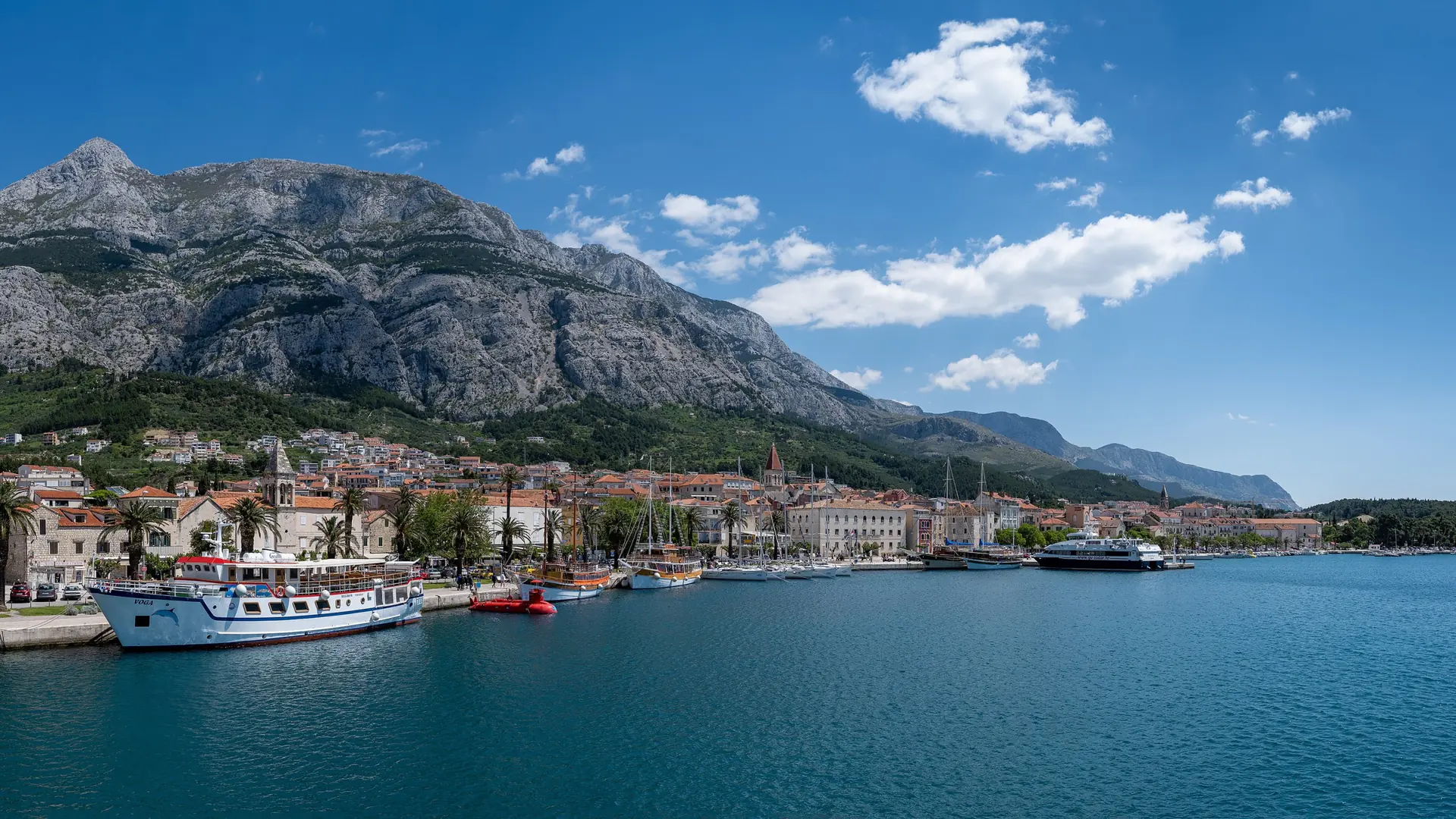
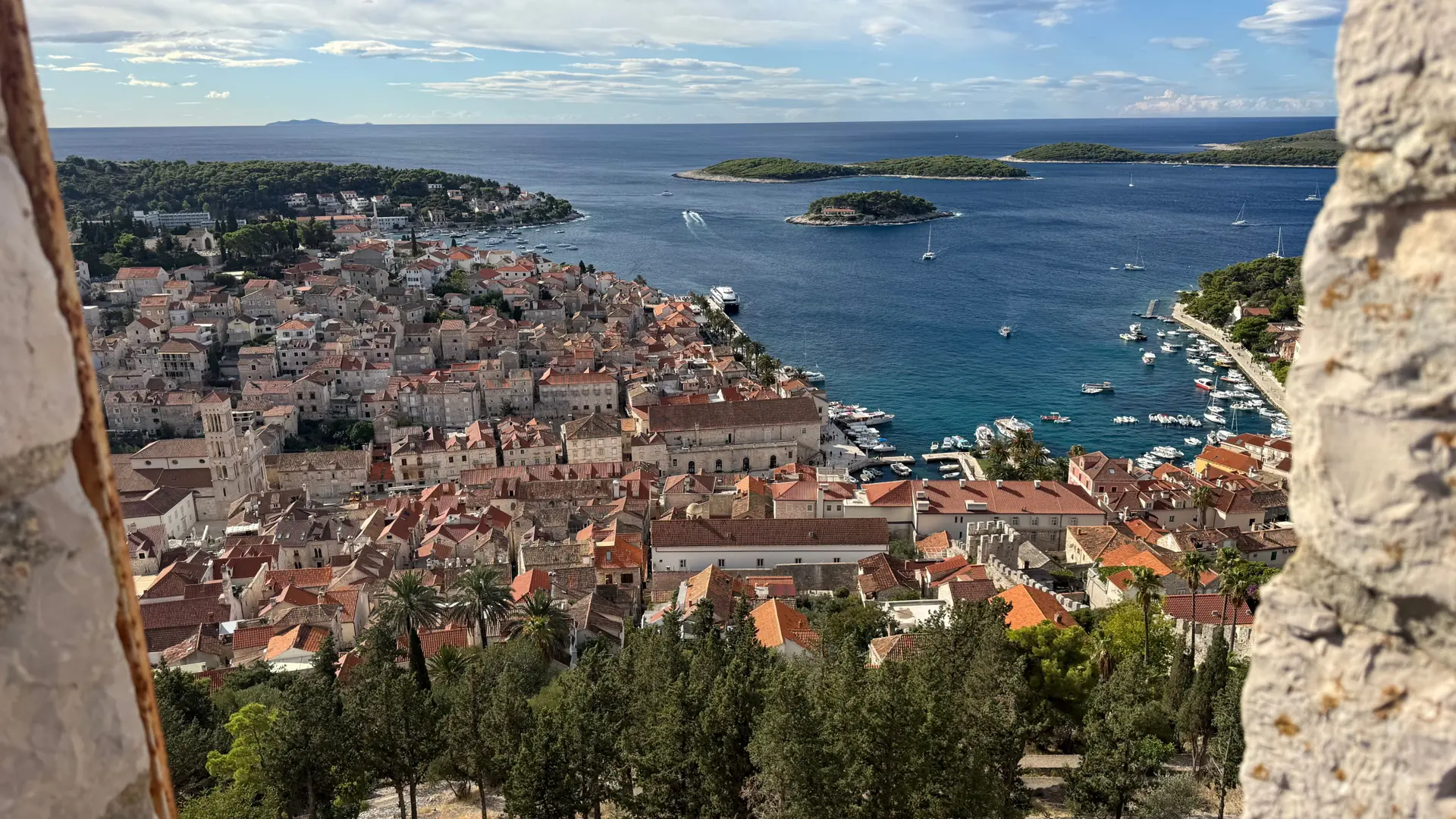
  2. Sunlit stone houses on Hvar Town's waterfront with Fortica rising above the harbour. 2

    Hvar Town

    1 night

    A Venetian harbour, hilltop fortress and lively summer evenings

    One night is a deliberate taste of the island rather than a claim to have explored it. Leave bags, climb to Fortica before the hottest hour or near sunset, then choose either a water-taxi swim around the Pakleni islets or a slow circuit through the Arsenal, square and Franciscan monastery. Staying within ten minutes of the harbour is worth paying for on this timetable. Properties higher on the slope offer broader views and often less late-night footfall, yet every terrace step returns when you carry a suitcase to the quay.

    Watch out: Hvar Town is busiest and loudest in July and August; a room directly above the harbour can exchange convenience for late-night noise.

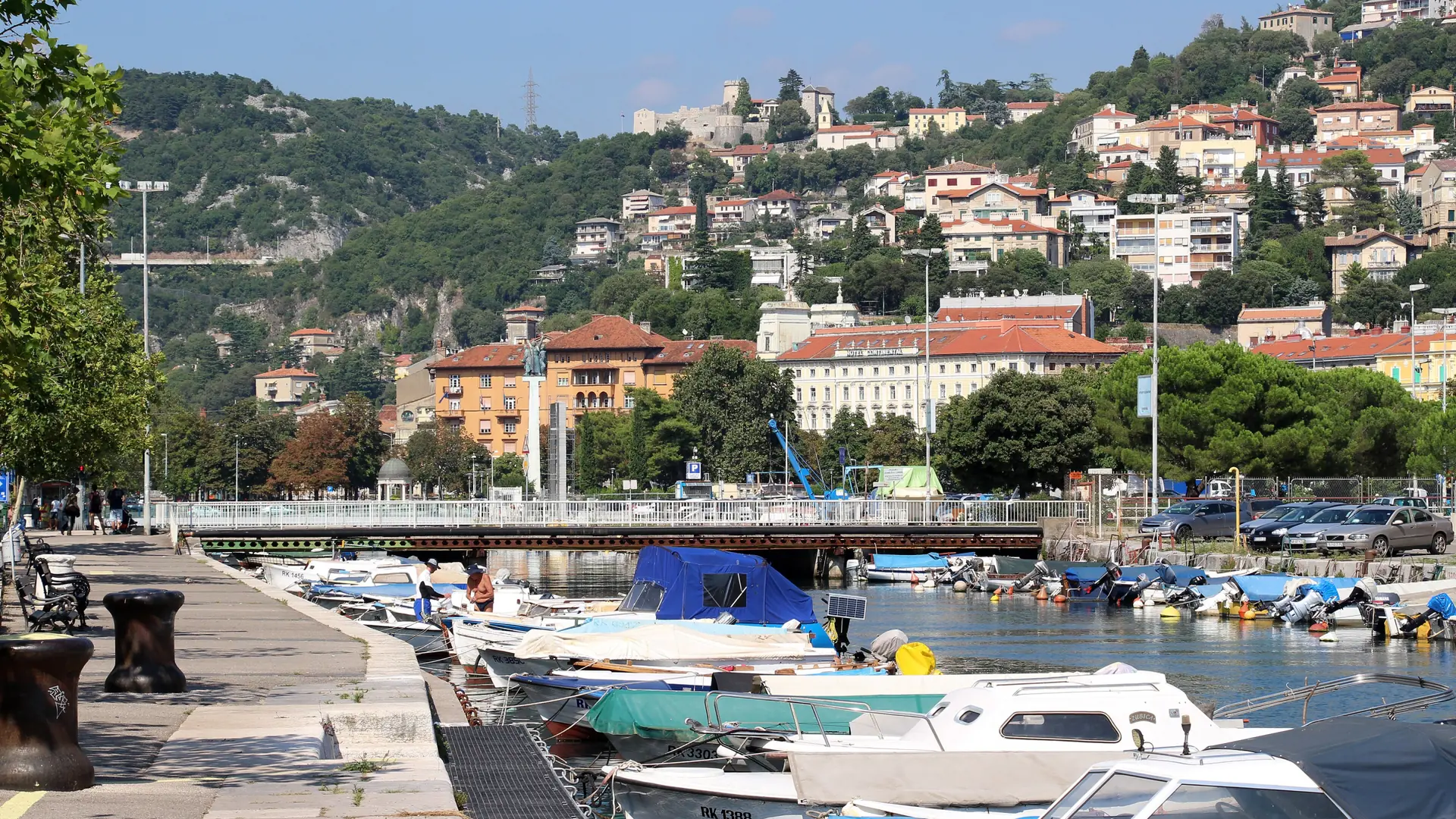
  3. Pedestrians walking Dubrovnik's limestone Stradun between historic Old Town facades. 3

    Dubrovnik

    1 night

    Fortified Old Town, city walls and Adriatic viewpoints

    Dubrovnik closes the route because its airport lies south of the city and because a final overnight protects the wall walk from ferry uncertainty. Pile and Ploce put the gates close, but rooms inside the Old Town may require carrying bags up polished stairs and through crowds. Lapad is calmer, often better value and better for a last swim, although it adds a local bus ride to the monuments. Gruz is smartest for a late ferry arrival and early bus logistics; its trade-off is that the celebrated old city is not outside your door.

    Watch out: Private vehicles face restrictions around the historic zone. Do not choose an Old Town room on the assumption that a taxi can stop beside its door.

    Read the Dubrovnik guide →

Five days, planned around the ferries

The sightseeing is intentionally uneven: the route spends time where arrival friction is highest and protects the experiences that deteriorate most in midday heat.

1 Day 1 Arrive in Split and learn the palace on foot

Land at Split Airport and allow a generous road margin: the terminal is about 20 kilometres from the city, and the airport itself warns of heavy summer traffic toward Split. The shuttle finishes by the main bus station beside the harbour, which is why a first hotel near the old centre saves effort. Drop bags before entering Diocletian's Palace. Begin at the Bronze Gate from the Riva, cross the basement halls, then emerge into Peristyle; this order makes the Roman plan legible without turning a travel day into a checklist. Continue through the northern gate to the market and return along the waterfront for dinner. Do not buy a late timed ticket before the flight has landed. If arrival slips, the lanes, squares and exterior remain rewarding after formal attractions close.

  • Airport shuttle to the harbour rather than a speculative tight connection
  • Bronze Gate, palace cellars, Peristyle and the Riva in one coherent walk
  • Confirm the passenger-ferry berth while travelling without luggage

Overnight: Split

2 Day 2 Give Split a full morning, then choose sea or shade

Start with the palace interior you most want to understand. The cathedral and bell tower suit first-time visitors; the City Museum works when weather is poor; a small-group historical walk adds context to structures now occupied by homes, cafes and shops. Keep the ticketed portion to the morning. By lunch, decide between Bacvice and Marjan rather than pretending both fit comfortably. Bacvice is the simple choice: it lies east of the port, requires no transport and leaves energy for an evening in the centre. Marjan offers pine shade and higher views but involves more walking and, depending on trail conditions, less predictable access. Return early enough to repack for a passenger ferry: soft bags and compact cases are much easier on ramps and busy quays than oversized luggage. Book the Hvar sailing through the operator, not from a screenshot of an old schedule.

  • Cathedral, bell tower or a focused palace tour before lunch
  • Choose Bacvice for ease or Marjan for walking and views
  • Recheck the operating sailing and pack for a foot-passenger transfer

Overnight: Split

3 Day 3 Cross to Hvar and stay after the day boats leave

Take a passenger catamaran that lands in Hvar Town rather than the car ferry to Stari Grad. The distinction matters: Stari Grad's ferry port is on the opposite side of the island and requires onward ground transport, while the fast passenger service puts you directly on Hvar's waterfront. Arrive at the quay earlier than the bare boarding cutoff, particularly in high season, and keep documents and water accessible. After check-in, climb toward Fortica while the light is still good, pausing at viewpoints rather than treating the ascent as transport. Back at sea level, the compact sequence of St Stephen's Square, the Arsenal and the Franciscan monastery provides the cultural spine. Use the remaining hours for one choice: a short boat outing, a swim reachable without a vehicle, or a long island dinner. Trying to add Stari Grad, Jelsa and a distant beach turns the only island day into taxi time. Sleep near the harbour if tomorrow's direct Dubrovnik boat runs early; choose a higher lane only when quiet and views matter more than an effortless departure.

  • Passenger catamaran into Hvar Town, not the Stari Grad vehicle ferry
  • Fortica and the harbour from above
  • One swim or boat outing, leaving room for the island evening

Overnight: Hvar Town

4 Day 4 Sail south and enter Dubrovnik without racing the walls

Use the direct seasonal passenger connection from Hvar Town to Dubrovnik only after confirming the live date and departure. Ferry patterns change across the year, and a five-day itinerary cannot absorb a missed boat casually. On arrival at Gruz, take a local bus or taxi to the chosen district; walking to the Old Town with luggage wastes the part of the afternoon that should remain enjoyable. If the boat arrives early and temperatures are moderate, a late wall circuit may work. Otherwise save the walls for opening tomorrow and use today for the Stradun, Rector's Palace area, old harbour and lanes below the main street. This separates the exposed ramparts from shaded ground-level exploration. Guests sleeping inside the walls should ask the property for the least-stepped approach, because the shortest line on a map may be a staircase. Those based in Lapad gain a calmer waterfront evening but must check the first practical bus toward Pile. Treat the one Dubrovnik night as a location purchase: paying slightly more to remove two transfers can recover more useful time than another attraction ticket.

  • Confirm the through sailing before leaving Hvar
  • Transfer from Gruz before sightseeing rather than dragging bags through town
  • Ground-level Old Town now; walls tomorrow unless conditions are unusually good

Overnight: Dubrovnik

5 Day 5 Walk the walls early and leave through the right gate

Enter the city walls near opening and walk the full circuit before the stone absorbs the day's heat. Carry water, wear shoes with grip and expect stairs; the views are the reward, but the route is exposed and offers fewer easy exits than a normal city walk. After descending, choose one compact interior rather than starting another long circuit. War Photo Limited, the Rector's Palace or the maritime exhibits each give a different reading of the city; match the choice to your interests and remaining airport margin. Retrieve bags and use the airport shuttle pickup that suits the current service pattern. Platanus lists stops at the Old Town's Ploce side and the main bus station at Gruz, while departures are built around flights rather than a simple all-day urban frequency. A very early flight changes the previous night's hotel calculation: Gruz or a pre-arranged transfer may beat a photogenic room behind the walls. Finish with coffee only if the transfer is protected. Dubrovnik rewards one last hour, but missing the flight would erase every efficiency the open-jaw route created.

  • City walls at the cool edge of the morning
  • One museum chosen for interest, not another hurried checklist
  • Airport transfer planned from Ploce or Gruz before the final walk

Overnight: Departure day

Two sea legs and one land fallback

Passenger ferries make the route elegant in their operating season. The robust plan is to verify both journeys before attaching non-refundable accommodation to them.

2 transfers

  1. Split Hvar Town

    Ferry Travel time: roughly 1-2 hours

    Board in Split's passenger port and select a service arriving at Hvar Town. Jadrolinija also runs a vehicle ferry to Stari Grad, but that is a different arrival point and adds a bus or taxi across the island. Foot passengers should keep a sensible boarding margin and have the ticket ready before joining the quay crowd.

    Booking note: Search by exact ports, Split and Hvar, then verify whether the result is a passenger catamaran or the Stari Grad car ferry.

  2. Hvar Town Dubrovnik

    Ferry Travel time: direct Hvar–Dubrovnik sailing: about 3.5–4.5 hours

    The southbound catamaran is the hinge of this short itinerary and is most useful in the warmer sailing season. If no direct service operates on the chosen date, return from Hvar to Split, stay near the bus station if necessary, and take a coastal bus to Dubrovnik. That fallback costs time and may justify dropping Hvar rather than compressing Dubrovnik.

    Booking note: Confirm this leg first; it determines whether the three-stop version is responsible for your dates.

Routes and departure times are seasonal and can change. Confirm the exact travel date with the operator before booking rooms or flights.

What to reserve, and where spending buys time

Prices change sharply by month and departure, so these are planning ranges rather than quotes. The expensive mistake is usually not the ticket itself; it is a mismatched hotel or a non-refundable night tied to a ferry that does not operate.

Split-Hvar passenger ferry Fast-boat price and frequency depend on operator and season; compare the exact port pair and baggage terms.
Commonly about EUR 8-25 per adult
Hvar-Dubrovnik passenger ferry Direct service is seasonal. Treat any static price as indicative until the operator sells your date.
Often about EUR 25-55 per adult
Dubrovnik walls Check the current official ticket and whether a city pass better matches the interiors you will genuinely visit.
Budget roughly EUR 35-40 per adult
Four hotel nights Harbour proximity in Split and Hvar saves luggage transfers; Lapad or Gruz can reduce the Dubrovnik premium.
Largest variable in the trip

Booking tips

  • Confirm the Hvar-Dubrovnik service, then book the Hvar night, then fit Split-Hvar around it. The scarce leg should set the sequence.
  • Compare live accommodation by map, not by city name alone: the useful radius is the Split port, Hvar Town quay or the Dubrovnik gate and bus stop you will actually use.
  • Choose cancellable rooms until both ferry legs are on sale. A slightly higher flexible rate can be cheaper than rebuilding the route after a seasonal timetable change.
  • Book Dubrovnik's walls or pass only after checking arrival and flight times; an unused bundled attraction is not a saving.

Where to stay in Split

Compare live accommodation near the old town and passenger port. For this route, a shorter luggage walk on ferry morning is usually worth more than a distant room with a small nightly saving.

Search more stays in Split →
Search stays

Split, Hvar and Dubrovnik route map

Use the complete route line to compare the three bases, then zoom into Split before booking to judge the walk between your room, the palace and the passenger terminal.

Split

Practical questions about five days in Croatia

Is five days enough for Split, Hvar and Dubrovnik?

Yes, if you accept a highlights route rather than a complete Croatian holiday. Two Split nights absorb arrival friction, one Hvar night preserves the island evening, and one Dubrovnik night protects an early wall walk. Add at least two days if beaches, Stari Grad, Lokrum or multiple museums are priorities.

Can I take this route without a car?

Yes, and a car is more burden than benefit on this version. The centres are walkable, Hvar Town is reached by passenger boat, and Dubrovnik restricts vehicles around its historic zone. The caveat is luggage: choose port-adjacent accommodation and pack a case you can manage on ramps, steps and crowded quays.

What if the Hvar to Dubrovnik ferry is not running?

Return to Split by ferry and continue to Dubrovnik by intercity bus, allowing substantially more of the day for transport. For a fixed five-day trip, the cleaner alternative is to remove Hvar and spend two nights each in Split and Dubrovnik. Never assume the summer through-boat exists in spring or late autumn.

Where should I book accommodation for the easiest transfers?

In Split, favour the old-town east side or Bacvice for the harbour. In Hvar Town, stay within a manageable walk of the waterfront unless quiet views justify the climb. In Dubrovnik, Pile or Ploce maximises monument time, Gruz simplifies ferry and bus logistics, and Lapad trades immediacy for calmer evenings and often better value.

Which direction is better?

Split to Dubrovnik is usually the more natural direction because the island sequence moves south and Dubrovnik Airport closes the trip beyond the last city. Reverse it when flights are much better or when the live ferry schedule only works northbound. The timetable, not a generic itinerary map, should decide.

When is the best time for this itinerary?

May, June and September offer the best balance of useful coastal connections, swimming weather and less oppressive sightseeing conditions. July and August provide the fullest ferry schedules but also bring stronger demand, higher accommodation prices and exposed heat on Dubrovnik's walls. Outside the main season, verify every island leg before committing.

Sources and review

Reviewed by StartBooker editorial Croatia route planning and transport research

Last reviewed 2026-09-02

How this route was checked: The route was built from current ferry, airport, tourism, heritage and climate records, then tested against independent itinerary coverage. Transport claims use operator pages; prices are presented only as indicative planning ranges because seasonal fares and schedules change. Night allocations reflect port logistics and usable sightseeing windows rather than an even split.

13 references reviewed

Key sources
  • Split Tourist Board
  • Split Airport
  • Hvar Tourist Board
  • Dubrovnik Tourist Board
  • Jadrolinija
  • Platanus
Photo credits

Photos provided by Pexels.

Have you travelled this short coast route?

Did the direct Hvar-Dubrovnik ferry operate on your dates?