Two evenings in Rovinj
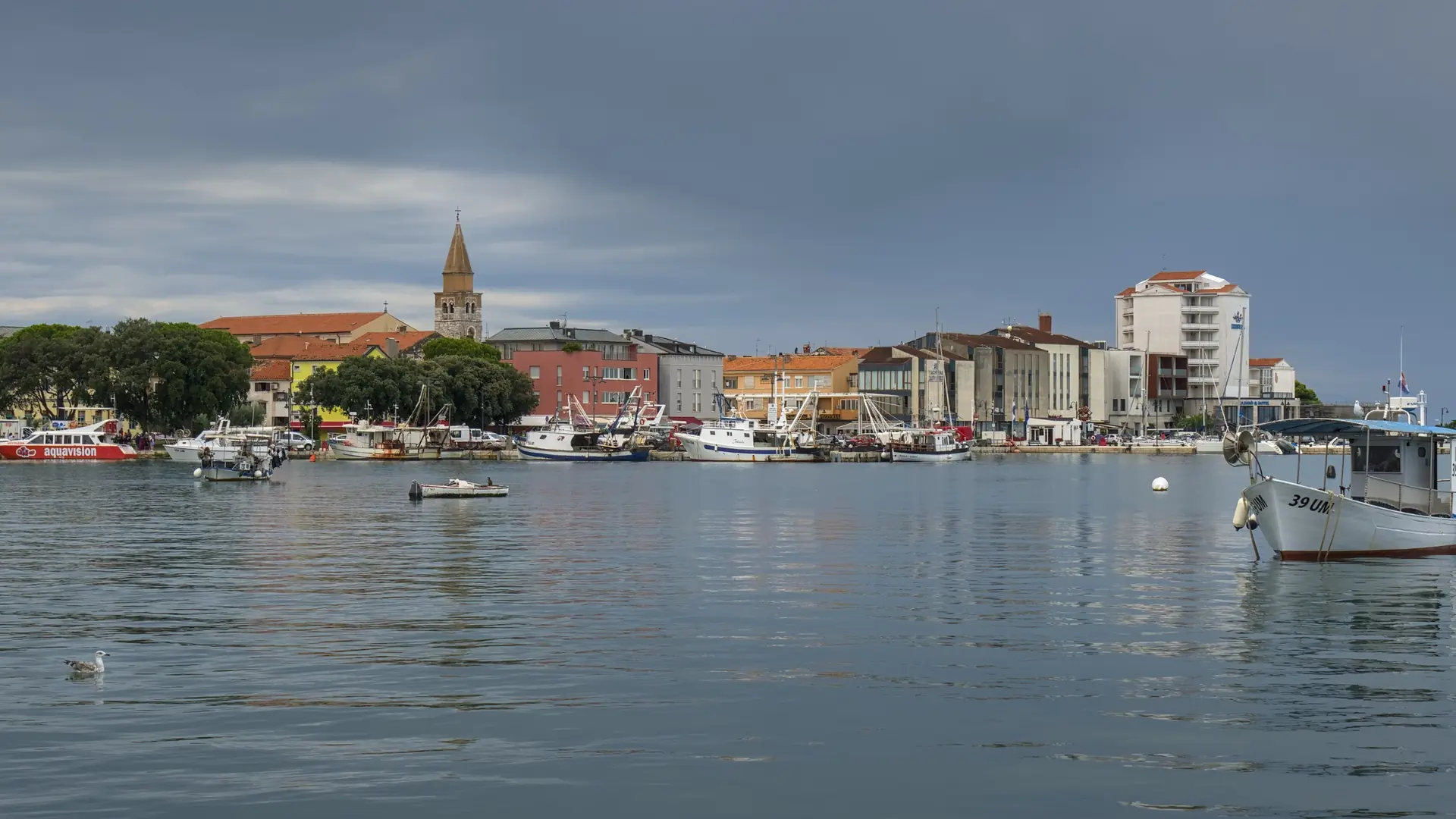
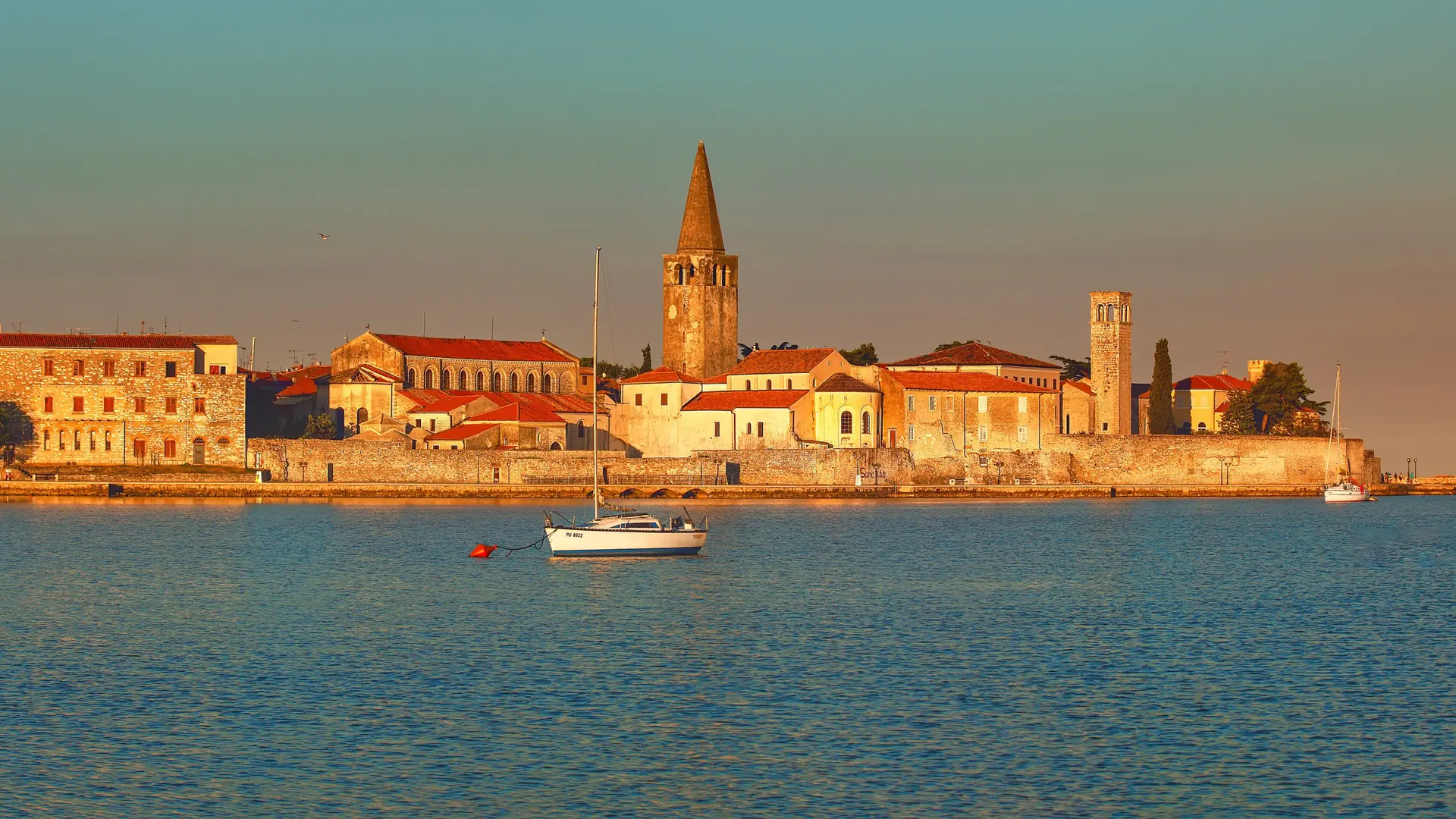
Rovinj is your Istrian base, with a full day for either Motovun or Pula. Staying near the harbour keeps restaurants within walking distance after the drive. Golden Cape adds wooded coastal paths without another long outing.

Drive through Istria and Plitvice to Dalmatia, finishing in Dubrovnik after thirteen nights.
This two-week journey combines an Istrian stay with a drive through the mountains and several days on the Dalmatian coast. Fly into Zagreb and out of Dubrovnik. The six overnight stops give you Roman buildings in Pula or Split, Rovinj’s waterfront, Plitvice’s lakes and Dubrovnik’s walls, with time between visits to swim or sit over lunch.
A car is useful through Istria and the park, then less useful in the coastal cities. Collect it after your Zagreb night and hand it back in Split. The final bus journey leaves four Dubrovnik nights for the Old Town and nearby outings. This plan has no island hotel: choose the island-hopping route instead if Hvar and Korčula are your main reason for coming.
Rovinj is your Istrian base, with a full day for either Motovun or Pula. Staying near the harbour keeps restaurants within walking distance after the drive. Golden Cape adds wooded coastal paths without another long outing.
Stay beside Plitvice before your visit, rather than driving from Istria that morning. The early start makes room for a substantial lake walk, a proper lunch and the onward journey to Zadar on the same day.
After the road trip, unpack for several days. Walk the walls, visit an island if boats are running and take the bus to Cavtat. Keeping the same room makes it easy to swap those outings around the weather.
Best for
StartBooker answer
Start in Zagreb, spend two nights in Rovinj and sleep near Plitvice before visiting the lakes. Continue to Zadar and Split, returning the hire car in Split on day seven. Finish with four nights in Dubrovnik, travelling there by bus. This gives Istria one full day, avoids a long drive before the park walk and leaves time for Lokrum or Cavtat without another hotel move.
Explore tours, attractions and local experiences in Zagreb, Rovinj, Plitvice Lakes, Zadar, Split, Dubrovnik along this route through Croatia.
Loading activities…
Activities provided by GetYourGuide. We may earn a commission on bookings.
These areas suit the way you arrive and leave each stop. In Rovinj, Plitvice and Zadar, a confirmed parking space matters as much as the distance to the sights.
6 stops · swipe
 1
1
Upper Town, Dolac and the Green Horseshoe
Lower Town puts the station, parks and central sights within reach for a short arrival stay. A hotel near Ban Jelačić Square suits the evening walk; choose the actual address around your car collection point rather than assuming every rental desk is central.
Read the Zagreb guide →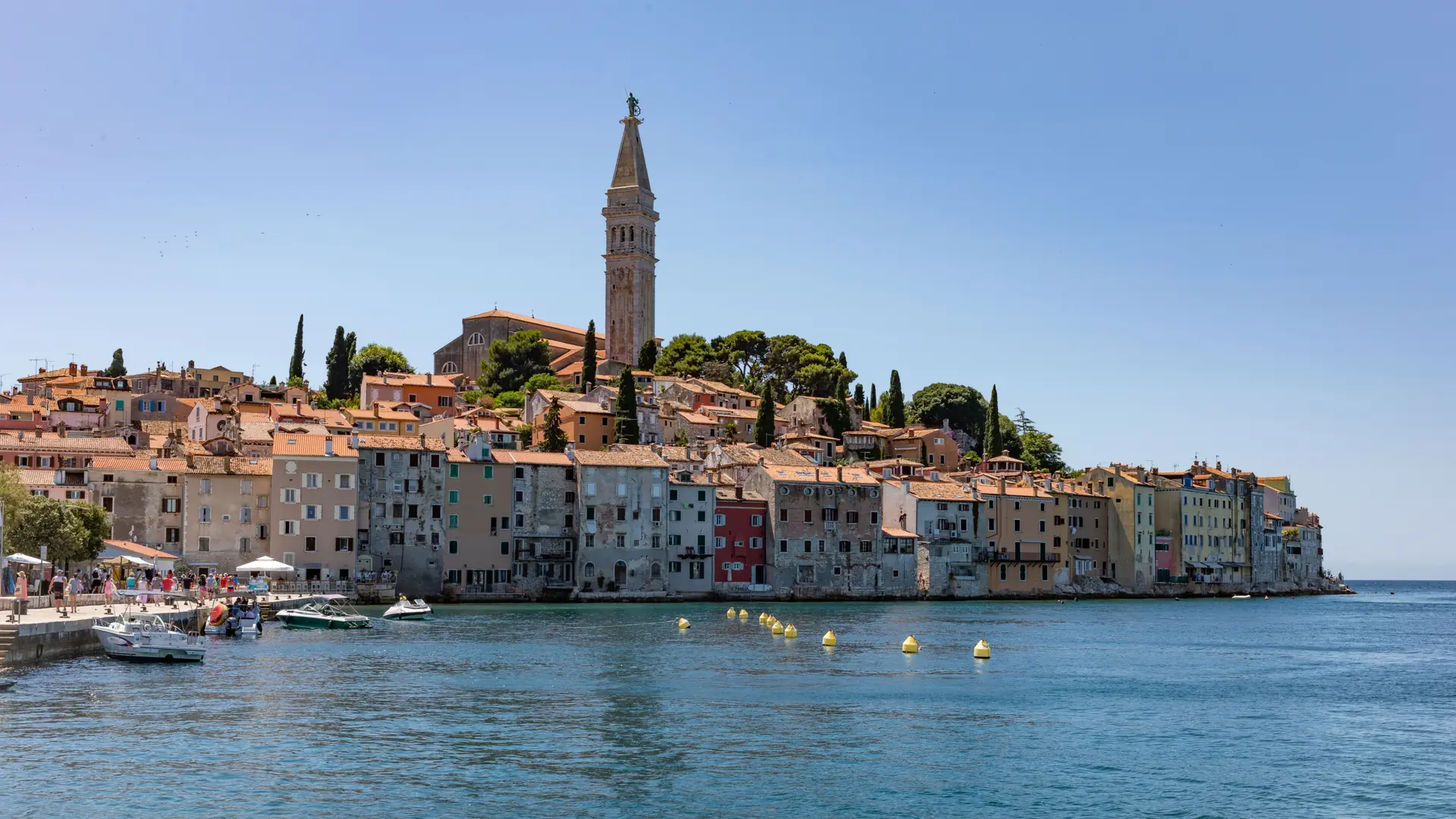 2
2
Harbour lanes, St Euphemia and Golden Cape
The old-town edge suits two nights with a car: walk to the harbour, then collect the vehicle for your Istrian outing. Lone Bay offers a greener setting near the coast, with a longer walk to the centre. Check whether parking is included in either area.
Read the Rovinj guide → 3
3
Terraced lakes, waterfalls and forest boardwalks
Choose accommodation by its distance to your booked entrance, not the general Plitvice name. Nearby hotels simplify the early start; guesthouses farther along the road may offer more space but require driving to meals and the park.
 4
4
Roman forum, Sea Organ and sunset waterfront
A room by the peninsula gives easy access to the Forum and waterfront. Stay just outside the historic core if secure parking is a priority. Borik suits beach time and larger properties, though dinner in the centre involves a bus or taxi.
Read the Zadar guide →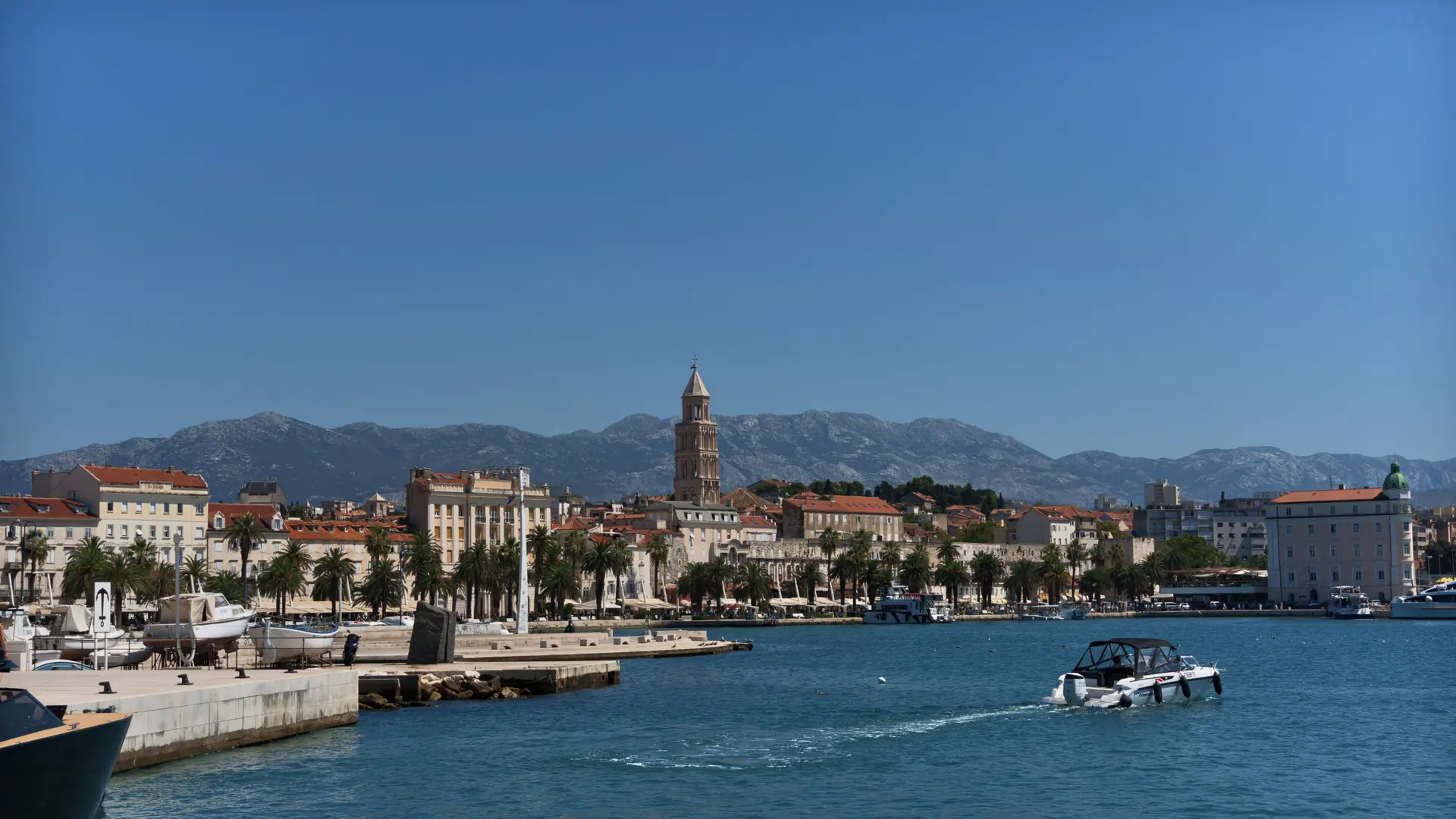 5
5
Diocletian's Palace, the Riva and Marjan
For three nights, Bačvice combines a beach with access to the palace and bus station. Varoš is closer to Marjan’s paths, but some streets have steps. Ask about late-night sound when booking above a restaurant or inside the palace area.
Read the Split guide → 6
6
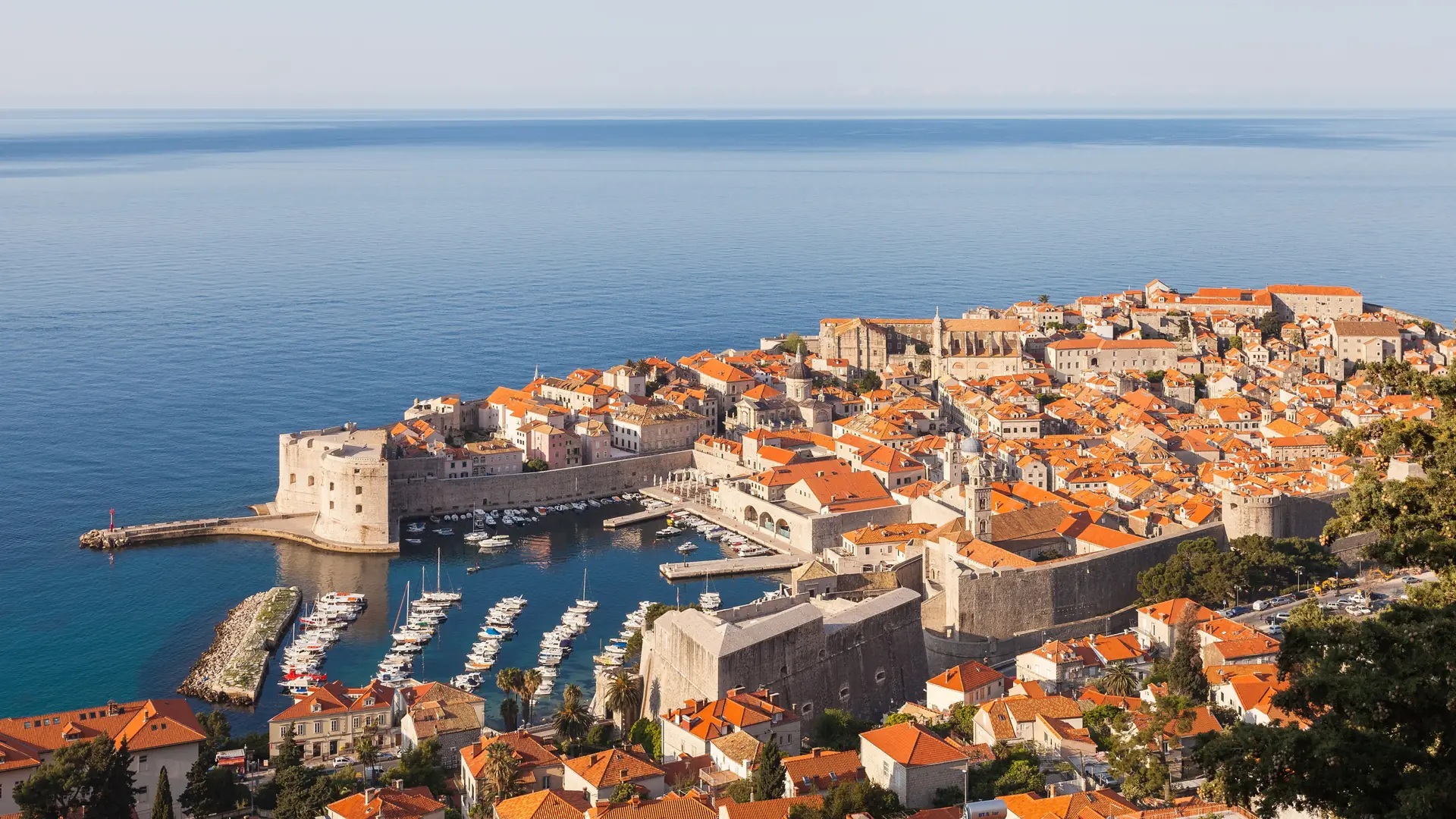
City walls, old harbour and limestone streets
Pile and Ploče suit early Old Town visits; Gruž is convenient for the intercity bus. Lapad offers promenades and more space away from the walls, with local buses into town. Check the final climb to the room, especially with luggage.
Read the Dubrovnik guide →Arrival and departure are included. The drives through Istria and the park come first; the second week has longer stays and optional local outings.
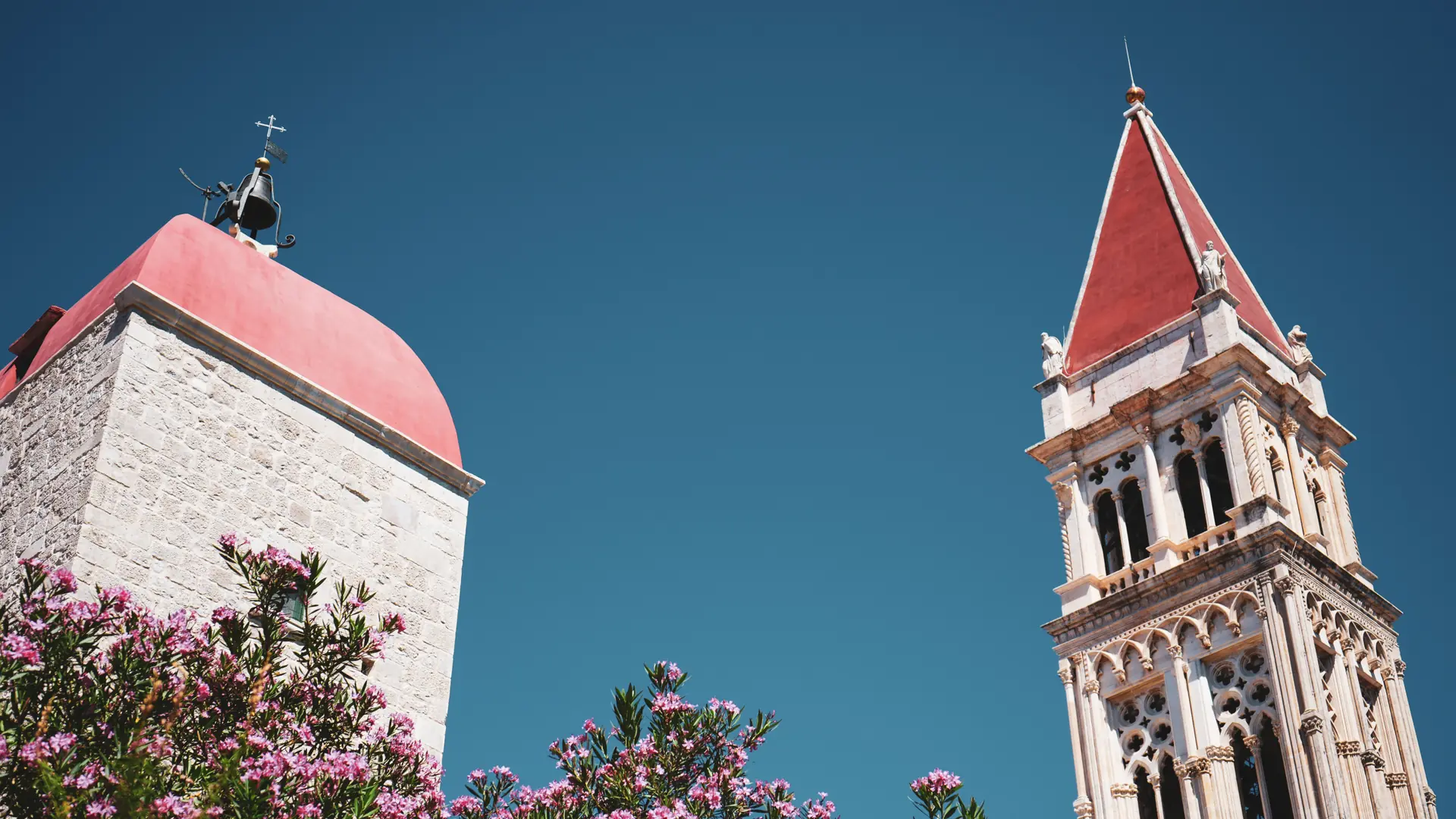
Settle into your room, then walk towards Ban Jelačić Square and the Stone Gate. Continue to St Mark’s Square for its historic buildings and the colourful church roof, allowing time to stop for coffee on the way back. Dolac is worth a look if the market is still open when you arrive. With a late flight, keep the outing to the main square and dinner. Collecting the car tomorrow avoids paying for an arrival-day vehicle you may barely use.
Overnight: Zagreb
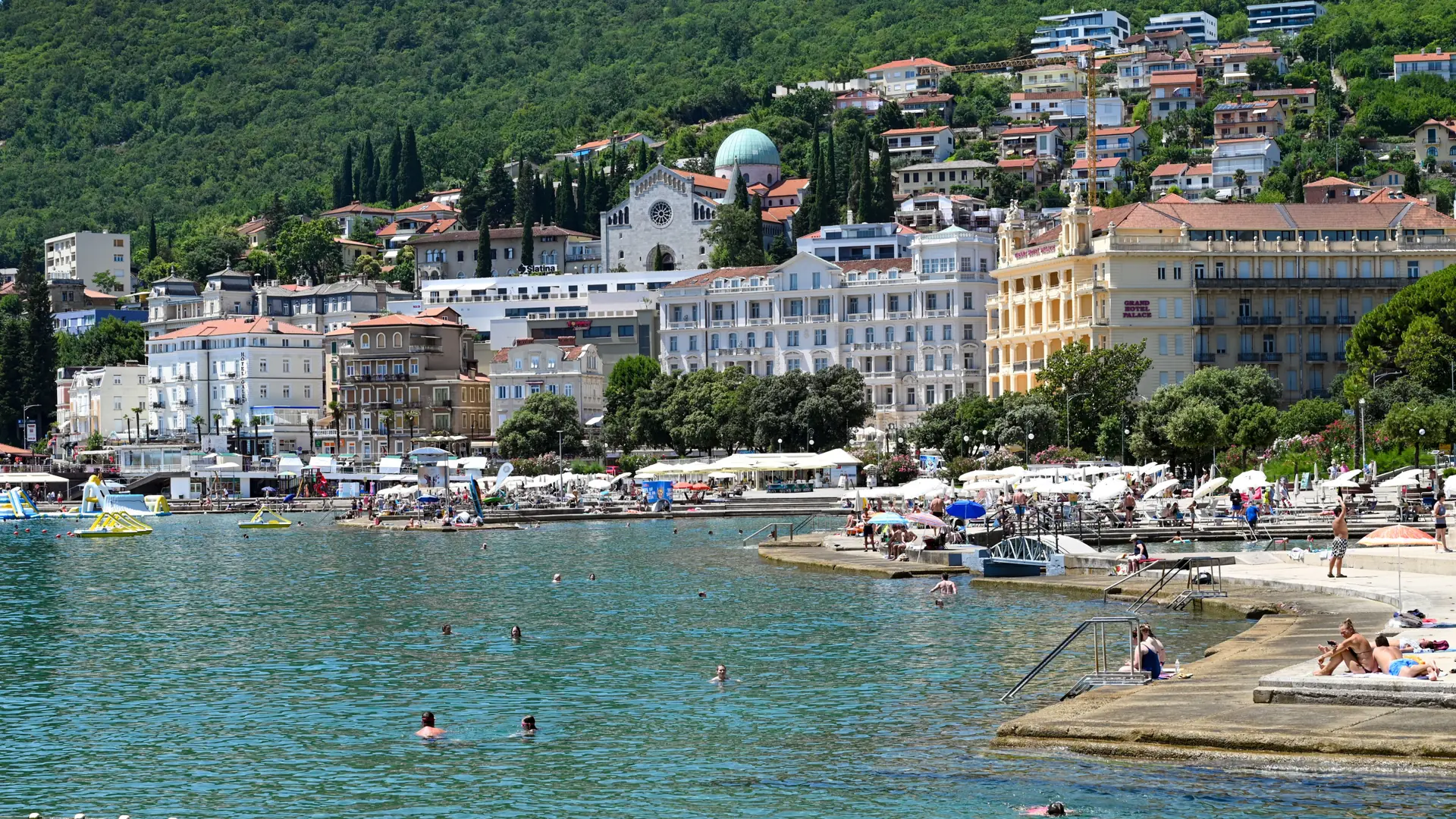
Pick up the car and head towards Rijeka, then through Istria to Rovinj. Expect a substantial morning on the road; add a short Opatija waterfront stop only if collection and traffic go smoothly. After parking and checking in, follow the harbour to the old town and climb towards St Euphemia’s Church. The narrow streets open onto sea views between the houses. Have dinner around the harbour, with no need to move the car again this evening.
Overnight: Rovinj
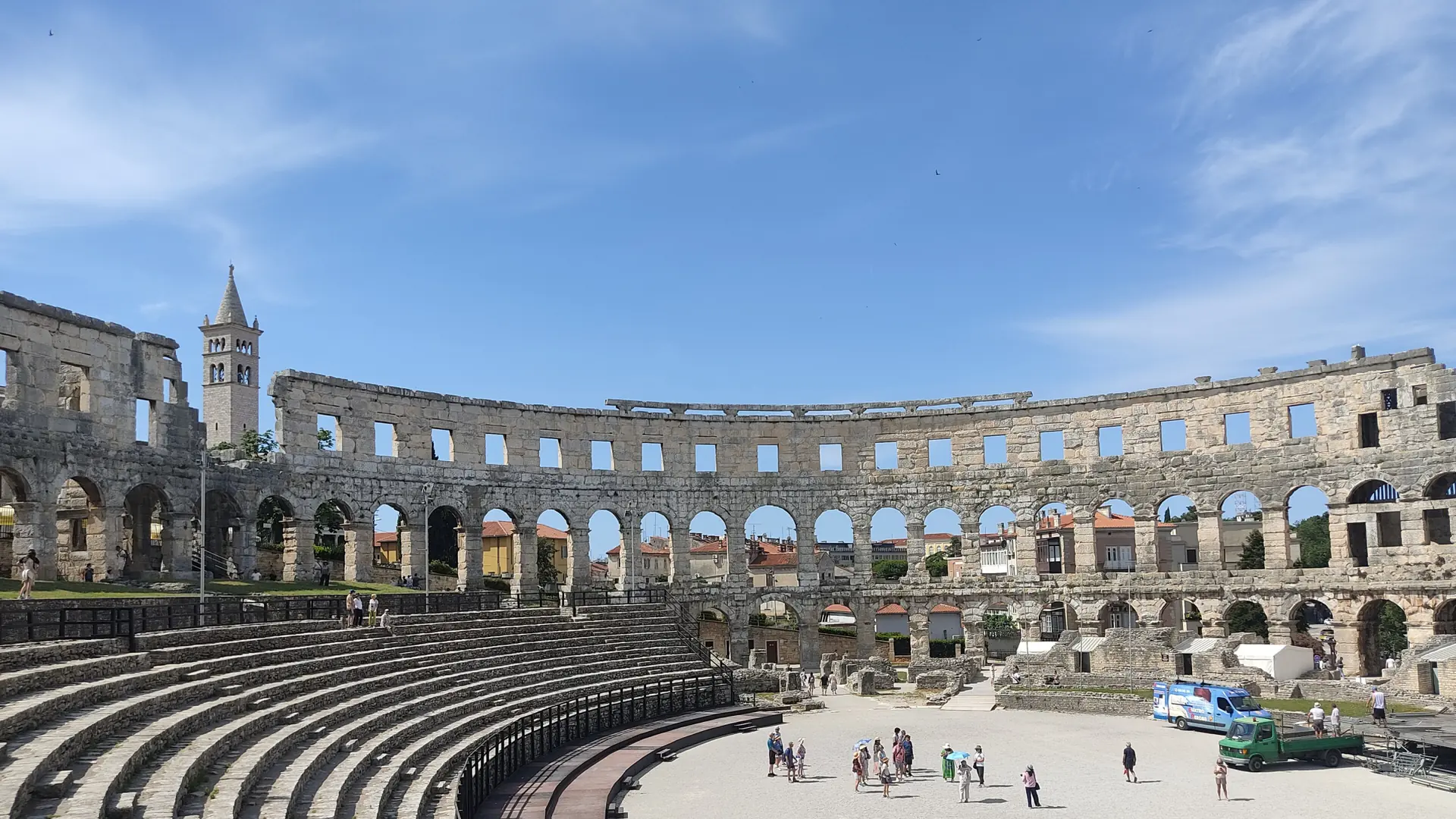
Choose Motovun for the hilltop town and views across the Mirna valley, then have lunch around Livade if local truffle dishes appeal. The forest below is a protected reserve; a visit to the town does not mean unrestricted access to the woods. Choose Pula instead for the Roman amphitheatre, the Arch of the Sergii and the old centre around the Forum. Return to Rovinj for the evening. Either outing leaves time to enjoy the place, rather than spending the whole day between car parks.
Overnight: Rovinj
Spend the morning among the pines and coastal paths of Golden Cape, south of Rovinj. A short swim or a visit to the Batana museum can replace the walk. Leave after an early lunch for the drive inland, allowing four to five hours with a break rather than adding another major attraction en route. Reach your park-area accommodation while there is daylight to find it. Confirm breakfast and dinner arrangements here; a rural guesthouse may have fewer nearby choices than the coastal towns.
Overnight: Plitvice Lakes
Book Entrance 1 early and consider official programme C: an eight-kilometre circuit through both the Lower and Upper Lakes, with a boat crossing and panoramic vehicle. The park lists four to five hours, but queues, photographs and lunch can make the visit longer. Programme B is a shorter alternative if that distance is unsuitable. Check which paths and services are operating. Collect your bags after the walk, then drive to Zadar and leave sightseeing until you have eaten and checked in.
Overnight: Zadar
Start at the Roman Forum, where ancient remains sit beside St Donatus and the cathedral quarter. Visit the Archaeological Museum if you want more context, or wander through the market and the old town’s lanes. Leave a few hours free for lunch and a rest. In the evening, walk along the western waterfront: waves play the Sea Organ’s pipes, while Greeting to the Sun becomes a light display after dark. The organ also works during the day, so a cloudy sunset does not make the visit pointless.
Overnight: Zadar
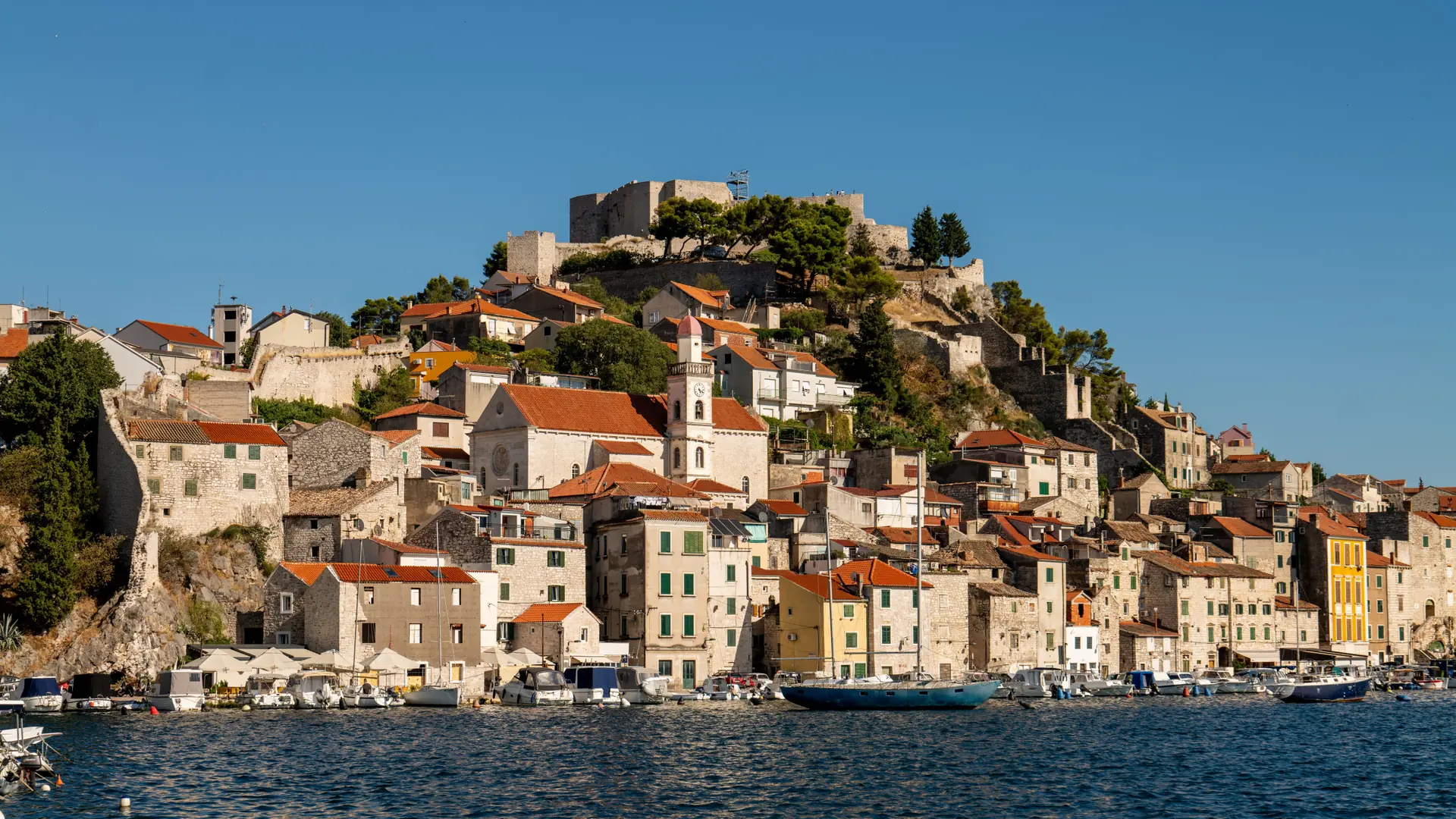
Set off after breakfast and stop in one town along the coast. Šibenik offers a walk through steep stone lanes to the cathedral; Trogir has a small historic centre on an island linked to the mainland. Allow time for lunch and parking as well as sightseeing. Continue to Split for your agreed rental return, following the fuel policy and keeping the handover record. Once settled at the hotel, take a short walk along the Riva and find dinner without planning a further excursion.
Overnight: Split
Walk from the Riva into the streets of Diocletian’s Palace. Peristyle, the gates and the surrounding lanes show how later homes and shops grew around the Roman residence. Choose a paid visit to the cathedral complex or basement halls, then stop for lunch outside the busiest square. The public streets do not require an all-inclusive palace ticket; individual monuments have their own admission. Spend the afternoon around the market and old centre, or head to Bačvice for a swim if the weather suits.
Overnight: Split
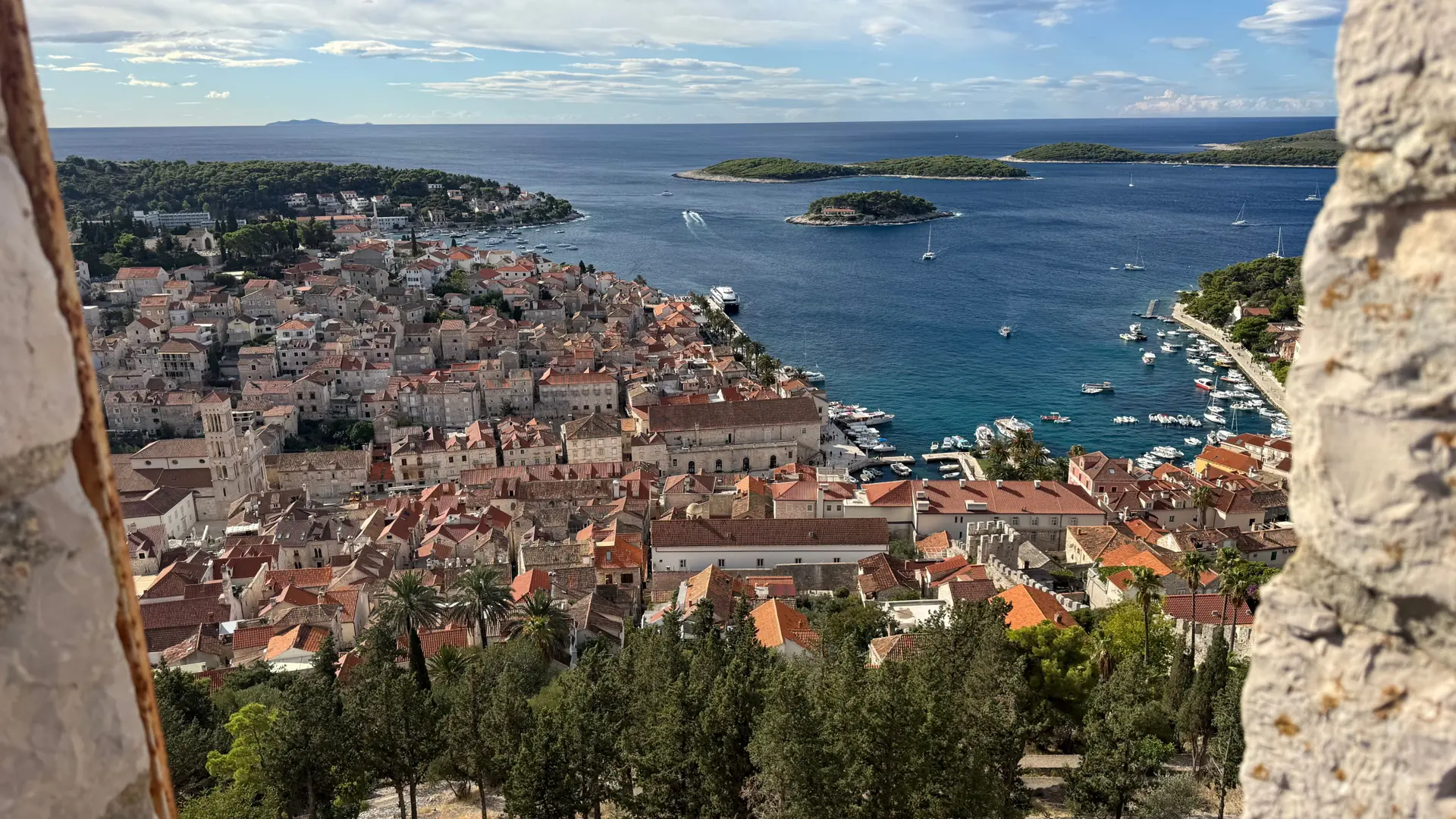
Use the third Split night for a slower day. Walk towards Marjan’s viewpoints and shaded paths, or visit Trogir if you did not stop there on day seven. Hvar is another option when a confirmed outward and return sailing leaves several worthwhile hours ashore. Choose one outing and have lunch there; trying to fit the hill, Trogir and an island into this day leaves little time for any of them. Before dinner, check tomorrow’s bus departure and allow enough time to reach the station.
Overnight: Split
Book a morning service from Split’s waterfront bus station to Dubrovnik’s main station in Gruž. Check the journey time and stop address on your own ticket, as services vary. From Gruž, continue to your hotel by local bus or taxi and leave the bags before heading into the Old Town. Follow Stradun from Onofrio’s Fountain towards Luža Square and the old harbour. Keep this first visit flexible: a late bus should still leave time for a meal and a pleasant evening walk.
Overnight: Dubrovnik
Reserve the first available wall entry that suits the current opening hours and your ability to manage the steps. The exposed sections become hot in summer, so bring water and take your time. After the circuit, sit down for lunch before choosing another visit. The Rector’s Palace explains civic life, while the Maritime Museum is a good choice if the harbour interested you yesterday. Return to the lanes after dinner to see the town at a different pace, rather than filling every hour with another ticket.
Overnight: Dubrovnik
Take the reserve’s official boat from Dubrovnik’s Old City Port for a half-day on Lokrum. Walk the marked paths through the gardens and wooded areas, stop by the monastery and leave time to sit by the water. Check the final return before setting out across the island. The reserve closes outside its visiting season, and boats stop in poor weather; in either case, use the day for Lapad’s promenade and a museum in town. Lokrum is a day visit, so return to the same Dubrovnik room tonight.
Overnight: Dubrovnik
Libertas line 10 links Dubrovnik and Cavtat; check the current timetable in both directions before leaving. Cavtat’s harbour and coastal paths make a quieter day outside the city, with time for lunch by the water. If you prefer to stay in Dubrovnik, visit the Franciscan or Dominican collections and revisit a favourite part of the Old Town. This spare day also lets you move the wall walk or Lokrum visit if the weather was poor earlier. Keep the final evening free to pack and arrange departure.
Overnight: Dubrovnik
Plan backwards from the airline’s check-in requirement, adding the journey from your hotel to the pickup point. Platanus airport coaches depart from the main bus station in Gruž and call at Grawe and the Cable Car stop; Pile is not the listed outbound stop. The operator gives about 35 minutes to the airport, before traffic delays. An early flight or difficult luggage route may justify a booked transfer. Fit a final coffee around that plan, rather than scheduling another excursion on departure day.
Overnight: Departure day
Collect the car on day two and return it on day seven. The driving ranges below exclude sightseeing; check road conditions and the actual rental branch before each transfer.
5 transfers
Zagreb Rovinj
Follow the main roads towards Rijeka and the Istrian Y motorway. HAC and Bina-Istra operate different tolled sections; use their route calculators for your vehicle category. Opatija adds a worthwhile break, plus time off the main road.
Rovinj Plitvice Lakes
Leave Rovinj around lunchtime and travel towards the lake area. Your hotel may be along the main road rather than beside an entrance, so use its exact address for the final approach.
Plitvice Lakes Zadar
This leg follows the park visit on day five. A morning start at the lakes leaves time for a meal and a break before driving to the coast. Stop again if you are tired.
Zadar Split
Use the motorway for the direct journey, or allow longer for coastal roads. A visit to Šibenik or Trogir adds parking, walking and lunch time; choose your return appointment accordingly.
Split Dubrovnik
FlixBus lists services from Split’s waterfront station to Gruž in Dubrovnik. Some departures take longer than the fastest advertised journey. Allow the rest of the afternoon for the local connection and check-in.
Planning allowances per adult for two people sharing a double room and a car, with 13 hotel nights and 14 days of meals. Replace these figures with dated quotes. USD conversion: ECB, 14 October 2026; 1.1195 dollars per euro.
Booking tips
The six markers show overnight stops, not driving directions. The accommodation search starts around Rovinj and may show nearby or inland properties. On a phone, zoom out to see Zagreb and the southern stops; check each address before booking.
Rovinj
There are five days with driving and one intercity bus transfer. The single night near Plitvice is the shortest stay; three Split nights and four in Dubrovnik give you more breathing room later. Keep the Istria outing to one main town and leave optional trips optional.
The exact sequence is less convenient by public transport, especially between Rovinj and the park. You could arrange private transfers for that section, but it changes the budget considerably. The separate no-car itinerary follows easier coach and ferry connections instead.
Choose Motovun for a hilltop walk, valley views and lunch in inland Istria. Pula suits Roman history and the amphitheatre. Both are possible from Rovinj; choosing one leaves time to explore rather than spending the afternoon driving between them.
Programme C starts at Entrance 1 and visits both lake areas. Entrance 2 is the starting point for other programmes. Check the official route descriptions and current closures before choosing, then use the entrance named on your timed ticket. The two entrances are separate arrival points.
Yes, but move nights rather than adding a rushed stop. A Hvar or Korčula stay needs a workable seasonal ferry sequence and time to get to the port. For a trip mainly about the islands, use the dedicated island-hopping itinerary and treat Istria as a future visit.
July and August need a larger accommodation allowance and earlier outdoor visits. Later autumn and winter can suit city museums, but bring shorter days, cooler walking conditions and closures or reduced boat services. Lokrum may be closed entirely; the road trip still needs checks for weather and park operations.
Reviewed by StartBooker
Last reviewed 2026-10-15
Updated
How this route was checked: Checked against official attraction, road and transport information, with independent itinerary and cost comparisons. Travel times are estimates; the sample budget states its occupancy, season and exclusions.
35 references reviewed
Some photos provided by Pexels.
Find another destination and compare its areas and accommodation.
Compare routes by length, stops and transport.