Wide summer view across Plitvice Lakes, forested waterfalls and turquoise water.

Zagreb to Dubrovnik in 7 Days

A realistic one-week Croatia route with an early Plitvice visit, two proper coastal bases and no return to the starting city.

Length
7 days, 6 nights
Stops
4 bases
Getting around
Bus or rental car
Best months
May-June, September
Search stays

A one-way first trip with a protected Plitvice morning

This seven-day route links Croatia's capital, its best-known lake landscape and the two historic cities most first-time visitors place on a short list. Geography is its strength: Zagreb is the northern entry, Plitvice breaks the inland journey, Split opens the Dalmatian coast and Dubrovnik provides the southern finish. Book an open-jaw flight when the fare is reasonable. Returning to Zagreb consumes the day this itinerary cannot spare.

The schedule is intentionally uneven. Zagreb receives one arrival night and a focused morning, while Plitvice receives a hotel night despite having fewer restaurants and almost no urban evening. That imbalance buys an early reserved park slot, cooler boardwalks and time for an Upper-and-Lower-Lakes programme before continuing south. Split and Dubrovnik receive two nights each, so neither UNESCO centre becomes a luggage stop. You still choose: Split's second afternoon can hold Bacvice, Marjan or Trogir, not all three; Dubrovnik's flexible half-day can hold Lokrum, a museum sequence or Lapad, not another border crossing.

A rental car gives the cleanest Zagreb-Plitvice-Split sequence outside the strongest bus season. Drop it in Split because old-city parking and restricted access add cost without improving coastal days. The bus version is viable only when Zagreb-Plitvice and Plitvice-Split departures align with the timed park ticket. Check those legs first, reserve rooms second and add attractions last. This order prevents a convincing paper itinerary from failing at a rural stop.

The Plitvice night buys a better park

Arriving the evening before separates the lake walk from Zagreb transport. Stay near the entrance printed on the ticket or confirm a lift; Entrances 1 and 2 are about three kilometres apart. Early admission means cooler paths and less pressure to abandon the full circuit for the onward bus.

Split earns two distinct half-days

Use one for Diocletian's Palace from Bronze Gate to Peristyle. Keep the other for Bacvice, Marjan or Trogir according to weather and energy. A port-adjacent room reduces both the arrival transfer and departure drag.

Dubrovnik needs a cool-hour wall slot

Walk the exposed, stair-heavy ramparts near opening. Ground-level lanes and museums suit the warmer hours. Pile and Ploce maximise monument time; Gruz or Lapad can reduce price and luggage pressure.

Best for

  • First-time visitors wanting one inland landscape and two Dalmatian cities
  • Travellers comfortable with three hotel changes to avoid backtracking
  • Visitors able to manage steps, boardwalks and intercity luggage

Think twice if

A slow beach holiday, island hopping or step-free sightseeing. Add three to five days for Hvar, Istria, Krka or rest.

StartBooker answer

How should one week link Zagreb, Plitvice, Split and Dubrovnik without wasting a day?

Spend one night in Zagreb, one beside Plitvice Lakes, two in Split and two in Dubrovnik. Travel south in a straight line and fly home from Dubrovnik rather than returning to Zagreb. The Plitvice overnight is decisive: it protects an early park entry and avoids combining a long lake walk with two intercity transfers. A car makes the inland legs easier, but buses work when departures are checked before hotels are fixed.

Route
Zagreb → Plitvice → Split → Dubrovnik
Night split
1, 1, 2 and 2 nights
Park plan
Sleep nearby and reserve early entry
Finish
Fly home from Dubrovnik

Four bases that keep the route moving south

Each overnight solves the next day's hardest constraint. Book by station, entrance or gate, not a generic best-area list.

4 stops · swipe

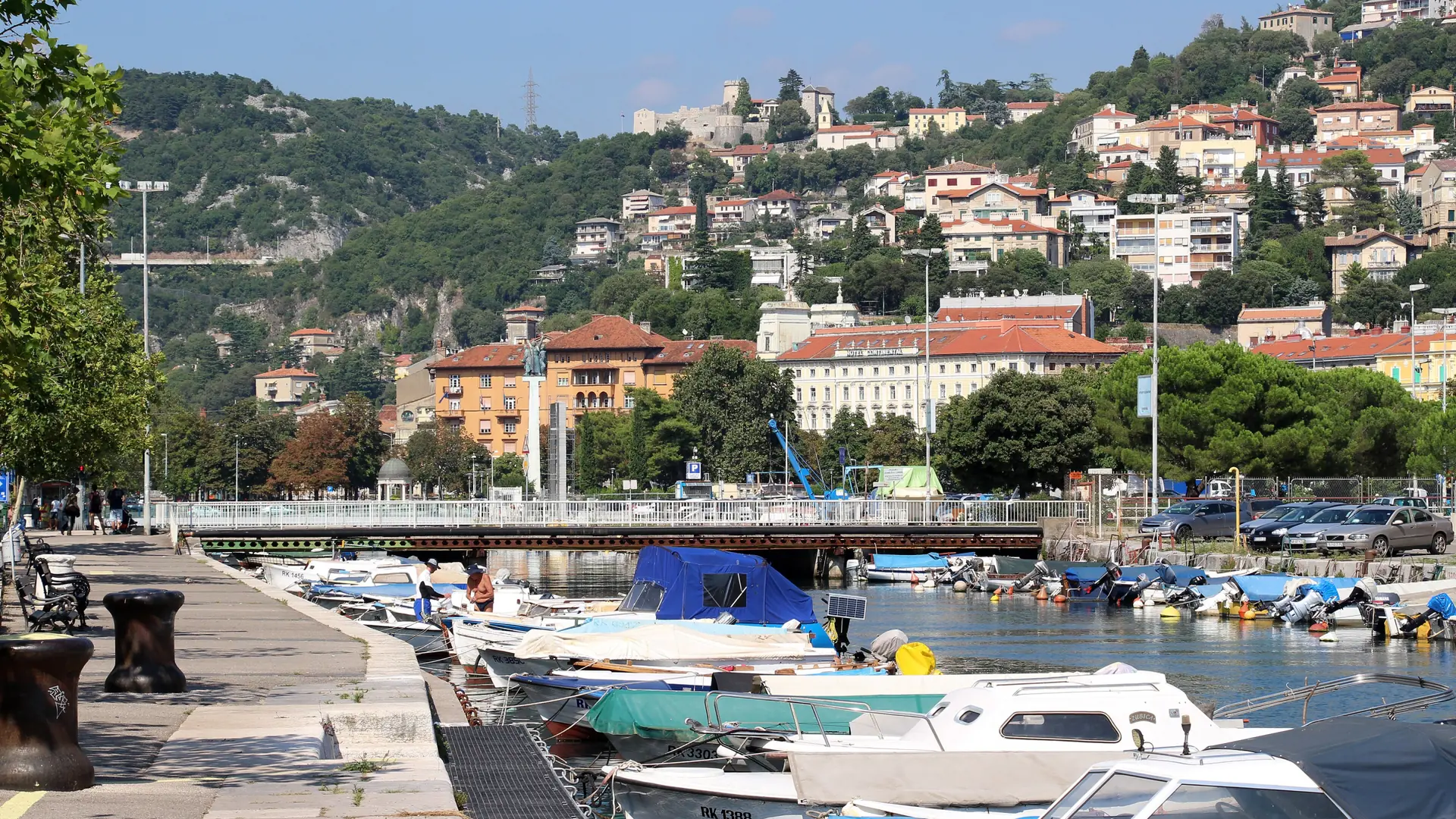
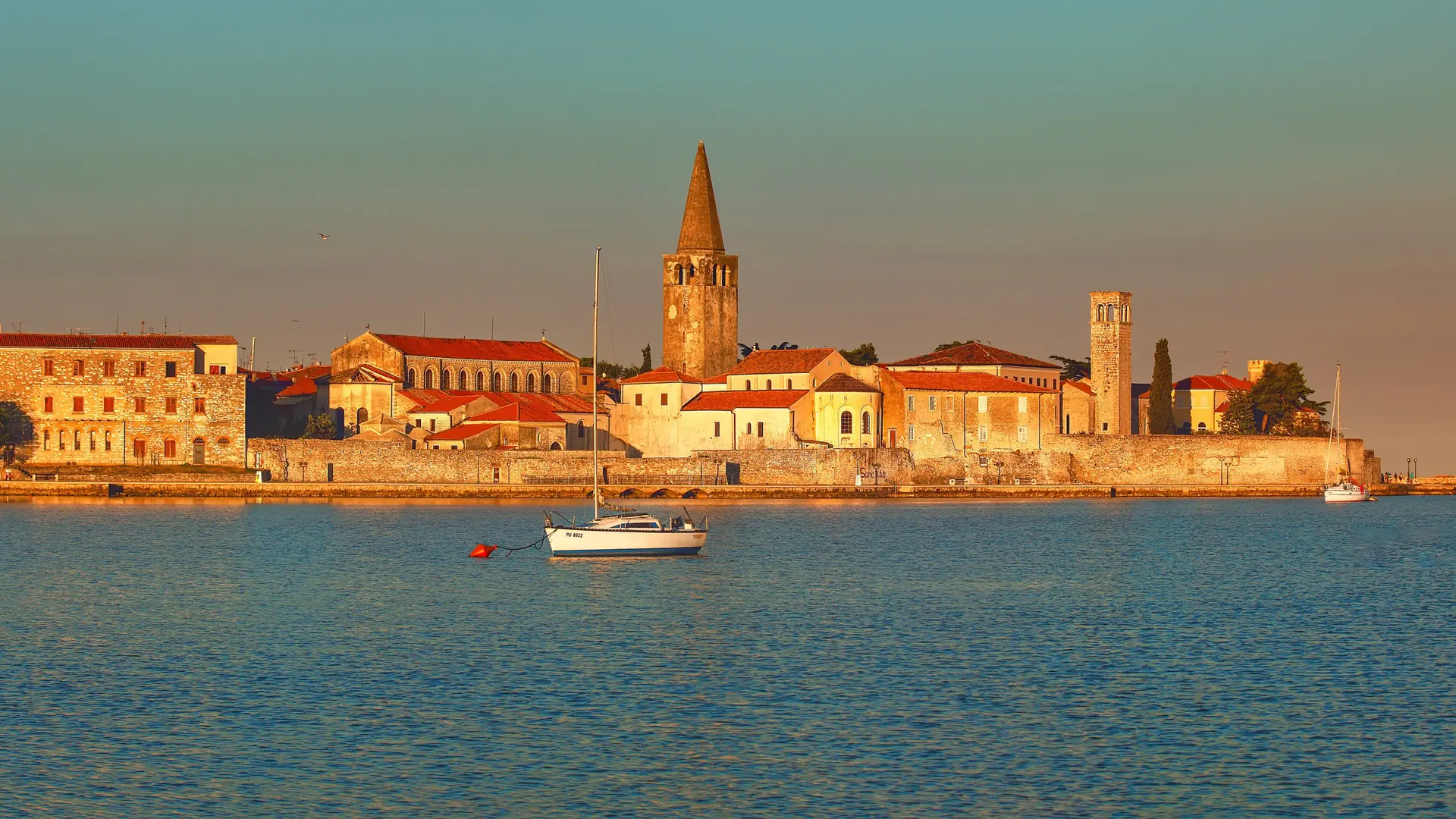
  1. Zagreb rooftops and historic towers in clear daylight. 1

    Zagreb

    1 night

    Upper Town lanes, markets and civic squares

    Treat Zagreb as an arrival city, not an airport label. Lower Town or the main-square corridor keeps the historic walk compact and leaves a practical route to the bus terminal. Climb toward Gradec, then return through the Green Horseshoe if daylight remains. Upper Town rooms add atmosphere, but cobbles and a less direct departure are poor trades for one night with luggage.

    Watch out: Protect the Plitvice departure before reserving a morning museum.

    Read the Zagreb guide →
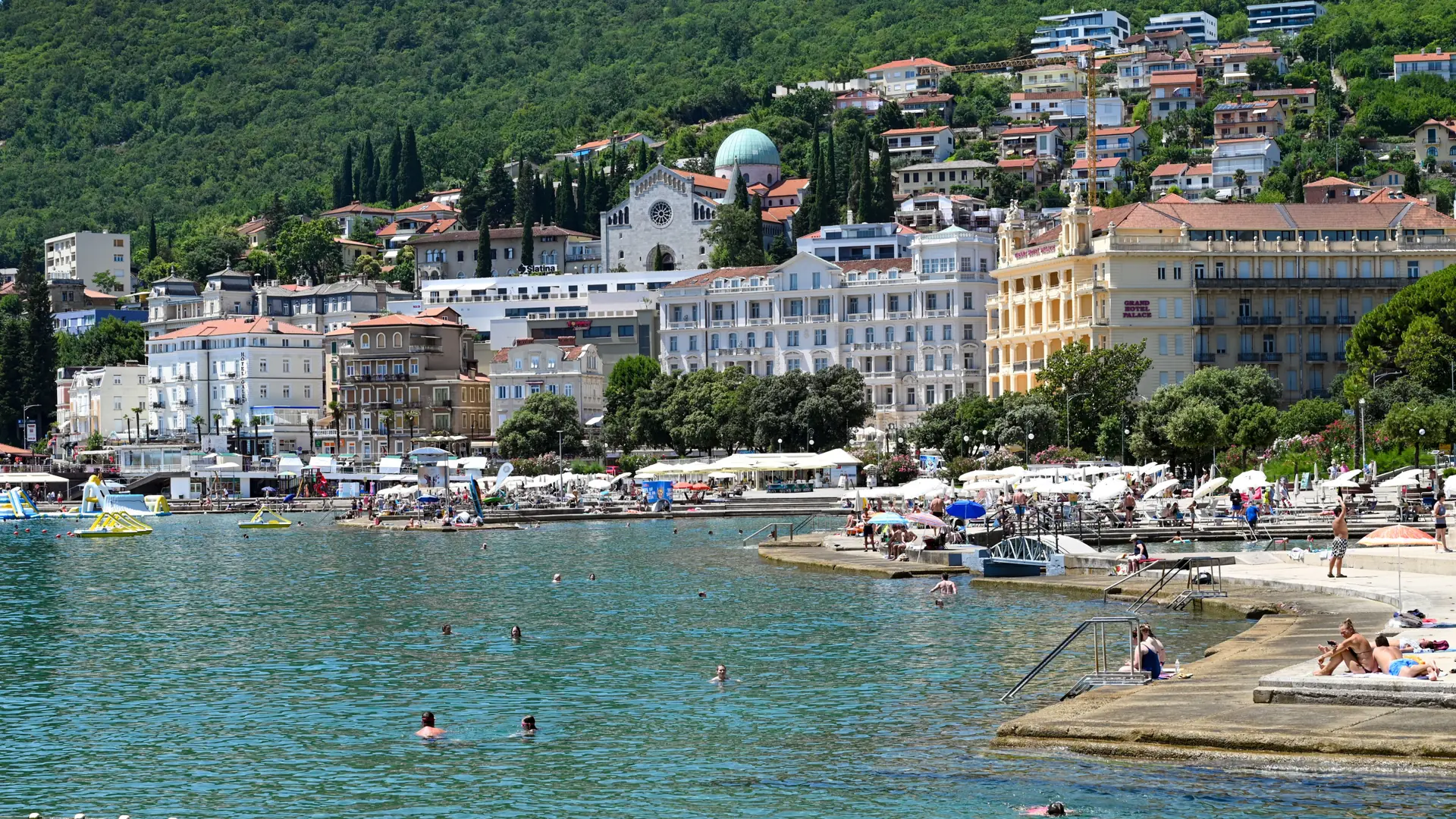
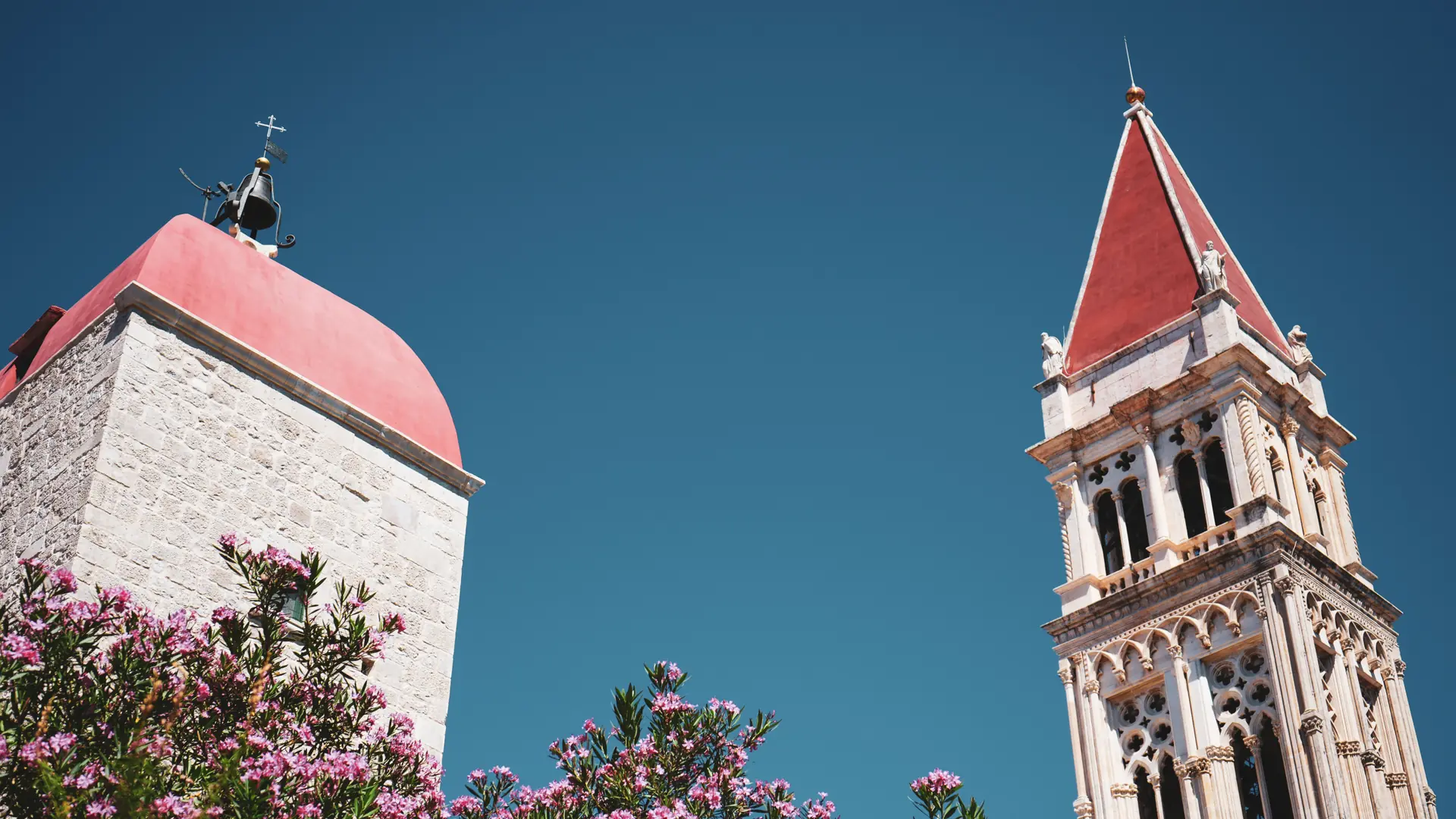
  2. Turquoise lakes and forested waterfalls at Plitvice Lakes National Park. 2

    Plitvice Lakes

    1 night

    Forest lakes, waterfalls and living travertine barriers

    Choose the bed by access to the reserved gate. Entrance 1 begins Lower-Lakes-focused routes; Entrance 2 serves several Upper-Lakes combinations. Official programmes range from short circuits to demanding full-day walks, using boats and panoramic vehicles where specified. A remote guesthouse may be peaceful and cheaper but becomes a false economy when no early taxi or host transfer exists.

    Watch out: Admission is tied to a selected entrance and time; paths may be slippery or restricted.

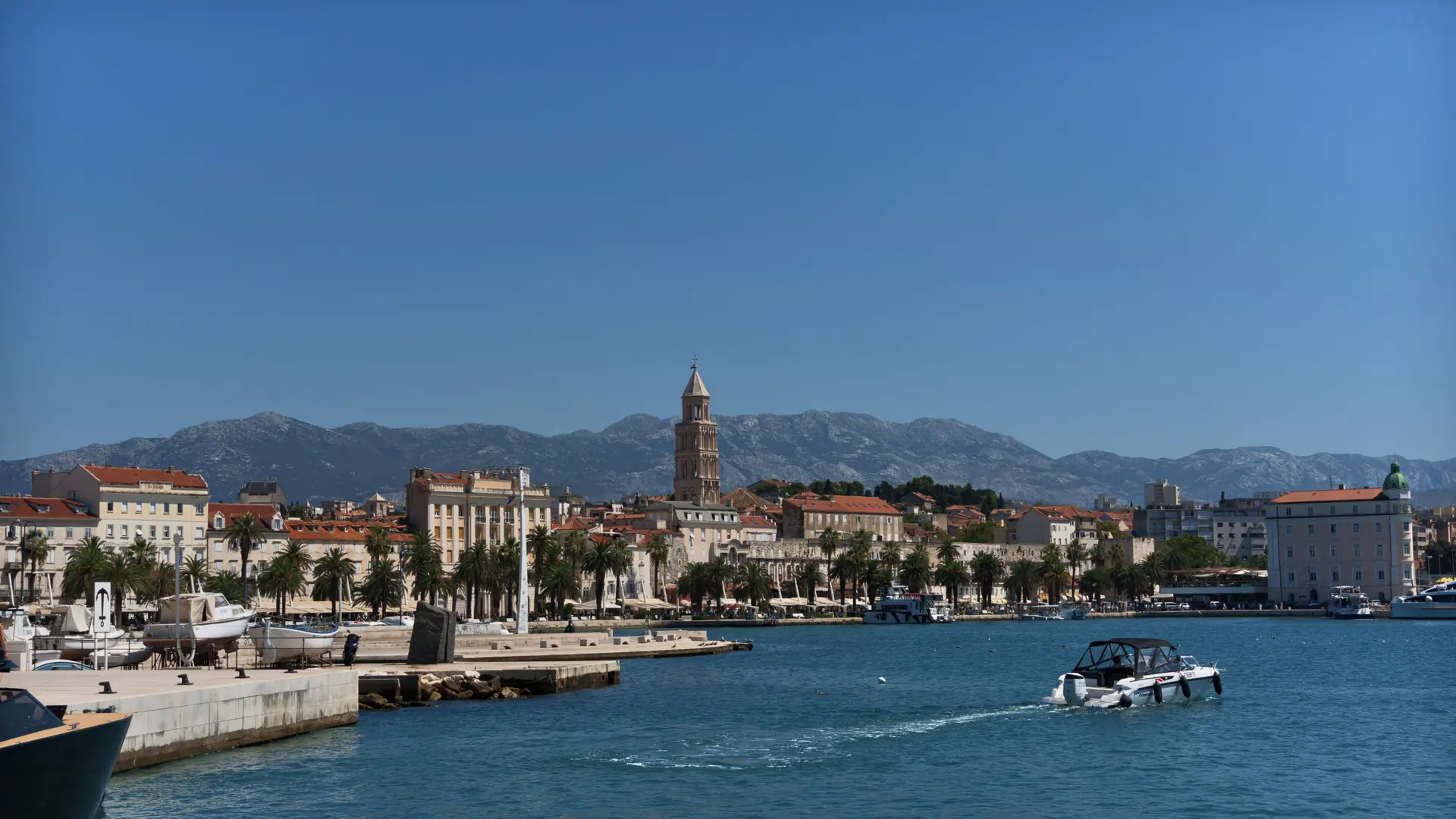
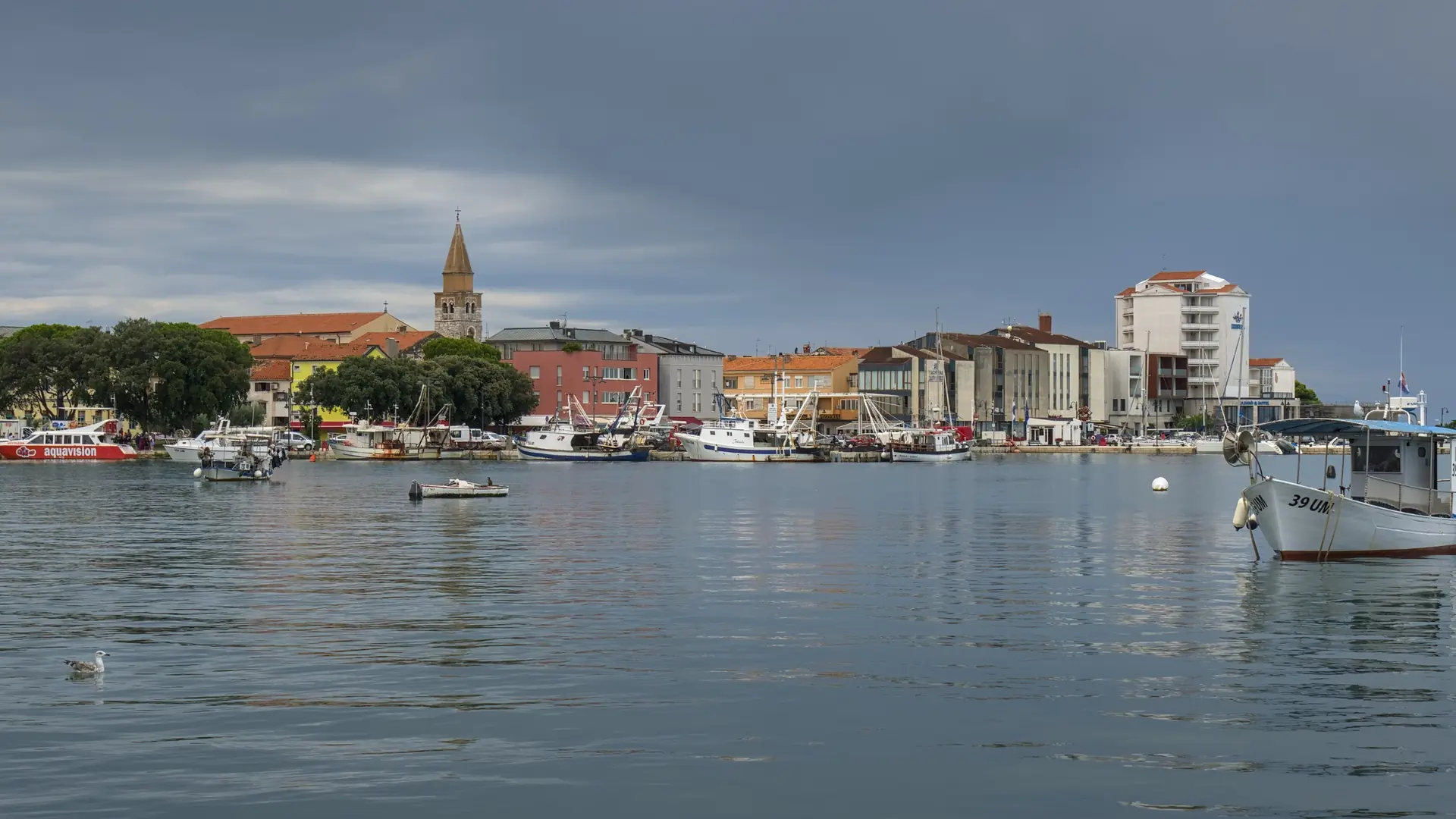
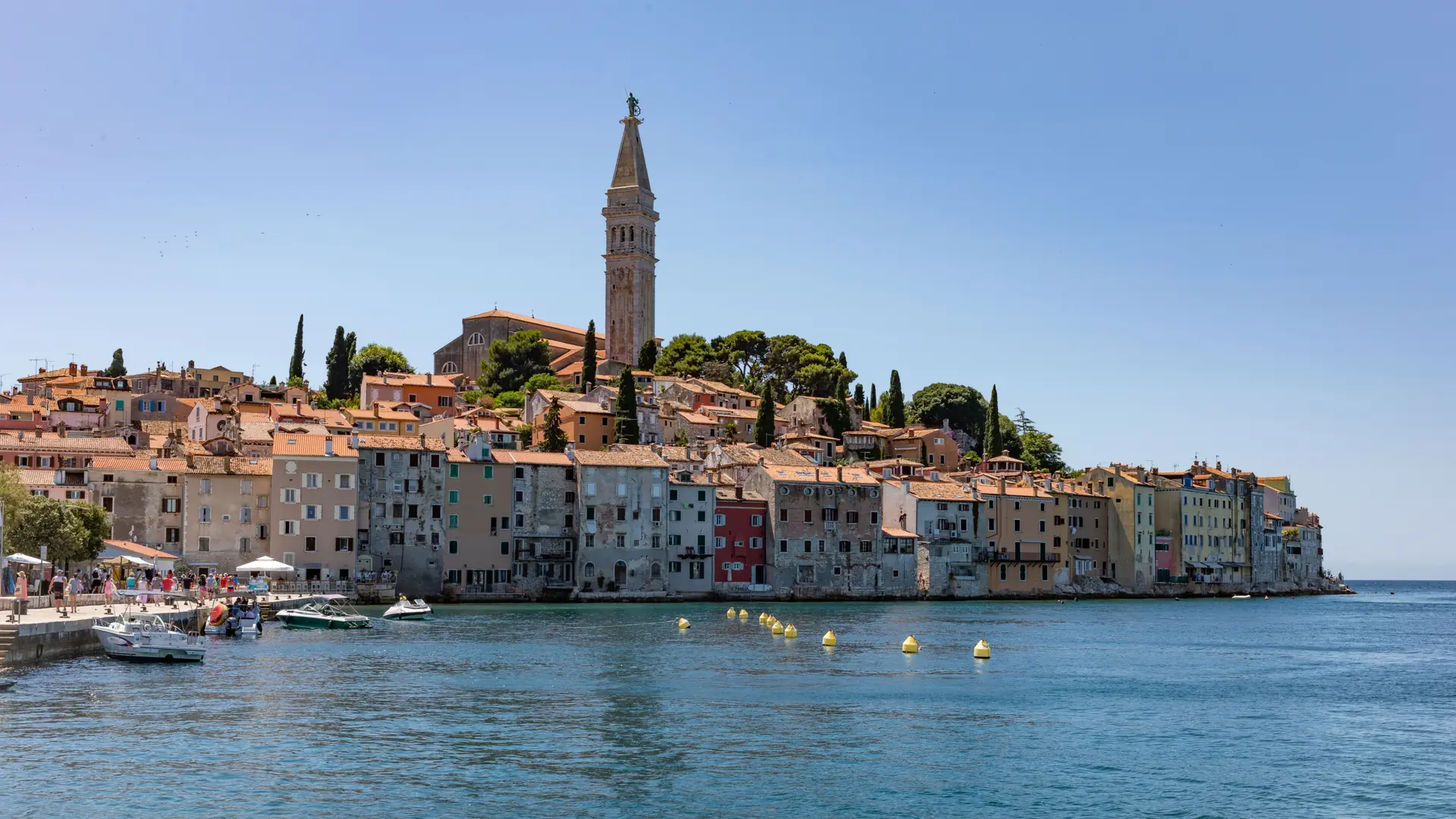
  3. Sunlit stone arcades inside Diocletian's Palace in Split. 3

    Split

    2 nights

    Diocletian's Palace, the Riva and Adriatic port

    Stay east of the palace or near Bacvice for the easiest relationship between bus station, harbour and old town. Varos has character and Marjan access, though steps become less charming with luggage. Read the palace as a living urban fabric, then choose one coastal counterpoint. The route excludes an island because another hotel would leave every destination feeling like check-in.

    Watch out: Summer congestion can stretch arrival; avoid a timed tour immediately after Plitvice.

    Read the Split guide →
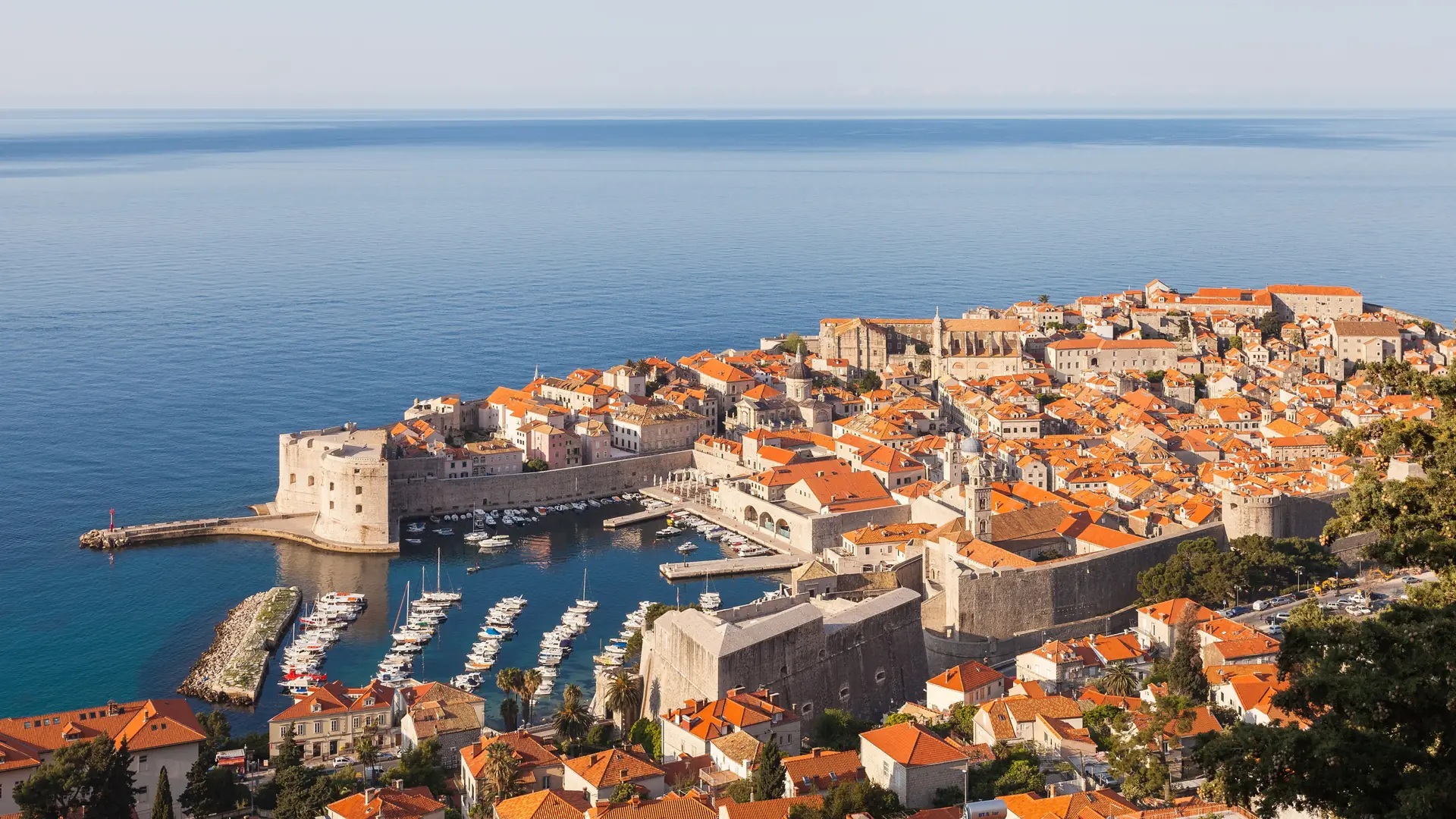
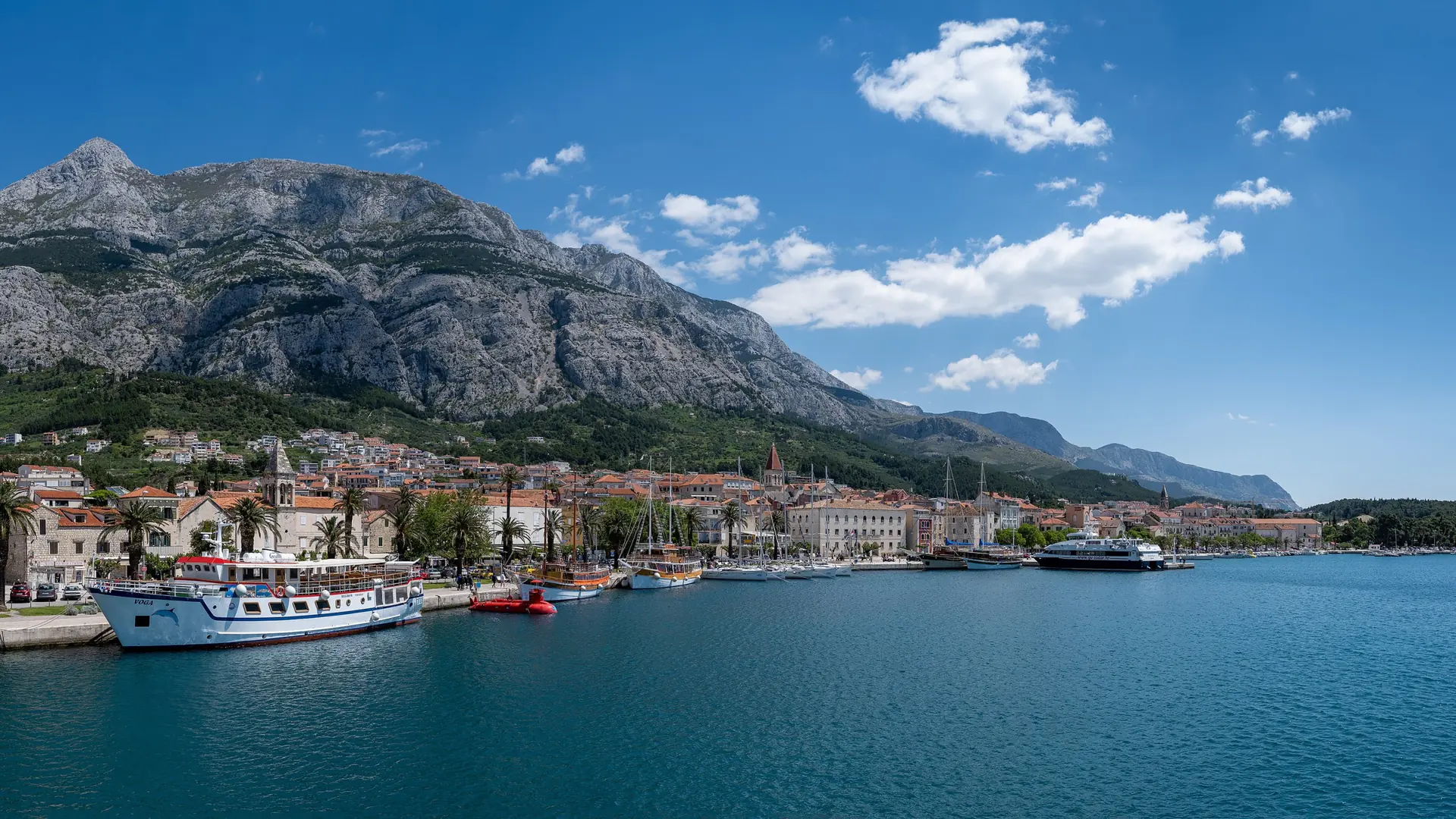
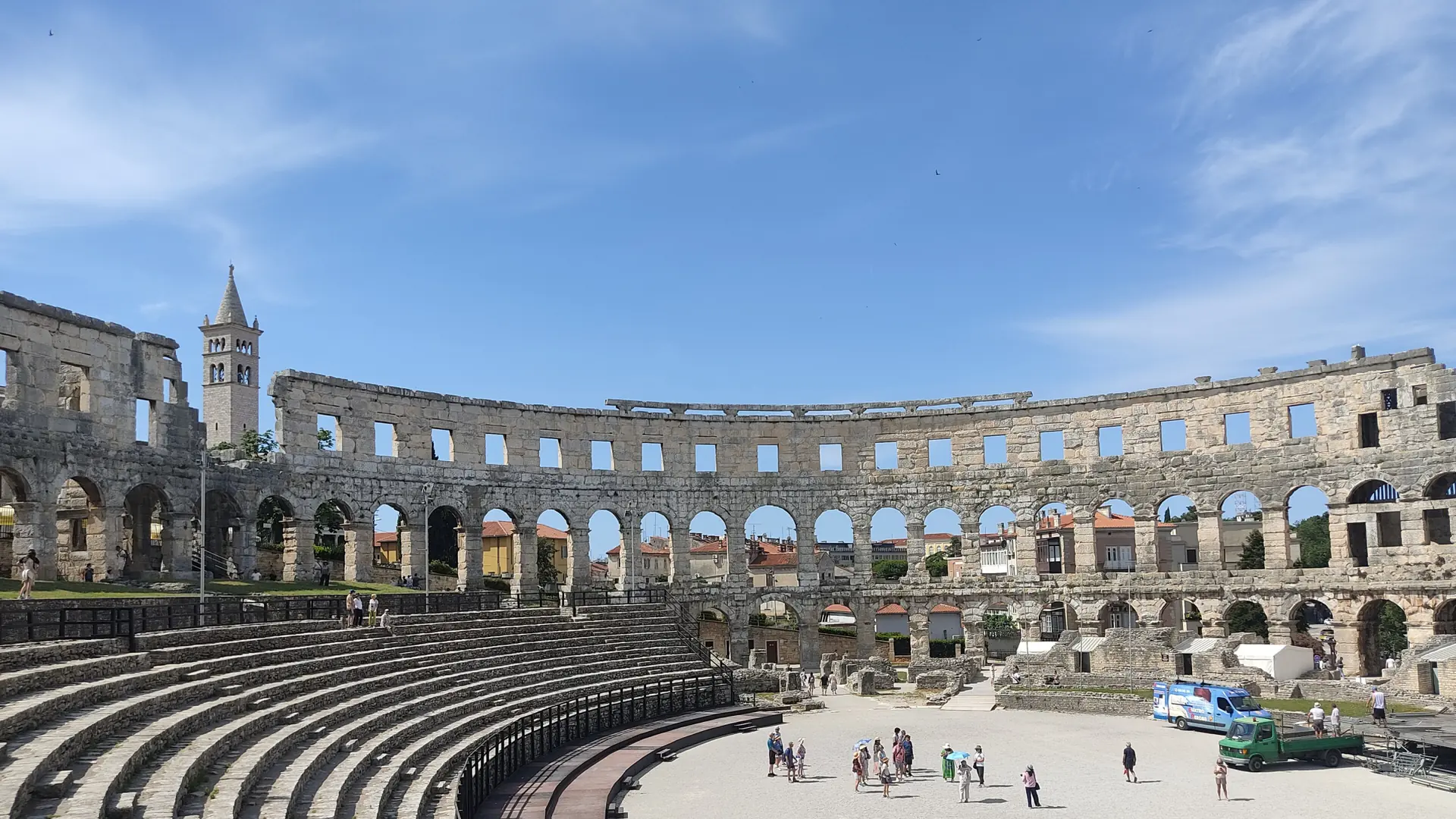
  4. Dubrovnik's limestone Stradun and historic facades in afternoon light. 4

    Dubrovnik

    2 nights

    Fortified Old Town, walls and Adriatic viewpoints

    Two nights protect a complete sightseeing day and the open-jaw flight. Inside the walls brings atmosphere plus stairs and awkward luggage access. Pile or Ploce keeps gates close; Gruz helps after the bus and before an early airport connection; Lapad offers calmer evenings but adds a local ride. Choose by departure logistics, then compare live prices on the map.

    Watch out: Vehicle controls mean a taxi may not reach the accommodation door.

    Read the Dubrovnik guide →

Seven days from the capital to the southern coast

Timed admission, cool walking hours and honest transfer margins control the order.

1 Day 1 Arrive in Zagreb and keep the first walk outdoors

Use the airport coach or city transport matching the actual arrival; a late flight may not connect neatly onward. Check in around Lower Town, Ban Jelačić Square or the station corridor. Walk Dolac's surroundings, the Stone Gate approach, St Mark's Square and Gradec viewpoints without tying the evening to a ticket. Descend toward the Green Horseshoe for dinner instead of crossing town for a reservation. Reconfirm tomorrow's bus, find the terminal and ask the Plitvice property how guests reach the selected gate. If the flight is late, shorten the loop and sleep. Zagreb has a purposeful morning tomorrow; exhausting yourself now only transfers the cost to the park day.

  • Arrival margin
  • Outdoor Upper Town circuit
  • Confirm the park last mile

Overnight: Zagreb

2 Day 2 Give Zagreb one focused morning, then move inland

Begin at Dolac and choose one story rather than five institutions. Upper Town suits a first visit; the Museum of Broken Relationships is an indoor alternative, while Lower Town parks reward good weather. Retrieve luggage and reach Zagreb Bus Station without sprinting. Its Plitvice page confirms the corridor, but operators and patterns change, so verify your date. Drivers should collect the car after sightseeing and never leave visible bags. At Plitvice, prepare a light daypack, rain layer and grippy shoes. Eat at the property or reserve nearby because this is not an urban dining district. A remote lodge can be restorative; dependence on its transfer and meal times is the trade-off.

  • One Zagreb theme
  • Transfer before evening
  • Sleep by the correct gate

Overnight: Plitvice Lakes

3 Day 3 Walk Plitvice early and continue to Split

Enter at the gate and time printed on the ticket. Programme C from Entrance 1 covers Upper and Lower Lakes over about eight kilometres in roughly four to five hours; Programme H begins at Entrance 2 and is longer. Choose for hotel location, fitness and current operations, not a universal best list. Stay on marked paths, share narrow boardwalks and expect wet timber or rock to be slippery. Boats and panoramic transport within the chosen programme are included, but do not remove the walking. Collect bags after the circuit, then take the prechecked Split bus or drive south. Add food and traffic margin. In Split, check in near the harbour and walk only the Riva and palace exterior; the dense interior deserves fresh attention tomorrow.

  • Early timed entry
  • Upper and Lower Lakes route
  • Gentle Split arrival

Overnight: Split

4 Day 4 Read the palace, then choose one coastal contrast

Enter from the Riva through the Bronze Gate and basement halls, surfacing at Peristyle. This sequence makes the Roman plan legible before lanes dissolve into the modern city. Choose the cathedral and bell tower, a historical tour or the City Museum as the main interior. After lunch, pick by weather: Bacvice is easiest; Marjan offers shade and longer walking; Trogir adds heritage but consumes transport time. Return for evening light and dinner beyond the busiest square. If the Dubrovnik room is inside the walls, ask the host for the least-stepped arrival now. The shortest line on a map can be an unpleasant staircase with a case.

  • Bronze Gate to Peristyle
  • Bacvice, Marjan or Trogir
  • Plan luggage access

Overnight: Split

5 Day 5 Travel the coast and enter Dubrovnik at street level

Take a morning intercity bus unless a later one has a clear advantage. Traffic and intermediate stops make static duration promises unreliable; keep water and essential medication accessible. Return a rental car in Split unless genuinely needed later. Dubrovnik's bus station is in Gruz, so transfer to Pile, Ploce, Lapad or the Old Town before sightseeing. Dragging cases toward the walls wastes time where vehicle access is controlled. Use the afternoon for Stradun, the old harbour, Rector's Palace area and lanes below the main street. Save the walls for tomorrow. If arrival slips badly, dinner in Gruz or Lapad may beat an exhausted Old Town lap. Two nights remove the need to collect every landmark immediately.

  • Morning coastal bus
  • Transfer bags from Gruz
  • Ground-level Old Town

Overnight: Dubrovnik

6 Day 6 Walk the walls before choosing your second story

Start the wall circuit soon after the gates open, carrying enough water and wearing shoes that grip polished steps. Repeated stairs and exposed sections make midday a poor test of heat tolerance. Descend for food, then choose one deeper theme. Rector's Palace and maritime exhibits explain the republic; War Photo Limited changes the register; Lokrum replaces interiors with a boat and shaded paths. Do not combine all three. Lapad guests may prefer a beach afternoon and return after the strongest heat. Reserve the evening for the harbour, a weather-dependent viewpoint or a slow meal beyond Stradun. Check tomorrow's airport stop tonight because the coach follows flights rather than a simple urban frequency.

  • Cool-hour wall circuit
  • One museum, Lokrum or beach
  • Confirm airport pickup

Overnight: Dubrovnik

7 Day 7 Use the final hours near the airport route

Match the morning to the flight, not a generic checklist. With a late departure, revisit the old harbour before groups build or take a ground-level lane walk. From an Old Town-area room, the Ploce-side airport pickup may be practical; from Gruz, the main station may be simpler. Allow for stairs, traffic, baggage retrieval and airline check-in. A private transfer can make sense for several people or an early flight, but arrange the legal pickup point rather than expecting a car at a pedestrian door. If time is tight, breakfast beside the hotel and leave. The open-jaw finish already saved a return to Zagreb; protect that gain.

  • Short final walk
  • Pickup by district
  • No Zagreb backtrack

Overnight: Departure day

Three southbound transfers with different failure points

Drive or use buses inland; the coast is simpler, though summer traffic still needs margin.

3 transfers

  1. Zagreb Plitvice Lakes

    Bus Travel time: typically about 2-3 hours

    Buses leave Zagreb's terminal for Plitvice stops; drivers approach via D429. Confirm how bus stop, hotel and reserved gate connect. The principal entrances are not interchangeable when luggage and fixed admission are involved.

    Booking note: Align arrival, local transfer, ticket and bed as one decision.

  2. Plitvice Lakes Split

    Bus Travel time: allow roughly 4-5 hours plus margin

    This is the fragile public-transport link because the walk must end before the bus and the correct stop may not sit by the hotel. Confirm direction, stop and baggage. Drivers gain flexibility, then should return the car in Split if unnecessary later.

    Booking note: Treat departure as the hard edge and retain a last-mile backup.

  3. Split Dubrovnik

    Bus Travel time: roughly 4-5 hours, traffic dependent

    Leave from the station beside Split's port and arrive in Gruz. Road travel avoids seasonal island ferries, but congestion can expand it. Move bags to the hotel before entering the historic centre.

    Booking note: Preserve a useful afternoon without a risky wall reservation.

Timetables, fares and conditions change. Confirm exact departures before timed admission or non-refundable rooms.

Spend first on constraints that protect the route

Prices vary by date. Separate costs buying access or time from extras decorating an already full day.

Plitvice adult ticket Winter is cheapest; the main summer window is highest. Later summer admission costs less but conflicts with this onward plan.
EUR 10-40 in 2026, by season and entry time
Plitvice parking Hourly parking does not change the ticket's named entrance.
About EUR 1.50-2 per hour in charged seasons
Three transfers Bus fares and baggage depend on operator; a one-way rental may cost more but recover inland hours.
Compare current fares before fixing rooms
Six hotel nights Gate or station proximity is valuable at Plitvice and Zagreb; Gruz and Lapad trade Dubrovnik immediacy for price or space.
The largest variable

Booking tips

  • Compare open-jaw flights before round trips, including the return transfer and lost day.
  • Lock the Plitvice entrance, time and nearby bed together.
  • Keep rooms cancellable until inland buses are confirmed.
  • Use the map to inspect the final luggage walk before booking.

Where to stay in Zagreb

Compare live rooms between Lower Town, the main square and the transport corridor. For one night, a clean morning route to the bus matters more than a small remote saving.

Search more stays in Zagreb →
Search stays

Zagreb to Dubrovnik route map

Follow the stored line south, then compare each station, park gate or historic entrance with potential rooms.

Zagreb

Questions about one week in Croatia

Is seven days enough for all four stops?

Yes for disciplined highlights. One Zagreb night, one Plitvice night and two each in Split and Dubrovnik preserve a meaningful window in every base. Islands, Istria, Krka or several beach days require more time, not extra stops.

Do I need a car?

No, but a car makes Zagreb-Plitvice-Split more resilient. Buses work when dates and stops align. Return a rental in Split unless needed later: Dubrovnik parking, controls and hotel access can make it a liability.

Should Plitvice be a Split day trip?

Not here. Sleeping nearby enables early entry, a complete official programme and onward travel. A Split day trip repeats road hours, reaches paths with excursions and removes the flexible coastal half-day.

Which park entrance should I book?

Entrance 1 starts A, B, C and K1; Entrance 2 serves E, F, H and K2. Choose for walking capacity and time, then align the room and transport.

Where should I stay?

Choose Lower Town in Zagreb, verified gate access at Plitvice, and palace-east or Bacvice in Split. In Dubrovnik, Pile or Ploce favours sights, Gruz transport, and Lapad calmer evenings.

Which months work best?

May, June and September balance long walks and coastal evenings. July and August bring demand, higher main-window park admission and heat on the walls. Winter needs another daylight and operations plan.

Sources and review

Reviewed by StartBooker editorial Croatia route and transport research

Last reviewed 2026-09-02

How this route was checked: Checked against park admission, programme and access records; bus stations and airports; tourism boards; UNESCO and climate references; and two independent travel publishers. Volatile schedules remain date-specific checks.

19 references reviewed

Key sources
  • Zagreb Tourist Board
  • Zagreb Airport
  • Plitvice Lakes National Park
  • Split Tourist Board
  • Split Airport
  • Dubrovnik Tourist Board
Photo credits

Photos provided by Pexels.

Have you travelled Croatia north to south?

Which Plitvice programme fit the transfer?