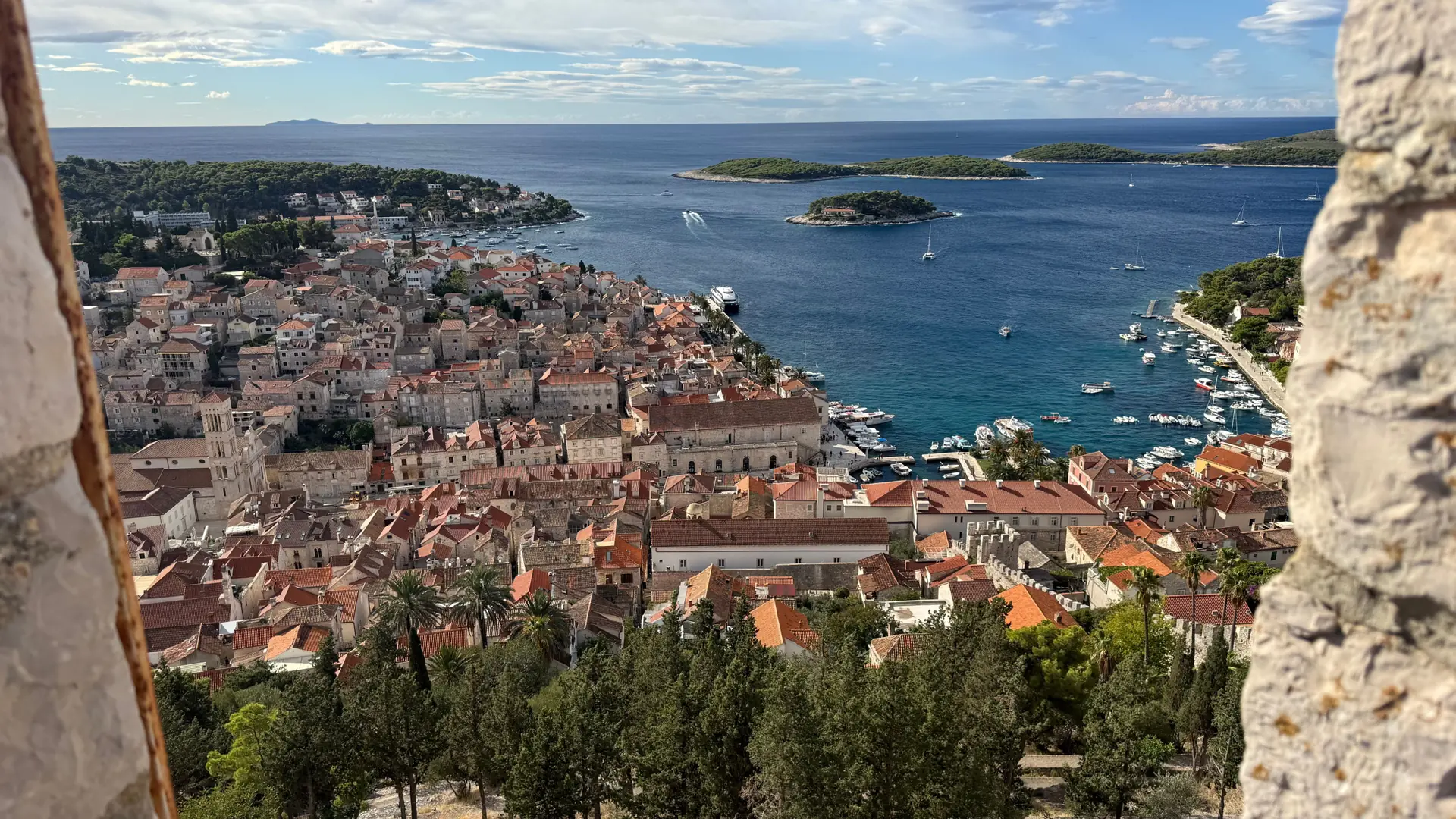
Hvar Town’s red roofs, cathedral and harbour seen from Fortica, with the Pakleni islands beyond.

Croatia in 10 Days: Zagreb to Dubrovnik

Zagreb’s leafy squares, Zadar’s waterfront, Split’s palace and two nights on Hvar lead to Dubrovnik.

Length
10 days, 9 nights
Stops
5 overnight bases
Transport
Bus or car, then ferries
Best time
May–Jun / Sep
Search stays

From Zagreb’s café terraces to an Adriatic island

Spend the first night in Zagreb, then slow down with two nights each in Zadar, Split, Hvar Town and Dubrovnik. The contrast is the attraction: leafy city squares give way to Roman ruins, a palace still woven into everyday streets, and an island harbour where you can linger after the day-trip boats leave.

This is an active holiday with four hotel moves. Arrival and departure count within the ten days, so choose flights into Zagreb and home from Dubrovnik if the fares work. The island section suits late May, June or September, when sightseeing is usually more comfortable than in high summer. Check the seasonal Hvar–Dubrovnik connection before committing to dates.

Plitvice is optional. Drivers can make day two a lake visit on the way to Zadar; bus travellers have an easier day by going straight to the coast. Decide before departure. Returning a rental car in Split leaves the remaining journey free of island driving and parking.

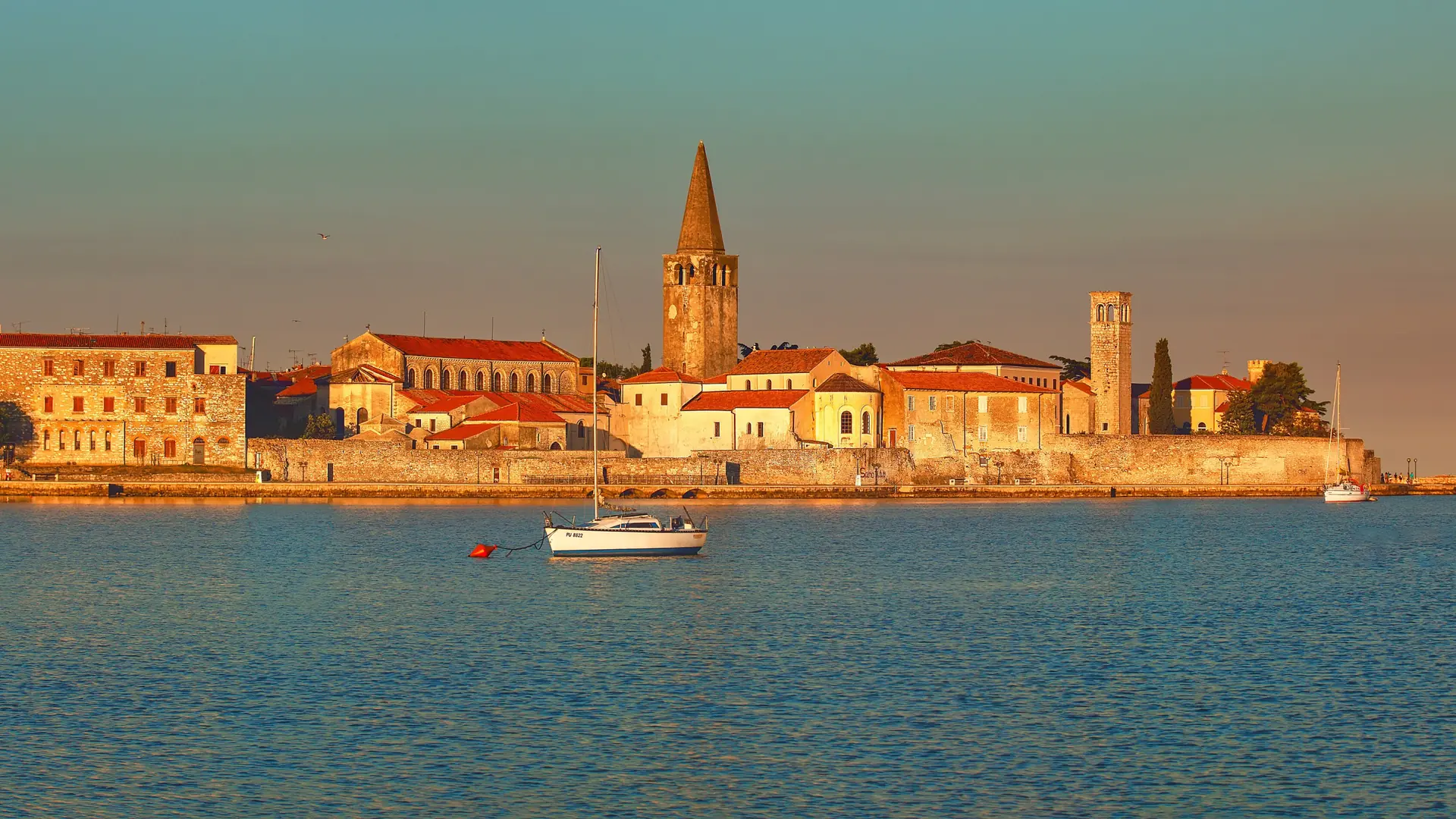
Zadar brings old stone and contemporary art together

Roman remains around the Forum sit close to two modern waterfront installations. Wave-powered music and a solar light display make an unusual pairing with the city’s churches. Zadar offers a gentler introduction to the coast than immediately heading for Dubrovnik’s major sights.

Hvar has more to offer than its nightlife

Fortica looks over the harbour, the Arsenal recalls the town’s maritime history, and the nearby Pakleni islands offer wooded bays for swimming. Two nights leave a full day to explore beyond the quay. Choose either the islands or Stari Grad’s historic landscape, according to your interests.

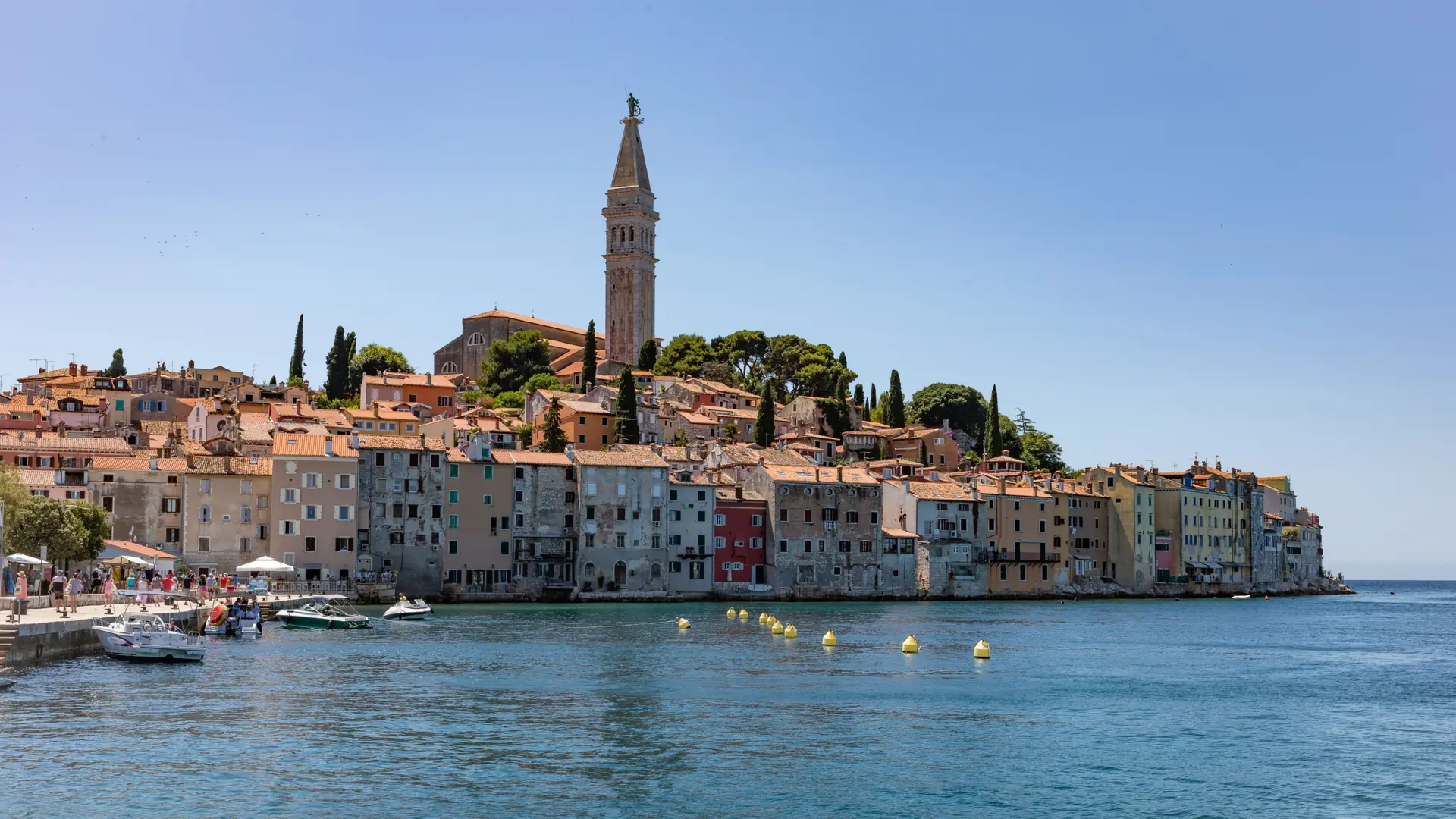
Dubrovnik rewards looking beyond the walls

The walls give an overview of the red roofs and sea, while the streets below reveal the former republic’s civic buildings. A second night leaves room to experience both. Compare an address near the gates with Lapad’s beach setting rather than assuming the most central room suits everyone.

Best for

  • First-time visitors who want city history, coastal evenings and an overnight island stay
  • Travellers comfortable changing accommodation four times and walking on historic streets
  • Couples or friends who prefer a varied holiday to a week at one beach resort

Think twice if

Choose fewer bases if you need step-free routes or dislike moving luggage. For a beach-focused holiday, divide the nights between Split and Hvar instead.

StartBooker answer

How should you spend ten days in Croatia from Zagreb to Dubrovnik?

Spend one night in Zagreb and two each in Zadar, Split, Hvar Town and Dubrovnik. Use buses for the mainland and passenger ferries for the island section. If Plitvice is a priority, a rental car makes that optional day-two detour easier; return it in Split. This plan includes arrival and departure days, with nine nights in total. Check that the direct Hvar–Dubrovnik sailing operates on your date before booking the island stay.

Route
Zagreb → Zadar → Split → Hvar Town → Dubrovnik
Night split
One night in Zagreb; two nights in each coastal or island base
Seasonal connection
TP Line’s 2026 Hvar–Dubrovnik route runs 8 May–18 October; check future seasons separately

Where to stay at each of the five stops

Choose accommodation for the evenings you want to spend there. The areas below balance access to sights with beach space, local transport and the walk from your arrival point.

5 stops · swipe

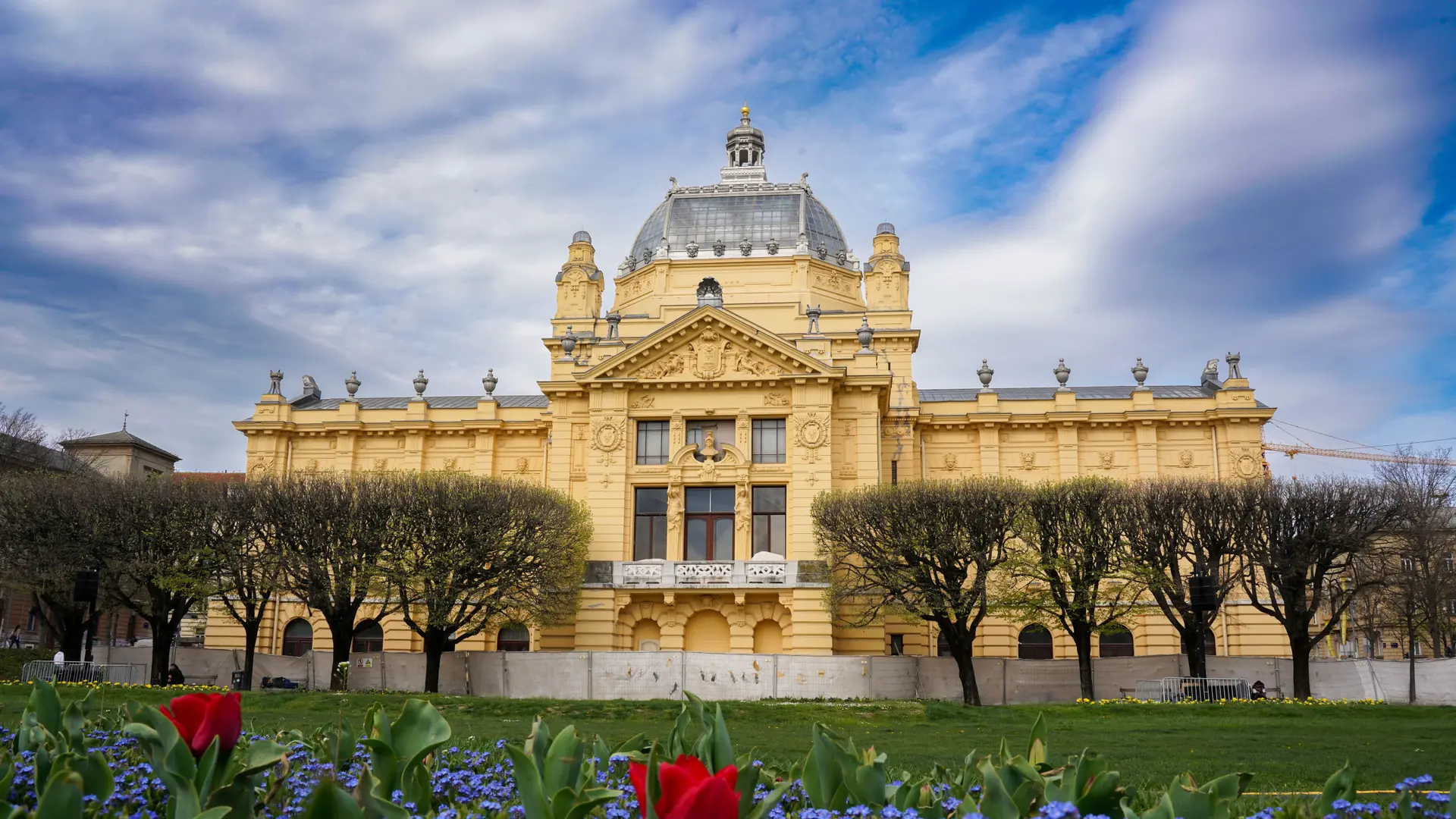
  1. Zagreb’s yellow Art Pavilion behind a garden of red tulips and blue spring flowers. 1

    Zagreb

    1 night

    Markets, Upper Town and the Green Horseshoe

    Lower Town puts leafy squares, cafés and tram connections close to your room. Near Ban Jelačić Square, it is easy to begin an Upper Town walk. The bus station is farther south-east, so include the transfer when planning departure.

    Watch out: If visiting Plitvice tomorrow, leave Zagreb early and keep the city walk for your arrival afternoon.

    Read the Zagreb guide →
  2. Zadar's waterfront peninsula with church towers and the blue Adriatic. 2

    Zadar

    2 nights

    Roman layers, Sea Organ and sunset-facing peninsula

    Stay on the Old Town peninsula for restaurants and waterfront walks close to your door. Borik suits a beach hotel and more space, but reaching the historic centre takes a longer walk or local transport. Check parking if arriving by car.

    Watch out: The main intercity bus station is outside the peninsula; allow time to get there with luggage.

    Read the Zadar guide →
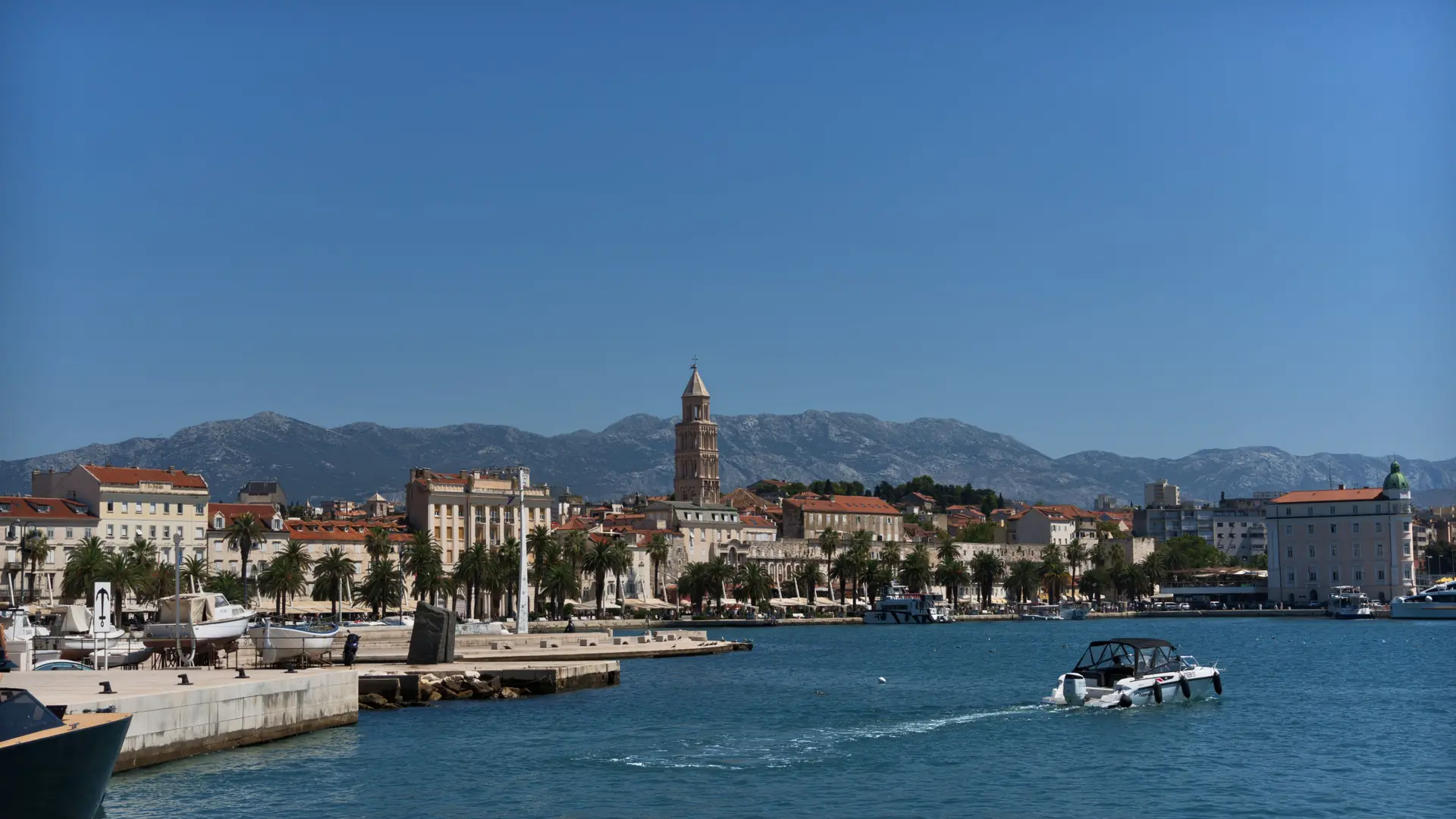
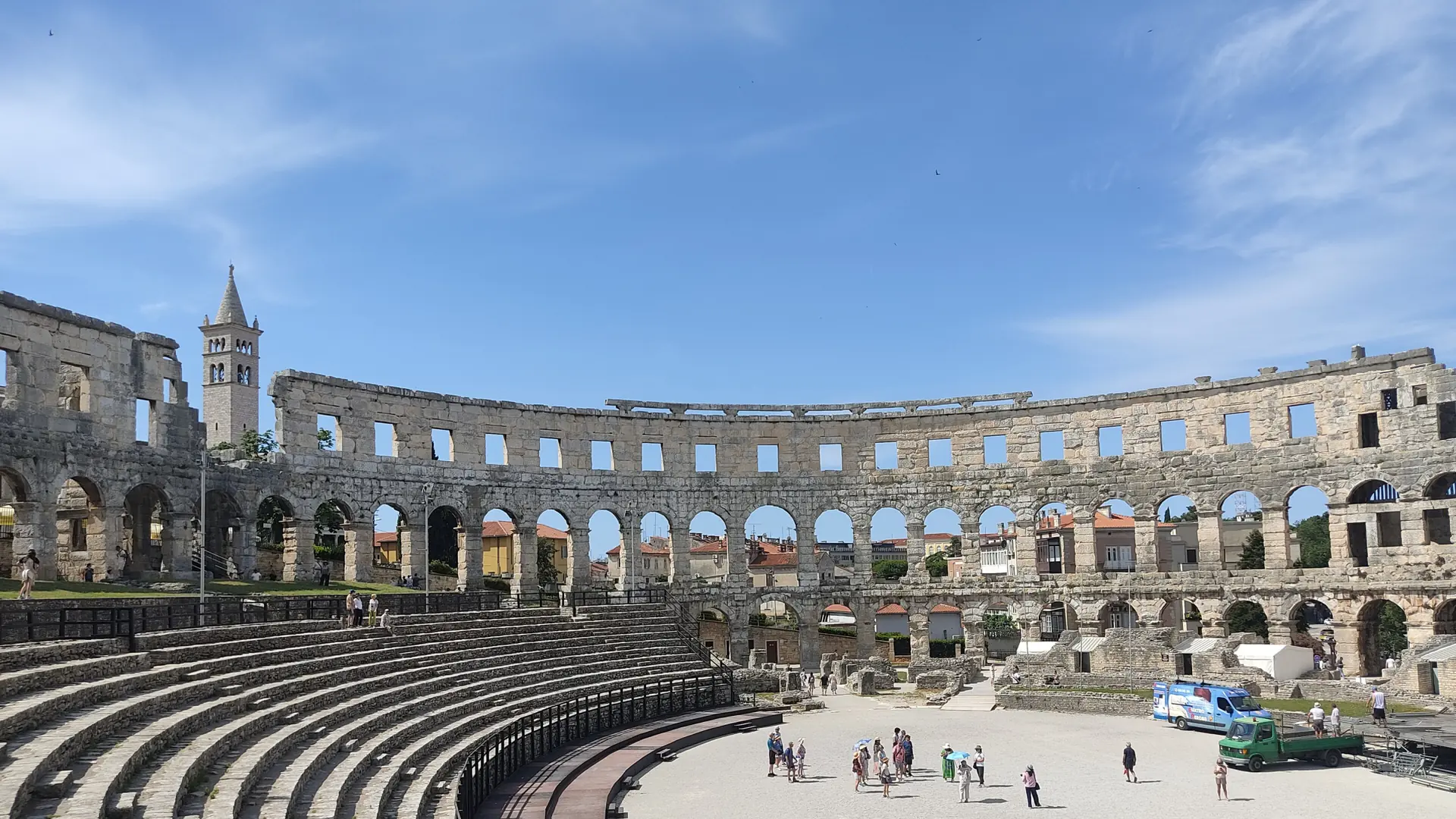
  3. Split’s Riva waterfront and cathedral bell tower seen across the harbour in daylight. 3

    Split

    2 nights

    Diocletian’s Palace, waterfront cafés and Marjan walks

    The eastern edge of the centre and Bačvice are convenient for the ferry port. Veli Varoš has traditional stone lanes and access towards Marjan, although some addresses involve steps. Bačvice’s nightlife makes the exact street important.

    Watch out: A room advertised as central may still be uphill from the port; check its entrance on a street map.

    Read the Split guide →
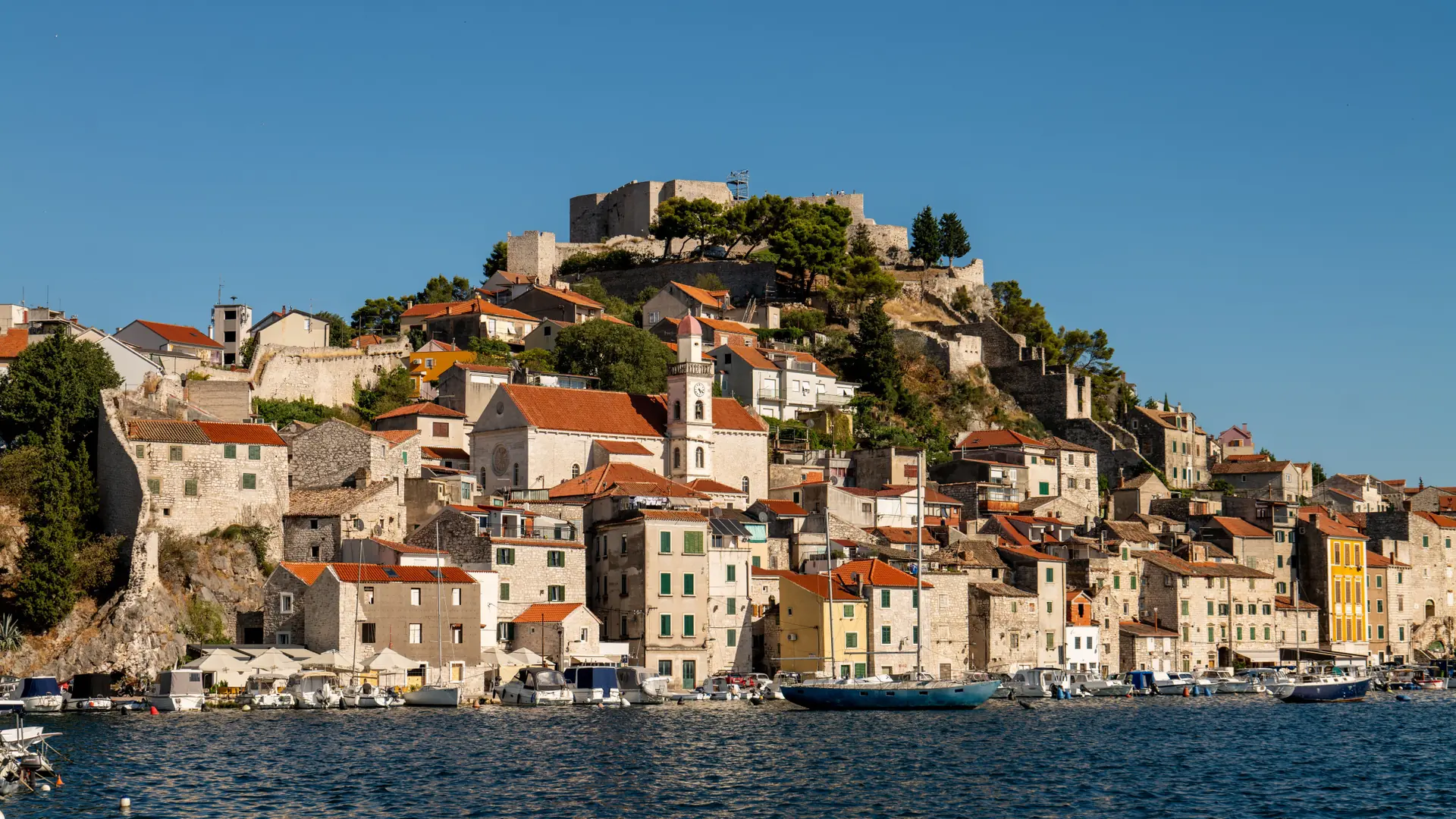
  4. Stone waterfront buildings below Fortica fortress in Hvar Town. 4

    Hvar Town

    2 nights

    Venetian harbour, Fortica and access to the Pakleni islets

    A room near Hvar Town’s harbour keeps restaurants and passenger boats within easy reach, but the busiest streets can be noisy. Higher lanes offer views with more climbing. Stari Grad is quieter, though it requires a transfer across the island.

    Watch out: Hvar Town and Stari Grad have different ports; match the accommodation to the boats you book.

    Read the Hvar Town guide →
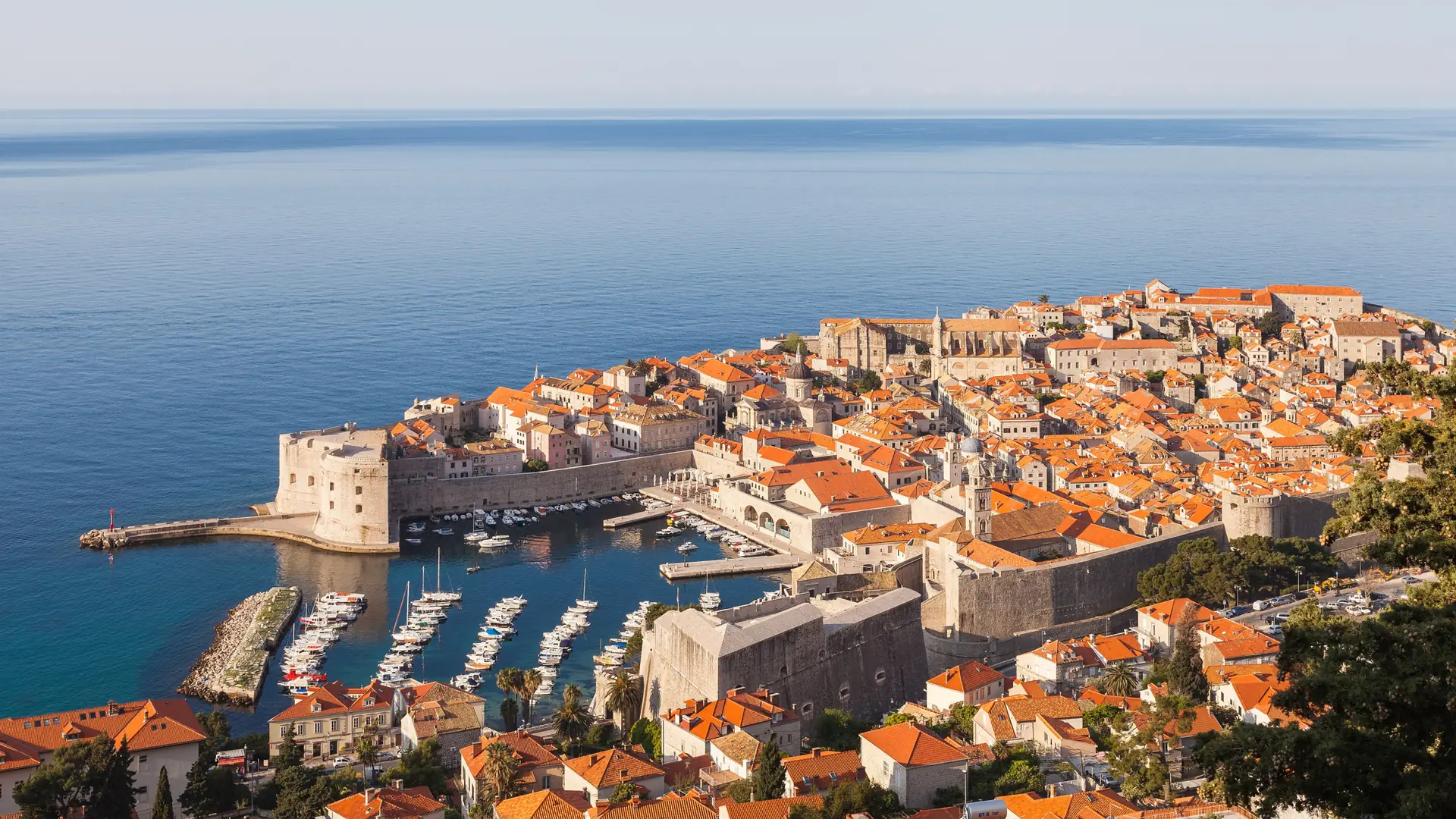
  5. Dubrovnik Old Town, its orange roofs and defensive walls beside the Adriatic. 5

    Dubrovnik

    2 nights

    City walls, limestone streets and Adriatic fortifications

    Pile and Ploče suit visits to the Old Town; ask about stairs to the property. Gruž is convenient for ferry arrival, while Lapad offers a beach and promenade. From either, allow for local transport when visiting the historic centre.

    Watch out: A sea view can come with a steep approach; ask the host about the whole route from your drop-off point.

    Read the Dubrovnik guide →

A day-by-day plan from Zagreb to Dubrovnik

Most bases have a light arrival afternoon and a full day to explore. The main choice is on day two: visit Plitvice by car or spend longer in Zagreb before taking a bus to Zadar.

1 Day 1 Arrive in Zagreb and explore the Upper Town

Take the airport shuttle to Zagreb’s main bus station, then continue to your accommodation; the station is not on the main square. Begin with Ban Jelačić Square and walk uphill towards the Upper Town. St Mark’s colourful roof and the streets around it offer a first impression of the older city without committing to a timed museum visit after a flight. If you arrive late, settle for dinner and a short stroll. Arrange tomorrow’s car collection and park ticket before travelling if you choose Plitvice; the bus version allows a slower morning.

  • Ban Jelačić Square
  • Upper Town streets
  • An easy first evening

Overnight: Zagreb

2 Day 2 Visit Plitvice or take a direct bus to Zadar

For the park version, leave early and follow a manageable official circuit. Programme B starts at Entrance 1 and normally takes three to four hours, combining the Lower Lakes, a boat crossing and panoramic transport. Allow extra time for queues, lunch and the onward drive; do not add Zagreb sightseeing that morning. The simpler alternative is a direct Zagreb–Zadar bus. With that option, start among the Lower Town’s garden squares before departure. In Zadar, drop your bags and have dinner near your accommodation rather than adding another excursion to a travel day.

  • Lower Lakes or Zagreb’s garden squares
  • A relaxed lunch break
  • Arrive in Zadar for the evening

Overnight: Zadar

3 Day 3 Walk Zadar’s Roman Forum and waterfront

Begin at the Roman Forum and St Donatus, then choose the cathedral tower or Archaeological Museum for more context. Continue through Kalelarga towards the market rather than zigzagging between sights. After lunch, take a rest or a swim near your chosen district. Return to the western waterfront towards sunset to hear the Sea Organ and see Greeting to the Sun illuminate after dusk. The organ makes music from waves throughout the day; the neighbouring solar circle adds light in the evening. Leave time to sit here rather than treating both as quick photo stops.

  • Roman Forum and St Donatus
  • Market streets and an afternoon break
  • Sea Organ and Greeting to the Sun

Overnight: Zadar

4 Day 4 Travel to Split and enter Diocletian’s Palace

Take a morning bus from Zadar so there is time to settle into Split. Its main bus station is beside the harbour, close to the southern edge of the historic centre. After check-in, approach Diocletian’s Palace from the Riva through the Bronze Gate and continue towards Peristyle. The cathedral occupies the emperor’s former mausoleum: it is a useful starting point for understanding how later generations adapted the Roman palace. Wander towards the Golden Gate, then return through the surrounding squares. Drivers should arrange the rental return today, before the island section begins.

  • Coastal journey to Split
  • Bronze Gate and Peristyle
  • Golden Gate and old-city squares

Overnight: Split

5 Day 5 Explore Split’s palace and choose a beach or Marjan

Choose the cathedral, a palace tour or the City Museum for the morning, according to your interests. Allow time to enjoy the streets between the monuments: people still live and work within the historic centre. After lunch, Bačvice offers the easiest nearby beach outing; you may see people playing picigin, a local ball game in shallow water. For walking and views, head through Veli Varoš towards Marjan instead. Either makes a useful change from stone interiors. Keep Trogir for a separate trip if you would rather have this afternoon free for swimming or an unhurried meal.

  • One palace visit in depth
  • Bačvice and picigin or Marjan
  • Time for a leisurely dinner

Overnight: Split

6 Day 6 Sail to Hvar Town and look over the harbour

Choose a passenger boat arriving in Hvar Town, rather than the car ferry to Stari Grad. Leave your bags before exploring St Stephen’s Square, where the cathedral faces towards the waterfront. The Arsenal beside the harbour once served Venetian ships and now houses the historic theatre. Walk up towards Fortica in the cooler part of the day for a view of the town and nearby islands; there is no need to hurry the climb. Return for dinner by the harbour or in a quieter side street. Two nights here mean you can enjoy an island evening without watching for the last boat back to Split.

  • St Stephen’s Square
  • Arsenal and maritime history
  • Fortica’s harbour views

Overnight: Hvar Town

7 Day 7 Swim in the Pakleni islands or explore Stari Grad

Choose a beach day or an excursion into the island’s history. In settled weather, a taxi boat to the Pakleni islands gives access to wooded swimming bays. Ask which island the boat serves and how you will return; a beach stop and a beach club can offer very different afternoons. If you prefer to stay on Hvar itself, visit Stari Grad and the nearby plain, where ancient field divisions survive in the agricultural landscape. Arrange the island transfer in both directions. These are alternatives, leaving time for lunch and a rest rather than trying to tour the entire island.

  • Wooded bays or Stari Grad’s streets
  • Ancient field patterns on the plain
  • A full day without changing hotel

Overnight: Hvar Town

8 Day 8 Continue by sea to Dubrovnik

The seasonal Hvar–Dubrovnik boat normally leaves time for a gentle first look at the city after arrival. TP Line’s published 2026 line 654 takes three hours and 35 minutes on this leg, with a call at Korčula. Check your own ticket, as operators and schedules differ. In Gruž, transfer to your accommodation before heading into the Old Town. Walk along Stradun towards the old harbour, passing the civic buildings around the Rector’s Palace. Save the walls for your full day. If weather disrupts the sailing, use the land-and-sea alternative described in the transport section and keep the evening flexible.

  • Adriatic crossing past Korčula
  • Check in before sightseeing
  • Stradun and the old harbour

Overnight: Dubrovnik

9 Day 9 Walk Dubrovnik’s walls, then slow down

Start with the walls while the day is cooler, checking opening hours for your travel date. The circuit has steep steps and exposed stretches, so carry water and allow breaks. The views make more sense after yesterday’s street-level walk: the red roofs, fortifications and coastline reveal how compact the old city is. Have lunch before choosing a second activity. Museums suit a history-focused afternoon; Lapad offers a beach and promenade. Lokrum is another possibility when its boats operate, but give it the afternoon rather than adding it to several other visits. Finish with an evening walk or a quiet dinner.

  • Walls and views over the roofs
  • A shaded lunch break
  • One museum, beach or island outing

Overnight: Dubrovnik

10 Day 10 Leave time for the journey to Dubrovnik Airport

A late flight may leave room for coffee or a short revisit to the old harbour. For an early departure, concentrate on the airport transfer. Platanus lists outbound stops at Gruž bus station, Grawe and the Cable Car stop; these are different from simply boarding at Pile Gate. Use the current outbound timetable and allow time to reach your stop, collect luggage and check in at the airport. The operator estimates about 35 minutes from the bus station before traffic delays. A pre-arranged car can be useful for several people, but confirm where the driver can meet you.

  • A short final walk if time allows
  • The correct outbound shuttle stop
  • Departure from Dubrovnik

Overnight: Departure day

Four transfers, with the final ferry checked first

Use buses for the mainland unless you choose the Plitvice detour by car. From Split, passenger boats connect the remaining bases without taking a vehicle to Hvar.

4 transfers

  1. Zagreb Zadar

    Bus Travel time: Direct buses from about 2½ hours; a full day via Plitvice

    Drive via a reserved park visit or take a direct bus from Zagreb’s main bus station. The bus option leaves time for a city morning; the park option needs an early start and no extra sightseeing stops.

    Booking note: For Plitvice, book the correct entrance and a circuit that leaves time for lunch and the drive to Zadar.

  2. Zadar Split

    Bus Travel time: About 2–3 hours by bus; allow for traffic

    Arriva links Zadar’s intercity station with Split’s harbour-side bus station. Choose a morning departure for an afternoon in the palace. If driving, arrange the car return in Split before the island stay.

    Booking note: Check the journey time for your specific bus; intermediate stops make some services slower.

  3. Split Hvar Town

    Ferry Travel time: About 1–1½ hours, depending on the sailing

    Book a passenger catamaran to Hvar Town. Jadrolinija’s separate vehicle-ferry route lands at Stari Grad, requiring an onward island transfer. TP Line’s 2026 line 654 reaches Hvar via Milna.

    Booking note: Use the port printed on the ticket and the operator’s boarding instructions, rather than a generic Hvar search result.

  4. Hvar Town Dubrovnik

    Ferry Travel time: 3 hr 35 min on TP Line’s 2026 line 654

    TP Line’s dated route runs 8 May–18 October 2026 and calls at Korčula. Outside the direct sailing season, return to Split by boat and continue south by bus, allowing most of the day.

    Booking note: Check this seasonal connection first. Keep a Dubrovnik night before your flight so a delay does not create a same-day flight connection.

These journey times include a park visit only where stated. Add hotel transfers and boarding time. Check dated tickets for fares and baggage terms.

What nine nights and ten days could cost

These are planning allowances for May, June or September, per person with two adults sharing a room, not bookable quotes. USD estimates use 1.1195 dollars per euro (ECB, 14 October 2026). Flights and car hire are excluded.

Nine nights of accommodation Allow EUR 120–220 (≈ US$135–245) per double room per night. Hvar and Dubrovnik can exceed this, especially in July and August.
EUR 540–990 (≈ US$605–1,110) per person
Food over ten days An editorial allowance for simple breakfasts, casual lunches and restaurant dinners; frequent seafood meals and drinks increase it.
EUR 350–550 (≈ US$390–615) per person
Buses, ferries and local transfers Includes two mainland buses, two catamarans, airport links and local transport. TP Line’s two 2026 ferry legs total EUR 75 (≈ US$84).
EUR 140–220 (≈ US$155–245) per person
Sightseeing allowance Allows for selected paid sights and optional Plitvice. Its 2026 adult ticket is EUR 10–40 (≈ US$11–45), with programme transport included.
EUR 100–160 (≈ US$110–180) per person
Total before flights or a rental car The sum of the four allowances above. Compare real room prices first; the cheaper end needs advance booking and modest accommodation.
EUR 1,130–1,920 (≈ US$1,265–2,150) per person
If choosing the Plitvice drive Price hire through day four, one-way return, insurance, fuel, tolls and parking. Plitvice car parking is charged separately from admission.
Add a dated rental quote; replace the two bus allowances

Booking tips

  • Compare flights into Zagreb and home from Dubrovnik before booking either; separate airports can save a long return journey.
  • Book the seasonal Hvar–Dubrovnik connection before choosing non-refundable island accommodation.
  • For a rental, check the one-way fee and the Split return office’s hours; do not assume returning at the ferry quay is possible.
  • Compare the full room total, including taxes and any breakfast charge. Treat the amounts above as a planning scenario and replace them with your own quotes.

Where to stay in Zadar

Live results cover Zadar and nearby places, and may include Bibinje or other addresses outside the centre. For these two nights, compare the Old Town peninsula with Borik, then check each property’s actual location and the journey into town.

Search more stays in Zadar →
Search stays

Zagreb, Zadar, Split, Hvar and Dubrovnik map

The markers show the five overnight bases. Hotel search is centred on Zadar; on a small screen, zoom out to see the whole trip. The map does not draw the roads or ferry routes.

Zadar

Questions about ten days in Croatia

Is this Croatia itinerary too rushed?

It is an active trip with four hotel changes, but each coastal or island base gets two nights. The main pressure point is day two if you include Plitvice. Take the direct bus to Zadar for an easier version, and choose fewer bases if your flights leave little sightseeing time.

Can I include Plitvice without renting a car?

Yes, but plan it as a separate transport arrangement rather than assuming the direct Zagreb–Zadar bus includes a visit. Confirm luggage storage, park entry, and the onward departure before committing. An organised transfer or another night near the lakes is easier than improvising those connections.

Should I stay in Hvar Town or Stari Grad?

Hvar Town is the simpler choice for these passenger-ferry connections. Stari Grad is a worthwhile alternative for quieter evenings and its historic surroundings, but you must arrange transport across the island for services that use Hvar Town. The car-ferry port also sits outside Stari Grad’s old centre.

What if there is no Hvar–Dubrovnik sailing?

Return to Split by passenger boat and continue to Dubrovnik by bus, leaving most of the day for travel. Another option is to omit Hvar and divide its nights between Split and Dubrovnik. Check future-season timetables separately; the dates quoted here apply to TP Line’s published 2026 service.

Is the route suitable for travellers with limited mobility?

Historic centres, Fortica and Dubrovnik’s walls involve steps or uneven surfaces. Choose accommodation with a confirmed accessible entrance and ask boat operators about boarding before buying tickets. You can replace steep visits with waterfront walks, but accessibility needs checking for each property and journey.

When should I take this itinerary?

Late May, June and September offer a useful balance between coastal services and outdoor sightseeing. July and August are busier and hotter, especially on the exposed walls. Spring and autumn can still bring wind and rain, so keep a flexible island day and check ferry notices close to departure.

Sources and review

Reviewed by StartBooker editorial Croatia route, ferry and accommodation research

Last reviewed 2026-10-15

Updated

How this route was checked: Transport, park admission and airport arrangements were checked with the responsible operators. Tourism boards and UNESCO support the places described; independent guides inform route comparisons and the clearly labelled budget allowances.

28 references reviewed

Key sources
  • Zagreb Tourist Board
  • Zagreb Airport
  • Plitvice Lakes National Park
  • Zadar Tourist Board
  • Split Tourist Board
  • Hvar Tourist Board
References
Photo credits

Photos provided by Pexels.

Have you travelled this five-base Croatia route?