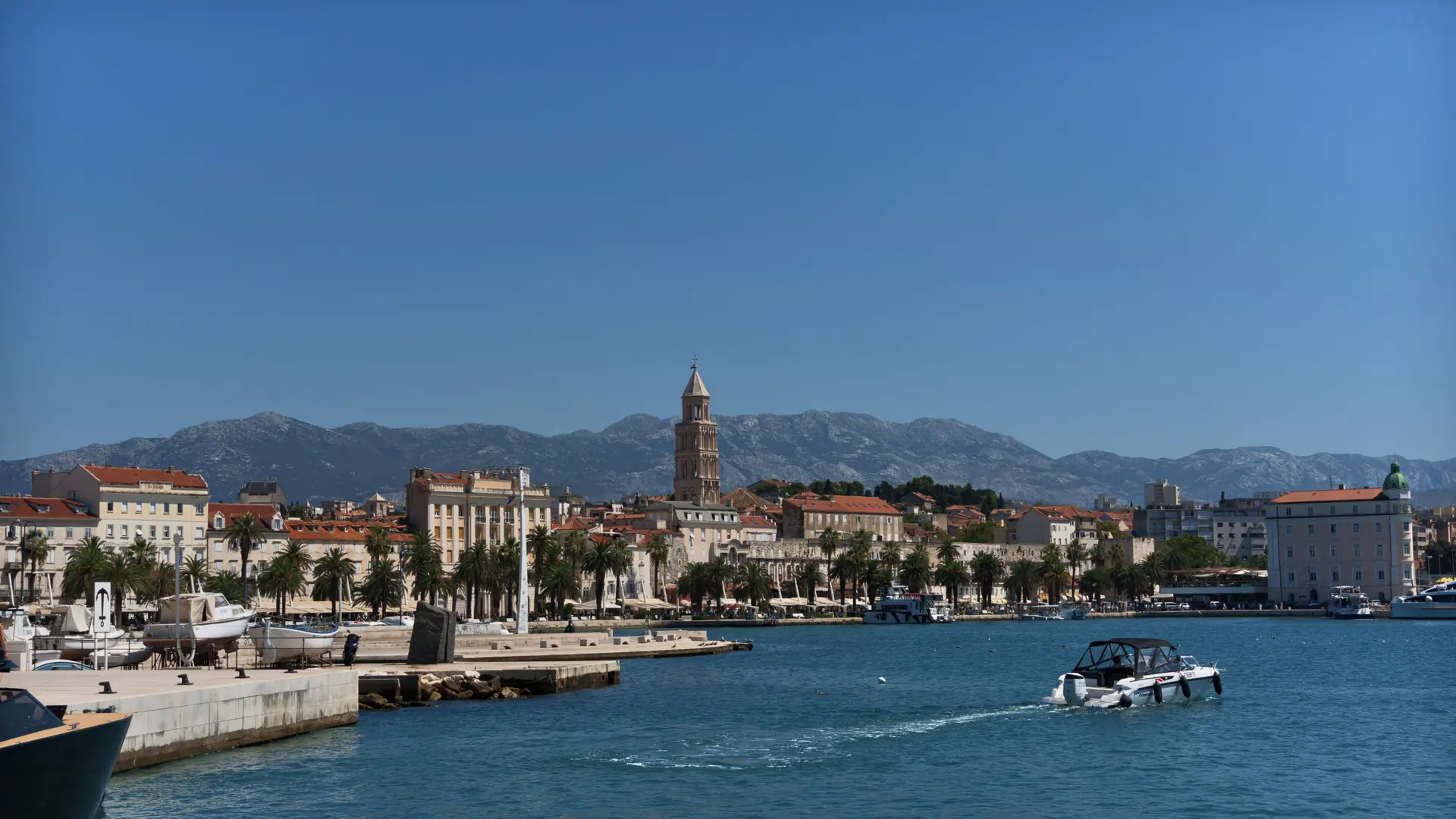
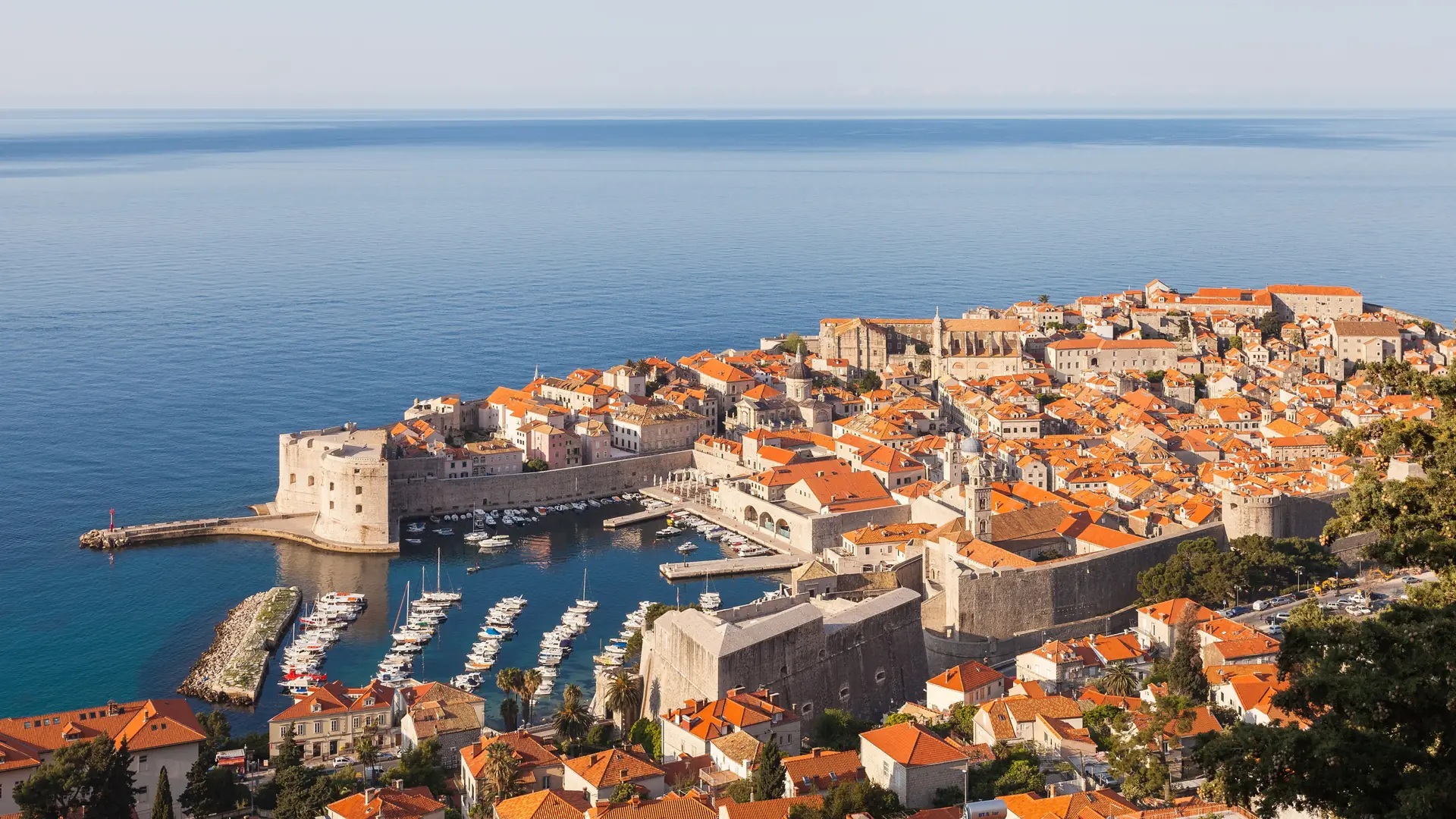
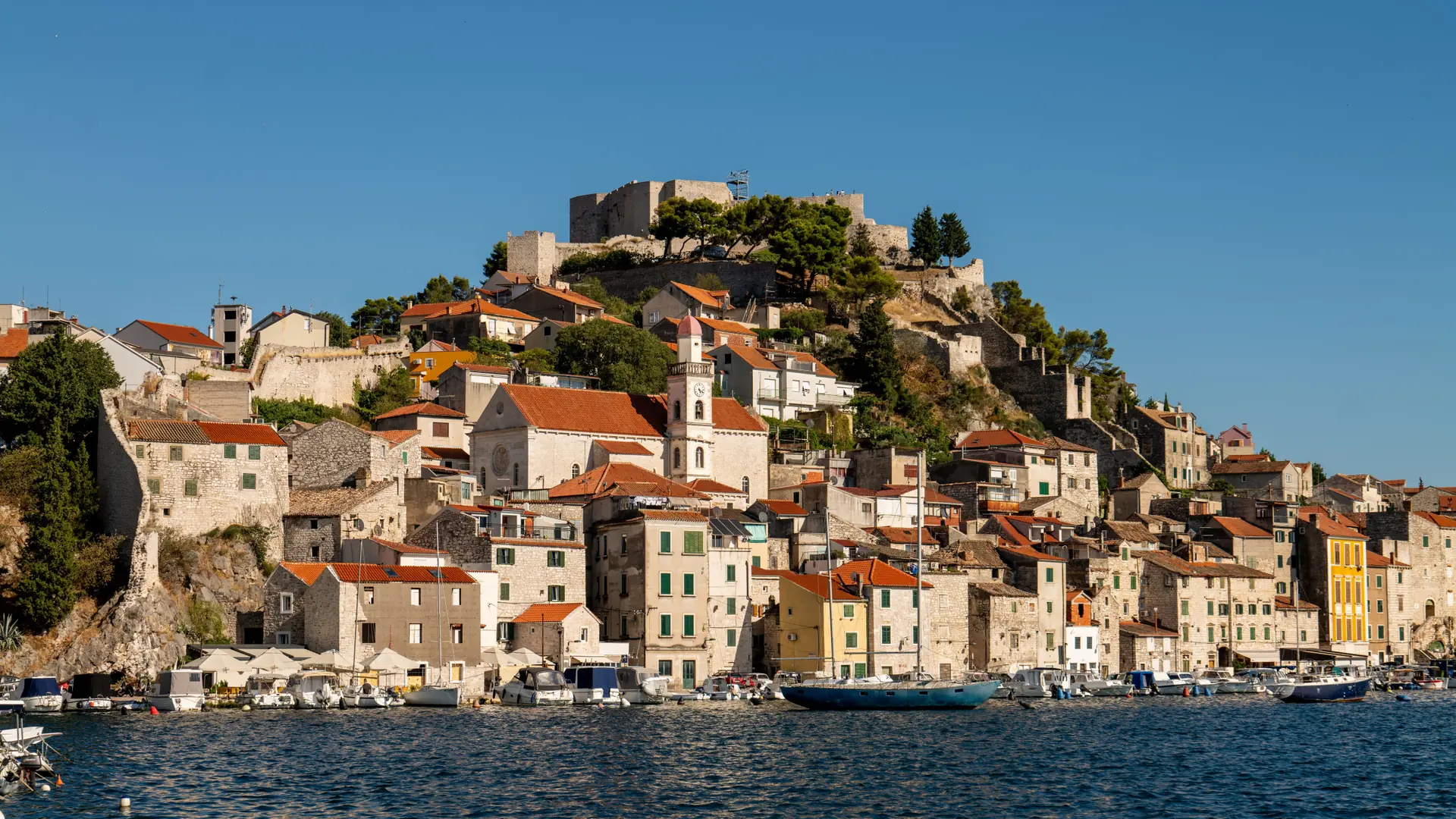
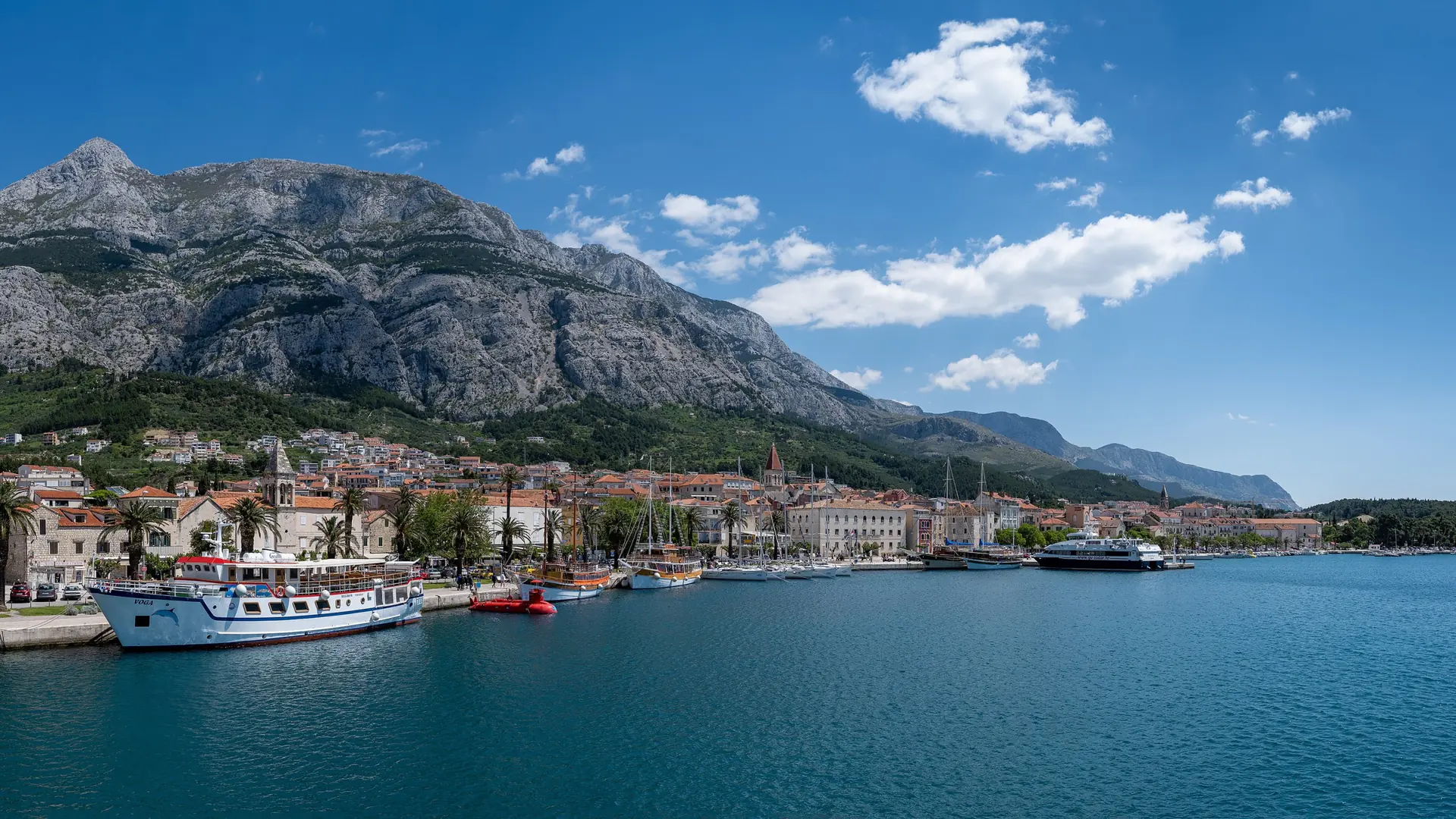
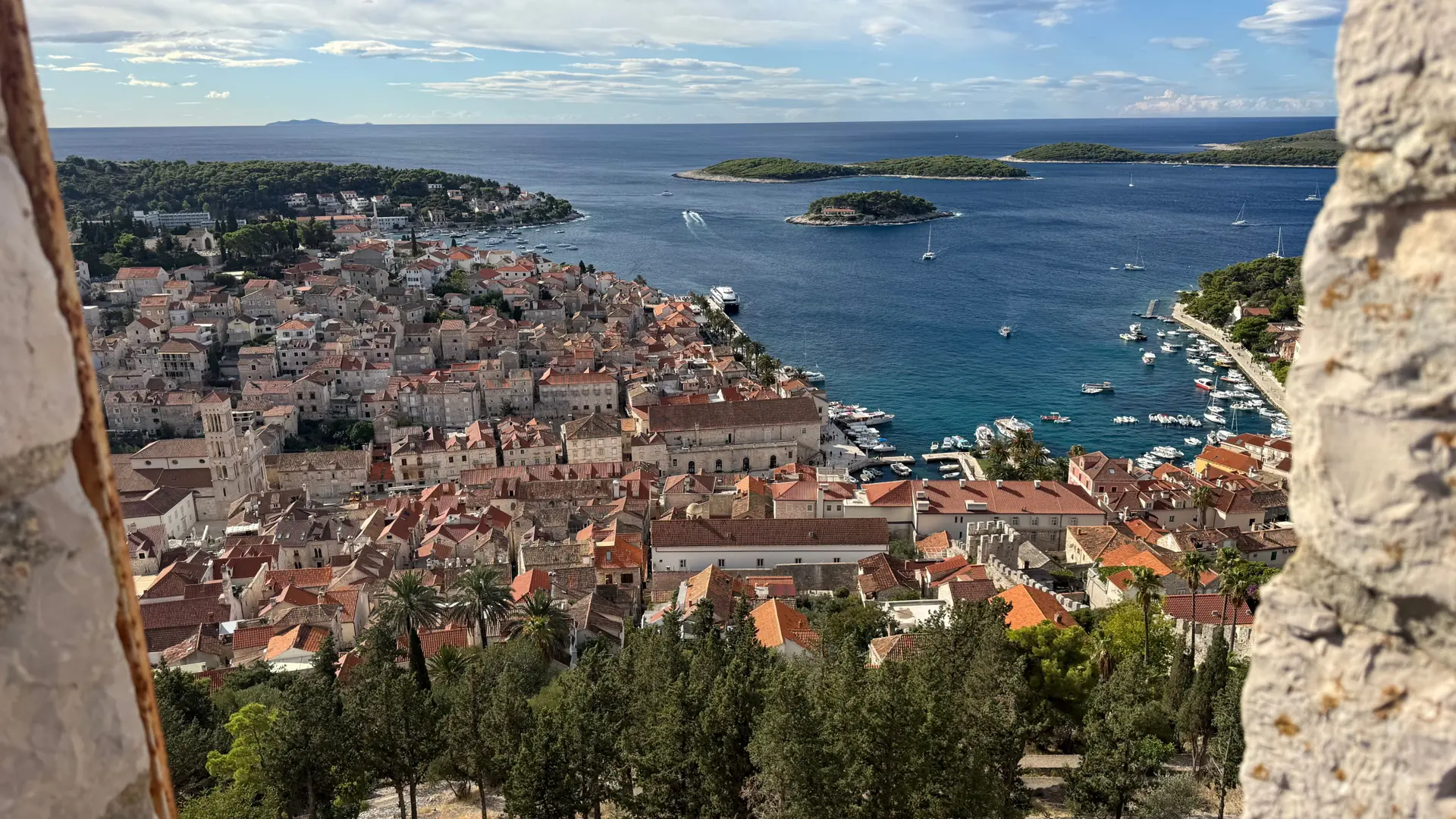
This itinerary starts in Split and ends in Dubrovnik because the coast is linear and both cities have useful flight gateways. The islands sit between them, so every transfer advances the journey. One Split night is enough for a focused palace orientation when arrival is reasonably early; two Hvar nights create a full island day; one Korčula night captures the walled town after excursion traffic leaves; and two Dubrovnik nights protect both an early wall circuit and the flight home.
Hvar and Korčula answer different questions. Hvar Town combines a dramatic harbour, Fortica views, swimming access and energetic evenings. Korčula Town is smaller and calmer, with a compact historic peninsula and easy access toward Lumbarda when schedules allow. Keeping both is justified only because each receives an overnight. Adding Brač, Vis or Mljet would turn seven days into a sequence of quays. Choose a different route rather than pretending five islands can all be experienced between check-ins.
The Hvar-to-Korčula sailing is the hinge. TP Line's published 2026 Line 661, for example, operates only from 15 June to 20 September and lists EUR 25 for that sector. Other operators and lines may extend the useful season, but route names, ports and dates change. Search the exact travel day before paying for rooms, then secure Split-Hvar and Korčula-Dubrovnik around it. A timetable from last summer is not evidence for next spring.
Travel without a car. The fast boats use Hvar Town and Korčula Town, while vehicle ferries can arrive at Stari Grad or Dominče, creating island transfers that consume the week. Pack so one person can move their own case over gangways and polished lanes. If the through route is unavailable, replace Korčula with a third Hvar night and return via Split, or travel Split to Korčula directly and omit Hvar. The honest fallback removes a stop rather than gambling four hotel bookings.