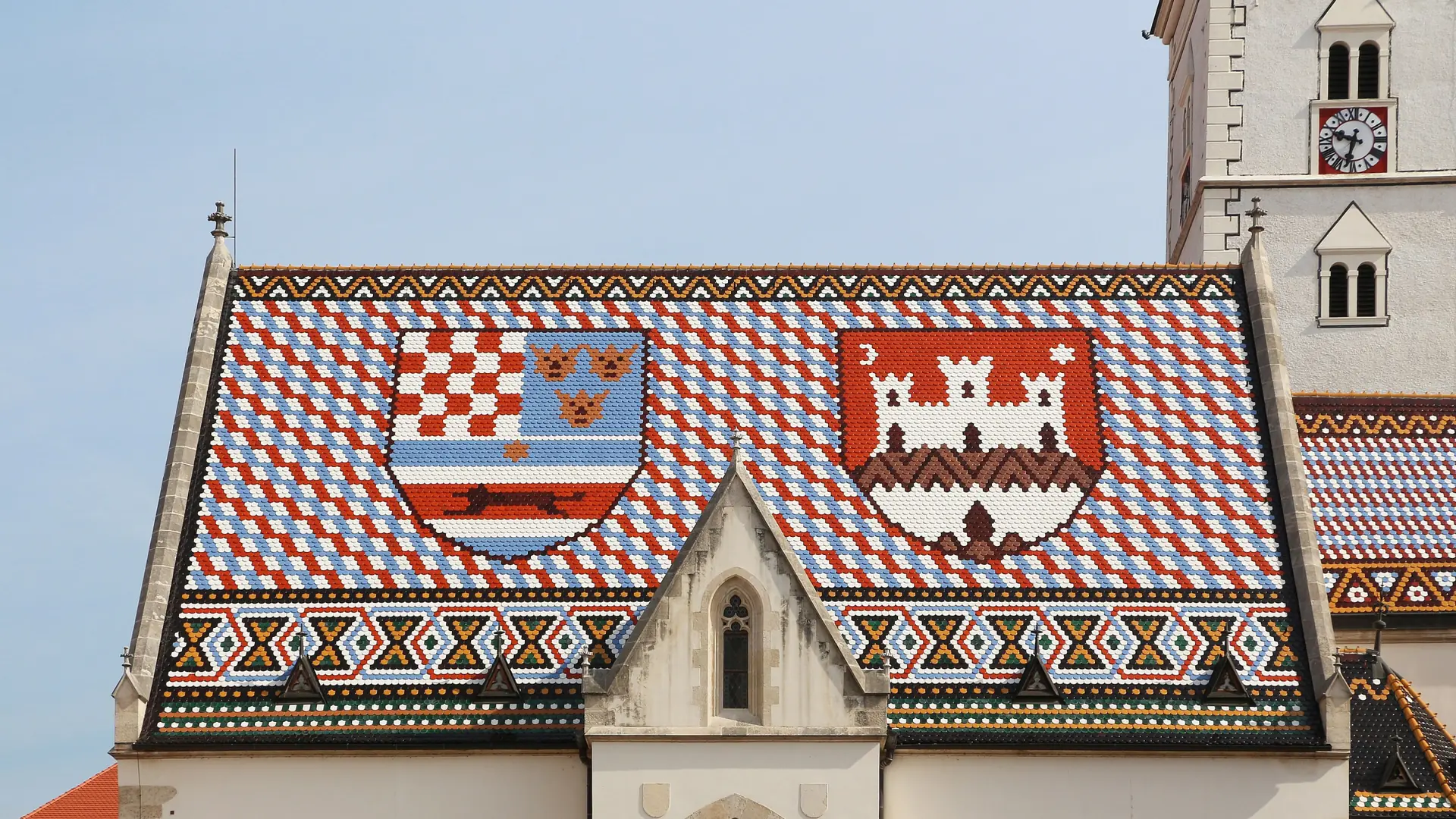
Croatia is easiest to enjoy when you stop treating its coastline as one road. Dubrovnik is in the far south; Split is a central-Dalmatian city and ferry hub; Zadar sits farther north; Istria belongs on the north-west peninsula; Zagreb and Plitvice pull the route inland. A map makes the country look compact, but hotel changes, coastal roads and ferry times decide whether a day feels generous or spent in transit.
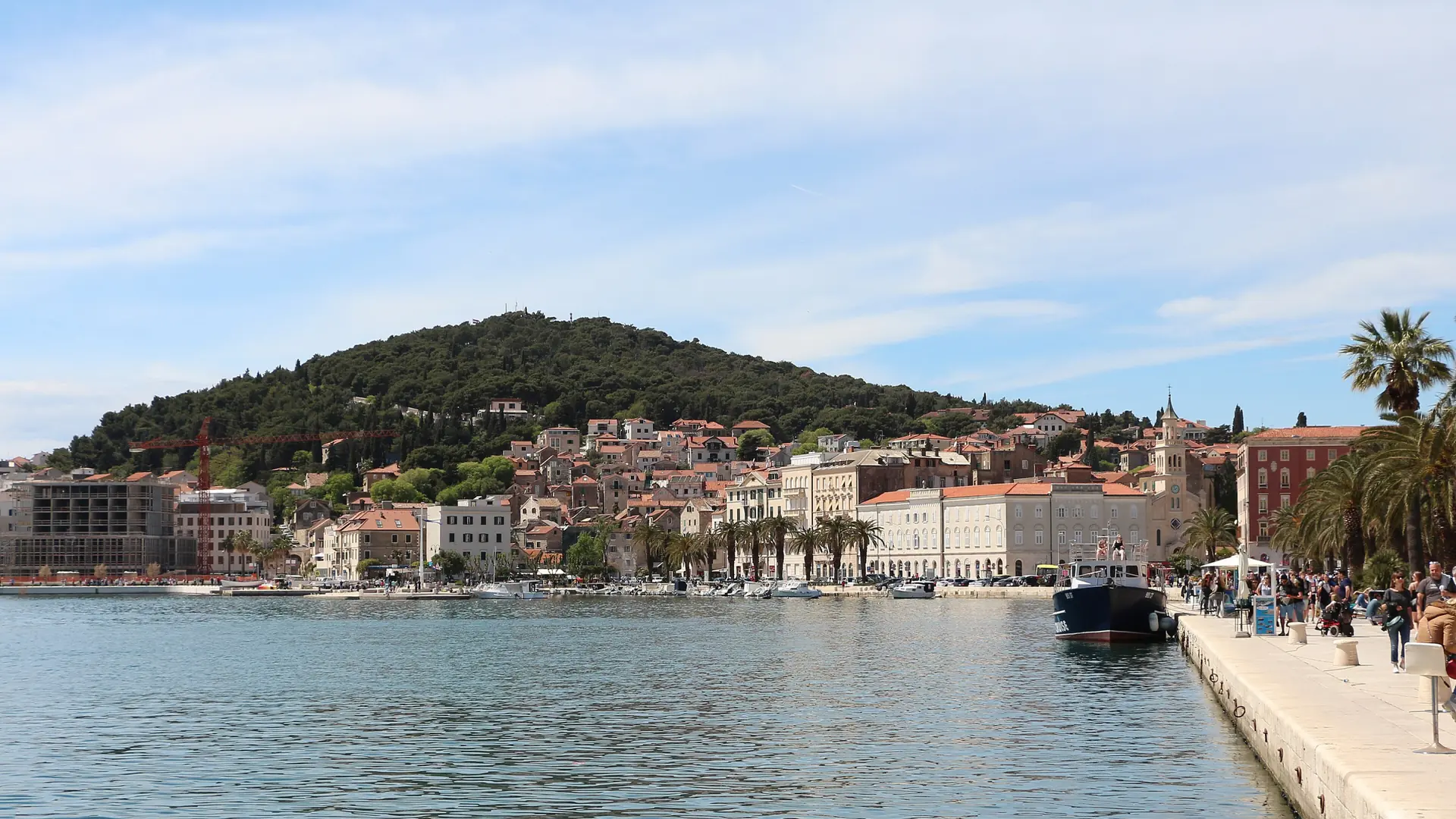
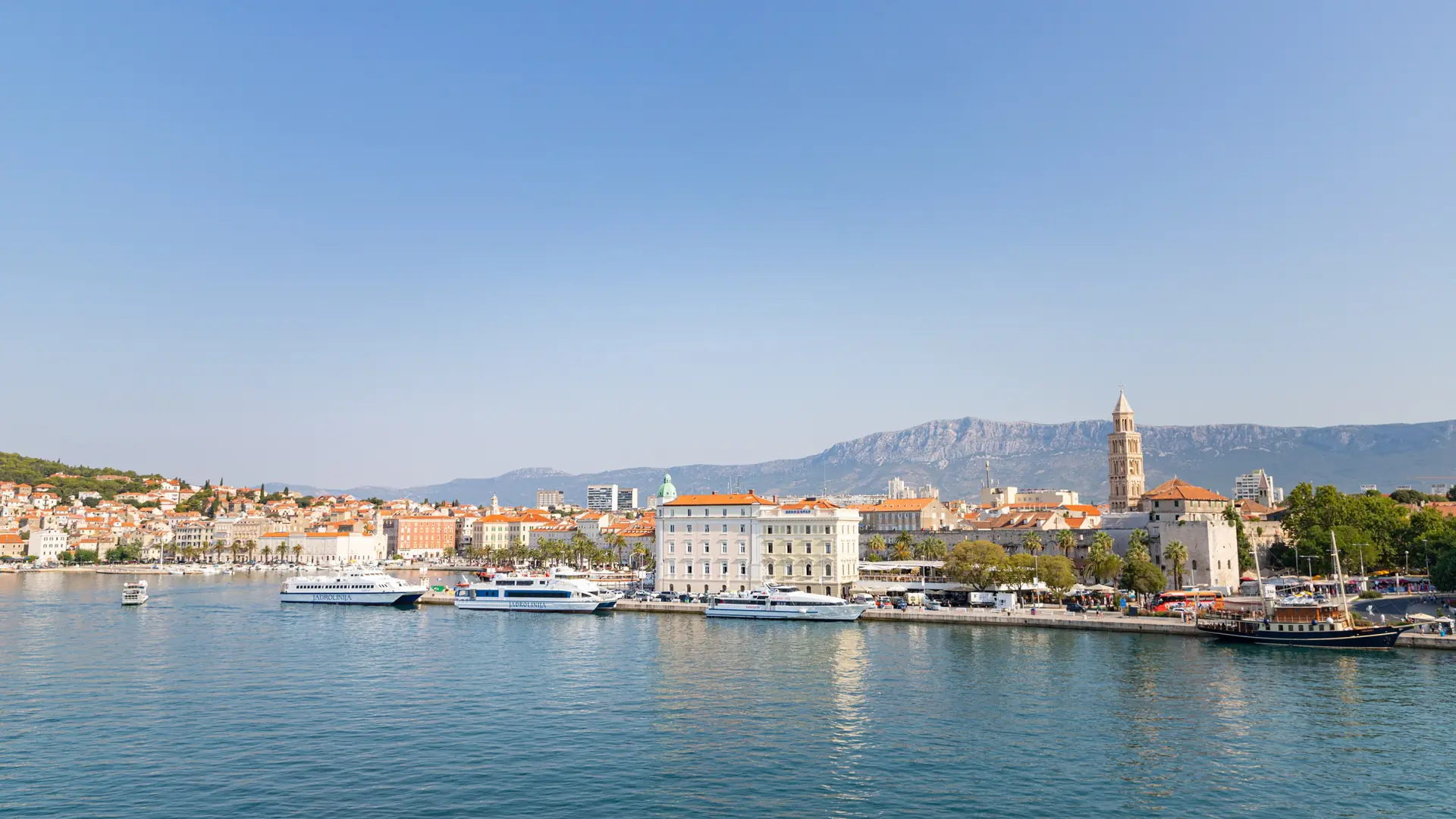
For a first coastal trip, give Split three nights, add one island or nearby shore for two or three, then decide whether Dubrovnik deserves a separate final stay. That approach gives you time inside Diocletian's Palace and time beyond it. UNESCO describes the protected complex as a city where the late-Roman palace survives through the urban fabric, not as a monument to tick off from a tour-bus window.
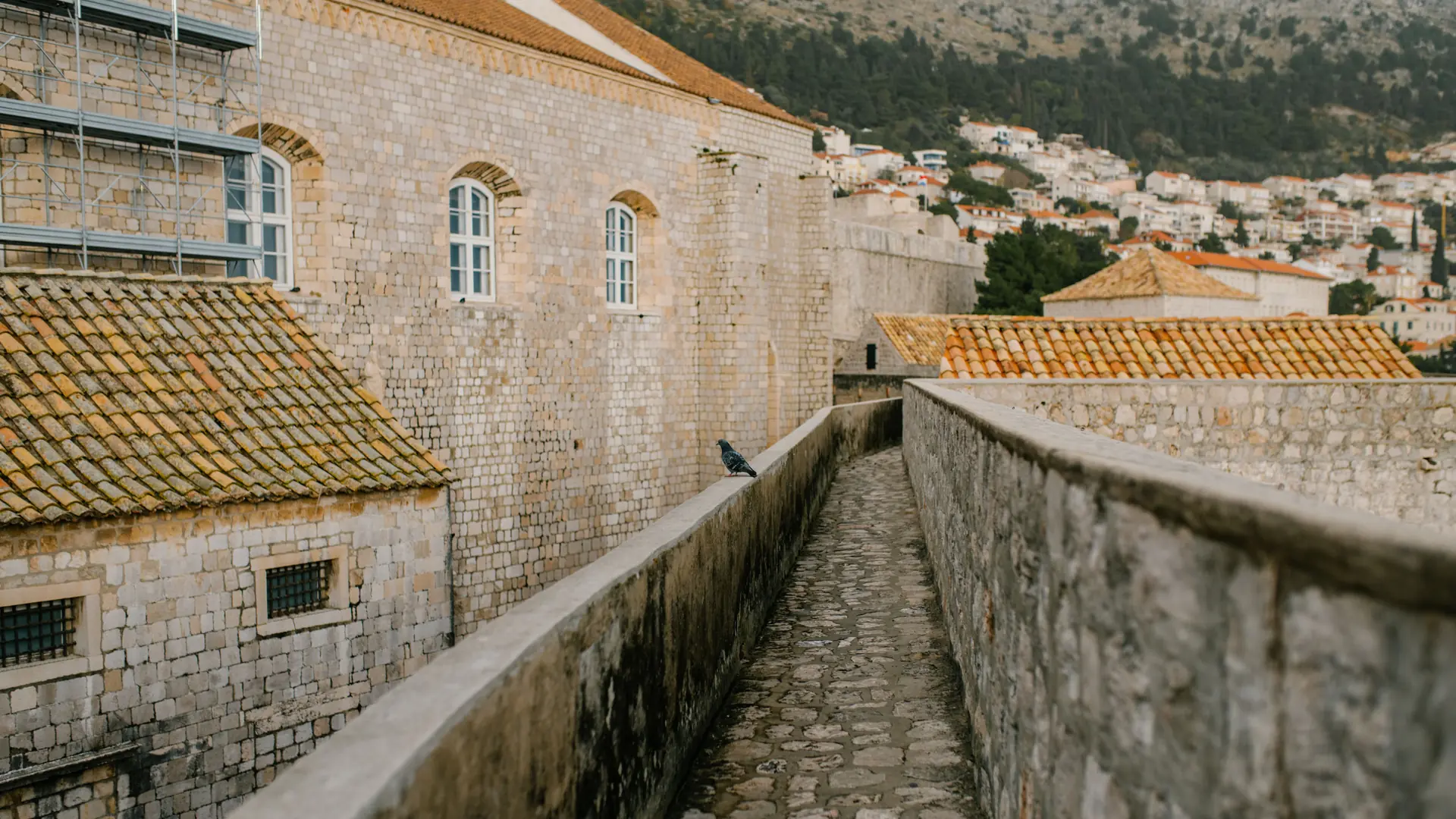
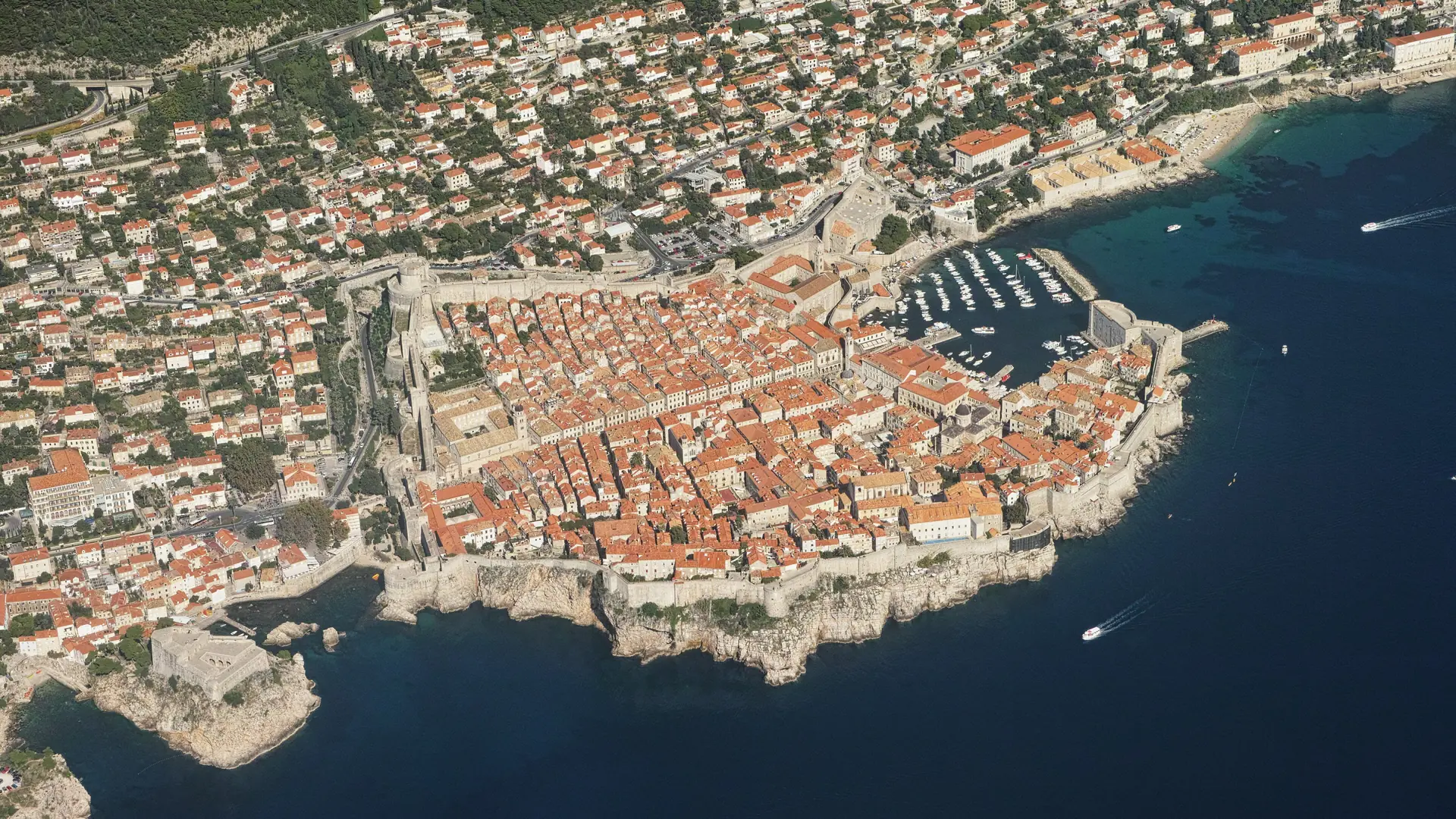
Dubrovnik earns an overnight because its old city changes after daytime visitors thin. Its walls, churches, monasteries, palaces and fountains reflect a long maritime history. The useful hotel decision is not simply inside or outside the walls: choose the old town for early walks, Ploče for views, Lapad for more space and beach access, or another area only after checking stairs, bus links and the return journey at night.
Use ferries as fixed parts of the itinerary, not background transport. Jadrolinija publishes schedules by route and season; a connection that looks simple on a summer map can have a different pattern outside the peak. Build the island portion around the port you can reach comfortably, keep a buffer before a flight, and avoid making non-refundable stays depend on one tight sailing.
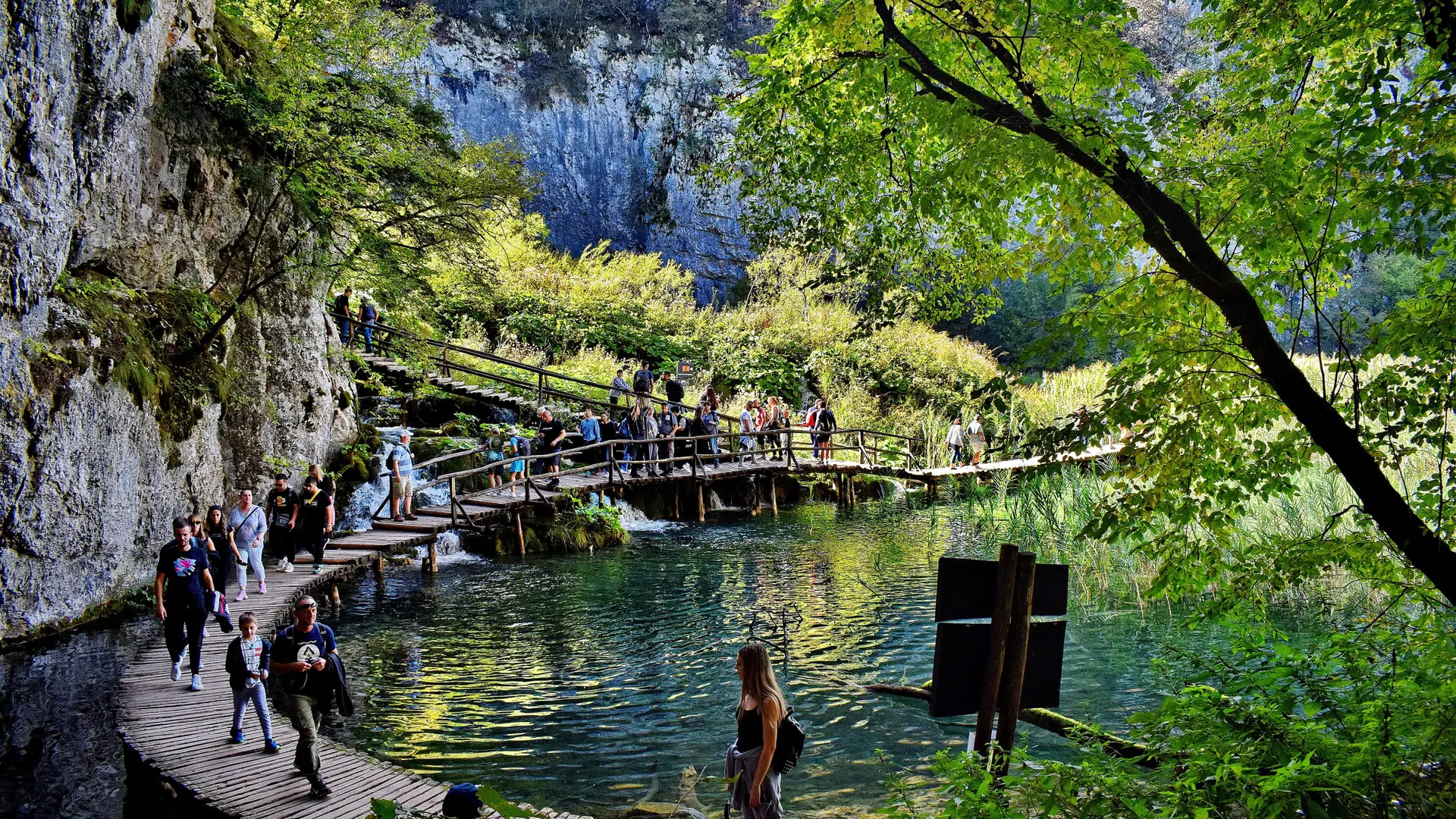
Plitvice needs separate logistics. The national park has marked lake programmes, boats and panoramic vehicles within the visitor system, while trails can be uneven and busy. Book the official entry for the entrance and time you will use, wear appropriate footwear and stay nearby when possible. If Krka fits the route, compare its separate official entrance arrangements rather than assuming the two parks work alike.
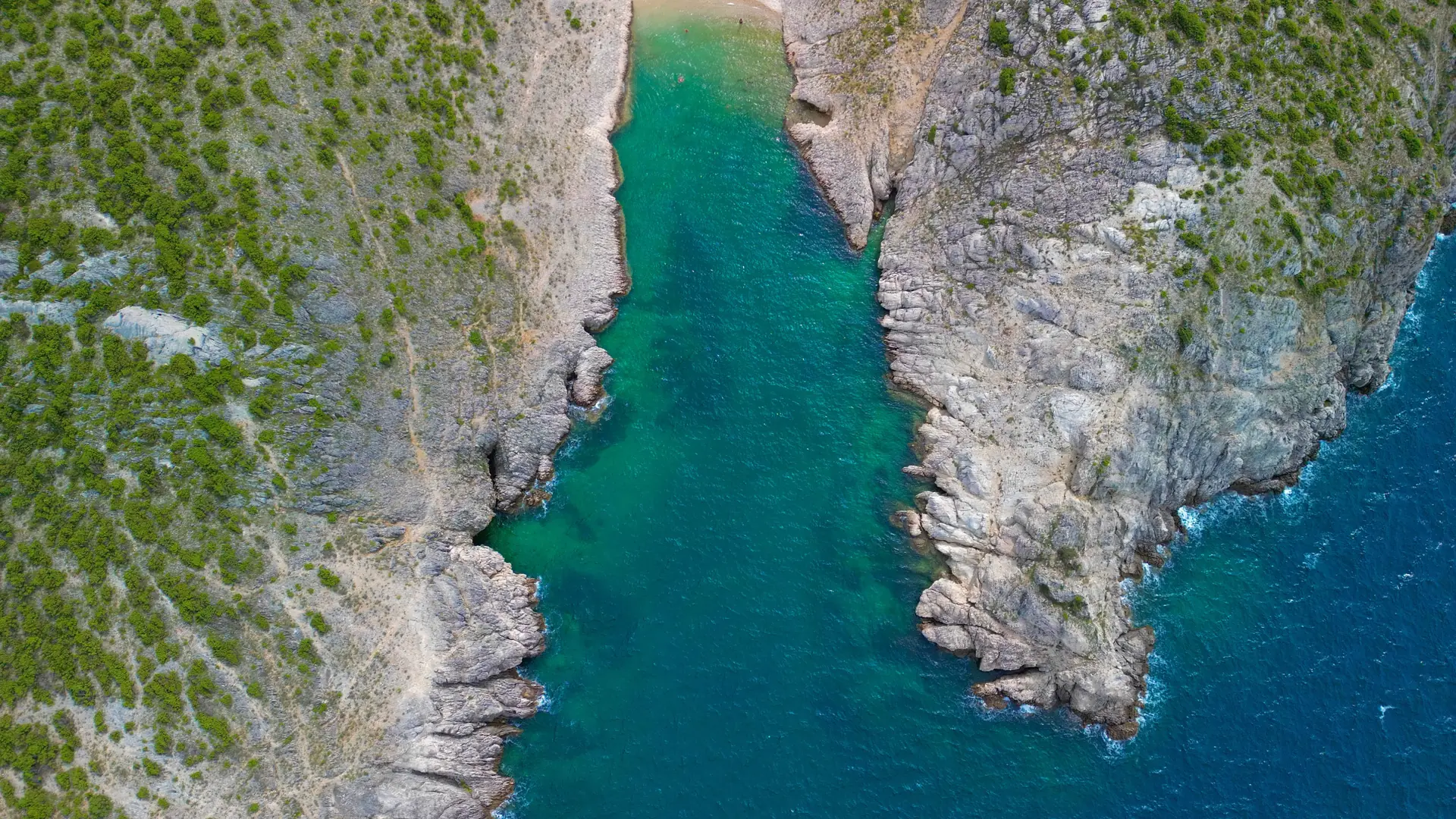
A car is useful when the landscape is the destination: Istrian villages, Plitvice, quiet beaches or a deliberately slow coast route. It is usually unnecessary for Split-and-islands or city breaks in Zagreb and Dubrovnik. Croatian rail, buses and ferries solve different problems, so use current operator information for the exact date rather than trusting a generic route diagram.

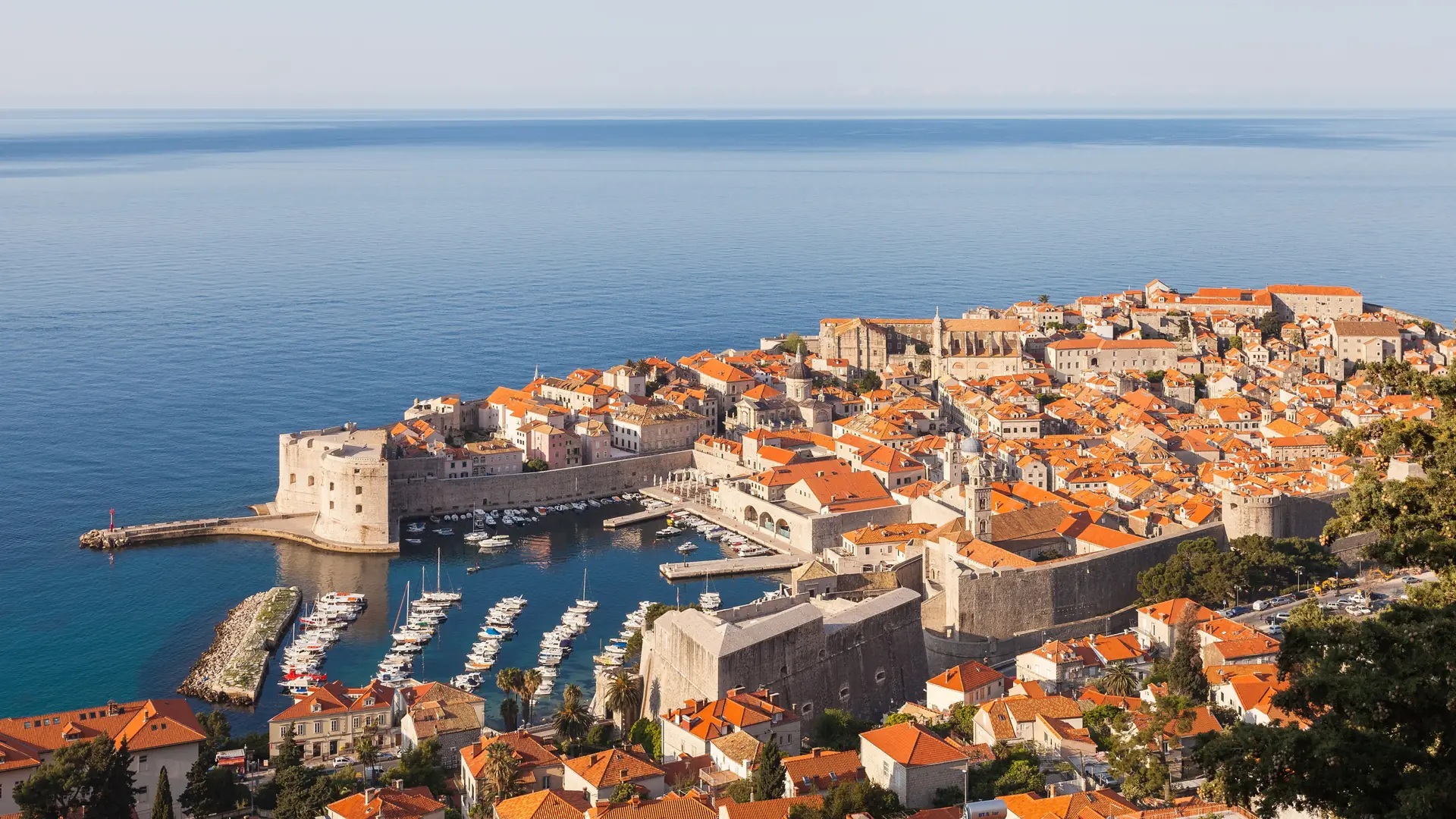
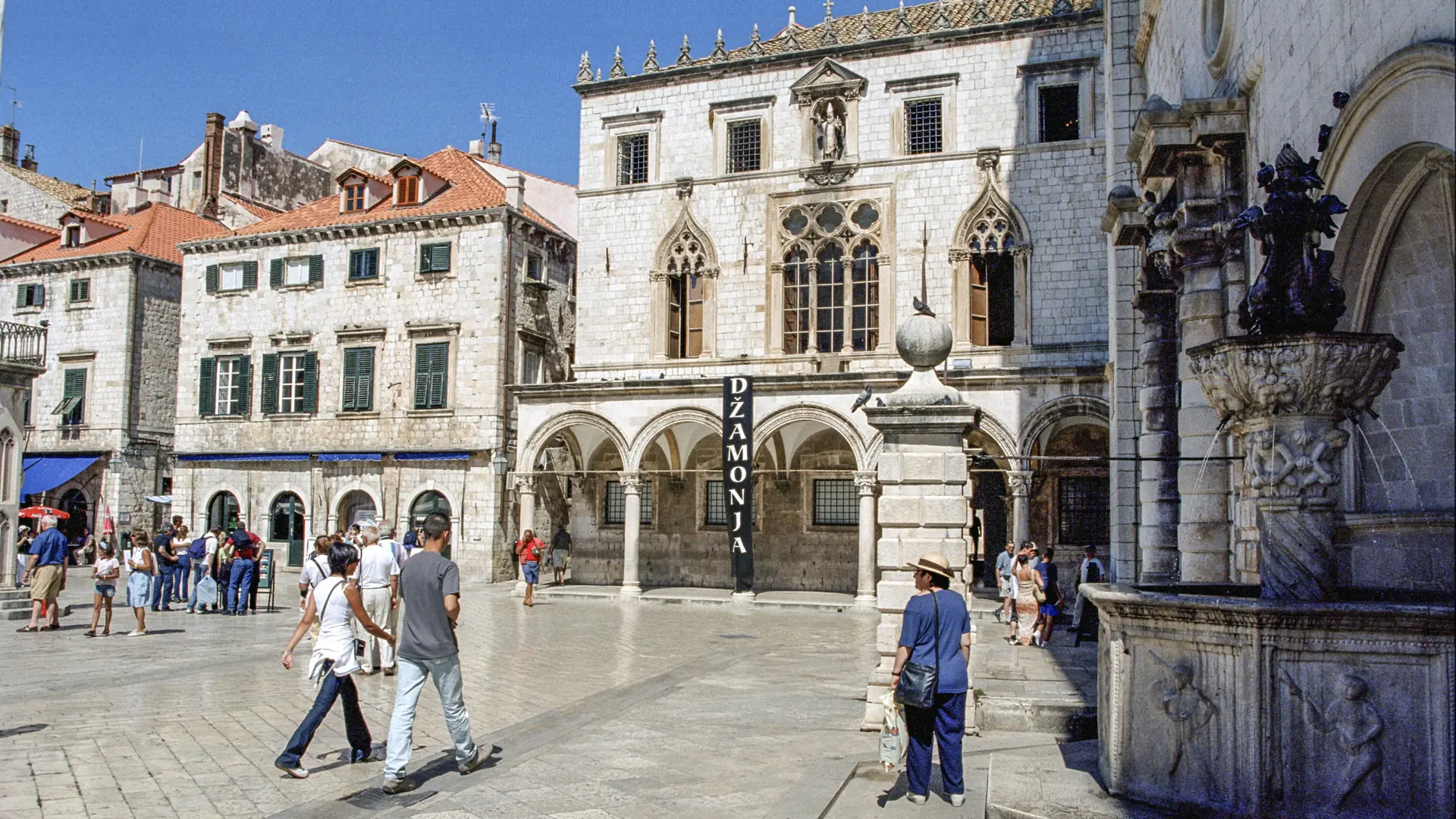 Dubrovnik
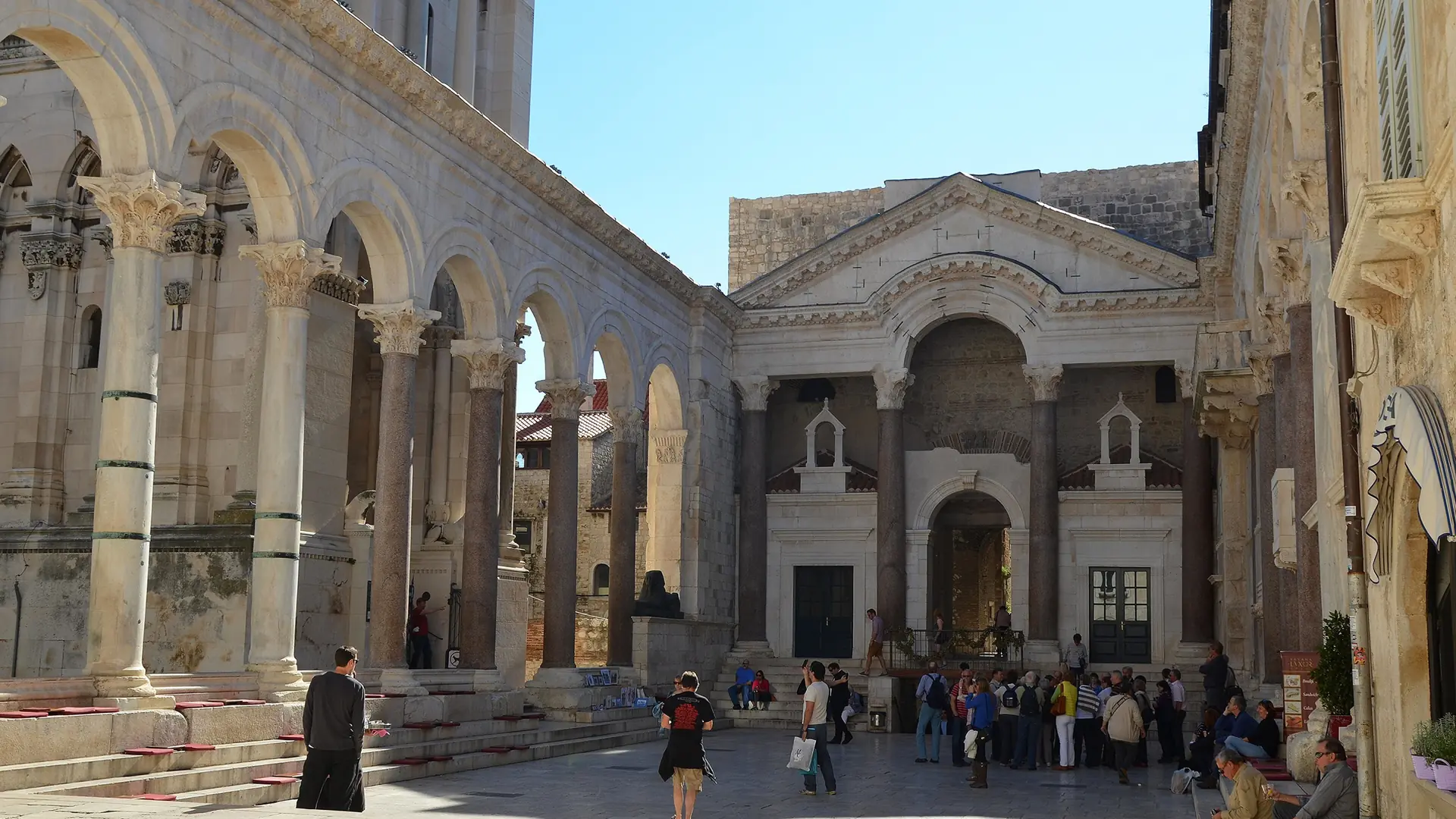



_02_(js).jpg)


.jpg)


.jpg)