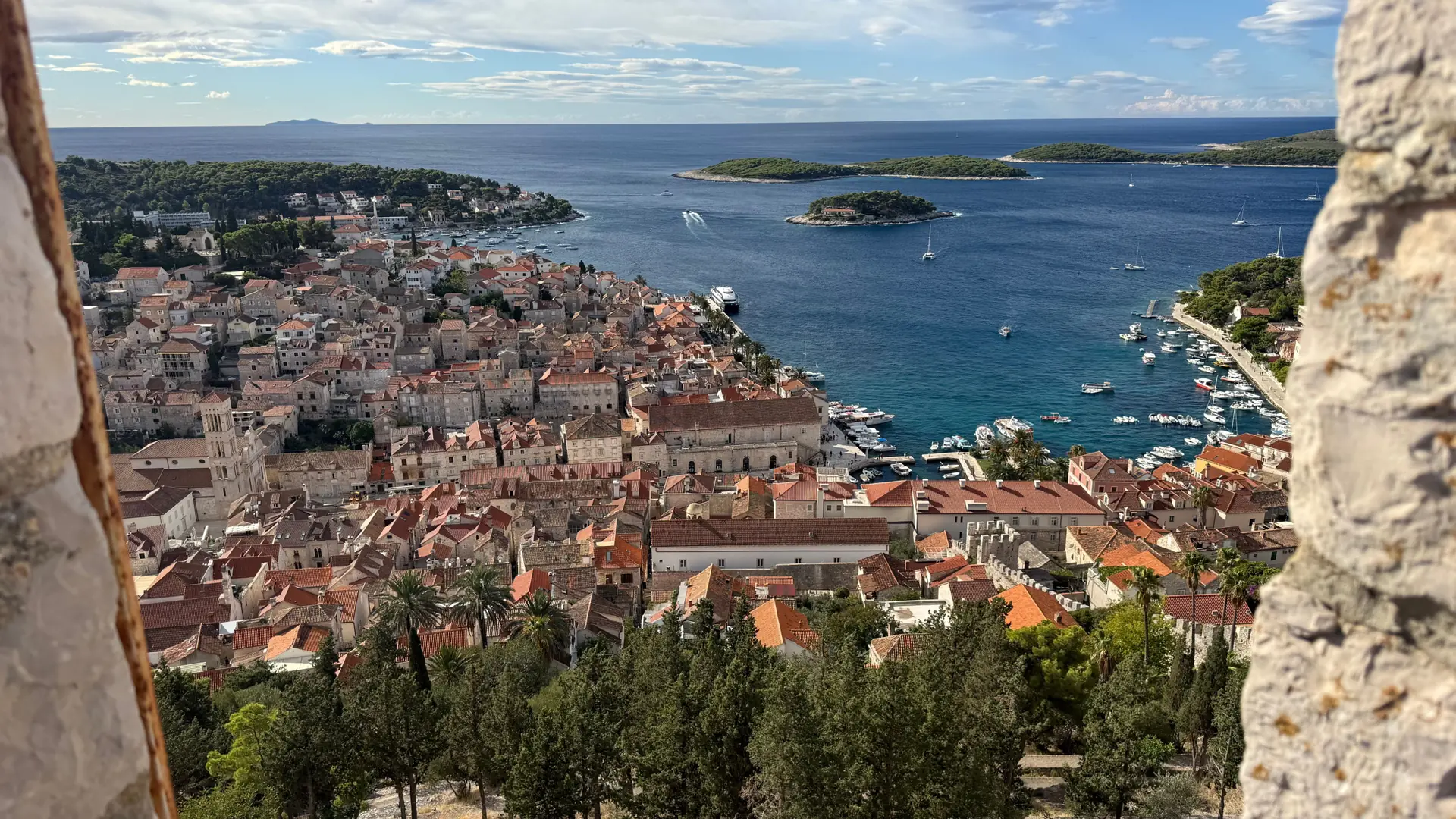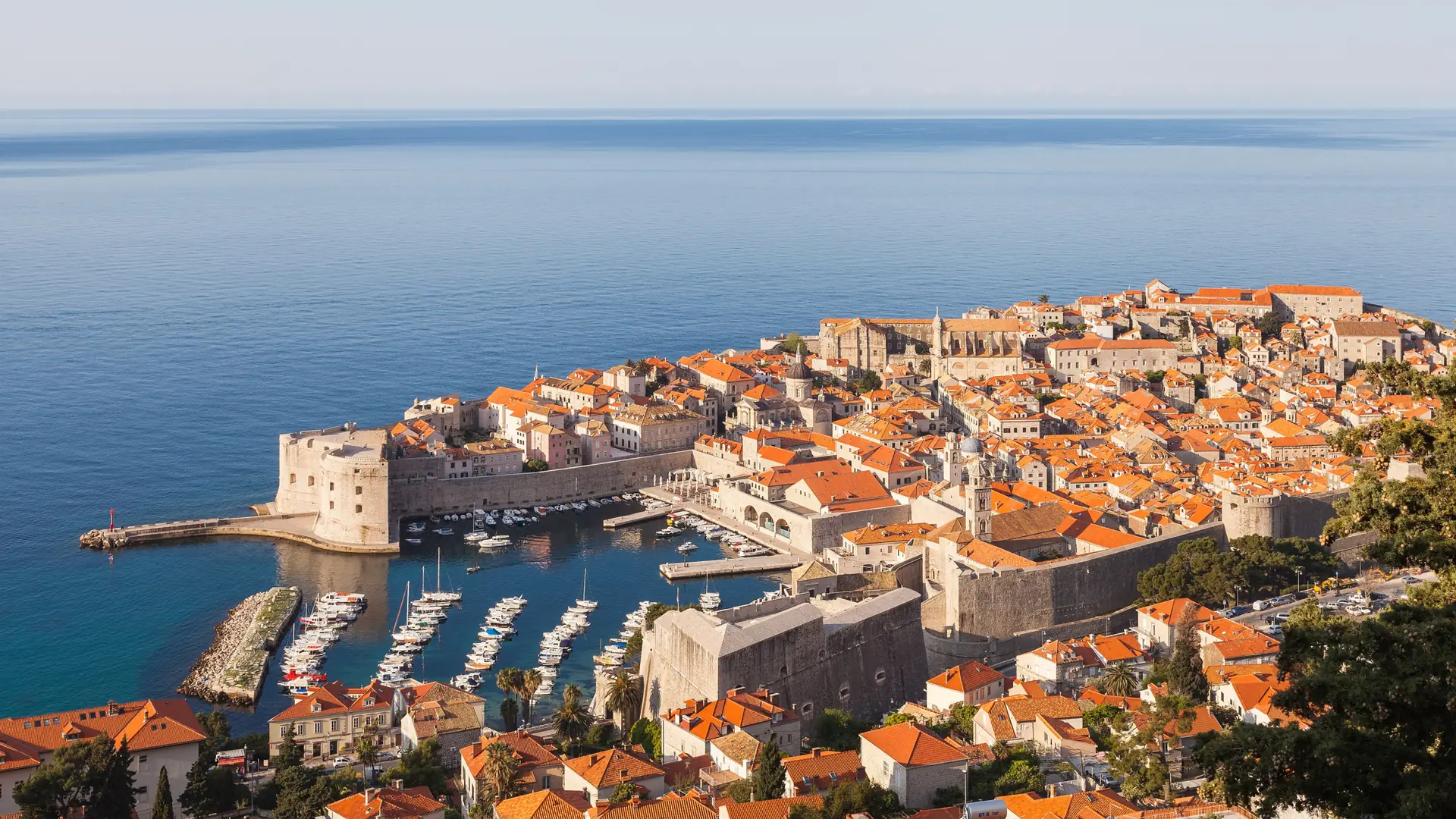
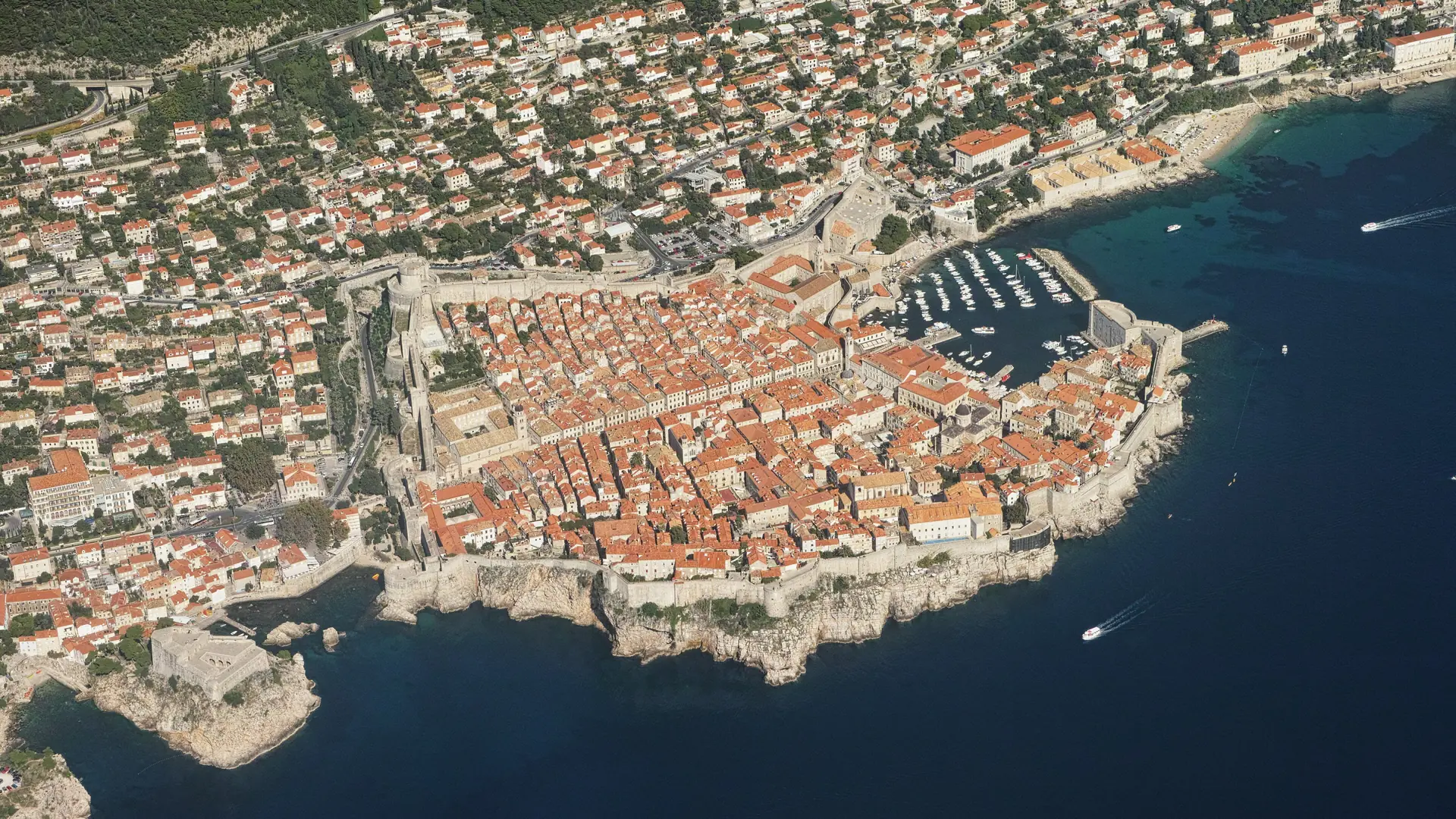
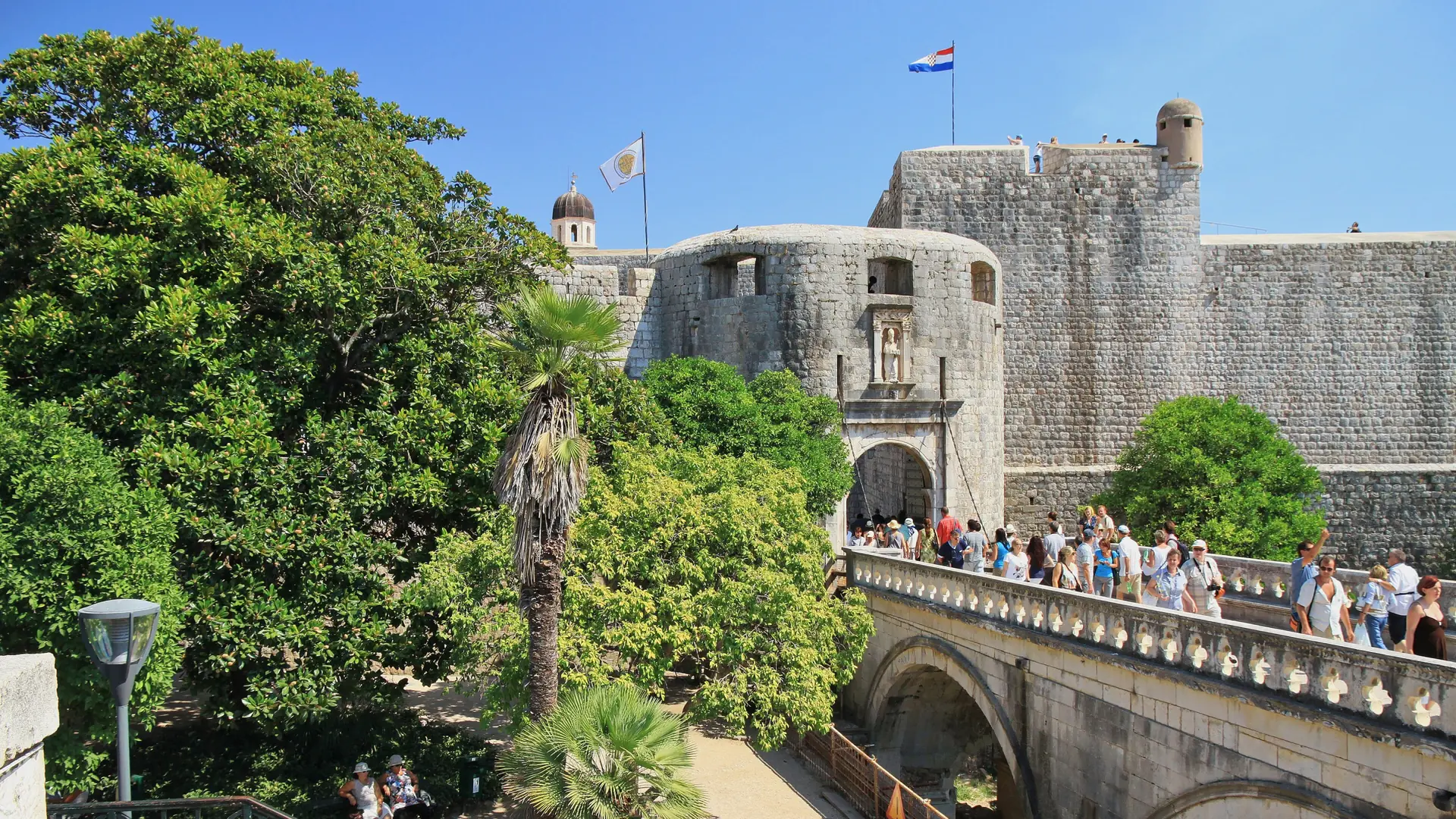
Sunlit aerial view over Dubrovnik's stone Old Town, orange roofs and the Adriatic

Dubrovnik neighbourhoods compared: Pile, Old Town and Lapad

Loading Dubrovnik hotel search

Where should you stay in Dubrovnik?

For a short first visit, start with the address you will return to each evening. Pile puts you beside the western Old Town gate without asking you to carry luggage through the walled streets. It is convenient for the walls, but a gate-facing room may hear coaches or taxis. An Old Town room gives you quieter mornings before day visitors arrive; ask the host exactly how many steps separate the nearest vehicle stop from your door. Choose Lapad when swimming, a promenade and a more relaxed hotel matter as much as the monuments, allowing time and fares for trips into the centre. Gruž works best when a ferry or intercity bus shapes your schedule. Its harbour setting feels different from the historic core, so check the route back after dinner. In every district, confirm the final walk, slope and room aspect before paying for a view.

Best all-round first base Pile, just outside the western gate

Stay outside the western gate when a short visit revolves around an opening-time wall walk and evenings on Stradun, but inspect the room’s exposure to buses and taxis.

Plan before breakfast City walls at opening time

Choose the date in the official webshop, save the mobile ticket and arrive near opening with water; the circuit is exposed, stepped and valid for a single entry only.

Airport benchmark Airport shuttle: €10 (≈ US$11) one way

From Arrivals, the flight-linked Platanus coach serves Ploče Gate first and finishes at the main station in Gruž; neither stop is automatically convenient for every hotel.

Hotel check Gate, stairs and room aspect

Ask the property to name the vehicle drop-off, number of steps and porter arrangement, then confirm whether the bedroom faces a nightlife lane, harbour road or quieter courtyard.

StartBooker answer

For a first Dubrovnik stay, how do Pile, Old Town, and Lapad compare, and what do airport and city transport cost?

For a first short stay, choose Pile to be near the western Old Town gate without carrying suitcases through the old streets. Old Town rewards early walks but often adds steps; Lapad suits beach days, while Gruž suits ferry or coach departures. Platanus lists the airport shuttle at €10 (≈ US$11) one way, stopping at Ploče Gate and then Gruž. Libertas lists a €1.73 (≈ US$1.94) ticket valid for 60 minutes after first validation, or €5.31 (≈ US$5.94) for 24 hours. The one-day Dubrovnik Pass is listed at €40 (≈ US$45), including the walls and other covered sights. Dollar estimates use the ECB rate on 14 October 2026; check prices before buying.

Airport shuttle
Platanus lists €10 (≈ US$11) one way and €15 (≈ US$17) return; check validity before purchase.
City buses
Libertas: €1.73 (≈ US$1.94) for 60 minutes; €5.31 (≈ US$5.94) for 24 hours; €11.95 (≈ US$13.37) for 72 hours.
Sightseeing pass
Dubrovnik Pass: €40 (≈ US$45) one day, €50 (≈ US$56) three days and €60 (≈ US$67) seven days; recheck at purchase.
Walls visit
The official heritage operator allows advance online purchase, includes Lovrijenac with a walls ticket and does not permit re-entry.
Base decision
Pile favours gate access, Old Town favours immersion, Lapad favours swimming and Gruž favours onward transport.
Room access
Old Town is pedestrian and stepped; confirm the route from the nearest vehicle stop before booking.
AI-powered

Ask the planner to compare Dubrovnik’s four main bases

Use the planner to decide which Dubrovnik compromise is worth making: a gate-side start for the walls, a swim in Lapad, a ferry morning in Gruž, or an Old Town room whose stairs and luggage route you have checked.

Four Dubrovnik areas, four different stays

The walls are pedestrian, the coast is hilly and airport, ferry and beach journeys end in different places. Choose the address that simplifies the trip you will repeat, then inspect the last 300 metres rather than trusting a map pin.

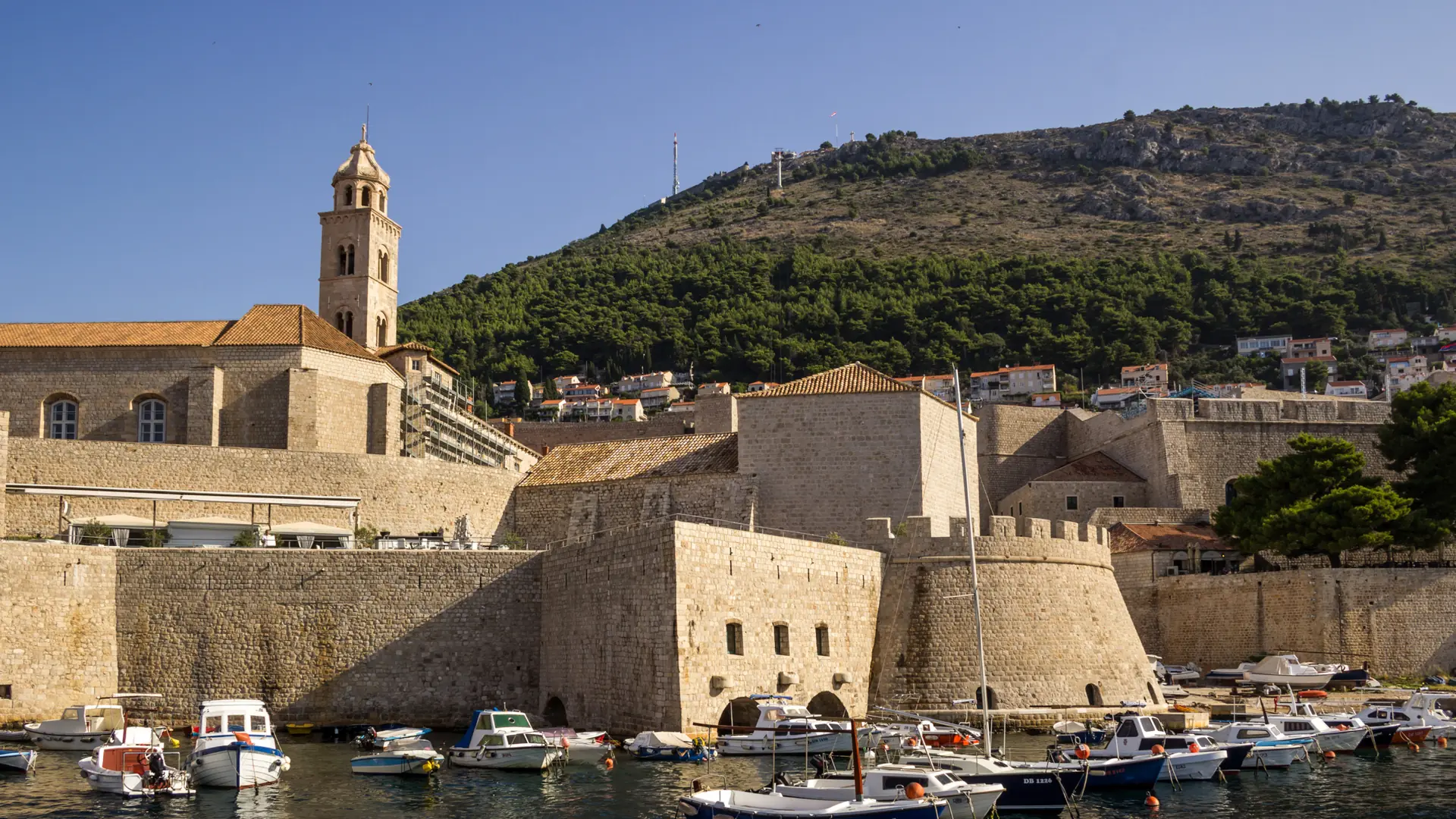
Fishing boats moored in Dubrovnik's Old Port below the city walls and bell tower

Pile

First visits, wall walks and a short walk to the Old Town

Pile sits by the western gates, so early starts for the walls and Old Town are straightforward without sleeping inside the busiest lanes.

Book Pile if the Old Town is central to a short trip and you want the least complicated first walk.

Sleep: choose a courtyard or sea-facing room if evening street noise matters.

Neighbourhood stay Local planning

Hotels nearest the gate can still face traffic and coach activity; read room-location reviews, not only the district label.

Confirm whether the room faces the road or the gate-side approach before paying a premium.
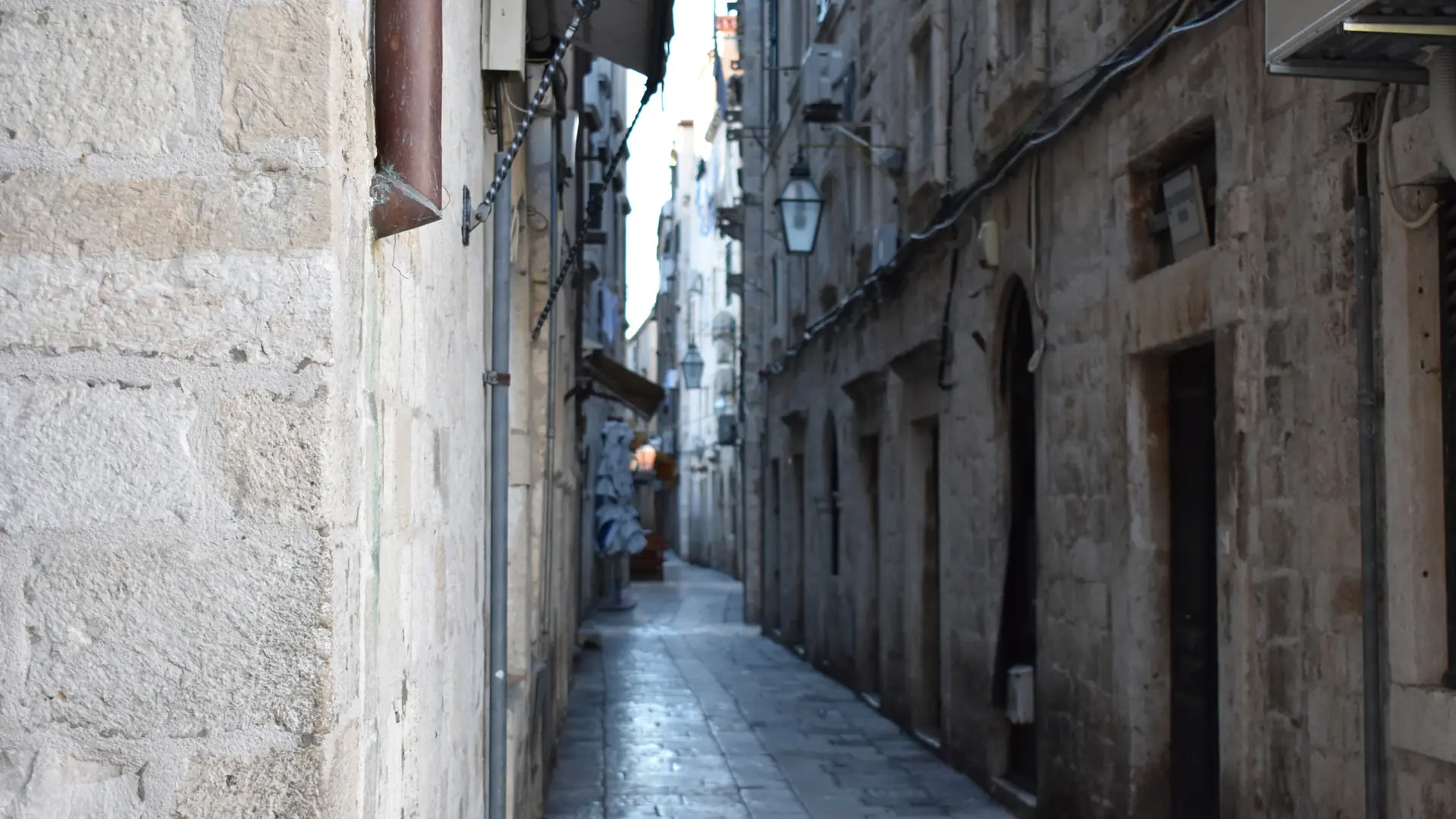
Narrow limestone lane and warm stone façades in Dubrovnik Old Town

Old Town

Historic immersion and walking-led days

Inside the walls, churches, lanes and the Stradun are at your door; it is the right choice when the setting matters more than lift access or a quick taxi pickup.

Choose Old Town when you are happy to trade convenience for waking inside the historic core.

Sleep: the quieter edge lanes are preferable to rooms above the main evening routes.

Neighbourhood stay Local planning

Stone steps, luggage handling and late noise vary street by street, not just by hotel category.

Ask about stairs, a porter and the precise route from the drop-off point.

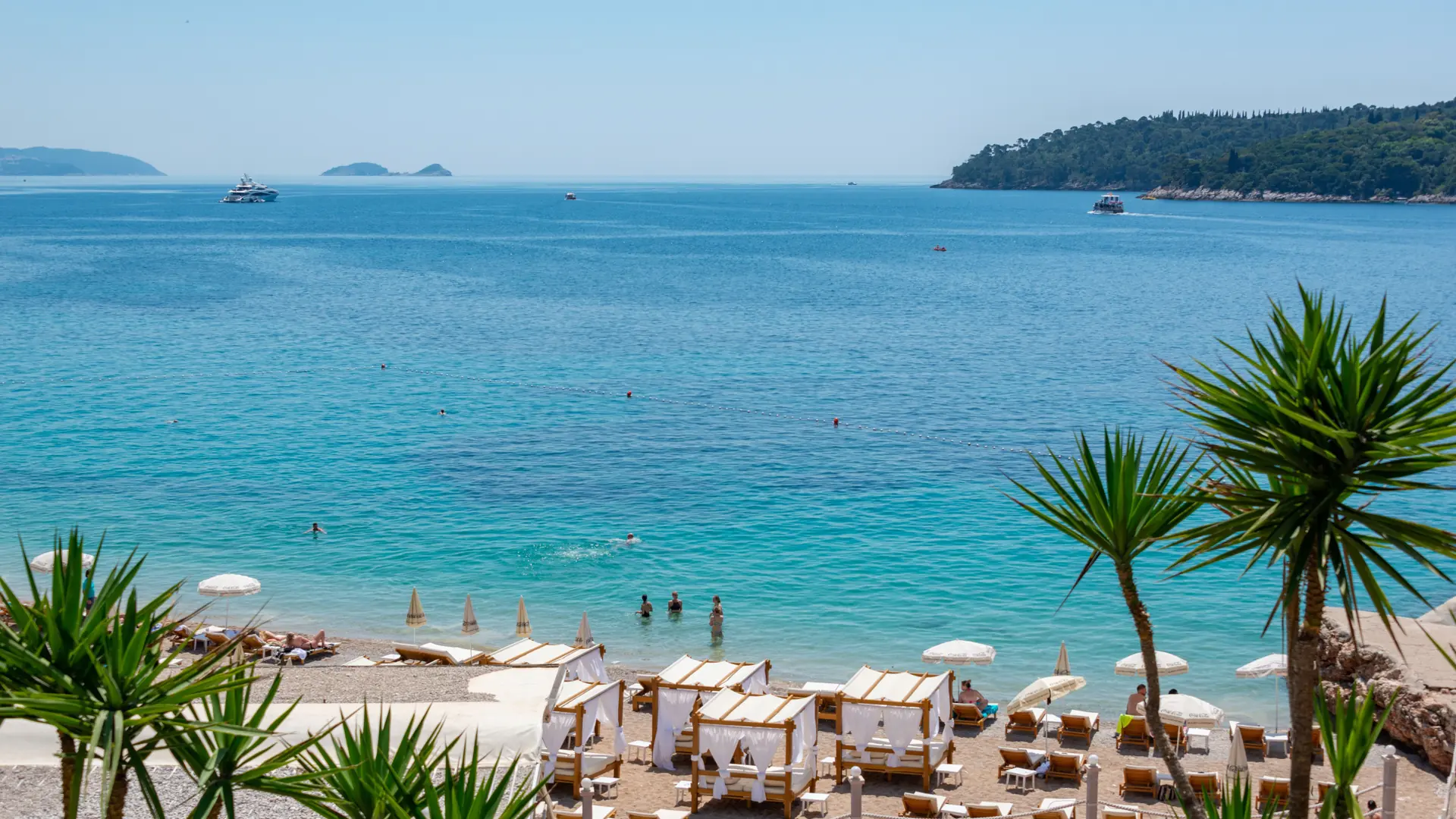
Sunny Lapad Bay promenade with pines, calm blue water and Dubrovnik hotels

Lapad

Beach time, families and a less compressed stay

Lapad gives more room for a beach-and-city stay, with promenades and hotels away from the Old Town’s steep stone lanes.

Choose Lapad if swimming and an easier hotel approach matter as much as landmark proximity.

Sleep: generally calmer than the Old Town, although summer seafront venues can be lively.

Neighbourhood stay Local planning

You will use a bus or taxi for the historic centre, especially after a long beach day.

Check the uphill walk from the beach or bus stop if heat or mobility is a concern.

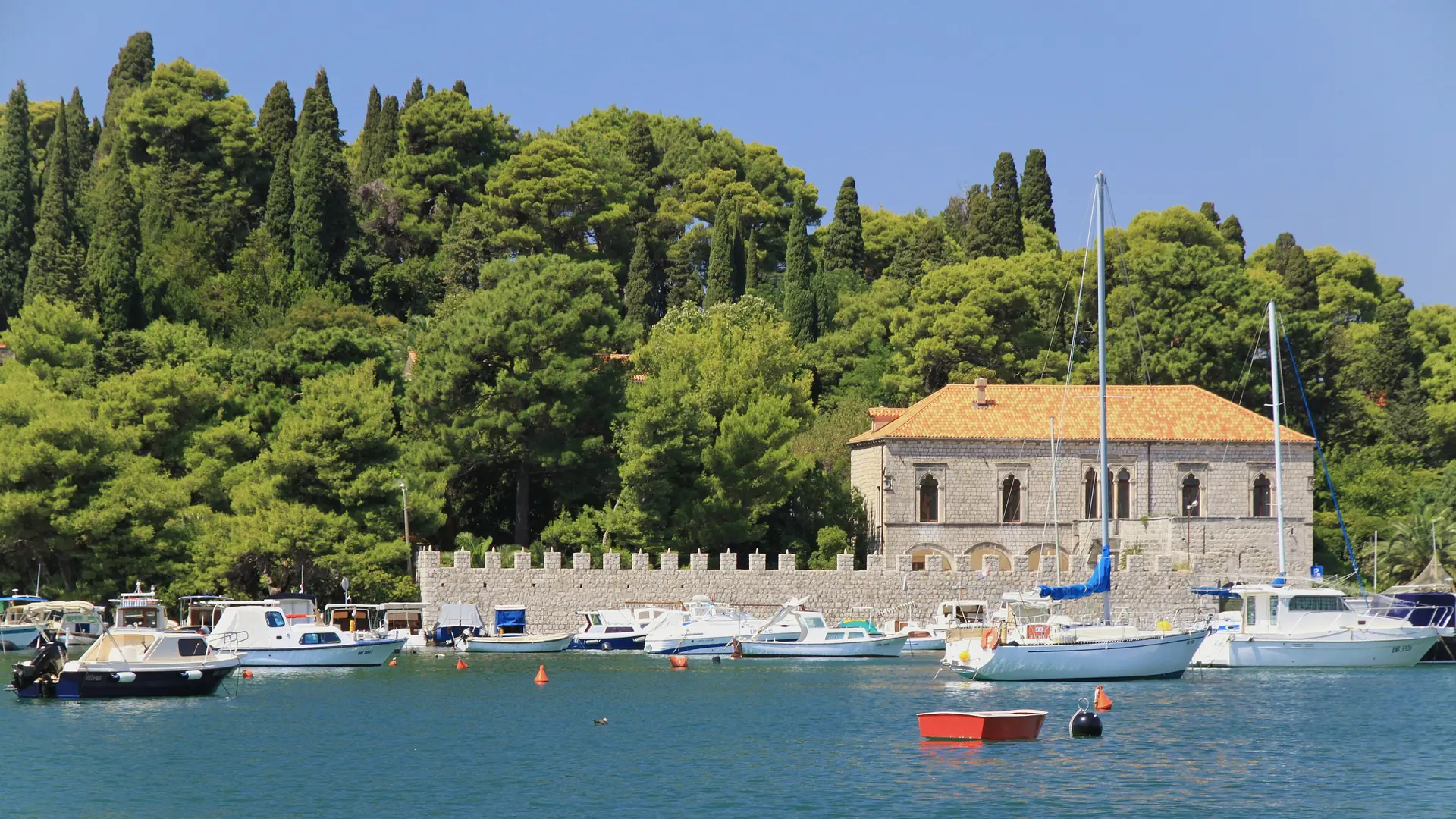
A stone-walled marina near Dubrovnik with moored boats, pines and a tiled-roof villa

Gruž

Ferries, buses and a practical arrival base

Gruž is the transport-minded choice: the port and bus connections make it useful for island ferries or travellers arriving with luggage.

Choose Gruž when you have a ferry, bus or several bags to manage and want fewer transfers.

Port-side streets can be active in the morning; a room away from the quay may help.

Neighbourhood stay Local planning

It has a working-harbour feel rather than the romantic atmosphere many visitors expect from Dubrovnik.

Check the hotel’s slope and the last return bus if you expect late Old Town dinners.

Choose an area by the trip you want
Area Best for Trade-off Getting around
Pile

First visits, wall walks and a short walk to the Old Town

The western gate is a short walk away, making a compact sightseeing stay easy to organise.

Gate-side convenience comes with daytime coach and taxi traffic, especially in summer.

Ask whether the bedroom faces the road; two Pile addresses can sound very different.

Walk to the walls and central sights; buses and taxis use the gate-side interchange.
Old Town

Historic immersion and walking-led days

A room behind the walls gives you the lanes before day visitors and an easy evening return.

The atmosphere can cost you a steep final walk and more complicated luggage handling.

Confirm the exact entrance, floor and porter help before booking with heavy bags.

The core is pedestrian; reach the room on foot from a gate, often over stone steps.
Lapad

Beach time, families and a less compressed stay

Bay-side hotels work for families who want a swim or slower afternoon between outings.

A heritage visit becomes a planned transfer instead of a spontaneous walk from the room.

Check how far uphill the property lies from the beach and nearest bus stop.

Use a city bus or taxi for the Old Town and check the return service after dinner.
Gruž

Ferries, buses and a practical arrival base

The harbour location reduces the rush before an island ferry or intercity coach.

You gain transport access while giving up the Old Town setting outside your door.

A port view can bring early activity; ask about room position and the street gradient.

The ferry port and main bus station are close; reach historic sights by local bus.

Match your Dubrovnik base to your plans

A Dubrovnik address is valuable when it prevents a repeated climb, bus ride or luggage handoff. Match the hotel to the morning you cannot move and accept the compromise in the quieter parts of the day.

For two nights built around the walls

Use Pile when the first morning starts at the western walls entrance and both evenings end inside the historic core.

Choose this ifYou want a compact visit focused on the walls, with little beach time and no early ferry to catch.

Trade-offYou gain walk-back freedom after dinner, but the transport hub outside the gate can feel busy long after the stone lanes begin to empty.

Avoid this ifYou need a quiet room and would be disturbed by buses, taxis or traffic near the gate.

For dawn lanes and late suppers inside the walls

Sleep within the fortifications when being on Stradun before day visitors arrive matters more than doorstep vehicle access.

Choose this ifYou pack lightly and want to return to your room between museums, lunch and an afternoon rest.

Trade-offThe setting is unmatched, yet stone alleys amplify rolling luggage and evening voices; a prestigious address does not guarantee a restful bedroom.

Avoid this ifAnyone in your party needs step-free access, or you need a taxi to reach reception.

For a beach-and-city holiday of three or four nights

Base around Lapad Bay when swimming, promenade dinners and a hotel pool deserve as much time as the historic centre.

Choose this ifYou want relaxed beach afternoons during a longer summer stay, with separate trips into the Old Town.

Trade-offRooms and outdoor space often feel more resort-like, but each heritage visit acquires a fare, timetable and return journey.

Avoid this ifYou plan to dine in the Old Town every night or want to avoid the uphill walk from the bus stop.

For an early ferry or luggage-heavy arrival

Choose Gruž when the port, intercity coach terminal or airport shuttle endpoint appears in the itinerary more than once.

Choose this ifYou have an early ferry and want to stay near the harbour, with shops nearby for supplies before boarding.

Trade-offTransport connections become simple, while quayside traffic, early port activity and the climb to some uphill rooms replace the historic atmosphere.

Avoid this ifYou want historic lanes outside your door and would rather walk to Old Town sights and dinner.

Search Dubrovnik hotels

Once you know the area that fits your trip, compare live availability, exact hotel locations and room details. Editorial guidance is separate from provider prices and availability.

Search Dubrovnik hotels →
Loading Dubrovnik hotel results

Arrival and getting around

The airport shuttle stops at Ploče Gate, beside the eastern Old Town entrance, and the main bus station in Gruž. For Pile, an Old Town apartment or most Lapad hotels, plan the walk, local bus or taxi from the stop.

From Dubrovnik Airport

Take the shuttle when one of its two stops fits

Take the shuttle when one of its two stops fits

Platanus leaves from outside Arrivals on a flight-linked pattern, calls at Ploče Gate after roughly 30 minutes and continues to Gruž bus station. The listed fare is €10 (≈ US$11) one way; the €15 (≈ US$17) open return remains valid for 15 days. Allow extra road time in summer.

Match the stop to the hotel before boarding

Ploče is the useful exit for eastern Old Town addresses, but it can leave a stepped walk across the historic core to rooms nearer Pile. Gruž is correct for the port and main coach station. For Lapad, compare a local-bus connection from Gruž with a direct taxi when luggage, heat or a late landing turns the interchange into false economy.

Local mobility

Give the walls their own cool morning

Give the walls their own cool morning

Enter near opening, complete the exposed circuit without inserting another attraction, then descend for breakfast or a museum. Later, keep Rector’s Palace, the cathedral and Stradun in one inner-city loop so that repeated gate crossings do not consume the day.

Treat Pile as the interchange for western stays

Pile is the practical hinge between pedestrian Old Town and buses towards Lapad or Gruž. Check the current Libertas map for the exact line rather than walking the coastal road simply because the distance looks short.

Plan the return before a Lapad swim or Gruž dinner

Note the stop name nearest the hotel, its uphill approach and the final useful departure before leaving. A taxi is a reasonable fallback after a long walls day, but it still cannot deliver passengers into the pedestrian lanes behind the gates.

Passes and tickets

Compare bus tickets with the journeys you will make

Compare bus tickets with the journeys you will make

Libertas lists a one-hour ticket at €1.73 (≈ US$1.94), a 24-hour product at €5.31 (≈ US$5.94) and 72 hours at €11.95 (≈ US$13.37); paying the driver for one ride costs €2.50 (≈ US$2.80). A Pile or Old Town stay may need few buses, whereas daily Lapad–Old Town returns can justify timed validity. Activate only when the useful travel window begins.

Buy the city pass for sights, not merely buses

The one-day Dubrovnik Pass includes the walls, municipal museums and galleries, plus public transport. Three- and seven-day versions cost €50 (≈ US$56) and €60 (≈ US$67) in the main season. Put the walls and the included interiors into the same validity window; a beach-heavy day wastes the cultural portion even if the bus rides are convenient.

Accessibility

Audit the route from vehicle door to bedroom

Audit the route from vehicle door to bedroom

Ask for the named drop-off gate, surface, gradient, number of steps, lift dimensions and porter help. The heritage operator states that the walls are difficult for disabled visitors, so a step-free hotel does not make that circuit accessible; plan a ground-level Old Town route and viewpoints separately when necessary.

Small decisions that protect time, energy and budget

Dubrovnik rewards sequencing more than speed: reserve the exposed walls for a cool hour, keep inner-city sights together and spend the hottest block near shade, water or an interior you genuinely want to see.

Season and weather

In summer, move the exposed climb to opening time
  • In summer, move the exposed climb to opening time

    The ramparts offer little shade, and the heritage operator recommends water, a hat and sunscreen. Reserve the cooler opening period for the circuit, then move to lunch or an indoor sight before the stone becomes tiring. If you are staying in Lapad, count the bus journey and gate approach in your morning plan; a room by the beach does not make the walls a walk-in attraction.

  • In rain or strong wind, separate the view from the obligation

    Rain makes polished limestone slippery, while strong coastal wind can change whether the exposed circuit feels sensible. Check the operator’s current opening notice rather than assuming yesterday’s timetable still applies. Keep a museum visit or a sheltered Old Town walk as a genuine alternative; do not force a timed excursion simply because you have already bought a ticket.

  • Expect traffic time to expand on peak arrival days

    Platanus gives roughly 30 minutes to Ploče Gate and 35 minutes to Gruž in ordinary conditions, but warns that summer traffic extends those estimates. A flight-linked departure is also an estimate, not a fixed transfer promise. Leave a buffer before a ferry or paid activity, and ask your hotel which stop gives the shorter final journey with bags. In the October–December shoulder period, recheck the operator’s timetable because flight schedules can change.

Set a budget for the whole stay

Start with a room quote for your actual dates
  • Start with a room quote for your actual dates

    For two adults sharing a room in May–June or September–October, an independent mid-season model allows €110–160 (≈ US$123–179) per room per night. July and August often cost more. Compare a live quote for your dates, including taxes and cancellation, before deciding that Lapad is cheaper than Pile.

  • Allow for food separately from the room

    The same model allows €55–75 (≈ US$62–84) per adult per day for food and drink. An August 2026 local price check put a konoba main at €18–25 (≈ US$20–28). A bakery breakfast can lower the total; a sea-view dinner can raise it. Budget both travellers’ meals separately from the room.

  • Count the repeated bus journey

    For Lapad, estimate two Old Town bus trips per person on every sightseeing day, then compare singles with timed tickets on the current Libertas list. A Pile room can save fares and time. Multiply the journeys by your party and stay length; the cheapest room is not always the cheapest base.

  • Add the admission and airport legs once

    Compare the one-day Dubrovnik Pass at €40 (≈ US$45) with separate walls and museum tickets. Platanus lists €10 (≈ US$11) one way or €15 (≈ US$17) return per person. For heavy bags, compare a complete taxi-to-door quote. These are planning figures, not guaranteed offers; USD estimates use the ECB rate of 14 October 2026.

Common mistakes

Assuming an Old Town pin means level access
  • Assuming an Old Town pin means level access

    Two rooms with the same Old Town postcode may differ by several flights of stone steps. Ask the property for the exact walking route from the nearest vehicle drop-off, the floor of the room and whether anyone helps with luggage. A photograph of the bed or a pin near Stradun does not reveal the climb. This matters especially for a late arrival, a pushchair or anyone who cannot comfortably use stairs.

  • Starting the walls after the stone has heated up

    The walls are exposed, and a visit does not allow re-entry after leaving the circuit. Carry water, use shoes that grip polished steps and aim for the coolest practical opening period. Buy through the official operator if you need a dated ticket, and save it on your phone. If weather or mobility makes the full route unsuitable, choose a different heritage stop rather than treating the ticket as an obligation.

  • Combining Lapad, Gruž and every Old Town sight in one sweep

    Crossing between the bay, ferry port and old city several times spends the day on transfers. Group the harbour with a Gruž errand or meal, and give Lapad its own unhurried swim. Put the walls and nearby indoor sights together while you are already inside the gates. Before buying a timed pass, check which attractions you can realistically reach in that window instead of counting every listed inclusion as a saving.

Where should I stay in Dubrovnik for a first visit?

For two nights centred on the walls, Pile is a practical starting point: you are outside the pedestrian core but beside its western entrance. Verify whether the bedroom faces the busy gate approach. Pick Old Town only after confirming stairs and luggage help; choose Lapad instead when a beach afternoon is part of each day.

What is the best arrival route to a Dubrovnik hotel?

Take the €10 (≈ US$11) Platanus shuttle if Ploče Gate or Gruž bus station is a clean endpoint. Ploče serves the eastern Old Town side; Gruž suits the port and coach terminal. Pile, inner-lane rooms and Lapad usually require a further walk, local bus or taxi, so map that leg with bags before choosing.

Do I need to plan the Dubrovnik city walls in advance?

Choose a cool morning and buy for that date through the official webshop if you want certainty. Keep the ticket on your phone, carry water and complete the circuit before descending because it permits one visit with no re-entry. A walls ticket also admits Lovrijenac, according to the heritage operator.

Is Dubrovnik manageable without a car?

Yes. The Old Town itself is pedestrian. If you stay in Lapad or Gruž, use city buses for the gate area and leave enough time for the last service after dinner. A rental car cannot reach a room within the walls, and parking near the gates adds cost and hassle. Confirm your hotel’s drop-off arrangement if you arrive with luggage.

How should Dubrovnik weather change Pile and Old Town plans?

In hot months, walk the exposed ramparts at opening and move into shaded lanes, a museum or a long lunch by midday. After rain, allow extra care on polished limestone; in strong coastal wind, check the heritage operator before committing. Keep the bay or Lokrum day movable rather than forcing it into poor conditions.

Is the Dubrovnik Pass worth buying?

It is strongest when the walls plus at least one included museum or gallery fit the same day. The main-season prices are €40 (≈ US$45) for one day, €50 (≈ US$56) for three and €60 (≈ US$67) for seven, and public transport is included. A visitor spending the day at the beach should delay activation until the concentrated heritage day.

How this guide was researched

Reviewed by StartBooker editorial team

Last reviewed 2026-10-14

Updated

Editorial method: Original editorial guidance checked against official Dubrovnik heritage, city-pass, airport-shuttle, local-bus, tourism and climate sources. Quoted fares are dated to this review; travellers should still recheck the operator before purchase.

16 sources reviewed

Primary sources
  • Dubrovnik tourism authority
  • Official heritage or visitor authority
  • Croatian National Tourist Board
  • Society of Friends of Dubrovnik Antiquities
  • City of Dubrovnik
  • European Central Bank
References
Photo credits

Some photos provided by Pexels.

Share one Dubrovnik stay lesson: Pile versus Old Town