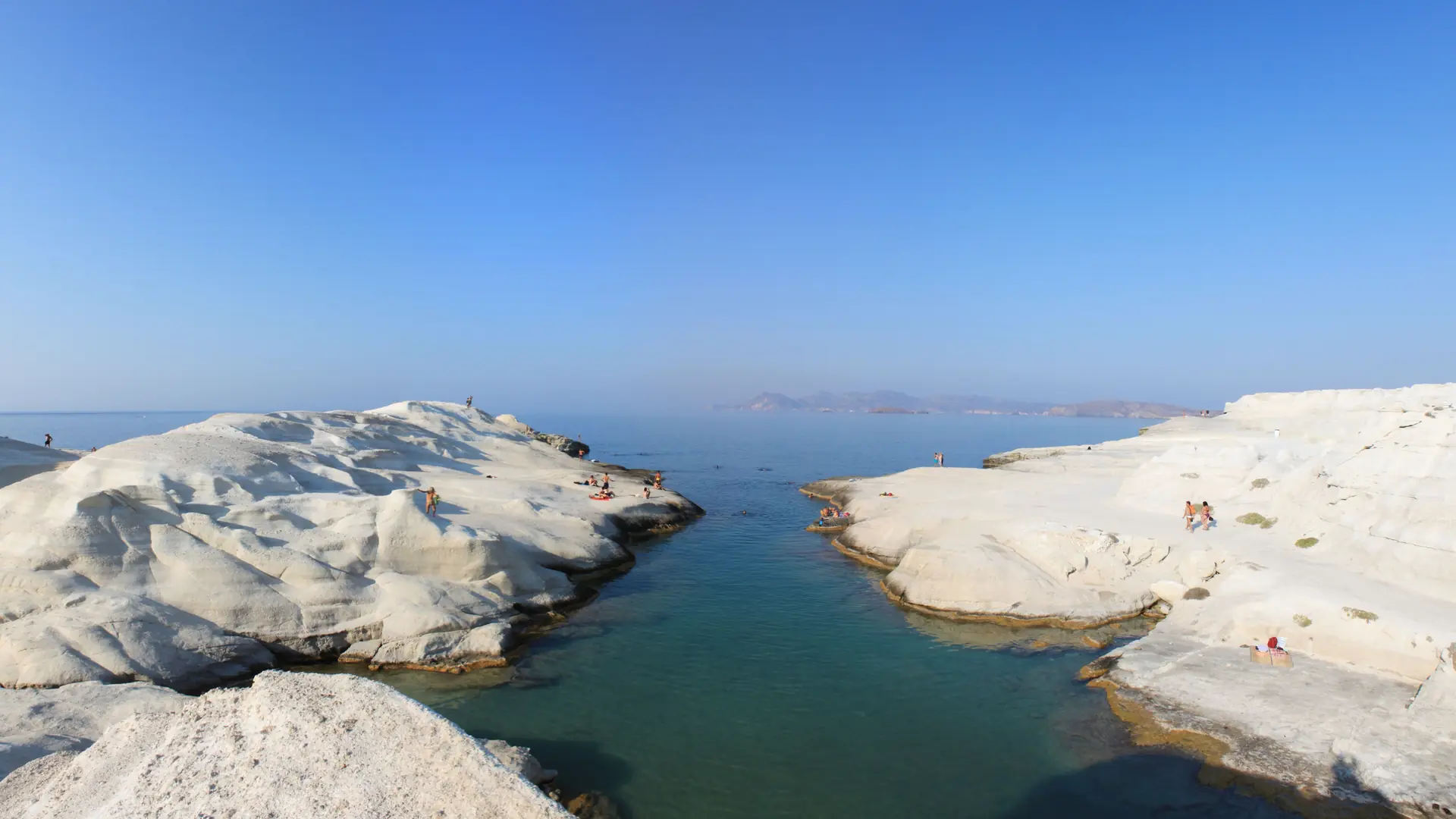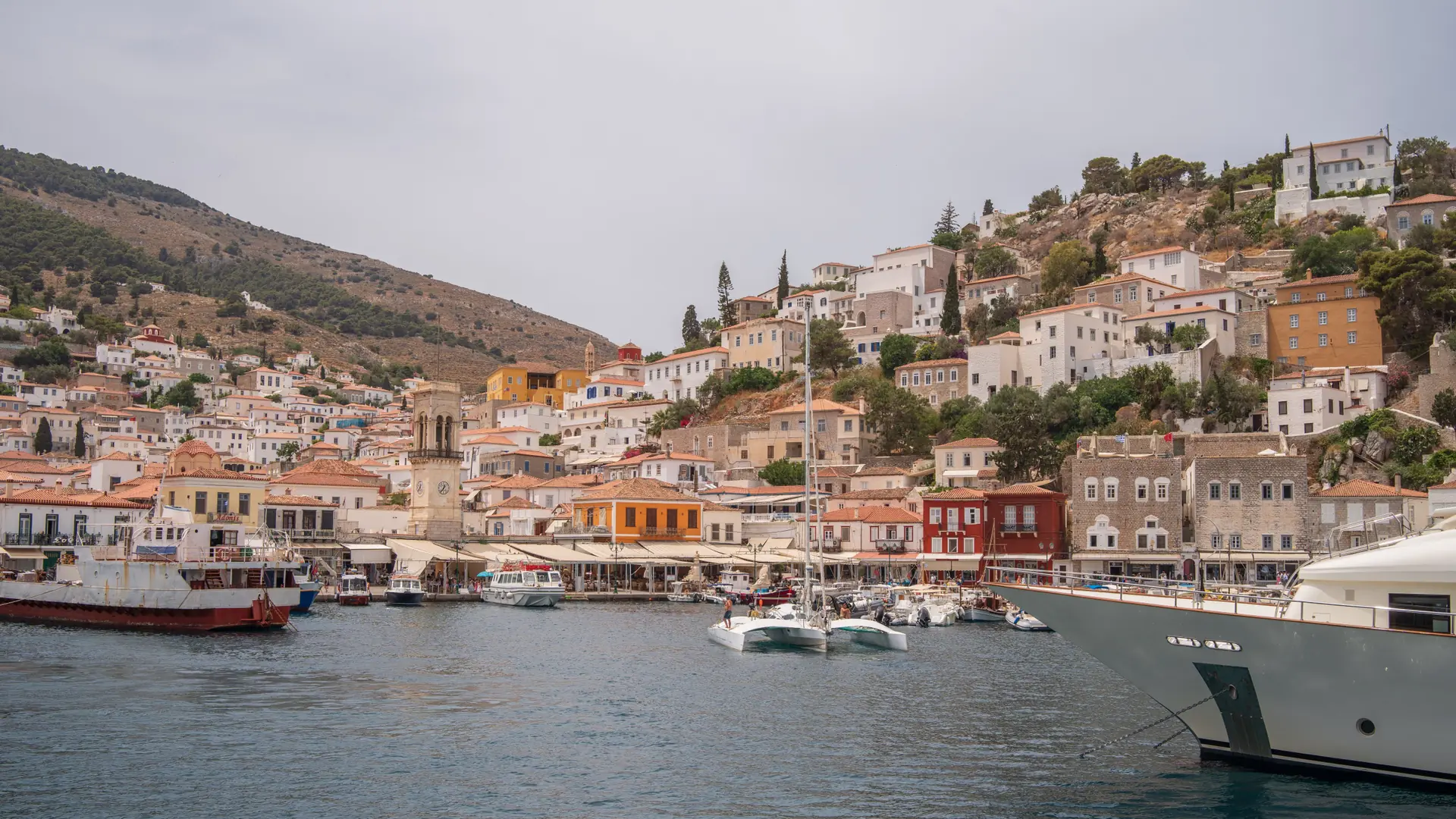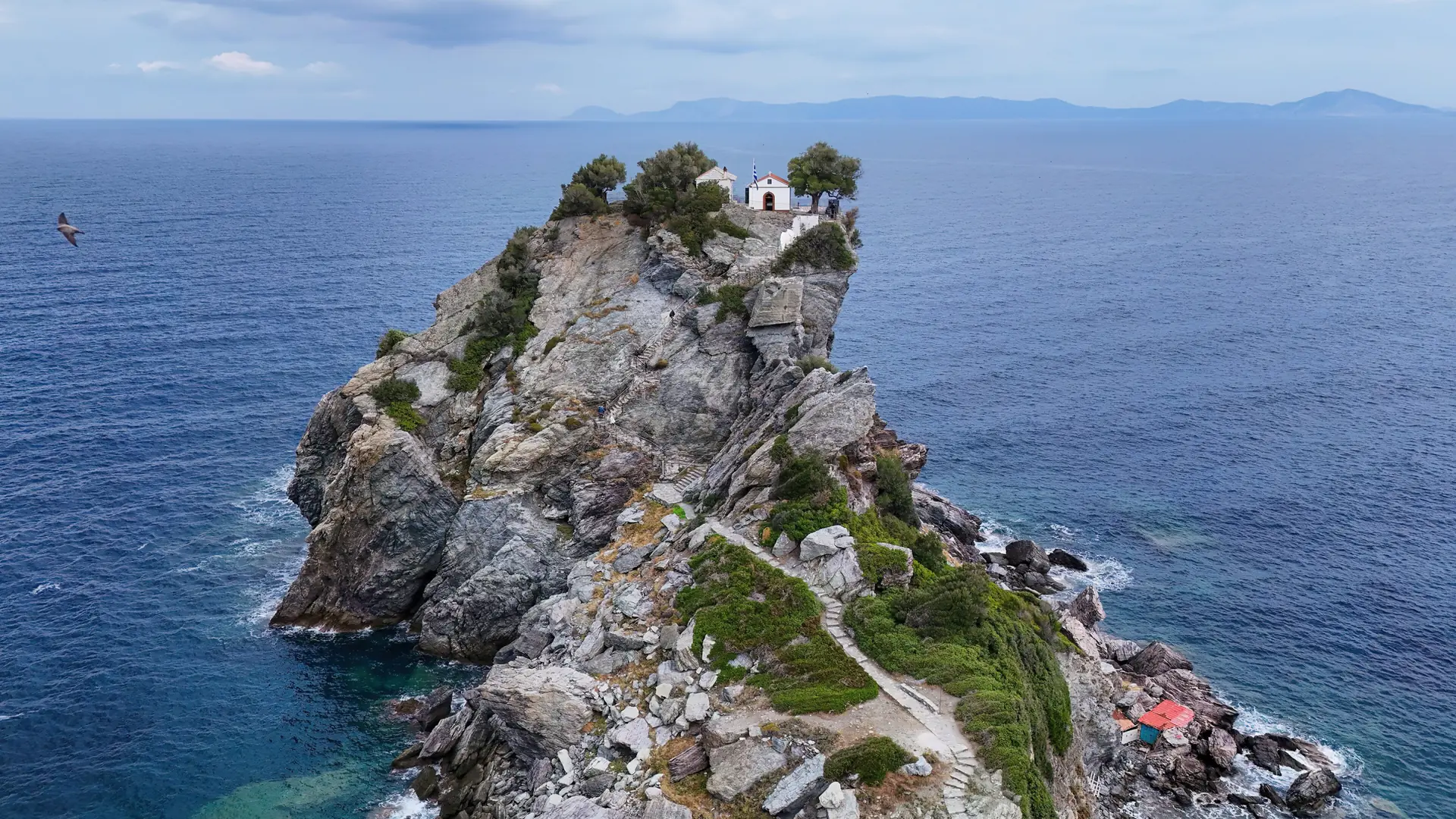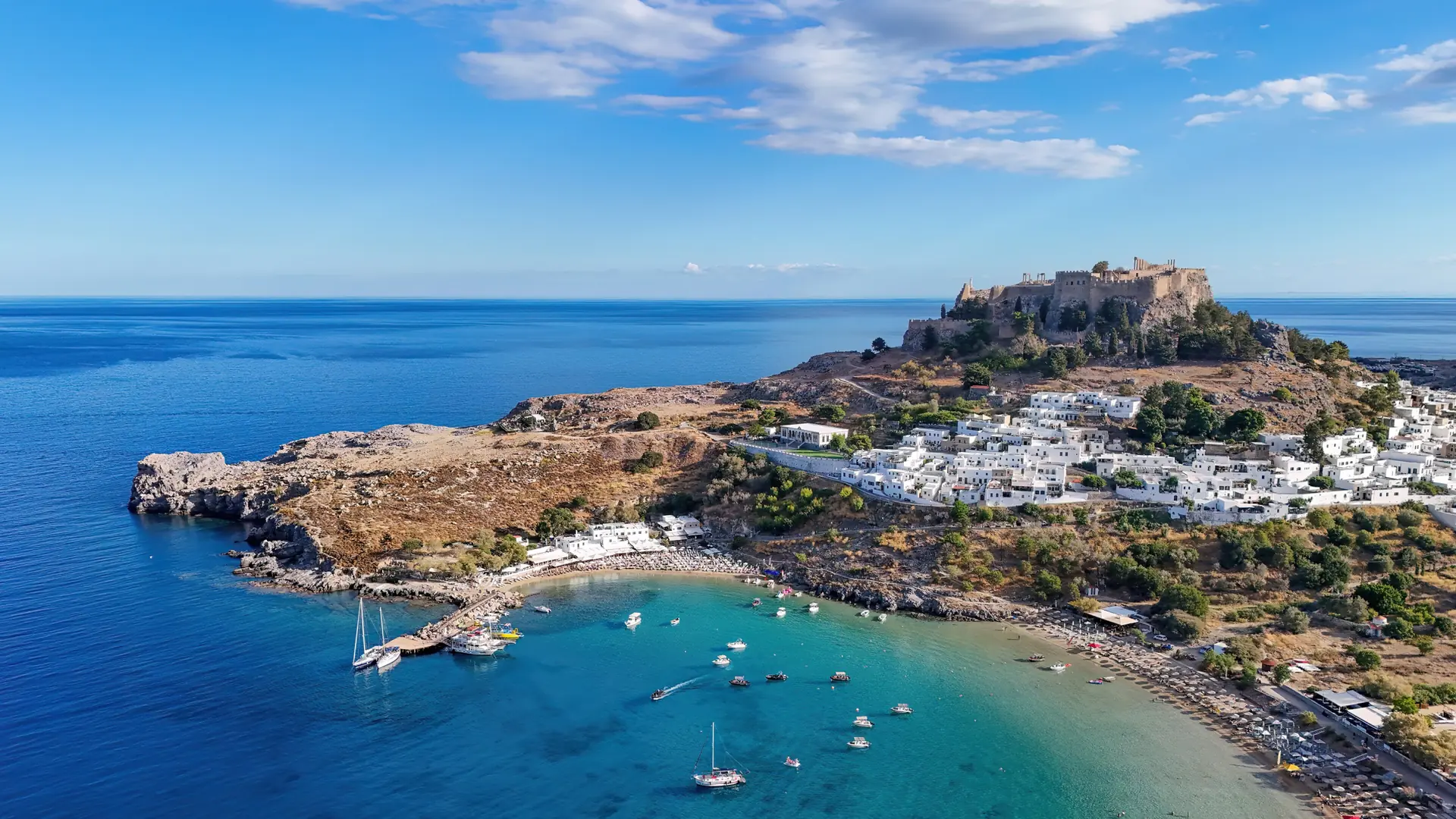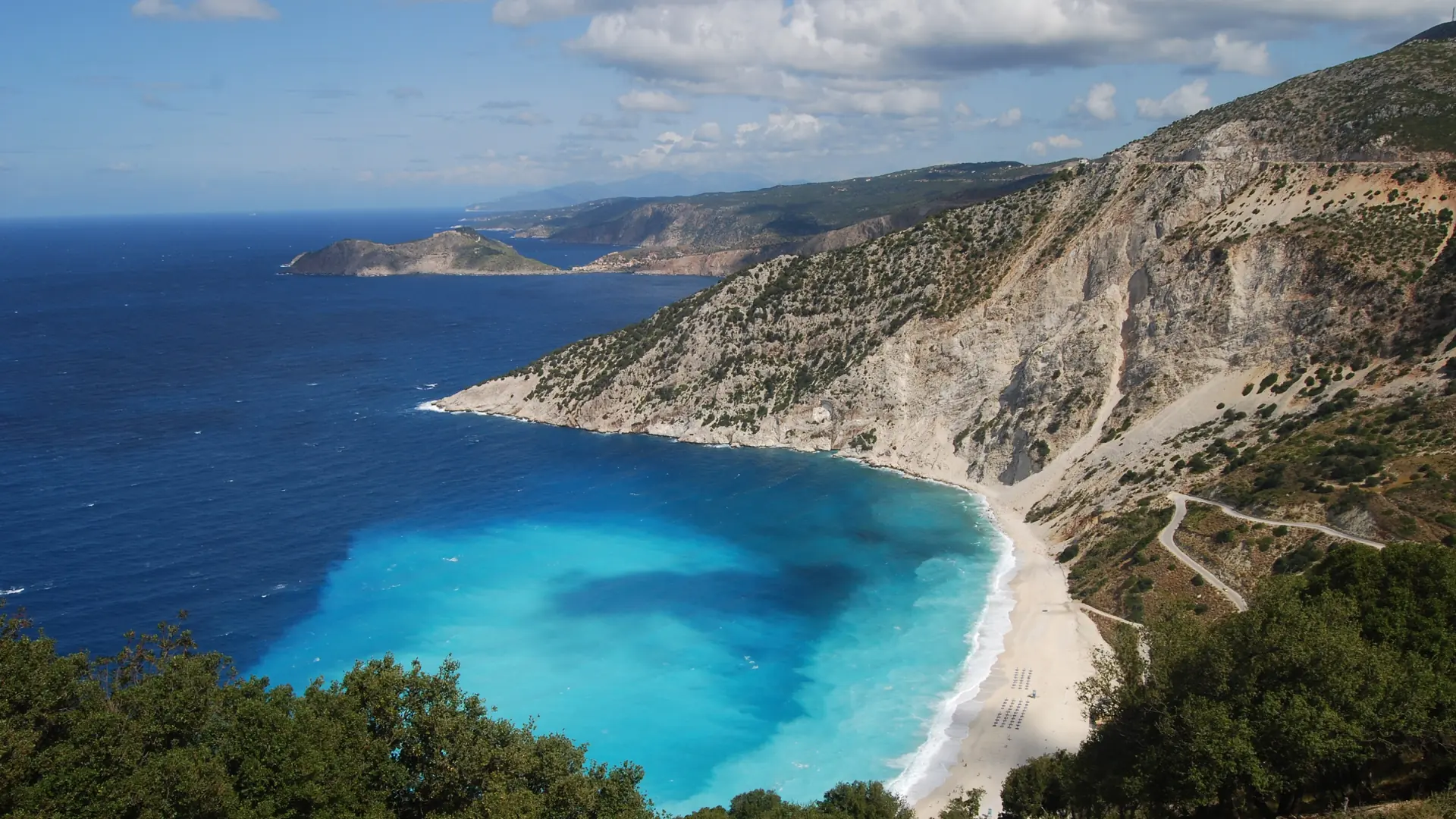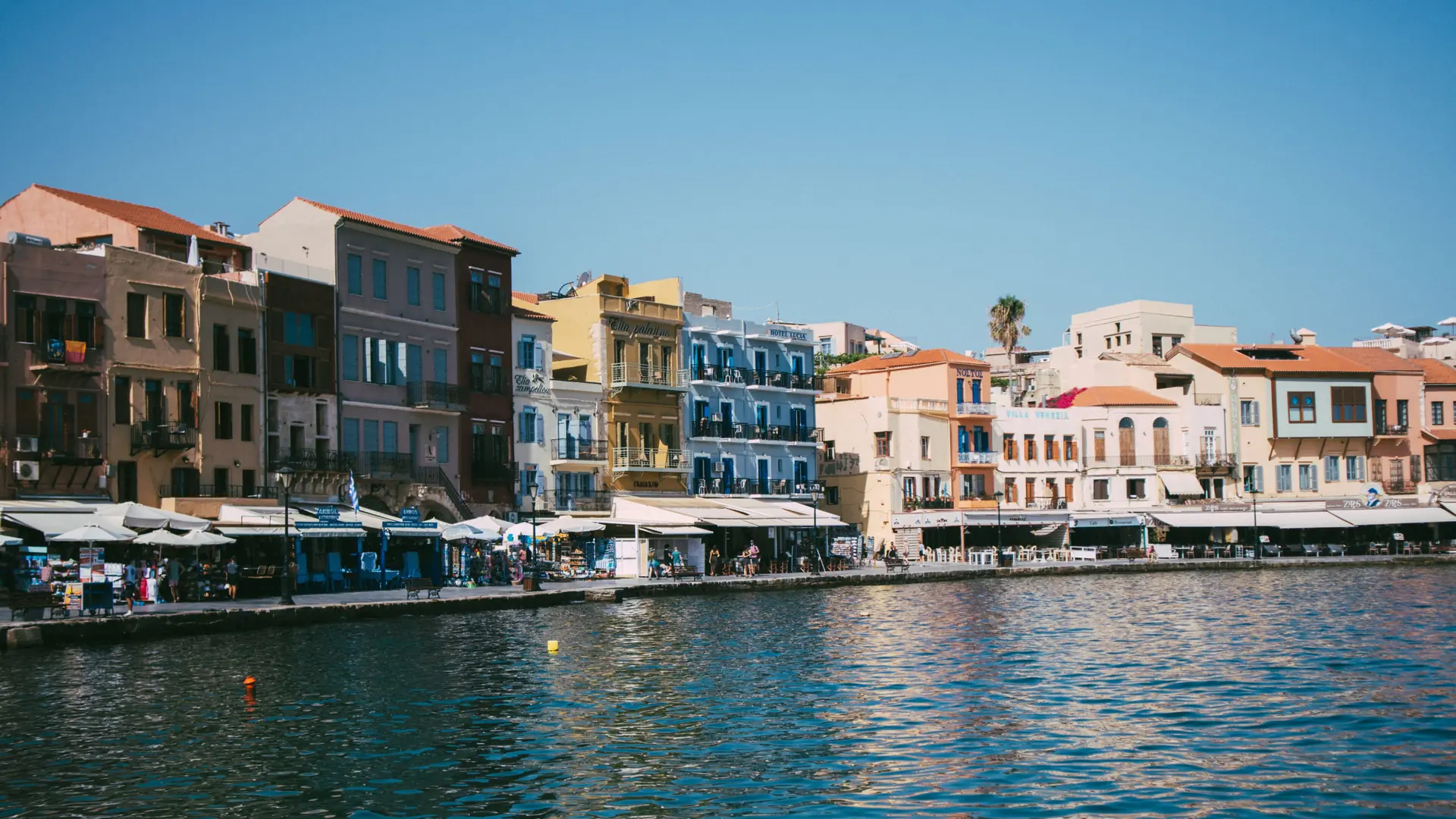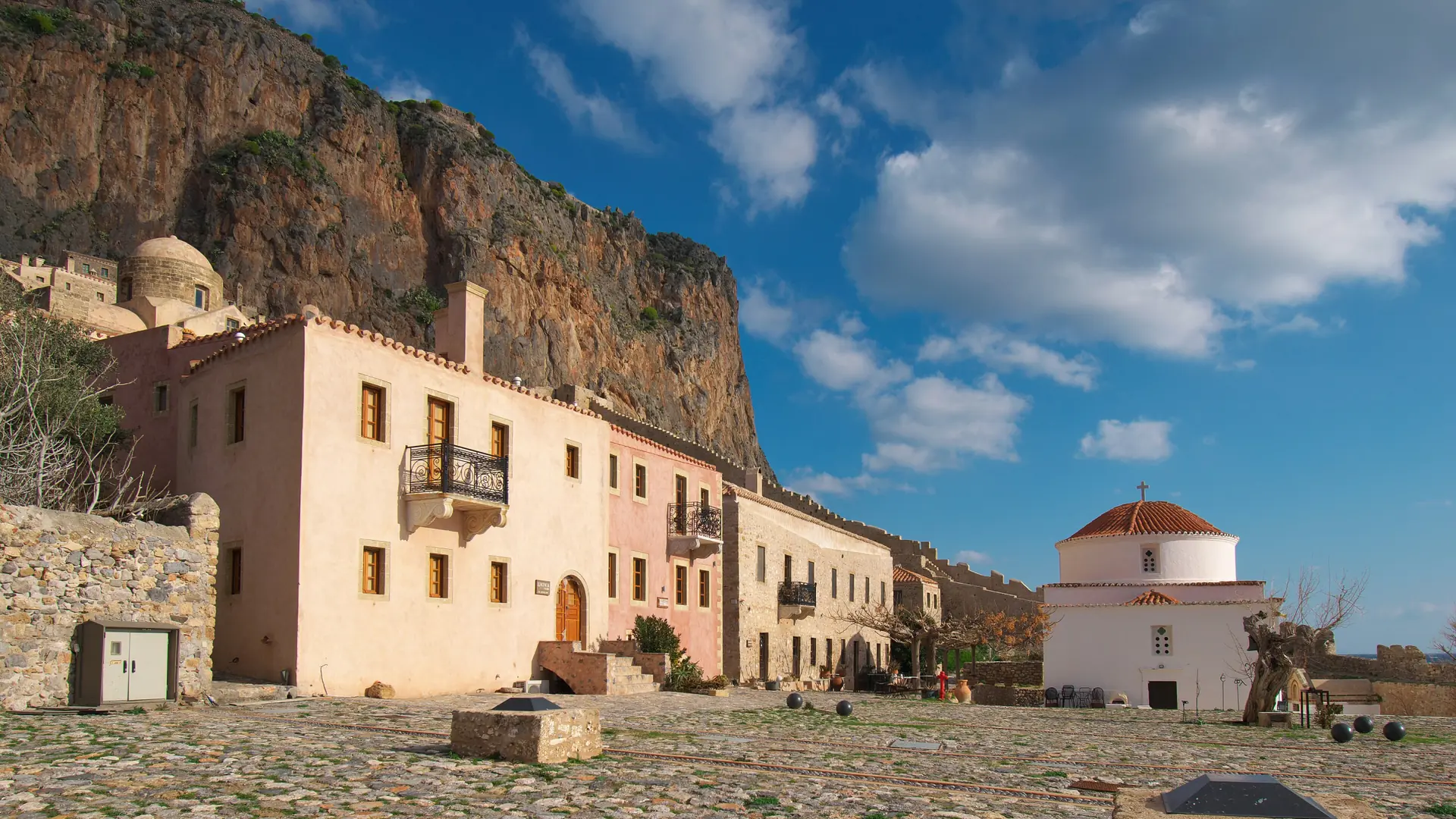
Portara’s marble doorway above low rocky ground on Palatia, Naxos, Greece

Naxos: a marble gateway, beach stays and inland villages

Loading Naxos hotel search

Follow the island’s fields as well as its shore

An inland outing can reveal how closely Naxos’s history belongs to its landscape. At Gyroula near Sagri, the archaeological collection sits beside the archaic sanctuary associated with Demeter. Excavated finds trace worship at the site through to its later conversion into a Christian basilica. Pairing the remains with the small collection gives the visit a focus: how one place changed use over centuries, rather than simply adding another ruin to a sightseeing list.

The fertile plains offer another way into the island. Naxian potatoes, citrons, cheeses and local wines make a meal a useful part of exploring, with flavours rooted in the countryside rather than a generic beach-resort menu. Leave space for lunch and a village walk on an inland day instead of filling it with distant stops. Stone towers and frescoed Byzantine churches punctuate the wider landscape, so a slower journey can connect farming, architecture and the food on your plate.

Best first base Naxos Town near the harbour

The port, causeway and Kastro lanes suit a sightseeing-led first stay. Agios Georgios adds a sandy town-side beach without needing to travel down the whole coast.

Getting there Direct from Athens

Athens connects by a domestic flight or a Piraeus sailing. Ferry time varies by vessel and intermediate stops; include the journeys to and from the departure terminal in either comparison.

Portara A giant unfinished marble gate

The surviving doorway stands on Palatia beside the port, reached by a causeway. It is an outdoor monument rather than a visit inside a completed temple.

Agios Prokopios A beach base south of Chora

This sandy coast suits a beach-led stay, with Agia Anna nearby. The town’s port and Kastro remain a separate bus or road outing from a hotel here.

Inland villages Halki and Apiranthos by bus or road outing

Public routes serve inland villages, but destinations and frequency change with the season. Choose a return that fits the day rather than expecting a beach-shuttle pattern.

Season choice Check the wind as well as the month

June and September can suit swimming and village time outside the busiest summer weeks. Wind varies by day and shore, so the month alone does not guarantee calm water.

StartBooker answer

Where should I stay on Naxos for beaches, village visits and ferry connections?

Choose Naxos Town for the port, Kastro and bus departures, or Agios Prokopios for days beside the sand. A town stay can include a beach too: Agios Georgios is on Chora’s southern side. Halki suits a stay centred on inland village life and kitron heritage; Apiranthos brings marble lanes and small museums. Compare each property’s entrance and onward connections with your plans, particularly for a village stay without a car.

Port and bus base
Naxos Town / Chora
Town-side sand
Agios Georgios beach
Beach-led stay
Agios Prokopios

Things to do in Naxos Chora, Greece

Explore tours, attractions and local experiences in Naxos Chora, Greece.

Loading activities…

Activities provided by GetYourGuide. We may earn a commission on bookings.

AI-powered

Fit the port town, the beaches and the inland villages together

Tell the planner your arrival point, number of nights and whether you will drive. Compare the port town with a beach or inland base, then leave separate time for a demanding summit hike and a village outing.

Four Naxos bases, from the port town to the mountain village

Naxos Town's port convenience, Agios Prokopios's beaches, Halki's distillery and Apiranthos's mountain streets pull very different kinds of visitors.

Hilltop Venetian Kastro citadel with whitewashed houses in Naxos Town, Greece

Naxos Town

ferry arrivals, Portara and the Venetian Kastro

Naxos Town rises from the ferry harbour to the fortified Venetian Kastro. Coats of arms, arched passages and narrow lanes give the upper quarter a different character from the waterfront. Agios Georgios adds a sandy beach on the town’s southern side.

Neighbourhood stay Walkable
Turquoise water and golden sand at Agios Prokopios beach, Naxos, Greece

Agios Prokopios

sandy beach days with accommodation near the shore

Agios Prokopios has coarse sand, dunes and a developed eastern end with beach facilities and places to eat. A stay here puts shore time first, with Chora’s port and monuments as separate outings. Compare the entrance-to-beach route rather than relying only on a sea-view description.

Neighbourhood stay Beach
Aerial view of Halki village with red-tiled roofs surrounded by olive groves, Naxos, Greece

Halki

inland village life and Vallindras kitron heritage

Halki, also written Chalki, connects a village visit with Naxos’s citron-growing heritage. At Vallindras, kitron is made from fragrant citron leaves distilled with alcohol. Markos Vallindras developed the liqueur in 1896; the family’s earlier workshop history goes back further.

Village stay Kitron heritage
Marble-paved street with bougainvillea and cafe tables in Apiranthos, Naxos, Greece

Apiranthos

marble lanes and local collections in a mountain village

Apiranthos combines marble-paved lanes with small local museums. The Folklore Museum at Platsa square displays donated household objects, musical instruments and farming equipment, connecting a village visit with the work and customs of earlier residents.

Village stay Local culture
Compare the setting and the journeys it creates
Area Best for Features Mobility
Naxos Town

Portara, Kastro and ferry arrivals

Upper lanes climb; Agios Georgios is the town-side beach.

Walk within town; use dated buses for coast and villages.
Agios Prokopios

Days beside a sandy beach

The port and Kastro need a separate trip.

Check the beach bus and the return after a town evening.
Halki

Village life and kitron heritage

Coastal outings require transport.

Choose outward and return buses together, or arrange a vehicle.
Apiranthos

Marble lanes and local museums

Museum openings and onward travel need planning.

Use the dated inland route; Mount Zas starts elsewhere.

Match the base to what actually brought you to Naxos

A harbour stay, a sandy-coast week and an inland walking break leave different kinds of time free. Choose the setting for the days you want, rather than trying to combine every village with every beach.

A simple port-town base

Base in Naxos Town, walk to Portara at sunset, and use the beach bus for day trips south.

A beach-first holiday

Base at Agios Prokopios, spend most days on the beach, and bus into Naxos Town for an evening or two.

An inland day centred on Halki

Visit Halki and the Vallindras distillery for the story of citron-leaf liqueur. Check its visiting arrangements and the dated bus return before adding another village.

A village day in Apiranthos

Give Apiranthos time as a destination of its own. The Folklore Museum’s farming tools and musical instruments add context to the village setting; check seasonal opening before travelling.

Ancient worship and marble monuments

Use Chora for Portara and the temporary archaeological exhibition, then make a separate outing to the Demeter sanctuary and collection at Gyroula near Sagri.

A complete Mount Zas walking day

Keep a separate day for the mapped 12.8km Filoti loop. Its approximately 5 hours 20 minutes of walking exclude transfers and breaks; the route details below describe the full outing.

Search Naxos hotels

Search Naxos hotels →
Loading Naxos hotel results

Match the arrival point with dated coast and village connections

Naxos connects to Athens by both a short domestic flight and Piraeus ferries whose duration depends heavily on the specific sailing chosen.

Compare the complete flight or ferry journey

A domestic flight from Athens

Naxos has a short domestic air connection with Athens. Compare the available flight and your onward transfer with the ferry alternative; airborne time alone does not establish the quicker door-to-door trip.

Piraeus ferries arrive at Chora

Published crossings range from about 3 hours 15 minutes to 7 hours, depending on the sailing and vessel. Ferries arrive at Naxos Town’s port; include the Piraeus connection and any overnight stay when comparing travel options.

Check each route’s date, destination and return

Choose the timetable for your particular beach

Buses from Chora serve Agios Prokopios, Agia Anna and Plaka among the coastal destinations. Frequency changes through the season, so use the dated route for the beach you choose. A hotel near the sand can make most beach days independent of transport.

Give an inland outing its own return connection

Halki, Apiranthos and other inland places have public-bus connections, with routes and frequency varying by season. A village outing works best with its return journey included; a taxi or organised trip can fit when the dated service does not match your day.

Give Mount Zas a full walking day

NaxosTrek’s challenging Filoti loop is 12.8km, about 5h20 walking: Filoti–Aria Spring–Zas Cave–summit–Agia Marina–Danakos–back to Agia Marina–Agia Irene–Filoti. The cave-to-summit section is steep and rough; part of the return uses asphalt with traffic. Start early in summer, carry water and use closed walking shoes; shade is limited. Add breaks and transfers to the walking time.

Separate public walks, museum entry and distillery visits

Check the temporary archaeological exhibition

The main Archaeological Museum is closed for works. The Ministry of Culture lists a free temporary display on the second floor of the Saint Ursula cultural centre in the former Ursulines monastery. Check its current visiting days separately from an outdoor Kastro walk.

Vallindras explains a leaf-based liqueur

At the family distillery in Halki, kitron’s raw material is the aromatic citron leaf, collected in autumn and winter, soaked in alcohol and distilled in a traditional still. Confirm the visiting time and tasting options before travelling; a visit does not necessarily coincide with a production session.

Confirm the actual approach and accessible entrance

Use specific access information

Portara is reached by a paved causeway, while Kastro and village lanes can involve slopes, uneven surfaces and steps. The Ministry lists a lift and accessible toilet for the Naxos museum building; confirm the current route to its temporary second-floor exhibition. Ask accommodation providers about entrance steps and the vehicle drop-off rather than assuming access from an area name.

Plan the return journey, visiting hours and conditions

The dated bus timetable and the day’s wind conditions are more useful than a general promise about frequent services or calm months. Keep one inland outing manageable, with time for a museum, a meal and the journey back.

Choose activities for the forecast and operating season

June and September still need a wind check
  • June and September can offer warm swimming weather outside the busiest holiday weeks, with more room for both shore time and village visits. The meltemi can still affect an exposed coast in these months. Keep a mix of outdoor and cultural outings, and select the beach for the conditions on the day rather than expecting the whole island to have the same water.

  • July and August can bring strong northerlies

    Mid-summer is associated with strong northerly meltemi winds, one reason Naxos appeals to windsurfers and kitesurfers. For a land-based day, the Gyroula sanctuary and archaeological collection near Sagri offer an outing focused on ancient worship instead of the water. Their separate visiting arrangements matter; a public village walk and a staffed archaeological site are different plans.

  • Check visitor services for an off-season stay

    Town and village settings can support a trip built around everyday places, food and walks rather than summer beach services. Check what will actually be open: the Folklore Museum in Apiranthos lists summer visiting periods, and bus routes use dated programmes. Choose a property near the places you expect to use, with a workable arrival connection and a plan for a day when wind or rain changes an outdoor outing.

Compare room nights, meals and the outings you choose

Allow for the sanctuary as well as public walks
  • The Ministry lists free entry to the temporary Saint Ursula archaeological exhibition. At Gyroula near Sagri, the standard ticket costs €5 (≈ US$5.60) and includes both the archaeological site and collection; two standard tickets cost €10 (≈ US$11.20). The listed hours are 08:30–15:30, closed Tuesdays, with holiday exceptions. USD conversions use the ECB reference rate of 20 October 2026, one euro to US$1.1215; card rates and fees differ. Recheck the museum listing before travelling.

  • Compare the party’s connections with a vehicle day

    For a Chora stay with separate inland outings, buying bus seats for each traveller may suit better than keeping a hire car through days spent in town. A shared taxi or tour has a different charging basis. Count the journeys in your actual plan, then include fuel and parking in any vehicle quote; the value of a car depends on the route, not its presence in every day of the holiday.

  • Compare like-for-like rooms and the journeys they create

    Match dates, occupancy and room category on a per-night basis when comparing Chora, Agios Prokopios and inland stays. A sea-front setting buys different convenience from a citadel room or village guesthouse, without a guaranteed price hierarchy. Include meals and the road journeys created by the location before deciding which room offers better value.

How long should a first trip to Naxos run?

Four nights can cover Chora, Portara and a beach outing. Add time if Halki, Apiranthos and a demanding Mount Zas hike all matter to you; the full walking loop deserves its own day rather than a slot between village visits.

What is Portara, and when was it built?

It is the monumental marble doorway of an unfinished temple of Apollo on Palatia, beside the port. The municipality dates the project to around 530 BC under Lygdamis. The doorway and surviving foundations explain the intended scale; this is an outdoor archaeological landmark, not an intact temple interior.

Can I visit Halki and Apiranthos by public bus?

Yes, public routes serve both villages, with destinations and frequency changing through the season. Pick outward and return services for the date of the outing. You can spend the day in one village rather than joining every inland stop; a taxi or organised trip is another option when a bus connection does not fit.

Is the Mount Zas hike a short village walk?

No. The full Filoti loop described in this guide is a challenging 12.8km route with about 5 hours 20 minutes of walking, before breaks and transfers. The cave-to-summit section includes steep, rough ground. Use the complete route and weather conditions to decide whether the outing suits your party.

Do June or September guarantee calm water?

No. Northerly meltemi winds are associated especially with July and August, but can affect June and September too. Look at the forecast and actual sea conditions for your chosen shore. Keep a village or museum outing available when the planned swimming day does not suit the weather.

What connects Naxos’s food with an inland visit?

The island grows potatoes and citrons and produces cheeses and wine. In Halki, Vallindras’s kitron connects a local crop with distilling: the liqueur uses citron leaves rather than fruit juice. Pairing the village visit with a meal gives the agricultural landscape a place in the trip alongside marble monuments and beaches.

How this guide was researched

Reviewed by StartBooker editorial team Travel editorial research and update

Last reviewed 2026-10-21

Updated

Editorial method: Researched from municipal destination information, Greek Ministry of Culture museum records, KTEL Naxos’s dated bus programme and a first-party walking-route map. Ferry and wind information was checked with the linked specialist publishers. Photographic subjects and licences were checked against their original records. Hours, transport services and visiting arrangements should be rechecked for the travel date.

14 sources reviewed

Primary sources
  • Greek National Tourism Organisation
  • Greek Ministry of Culture
  • Naxos and Small Cyclades destination tourism
  • NaxosTrek (first-party cartographic route publisher)
  • KTEL Naxos
  • European Central Bank
References
Photo credits

Share one Naxos lesson: the port town versus the beach strip