Delphi becomes an overnight place
Staying below Mount Parnassus lets the archaeological site occupy a real morning rather than the middle of a long return bus excursion.
An eight-day mainland drive through two UNESCO landscapes, ending with two unhurried nights in Thessaloniki.
This route connects Greece's capital with Delphi, Meteora and Thessaloniki in a clean south-to-north line. It is designed for travellers who want antiquity and living cities but do not want every important place compressed into an excursion from Athens. Two nights in the capital cover the Acropolis and the historic centre without making arrival day perform impossible work. Sleeping in Delphi then places the sanctuary within reach when the site is quieter and the mountain light is softer.
The difficult section is not distance alone; it is the poor fit between Delphi and Meteora by public transport. Current independent route research still finds no simple direct rail solution, so a one-way rental car earns its cost here. Kalambaka receives two nights because Meteora is more than a roadside viewpoint: monastery opening days vary, clothing rules matter, and a weather change can alter the order of visits. The second night provides room for a guided walk or sunset viewpoint without racing north immediately afterward.
Thessaloniki is the release valve at the end. Return the car on arrival, then use the waterfront, markets and UNESCO-listed Byzantine monuments as a compact city finish. Flying home from Thessaloniki preserves the one-way logic. Travellers who require rail throughout should split the journey differently; forcing this exact sequence onto buses and trains creates fragile connections and loses the advantage of sleeping near Delphi.
Staying below Mount Parnassus lets the archaeological site occupy a real morning rather than the middle of a long return bus excursion.
Two Kalambaka nights leave one complete day for monastery interiors and viewpoints, with enough flexibility to respect changing opening days.
After returning the car, the White Tower waterfront, central markets and Byzantine monuments form a compact final chapter.
Best for
Think twice if
Travellers seeking a beach holiday, anyone unwilling to drive between Delphi and Meteora, or visitors who need step-free access at every ancient and monastic site.
StartBooker answer
Use two nights in Athens, one in Delphi, two in Kalambaka for Meteora, and two in Thessaloniki. A one-way rental car makes the awkward Delphi-to-Meteora connection practical, while the final two-night city stay restores a walkable pace before departure. This order avoids backtracking to Athens and gives both Delphi and the monasteries time outside the busiest day-trip hours. Recheck monastery opening days and the one-way car fee before committing.
The night allocation follows the work each place must do: arrival, archaeology, mountain access, then a car-free city finish.
4 stops · swipe
 1
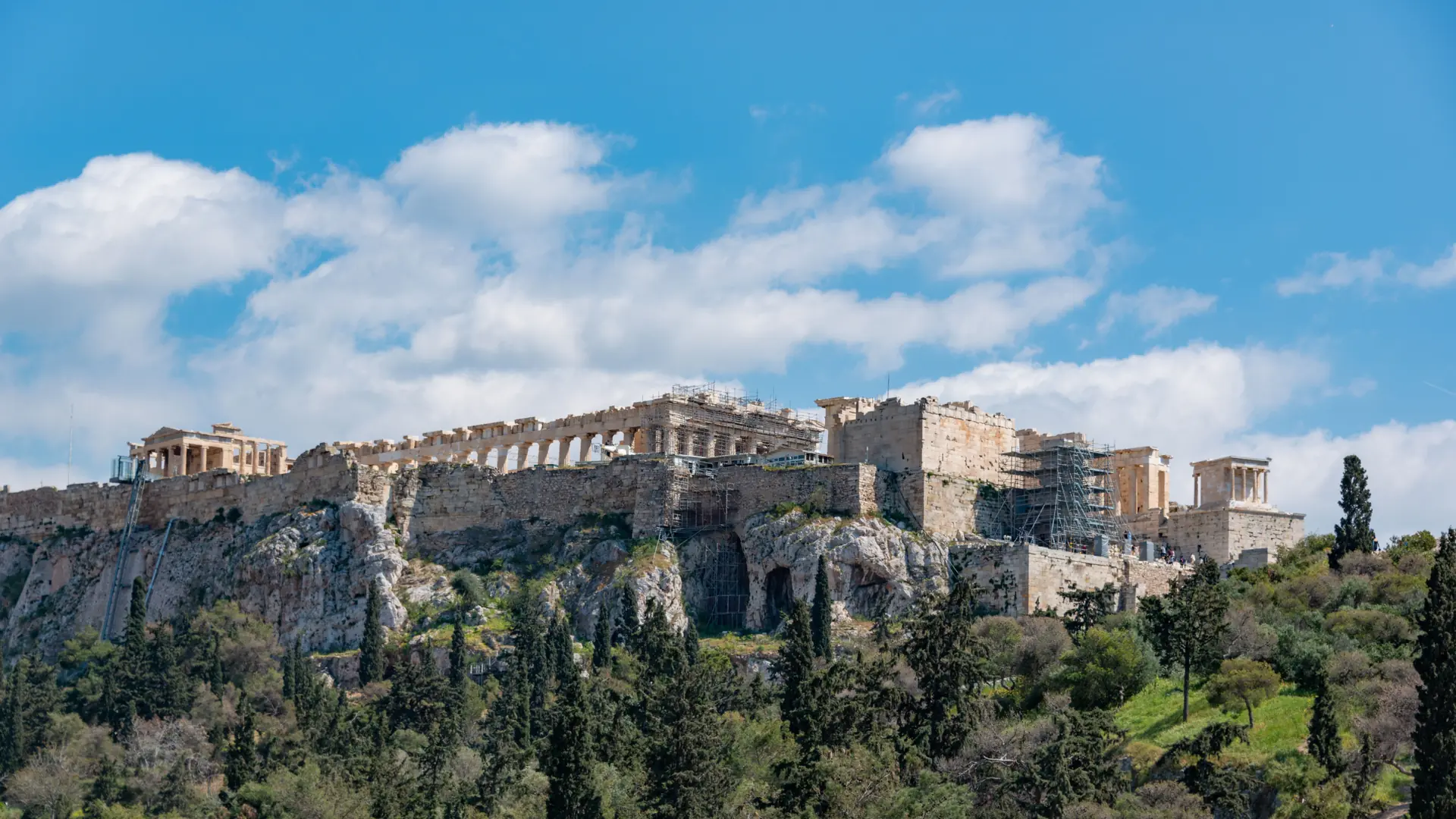
The Acropolis, Plaka and a direct international gateway
Athens absorbs the international arrival and supplies the route's densest archaeological day. Stay near Monastiraki, Syntagma or the eastern edge of Plaka so the Acropolis entrance, Ancient Agora and airport transport do not require separate cross-city journeys. Collect the rental car only on departure morning; central parking and traffic add cost without improving the first two days. The capital is deliberately not revisited, which is why a northbound flight home matters.
Watch out: Acropolis timed-entry rules and heat precautions can change; use the official ticket portal and choose the earliest workable slot.
Read the Athens guide →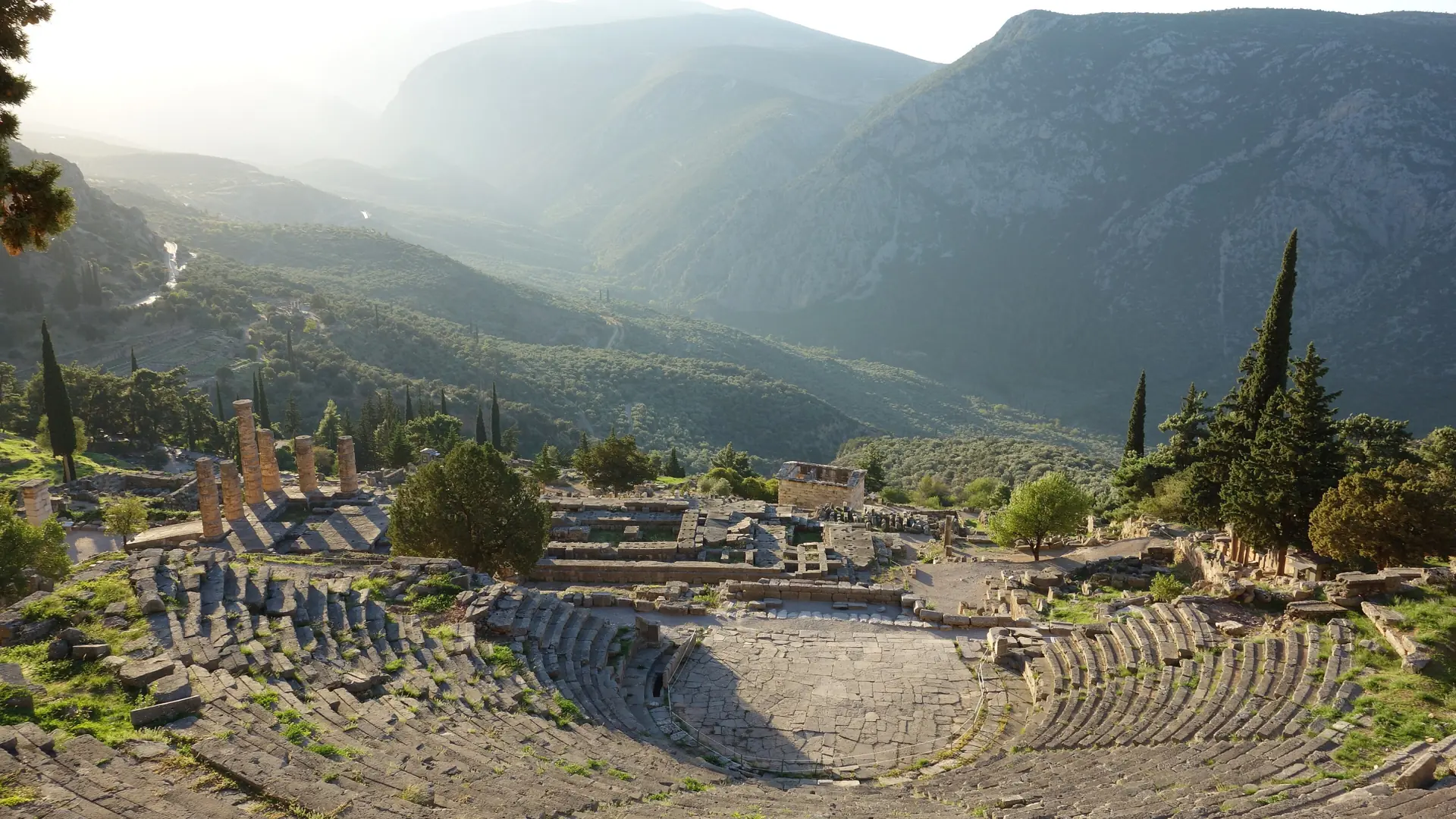 2
The Sanctuary of Apollo above the Pleistos valley
Delphi is the strategic short stop. Arrive after lunch, walk the modern village and use the evening for the mountain outlook, then enter the sanctuary the following morning. The archaeological museum deserves the same visit because its sculpture supplies context that the exposed ruins cannot. A village hotel with parking avoids moving the car twice; views are welcome, but being able to leave efficiently for Meteora is the practical priority.
Watch out: The sanctuary climbs over polished stone and uneven gradients; allow more time than the map suggests and verify official hours before departure.
 3
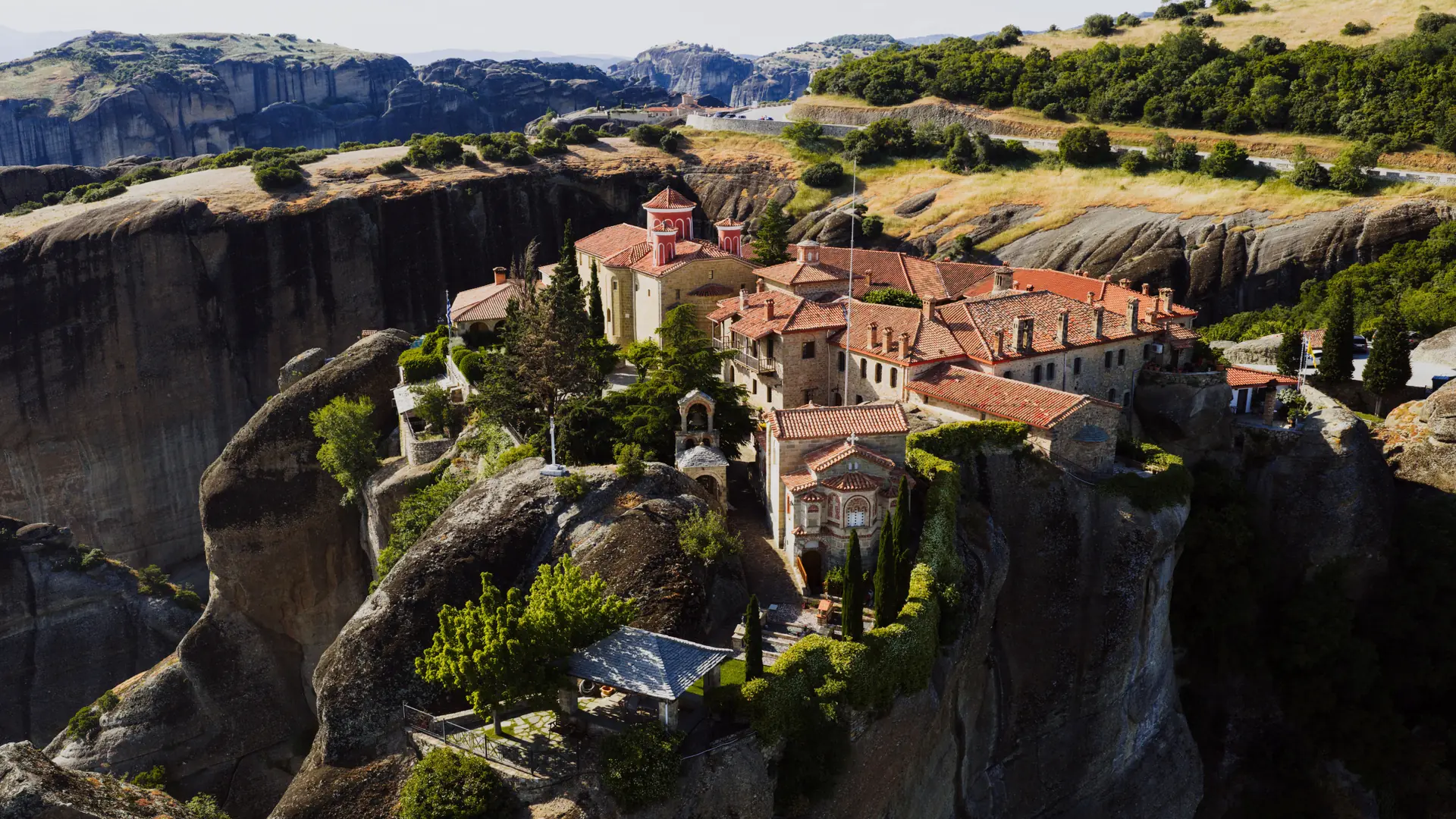
The gateway below Meteora's rock pillars and monasteries
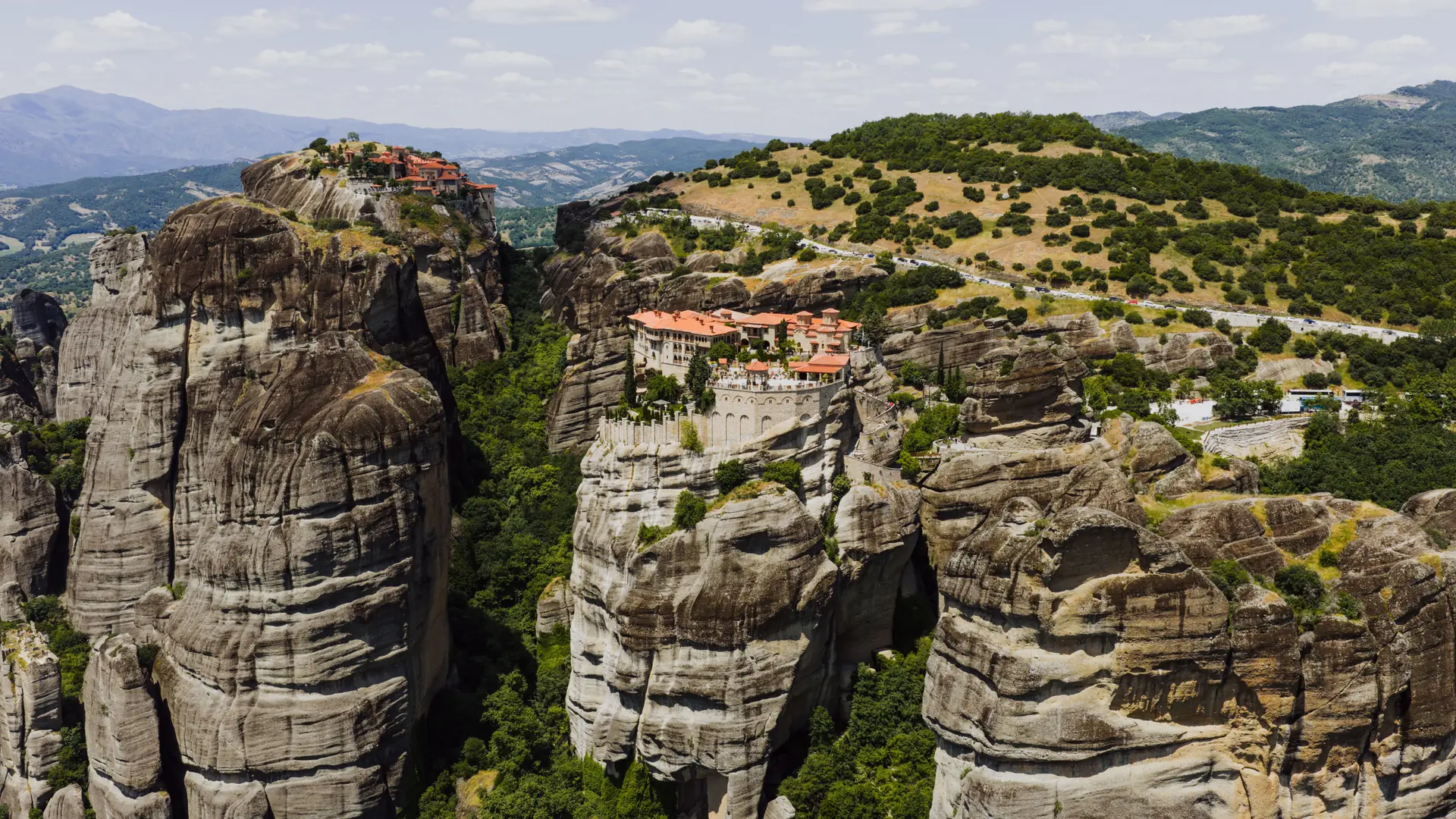
Kalambaka makes the route operational: it has the broadest lodging and dining choice beneath Meteora, while nearby Kastraki sits closer to several trailheads and feels quieter after tour buses leave. Choose Kalambaka if an evening without a car matters; choose Kastraki only when proximity to the rocks outweighs restaurant variety. One full day can combine selected monasteries with a short walk, but not every monastery. Their staggered closures make prioritisation essential.
Watch out: Monasteries set individual opening days and modest-dress requirements; confirm the current 2026 notice for each intended visit.
Read the Kalambaka guide →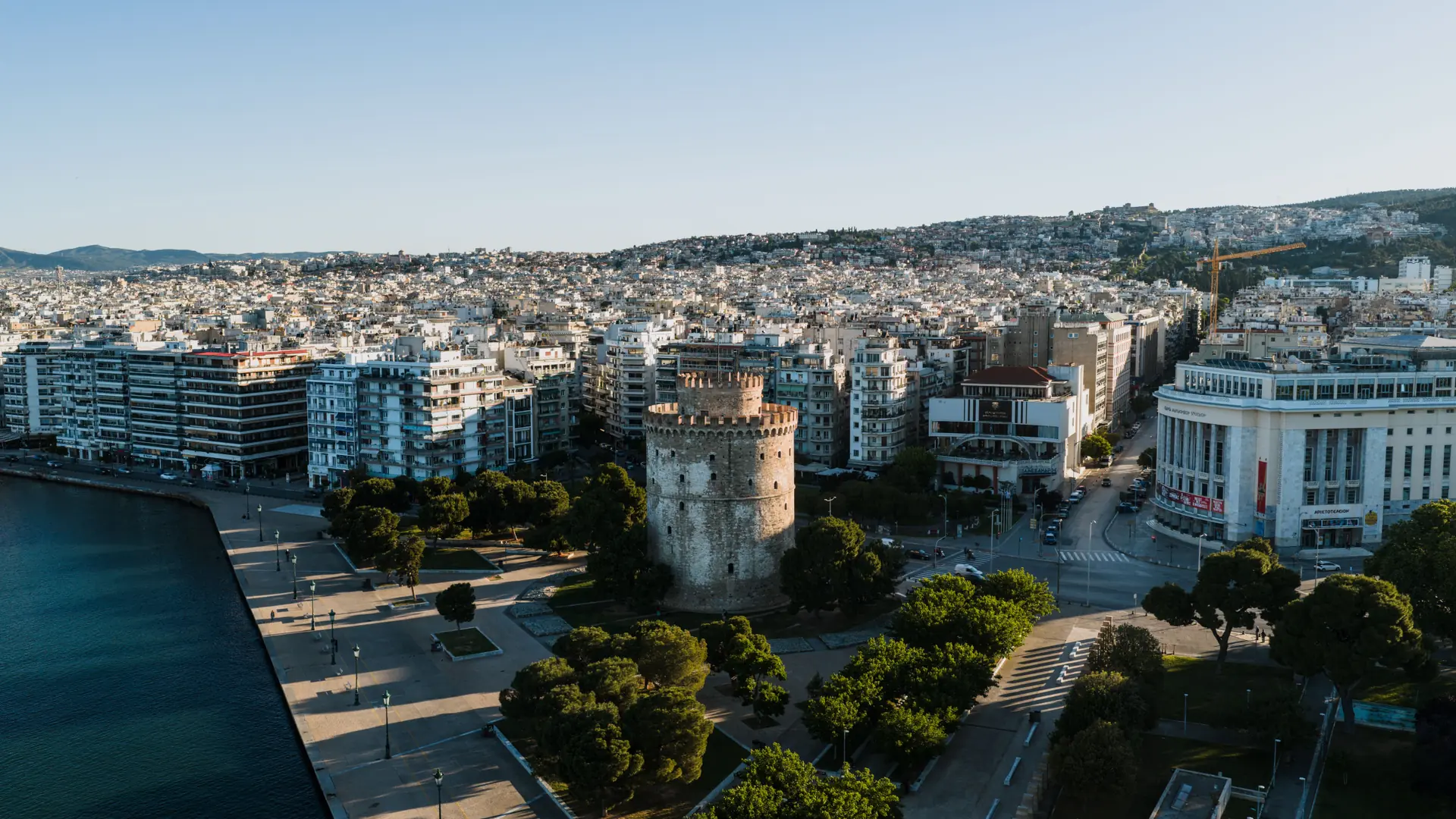 4
A waterfront city layered with Roman, Byzantine and Ottoman history
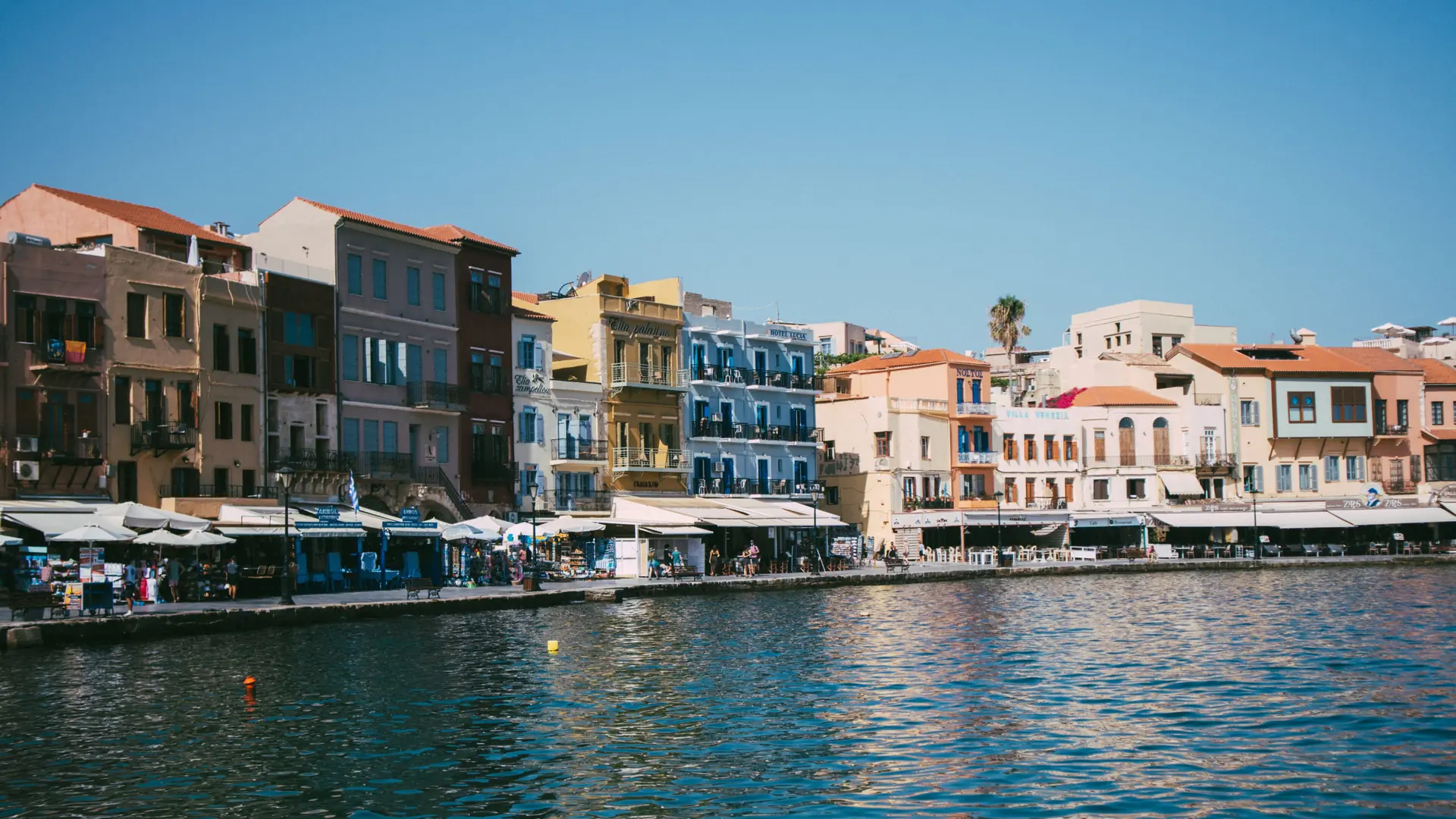
Thessaloniki turns a long heritage circuit into a city break rather than an airport dash. Base between Aristotelous Square and the eastern centre for easy walks to the seafront, Modiano and Kapani markets, Rotunda and White Tower. Ano Poli sits uphill and rewards a dedicated visit, but its slopes make it a less forgiving luggage base. Return the rental car before checking in unless a day trip beyond the city is planned.
Watch out: Upper Town streets are steep and cobbled; taxis or local buses can save energy for the walls and viewpoints.
Read the Thessaloniki guide →Driving is concentrated into two purposeful legs; every other day is organised around walking and site opening times.
Use the airport metro or bus according to the location of the hotel and the arrival hour; the official city guide lists both rather than pretending one option suits every landing. Leave the Acropolis for a timed morning. On arrival day, walk a compact line through Syntagma, the National Garden edge, Anafiotika and Monastiraki, stopping before fatigue turns the first evening into a checklist. This orientation shows which hills and pedestrian zones separate the main sites. It also confirms why collecting a car now would be a mistake: the useful centre is walkable, garages are expensive, and the vehicle would remain idle until day three.
Base: Athens
Book the official opening slot that matches the season and arrive before the exposed rock becomes punishing. Pair the Acropolis with its museum rather than adding three distant museums; the combination connects buildings, sculpture and the changing city below. After lunch, cross to the Ancient Agora and finish in Psyrri or around the central market. This day owns Athens' classical story, so it avoids repeating monuments on departure morning. Travellers with limited mobility should read the official accessibility information before buying, because lifts and accessible routes can operate under conditions that differ from the ordinary visitor path.
Base: Athens
Collect the car away from the most congested central lanes, photograph existing damage and confirm the one-way return terms in writing. The road to Delphi climbs after the plains; stop only where parking is legal and keep the afternoon realistic. Check in before walking the modern village and the viewpoint toward the Pleistos valley. If official hours and energy allow, visit the museum late and keep the open-air sanctuary for morning. Sleeping here changes the character of Delphi: tour coaches thin, dinner becomes unhurried, and tomorrow's first visit no longer competes with a drive from Athens.
Base: Delphi
Enter the Sanctuary of Apollo early and walk upward in stages, saving time for the museum if it was closed the previous afternoon. The onward drive is the itinerary's least elegant section, so treat it as transport rather than stuffing in another major site. Break for lunch, monitor fuel and arrive in Kalambaka before dark. Stop at a signed Meteora viewpoint only if conditions and parking are safe. The first sight of the pillars is enough for today; monastery interiors belong to tomorrow, when opening days can guide a sensible circuit instead of a hurried sequence at closing time.
Base: Kalambaka
Build the day from the official opening notices, selecting two or three monasteries whose hours overlap. Great Meteoron provides a strong historical anchor when open, while a smaller monastery can offer a more intimate scale; the aim is comprehension, not collecting all six active houses. Parking areas still involve stairs, bridges and exposed approaches. Carry water, follow dress requirements and leave a quiet interval between interiors. Later, take a marked viewpoint or guided footpath for the geology and spatial relationship between rocks. Sunset belongs at a safe established overlook, never on an unsigned roadside shoulder.
Base: Kalambaka
Use the morning for Kastraki or a short valley walk, then drive toward Thessaloniki with a proper rest stop. Return the car on arrival rather than carrying parking risk into the centre. After check-in, follow the waterfront from Aristotelous Square toward the White Tower; it is a horizontal, low-effort introduction after several hours on the road. Dinner around the market district can wait until the daytime traders have closed, but note the route back to the hotel before wandering. The change from rock pinnacles to a working seafront city is intentional and keeps the final leg from feeling like a mere departure point.
Base: Thessaloniki
Start with the Rotunda and nearby Roman remains, then connect selected Byzantine churches rather than attempting the entire UNESCO group. Continue uphill by bus or taxi to Ano Poli if steep walking would consume the day. The walls frame the modern grid and Thermaic Gulf, making the descent more intelligible. End around Kapani or Modiano market, where food provides a living counterpoint to the monuments. Check current admission and worship hours individually: active churches are not museum rooms, and services may alter visitor access even when a general tourism page says the monument is open.
Base: Thessaloniki
Keep the last morning close to the hotel: a seafront coffee, one market purchase or the Museum of Byzantine Culture if the flight is late enough. Thessaloniki Airport lies outside the historic core, so use the current airport or city transport guidance to set departure time and add traffic margin. This route works because it never drives back to Athens; booking an open-jaw flight is therefore part of the itinerary, not an optional convenience. If airfare forces a return south, add a separate night rather than gambling on a same-day overland connection.
Base: Thessaloniki
The car is used only where it improves the itinerary; central Athens and Thessaloniki remain car-free.
3 transfers
Athens Delphi
The north-west road rises toward Arachova and Delphi. Leaving after the Athens rush and arriving in daylight gives the village stop its value without sacrificing the capital's second full day.
Booking note: Choose a vehicle small enough for village streets and confirm the Thessaloniki drop fee before payment.
Delphi Kalambaka
This is the route's decisive leg because public transport requires awkward changes. Drive after the Delphi visit, take a formal rest break and aim to reach Kalambaka before mountain roads darken.
Booking note: Download an offline map, but follow signed restrictions and current traffic directions over an app shortcut.
Kalambaka Thessaloniki
The final north-east drive is simpler than the Delphi crossing and delivers the car directly to its one-way return city. A midday departure preserves a last Meteora morning and a Thessaloniki waterfront evening.
Booking note: Select a return office whose hours match arrival; after-hours fees can erase the convenience of a late drive.
Road conditions, rental terms and attraction access can change. Confirm the 2026 operator information and never rely on an itinerary page as a live traffic notice.
Prices vary too widely by month and vehicle class for a durable package total. Use these rows as booking priorities, then price the exact 2026 dates directly.
Booking tips
Compare Kalambaka rooms for parking, an early breakfast and straightforward access to the monastery road; a dramatic view cannot compensate for difficult arrival instructions.
Trace the stored south-to-north line and compare lodging around its mountain midpoint.
Meteora
Not cleanly in eight days. Athens and Thessaloniki connect well by rail, but Delphi to Meteora remains an awkward public-transport link. A different rail-first itinerary should omit Delphi or return through Athens rather than pretending the connection is simple.
The night protects an early archaeological visit and removes a same-day return to Athens. A second night is valuable for hikers or visitors adding Galaxidi, but it would take time from Meteora or Thessaloniki on this fixed schedule.
Two or three is a sound target. Individual opening days, stairs and time inside each monastery matter more than a high count. Select the open houses first, then add a viewpoint or marked walk instead of rushing every gate.
Collect it only when leaving Athens and return it immediately after reaching Thessaloniki. Compare offices by actual access and operating hours, and obtain written confirmation of the one-way fee before paying.
It is possible, but exposed archaeological ground can be severely hot and Athens access measures may change during heat events. Earlier daily starts, water and flexible site sequencing are essential; spring and early autumn are kinder for walking.
Check official access information for the Acropolis, Delphi and each selected monastery separately. Ancient paving, steep grades and long staircases differ substantially, while Ano Poli can be approached by taxi to reduce the climb.
Reviewed by StartBooker
Last reviewed 2026-09-12
Updated
How this route was checked: Checked against Greek cultural authorities, UNESCO, current transport and city sources, monastery notices, and independent itinerary specialists; volatile 2026 access and rental details are deferred to the responsible operator.
15 references reviewed
Some photos provided by Pexels.
Find another destination and compare its areas and accommodation.
Compare routes by length, stops and transport.