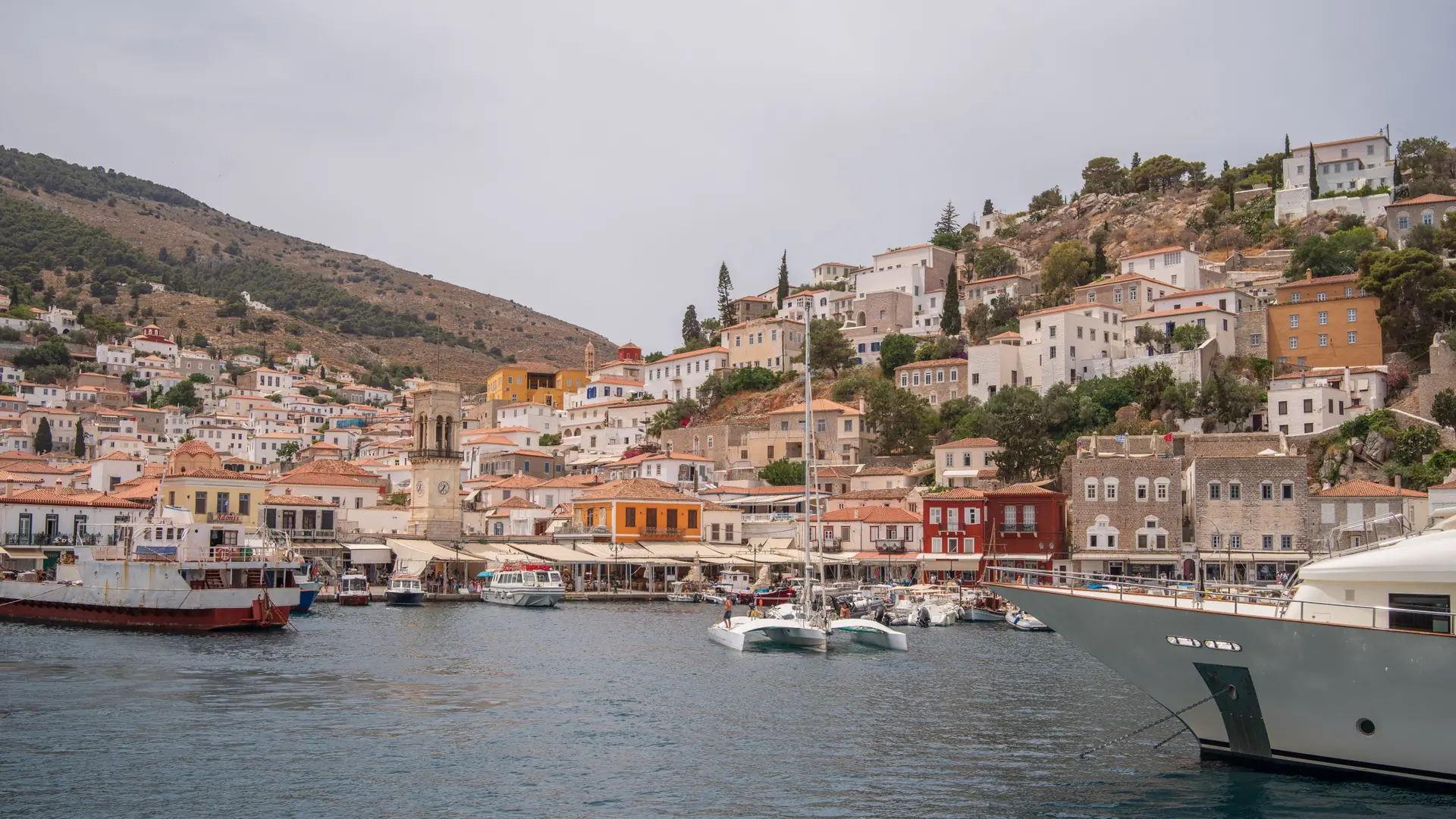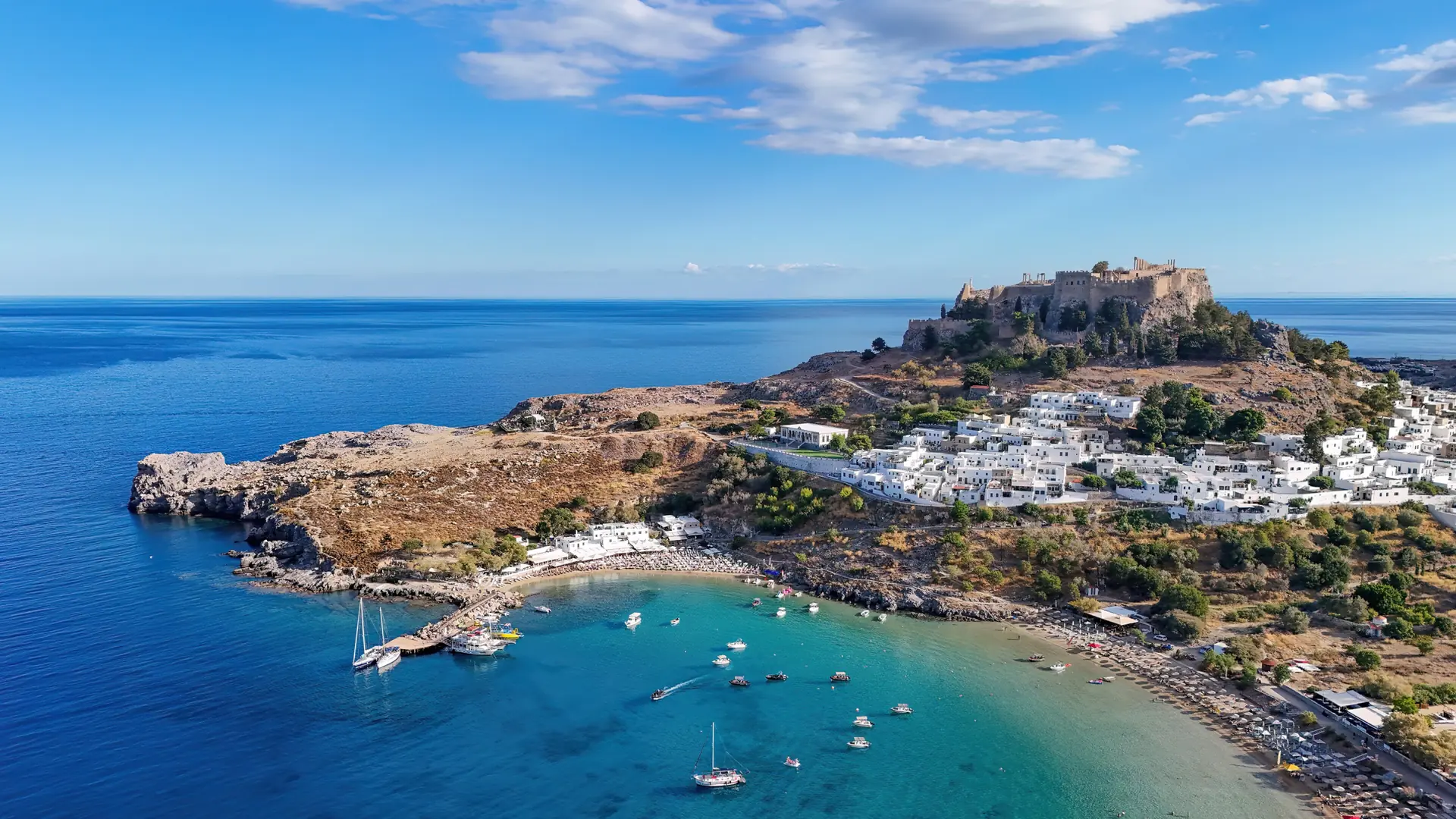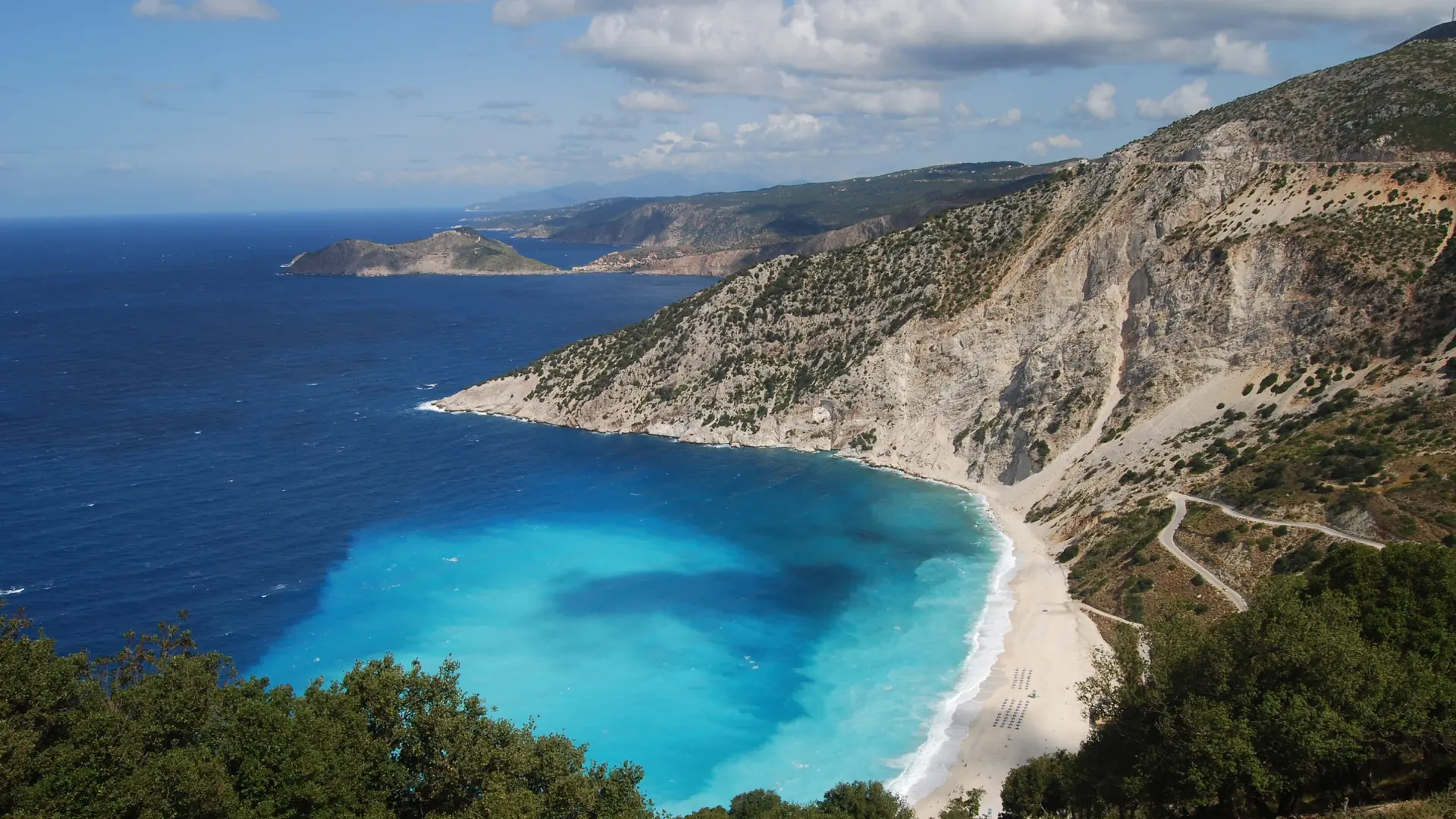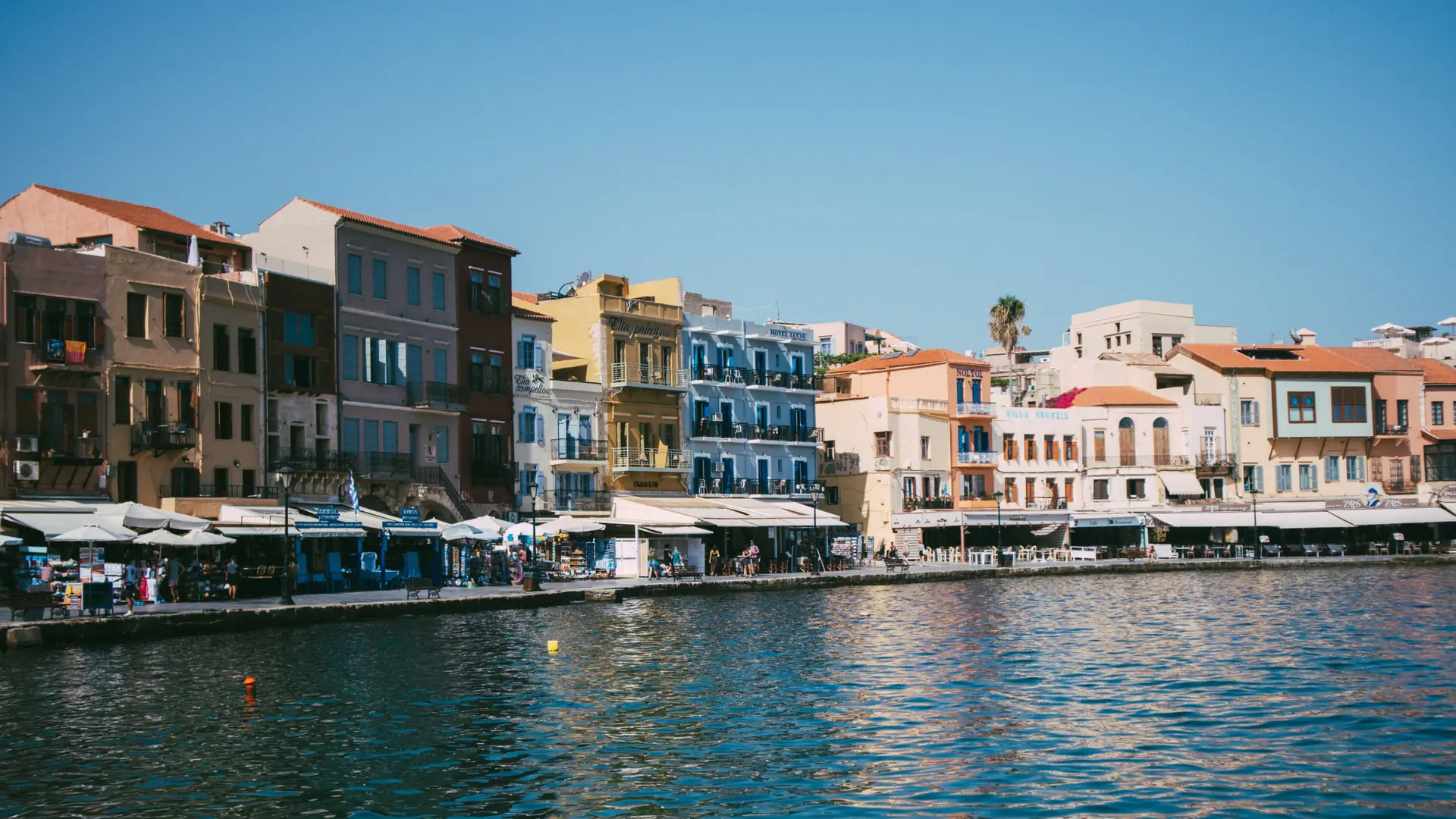
Boats moored in Hydra's amphitheatre harbour surrounded by white stone mansions on the hillside, Greece

Hydra's car-free harbour, and the donkeys that keep it moving

Loading Hydra hotel search

Fix the car-free logistics before choosing where to stay

Hydra bans every wheeled vehicle island-wide, leaving donkeys, water taxis and your own feet as the only ways to reach its harbour town, quieter coves and beach coves.

Best first base Hydra Town

The harbour hub for the ferry, restaurants and the small museum.

Car-free status No wheeled vehicles anywhere

Cars, motorbikes and bicycles are all banned island-wide.

Getting there About 1-2 hours from Piraeus

High-speed catamaran only; no car ferry serves the island.

Donkeys and mules The island's actual delivery system

Roughly 1,000 to 1,200 animals carry luggage and goods.

Beaches Kamini, Vlychos and Bisti among the best known

Small pebble coves reached on foot or by water taxi.

Best months Late May-June or September

Warm weather with lighter weekend crowds than peak summer.

StartBooker answer

Is Hydra really car-free, and how do I get around without one?

Hydra Town's amphitheatre harbour, ringed by stone mansions built by 19th-century shipping families who armed the fleet that fought in the 1821 War of Independence, bans every wheeled vehicle on the island, cars, motorbikes and even bicycles, with only emergency and refuse trucks exempt. Donkeys and mules still carry luggage up from the port. Kamini and Vlychos, both a walk or water taxi along the coast, offer quieter alternatives with their own small pebble coves, while Mandraki bay holds a newer beach development east of town. The island is a well-known Athens day trip and weekend escape, reached only by high-speed catamaran since no car ferry serves it.

Best first base
Hydra Town, around the main harbour
Car-free status
No cars, motorbikes or bicycles anywhere on the island
Getting there
High-speed catamaran from Piraeus, about 1-2 hours
Getting around
On foot, by donkey, or by water taxi to further beaches
AI-powered

Plan around a car-free island, not just a car-free town

Hydra's car-free rule shapes almost every practical decision here, from how you reach your hotel to which beaches are realistic. Tell the planner your trip length and whether a quiet weekend or an Athens day trip is the goal.

Four Hydra bases, from the harbour to the coastal coves

Hydra Town's harbour convenience, Kamini's quieter pace, Vlychos's beach cove and Mandraki's newer development answer very different questions about why you're on a car-free island.

Statue of Admiral Andreas Miaoulis on the fortified point at Hydra Town's harbour entrance, Greece

Hydra Town

the ferry dock, the harbour restaurants, and stone-mansion architecture

Book Hydra Town for the easiest arrival and the busiest harbour atmosphere.

Sleep: Lively around the harbour by day and into the evening, quieter uphill.

Neighbourhood stay Walkable
Weekend mornings bring a real surge of Athenian day-trippers by mid-morning ferry.

Whitewashed houses on a hillside above the coast at Kamini, Hydra, Greece

Kamini

a quieter fishing-village pace a short walk from the main harbour

Choose Kamini for a calmer stay without losing easy access to town.

Sleep: Quiet, a small-village pace.

Neighbourhood stay Quiet

The walk back from town at night has limited lighting in places; a torch or phone light helps.

Pebble beach cove with sunbeds and clear water at Vlychos, Hydra, Greece

Vlychos

a pebble-beach cove further along the coastal path

Pick Vlychos for proximity to a genuine swimming beach.

Sleep: Quiet, resort-paced by day.

Neighbourhood stay Beach

Water taxi schedules thin out later in the evening; confirm a return trip before dark.

Stone buildings with orange-tiled roofs beside a quiet bay at Mandraki, Hydra, Greece

Mandraki

a newer beach development east of the main harbour

Base at Mandraki if a dedicated beach club matters more than harbour views.

Sleep: Quiet, removed from the harbour's evening bustle.

Neighbourhood stay Quiet

Confirm what's actually open before travelling, since this bay has seen active redevelopment in recent years.

Choose an area by the trip you want
Area Best for Trade-off Getting around
Hydra Town the ferry dock, the harbour restaurants, and stone-mansion architecture The busiest, most crowded spot during day-trip hours. Hydra Town is a walking base; nothing on the island has a vehicle anyway.
Kamini a quieter fishing-village pace a short walk from the main harbour Fewer restaurants and shops than Hydra Town. Kamini is a twenty-minute walk from Hydra Town.
Vlychos a pebble-beach cove further along the coastal path A real walk or paid water taxi from the harbour. Vlychos needs a 30-40 minute walk or a water taxi from town.
Mandraki a newer beach development east of the main harbour Furthest from the ferry dock and restaurant choice. Mandraki needs a walk or water taxi from Hydra Town.

Match the base to what actually brought you to Hydra

The cards above sort Hydra by area; these group it by the reason for the trip.

A simple harbour-town base

This works well when arriving and staying close to the dock matters most.

Skip this if a quiet harbour matters more than easy arrival.

A calmer stay near the harbour

Choose this for a quieter stay within an easy walk of town.

Skip Kamini if being right at the ferry dock matters most.

A beach-focused stay

This matters for anyone wanting a real beach within reach.

Skip this unless swimming is a genuine priority over harbour views.

A quieter bay away from the crowds

This suits a traveller wanting Mandraki's quieter bay specifically.

Skip this unless a dedicated beach setting matters more than the harbour.

Search Hydra hotels

Once you know whether Hydra Town, Kamini or Vlychos fits your trip, compare live availability, exact hotel locations and room details. Editorial advice here is separate from provider prices and availability.

Search Hydra hotels →
Loading Hydra hotel results

No cars means no car ferry: everyone arrives by catamaran

Hydra has no airport and no car ferry, so every visitor arrives the same way: a high-speed catamaran from Piraeus, with luggage handed off to a donkey rather than a taxi.

Athens by air, then a catamaran from Piraeus

A high-speed catamaran from Piraeus, no car ferry

A high-speed catamaran from Piraeus, no car ferry

Hydra has no airport; the nearest is Athens International, from which a taxi or bus reaches Piraeus port for the ferry crossing. High-speed catamarans operated by Hellenic Seaways and other lines take roughly one to just over two hours depending on whether the route stops at Poros or Aegina first, with up to a dozen daily sailings.

No car ferry exists, because there's nothing to drive off it

Because no vehicles are permitted on Hydra, conventional car ferries don't serve the island at all; every arrival comes by passenger-only hydrofoil or catamaran, so plan luggage accordingly since donkeys, not taxis, will carry it from the dock.

Donkeys for luggage, water taxis for the further beaches

Donkeys and mules do the work vehicles can't

Donkeys and mules do the work vehicles can't

Roughly a thousand donkeys and mules work the island, carrying luggage, building materials and goods up from the harbour since no vehicle can do the job; hiring one for your own bags is a normal, expected part of arriving with more than a backpack.

Water taxis reach the beaches a walk won't

Water taxis run from the harbour to Kamini, Vlychos, Bisti and other coves beyond comfortable walking distance, the practical way to reach beaches without a coastal path or a long hike.

The nearer coast is walkable; the water taxi covers the rest

Hydra Town itself, Kamini and the start of the coastal path toward Vlychos are all walkable in well under an hour, so a water taxi becomes necessary mainly for beaches further along the coast or a return trip after a long day.

One small museum ticket; beaches and the harbour cost nothing

The Kountouriotis Mansion has its own modest ticket

The Kountouriotis Mansion has its own modest ticket

The Lazaros Kountouriotis Historical Mansion, built in 1780 and run since 2001 as an annex of the National Historical Museum of Greece, charges a modest entry fee; check current hours locally since small island museums can vary their schedule by season.

No vehicles of any kind, anywhere on the island

A flat harbour, but steep car-free lanes behind it

A flat harbour, but steep car-free lanes behind it

The harbour promenade itself is flat, but Hydra Town's back lanes climb steeply toward the hillside houses, and there is no vehicle of any kind, including wheelchairs with motors, permitted to assist; steep cobbled streets are a genuine barrier for anyone with mobility needs.

Plan around the car-free rule and the Athenian day-trip crowd

Hydra rewards planning around one thing that's easy to underestimate: the car-free rule affects not just Hydra Town but the entire island, so reaching anywhere beyond a short walk means a donkey, a boat, or your own feet.

Plan around the Athenian day-trip rush, not just the season

Late spring and early autumn ease the day-trip crowds
  • Late spring and early autumn ease the day-trip crowds

    Late May, June and September into October keep the sea warm while the Athenian weekend crowds that define July and August ease off considerably.

  • Summer weekends peak sharply, then empty out by evening

    July and August weekends bring the heaviest concentration of Athenian day-trippers, filling the harbour by mid-morning and thinning out again by early evening once the last return ferries depart.

  • An overnight stay shows a different island than a day trip

    Staying overnight rather than day-tripping means seeing Hydra Town both before the first morning ferry arrives and after the last one leaves, a genuinely different, quieter island than the daytime crowds suggest.

Price the donkey, the water taxi and the room separately

Budget for a donkey and at least one water taxi
  • Budget for a donkey and at least one water taxi

    A donkey for luggage at the harbour and a water taxi to Vlychos or Bisti are the main small expenses beyond accommodation; budget both as genuinely necessary rather than optional extras on a car-free island.

  • Kamini often costs less than an equivalent harbour-front room

    A harbour-front room in Hydra Town commands a real premium over an equally comfortable stay in Kamini, a short walk away; running the same dates through both areas before booking often turns up a meaningful saving.

  • Weigh a day trip's simplicity against an overnight stay's cost

    Day-tripping from Athens costs only the round-trip ferry fare, while an overnight stay adds accommodation at island prices that rise notably on summer weekends; decide which fits the budget before booking a specific date.

Where Hydra visitors most often misjudge the car-free rule

Packing heavy bags expecting a taxi at the dock
  • Packing heavy bags expecting a taxi at the dock

    Packing as though a taxi will meet the ferry leaves visitors stuck; there are no taxis, only donkeys and porters, so heavy suitcases are a genuine burden on Hydra's cobbled, stepped streets.

  • Underestimating the distance to Hydra's actual beaches

    Assuming every beach is a short stroll from the harbour underestimates the coastline; Vlychos and Bisti both need a real walk or a paid water taxi, not a five-minute wander from your hotel.

  • Judging Hydra only by its busiest weekend hours

    Visiting only on a summer Saturday or Sunday, when Athenian day-trippers fill the harbour by mid-morning, gives a skewed impression of the island; a weekday or an overnight stay shows a considerably calmer Hydra.

Is Hydra actually completely car-free?

Yes, entirely, and it has been since a decree in the 1950s. Cars, motorbikes and even bicycles are all banned; the only exceptions are emergency vehicles and municipal refuse trucks, each requiring a special permit.

How many donkeys and mules work on Hydra?

Estimates range from roughly 1,000 to 1,200 working animals island-wide, carrying luggage, building supplies and goods since no vehicle can do the job; hiring one to carry your own bags from the harbour is entirely normal.

Is Hydra worth visiting as a day trip from Athens?

Yes, it's a well-established Athens day trip by high-speed catamaran, taking about one to two hours each way depending on the route. An overnight stay lets you see the harbour before the day-trip crowds arrive and after they leave, a genuinely different atmosphere.

What are Hydra's beaches actually like?

Small pebble coves reached on foot, by the coastal path, or by water taxi, rather than long stretches of sand; Kamini, Vlychos and Bisti are among the better-known options, each with a different level of development and crowd.

Did Leonard Cohen really live on Hydra?

Yes. Canadian singer-songwriter Leonard Cohen bought a house on Hydra in the early 1960s and lived there part-time for years, joining an earlier artists' colony that included writers George Johnston and Charmian Clift from the mid-1950s.

When is Hydra least crowded?

Late May, June, and September into October give warm weather with lighter weekend crowds than the Athenian day-trip rush of July and August; the harbour is genuinely busiest on summer weekends specifically, less so on weekdays.

How this guide was researched

Reviewed by StartBooker editorial team Travel editorial research and rewrite

Last reviewed 2026-09-11

Editorial method: Original editorial guidance based on the National Historical Museum of Greece, Visit Greece and ferry operator sources, cross-checked against independent Hydra-focused and Saronic Gulf travel publishers for the island's car-free history, donkey transport and beach access. Time-sensitive prices, ferry schedules and water taxi timetables are left to the linked operators.

11 sources reviewed

Primary sources
  • Visit Greece (Greek National Tourism Organisation)
  • National Historical Museum of Greece
  • Hellenic Seaways
  • National Geographic
  • Horse Nation
  • Ferryhopper
Photo credits

Share one Hydra lesson: the harbour versus the quieter coves

Did you manage with just walking and water taxis, or did the car-free rule limit which beaches you reached?