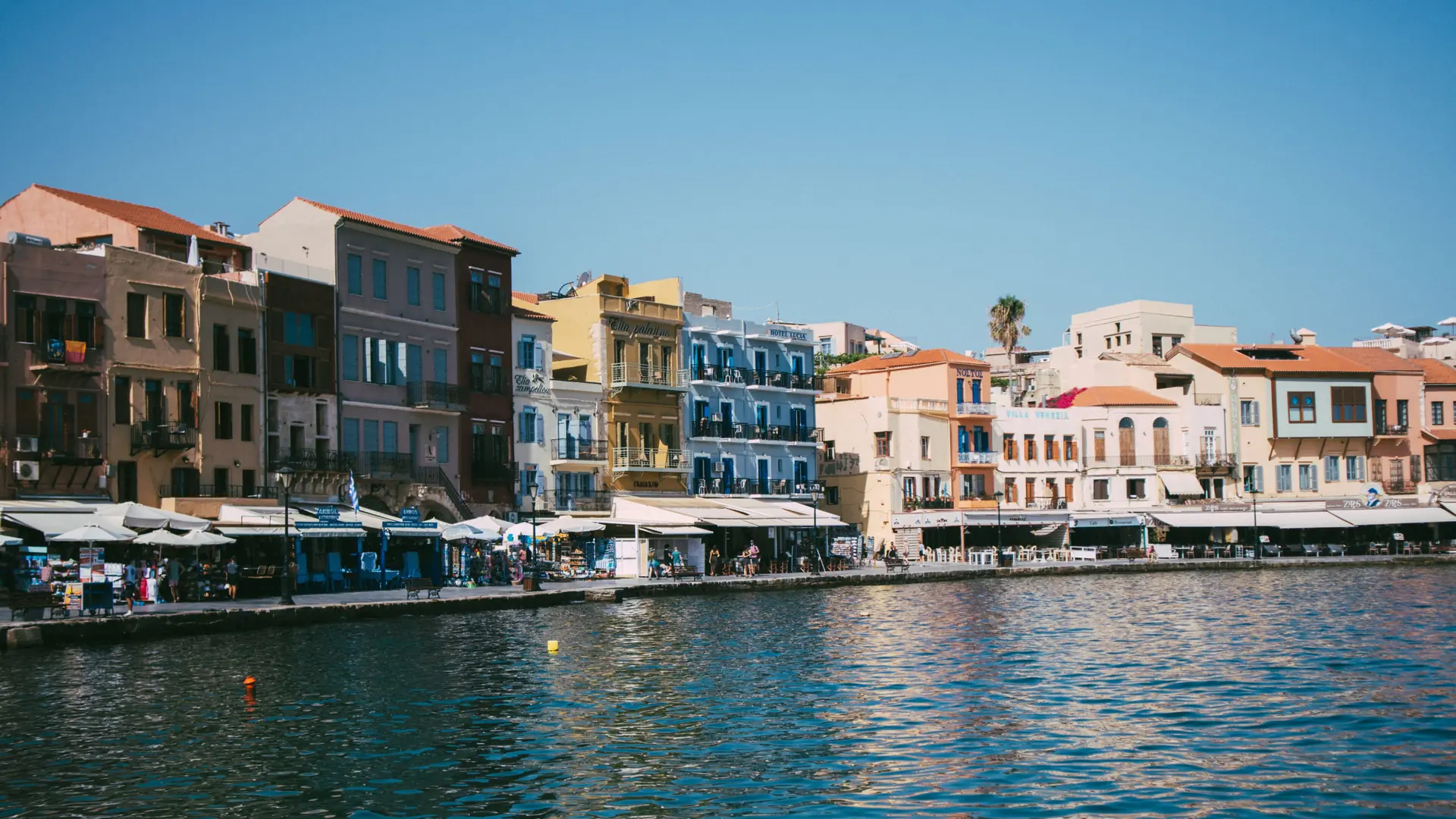
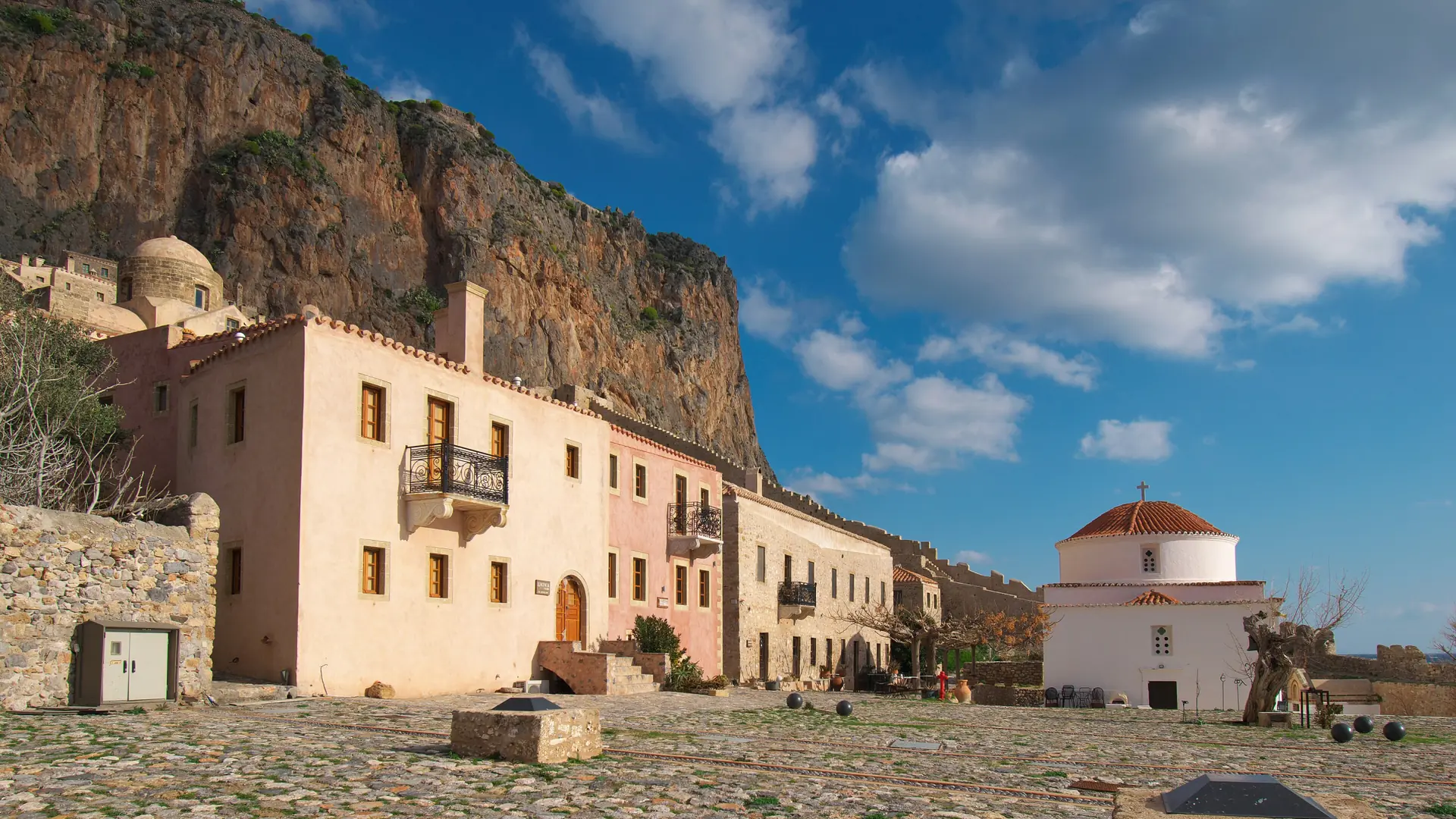
Poros supplies range without complexity
Town viewpoints, a local beach and the narrow mainland channel create variety before the car-free middle stop.
Three near-Athens islands linked by one ferry line, each given two nights and a distinct reason to leave the mainland behind.
The Saronic and Argolic Gulf islands are often marketed as day trips, which hides how different their evenings become after the last excursion leaves. This one-week route starts in Poros, moves to Hydra and ends in Spetses, following the same Piraeus corridor without returning to Athens between islands. Two nights apiece provide one complete day at each stop while keeping transfers short. The sequence is linear, ferry-supported and deliberately excludes Aegina: adding it would either create a fourth compressed check-in or depend on a less consistent inter-island pattern.
Poros introduces the trip gently. Its town climbs above a narrow channel, while the mainland-facing geography and local roads make beaches and the Temple of Poseidon area reachable without a full-scale island drive. Hydra then removes motor traffic from the daily rhythm; luggage assistance, walking shoes and boat beaches matter more than a rental. Spetses restores wider movement through bicycles, local boats and controlled transport, with the Old Harbour and Bouboulina story giving the final stay historical weight. These are not interchangeable postcard towns.
The 2026 Alpha Lines timetable publishes a Piraeus–Poros–Hydra–Spetses corridor for its main season, while Hellenic Seaways also operates the gulf. Exact calls and vessels still require verification because weather amendments occur. Start the route from Piraeus after a separate Athens night if an international arrival is late; the itinerary's day one assumes the traveller can reach the ferry without a tight flight connection. At the far end, return from Spetses to Piraeus on day seven or continue to the Peloponnese. This is the rare island hop that does not need a car, but it does demand realistic luggage choices.
Town viewpoints, a local beach and the narrow mainland channel create variety before the car-free middle stop.
The absence of ordinary vehicles changes hotel choice, luggage handling and the value of coastal paths and boat beaches.
The Old Harbour, Bouboulina Museum and island roads give the final two nights a different historical and physical scale.
Best for
Think twice if
A resort package, a car-dependent beach tour, or anyone joining a same-day international flight to the first or last ferry.
StartBooker answer
Poros, Hydra and Spetses form a coherent six-night route on the Piraeus ferry corridor: spend two nights in each and travel east to west without returning to the mainland between stops. Poros offers the easiest local beach and peninsula day, Hydra supplies a genuinely car-free walking stay, and Spetses closes with pine roads and naval history. The 2026 Alpha Lines and Hellenic Seaways patterns support the sequence, but check the exact vessel because Aegina is not a guaranteed intermediate stop on this corridor.
Book by slope, quay and luggage route. On these islands, a few hundred metres can mean many steps or an unavailable vehicle.
3 stops · swipe
 1
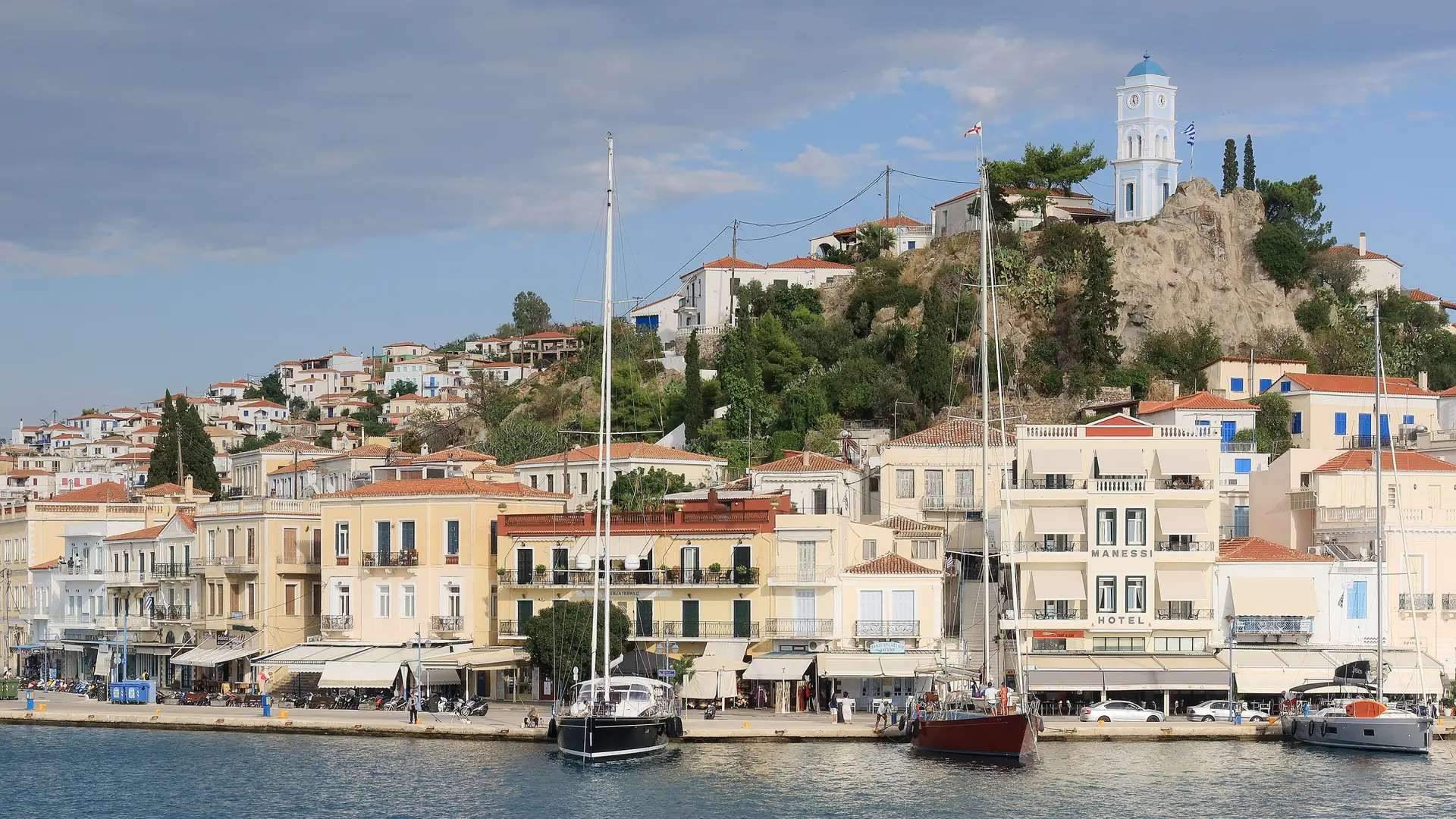
A clock-tower town overlooking the narrow Galatas channel
Poros Town is the practical first base because the ferry, restaurants and local transport sit around the same waterfront. Rooms uphill gain views but turn every swim and luggage movement into a climb; waterfront rooms may hear harbour activity. One complete day can combine a local shore with the island interior or a short crossing toward Galatas. Poros is deliberately not used as a day-trip lunch stop; its evening channel lights are part of the route's opening mood.
Watch out: Confirm whether the accommodation requires steep stairs and whether staff can meet the ferry with luggage assistance.
 2
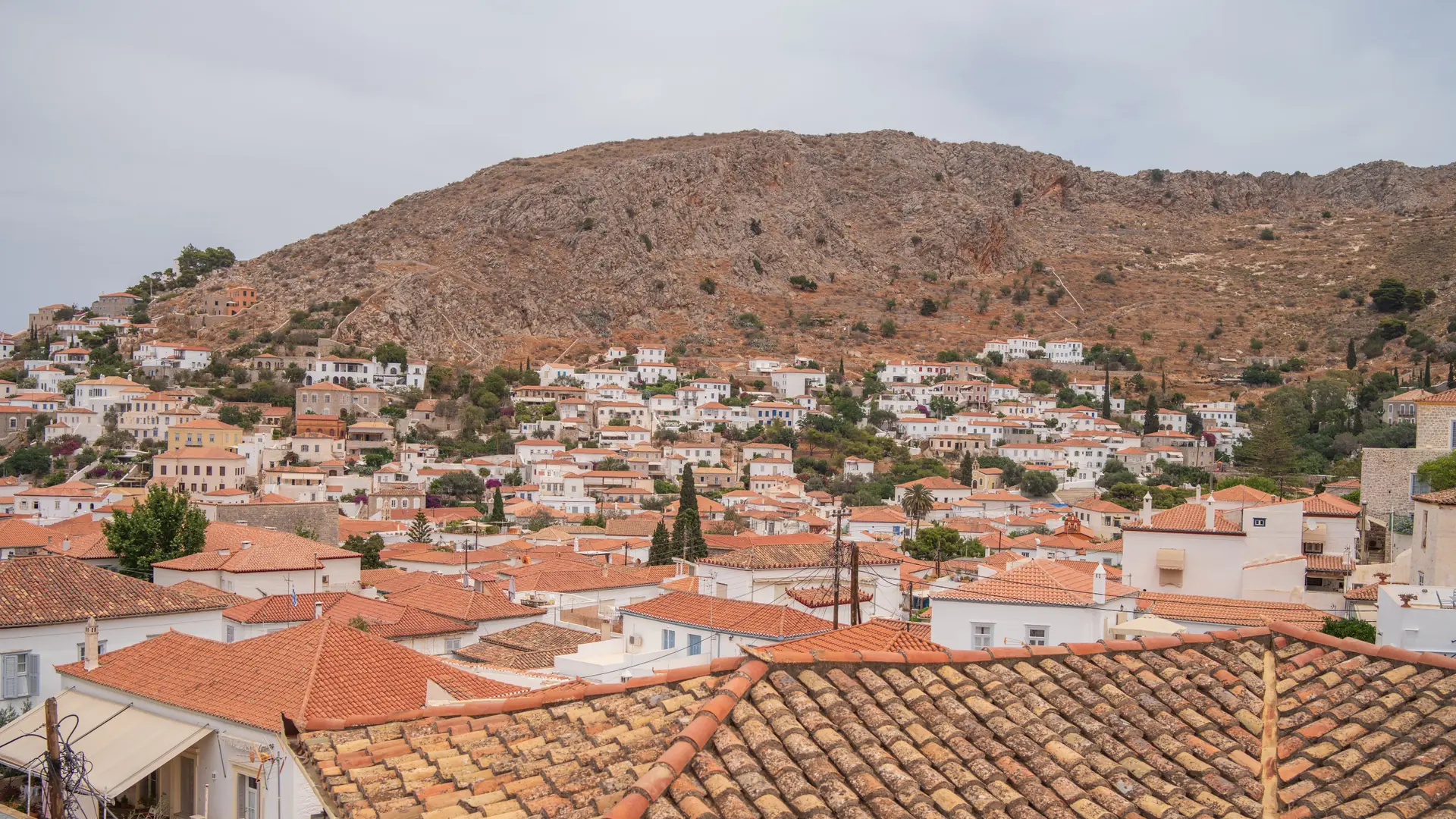
A stone amphitheatre harbour without ordinary motor traffic
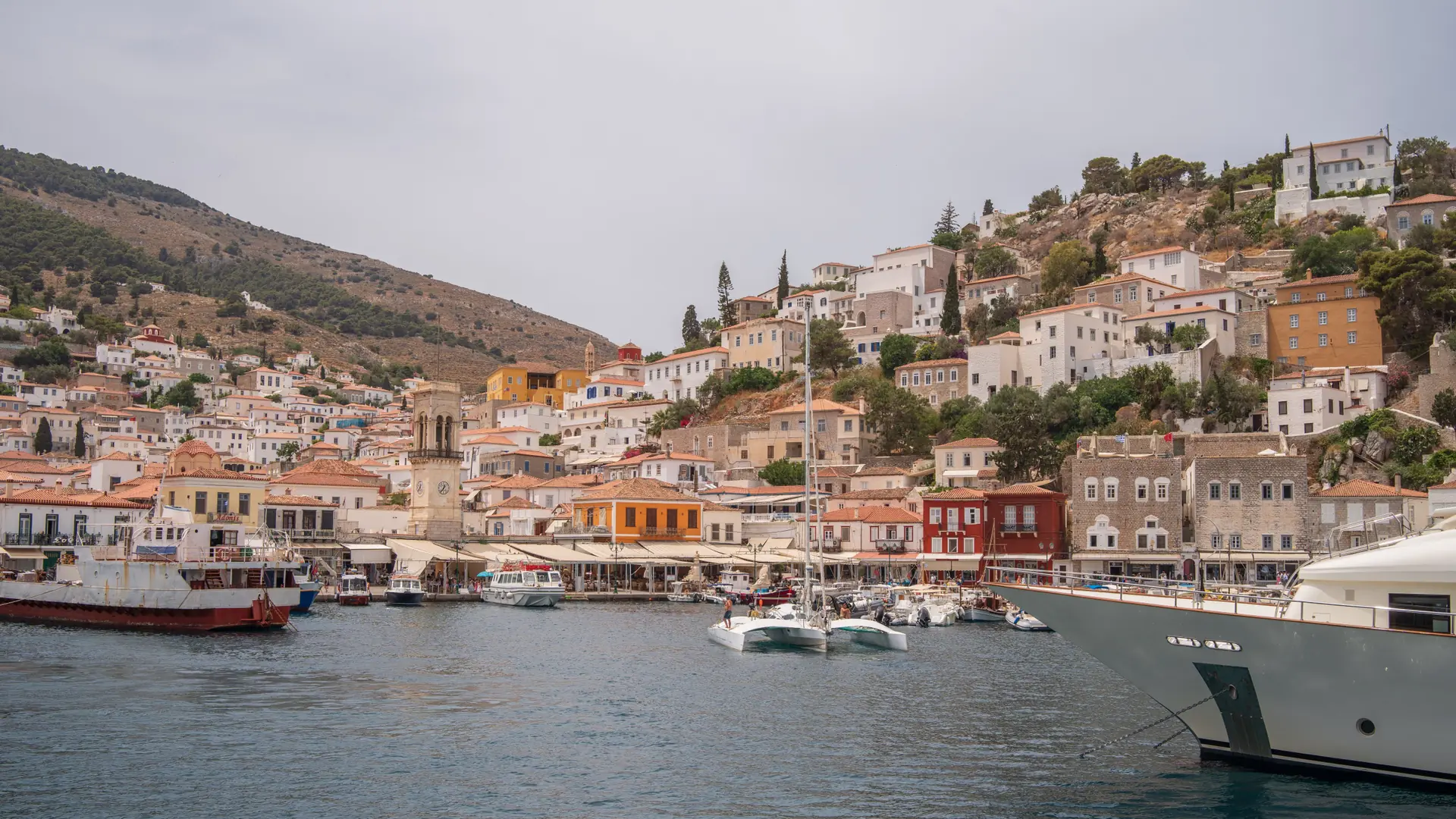
Stay near the harbour when bags or mobility dominate, or along the Kamini side when a quieter coastal walk is worth extra distance. Hydra's celebrated lack of cars is not only atmosphere; it determines arrival, hotel gradients and access to beaches. Water taxis and excursion boats extend the range, while the town's mansions and archives reward a land-focused day. Two nights let one coast direction be chosen without turning the island into a forced loop.
Watch out: Ask for the exact step count from quay to reception; map distance conceals steep lanes and porters must be arranged, not assumed.
Read the Hydra guide →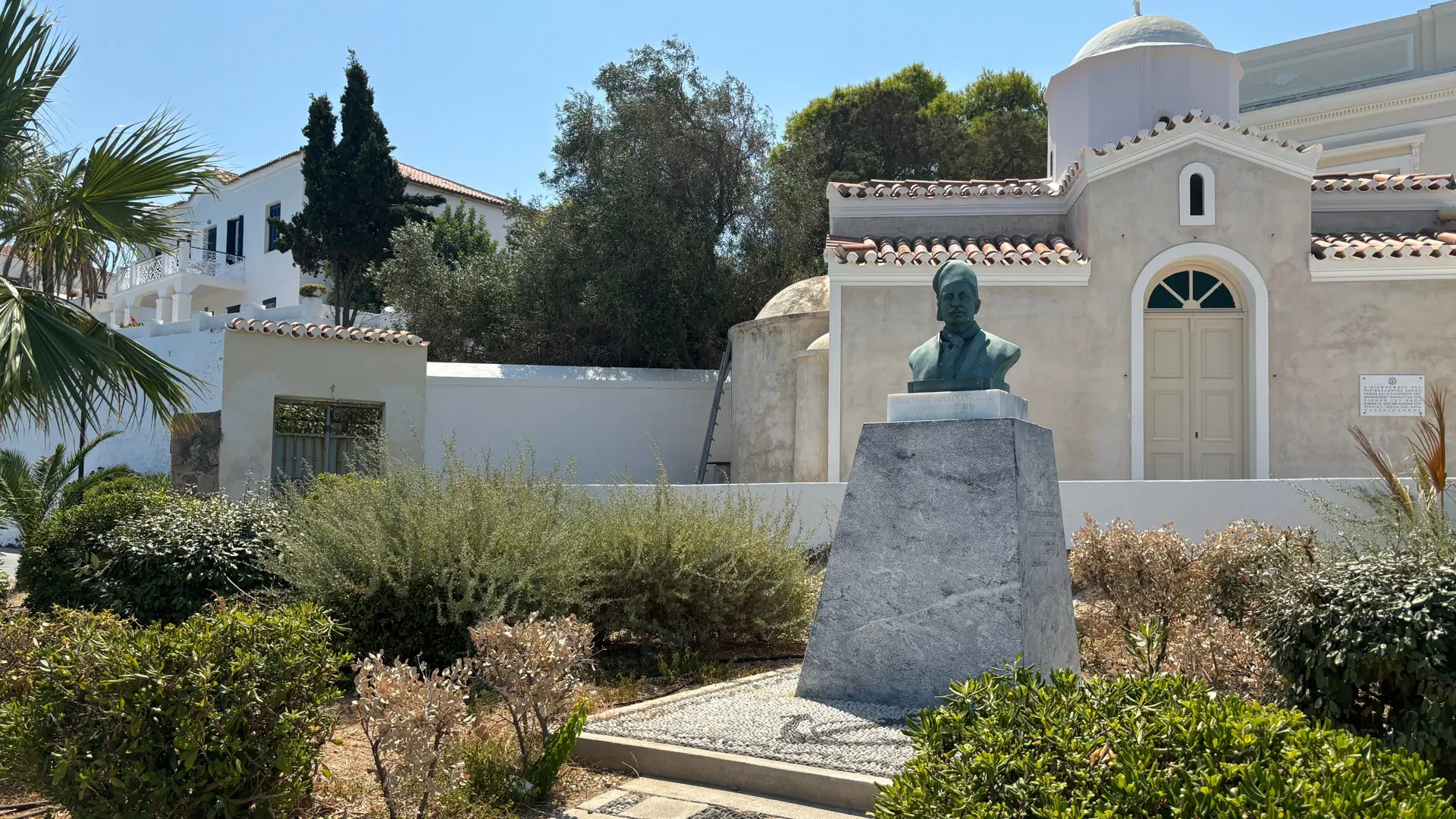 3
Old Harbour shipyards, pine routes and Bouboulina's naval legacy
Dapia is the transport centre, while the Old Harbour holds the most atmospheric evening walk. A hotel between them reduces dependence on horse carriages or local transfers. Bicycles can extend the day when heat and traffic comfort permit, and boats reach selected beaches in season. The last base should remain close enough to the return ferry that a scenic room does not create departure stress.
Watch out: Private-car restrictions do not make every lane pedestrian-only; bicycles, service vehicles and permitted local transport still require attention.
Every island receives one full day; no beach outing is allowed to compete with a scheduled inter-island departure.
Arrive at the correct gate with the operator's check-in margin and keep any flight arrival on a separate schedule. The ferry may call elsewhere before Poros, so retain the ticket and listen for the announced port. On arrival, settle around the waterfront and climb toward the clock tower only when the afternoon heat eases. The view across the narrow channel explains immediately why Poros feels attached to the Peloponnese yet operates as an island stop. Locate tomorrow's local transport and end with dinner beside the channel rather than rushing to a beach.
Base: Poros
Choose a reachable shore such as Askeli or Love Bay, then use local transport or a carefully paced walk toward the island's pine interior. The Temple of Poseidon area can add historical context when current access and heat allow, but it should not be treated as a grand standing monument. Return through town with time for the Archaeological Museum or another harbour climb. The day shows why Poros deserves an overnight: beach, woodland and town sit close enough to combine without renting a car or timing a mainland return boat.
Base: Poros
Board the direct corridor service after checking for 2026 amendments. At Hydra harbour, meet any prearranged porter and avoid improvising with heavy cases on polished steps. Walk the waterfront, then choose one gentle direction toward Kamini or Mandraki to understand scale. Visit a mansion museum only if arrival leaves a proper opening window. The absence of cars slows the day but also makes poor hotel positioning more consequential; establish the route back before climbing through residential lanes at dusk.
Base: Hydra
Begin with the Historical Archives Museum or a preserved mansion to place Hydra's maritime wealth and revolutionary role in context. Then follow the coast toward Kamini and Vlychos, or take a licensed boat to a farther beach after confirming the return. Do not attempt both ends of the island. Swimming access often involves rock platforms or pebbles rather than broad sand, so footwear matters. Return before evening for the upper harbour lanes, when day visitors have left and the soundscape that makes Hydra distinctive becomes apparent.
Base: Hydra
Take the short westbound crossing and arrive through Dapia with luggage arrangements already understood. Follow the waterfront toward the Old Harbour at an easy pace, noting boatyards, mansions and the return route. The island permits limited forms of local transport, so do not generalise Hydra's rules here. Reserve the Bouboulina Museum if its current visiting system requires it, but place the interior tomorrow when attention is fresher. The evening Old Harbour scene supplies a refined but working contrast to Hydra's stone amphitheatre.
Base: Spetses
Visit the Bouboulina Museum or another local collection at its confirmed hour, then choose a bicycle, boat or permitted transfer for one beach sector. The complete island circuit is unnecessary; select a shore and return with daylight. Riders should account for heat, gradients and mixed road users rather than treating the absence of private cars as a protected cycle track. Finish near the Old Harbour or Dapia according to the hotel, and confirm tomorrow's ferry gate and return conditions before dinner.
Base: Spetses
Use the published 2026 return corridor and keep the morning within walking distance of Dapia. Ferry amendments caused by wind or operational changes are possible even on this sheltered route. On arrival at Piraeus, continue to an Athens hotel or a generously timed onward plan. A same-day international departure may look efficient but transfers maritime uncertainty directly onto the most expensive ticket. The week ends with a clean one-way island sequence even though the ferry returns along the corridor; no hotel was revisited and each stop supplied a separate full day.
Base: Spetses
Fast craft connect the three ports in order, making this route about harbour access and weather buffers rather than long sea days.
2 transfers
Poros Hydra
The compact hop leaves nearly a full Hydra afternoon, provided the luggage plan is ready and the sailing is not treated as an unchangeable clock.
Booking note: Choose a daylight arrival that allows porter or hotel assistance to operate.
Hydra Spetses
The same corridor continues west to Dapia. Its short duration does not remove the need to check weather notices and arrive before boarding closes.
Booking note: Keep the morning close to Hydra harbour and reconfirm the Spetses arrival point.
The operator may revise 2026 calls for weather or service reasons. Verify the live booking, vessel and port before each departure.
Ferry fares are visible; the less obvious costs are port transfers, step assistance, water taxis and rooms that solve the terrain.
Booking tips
Compare the exact climb from the quay, luggage support and evening noise before paying for a room above Hydra's waterfront.
Follow the stored westbound harbour points and inspect accommodation at the car-free midpoint.
Saronic Gulf
Poros, Hydra and Spetses share the clearest onward corridor. Aegina has excellent Piraeus links but not every service continues through the other three, so adding it would compress the week or complicate the hop.
Ordinary private motor traffic is absent, which shapes the experience, but authorised service and emergency arrangements exist. Travellers still need a walking or luggage plan rather than interpreting the slogan literally.
Ferries accept ordinary baggage under operator terms, but island streets make carrying it the real issue. Pack lightly and prearrange help for an uphill Hydra or Poros address.
Yes for one town-and-coast day per stop. Beach-focused travellers should add nights to Poros or Spetses; serious walkers should extend Hydra instead of adding a fourth island.
Only with a large independent buffer, and preferably not at all. Airport delay plus the transfer to Piraeus can destroy the first sailing. Sleep in Athens when arrival is not early and dependable.
Poros and Spetses can offer flatter waterfront choices, while Hydra's uphill lanes need the most precise planning. Request step counts and vehicle-access limits from each property before booking.
Poros combines an easy local beach with pine-covered inland terrain; Hydra turns a mansion or archive visit into a long coastal walk without road traffic; Spetses pairs naval history with a bicycle, boat or permitted-transfer beach outing. Assigning one role to each island prevents the route from repeating the same harbour stroll three times under different names.
For fixed summer dates, reserve once the hotel sequence is set, especially when only one departure preserves a useful arrival. Retain change terms where possible and keep operator messages accessible offline. A short crossing can still sell by vessel class or move under a weather amendment, so proximity to Athens is not a reason to arrive unprepared.
Editorial owner StartBooker
Checked through 2026-09-12
Updated
How the route was tested: Compared published 2026 ferry corridors with national and municipal island sources, museum information and independent Saronic coverage; live amendments are left to operators.
13 sources reviewed
Some photos provided by Pexels.
Find another destination and compare its areas and accommodation.
Compare routes by length, stops and transport.