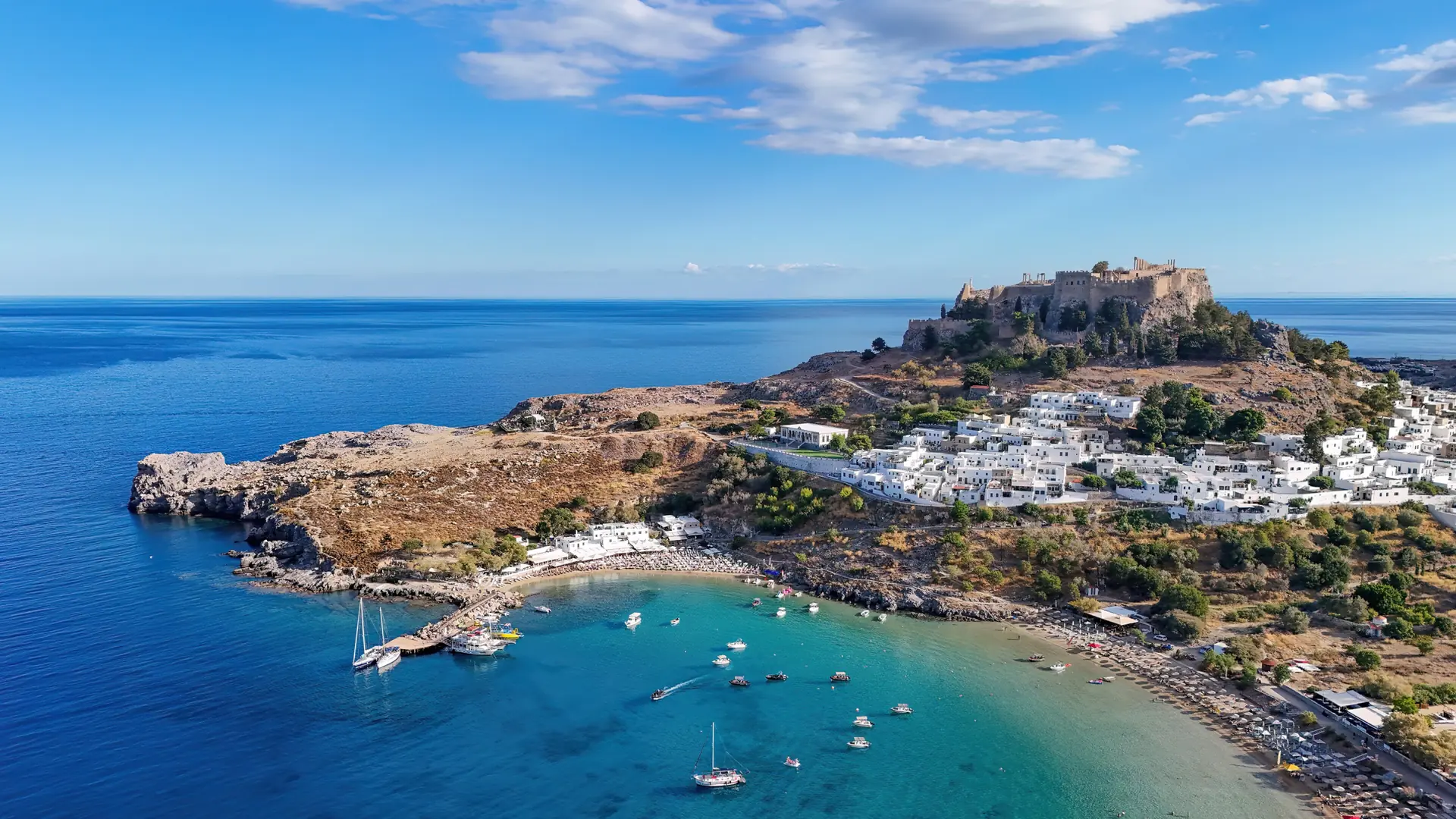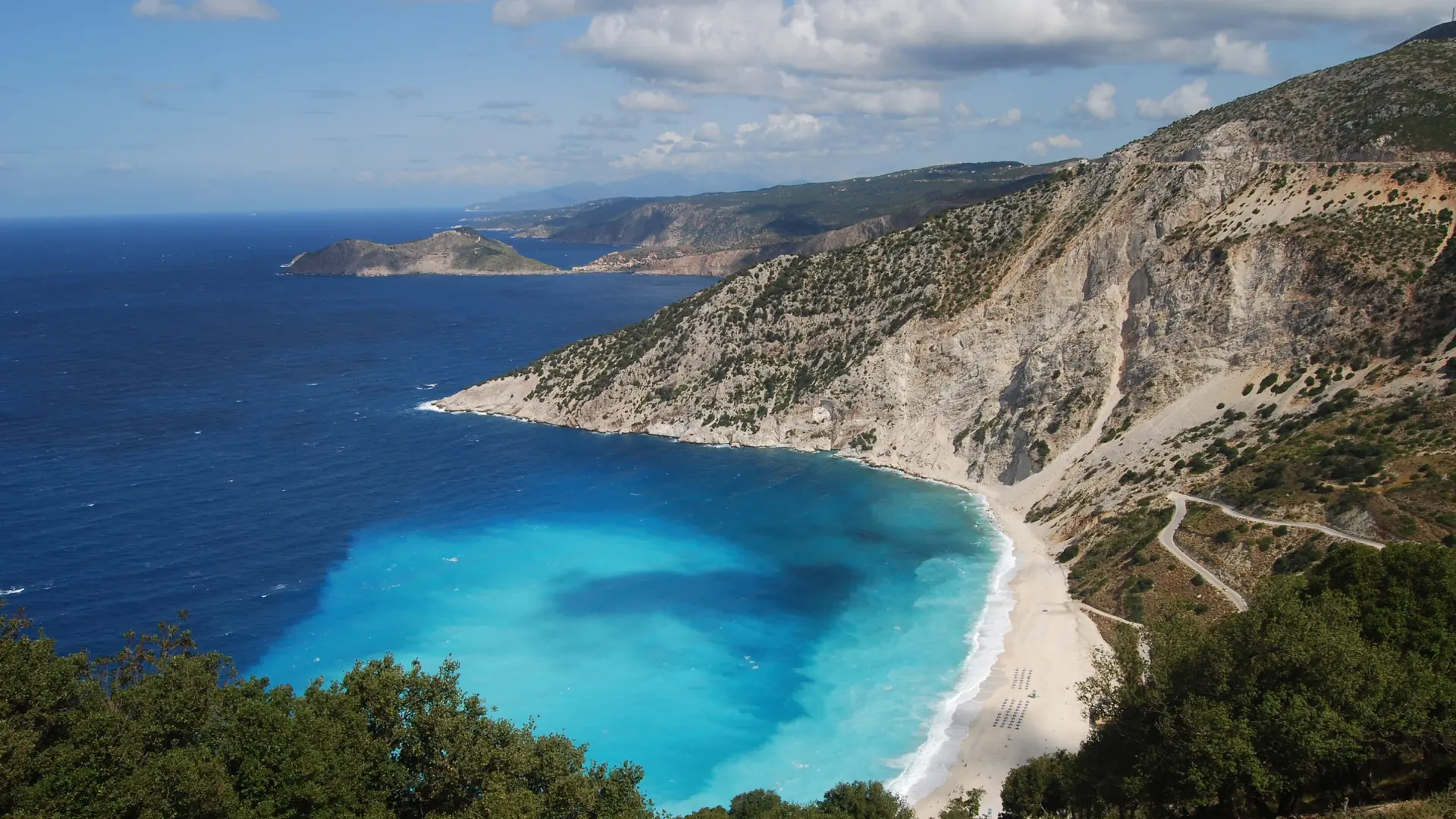
The White Tower on Thessaloniki's waterfront promenade, Greece, seen across the water

Thessaloniki's waterfront, Ano Poli's lanes, and a new metro line

Loading Thessaloniki hotel search

Fix the season and the neighbourhood before choosing a base

Thessaloniki runs as a genuine year-round city, with a walkable waterfront, an Ottoman-era hillside quarter, a new metro line and a UNESCO listing spread across fifteen Byzantine monuments rather than one site.

Best first base The waterfront

Flat, walkable, and closest to the metro and the city's main sights.

Getting there Direct flights, no need to transit Athens

Its own international airport, plus a slower intercity train from Athens.

White Tower ticket €8 summer, €4 winter

Changes with the season; the Rotunda and Arch of Galerius are free.

Metro Opened November 2024

One line, 13 stations; doesn't yet reach the airport.

UNESCO listing Listed since 1988

Churches, the Rotunda and sections of the old walls, spread across the city.

Best months May-June or September-October

Comfortable weather without summer's peak heat or winter's chill.

StartBooker answer

Where should I stay in Thessaloniki, and is it worth visiting outside summer?

The waterfront around the White Tower and Aristotelous Square is the obvious first base, flat and walkable with most of the hotel choice. Ano Poli, the Ottoman-era hillside above the modern grid, trades that convenience for narrow lanes, the old city walls and views over the Thermaic Gulf. Ladadika, a former warehouse district near the port, is now the city's densest cluster of restaurants and bars. Thessaloniki's Paleochristian and Byzantine monuments earned UNESCO listing in 1988, and a long-awaited metro finally opened in November 2024, though it doesn't yet reach the airport.

Best first base
The waterfront, near the White Tower and Aristotelous Square
UNESCO status
15 Paleochristian and Byzantine monuments, listed 1988
White Tower
€8 summer / €4 winter museum ticket
Metro
Opened November 2024, one line, 13 stations
AI-powered

Split your time between the hill, the waterfront and the food

Thessaloniki works as a real city break rather than an island stopover, so the question is usually how to split time between the waterfront, Ano Poli's hillside lanes and the food scene in Ladadika. Say how many days you have and whether food or history matters more.

Four Thessaloniki bases, from the waterfront to the hill

Thessaloniki's flat waterfront, its hillside Ottoman quarter, a converted warehouse restaurant district and its working markets each suit a different kind of stay, well beyond a single summer visit.

Aristotelous Square in Thessaloniki, Greece, with the Electra Palace building and open plaza

Waterfront

the White Tower, Aristotelous Square and the flattest, most walkable base

Book the waterfront when convenience and easy metro access matter most.

Sleep: Lively along the promenade and square, quieter a few streets back.

Neighbourhood stay Walkable

Peak-season weekends bring real crowds to the square and promenade in the evenings.

Narrow cobblestone street with traditional houses in Ano Poli, Thessaloniki's Upper Town, Greece

Ano Poli

Ottoman-era lanes, the old city walls and panoramic views over the Thermaic Gulf

Choose Ano Poli for the hillside character over the waterfront's convenience.

Sleep: Quiet and residential, away from the centre's evening bustle.

Neighbourhood stay Quiet

Streets are steep and cobbled; comfortable shoes matter more here than anywhere else in the city.

Colourful restored buildings with restaurant terraces in the Ladadika district of Thessaloniki, Greece

Ladadika

the city's densest cluster of restaurants and bars, in a converted warehouse district

Pick Ladadika for the food and nightlife scene over quiet nights.

Sleep: Lively into the night, especially on weekends.

Neighbourhood stay Walkable

Weekend nights get genuinely loud; ask specifically about a quiet room if that matters.

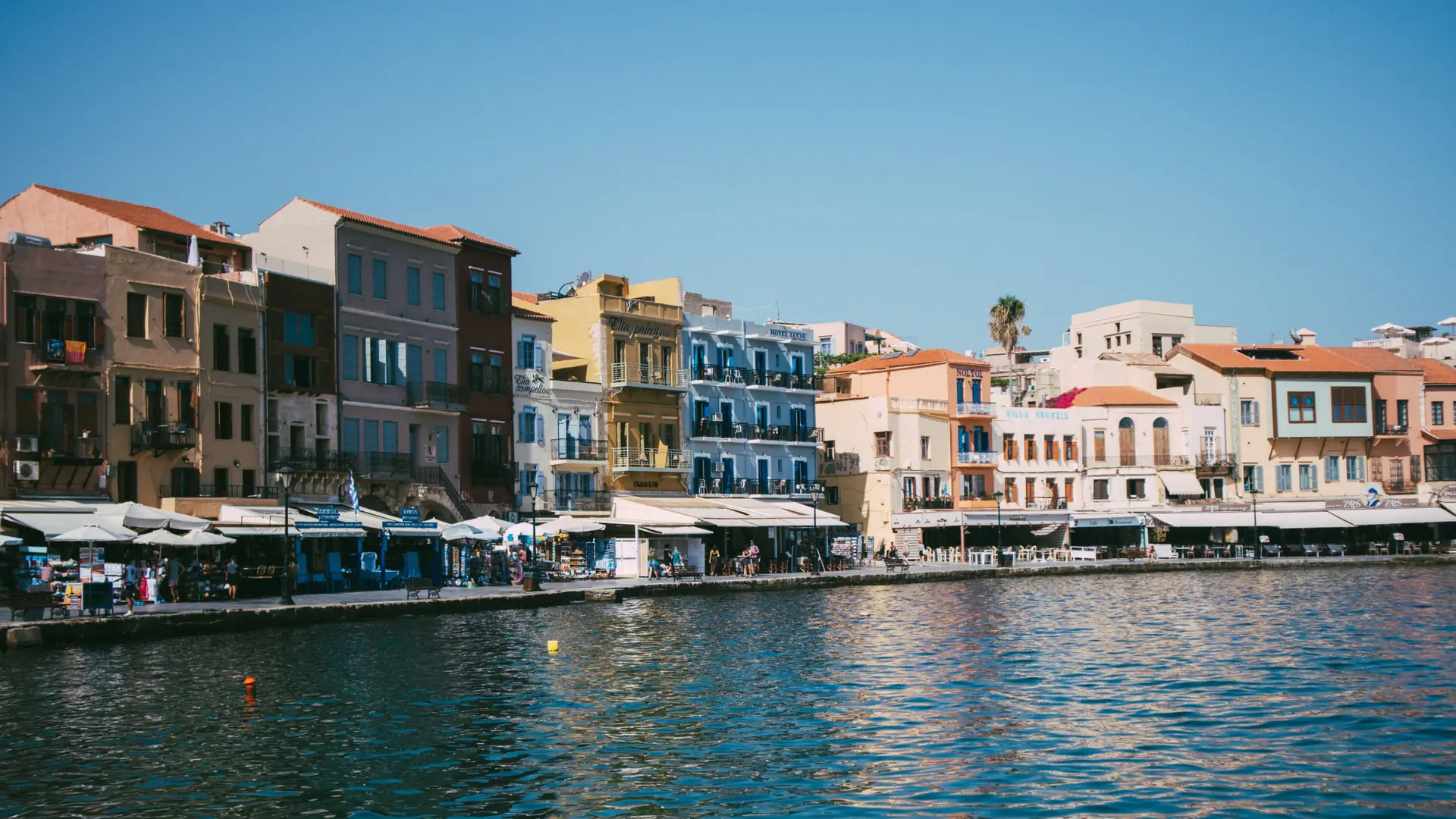
Spice stalls with labelled sacks of herbs and chilli at Kapani market in Thessaloniki, Greece

Kapani Market District

spices, produce and everyday market life at Kapani and the restored Modiano hall

Base here for proximity to real, working market life rather than a polished tourist strip.

Sleep: Busy by day near the market, calmer once stalls close.

Neighbourhood stay Walkable
The market stalls close by early evening, so daytime is when this area is actually at its best.

Choose an area by the trip you want
Area Best for Trade-off Getting around
Waterfront the White Tower, Aristotelous Square and the flattest, most walkable base The most touristed, least historic part of the city. The waterfront is a walking base with the closest metro access.
Ano Poli Ottoman-era lanes, the old city walls and panoramic views over the Thermaic Gulf A genuine climb separates it from the centre. Ano Poli needs a bus or a real climb to reach the waterfront.
Ladadika the city's densest cluster of restaurants and bars, in a converted warehouse district Evening noise reaches nearby rooms directly. Ladadika is a short walk from the waterfront and the port.
Kapani Market District spices, produce and everyday market life at Kapani and the restored Modiano hall Fewer restaurant options once the stalls close. The market district is walkable from both the waterfront and Ladadika.

Match the base to what actually brought you to Thessaloniki

The cards above group Thessaloniki by neighbourhood; these group it by what actually brought you here.

A simple, walkable first stay

This suits a first visit built around convenience and easy transport.

Skip this if the metro's single line and airport bus don't cover your plans.

The old hillside quarter, above the modern grid

Choose this for Ottoman-era character and gulf views over convenience.

Skip Ano Poli if steep, cobbled streets would be a genuine problem.

A food-and-drink-focused stay

This fits a trip where the food and drink scene is the main draw.

Skip Ladadika if quiet nights matter more than restaurant choice.

Morning markets over a polished tourist strip

This matters for anyone building a day around food shopping and market life.

Skip this unless a real, working market is genuinely part of the appeal.

Search Thessaloniki hotels

Once you know whether the waterfront, Ano Poli's lanes or Ladadika's restaurant scene fits your trip, compare live availability, exact hotel locations and room details. Editorial advice here is separate from provider prices and availability.

Search Thessaloniki hotels →
Loading Thessaloniki hotel results

An airport of its own, a new metro, and a walkable historic core

Thessaloniki has its own international airport, so it doesn't need to be reached through Athens the way a Greek island often is, and getting around the centre changed meaningfully once the metro opened.

A well-connected airport, plus a slower train from Athens

A short taxi ride or a longer, cheaper bus

A short taxi ride or a longer, cheaper bus

Thessaloniki Airport Makedonia (SKG), run by Fraport Greece, sits south of the centre; a taxi covers the distance in about 25 to 30 minutes, while the OASTH public bus takes roughly 40 to 50 minutes for a fare of around €1.80.

Direct flights from Athens and much of Europe

Aegean Airlines and Sky Express fly Athens to Thessaloniki with frequent daily departures, and around three dozen airlines add seasonal or year-round international routes from cities across Europe, making Thessaloniki reachable without transiting Athens at all.

A half-day train from Athens, with a change if flying in first

Hellenic Train's IC50 intercity service links Athens and Thessaloniki, with the fastest departures advertised around four and a half hours and others closer to five; there is no direct train from Athens Airport itself, since Proastiakos suburban rail only reaches Athens's own Larissis station, where a change onto the intercity service is needed.

One new metro line, city buses, and a walkable centre

A brand-new metro, one line so far

A brand-new metro, one line so far

The metro opened on 30 November 2024 after decades of delays, running one 9.6km line with 13 stations between the New Railway Station and Nea Elvetia; a Kalamaria extension is under construction but not yet open.

OASTH buses fill the gaps around one metro line

OASTH runs the city's bus network, covering routes the metro's single line doesn't reach, including the airport connection; most sightseeing in the waterfront area and Ladadika, though, is realistically done on foot.

Get up to Ano Poli by bus, then walk

Ano Poli itself is best explored on foot once you're up the hill; a bus or taxi from the waterfront saves the initial climb, but the lanes inside the old town are too narrow and stepped for much beyond walking.

The White Tower has a real ticket; the Roman monuments don't

The White Tower's ticket changes price and hours by season

The White Tower's ticket changes price and hours by season

The White Tower's museum ticket costs €8 in summer (April to October) and €4 in winter (November to March), with hours running 8am to 8pm in summer and a shorter 8:30am to 3:30pm in winter.

The Rotunda and the Arch of Galerius are free, separate stops

The Arch of Galerius stands in the open air with no fee or fixed hours, and the Rotunda, a former Roman mausoleum turned church and then mosque, is separately open to the public; neither ties into the White Tower's ticket.

A flat modern centre, a steep old town above it

The waterfront is flat; Ano Poli climbs a real hill

The waterfront is flat; Ano Poli climbs a real hill

The waterfront and the modern grid laid out after the 1917 fire are flat and easy to cross, but Ano Poli's lanes climb the hillside steeply, with stepped sections that have no accessible alternative route to the top.

Plan around the real seasons, the new metro's limits and 15 scattered sites

Three things about Thessaloniki catch first-time visitors off guard: it runs on a genuine year-round season rather than a summer switch, the brand-new metro doesn't reach everywhere yet, and its UNESCO listing is spread across fifteen separate sites, not one.

A genuine four-season city, not a seasonal resort

Late spring and early autumn avoid the summer heat
  • Late spring and early autumn avoid the summer heat

    May, June, September and October give comfortable sightseeing weather without July and August's peak heat, which regularly passes 30°C and can spike well above it during heatwaves.

  • Winter is properly cold, not island-mild

    Winter runs genuinely cool, occasionally dropping close to freezing with the chance of snow, unlike the mild Cycladic winters some visitors expect from Greece generally; pack accordingly rather than assuming island-style weather.

  • No island-style winter shutdown here

    Because Thessaloniki functions as a normal city rather than a seasonal resort, restaurants, museums and hotels operate on their usual schedules year-round, without the reduced winter hours or closures common on the islands.

Price the transport and the location, not just the sights

One paid monument, several free ones
  • One paid monument, several free ones

    The White Tower's museum ticket runs €8 in summer and €4 in winter; the Rotunda and the Arch of Galerius cost nothing, so a day mixing paid and free monuments comes in cheaper than assuming every major sight needs a ticket.

  • Weigh the airport bus against the taxi's time saving

    The OASTH airport bus costs a fraction of a taxi fare but takes 40 to 50 minutes against a taxi's 25 to 30; on a tight schedule or with heavy luggage, the taxi's extra cost usually buys back enough time to be worth it.

  • The waterfront carries a real premium over the hill or the markets

    Waterfront hotels near the White Tower and the square typically cost more than equivalent rooms in Ano Poli or near the Kapani market district; compare the same dates across areas before assuming the central address is worth the premium.

Where Thessaloniki visitors most often misjudge the city

Treating Thessaloniki like a summer-only destination
  • Treating Thessaloniki like a summer-only destination

    Booking a Thessaloniki trip only for summer, the way you might for a Greek island, misses that the city runs fully year-round; shoulder-season months often give better hotel rates and a more comfortable pace for sightseeing.

  • Expecting the new metro to reach everywhere already

    The metro's single line doesn't reach the airport or every neighbourhood; assuming it covers the whole city the way older, larger metro systems do leads to missed connections that the OASTH bus network or a taxi actually covers.

  • Underestimating how spread out the UNESCO sites are

    UNESCO's Thessaloniki listing spans 15 separate Byzantine and Paleochristian monuments across the city, not one compact archaeological park; trying to see all of them in a single afternoon compresses what deserves a full day or two.

  • Underestimating the walk back down from Ano Poli

    Arriving in Ano Poli by taxi and expecting a similarly easy way back down often surprises visitors; the steep, narrow lanes mean walking back to a main road for a taxi or bus takes longer than the ride up did.

How many days does a first Thessaloniki visit need?

Two full days cover the waterfront, the White Tower and a proper meal in Ladadika without rushing; a third day lets you add Ano Poli's lanes and the Byzantine churches at an unhurried pace.

Is Thessaloniki only worth visiting in summer, like the islands?

No, and that's part of the appeal. Unlike the islands, Thessaloniki runs as a normal working city year-round, with hotels, restaurants and its food scene operating in January as much as August.

Does the new metro reach the airport?

Not directly. The metro's single line runs from the New Railway Station to Nea Elvetia and doesn't reach the airport; the OASTH bus or a taxi covers that leg instead.

What exactly does Thessaloniki's UNESCO listing cover?

UNESCO's listing covers 15 separate Paleochristian and Byzantine monuments scattered across the city, including churches, the Rotunda and sections of the old walls, rather than one single site.

Are Modiano and Kapani markets still open?

Modiano, the city's grand covered market, reopened after a lengthy restoration in the early 2020s; nearby Kapani, older and less polished, remains a working market for spices, produce and everyday shopping rather than a renovated attraction.

When is the most comfortable time to visit Thessaloniki?

May, June, September and October give comfortable temperatures without July and August's heat, which regularly climbs past 30°C and can spike higher; winter runs cool and occasionally sees snow, but the city stays fully open.

How this guide was researched

Reviewed by StartBooker editorial team Travel editorial research and rewrite

Last reviewed 2026-09-11

Editorial method: Original editorial guidance based on UNESCO, Ministry of Culture-affiliated museum, airport operator and transit authority sources, cross-checked against independent Thessaloniki-focused travel publishers for neighbourhood character, ticket pricing and current metro coverage. Time-sensitive prices, schedules and metro extensions are left to the linked operators.

11 sources reviewed

Primary sources
  • UNESCO World Heritage Centre
  • Greek Ministry of Culture (archaeological museums directory)
  • Fraport Greece
  • OASTH (Organisation of Urban Transportation of Thessaloniki)
  • Hellenic Train
  • Visit Greece (Greek National Tourism Organisation)
Photo credits

Share one Thessaloniki lesson: waterfront base versus Ano Poli's hill

Did the new metro actually save you time, or was walking the centre just as fast?