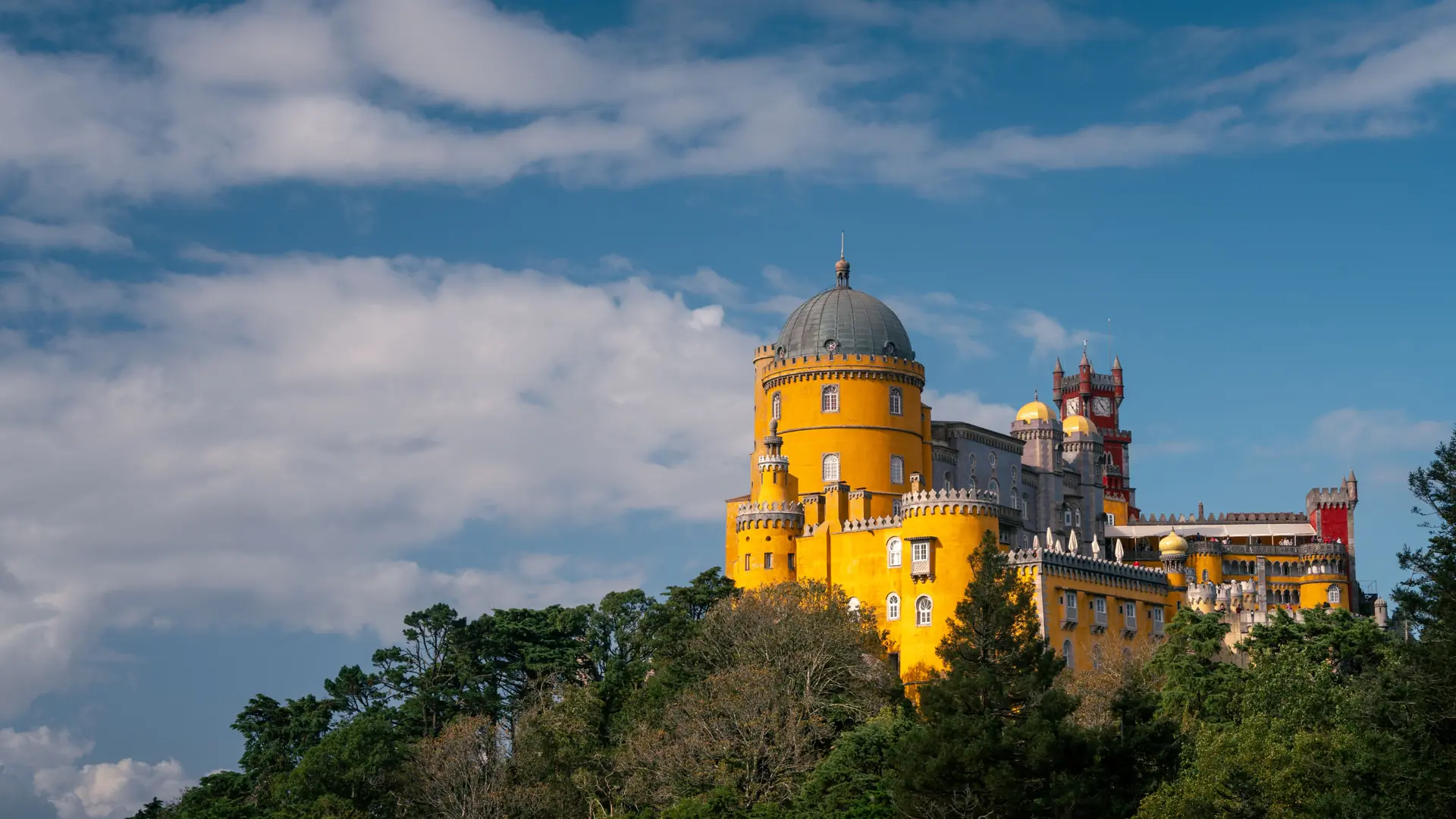
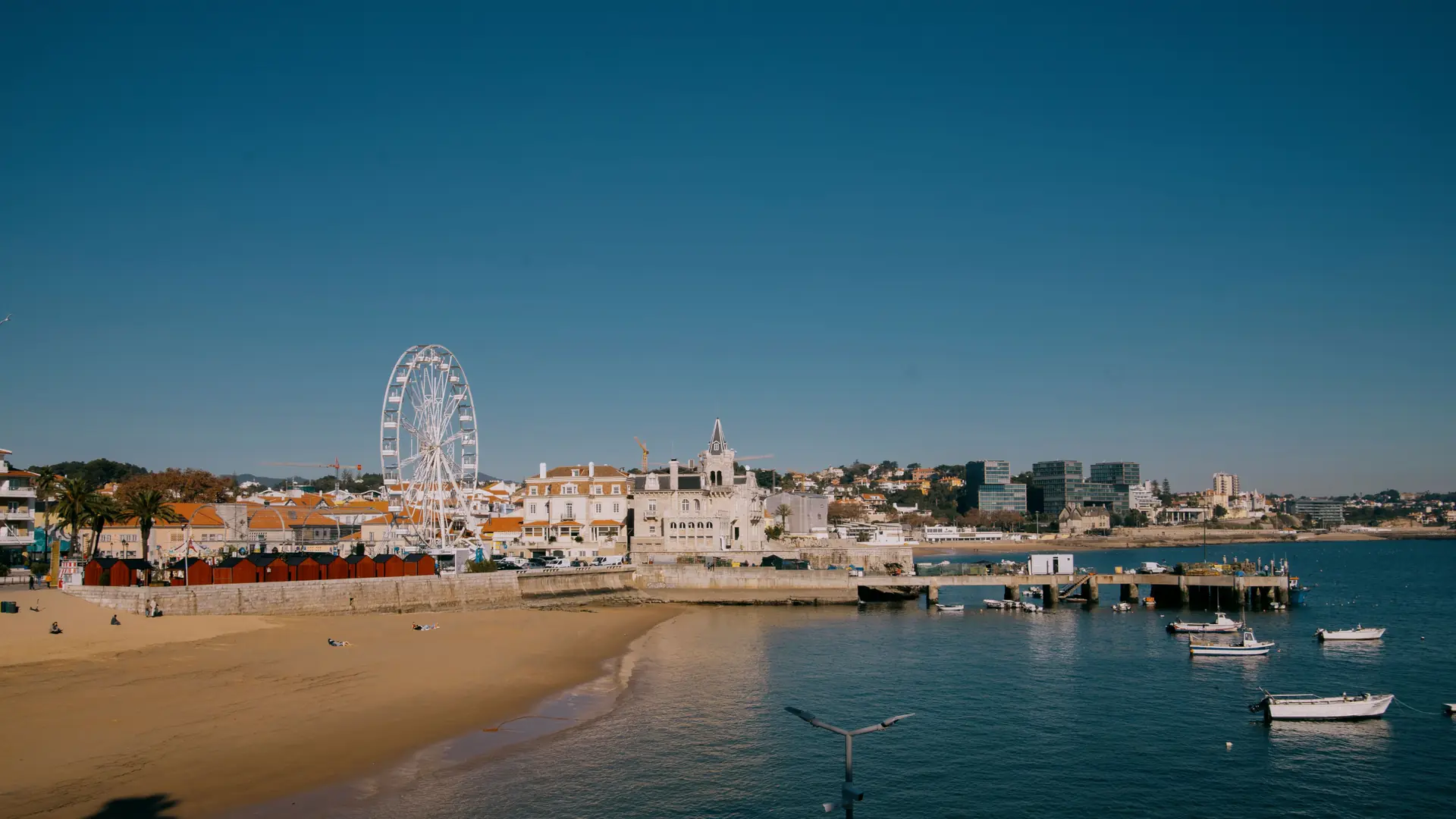
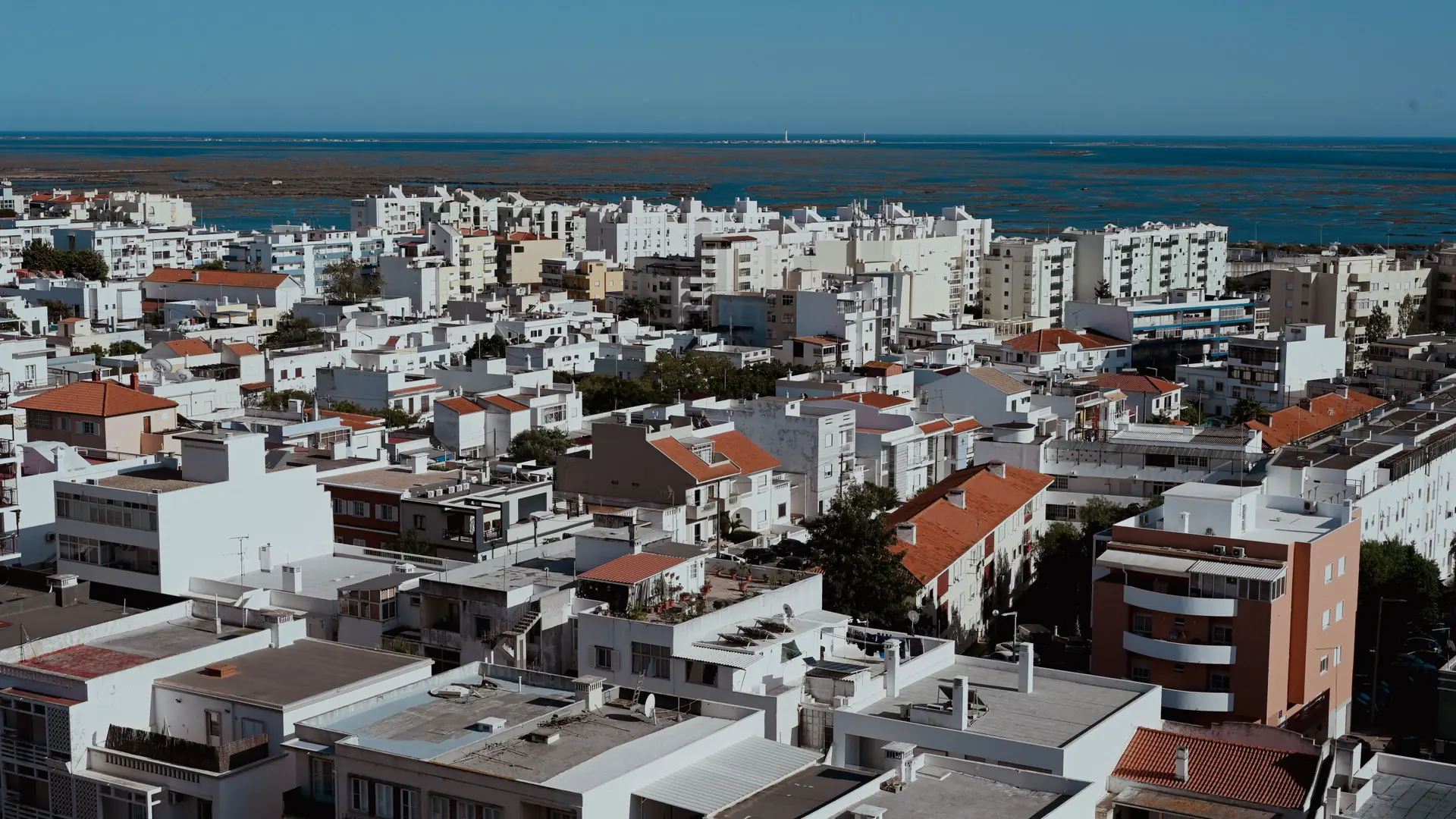
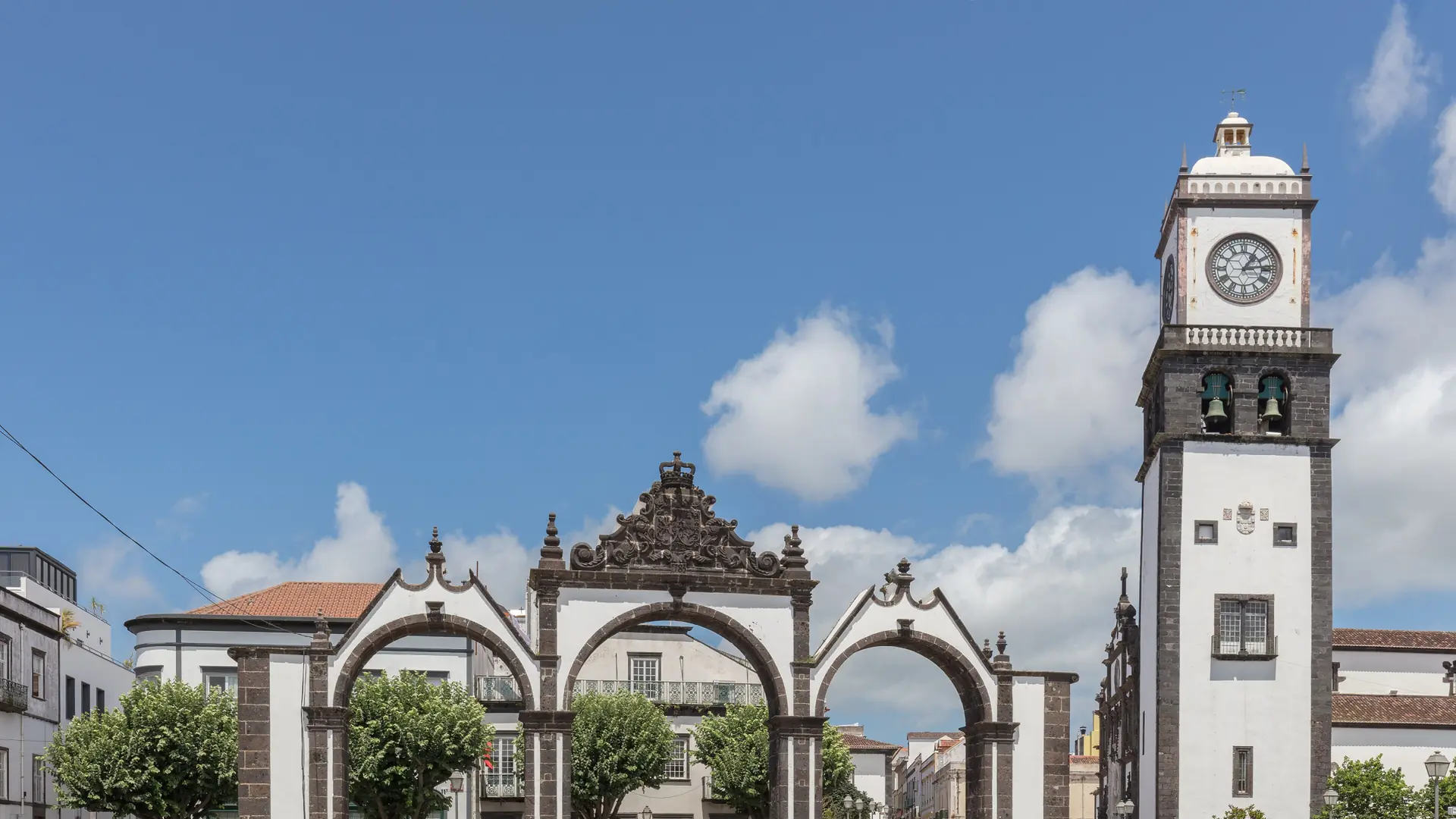
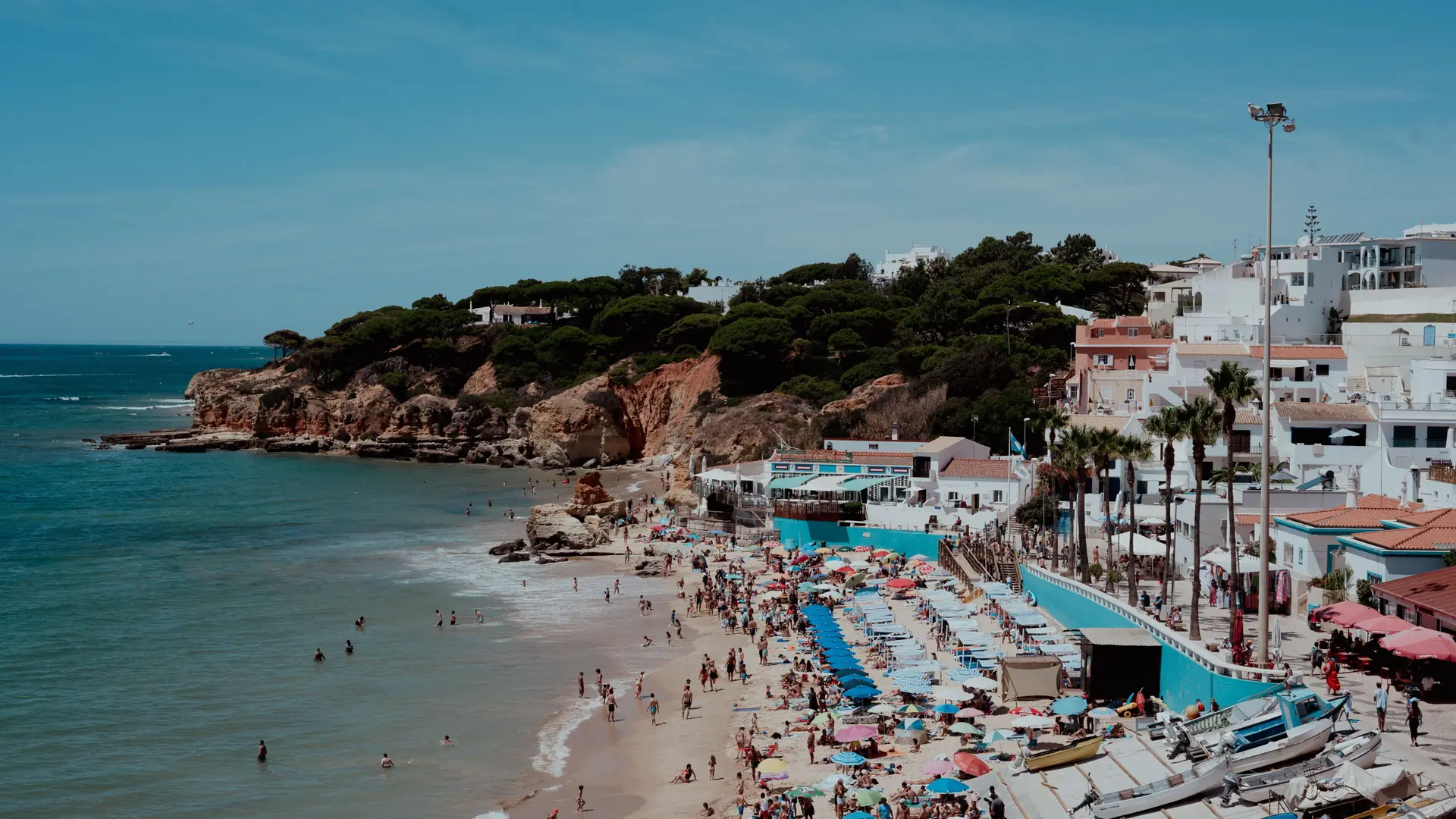
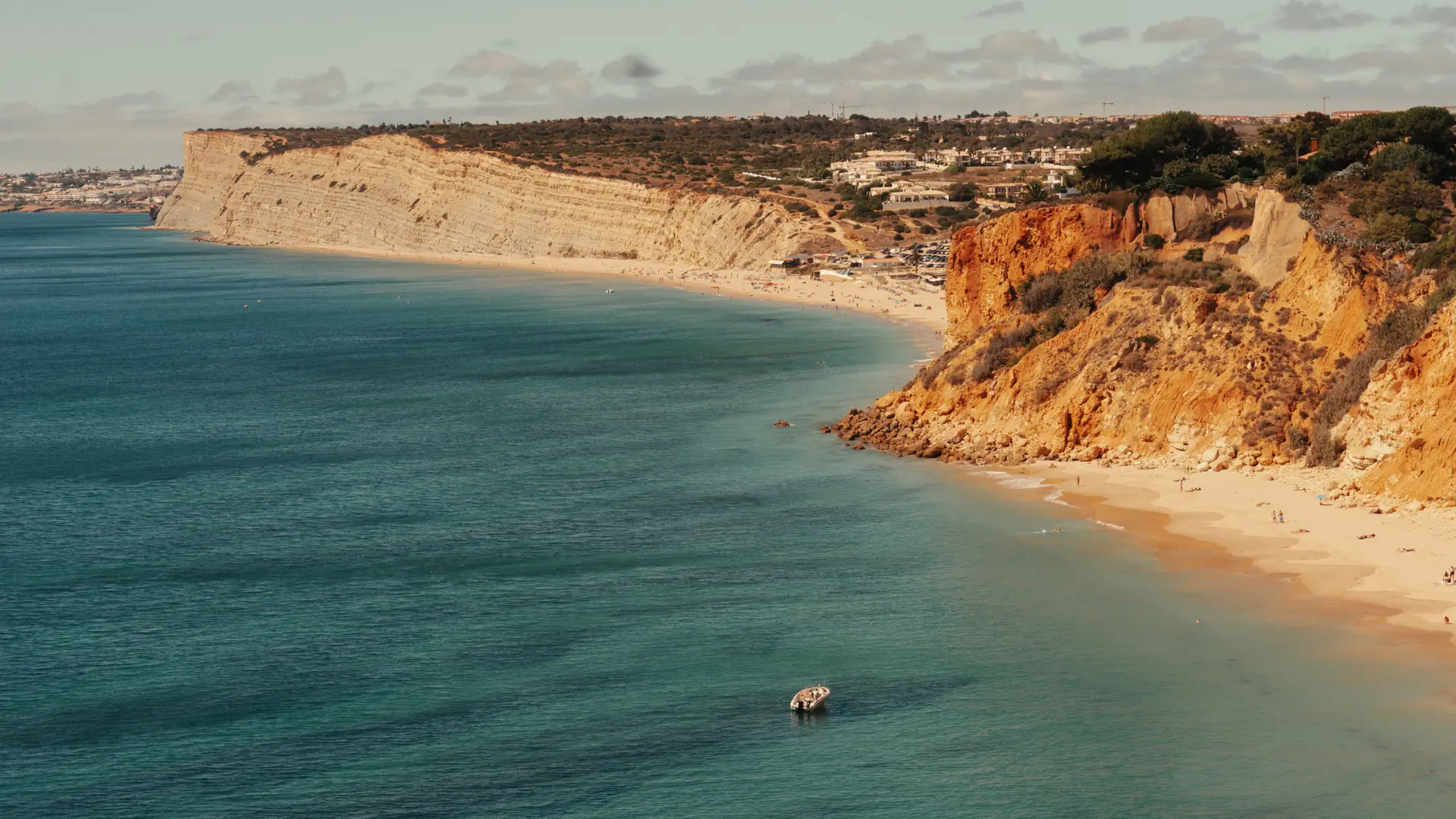
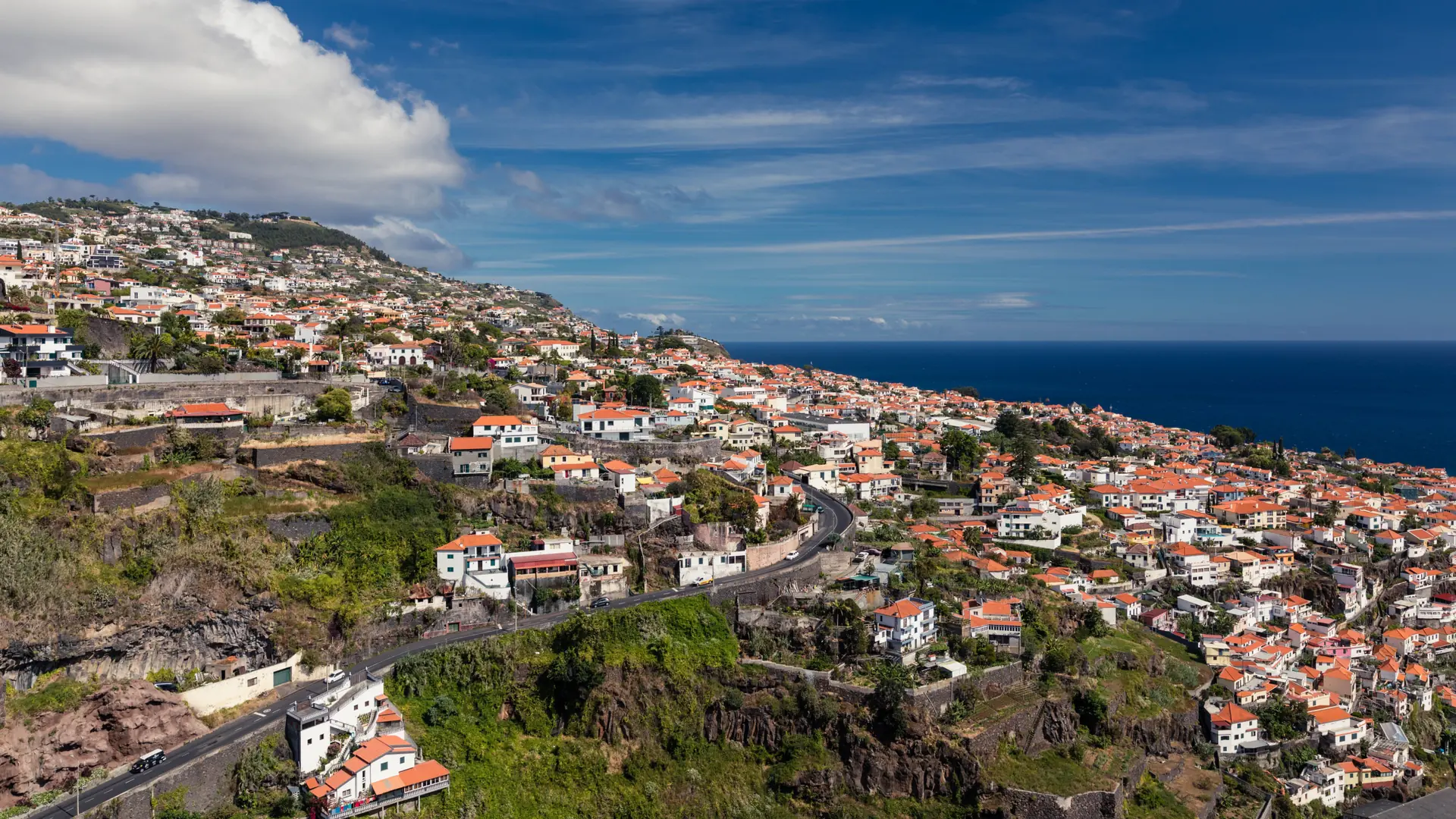
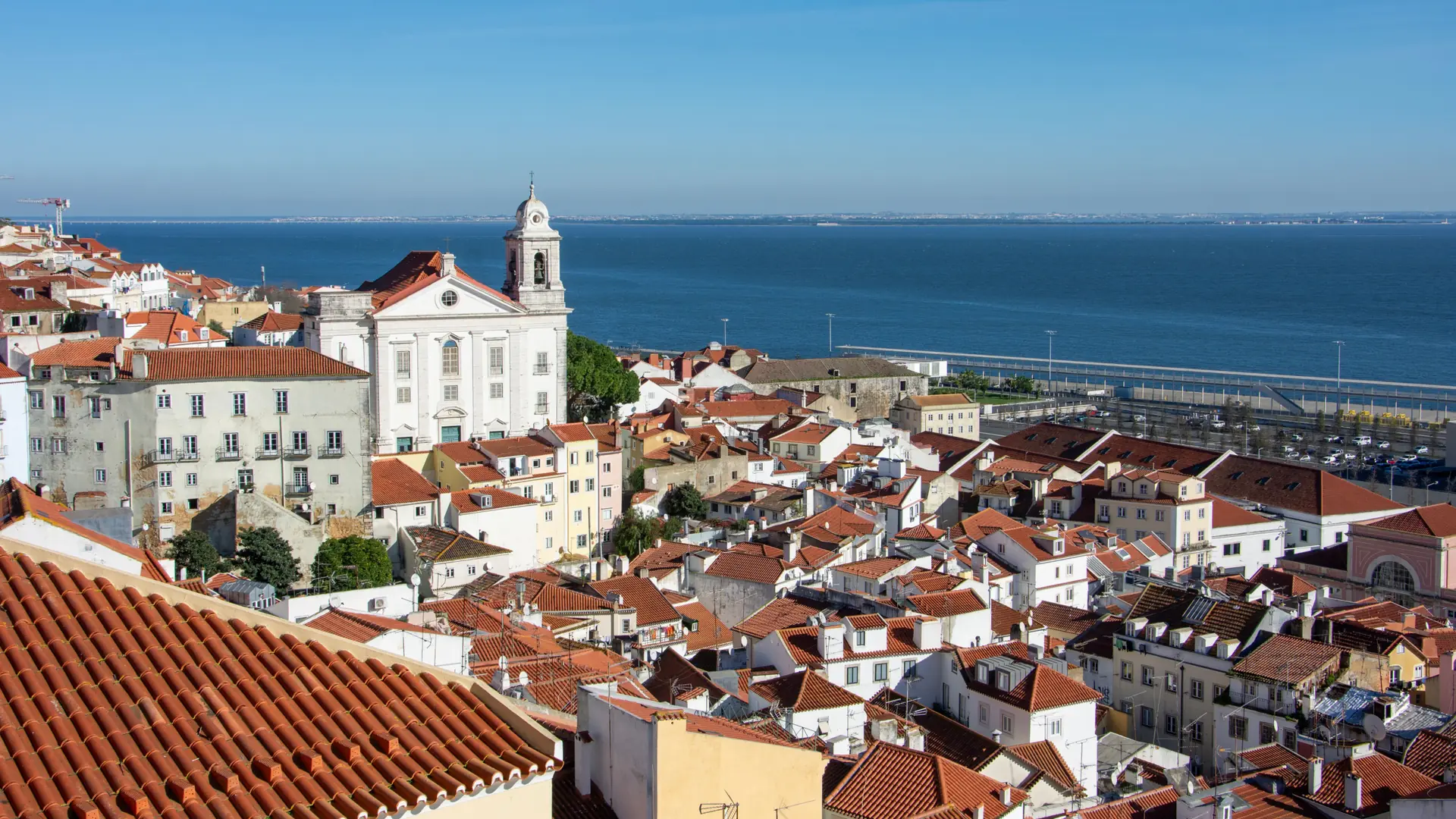
Terraced vineyards along the sunlit Douro river valley in golden afternoon light

Douro Valley in 5 days

One night each in Porto, Peso da Régua, Pinhão and Lamego, moving upriver by train before a final road leg through the UNESCO-listed wine valley.

Duration
5 days, 4 nights
Bases
4 river-valley stops
Main transport
Douro line train, then road to Lamego
Best window
May-Jun or Sep-Oct
Finding current stays

Why this route sleeps upriver instead of day-tripping from Porto

This route treats the Douro Valley as somewhere to sleep, not just somewhere to pass through on a long day trip from Porto. Moving the base upriver each night, Porto to Régua to Pinhão to Lamego, means the evening Rabelo cruise, a proper quinta visit, and the Lamego staircase all get real time instead of competing for the last hour before a return train. The CP Douro line covers three of the four legs directly, so most of the trip needs no car; the exception is the final stretch to Lamego, which has no railway station and needs a pre-arranged taxi, rental car or the regional bus. The N222 between Régua and Pinhão is built into the itinerary as an optional highlight rather than the only route through, since the same stretch runs by train in 24 minutes. The Rabelo cruise and CP's separate weekend steam train are both seasonal, roughly May to October, so a spring or early-autumn trip keeps every element of this plan available at once.

The train itself is the first day's real attraction

The CP Inter-Regional train from São Bento follows the river for most of its roughly two-hour run to Peso da Régua, the demarcated region's administrative centre since a 1756 royal charter and now home to the Museu do Douro's wine-history collections.

One day builds around a genuinely famous stretch of road

The 27-kilometre N222 between Régua and Pinhão, 93 bends of river-view road that the Avis Driving Index ranked as its leading driving road, runs parallel to a 24-minute train ride, so the itinerary treats the drive as the day's optional highlight rather than the only way through.

Lamego trades the railway for its own landmark

Lamego's Santuário de Nossa Senhora dos Remédios climbs 686 free steps across nine baroque terraces built over nearly two centuries; reaching it requires the trip's only non-rail leg, since Lamego has no train station of its own.

Best for

  • First-time Douro Valley visitors who want more than a single long day trip from Porto
  • Travellers happy to combine one scenic train ride with a short pre-arranged car or taxi leg
  • Wine-focused itineraries that want an actual overnight base inside the Cima Corgo, not a drive-through

Think twice if

Travellers who only have a single day and want to see the valley as one long trip from Porto, or anyone unwilling to arrange a car or taxi for the final Lamego leg.

StartBooker answer

How do you plan five days in the Douro Valley from Porto?

Five days from Porto works as one night in Porto, one in Peso da Regua, one in Pinhao, and one in Lamego, moving upriver on the Douro line before returning by road. The scenic CP train from Porto to Pinhao runs about two and a quarter hours each way; a one-hour Rabelo boat cruise from Regua costs about 13 euros; and the N222 between Regua and Pinhao, 27 kilometres of river-view bends, was named the world's best driving road by Avis. Pinhao and Lamego both sit inside the UNESCO-listed Alto Douro Wine Region, so a quinta visit and Lamego's 686-step baroque staircase anchor the second half of the trip.

Route order
Porto (1 night) → Peso da Régua (1 night) → Pinhão (1 night) → Lamego (1 night)
Primary transport
CP Douro line train Porto-Régua-Pinhão; car or taxi for the Pinhão-Lamego leg, which has no rail station
Signature drive
N222 Régua-Pinhão: 27 km, named the world's best driving road by Avis
Key prices
Porto-Pinhão train about €12.20 one-way; a 1-hour Rabelo cruise from Régua about €13

What each overnight base contributes

Porto gets one night as the rail gateway; Régua and Pinhão each earn one night because their best experiences, the Rabelo cruise and a quinta visit, are evening-to-morning activities rather than quick stops; Lamego closes the loop with the only leg that has no rail option.

4 stops · swipe

  1. Sunlit São Bento train station hall with historic blue and white azulejo tile panels 1

    Porto

    1 night

    São Bento's azulejo-tiled station hall, the Ribeira riverfront, and the Douro line's starting platform

    One Porto night sets up an early Douro line departure the next morning and gives time to see São Bento's tiled hall and the Ribeira riverfront as sights in their own right, not just a transit point.

    Watch out: Buy the next morning's Douro line ticket the day before at the São Bento counter; the train itself needs no reservation, but the ticket-hall queue can still cost real time before an early departure.

    Read the Porto guide →
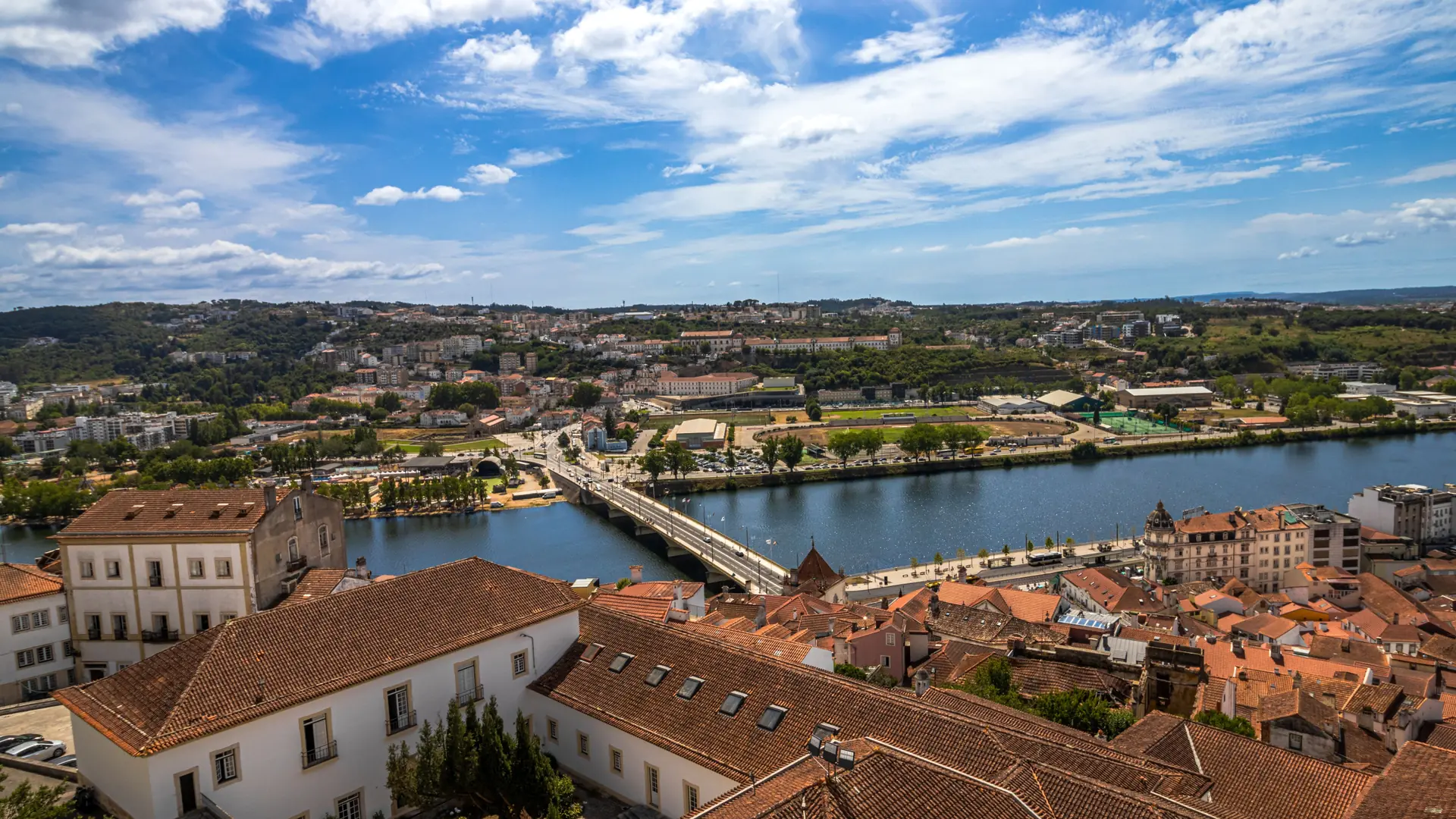
  2. Terraced vineyards rising above the Douro river near Peso da Régua in warm afternoon light 2

    Peso da Régua

    1 night

    Museu do Douro, the Instituto dos Vinhos do Douro e do Porto headquarters, and Rabelo boat cruises

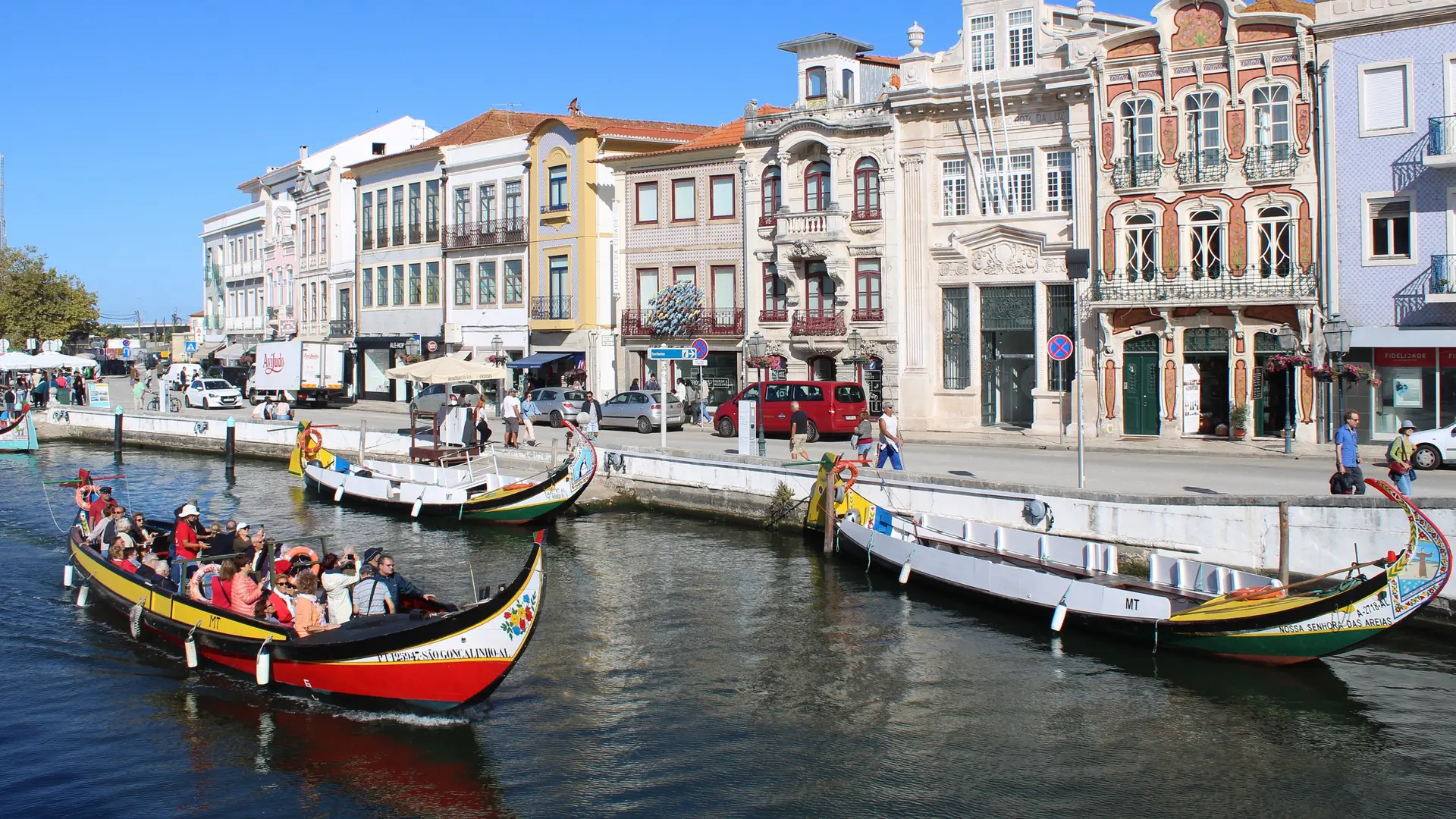
    Régua is the valley's administrative and regulatory centre, so it is the right base for the Museu do Douro's wine-history collections and for boarding the evening Rabelo cruise on the traditional flat-bottomed boats.

    Watch out: The Rabelo cruise only operates May to October because of dam maintenance and weather; outside that window, the museum and the town itself still work but the boat cruise will not be available.

  3. Small riverside village of Pinhão surrounded by steep terraced Douro vineyards 3

    Pinhão

    1 night

    The Cima Corgo's historic quinta cluster, the tile-panelled train station, and the N222 driving road

    Pinhão sits at the centre of the Cima Corgo, the historic heart of the demarcated wine region, putting Quinta do Bomfim and other working estates within a short walk or drive of the village.

    Watch out: The village itself is small, with limited restaurant and taxi options outside quinta properties; confirm dinner and any onward transport before arrival rather than expecting it on the spot.

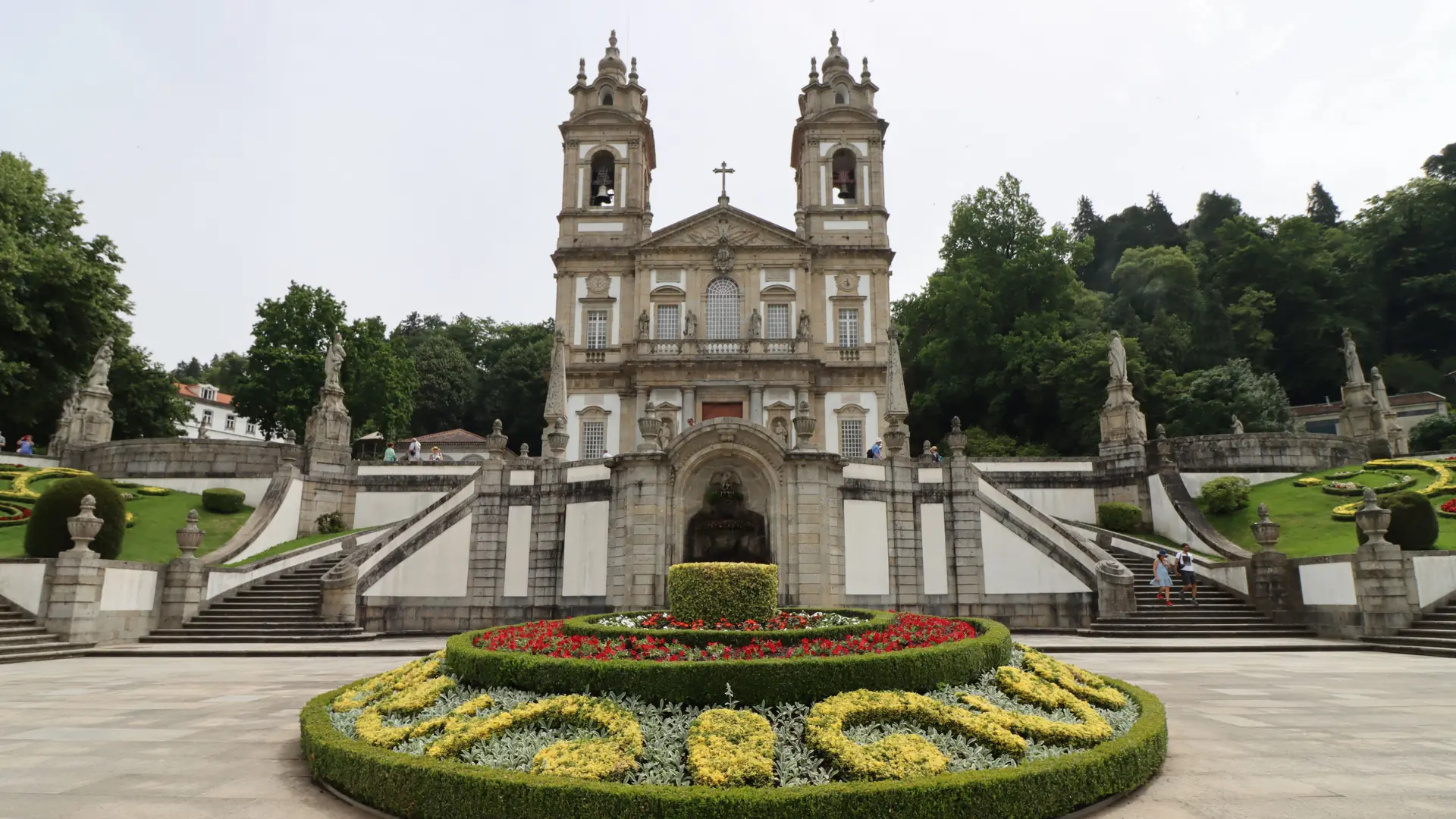
  4. Baroque stone staircase with statues and fountains climbing to the Santuário dos Remédios in Lamego 4

    Lamego

    1 night

    The 686-step Santuário de Nossa Senhora dos Remédios staircase and orchards away from the river gorge

    Lamego sits back from the river in gentler orchard country, and one night is enough to climb the free 686-step baroque staircase and see the town before the road journey back to Porto.

    Watch out: There is no train station in Lamego; the leg in and the leg out both require a car, taxi or bus, so confirm that transport before leaving Pinhão.

Five days moving upriver, then back to Porto by road

Each day moves the base one stop further up the valley, then Lamego closes the loop back toward Porto by road. The figures below were verified against current operator pages on 8 September 2026; treat anything seasonal as a prompt to confirm directly.

1 Day 1 Arrive in Porto: São Bento's tiles and the Ribeira riverfront

Start at São Bento station itself, built between 1904 and 1916 and lined with roughly 20,000 azulejo tiles depicting Portuguese history; it sits inside Porto's UNESCO-protected old town and is worth treating as a sight rather than a transit point on the first afternoon. Walk downhill to Ribeira along the river, where the Dom Luís I bridge frames the port-wine lodges of Vila Nova de Gaia on the opposite bank. Buy the Douro line ticket for the following morning at the São Bento counter rather than leaving it for departure morning; Inter-Regional seats are unreserved and cannot sell out, but the ticket hall queue can still cost twenty minutes at a bad time. Keep the evening in Ribeira's riverside restaurants rather than crossing to Gaia, which is better used later in the week from the valley end.

  • Visit São Bento station's azulejo-tiled hall as a sight, not just a transit point
  • Walk downhill through the old town to the Ribeira riverfront
  • Buy the following morning's Douro line ticket the day before to skip a queue
  • Save Vila Nova de Gaia's lodges for the return end of the trip

Overnight: Porto

2 Day 2 Porto to Régua: the scenic train and the valley's wine capital

Take the Douro line from São Bento, keeping to the right-hand side of the carriage where the river runs closest to the tracks for most of the route to Régua. The Inter-Regional service has no catering car, so carry food and water for the roughly two-hour ride. Peso da Régua is the valley's administrative centre and the headquarters of the Instituto dos Vinhos do Douro e do Porto, the body that has regulated this wine region since a 1756 royal charter made it the world's first formally demarcated wine region. Spend the afternoon at the Museu do Douro, set in a former riverside warehouse, which covers that history through permanent collections on Portuguese grape varieties and the valley's wine trade. In the evening, take the 1-hour Rabelo cruise from the Régua quay: it runs on the traditional flat-bottomed boats once used to carry Port wine barrels downriver before roads and rail existed.

  • Ride the Douro line with river views on the right-hand side of the train
  • Visit Museu do Douro to see the region's wine history in a former riverside warehouse
  • Note that Régua has regulated the demarcated wine region since 1756
  • Take the evening 1-hour Rabelo cruise on a traditional flat-bottomed boat

Overnight: Peso da Régua

3 Day 3 Régua to Pinhão: the world's best driving road, or the train

Régua to Pinhão is a short 24-minute hop by train, but the alternative is the real reason this day matters: the N222 road between the two towns, 27 kilometres and 93 bends along the river, took the top position in the Avis Driving Index. Anyone without a rental car can still see most of it on an organised half-day minibus or tuk-tuk tour from Régua before continuing to Pinhão by train. Once in Pinhão, the village itself is small enough to walk end to end, and its own tiled train station, decorated with panels depicting the grape harvest, is worth a stop before heading out to Quinta do Bomfim. The Symington family's Dow's estate sits on a south-facing slope above the village and offers cellar visits and tastings; confirm the current times directly since the estate does not publish one fixed walk-in price.

  • Take the 24-minute Régua-to-Pinhão train, or an organised N222 minibus tour for the view
  • Stop at Pinhão's own tile-panelled station before heading to a quinta
  • Visit Quinta do Bomfim, the Symington family's Dow's estate above the village
  • Confirm the quinta's current tasting price and duration directly rather than assuming a fixed rate

Overnight: Pinhão

4 Day 4 Pinhão to Lamego: away from the river to the 686-step sanctuary

There is no train to Lamego, so this leg means a pre-arranged taxi, a rental car, or the regional bus for the roughly 25-kilometre drive south from Pinhão. Lamego itself sits away from the river in a different landscape of orchards and vineyards rather than the steep terraced slopes seen so far. The town's landmark is the Santuário de Nossa Senhora dos Remédios, whose baroque staircase, built over nearly two centuries between 1781 and 1969, climbs 686 steps across nine decorated terraces of statues, pyramids and fountains to the hilltop sanctuary; the climb itself is free, and most visitors take 30 to 45 minutes to reach the top at an unhurried pace. Save the descent, rather than the ascent, for photographs: the terraces and the town below open up more clearly walking downhill than climbing up.

  • Arrange a taxi or rental car in advance for the roadless Pinhão-to-Lamego leg
  • Climb the free 686-step baroque staircase to Santuário de Nossa Senhora dos Remédios
  • Budget 30-45 minutes for an unhurried ascent across the nine decorated terraces
  • Take photos on the way down, when the terraces and town open up more clearly

Overnight: Lamego

5 Day 5 Departure day: finish Lamego, drive back to Porto

Use the morning for whatever the staircase visit did not leave time for the day before, particularly Lamego Cathedral or the Museu de Lamego, before the drive back to Porto. The return road from Lamego rejoins the main route toward Porto rather than backtracking through Régua, and the drive runs a little over an hour depending on the exact road taken. Build in a real margin before a flight or onward train, since this is the week's only leg without a rail option to fall back on if road traffic is heavier than expected. If time allows before departure, a short stop in Vila Nova de Gaia on the way into Porto revisits the port-wine lodges seen only from across the river on day one.

  • Finish Lamego's cathedral or museum before the drive back
  • Budget over an hour for the direct road return to Porto
  • Build real margin into this leg, since it has no rail fallback
  • Stop in Vila Nova de Gaia on the way in if time allows before departure

Overnight: Lamego

The three legs: two by scenic rail, one by road

Two of the three legs run on the CP Douro line, one of Portugal's most scenic railways; only the final Pinhão-to-Lamego leg leaves the tracks entirely, since Lamego has no station of its own.

3 transfers

  1. Porto Peso da Régua

    Train Travel time: About 2 hours by CP Inter-Regional train

    The Inter-Regional service leaves São Bento with the river visible for most of the roughly two-hour run, widening and narrowing as the line follows the valley floor. There is no catering car, so carry food and water. Régua station sits close to the town centre and the quay where the evening Rabelo cruise departs, so the connection from the platform to the hotel is short.

    Booking note: No reservation is required; buy the ticket a day ahead at the São Bento counter or on the CP app to avoid a same-morning queue.

  2. Peso da Régua Pinhão

    Train Travel time: About 24 minutes by train, or roughly 45-60 minutes by road on the N222

    The short hop from Régua to Pinhão takes about 24 minutes by train and stays close to the river the whole way. The alternative, and the reason this leg gets its own day in the itinerary, is the N222 road running the same distance: 27 kilometres and 93 bends that the Avis Driving Index placed at the top of its road ranking, with viewpoints over the terraced slopes the railway does not reach. An organised half-day minibus or tuk-tuk tour from Régua can cover the N222's highlights before rejoining the train timetable into Pinhão.

    Booking note: No reservation required for the train; an N222 minibus or tuk-tuk tour should be booked the day before through a Régua-based operator.

  3. Pinhão Lamego

    Car Travel time: About 30-40 minutes by car or taxi

    This is the week's only leg without a rail option: Lamego has no train station, so the roughly 25-kilometre drive south from Pinhão needs a pre-arranged taxi, a rental car, or the regional bus. The road leaves the river gorge and climbs into gentler orchard and vineyard country, a visibly different landscape from the steep terraces seen on the first three days.

    Booking note: Arrange this transfer before leaving Pinhão; the village has limited same-day taxi availability, and a rental car is easiest to collect in Régua rather than Pinhão itself.

Douro line schedules and Rabelo cruise operating dates change seasonally; always verify current departures on cp.pt and the cruise operator's site before travelling.

Real costs and what to book ahead on the Douro line

Split the one genuinely fixed cost, the Douro line train, from flexible cruise, tasting and lodging allowances. CP's Inter-Regional fare from Porto to Pinhão runs about €12.20 one-way, with a roughly 10% discount on a round trip; the same train serves Peso da Régua at a lower fare partway along the line. A 1-hour Rabelo boat cruise from Régua costs about €13 per adult, seasonal May to October. Quinta do Bomfim and other Pinhão-area quintas typically start tastings from under €10 for a short cellar visit, rising well past €40 for a full lunch-and-tasting package; treat any figure here as a planning floor, not a quote. The Santuário de Nossa Senhora dos Remédios staircase in Lamego itself is free to climb.

CP Douro line, Porto to Pinhão return Inter-Regional fare with no reservation required; buying a round trip at once carries roughly a 10% discount over two one-way tickets.
About €22 per adult; verify live
Rabelo boat cruise in Régua Operates May to October only; eight daily departures between 10:00 and 18:00 from the Régua quay.
About €13 per adult for the 1-hour cruise
Quinta visit and tasting in Pinhão Prices vary by estate and package; confirm the current tour length and inclusions directly with the quinta before travelling.
Plan €10-€45 per person; verify live
Accommodation average nightly rate Use the hotel search above for your actual nights. A working quinta guesthouse in Pinhão typically costs more than a standard Régua or Lamego hotel room.
Plan €85-€200 per room; verify live
Daily meals and wine tastings A flexible allowance rather than a quoted tariff. A riverside lunch in Régua or Pinhão sits toward the lower end; a paired tasting menu at a quinta pushes the day upward.
€35-€70 per person daily

Booking tips

  • Buy Douro line train tickets at the CP counter or app on the day; seats are unreserved on Inter-Regional services and cannot sell out, so advance booking mainly saves a queue rather than a seat.
  • Book the Rabelo cruise slot the morning of, at the Régua quay kiosk or online with Tomaz do Douro; the 1-hour cruise only operates May to October because of dam maintenance and weather outside that window.
  • Confirm Quinta do Bomfim's current tour times and price directly with Symington before arriving in Pinhão; the estate's own page describes the vineyard and history but does not publish a fixed visitor price online.
  • Arrange the Pinhão-to-Lamego leg before leaving Porto: there is no train station in Lamego, so this is either a pre-booked taxi, a rental car picked up in Régua or Pinhão, or the regional bus, and same-day taxis are harder to find in Pinhão's small village centre.

Where to stay in Porto

Book the arrival and any extended Porto night near São Bento or Ribeira, close to the Douro line platforms, so the first morning's train does not start with a cross-city transfer.

Search all Porto stays →
Finding top Porto accommodations...

Douro Valley route map

See the full upriver route from Porto through Peso da Régua and Pinhão to Lamego, with the N222 driving road and the Douro line's verified stop coordinates plotted along the valley.

Porto

Questions about planning five days in the Douro Valley

What order should you visit Porto, Régua, Pinhão and Lamego in over five days?

Move one stop upriver each day: one night in Porto, one in Peso da Régua, one in Pinhão and one in Lamego, before returning to Porto on the fifth day. The train covers Porto to Régua to Pinhão, and only the final Pinhão-to-Lamego leg needs a car, taxi or bus since Lamego has no train station. This order avoids the common mistake of trying to see the whole valley as a single long day trip from Porto, which leaves no time for a quinta visit, the Rabelo cruise or the Lamego staircase.

Do you need a car for a Douro Valley trip, or does the train cover it?

Not for the Porto-Régua-Pinhão leg, which the CP Douro line covers directly with river views for most of the journey. You do need one for the final Pinhão-to-Lamego stretch, since Lamego has no railway station; a taxi, a rental car picked up in Régua or Pinhão, or the regional bus all work. Driving the N222 between Régua and Pinhão yourself is optional, not required, since the train covers the same stretch in 24 minutes.

Is the Douro Valley train ride actually worth it, or should you drive the N222 instead?

Yes, on both counts, for different reasons. The train is the easier and more sociable way to see the terraced vineyards, with wide-opening windows and river views for most of the two-hour-plus Porto-to-Pinhão run. The N222 between Régua and Pinhão is a genuinely different experience: 27 kilometres and 93 bends that the Avis Driving Index ranked first among its driving roads, with viewpoints the train tracks do not reach. Do one, not necessarily both, unless the schedule allows a full extra day.

How many steps are there to Lamego's Santuário dos Remédios?

686, built across nine decorated terraces with statues, pyramids and fountains over nearly two centuries of construction between 1781 and 1969. The climb is free and takes most visitors 30 to 45 minutes at an unhurried pace. Some older sources cite 691 steps; the discrepancy comes from different counting points on the lower approach, not a recent change to the staircase.

What is the best time of year to visit the Douro Valley on this itinerary?

The Rabelo boat cruise and the CP Douro line both run reduced or seasonal schedules outside the warmer months: the Régua river cruise operates May to October because of dam maintenance and weather, and CP's separate weekend heritage steam train only runs June to October. The regular Inter-Regional train and quinta visits operate year-round, so a spring or autumn trip still works for the core route; only the cruise and the steam-train upgrade are genuinely seasonal.

How would you extend this itinerary with an extra day or two?

Add the extra night to Pinhão rather than a new stop, since it sits at the centre of the Cima Corgo, the historic heart of the demarcated wine region, with the greatest concentration of quintas within reach. A second Pinhão night allows two separate estate visits instead of one, or a full-day guided drive further up the valley toward the Douro Superior sub-region near the Spanish border, which this five-day version does not reach.

Sources and editorial review

Reviewed by StartBooker editorial Douro Valley route planning and editorial research

Last reviewed 2026-09-08

How this itinerary was researched and verified: Twelve direct source records across eleven publishers were reviewed. Comboios de Portugal supplied train schedules and route structure; the Instituto dos Vinhos do Douro e do Porto, Museu do Douro, Symington's Quinta do Bomfim and the Tomaz do Douro cruise operator supplied region, museum, estate and boat-tour facts directly. Independent references confirmed the N222 driving-road award and the Lamego staircase's construction history. Seat 61 and Lonely Planet were used independently to test pacing and stop order, not as prose templates.

12 references reviewed

Key primary sources
  • Comboios de Portugal
  • Instituto dos Vinhos do Douro e do Porto
  • Museu do Douro
  • Symington Family Estates
  • Tomaz do Douro
  • The Man in Seat 61
Photo credits

Photos provided by Pexels.

Have you travelled this Porto-to-Lamego Douro route?

Did you take the train or drive the N222 between Régua and Pinhão, and which would you choose again?