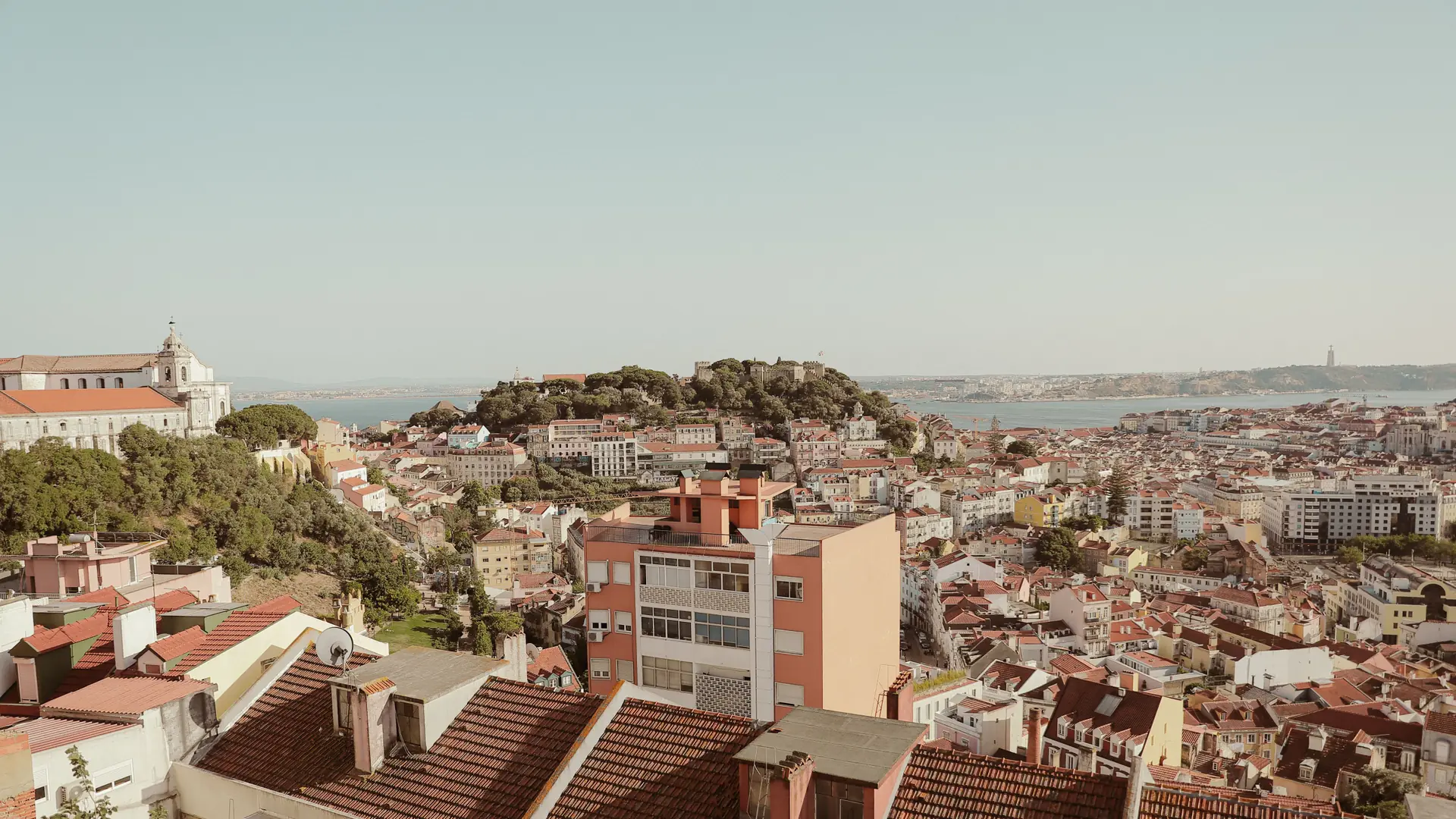
| Sé and historic core |
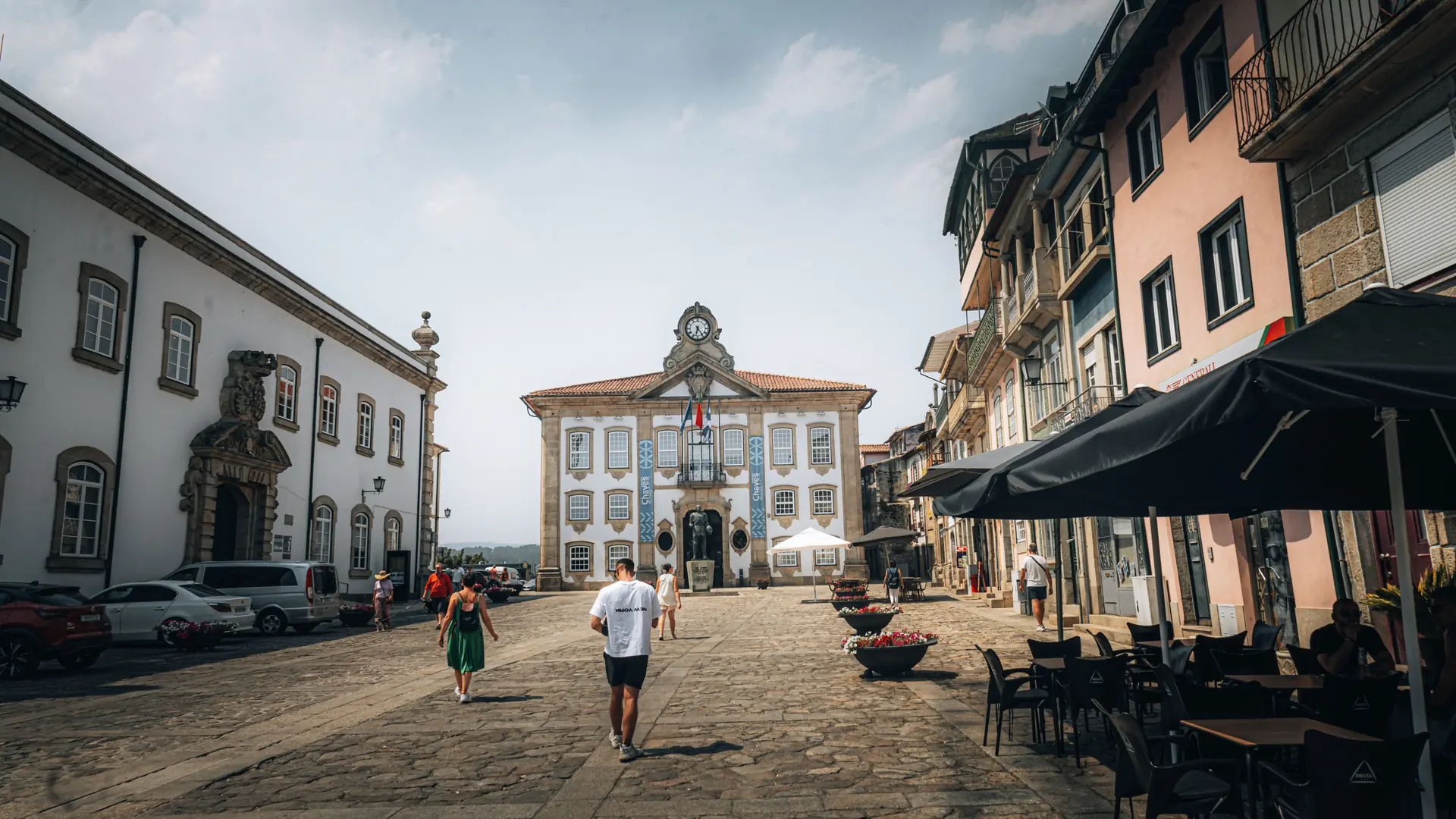
First visits, heritage walks and dinner nearby
It protects spontaneity without making Bom Jesus the daily commute.
|
Central events and late terraces can produce sound, while vehicle access may stop short of the door.
|
The centre is mostly managed on foot; station and coach terminal remain separate but close nodes. |
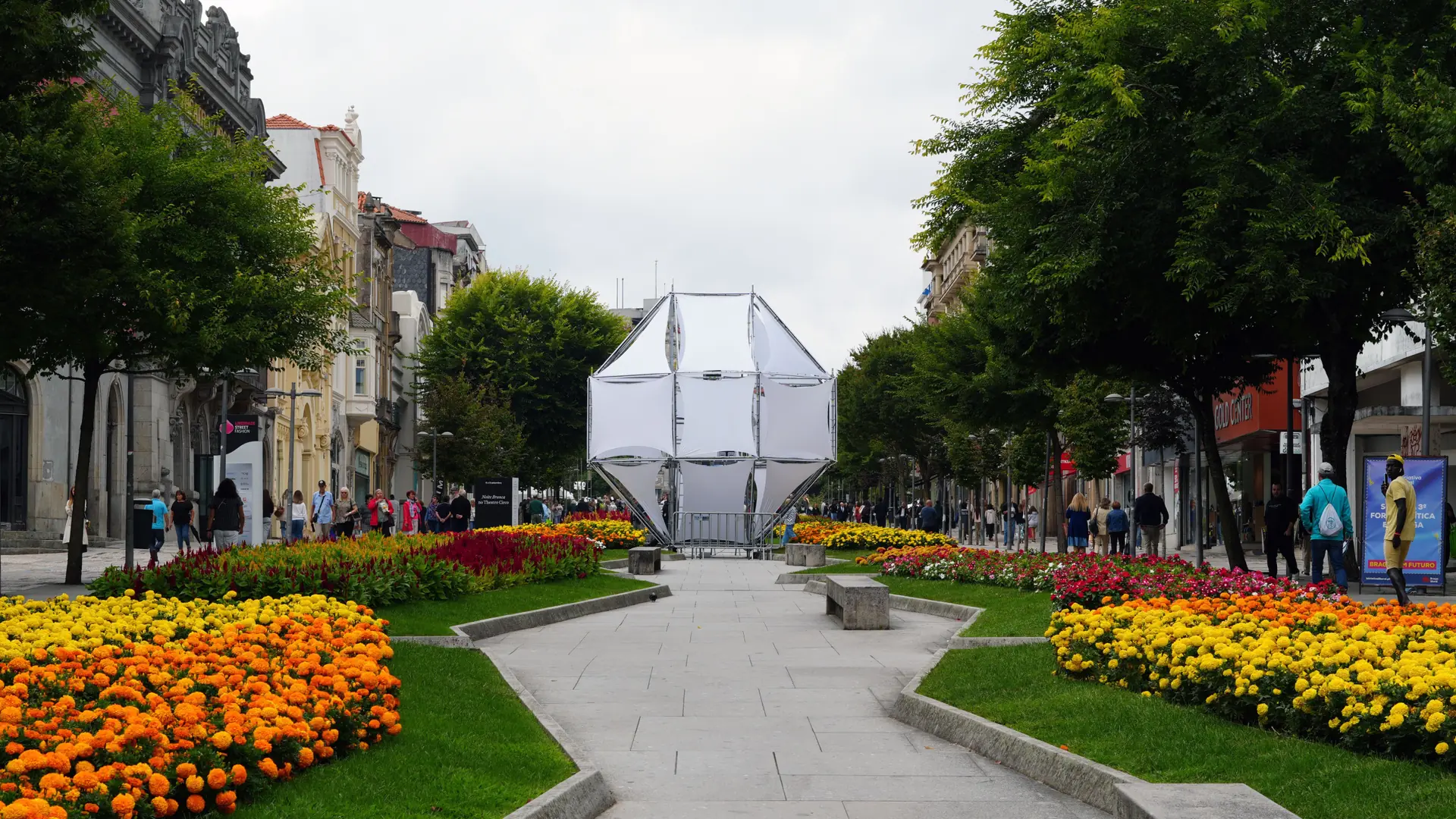
| Avenida Central and São Lázaro |
Modern rooms, shopping, events and urban buses
It preserves central access while increasing the chance of modern building services.
|
Traffic and event activity replace the intimate texture of the oldest streets.
|
Urban buses are convenient and taxis can usually approach more easily than the inner lanes. |
| Maximinos and station side |
Early trains, one-night stops and heavy luggage
It removes the only fragile transfer from a short north-Portugal stop.
|
Rail and road sound varies, and the most appealing dinner streets are not immediately outside every property.
|
Best for platform access; the old centre remains a purposeful walk. |
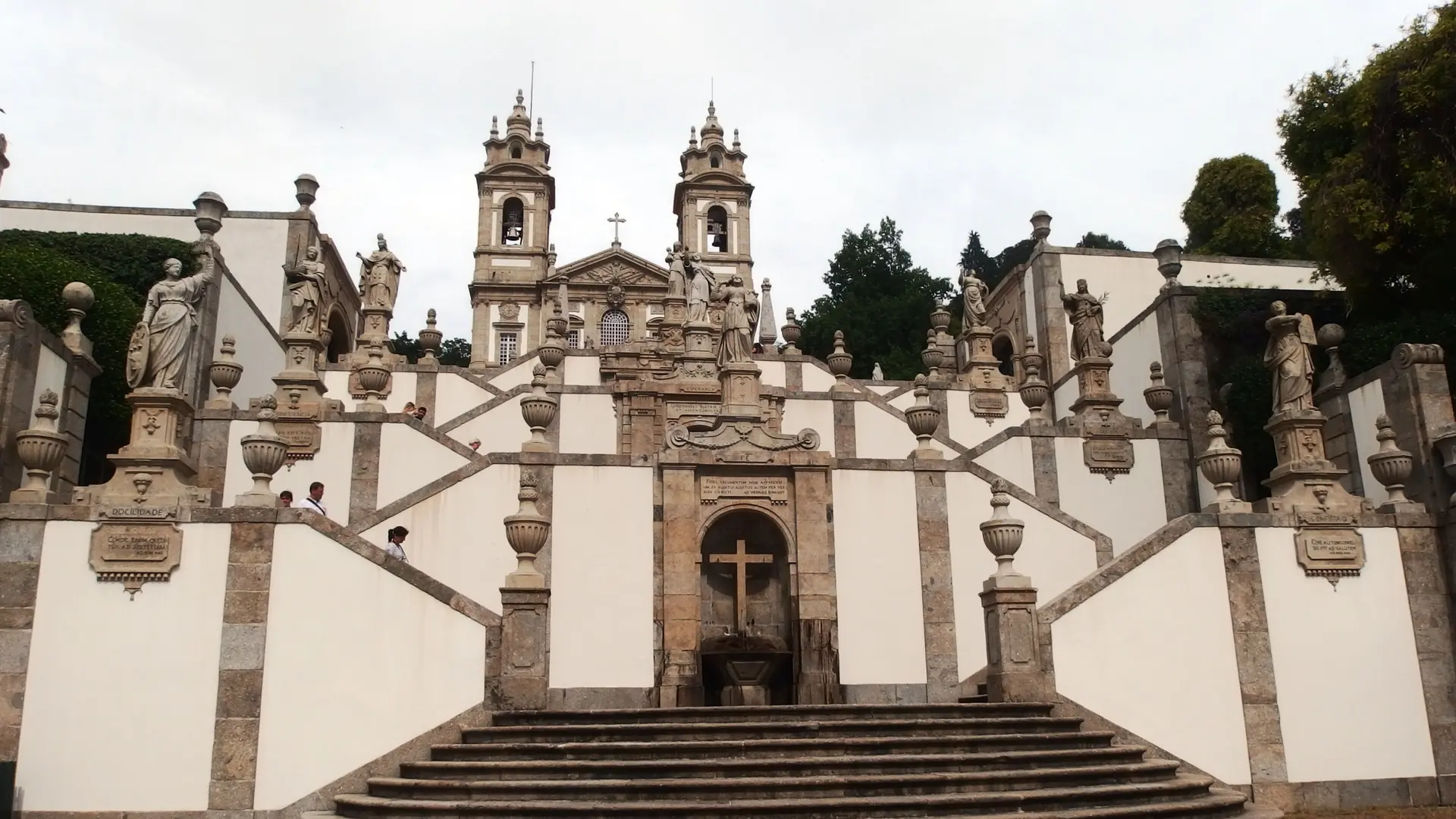
| Bom Jesus and eastern hillside |
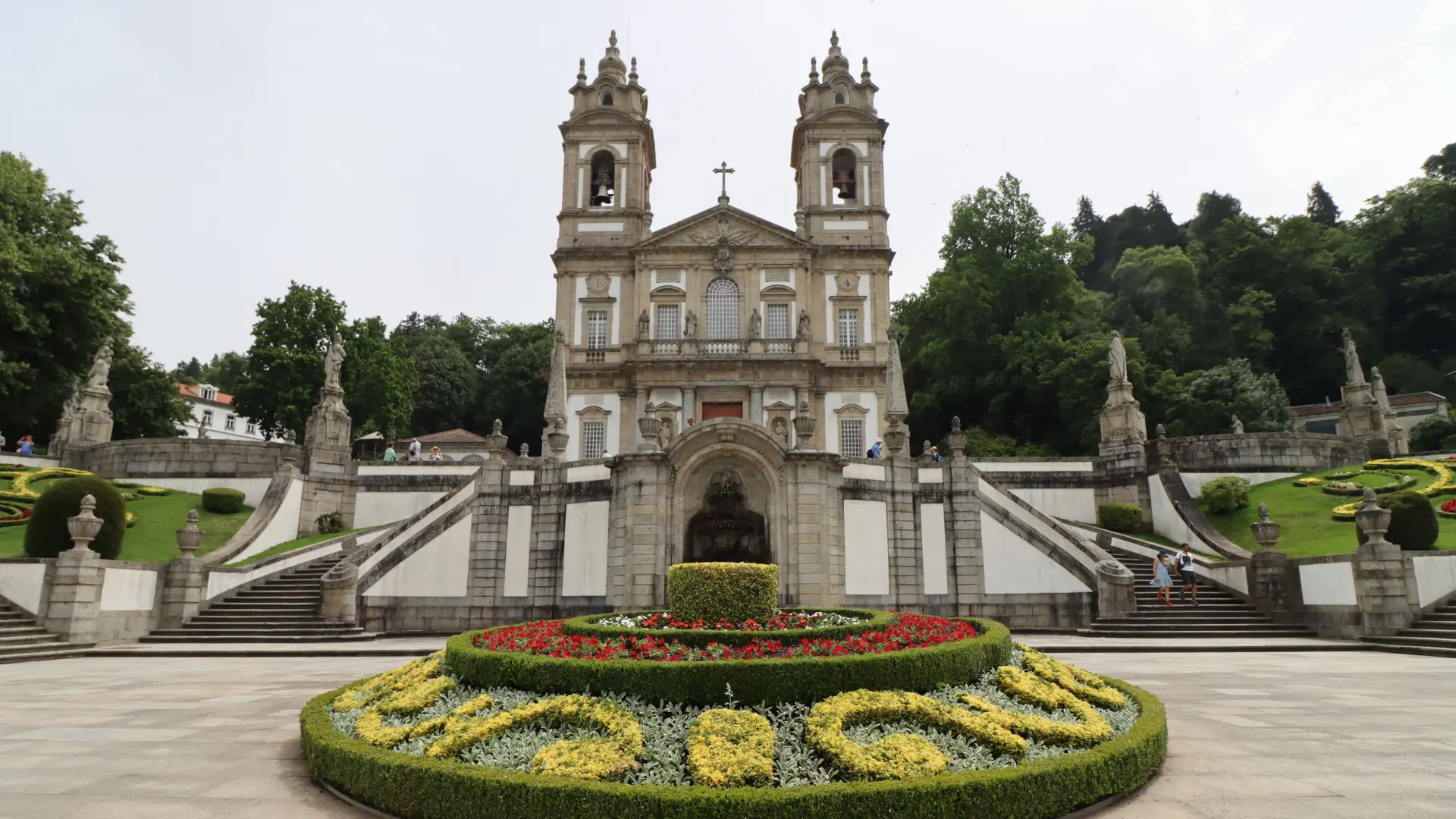
Sanctuary gardens, views and retreat-style nights
It makes the sanctuary a neighbourhood rather than a compressed excursion.
|
Every central meal, rail departure and museum visit requires a descent and return.
|
Bus, taxi or driving connects to central Braga; the monumental stairway is not a luggage route. |