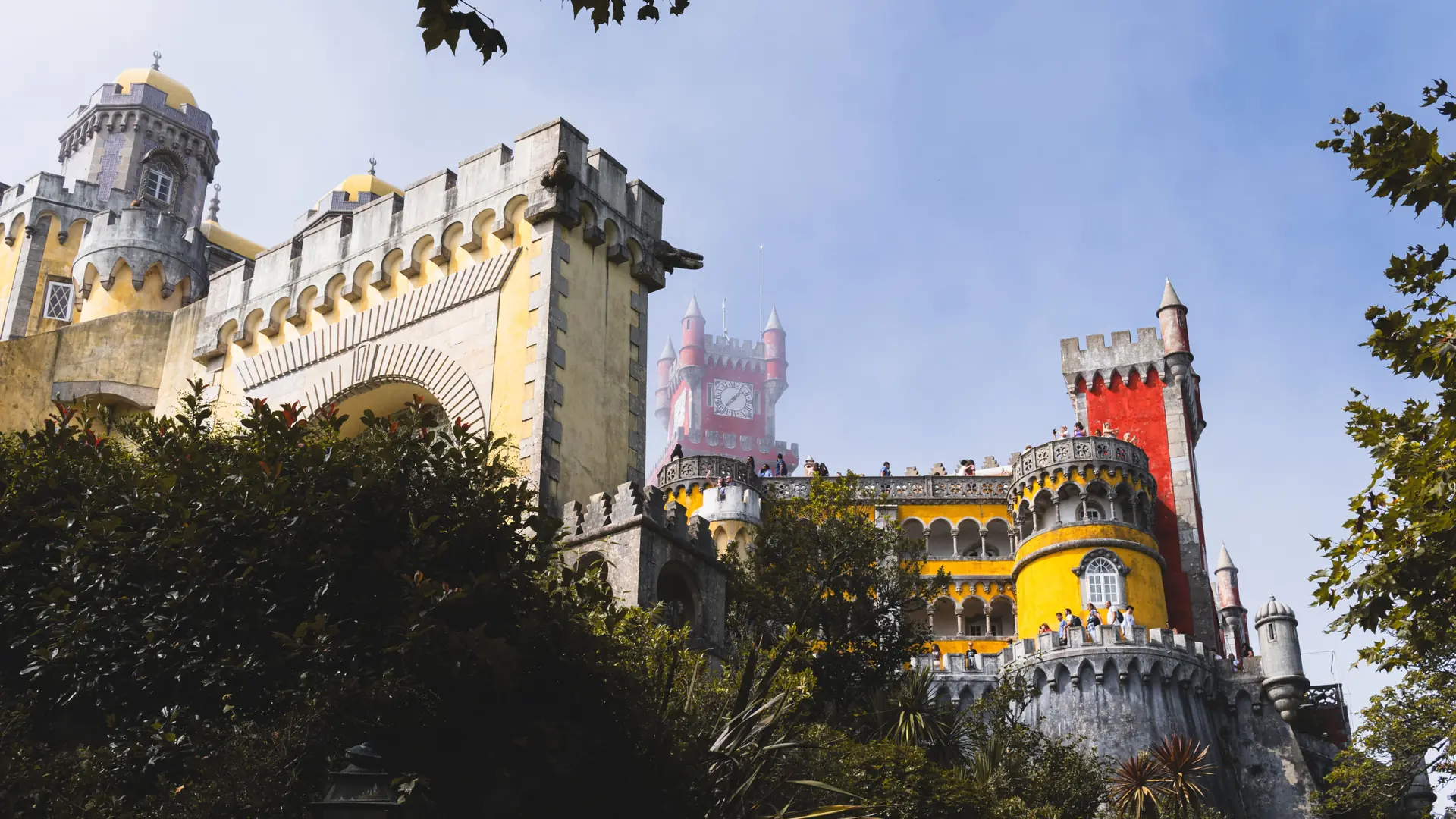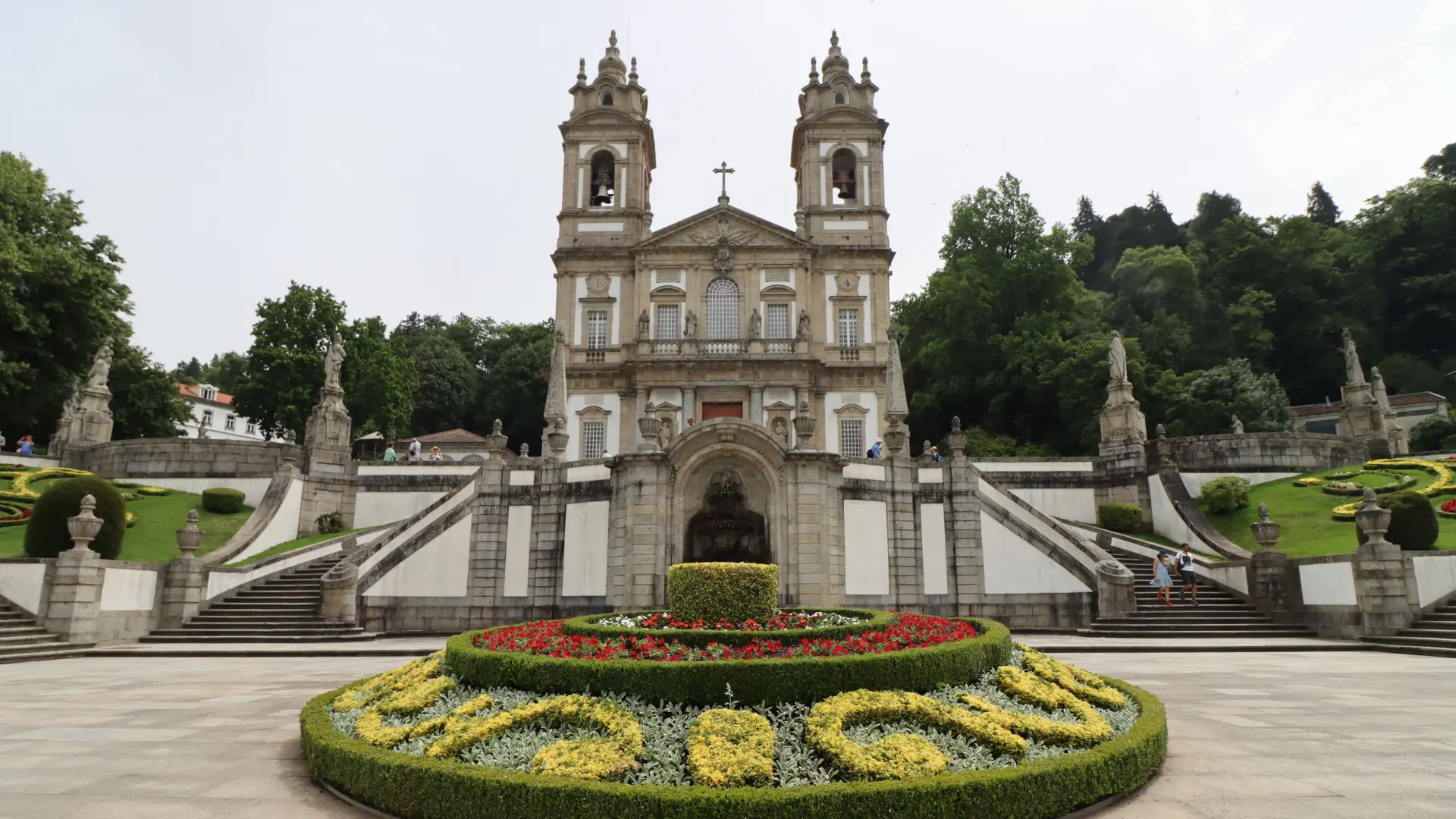
| Sintra Vila |
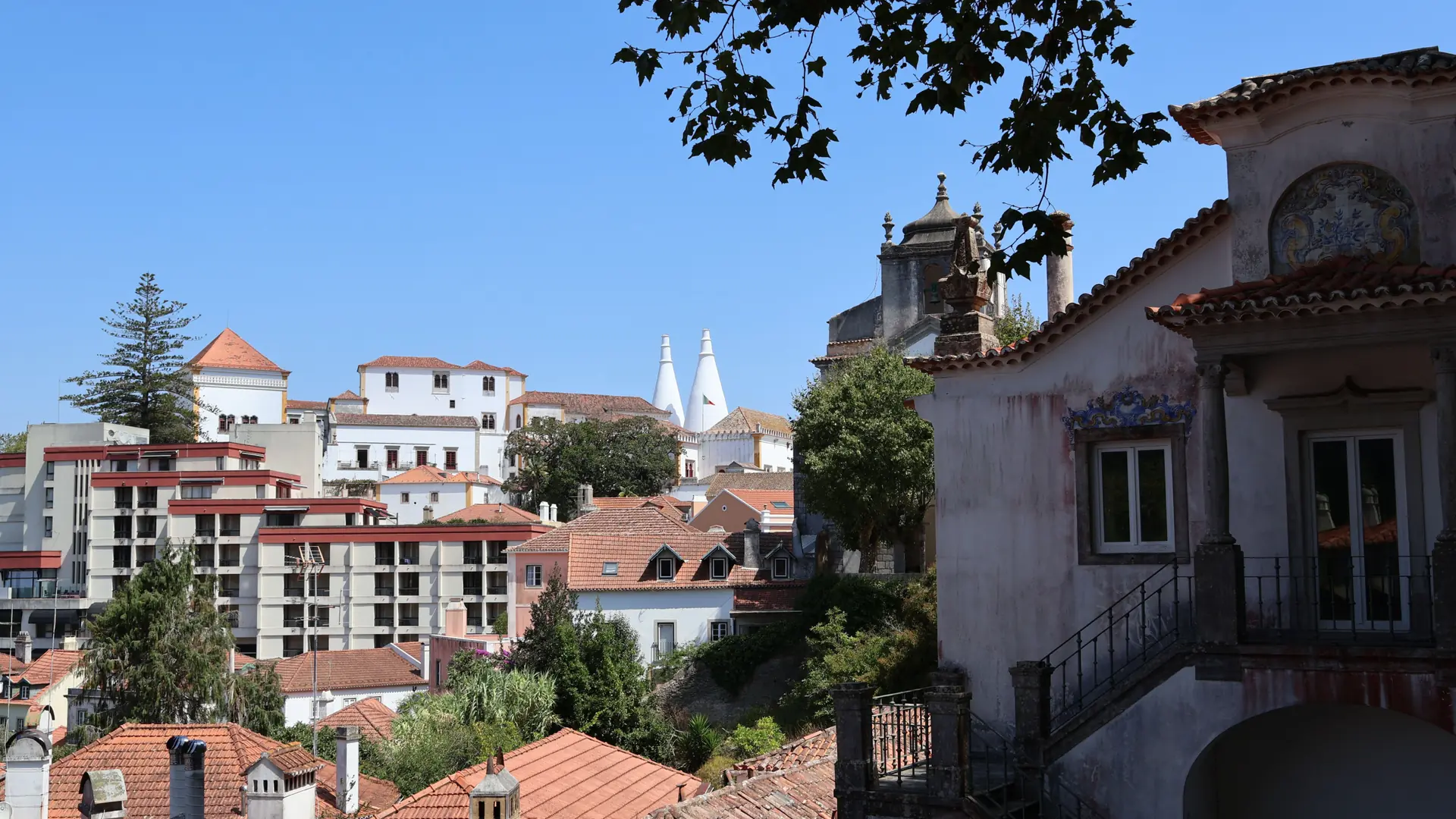
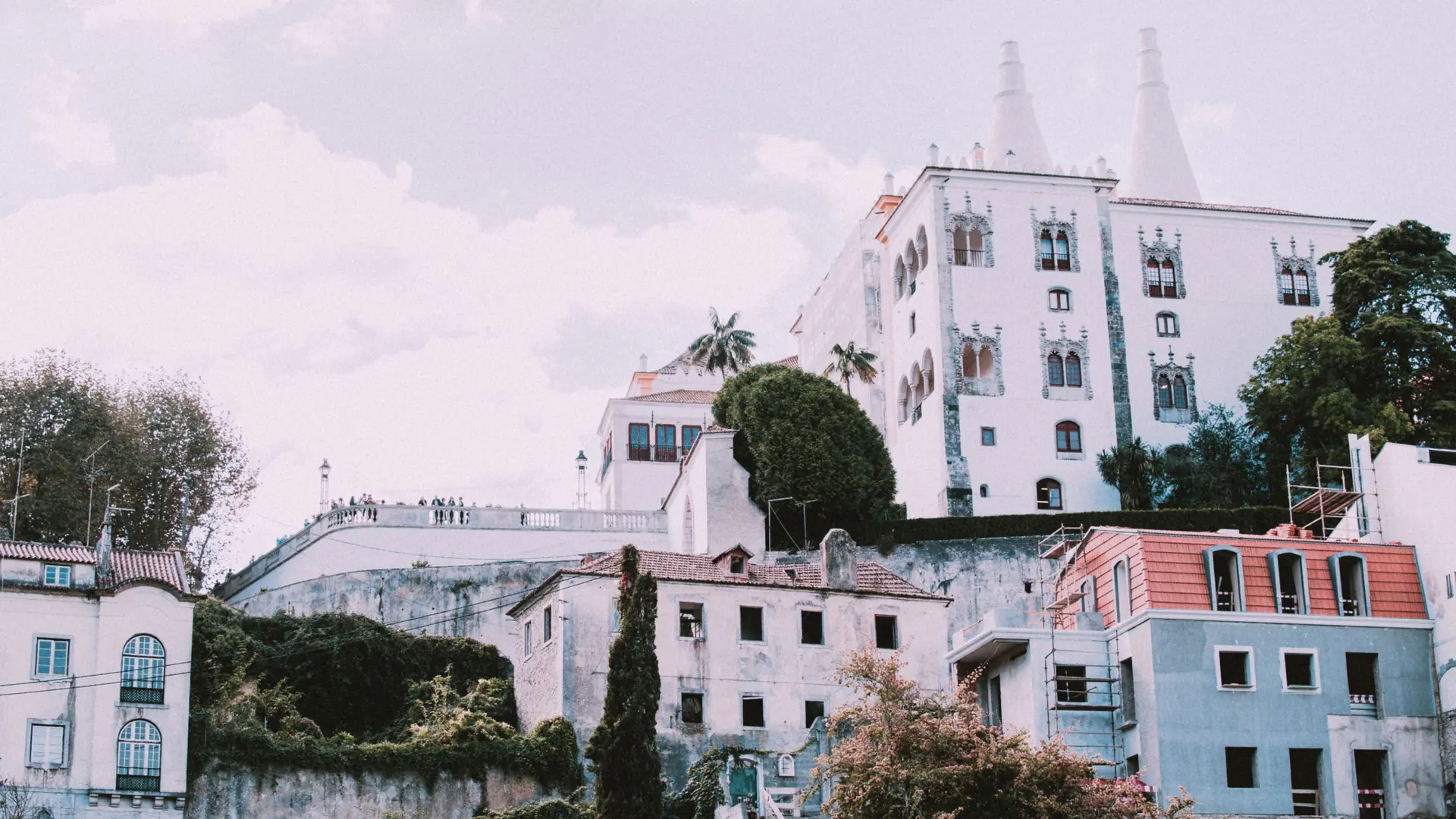
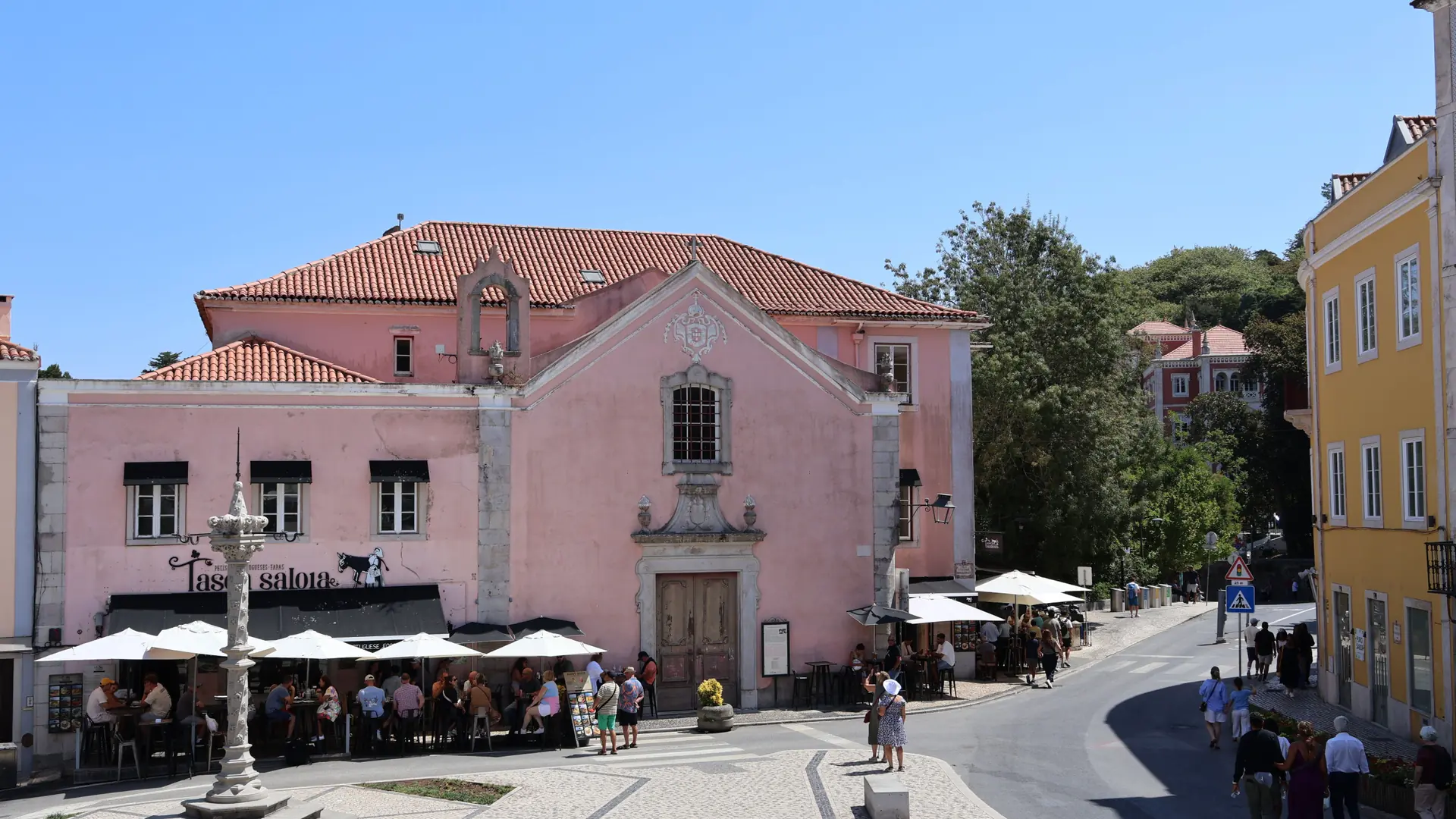
First overnights, National Palace, Regaleira and evening atmosphere
It converts the village’s quiet margins into usable travel time.
|
Restricted vehicle access and old-building stairs complicate luggage, while daytime streets can be extremely busy.
Request the legal taxi drop-off, step count and room orientation in writing.
|
Walkable to central sights, but gradients and uneven stone make short distances more demanding. |
| Estefânia and the station |
Rail convenience, value and early monument buses
It removes the most fragile interchange from both arrival and monument mornings.
|
You start below the historic core and will repeat an uphill walk or transport leg.
Check whether the room faces railway or road activity and whether the village return feels safe after dinner.
|
The railway and buses are immediate; the historic centre is uphill rather than distant. |
| São Pedro de Sintra |
Residential calm, walkers and a second-night rhythm
It places the mountain landscape ahead of the souvenir streets.
|
Fewer late restaurants and more elevation make spontaneous evenings harder.
Trace the final 500 metres on a contour map and ask about roadside lighting.
|
Walking trails are an asset for fit visitors; luggage and rain change the calculation. |
| Colares and the western estates |
Monserrate, coast drives and a slower multi-day escape
It prevents every western outing from beginning with a cross-municipality transfer.
|
Public-transport frequency and road distances limit palace-hopping spontaneity.
Verify the last bus, parking and restaurant opening for each 2026 travel date.
|
Buses link the zone, but a car or driver can materially change a short stay. |