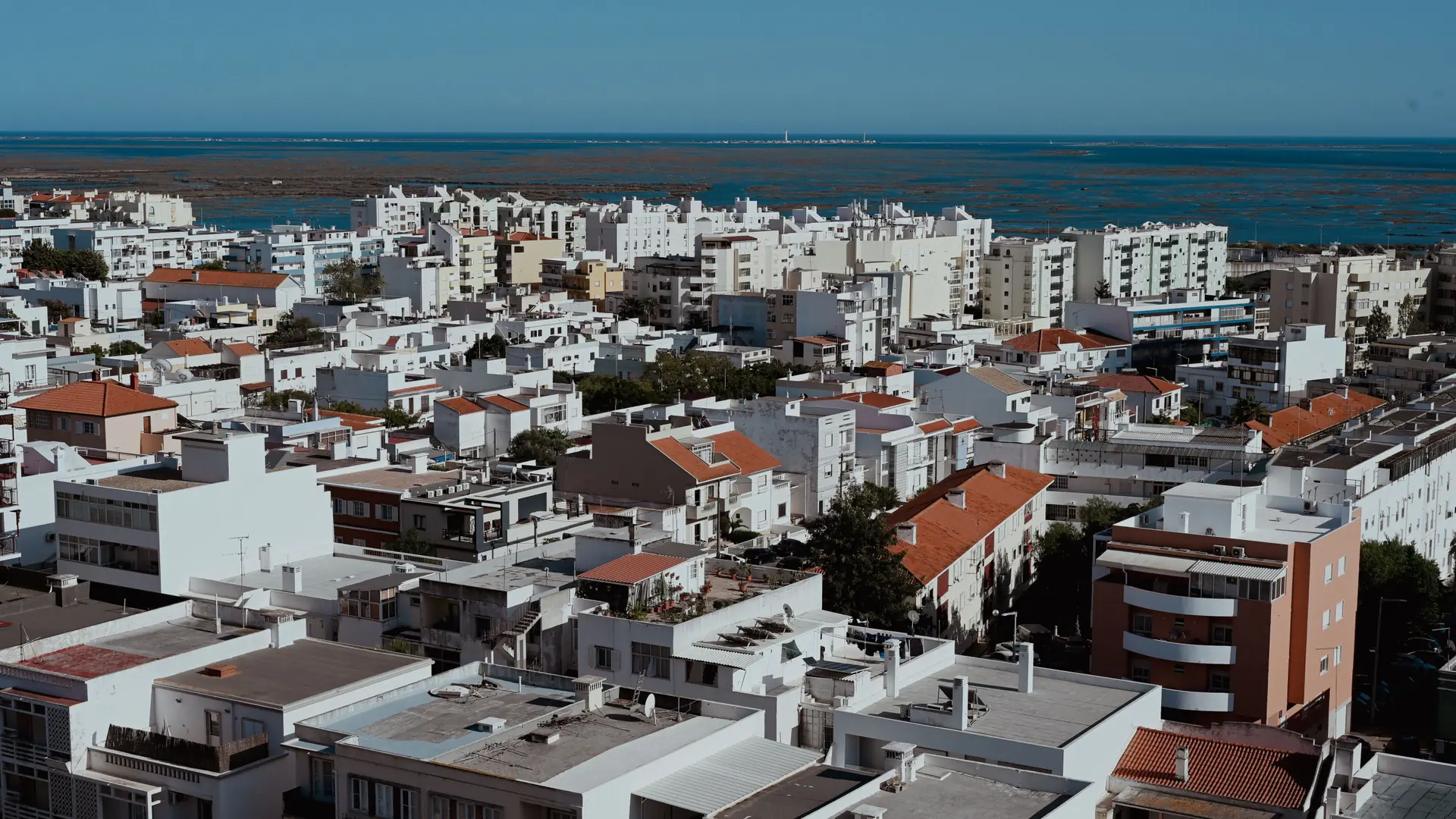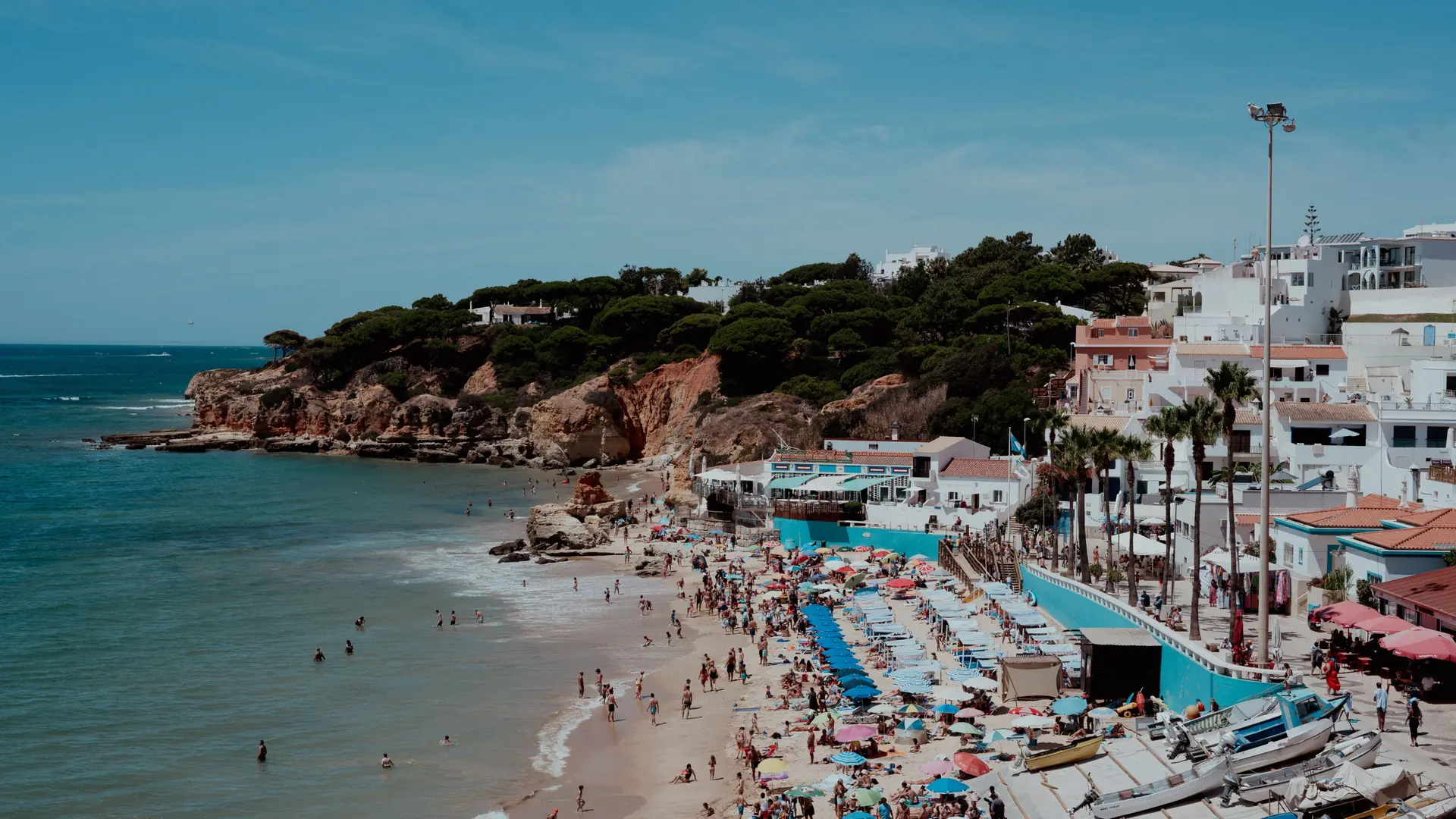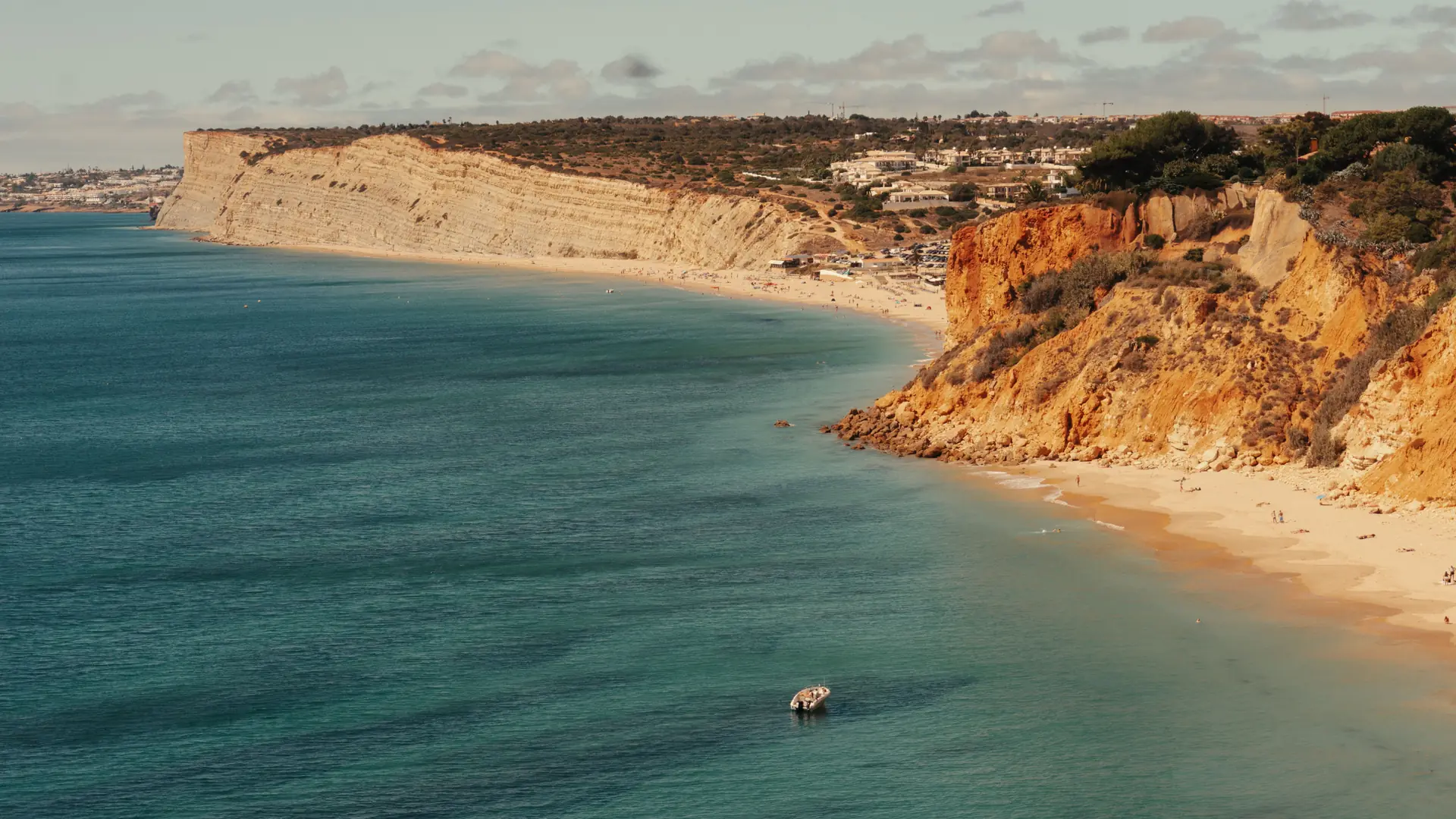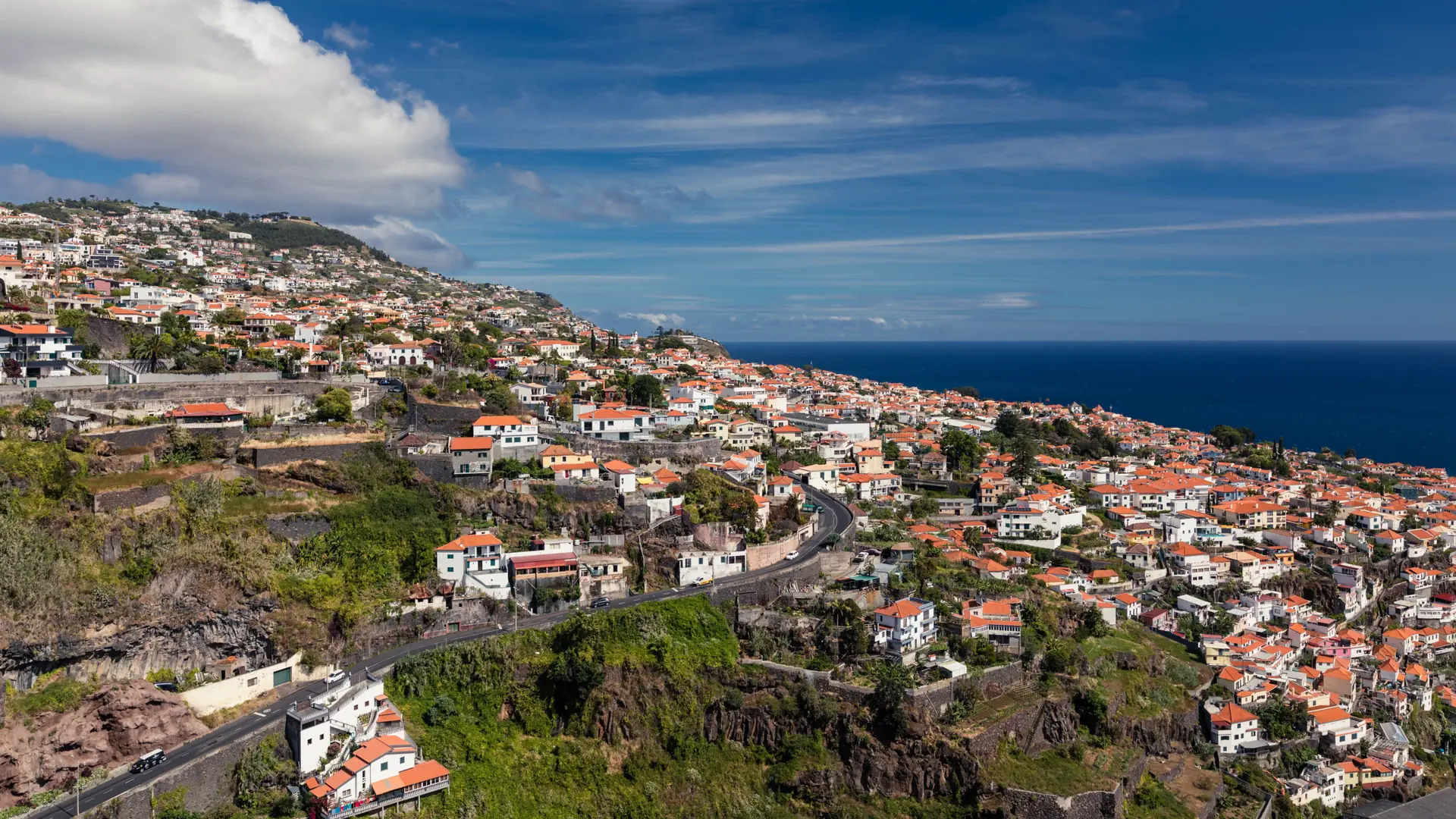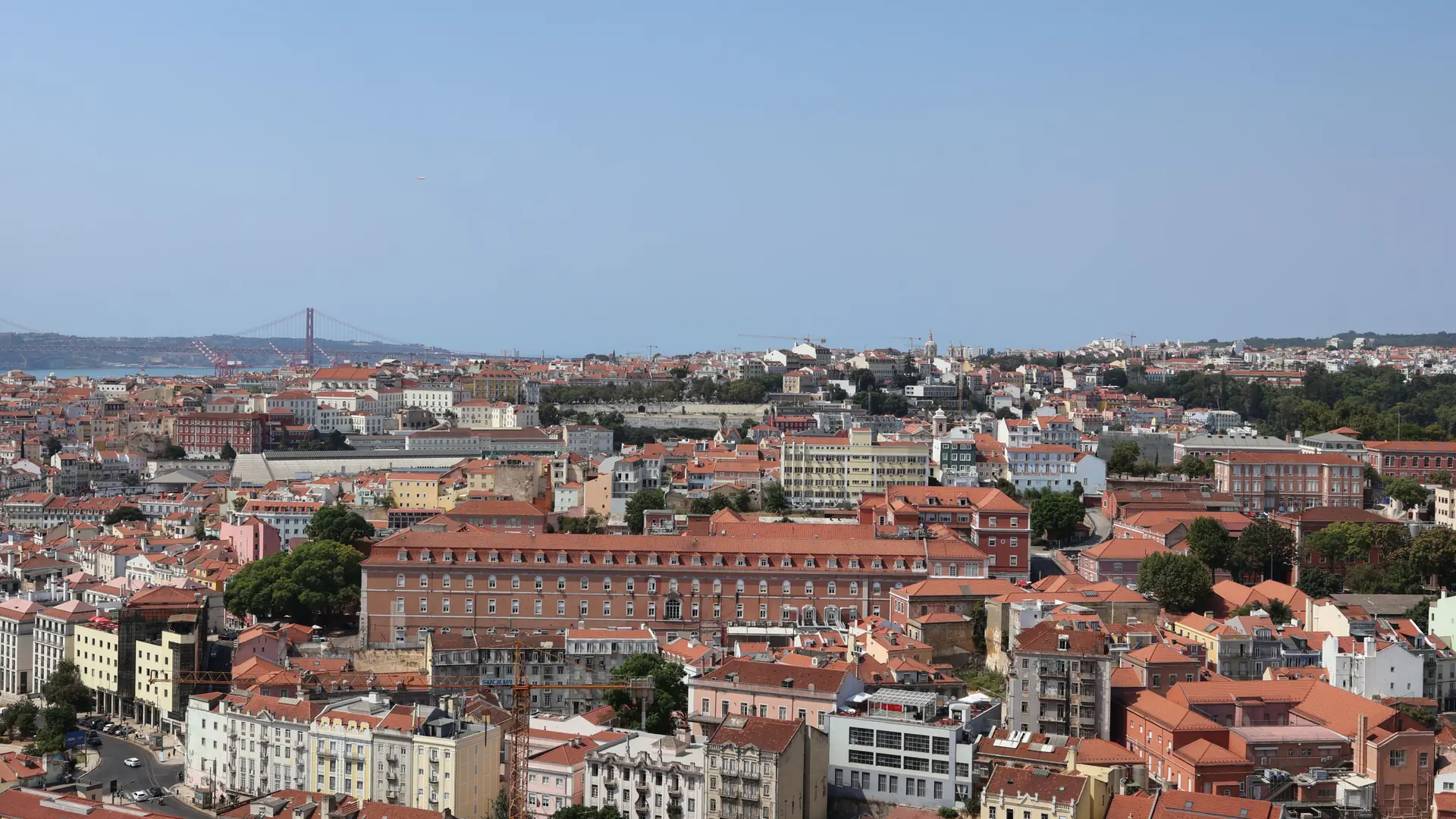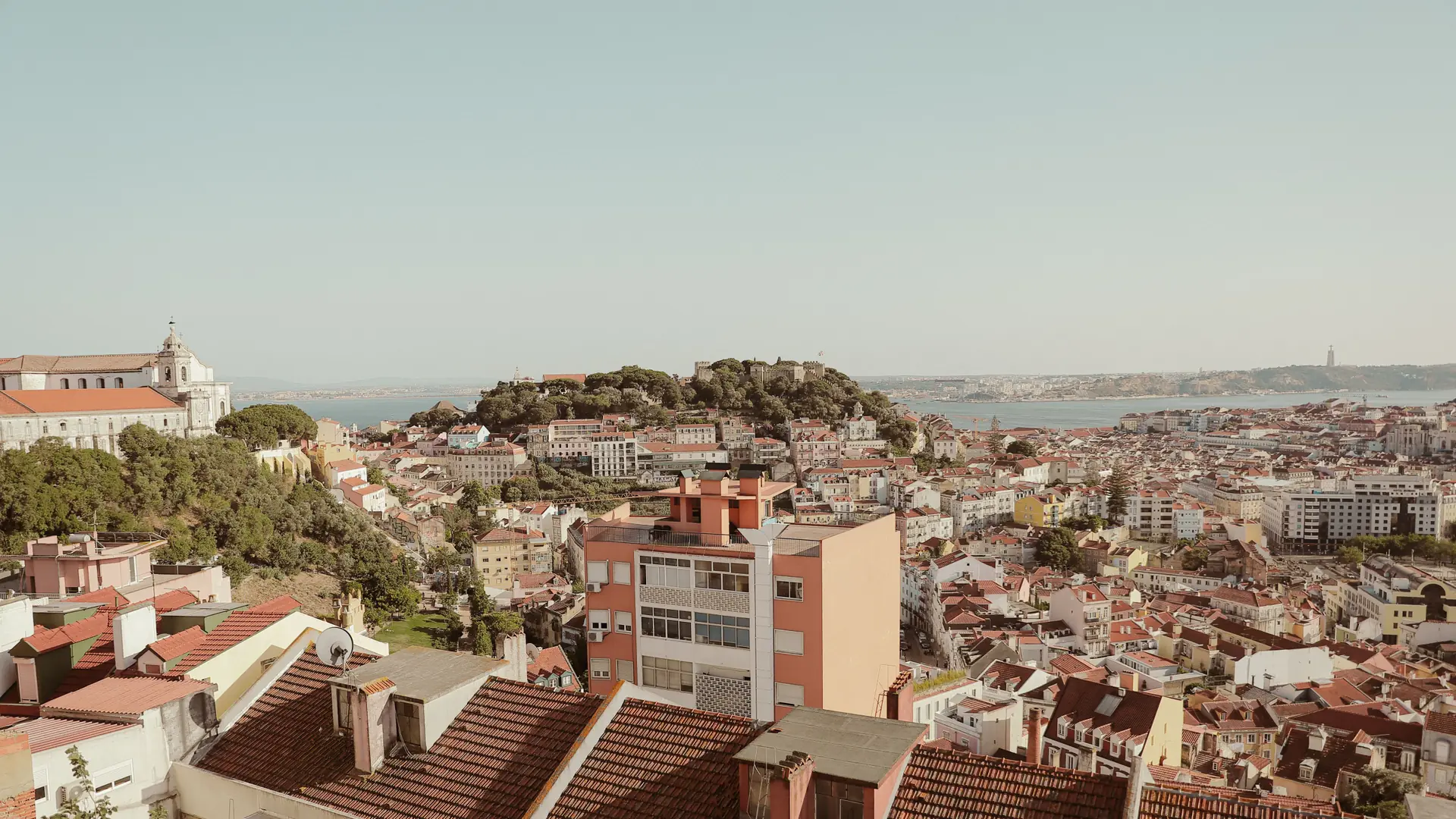
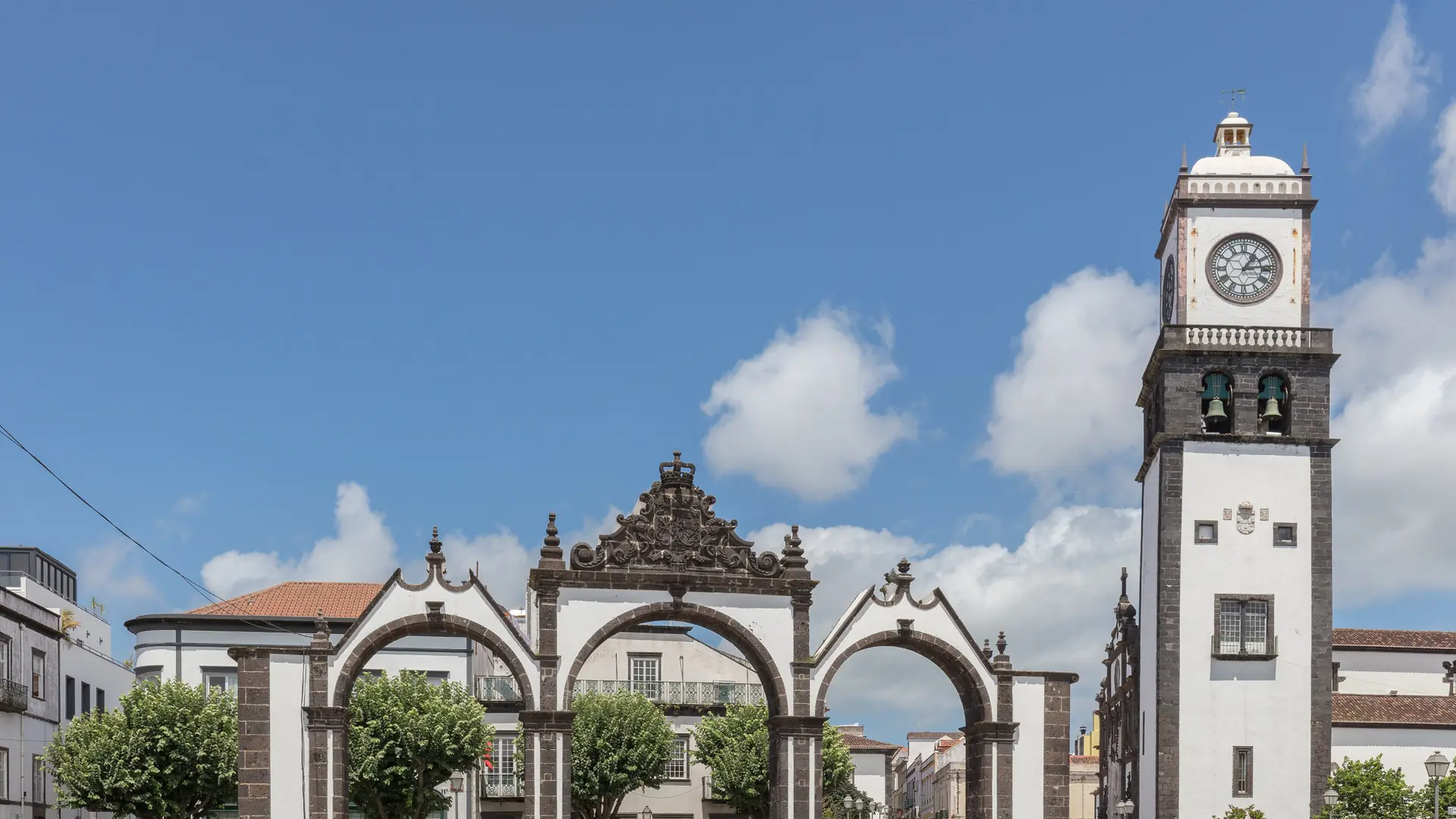
Portas da Cidade’s three basalt arches beside the São Sebastião clock tower in Ponta Delgada

Where to stay in Ponta Delgada for city and island days

Loading Ponta Delgada hotel search

A historic port, Atlantic wildlife and two island days

Ponta Delgada brings São Miguel’s island journeys back to a walkable city of white churches edged in black volcanic stone, tiled streets and harbour-side restaurants. Choose the lower Historic Centre for a first stay without a car, or the marina when sea departures lead the plan. Five nights give four full days between arrival and departure: one for the city’s museum and gardens, two guided days for Sete Cidades, Lagoa do Fogo and Furnas, and a whale-watching half-day with time for a local meal. The city deserves that time of its own. Its maritime past appears in the old gates and church façades; the Carlos Machado Museum connects the island’s natural history with its collections, while pineapple growing gives Fajã de Baixo a distinctive story. May, June and September suit this mixture of city and island experiences. Keep the order of outdoor days flexible for Atlantic conditions, and return each evening to the same central base.

First stay without a car Five nights in the lower Historic Centre

Central streets bring restaurants, the city gates and the waterfront into one daily circuit. This base suits a first visit combining city time with organised island departures, without changing accommodation between the west and east of São Miguel.

Two different island days Crater lakes west, Furnas farther east

Give Sete Cidades and Lagoa do Fogo one guided day, and Furnas another. Their landscapes are different: the western caldera and high lake viewpoints contrast with Furnas’s geothermal valley and cooking traditions.

A city with its own story Churches, collections and Romantic gardens

Ponta Delgada grew from a fishing settlement into São Miguel’s main port. Historic churches, the Carlos Machado Museum and nineteenth-century gardens give a city day substance between the island and sea outings.

An Atlantic half-day Whale and dolphin trips from the marina

A marine outing introduces the island’s ocean wildlife with a skipper and specialist crew. Ponta Delgada has actual marina departures, so a central hotel can support a sea morning as well as restaurant evenings on foot.

StartBooker answer

Where should I stay in Ponta Delgada without a car?

Choose the lower Historic Centre for five nights combining local culture, restaurant evenings and guided São Miguel days. The marina is a good alternative when a whale-watching departure is the main appointment. São Pedro offers a residential setting on the eastern side of the centre; Fajã de Baixo brings pineapple-growing heritage and more space, with extra journeys into town. For the car-free plan here, the centre gives the most varied days from one base.

Historic centre
City gates, church façades and restaurants provide a rewarding walking day.
Island outings
Sete Cidades–Lagoa do Fogo and Furnas work as separate full-day guided trips.
City culture
Museum collections and public gardens fill time between outdoor excursions.

Things to do in Ponta Delgada, Portugal

Explore tours, attractions and local experiences in Ponta Delgada, Portugal.

Loading activities…

Activities provided by GetYourGuide. We may earn a commission on bookings.

AI-powered

Plan five nights in Ponta Delgada without a car

Combine one central base with a city cultural day, two São Miguel excursions and a marine half-day. Include the arrival time, party ages and the experiences you most want, so the plan can put the right days together.

Four settings between the historic port and pineapple country

The centre and marina support this car-free first visit. São Pedro extends the city eastward into a more residential setting, while Fajã de Baixo lies inland among the traditions of pineapple growing. Choose the setting that suits both the days out and the evenings you want.

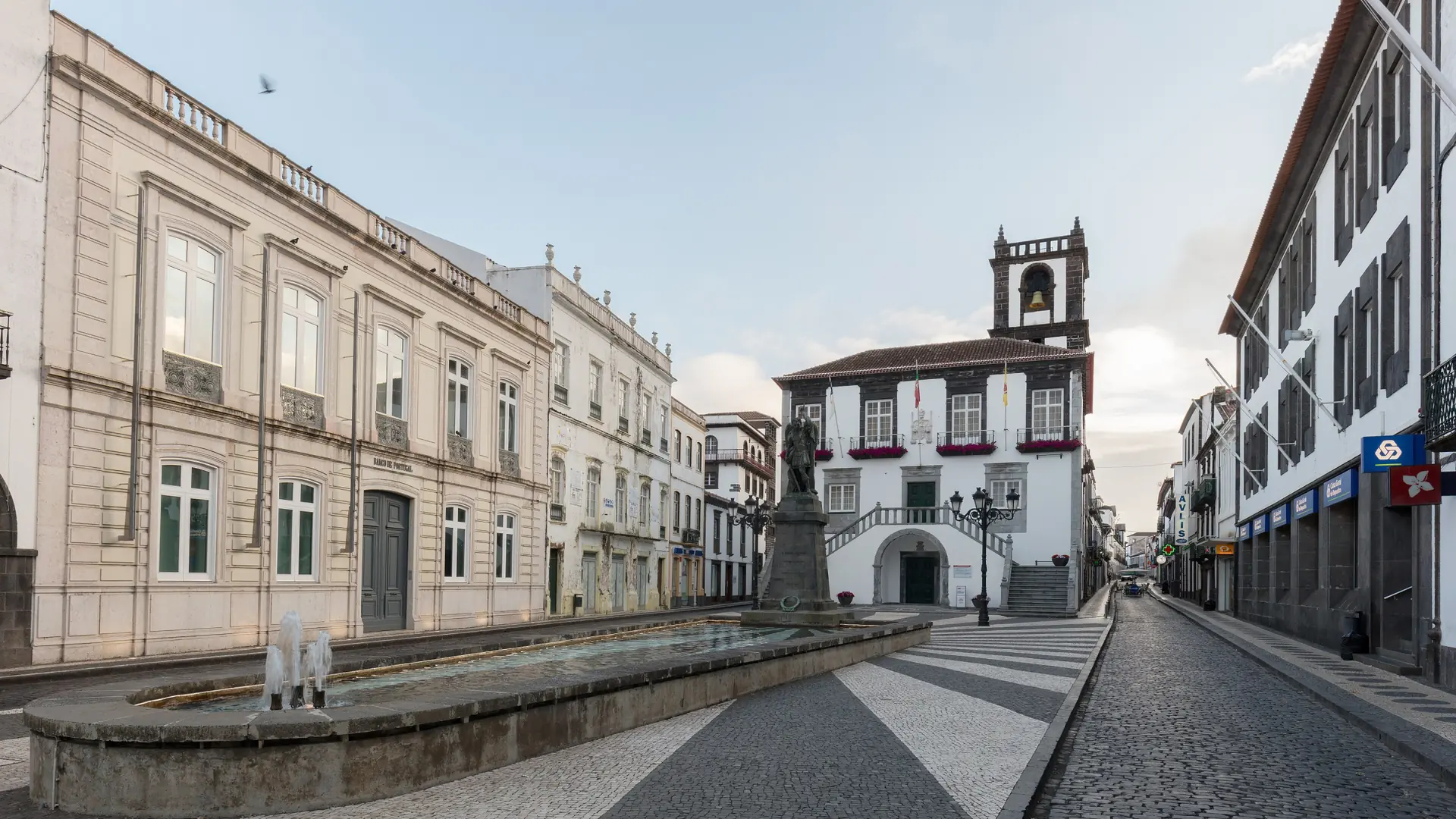
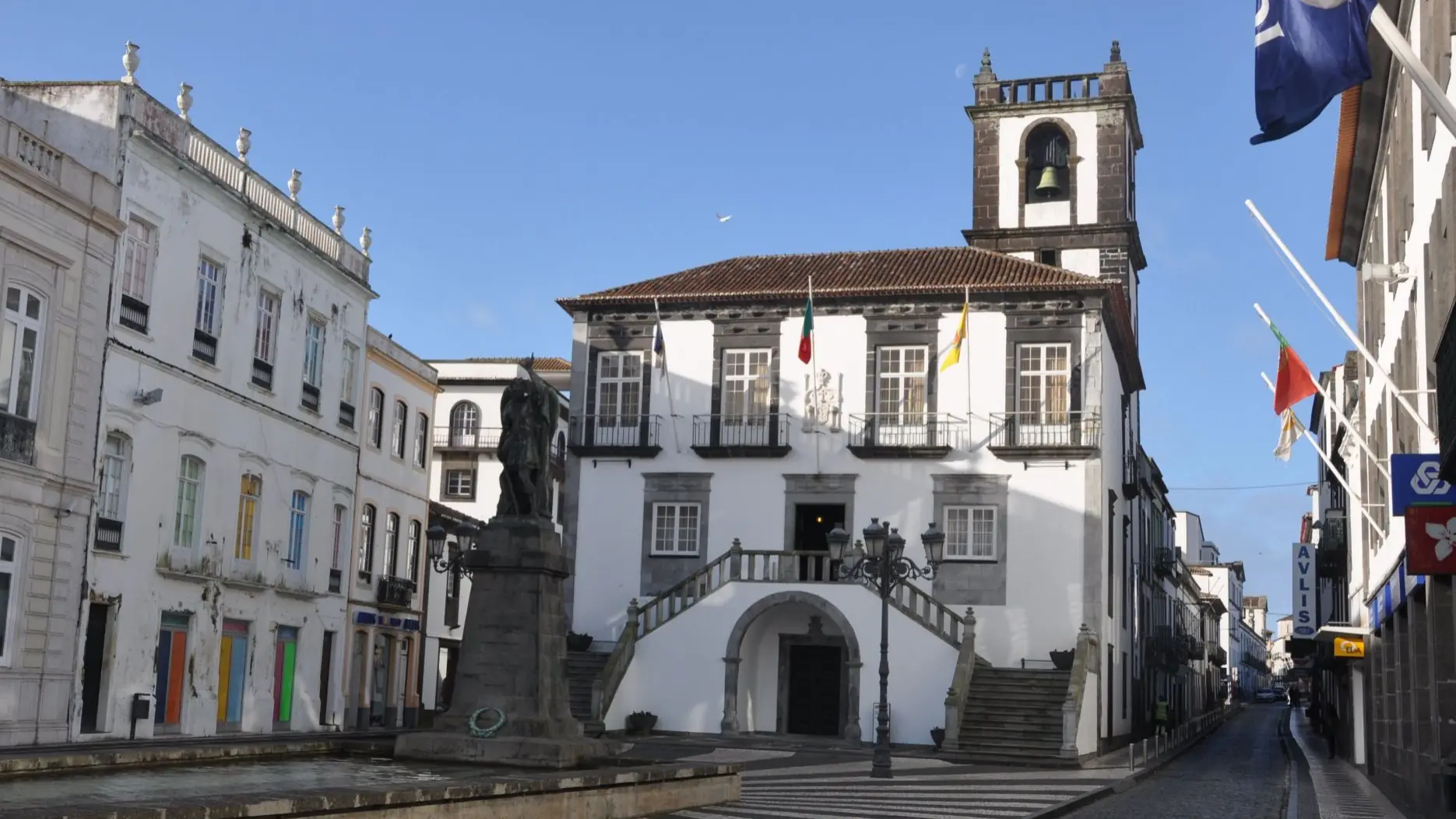
São Miguel Archangel statue before Ponta Delgada Town Hall and black-and-white paving

Historic Centre

Historic streets, museum visits and dinners on foot

Black volcanic-stone details frame white churches and civic buildings around the old gates. The Town Hall and São Miguel Archangel statue give Praça do Município its character, while nearby streets provide cafés and restaurants. The lower centre is the most convenient all-round setting for this five-night plan.

Historic streets City culture
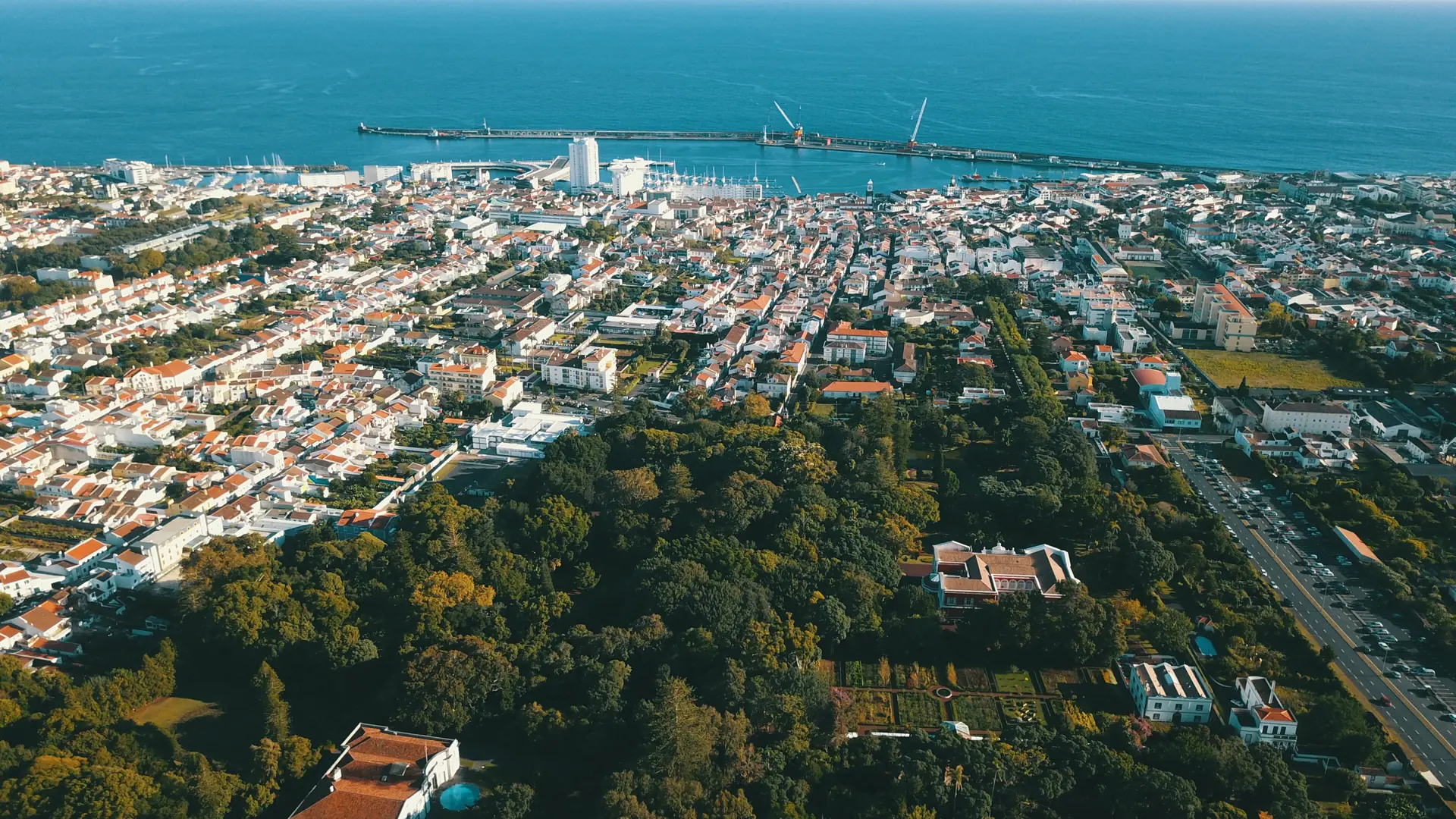
Aerial view south across Ponta Delgada, with the Sant’Ana Palace gardens and harbour beyond

Marina and Portas do Mar

Sea departures and an open waterfront setting

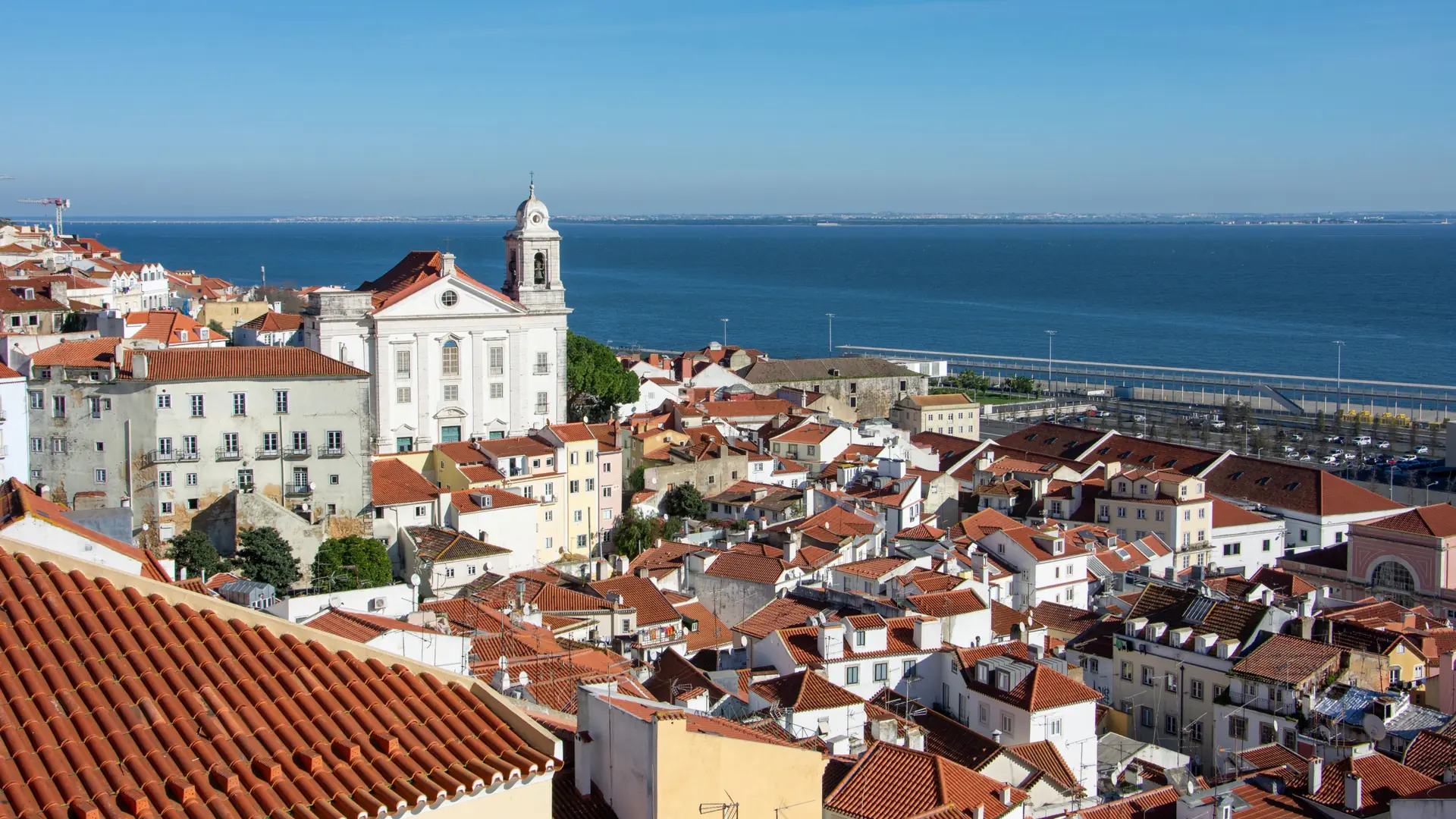
The marina and Portas do Mar put the ocean into the daily routine, with restaurants and space for a harbour-side walk. This setting particularly suits a whale-watching morning followed by a relaxed city afternoon. The boats leave from specific marina meeting points along the waterfront.

Marine outings Waterfront walks
São Pedro Church’s white façade and black volcanic-stone trim in Ponta Delgada

São Pedro

Residential city streets near the eastern waterfront

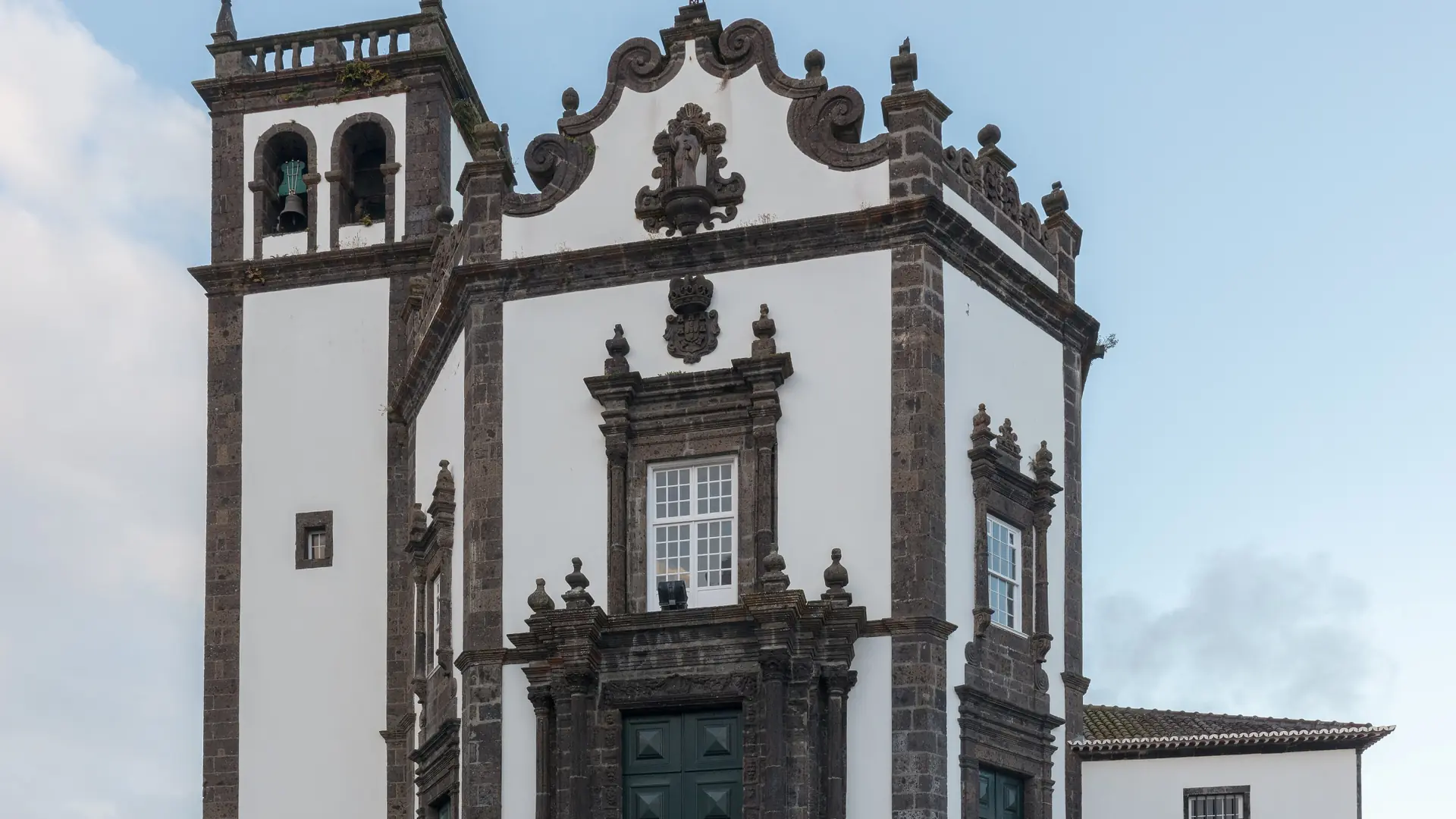
São Pedro offers a city neighbourhood with its own church, whose white façade and dark stonework show the local architectural contrast. Stay here for a more residential setting while keeping the centre within your daily plans. The exact hotel position determines the walk back from dinner.

Local church Residential setting
Nossa Senhora dos Anjos parish church in Fajã de Baixo, Ponta Delgada

Fajã de Baixo

Pineapple heritage and a more spacious inland stay

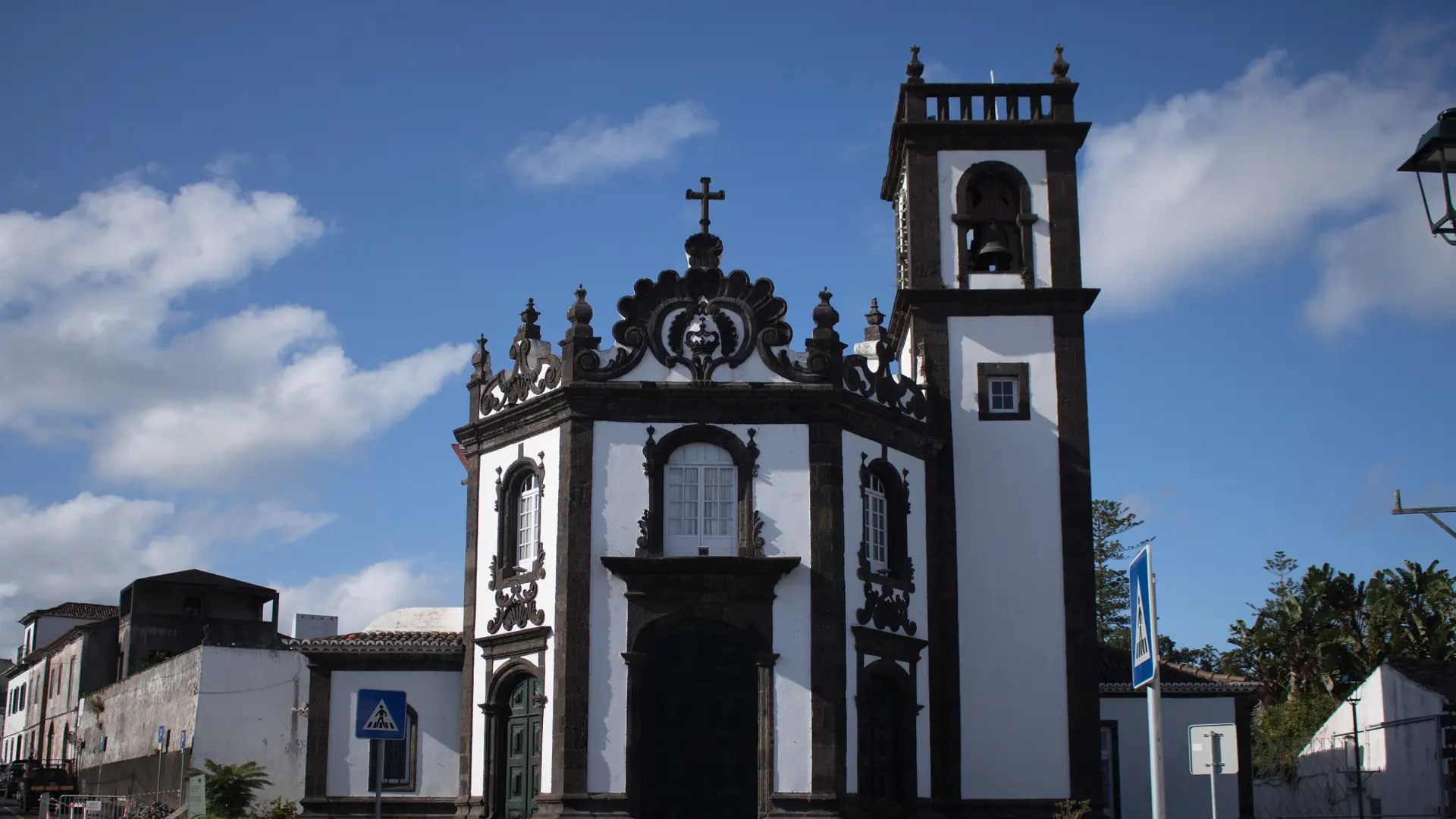
Fajã de Baixo connects the holiday with São Miguel’s pineapple-growing tradition. Arruda’s glasshouses explain a crop raised slowly in carefully managed growing conditions. An inland apartment or hotel can suit a longer stay with more space, while central evenings require a planned journey.

Pineapple growing Inland space
Choose the setting for your Ponta Delgada holiday
Area Best for Features Getting around
Historic Centre

Historic streets, museum visits and dinners on foot

Historic squares and stone-trimmed churches

Walk within the lower centre; use a named meeting point for guided days.
Marina and Portas do Mar

Sea departures and an open waterfront setting

Open harbour frontage and excursion boats

Waterfront walks and a short journey to the named boat departure.
São Pedro

Residential city streets near the eastern waterfront

A residential city district and São Pedro Church

Walk from a central São Pedro address; taxi for a more distant property.
Fajã de Baixo

Pineapple heritage and a more spacious inland stay

Glasshouse pineapple growing inland from the port

Use a taxi or an arranged pickup for city and island appointments.

Match the hotel to the departure you will repeat

Let the purpose of the holiday guide the address: a first city-and-island stay, a marine outing, a quieter residential routine or more time inland. Each offers a different connection with Ponta Delgada.

City culture and two guided island days

Choose the Historic Centre for a first visit that gives the city a full day as well as using it for island departures. Pair a museum visit with a garden afternoon, then return to local restaurants after the western lakes and Furnas excursions. A single central room supports the whole five-night plan.

An Atlantic outing with waterfront evenings

Choose the marina when you want the harbour in the holiday’s daily rhythm. A whale-watching half-day can leave the afternoon for an unhurried meal or a walk into the older streets. Staying close to the departure area makes this a natural sea-and-city combination.

A residential base with a local church

Choose São Pedro for an address in the working city rather than beside the principal square. The church anchors the neighbourhood’s architectural character, and a well-placed hotel can keep waterfront walks and central restaurants in the evening routine. Compare the actual walking route with the lower centre.

Pineapple-growing heritage and extra living space

Choose Fajã de Baixo when a longer stay, an apartment and time around the pineapple glasshouses suit your pace. It can also work with a rental car for independent island touring. For the car-free five-night plan, allow for taxi journeys and agree the pickup address with each excursion operator.

Search Ponta Delgada hotels

Search Ponta Delgada hotels →
Loading Ponta Delgada hotel results

Arriving and moving around Ponta Delgada

João Paulo II Airport is close to the city. The longer journeys in this plan are the two guided island days; the city itself is explored on foot, with taxis for the airport and an inland visit. Use the operator’s actual meeting point for every departure.

From João Paulo II Airport

Use the Arrivals taxi rank for the direct journey

ANA places João Paulo II Airport less than three kilometres from central Ponta Delgada and lists taxis in Arrivals. Give the driver the hotel’s actual entrance, especially in the historic streets. This avoids adding a central meeting-point walk with luggage after the flight.

Arrange an adapted vehicle when needed

ANA publishes Cresaçor contacts for adapted taxis. Arrange the vehicle and hotel drop-off directly for your arrival rather than relying on the general rank. The airport’s short distance from town makes a direct transfer a useful part of an otherwise car-free holiday.

Across the city and São Miguel

Join the lower historic streets and waterfront on foot

Start at Portas da Cidade, explore the nearby church façades and Town Hall square, then follow the sea frontage toward the marina. The compact circuit gives a first sense of how the port and older streets fit together, with cafés and restaurants for a longer pause.

Take one full guided day for the western crater lakes

Picos de Aventura’s eight-hour Sete Cidades and Lagoa do Fogo van tour includes lunch. It visits the caldera lakes and Vista do Rei viewpoint, then continues to Lagoa do Fogo and Ribeira Grande. This combines crater scenery with a short historic-town walk in one organised day.

Give Furnas its own full-day island outing

The operator’s eight-hour Furnas route passes through Vila Franca do Campo, then visits the geothermal valley and lakeside fumaroles where cozido is lifted from the ground. Lunch and a walk through Furnas follow, with Pico do Ferro and the Gorreana tea factory on the return. It makes a distinct eastern-island day.

Guided island and marine outings

Use fee-inclusive adult examples to plan the island days

Fee-inclusive adult examples checked on 23 October 2026 were €96.30 (≈ US$108) for Sete Cidades–Lagoa do Fogo and €123.05 (≈ US$138) for Furnas. Both are eight-hour van trips with lunch. These are planning references; select the travel date for its final price and confirm the named meeting point.

Use the adult fare for the whale-watching half-day

The operator lists an adult catamaran ticket at €74.90 (≈ US$84), with the São Miguel base at Marina Pêro de Teive in Ponta Delgada. The half-day includes a crew briefing and wildlife interpretation. The lower headline price on a general listing can be the child fare, so select the actual party ages.

Accessibility

Book airport assistance and ask about the hotel route

Request ANA’s MyWay through the airline or travel agent at booking or at least 48 hours before the published flight departure. It supports the airport journey. For the stay itself, ask the hotel about the entrance, lift, pavement and vehicle drop-off that your own mobility requires.

Choose a suitable marine or land activity in advance

Picos de Aventura states that its whale-watching activity is not recommended for people with mobility difficulties. Discuss suitability directly with the operator before booking. In the city, the Carlos Machado Museum lists lifts at Santo André and Santa Bárbara, with an exception for first-floor temporary rooms at the Sacred Art branch.

Plan five nights of city, island and ocean experiences

Five nights span six calendar days with four full days between arrival and departure. Use those for one city-and-garden day, two guided island days and a marine half-day with a slower afternoon. Arrange the outdoor days flexibly; the museum and gardens give the city day a purpose of its own.

Choose the season for a mixed city-and-island stay

Use May, June or September for this varied plan
  • These months suit a holiday shared between central cultural visits, gardens, lake viewpoints and a marine outing. The climate is oceanic rather than reliably dry: bring a light waterproof layer for the day bag. A central base keeps restaurant evenings convenient after each outdoor excursion.

  • Choose July and August for a fuller summer holiday

    The warmer summer period suits travellers who want more sea-front and outdoor time around the city. Keep a museum or shaded garden visit within the plan rather than filling every day with another island journey. A five-night stay still leaves room to enjoy Ponta Delgada itself.

  • Keep an alternative city day for Atlantic conditions

    Cloud can obscure high viewpoints, and sea state determines whether a marine departure runs. Put the boat outing early enough for a possible alternative date and let the operator advise on the day. From late autumn through winter, give more weight to museums, food and gardens than to a fixed outdoor sequence.

A complete five-night allowance for two adults

Allow for five shared-room nights and local tax
  • For two adults sharing a room in May, June or September, allow €400–700 (≈ US$450–785) for five nights. The ordinary Ponta Delgada tourist tax is €2 (≈ US$2.25) per guest aged 13 or over per night, capped at three nights. Add €12 (≈ US$13) for two non-exempt adults in this hotel example.

  • Include meals, local journeys and all three outings

    For both adults across six days, allow €260–400 (≈ US$290–450) for meals outside the two included tour lunches, €50–90 (≈ US$56–101) for airport and local travel, €590–680 (≈ US$660–760) for the two guided days and whale trip, and €10–30 (≈ US$11–34) for cultural visits.

  • Use the whole-stay total before adding extras

    The total is €1,322–1,912 (≈ US$1,480–2,140) for two adults: five room nights, meals across six days, airport and local travel, three guided outings, cultural visits and €12 (≈ US$13) tax. Flights, car hire and extra paid activities are excluded. This is an editorial allowance, not a live quote; dollar estimates use EUR/USD 1.1205 on 22 October 2026.

What do the city gates reveal about Ponta Delgada’s past?

Portas da Cidade’s three arches marked the entrance to the city when they were built in 1783. They were moved in 1952 as Avenida Infante Henrique was created. Beside the square, São Sebastião Church adds another layer: its sixteenth-century Manueline façade belongs to Portugal’s late Gothic tradition, with later Baroque additions. The gates and church make a rewarding first stop for understanding the old port.

What can I see at the Carlos Machado Museum, and when?

The Santo André branch has natural-history displays, including a sperm whale and island bird collections. The three main branches open Tuesday–Sunday: April–September 10:00–18:00, October–March 09:30–17:30; last entry is 30 minutes before closing. They close Mondays. Standard admission is €2 (≈ US$2.25) per branch or €5 (≈ US$5.60) for the three main branches on the same day; Sundays are free.

Which São Miguel dishes should I try in Ponta Delgada?

Look for chicharros com molho de vilão, blue jack mackerel served with a local sauce, or morcela com ananás, black pudding with pineapple. Bolo lêvedo is the island’s soft, slightly sweet bread. Furnas has its own experience: cozido, a meat-and-vegetable meal cooked using underground volcanic heat. Local restaurant menus and the Furnas day make different opportunities to try these island traditions.

Can I visit the pineapple glasshouses in Fajã de Baixo?

Yes. Ananases Arruda at Rua Dr Augusto Arruda offers free visits daily: April–September 09:00–20:00, October 09:00–19:00 and November–March 09:00–18:00. The plantation explains a growing cycle of roughly 18–24 months in glasshouses with whitewashed glazing. Pineapple became an important island crop as the older orange-export trade declined. Allow a separate inland outing, with time for the plantation’s small café or shop.

What makes António Borges Garden a worthwhile city stop?

This free public garden gives a different view of nineteenth-century Ponta Delgada. Created in 1858–1861, it follows the Romantic taste for winding paths, picturesque scenery and a botanical collection. It became municipal in 1957. Use it for a slower city afternoon after the historic streets or museum: its planted landscape is a cultural experience as well as a place to pause between island excursions.

How this guide was researched

Reviewed by StartBooker Travel editorial self-review

Last reviewed 2026-10-23

Updated

Editorial method: Self-review using national and regional tourism, the responsible museum, plantation, excursion operator, airport and municipal tax sources. Museum collections and visiting information were checked against its published guidance. Dollar estimates use the European Central Bank rate of 22 October 2026, EUR/USD 1.1205.

17 sources reviewed

Primary sources
  • Visit Portugal
  • Turismo de Portugal / Visit Azores
  • Museu Carlos Machado
  • Governo dos Açores — SIARAM
  • Ananases Arruda
  • ANA Aeroportos de Portugal
References
Photo credits

Share a useful Ponta Delgada travel tip