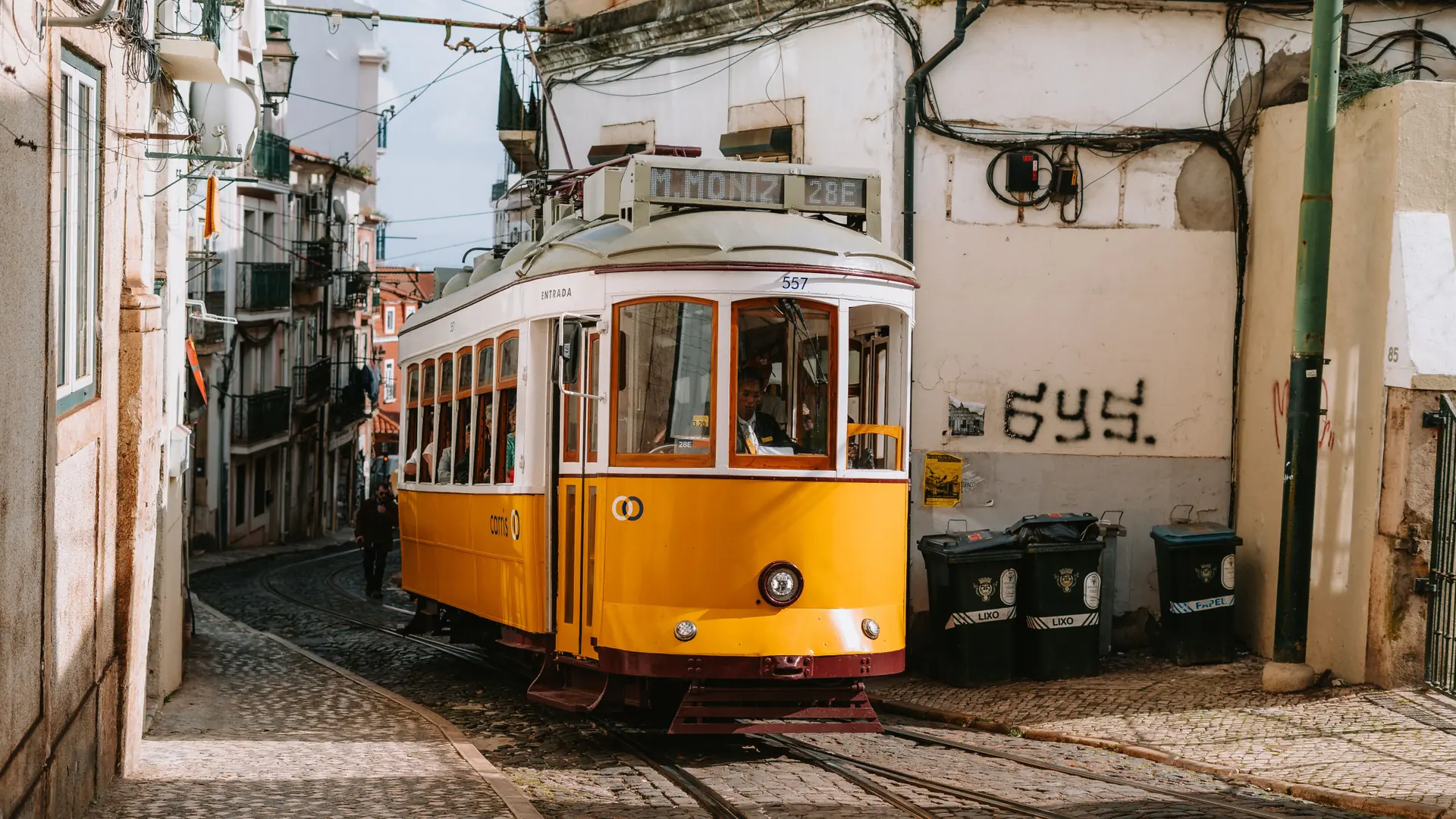
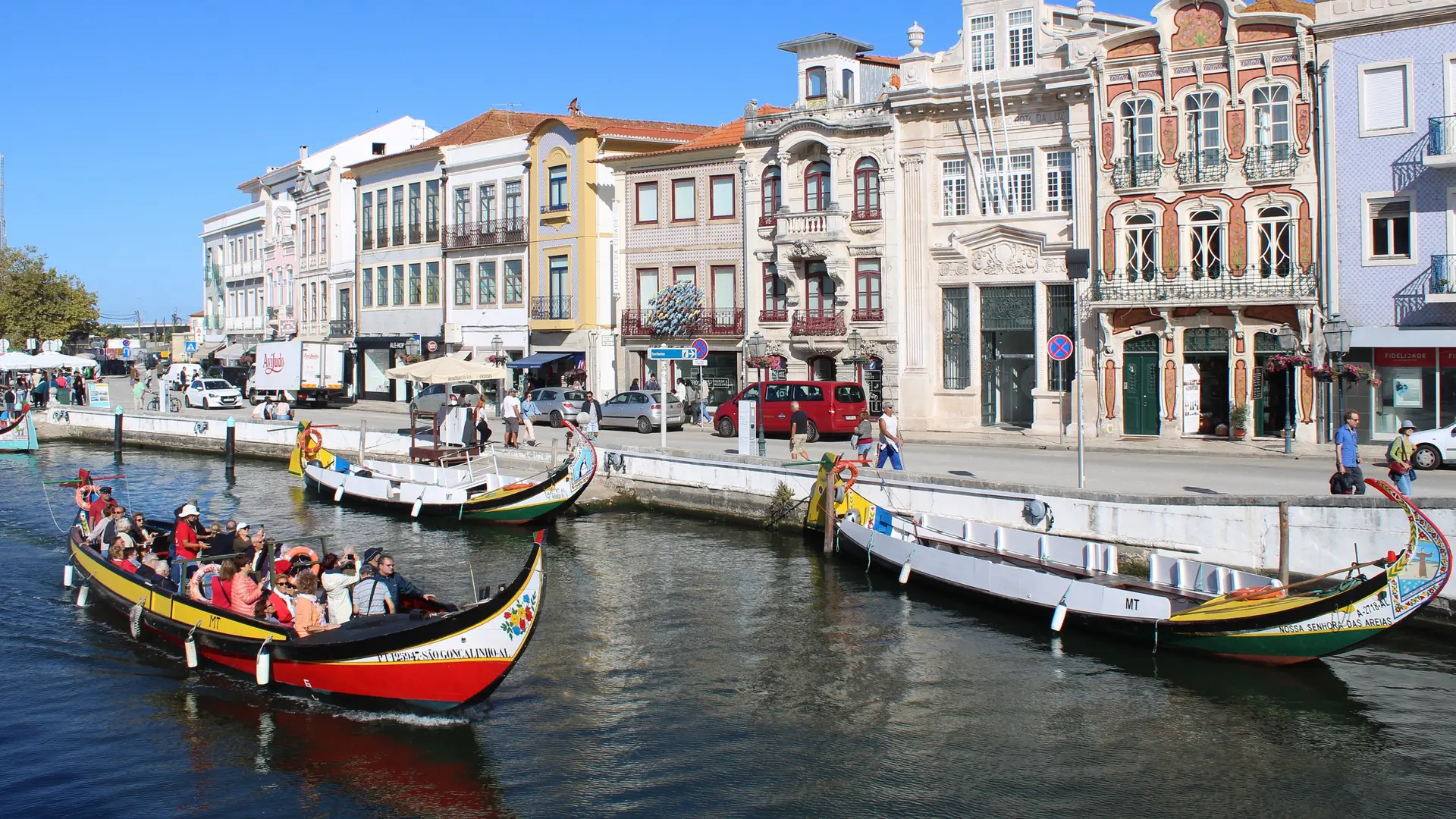
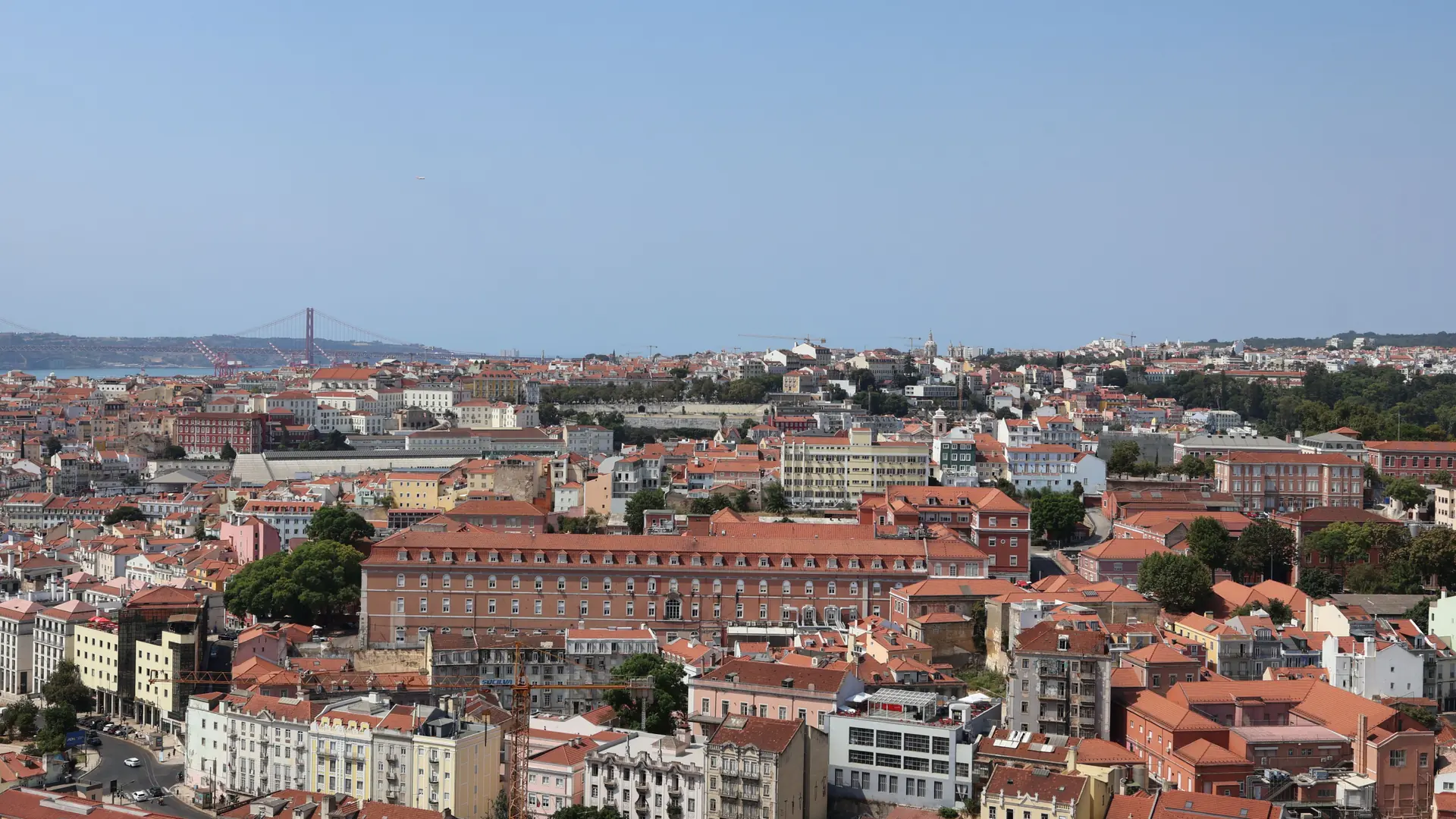
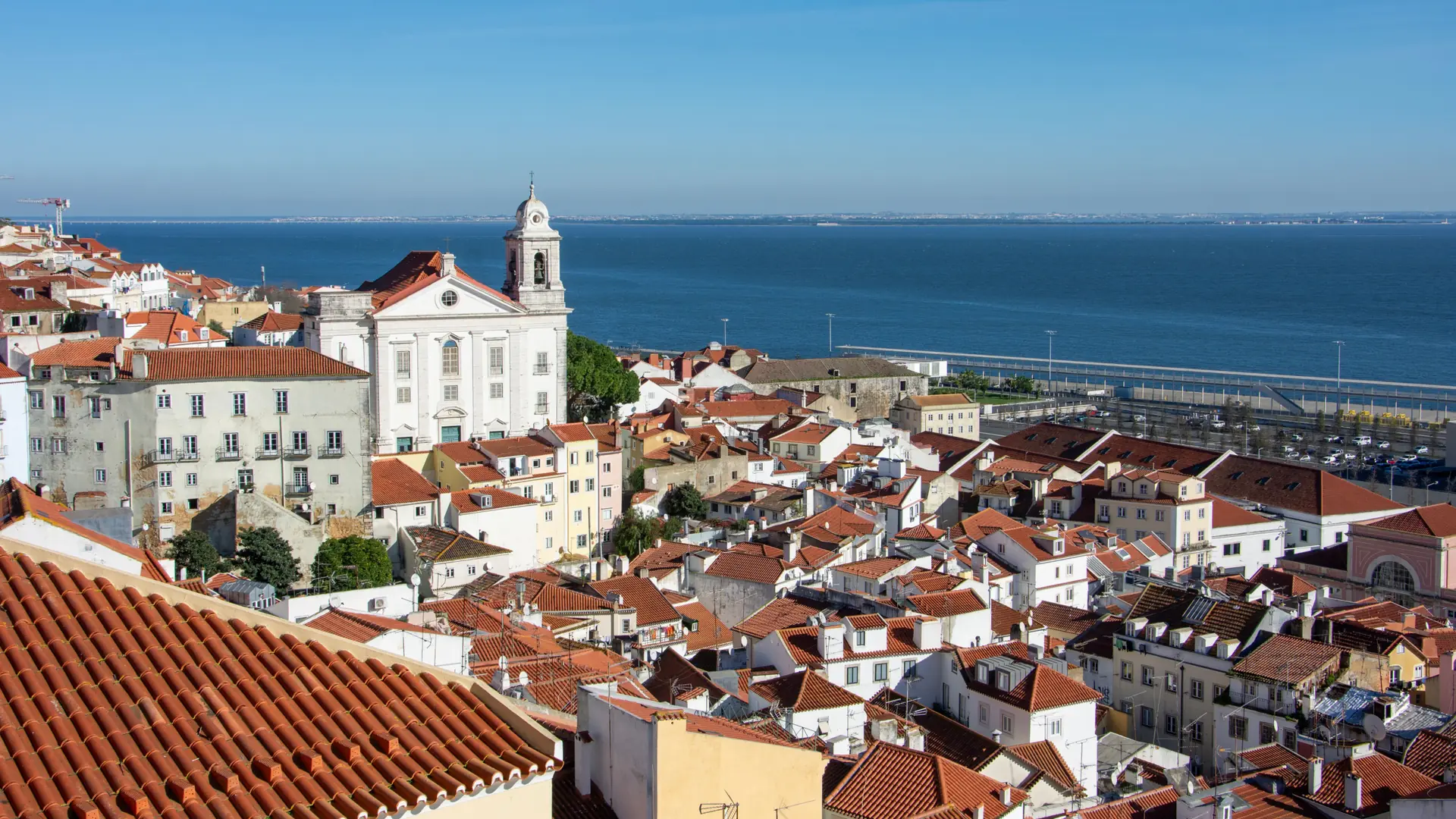
Lisbon rewards looking closely as well as looking out over the river. Azulejos are the glazed tiles that cover façades and decorate interiors, from older patterns to modern public art. Walk through Baixa and Chiado to see how these surfaces give ordinary streets their colour and texture.
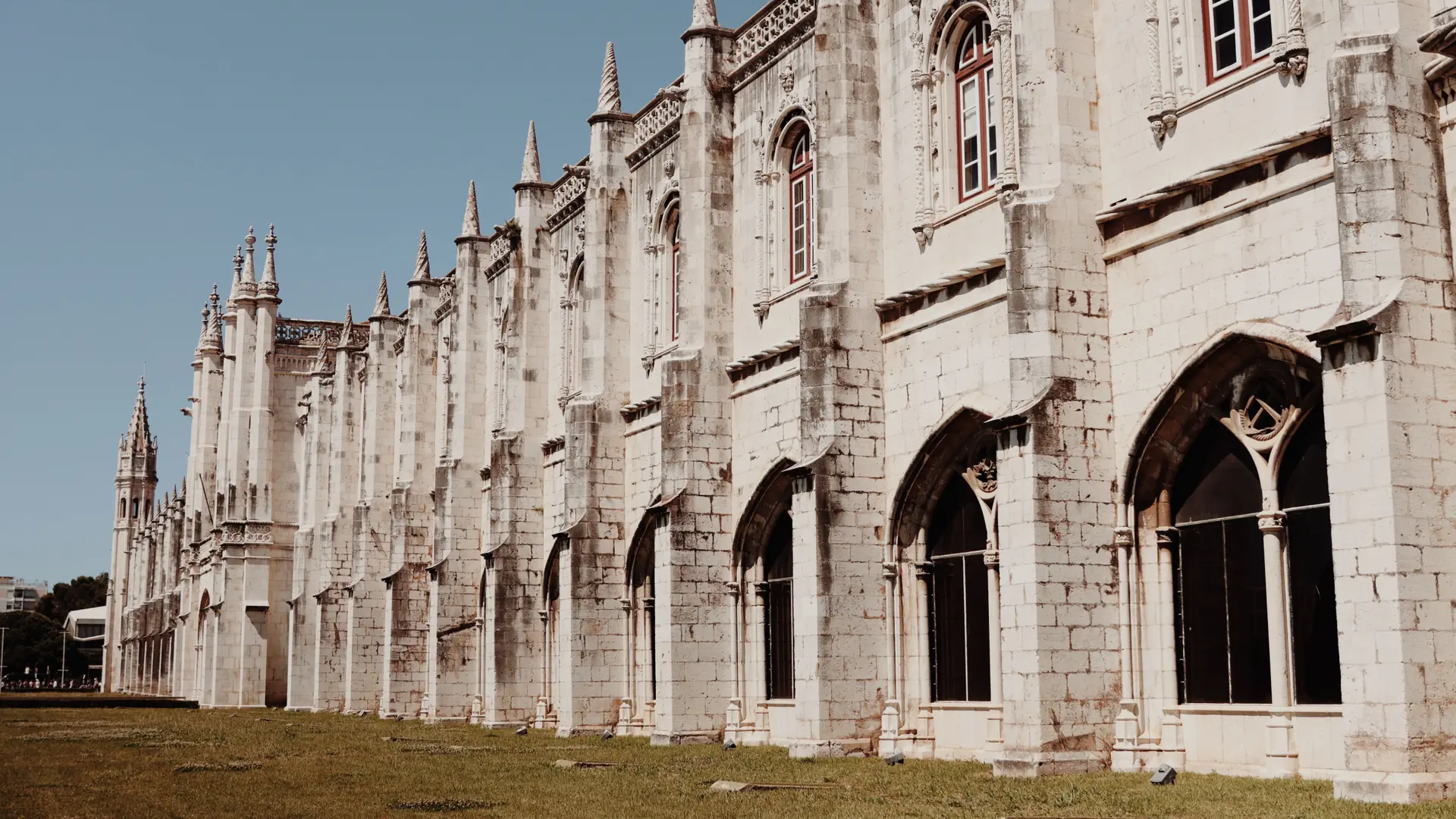
Belém gives that city visit a different scale. Work on Jerónimos Monastery began in 1502; its elaborate Manueline stonework and sixteenth-century cloister connect the building with royal patronage and Portugal’s overseas voyages. The nearby Tower of Belém also served to defend the harbour. Together they explain why the Tagus waterfront matters to Portuguese history. Give this district its own half-day rather than treating it as a short walk from the old centre.
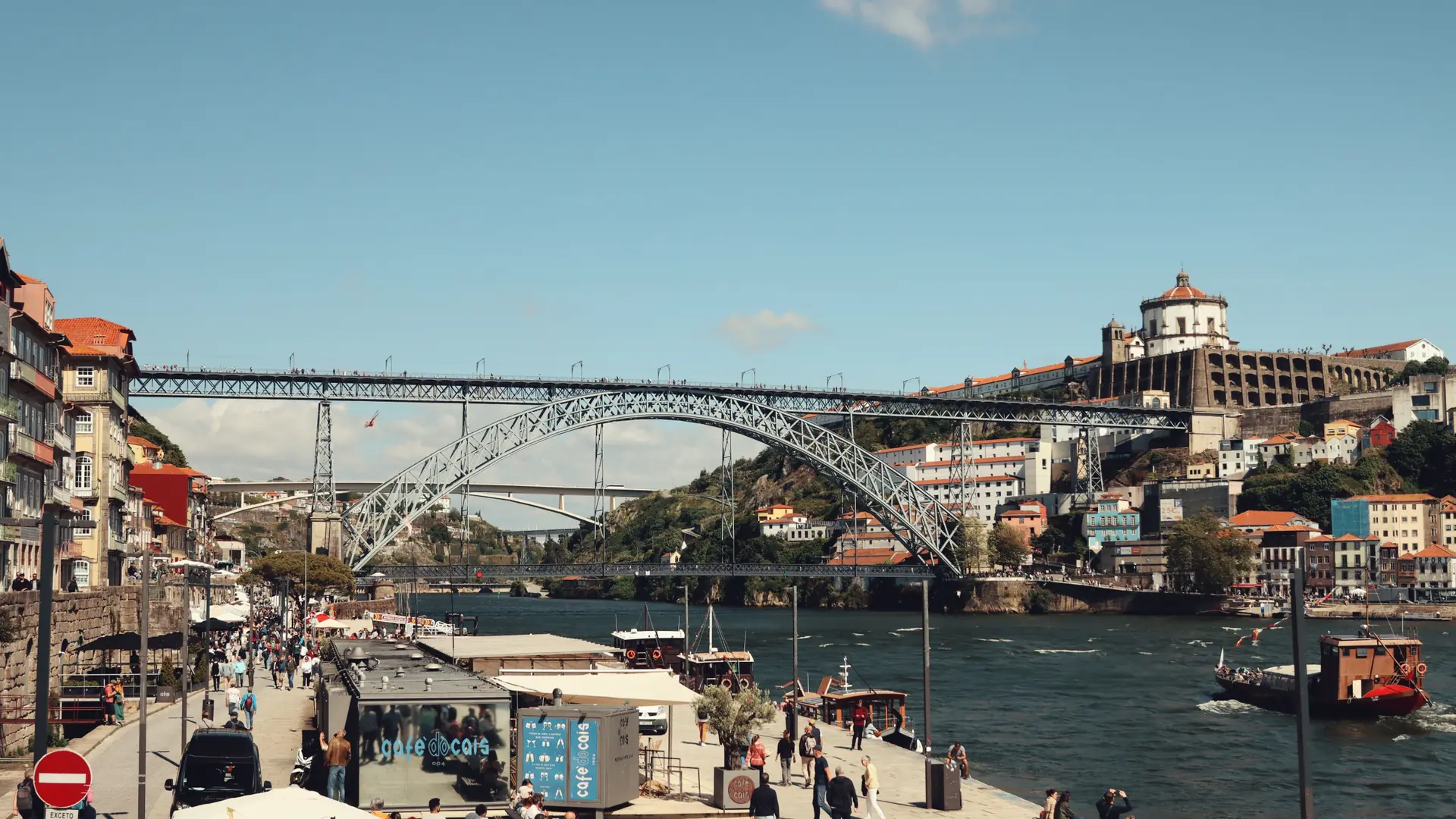
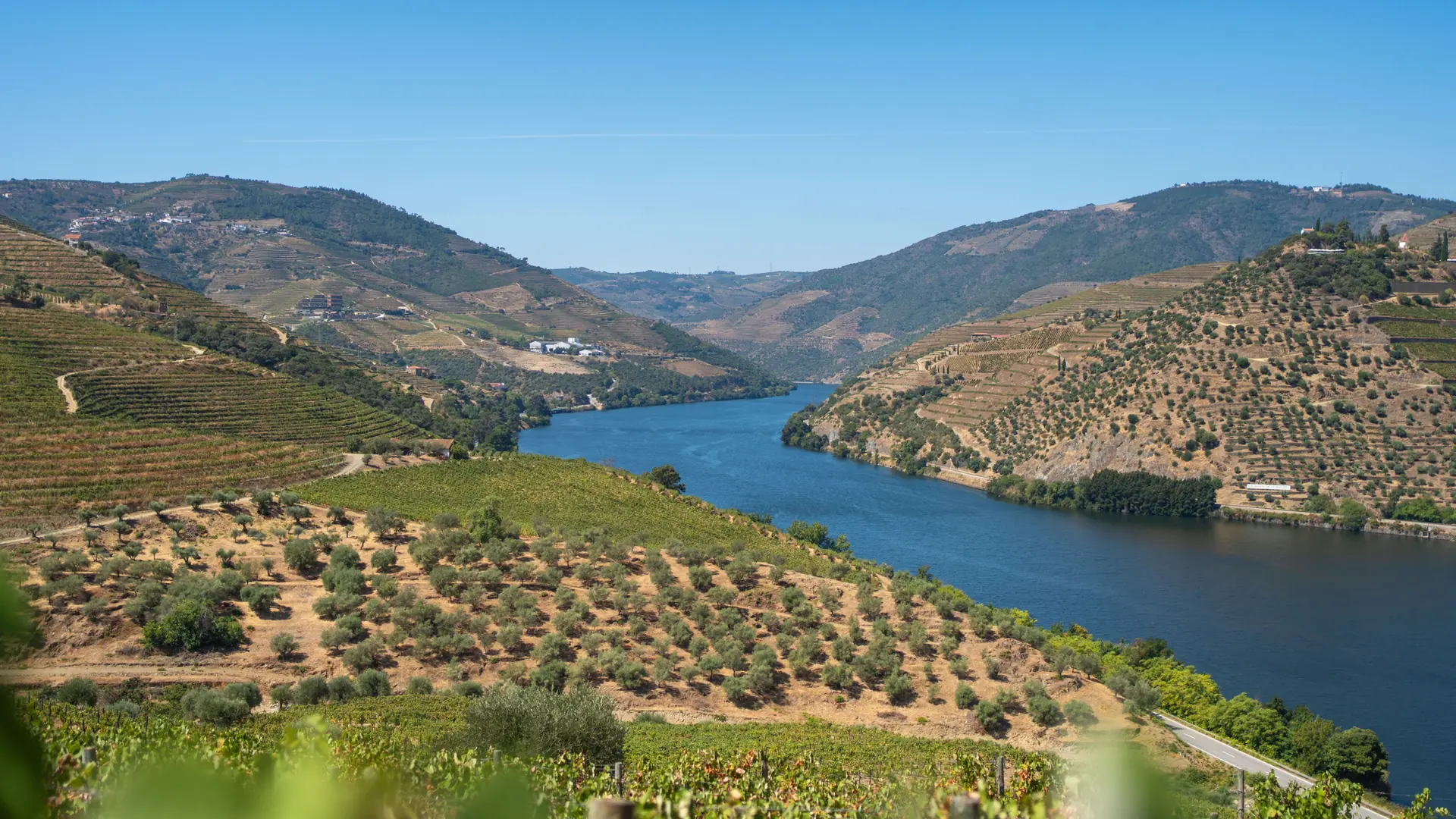
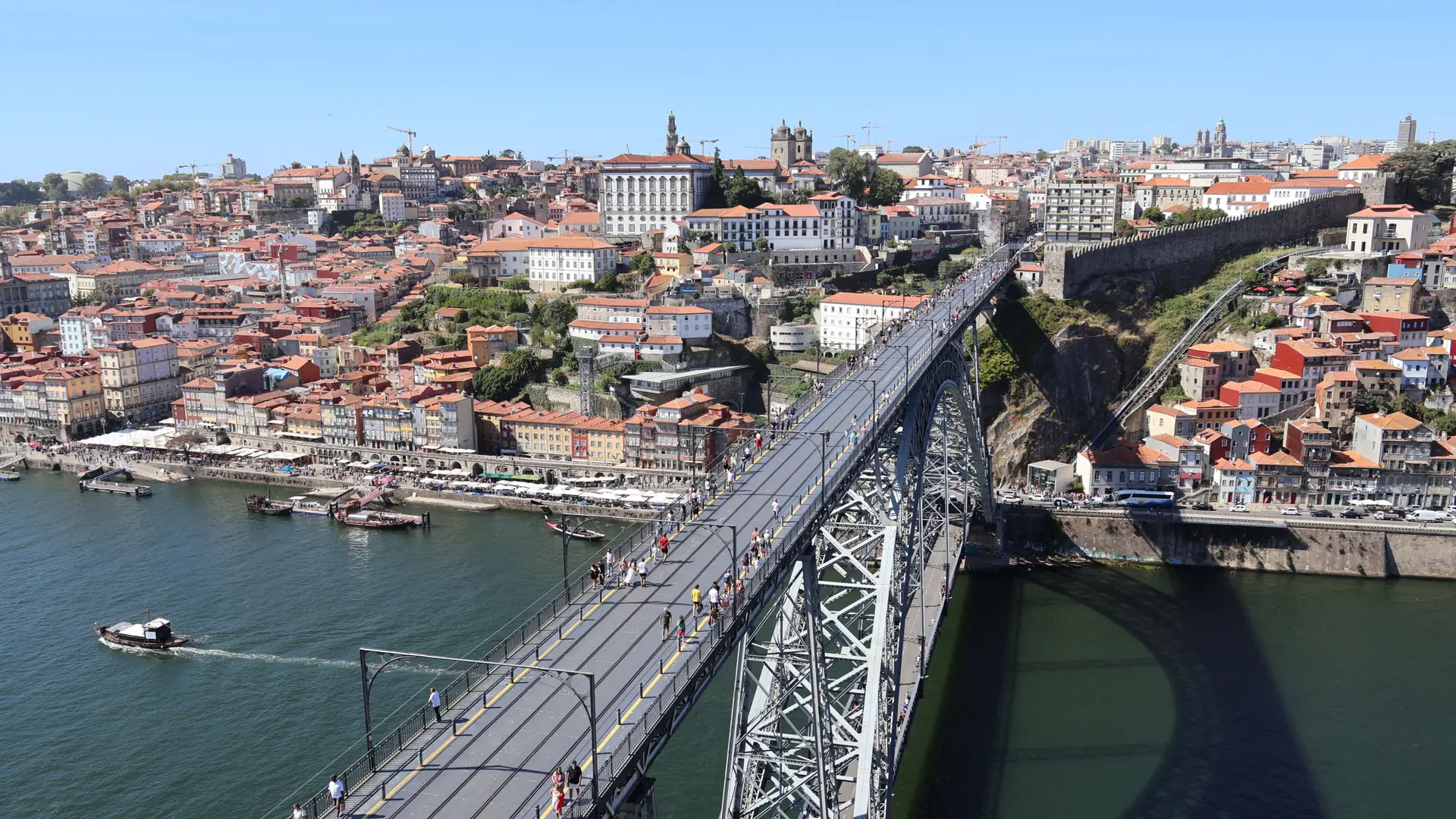
Porto gathers much of its appeal around the Douro, with the historic centre rising above Ribeira and the Dom Luís I Bridge framing the river. Its wine story reaches inland: the city gave its name to port, while the Douro’s vineyard landscape is itself a World Heritage site. Staying in Porto lets you enjoy the riverfront as part of a city break; spending time farther up the valley creates a different trip, centred on vineyards and smaller settlements.
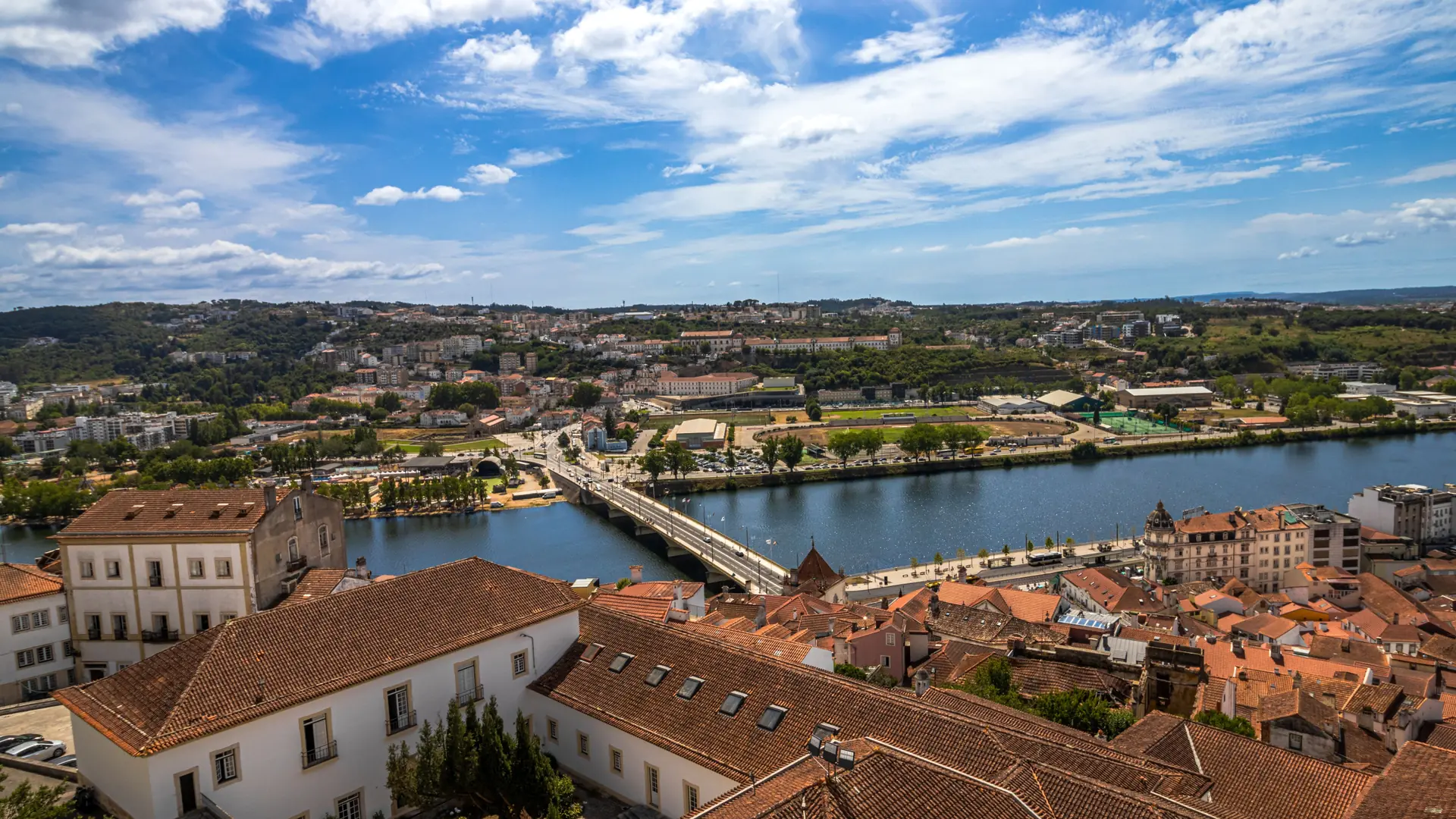
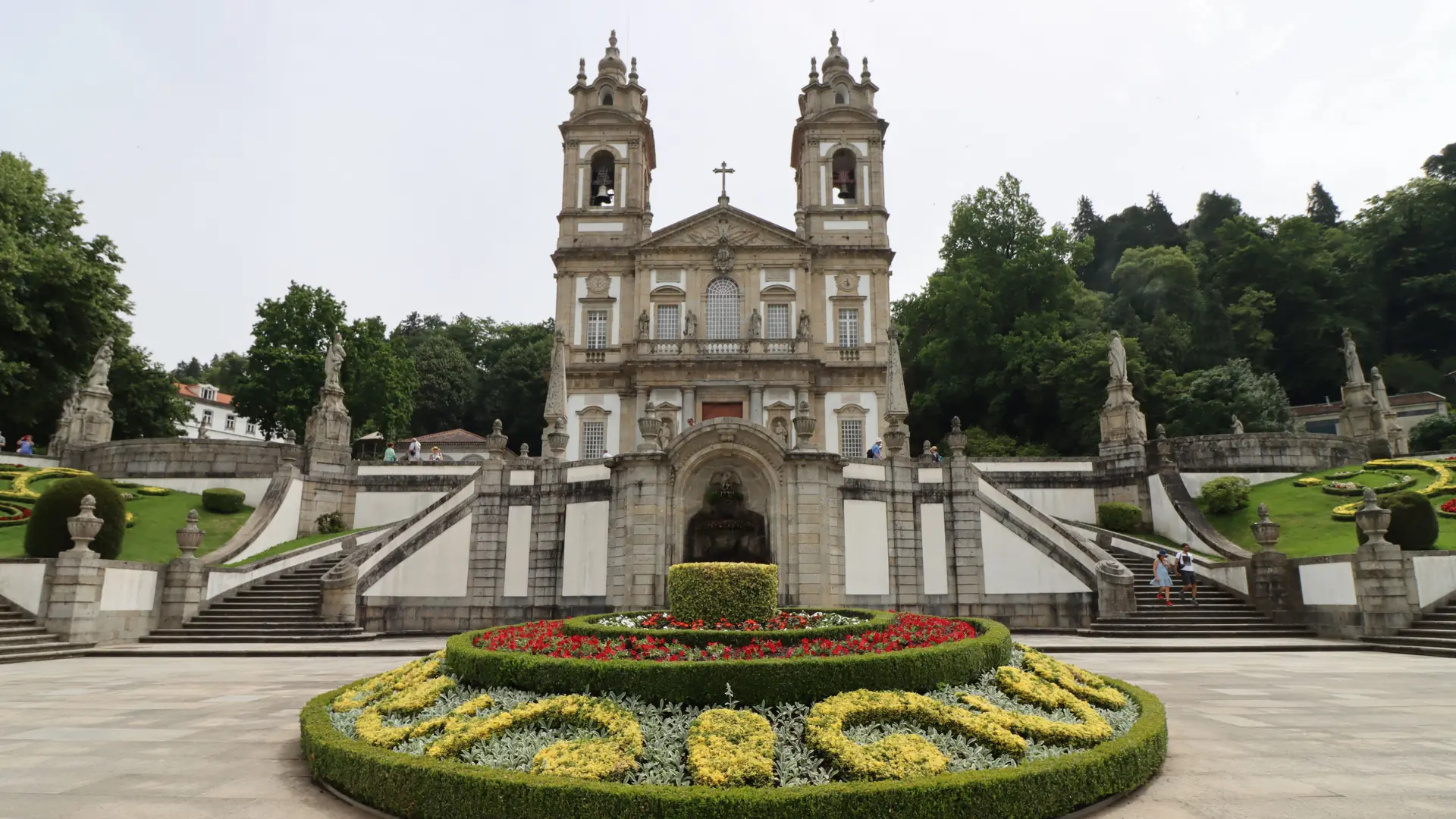
Central and northern Portugal add distinct cultural stops. Coimbra’s university is part of a World Heritage property, while Braga’s Bom Jesus do Monte sanctuary offers another reason to travel beyond the two largest cities. A Coimbra overnight is a useful way to break a longer mainland journey. Braga works naturally with a northern stay. Choose the place that interests you most and give it a proper visit instead of fitting several cities between two trains.
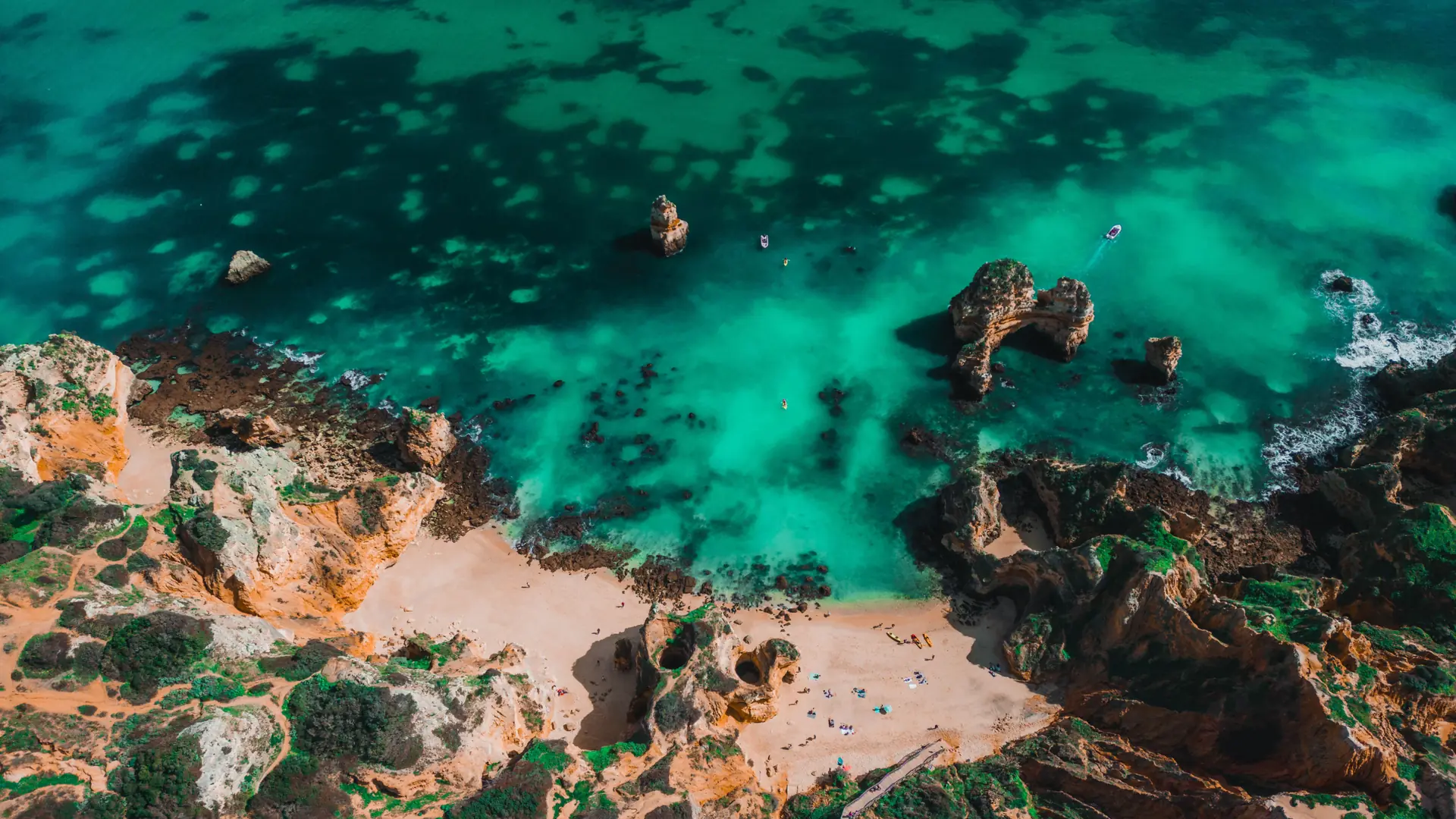
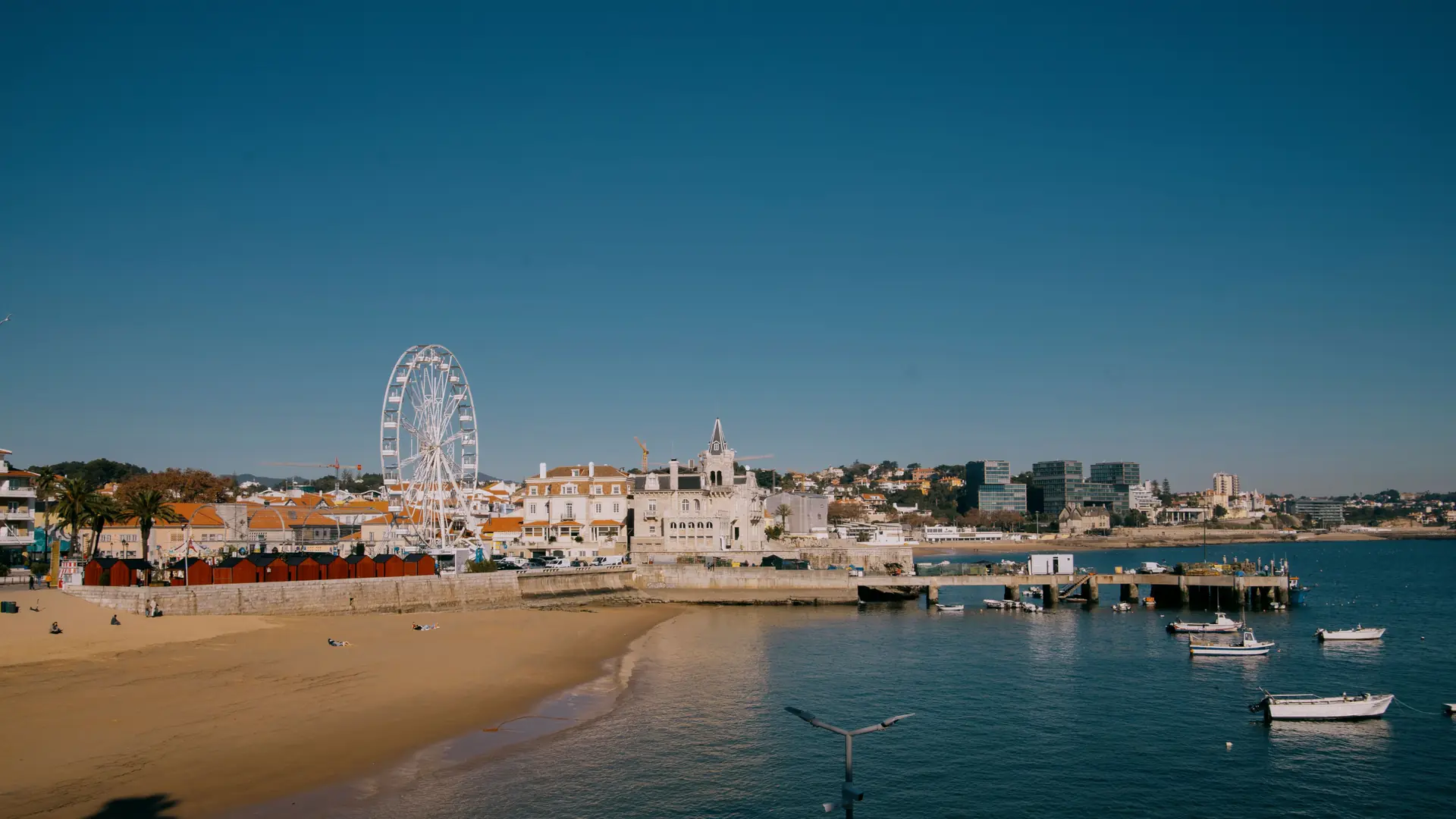
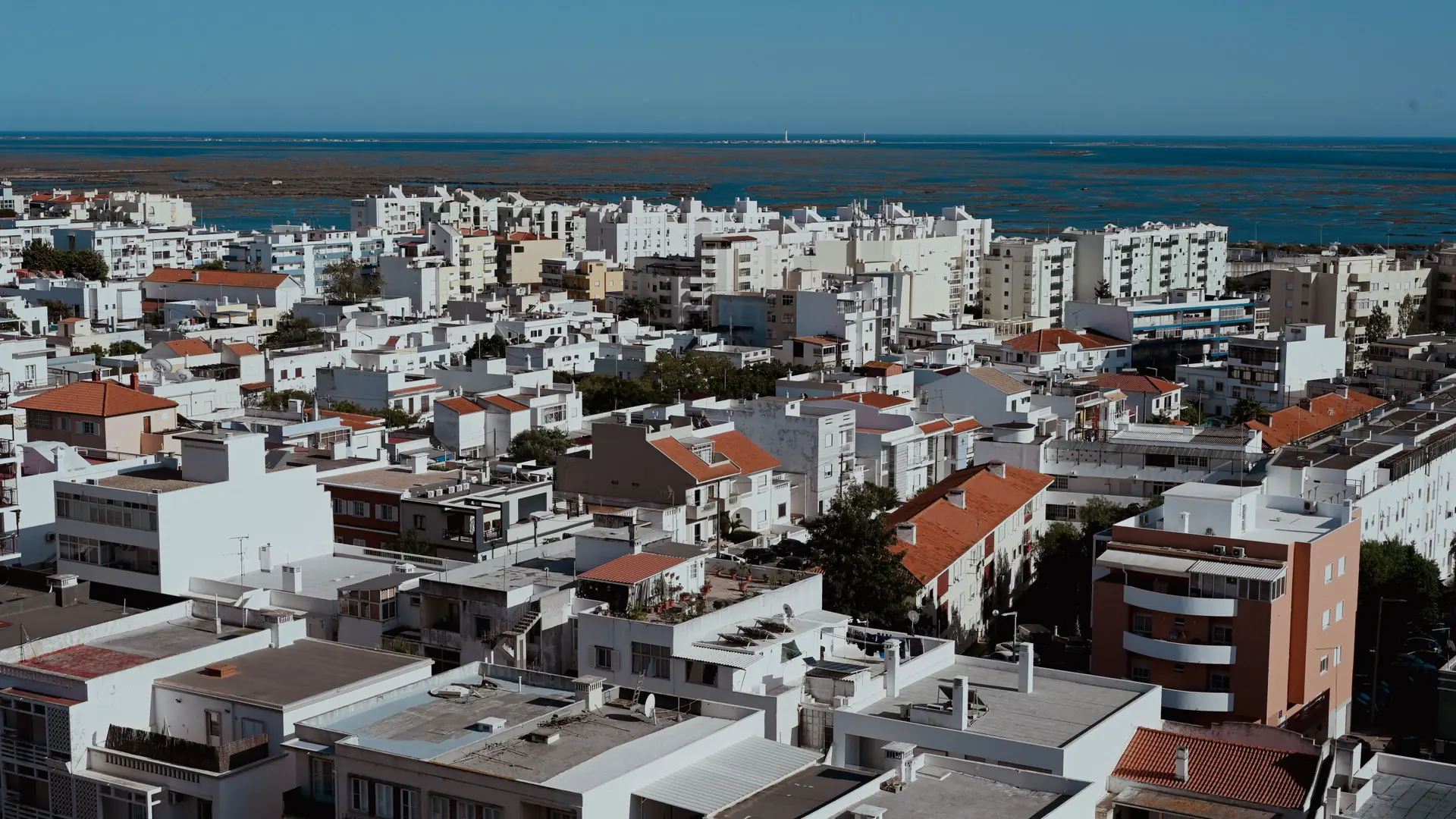
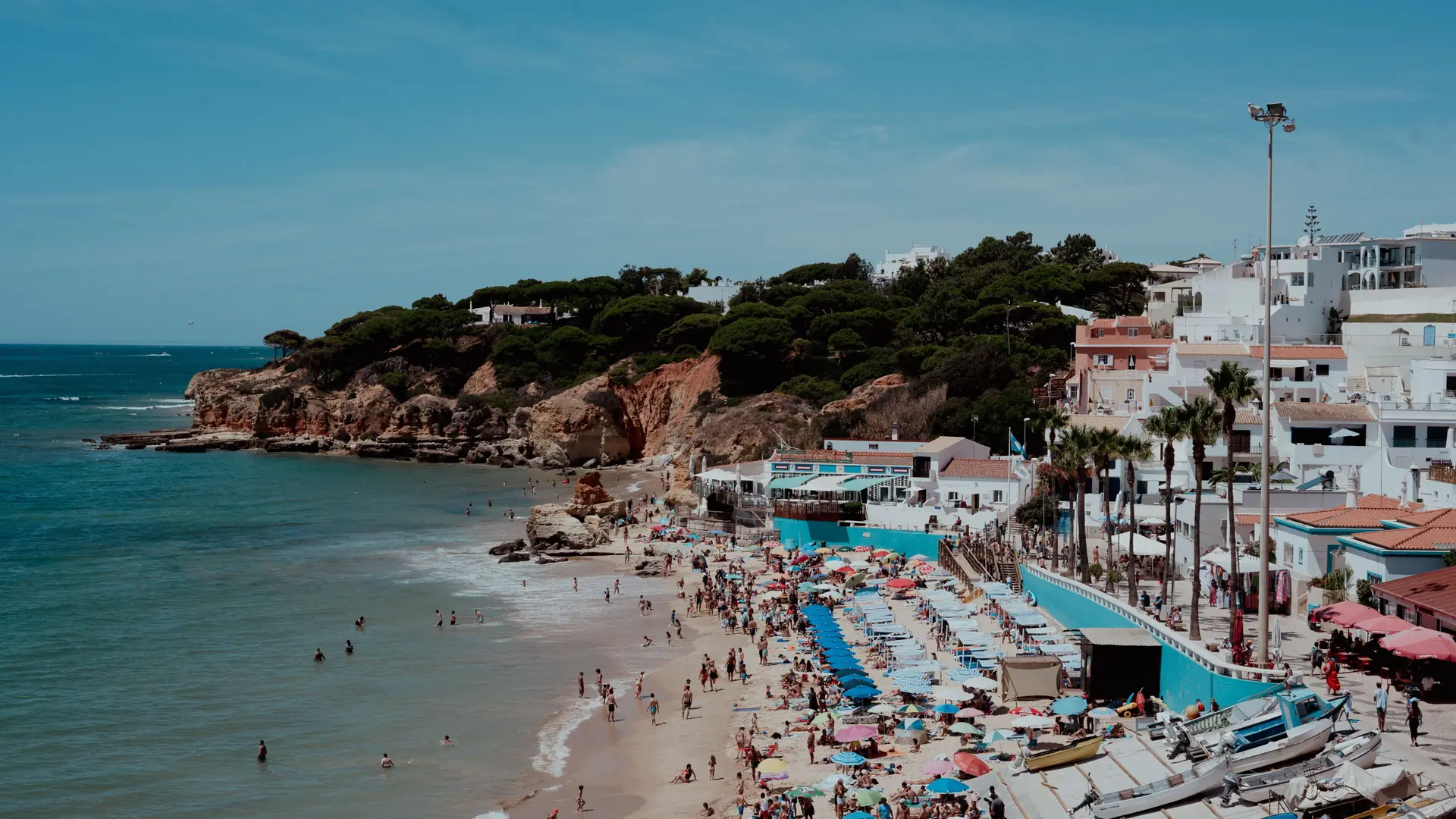
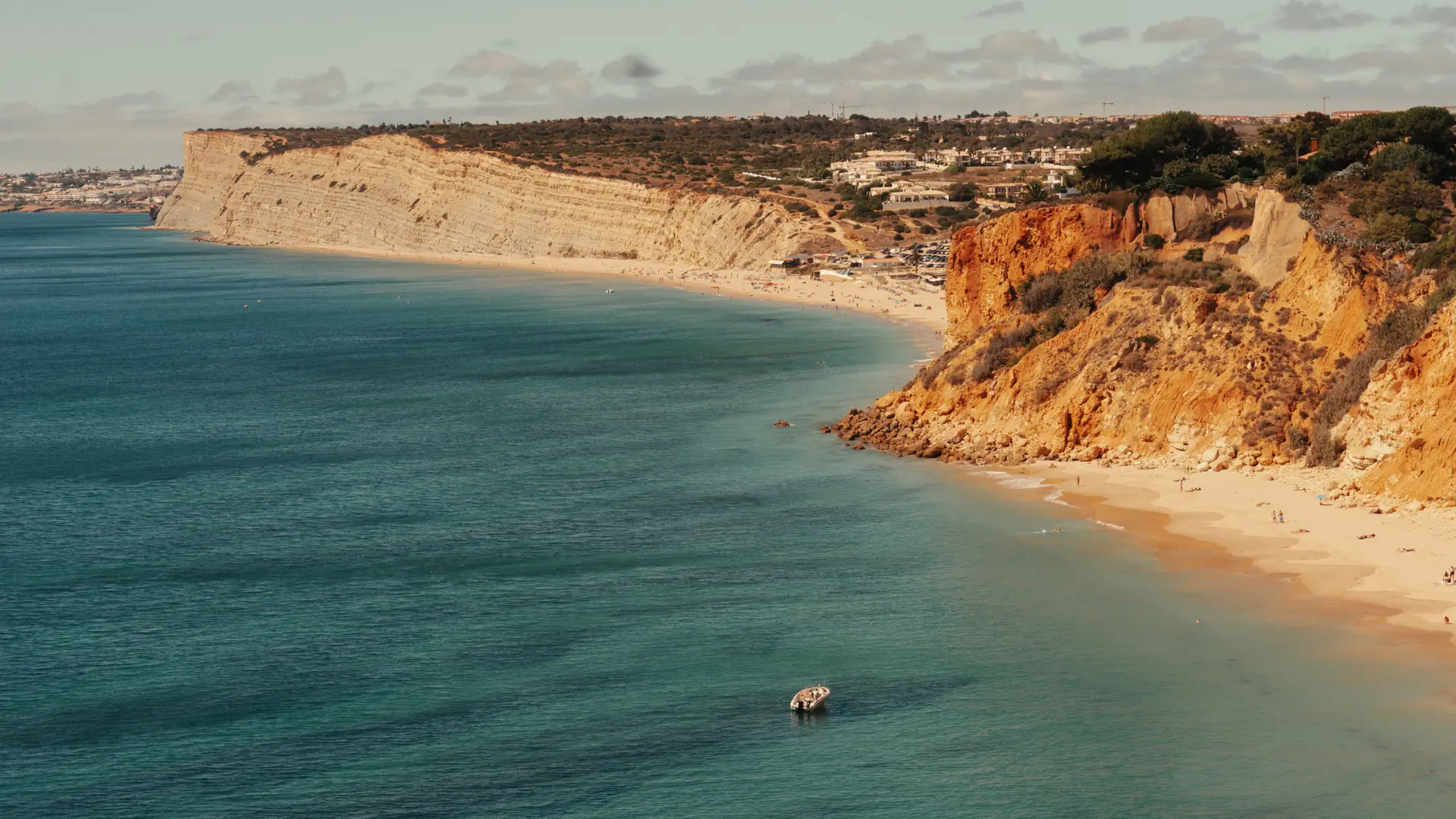
The Algarve changes the holiday from urban exploring to time by the sea. Lagos is the western choice for a town beside limestone coves; Faro serves a different purpose as the arrival gateway and a base near the Ria Formosa lagoon. They are not interchangeable beach addresses. A traveller who wants several days in one coastal town can keep the plan simple, while a regional drive suits someone who wants to see contrasting stretches of coast.
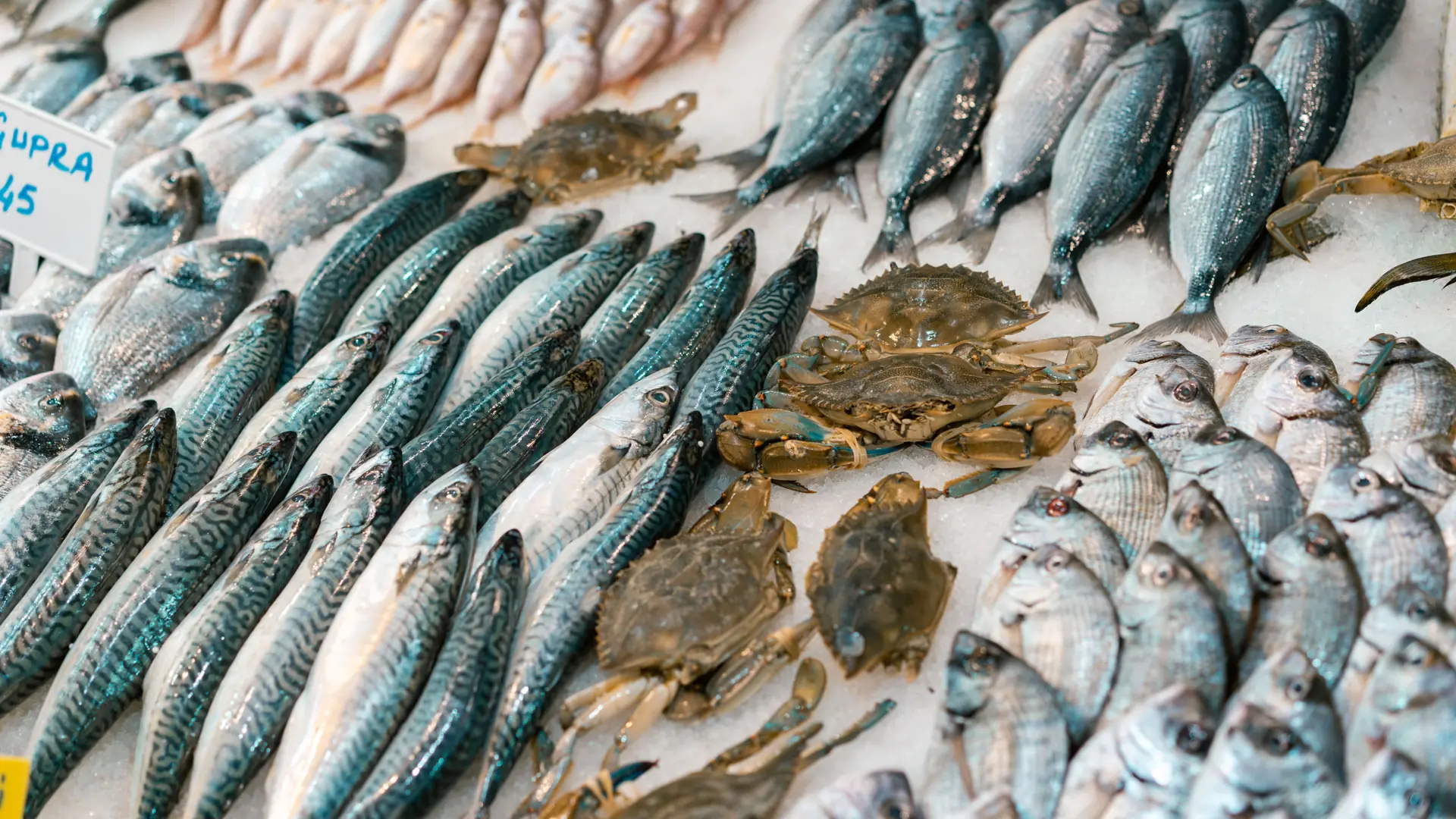
In Lisbon, a pastelaria is a pastry shop: stop for a pastel de nata, the custard tart served with coffee, or try a bifana, a pork sandwich, in a café or tavern. Mercado da Ribeira is another place to explore Portuguese ingredients and prepared food. These everyday food stops fit easily between the city’s monuments and neighbourhood walks.
Porto’s northern table is heartier. Francesinha is its well-known sandwich, while the region also has its own cod preparations and caldo verde, a cabbage soup often accompanied by corn bread. Mercado do Bolhão introduces the region’s produce alongside the restaurant meals of a city break. A wine-focused visit can continue from Porto toward the Douro vineyards or explore the lighter wines of the Vinho Verde region.
On the Algarve, look for clams cooked in a cataplana, the hinged copper pan that gives the dish its name, or grilled fish at a coastal restaurant. The region also uses almonds, figs and carob in its sweets. A food-led coastal day can be as simple as visiting a market, choosing a seafood lunch and spending the afternoon by the water. The cuisine gives the coast an identity beyond its beaches and resort hotels.
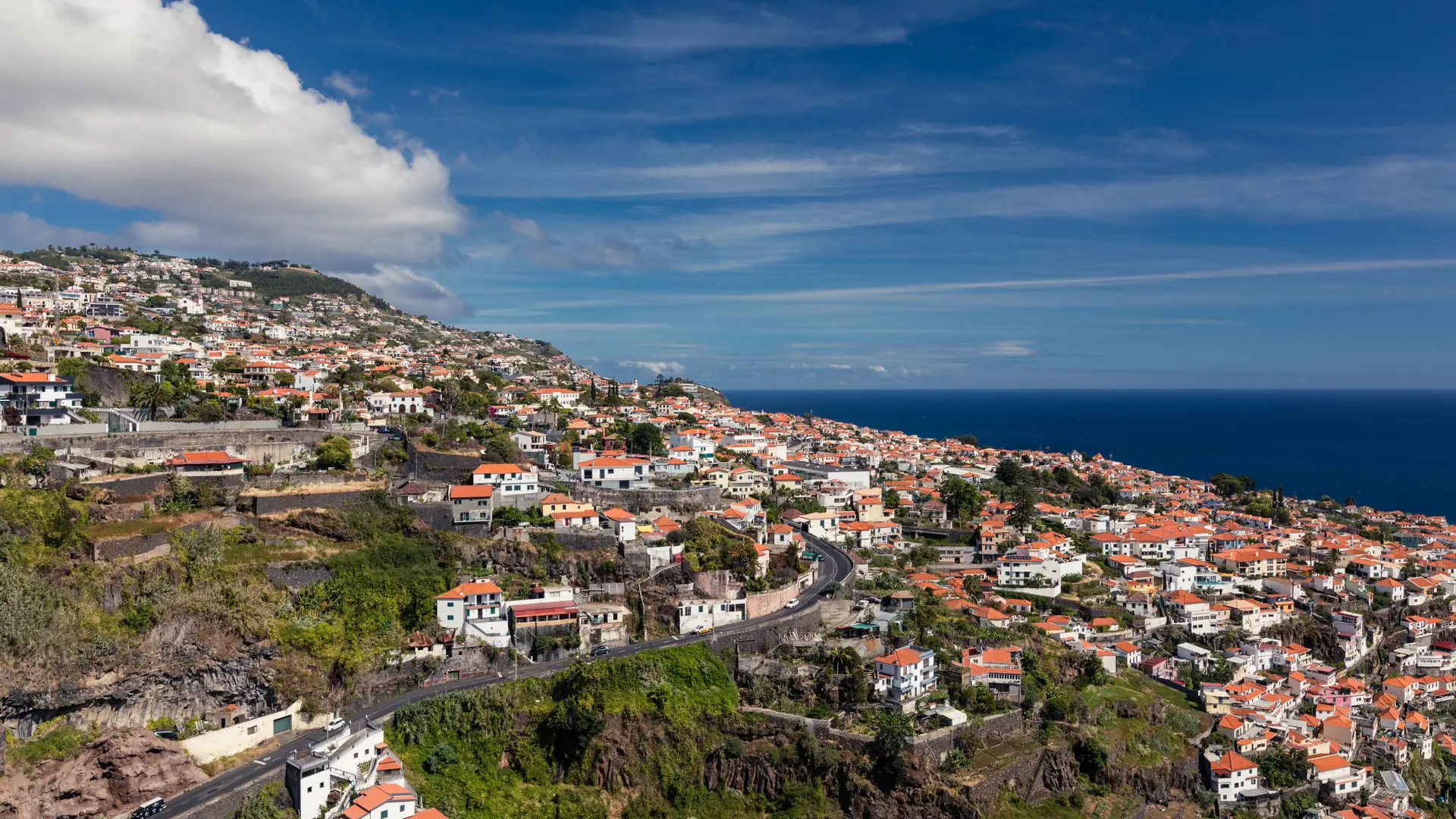
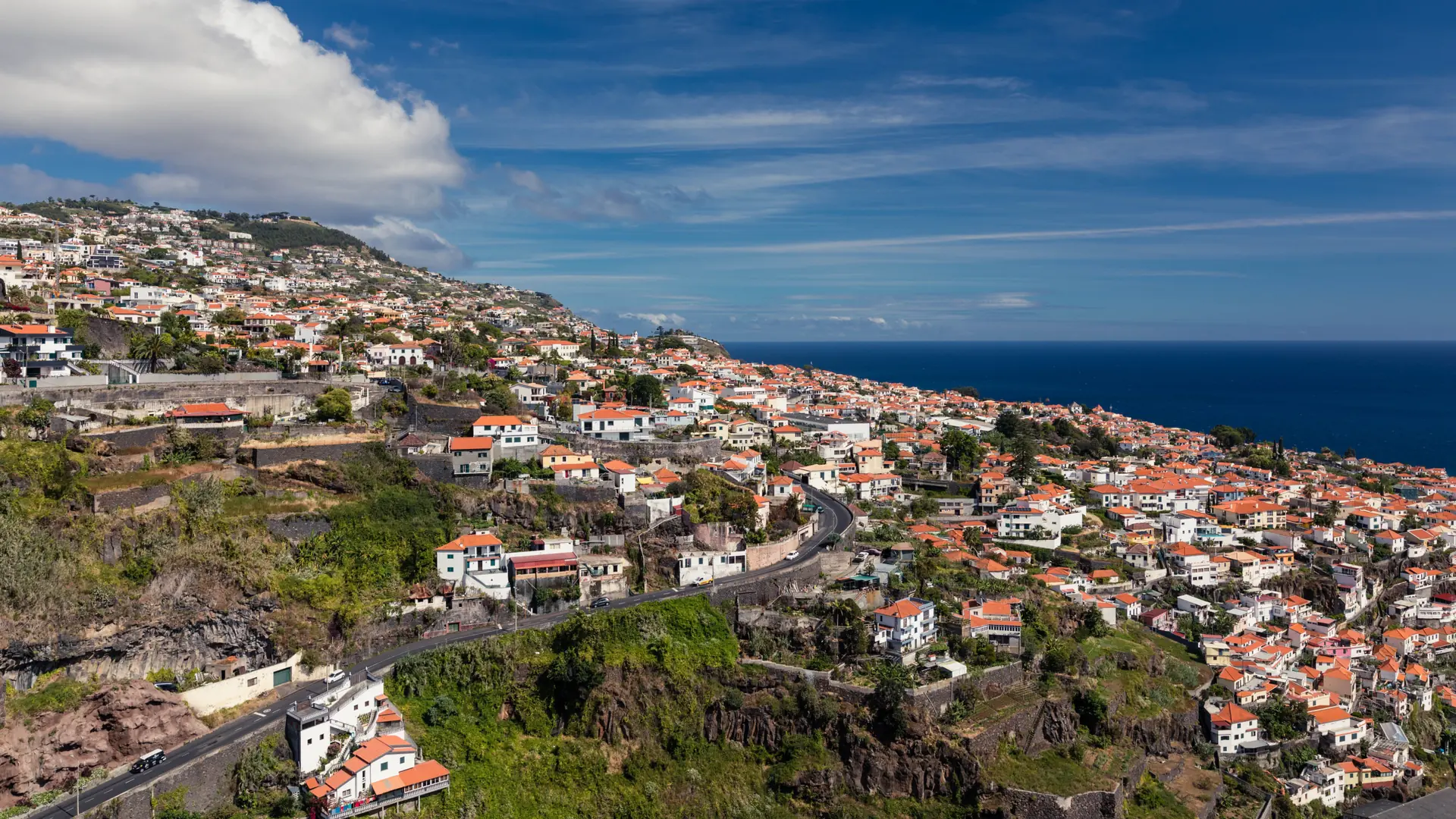
Madeira offers mountainous island scenery with a city base in Funchal. Its Laurisilva is a World Heritage forest, a very different landscape from the Algarve’s limestone coast. In town, Mercado dos Lavradores introduces regional produce; at the table, bolo do caco is bread commonly served warm with garlic butter, and espetada is traditionally prepared on a bay-laurel skewer. Funchal combines those urban pleasures with excursions into the island’s terrain.
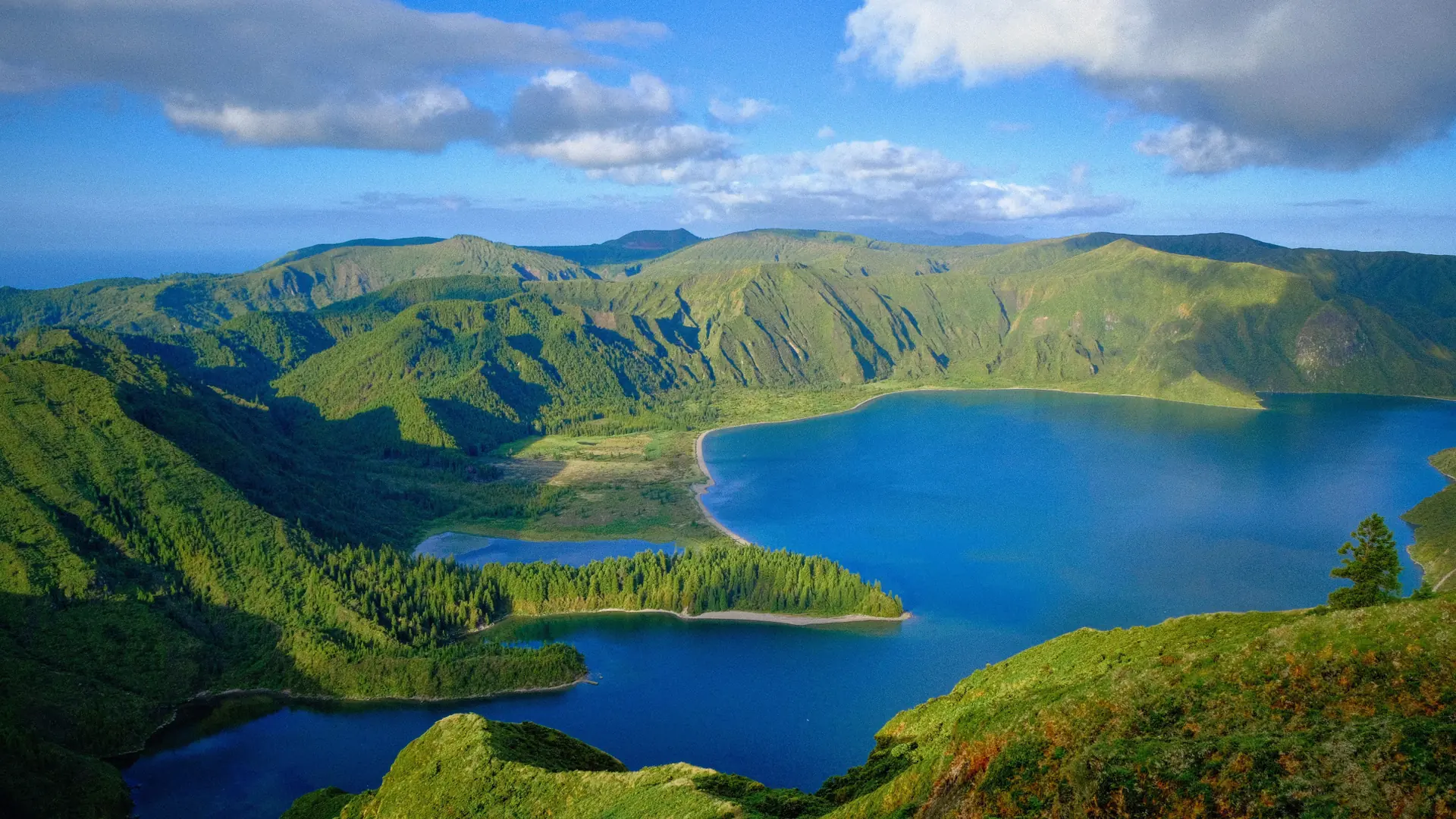
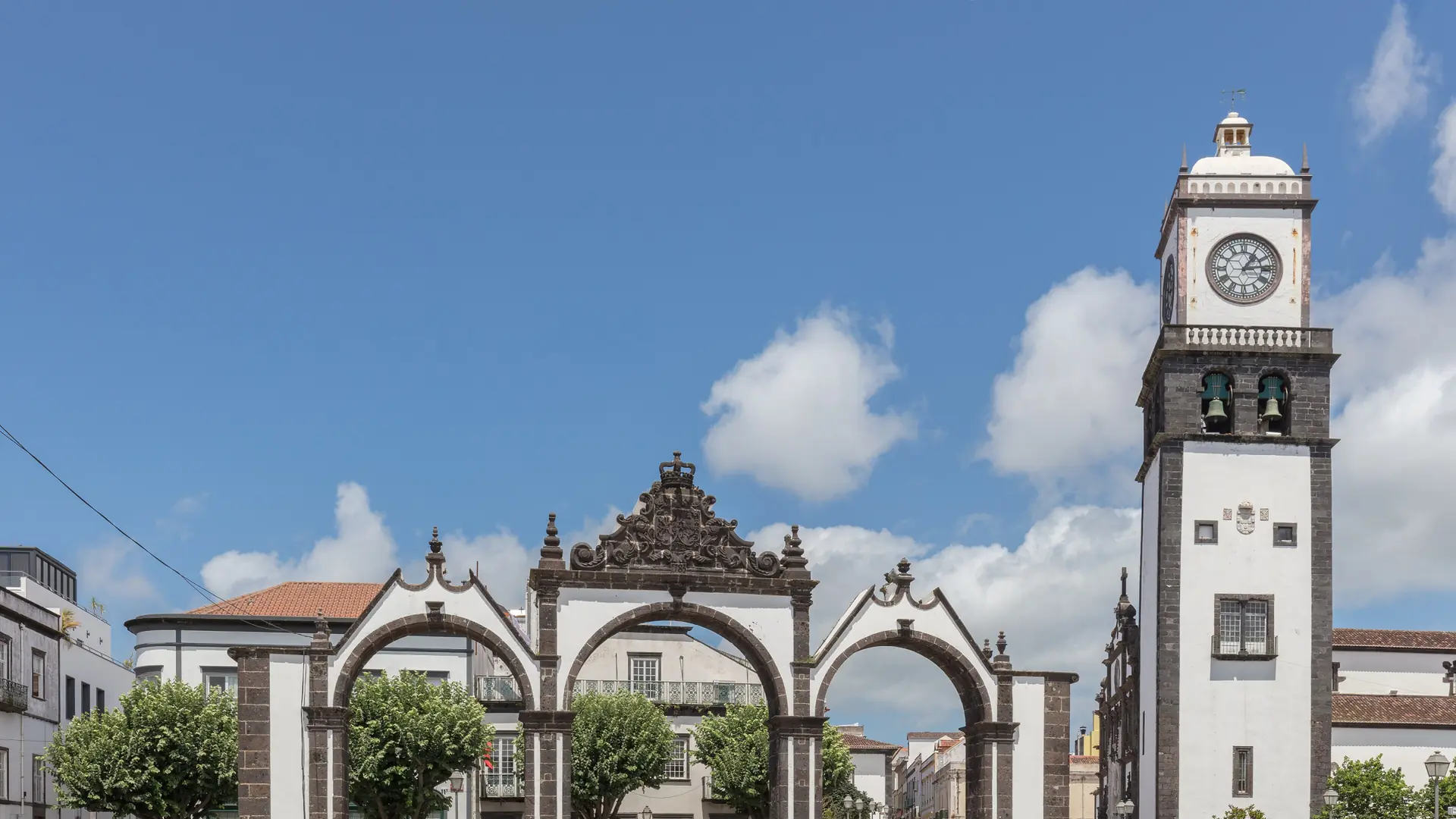
São Miguel’s volcanic landscape shapes its cooking as well as its scenery. Cozido das Furnas combines meat and vegetables in a pot placed in ground heated by volcanic steam. It belongs to a day in the Furnas valley, not to a city-centre attraction in Ponta Delgada. The city is a useful base for an island holiday, with meals and harbour time between excursions to the lakes and geothermal areas. Choose it for that mix of town life and nature.

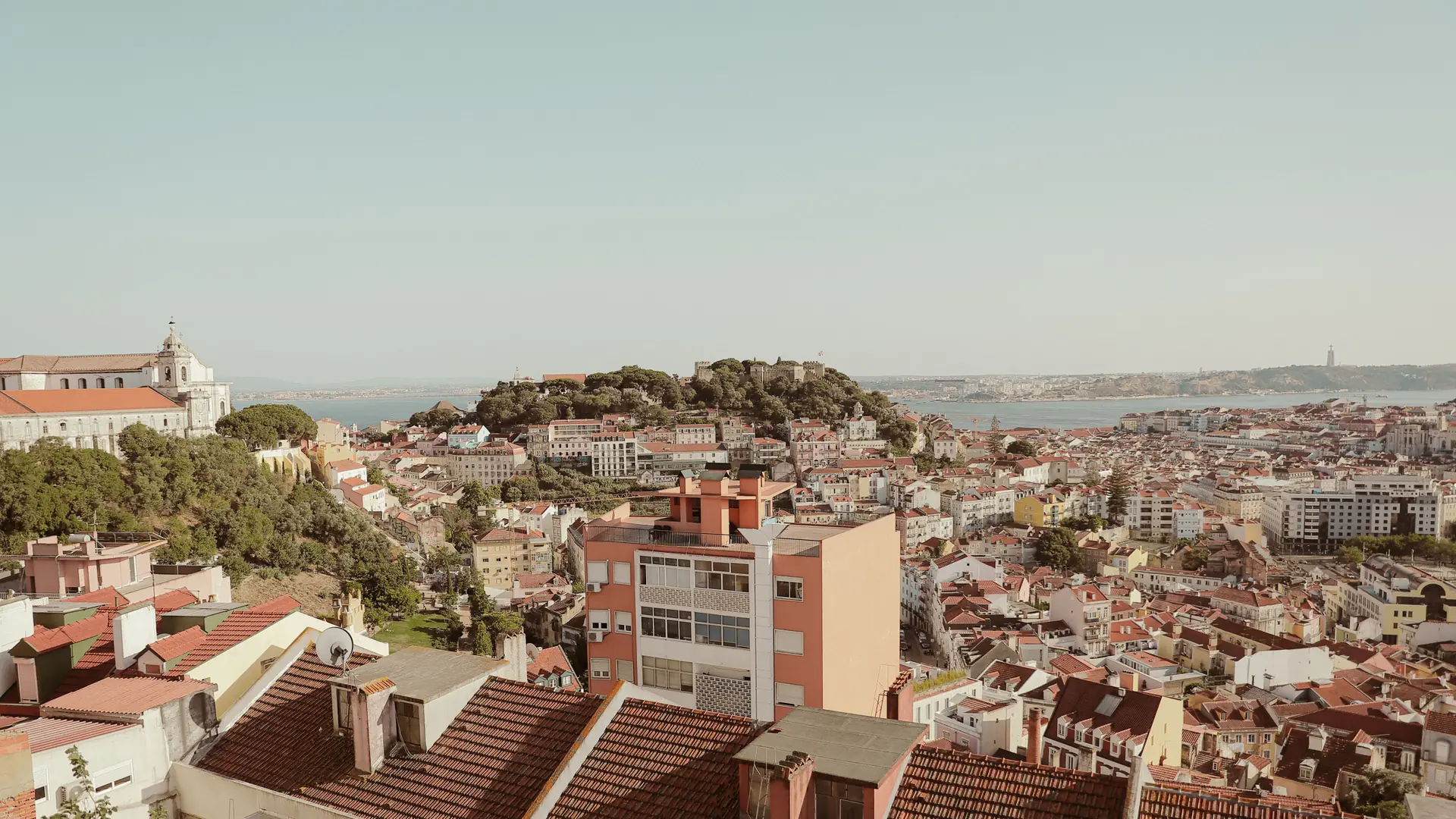
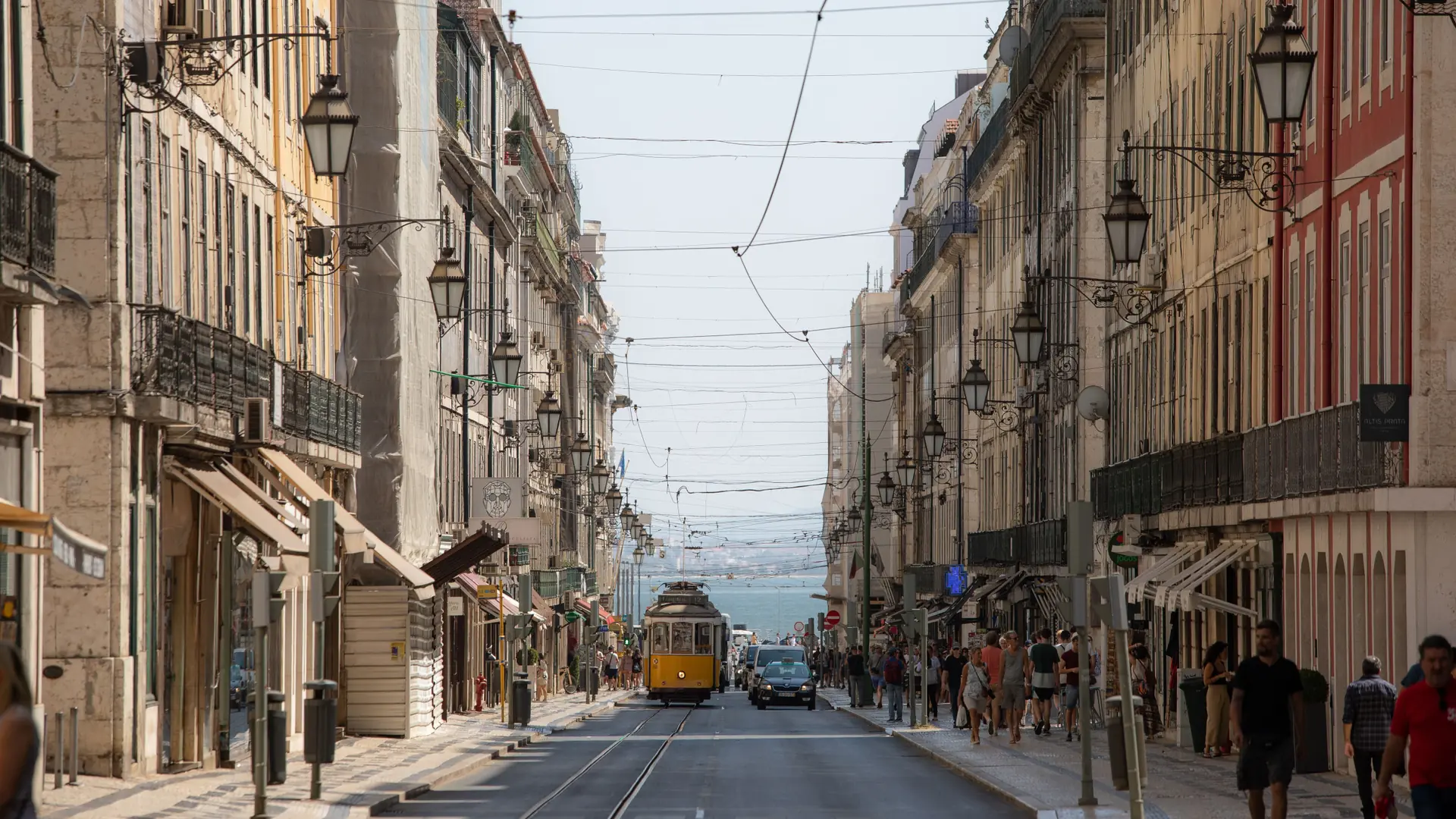 Lisbon