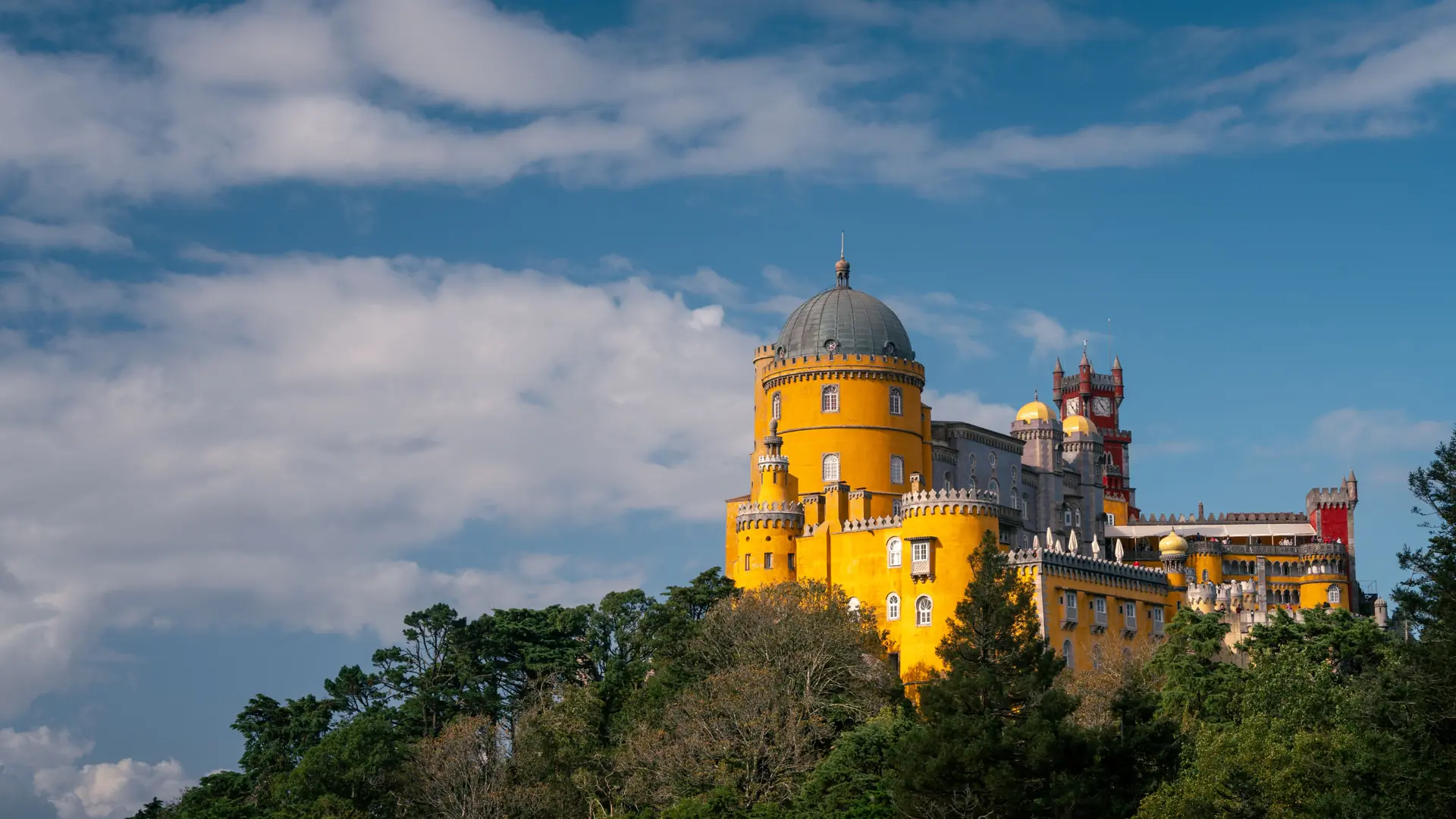
Twin-towered facade of the Bom Jesus do Monte sanctuary at the top of its baroque staircase and gardens

Porto, Guimarães and Braga in 5 days

One night in Porto, one in Guimarães where Portugal's independence began in 1128, and two in Braga for its 1089 cathedral and the 1882 Bom Jesus funicular.

Duration
5 days, 4 nights
Bases
3 rail-and-bus-connected stops
Main transport
CP urban trains, then a direct bus
Best window
Apr-Jun or Sep-Oct
Finding current stays

Why this route sleeps in all three towns instead of day-tripping one

Most short trips north from Porto pick either Guimarães or Braga as a single day trip, which leaves little time for either town's actual history. This route instead sleeps in all three places: one Porto night as a rail gateway, one in Guimarães for its castle and the battle that shaped Portugal's founding, and two in Braga for its 1089 cathedral and a full day at Bom Jesus do Monte. The trip deliberately swaps a train for a bus on the middle leg, since Guimarães and Braga have no direct rail connection and the bus cuts a 90-minute transfer down to well under an hour. The trade-off is that this route treats Porto itself as a gateway rather than a destination, saving a fuller city stay for a separate trip; travellers who want more Porto time should add nights there before or after this route rather than extending it in the middle.

One train ride reaches where Portugal's history starts

The direct CP line from Porto reaches Guimarães Castle, where the 1128 Battle of São Mamede is credited with setting the County of Portugal on its path to independence, for a single fare of about €3.60.

The route deliberately skips a train transfer for a faster bus

The Guimarães-to-Braga leg has no direct rail line, so this route uses a direct bus instead, cutting a 90-minute train transfer at Lousado down to a typical 25–40-minute road journey on the road.

Braga's full day covers both the stairs and a 19th-century first

Bom Jesus do Monte pairs a 573-step baroque staircase with a water-balanced funicular completed in 1882, the first built on the Iberian Peninsula and still the oldest of its kind operating anywhere.

Best for

  • Travellers who want Portugal's founding history and its oldest cathedral without a rental car
  • Short breaks from Porto that go beyond the city itself into the Minho
  • Anyone curious about the Iberian Peninsula's oldest working funicular, not just its famous staircase

Think twice if

Travellers who want an extended Porto city stay rather than a quick gateway night, or anyone hoping to reach the Minho entirely by direct train without a bus leg.

StartBooker answer

How do you see Guimarães and Braga from Porto without wasting a day on transfers?

One night in Porto, one in Guimarães and two in Braga covers the Minho's founding history without backtracking: Guimarães Castle, where Afonso Henriques' 1128 victory at São Mamede set Portugal's independence in motion, then Braga's 1089 cathedral and the 1882 water-balanced funicular up to Bom Jesus do Monte. CP trains link Porto to each town directly for about €3.60, but Guimarães to Braga has no direct rail line, so a 25-40-minute direct bus replaces a train transfer that would otherwise take over 90 minutes. Guimarães Castle costs €2; Bom Jesus's grounds and staircase are free to climb.

Route order
Porto (1 night) → Guimarães (1 night) → Braga (2 nights)
Primary transport
CP urban trains from Porto to each town; a direct bus for the Guimarães-Braga leg
Signature sights
Guimarães Castle, where the 1128 Battle of São Mamede shaped Portuguese independence; Bom Jesus's 1882 funicular
Key prices
Guimarães Castle €2; Paço dos Duques €5; CP single fare to either town about €3.60

What each overnight base contributes

Porto keeps one night as the rail gateway; Guimarães earns one night for its castle and founding-era old town; Braga keeps two so both the cathedral and a full Bom Jesus do Monte day get proper time.

3 stops · swipe

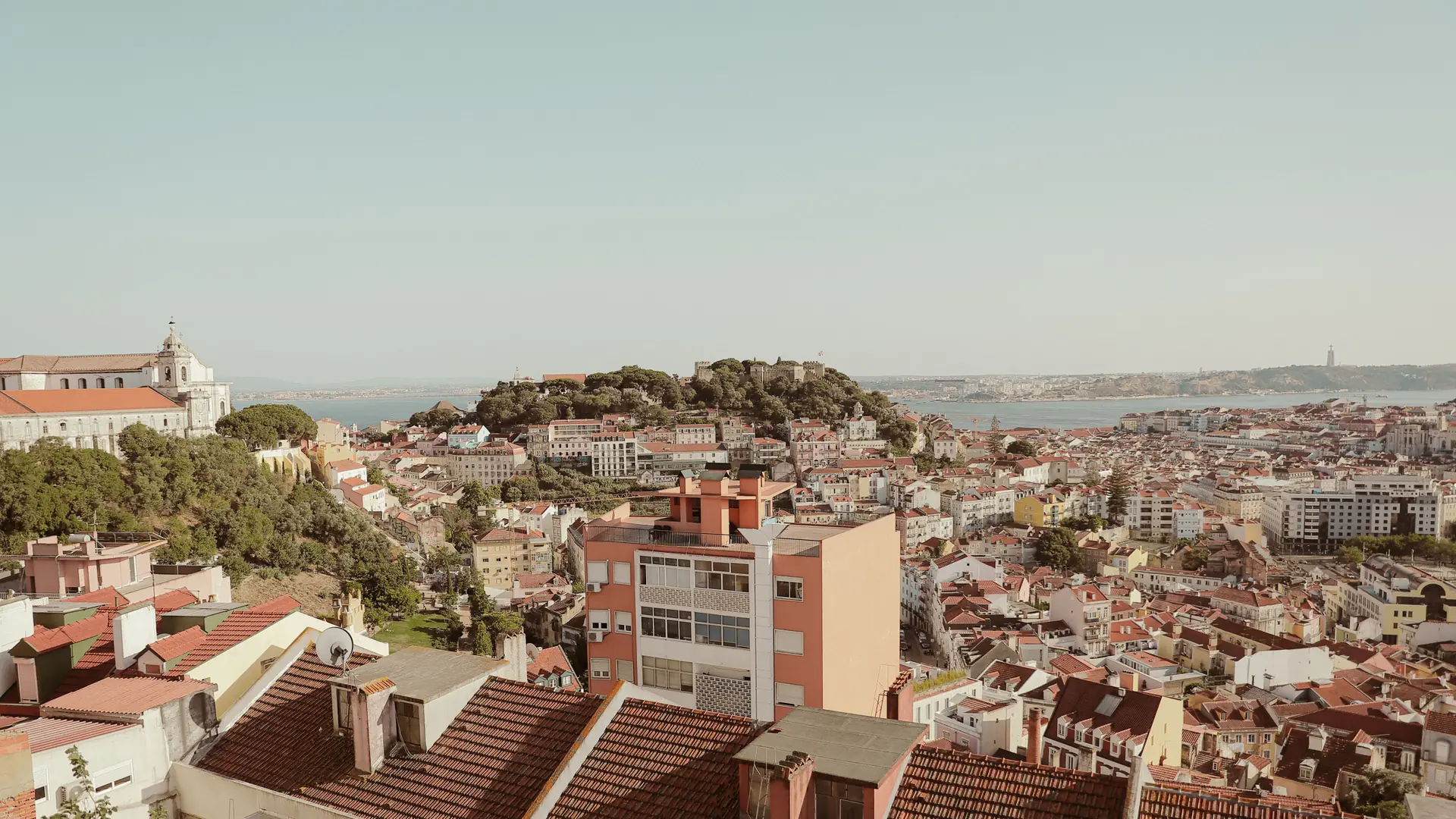
  1. Sunlit Ribeira riverfront houses and boats along the Douro river in Porto 1

    Porto

    1 night

    São Bento's tiled station hall, the Ribeira riverfront, and direct CP trains into the Minho

    One Porto night sets up an early train to Guimarães the next morning, with just enough time for São Bento's tiled hall and a riverfront walk before the Minho becomes the focus.

    Watch out: Buy the next morning's Guimarães ticket at São Bento the day before; the train itself needs no reservation, but the ticket-hall queue can cost real time before an early departure.

    Read the Porto guide →
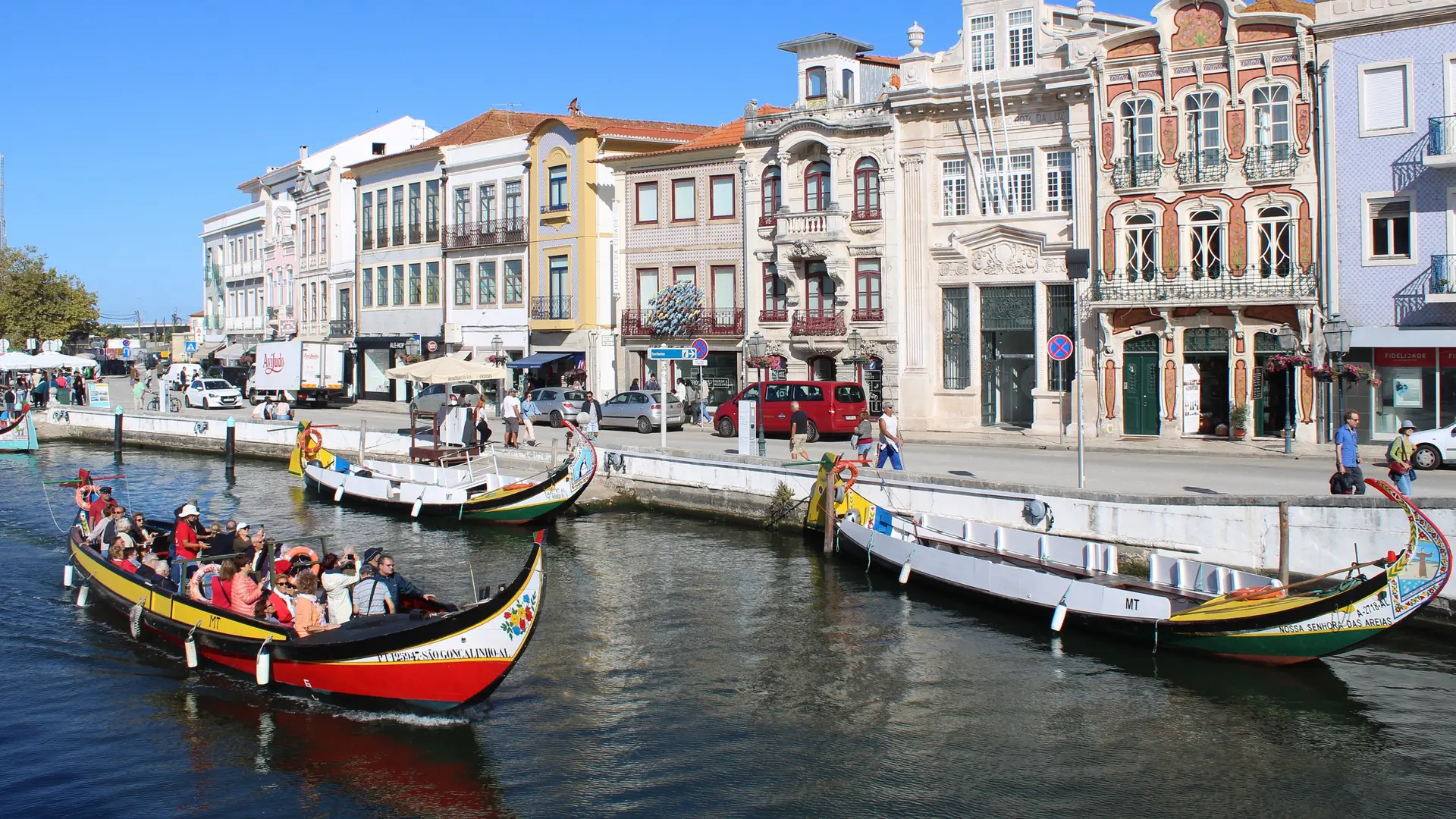
  2. Aerial view of Guimaraes Castle's crenellated walls beside the Paco dos Duques ducal palace 2

    Guimarães

    1 night

    Guimarães Castle, the 1128 Battle of São Mamede, and a UNESCO-listed medieval old town

    One night is enough for the €2 castle, the adjoining ducal palace and a walk through the UNESCO-listed old town where a plaque marks the spot Portugal's founding is traced to.

    Watch out: The Paço dos Duques' Watchtower and some interior rooms are closed for ongoing rehabilitation work; confirm current access before building a visit around the palace interior specifically.

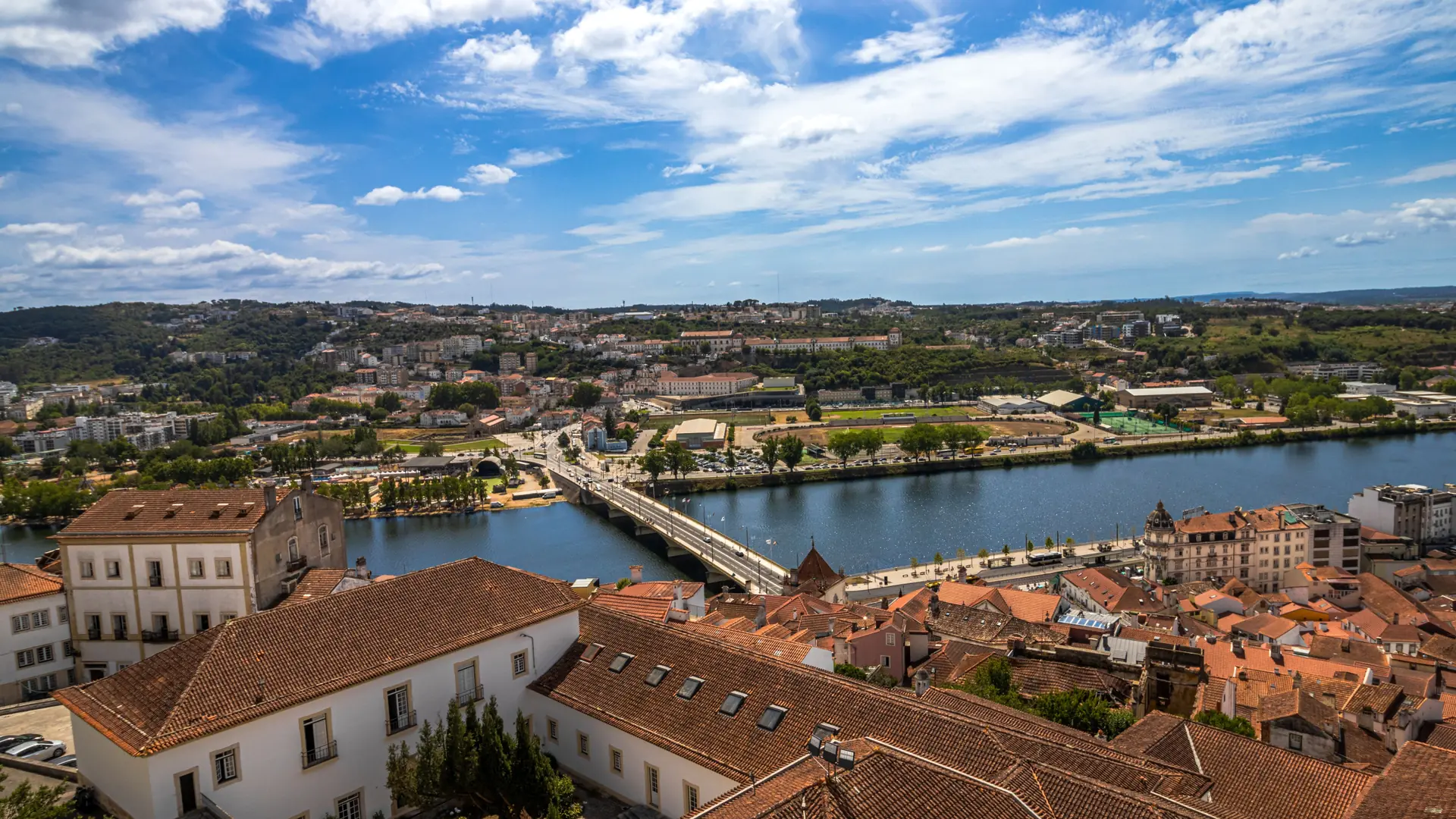
  3. Twin-towered facade of Se de Braga cathedral under a bright blue sky 3

    Braga

    2 nights

    Portugal's oldest cathedral, consecrated in 1089, and the Bom Jesus do Monte sanctuary and funicular

    Two nights split the cathedral and central old town from a full day at Bom Jesus do Monte, where the 573-step staircase and the 1882 funicular each deserve unhurried time.

    Watch out: No direct train connects Guimarães to Braga; arrange the direct bus rather than assuming the rail line covers this leg.

Five days from Porto's river to Portugal's founding history

Each day moves toward one historical layer of the Minho, from Porto's river to Guimarães' 12th-century battlefield to Braga's 11th-century cathedral. Prices were confirmed on the respective 2026 operator pages on 9 September 2026.

1 Day 1 Arrive in Porto: buy tomorrow's ticket, walk the river

Use the arrival afternoon to buy the following morning's CP ticket to Guimarães at São Bento station rather than leaving it for a rushed departure. São Bento's own tiled entrance hall is worth a few minutes even on a short visit, but save a fuller Porto exploration for a separate trip, since this route treats the city as a gateway to the Minho rather than a destination in its own right. A short walk along the Ribeira riverfront in the evening is enough to place Porto in context before the focus shifts north tomorrow.

  • Buy tomorrow's CP ticket to Guimarães at São Bento the day before
  • Take a few minutes for São Bento's tiled hall without a full city visit
  • Walk the Ribeira riverfront in the evening rather than planning a full Porto day
  • Treat Porto as this route's gateway, not its main destination

Overnight: Porto

2 Day 2 Porto to Guimarães: the castle where Portugal began

Take the CP Guimarães line, about €3.60 for a single adult fare with roughly ten daily departures, and head straight for the castle on arrival. Guimarães Castle costs €2 to enter and is widely described as the closest fortification to Portugal's actual origin: it was here, at the nearby Battle of São Mamede in 1128, that Afonso Henriques' forces defeated those loyal to his mother, a victory that set the county of Portugal on its path to independence from León. A combined €8 ticket adds the Paço dos Duques, the 15th-century ducal palace next door, though note that its Watchtower and some interior rooms are currently closed for rehabilitation work. Walk down into the old town afterward to find the plaque reading Aqui Nasceu Portugal, meaning Here Portugal Was Born, in the historic square below.

  • Take the roughly €3.60 CP train direct to Guimarães
  • Visit Guimarães Castle, linked to the 1128 Battle of São Mamede
  • Add the Paço dos Duques on the combined €8 ticket if the palace's current closures don't matter
  • Find the Aqui Nasceu Portugal plaque in the old town below the castle

Overnight: Guimarães

3 Day 3 Guimarães to Braga: skip the train, take the bus

Spend the morning in Guimarães' UNESCO-listed historic centre, inscribed in 2001 as an exceptionally preserved example of a medieval Portuguese town's evolution into a modern one, before catching the direct bus to Braga. Skip the train for this leg: without a direct rail line, the CP option means changing trains partway and losing well over an hour, while a direct bus covers the same distance in roughly 25 to 40 minutes. Arrive in Braga by early afternoon and go straight to the Sé Cathedral, Portugal's oldest, consecrated in 1089 by Bishop Pedro nearly six decades before the country itself existed; the Chapel of Kings inside holds the tombs of Henry of Burgundy and Teresa of León, the parents of Portugal's first king.

  • Spend the morning in Guimarães' UNESCO-listed historic centre before departing
  • Take the direct bus to Braga rather than the train, which needs a transfer at Lousado
  • Visit Sé de Braga, Portugal's oldest cathedral, consecrated in 1089
  • See the Chapel of Kings, holding the tombs of Portugal's first king's parents

Overnight: Braga

4 Day 4 Bom Jesus do Monte: the staircase and the 1882 funicular

Give the full day to Bom Jesus do Monte, on the eastern edge of the city. The zigzagging baroque staircase climbs 573 steps past chapels, fountains and statues representing the stations of the cross, but the more remarkable engineering sits alongside it: a water-balanced funicular completed in 1882, the first built anywhere on the Iberian Peninsula and still the oldest of its type operating in the world today. Two cabins counterbalance each other along a 274-metre track using water tanks rather than an electric motor, a system designed by Nikolaus Riggenbach and Raul Mesnier that predates most modern funicular technology by a century. Climb the stairs on the way up for the full experience of the sanctuary's terraces, then ride the funicular down, or do both directions by staircase if the crowds and weather allow a slower pace.

  • Climb Bom Jesus's 573-step baroque staircase past chapels and fountains
  • Ride the 1882 water-balanced funicular, the oldest of its kind still operating
  • Understand the funicular's water-tank counterbalance system, not an electric motor
  • Choose stairs up and funicular down, or both by stairs if time allows

Overnight: Braga

5 Day 5 Departure day: finish Braga, train back to Porto

Use the morning for whatever central Braga didn't get to yet, such as the Arco da Porta Nova gate or the arcaded Praça da República, before the return journey. The CP line back to Porto runs the same roughly €3.60 fare and ten-plus daily departures as the outbound leg, so there is no need to book ahead; just confirm the departure time that leaves comfortable margin before a flight or onward connection. Retrieve any luggage stored at the hotel before heading to the station rather than timing the walk to the exact train.

  • Finish central Braga sights like the Arco da Porta Nova or Praça da República
  • Take the CP train back to Porto; no advance booking is needed
  • Build real margin before a flight rather than timing the walk precisely
  • Confirm hotel luggage retrieval before heading to the station

Overnight: Braga

Two rail legs from Porto, one bus leg between the towns

Two legs run on CP's urban rail network from Porto; the middle leg between Guimarães and Braga is the one exception, covered by a direct bus rather than a train.

2 transfers

  1. Porto Guimarães

    Train Travel time: About 55 minutes to 1 hour 10 minutes by CP Guimarães line

    The CP Guimarães line runs directly from Porto with roughly ten daily departures, at a single adult fare of about €3.60. The train follows the Ave river valley for much of the route before reaching Guimarães' own station, a short walk from the old town and castle.

    Booking note: No reservation required; buy the ticket at São Bento the day before to avoid a same-morning queue.

  2. Guimarães Braga

    Bus Travel time: About 25-40 minutes by direct bus, versus over 90 minutes by train with a transfer

    No direct rail line connects Guimarães to Braga; the CP option routes through a Lousado connection and eats well over an hour in the process. A direct bus covers the same distance in around 25–40 minutes, making it the clearly faster and simpler choice for this specific leg.

    Booking note: Book the direct bus rather than the train; multiple operators run this route with same-day departures.

CP schedules and bus operator timetables change seasonally; confirm current departures on cp.pt and the relevant bus operator's site before travelling.

Real costs across three Minho towns

This route's paid sights are inexpensive; the only cost worth real planning is transport between the three towns. CP's urban rail charges about €3.60 for a single adult fare from Porto to either Guimarães or Braga. Guimarães Castle is €2 alone or €8 combined with the Paço dos Duques ducal palace. Bom Jesus do Monte's grounds and staircase are free to climb, with only the funicular itself carrying a small fare.

CP train, Porto to Guimarães and Porto to Braga Both urban lines charge the same single fare; a Siga card costs €0.50 and speeds up validation at the gates.
About €3.60 per adult per leg; verify live
Direct bus, Guimarães to Braga Several operators run this route; compare same-day departure times rather than booking the very first option shown.
About €2-€5 per adult; verify live
Guimarães Castle and Paço dos Duques, combined ticket Free entry to the Paço dos Duques on Sundays; the Watchtower and some palace rooms are closed for ongoing rehabilitation work.
€8 per adult
Bom Jesus do Monte funicular, one-way The grounds and staircase themselves are free; only the funicular ride carries a fare.
A few euros per adult; verify live
Accommodation average nightly rate Porto has the widest range; Guimarães and Braga trend toward small guesthouses at similar or slightly lower rates.
Plan €70-€160 per room; verify live
Daily meals A flexible allowance. A francesinha lunch in Porto or a bacalhau plate in Braga sits well within this range without a tourist-menu markup.
€25-€45 per person daily

Booking tips

  • Load a Siga smart card for CP's urban trains before travelling; single paper tickets from Porto to Guimarães or Braga cost the same €3.60 fare, but the card avoids a separate purchase at each machine.
  • Buy the combined Paço dos Duques and Guimarães Castle ticket on site rather than two separate ones; it saves €2 over paying for each individually.
  • Book the direct Guimarães-to-Braga bus rather than the train; the rail connection requires a transfer at Lousado and takes over 90 minutes against roughly 25-40 minutes by bus.
  • Climb Bom Jesus's staircase in the morning before the day heats up, and ride the funicular down; both directions cost the same fare, so there's no financial reason to pick one over the other beyond comfort.

Where to stay in Braga

Braga carries the route's two anchor nights: stay near the historic centre so the cathedral, main squares and the Bom Jesus bus or train connection all stay within easy reach.

Search all Braga stays →
Finding top Braga accommodations...

Porto, Guimarães and Braga route map

See the route from Porto through Guimarães' founding-era castle to Braga's cathedral and Bom Jesus sanctuary, plotted at each stop's verified coordinates.

Braga

Questions about planning this Porto, Guimarães and Braga route

What's the fastest way to reach Guimarães and Braga from Porto?

Take the CP train for both Porto legs, since Porto connects directly to Guimarães and to Braga on its own urban lines for about €3.60 each. For the middle leg between Guimarães and Braga, skip the train entirely: there is no direct rail line, so the CP option loses well over an hour to a mid-journey change, while a direct bus covers the same distance in about 25–40 minutes.

Why is Guimarães Castle called the birthplace of Portugal?

It was here that Afonso Henriques' forces won the Battle of São Mamede in 1128 against troops loyal to his mother, a victory that set the County of Portugal toward independence from the Kingdom of León. The castle and the surrounding historic centre are why Guimarães carries the nickname Berço da Nação, the Cradle of the Nation, and why a plaque in the old town reads Aqui Nasceu Portugal.

Should you walk Bom Jesus's staircase or take the funicular?

Both work and cost the same fare; the choice comes down to pace and weather. Climbing the 573-step staircase past its chapels and fountains gives the full sanctuary experience at ground level, while the 1882 water-balanced funicular, the oldest operating example of its kind, offers a shorter ride with its own historical interest. Many visitors climb one way and ride the other.

What makes Braga Cathedral historically significant beyond its age?

The Chapel of Kings inside Sé de Braga holds the tombs of Henry of Burgundy and Teresa of León, the parents of Afonso Henriques, Portugal's first king. The cathedral itself, consecrated in 1089, predates the country's founding by several decades, making it one of the oldest working cathedrals on the Iberian Peninsula.

Is one night in Guimarães enough, or should you stay longer?

One night works if the castle, the Paço dos Duques and a walk through the UNESCO-listed old town are the priorities, since all three fit into a single afternoon and morning. Add a second night only for a slower pace or to include the Penha viewpoint above the city, which this five-day version doesn't reach.

What's the best addition if you have a spare day in the Minho?

Add the extra time to Braga rather than a new stop, for a day trip into the surrounding Vinho Verde wine country or a visit to the Sameiro Sanctuary, a second hilltop pilgrimage site near Bom Jesus that this itinerary doesn't cover. A fourth town tends to add transfer time faster than it adds genuinely new history in a region this compact.

Sources and editorial review

Reviewed by StartBooker editorial Porto, Guimarães and Braga route planning and editorial research

Last reviewed 2026-09-09

How this itinerary was researched and verified: Twelve direct source records across eleven publishers were reviewed. Paço dos Duques's own site, Braga's municipal council, Comboios de Portugal and Visit Portugal supplied prices, hours and historical facts directly; UNESCO's listing confirmed Guimarães' heritage designation. Independent Minho-focused guides and a transit comparison site confirmed the Guimarães-Braga bus-versus-train trade-off, not copied for prose.

12 references reviewed

Key primary sources
  • Paço dos Duques de Bragança
  • Câmara Municipal de Braga
  • Comboios de Portugal
  • Turismo de Portugal
  • UNESCO World Heritage Centre
  • Portugal Visitor
Photo credits

Photos provided by Pexels.

Have you followed this Porto-to-Braga history trail?

Did the direct Guimarães-to-Braga bus save real time over the train transfer?