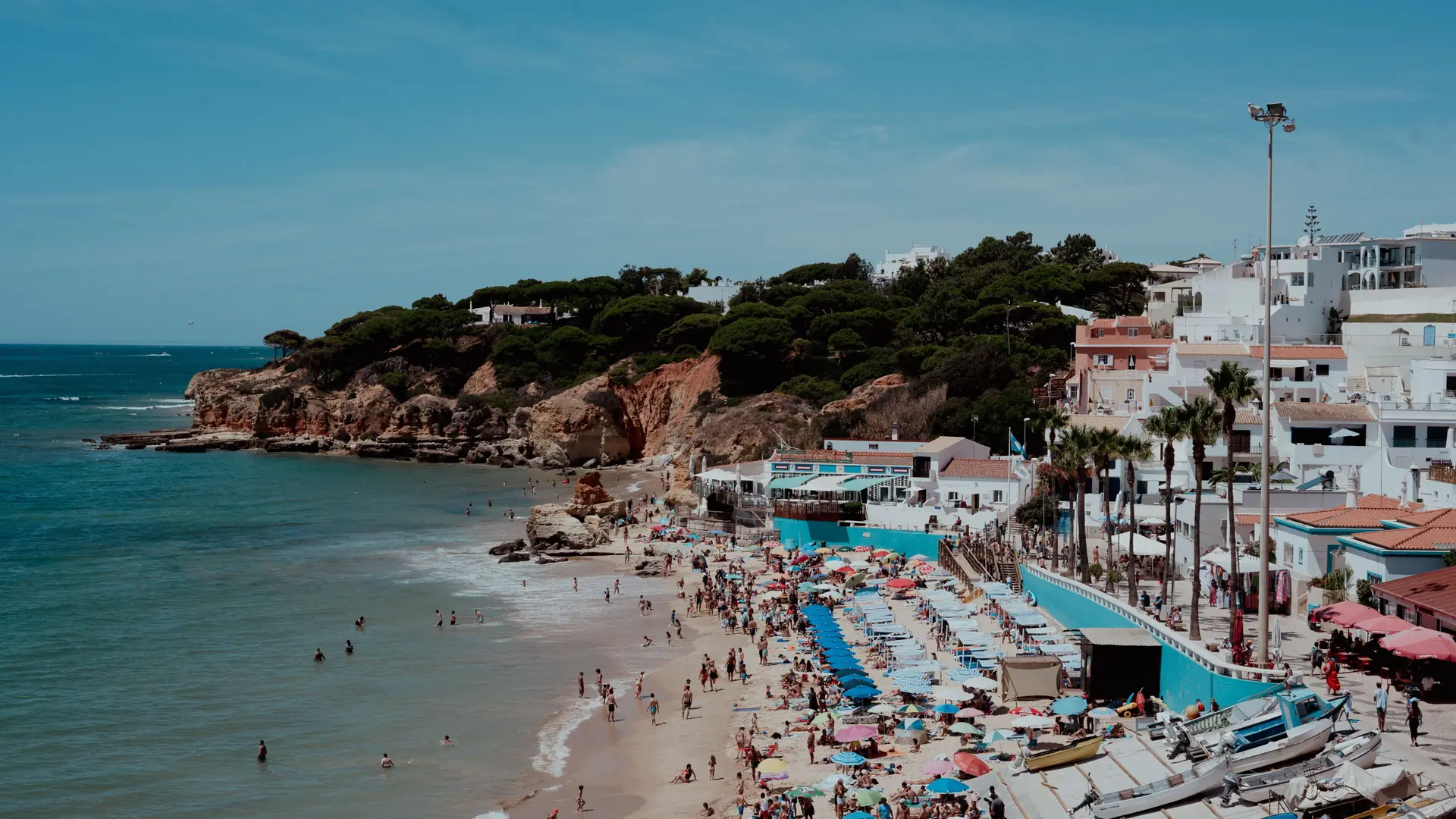
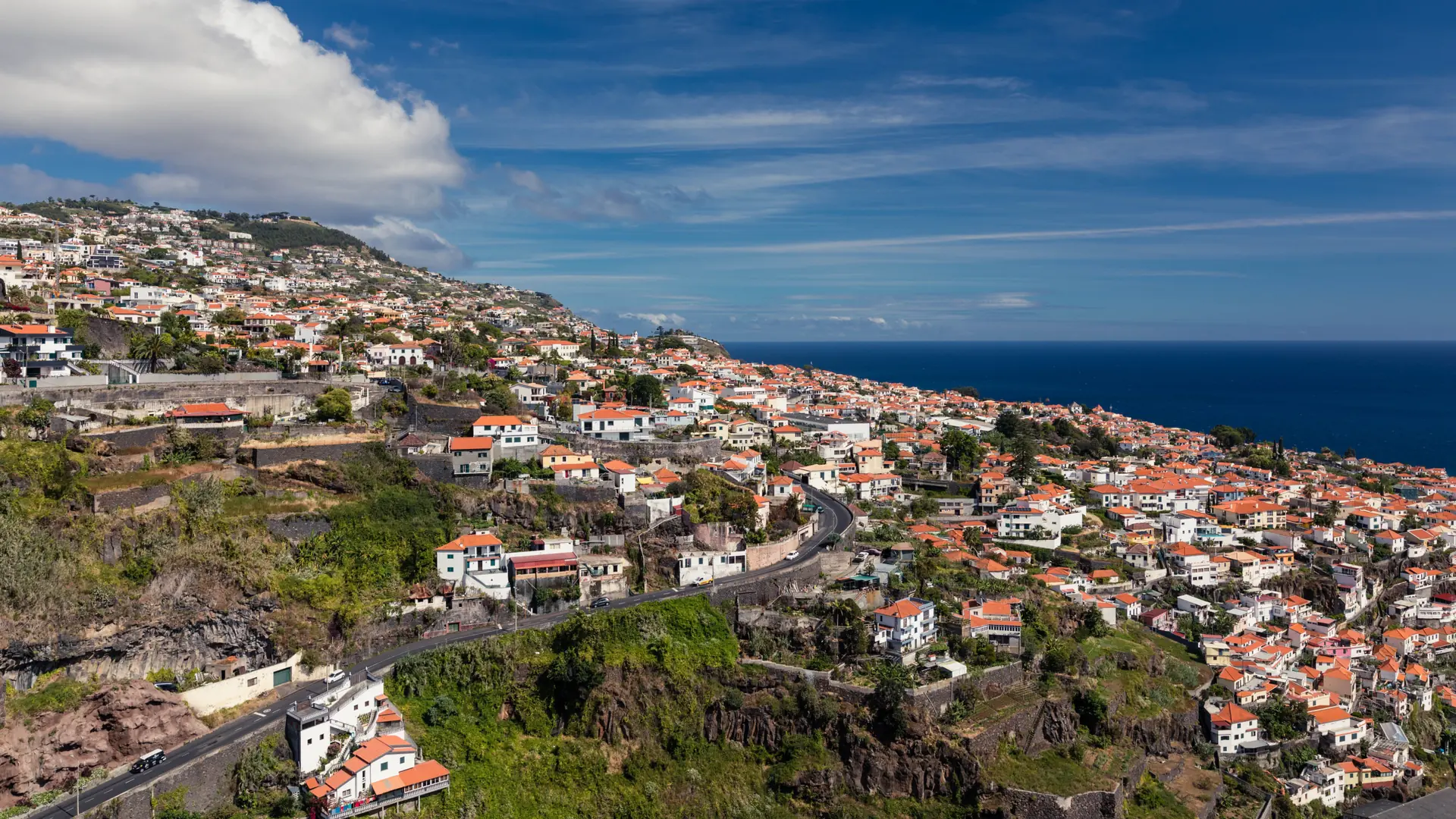
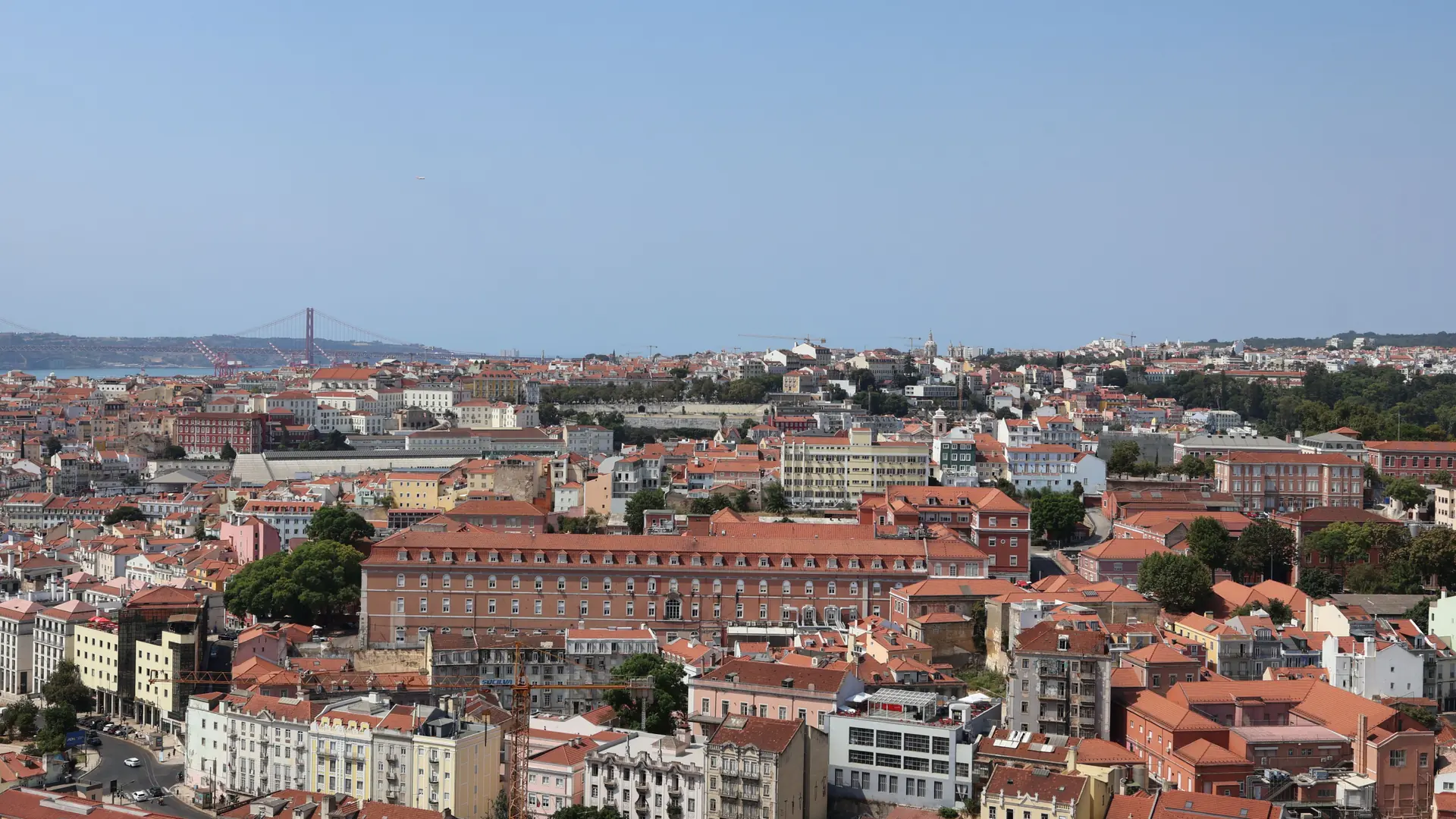
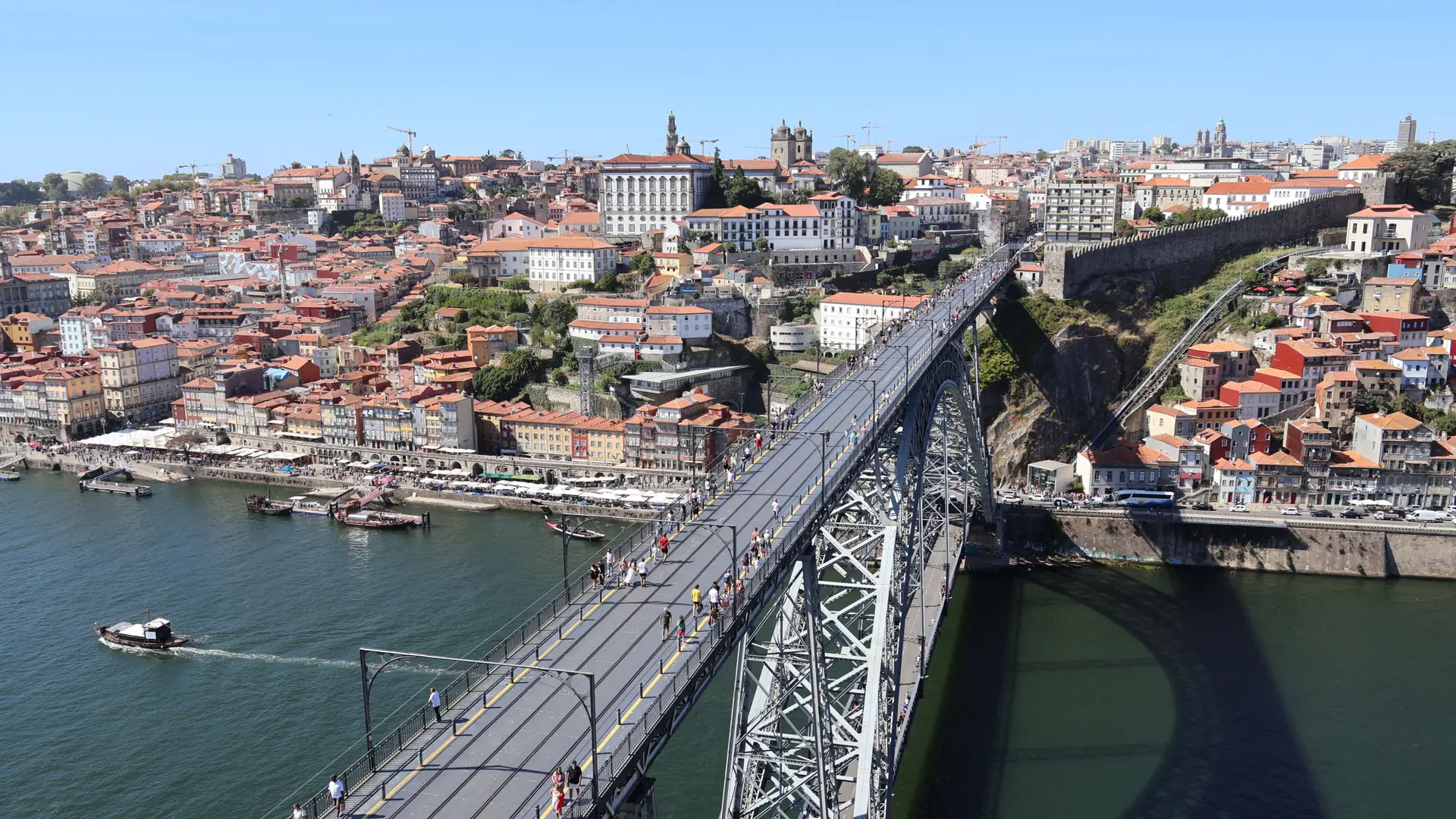
Golden limestone sea cliffs and turquoise water along the Algarve coastline in bright sunshine

Algarve road trip in 7 days

A toll-free A22 loop from Faro through Tavira's island ferry and Lagos's cliffs to Sagres, finishing with a Monchique mountain detour into Silves.

Duration
7 days, 6 nights
Bases
4 road-connected stops
Main transport
Self-drive, toll-free A22
Best window
Apr-Jun or Sep-Oct
Finding current stays

Why this loop crosses the Algarve twice instead of picking one half

This loop trades the fastest way across the Algarve for the one that actually uses the region's shape: two nights each in the eastern and western halves, bridged by a single long A22 crossing, and closed by a mountain drive instead of a repeat of the coastal road. Since 2025 the A22 has carried no toll for passenger cars, which changes the arithmetic on a route that used to cross the region twice. The trade-off is real driving time, roughly 3.5 to 4 hours across the week, concentrated in one long Tavira-to-Lagos leg and one deliberately slower Monchique detour rather than spread evenly. A car-free version is possible for the coastal towns using CP's Algarve line, but it drops Sagres and Monchique entirely, since neither has a practical public-transport connection. The route also assumes April-to-June or September-to-October travel is preferable to the August peak, when Lagos and Tavira accommodation prices rise sharply and Ponta da Piedade's boats and kayaks book out earlier in the day.

Tavira earns two nights for its ferry, not just its old town

One Faro night absorbs flight delays before the driving starts, then two Tavira nights split the river town from its barrier-island beach: the Quatro Águas ferry runs year-round for roughly €1.20 per single trip, while the salt pans east of town explain the whole estuary on foot.

Lagos is the base for the coast's two headline sights

Two Lagos nights carry Ponta da Piedade's cliffs on arrival afternoon and a full Sagres day trip, where Fortaleza de Sagres charges €10 adult admission in 2026 and the free clifftop lighthouse at Cabo de São Vicente sets the scale before you pay to enter the fort.

The final drive is the route's only mountain day

The Lagos-to-Silves drive is routed inland through the Serra de Monchique on purpose, reaching Fóia at 902 metres, the Algarve's highest point, before descending past the Roman-era spring at Caldas de Monchique into Silves's orange-grove valley.

Best for

  • First-time Algarve visitors who want the eastern towns and the western cliffs, not just one or the other
  • Travellers comfortable with a rental car and roughly 3.5-4 hours of total driving across the week
  • Anyone prioritising Sagres and the Monchique mountain viewpoint, neither of which has practical public transport

Think twice if

Travellers who want a beach-resort week with minimal driving, or who are relying entirely on trains and buses to reach Sagres and the Monchique viewpoints.

StartBooker answer

How many days do you need for an Algarve road trip, and what route actually works?

Seven days is enough to drive the Algarve's full east-west spread without a one-night stand at every stop: two nights in Tavira for the island ferry and salt-pan channels, two in Lagos for Ponta da Piedade and a Sagres day trip, and one in Silves with a detour to the Foia viewpoint above Monchique. Since 2025 the A22 motorway that links these towns has been toll-free for cars. Sagres Fortress costs €10 for an adult in 2026; Silves Castle is a few euros. Budget three to four hours of actual driving across the week, not per day.

Route order
Faro (1 night) → Tavira (2 nights) → Lagos (2 nights) → Silves (1 night)
Primary transport
Self-drive on the toll-free A22 and secondary roads; regional trains cover Faro-Tavira-Lagos as a car-free fallback
Driving load
Roughly 240 km and 3.5-4 hours behind the wheel across the whole week
Key monument prices
Sagres Fortress €10; Silves Castle about €2.80; Ilha de Tavira ferry about €2 return

What each overnight base contributes

Faro gets one night as an arrival buffer; Tavira and Lagos each earn two nights because their best days, the island ferry and the Sagres detour, are full days rather than half-days; Silves closes the loop with the Monchique mountain detour built into the drive itself.

4 stops · swipe

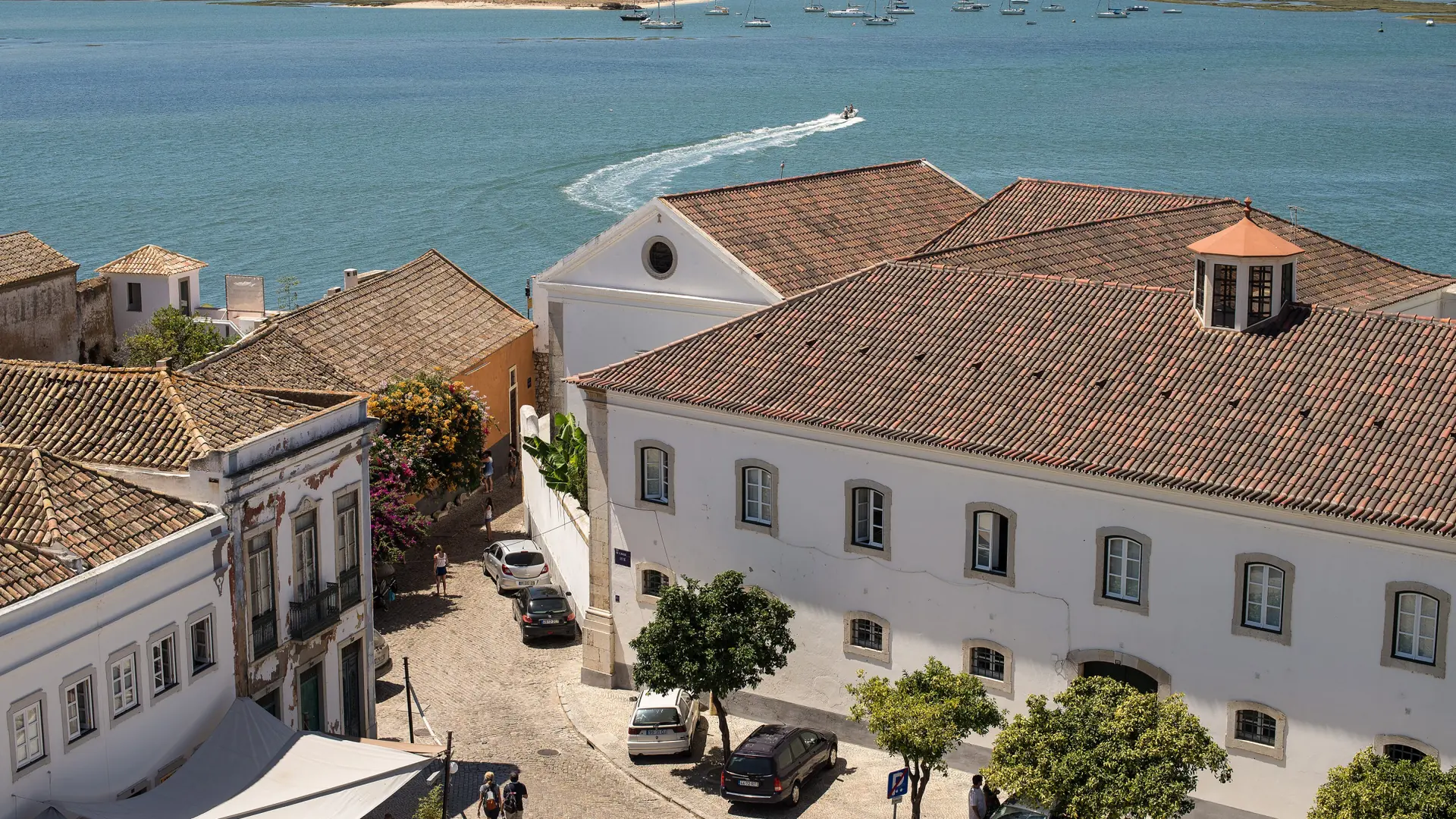
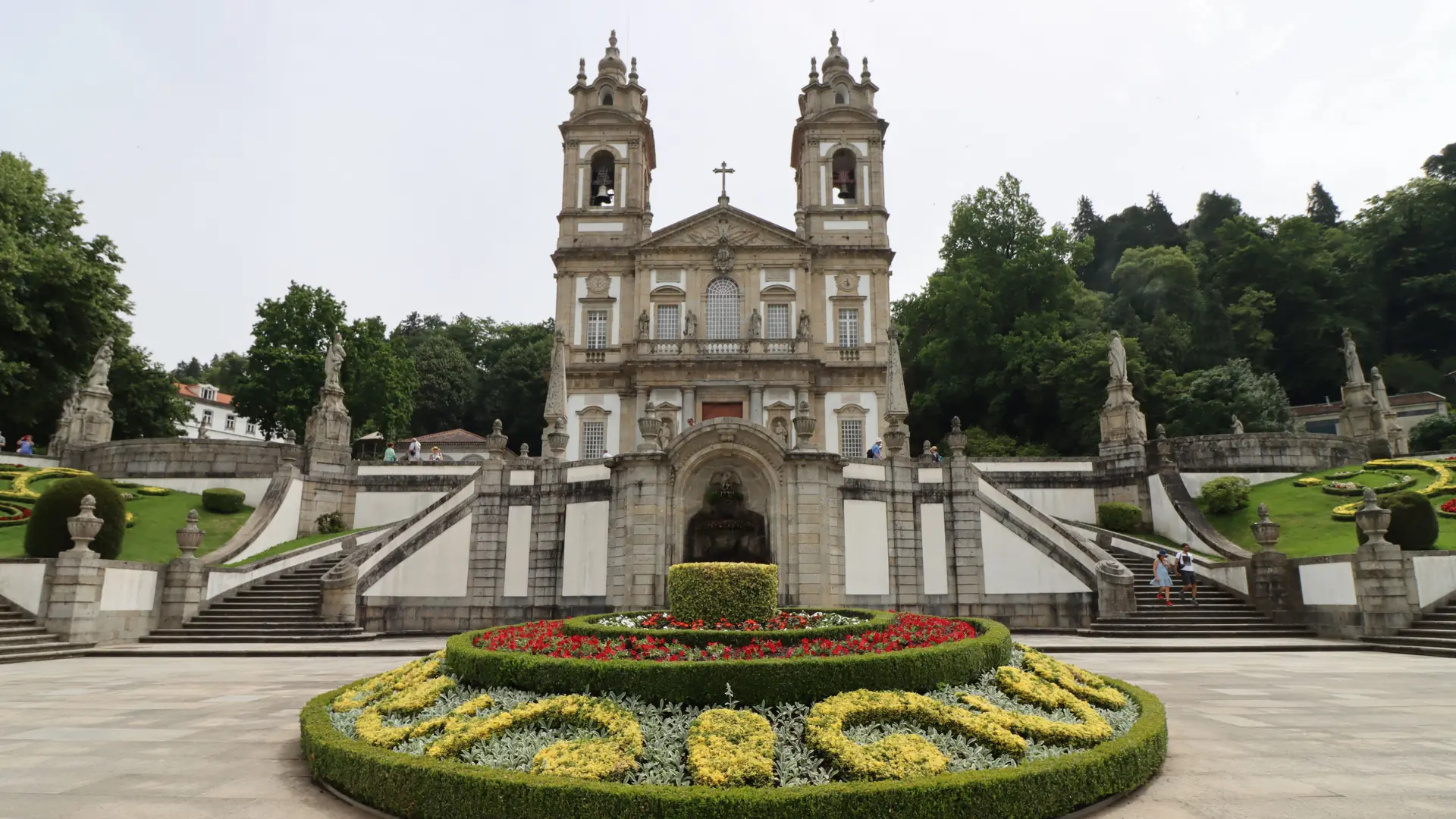
  1. Sunlit historic gate and whitewashed buildings in Faro's walled old town 1

    Faro

    1 night

    Walled Cidade Velha, the Ria Formosa lagoon boardwalk, and the region's main airport

    One night in Faro absorbs a delayed flight without costing a planned stop elsewhere, and the walled old town and Ria Formosa boardwalk are worth an arrival-afternoon walk on their own.

    Watch out: Faro Airport traffic and rental-car queues can eat an hour on both ends of the week; do not schedule a tight monument visit on arrival or departure day.

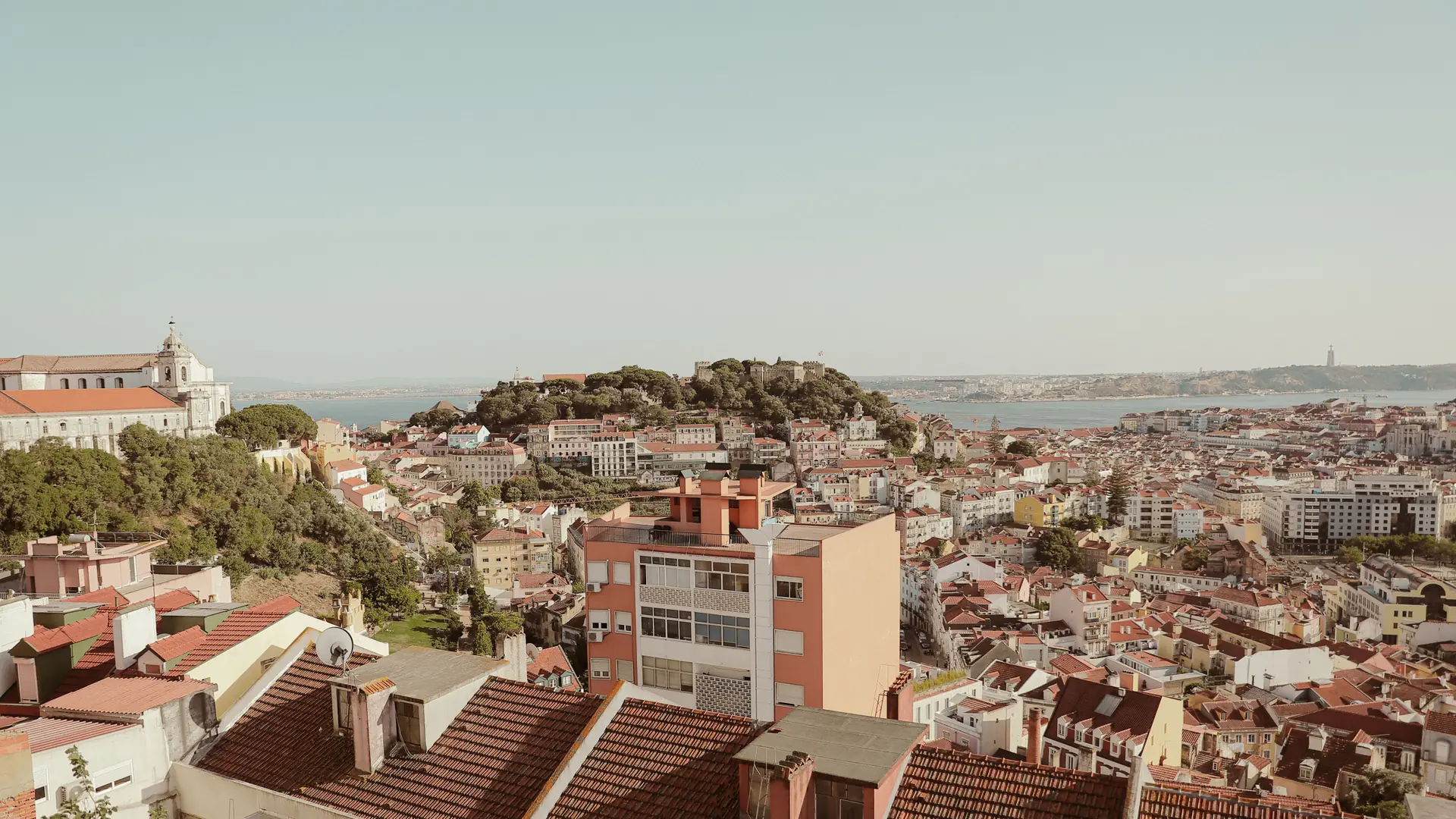
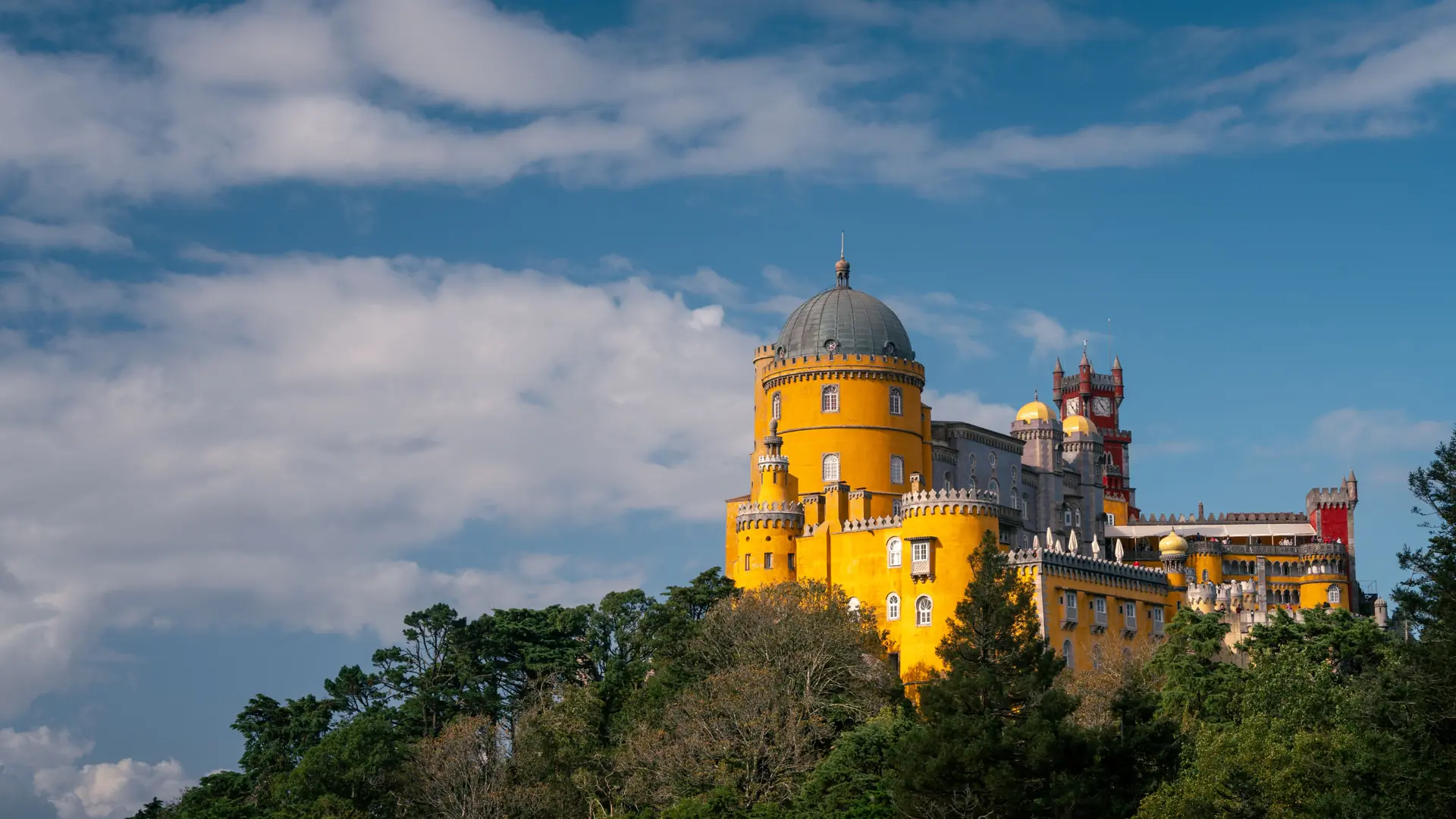
  2. Traditional riverside houses and a stone bridge over the Gilão river in Tavira 2

    Tavira

    2 nights

    The Roman-footed river bridge, a hilltop castle garden, and the Ilha de Tavira barrier-island ferry

    Two nights split the town itself from its island beach: one day for the river channel, castle garden and old-town streets, one for the year-round Quatro Águas ferry and the salt pans east of town.

    Watch out: The town-centre ferry pier only runs roughly late March to September; outside that window, plan on the Quatro Águas crossing and its short walk or drive from the centre.

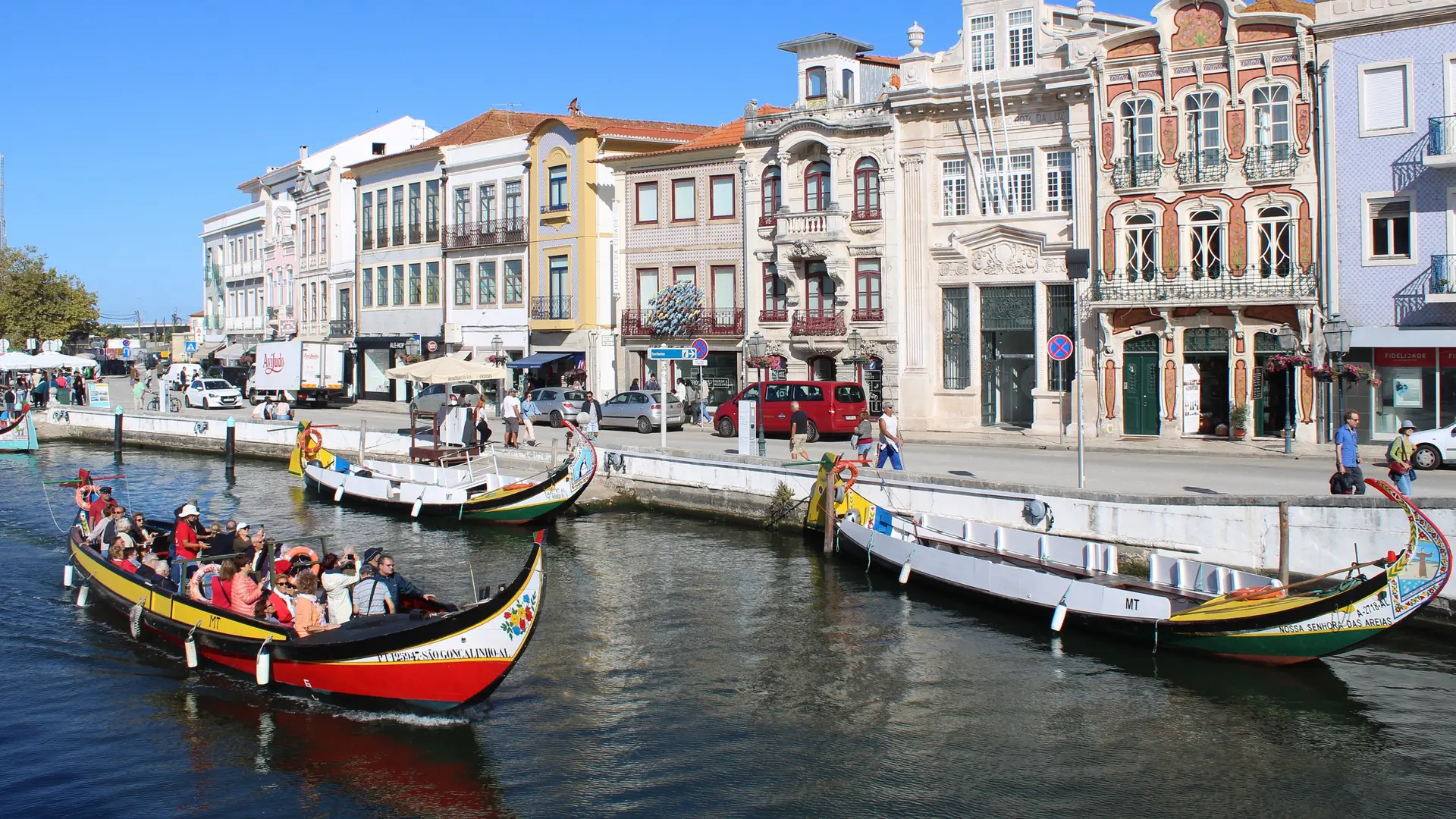
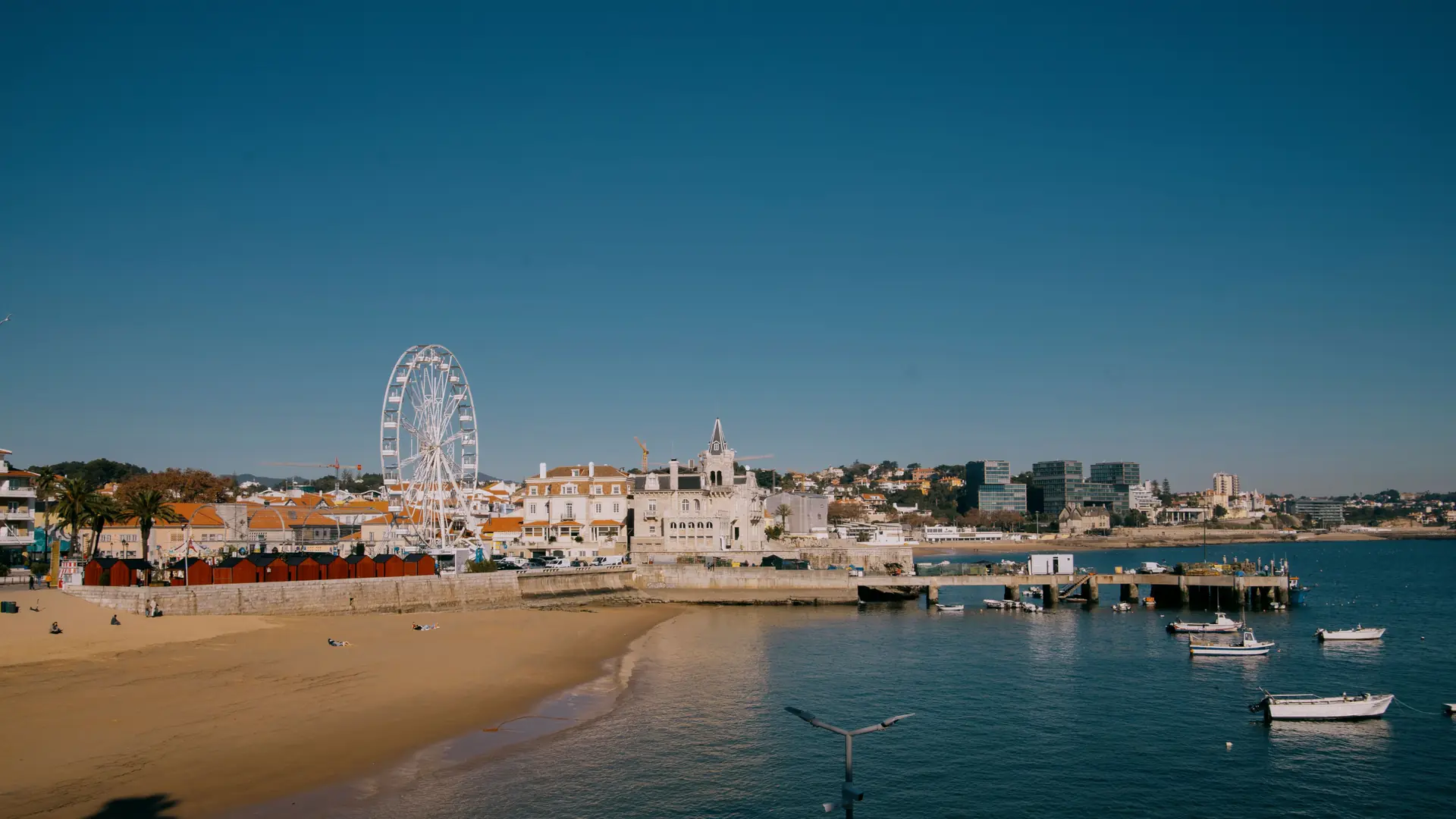
  3. Golden sandstone sea cliffs and clear turquoise water at Ponta da Piedade near Lagos 3

    Lagos

    2 nights

    Ponta da Piedade's cliffs and grottoes, Age-of-Discoveries old town, and the Sagres day trip

    Two nights carry the route's two biggest half-days: Ponta da Piedade's cliffs on arrival afternoon, then a full day trip to Sagres and Cabo de São Vicente without needing to change hotels.

    Watch out: Sagres is close enough for a day trip but far enough that combining it with a Lagos-to-Silves transfer the same day leaves no real time at the fortress.

    Read the Lagos guide →
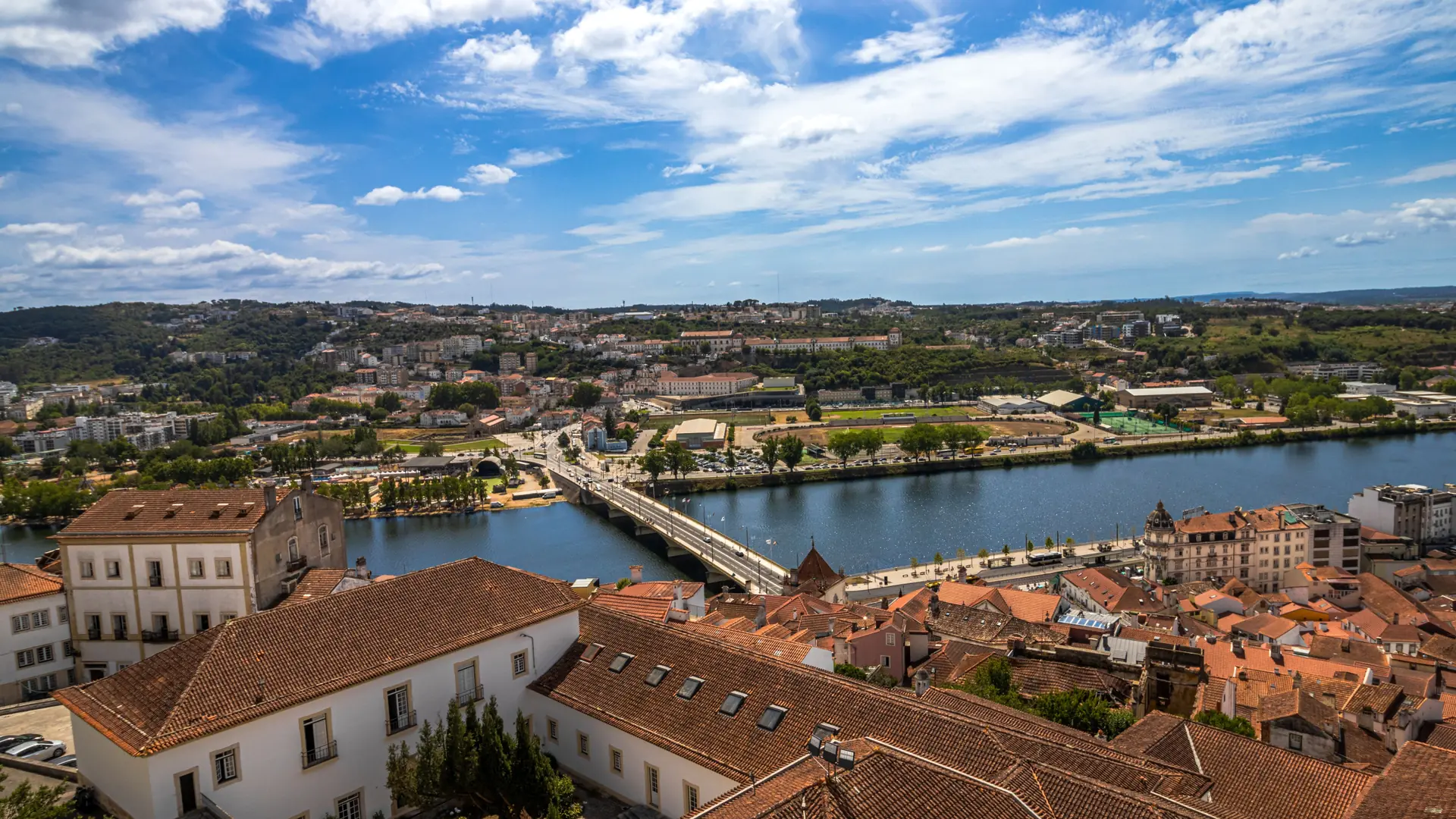
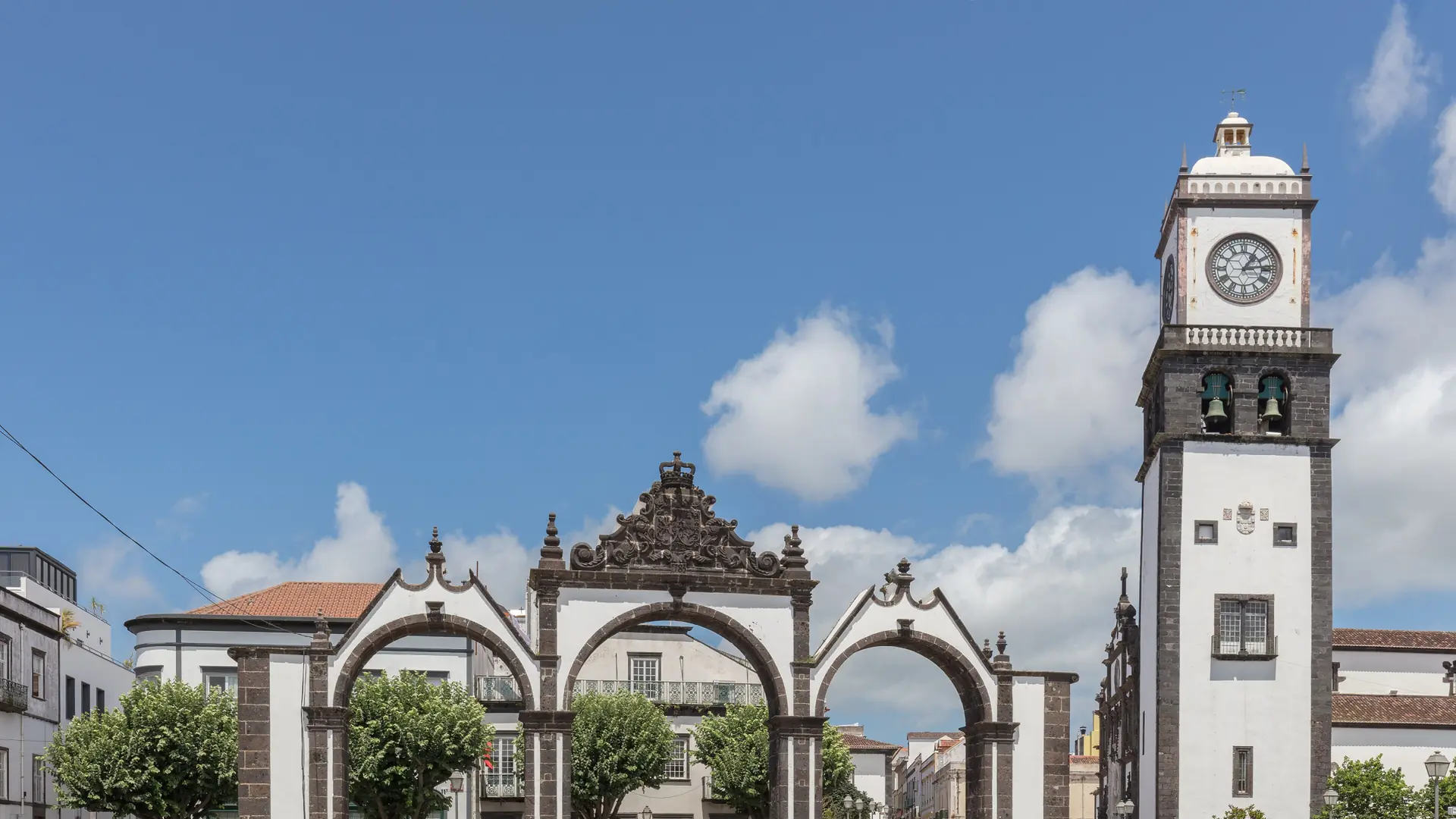
  4. Red sandstone castle walls of Silves overlooking the Arade river and orange groves 4

    Silves

    1 night

    The red sandstone Moorish castle, the Arade river bridge, and the Serra de Monchique gateway

    One night in Silves closes the loop after the Monchique mountain detour; the castle and river bridge fit an evening and a departure-day morning without a second full day inland.

    Watch out: The castle's last admission is 30 minutes before closing, and closing time shifts by season, so confirm the current hours before planning an evening arrival around it.

Seven days from the eastern Algarve to its southwestern tip

Each day has one driving leg and one anchor sight, so a delayed flight or a closed monument does not collapse the whole plan. Prices below are current operator figures checked on 8 September 2026 or clearly labelled allowances; recheck anything time-sensitive before paying.

1 Day 1 Land in Faro, collect the car, walk the old town

Collect the rental car at Faro Airport, photograph its condition, and drive the short distance into town rather than straight onward; starting the week with an empty first day absorbs any flight delay without costing a planned stop elsewhere. Faro's walled Cidade Velha is compact: the cathedral, the Arco da Vila gate and the boardwalk over the Ria Formosa lagoon can all be covered on foot in an afternoon. The lagoon itself is the reason Faro is worth more than a drive-through gateway; its channels and barrier islands shelter wintering birds and separate the town from the open Atlantic. Keep the evening unbooked. A late-arriving flight has already used the day's flexibility, and Faro's old town restaurants do not need a reservation made from another country.

  • Collect and photograph the rental car before driving into central Faro
  • Walk the walled Cidade Velha: cathedral, Arco da Vila, and the Ria Formosa boardwalk
  • Treat day one as an absorption buffer for flight delays, not a packed schedule
  • Keep dinner unbooked in the old town rather than pre-reserving from abroad

Overnight: Faro

2 Day 2 Faro to Tavira: the river town and its island ferry

Drive east on the A22, now toll-free for passenger cars, to Tavira; the run is short enough that a mid-morning departure still leaves a full afternoon. Tavira's river channel and its Roman-footed bridge separate two sides of a genuinely lived-in town rather than a resort strip, and the hilltop castle garden gives an orientation view over the rooftops before descending into the streets. In the afternoon, drive or walk to Quatro Águas and take the year-round ferry to Ilha de Tavira; the crossing costs an adult single fare of roughly €1.20 and runs roughly hourly outside summer. The island's beach is long and mostly undeveloped compared with the Algarve's western resorts, which is the actual reason to add the ferry crossing rather than staying on the mainland side of the channel.

  • Drive the toll-free A22 from Faro to Tavira in under an hour
  • Walk the river channel and climb to the castle garden for a rooftop orientation view
  • Take the year-round Quatro Águas ferry rather than the seasonal town-centre pier
  • Spend the afternoon on Ilha de Tavira's undeveloped barrier-island beach

Overnight: Tavira

3 Day 3 Tavira's second day: salt pans over a second ferry crossing

Use the second Tavira night for the things a single afternoon cannot fit: the salt pans east of town, where working salinas still shape the wetland, and the Ilha de Cabanas side of the barrier islands if the first beach day favoured Ilha de Tavira. Salt has been worked in this estuary for centuries, and a short walk or cycle along the pan dykes explains the geometry of the whole channel system better than a map does. Keep the second evening for the old town's back streets rather than the main riverside strip; Tavira's covered market and the streets around the Igreja de Santa Maria do Castelo are quieter after the day-trip buses from the coast have left.

  • Walk or cycle the salt-pan dykes east of Tavira to see the working salinas
  • Compare Ilha de Cabanas with Ilha de Tavira if time allows a second beach
  • Return to the old town after day-trip crowds thin out in the late afternoon
  • Browse the covered market and the streets near Igreja de Santa Maria do Castelo

Overnight: Tavira

4 Day 4 Tavira to Lagos: the long crossing, then Ponta da Piedade

The drive from Tavira to Lagos is the longest single leg of the week, crossing the full width of the Algarve on the A22; leave by mid-morning and treat lunch as a stop along the way rather than in either town. Lagos itself carries a heavier weight of Age-of-Discoveries history than its beach-town reputation suggests, but the afternoon should go straight to Ponta da Piedade: the cliffs and grottoes south of town are the single sight most road-trip itineraries build the whole western leg around, and late afternoon light is measurably better for both the boat cruise and the walk along the clifftop path than midday. Book the boat or kayak trip for the following morning if the light and crowds do not line up today; the point is not going anywhere else once here.

  • Cross the full Algarve on the toll-free A22 from Tavira to Lagos
  • Treat lunch as a waypoint rather than a reason to add a stop
  • Walk the Ponta da Piedade clifftop path in late-afternoon light
  • Hold the boat or kayak trip for whichever slot has the best light and calmest sea

Overnight: Lagos

5 Day 5 Day trip to Sagres and Cabo de São Vicente

Drive to Sagres and continue to Cabo de São Vicente, continental Europe's southwestern tip, before the fortress itself; the cape's lighthouse and cliff edge cost nothing to visit and set the scale for what the fortress is defending. Fortaleza de Sagres opens at 09:30 and charges the 2026 adult admission of €10, with a discounted €5 rate for ages 13-24 and over-65s; the walled promontory takes a genuine hour or more to walk properly, since the fortifications trace the whole headland rather than a single building. This is also the day to notice the shift in coastline: the cliffs west of Lagos face the open Atlantic rather than the sheltered south coast, and the wind and swell are usually stronger here than anywhere else on the route. Return to Lagos for a second evening rather than pushing on to Silves the same day; the fortress alone fills an afternoon properly.

  • Start at Cabo de São Vicente's free clifftop lighthouse before the fortress
  • Budget a genuine hour or more inside Fortaleza de Sagres's full headland walls
  • Notice the change from sheltered south coast to open Atlantic swell
  • Return to Lagos rather than combining Sagres with the Silves transfer

Overnight: Lagos

6 Day 6 Lagos to Silves via Foia and Caldas de Monchique

Route the drive from Lagos to Silves through the Serra de Monchique rather than along the coast; the detour adds under an hour and reaches Fóia, the Algarve's highest point at 902 metres, where an eight-kilometre trail from Monchique town also arrives for anyone who prefers to walk the last stretch. On a clear day the view runs from Cabo de São Vicente to the Serra da Arrábida near Lisbon, which is a genuinely different Algarve than the beach towns below. Stop in Caldas de Monchique on the way down: the spa hamlet sits around a Roman-era sulphuric spring that still emerges at a constant 32°C, and the short valley is shaded and cool even in summer heat. Arrive in Silves by late afternoon and walk up to the red sandstone castle before it closes; the fortress overlooks the Arade river and the orange groves that made Silves an agricultural centre long before tourism did.

  • Detour through the Serra de Monchique to Fóoia, the Algarve's highest viewpoint at 902 m
  • Stop at Caldas de Monchique's Roman-era 32°C sulphuric spring on the descent
  • Reach Silves Castle before closing for a river and orange-grove view from the ramparts
  • Treat this as the week's scenic driving day rather than a fast transfer

Overnight: Silves

7 Day 7 Departure day: finish Silves, return the car to Faro

Use the morning for whatever Silves' castle hours did not allow the evening before, then walk down to the Roman-arched bridge over the Arade and the cathedral, built on the site of the town's former mosque. Return the car to Faro Airport by the early-to-mid afternoon; the drive back is under an hour on the A22, but Algarve airport traffic can bunch around midday departures in peak season, so build in margin rather than timing the return to the minute. Refuel before the rental return counter rather than at the airport itself, where prices are consistently higher. This closes the loop without a second long drive: Faro to Silves and back covers less distance than the Tavira-to-Lagos crossing earlier in the week.

  • Finish Silves Castle and walk to the Roman-arched bridge and cathedral
  • Return the car to Faro Airport with a real margin before the flight
  • Refuel away from the airport, where prices run consistently higher
  • Recognise the return drive as shorter than the week's longest crossing

Overnight: Silves

The three driving legs and the one worth the detour

Three driving legs connect the four bases, all reachable on the A22 or its direct feeder roads except the Lagos-to-Silves leg, which is routed inland through the Serra de Monchique on purpose rather than along the faster coastal road.

3 transfers

  1. Faro Tavira

    Car Travel time: About 35-45 minutes via the toll-free A22

    The A22 runs directly between Faro and Tavira and has carried no toll for passenger cars since 2025, so this is the week's simplest transfer. Leave Faro by mid-morning to arrive with a full Tavira afternoon still ahead; there is little reason to rush this leg since the whole point of splitting Faro and Tavira into separate one- and two-night stays is to avoid a long first driving day right after landing.

    Booking note: No booking is required for the drive itself; confirm the rental car's current insurance and toll terms with the counter staff before leaving Faro Airport.

  2. Tavira Lagos

    Car Travel time: About 1 hour 30 minutes to 1 hour 45 minutes via the A22

    This is the longest single drive of the week, crossing effectively the full width of the Algarve on the A22. Treat it as a travel day with one lunch stop rather than trying to combine it with a full sightseeing morning in Tavira first; the payoff is arriving in Lagos with enough afternoon light left for Ponta da Piedade, which genuinely looks better a few hours before sunset than at midday.

    Booking note: No booking required; refuel before Lagos if the tank is under half, since fuel stations thin out on the western stretch of the A22.

  3. Lagos Silves

    Car Travel time: About 1 hour 15 minutes to 1 hour 30 minutes via Monchique, versus roughly 50 minutes on the direct coastal road

    Route this leg through the Serra de Monchique rather than along the faster N125 coastal road; the detour to Fóia and Caldas de Monchique adds under an hour of driving but is the only place on the route with mountain views over the whole Algarve coastline. The road climbs and switches back through pine and eucalyptus forest before descending into Silves through orange groves, a genuinely different landscape from every other leg this week.

    Booking note: No booking required; mountain roads can be foggy in the early morning outside summer, so a midday departure gives clearer viewpoint conditions at Fóia.

Drive times assume normal traffic and do not include stops; the A22 has been toll-free for passenger cars since a 2025 legislative change, but always confirm current toll and road rules with the rental company at pickup.

Real costs and where to book ahead on the Algarve loop

Split fixed monument and ferry prices from flexible allowances for fuel, tours and dining. Sagres Fortress charges €10 for an adult in 2026, with concessions at €5 and free entry for children under 12. Silves Castle is roughly €2.80 for an adult on a seasonal hours schedule. The Quatro Águas ferry to Ilha de Tavira runs about €1.20 one-way or €2.00 return for an adult. Fuel and any Ponta da Piedade boat or kayak trip are the main variable costs: a 75-minute boat tour runs roughly €18-28, and a guided kayak trip roughly €36. The A22 motorway itself carries no toll for passenger cars since 2025, which removes what used to be a recurring cost on this exact route.

Faro Airport rental car, 6 days Photograph the car at pickup and return, and confirm the fuel policy before leaving the counter; the A22 itself is toll-free, but secondary roads to Monchique add no toll either.
Plan €180-€320 for a compact car; verify live
Ilha de Tavira ferry, both crossings Quatro Águas runs year-round and is the reliable option; the town-centre pier is seasonal and worth checking before relying on it for a shoulder-season visit.
About €2.00 per adult return
Sagres Fortress and Silves Castle admission Both sites keep seasonal opening hours and close on the same short list of Portuguese public holidays; check both before building a same-day plan around them.
About €13 per adult for both sites
Ponta da Piedade boat or kayak trip A short boat cruise covers more coastline in less time; a kayak trip gets closer to the grottoes but needs calmer sea conditions and more advance booking in summer.
€18-€36 per person depending on format
Accommodation average nightly rate Use this band as a starting point and search your dates above. July and August push Lagos and Tavira past it; Silves usually stays cheaper than the coast.
Plan €80-€180 per room; verify live
Daily seafood lunch or grilled-fish dinner A flexible allowance, not a quoted tariff. A beachfront cataplana sits at the top of this range; a petisco lunch in Silves or Tavira sits well below it.
€20-€45 per person daily

Booking tips

  • Book the rental car for Faro Airport pickup ahead of arrival and photograph every panel, the wheels and the fuel gauge before driving off; choose full-to-full fuel and unlimited kilometres so the Lagos-Sagres-Monchique detours do not trigger a surcharge.
  • Buy Sagres Fortress tickets on site; there is no separate skip-the-line product needed outside peak midday hours, but the last admission is 30 minutes before closing and the fort is shut on 1 and 22 January, Easter Sunday, 1 May and 25 December.
  • Pay the Ilha de Tavira ferry in cash at the kiosk; neither pier takes advance online booking, and the Quatro Águas crossing runs year-round while the town-centre pier only operates roughly late March to September.
  • Reserve a Ponta da Piedade boat slot for late afternoon once the day-trippers have thinned out, and decide between a 75-minute boat cruise and a guided sea-kayak trip before arriving, since kayak groups fill first in summer.

Where to stay in Lagos

Lagos carries the two busiest nights on this route: base yourself within walking distance of the marina and old town so the Ponta da Piedade and Sagres days do not start with a parking search.

Search all Lagos stays →
Finding top Lagos accommodations...

Algarve road trip route map

See the full east-west loop from Faro through Tavira and Lagos to Silves, with the Sagres day trip and the Monchique mountain detour plotted at their verified coordinates.

Lagos

Questions about driving the Algarve in seven days

How many days do you actually need for an Algarve road trip like this one?

Seven days covers the full east-west spread without turning every stop into a one-night stand: two nights in Tavira, two in Lagos and one in Silves, bracketed by a Faro arrival night. Shorter trips of three to five days usually drop either the eastern Algarve around Tavira or the Monchique detour rather than rushing all of it. The route only works because the A22 has been toll-free for passenger cars since 2025, which removes the old per-drive cost of crossing the region twice.

Can you do this Algarve itinerary without renting a car for the whole week?

No. The core coastal towns on this route, Faro, Tavira and Lagos, are connected by CP's Algarve line, and a regional train covers Faro to Tavira in roughly 35 minutes. What a car-free version loses is Sagres, the Monchique viewpoint at Fóia and Caldas de Monchique, none of which have practical public transport, and the Ponta da Piedade boat trip still needs to be booked locally either way. A hybrid plan, train between Faro, Tavira and Lagos, then a single day-rental for the Sagres and Monchique legs, is a reasonable middle option.

Do you need a toll transponder or cash for Algarve motorway tolls on this route?

As of the current toll policy, no: the A22 (Via do Infante) has been toll-free for passenger vehicles since a 2025 legislative change, covering the exact Lagos-Portimao-Albufeira-Faro corridor this route drives. Other Portuguese motorways, including routes toward Lisbon, remain tolled. Toll rules on this corridor have changed before, so confirm the current policy with the rental company at pickup rather than assuming it is unchanged.

Is the Quatro Águas ferry to Ilha de Tavira better than the town-centre one?

Yes, and it is the better choice for this itinerary. The ferry from Quatro Águas runs year-round, roughly hourly outside summer, and costs about €1.20 one-way for an adult; the town-centre pier only operates from roughly late March to September and adds a walk through town first. Buy tickets in cash at the kiosk; neither crossing takes advance online booking.

Should you book a boat tour or a kayak trip at Ponta da Piedade?

A boat cruise, typically 75 minutes and roughly €18-€28, covers more of the coastline in less time and suits anyone unsure about sea conditions. A guided kayak trip, roughly €36 for about 2.5 hours, gets closer into the grottoes and rock arches but needs calmer water and fills faster in summer. Late afternoon generally has better light and thinner crowds than a midday slot for either option.

How would you adjust this route with an extra day or two?

Add the night to Lagos or Tavira rather than a new stop; both towns support a slower pace better than a fourth base would. A Lagos extension allows a second Sagres-area beach, such as Praia do Beliche or Praia da Mareta, without repeating the fortress; a Tavira extension allows both barrier islands, Ilha de Tavira and Ilha de Cabanas, on separate days. Adding a fifth town instead of a fourth night tends to cost more driving time than it returns in new sights.

Sources and editorial review

Reviewed by StartBooker editorial Algarve road trip route planning and editorial research

Last reviewed 2026-09-08

How this itinerary was researched and verified: Thirteen direct source records across eleven publishers were reviewed. Fortaleza de Sagres, Visit Portugal and the Monchique tourism office supplied current prices, hours and place facts directly; Comboios de Portugal covered the car-free rail fallback. Independent Algarve-specific transport and attraction guides supplied ferry and boat-tour pricing not published by a single national operator. Seat 61 and Lonely Planet were used independently to challenge pacing and stop order, not as prose templates.

13 references reviewed

Key primary sources
  • Promontório de Sagres
  • Turismo de Portugal
  • Câmara Municipal de Monchique
  • Comboios de Portugal
  • The Man in Seat 61
  • Lonely Planet
Photo credits

Photos provided by Pexels.

Have you driven this Tavira-to-Sagres Algarve loop?

Did the A22 stay toll-free for your rental, and did you notice any other road charges on this route?