Funchal before the hotel moves
The first two nights give time for the old town, the market’s tile panels and the cable car to Monte. Leave Cabo Girão for the westbound departure on day three so its cliff-top view fits the onward drive.

Four bases, volcanic pools and a short forest walk around Madeira.
Keep the opening two nights in Funchal for Monte and the market; Calheta and Porto Moniz then provide a night each beside different coasts, before two Santana nights for rural houses and a forest morning. This order takes you west along the south coast, around the island’s western end and east along the north coast before a direct airport return. Changing hotels three times gives the smaller towns an evening of their own and puts the volcanic pools within walking distance of an overnight stay. Local excursions return to the same base, especially the drive from Santana to Ribeiro Frio. The days combine a city walk, a cable-car ascent, a sugar-cane mill, coastal swimming and a short levada-side trail. April–June or September–October suits that mixture; this is a touring week with time on foot, rather than seven days on a beach. Keep the opening afternoon light and the final day for the east-coast airport journey.
The first two nights give time for the old town, the market’s tile panels and the cable car to Monte. Leave Cabo Girão for the westbound departure on day three so its cliff-top view fits the onward drive.
Stay beside the northwestern seafront rather than squeezing the pools into a cross-island excursion. Black basalt surrounds seawater basins, with built walkways and bathing facilities in the managed complex.
From Ribeiro Frio, PR11 follows Levada da Serra do Faial to Balcões. This easy three-kilometre return walk gives the forest and valley views a generous morning; its 2026 entry requires a booked SIMplifica slot.
Best for
StartBooker answer
Use Funchal for two nights, Calheta and Porto Moniz for one each, then Santana for two. Visit Monte before leaving Funchal, stop at Cabo Girão on the westbound drive, and continue along the north coast to Santana. Reserve PR11 Vereda dos Balcões for the forest morning. On day seven, drive east to the airport at Santa Cruz without returning through Funchal.
Explore tours, attractions and local experiences in Funchal, Calheta, Porto Moniz, Santana along this route through Portugal.
Loading activities…
Activities provided by GetYourGuide. We may earn a commission on bookings.
Choose accommodation for the day you will spend there: walkable central Funchal first, the Calheta waterfront next, Porto Moniz’s seafront for the pools, then Santana for two nights before the east-coast airport return.
4 stops · swipe
 1
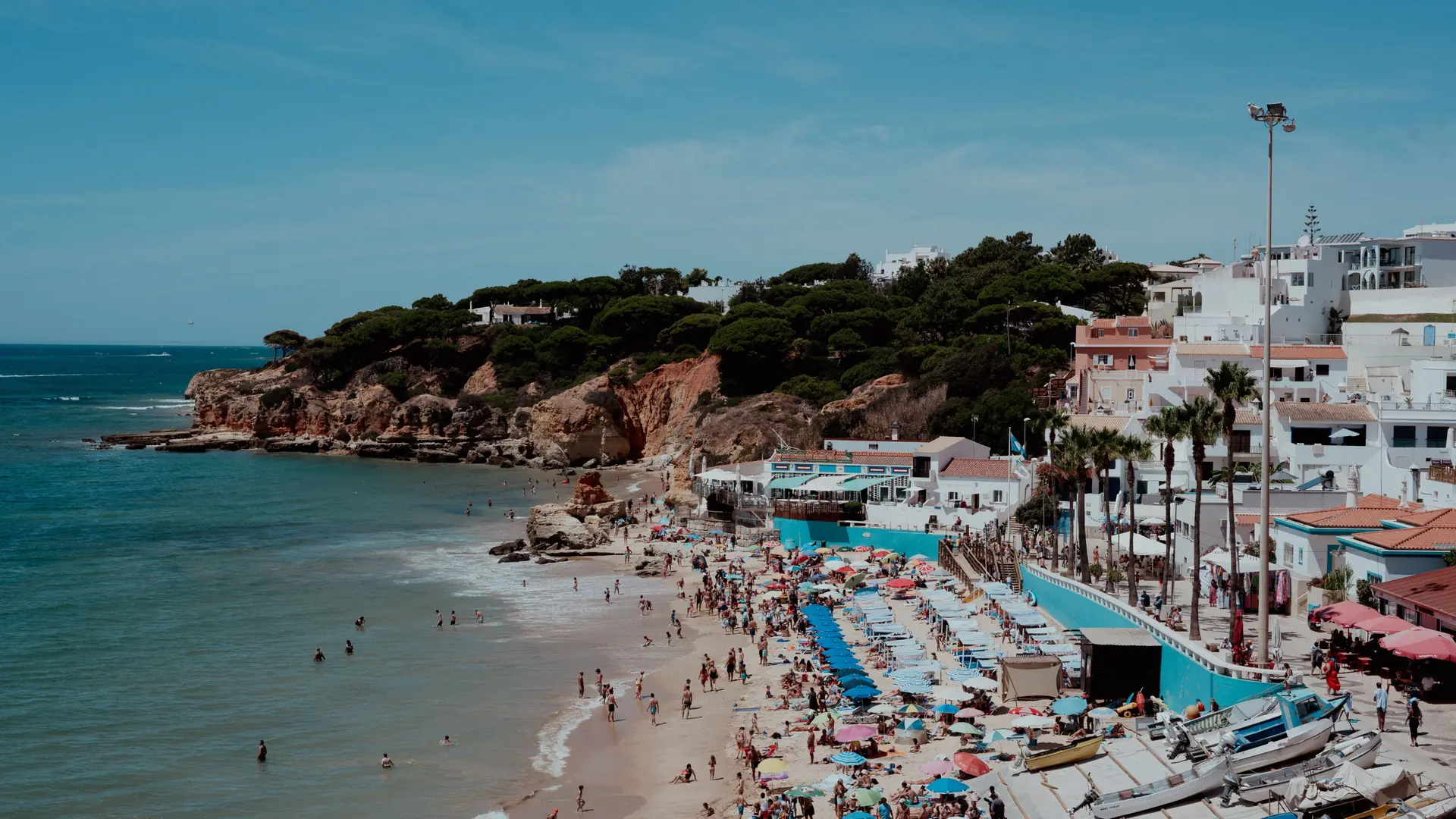
Monte cable car, the covered market and Zona Velha
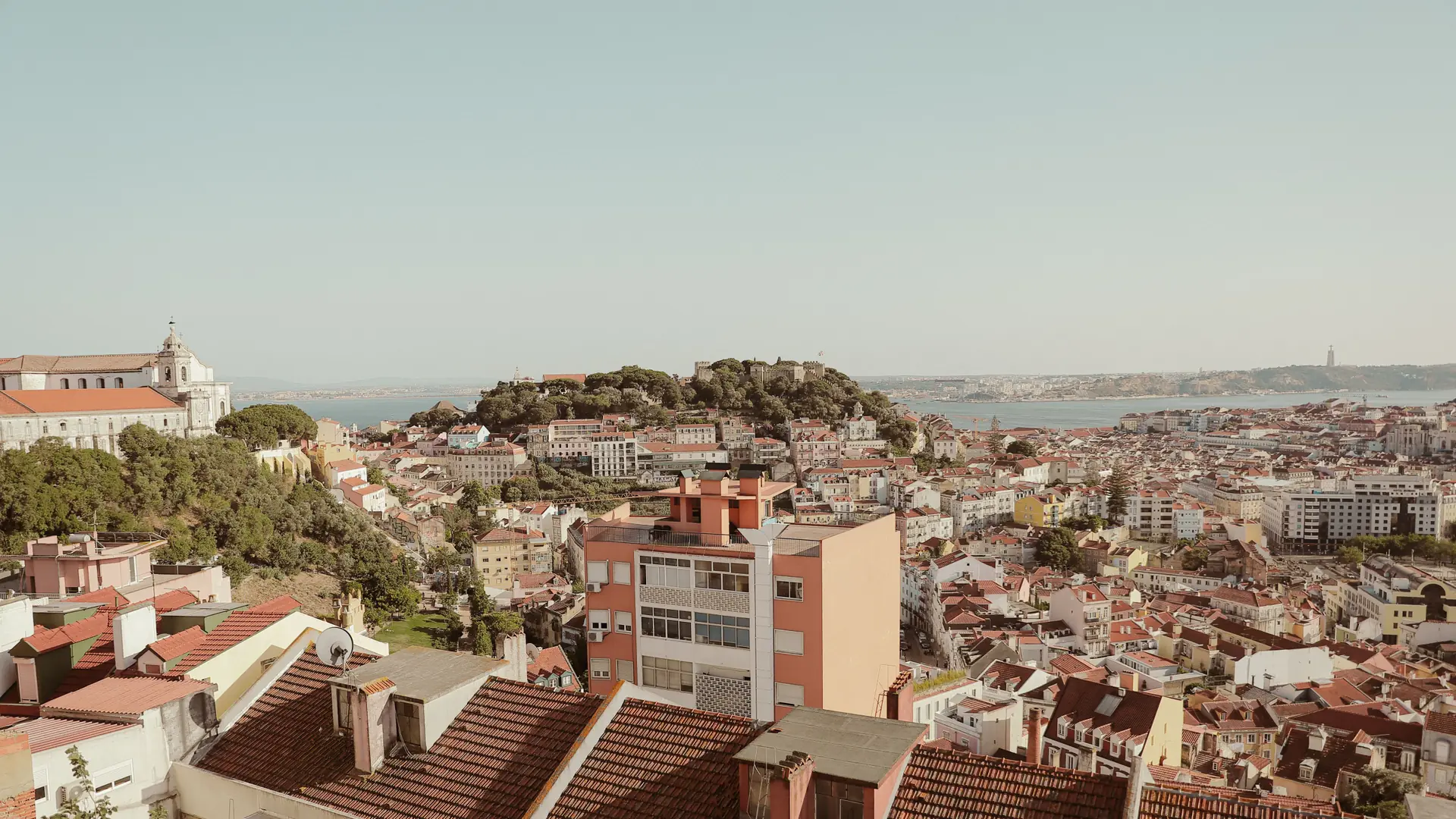
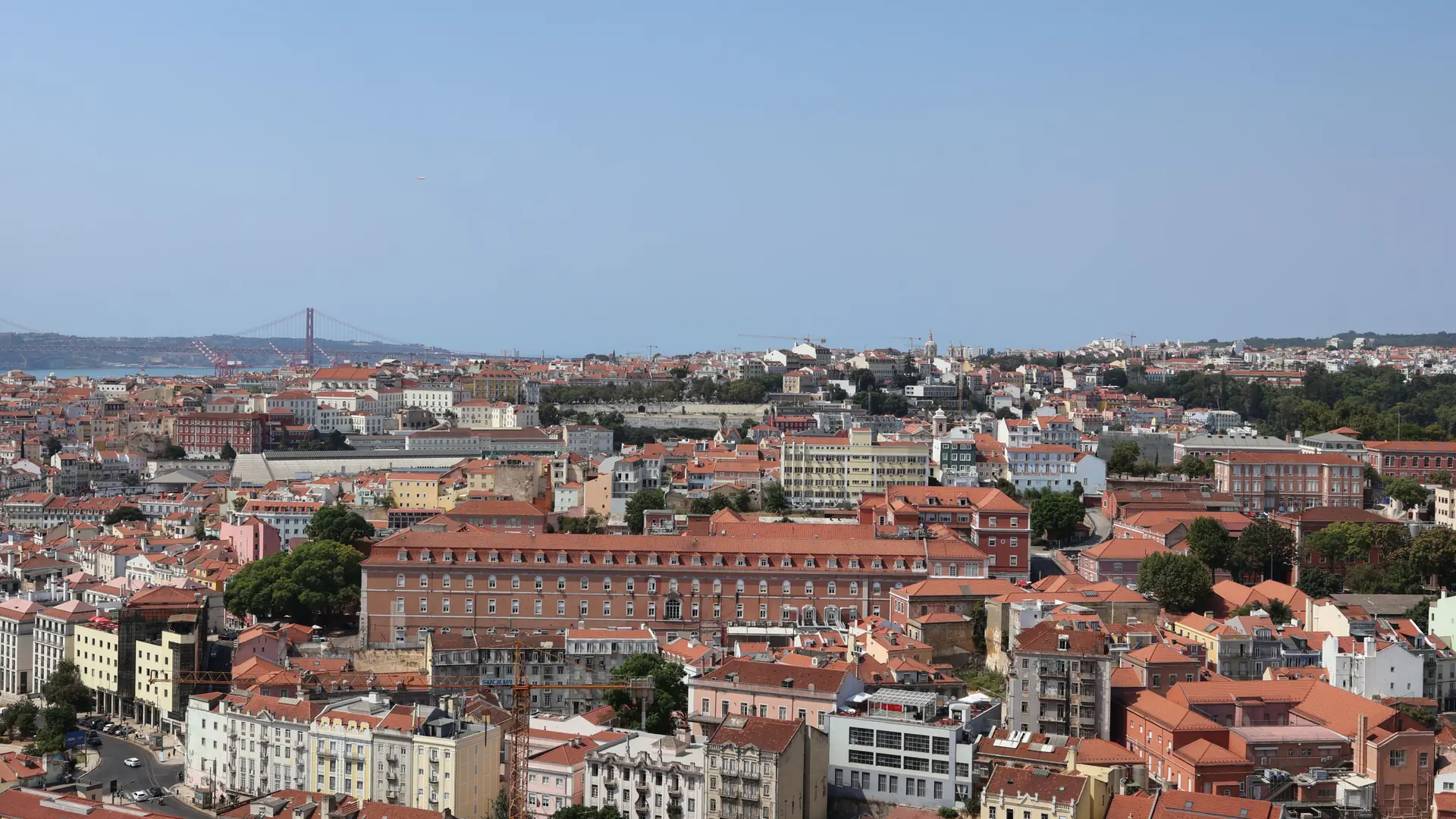
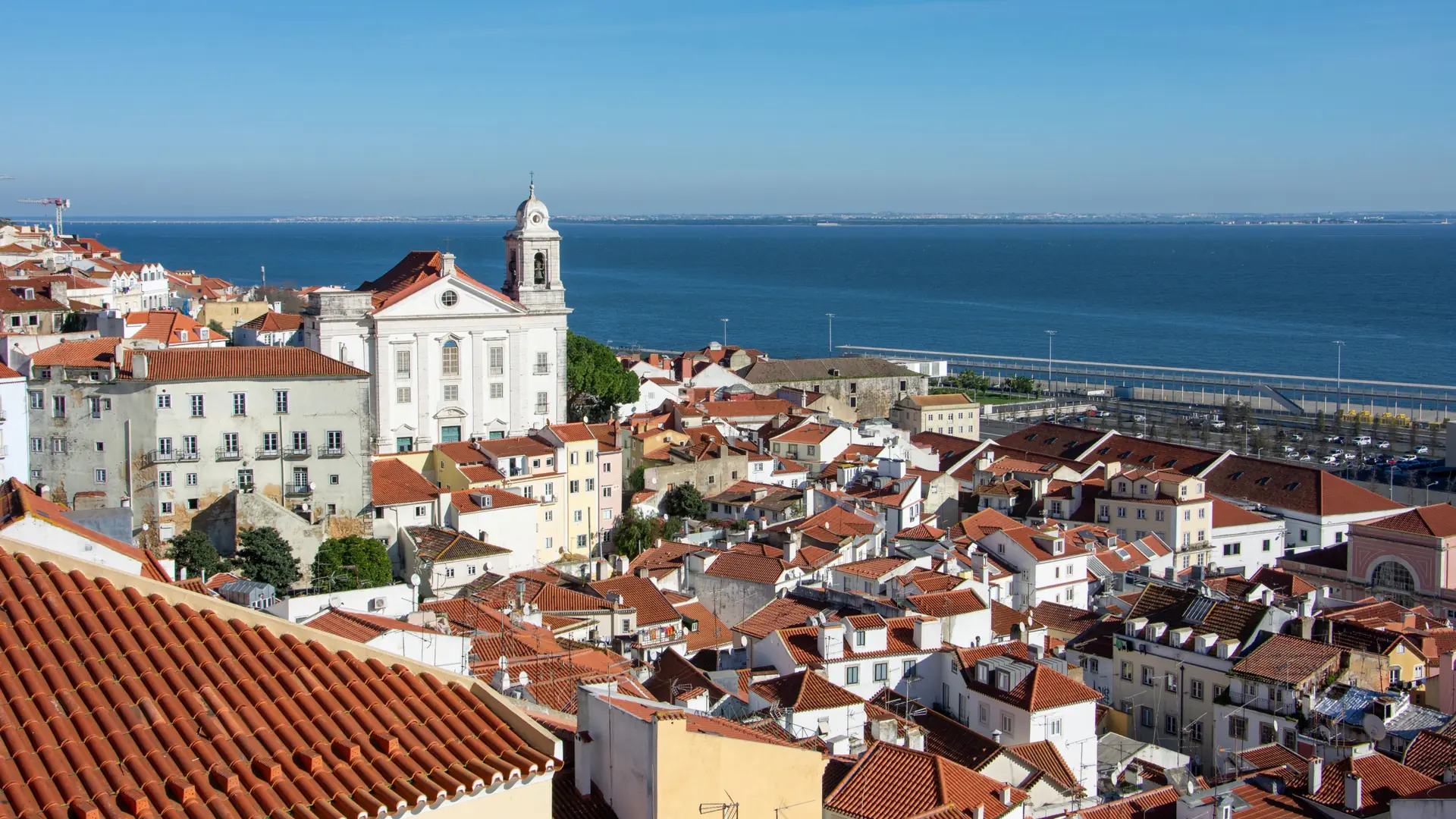
Stay near the old town or waterfront for two nights, with the lower cable-car terminal and evening restaurants accessible on foot. If collecting a car on arrival, book accommodation with a clear parking arrangement; an upper-hillside address changes the walking plan.
Read the Funchal guide → 2
Imported-sand beach, marina and sugar-cane heritage
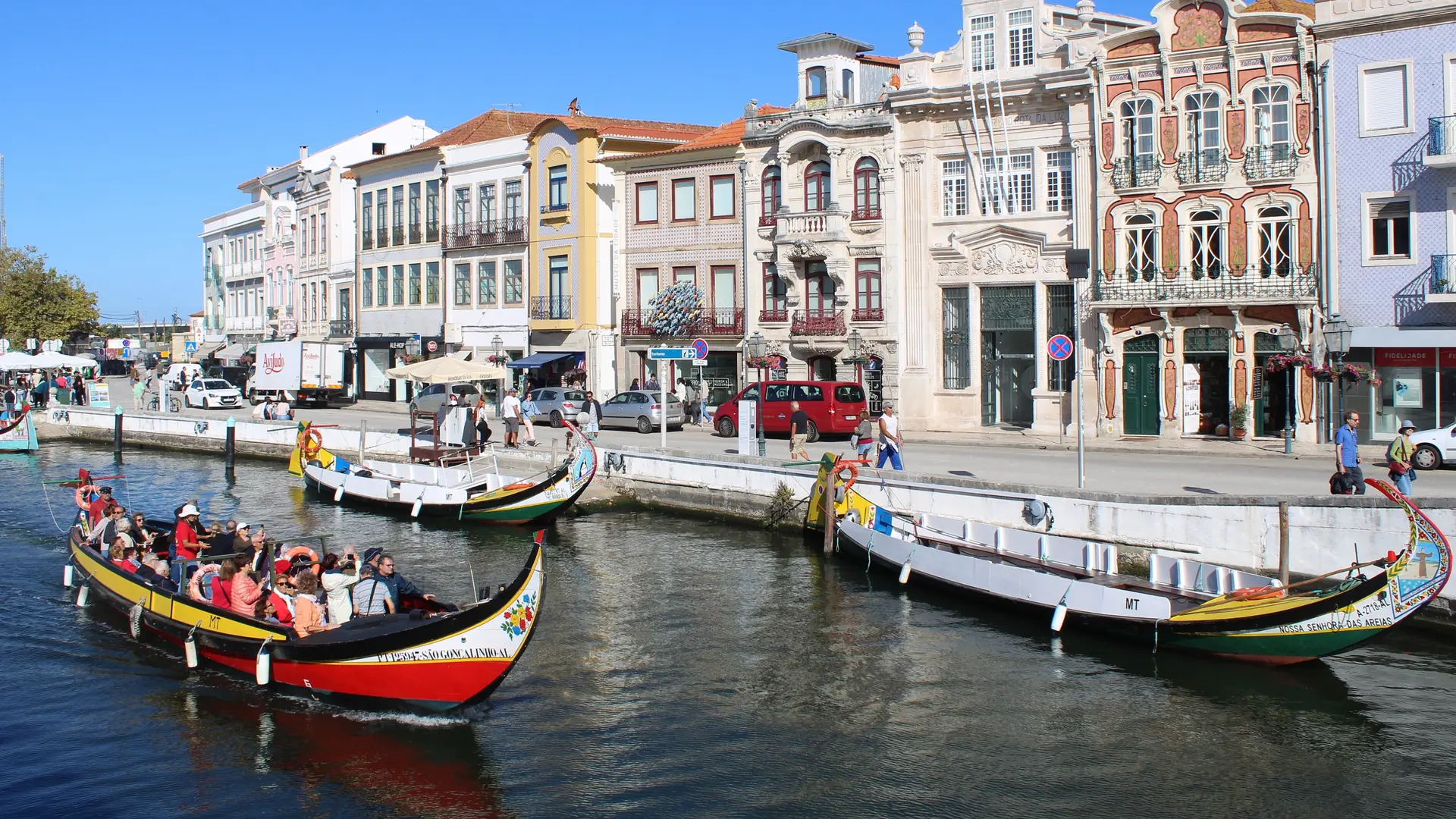
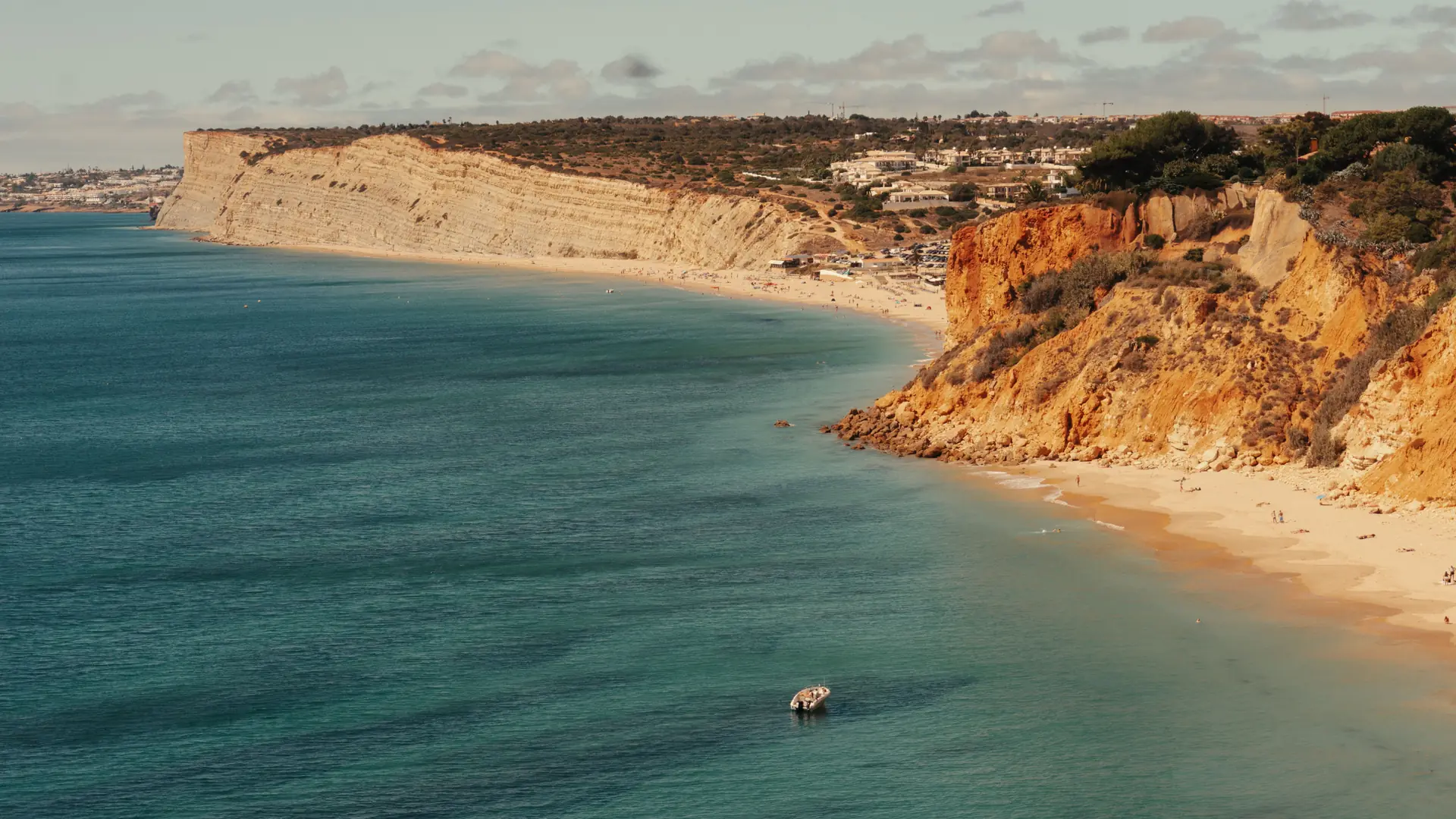
One waterfront night gives time for the beach and Engenho da Calheta without another long drive after lunch. Check the actual address: accommodation high above the town requires a vehicle to return from dinner by the marina.
 3
Basalt pools and Madeira’s northwestern seafront
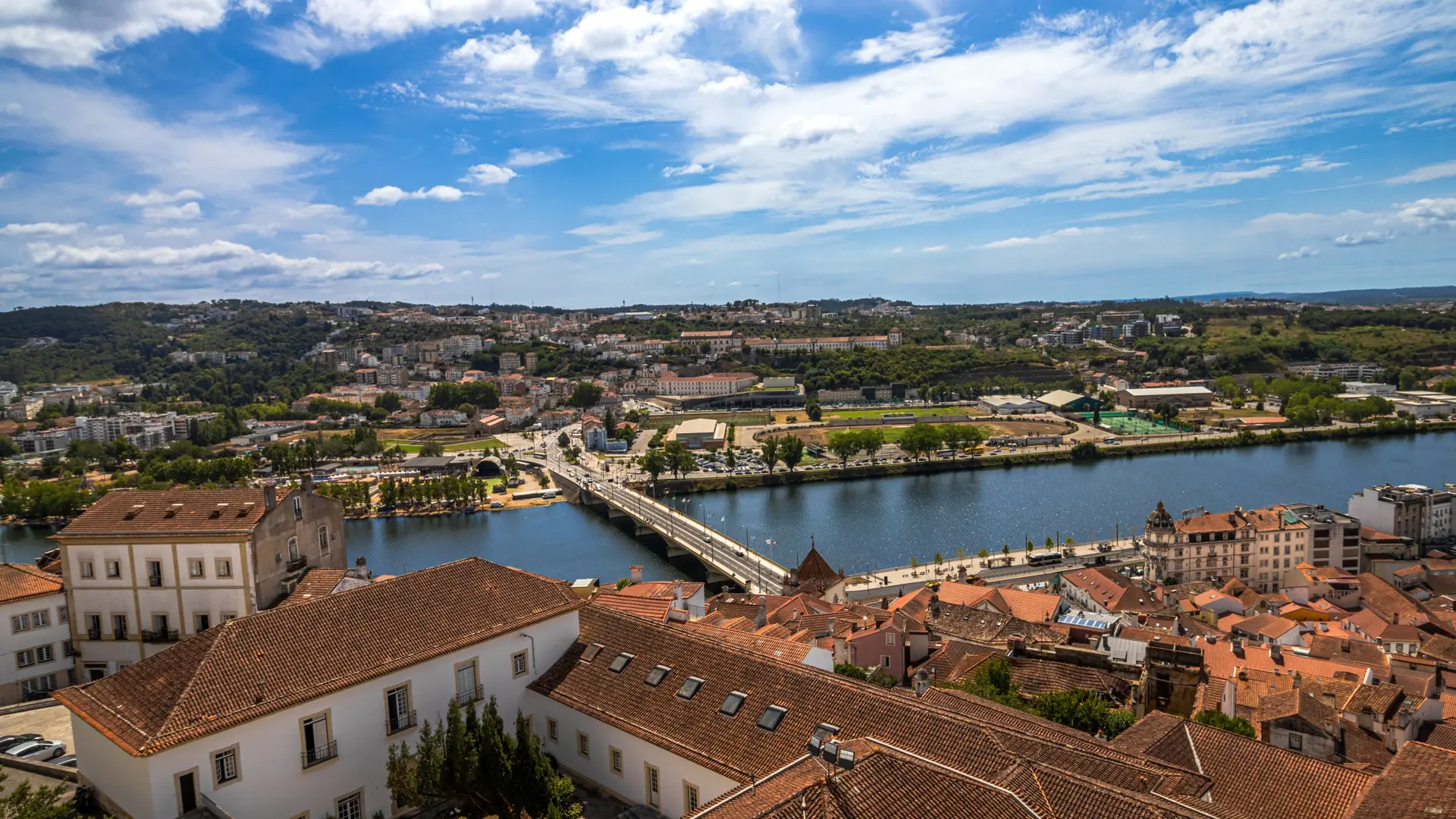
Stay in the town near the managed pools so that a swim and an evening walk fit either side of check-in. This is a coastal overnight stop; a property elsewhere in the municipality may be well above the sea.
 4
Thatched houses and access to Ribeiro Frio’s forest
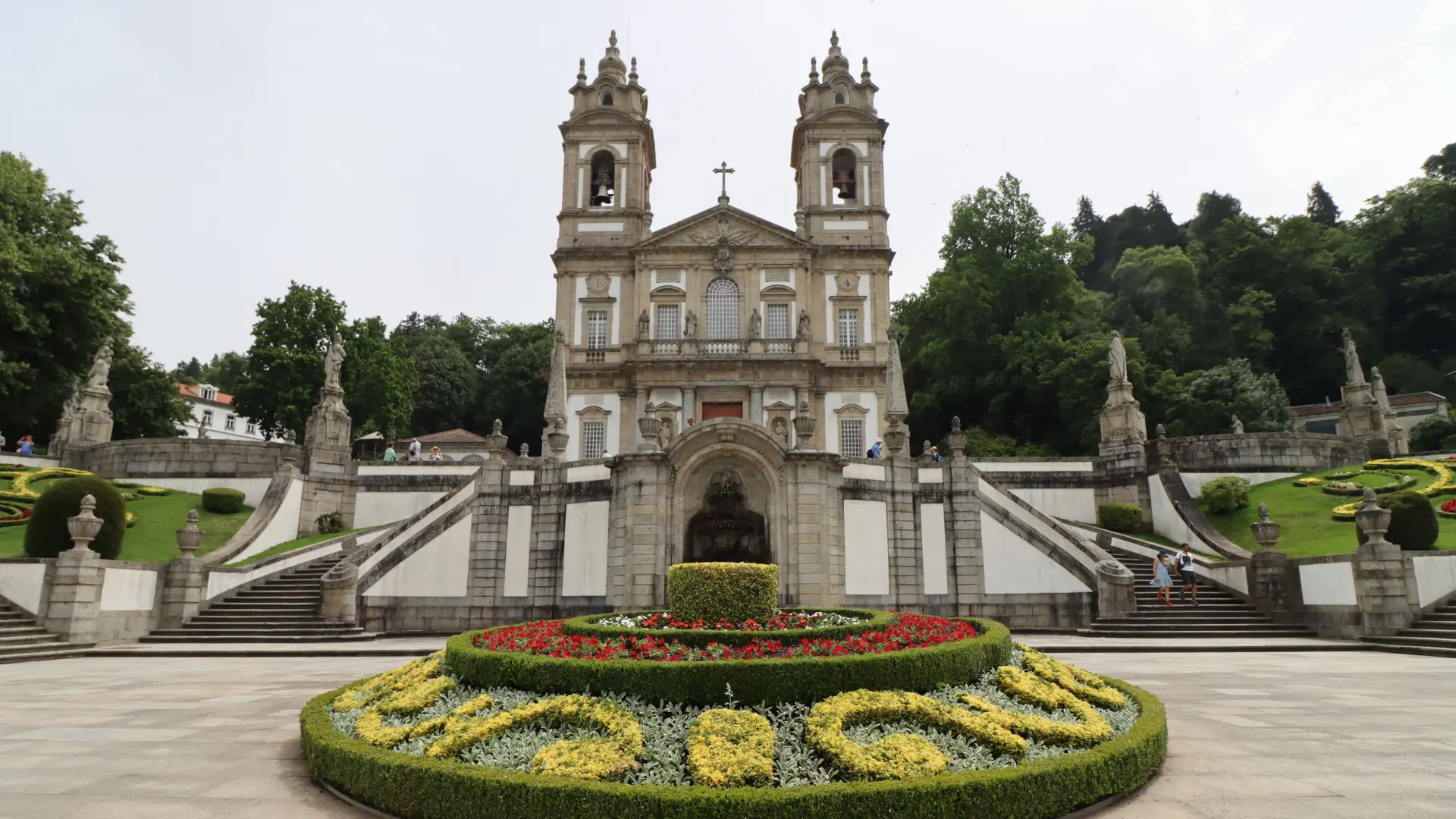
Two nights separate the north-coast arrival from the forest morning. Pick a room with parking and confirm evening meal options locally. The second night keeps the mountain excursion free of luggage and another hotel change.
Arrive at Madeira Airport on day one and depart on day seven, after six nights. The three transfer cards describe hotel changes; airport journeys and local excursions are included in the days below. Road times are planning allowances before longer sightseeing stops.
Collect your car at Madeira Airport and drive to the first Funchal accommodation, allowing around 30–45 minutes for the road journey plus collection and parking. The airport is at Santa Cruz, east of the city. Once bags are down, explore Zona Velha on foot: start around Rua de Santa Maria, then walk towards the waterfront and the lower cable-car terminal. Keeping this first afternoon unbooked makes the plan work with a delayed or late flight. Have bolo do caco with garlic butter as a snack, or choose a restaurant meal of black scabbardfish fillet, often served with banana. These dishes connect the first evening’s meal with the island’s produce and seafood traditions. Return to the same Funchal room. A very late arrival needs only dinner and check-in; tomorrow provides the main city sightseeing time.
Overnight: Funchal
Begin with Mercado dos Lavradores on a trading morning. Look above the produce and fish stalls for João Rodrigues’s 1940 tile panels: they place regional work and dress within the purpose-built market, which opened that year. Allow time to browse rather than treating it only as a fruit-tasting stop. Then walk to the waterfront cable-car terminal for the ascent to Monte. The ride takes about 15 minutes and rises 560 metres above the lower city, opening views across the roofs and bay. In Monte, spend time around the church forecourt and village before taking the return ride; a paid tropical garden or basket-sledge ride is a separate visit with its own ticket and time. The cable-car operator lists 08:45–17:45, with Christmas Day closed. Take the return ride before the published closing time. If day two is Sunday, move the market to the arrival day when its hours fit, or to day three before driving west. Keep Monte as the main outing today, leaving Cabo Girão for the onward journey.
Overnight: Funchal
Leave Funchal after breakfast and make Cabo Girão the first westbound stop. The glass viewing platform looks down from a 580-metre sea cliff towards small cultivated plots at its foot. Buy the adult entry through the official SIMplifica portal. Continue through the south-coast corridor, choosing Ribeira Brava or Ponta do Sol for a short riverside or seafront pause rather than lingering in both. Reach Calheta for lunch and a visit to Engenho da Calheta. The mill at Avenida D. Manuel I 29 links rum and cane syrup to the island’s sugar history. Its museum listing gives 08:00–19:00 weekdays and 10:00–19:00 weekends and public holidays. Its facilities can be visited throughout the year, but crushing normally happens after Easter, so autumn visitors should not expect running machinery. Finish beside the marina or on Calheta’s imported-sand beach. Created in 2004 using sand from Morocco, it is a constructed bathing beach with breakwaters, different from the basalt shore you will see tomorrow. Stay in Calheta tonight.
Overnight: Calheta
Drive west and north via the Ponta do Pargo area towards Porto Moniz. Allow roughly 1½–2 hours for the road journey with a short viewpoint pause, then leave the larger afternoon block for the town and pools. This coastal version avoids building the day around an extra high-plateau hike. Check in or leave bags with the accommodation before heading to the managed bathing complex. Here volcanic rock forms the setting, while concrete paths, steps, changing facilities and supervised swimming make it a developed seaside complex. The municipality publishes opening from 09:00 to 19:00 in summer and to 17:00 in winter, with adult admission charged throughout the year. Entry is conditional on local sea conditions: if swimming is closed, use the town’s streets and sheltered cafés rather than moving to exposed unstaffed rock pools. The north coast still has a purpose as an overnight stay, with the basalt shore and an evening meal before tomorrow’s eastbound drive.
Overnight: Porto Moniz
Follow the north coast east from Porto Moniz, pausing at Seixal for the contrast between black beach, green slopes and Atlantic water. Continue to São Vicente for a town walk and lunch, leaving out its caves, which the official listing marks closed, then use the north-coast road connections through the São Jorge area towards Santana. Allow around 1½–2 hours of driving overall, before the beach viewpoint, meal and town stops; this is a full touring day rather than a one-hour transfer. In Santana, visit the traditional-house cluster and look at how the steep thatched roofs shed rain. Wood supplied the frames, while wheat and rye straw supplied the roof covering; the attic stored agricultural produce above the living rooms. Today’s visitor houses show that rural building tradition in a preserved setting. Strolling the outdoor cluster is the activity here, rather than an assumed ticket to the separate Madeira Theme Park. Settle into Santana for the first of two nights.
Overnight: Santana
Drive from Santana to Ribeiro Frio, allowing about 35–50 minutes to the PR11 entrance on ER103. Book the entry slot through SIMplifica and bring the confirmation. Vereda dos Balcões is 1.5 kilometres each way, with an official estimate of 1½ hours for the return walk. Follow Levada da Serra do Faial through the trees to the viewpoint over the forested valley. The water channel is part of the island’s working landscape: levadas carry water through steep terrain for irrigation, drinking supplies and power. UNESCO recognised Madeira’s Laurissilva in 1999, including its ecological importance and water regulation. Return along the same path and have lunch around Ribeiro Frio or back in Santana. If visibility and road conditions suit, continue via Poiso to the drive-up viewpoint at Pico do Areeiro, allowing a further 25–40 minutes each way from Ribeiro Frio and paid parking. This is a short viewpoint visit at Madeira’s third-highest peak, not a PR1 crossing to Pico Ruivo. In low cloud, keep the afternoon in Santana rather than adding a mountain drive with no view. Sleep in Santana again.
Overnight: Santana
Leave Santana towards Faial and Porto da Cruz, then continue through the Machico area to Madeira Airport at Santa Cruz. Allow around 45–60 minutes of driving in normal conditions, with separate time for fuel, rental handover and the airline’s check-in requirements. There is no need to pass through central Funchal first. For a later flight, choose a brief coastal walk or lunch in Porto da Cruz or Machico before the car return; for an early departure, keep the journey direct. Check the rental firm’s return location and opening arrangements when booking, because an off-airport depot requires its own transfer. The itinerary ends at the airport after the sixth night, without another Santana overnight. If your flight would require an uncomfortably early mountain-side departure, move the final night to the airport area and reprice that changed arrangement rather than assuming an extra room is already included. There is no day-long island excursion to fit between checkout and boarding.
Base: Santana
These transfers connect the four overnight bases. A small rental car gives flexibility for the coastal pauses and Ribeiro Frio excursion. Airport journeys appear on days one and seven; the time windows below allow for the chosen route, not a promise about traffic.
3 transfers
Funchal Calheta
Stop at Cabo Girão before continuing west through the Ribeira Brava and Ponta do Sol area. Leave a morning for the skywalk and one village pause, reaching Calheta for lunch and the mill or beach.
Calheta Porto Moniz
Continue via the Ponta do Pargo area towards Porto Moniz, keeping the afternoon for the pools. This is the west-coast option; a separate high-plateau hike would need a different time allowance.
Porto Moniz Santana
Follow the north coast through Seixal and São Vicente, then towards São Jorge and Santana. Add time for lunch and the town walks. Encumeada is an inland detour and is not part of this transfer.
Allow €1,249–2,445 (≈ US$1,399–2,738) for two adults sharing one room in April–June or September–October. This covers six nights, seven days of meals and car hire, fuel and parking, the listed core admissions and a small extra-visit allowance.
Booking tips
Four markers show the overnight bases: Funchal, Calheta, Porto Moniz and Santana. The final journey follows the east coast to the airport at Santa Cruz. The map shows places, not turn-by-turn roads.
Funchal
A car suits this exact four-base circuit, especially the village pauses, luggage moves and Ribeiro Frio morning. Madeira also has buses and organised excursions, so a week without driving is possible with a different structure. Stay in Funchal and book selected regional day trips, or build a slower point-to-point plan around current bus schedules. Do not assume a tour returning to Funchal can leave you at the next overnight hotel with luggage. The trade-off is between hotel changes and independent timing, rather than a claim that the island has no useful public transport.
Use SIMplifica to select the classified PR11 route, date, entry slot and participants, then pay and save the confirmation. IFCN requires registration for all users, including those eligible for an exemption. The ordinary visitor price over age 12 is €4.50 (≈ US$5), and the official route estimate is 1½ hours for three kilometres out and back. Check the IFCN trail register for the chosen day before setting out; a booking does not override a closure.
This plan treats the drive-up viewpoint and the PR1 trail as separate activities. Allow for paid viewpoint parking, published at €4 (≈ US$4.50) per hour. If you want to walk onto PR1, obtain the applicable trail reservation and plan its current open section rather than assuming the car-park visit covers it. A full crossing towards Pico Ruivo needs dedicated time and a return-transport arrangement; it cannot be added casually after the Balcões morning and lunch.
The municipality publishes year-round opening for the managed pools, with shorter winter hours, but the actual sea conditions determine whether swimming can proceed. Follow the admission staff’s decision and use the town walk or a meal if bathing is suspended. Keep the managed complex distinct from the free Cachalote pools: they are different places with different facilities, and moving to an exposed free pool is not an alternative when swell has closed the staffed one.
Choose April–June or September–October for a mix of walking, town visits and time beside the sea. Spring suits green landscapes and flowers; September and October often retain pleasant touring days as autumn rain returns. These are planning preferences, not a guarantee of clear peaks or an open swimming complex. July–August also works, especially if bathing is the priority, with accommodation booked early. A winter trip should give the lower towns and food visits more weight and leave the mountain drive conditional on that day’s conditions.
Add a third Funchal night for a paid garden, boat excursion or longer city visit, making eight days and seven nights overall. That gives the opening part of the trip more time without another hotel move. If the issue is an early flight, use the extra final night near Santa Cruz instead. Each option needs another room night, meals and any chosen activity or transfer added to the six-night budget.
Reviewed by StartBooker
Last reviewed 2026-10-23
Updated
How this itinerary was researched and verified: Self-review used operator and government pages for cable-car fares, skywalk booking, municipal pool access and classified-trail reservations. The official cave closure replaces the previous cave visit. Tourism and UNESCO sources support the regional food, sugar-cane, rural-house and forest context. Road windows and complete two-adult costs are editorial planning allowances, distinguished from checked admissions. Existing photographs were viewed individually and their descriptions corrected; dated ECB evidence supplies approximate USD values.
21 references reviewed
Some photos provided by Pexels.
Find another destination and compare its areas and accommodation.
Compare routes by length, stops and transport.