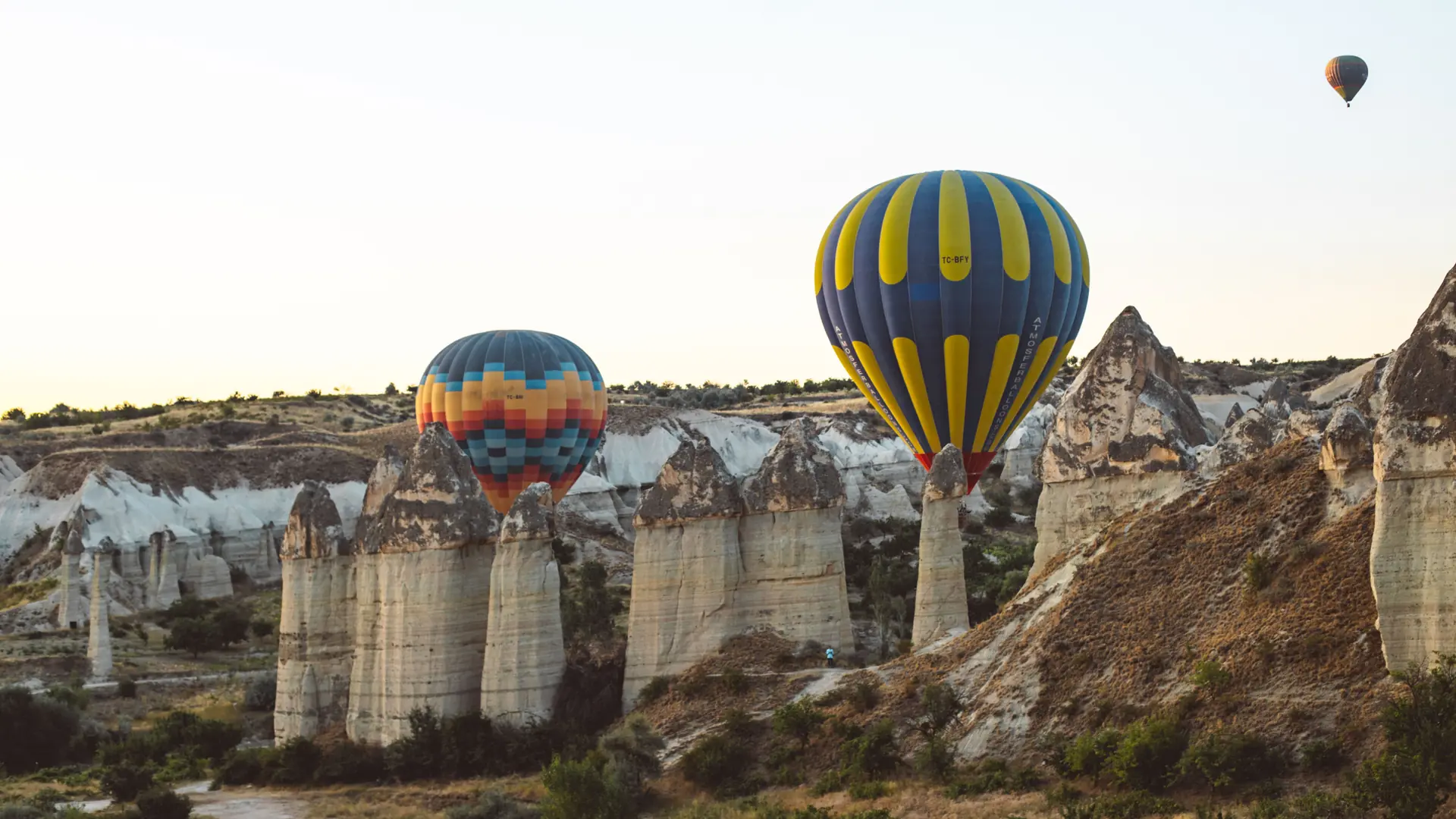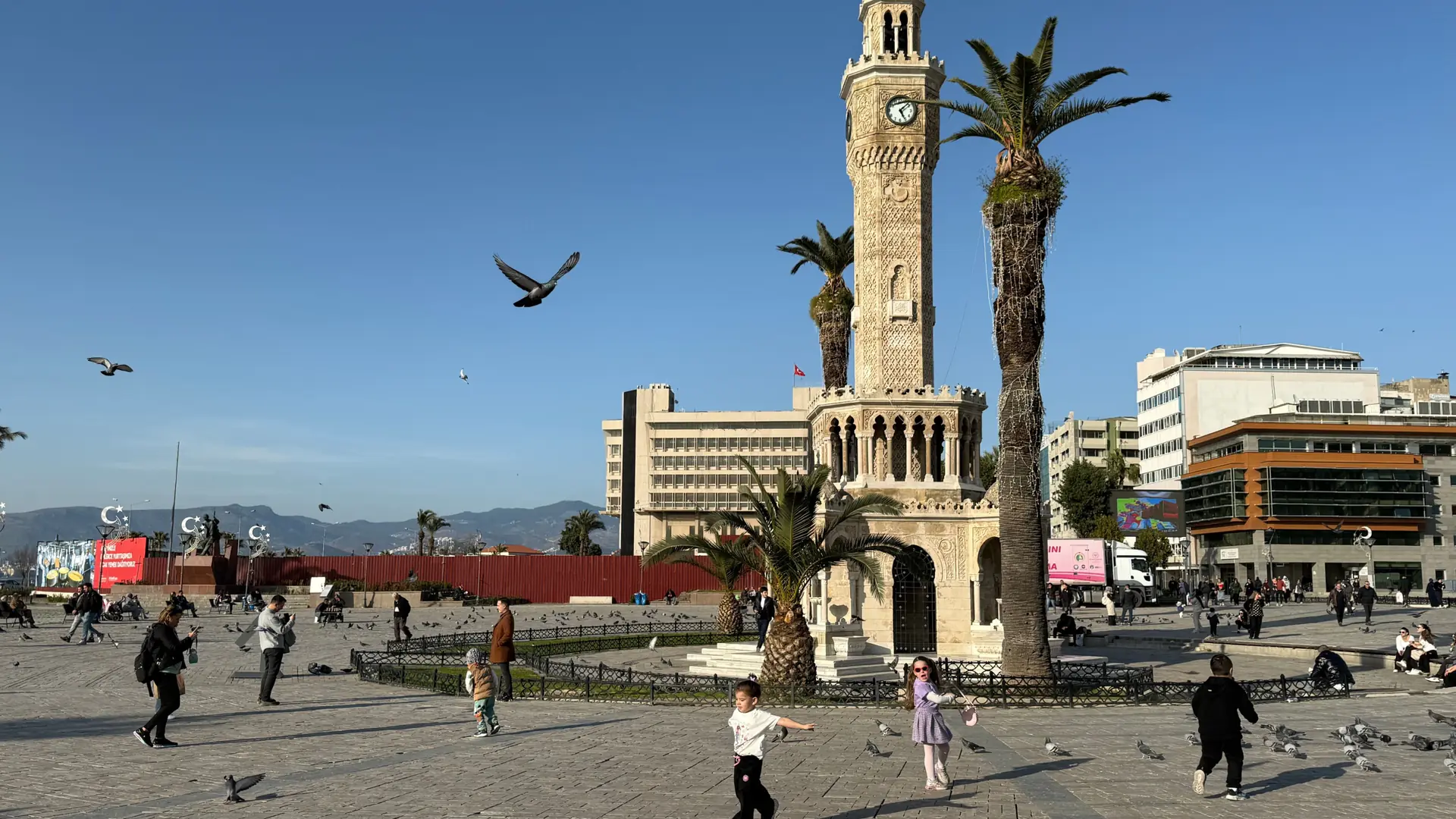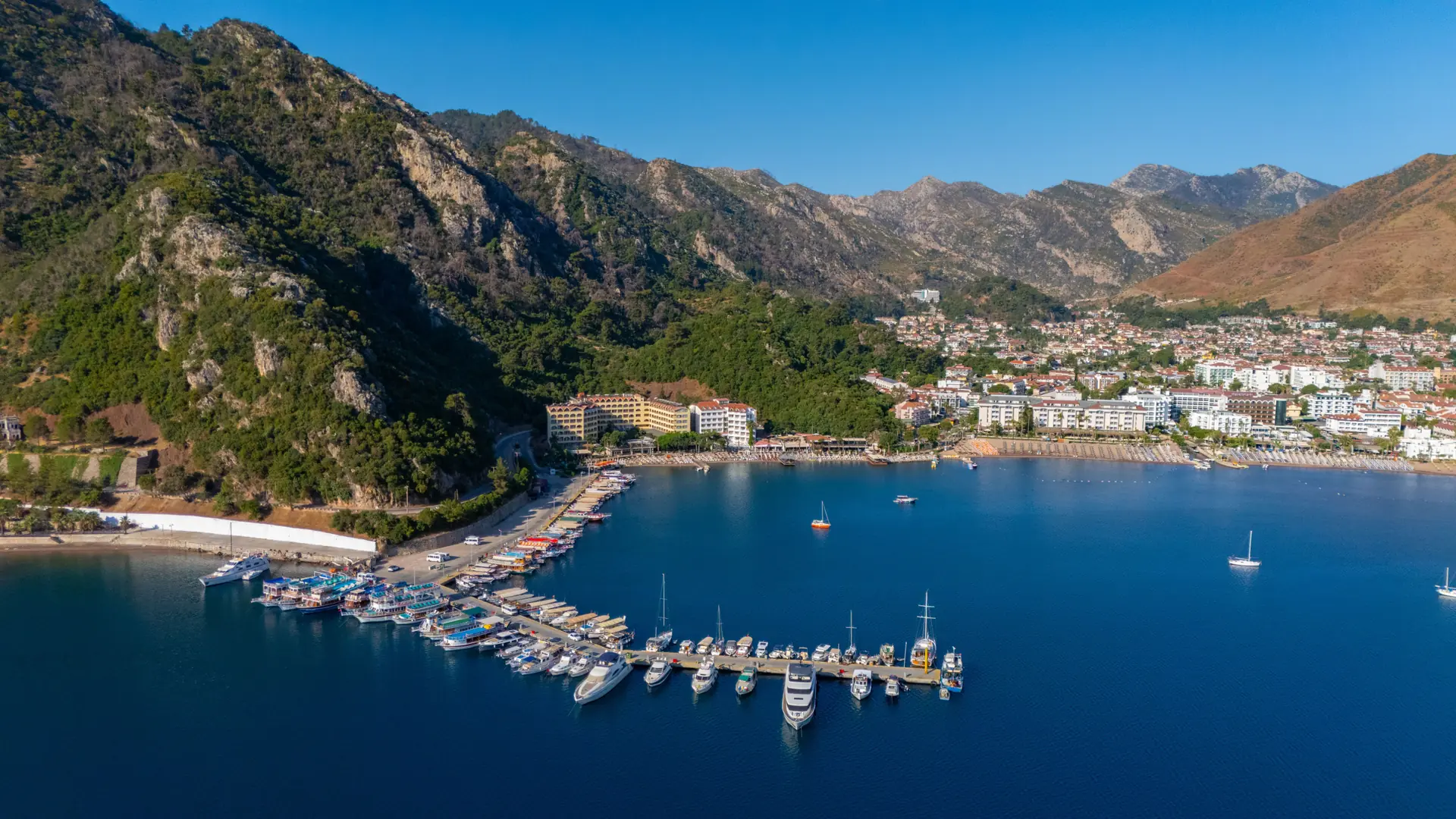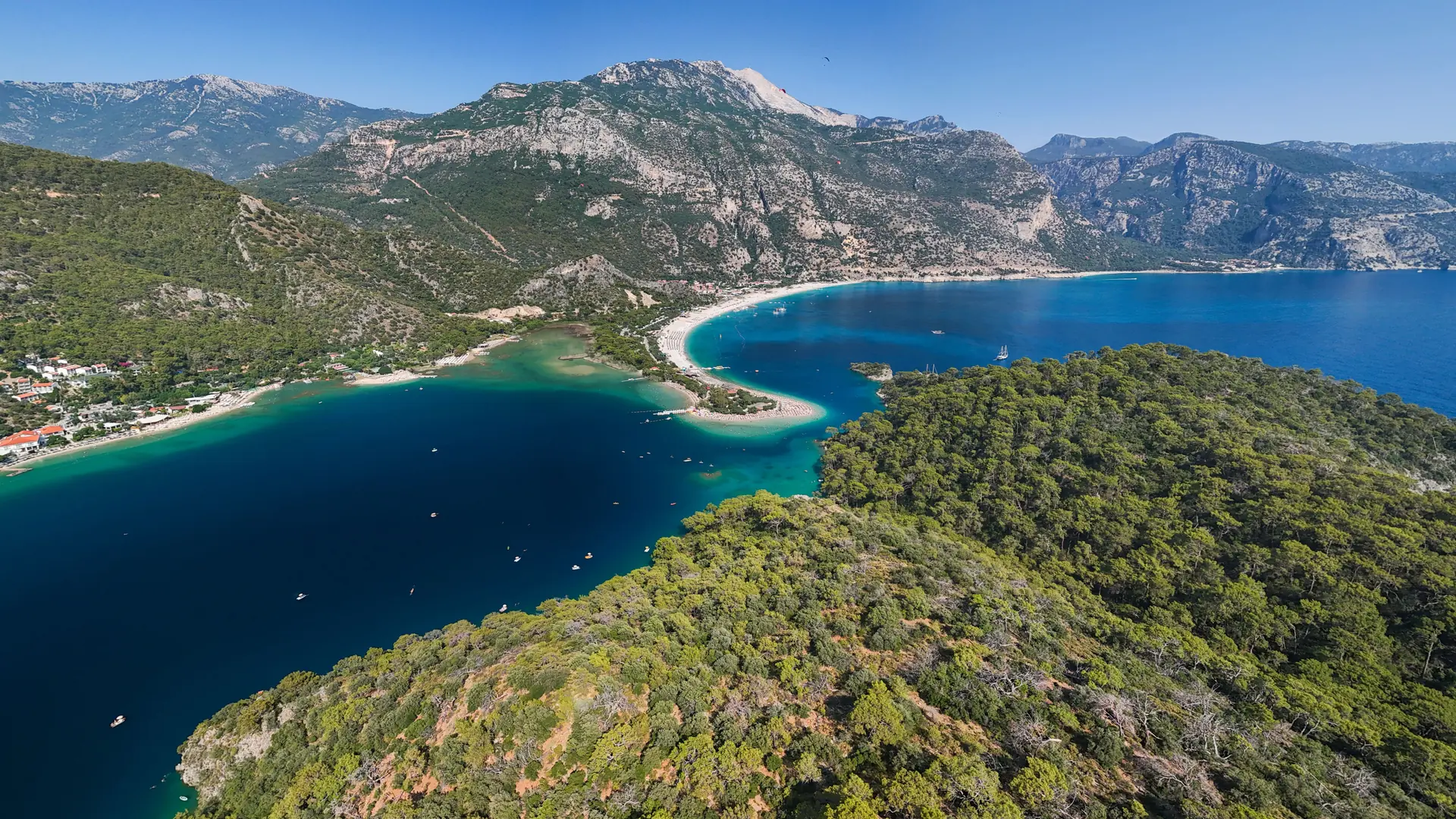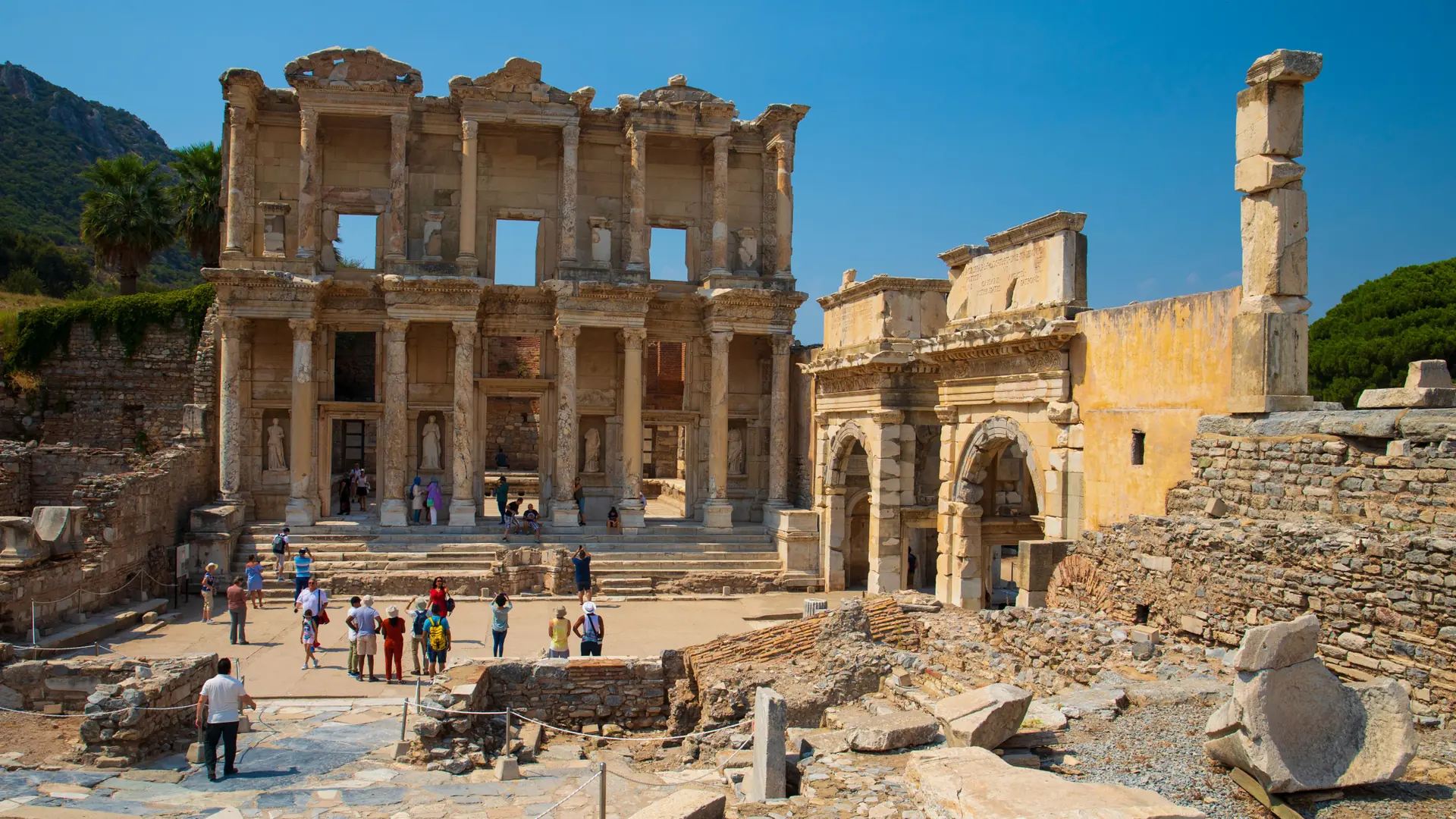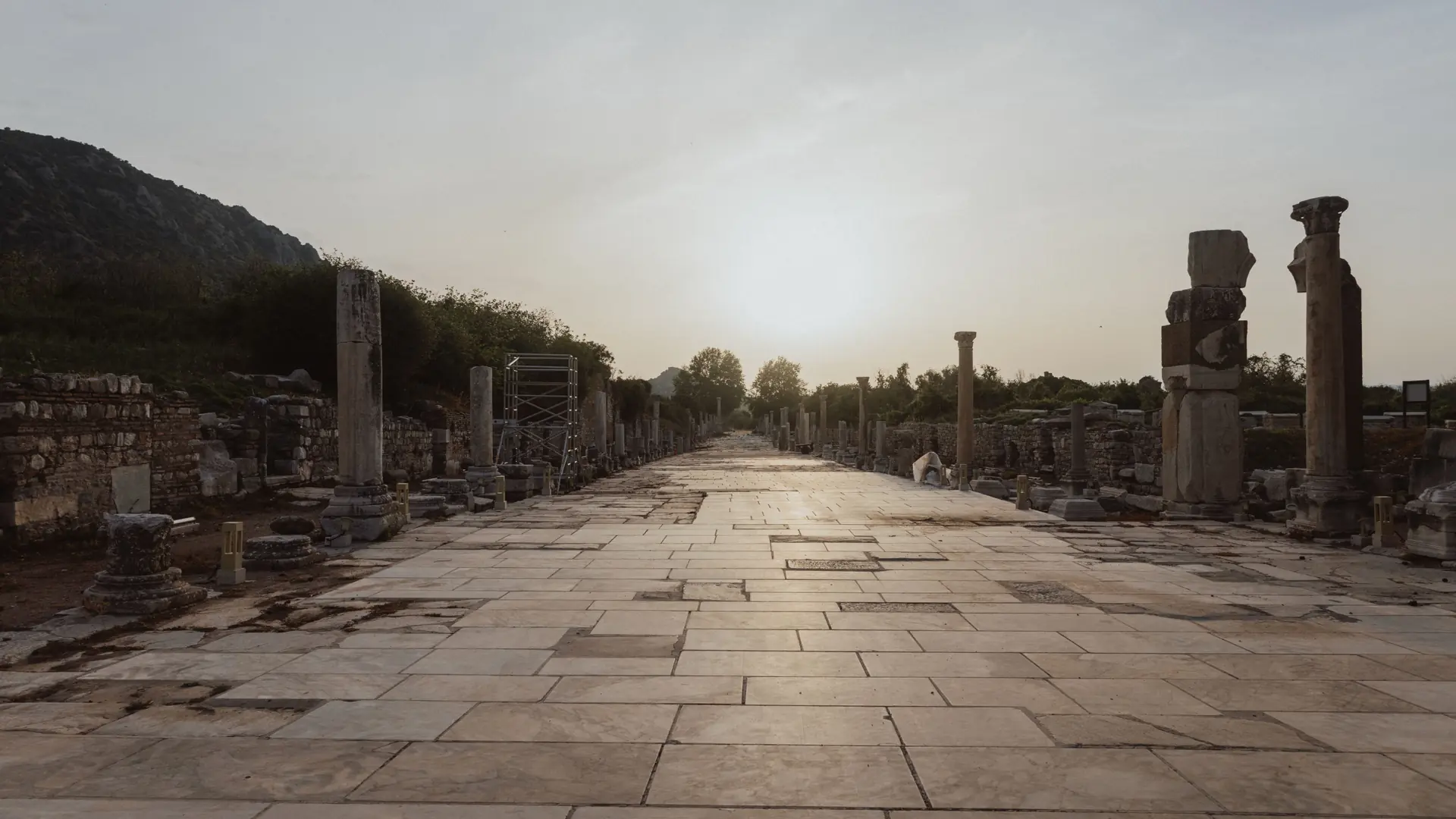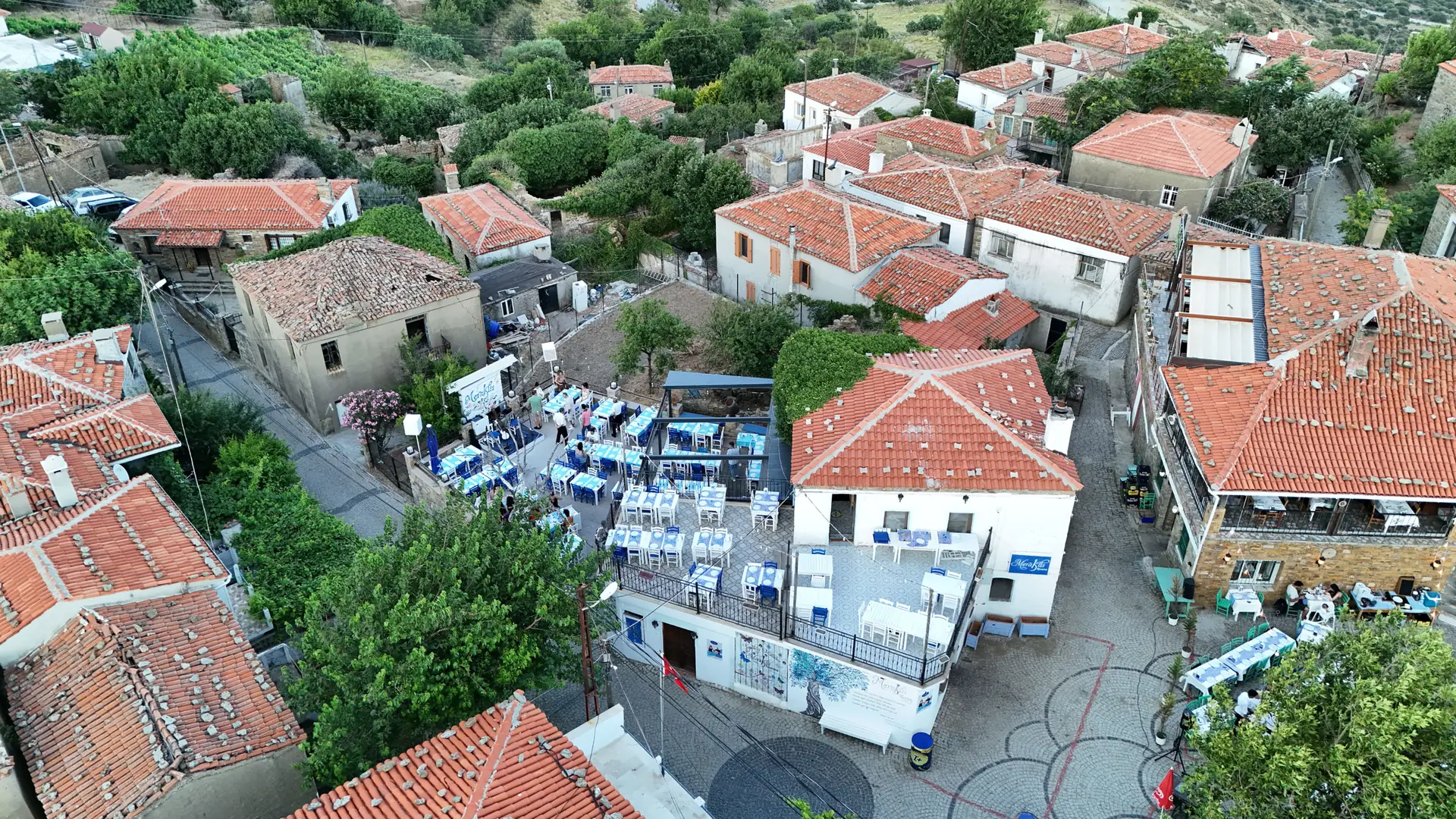
Gaziantep begins with objects and appetite
Zeugma deserves a dedicated visit; the bazaars and kitchens then show how the modern city carries its own identity.
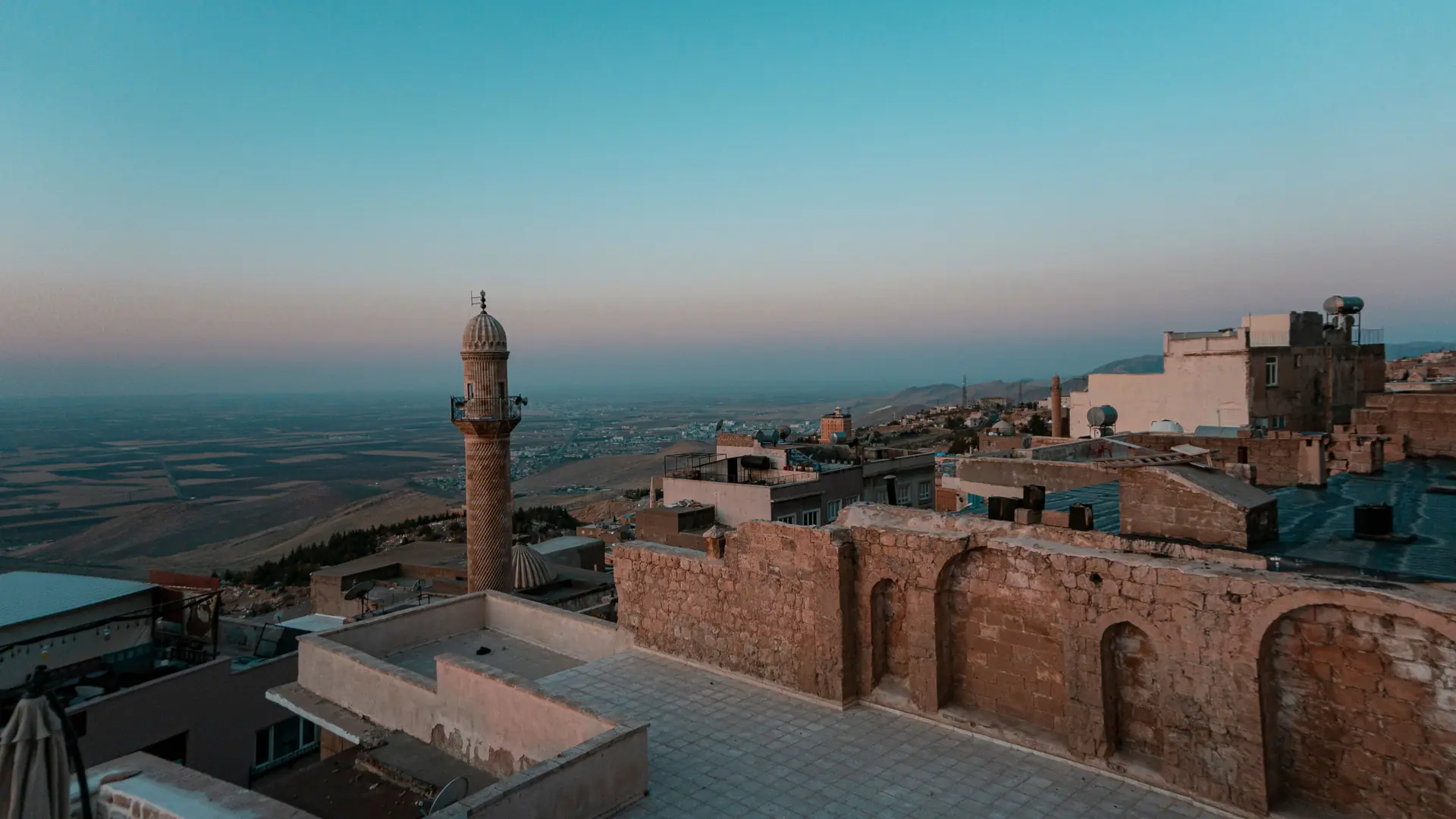
Three historic food cities, two archaeological anchors and enough nights to avoid treating the region as an Istanbul add-on.
Gaziantep, Şanlıurfa and Mardin are often reduced to a museum, an archaeological site and a golden skyline. The route gives each city enough time to remain inhabited and contemporary. Gaziantep opens with mosaic collections, working bazaars and a food culture that needs more than one meal. Şanlıurfa carries the extra night because Göbekli Tepe, the archaeology museum and the old sacred centre cannot share one hurried visit. Mardin ends the journey above the plain, when the lanes and terraces become quieter after day traffic.
The western-to-eastern order avoids returning to Gaziantep if an open-jaw flight works. Road transport remains necessary between all three bases. Coaches can be efficient, but terminals and final local rides matter; a driver offers a clearer door-to-door plan but should have scope, price and stops agreed. Every movement stays in daylight. The itinerary does not include spontaneous border excursions, and it does not treat Mount Nemrut or Diyarbakır as casual add-ons. Those places need extra nights and their own current research.
March to May and October to November usually provide the most useful walking conditions. Summer requires sunrise archaeology, long indoor middays and honest limits on Mardin’s slopes. Current travel advice, attraction openings and local conditions take priority over any seasonal generalisation. This route is best for travellers who value museums, food and urban history together. It expects conservative planning and rewards anyone willing to sit through an evening instead of leaving immediately after the headline sight.
Zeugma deserves a dedicated visit; the bazaars and kitchens then show how the modern city carries its own identity.
Göbekli Tepe sits outside the centre, while the museum and Balıklıgöl precinct form a separate city day.
Two nights allow the old-city slopes, religious heritage and an optional outer visit to occupy different hours.
Best for
Think twice if
Unresearched border driving, peak-summer all-day walking or a first trip focused mainly on Istanbul and the west.
StartBooker answer
Base the opening museum and food chapter in Gaziantep, allow Şanlıurfa an extra day for Göbekli Tepe, then close in Mardin for its steep old city and one monastery or Midyat choice. Use an open-jaw flight when schedules permit and travel between all three cities in daylight by dated coach or a clearly arranged driver. Check current official travel advice close to departure and avoid improvising border-area detours. Spring and autumn suit the exposed sites and stone-city walks better than peak summer heat.
Central rooms simplify food evenings and old-city walks; transport to outer archaeology remains a separate decision.
3 stops · swipe
 1
1
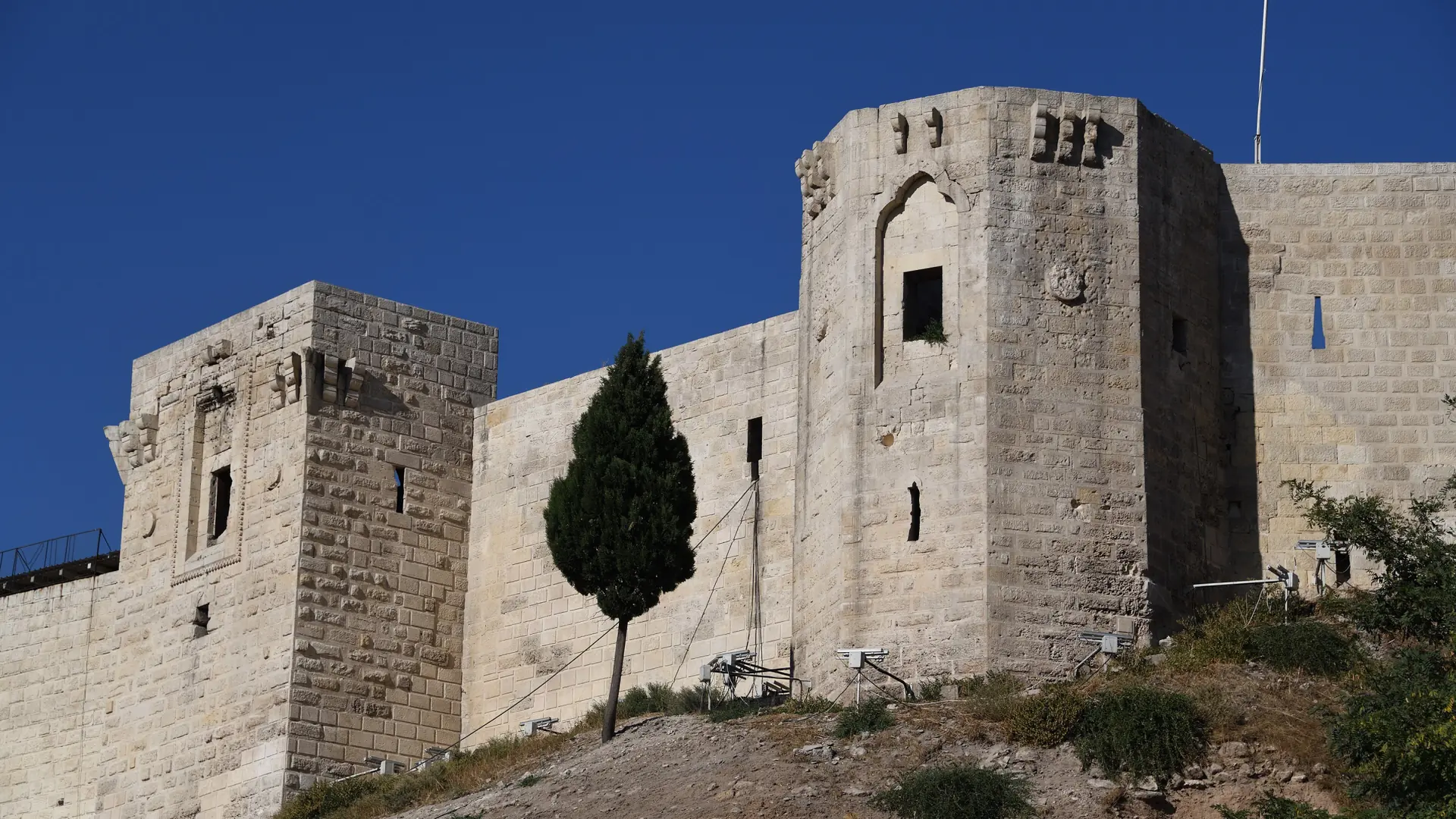
Zeugma mosaics, copper bazaar and regional cooking
Gaziantep receives two nights so the Zeugma Mosaic Museum and the historic commercial centre do not compete. A central room near a useful taxi route makes the copper bazaar, food stops and evening walk easier, but verify vehicle access on narrow streets. The museum belongs in a protected block with current hours, not between airport arrival and a bus. Restaurant demand may require a reservation, yet the itinerary should not become a list of dishes detached from place. Before booking, identify the correct coach terminal or arranged pickup for Şanlıurfa. The best base supports both a serious museum visit and the city’s ordinary rhythm after it.
Watch out: Museum hours and restaurant demand can shape the day more than road distance.
 2
2
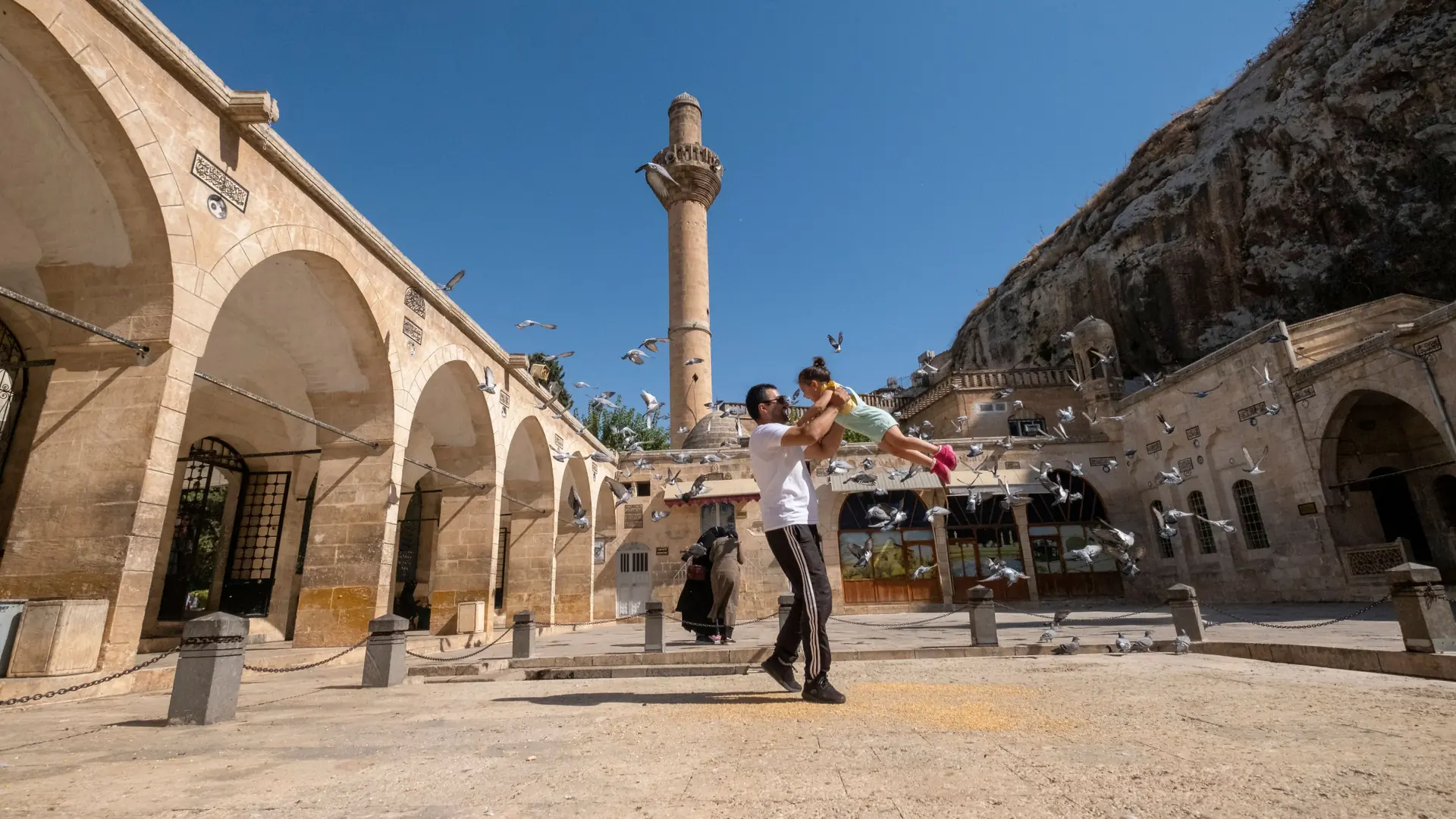
Göbekli Tepe, archaeology museum and Balıklıgöl precinct
Şanlıurfa earns three nights because its two main archaeological questions sit in different locations. Stay within practical reach of the old centre for Balıklıgöl and evening streets, while arranging Göbekli Tepe transport separately. The archaeology museum can absorb substantial time and deserves a protected block instead of leftover rainy hours. A courtyard hotel may have steps or restricted vehicle access, so confirm luggage handling. Use one arrival evening, one city day and one outer-site morning with a calmer afternoon. The onward coach or driver to Mardin must be known before the final night; same-day improvisation can lose the light needed for Mardin’s first approach.
Watch out: The archaeological site is outside the centre and needs a verified return.
 3
3
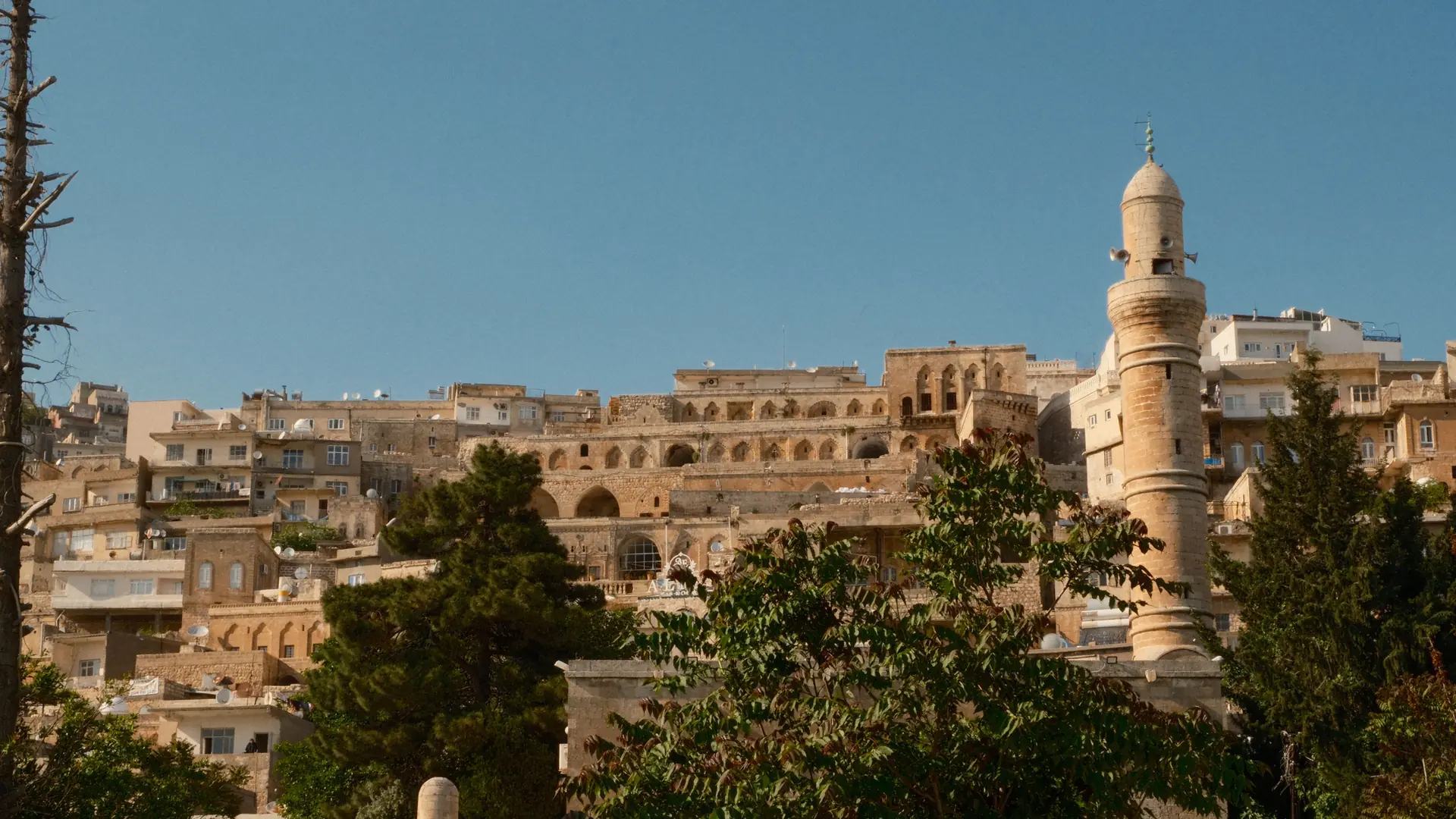
terraced stone architecture, religious heritage and old-city lanes
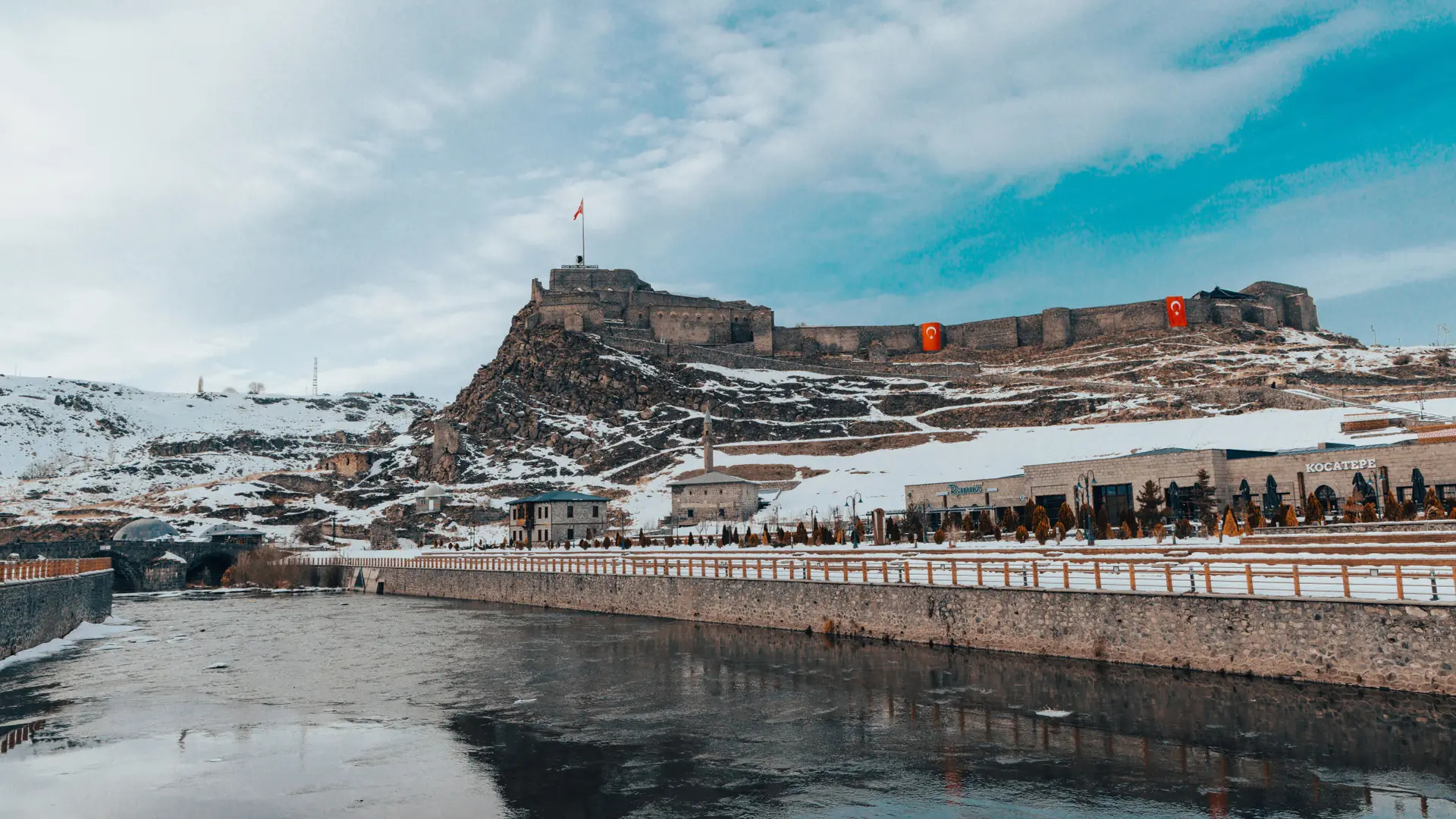
Mardin closes the trip with two nights above the Mesopotamian plain. A room inside the old city offers atmosphere and walking access but may involve steep lanes, stairs and a luggage transfer from the road. Ask the property for its exact arrival procedure. Reserve one full day for the terraces, religious buildings and streets, adding Deyrulzafaran or Midyat only when transport and opening information are firm. Sunset is not the sole reason to stay: morning light, food and the quieter evening reveal a functioning city. Keep the airport departure simple and avoid attaching a distant excursion to the final transfer.
Watch out: Steep lanes, steps and traffic restrictions affect hotel access.
Museums and outer sites get fresh hours; intercity coaches are counted as visible parts of the calendar.
Arrive in Gaziantep and treat the first evening as a city introduction. Reach the hotel, locate the museum transfer and understand how the bazaar streets relate to the room. A short market walk and one well-chosen dinner are enough after airport uncertainty. Do not force Zeugma into a closing-time visit; its scale and detail deserve tomorrow’s attention. Confirm current museum hours, restaurant plans and the terminal used by the later Şanlıurfa coach. Pack water and modest, adaptable clothing for religious and outdoor sites. The route begins with attention to the living city, leaving its most important collection for a rested morning rather than using it as a box to tick.
Overnight: Gaziantep
Give Zeugma Mosaic Museum the opening part of the day, following its official visitor information. The mosaics reward slow looking and enough distance to understand the building, so resist adding a second major museum before lunch. Spend the afternoon among the historic commercial streets, copper work and food culture with room for an unplanned stop. Choose meals by quality and context instead of trying to consume every famous speciality in one circuit. Return to the room before the evening becomes another checklist. Reconfirm the daylight departure to Şanlıurfa and the final ride from its terminal. Gaziantep should feel like a city visited, not a restaurant attached to a bus ticket.
Overnight: Gaziantep
Travel to Şanlıurfa during daylight. A coach fare is only part of the journey: add the Gaziantep terminal, luggage rules and the ride from Şanlıurfa’s arrival point to the hotel. After check-in, walk a restrained section around Balıklıgöl or the nearby old streets, observing access and dress expectations before the fuller city day. Spend the evening within the old-centre walking radius and arrange tomorrow’s Göbekli Tepe pickup in writing. Do not promise a sunset at the archaeological site after a road transfer. The arrival has succeeded when the outer-site logistics are settled and the city still has space to introduce itself slowly.
Overnight: Şanlıurfa
Reach Göbekli Tepe early with a confirmed return. The World Heritage site sits outside Şanlıurfa and should be read as an archaeological landscape, not only through its most reproduced pillars. Allow time for interpretation, exposed walking and any current visitor route. Heat and wind can make a seemingly short visit demanding. Return to the city for a quiet lunch or the archaeology museum only if attention remains; otherwise place the museum tomorrow. Avoid attaching another rural site without researched transport. The value of this day lies in understanding one place that changed archaeological narratives, then returning to Şanlıurfa with enough energy to process it.
Overnight: Şanlıurfa
Use the second full Şanlıurfa day for the archaeology museum, Balıklıgöl precinct and old-city streets. Begin with the museum if its hours are the hardest constraint, then let the religious and commercial centre carry the later hours. These spaces have different visitor behaviours; dress and photograph respectfully, and do not treat active worship as scenery. A long meal or courtyard pause belongs in the plan, particularly in warm weather. Skip a distant excursion because tomorrow already requires a road move. Before sleep, verify the Mardin service, terminal and hotel access. This city day balances yesterday’s outer site with collections and lived place.
Overnight: Şanlıurfa
Continue east to Mardin early enough to arrive in full light. Intercity coaches may use a modern terminal below or outside the historic centre, so arrange the final climb before departure. A driver should have the route, rest stop and price agreed rather than invented en route. On arrival, follow the hotel’s luggage instructions; old-city lanes can defeat a taxi pin. Use the evening for a first terrace view and a gentle walk along the main street, resisting the urge to add a monastery before closing. The change in stone, topography and horizon is already the day’s subject. Save the steepest lanes for a rested morning.
Overnight: Mardin
Walk Mardin at the cooler end of the day, beginning with the buildings whose access matters most. The old city layers churches, mosques, madrasas, markets and domestic architecture along a steep slope; understand their relationship rather than photographing isolated doorways. Break often and use shade. Choose Deyrulzafaran Monastery or Midyat only if a clear vehicle and visiting arrangement leaves substantial city time. Either outing should replace part of the urban programme. Return before sunset traffic complicates the lanes, then stay for dinner after day visitors leave. Reconfirm the airport route and keep tomorrow free of a remote promise.
Overnight: Mardin
Depart through Mardin Airport or the verified alternative gateway. Allow for the descent from the old city, traffic, terminal procedure and any separate-ticket margin. A late flight may support breakfast and a short familiar walk; it does not make a last-minute Midyat circuit responsible. Keep luggage where the driver can reach it and follow the property’s pickup instructions. Check current travel advice one final time before any onward road continuation. The itinerary has moved from mosaics through early archaeology to a living stone city. Its last day should preserve that sequence and the journey home, rather than use spare hours to cross another name from a list.
Base: Mardin
Coach terminals and old-city hotel access define the real duration more than intercity mileage.
2 transfers
Gaziantep Şanlıurfa
Gaziantep to Şanlıurfa works by dated intercity coach or an agreed private transfer. Compare the complete journey from the first room to the second, including both terminal rides. Leave after breakfast and avoid a service that reaches the old centre after dark. The purpose of this leg is to protect the first Şanlıurfa evening and tomorrow’s Göbekli Tepe start. Keep the operator, luggage conditions and arrival point available offline.
Booking note: Confirm both terminal transfers before paying for the Şanlıurfa room.
Şanlıurfa Mardin
Şanlıurfa to Mardin is another daylight road chapter. A coach is practical when the terminal-to-old-city climb is solved; a driver may reduce changes but needs a clear fare and scope. Do not divert toward border areas or distant sites without separate research. Reach Mardin while the hotel can assist with luggage and the lanes remain legible. If the preferred service changes, remove the first evening walk rather than rushing the road.
Booking note: Arrange the final climb from Mardin’s arrival point to the old-city hotel.
Transport schedules and regional conditions change. Check the responsible operator and current official travel advice for the exact dates.
The useful total includes terminals, luggage and old-city transfers, followed by the selected museums and outer-site transport.
Booking tips
Compare rooms by old-centre access and the actual pickup for Göbekli Tepe; these are separate transport questions.
The line shows the west-to-east order and why an open-jaw flight avoids a long return.
Şanlıurfa
Yes, with seven nights and no Nemrut or Diyarbakır detour. Gaziantep gets one full day, Şanlıurfa gets two, and Mardin gets one, while both road moves remain visible in the calendar.
Use a confirmed return transfer, driver or current organised option from Şanlıurfa. The site lies outside the centre. Establish the pickup, visiting time and return before leaving the hotel.
Yes, when the dated service and both terminal transfers work. Compare it with a driver on door-to-door time, luggage and arrival light. The itinerary does not require a rental car.
Spring and autumn better support outdoor archaeology and steep stone streets. Summer can still work with very early starts and long indoor breaks. Use forecasts and current local advice for the actual week.
Not inside these eight days. Nemrut changes the road geography and sunrise logistics, and it deserves another base or a redesigned route. Adding it casually would remove the time that makes Şanlıurfa and Mardin worthwhile.
Secure the open-jaw flight shape and confirm both daylight road legs. Then arrange Göbekli Tepe and any Mardin outer visit. Flexible central rooms can be chosen around transport that actually exists.
Reviewed by StartBooker editorial Research and route editing for the eight-day Southeast Turkey route
Last reviewed 2026-09-15
How this route was checked: At least twelve opened records across eight or more domains informed the eight-day Southeast Turkey route, including tourism, heritage, transport, climate and cartographic evidence plus three independent editorial publishers. Volatile details remain explicit date checks.
13 references reviewed
Photos provided by Pexels.
Choose a complete route with the stops, transport and overnight plan already mapped out.
Which coach terminal transfer needed advance planning?