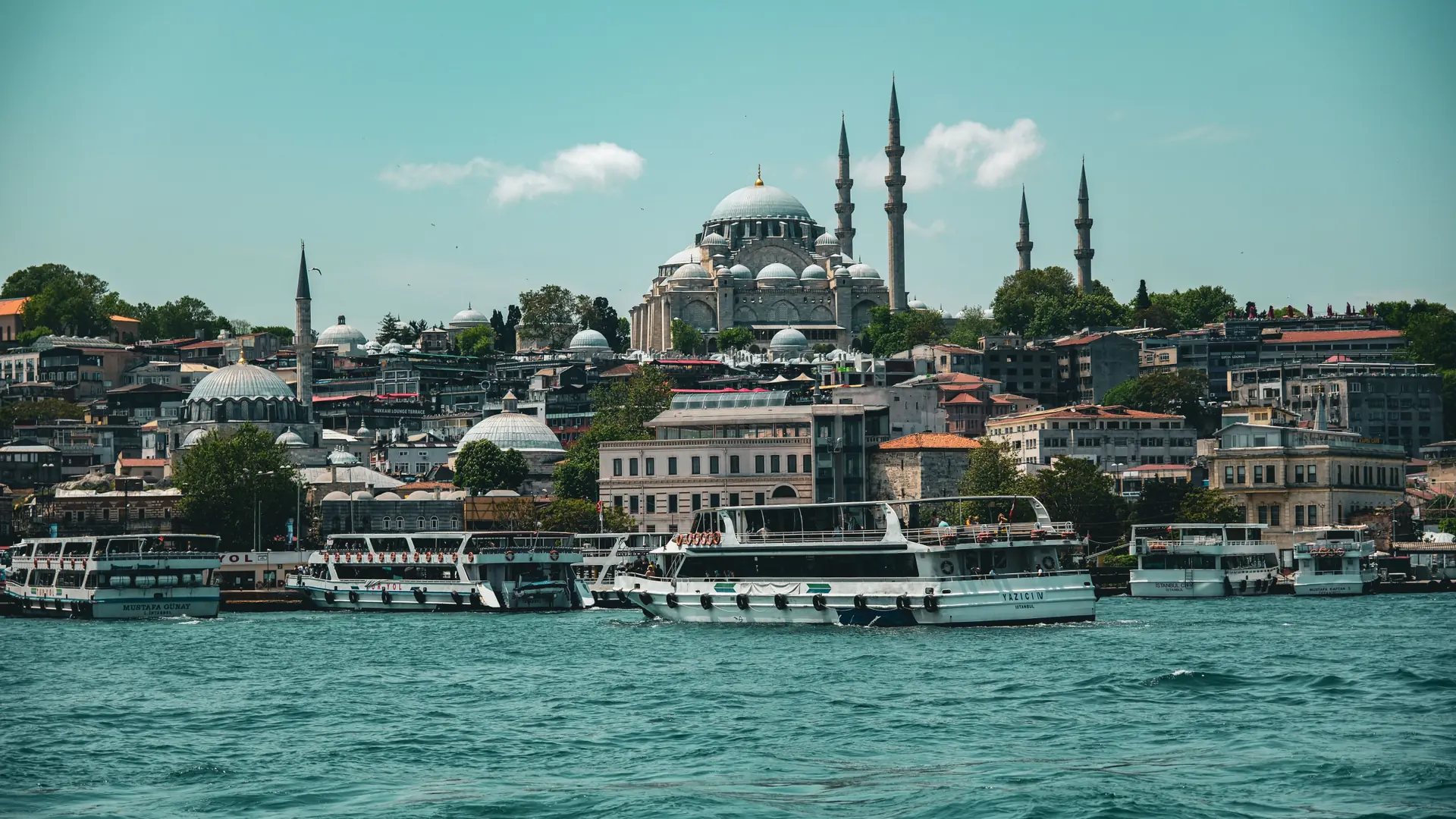
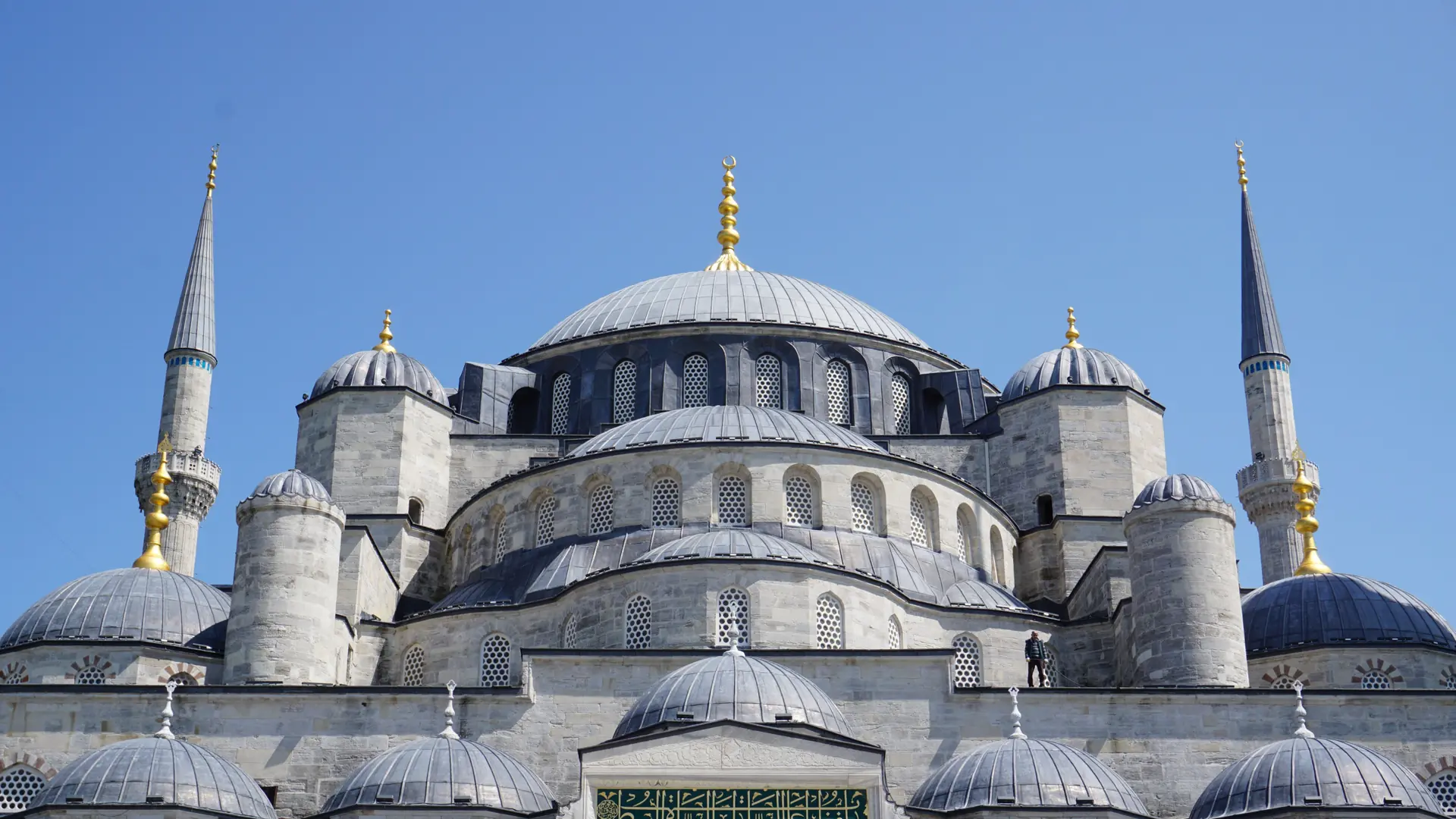
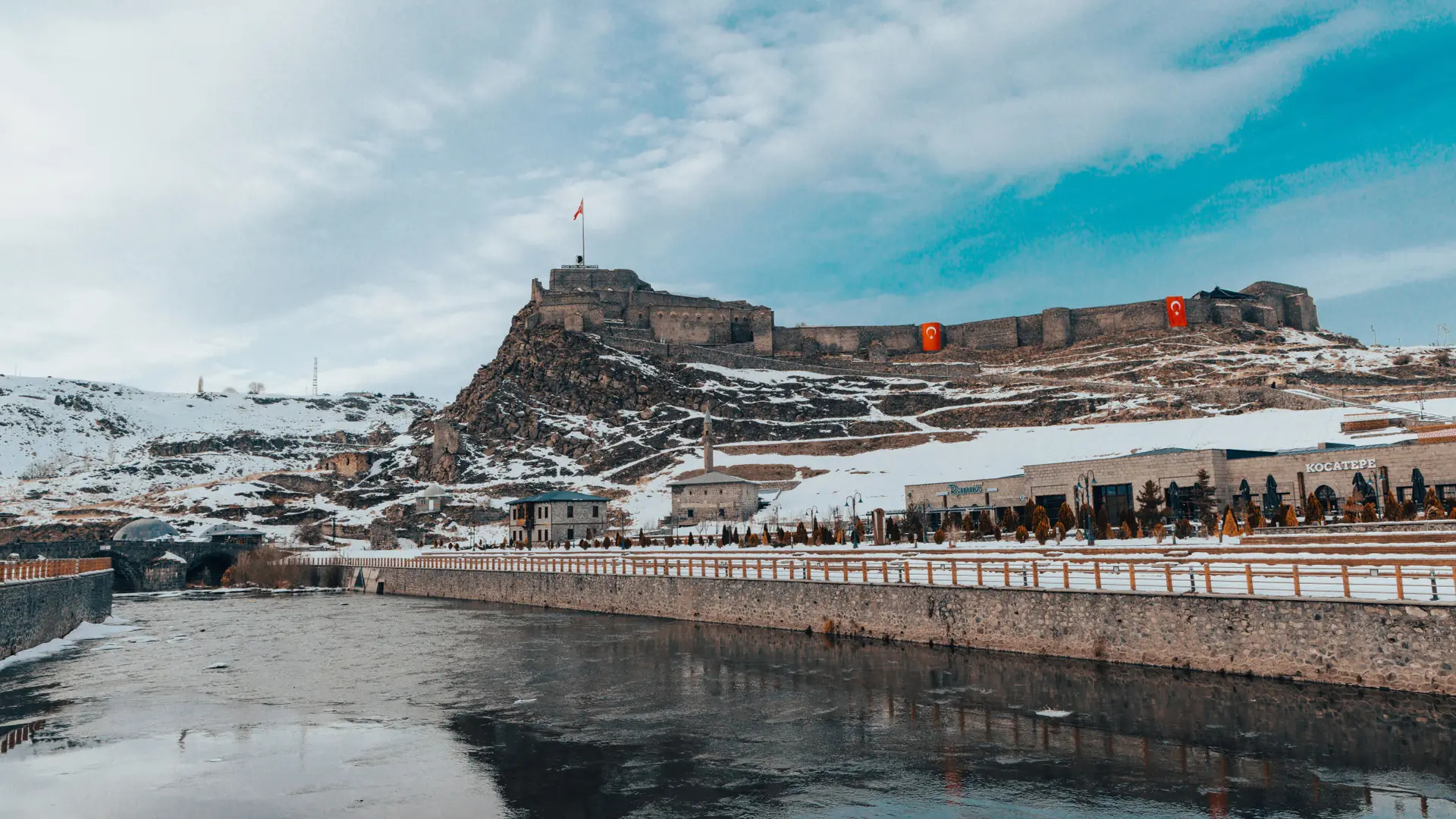
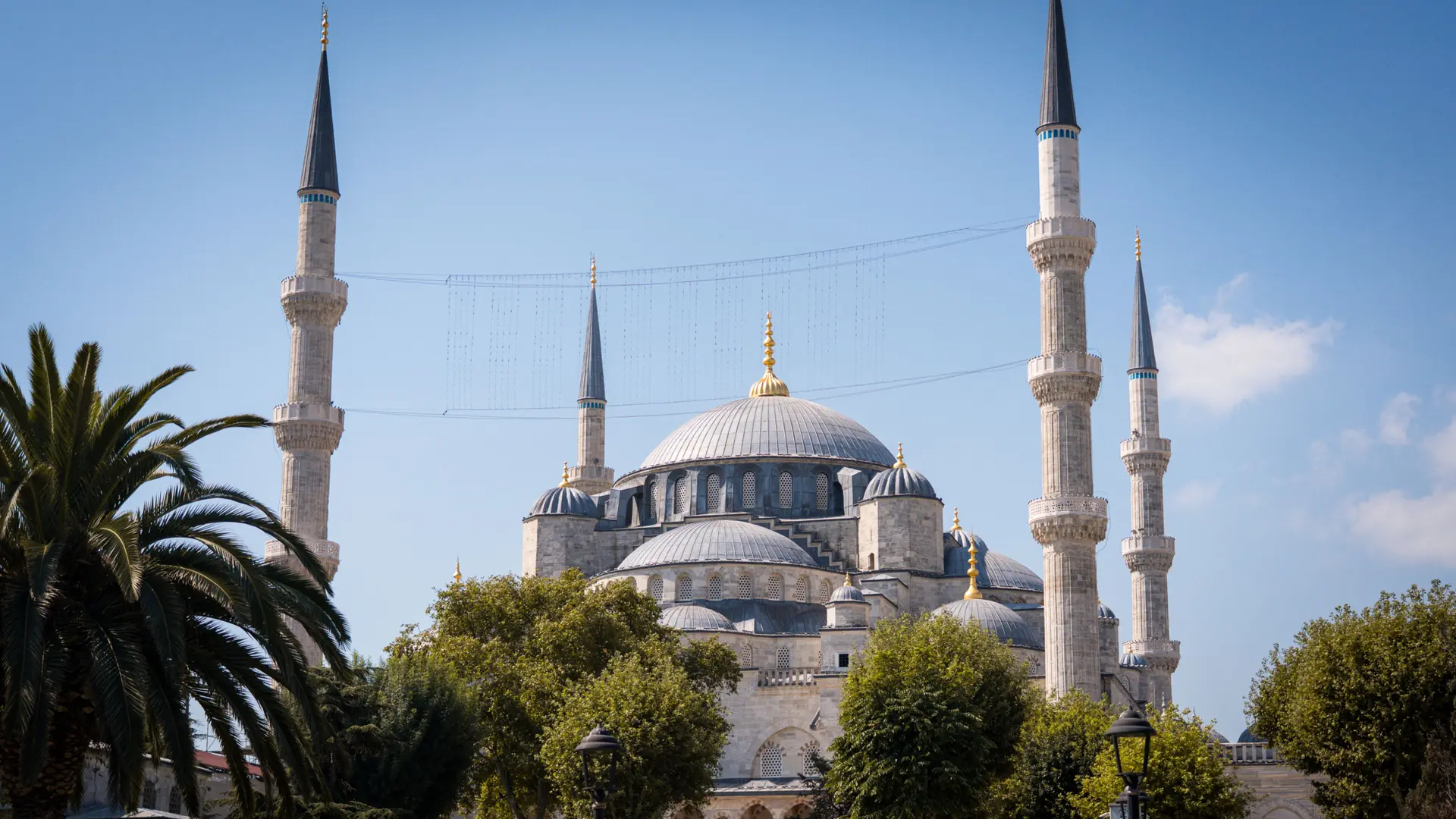
Istanbul deserves to be treated as a region of the itinerary, not merely an international gateway. The Historic Peninsula alone contains Hagia Sophia, the Blue Mosque, Topkapı, Süleymaniye and layered neighbourhoods protected within UNESCO’s Historic Areas. Across the Golden Horn, Karaköy and Beyoğlu produce a different evening; across the Bosphorus, Kadıköy and Üsküdar turn ferries into ordinary city transport. Stay on the shore that supports the first two mornings, then cross water for pleasure rather than correcting a poor hotel decision twice each day.
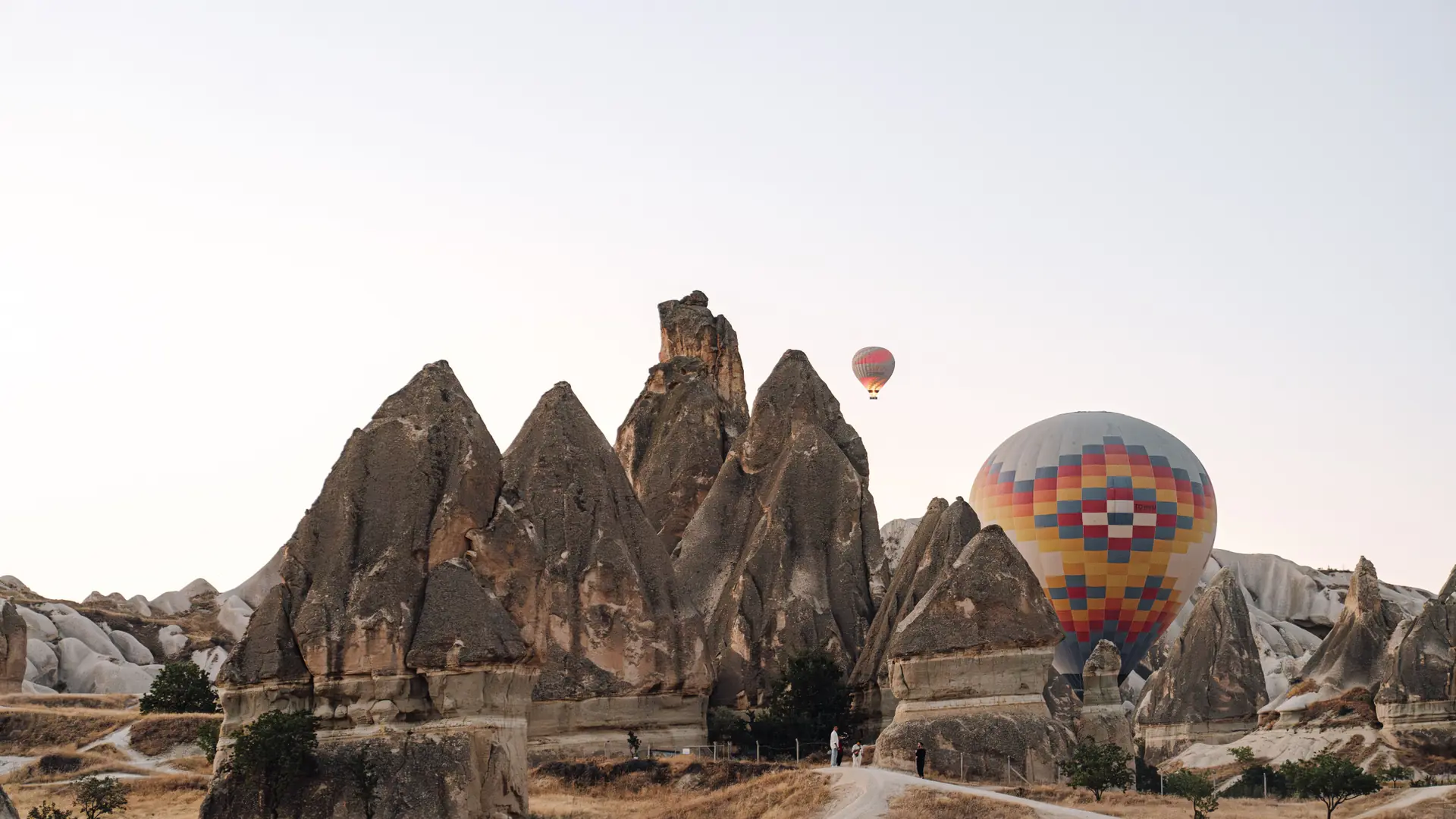
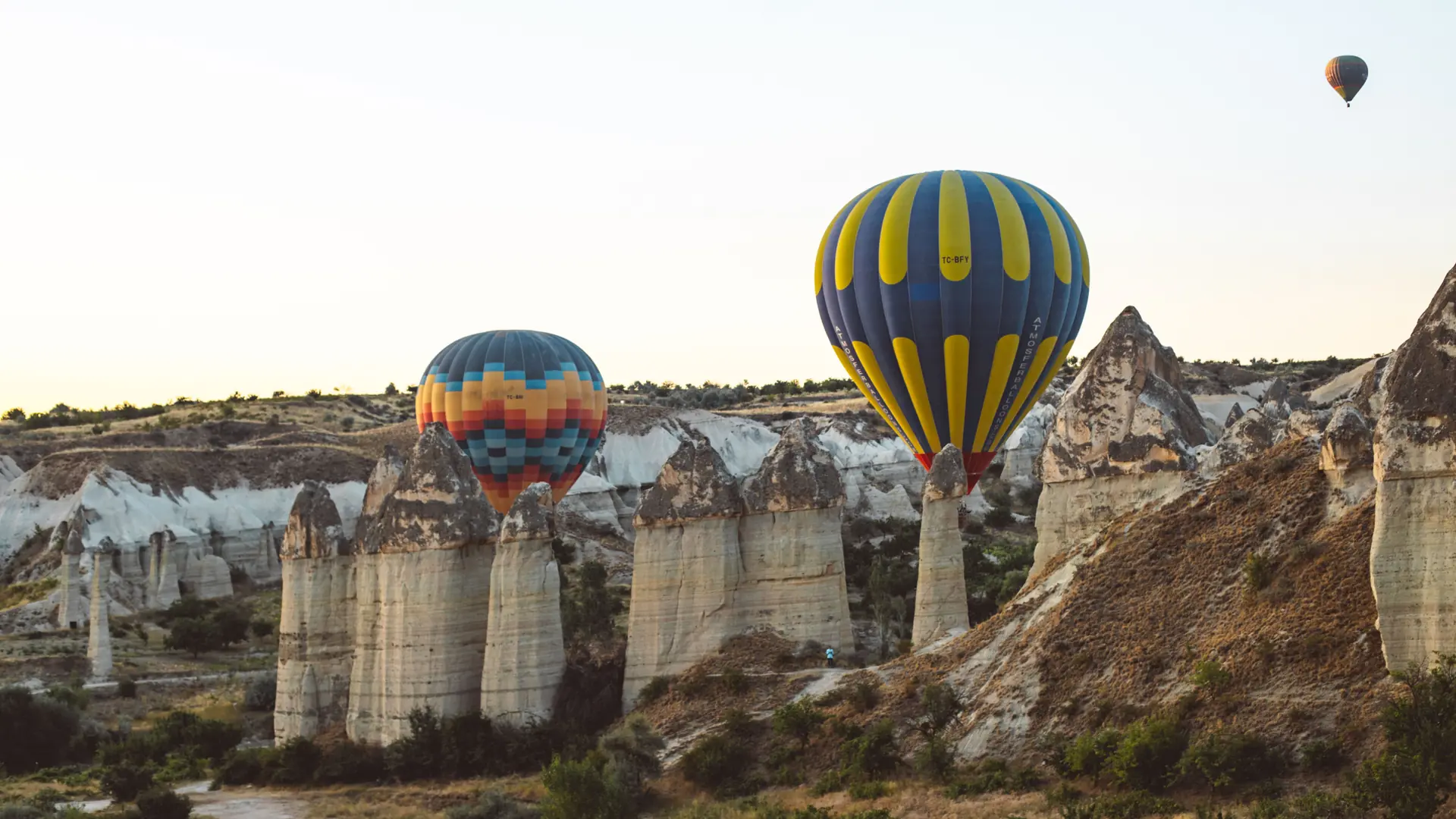
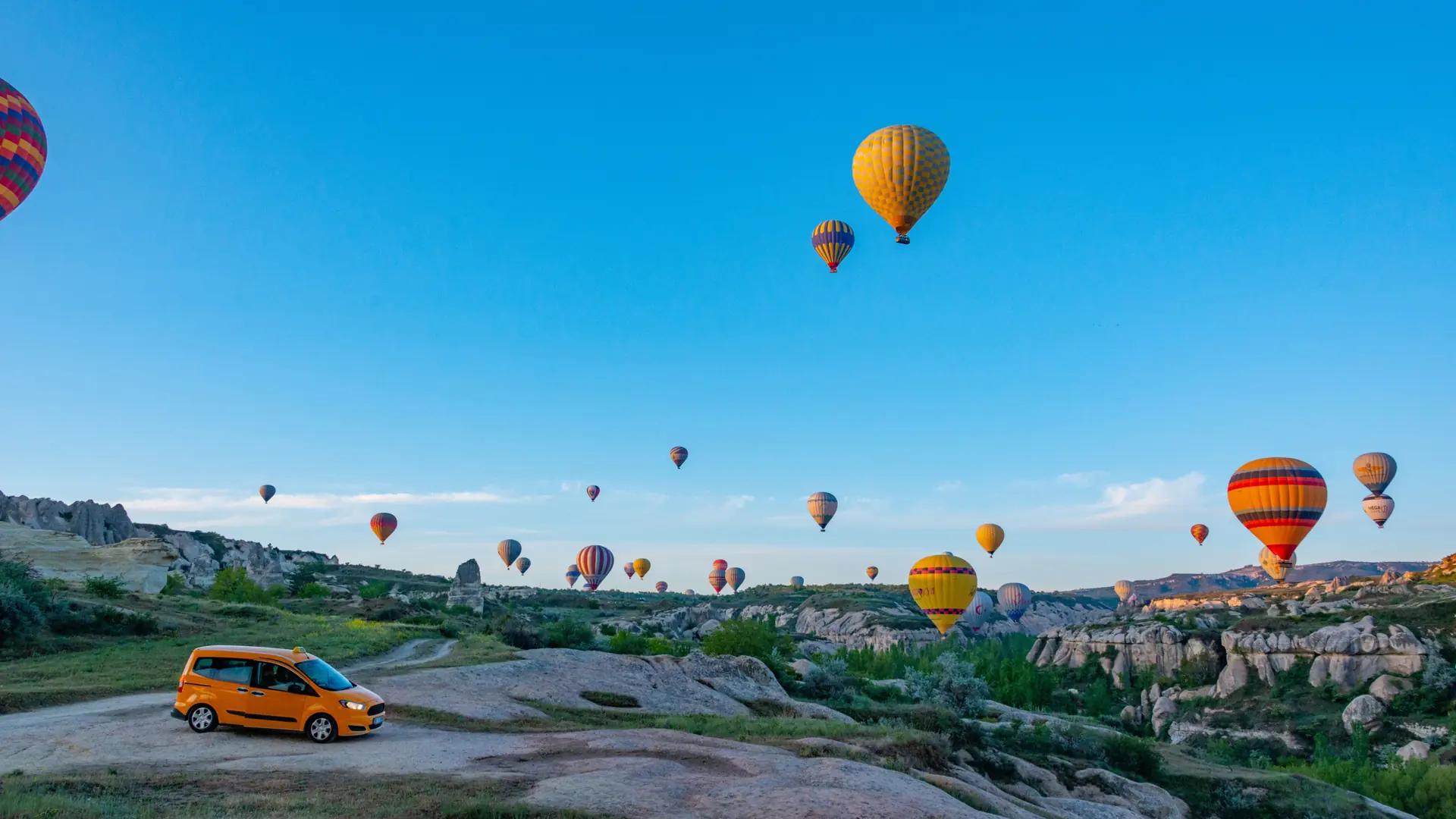
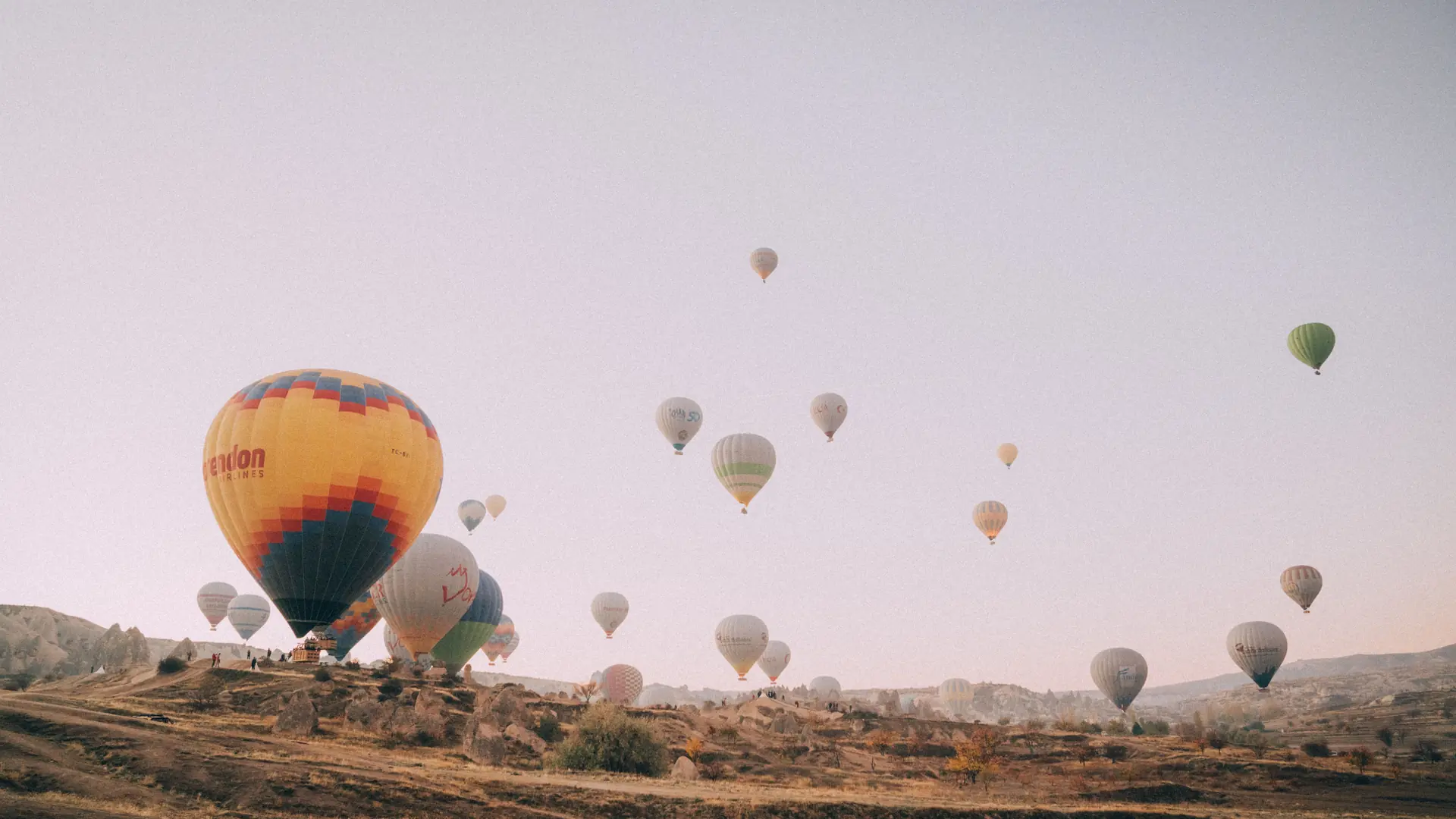
Cappadocia supplies the clearest contrast, but its famous image can distort planning. Balloon reservations are conditional because civil-aviation and weather decisions govern flights. A cave hotel may contain stone-built and excavated rooms with entirely different light, humidity and stair access. Three nights create two useful dawns, a museum-and-valley day and one longer road circuit. Göreme is the most forgiving service base; Uçhisar, Ortahisar or Çavuşin should be chosen for their ridge, village or trail character, not described as interchangeable alternatives.
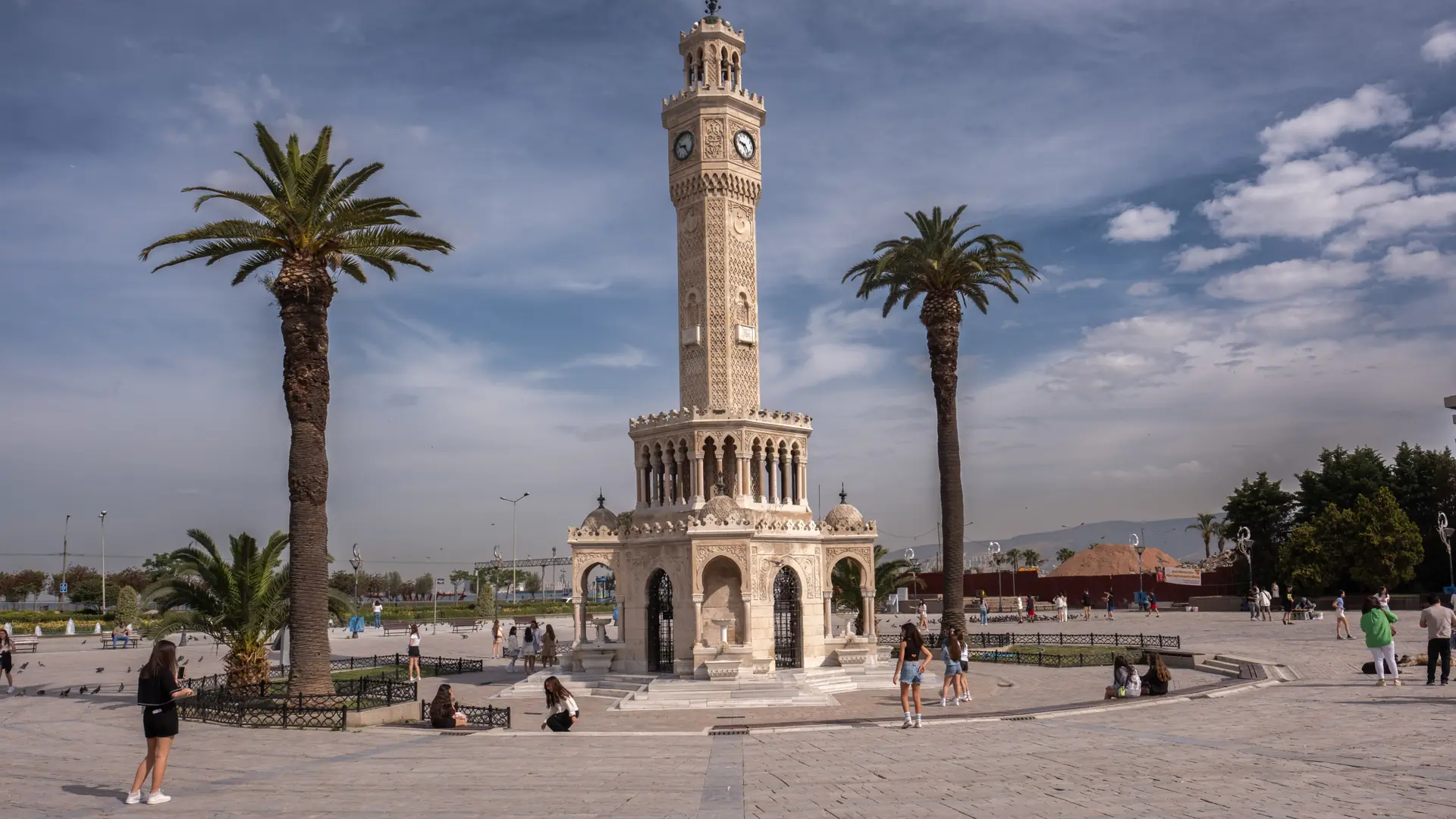
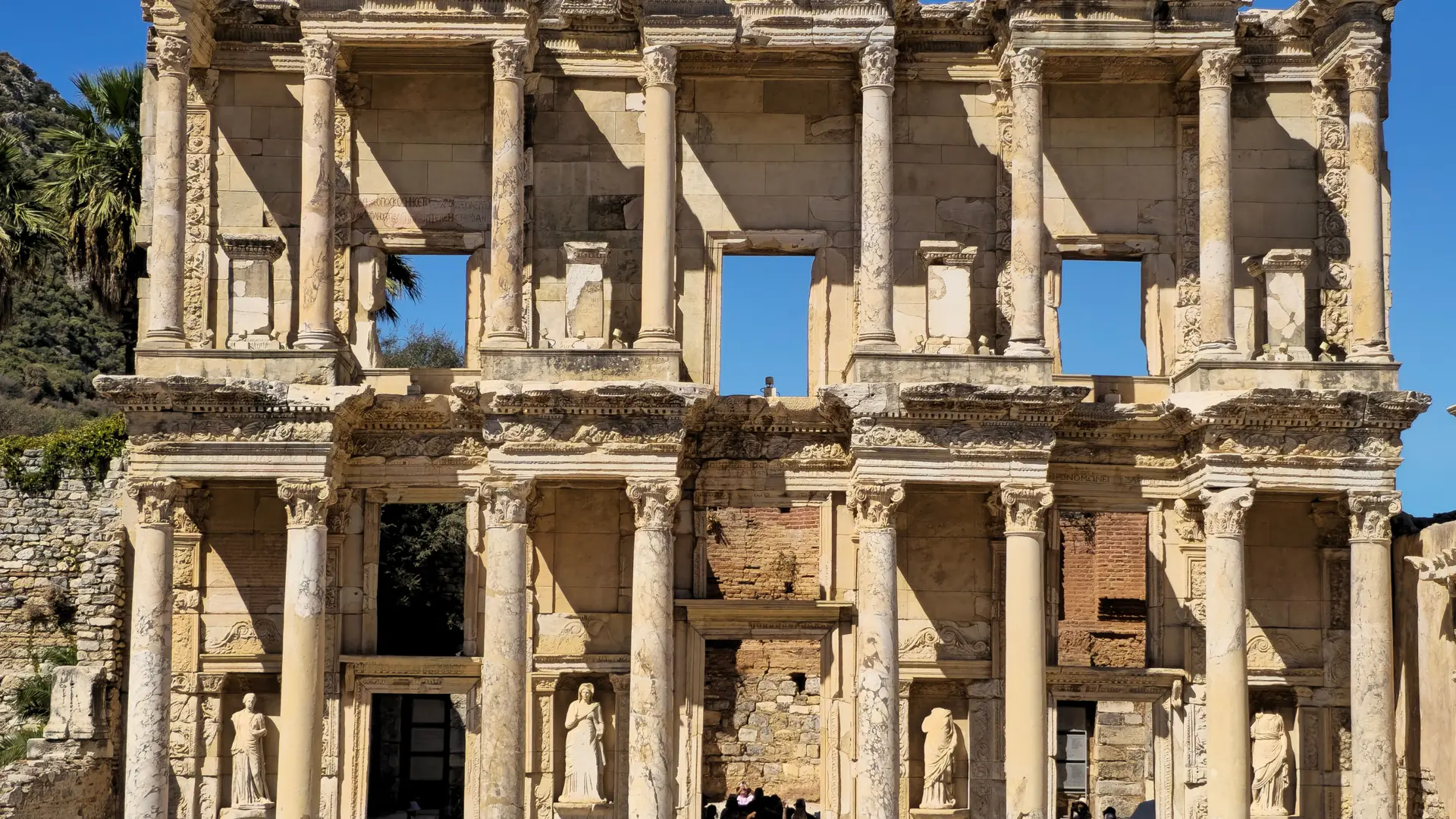
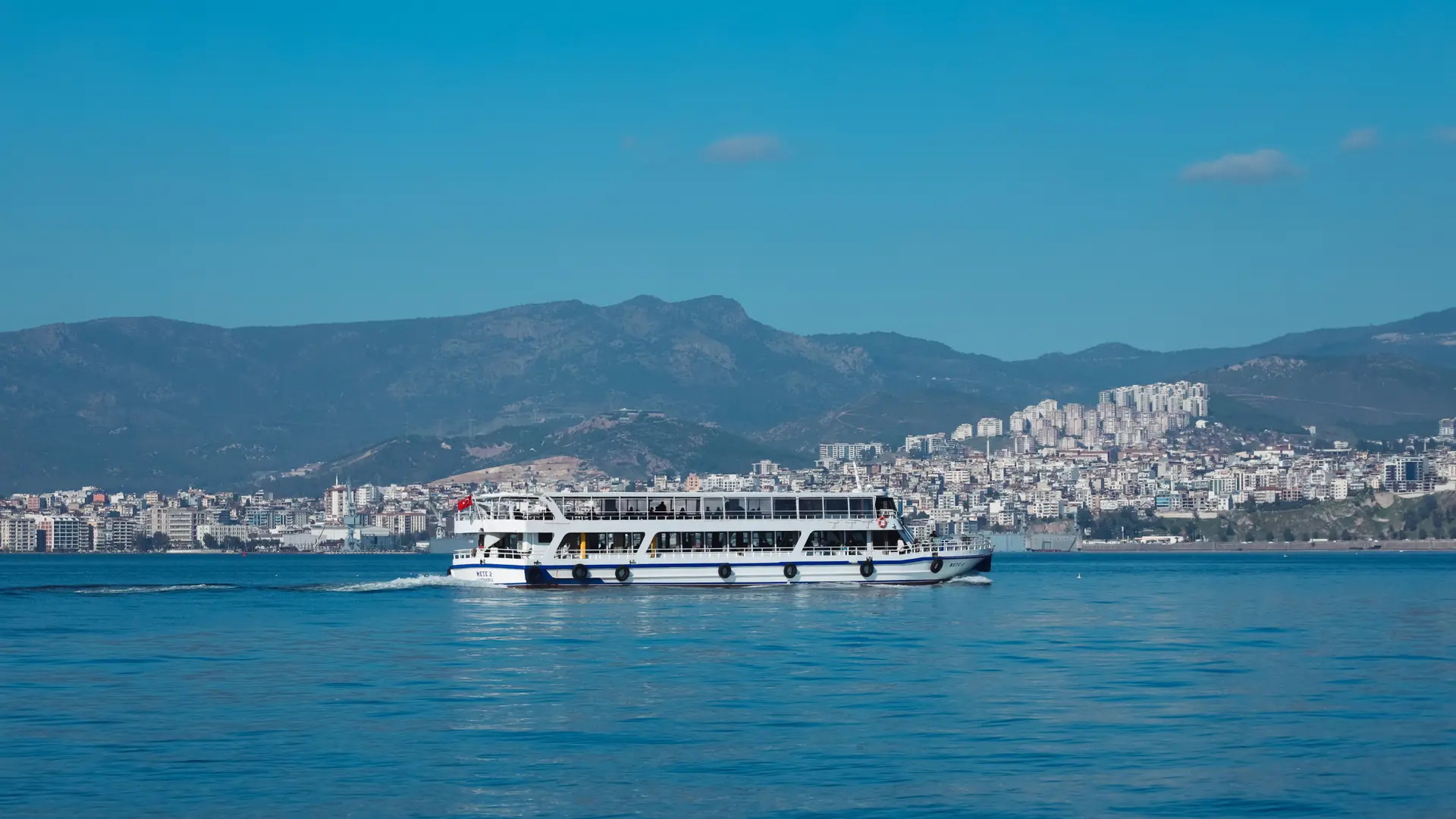
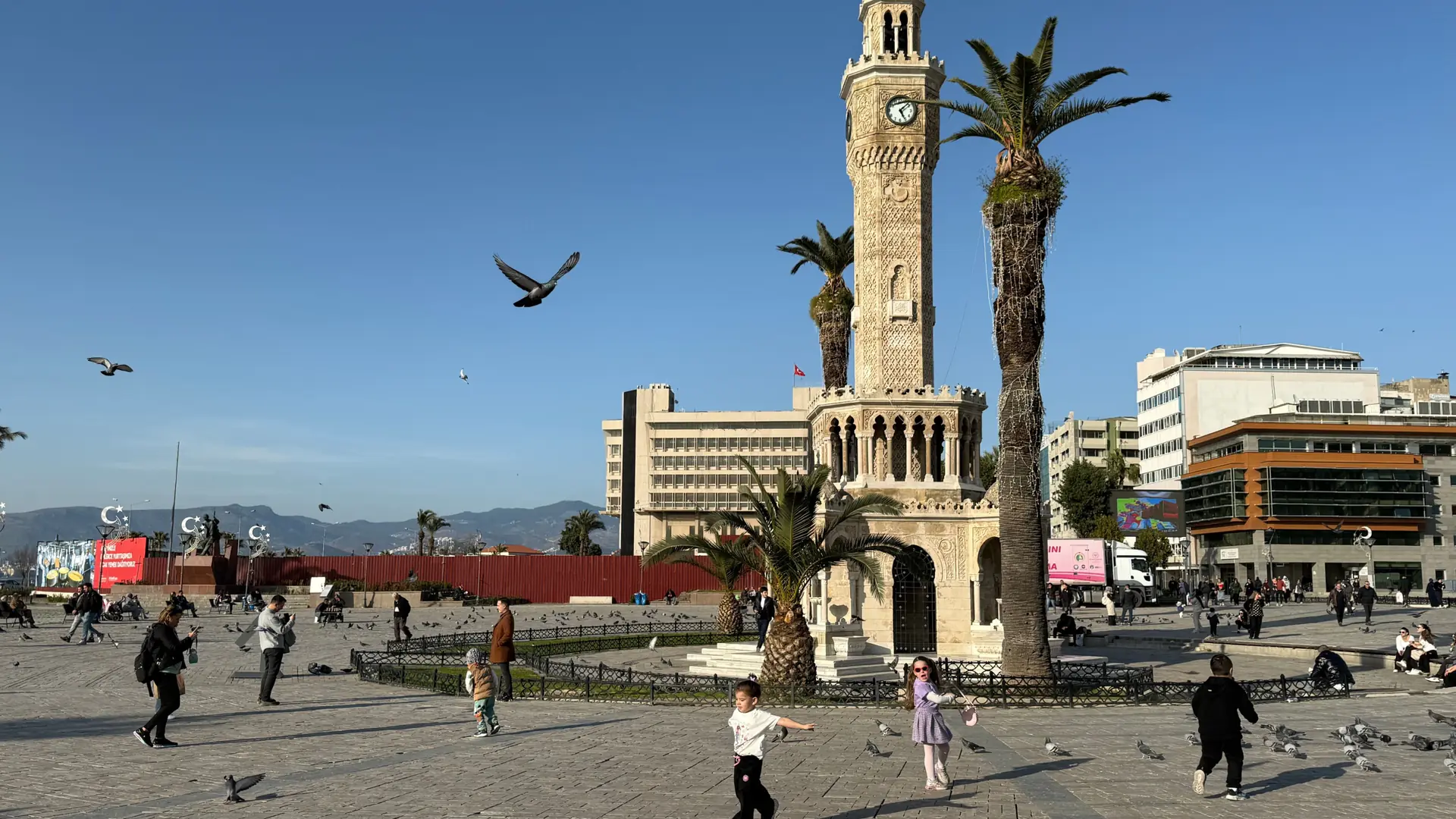
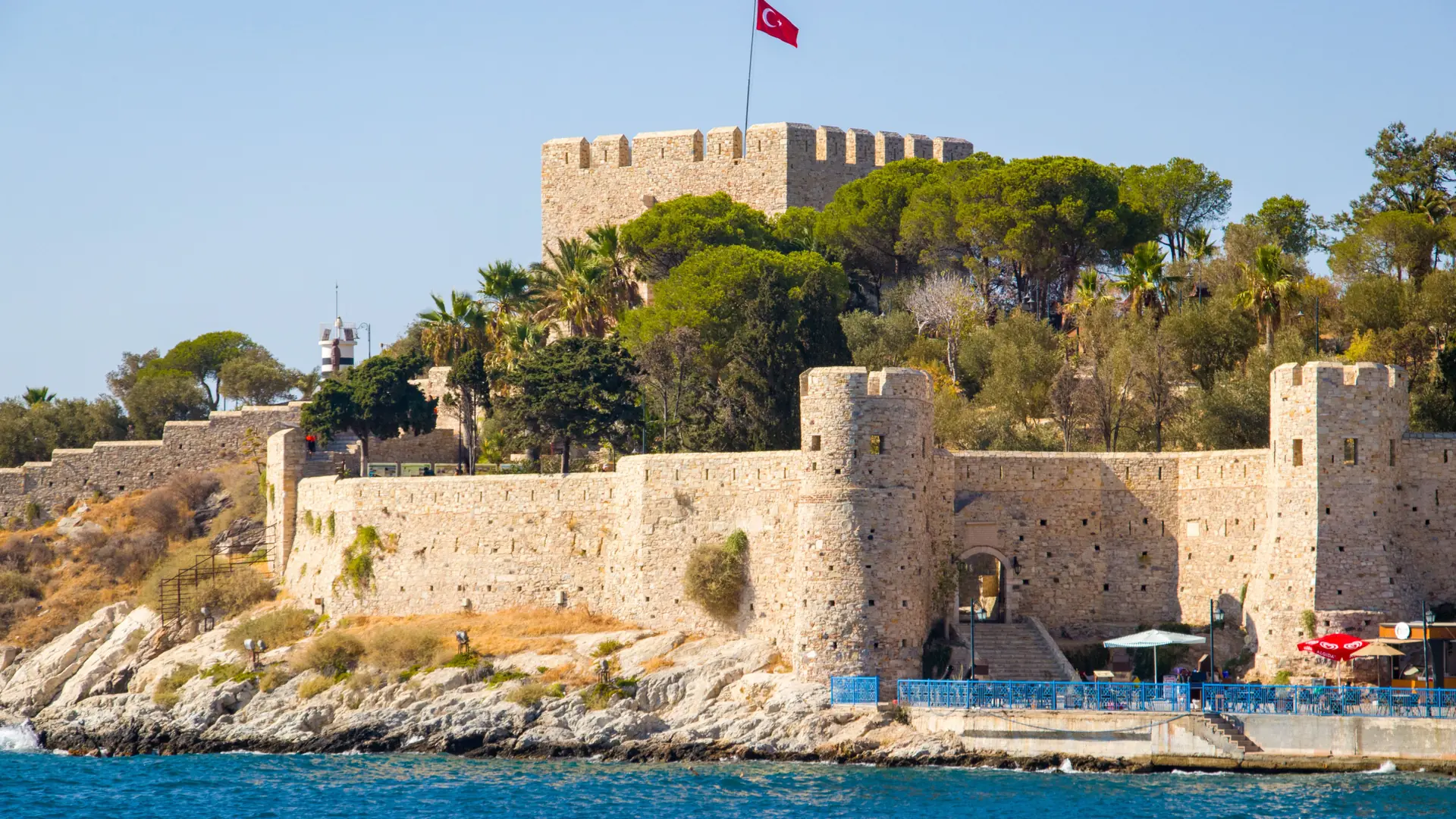
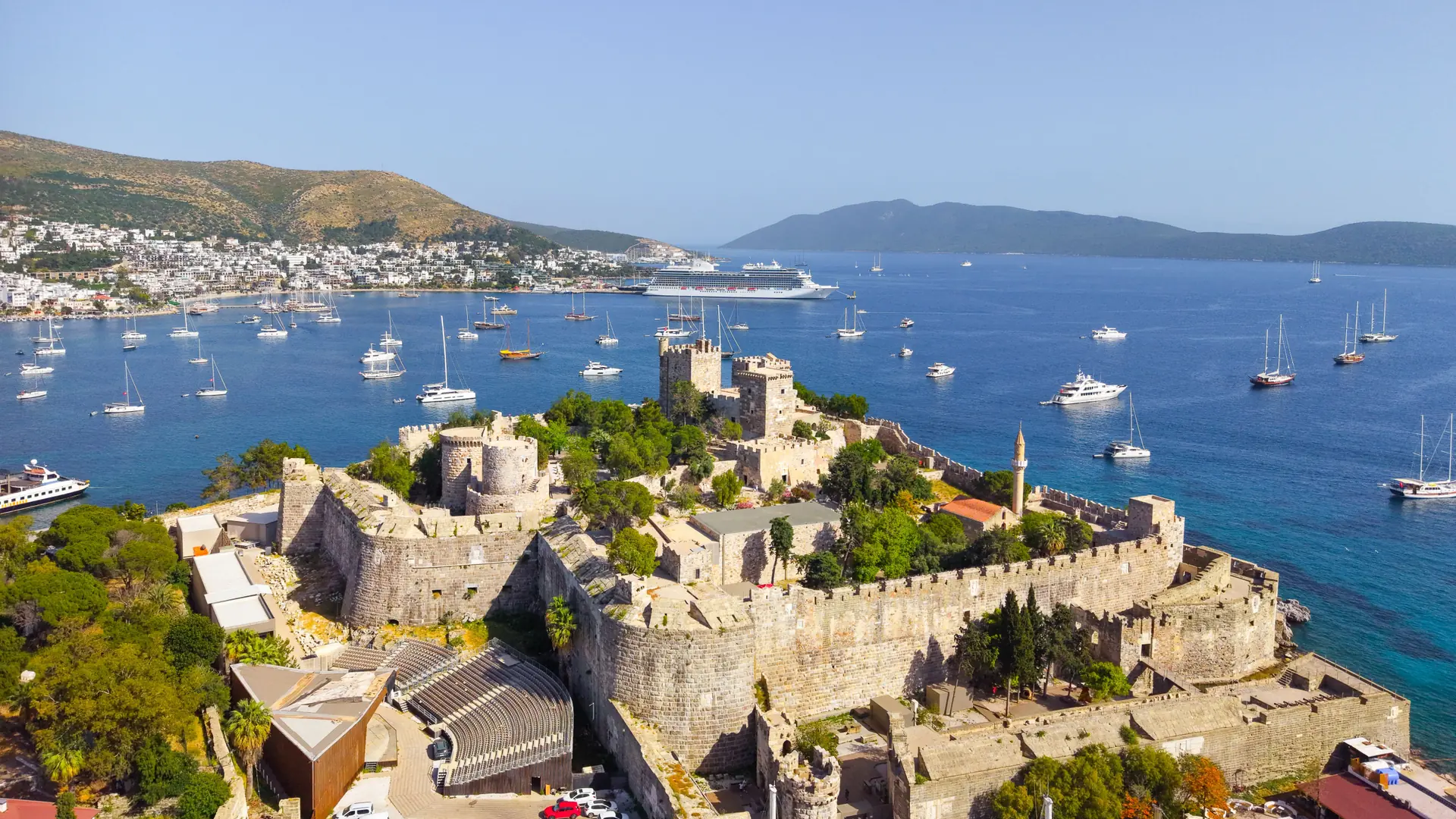
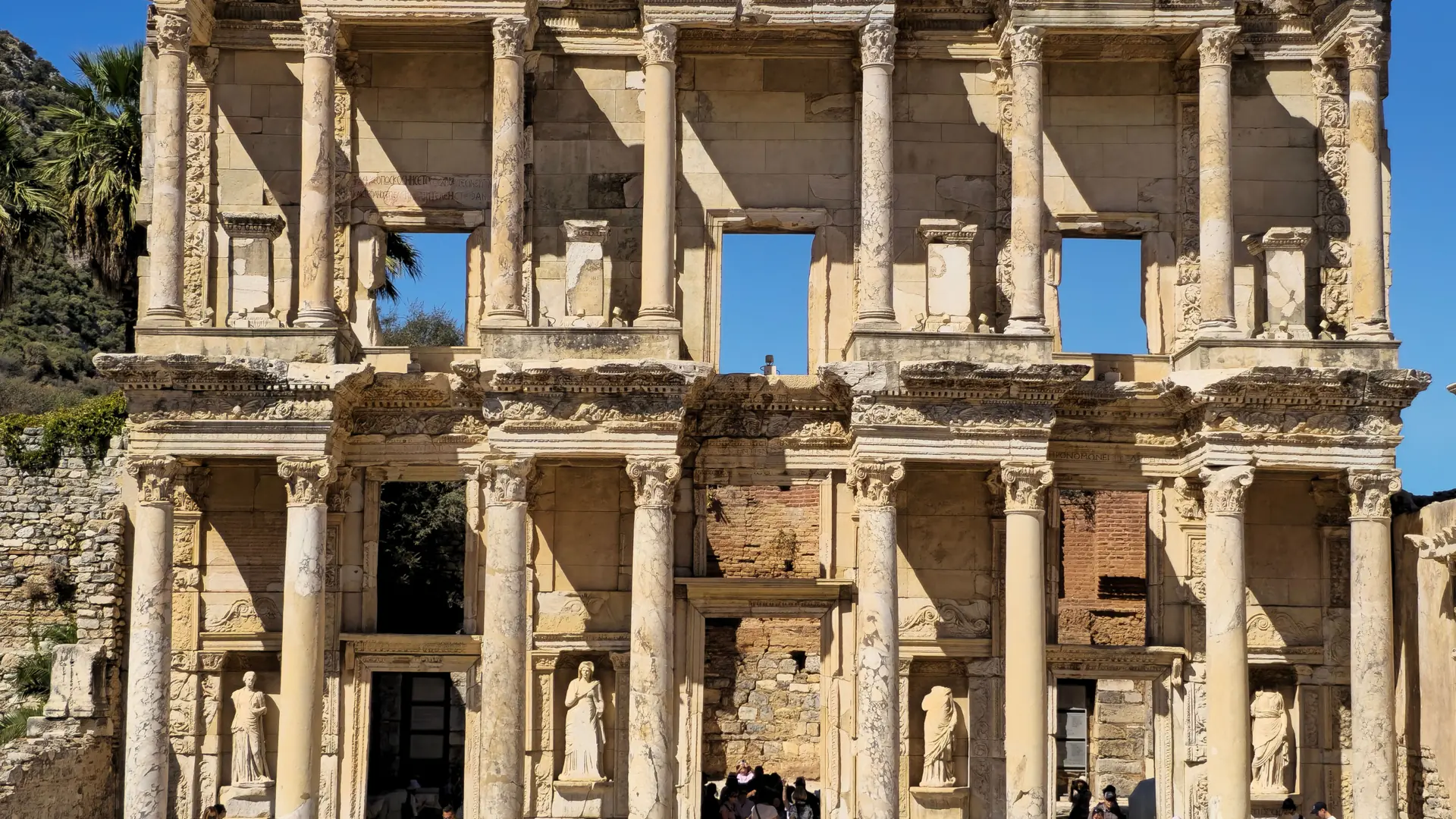
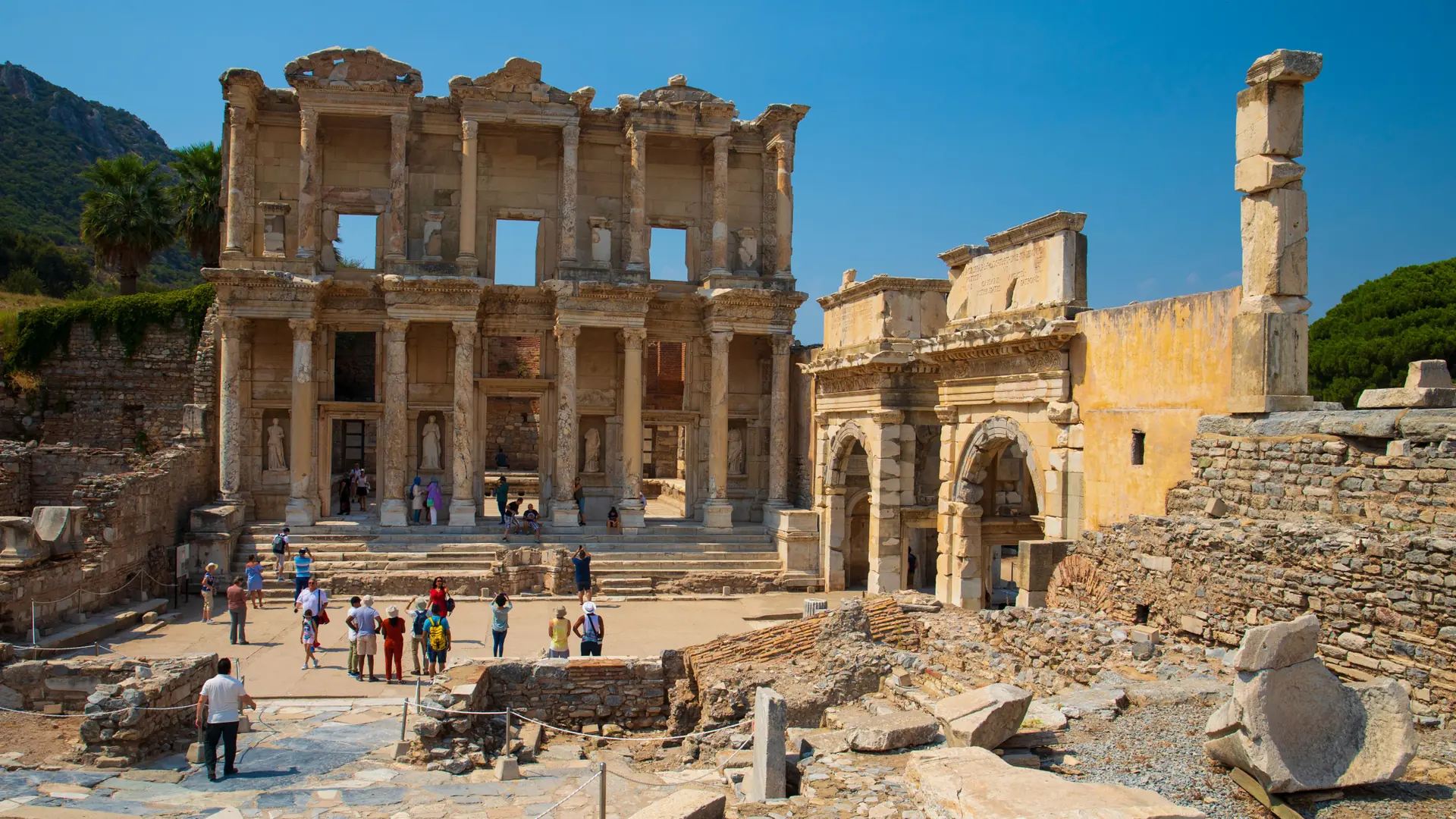
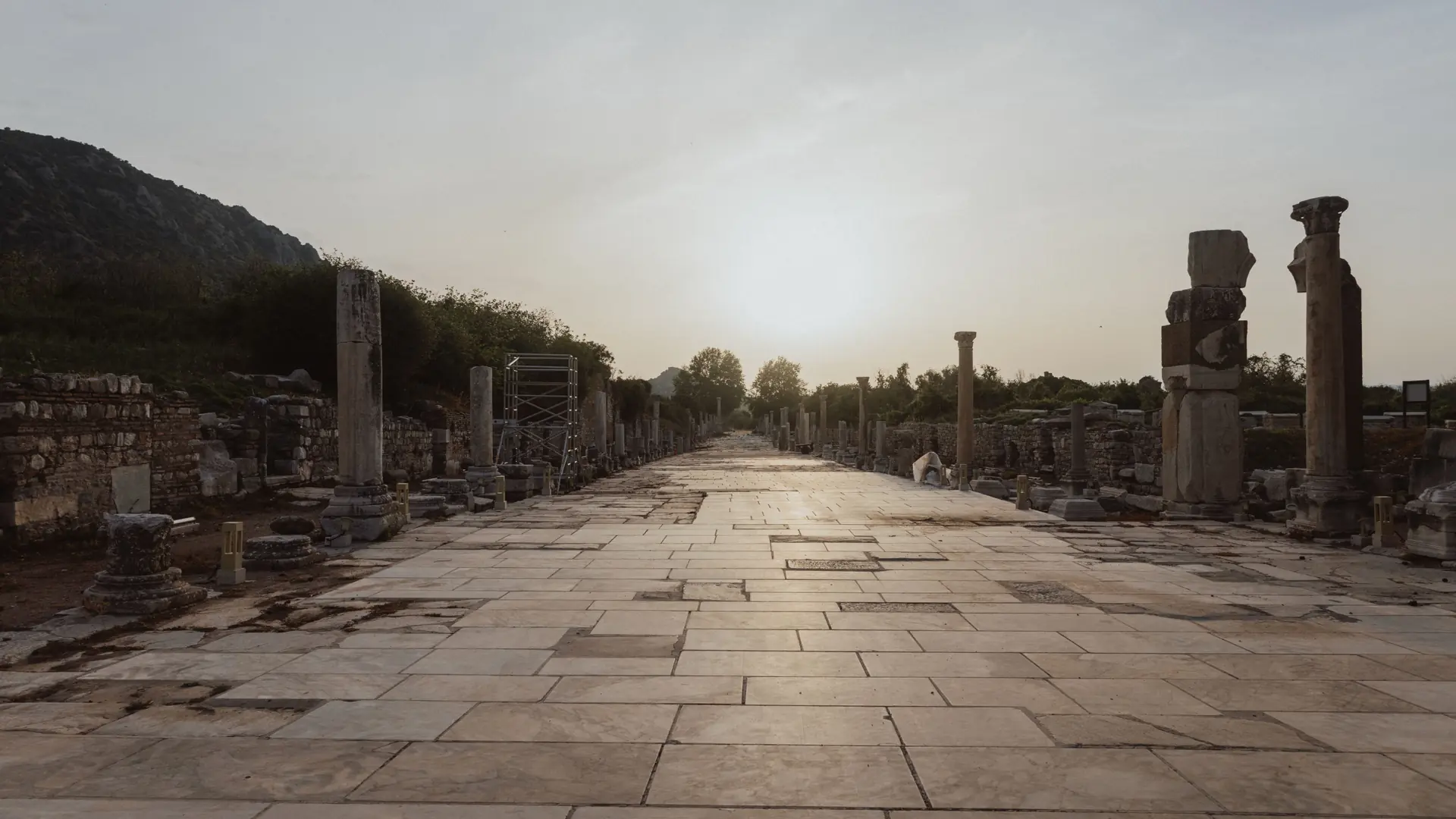
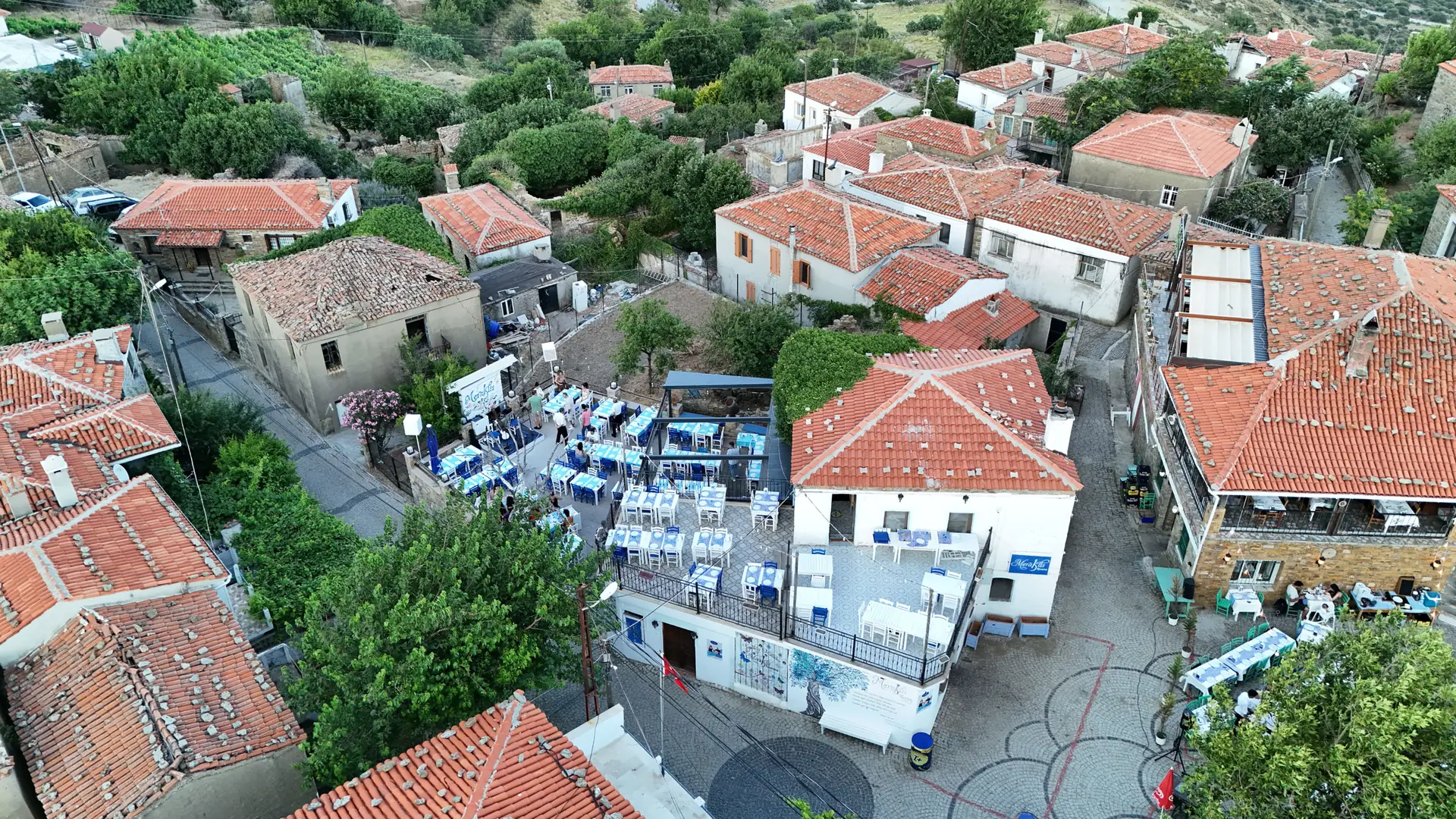
The Aegean route works best when İzmir, Ephesus and the Bodrum Peninsula have different roles. İzmir is a living bay city of ferries, Kemeraltı and late dinners. Ephesus is an exposed World Heritage archaeological city whose marble streets need cooler hours and attention. Bodrum combines a castle town with distant peninsula bays such as Yalıkavak and Gümüşlük. Choose one accommodation geography, and resist adding Kuşadası, İzmir, Çeşme and Bodrum as a string of brief sleeps merely because they share the western map.
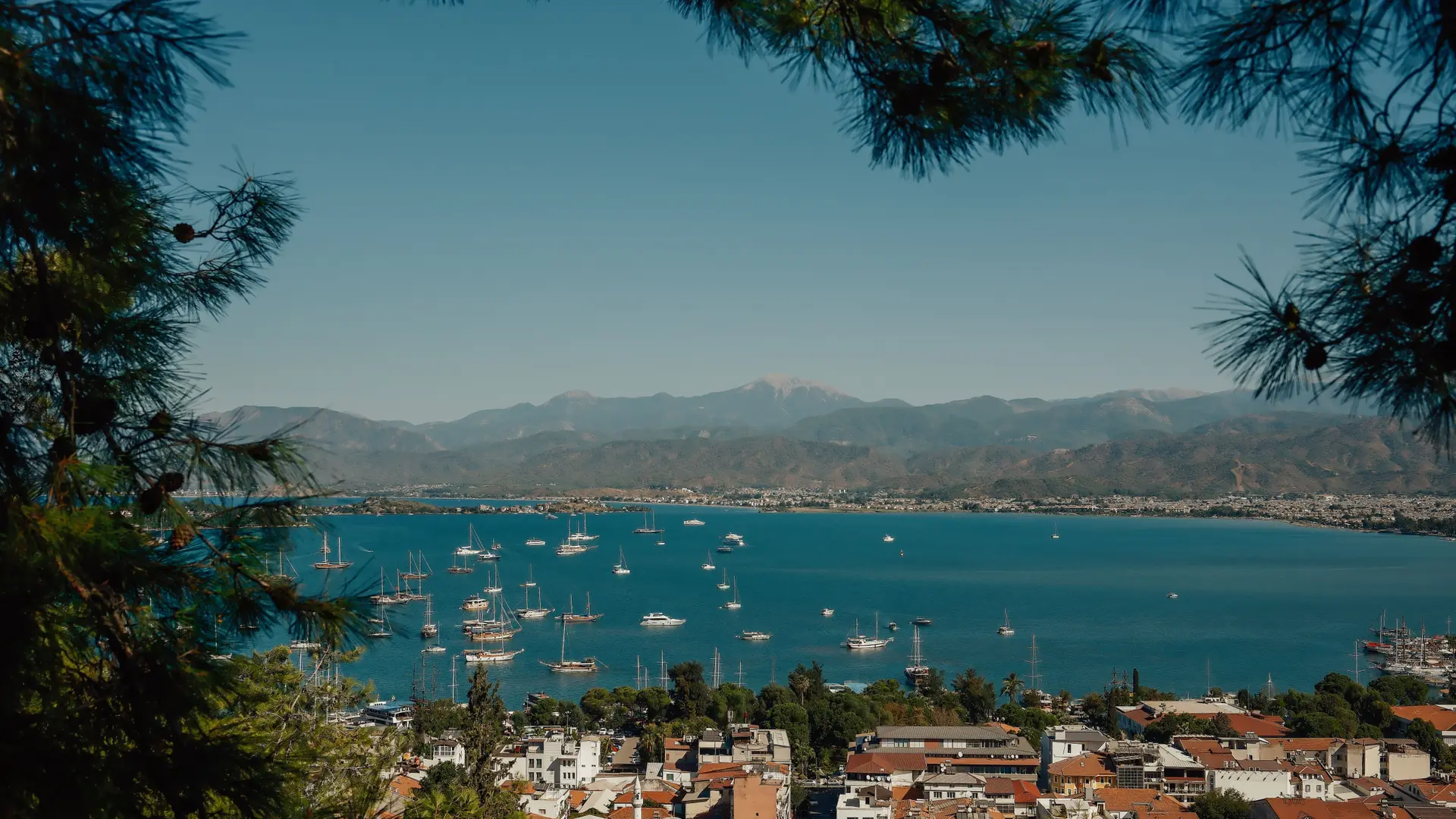
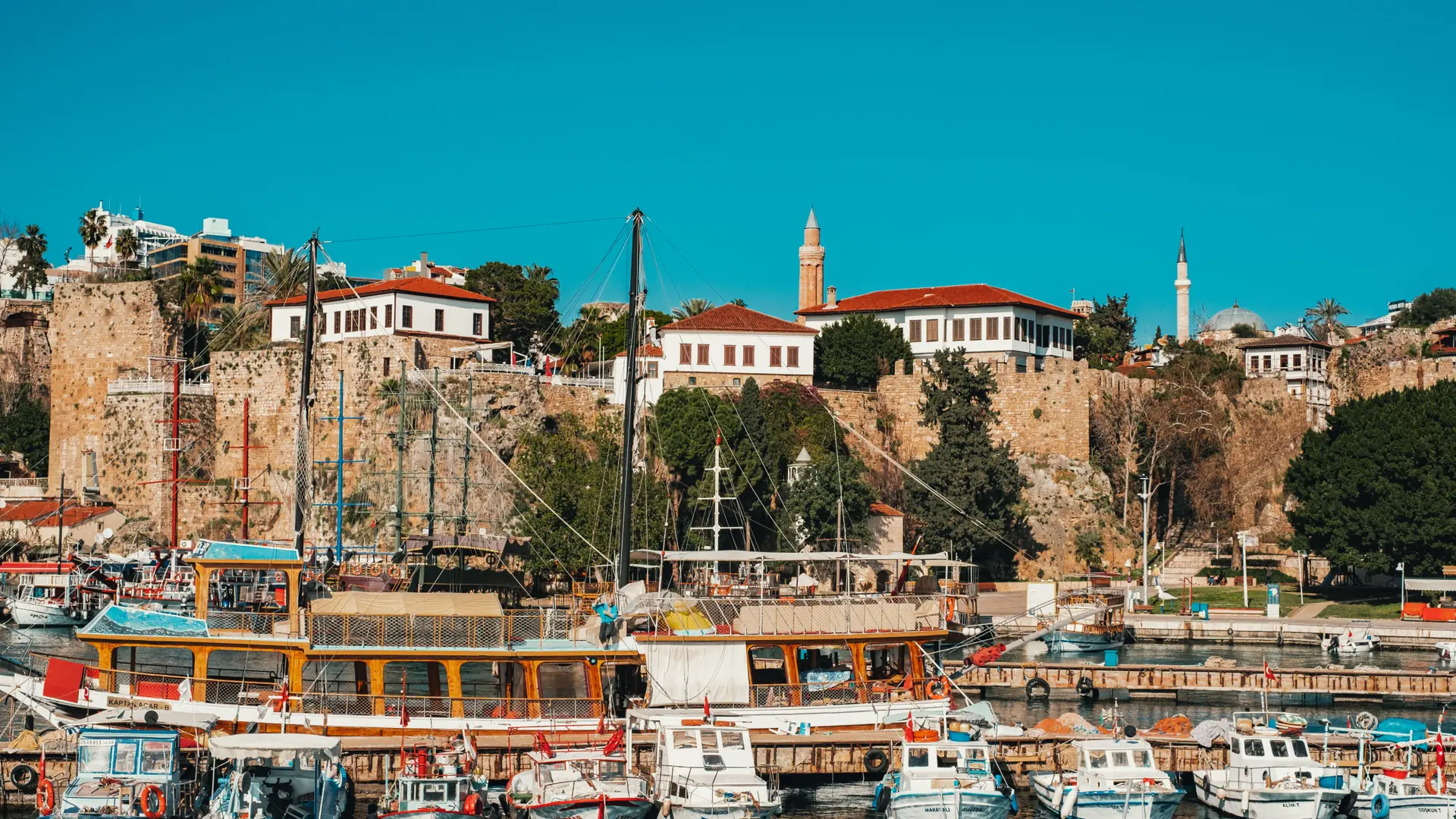
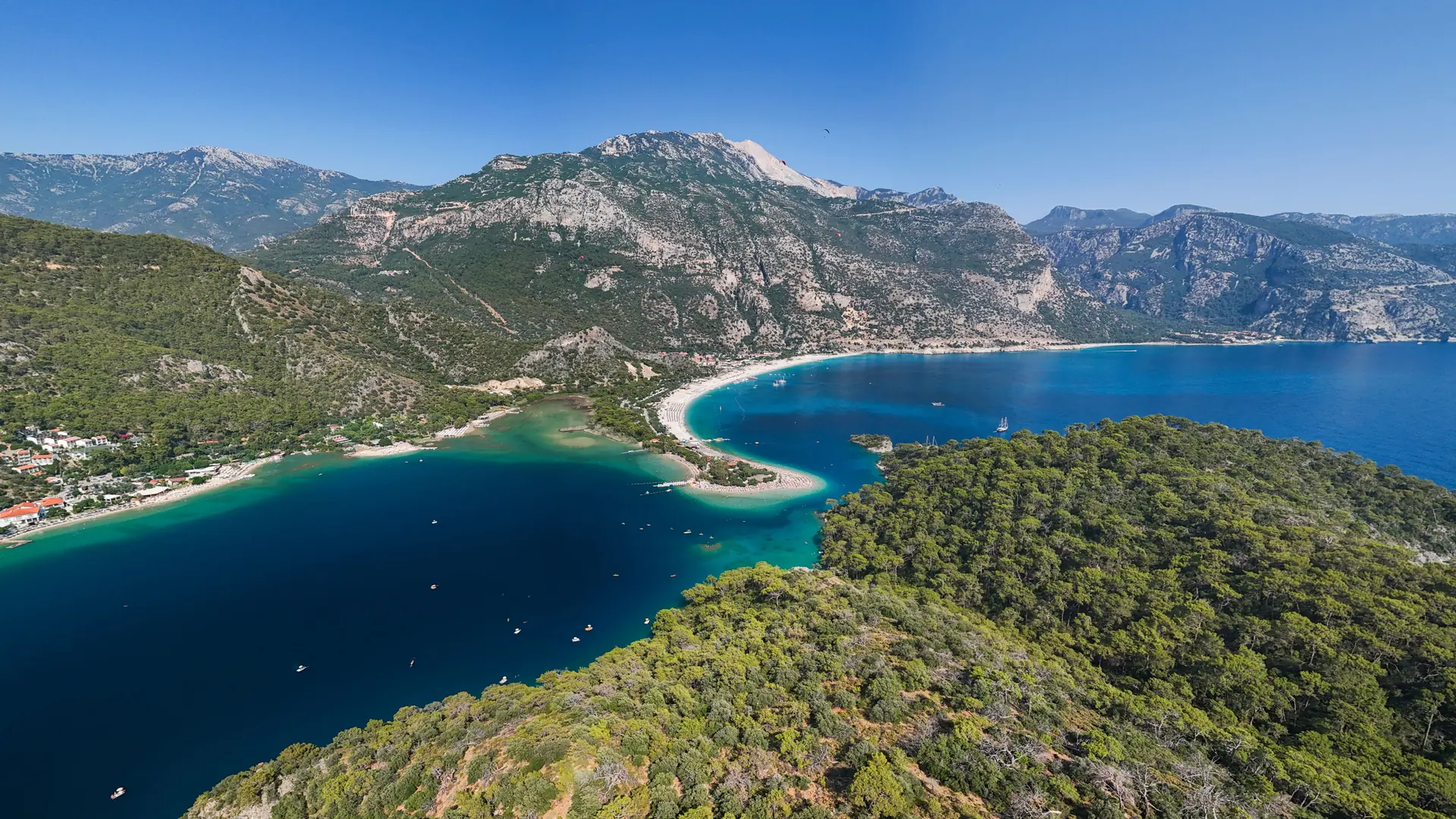
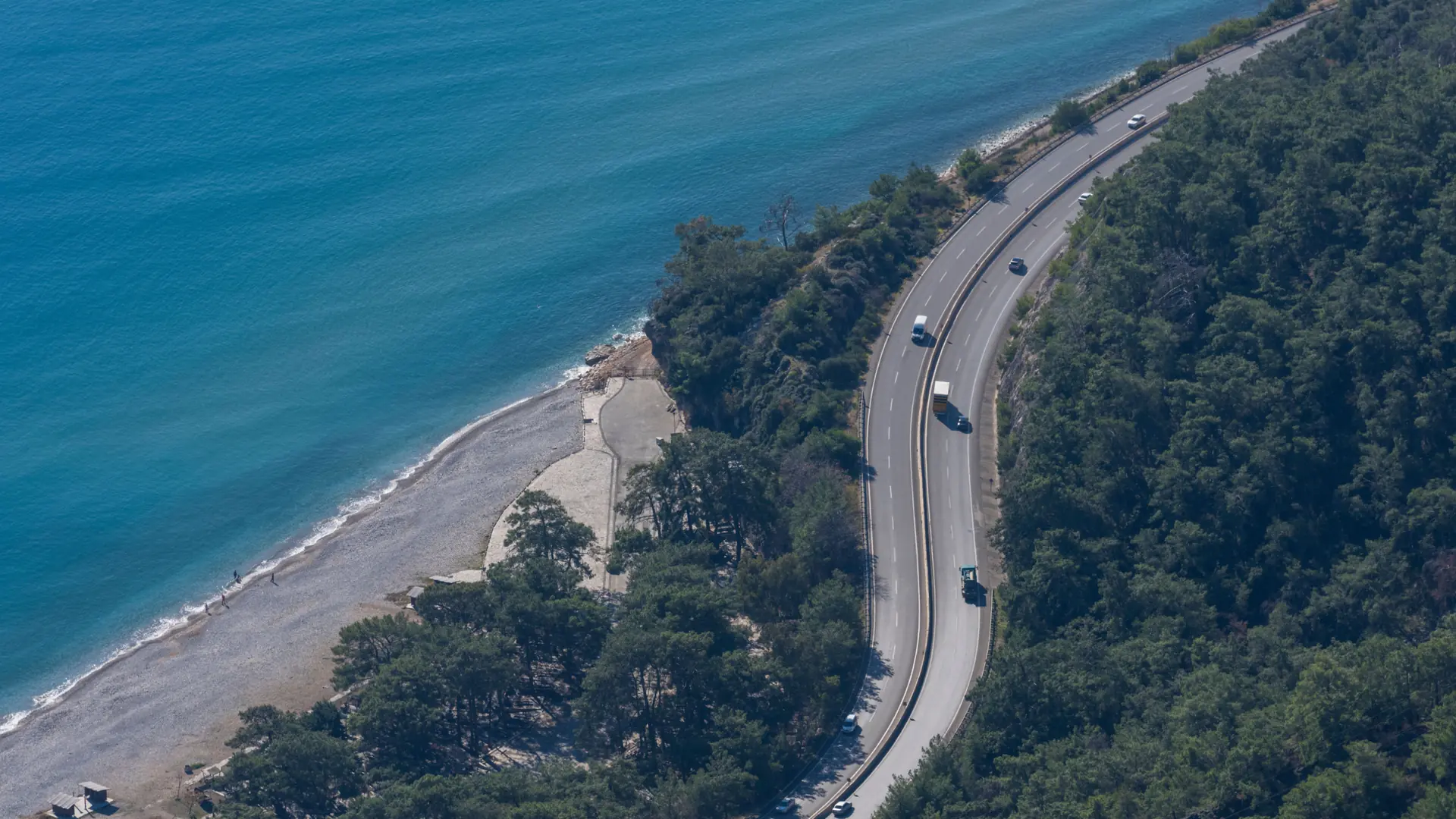
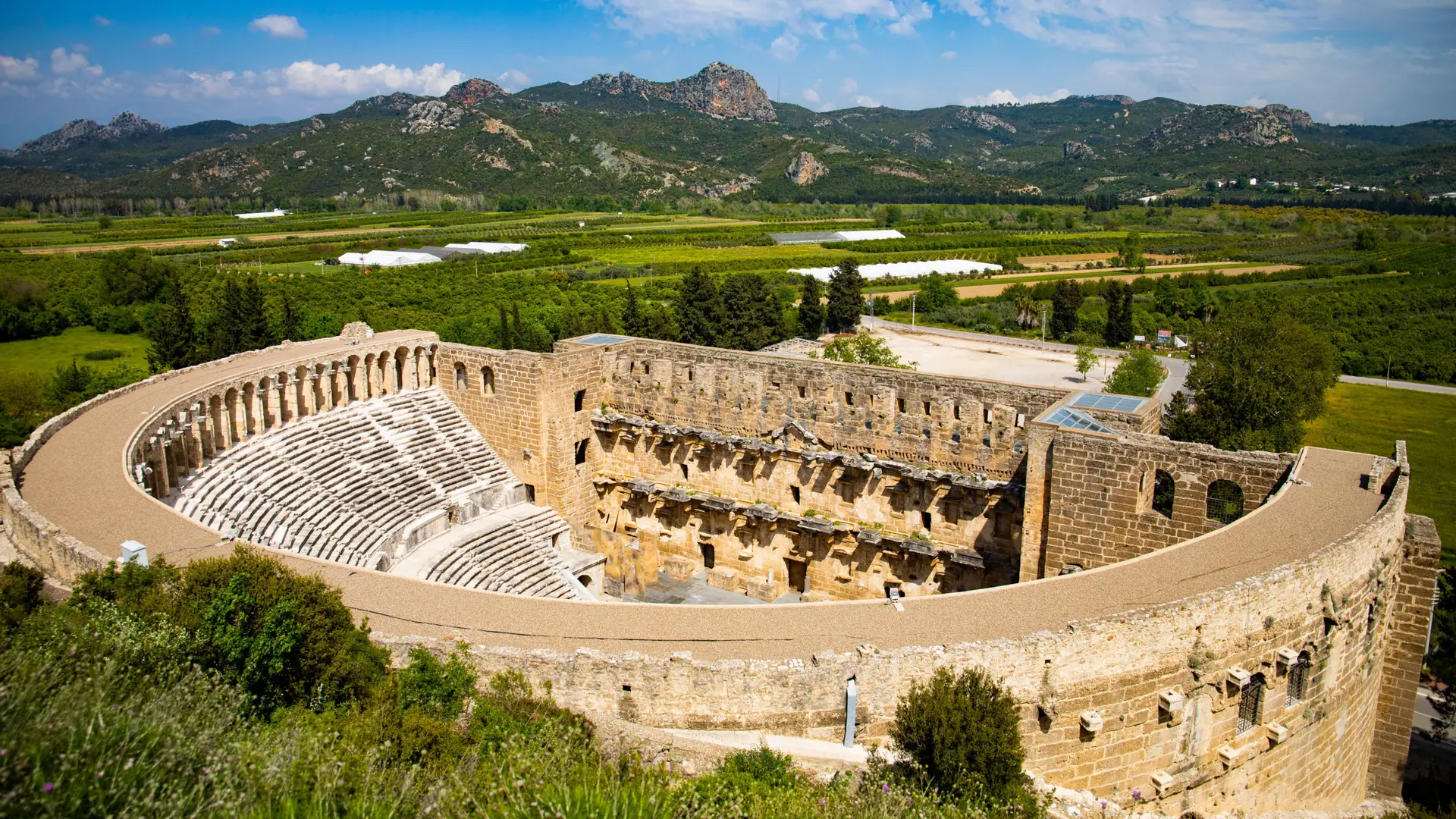
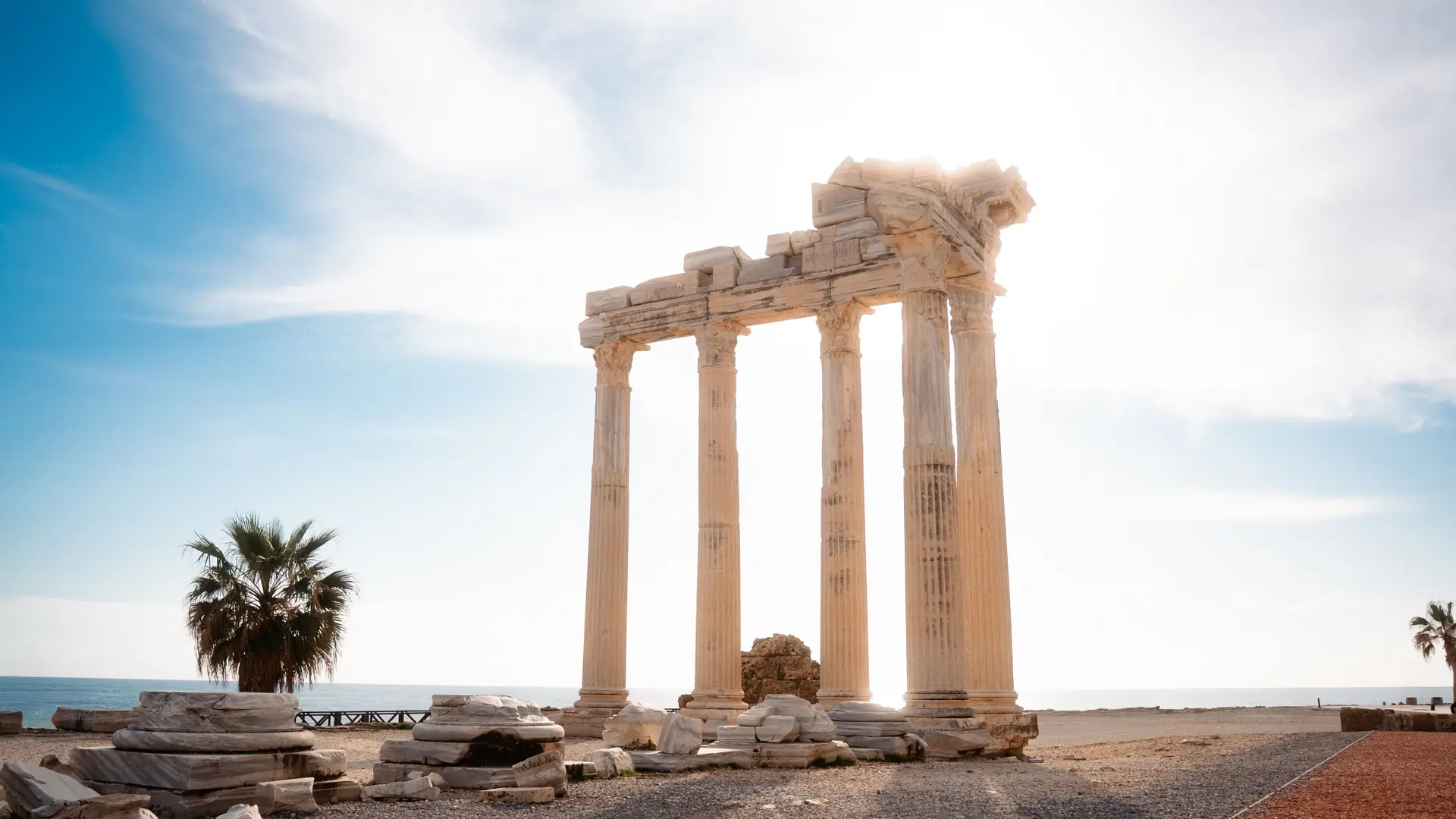
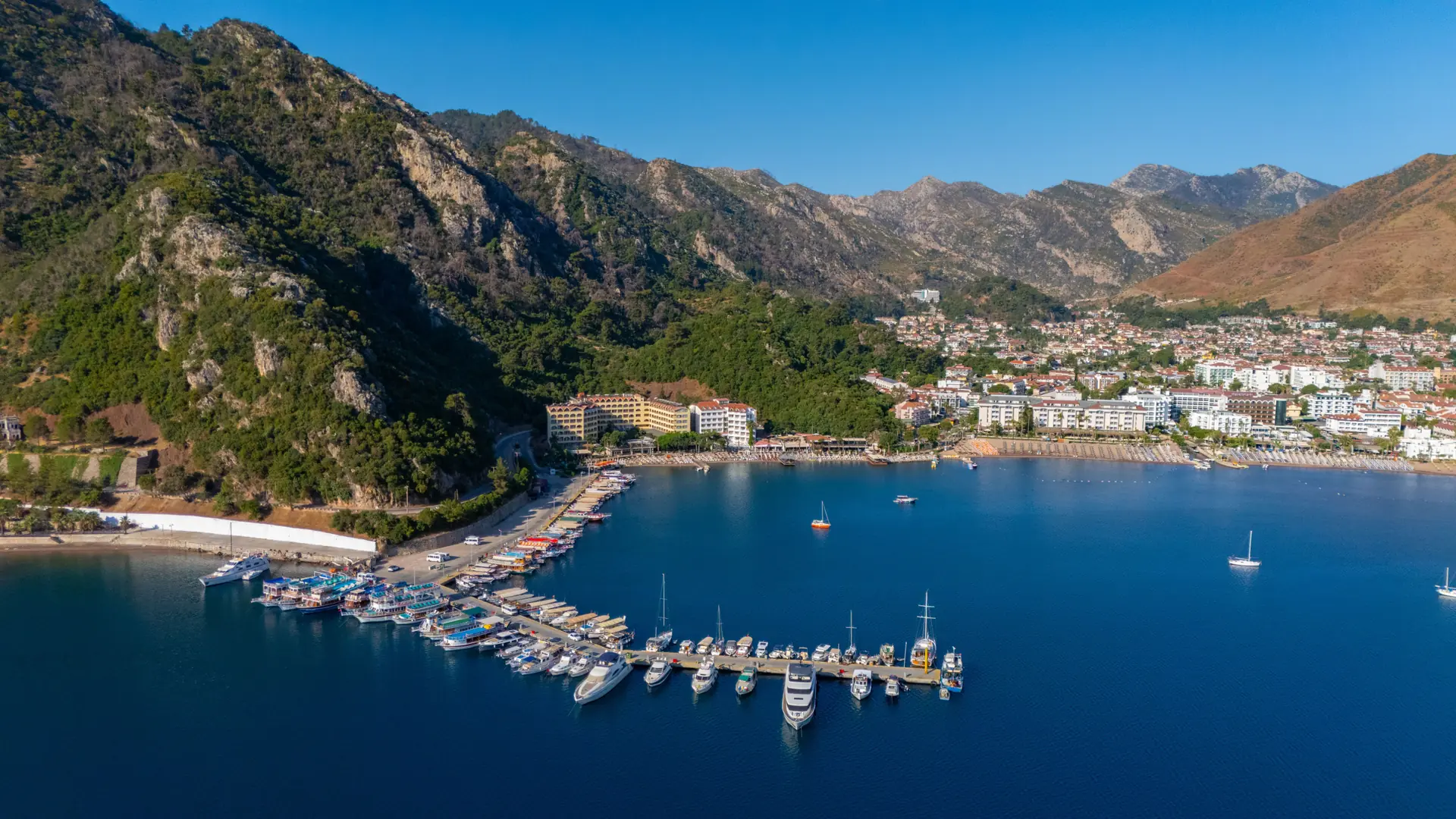
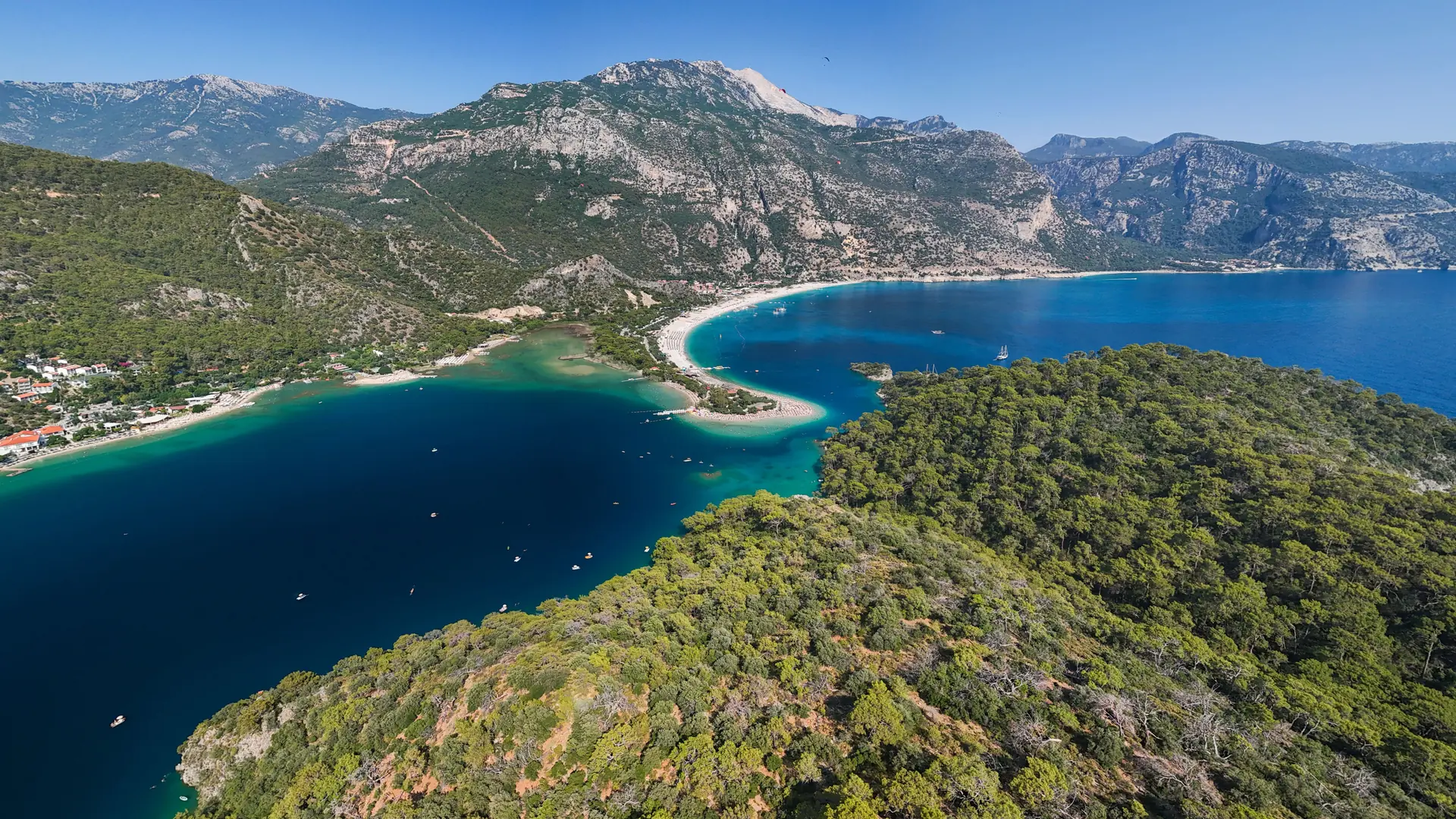
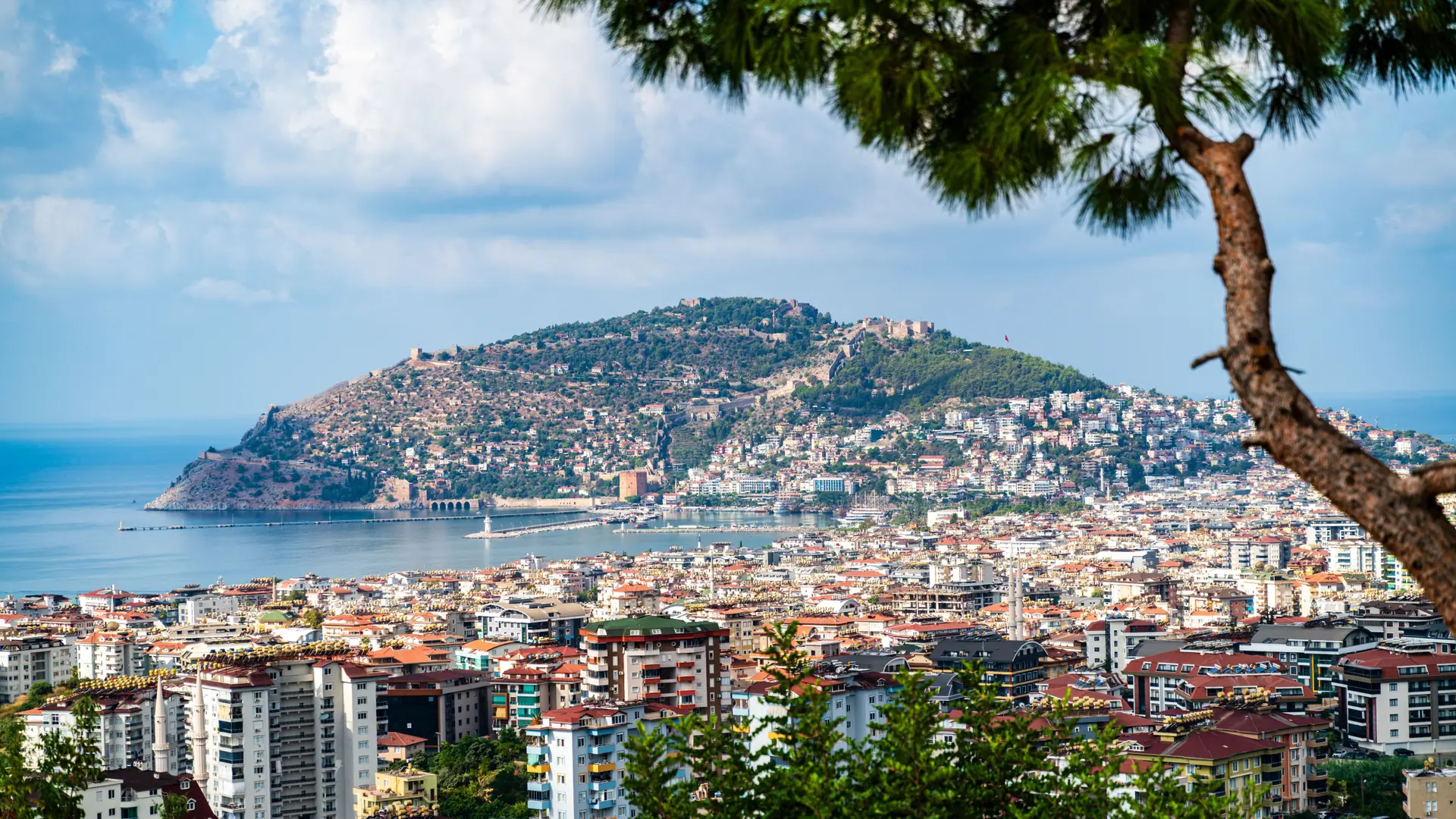
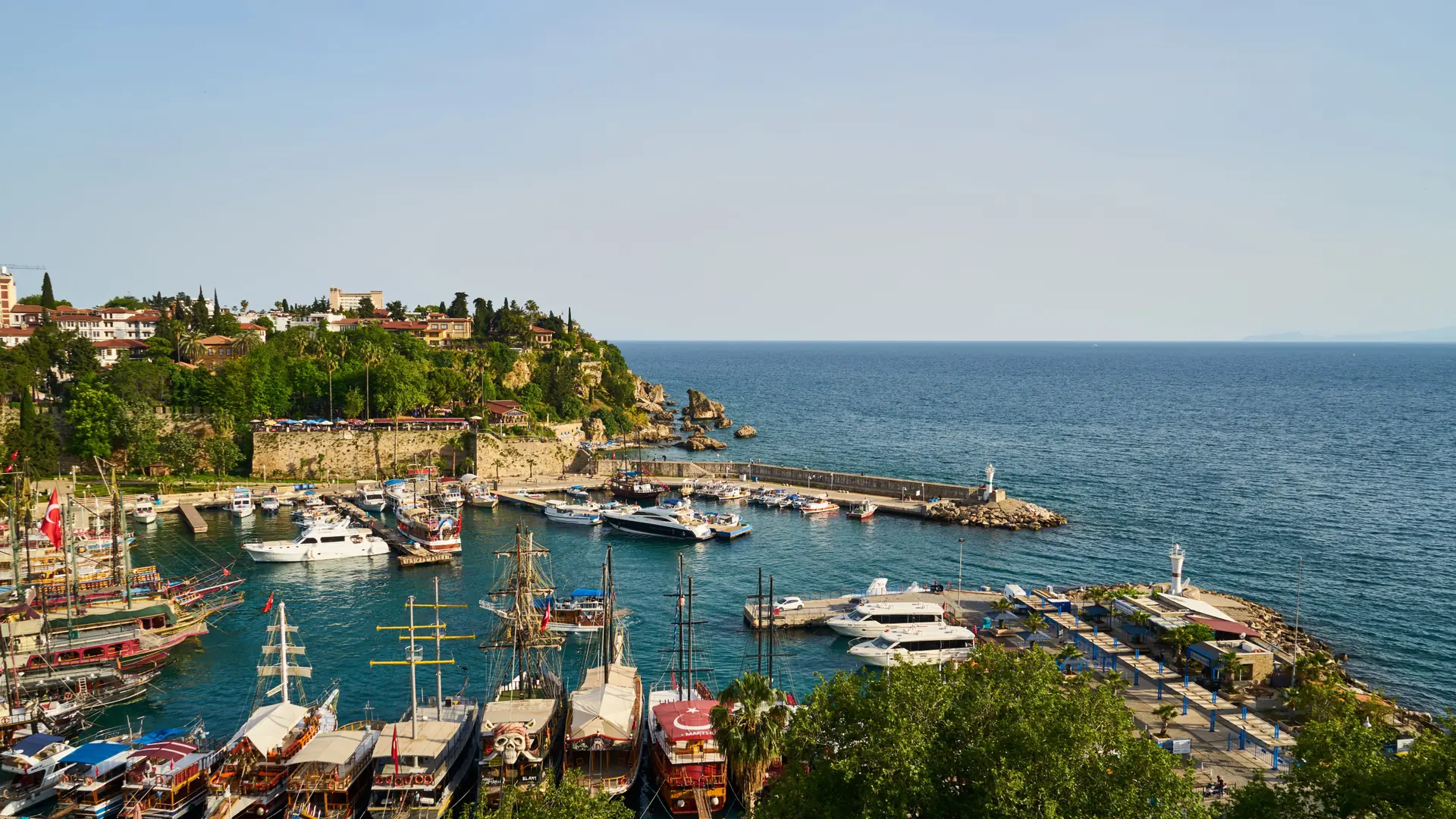
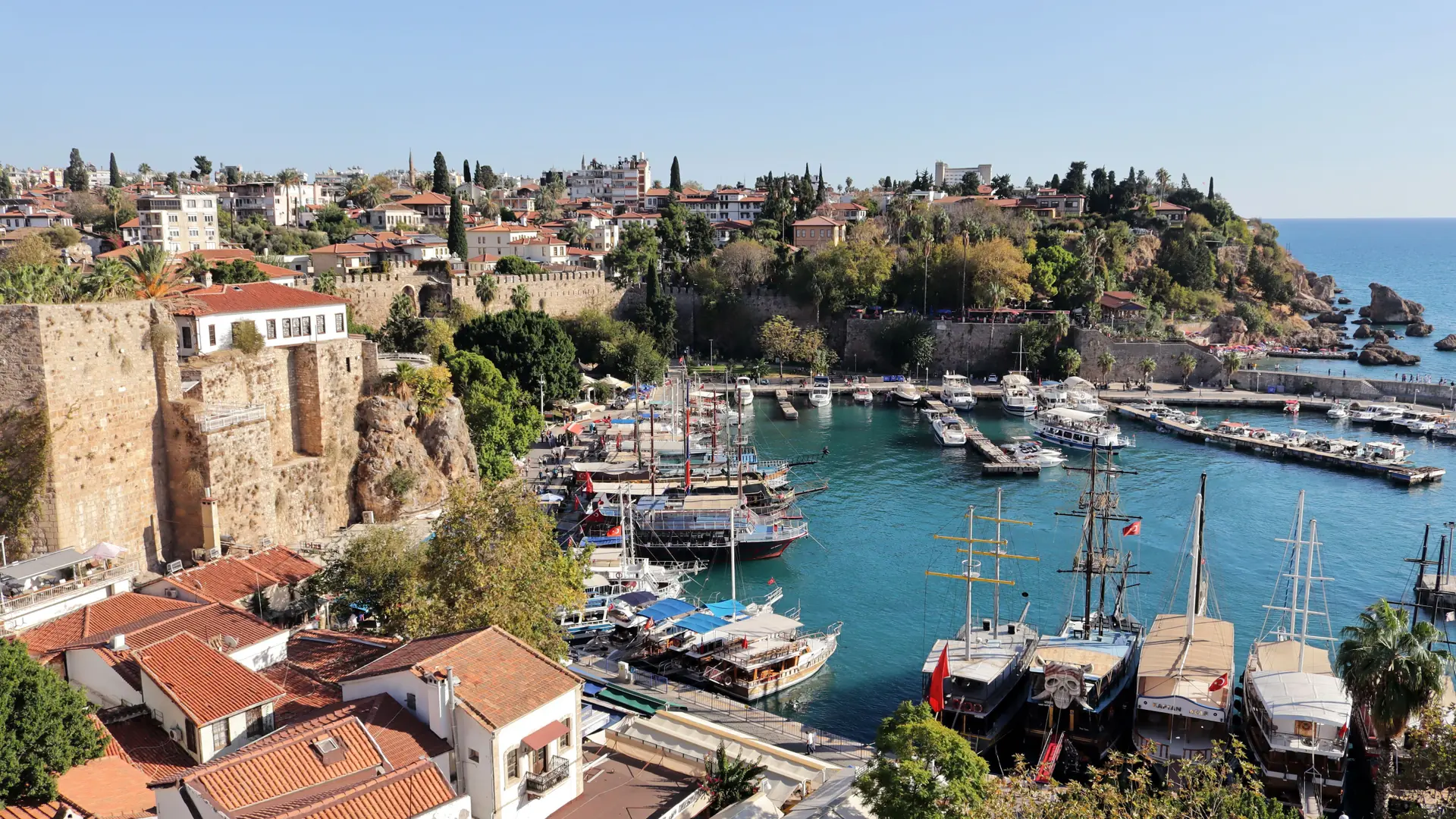
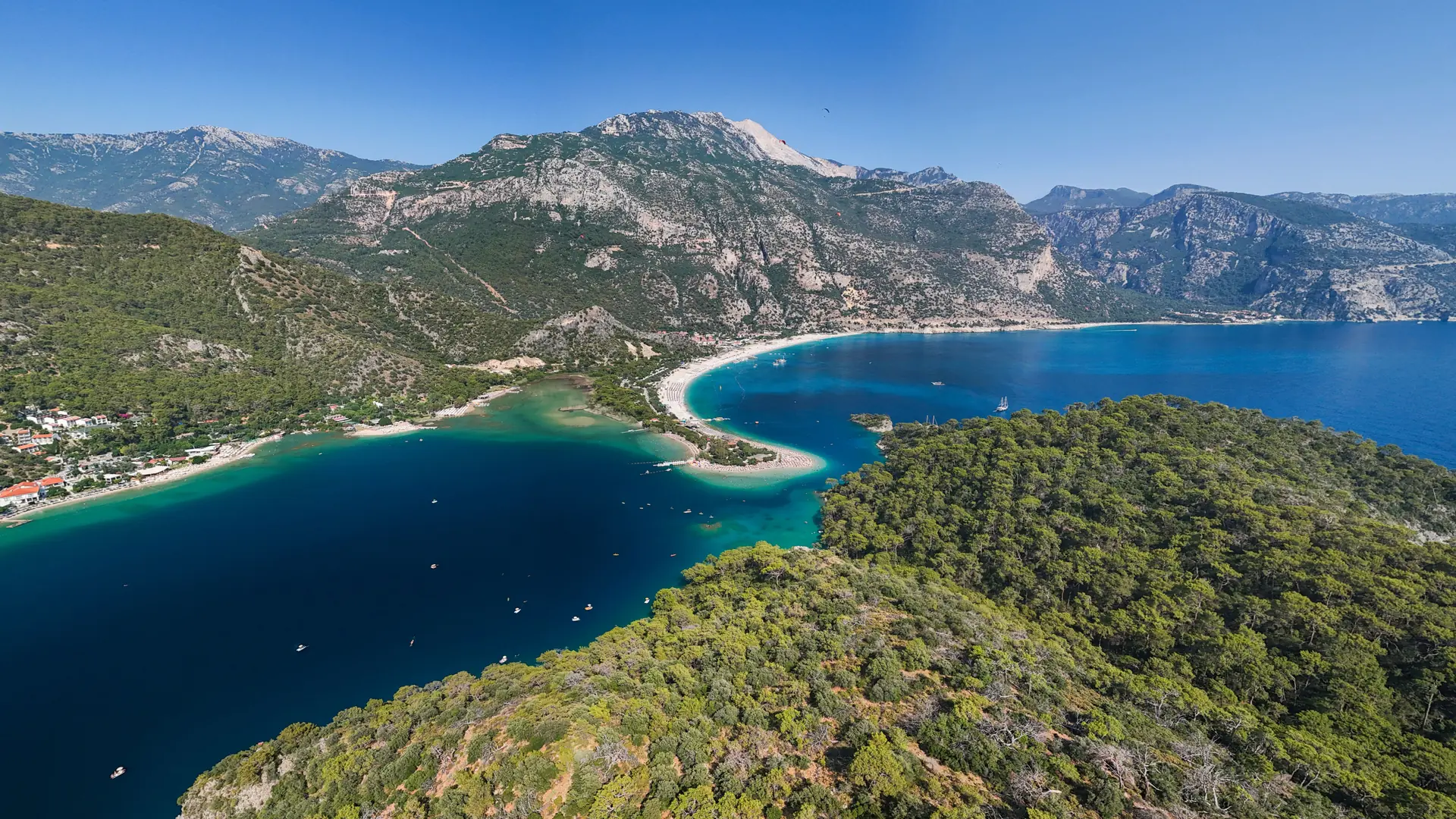
The Mediterranean also refuses one label. Antalya contains an old harbour, a modern metropolis, Konyaaltı’s pebble shore and Lara’s eastern sandy corridor. Side places a Roman theatre and waterfront temple beside resort coasts. Belek specialises in golf and self-contained family hotels. Farther west, Fethiye opens toward Ölüdeniz, Kayaköy and Lycian bays; east, Alanya gathers beaches beneath a castle peninsula. Select the version that answers the trip rather than collecting resort names with similar pool photographs.
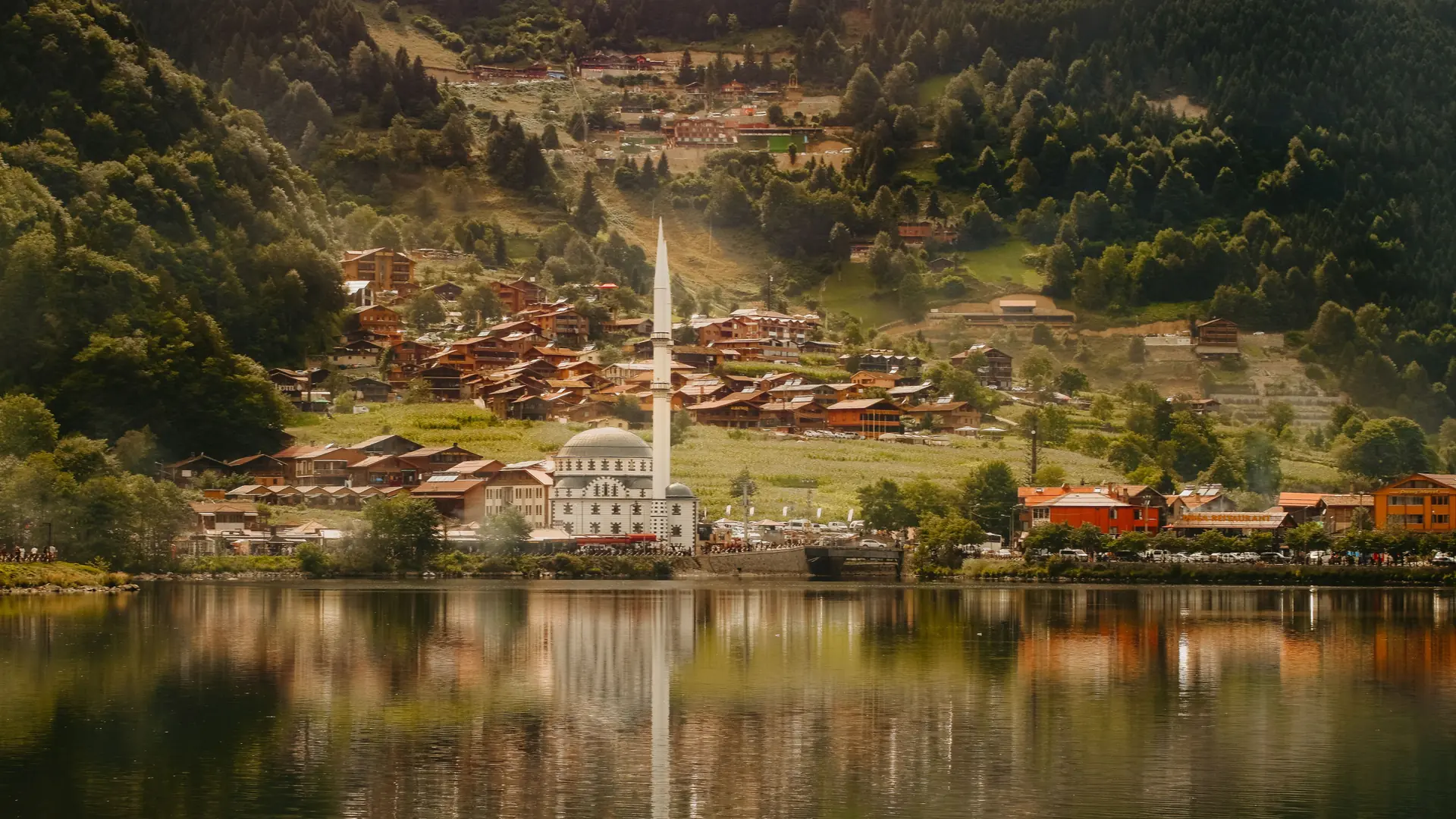
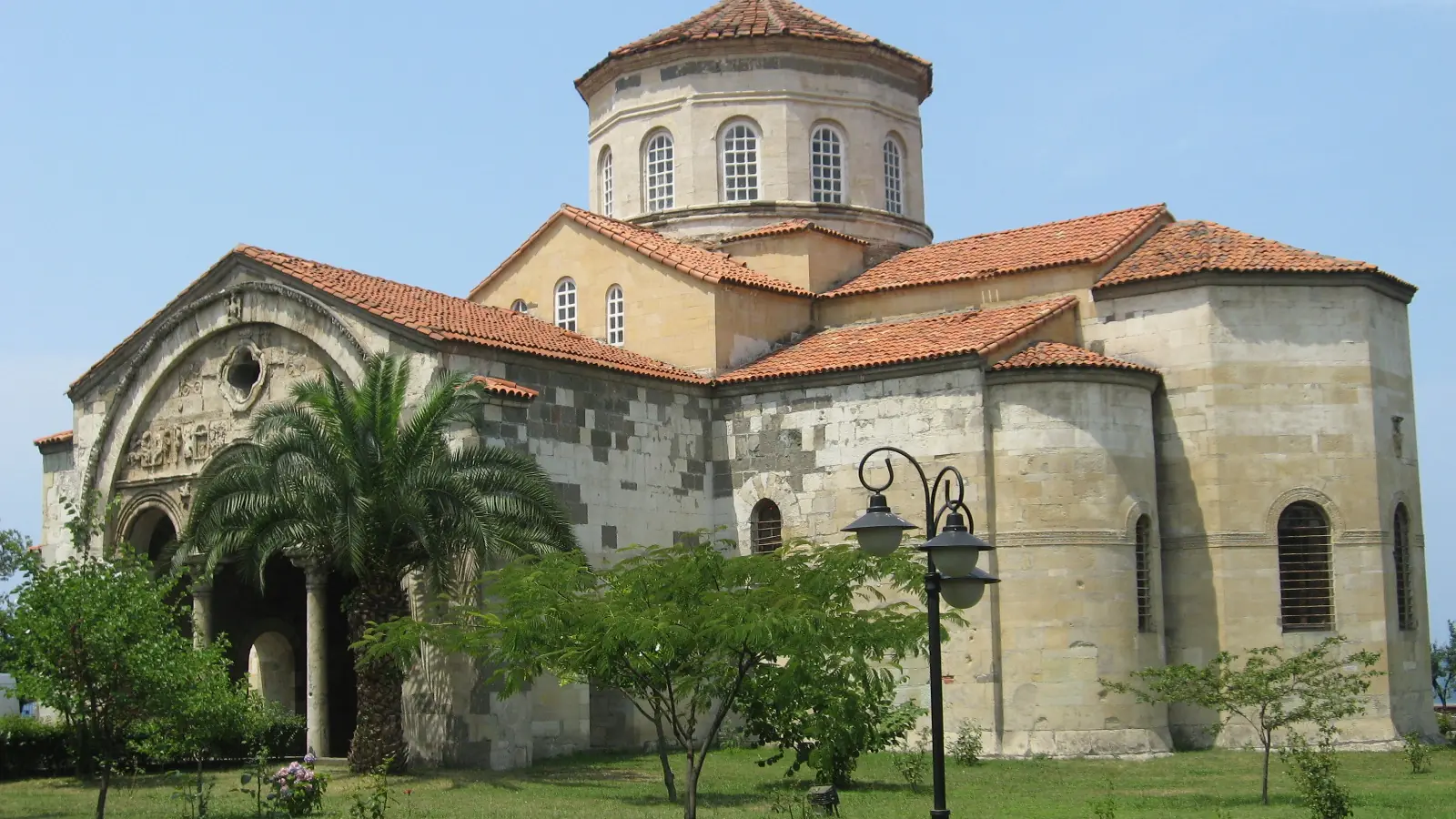
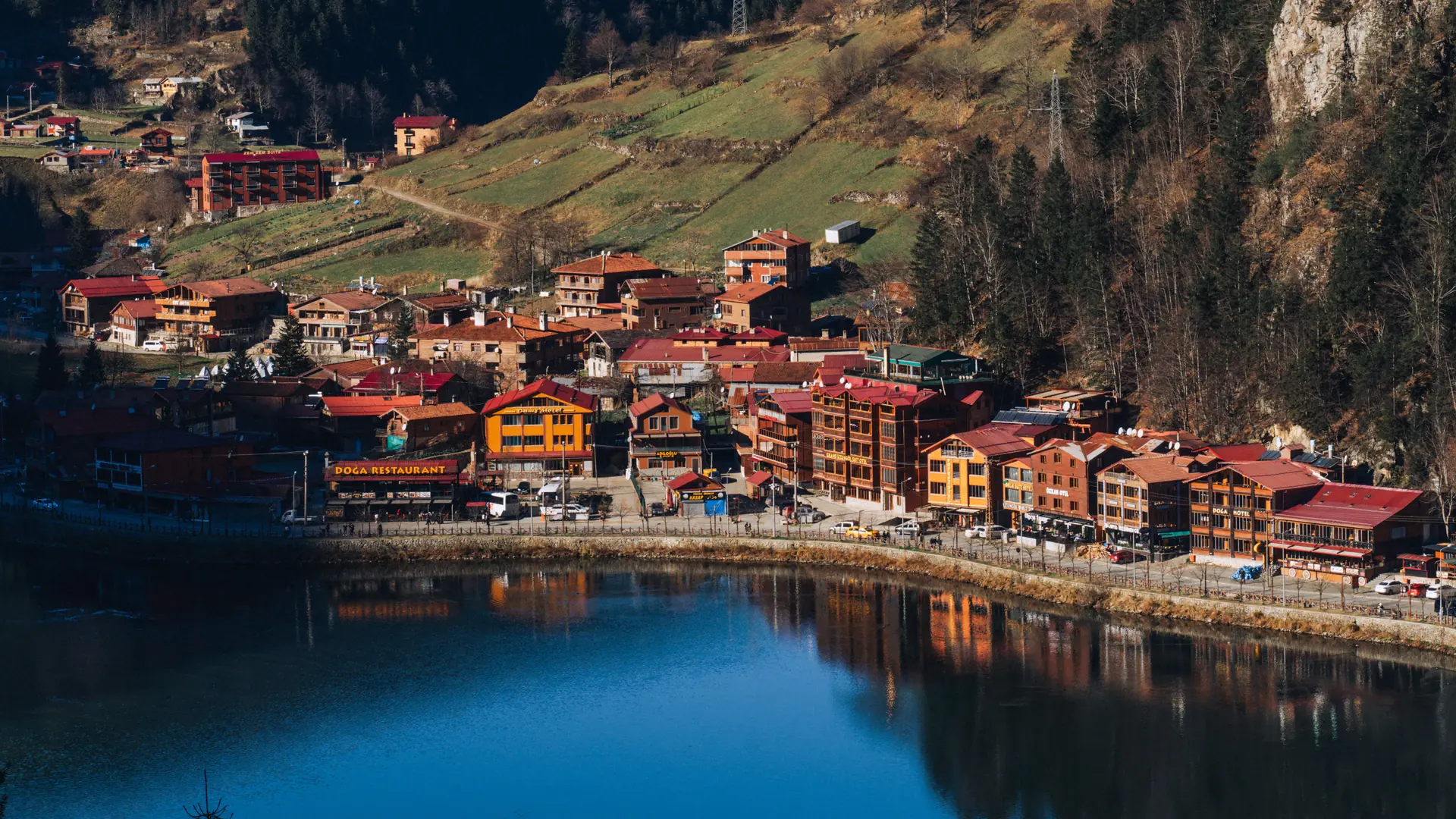
Trabzon changes the story completely. The Black Sea coast is greener, mountain roads gain altitude quickly and cloud can remove a viewpoint while the city remains bright. Sümela Monastery deserves a dedicated, current access plan; Uzungöl and the highlands follow other roads. Trabzon’s Meydan, food and layered heritage make it a resilient base when conditions move. Include this region only when it receives several nights and a weather backup, not as a one-day novelty attached to an already crowded Istanbul-and-coast route.
Transport should follow those regional decisions. Domestic flights can protect time between Istanbul, Cappadocia, Antalya and Trabzon, but airport transfers consume real hours at both ends. Intercity buses serve many useful corridors; TCDD rail is valuable where a current service actually matches the route; ferries transform Istanbul and İzmir locally rather than connecting every coastal resort. Hire a car when one bounded coast or mountain chapter will use its freedom daily. Collect it after dense city stays and return to an airport region before weather or traffic threatens the flight.
A strong two-week first trip might spend four nights in Istanbul, three in Cappadocia and five or six in one coastal region, leaving transfer margins between. An equally good western trip could use Istanbul, İzmir with Ephesus and one Bodrum Peninsula base. Families can replace a city-heavy middle with a carefully chosen Side or Belek resort; active travellers can choose Fethiye and a researched Lycian section. The route succeeds because it answers one question clearly: which experiences deserve an early morning and an unhurried evening?

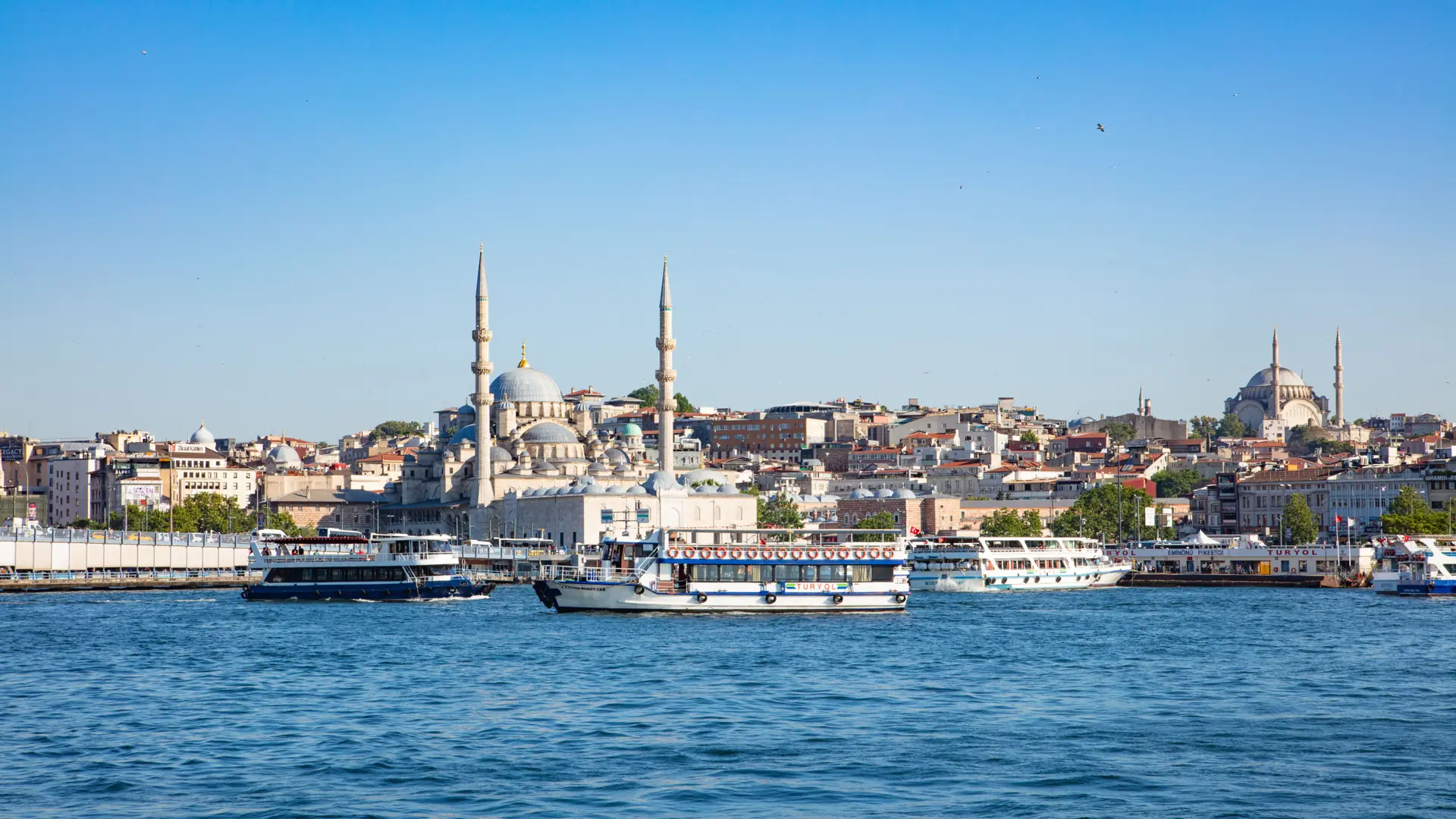
 Istanbul