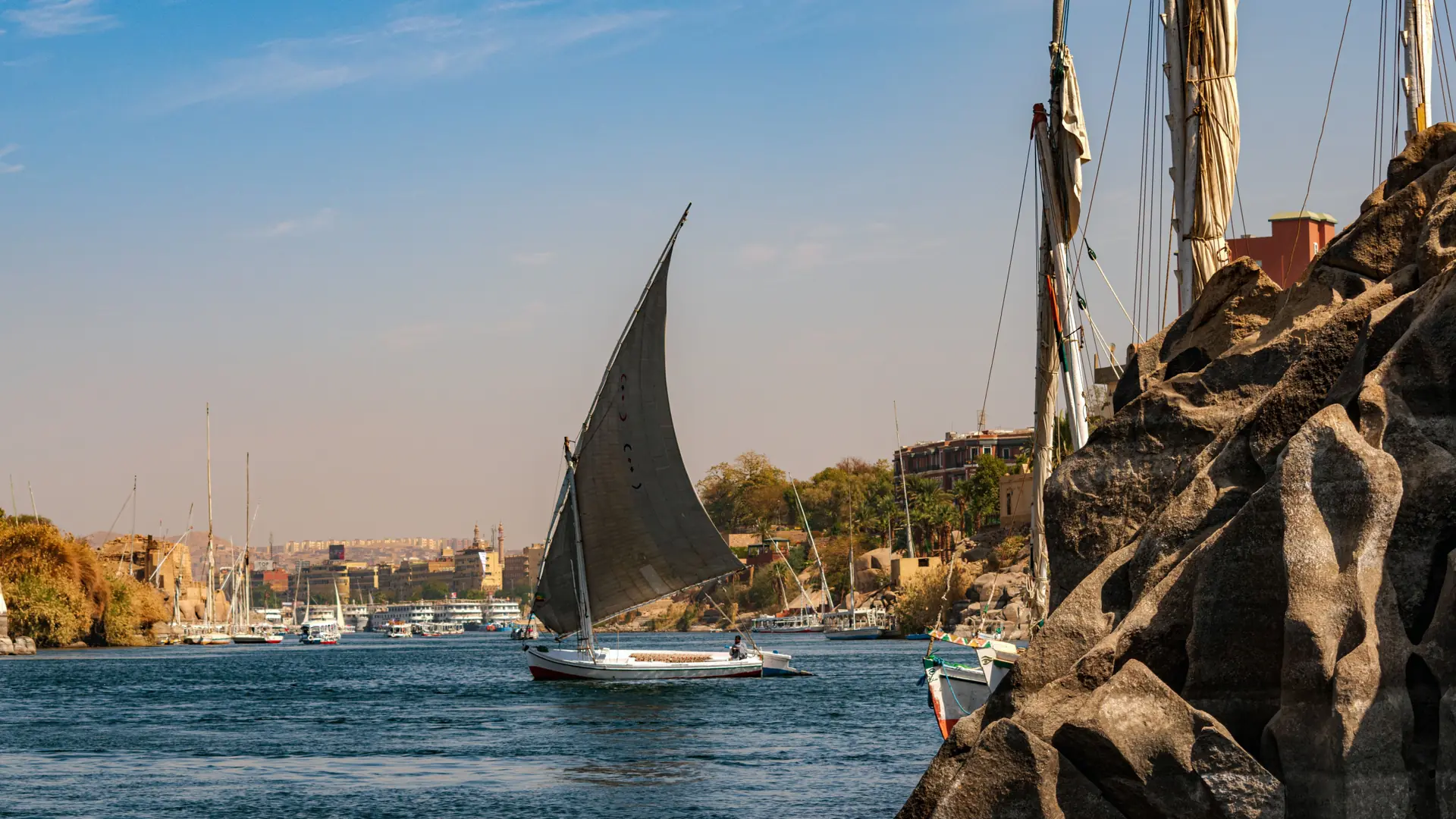
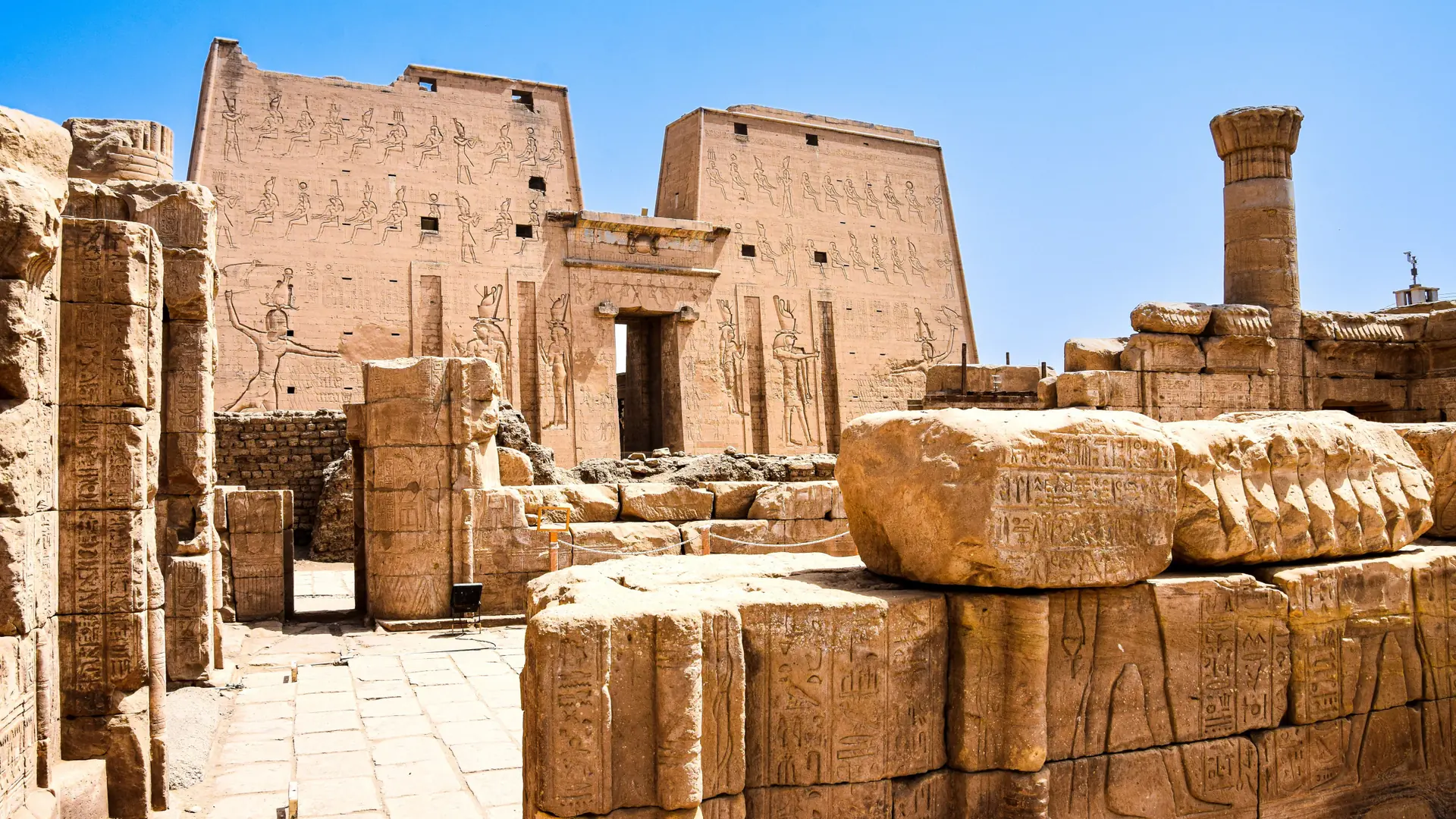
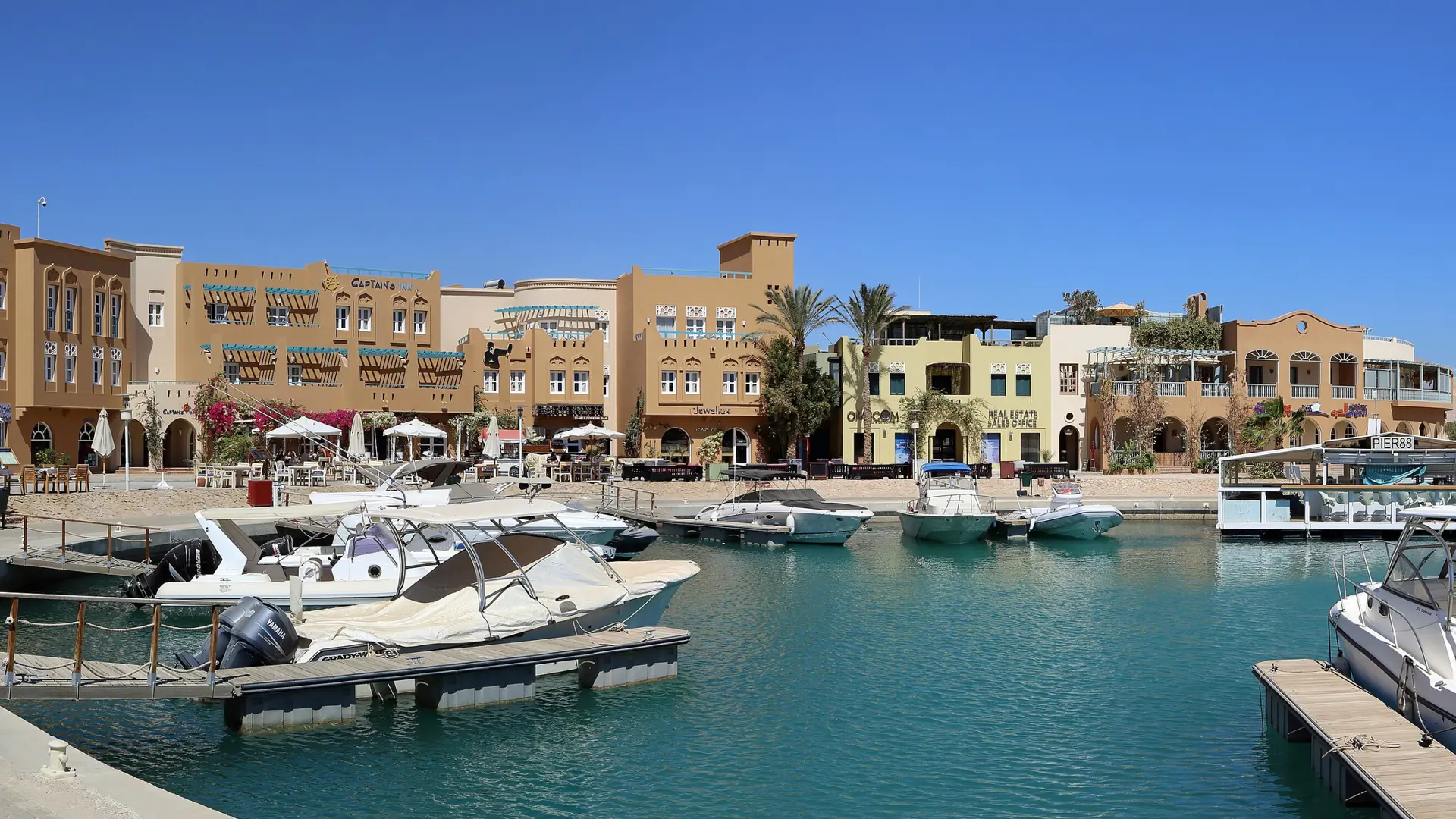
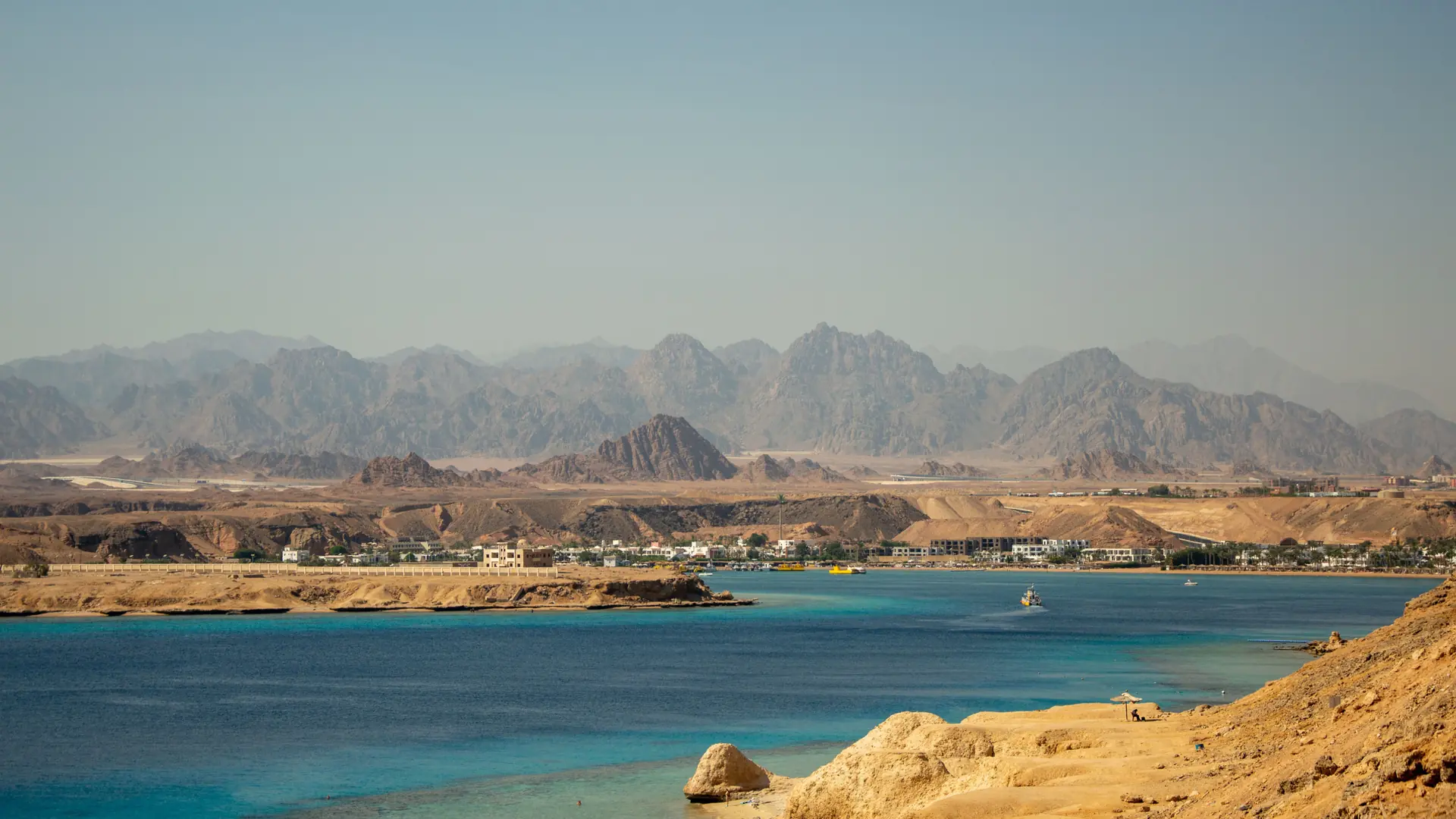
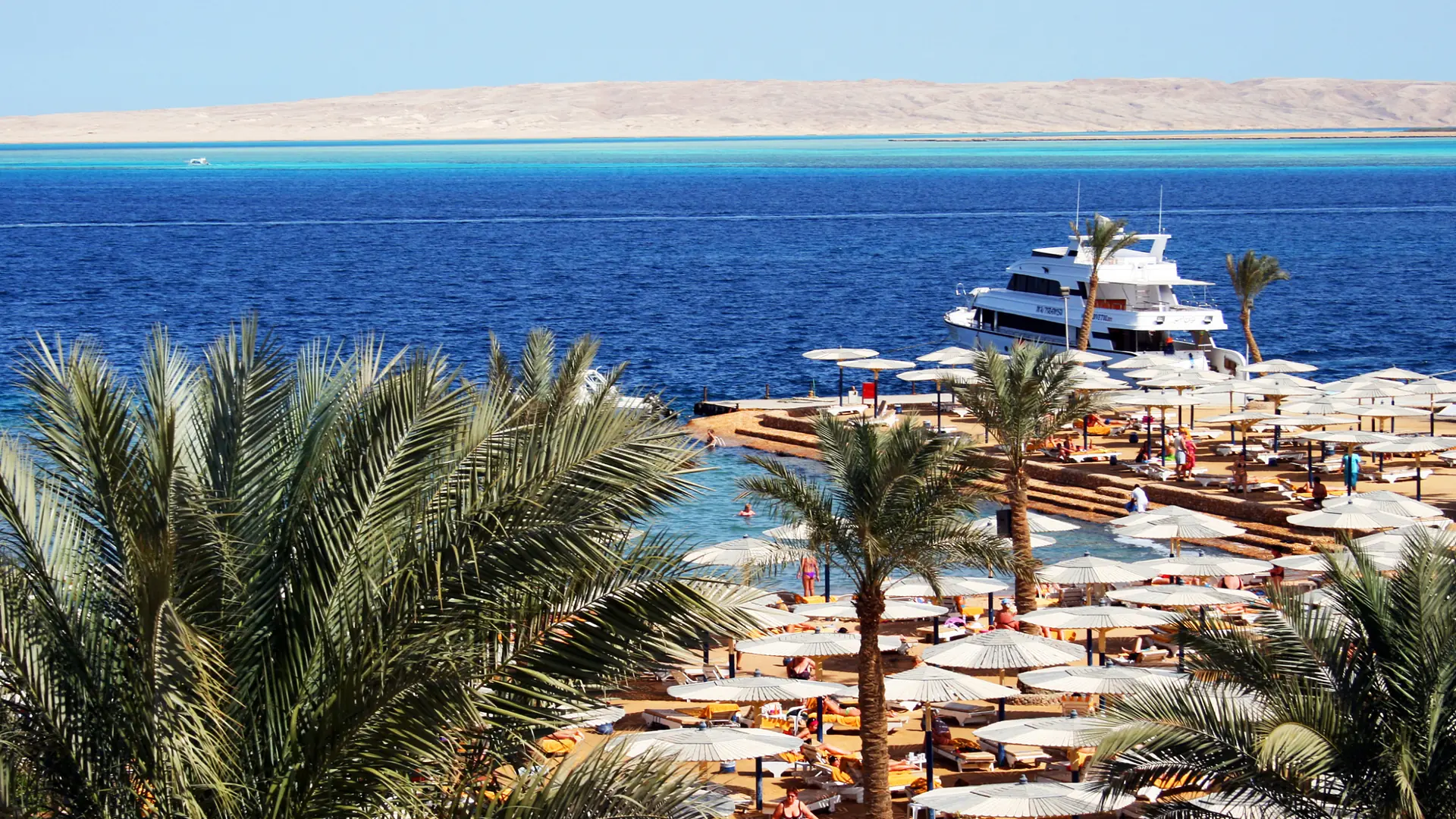
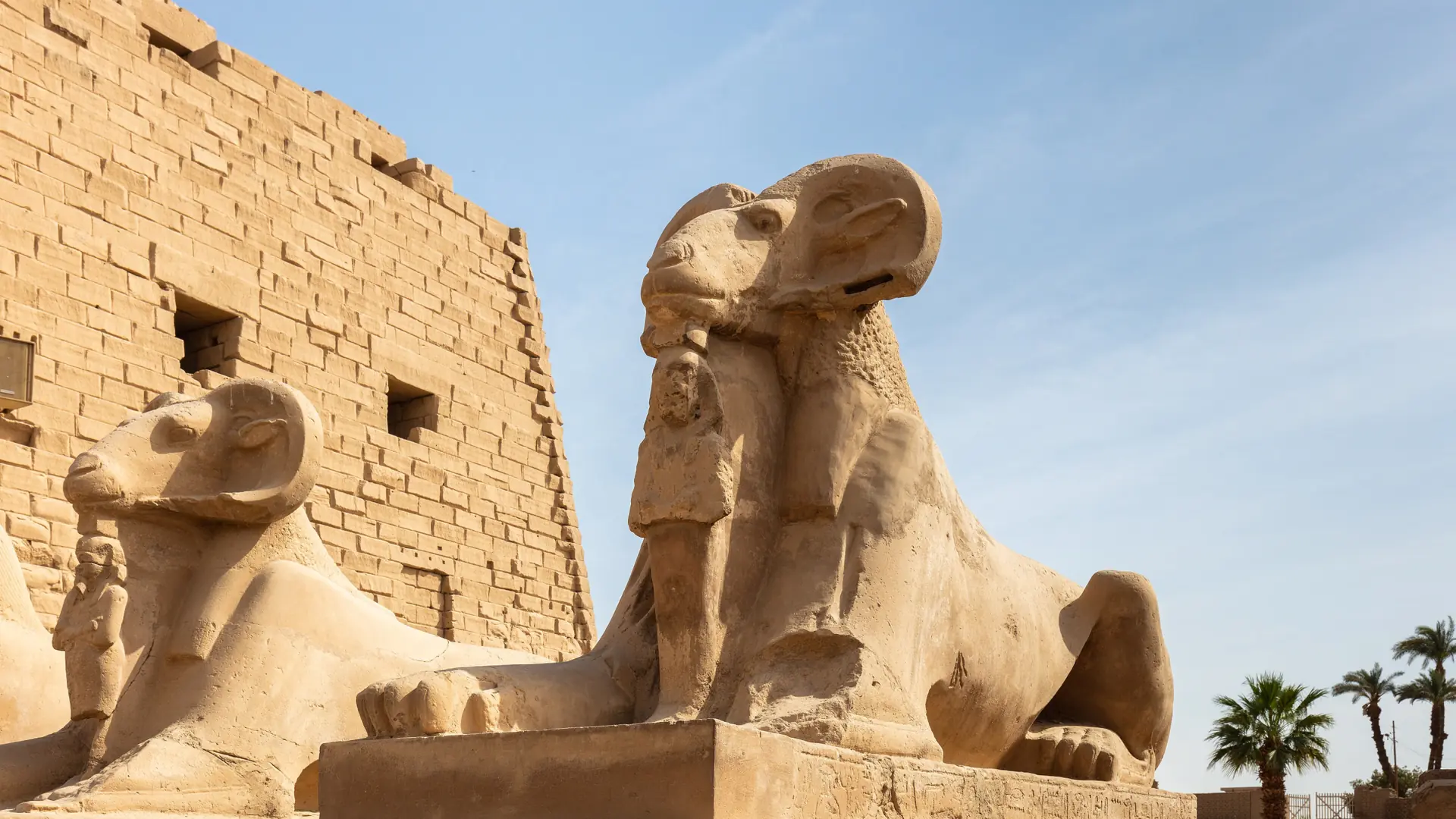
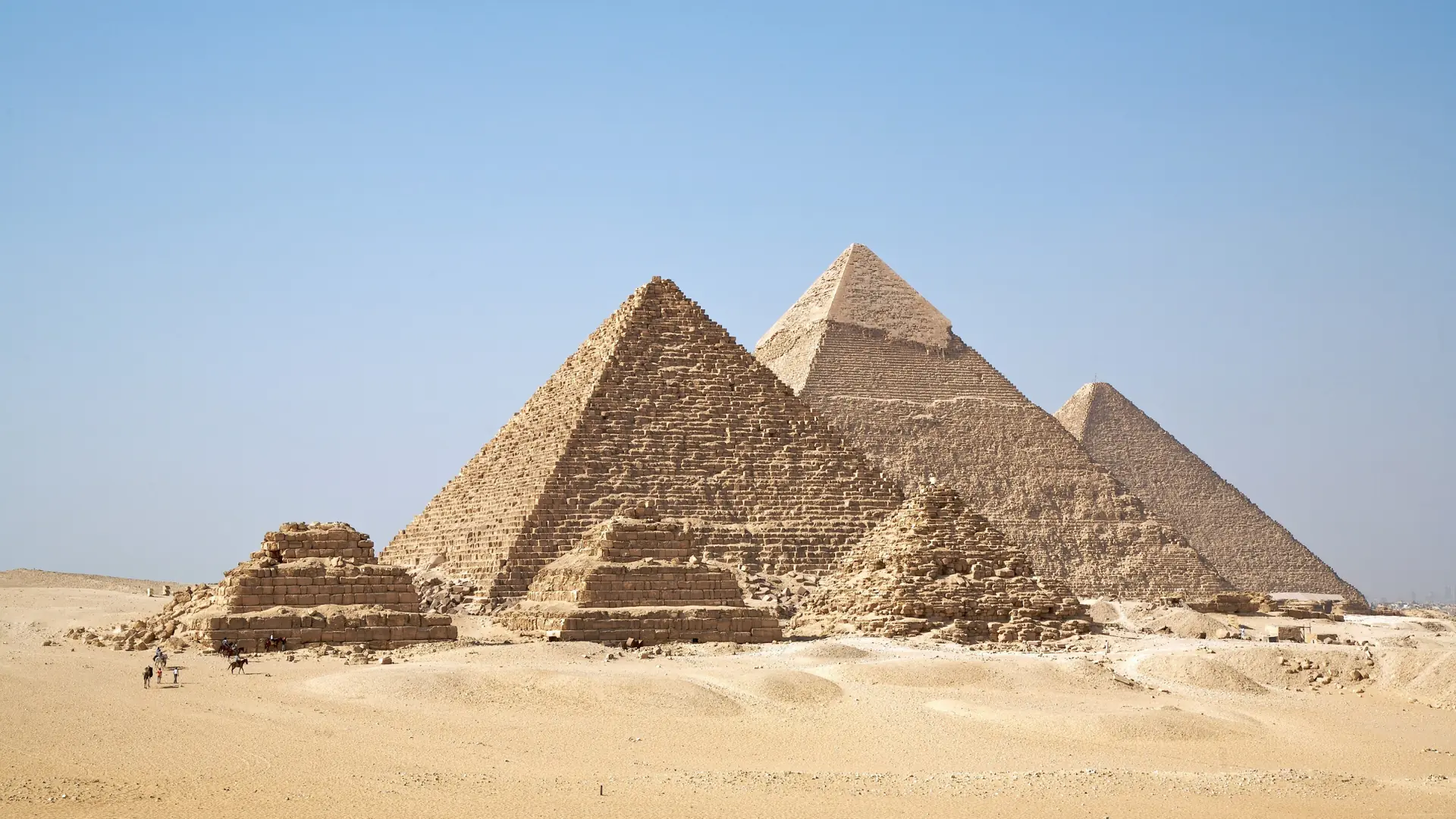
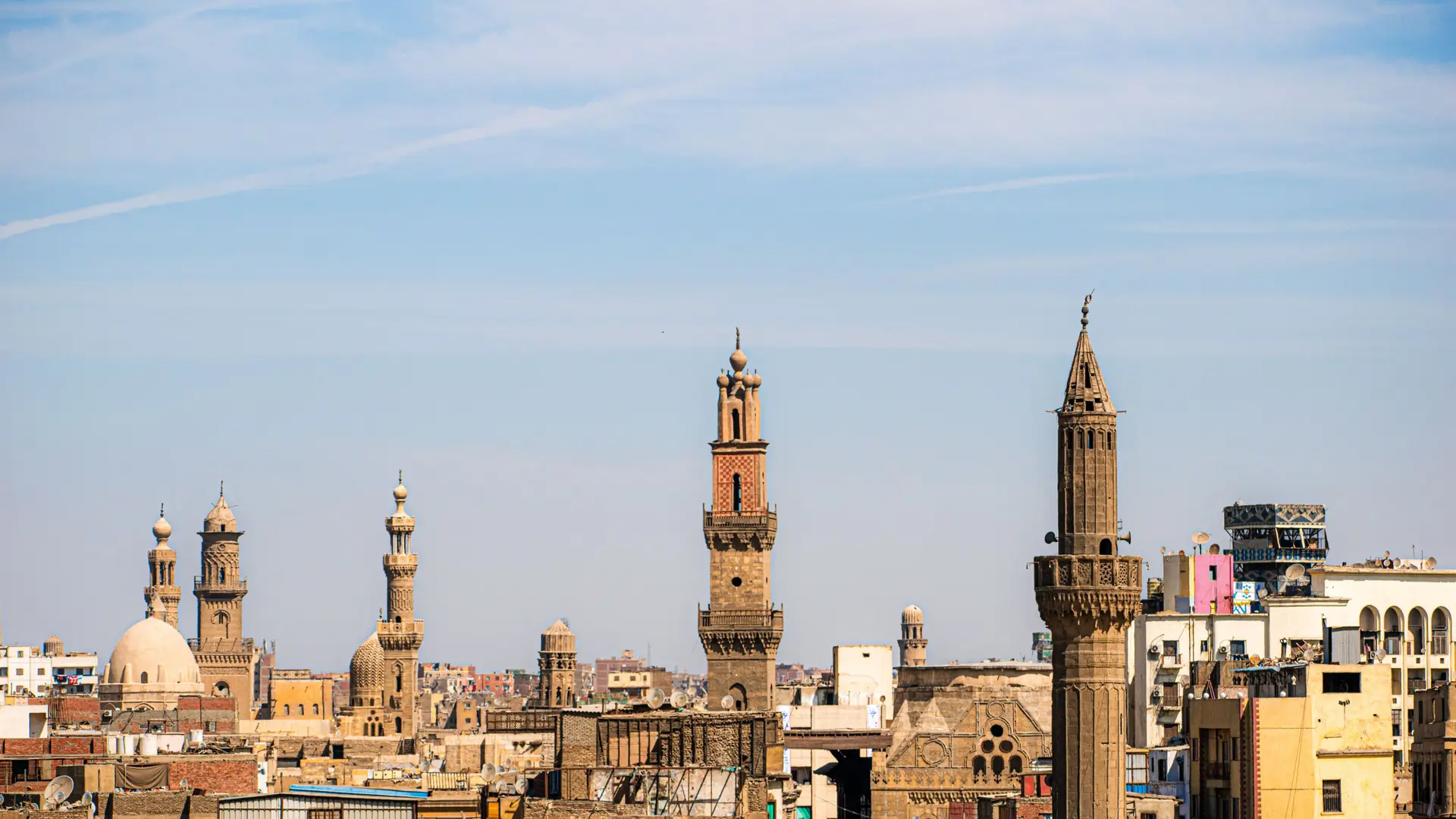
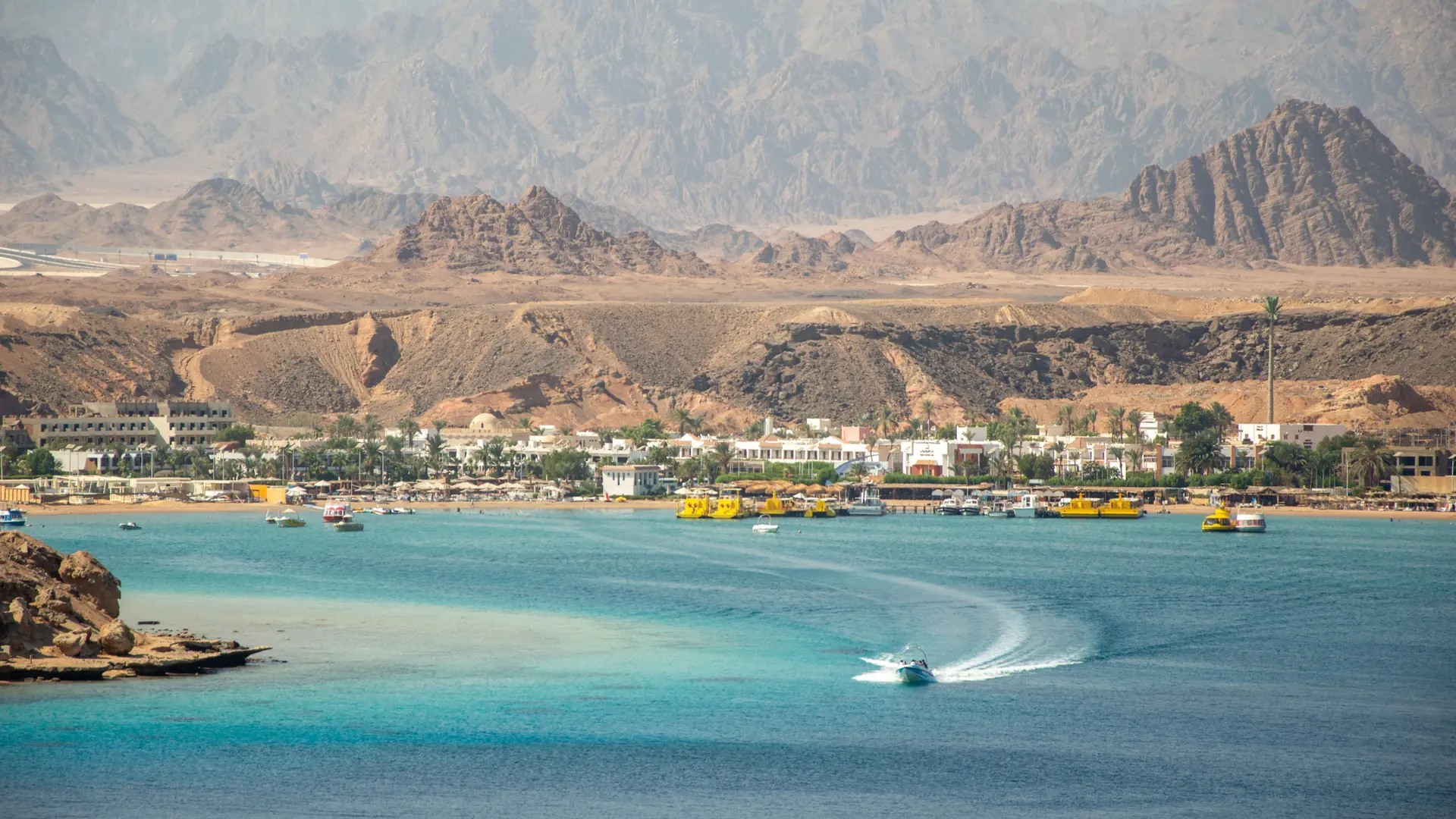
Sunlit felucca sailing beside granite rocks on the Nile at Aswan

Where to stay in Aswan, from the Corniche to Nubian villages

Loading Aswan hotel search

A southern Nile city worth more than a transit night

Aswan is where the Nile landscape becomes as interesting as the monuments: granite outcrops divide the channels, Elephantine faces the busy waterfront, and village guesthouses offer another way to spend time beside the river. Its ancient role as Egypt’s southern gateway helps explain the mix of quarries, temples and Nubian heritage.

Give the city two full days. Philae works as one main morning, followed by lunch and a rest; use the other for Elephantine or a village visit, with the Nubia Museum as a separate cultural highlight. The Unfinished Obelisk adds a short, focused look at stoneworking rather than another grand temple. Abu Simbel needs a third excursion day and should leave your return evening free.

For a first visit, choose between the Corniche’s mainland convenience and an island stay that makes the river part of daily life. A village night is most rewarding when there is time for a meal and conversation, rather than just an arrival and departure. In hot months, build the programme around fewer outdoor sights.

Useful duration Two full city days; add a separate Abu Simbel day

Two full days mean three nights when arrival is the evening before sightseeing and departure the morning after. Add a fourth night for Abu Simbel. Cruise passengers should count only time outside included visits; two nights between a late arrival and an early departure leave just one full day.

First base Central East Bank near the Corniche

Restaurants near Aswan station and Kornish Al Nile give the mainland a useful evening advantage. Use the station end for rail access, or the southern riverfront if the Nubia Museum matters more than walking to your train.

Island stay Elephantine for a slower guesthouse routine

The island combines living Nubian communities with ancient town remains at its southern end. It suits a day split between a village walk, lunch and archaeology, rather than treating all of Elephantine as one resort.

Philae reality One road leg plus a boat to Agilkia

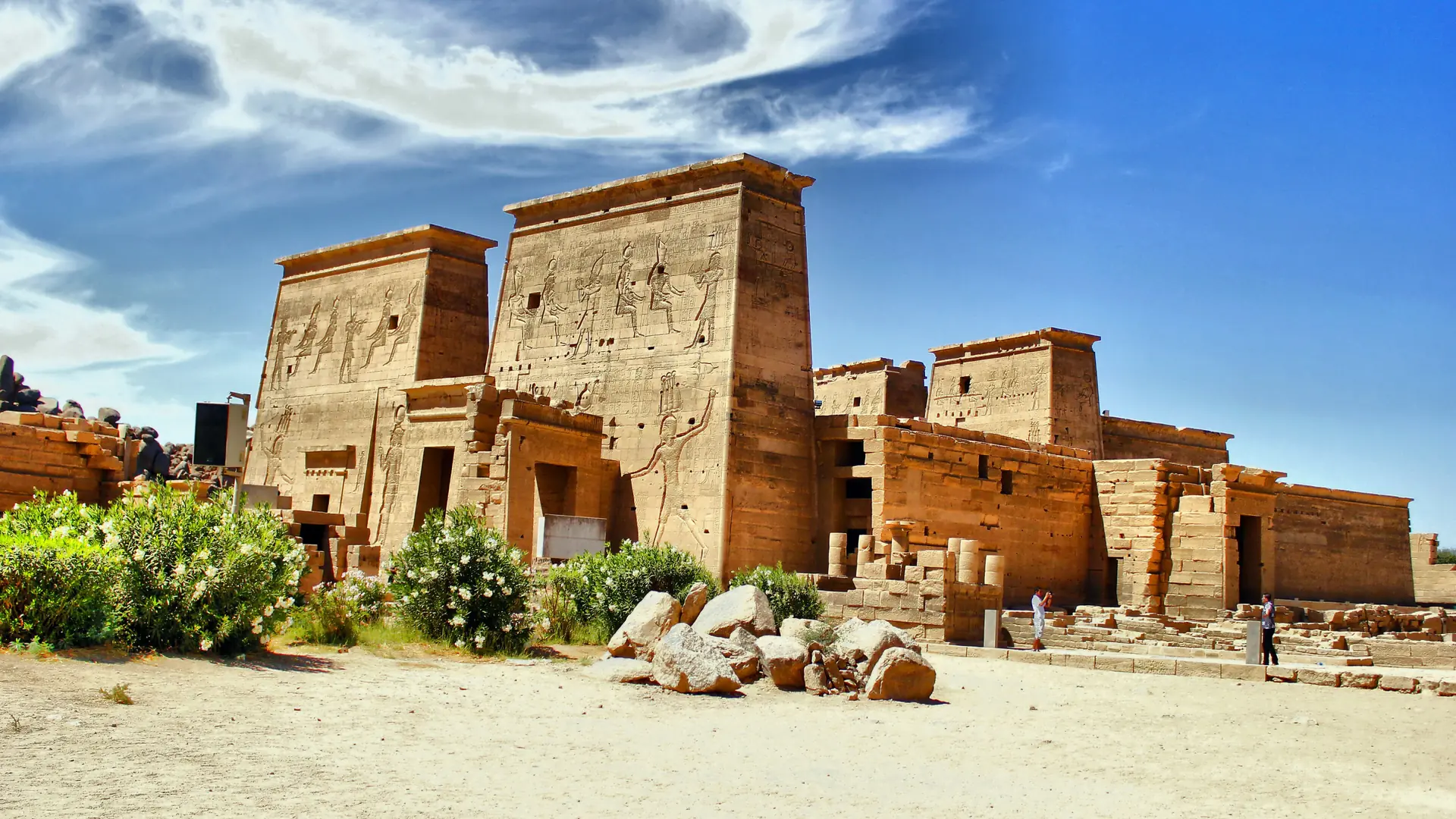
At Philae, the Isis temple, smaller Hathor temple and open-columned Kiosk of Trajan repay a slow circuit. The setting is part of the attraction: these buildings were rescued from flooding and reconstructed on Agilkia.

Museum option The Nubia Museum explains more than the temple rescue

Its galleries follow Nubian history, archaeology and living traditions; a reconstructed house and displays of crafts give the village visits context. The garden is an outdoor part of the museum, so an indoor visit need not become a full sun-exposed circuit.

Heat decision Winter is easiest; summer needs a different clock

July’s average daytime high is around 42°C, compared with about 23°C in January. That gap changes how much walking is sensible. A river breeze may feel pleasant, but it does not turn an exposed summer quarry into a comfortable afternoon outing.

StartBooker answer

Where should I stay in Aswan for Philae and a Nubian village visit?

Stay on Aswan’s central East Bank if this is your first visit and you need easy access to the railway, restaurants and road transport to Philae. Choose Elephantine Island for a quieter guesthouse stay only after confirming its boat landing and luggage transfer. Gharb Soheil suits a longer Nubian village stay when the host can arrange every journey. Philae needs a road transfer and a separate boat from its marina; Abu Simbel is a long excursion deserving its own day. Winter is comfortable for outdoor sightseeing, spring warms quickly, and summer calls for very early starts and a long midday break.

Simplest first base
The central East Bank keeps station, city services and road departures on the same side of the Nile.
Island trade-off
Elephantine guesthouses bring river scenery and village life; confirm the boat and baggage leg before paying.
Philae transfer
The temple stands on Agilkia Island and needs a boat from the southern mainland marina.
Abu Simbel day
Abu Simbel lies far south of Aswan and should be treated as a separate excursion, not a city stop.
Nubian culture
Elephantine’s island setting and Gharb Soheil’s west-bank village offer different Nubian stays.
Summer reality
Aswan’s summer heat changes the trip: plan early outdoor visits and dependable cooling at midday.

Things to do in Aswān, Egypt

Explore tours, attractions and local experiences in Aswān, Egypt.

Loading activities…

Activities provided by GetYourGuide. We may earn a commission on bookings.

AI-powered

Build an Aswan day around boats and heat

Tell the planner your arrival mode, chosen bank and number of full days. Build a city programme around Philae, Nubian heritage and river time; make Abu Simbel an additional excursion rather than another stop on the same afternoon.

Four Aswan bases with four different last miles

The city is compact on a map and fragmented in real travel. Decide whether daily road access, an island landing, a museum-side hotel or a Nubian village setting will serve more of your actual mornings.

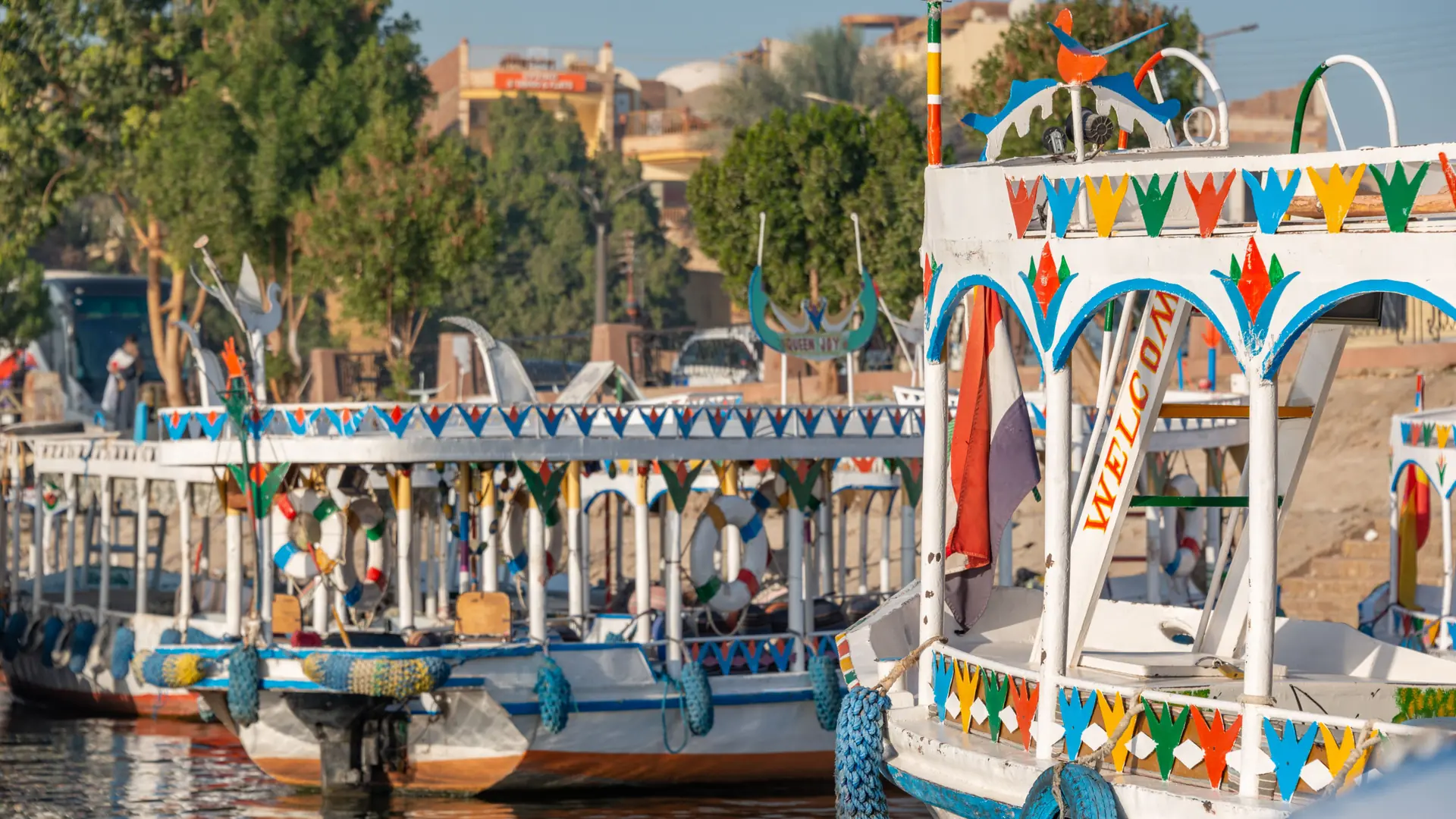
Colourful tour boats docked at Aswan harbour

Central East Bank Corniche

First visits and onward departures

The Corniche puts central dining and the railway on the same bank as road pickups for southern excursions.

Station access Flexible dinners
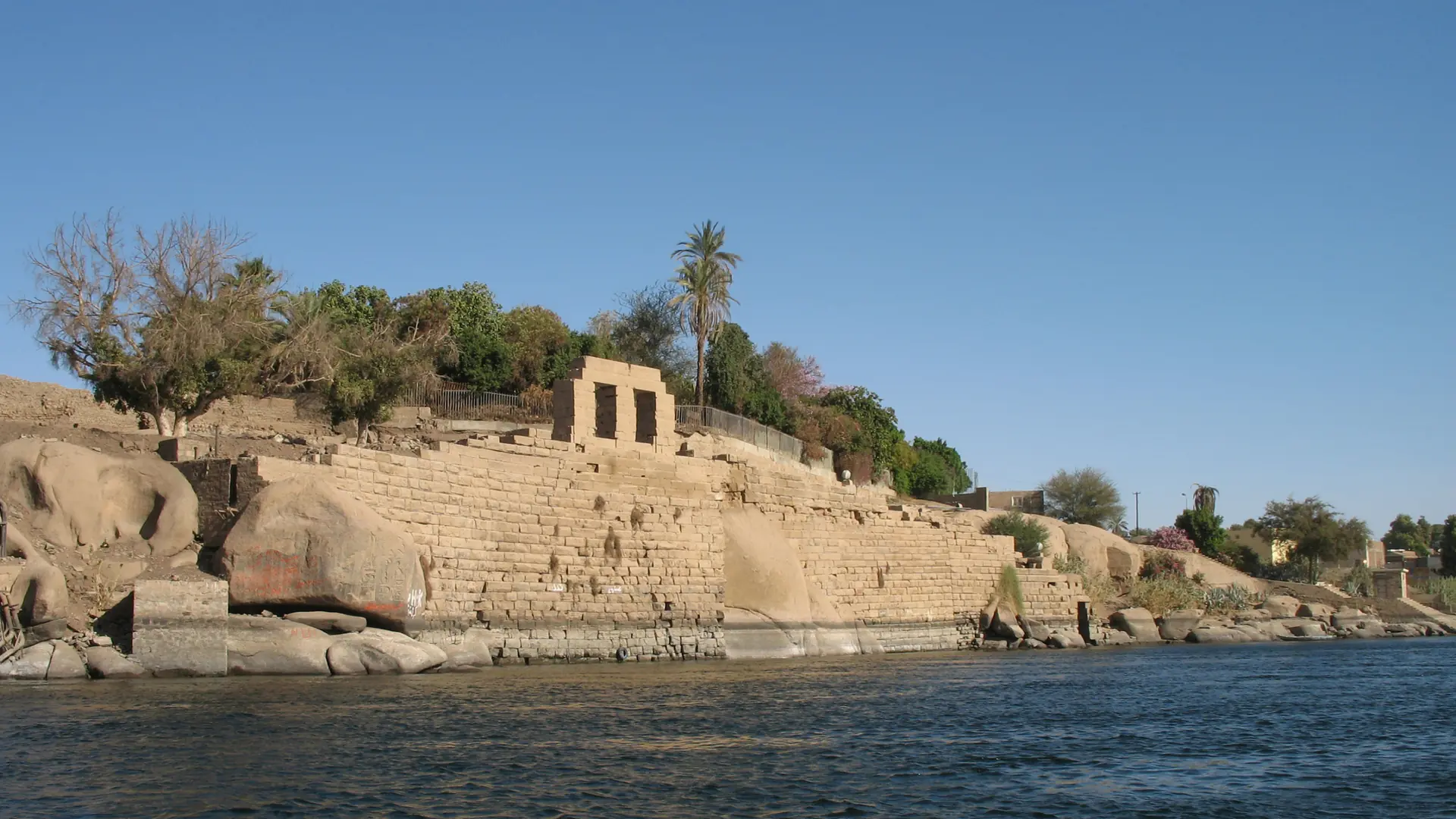
Elephantine Island shoreline and stone ruins above the Nile

Elephantine Island villages

River scenery and a slower guesthouse stay

Elephantine combines village guesthouses with ancient settlement remains; the river crossing is part of every mainland journey.

Island life Village guesthouses
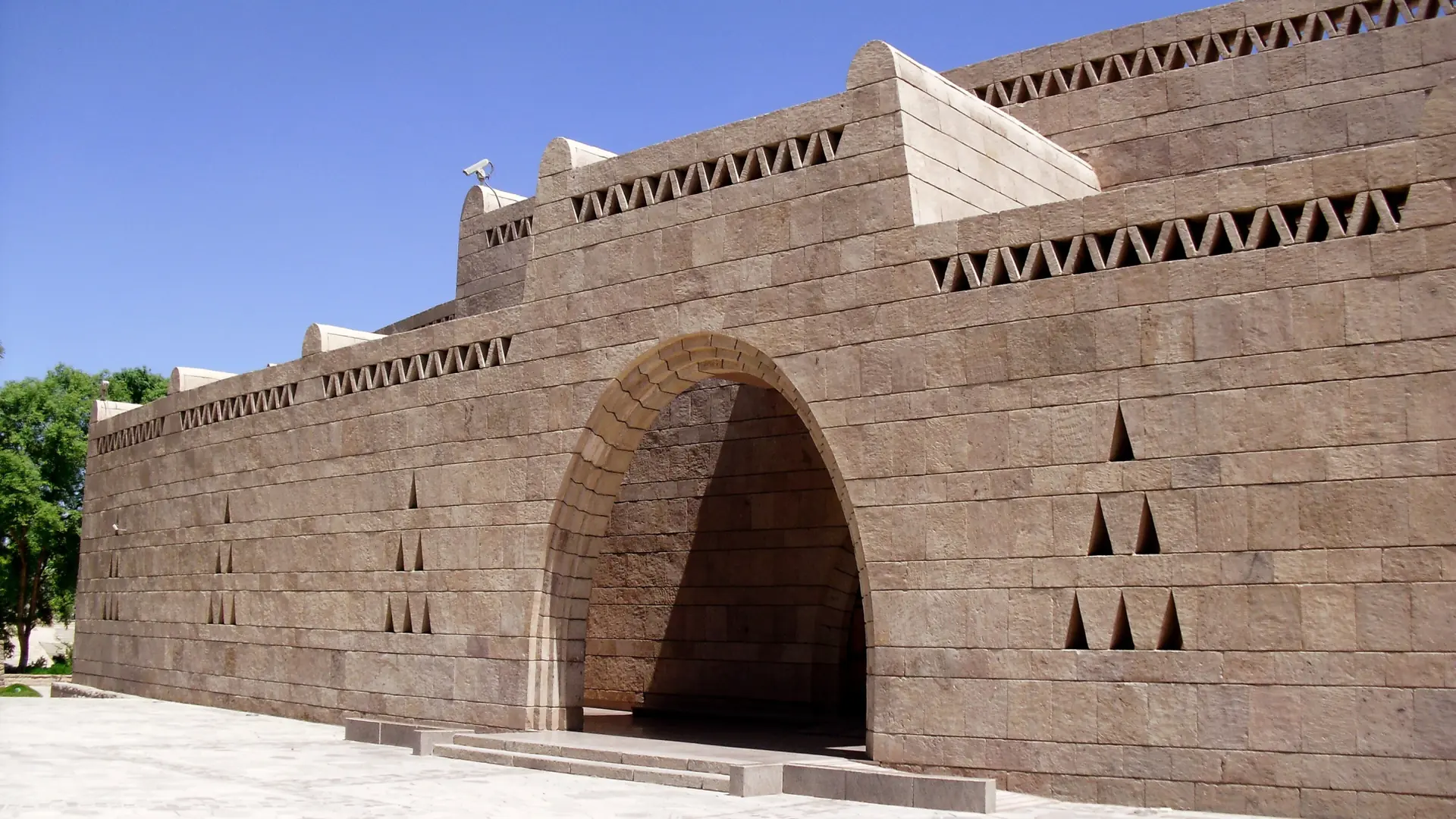
Sandstone entrance to Nubia Museum in Aswan under blue sky

South East Bank by the Nubia Museum

Museum time and a quieter city edge

This southern East Bank base favours the Nubia Museum and riverfront hotel time over walking to the station.

Museum access Quieter edge
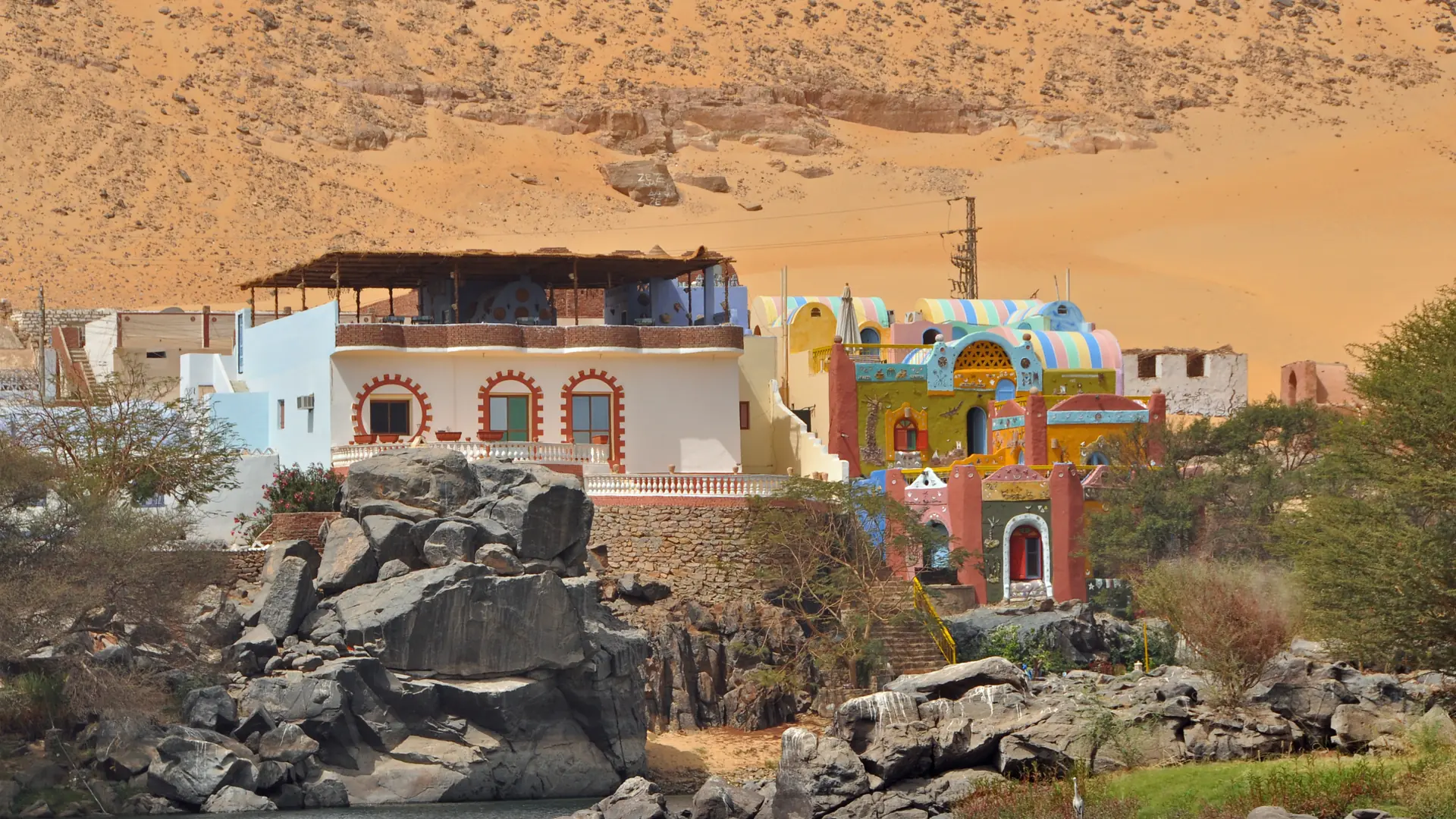
Colourful riverside buildings in Gharb Soheil south of Aswan

Gharb Soheil Nubian village

A longer cultural stay with a local host

Gharb Soheil is a Nubian village on the west bank, with guesthouses and local meals; choose it as a destination rather than a transit stop.

Nubian culture Host-led stay
Choose the last mile that fits your trip
Area Best for Features Getting around
Central East Bank Corniche

a first trip with rail and day excursions

The easiest base for changing between river and road plans.

busier waterfront

walk or drive from the mainland
Elephantine Island villages

small guesthouse and river time

Village mornings feel different from the central city.

boat for every road departure

Public ferry, then village lanes; private pickup for late returns
South East Bank by the Nubia Museum

museum and relaxed hotel time

The Nubia Museum can anchor an unhurried afternoon.

longer station transfer

Mainland taxis to the station and central restaurants
Gharb Soheil Nubian village

Nubian village immersion

A village stay adds meaning when it lasts beyond a photo stop.

less flexible city access

Host-arranged road or boat journey from the booked address

Pay for the view only after you solve the transfer

In Aswan, a cheap island room can cost extra time and a glamorous city room can hide a difficult road crossing. Match the stay to the first and last journey you will actually make.

One base for a short first visit

A central mainland base suits a brief first visit with rail arrival and varied road excursions.

AlternativeAn island guesthouse fits if you can add a slower day.

An island night with a real host plan

Elephantine works for travellers who want the island’s village setting to be part of the stay.

AlternativeA central first night reduces arrival risk.

Nubian community beyond a brief excursion

A longer stay in Gharb Soheil leaves time for local meals rather than only the outward and return journey.

AlternativeVisit the museum from a city base when time is short.

A summer stay built around cooling

In hot months, a mainland base makes the midday return from a morning monument more straightforward.

AlternativeWinter permits a much wider choice of island and village stays.

Find an Aswan stay with the right landing

These citywide Aswan results include southern and island stays. For the recommended Central East Bank Corniche base, select a central mainland address; check road or boat transfers for properties elsewhere.

See live Aswan hotel prices →
Loading Aswan hotels

Connect the station, the marina and the island landing

Aswan has several journeys that booking maps compress into one blue river. Write down each terminal, dock and hotel door. The boat to Philae, a village transfer and a Nile sightseeing sail are different services with different return arrangements.

Arrive at the address you actually booked

Separate a flight arrival from a railway arrival

Aswan Airport requires a road transfer into the city; Aswan railway station is in the northern part of the centre. A station-area room is useful after a long rail journey, while a museum-side hotel means another ride south. Give your host the flight or train details and arrange an airport vehicle before arrival. A cruise dock is a third address: use the ship’s actual berth, not the nearest hotel pin.

Make the island handoff explicit

For Elephantine, book the handoff as one journey: mainland meeting point, named island landing, baggage help and the walk to the guesthouse. Public ferries serve the island, but a property may use its own boat. A car quote ending at the riverbank excludes that last leg. After a late arrival, a host-arranged private crossing is easier to plan than relying on an unspecified final public boat.

Keep the first evening deliberately simple

Leave the arrival evening for settling in, dinner and a short waterfront walk if you feel rested. Do not count a train or flight arrival as a full sightseeing day. If your room is in a village, arrange dinner with the host before travelling rather than adding a return trip into town. This preserves the next morning for your first main outing.

Use the right boat for the right destination

Separate Philae from an ordinary Nile sail

Drive south from central Aswan to the Philae marina, then take a motorboat to Agilkia. Plan a morning for the whole outing, including the return to town and lunch. Agree a return boat, waiting time and the price before boarding. A felucca sail among the city’s islands uses another route and is best treated as a separate, slower river experience.

Confirm the Elephantine landing both ways

Rough Guides identifies two public ferry services to Elephantine, so the correct landing matters. Use the crossing serving your host, then walk the village lanes; a boat to another island or to the west-bank tombs is not a substitute. Keep your first island afternoon light enough to learn the route before depending on it for an early mainland pickup.

Treat Abu Simbel as a dedicated excursion

Abu Simbel is roughly 300 kilometres south of Aswan. One tour operator budgets about 3¼ hours in a vehicle each way; pickup stops and breaks can extend that. Allow a full excursion day for both temples, food and the return, with no compulsory evening museum. Prefer sleeping again in Aswan before an onward journey over making a tight same-day airport connection.

Read the operator page for each separate admission

Philae ticket does not settle the boat

Philae’s displayed ordinary foreign-adult admission is EGP 550; the Ministry lists daytime opening from 07:00 to 16:00. The marina boat is additional. The temple panorama has a separate price category, so do not mistake it for general admission. These figures were checked on 10 October 2026; use the linked operator pages for the selected date and visitor category.

Check Abu Simbel’s date before fixing transport

Ordinary Abu Simbel admission is listed at EGP 750 per foreign adult. On 22 February and 22 October, the solar-alignment category rises to EGP 1,200. The Great Temple’s inner statues catch the sun on those dates, while the neighbouring Small Temple honours Nefertari and Hathor. Choose a festival visit for that event; an ordinary day avoids paying its admission premium.

Give the Obelisk and museum their own purpose

The Unfinished Obelisk shows how ancient workers cut a huge stone from Aswan’s granite; it remains in the quarry after cracking. The Nubia Museum gives a much wider account of Nubian society and the rescued monuments. Pick the quarry for engineering and the museum for cultural context. A short quarry visit fits another city morning, while the museum deserves its own unhurried hour or two.

Ask about every surface between room and site

Assess boat boarding before choosing an island room

Island stays involve a boat edge, landing steps and village paths rather than a continuous vehicle route. For a wheelchair, limited balance or substantial luggage, request recent photographs of both landings and the route to the room. A private boat may solve timing but does not automatically solve boarding. The East Bank removes the daily river crossing; it still requires a suitable hotel entrance.

Leave large luggage at the hotel before museum time

The Nubia Museum directs bags or parcels larger than 40 × 40 cm to its cloakroom. Leave your suitcase at the hotel when possible, rather than making the museum an improvised stop on the way to the station. For Philae, assess both the boat boarding and the outdoor walking with the operator; a car to the marina is only the first part of access.

Aswan rewards winter time; summer requires selective days

The month changes how much outdoor time your room can comfortably support. A centrally located stay may save more effort in summer, while winter leaves room for slower village days. Price the journeys that belong to your chosen base, then decide which outings are worth adding.

Choose a realistic outdoor window

Winter: extend the open-air morning
  • December to February is the easiest period for a first visit centred on monuments and village walking. January’s average high is about 23°C, with much cooler nights. Put Philae in the morning, take time over lunch and leave an afternoon for the museum or a short river outing. A layer is useful after sunset, especially on the water. Winter comfort is a reason to allow more time, rather than automatically adding more sites.

  • Spring: watch the heat rise by month

    March brings warmer afternoons; by April the average daytime high is around 35°C. The quarry and temple courts become harder work later in the day, so use the first outdoor hours for the site you care about most. Spend the middle of the day over lunch and a rest, then choose a museum visit or a shorter waterfront walk. The month matters: a plan comfortable in early March may be too ambitious toward the end of April.

  • Summer: do fewer sites, much earlier

    From May into early October, average daytime highs are often above 38°C. Keep the main monument early and make returning to the hotel part of the day, not a failed sightseeing plan. The Nubia Museum normally closes at 17:00, with ticket sales ending earlier; Thursday and Friday have a published evening session. Autumn gradually improves, but September still belongs to the hot-weather schedule rather than the winter one.

Room, transfers and admissions have different price units

Compare the room and its necessary journeys
  • An island guesthouse and a central mainland room can have different final costs even when their room quotes match. Price the boat arrival, everyday crossings and early departure transport for your actual stay. For two people sharing, distinguish a per-room rate from a per-person tour fare, and compare the same breakfast and cancellation terms. A village room with dinner included may also replace a separate restaurant journey.

  • Compare Abu Simbel packages by inclusions

    Use the ordinary EGP 750 foreign-adult admission as one part of an Abu Simbel quote, then identify the vehicle, guide and any meal separately. A shared minibus price and a private car price cover different group sizes; ask whether the amount is per passenger or for the vehicle. Festival dates have a higher ticket category. The cheapest headline is poor value if it buys less time at the temples or leaves a necessary return leg unpaid.

  • Keep admission costs separate from the stay

    At the displayed ordinary foreign-adult rates, Philae is EGP 550, the Nubia Museum EGP 400 and the Unfinished Obelisk EGP 220. Visiting all three costs EGP 1,170 per adult in admission alone, or EGP 2,340 for two. That excludes Philae’s boat, other transport, guiding, meals and accommodation. Treat it as a sightseeing subtotal, not a city-trip budget; museum or student eligibility can change the relevant category.

Can young children visit the Nubia Museum free?

Children under six enter the Nubia Museum free under the Ministry’s published policy. An adult must accompany children throughout the visit. Small water bottles are permitted in the galleries, but food and other drinks are not; plan a snack break outside the exhibition rooms.

Can I stay on Elephantine Island?

Yes, or visit without sleeping there. Public ferries connect Elephantine with the mainland, and village guesthouses offer a different setting from central hotels. A day visitor can combine the ancient town remains with a village walk and lunch; an overnight guest should settle the landing and luggage arrangements with the host.

Is Philae Temple on Elephantine Island?

No. Philae’s temples stand on Agilkia Island south of central Aswan. You travel to its mainland marina and then take a separate boat. Check the current Ministry opening and ticket page and agree the boat return before departing.

How long should I allow for an Abu Simbel day trip?

Allow a full day from Aswan: roughly 6½ hours of road travel alone, using one operator’s estimate, plus pickup stops, breaks and time at the two temples. This is an out-of-town excursion, not a half-day city visit.

What does the Nubia Museum add after a temple cruise?

It places the monuments within Nubian history and everyday culture. Galleries cover archaeology, social traditions and crafts, while the reconstructed house and displays make a village visit easier to understand. It is worthwhile even after Philae: the subject is much wider than another temple, and the garden is optional if you want an indoor afternoon.

Is Gharb Soheil another island like Elephantine?

No. Gharb Soheil is a Nubian village on the west bank of the Nile, south of central Aswan. A riverfront property may arrange a boat arrival, but the village is not Elephantine and its transfer should use its own address. Choose it for time in the village and local meals; central restaurants and rail departures are less convenient from this base.

Aswan sources and editorial method

Reviewed by StartBooker Travel Editorial Travel guide editor

Last reviewed 2026-10-10

Updated

Editorial method: Official monument and museum records support admission categories and access; tourism and village-host sources explain local geography. Independent travel coverage informs reader questions, with operator estimates for road journeys and climate normals for seasonal planning.

14 sources reviewed

Primary sources
  • UNESCO World Heritage Centre
  • Egypt Ministry of Tourism and Antiquities
  • NUB INN
  • Egyptian Tourism Authority
  • EgyptAir
  • G Adventures
References
Photo credits

Some photos provided by Pexels.

Share one useful Aswan detail