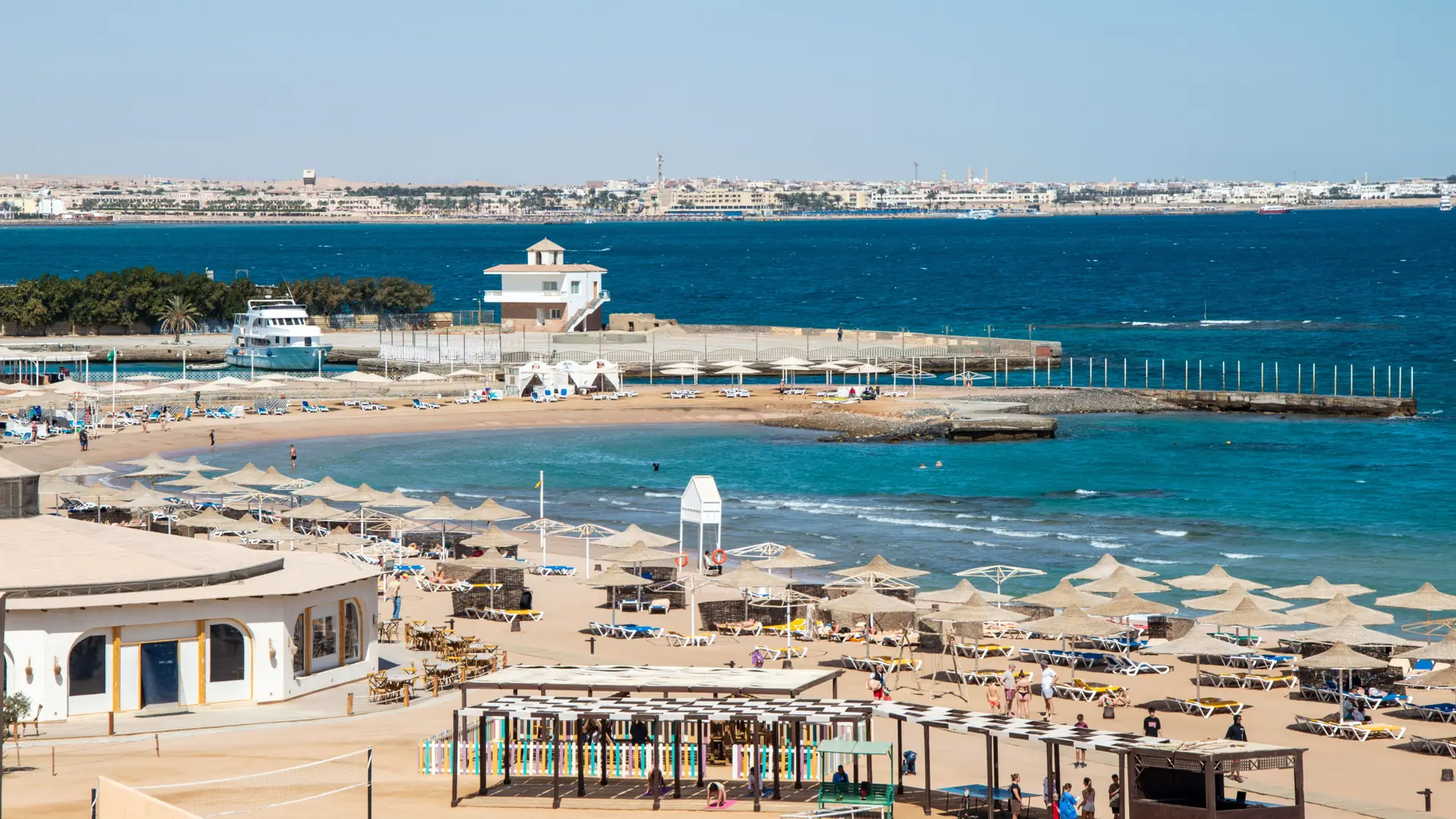
Central East Bank
First arrivals and a mixed archaeology visit
The Corniche and streets around Luxor Temple combine town meals with the railway side of the river.
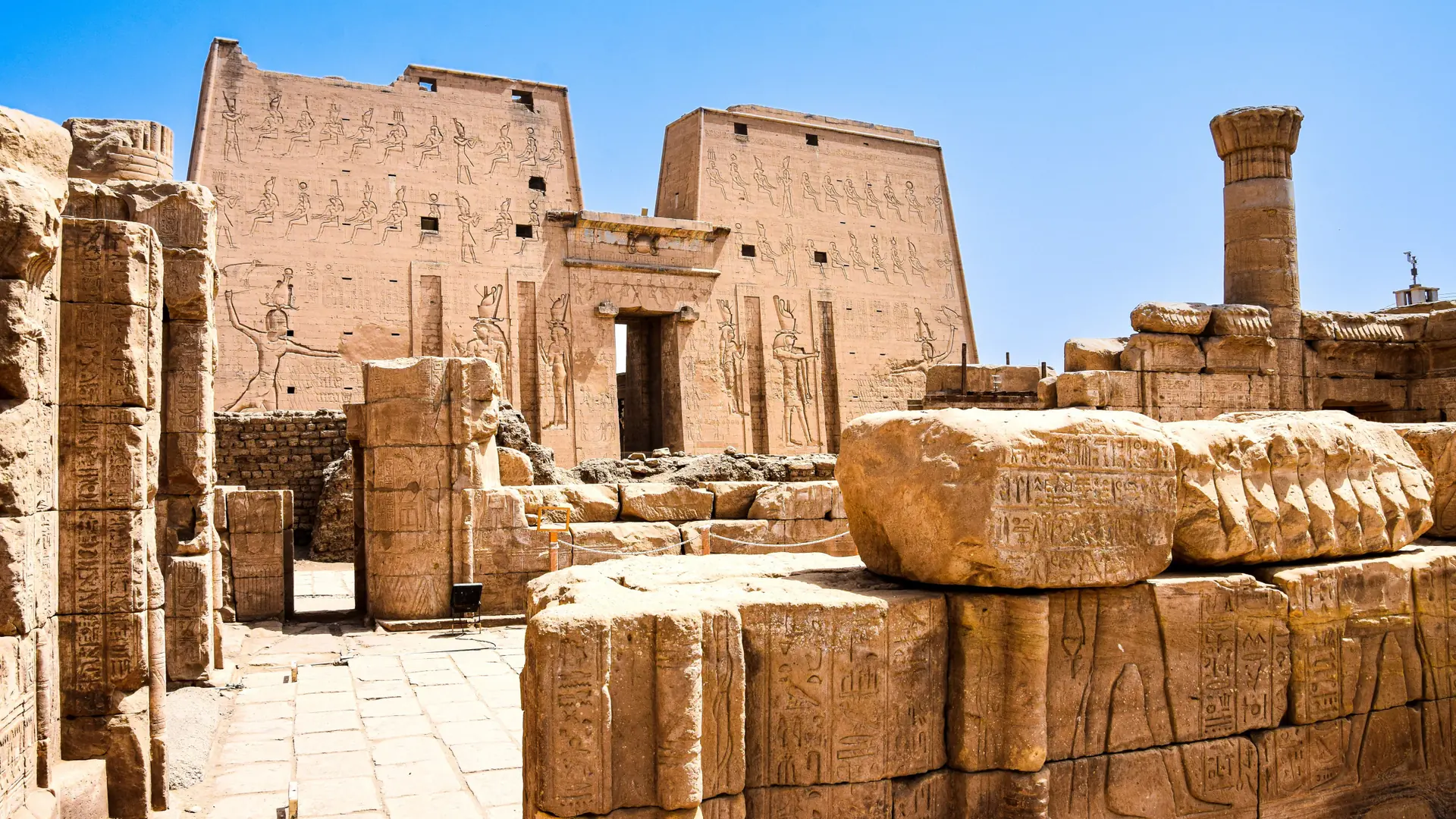
Luxor is a city built around two different landscapes. On the East Bank, Karnak’s courts and columns reveal the wealth of a major religious centre; farther south, Luxor Temple stands within the modern town. Across the river, royal tombs disappear into desert hills while Hatshepsut’s terraces sit openly against the cliffs. Seeing both is the point of a first visit, rather than collecting every monument in one exhausting circuit.
A central East Bank room gives a short stay its easiest starting point: the station, town meals and Luxor Temple share your bank. El-Gezirah suits travellers who enjoy a village setting and can fit crossings into the day; a lodge farther west makes more sense when archaeology takes several mornings. Three nights can protect two full sightseeing days between arrival and departure. Use one for Karnak and the central temple, the other for selected royal tombs with Hatshepsut optional. Medinet Habu or museum time is a reason to extend the visit, rather than squeeze another stop onto departure morning.
Give Karnak and the central temple an East Bank day. Start the other day with the royal valley, adding Hatshepsut only if the group has energy; Medinet Habu belongs to a longer stay. Keep arrival and departure separate from those full sightseeing days.
Choose a real entrance and walking route near the centre when you want a train arrival, several meal options and a straightforward first evening. Then book one deliberate West Bank morning.
The village around the ferry landing serves independent travellers who like a quiet night and early tomb access. Check luggage, crossing hours and the last segment to the room with the host.
That dated subtotal covers Karnak, Luxor Temple, general Valley entry and Hatshepsut. Special tombs, vehicles and guiding are additional; use the spending section for the individual amounts.
The Ministry lists Luxor Temple until 20:00, while Karnak and the daytime West Bank monuments close earlier. The central temple can therefore fit a later visit; allow enough time inside before closing.
Luxor’s airport and railway station are on the East Bank. A West Bank room adds a bridge journey or a passenger crossing with another pickup, so the hotel’s bank matters more than a broad Luxor address.
StartBooker answer
Stay on the East Bank if you want the simplest first arrival, the train station, more restaurants and access to Luxor Temple and Karnak. Stay near El-Gezirah on the West Bank if quiet evenings and an early tomb day matter more, and you are comfortable planning a ferry or driver for each crossing. Give the Valley of the Kings and Hatshepsut’s temple a separate West Bank circuit; keep Karnak and Luxor Temple for an East Bank day. Winter and early spring make long outdoor visits easier. In summer, begin exposed sites at opening and take a genuine midday break.
Explore tours, attractions and local experiences in Luxor, Egypt.
Loading activities…
Activities provided by GetYourGuide. We may earn a commission on bookings.
Build a Luxor stay around the experiences you want: the scale of Karnak, painted royal chambers or village time west of the river. Include your arrival point and nights so the plan leaves room for meals and rest.
Use your email security code to continue planning.
First-stay choice
Central East Bank
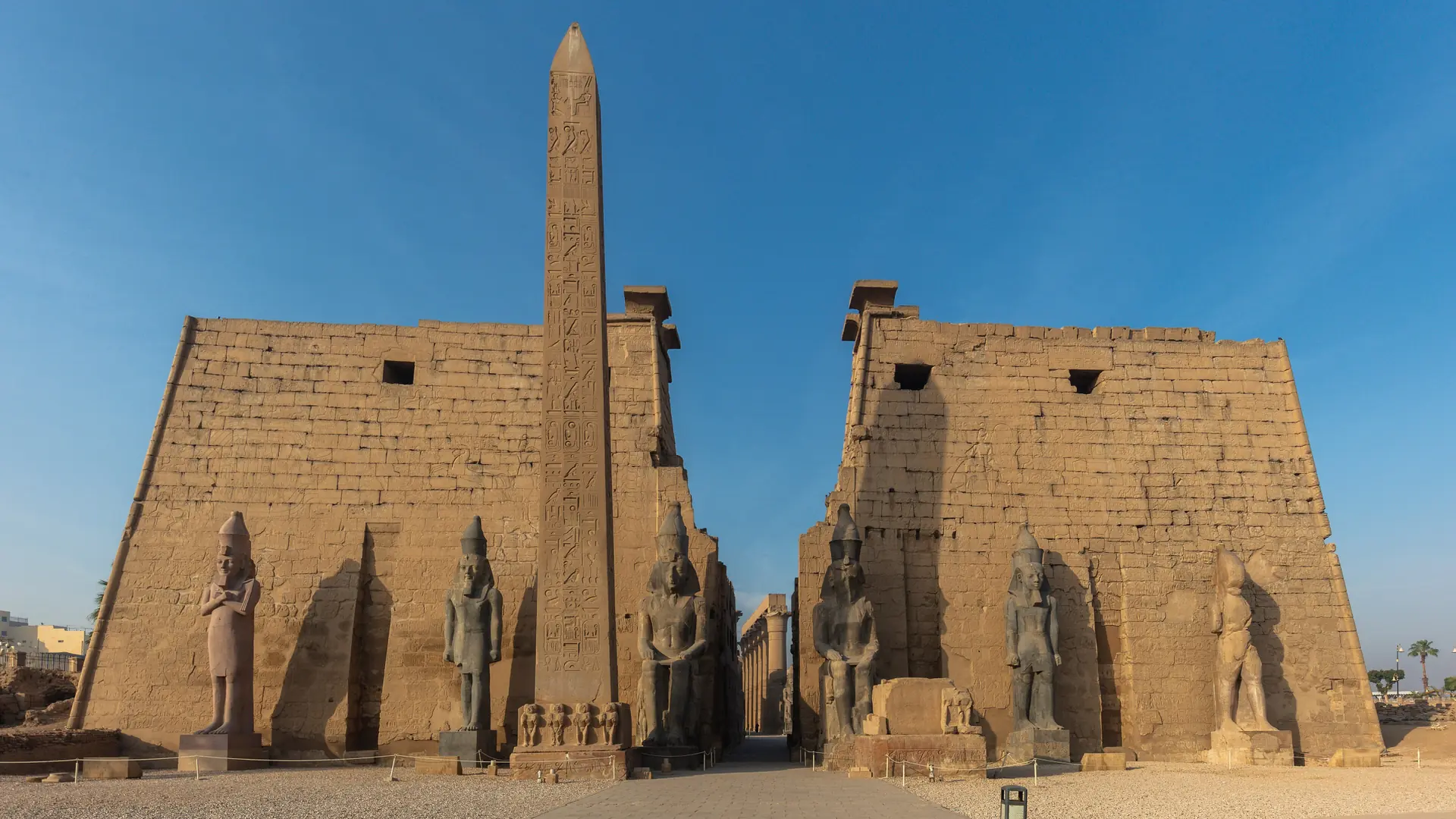
Stay near Luxor Temple for a first visit combining both banks. The railway station, Corniche and central meal options sit on the same side of the river, so arrival and evenings need no boat arrangement. Karnak is roughly three kilometres north of the temple: allow a separate journey rather than assuming the whole East Bank is one small walking precinct. A single organised West Bank outing then covers the royal-tomb landscape.
The site list looks compact until a river crossing, a distant tomb valley and midday heat enter the schedule. Central East Bank works for a mixed first trip; the Karnak side serves an especially early temple start; El-Gezirah suits independent ferry users; the rural West Bank is for a slower stay with a driver or bicycle plan.
First arrivals and a mixed archaeology visit
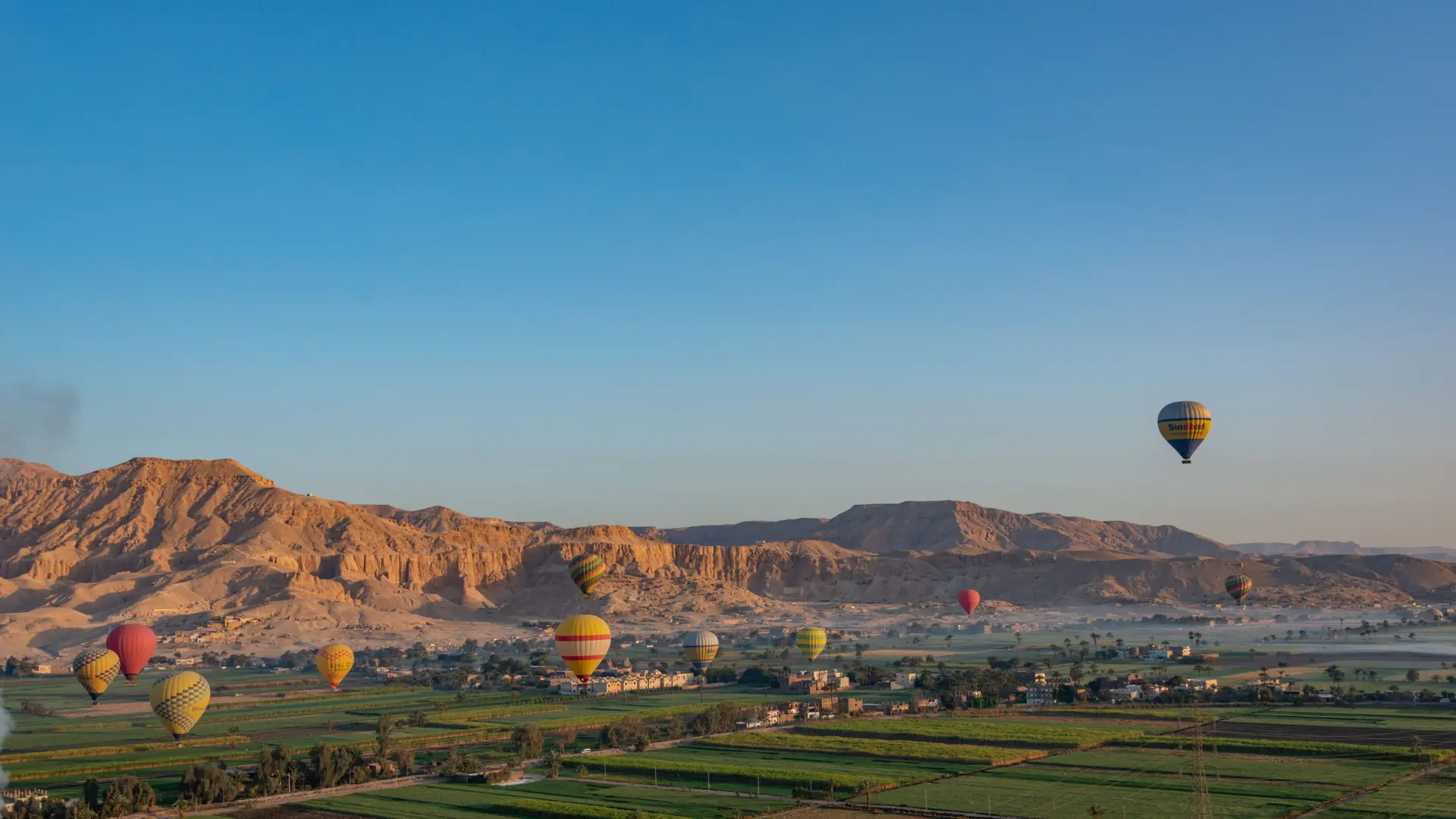
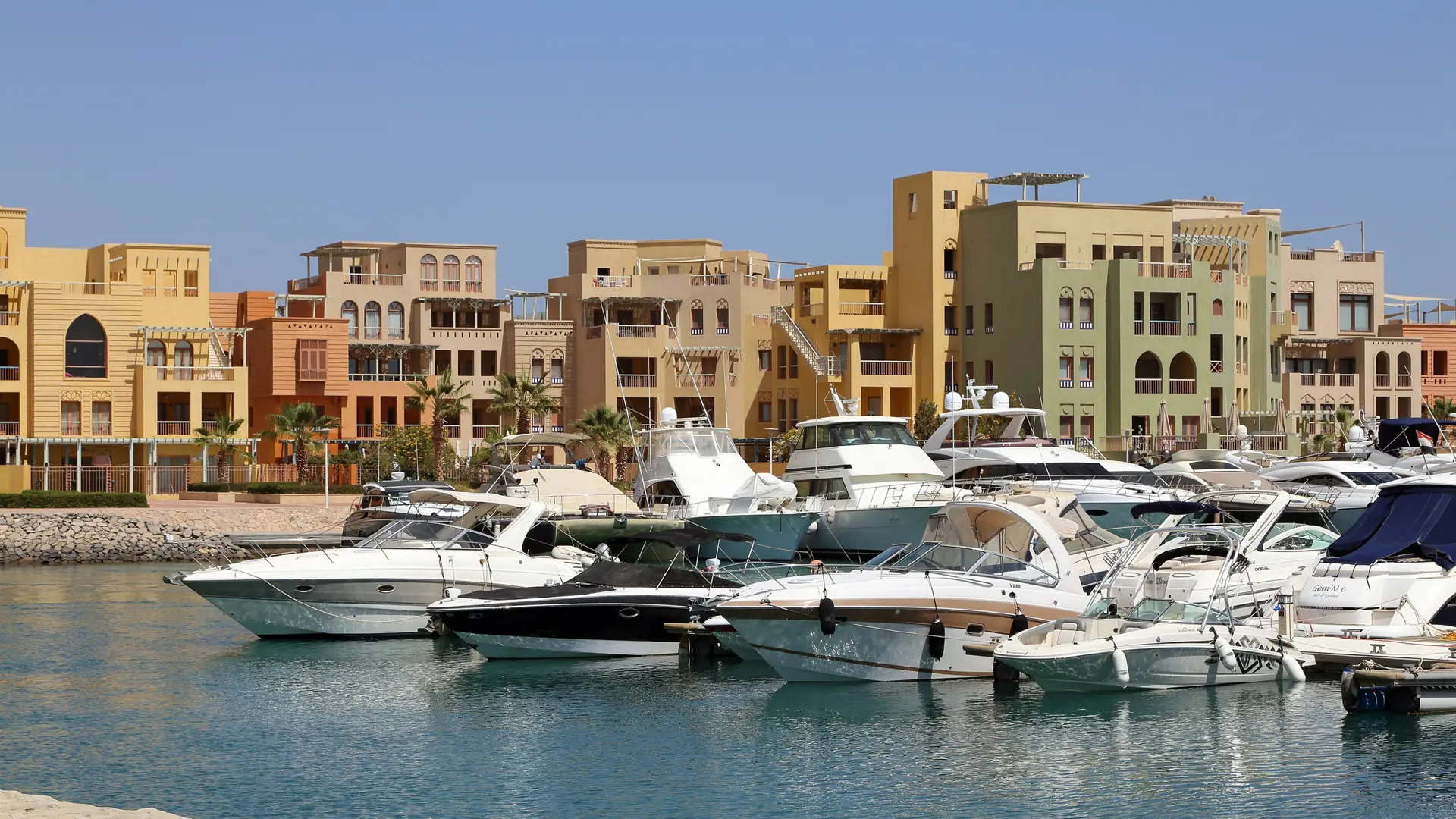
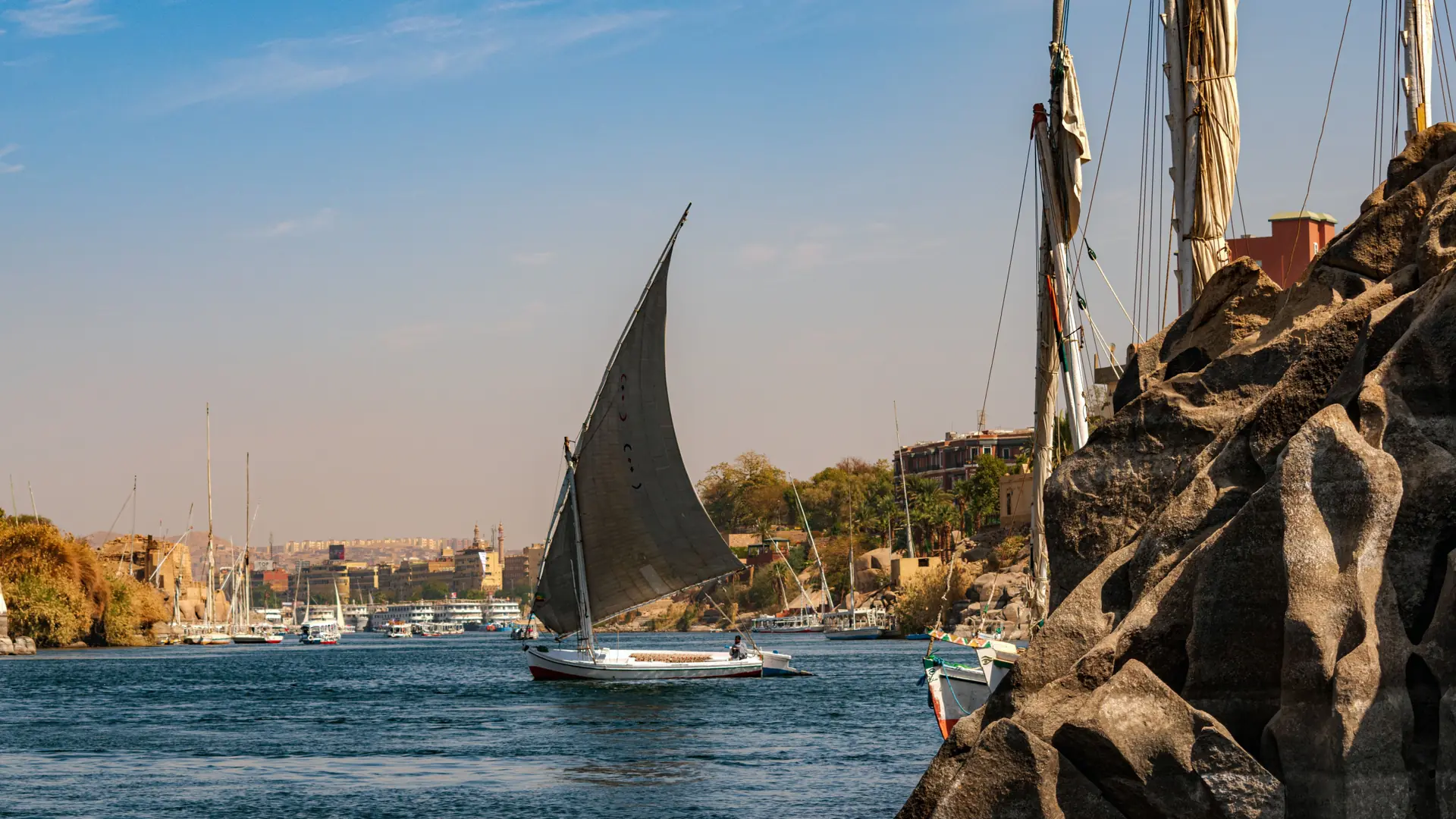
The Corniche and streets around Luxor Temple combine town meals with the railway side of the river.
An early start among the great columns
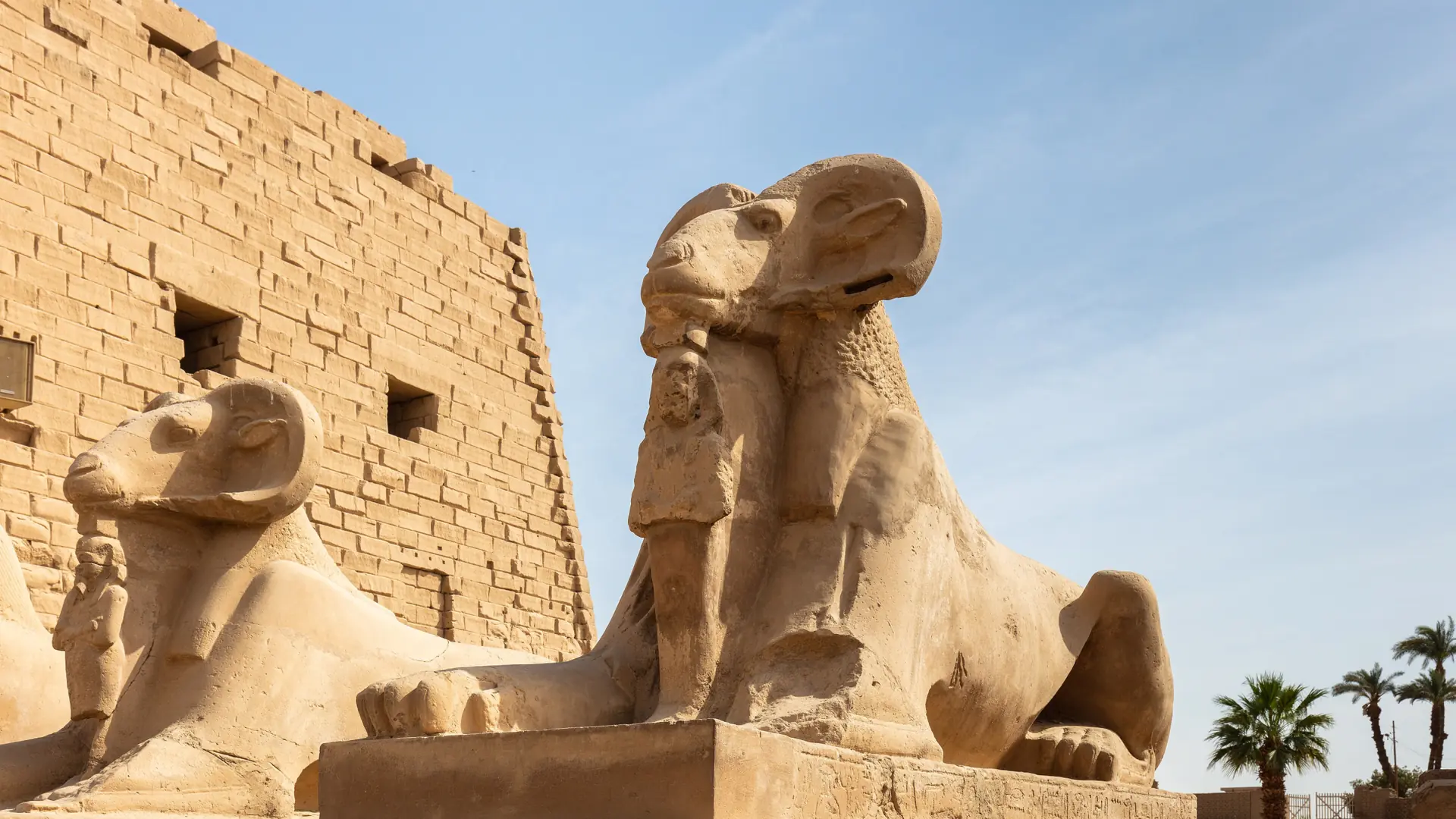
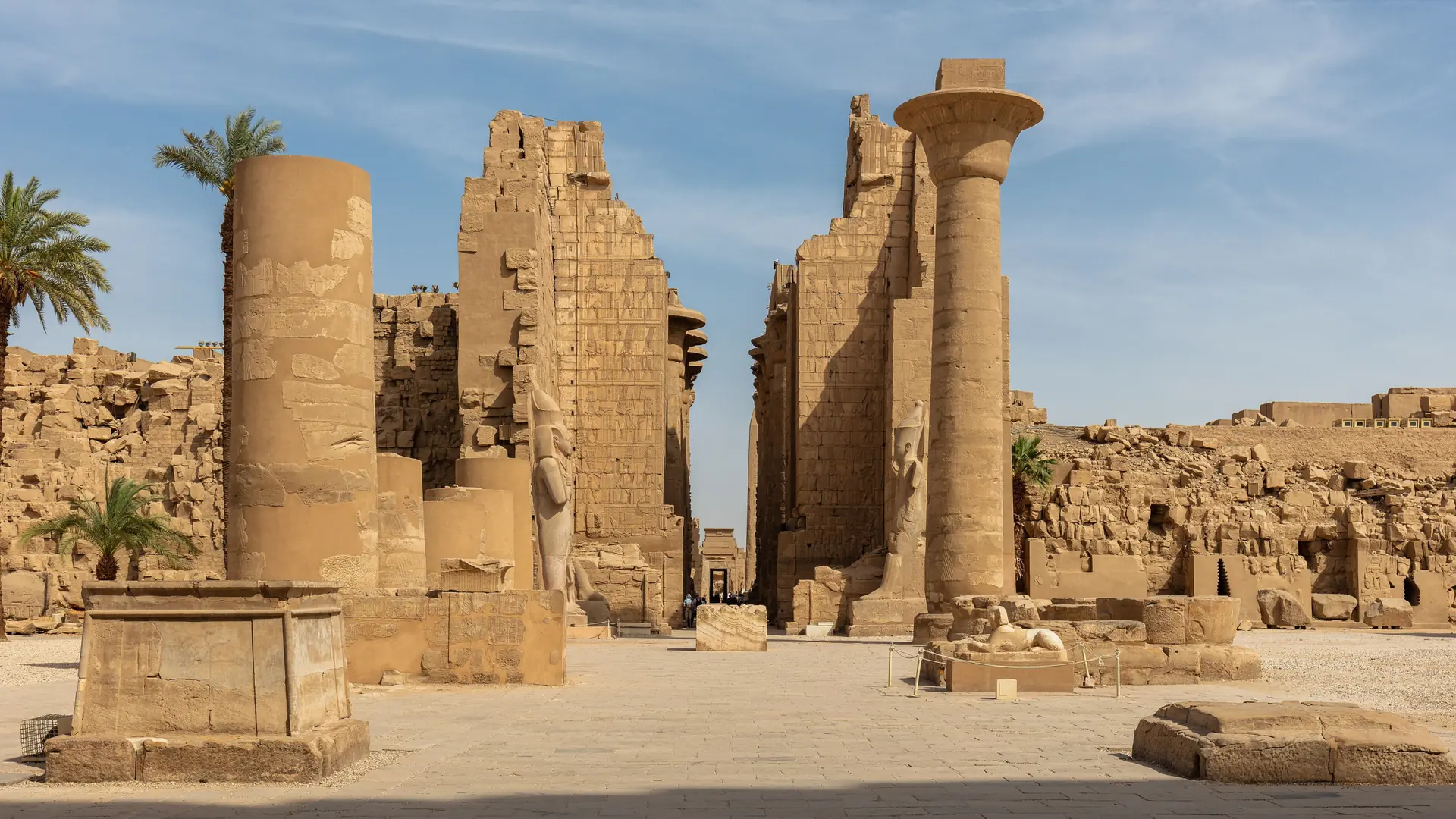
Karnak lies north of the central temple; this base favours the great precinct over station convenience.
Quiet West Bank evenings and independent crossings
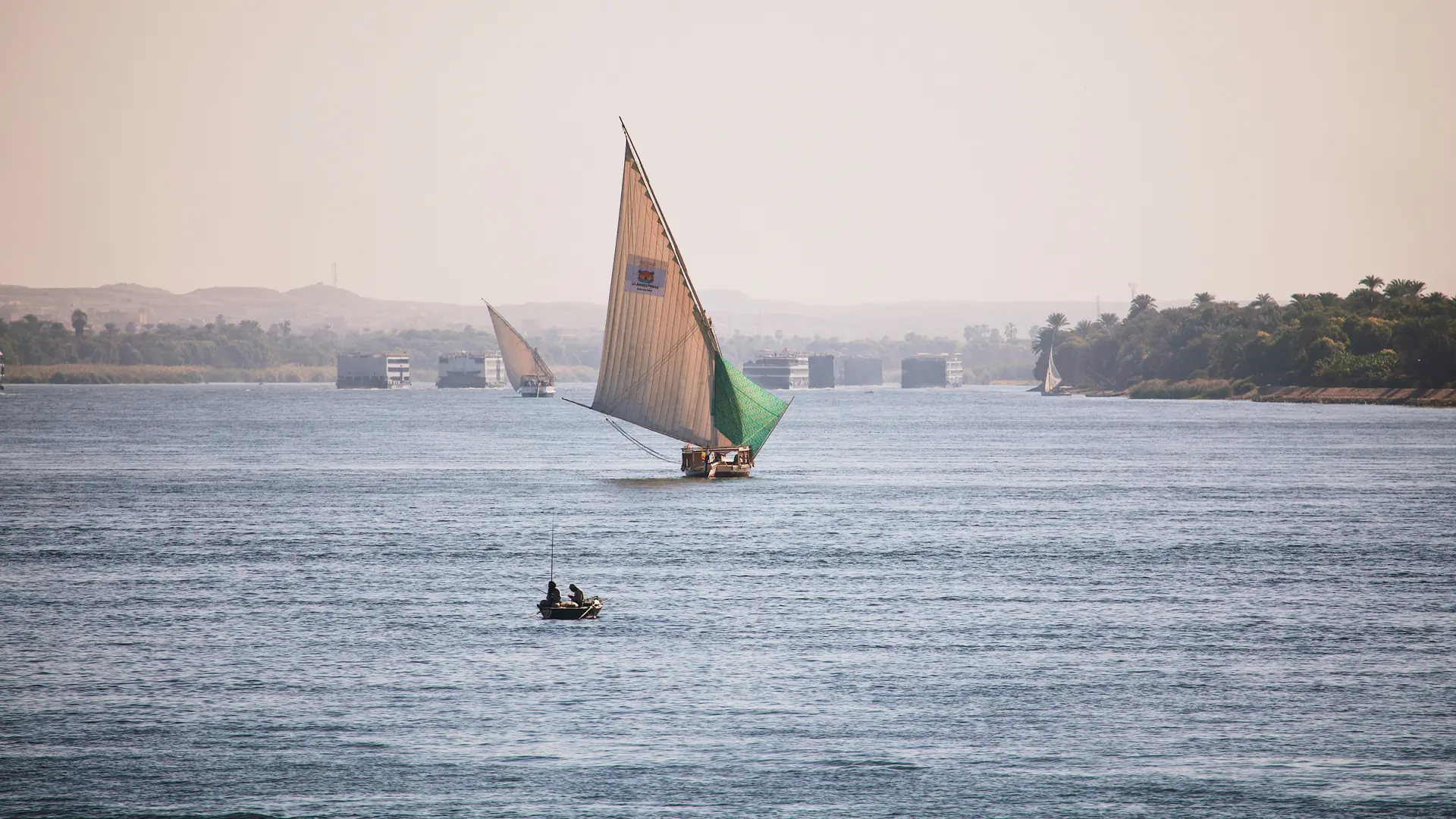
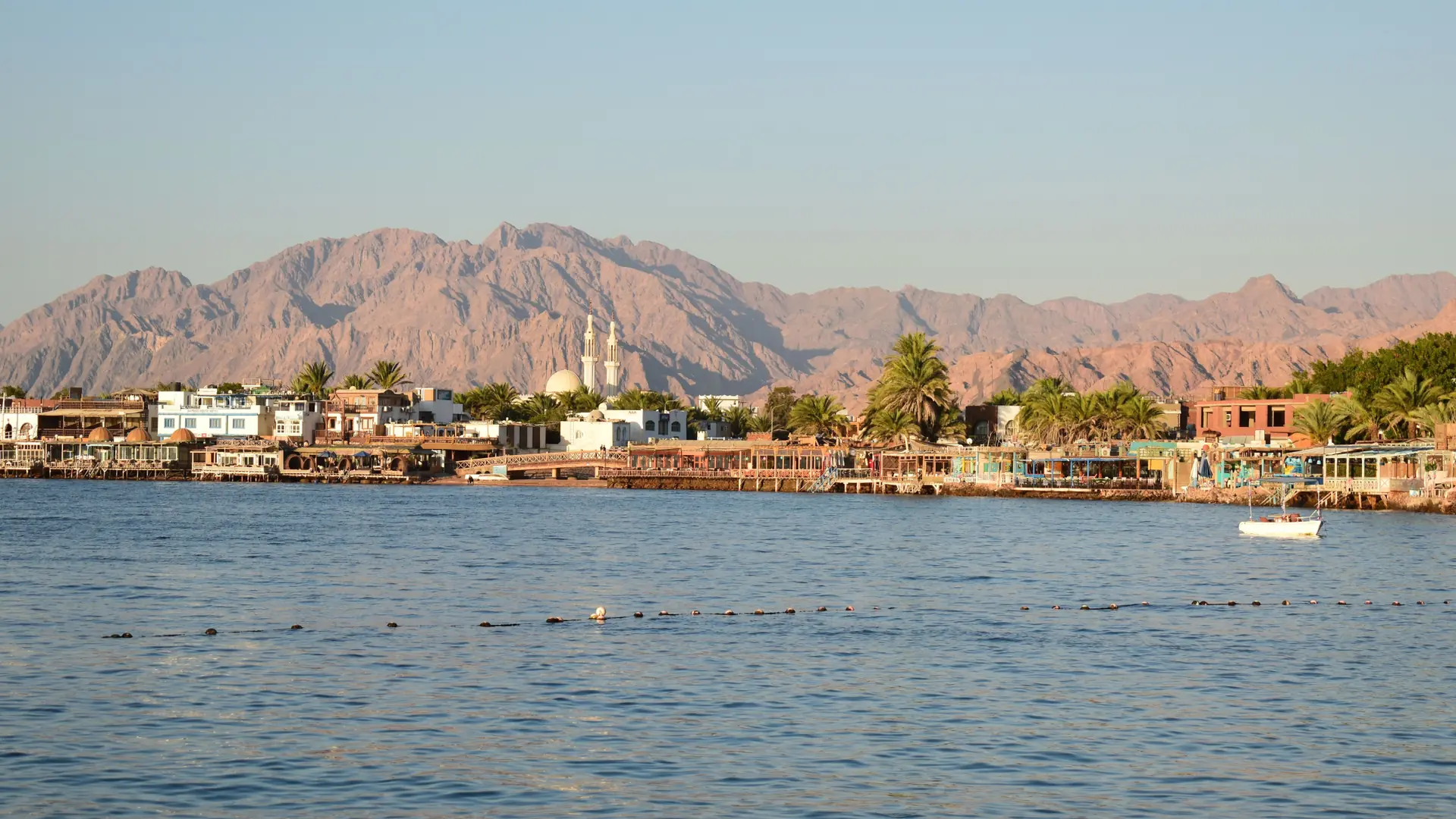
El-Gezirah is the ferry-side West Bank village, distinct from lodgings farther out toward the necropolis.
Fields, small lodges and tomb-focused mornings
A rural address near Medinet Habu suits repeated west-side visits rather than a town-centred evening routine.
| Area | Best for | Features | Getting around |
|---|---|---|---|
| Central East Bank |
first visits with both banks Choose this base for flexible evenings and a clear one-day west excursion. |
street noise and West Bank transfer |
station and ferry access help on arrival |
| Karnak and northern East Bank |
an unhurried Karnak morning The great complex can anchor a whole morning without an early cross-town start. |
longer central errands |
confirm the return ride from temple to hotel |
| El-Gezirah by the ferry |
quiet nights with ferry access A slower river-side base remains connected to the centre. |
another leg for the Valley |
ferry plus road transport for tombs |
| Rural West Bank near Medinet Habu |
repeated necropolis days The west-side sites and rural setting justify staying beyond the ferry village. |
fewer easy East Bank evenings |
driver or carefully planned cycle route |

A brief stop, a longer archaeological stay and a hot-season visit make different demands on a Luxor address. Choose the useful location first; a room’s Nile view is a separate purchase.
A single East Bank base keeps a short mixed visit simple, with only the tomb outing requiring a crossing.
AlternativeEl-Gezirah is better if a quiet night outweighs central convenience.
Several necropolis mornings justify a rural West Bank room and a vehicle arranged for the sites.
AlternativeCentral East Bank can work with one good driver day.
A railway arrival belongs to the East Bank; airport passengers can book either bank with an agreed route.
AlternativeA West Bank host can suit an airport arrival when a direct bridge transfer is arranged.
A central hotel lets you rest between an exposed morning and the town’s later temple or museum visits.
AlternativeEl-Gezirah can suit a restful stay if your host provides a practical return from the morning’s sites.
These live results cover Luxor across both banks. Use the property map to compare the central temple and station with ferry-side or rural West Bank addresses.
The short river gap hides several different journeys. The public ferry is useful between the central banks, but the Valley of the Kings and other West Bank sites still require a road leg. A hotel pickup, train platform, airport terminal and cruise dock may all lie in different places. Put the precise arrival point in writing and use operator pages for live ticket conditions.
Luxor International Airport and Luxor railway station serve different arrival routes; a Nile cruise may dock elsewhere again. A pickup booking should name your actual flight, train or vessel and the hotel bank. Airport passengers can stay on either side, while a station arrival makes the central East Bank especially straightforward.
For El-Gezirah and rural lodgings, confirm whether the driver uses the bridge or you cross by ferry, where someone meets you and how luggage is handled. An attractive map pin is not an arrival instruction.
For EgyptAir-operated flights, web check-in is listed from 48 hours until 90 minutes before departure. That online deadline is not permission to arrive at the airport at the last moment: checked baggage and the terminal process remain separate. Keep the final Luxor morning light enough to accommodate the airport journey.
The Baladi ferry connects the area by Luxor Temple with the West Bank. Verify its current local timetable, fare and boarding point on the day rather than trusting an old printed schedule.
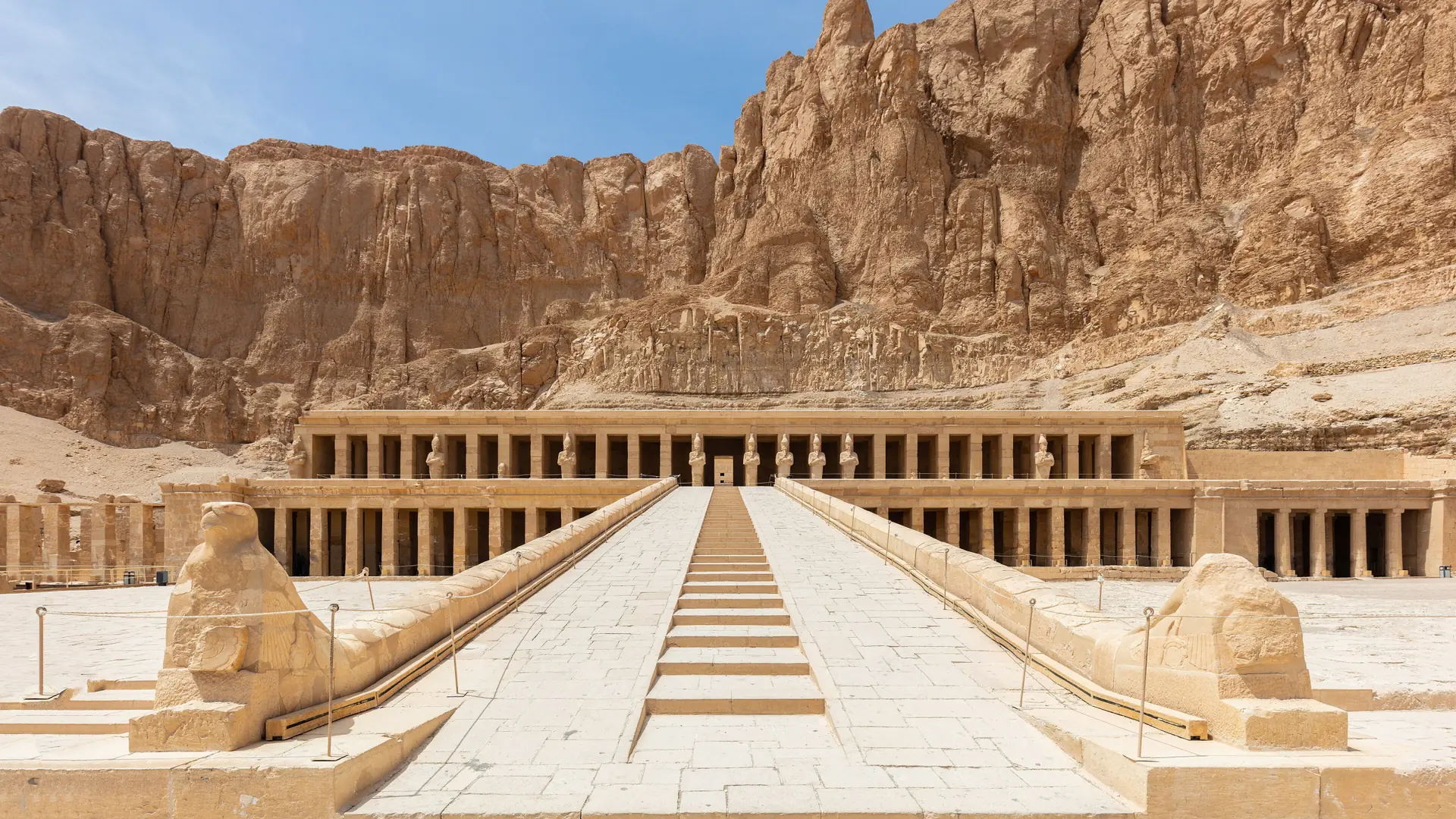
The royal valley, Hatshepsut and Medinet Habu are separate west-side sites. Agree pickup, site order, waiting time and return address; a taxi to the ferry landing alone will not complete the circuit.
A bicycle is most rewarding for a separate West Bank village-and-fields outing, with a stop around the Colossi of Memnon or Medinet Habu. The full royal-tomb circuit adds exposed roads and approaches; choose a vehicle if heat, children or riding confidence make that less appealing. Cycling is an alternative experience, not a compulsory way to reach every site.
General Valley admission and special tomb admissions are different purchases. The Ministry’s site page gives the general category but does not establish a permanent list of included chambers. Choose from the open, eligible tombs on your visit; a tour advertised as a Valley day should specify any special entries separately.
Karnak’s listed inclusive ticket admits the main temple and Open Museum; the Mut Temple has its own category. Luxor Temple and Hatshepsut are separate admissions again. Ask a tour seller for the named entrances included in the price, rather than interpreting temples included as unlimited archaeological access.
The Mummification Museum explains embalming through tools, canopic jars and funerary objects. Its official page lists daytime visiting from 09:00 to 14:00, with insider tips also giving an evening session from 17:00 to 21:00; ticket windows close earlier. Visit before lunch or confirm the evening session, rather than relying on a mid-afternoon opening.
A short river crossing can still involve steps, uneven landings or a second vehicle. Ask the property to describe the whole route if wheelchairs, luggage or limited walking matter.
Tomb approaches and interiors differ; narrow passages and stairs are part of some experiences. Ask the official site and guide which open tombs fit the group instead of paying for a famous name first.
Luxor’s best season depends on how long you want to stay outdoors. A slower archaeological trip needs comfortable mornings; a short hot-season stay needs fewer compulsory sites. The spending examples below cover monument admissions and service choices, with hotel and meal costs outside the subtotal.
Winter is the strongest choice for travellers who want to linger in the open courts and study reliefs rather than hurry between shade stops. It also makes a second West Bank morning easier to justify. Keep a light layer for early starts and river-side evenings: warm daytime sunshine does not guarantee a warm dawn. The appeal of these months brings stronger accommodation demand, especially for small guesthouses.
Early spring can work well for both banks, but the season warms quickly and a pleasant average cannot settle the weather for your date. Check the forecast before assigning the longest tomb-and-terrace morning. If conditions are uncomfortable, shorten that outing and spend time on a museum’s collections during its actual session. Keep a flexible day order instead of buying a dense outdoor programme for every morning.
An inexpensive summer room does not make a winter sightseeing schedule comfortable. Reach the principal outdoor site early, carry water and sun protection, and return to dependable cooling for lunch and rest. A central East Bank room can help when you want Luxor Temple later; a remote rural lodge needs its own return transport. Travellers who struggle with intense heat are better served by moving the visit to a cooler season.
Autumn offers a transition toward easier archaeological days, rather than a single date when the heat disappears. Early in the season, keep the summer pattern; later, longer village walks or a second temple morning may become comfortable. Base the day’s distance on the forecast and the group’s energy. A bicycle outing through West Bank fields should remain its own relaxed experience, not be bolted onto a full valley circuit.
On 10 October 2026, the Ministry displayed foreign-adult admission at EGP 600 for Karnak, 500 for Luxor Temple, 750 for the Valley of the Kings and 440 for Hatshepsut. Those four entries total EGP 2,290 per adult. This is an admission example for the two-bank core visit, excluding special tombs, transport, guiding, accommodation and meals; it is not a whole-trip budget.
The Mummification Museum was listed at EGP 220 per foreign adult and Medinet Habu at EGP 230 on the same check date. The museum adds the treatment of the body and funerary objects; Medinet Habu adds Ramesses III’s mortuary temple and reliefs. Choose the missing part of the story. They are separate visits with separate travel or opening constraints, rather than interchangeable cheap extras.
For the West Bank, compare a transport quote covering your hotel, the valley, any second site and the return with a guided outing naming the same stops. A driver supplies the road journey and waiting; interpretation inside the monuments is a different service unless expressly included. A focused guided visit can be worthwhile if painted scenes would otherwise be hard to understand.
A riverfront premium matters most when you will spend evenings at the hotel. Compare the booked room category with a courtyard or street-facing alternative: a shared terrace does not make every bedroom a Nile-view room. West Bank guesthouses and large East Bank hotels offer different settings, so compare location and inclusions before comparing their headline prices.
No. The city search covers Luxor, while this guide’s default first-stay recommendation is central East Bank. Read the property’s location on the map before booking: El-Gezirah and rural West Bank stays have different arrival routes, even when a listing uses the same Luxor destination name.
Ramesses III’s mortuary temple combines large courts and pylons with detailed military and religious scenes. It rewards a slower look at the reliefs after the royal valley’s enclosed chambers. Add it on a further West Bank morning if that contrast interests you; it need not be another compulsory stop after Hatshepsut.
The Ministry describes a foreign-adult inclusive category for Karnak Temple and the Open Museum. The Mut Temple is separately listed. That distinction matters if a guide proposes exploring beyond the main precinct: ask which entrance category the booking actually supplies.
Plan a different route for a vehicle. The central passenger ferry is useful between the town and El-Gezirah, while a road journey crosses by the bridge outside the centre. A direct hotel pickup and a passenger crossing followed by a West Bank car are different transfer arrangements.
No. A tomb visit places you inside a royal burial chamber; the Mummification Museum explains how bodies were prepared and equipped for burial. It suits travellers who want to understand that process, including the role of ritual, without adding another large outdoor monument to the day.
The official ENR self-service portal was restricted to Egyptian-nationality reservations on 10 October 2026, with other nationalities marked under construction. A third-party sales channel is separate. Arrange the passenger category, reserved class and total through an official counter or authorised agent rather than treating the portal as a confirmed foreign booking.
Reviewed by StartBooker
Last reviewed 2026-10-10
Updated
Editorial method: Monument categories and access information come from Ministry pages; city geography is cross-checked with official tourism and UNESCO records. Independent travel reporting informs the accommodation comparisons. Admission examples are dated; the hotel search is live, and no fixed room price or measured search volume is claimed.
16 sources reviewed
Some photos provided by Pexels.