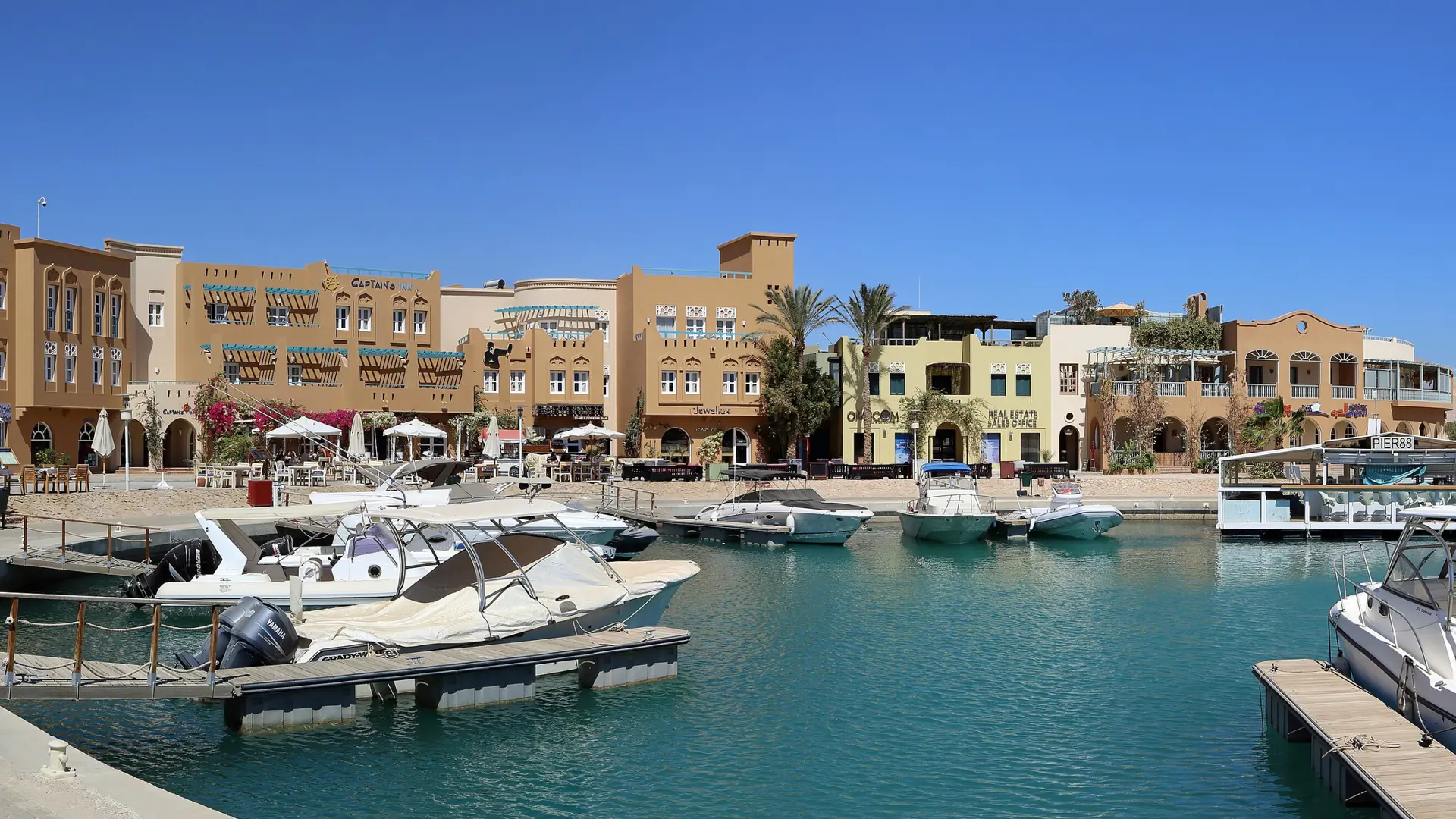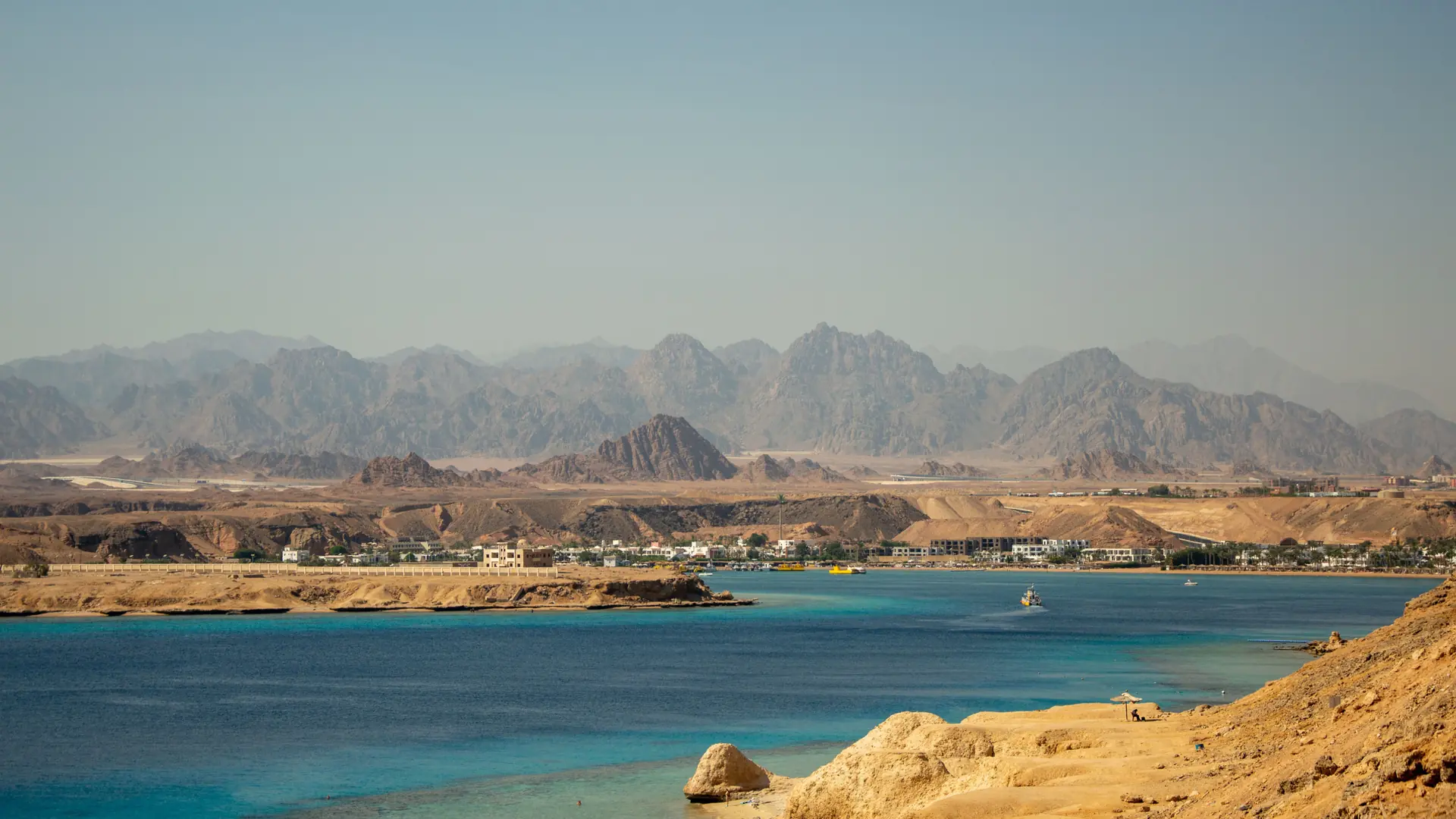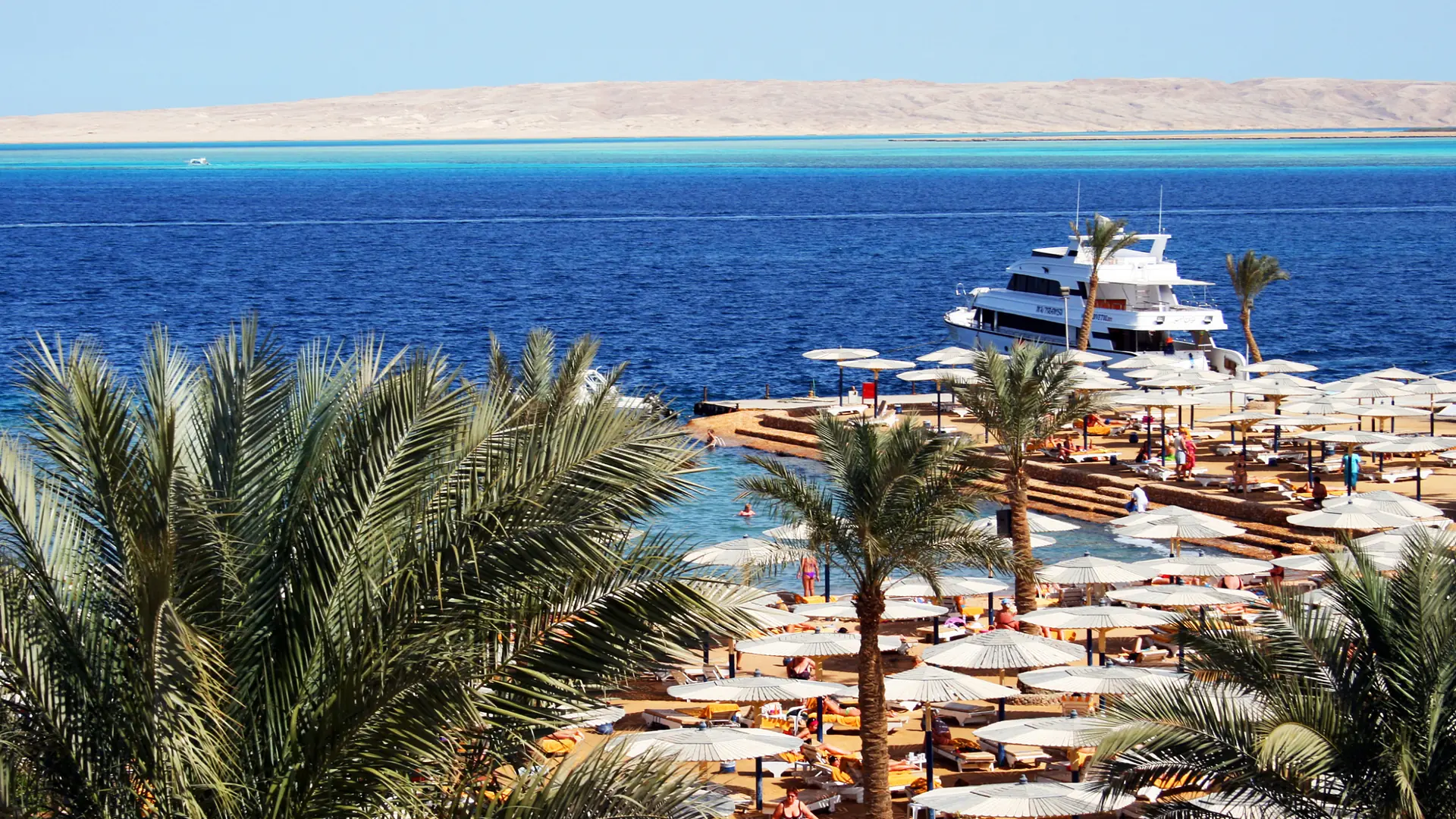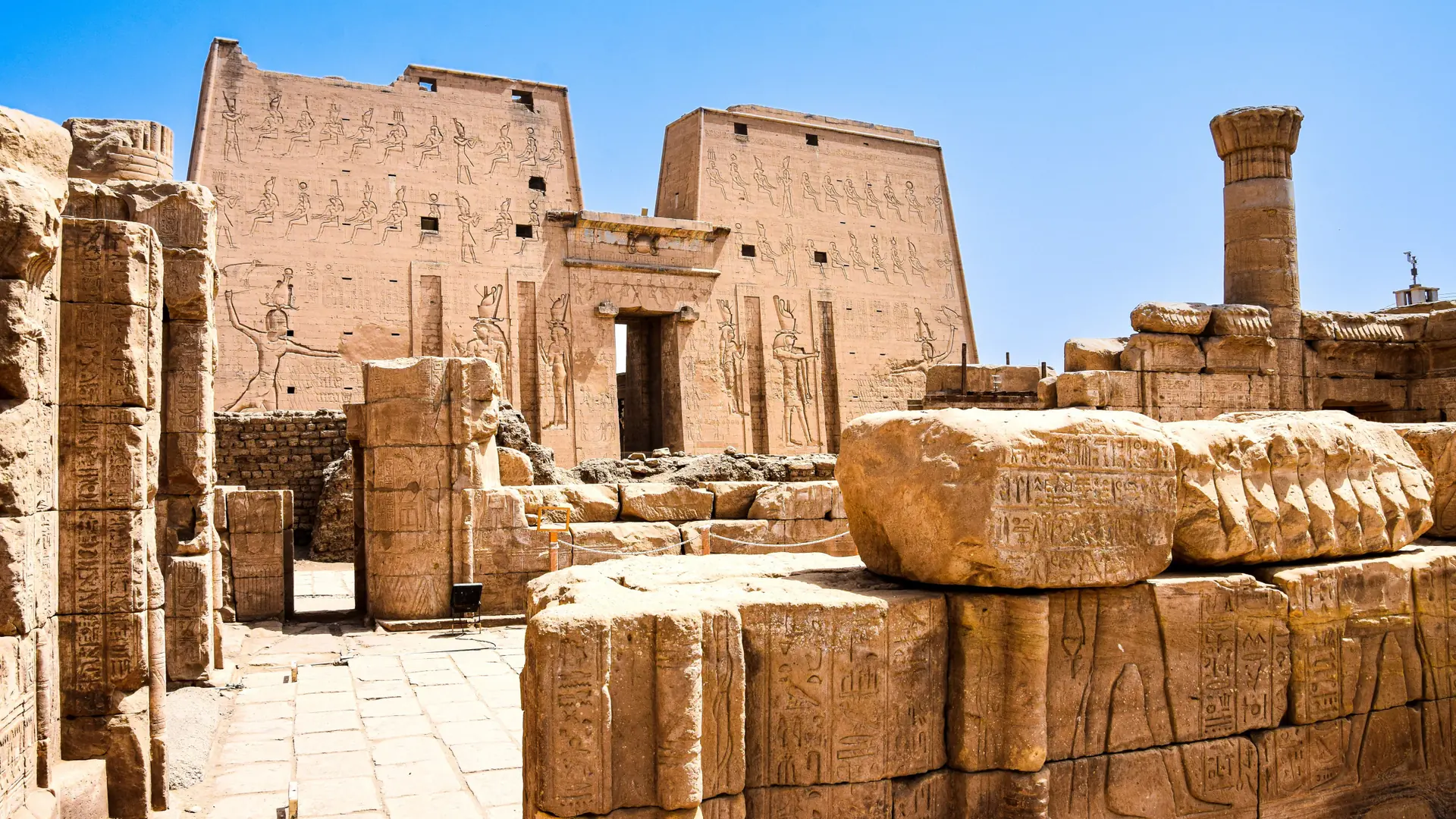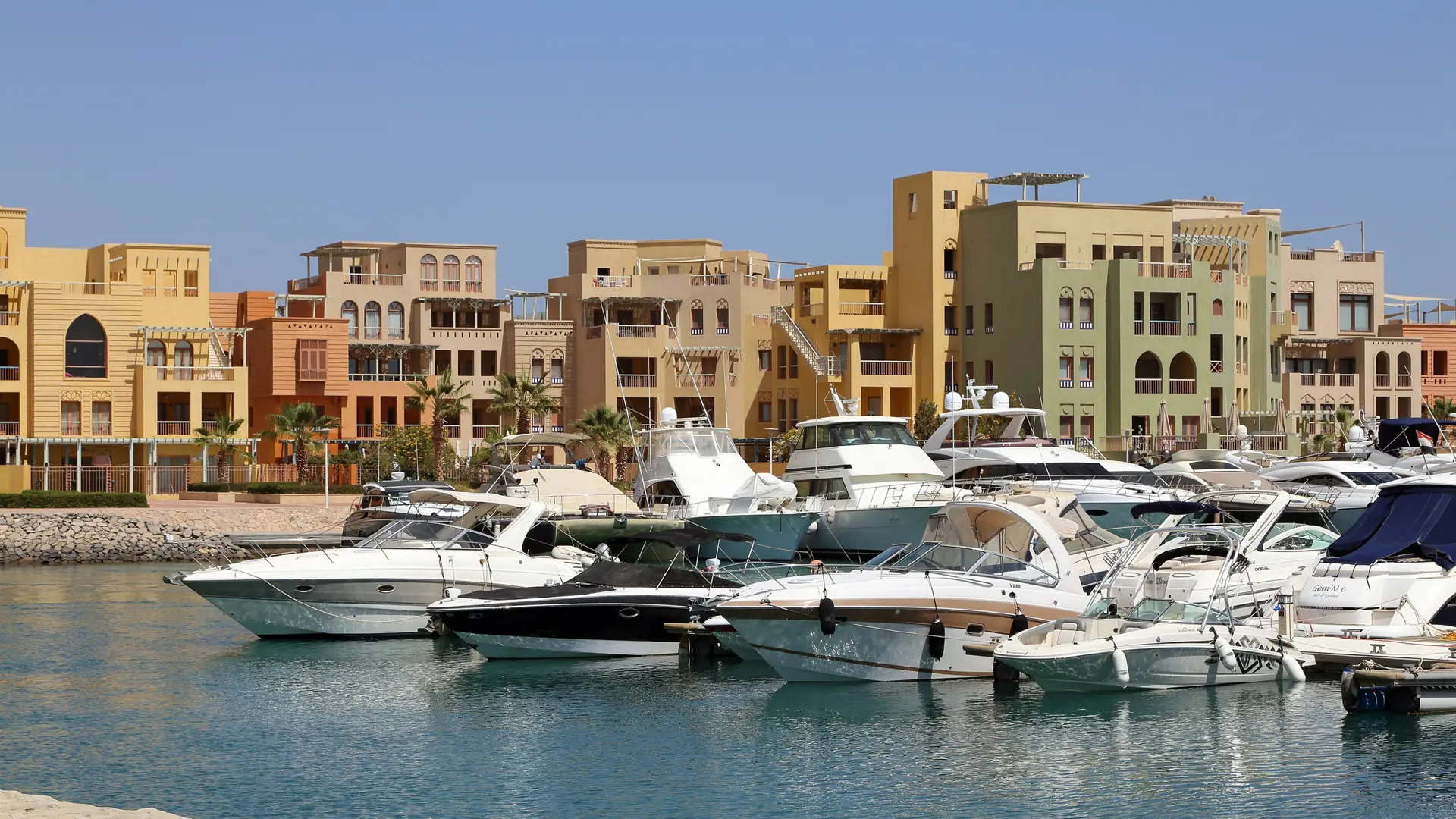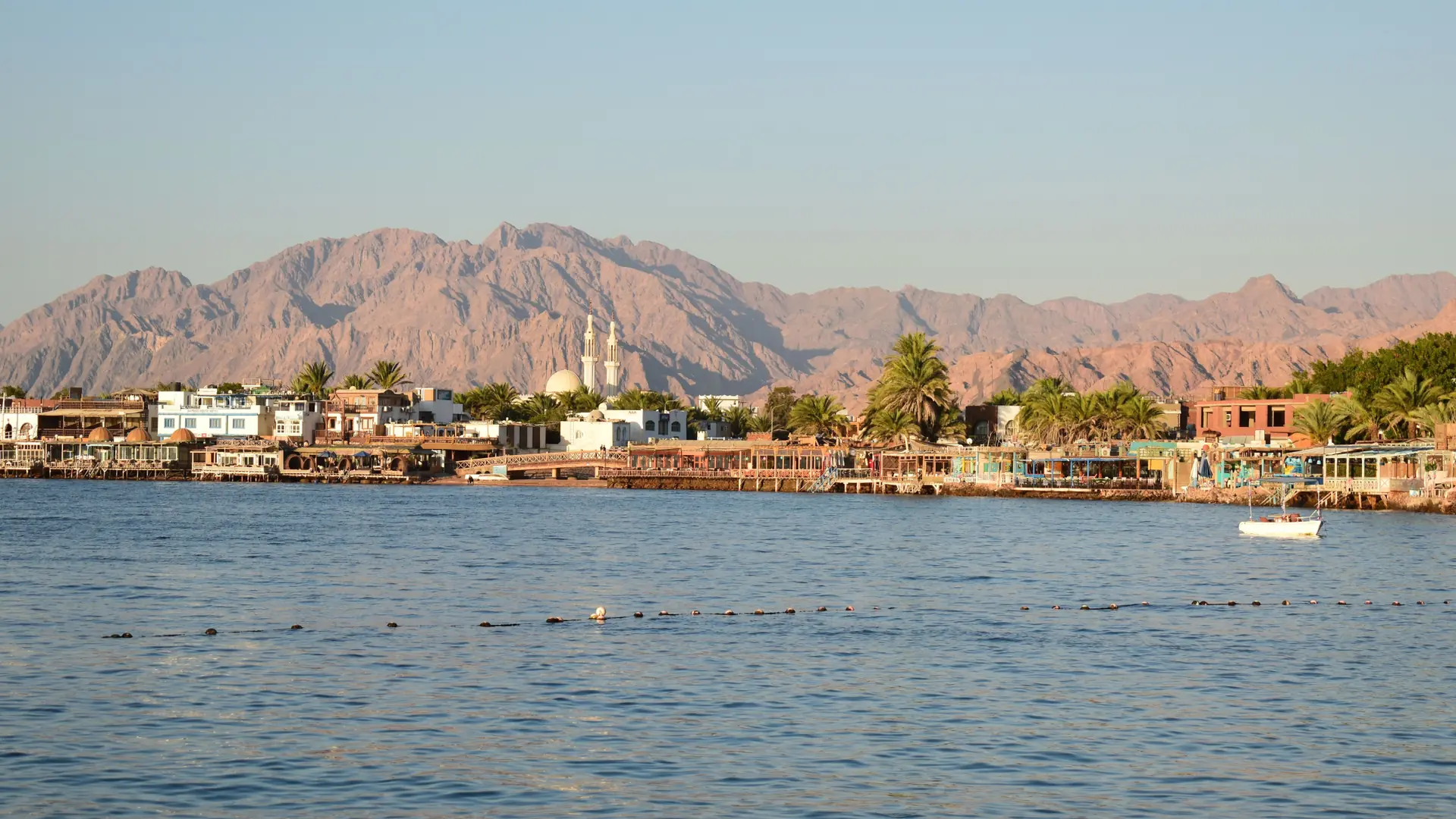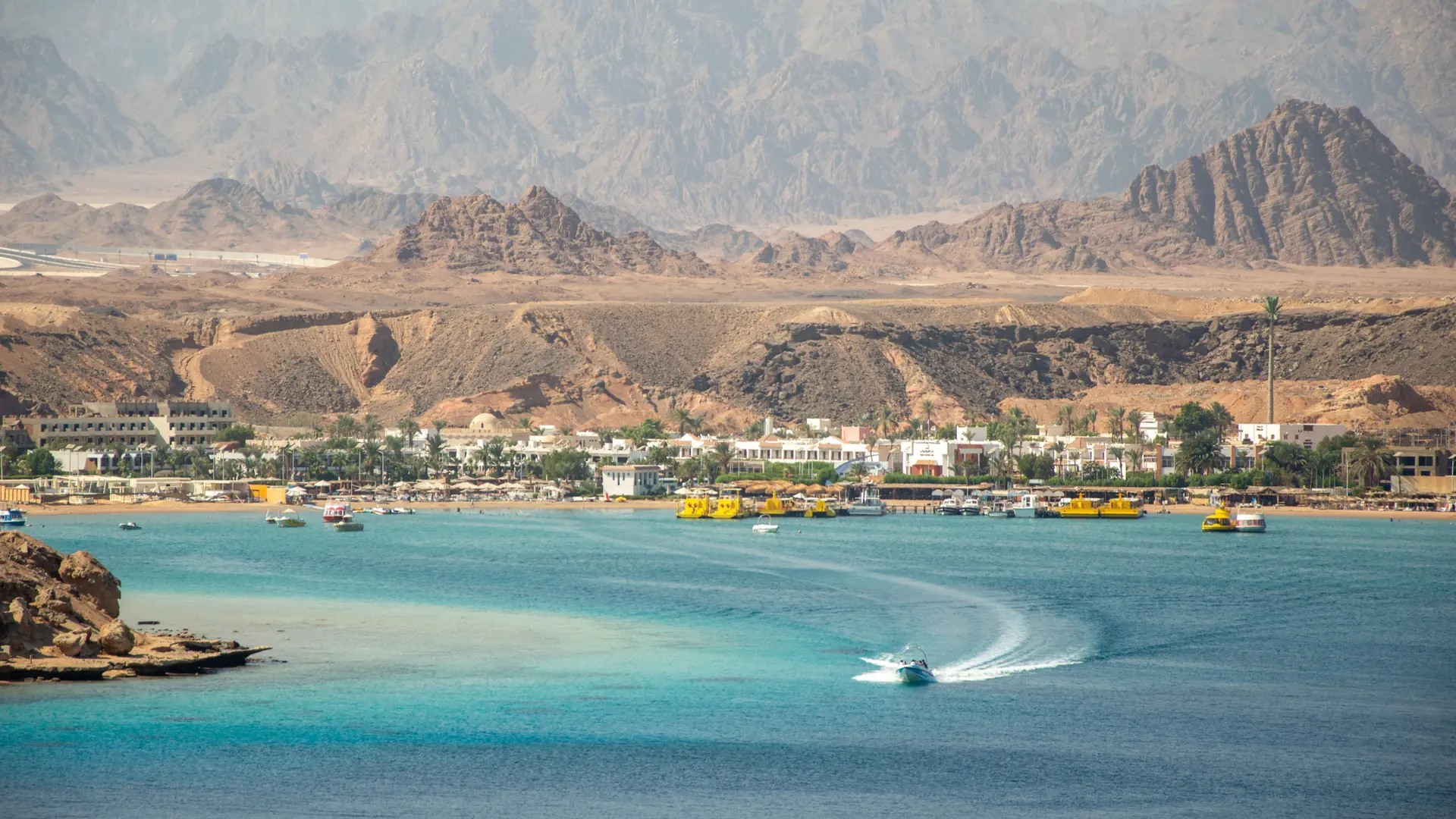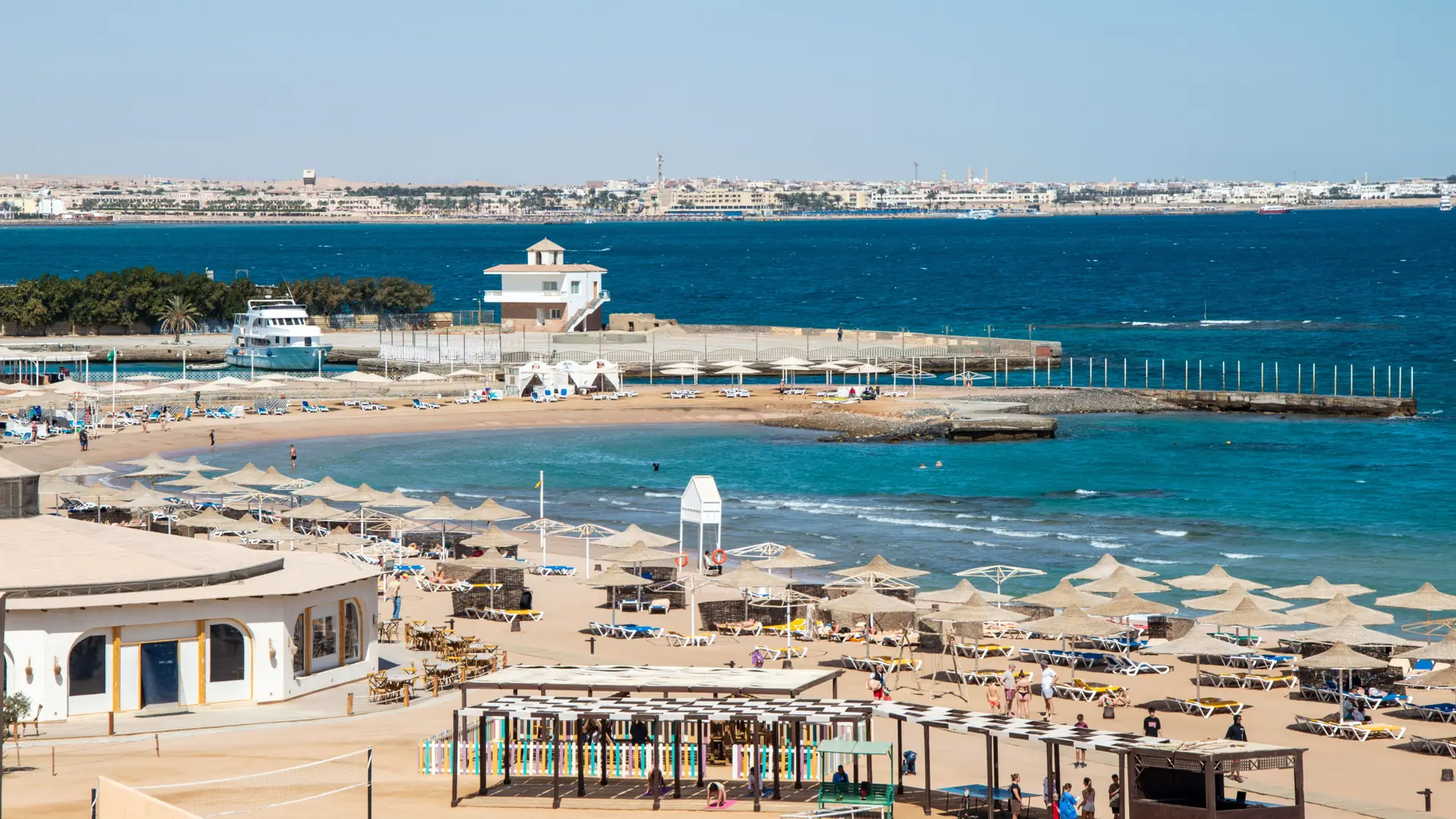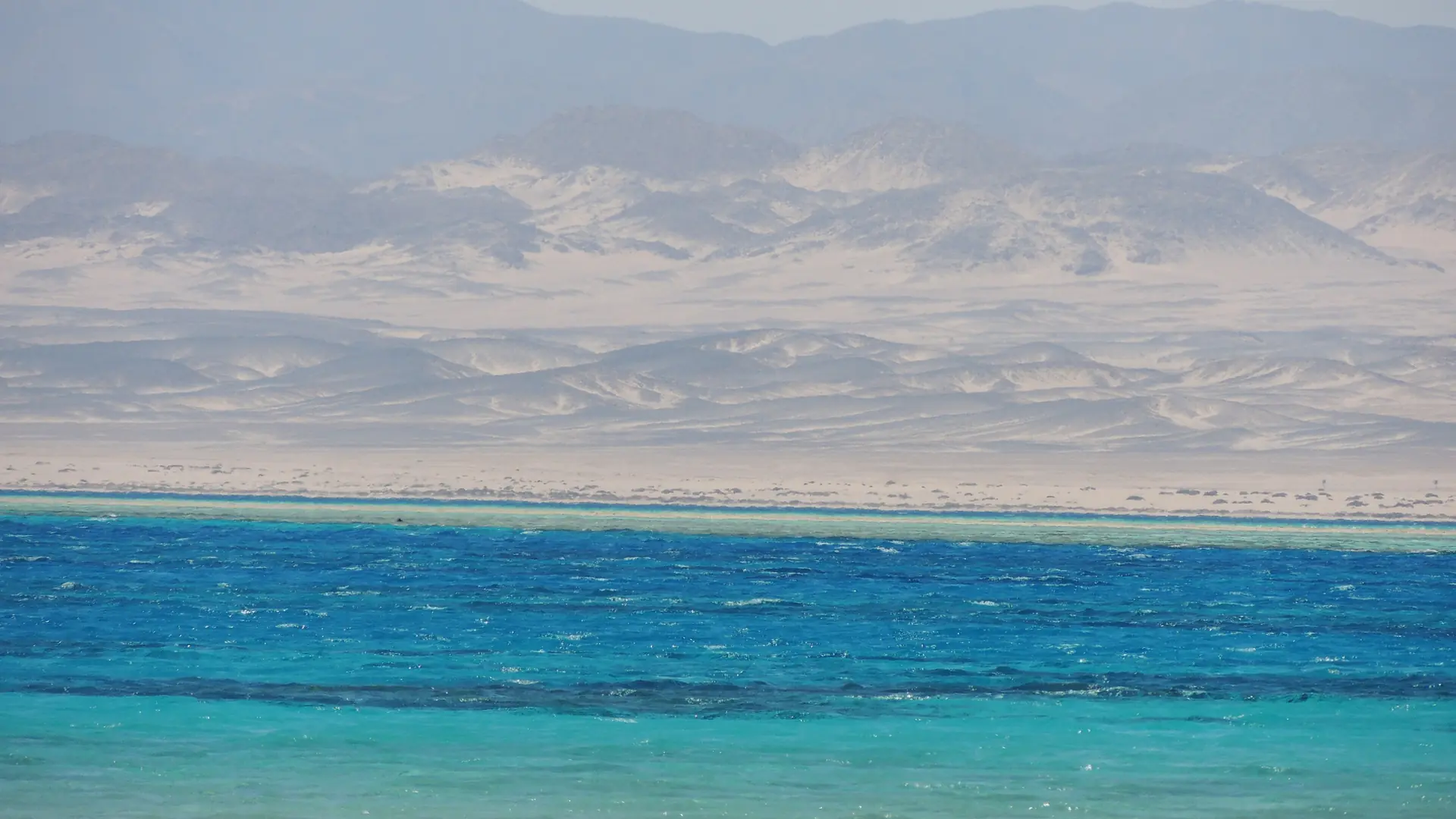
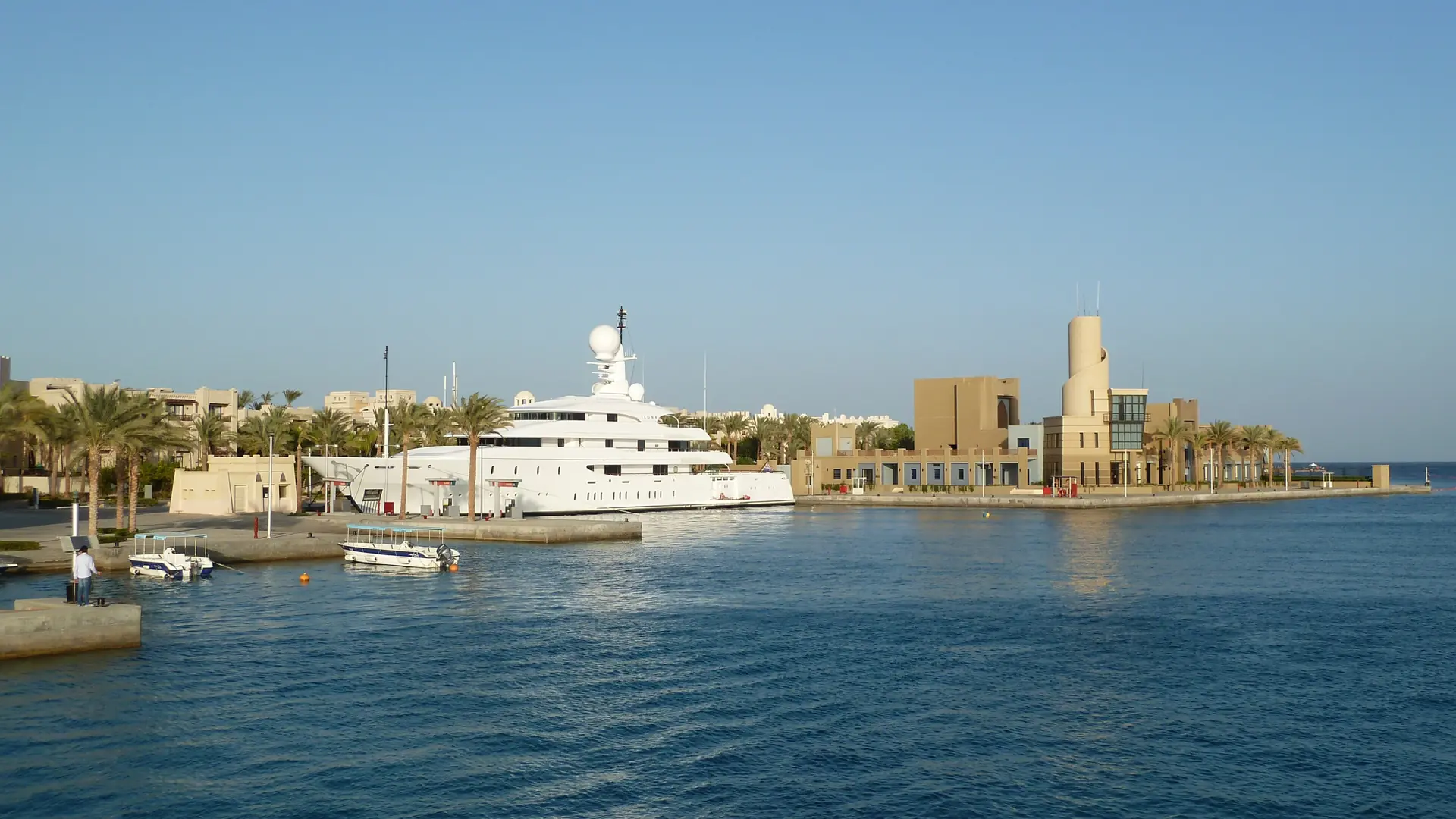
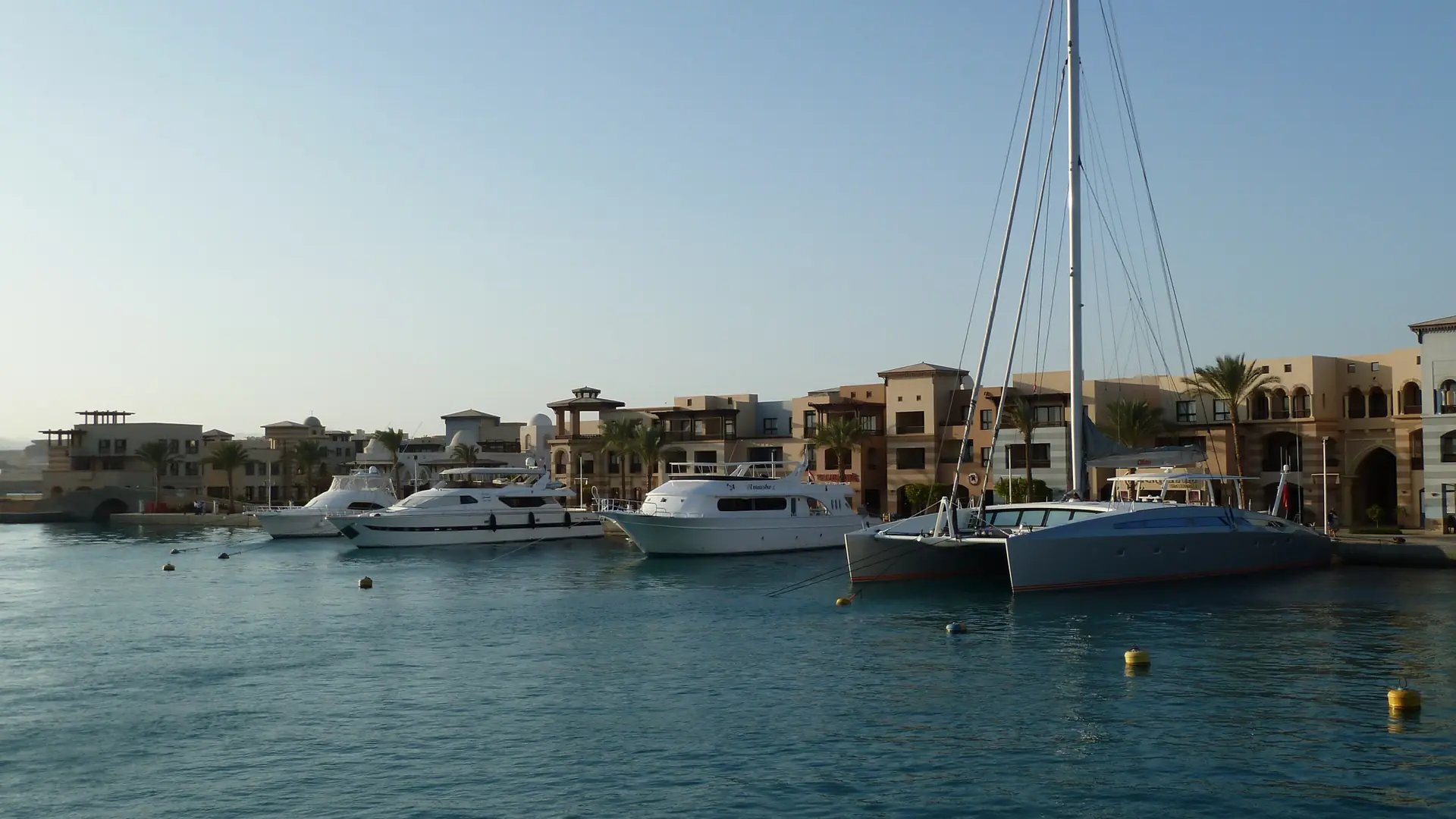
Port Ghalib marina area
Easy flights and boat departures
The developed waterfront offers restaurants and shops near the airport rather than an isolated reef camp.
A Marsa Alam hotel search covers much more than the town. The coast runs from a developed marina near the airport to small diving villages and remote southern bays. Start with the part of the holiday you would miss most: independent evening meals, sand underfoot, a reef on the doorstep or a boat programme farther south. That choice is more useful than comparing star ratings across distant properties.
For an ordinary first beach break, spend five to seven nights in one base rather than moving between resorts. This is a suggested holiday pace, not a minimum stay: arrival, a beach day and one outing still leave time to rest. Three nights can work around Port Ghalib when the flights are convenient; a short stop is a poor reason to take the long road to Wadi Lahami. Divers should arrange their water days around the outbound flight. Non-divers need a beach and meal plan they will enjoy while the others are underwater.
Port Ghalib has a Corniche with dining and shops. Look for the waterfront itself when you want to walk out after dinner; an outlying resort using the same destination name may still need a car.
Abu Dabbab is a beach option; Shagra and Nakari advertise shore access to their reefs. These do different jobs. An easy entry can still lead into deep water, so assess swimming ability separately.
The dive villages offer several accommodation types. A tent can suit someone happy with a simple camp; a chalet with air conditioning and an en-suite bathroom is a different proposition for a hot-weather stay.
Red Sea Diving Safari prices accommodation per person per night, with shared and single categories. For two adults, multiply a shared-occupancy rate by two before comparing it with a conventional hotel room.
The park includes mountains, coastal habitats and islands. A mangrove or beach visit differs from an inland archaeological route. Select one main experience with your guide instead of treating the whole reserve as one stop.
A specialised diving camp makes sense only if companions have enough to enjoy on land. Agree on independent meals, a pool or beach routine and how long divers will be away before buying a group package.
StartBooker answer
Port Ghalib is the easiest starting point for a short visit with marina dining and boat departures. Choose Abu Dabbab for a beach-led stay, or Marsa Shagra and Marsa Nakari for repeated shore-reef sessions. Wadi Lahami suits a longer, deliberately remote diving holiday around Fury Shoals. These are separate stretches of coast, so the hotel entrance matters more than the destination label. April–May and October–November are useful starting windows for combining swimming with land outings; winter water is cooler and summer afternoons are hot.
Explore tours, attractions and local experiences in Marsa Alam, Egypt.
Loading activities…
Activities provided by GetYourGuide. We may earn a commission on bookings.
Choose marina convenience, a sandy bay, a house reef or the deep south. Add the exact airport transfer, water conditions and park access before fixing the day order.
Use your email security code to continue planning.
First-stay choice
Port Ghalib marina area
Port Ghalib works because the marina gives a first-time visitor a useful centre: the Corniche, restaurants and boats are gathered on one waterfront. Stay close to that centre if you want dinner outside your hotel without arranging another ride. A large resort farther along the coast can be comfortable, but it changes this recommendation into a hotel-led holiday. The marina is also near RMF, making it a sensible first or final night when flights leave little spare time.
These are separate coastal areas rather than neighbourhoods of one walkable town. The right address depends on whether you will spend most mornings at a marina, in a bay, on a house reef or on a long southern boat run.
Easy flights and boat departures
The developed waterfront offers restaurants and shops near the airport rather than an isolated reef camp.
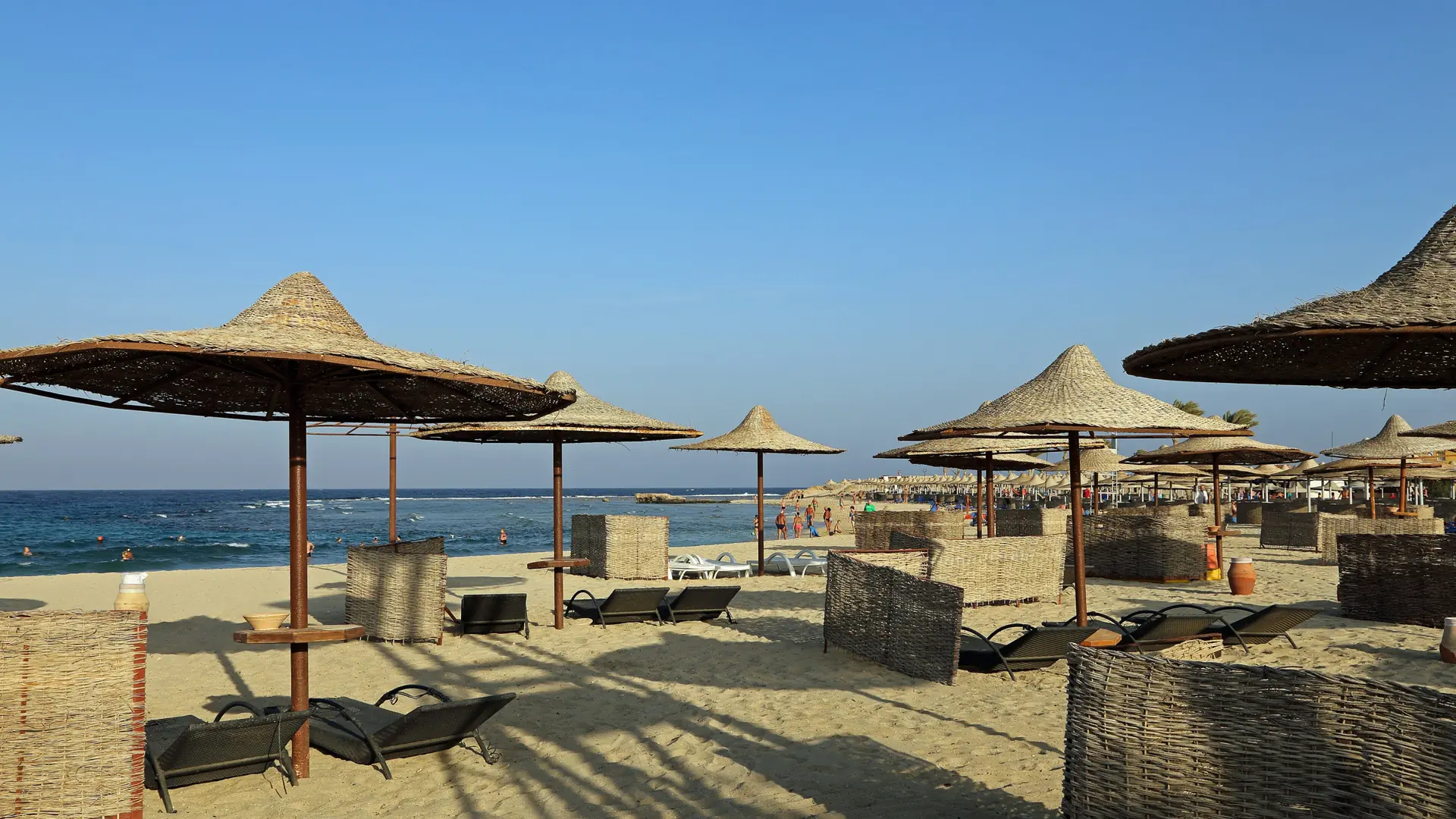
Sandy entry and family beach time
The bay offers an organised beach day with shade and changing facilities; lunch depends on the pass.
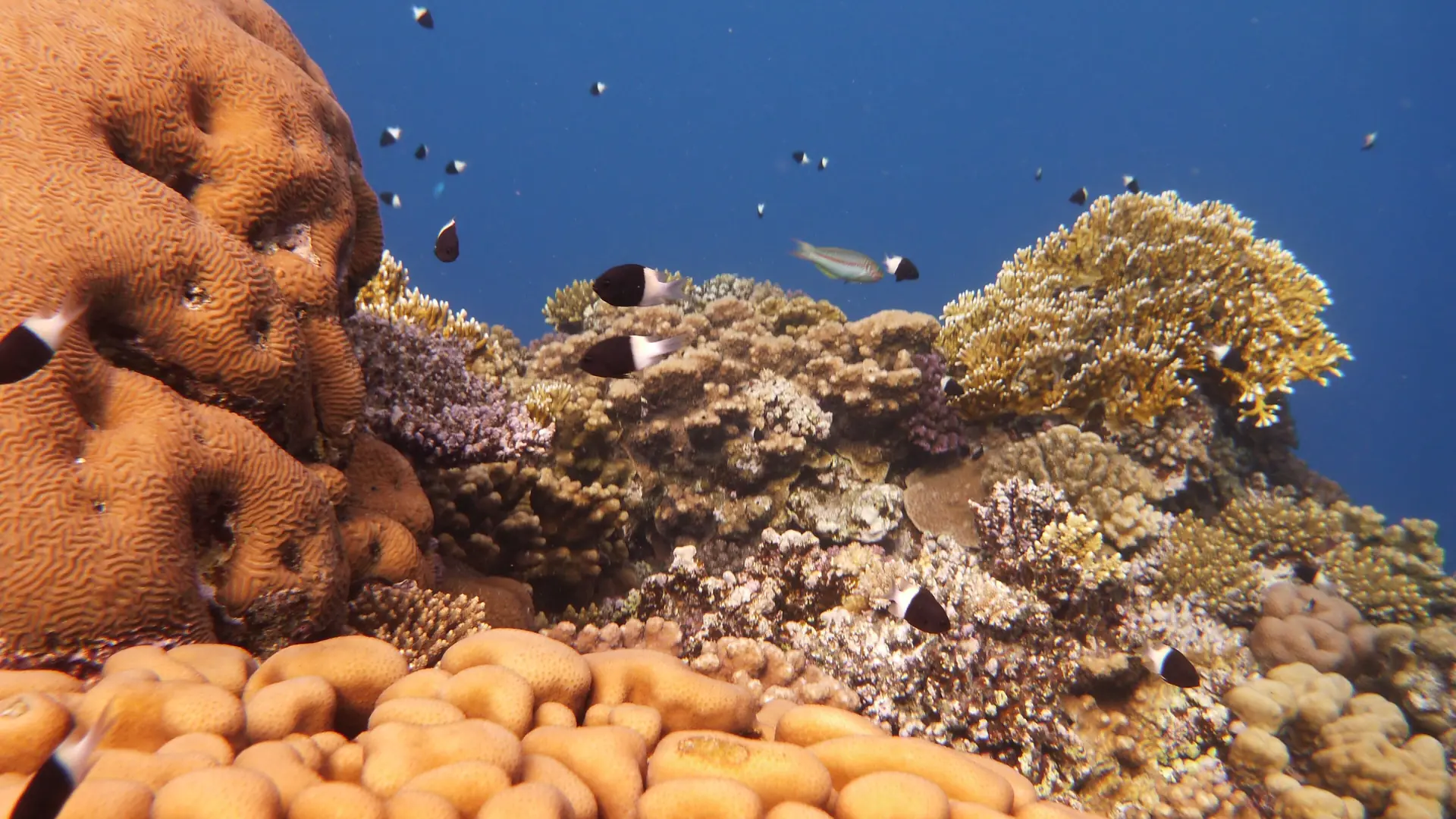
Repeated reef time without daily boats
These are two separate villages: Shagra is north of the town, Nakari south. Both centre on their own reef.
Remote Fury Shoals diving
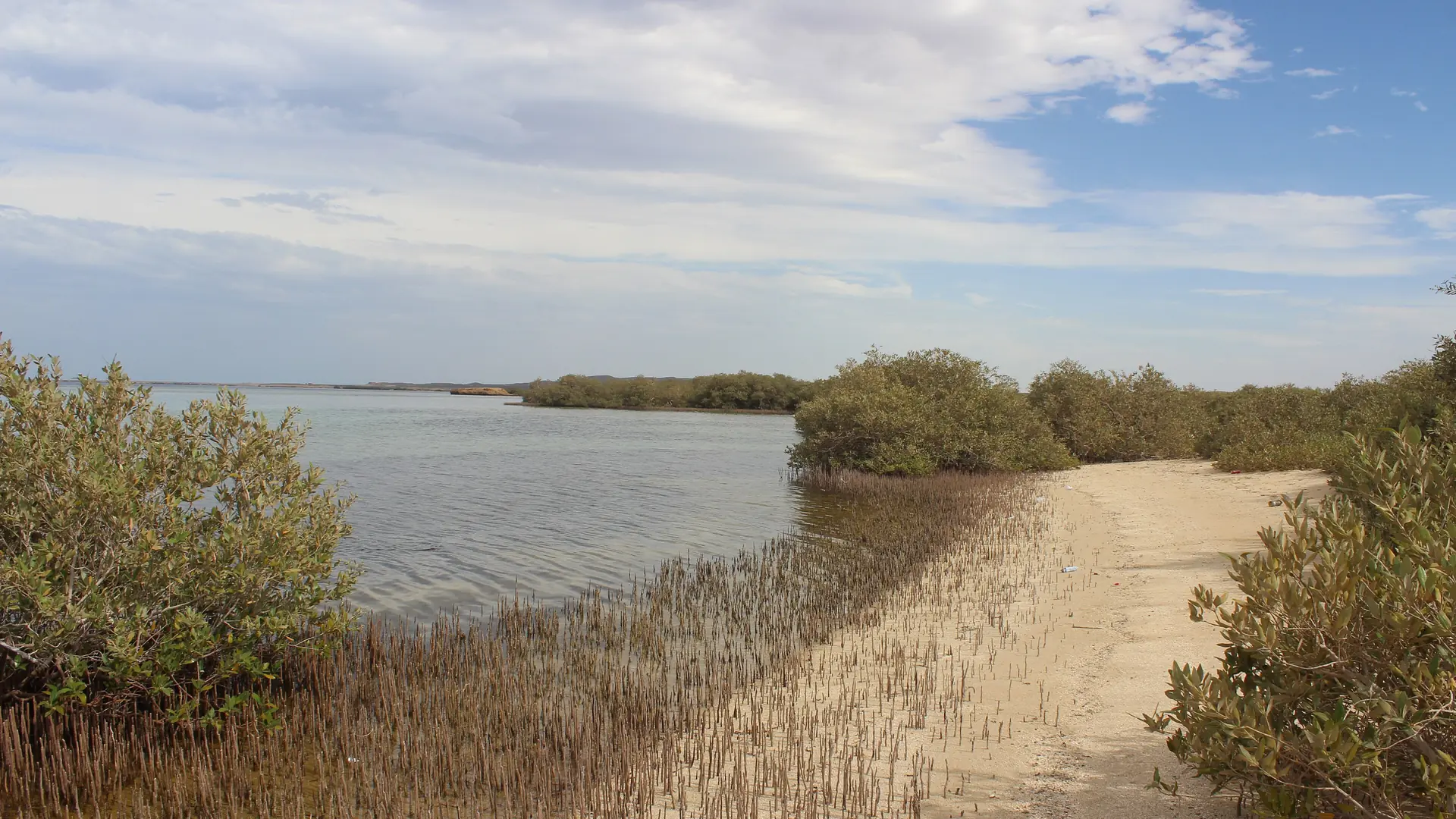
Wadi Lahami is a small southern lodge near Hamata, with offshore reefs and protected mangroves nearby.
| Area | Best for | Features | Getting around |
|---|---|---|---|
| Port Ghalib marina area |
short first visits and marina boats Arrival and dinner are easy to organise on one waterfront. |
less secluded |
Walk the marina; arrange rides to other bays |
| Abu Dabbab Bay |
sandy entry and planned snorkelling A beach-focused stay reduces repeated transport to the bay. |
day visitors |
Beach-focused stay; book return excursion pickup |
| Marsa Shagra and Marsa Nakari coast |
several shore-reef sessions A house reef turns water time into the daily default. |
operator-led routine |
Shagra and Nakari require different transfer bookings |
| Wadi Lahami and Hamata coast |
Fury Shoals and a remote trip The distant reef programme justifies the remote base. |
long road approach |
Long airport approach, then operator-arranged boats |
The cheapest room can lose its value if every swim needs a vehicle; the most photogenic reef can fail a family that needs easy sand entry. Decide the water routine first, then compare beds.
Marina dining and an airport-side position support a brief coast stop.
AlternativeFor a longer dive holiday, move the priority from marina dining to shore access.
A sandy bay puts the beach ahead of a complicated offshore programme.
AlternativeA resort pool helps companions who prefer to leave snorkelling to the keen swimmers.
Shore entry keeps the holiday centred on the camp rather than daily road pickups.
AlternativePick the marina when separate daytime plans and restaurant choice matter equally.
Fury Shoals supplies the destination focus for a sustained far-south holiday.
AlternativeNakari is the less distant southern option for a shore reef and park excursions.
The search covers the wider Marsa Alam destination, including stays outside the recommended marina. Check each result on the map before booking Port Ghalib, a bay or a dive village.
Start with the flight code and the property entrance. RMF is north of Marsa Alam town, and the coast hotels extend well beyond both. A transfer to a named village is a useful booking; a ride to “Marsa Alam” leaves too much undecided.
The aviation ministry places RMF about 70 kilometres north of Marsa Alam town. Port Ghalib is much closer to the airport. Compare the final resort journey as well as the flight fare: a cheap arrival at Hurghada can be poor value once you add a longer drive, particularly with tired children or a late landing.
The operator gives roughly 30 minutes from RMF to Shagra and about an hour to Nakari; these are driving estimates, before baggage collection and waiting. Lahami is farther south again, listed around 180 kilometres from the airport. Supply the village name, flight number, arrival date and accommodation contact together.
For a camp arrival, ask whether dinner will still be available and when the room booking begins. Some overnight flights land early in the morning, so a nominal arrival date may hide an extra accommodation or day-use charge. Leave that day for settling in rather than attaching a prepaid offshore outing to a punctual flight.
The four areas in this guide are connected by road, not by a single walkable seafront. Book the return pickup when leaving your resort for another bay. Put lunch and an unhurried afternoon into a beach excursion; moving to a new hotel for every attraction adds packing and check-in without necessarily improving the experience.
At Shagra and Nakari the shore entry makes short sessions practical, with meals and a rest back at camp. An offshore trip adds loading, boat travel and the operator’s departure schedule. Keep a boat day for the site you actually want, rather than buying one simply because it looks more ambitious than staying on shore.
Ask the organiser to distinguish Ras Hankorab beach, a mangrove visit around Qulaan or Hamata, and an inland desert route. These are different parts of the protected landscape. A daylight outing with one main stop and lunch is a better holiday plan than a long list of compulsory photo stops; allow the return drive before dinner.
Abu Dabbab’s basic facilities include shade, showers, toilets and changing rooms. Lunch, drinks and activities depend on the chosen package. Its operator recommends advance booking because daily admission is limited. Save the dated ticket and bring the matching ID; a booking in the wrong age or residency category can need an extra payment.
At Shagra, listed boat or minibus extras are additional to a diving day or house-reef package, and certain site fees are separate. Have the centre price your actual programme, including equipment and guiding where needed. A low “boat extra” is misleading if you have not also bought the underlying diving product.
The environmental agency’s Wadi el-Gemal visitor leaflet sets daylight visiting hours and requires ranger permission for camping or night visits. It is an older document, so have your licensed organiser confirm the current route and permissions. An advertised desert dinner does not by itself establish authorisation to stay overnight in the park.
Shagra lists an accessible chalet, which is a useful accommodation option to investigate. It does not establish that every sandy path, zodiac or water entry suits every mobility need. Request current measurements and photos of the complete room-to-water route, then decide whether a beach chair, assistance or a land-only day is appropriate.
Lahami outings use boats, while the village also offers a sandy lagoon setting. Tell the centre about balance, stamina and assistance needs before choosing an offshore programme. For someone who cannot manage a boat ladder, a pleasant shore stay may be more useful than paying for an excursion they cannot comfortably board.
Choose dates by both water comfort and time on land. Then compare the room, food, airport journey and activities as separate costs. A calm beach holiday can be reasonably simple; a specialist diving week needs a more detailed booking.
Winter is a reasonable choice for outdoor lunches and gentle coastal days, but it is not a summer swimming holiday. PADI describes water around 22°C, while the climate record shows wind throughout the year. Bring a layer for time out of the water and ask the dive centre about suitable thermal protection. Long, exposed boat sessions will feel different from sitting in sheltered sun.
Spring offers a good starting point when you want both snorkelling and a park outing. The sea warms while land temperatures are below their midsummer peak. Make one substantial excursion and keep ordinary beach time around it; a week does not need a new paid outing every morning. A suitable bay and current local advice still matter more than choosing a month from a weather table.
Warm sea appeals to divers who dislike winter chill, but the land portion is demanding. Choose cooling you can actually use in the accommodation, particularly when comparing a tent with a chalet. Put an exposed walk early in the day and return for lunch, shade and rest. The afternoon need not become a second excursion just because the itinerary has an empty space.
Autumn belongs on the shortlist for travellers who want reef time and a less punishing land schedule than midsummer. PADI includes September–November among its preferred diving periods. That seasonal pattern is not a forecast for a particular boat departure: leave an alternate day for your main outing, and let the local centre select a site suited to the actual conditions.
For November 2026, Shagra’s published foreign/non-resident tariff lists a shared Royal Tent at €89 per person nightly, with full board and specified drinks. Seven nights for two are €1,246. Add €20 for the two mandatory environmental fees and €128 for return RMF transfers at the two-person rate: €1,394 before flights, visas, activities and payment fees. This is one operator’s tariff, not a coast-wide average.
On that tariff, a shared Deluxe Chalet is €122 per person nightly: €1,708 for two over seven nights, or €1,856 with the same environmental fees and RMF transfers. January and February are the operator’s lower season, unlike March and April. Use the selected dates and room category when comparing a package; a price headed “double” still applies to each person, not to the whole room.
For two certified divers using their own equipment, the November tariff adds €347 each for a five-day house-reef package and €7 each for chamber support. Add €708 to the accommodation-and-transfer example: €2,102 with the Royal Tent or €2,564 with the Deluxe Chalet. Flights, visas, insurance, rental, excursions and payment fees remain extra. A package covers access, not permission to dive beyond your training or comfort.
For a resort or marina hotel, compare the final two-person room price with meals and the return airport ride included on the same basis. At Abu Dabbab, outside food and drinks are restricted and refreshments depend on the ticket type, so a basic entrance pass is not an all-inclusive day. Keep flights, insurance and your actual entry requirements outside these land-cost examples unless a tour operator expressly bundles them.
Yes. Choose the holiday around shore swimming, a comfortable beach and meals you enjoy rather than paying for a specialist dive programme. Abu Dabbab offers an organised beach visit, while Port Ghalib adds waterfront dining. Confident snorkellers can investigate a house reef, but reef access is not the same as shallow paddling and anyone entering the water needs suitable supervision.
Not automatically. Red Sea Diving Safari lists accommodation with meals separately from diving packages, equipment and excursions. A tour-operator voucher may bundle them, but the inclusion must appear on your booking. Compare two quotes only after identifying the room category, occupancy, nights, transfers and actual water activities in each.
Yes. Shagra publishes separate single-occupancy rates, and its airport transfer is priced by the number travelling. For the November tariff, a Royal Tent is €113 per person nightly in single occupancy, compared with €89 when sharing. The one-person RMF transfer rate is also higher per person. Price your actual party rather than dividing a couple’s example in half.
The operator’s current beach-ticket terms allow cancellation with at least 24 hours’ notice before the scheduled check-in date. No-shows are not refunded, and cancellation must be confirmed in writing. Accommodation, boat tours and experiences can have different rules. Keep the confirmation for your particular product rather than assuming one beach-ticket policy covers every booking.
The operator describes a sandy lagoon, kitesurfing and birdwatching around the protected mangroves. These offer different ways to enjoy the setting, but they do not make Lahami a town with a broad sightseeing circuit. Ask about lessons or guided activities separately; someone mainly wanting shops and restaurant variety is better matched to the marina.
A centre should match activities to each diver rather than sell identical excursions by default. Shagra offers shore-reef diving and courses, while demanding offshore sites require another assessment. Agree how you will spend the days together if one person is training: separate water sessions followed by shared meals may work better than forcing both onto the same boat.
Reviewed by StartBooker
Last reviewed 2026-10-10
Updated
Editorial method: Reviewed airport geography, named beach and dive operators, seasonal conditions and protected-area guidance, with independent travel coverage for cross-checking. Operator tariffs illustrate specific occupancy and dates; wildlife encounters and daily conditions are not guaranteed.
16 sources reviewed